You know some trucks only reveal their true character after years of ownership. At first they seem clever or stylish, then the quirks, costs, and compromises slowly surface. These ten pickups are the kind you or other owners did not fully understand until long after the first test drive, when real-world use exposed what the brochures never mentioned.
Volkswagen Caddy (Rabbit Pickup)
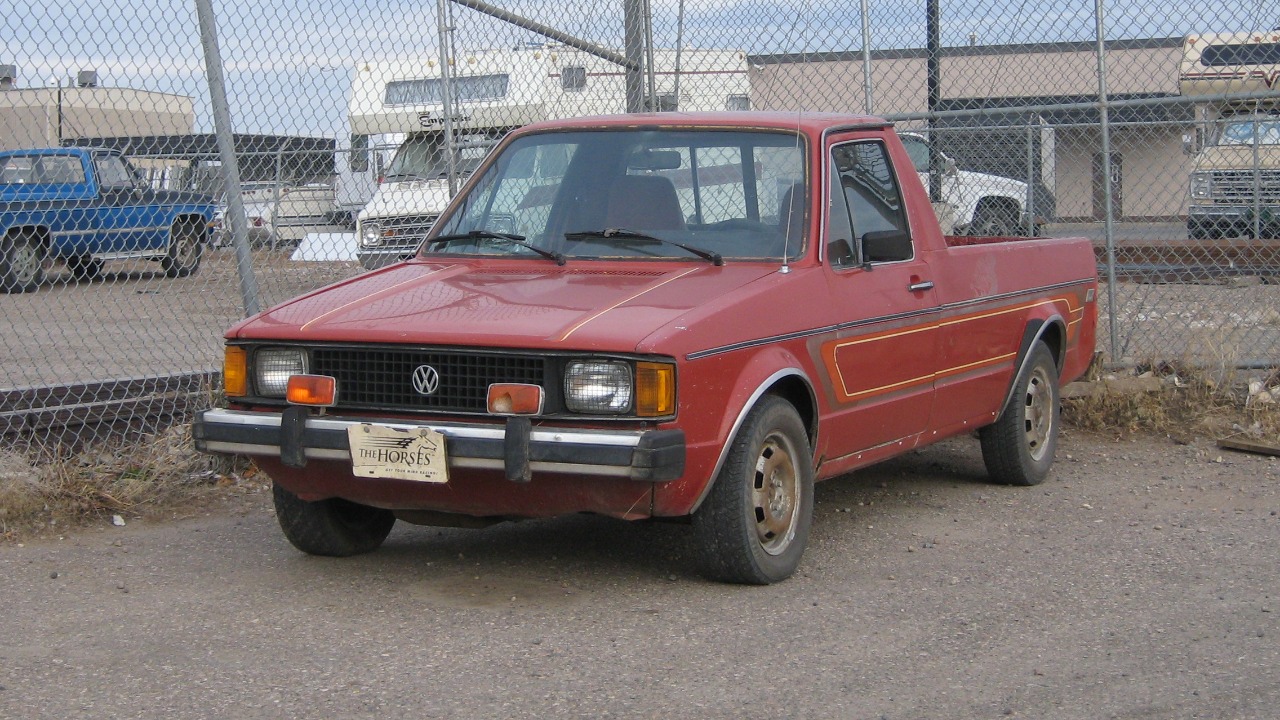
The Volkswagen Caddy, based on the White 1984 Volkswagen Rabbit GTI, looked like the perfect answer if you wanted car-like manners with a small bed. On paper, it blended European handling with light truck utility. Owners later learned that this compact size limited payload, towing, and interior space in ways that made it hard to use as a real work truck. You might have loved the fuel economy, yet struggled any time you tried to haul more than a couple of bikes or a light load of lumber.
Over time, many drivers realized the Caddy was closer to a quirky lifestyle accessory than a durable tool. Parts availability and specialized maintenance also became headaches as the truck aged. If you bought one expecting it to replace a half-ton pickup, you probably discovered its strengths were in nimble city driving, not heavy jobs. That mismatch between expectation and reality is why this little Volkswagen still divides truck fans years later.
Chevrolet Corvair Pickup Conversions
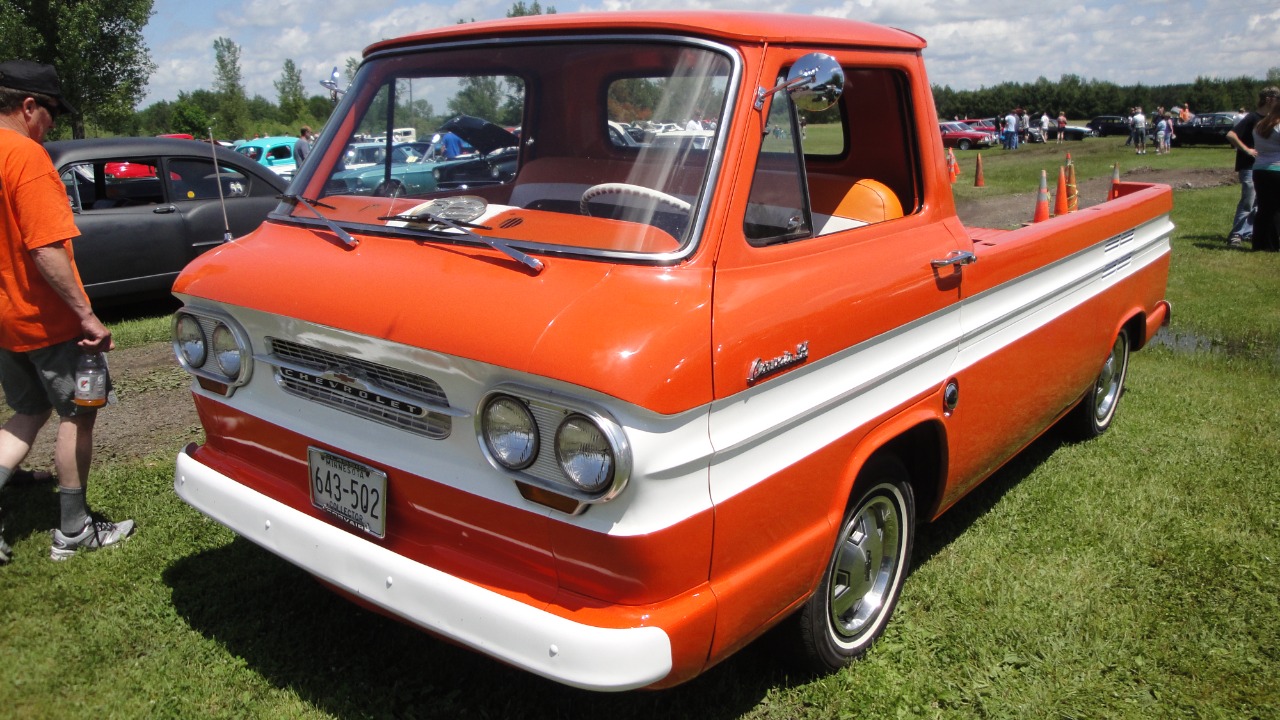
The Chevrolet Corvair is better known as a compact car, but some owners experimented with pickup-style conversions based on the same platform. The original Chevrolet Corvair already carried a reputation for odd handling and controversial engineering. When you added an open bed or work-style body, the weight balance and practicality could become even more complicated. At first, the idea of an air-cooled, rear-engined utility vehicle sounded daring and different.
Living with one, you would have discovered how limited payload and unusual maintenance needs undercut that charm. Owners had to think about cooling, parts sourcing, and body rigidity in ways that normal pickup drivers never faced. These conversions showed how far enthusiasts would go to make a unique truck, but they also taught hard lessons about pushing a platform beyond its original design. Years later, many drivers look back and admit they underestimated how demanding such a project would be.
Subaru Baja
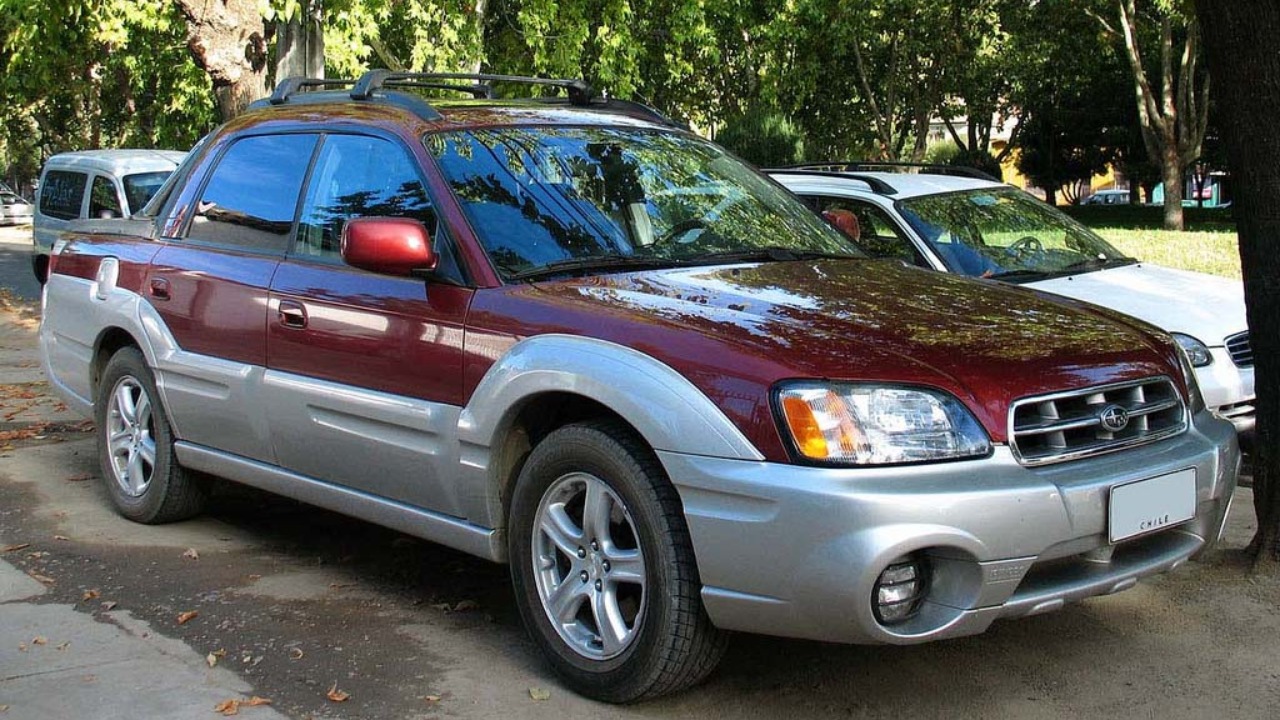
The Subaru Baja tried to mix a wagon and a pickup into one adventurous package. Early buyers loved the idea of car-like comfort with a small bed for bikes or camping gear. Over time, owners learned that the short bed and modest towing capacity limited what the Baja could actually do. In videos that review quirky failed pickups, the Baja often appears as a case study in how bold styling cannot fully replace basic truck utility.
As the years passed, you might have noticed that accessories to expand its usefulness were scarce, and the market for used examples stayed niche. The Baja handled daily driving well, but when you needed to move furniture or tow a trailer, it fell behind more traditional midsize trucks. That slow realization, that you had bought more of a conversation piece than a hard worker, is why many former owners now describe it with equal parts affection and frustration.
Honda Ridgeline (First Generation)

The first-generation Honda Ridgeline promised a unibody frame, car-like ride, and clever touches like an in-bed trunk. At launch, you might have been drawn to its smooth handling and quiet cabin. Over time, some owners realized that the same unibody structure that made it comfortable also limited certain heavy-duty tasks. In breakdowns of unusual pickup designs, the Ridgeline often appears as a truck that challenged expectations more than it met them.
Years of ownership showed that while it excelled at light hauling, family trips, and bad weather, it did not always satisfy drivers who wanted a traditional body-on-frame workhorse. You may have discovered that aftermarket support for serious off-road or towing upgrades lagged behind rivals. The Ridgeline taught many buyers that understanding how you actually use a truck, not just how it feels on a short test drive, matters far more than clever features alone.
Volkswagen Caddy (Later Generations)
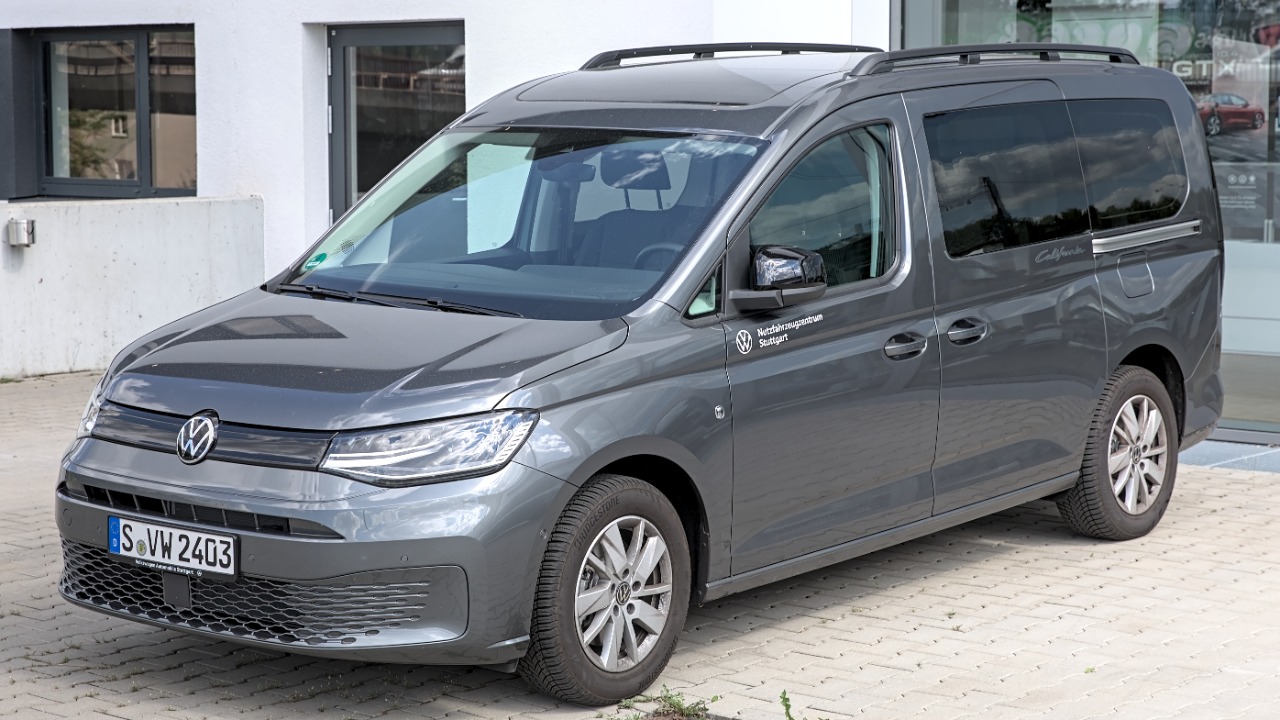
Later generations of the Volkswagen Caddy, especially in pickup-style configurations, tried to refine the original idea of a compact utility vehicle. According to lists of pickup trucks that, the Caddy never fully broke through in the United States. If you bought one expecting a fantastic mid-size SUV alternative with a bed, you likely discovered a vehicle that sat awkwardly between categories. It was not as roomy as a crossover and not as tough as a conventional truck.
Over several years, owners often found themselves compromising on both passenger comfort and hauling ability. The Caddy could shine as a city delivery tool or light-duty runabout, but family road trips or serious towing exposed its limits. That in-between nature made resale values unpredictable and aftermarket support thin. Many drivers only realized long after purchase that they had chosen a niche tool instead of a flexible all-rounder, which changed how they viewed the truck’s long-term value.
Mitsubishi Raider
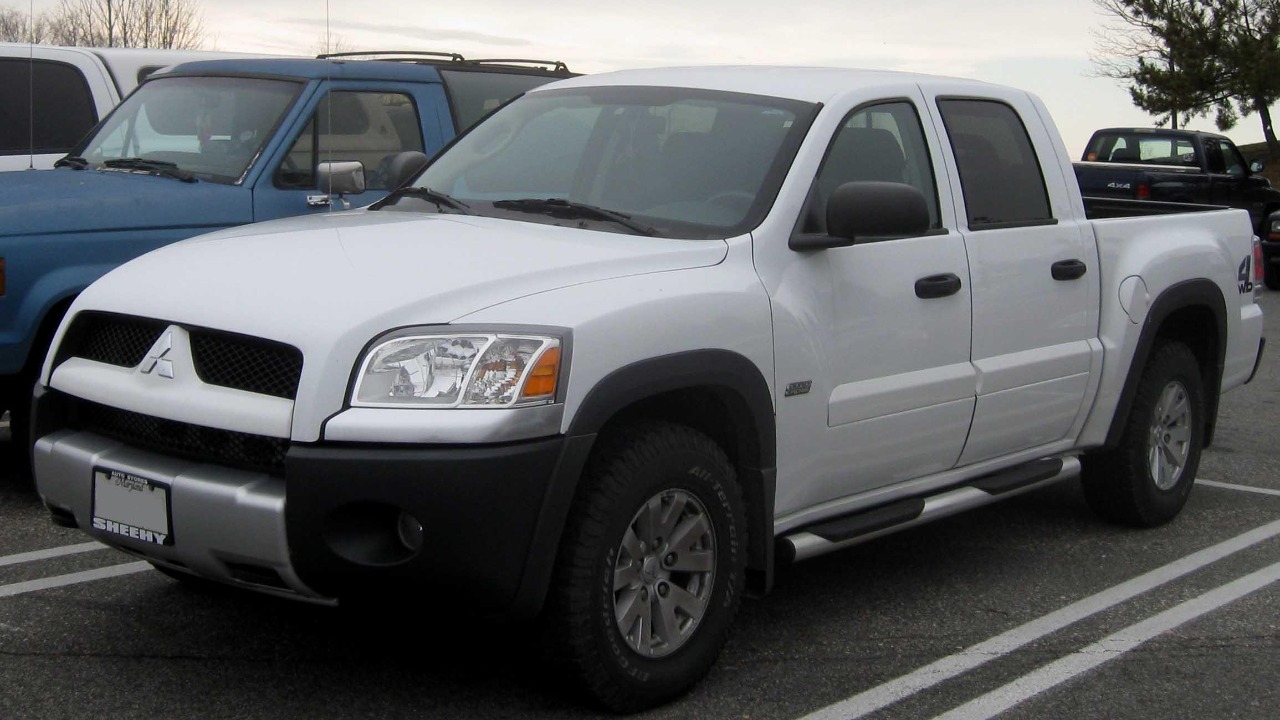
The Mitsubishi Raider, a rebadged version of another midsize truck, looked like a smart way to get a familiar platform with a different badge. When new, you might have been tempted by discounts and a slightly different styling package. Discussions among enthusiasts on forgotten pickup trucks often mention the Raider as a model that faded from memory quickly. Owners later discovered that brand recognition and dealer support matter more than they expected.
As the years went by, resale values lagged behind the mechanically similar truck it was based on, and parts or service could be harder to find. You may have realized that a bargain price up front did not offset weaker long-term support. The Raider showed how a truck can feel fine to drive yet still disappoint when you look at ownership costs, community knowledge, and upgrade options over a decade or more.
Lincoln Blackwood
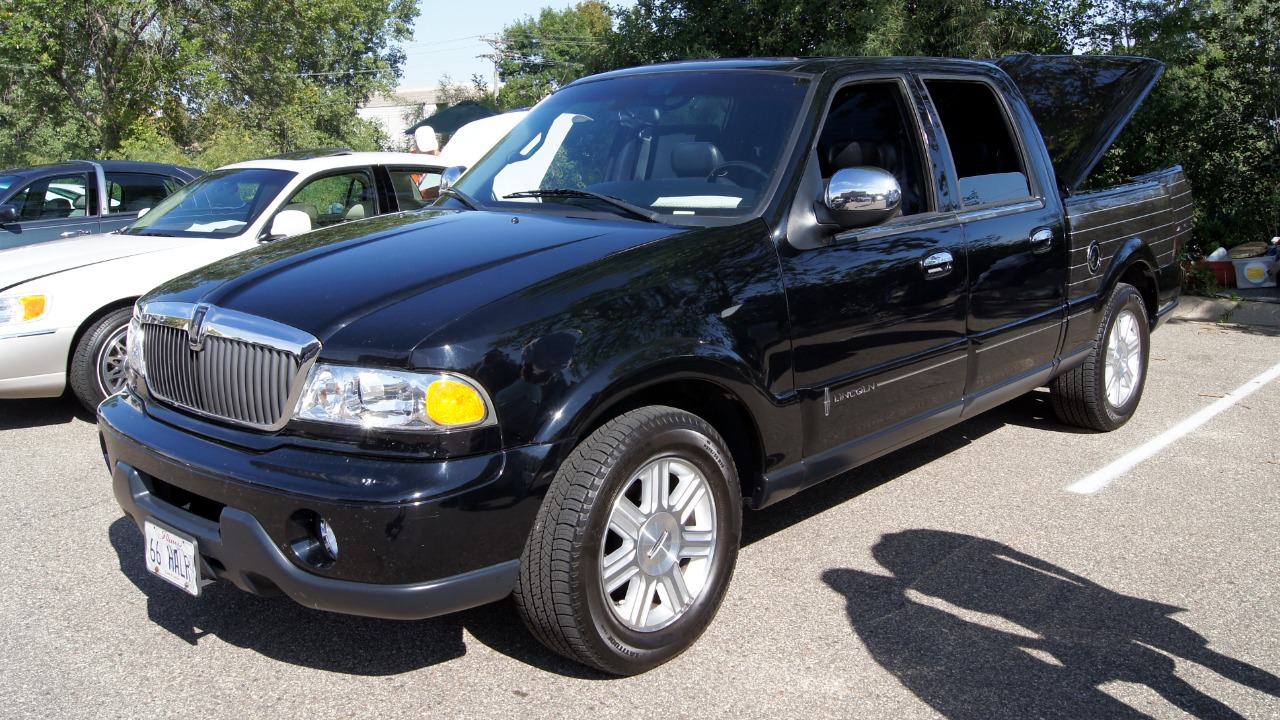
The Lincoln Blackwood aimed to turn a pickup into a pure luxury statement. At first glance, its plush cabin and distinctive bed design made it feel like a status symbol with a tailgate. Over time, owners learned that the bed, lined and covered like a trunk, was not very practical for dirty or bulky cargo. In roundups of most failed pickups, the Blackwood appears as an example of ambition outpacing real-world needs.
If you bought one, you probably enjoyed the comfort and features but struggled whenever you needed to use it like a normal truck. The limited production run and high price also meant parts and specialized repairs could be expensive. Years later, many owners admit they underestimated how often they would want a simple, open bed. The Blackwood became a lesson in how luxury can clash with the basic, messy jobs trucks usually handle.
Chevrolet SSR

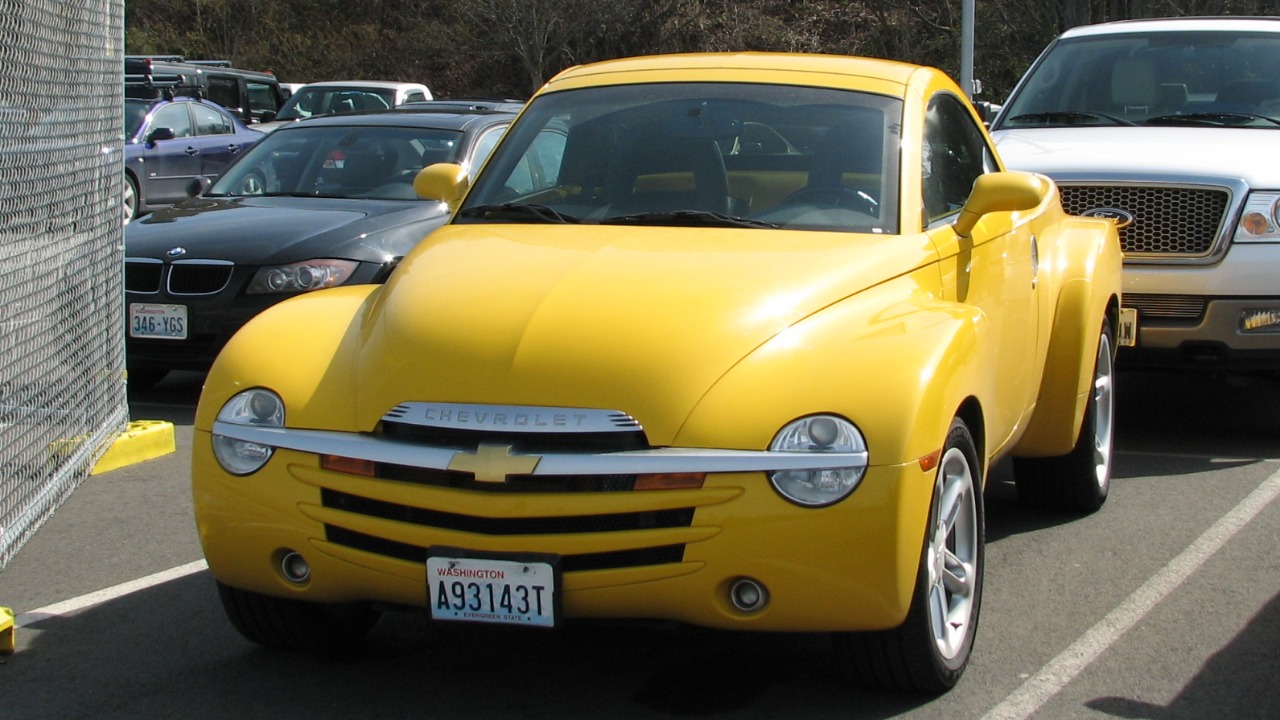
The Chevrolet SSR combined retro styling, a convertible roof, and a short pickup bed. At first, it looked like a fun toy that could still haul a bit of gear. Owners soon realized that the heavy body, limited bed space, and complex roof mechanism made it more of a showpiece than a worker. If you expected a practical truck, the SSR’s weight and layout probably came as a surprise once fuel bills and maintenance stacked up.
Over years of use, the SSR’s unique parts and low production numbers also made repairs more complicated. You might have struggled to find body panels or trim pieces, and insurance costs could be higher than a normal half-ton. The truck taught many buyers that style-driven projects can age quickly when daily needs change. What felt exciting at purchase sometimes turned into a garage queen that you hesitated to use for anything rough.
Dodge Dakota Convertible
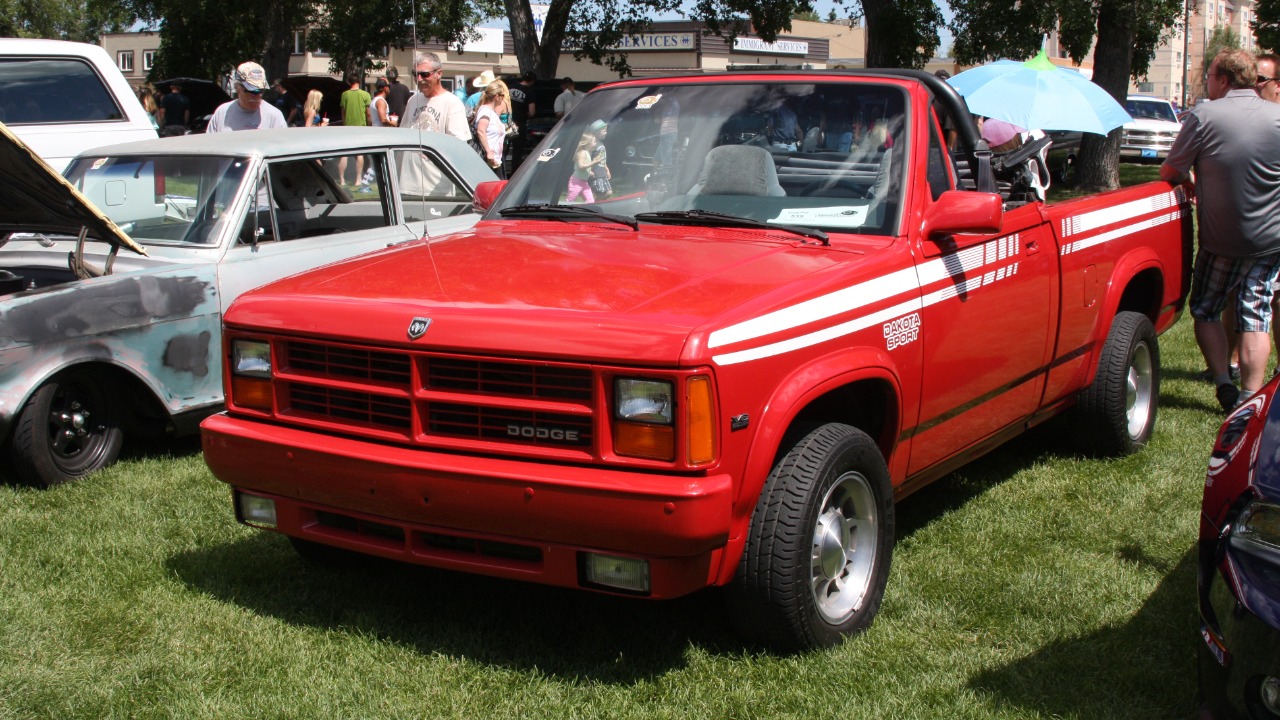
The Dodge Dakota Convertible tried to merge open-air driving with midsize truck practicality. When it was new, you may have loved the idea of dropping the top while still having a usable bed. Over time, owners discovered that the soft top added noise, leaks, and wear issues that regular Dakotas did not face. Weather sealing and security became ongoing concerns, especially as the fabric aged and hardware loosened.
Living with the truck for several years often meant chasing wind noise, fixing latches, and worrying about theft whenever you parked outside. The novelty of a convertible pickup faded as maintenance demands grew. Many drivers later admitted they underestimated how much they relied on a solid roof for both comfort and peace of mind. The Dakota Convertible stands as a reminder that mixing two fun ideas can create more compromises than you expect.
Ford Explorer Sport Trac
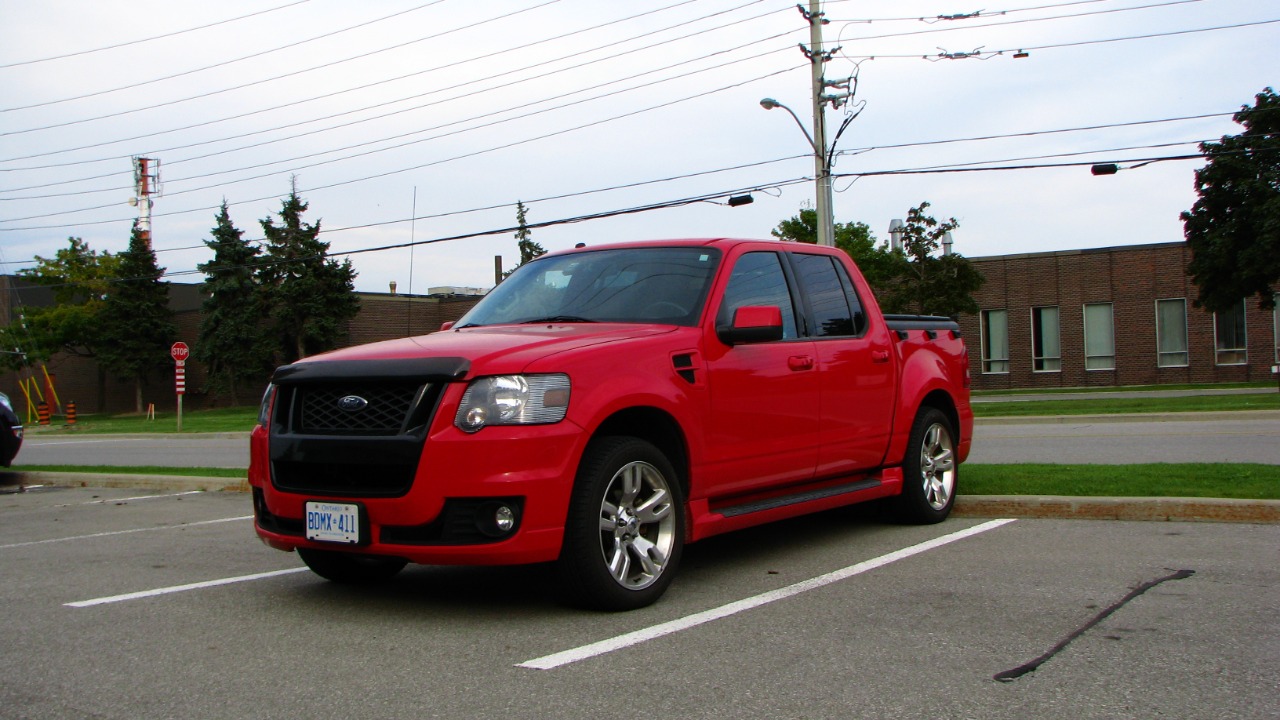
The Ford Explorer Sport Trac took a popular SUV and added a small bed, promising the best of both worlds. At first, you might have seen it as the perfect family vehicle that could still handle weekend projects. Over the years, owners realized that the short bed limited cargo options, while the SUV-based design did not match the towing or payload of body-on-frame pickups. It sat in a gray area that confused both buyers and aftermarket suppliers.
As time went on, you may have found that accessories, bed extenders, and specialized parts were less common than for standard trucks. Fuel economy was not dramatically better either, which undercut one of its selling points. Many Sport Trac owners eventually concluded that a traditional pickup or a full SUV would have served them better. That slow shift in perspective is exactly how a truck moves from clever idea to misunderstood purchase years down the road.
More from Fast Lane Only