As trucks have become increasingly complex, packed with advanced technology and countless features, some models continue to remind owners that simplicity still has value. Straightforward engineering, durable components, and practical designs often result in trucks that are easy to maintain, dependable, and satisfying to own. These pickups earned loyal followings not through complexity but by proving that a simple approach can remain highly effective for years.
Toyota Pickup (1984–1988)
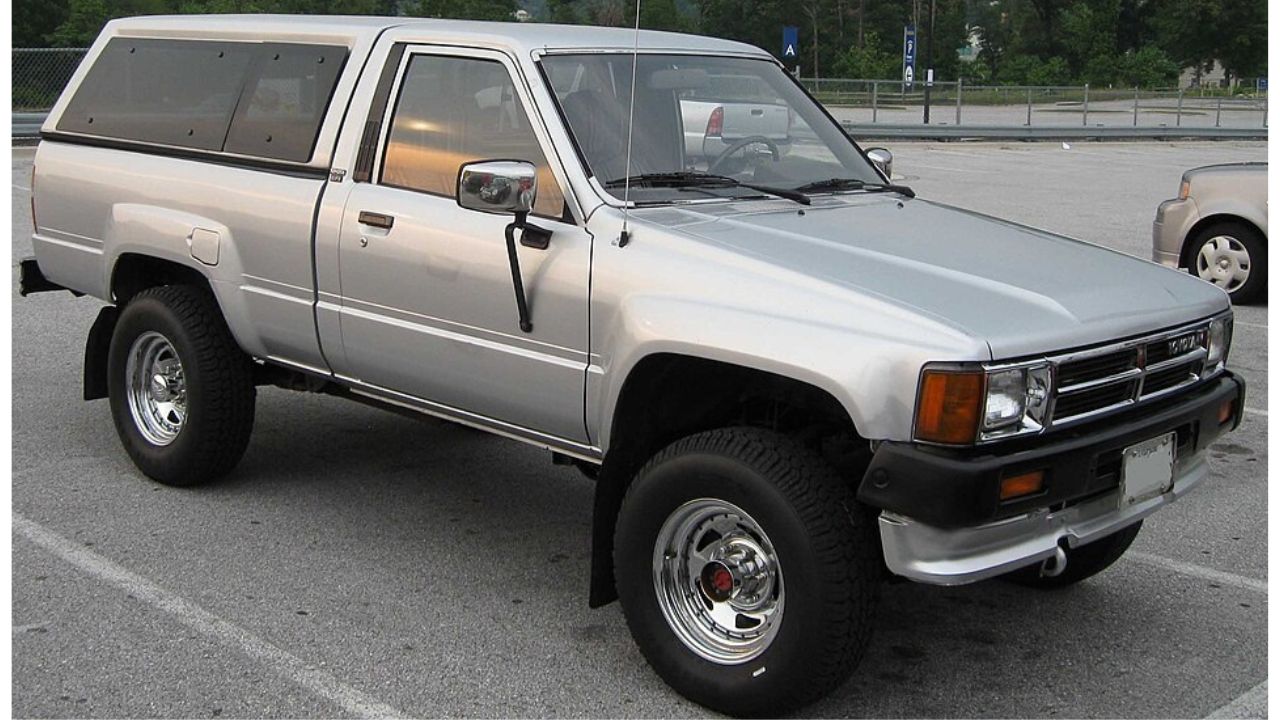
The Toyota Pickup built its reputation on durability rather than sophistication. Its straightforward mechanical design allowed owners to perform basic maintenance with relative ease, while its rugged construction helped it withstand years of demanding use. Many examples accumulated impressive mileage in harsh environments around the world. Owners appreciated knowing what to expect every time they turned the key. Decades later, the truck remains respected because its simple formula consistently delivered dependable performance without unnecessary complication.
Ford Ranger (1998–2011)

The Ford Ranger became a favorite among owners who wanted practical utility without excessive size or complexity. Its proven engines, manageable dimensions, and straightforward design made it easy to live with and maintain. Whether used for commuting, light hauling, or weekend projects, the Ranger handled everyday tasks effectively. Many owners kept theirs for years because it simply continued working. The truck demonstrated that reliability and usefulness often matter more than advanced features.
Chevrolet S-10

The Chevrolet S-10 succeeded by focusing on the fundamentals of truck ownership. It offered useful cargo capacity, dependable mechanical components, and affordable operating costs. Owners appreciated its compact dimensions, which made it easier to drive and park than larger pickups. While it lacked the latest technology, it excelled at performing daily tasks without complaint. That practical nature helped the S-10 earn a loyal following among drivers who valued function over unnecessary complexity.
Nissan Hardbody
Duke of Gnarlington – All rights reserved
/ flickr
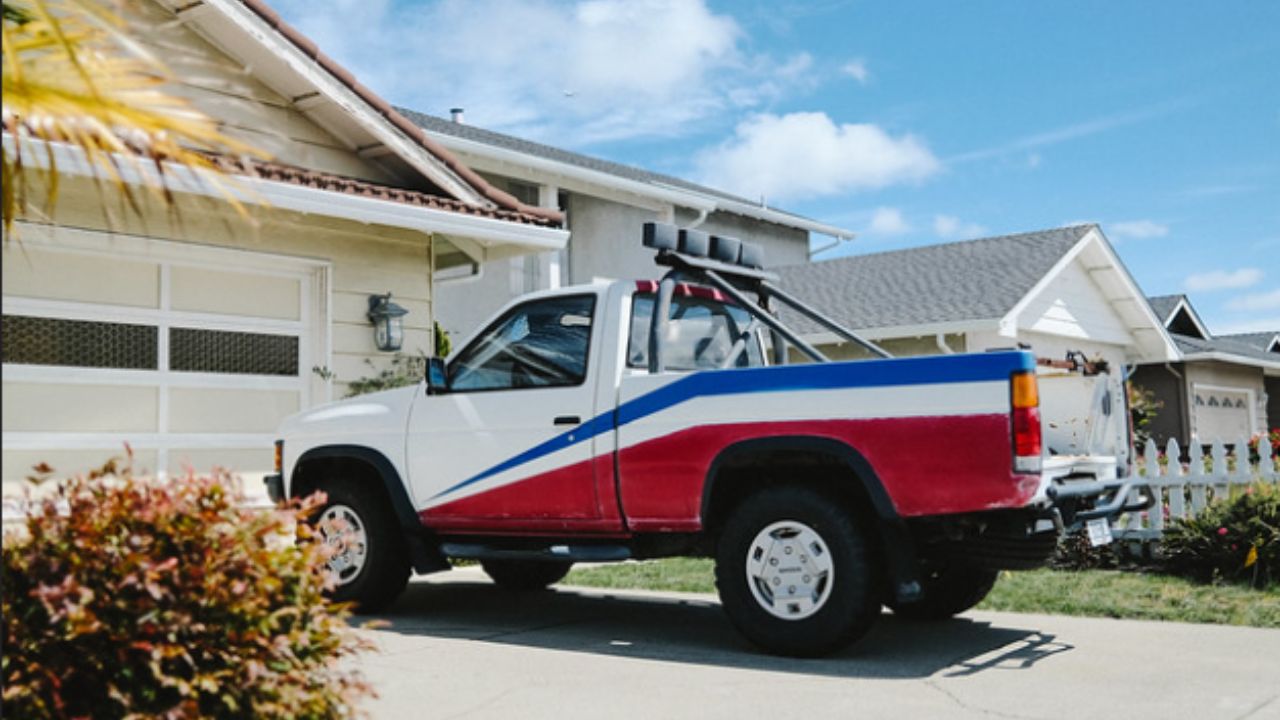
The Nissan Hardbody became known for its toughness and straightforward construction. Owners trusted it to handle demanding workloads, rough roads, and years of regular use. Its durable design required little explanation and even less attention beyond routine maintenance. Many examples remained in service long after newer trucks had come and gone. The Hardbody proved that reliability, simplicity, and honest engineering could create a lasting reputation that enthusiasts continue to admire.
Mazda B-Series
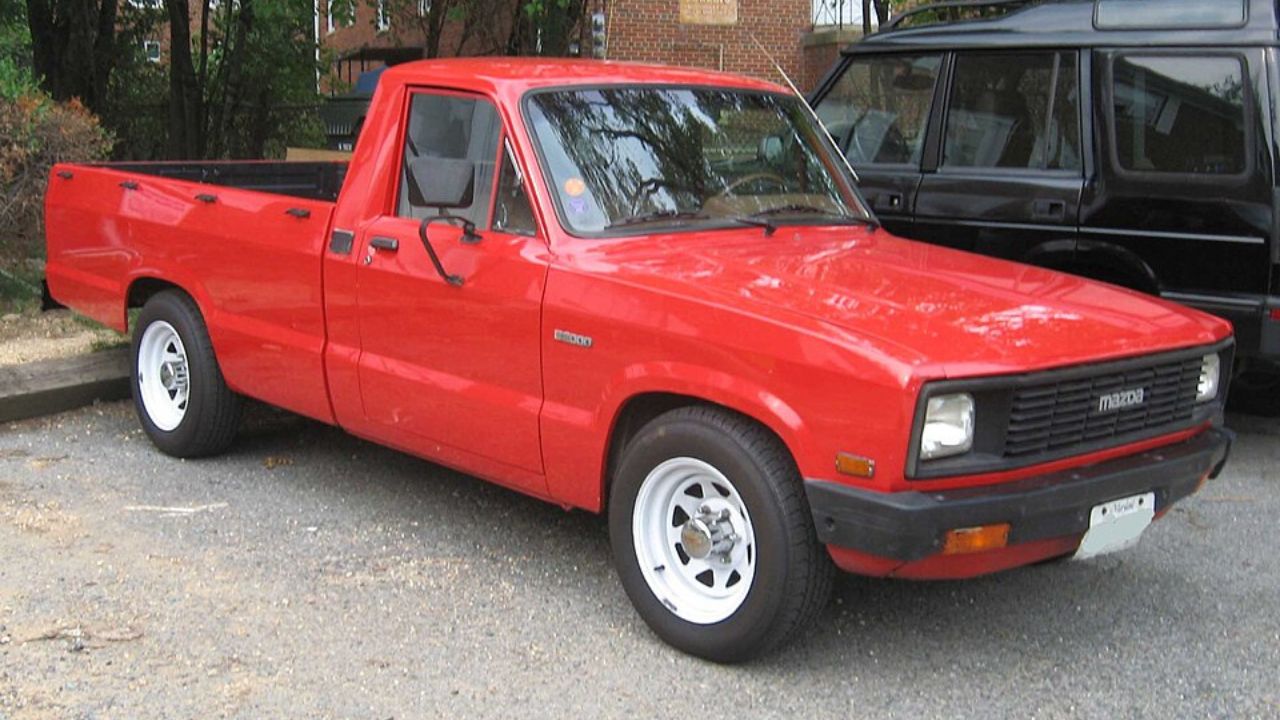
The Mazda B-Series earned respect by delivering dependable truck capability in an uncomplicated package. Owners appreciated its ease of maintenance and practical approach to transportation. It handled work duties, daily commuting, and recreational activities without requiring excessive attention or expense. While more advanced trucks often attracted headlines, the B-Series quietly served owners year after year. Its success demonstrated that straightforward engineering and dependable performance remain valuable qualities in any pickup.
Dodge Dakota
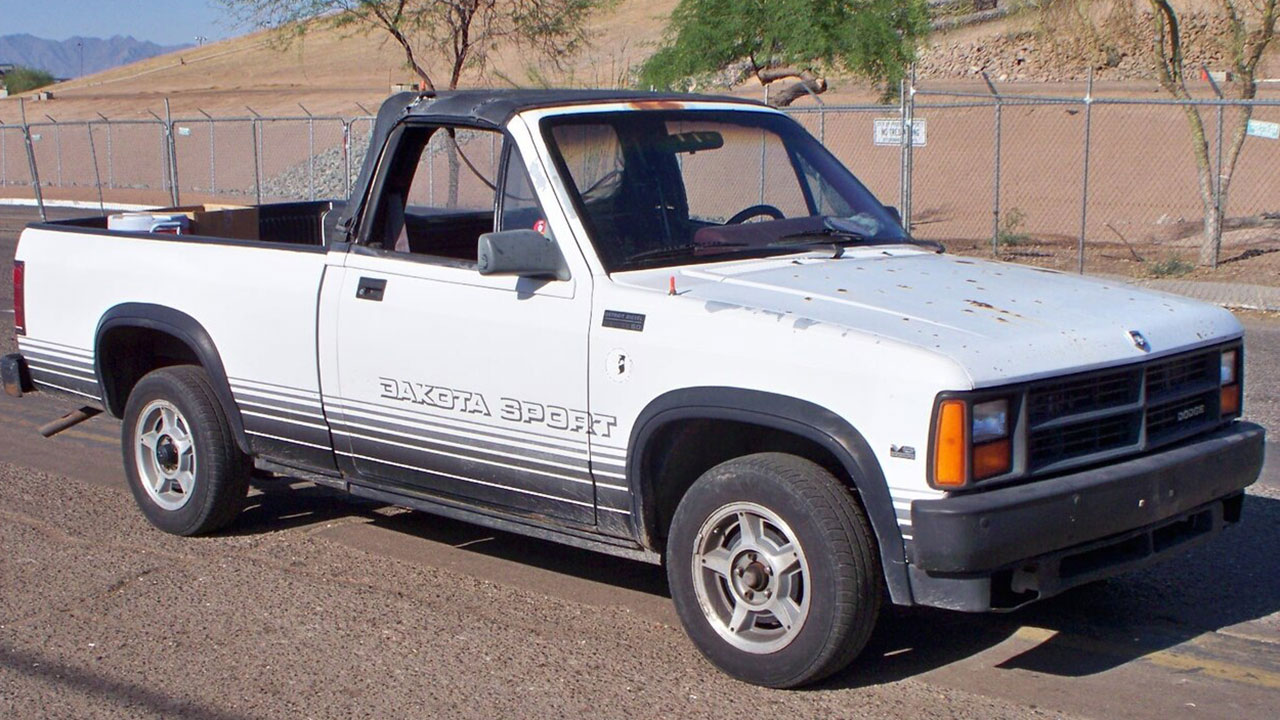
The Dodge Dakota found success by offering meaningful capability without becoming overly large or complicated. Its midsize dimensions struck a balance that appealed to many owners. Available V8 power added versatility while retaining a relatively simple ownership experience. Drivers appreciated having enough capability for towing and hauling without the challenges associated with larger trucks. The Dakota showed that practical solutions often work better than pursuing maximum size or increasingly complex features.
Isuzu Hombre
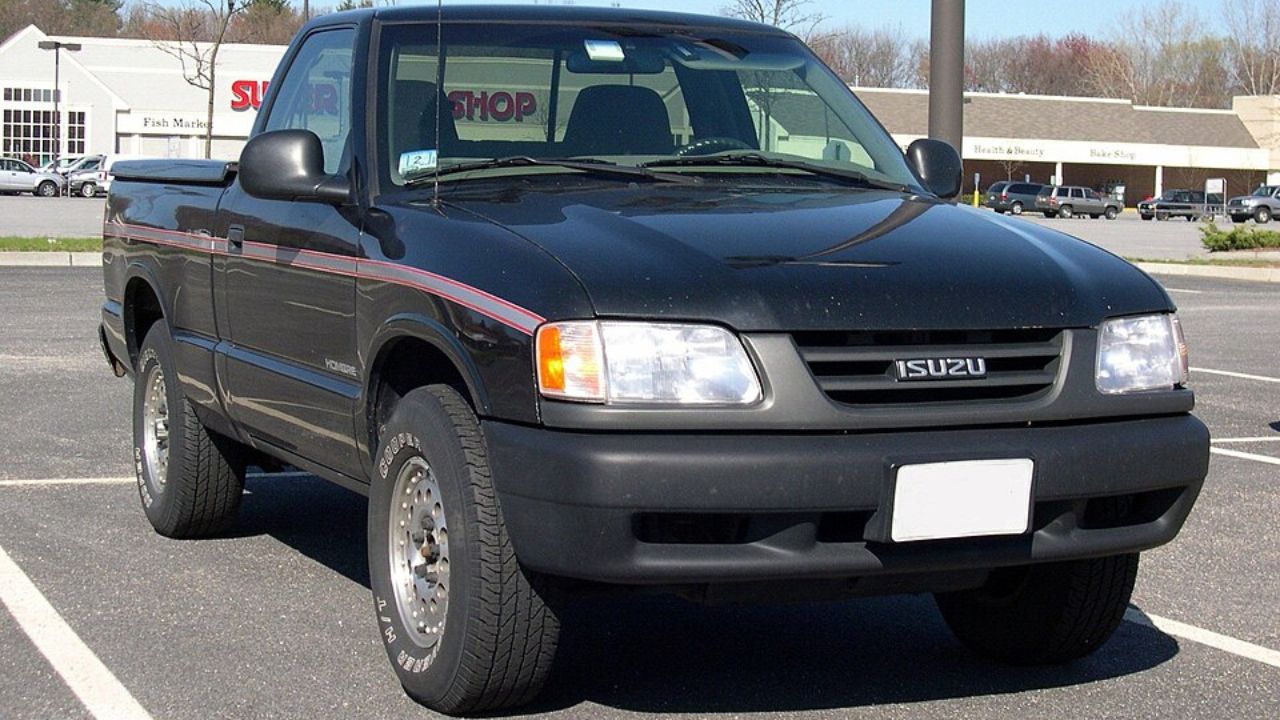
The Isuzu Hombre rarely received much attention, but owners often valued its dependable and uncomplicated nature. Built to perform everyday truck duties without unnecessary distractions, it focused on utility and affordability. Its simple design made maintenance straightforward, while its compact size suited a variety of uses. Many owners appreciated that it fulfilled its purpose effectively without trying to be something it wasn’t. That honesty remains part of its appeal today.
Toyota T100
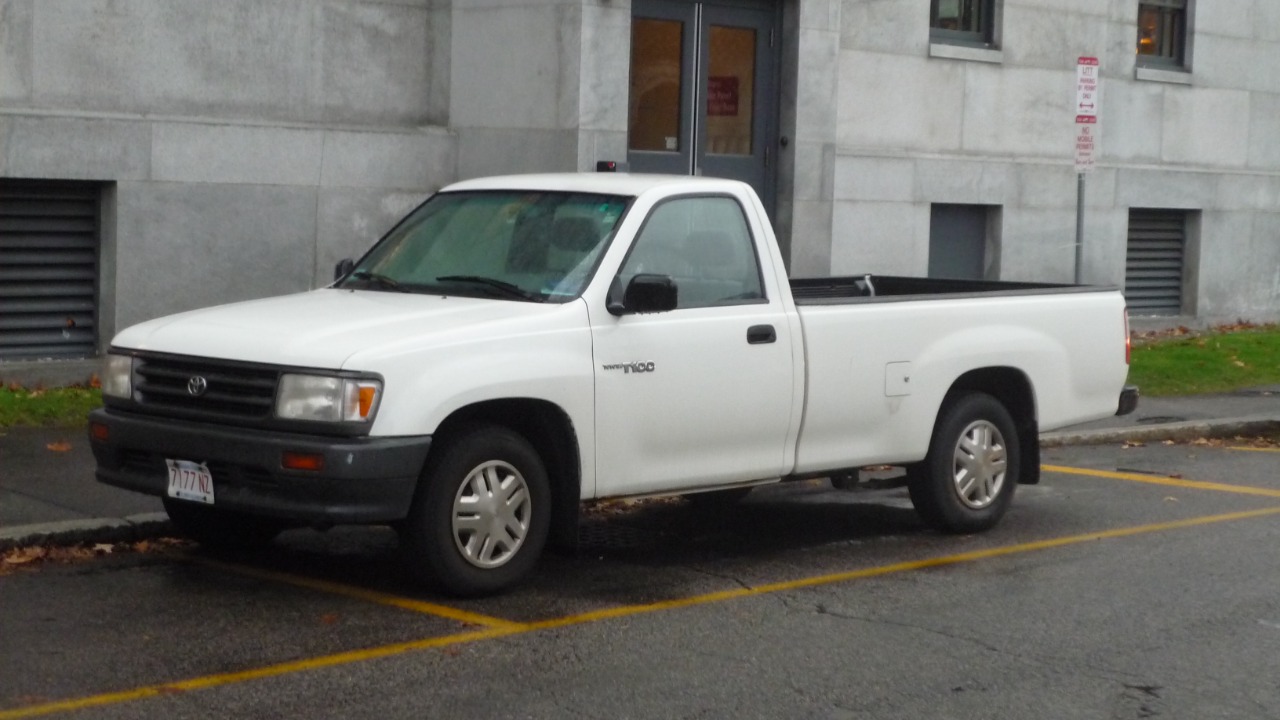
The Toyota T100 entered a competitive segment without relying on massive size or flashy features. Instead, it emphasized durability, comfort, and long-term reliability. Owners often discovered that its straightforward approach met their needs exceptionally well. The truck’s proven engineering allowed many examples to remain on the road for years with relatively few issues. By focusing on quality rather than complexity, the T100 demonstrated that simplicity can still deliver lasting value.
GMC Canyon (First Generation)
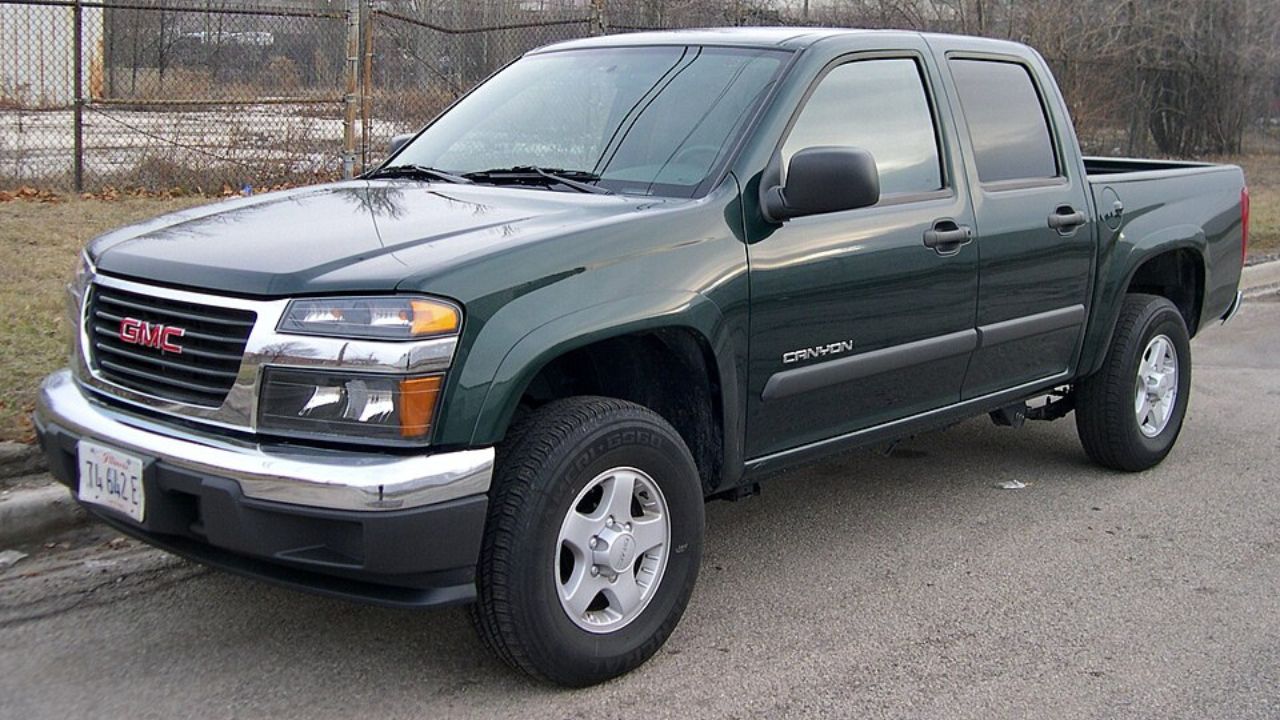
The first-generation GMC Canyon provided practical capability without overwhelming owners with unnecessary technology. Its manageable dimensions, useful cargo capacity, and straightforward operation made it easy to incorporate into everyday life. Owners frequently appreciated its balance between utility and convenience. While larger trucks continued growing in size and complexity, the Canyon remained focused on accomplishing real-world tasks efficiently. Its enduring appeal highlights the advantages of keeping things simple.
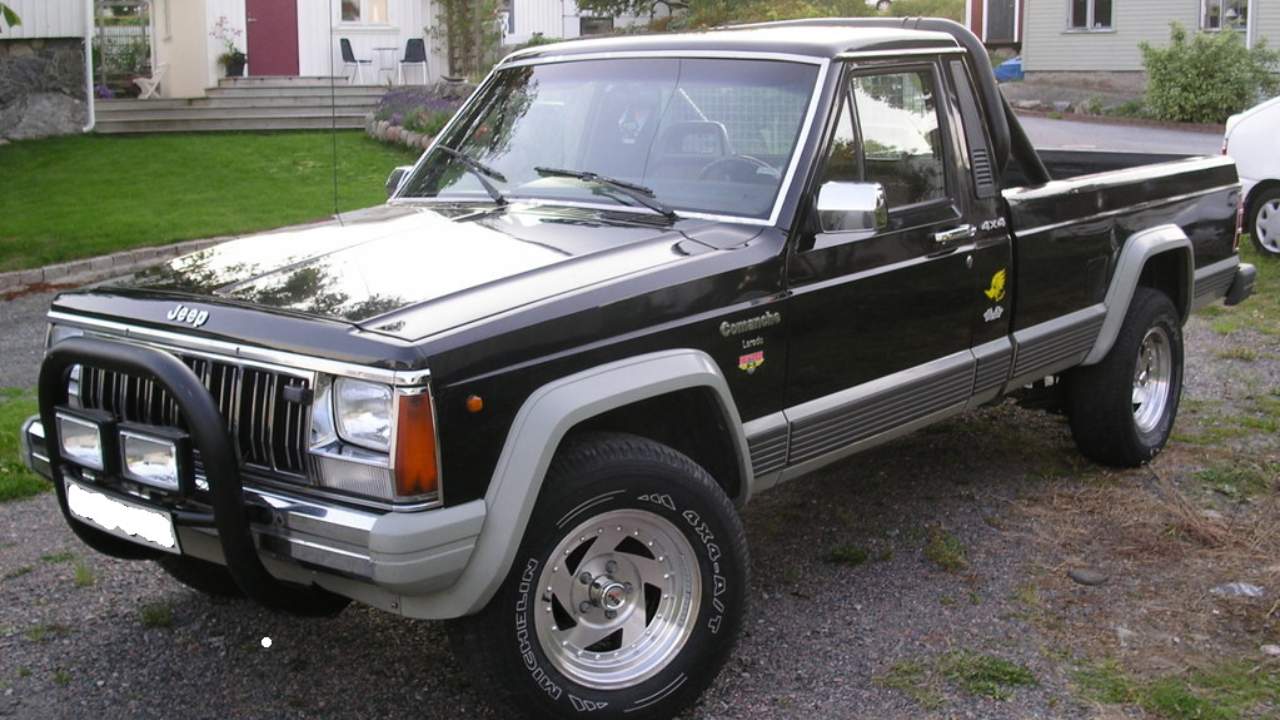
Jeep Comanche
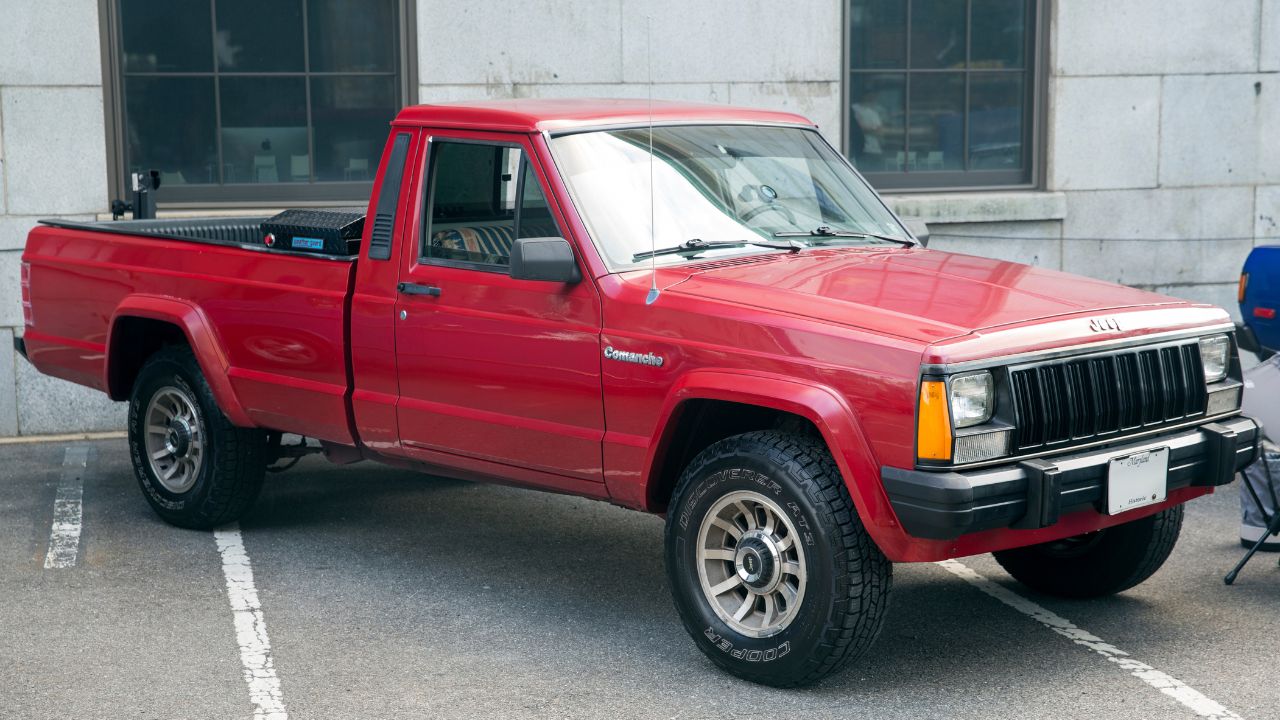
The Jeep Comanche combined pickup-truck practicality with the rugged character of the Jeep brand. Its durable construction and uncomplicated design helped it earn a devoted following. Owners appreciated its ability to handle work responsibilities and off-road adventures without requiring sophisticated systems or excessive maintenance. Even decades after production ended, enthusiasts continue preserving Comanches because of their simplicity and capability. The truck remains a reminder that effective engineering does not always require complexity.
More from Fast Lane Only
- Unboxing the WWII Jeep in a Crate
- 15 rare Chevys collectors are quietly buying
- 10 underrated V8s still worth hunting down
- Police notice this before you even roll window down
*Research for this article included AI assistance, with all final content reviewed by human editors