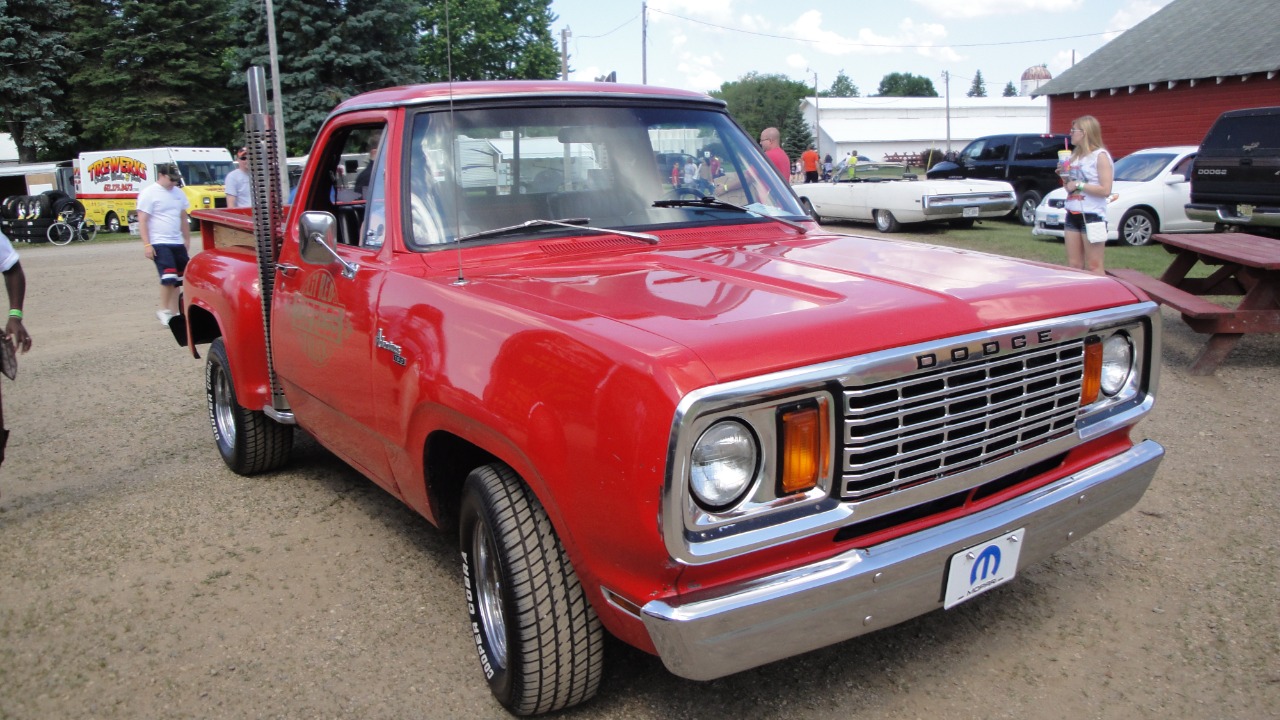
The 1978 Dodge Lil Red Express is often overlooked in the annals of automotive history, but this unique pickup truck defied expectations by outperforming many contemporaneous muscle cars. With a blend of innovative engineering and a powerful V8 engine, the Lil Red Express carved a niche for itself in the world of performance vehicles.
The Muscle Car Era: A Brief Overview
The golden age of muscle cars, spanning the 1960s and early 1970s, was characterized by high-powered engines and aggressive styling. Iconic models like the Ford Mustang, Chevrolet Camaro, and Pontiac GTO dominated the streets and racetracks, embodying the spirit of American automotive performance. However, by the mid-1970s, the landscape began to shift dramatically. Stringent emissions regulations and an oil crisis forced manufacturers to re-evaluate their approaches to performance vehicle production. As a result, traditional muscle cars faced decline, leading many enthusiasts to seek alternative performance options.
In this transformative period, the rise of alternative performance vehicles, particularly trucks, began to gather momentum. Consumers were looking for versatility and utility without sacrificing the thrill of driving. The Dodge Lil Red Express emerged as a standout example, uniquely combining the practicality of a truck with the performance characteristics reminiscent of the muscle cars of yesteryear.
The Emergence of the Lil Red Express
The Dodge Lil Red Express was introduced as part of Dodge’s 1978 lineup, responding to the shifting market demands for performance vehicles. Designed to capture the attention of both truck enthusiasts and muscle car fans, the Lil Red Express featured a bold aesthetic that was distinct from typical pickups of its time. With its eye-catching red paint, dual exhaust stacks, and sporty trim, it was a vehicle that turned heads in a way that few trucks ever had.
What set the Lil Red Express apart was not just its striking appearance but also its performance capabilities. Dodge strategically positioned it as a performance truck, appealing to a demographic that wanted speed, style, and utility all in one package. The decision to equip it with a powerful V8 engine was a bold move that would pay off, allowing the Lil Red Express to claim its place in automotive history.
Engine Power and Performance Specs
At the heart of the Lil Red Express was the formidable 360 cubic inch (5.9L) V8 engine. This powerhouse produced a remarkable 225 horsepower and 340 lb-ft of torque, making it one of the most capable trucks of its era. In comparison, many contemporary muscle cars were struggling to meet the same power outputs due to the aforementioned emissions regulations and design limitations. For instance, the 1978 Chevrolet Camaro could muster only around 185 horsepower with its base engine, making the Lil Red Express a surprising contender on the performance front.
The dual exhaust system was a crucial element that enhanced both the engine’s performance and its distinctive sound. By allowing for better exhaust flow, the system not only improved acceleration but also provided a throaty growl that appealed to enthusiasts. This engineering choice helped the Lil Red Express stand out in a time when many vehicles were being muted by regulatory compliance. The combination of power and sound made it a favorite among drivers who craved the visceral experience of performance driving.
Lightweight Design and Aerodynamics
Another significant factor contributing to the Lil Red Express’s impressive performance was its lightweight design. Weighing in at approximately 3,500 pounds, it was lighter than many of its contemporaneous muscle car counterparts. This reduction in weight had a direct impact on acceleration and overall speed, allowing the truck to achieve exhilarating performance figures that would challenge traditional muscle cars.
Aerodynamic features also played a role in enhancing the Lil Red Express’s capabilities. While it maintained the rugged styling of a pickup, certain design elements were optimized to reduce drag. The truck’s angular shape and lower ride height helped it slice through the air more efficiently, improving its top speed and fuel efficiency—a rare combination for a vehicle in this class. When compared to muscle cars of the same era, the Lil Red Express often boasted a more favorable weight-to-power ratio, further underscoring its performance credentials.
Innovative Features of the Lil Red Express
The significance of the Lil Red Express extended beyond its engine and performance specs; it also introduced several innovative features that enhanced its appeal. The truck’s unique styling was a standout aspect, with its bright red exterior and eye-catching dual exhaust stacks giving it a sporty, aggressive look. This design element not only served an aesthetic purpose but also indicated the truck’s high-performance intent, setting it apart from more utilitarian pickups on the market.
Another notable aspect was the design of the truck bed. Unlike typical pickups, which prioritized function over form, the Lil Red Express featured a bed that was both practical and visually appealing. It was designed to accommodate the needs of everyday use while still emphasizing the truck’s performance characteristics. Additionally, performance-oriented features like the dual exhaust stacks not only contributed to the truck’s sound but also enhanced its overall performance, making it a well-rounded vehicle for enthusiasts.
Performance on the Road: Real-World Testing
When it came to real-world performance, the Lil Red Express did not disappoint. Accounts from both owners and automotive journalists revealed that the truck could achieve quarter-mile times that rivaled many muscle cars of its time. Reports indicated that it could complete the quarter-mile in approximately 14.7 seconds, a figure that placed it among the fastest vehicles produced in America for 1978. This performance was particularly notable given that many traditional muscle cars were struggling to meet similar benchmarks due to power restrictions and weight issues.
Furthermore, anecdotes from owners highlighted the truck’s capabilities on the open road, where it excelled at both acceleration and handling. Many drivers noted that the Lil Red Express offered a blend of power and practicality that was hard to find in other vehicles, making it a favorite for daily driving as well as weekend escapades. The truck’s performance was a testament to Dodge’s innovative engineering during a challenging time in the automotive industry.
The Lil Red Express’ Place in Automotive History
The Dodge Lil Red Express has earned recognition as one of the fastest vehicles produced in America for 1978. Its legacy is significant, as it paved the way for the modern muscle truck segment, proving that pickups could deliver exhilarating performance without sacrificing utility. The combination of innovative engineering, powerful performance, and striking design has secured its place in the hearts of automotive enthusiasts.
As the years have passed, the influence of the Lil Red Express can be seen in contemporary performance trucks that continue to push the boundaries of what pickups can achieve. Its success helped to inspire future models, including the more recent iterations of performance-oriented trucks that blend speed and practicality, such as the Ram 1500 TRX. The Lil Red Express’ impact on automotive history is a testament to its forward-thinking design and engineering.
Collectibility and Cultural Impact
Today, the Dodge Lil Red Express is regarded as a collectible classic, with its rarity and performance credentials making it a sought-after vehicle among enthusiasts. The current market value for well-maintained models can reach impressive figures, reflecting its status as a unique piece of automotive history. Collectors appreciate not only its performance but also its distinct styling and the nostalgia it evokes for the golden age of American muscle.
The truck has also made appearances in popular culture, featuring in automotive events and social media platforms. For instance, it has been showcased in various classic car shows and has gained a following on platforms like Instagram, where enthusiasts share their passion for this iconic vehicle. The nostalgia factor plays a significant role in its popularity, resonating with those who remember the excitement of the muscle car era and the evolution of performance vehicles.
More from Fast Lane Only