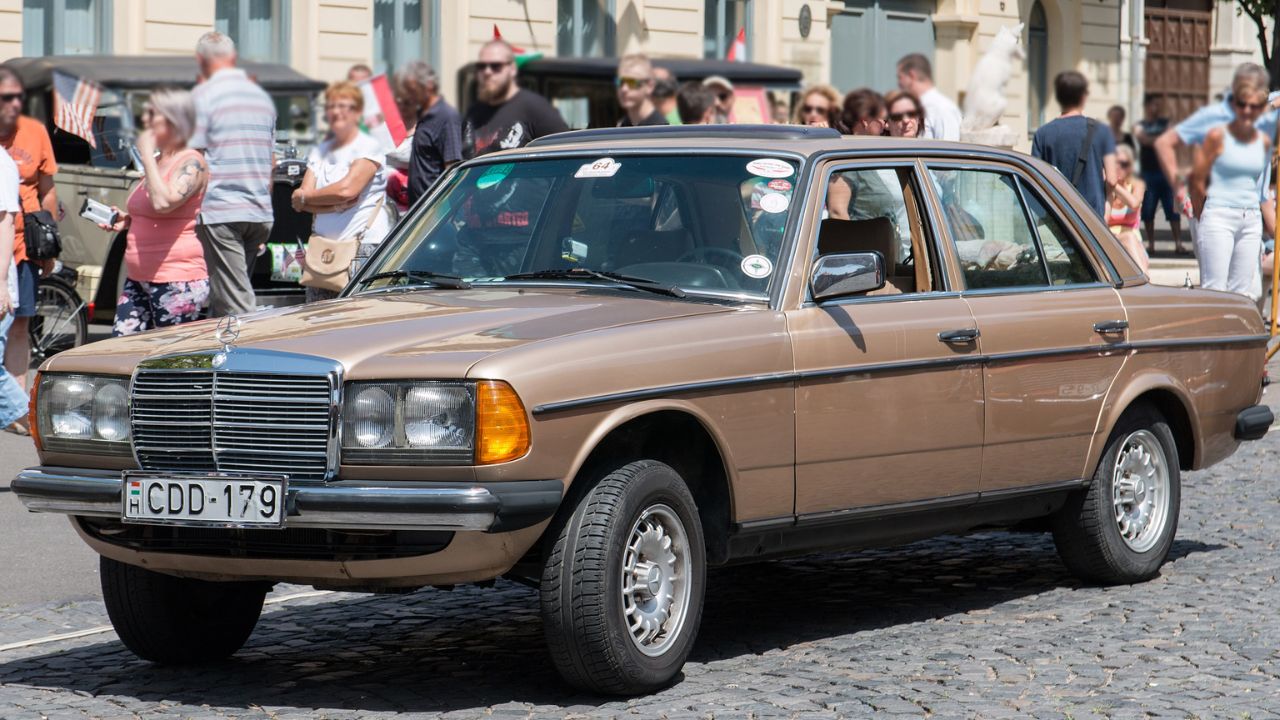
Depreciation has become a powerful force reshaping the upscale car market, turning once aspirational models into cautionary tales. As late-model luxury vehicles shed value at unprecedented rates, they are rewriting expectations for both status-conscious buyers and investors who once treated premium badges as safe stores of wealth.
Lucid Air
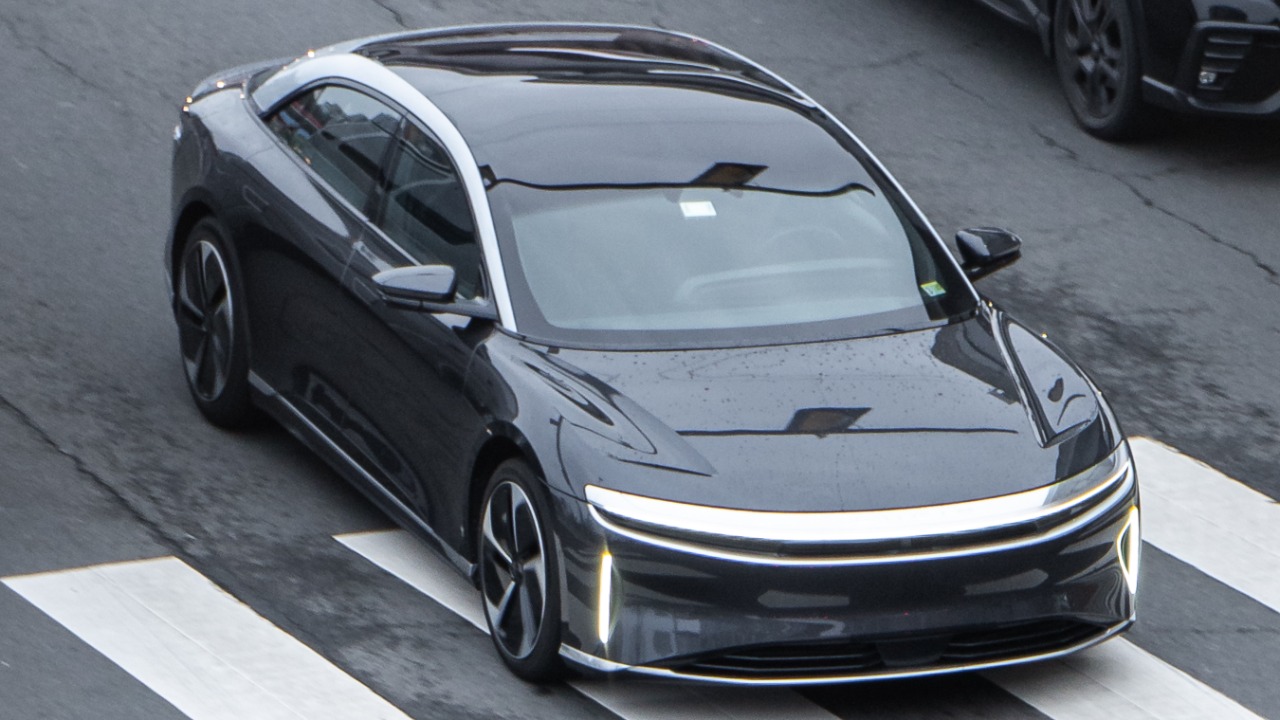
The Lucid Air has rapidly become a symbol of how fragile luxury electric vehicle values can be. One detailed ranking of resale performance notes that, outside of some Tesla models, no vehicle depreciates more quickly than the Lucid Air, describing how it underperforms its rivals by a large margin. That assessment reflects a market struggling to price a high-tech sedan from a relatively new brand, with limited dealer infrastructure and uncertain long-term support.
This steep slide matters because it challenges the assumption that cutting-edge range and performance guarantee strong residuals. For early adopters who paid premium launch prices, the gap between sticker and resale has been punishing. At the same time, the Lucid Air’s fall is reshaping expectations for future luxury EVs, signaling that technology alone cannot offset concerns about brand durability, charging ecosystems, and long-term battery confidence.
Tesla Model S
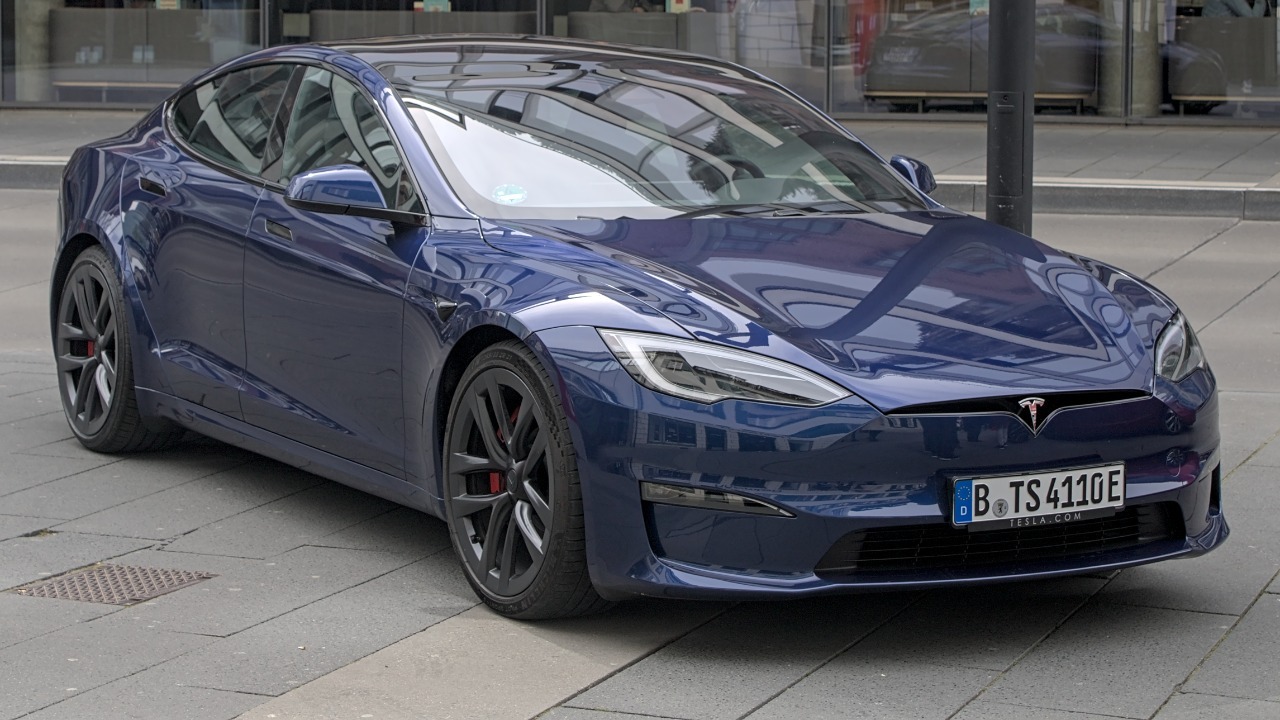
The Tesla Model S, once treated as a near-blue-chip asset in the used market, is now facing sharper value erosion. Reporting on electric vehicles that are losing the most resale value highlights Tesla and other electric models as standouts for rapid depreciation, with analyst Fernando Cervantes Jr tying the trend to shifting incentives and a flood of newer EVs. As 2025 turns into 2026, used car lots are seeing more high-mileage Teslas competing against heavily discounted new inventory.
This pressure is particularly acute for upscale trims of the Model S, where original transaction prices were high and buyers expected long-term prestige. As software updates blur distinctions between model years and rivals launch fresher interiors and driver-assistance suites, older Model S examples are being repriced aggressively. The result is a market where even a pioneering luxury EV can no longer rely on brand cachet alone to preserve value, forcing owners to rethink long holding periods.
Porsche Taycan
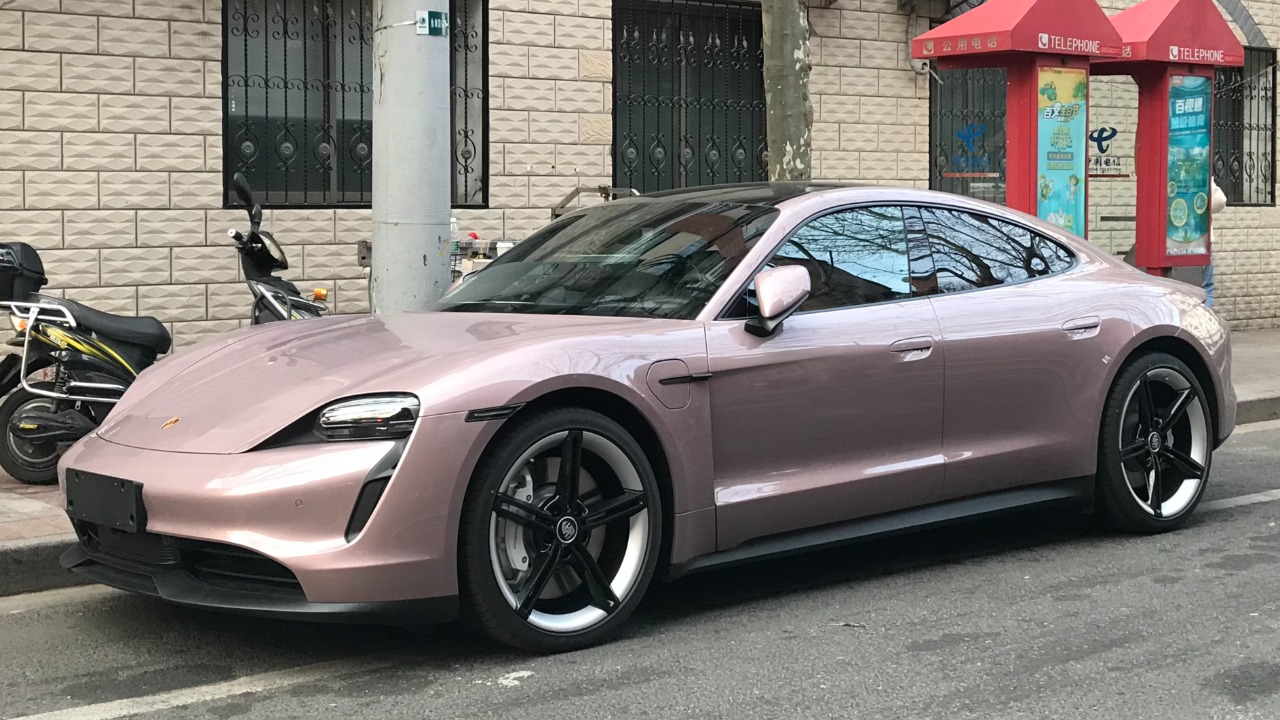
The Porsche Taycan illustrates how even storied performance brands are not immune to brutal depreciation when technology moves quickly. One in-depth analysis notes that today, buyers can find the Porsche Taycan listed for less than half of its original price, with dealers practically begging customers to take cars that were once heavily waitlisted. Commentators now describe it as one of the fastest-depreciating cars in Porsche history, a remarkable reversal for a marque known for strong residuals.
This collapse is reshaping expectations for electric performance sedans across the market. High development costs, rapid battery and charging improvements, and complex options have made early Taycan configurations feel dated sooner than traditional sports cars. For affluent shoppers, the message is clear: even a Porsche badge cannot fully shield a first-generation EV from technological obsolescence, and leasing or shorter ownership cycles may be safer than outright purchase.
Maserati Levante
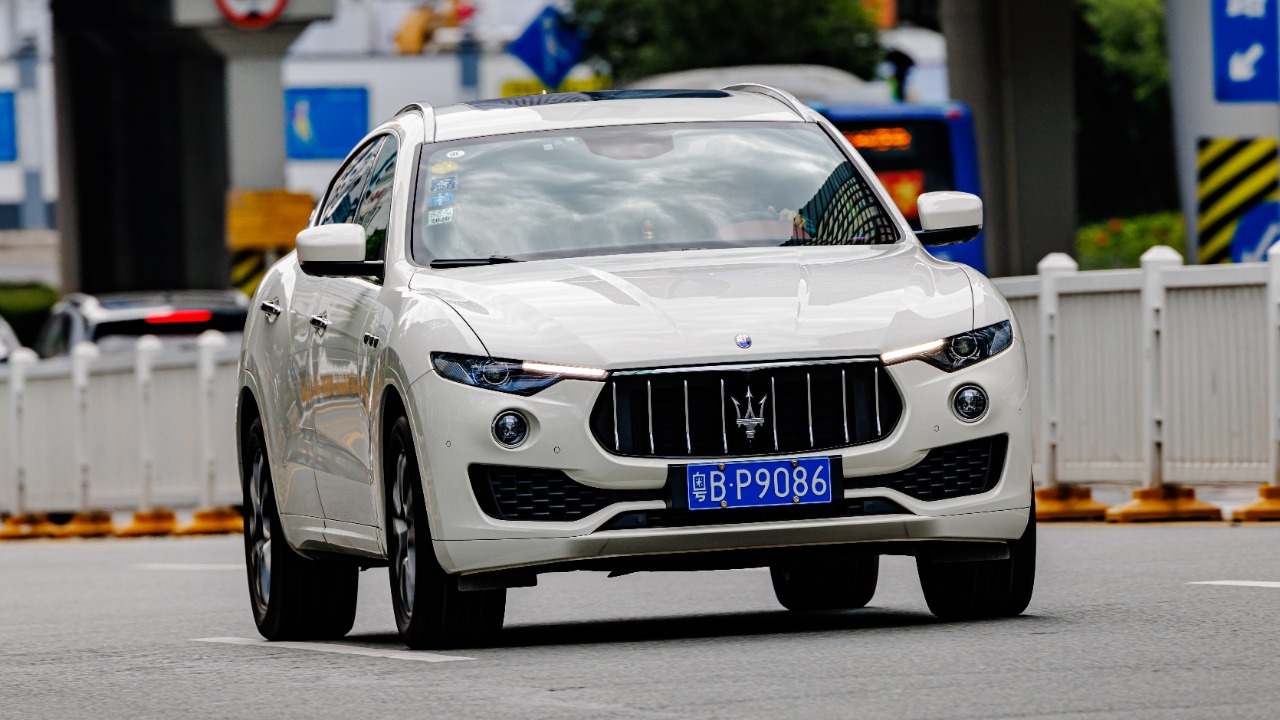
The Maserati Levante has become a case study in how brand mystique can collide with harsh resale math. A detailed depreciation review of luxury SUVs reports that the Maserati Levante suffers a staggering 72% depreciation after three years, placing it among the worst performers in its class. That figure reflects a combination of high initial pricing, limited dealer networks, and concerns about long-term reliability and maintenance costs.
Such a dramatic drop is reshaping how shoppers view Italian luxury SUVs as investments. While the Levante still offers distinctive styling and performance, the prospect of losing nearly three quarters of its value in a short period is forcing buyers to demand steeper discounts or to avoid new purchases altogether. For the broader market, the Levante’s trajectory underscores how quickly fashion-forward models can become financial liabilities when resale demand fails to materialize.
Infiniti QX80
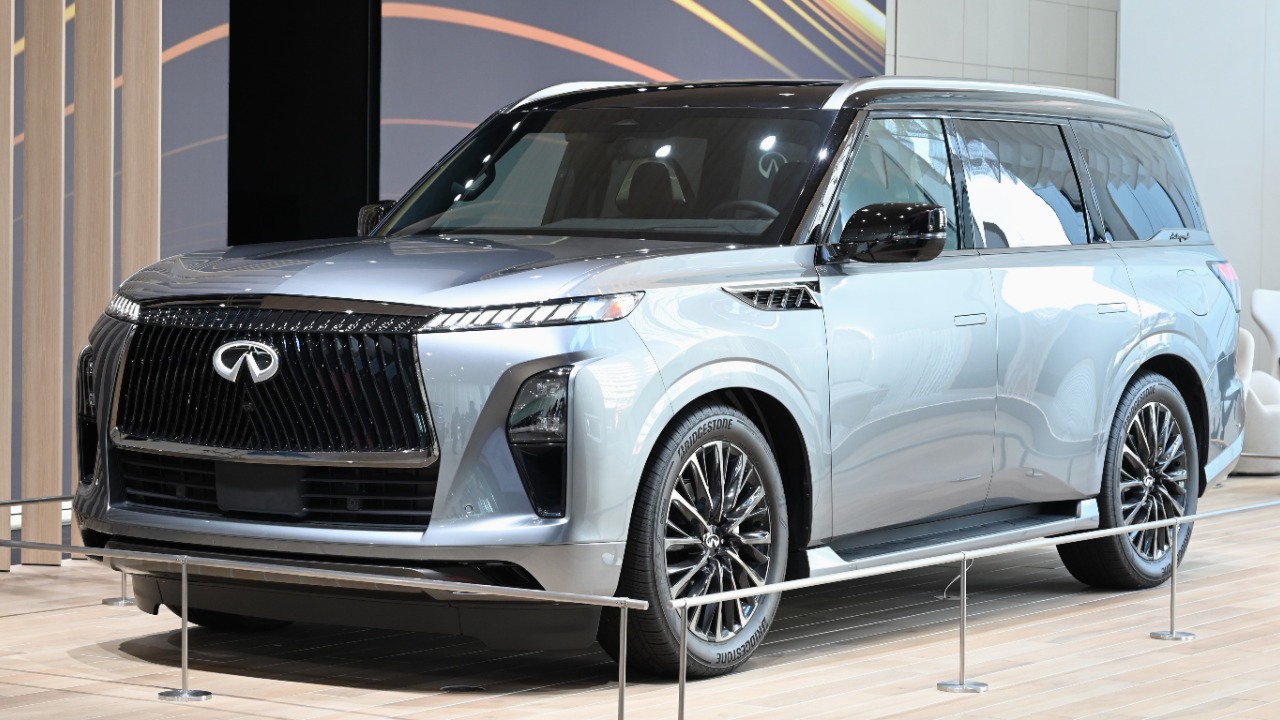
The Infiniti QX80, a full-size luxury SUV that traces its lineage to the QX56 before a 2014 rebrand, is now under scrutiny for poor value retention. An assessment of the worst SUV values points to the 2026 Infiniti QX80 as an example of how large, aging platforms can depreciate quickly despite robust powertrains and loyal followings. Following years of incremental updates rather than full redesigns, the QX80 faces stiff competition from fresher rivals with more efficient engines and modern interiors.
This depreciation trend is reshaping expectations for traditional body-on-frame luxury SUVs. Buyers who once assumed that size and V8 power guaranteed strong resale are discovering that outdated technology and fuel economy penalties weigh heavily on used prices. For Infiniti, the QX80’s trajectory highlights the risk of stretching a platform too long in a segment where affluent customers increasingly prioritize efficiency, advanced safety systems, and contemporary cabin design.
Jaguar F-Pace
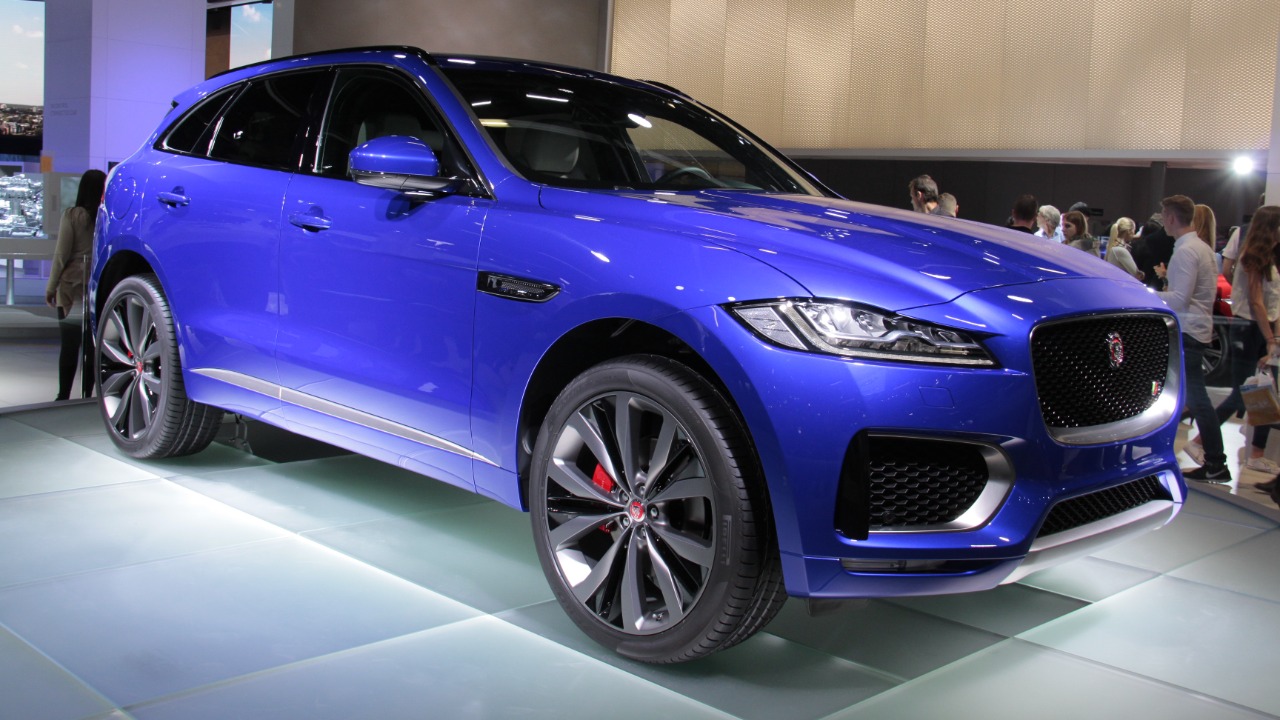
The Jaguar F-Pace, positioned as a stylish British luxury SUV, has struggled to hold its value as the brand confronts broader headwinds. Reporting on luxury SUVs with major price drops notes that Jaguar’s F-Pace experiences substantial depreciation problems, tied to the British marque’s declining sales and uncertain long-term strategy. One analysis cites an average loss in value of approximately $24,090, a striking figure for a model marketed as a premium alternative to German rivals.
This erosion is reshaping how consumers view second-tier luxury brands in the SUV space. While the F-Pace still offers engaging dynamics and distinctive design, concerns about dealer coverage, future product plans, and perceived reliability are pushing used prices down. For shoppers, the F-Pace’s trajectory serves as a warning that emotional appeal and heritage may not compensate for anxieties about ownership costs and brand stability over a typical three- to five-year horizon.
Cadillac Escalade
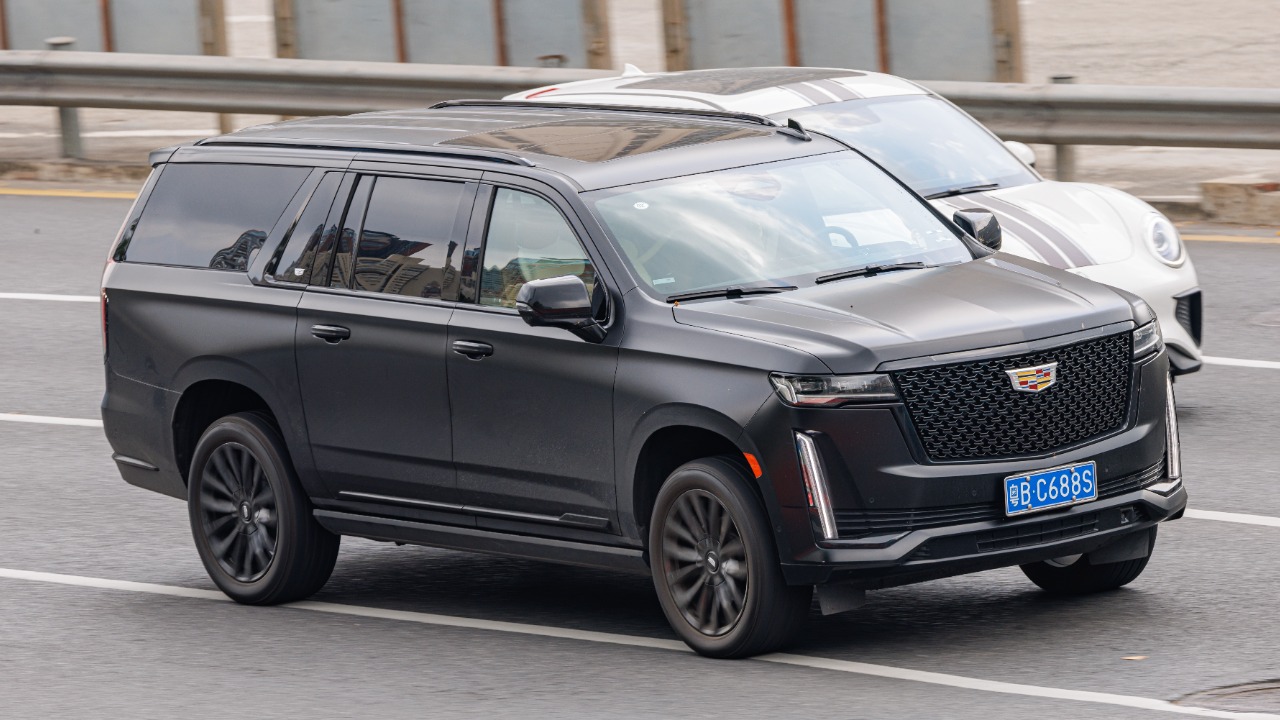
The Cadillac Escalade, long a symbol of American excess, is now facing questions about its future resale strength. A forward-looking analysis of luxury vehicles poised for price drops highlights the Cadillac Escalade, noting that the “go big or go home” SUV appeals to drivers who want more of everything, from space to storage. At the same time, experts caution that its value proposition depends heavily on whether buyers truly need all that capability and are willing to absorb high running costs.
As fuel prices, urban congestion, and environmental scrutiny intensify, the Escalade’s sheer size and thirst are beginning to weigh on used demand. Potential depreciation is reshaping the calculus for status-seeking families and livery operators who once saw the Escalade as a safe bet. The model’s trajectory suggests that even iconic luxury SUVs must adapt to changing priorities around efficiency and practicality if they are to maintain strong residuals.
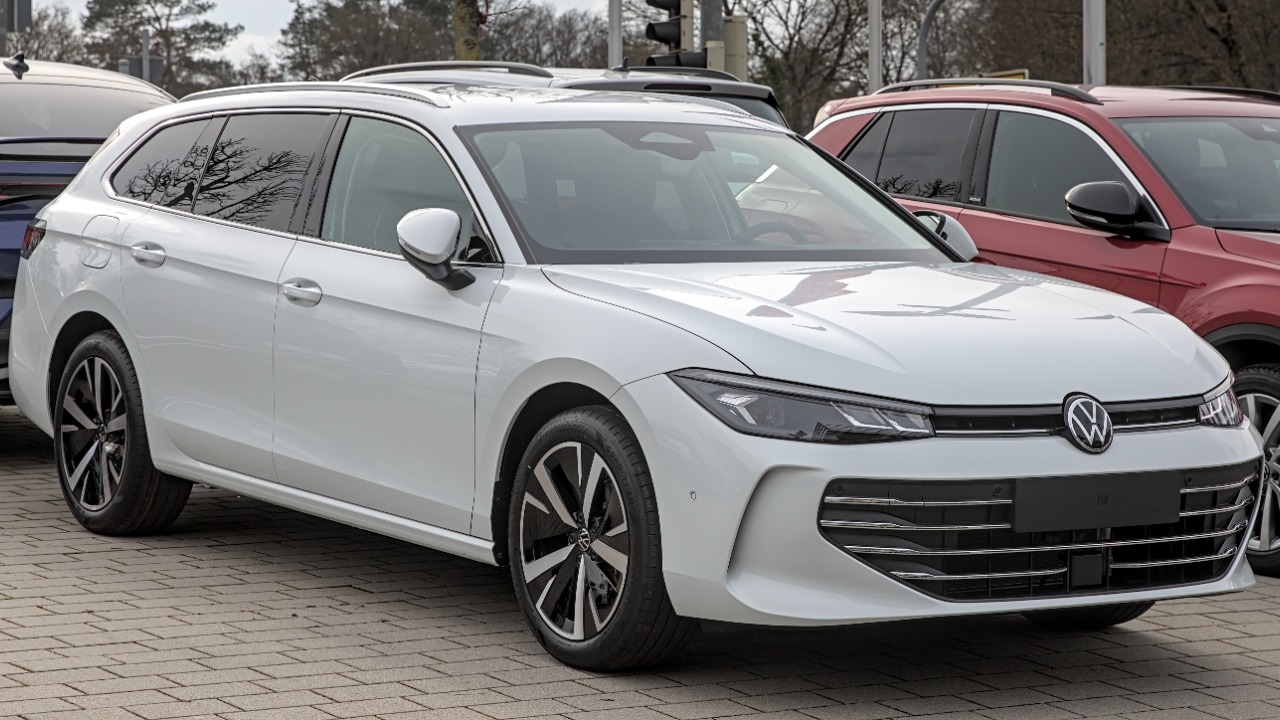
Volkswagen Passat
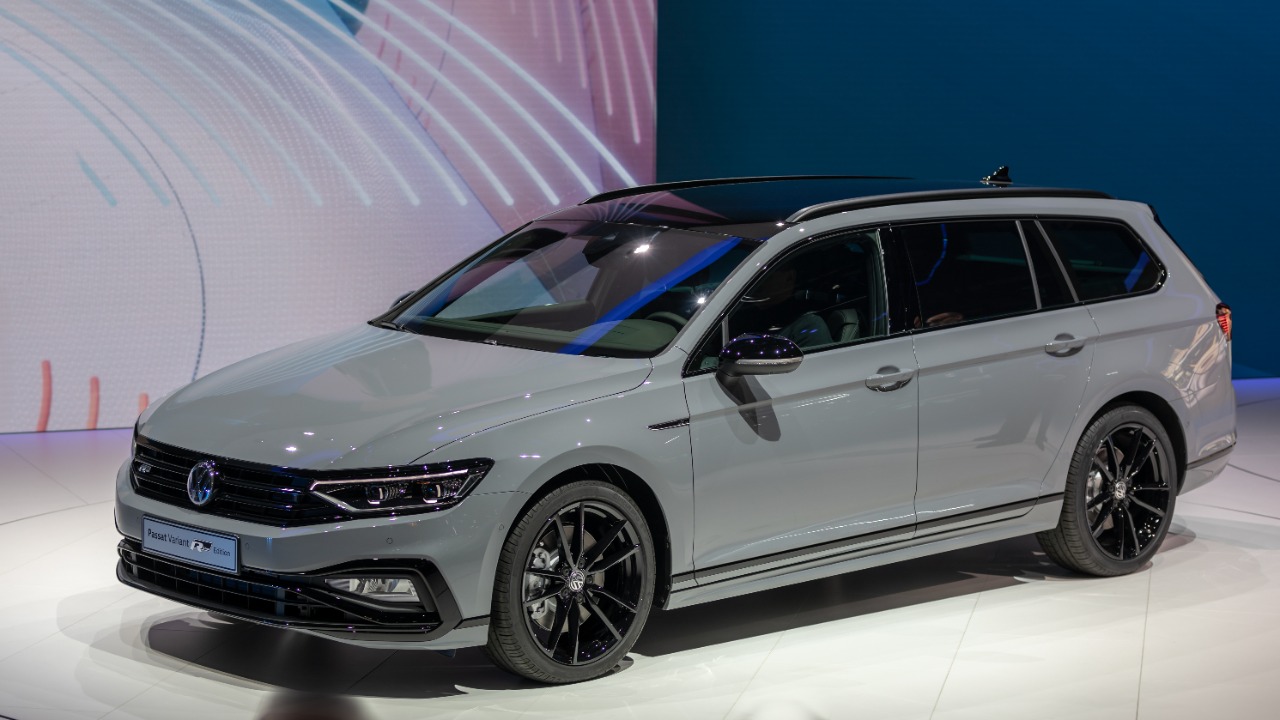
The Volkswagen Passat, while not a traditional luxury nameplate, has occupied an upscale niche in some markets and now illustrates how mid-priced sedans can suffer luxury-level depreciation. A comprehensive guide to 2025 Vehicle Depreciation, labeled as an Essential FAQ for Buyers, reports that the Volkswagen Passat experiences a 40% drop, falling from $25,000 to approximately $15,000. That scale of loss over a short period rivals what some premium brands endure.
This pattern is reshaping expectations for buyers who once treated well-equipped Passat trims as near-luxury alternatives to premium badges. With sedans under pressure from SUVs and crossovers, even generously optioned models are struggling to command strong resale values. For fleet operators and company car programs, the Passat’s depreciation underscores the importance of scrutinizing total cost of ownership rather than relying on brand perception or historical norms.
Hyundai Sonata
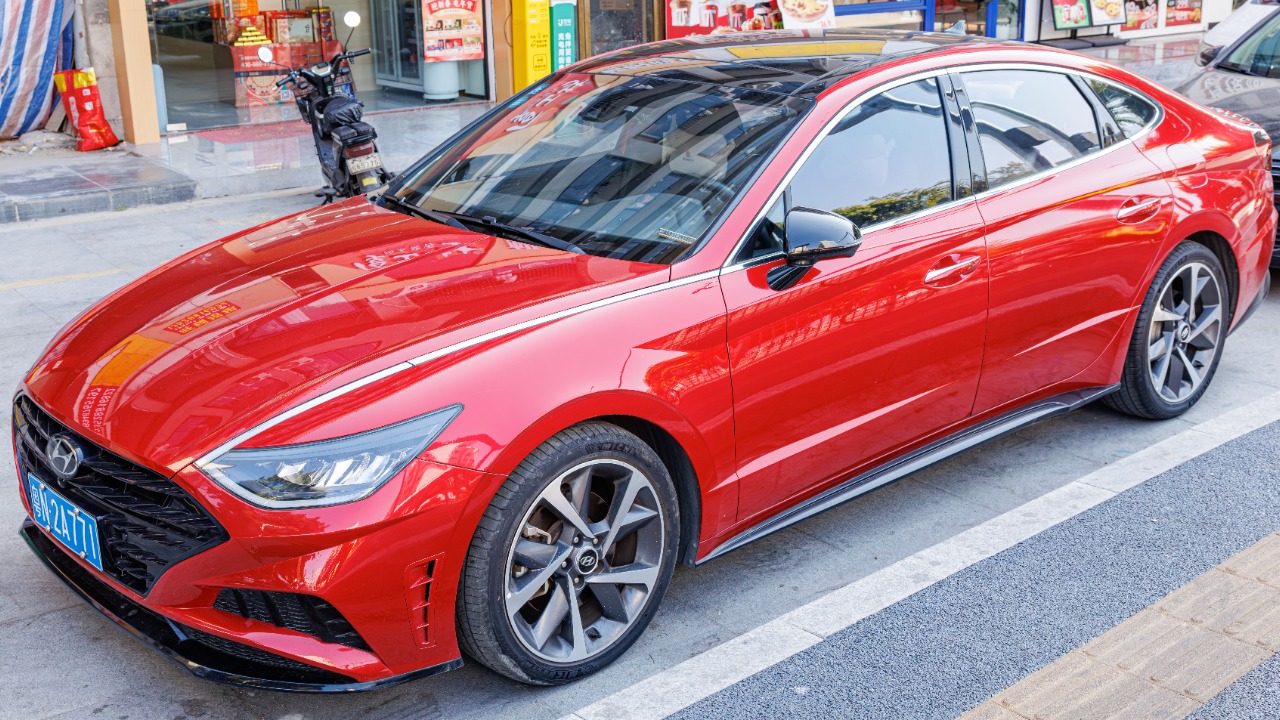
The Hyundai Sonata, particularly in higher trims that blur into entry-luxury territory, has also emerged as a depreciation hotspot. The same Vehicle Depreciation Essential FAQ for Buyers notes that the Hyundai Sonata suffers a 50% depreciation, a sharper fall than the Passat’s 40% drop. That means a buyer who pays full price can see half of the car’s value evaporate within a typical ownership cycle, even as equipment levels and warranties remain competitive.
This rapid decline is reshaping how shoppers view feature-rich non-luxury sedans as value plays. While the Sonata offers advanced technology and comfort, the market’s pivot toward SUVs is undermining its residuals. For budget-conscious consumers, the model’s depreciation profile suggests that buying used or certified pre-owned may be far more rational than purchasing new, especially when upscale trims are priced close to entry-level luxury competitors that sometimes hold value better.
Generic luxury models “worthless” by 2026
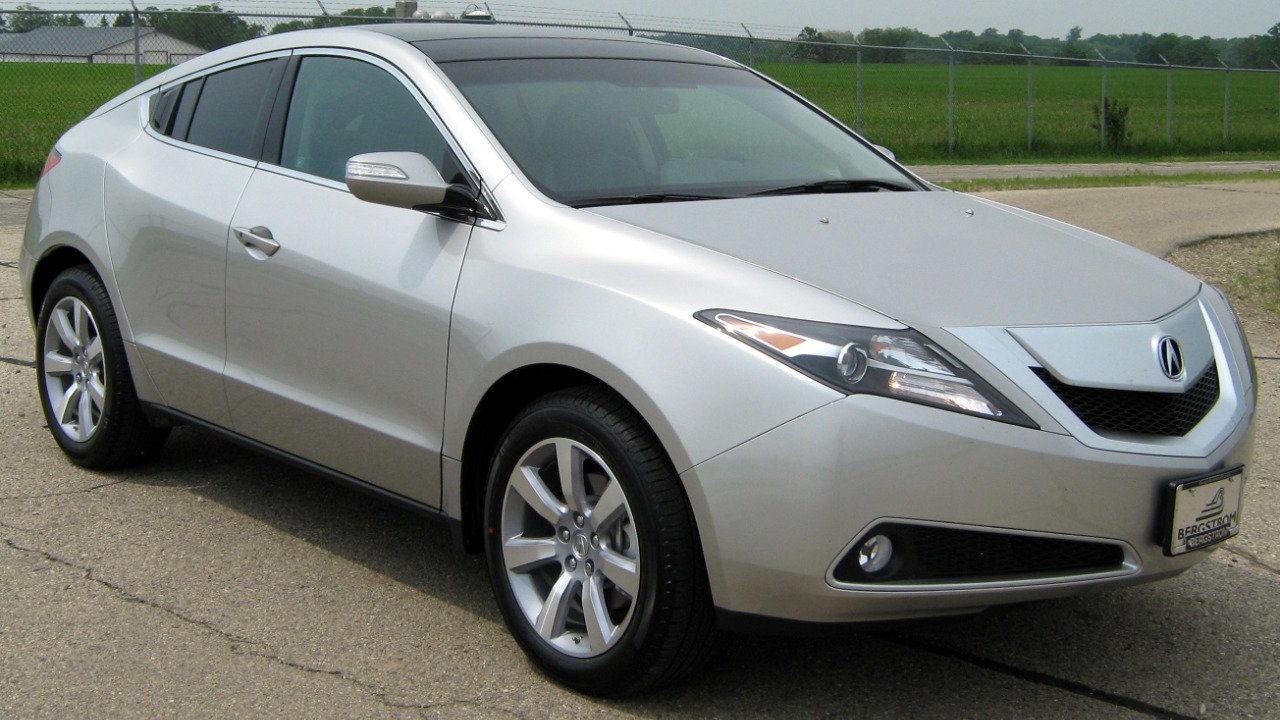
Beyond specific nameplates, a growing cluster of upscale cars is being flagged as effectively “worthless” by 2026 in resale terms. One widely discussed analysis points to 11 cars that became financial disasters in record time, emphasizing a recurring pattern of discontinued models and oversupplied leases. Another forecast warns that more than 7 million people in America are over 90 days late on their car loans, with repossessions climbing and trade-in values eroding as distressed inventory floods auctions.
These dynamics are reshaping the entire luxury segment, not just individual models. When lenders tighten standards and residual assumptions prove overly optimistic, leasing costs rise and new-car pricing power weakens. For manufacturers, the risk is that aggressive incentives today create tomorrow’s depreciation headlines, undermining brand equity. For consumers, the lesson is to scrutinize production volumes, lifecycle plans, and financial stress indicators before committing to any upscale vehicle that could be the next to collapse in value.
More from Fast Lane Only