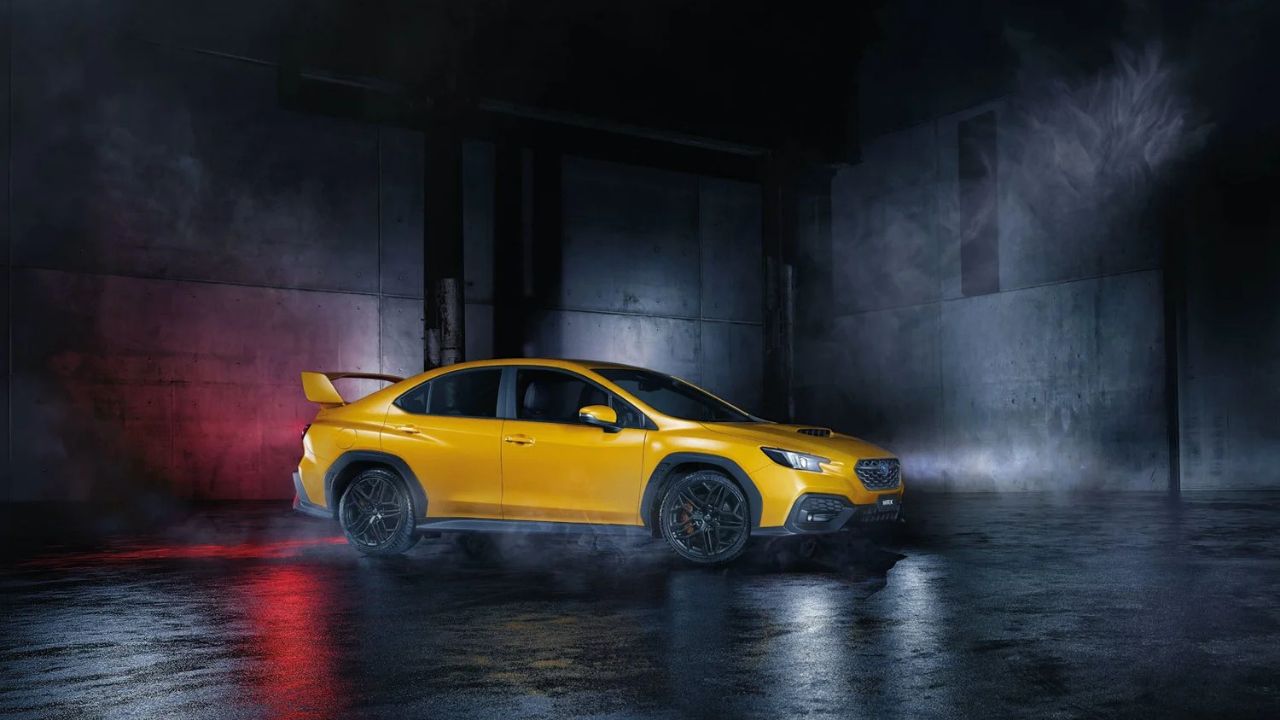
Subaru New Zealand has pulled the covers off the WRX 2.4T Senkō, a limited-run special that leans into the brand’s rally heritage while sharpening the latest WRX’s on-road focus. With bespoke styling, upgraded hardware and an allocation counted in tens rather than hundreds, the Senkō is aimed squarely at enthusiasts who still want a manual, turbocharged boxer in a world tilting toward crossovers and electrification.
Positioned above the standard WRX range, the Senkō is pitched as a collector-grade car that can still handle daily duty. It arrives as a halo for Subaru’s performance line in New Zealand and as a test of how much appetite remains for tightly targeted specials in a small but passionate market.
What happened
Subaru New Zealand has created the WRX 2.4T Senkō as a factory-backed, market-specific edition based on the current-generation WRX sedan. The core package starts with the WRX 2.4T, powered by Subaru’s 2.4‑litre turbocharged boxer four, then layers on cosmetic and mechanical tweaks that are exclusive to this run. The company has confirmed that the Senkō will be built in extremely limited numbers for New Zealand buyers only, with the allocation measured at just ten units across the country according to ten WRX specials.
The Senkō name, taken from the Japanese word often associated with a flash of light, signals the car’s visual intent. Subaru New Zealand has specified a distinctive exterior treatment that sets the car apart from the regular WRX range. The package includes unique body detailing and accent work that ties into the Senkō theme, along with a numbered build plate that identifies each example as part of the limited series. Buyers receive a model that is recognisably WRX but with enough bespoke touches to be immediately identifiable to other enthusiasts.
Under the skin, the WRX 2.4T Senkō sticks with the turbocharged 2.4‑litre boxer and all-wheel drive layout that define the current WRX, while Subaru New Zealand has focused on sharpening the chassis and driver environment. The car is based on a high-specification WRX variant and adds carefully chosen upgrades that aim to improve steering response and body control without sacrificing ride comfort. Subaru has framed the Senkō as a car that can tackle a favourite back road yet still handle commuting and long-distance touring.
Inside, the Senkō gains trim and upholstery details that are not available on regular WRX models in New Zealand. The cabin features contrast stitching, special badging and a colour scheme that echoes the exterior highlights. Subaru has also bundled in a generous equipment list, with the WRX’s large central touchscreen, driver assistance suite and premium audio all included as standard. The goal is to deliver a car that feels special every time the driver climbs in, not just when the road turns interesting.
Subaru New Zealand has presented the WRX 2.4T Senkō as part of a broader strategy to keep the WRX nameplate front of mind among performance buyers. The company has framed the car as a celebration of the brand’s rally-inspired heritage and as a way to offer something distinctive to local enthusiasts while global model lineups become more homogenised. With only ten cars to go around, the Senkō is expected to sell out quickly, and Subaru has signalled that interest from existing WRX owners and long-time brand loyalists will be strong.
Pricing reflects the Senkō’s position at the top of the WRX tree in New Zealand. The car commands a premium over the regular WRX 2.4T, which Subaru argues is justified by the limited build, extra equipment and bespoke detailing. Buyers are effectively paying for rarity and character on top of the already capable WRX platform. Subaru New Zealand has indicated that each Senkō will be supplied with documentation confirming its build number and specification, reinforcing the car’s status as a numbered special rather than a simple option pack.
The launch of the WRX 2.4T Senkō has been accompanied by a focused marketing push that leans heavily on imagery from New Zealand’s twisting tarmac and gravel roads. Subaru has highlighted the car’s all-wheel drive grip and turbocharged performance as ideal companions for local conditions and has positioned the Senkō as a driver’s car first and foremost. The company has also stressed that the special edition remains fully covered by Subaru’s local warranty and service support, which should reassure buyers who intend to use the car regularly rather than store it as a static investment.
Detail images released by Subaru show the Senkō’s specific wheel design, brake package and exterior accents, which help separate it from both the standard WRX and the WRX GT variants. The car’s stance and detailing suggest a slightly more aggressive setup than the regular model, but without the full track-oriented focus of Subaru’s STI heritage cars. In effect, the Senkō sits as a bridge between a mainstream performance sedan and a full-bore homologation special.
Why it matters
The WRX 2.4T Senkō arrives at a time when performance sedans are under pressure from two sides. On one hand, SUVs and crossovers dominate new car sales, even among buyers who once would have gravitated to a WRX or similar sports sedan. On the other, tightening emissions rules and the rise of electrification have led many brands to scale back or abandon traditional turbocharged performance models. Against that backdrop, Subaru New Zealand’s decision to commission a bespoke WRX for its market signals a deliberate bet on enthusiasts who still value a compact, all-wheel drive sedan with character.
For Subaru, the Senkō helps keep the WRX badge relevant in a country where the car has a long-standing following. New Zealand’s mix of winding rural roads and variable weather has always suited the WRX formula, and previous generations have built a strong reputation among drivers who want year-round performance. The limited-run Senkō taps into that history while giving existing owners a fresh aspirational target. By limiting production to ten units, Subaru creates scarcity that can energise the brand and encourage engagement across the wider WRX range.
The car also shows how regional distributors can tailor global models to local tastes. Subaru New Zealand has taken the standard WRX 2.4T and, working within the factory framework, created a specification that speaks directly to its market. That approach mirrors what some European and Asian distributors have done with market-specific editions, but it is relatively rare in a small market like New Zealand. The Senkō demonstrates that even with tighter global product planning, there is still room for carefully curated specials that reflect local conditions and preferences.
For buyers, the appeal lies in both the driving experience and the ownership story. The WRX 2.4T platform already offers strong performance from its turbocharged boxer engine, along with Subaru’s all-wheel drive traction. The Senkō layers on a more focused chassis and a richer cabin, which should make it feel more special than a standard WRX every time the driver starts the engine. At the same time, the numbered build and limited allocation give owners a sense of being part of a small, defined group rather than just another performance sedan customer.
That sense of exclusivity has implications for residual values. Limited-run specials from performance brands often hold their value better than regular models, particularly when they are tied to a strong enthusiast community. The WRX name carries that kind of weight, and Subaru New Zealand’s decision to cap the Senkō at ten units sets the stage for strong long-term demand on the used market. Enthusiasts who miss out on a new car may be willing to pay a premium later for a well-kept example, which in turn can make the initial purchase more attractive to buyers who consider total cost of ownership.
The Senkō also matters as a statement about Subaru’s performance future. Globally, the brand has already moved away from some of its most hardcore offerings, and the current WRX occupies a different space from the old WRX STI models that built the nameplate’s legend. By investing in a special edition like the Senkō, Subaru New Zealand signals that it still sees value in performance cars that speak directly to enthusiasts, even if they are no longer as raw or track-focused as their predecessors. That message can help maintain brand loyalty among drivers who might otherwise look to European or Korean rivals for their next performance car.
From a broader industry perspective, the WRX 2.4T Senkō shows how internal combustion performance cars are adapting to a changing market. Rather than chasing ever higher power figures, Subaru has focused on character, specification and story. The Senkō’s appeal is as much about its identity and rarity as it is about raw numbers. That shift mirrors a trend across performance brands, where limited editions and special trims are used to create talking points and emotional connections that pure specification sheets no longer provide.
The New Zealand market context adds another layer. Local buyers have shown strong interest in limited-run Japanese performance cars in the past, from special edition Subaru models to rare versions of the Nissan Skyline and Mitsubishi Lancer Evolution. The Senkō taps into that tradition while offering a modern package that meets current safety and emissions standards. It gives collectors and keen drivers a new Japanese performance sedan to chase at a time when many of the classic nameplates have either disappeared or moved in very different directions.
For Subaru dealers, the Senkō functions as a showroom magnet. Even with only ten cars available, the buzz around a special edition can draw in customers who ultimately buy a standard WRX or another Subaru model. The halo effect is a familiar tactic in the performance car world, and the Senkō provides a fresh reason for customers to visit dealerships and engage with the brand. That kind of attention can be especially valuable in a small market where marketing budgets are limited and word of mouth plays a significant role.
The detail of the Senkō package also reflects Subaru New Zealand’s understanding of its audience. By focusing on meaningful upgrades rather than superficial changes, the company signals respect for buyers who care about how a car drives as much as how it looks. The combination of chassis tweaks, distinctive styling and a fully loaded equipment list suggests that the Senkō is intended to be used and enjoyed, not simply parked and admired. That aligns with the WRX’s long-standing image as a car that thrives on real roads in real conditions.
What to watch next
The first question is how quickly the WRX 2.4T Senkō allocation disappears. With only ten cars available, Subaru New Zealand expects strong demand, particularly from existing WRX owners and long-time Subaru fans. If the cars are spoken for almost immediately, that will send a clear signal about the appetite for tightly limited, enthusiast-focused specials in the local market. It will also give Subaru valuable data on pricing tolerance and specification preferences for future projects.
More from Fast Lane Only