Drivers talk about certain vehicles with a kind of reverence, the models that keep starting on cold mornings long after their peers have headed to the scrapyard. Drawing on owner data and longevity studies, the following 10 vehicles are repeatedly cited as machines that simply refuse to quit, often running well past 200,000 miles with basic care.
The Toyota Sequoia
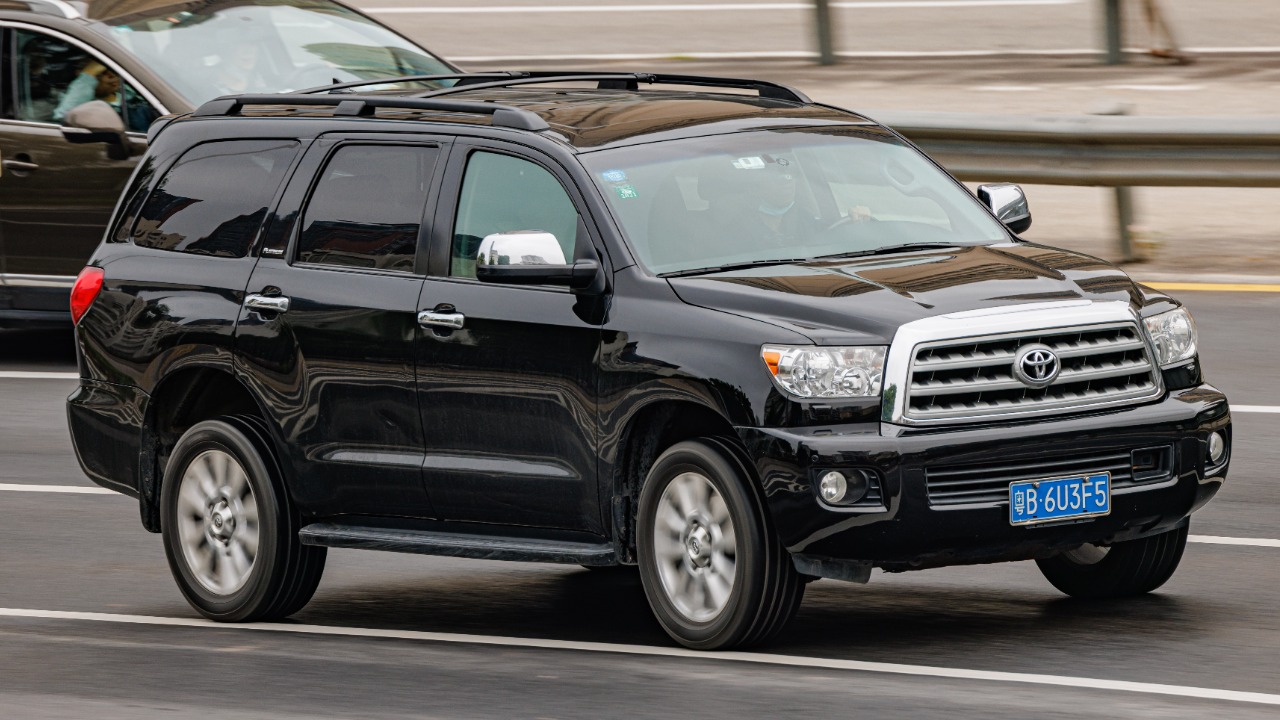
The Toyota Sequoia has become shorthand for extreme durability, and recent longevity research quantifies that reputation. According to one major study of high-mileage vehicles, The Toyota Sequoia has a 39.1% chance of reaching 250,000 miles, a rate far above the industry average. That same analysis identifies Toyota as the leading brand for long-term survival, reinforcing why owners routinely report odometers that look more like airline loyalty accounts than family-SUV mileage.
For families, that resilience has real financial stakes. A Sequoia that reliably clears 250,000 miles can delay the cost of a replacement SUV by years, even in demanding use such as towing or frequent highway travel. High-mileage examples also signal to used buyers that the platform is engineered for the long haul, which helps support resale values and lowers the total cost of ownership for the original buyer.
Toyota Prius
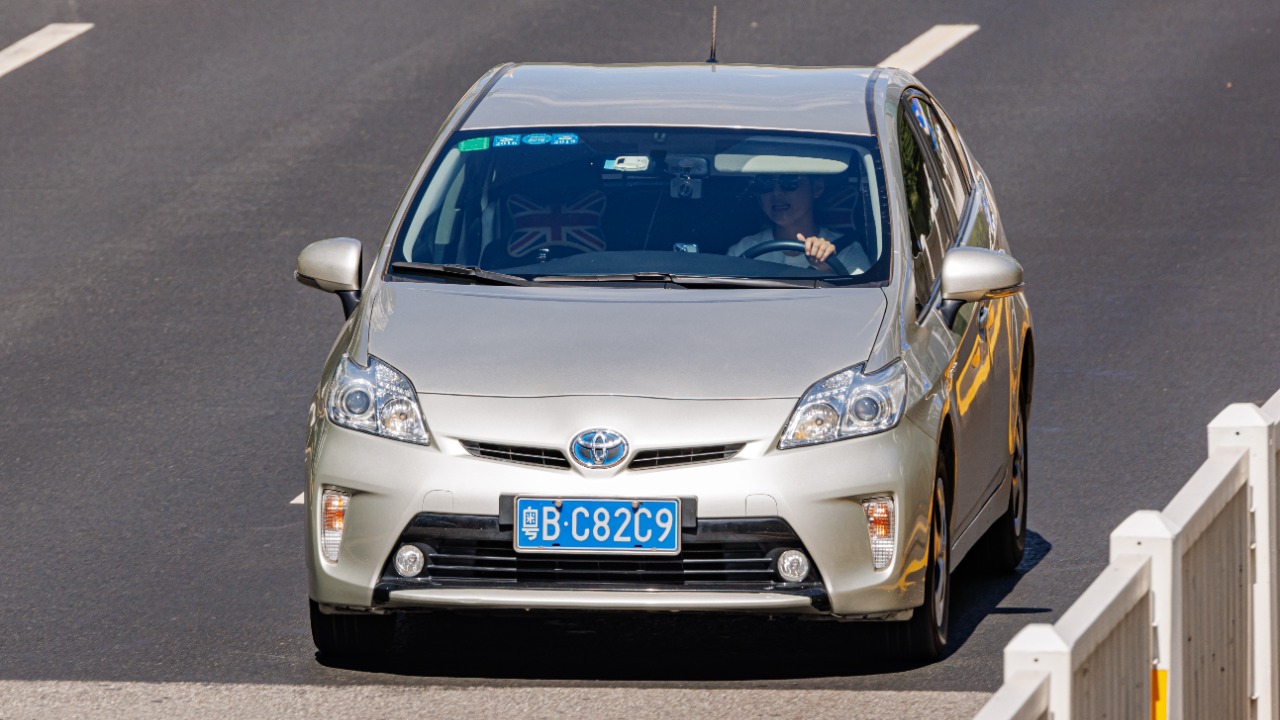
The Toyota Prius is not only a symbol of hybrid efficiency, it is also one of the most stubbornly long-lived vehicles on the road. In a study of Loyalty and Inspiring Cars that Owners Keep for 15 Years or More, the Toyota Prius emerged as the vehicle most owners keep for 15+ years, at 2.2 times the average rate. That kind of long-term attachment usually reflects low repair drama, predictable running costs, and a powertrain that tolerates age and mileage.
Hybrid components once worried used buyers, but owner behavior suggests those fears are fading. When people keep a Prius for more than a decade, they are effectively betting that the battery and engine will remain dependable far beyond 150,000 miles. For budget-conscious commuters and fleet operators, that combination of fuel savings and proven longevity can make the Prius one of the safest bets in the used market.
Toyota Camry

The Toyota Camry has long been a default recommendation for anyone who simply needs a car that will run, and high-mileage data backs that up. Reliability analysts advising shoppers on how to reach 200,000 miles explicitly note that “you can’t go wrong with Toyota Camry” when the goal is to drive well past that benchmark. That endorsement reflects years of owner surveys showing relatively few serious powertrain issues and a track record of uneventful, inexpensive maintenance.
For households, the implications are straightforward. A Camry that can confidently reach or exceed 200,000 miles spreads its purchase price over more years, reducing annual depreciation and freeing up cash for other priorities. It also offers peace of mind for drivers who cannot afford surprise breakdowns, making the Camry a staple recommendation for students, long-distance commuters, and anyone who views a car primarily as essential infrastructure.
Honda Accord

The Honda Accord appears repeatedly in long-distance ownership stories, often mentioned alongside its chief rival from Toyota. In guidance on choosing vehicles that can surpass 200,000 miles, analysts group the Accord with the Camry and Prius as models that “will take you beyond 200,000 miles” when properly maintained. Broader reliability research notes that Honda and Toyota models tend to have fewer problems and “go the distance” more often than vehicles from other brands, and the Accord is a core reason Honda earns that reputation.
For buyers, the Accord’s longevity means more than just a high odometer reading. A durable midsize sedan can serve multiple roles over its life, from family car to first vehicle for a teenager, without demanding constant repairs. That flexibility, combined with strong parts availability and a deep independent repair network, helps keep running costs manageable even as the car ages, reinforcing why owners are reluctant to part with a well-kept Accord.
Honda CR-V
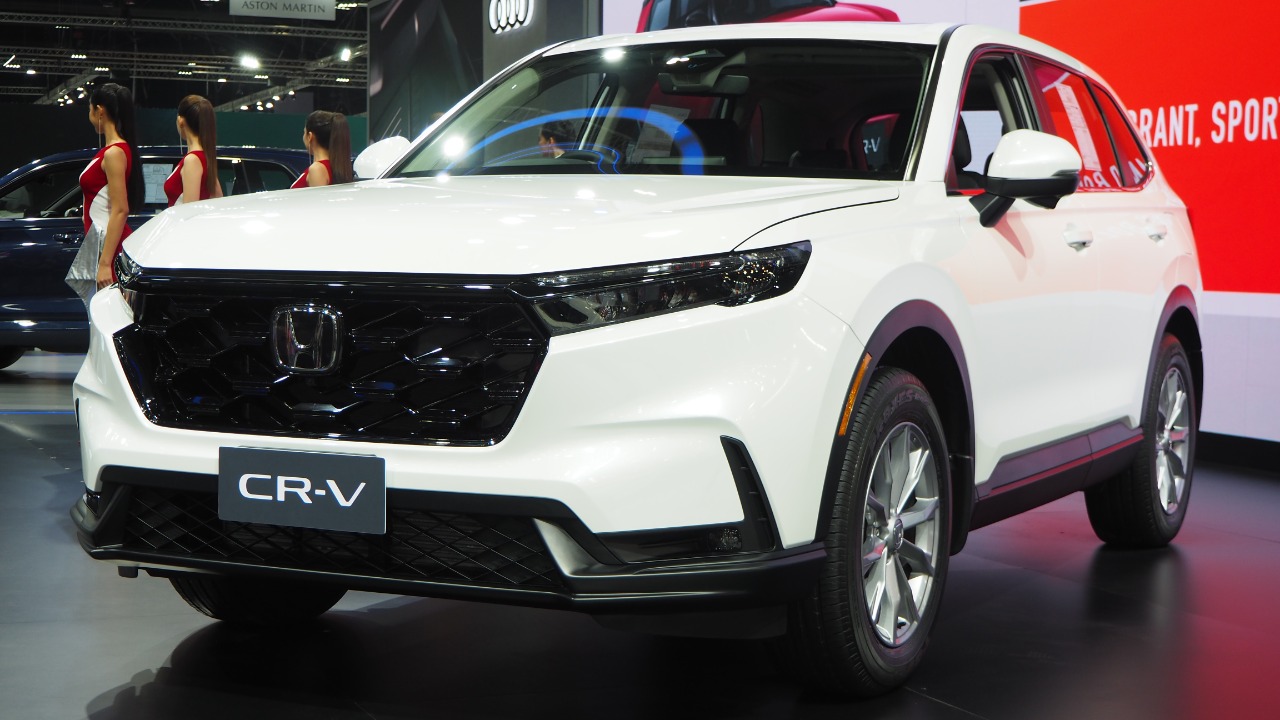
The Honda CR-V has quietly become one of the most trusted compact SUVs for drivers who intend to keep their vehicles for a decade or more. In expert commentary on future models expected to last at least ten years, the Honda CR-V is singled out as a standout, with automotive analyst Justin Fischer noting that Honda vehicles “are made to last.” That assessment reflects years of owner feedback showing the CR-V’s engines and transmissions routinely accumulating high mileage with relatively few major failures.
As crossovers replace sedans in many households, the CR-V’s durability carries broader implications. A long-lived compact SUV can spare families from stepping up to larger, more expensive models, while still handling road trips, light towing, and daily commuting. Its reputation for reliability also supports strong resale values, which can lower effective ownership costs for both first and second owners who prioritize vehicles that refuse to quit.
Toyota Highlander Hybrid
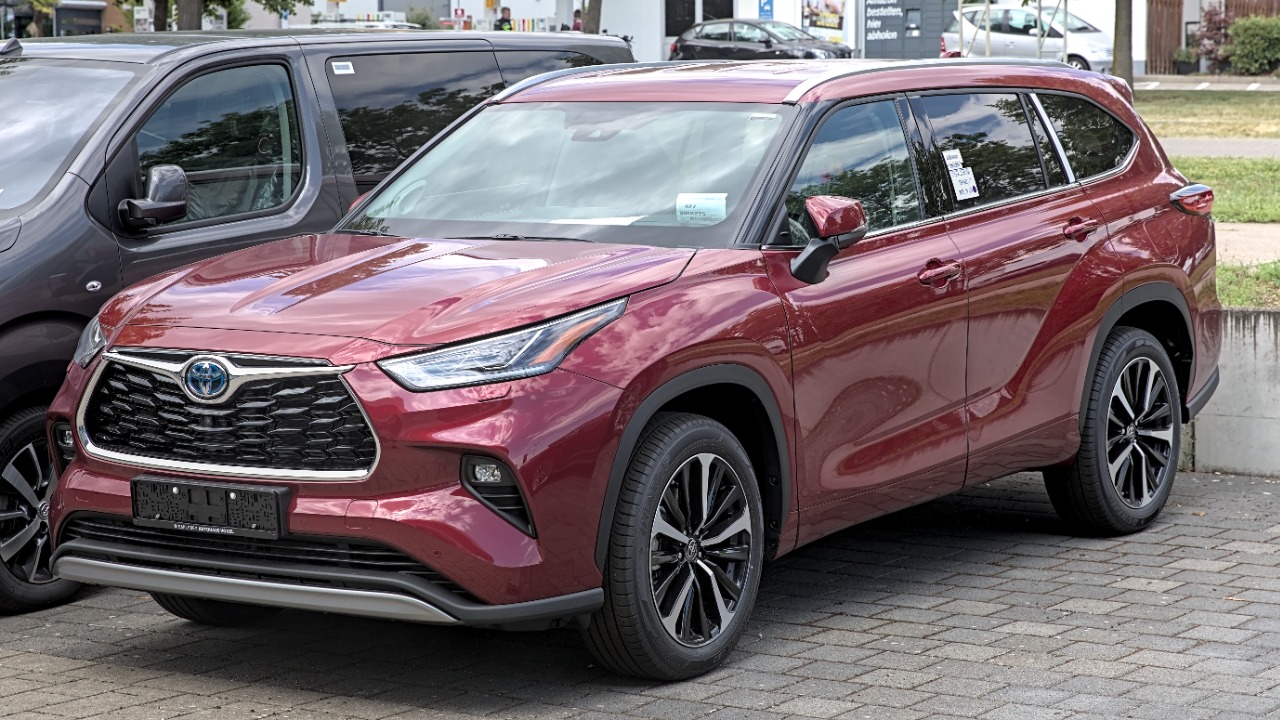
The Toyota Highlander Hybrid blends three traits owners prize, space, efficiency, and a remarkable ability to stay in service year after year. In a feature on vehicles that drivers “refuse to give up even after a decade of ownership,” the Toyota Highlander Hybrid is highlighted as a model people hold onto. That kind of long-term retention typically signals that the hybrid system, transmission, and interior components age gracefully, even under family use.
For larger households, the stakes are significant. A three-row hybrid that can reliably clear 200,000 miles without chronic battery or inverter issues offers a rare combination of low fuel bills and long service life. It allows owners to delay the expensive jump into a new SUV, while its proven durability helps keep used demand strong, benefiting sellers who eventually decide to move on.
Toyota 4Runner

The Toyota 4Runner has earned a reputation as one of the toughest body-on-frame SUVs still on sale, and its market behavior reflects that. In an analysis of models that “refuse to depreciate,” the Toyota 4Runner is cited as a vehicle that “laughs at depreciation,” with a Typical five-year resale profile that remains unusually strong. That resilience in value is closely tied to its perceived ability to run reliably for very high mileages, even when used for off-road driving or towing.
For buyers, the 4Runner’s stubborn resale values cut both ways. It is rarely a bargain on the used lot, but owners who keep the truck for a decade often recover a surprising share of their original outlay. Combined with a reputation for mechanical simplicity and durability, that makes the 4Runner a favored choice for drivers who want a vehicle that can handle abuse and still feel worth repairing at 200,000 miles and beyond.
Toyota Tundra
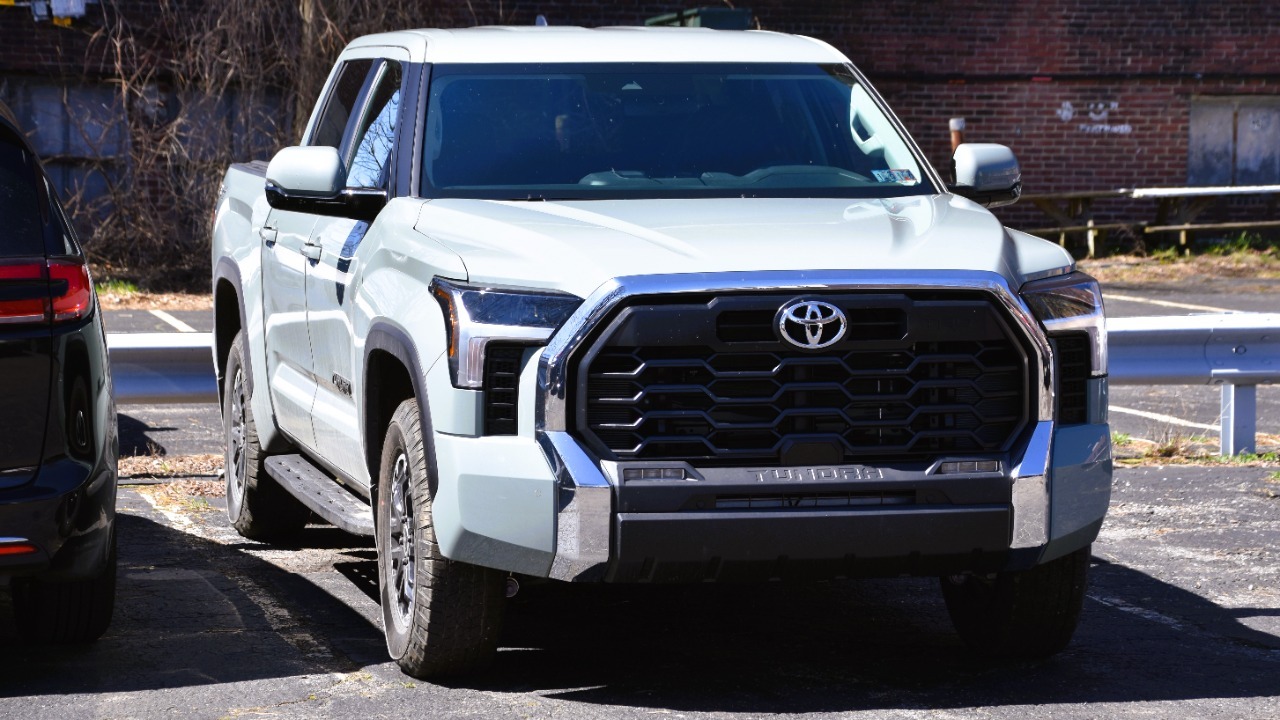
The Toyota Tundra stands out in pickup circles for its ability to keep working long after many rivals have retired. In a table of Cars Most Likely to Last 250,000+ Miles, based on a large-scale study, the Tundra appears with a probability figure of 47.9%, placing it among the Cars Most likely to reach that milestone. That statistic reflects a truck engineered with robust drivetrains and conservative tuning, prioritizing longevity over cutting-edge complexity.
For contractors, farmers, and recreational towers, that durability has direct economic consequences. A Tundra that can reliably tow and haul for 250,000 miles reduces downtime and replacement costs, while its reputation for longevity supports strong resale demand in work-truck markets. Owners often report that even high-mileage examples feel mechanically solid, encouraging them to invest in repairs rather than replacing the truck outright.
Lexus ES (2002–2006)
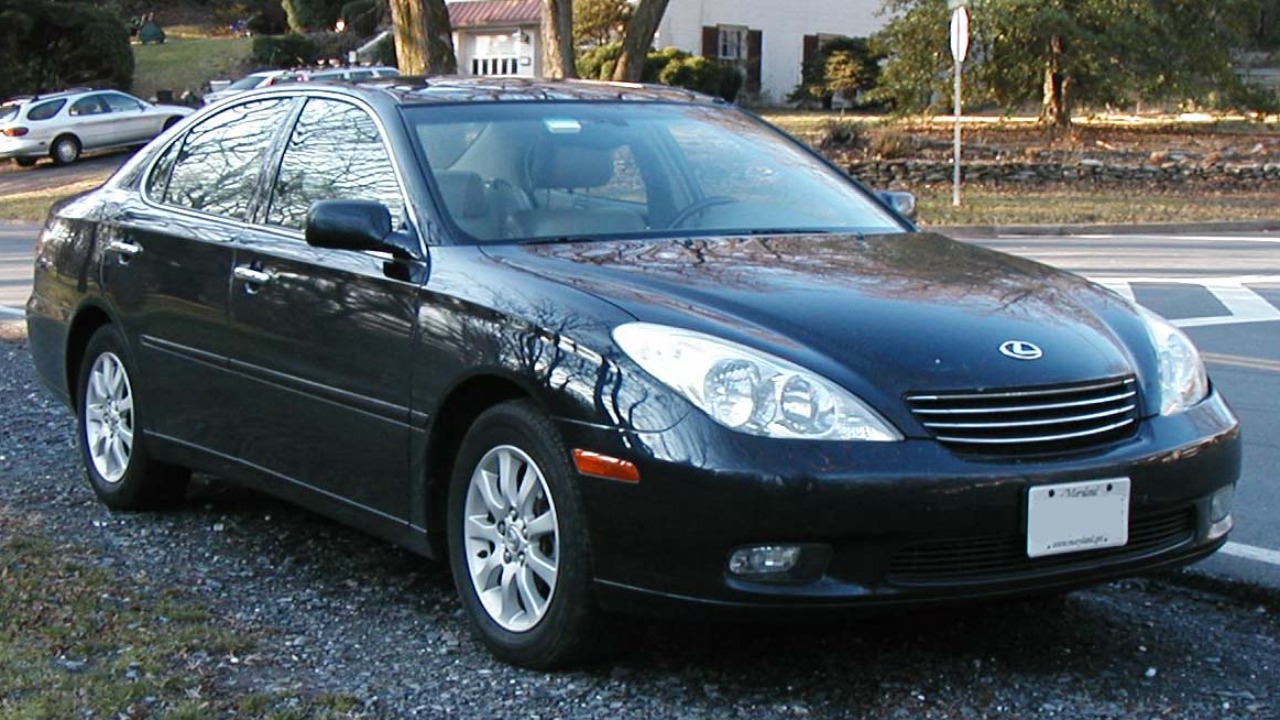
The early-2000s Lexus ES has quietly become a legend among high-mileage luxury sedans. In an assessment of vehicles expected to reach 300,000 miles, the 2002–2006 ES is singled out for its ability to “minimize trouble well past 300,000 miles,” with at least one owner reportedly approaching 600,000 miles on the odometer. That performance stems from a conservative V6 powertrain shared with Toyota models and a focus on build quality rather than cutting-edge electronics.
For used buyers, the implications are striking. A well-maintained ES from this era can deliver a near-luxury driving experience with running costs closer to a mainstream sedan, provided routine maintenance is observed. Its proven capacity for extreme mileage makes it an appealing choice for long-distance commuters who want comfort without sacrificing the confidence that the car will still be running strong a decade from now.
Subaru Outback (2026 preview)
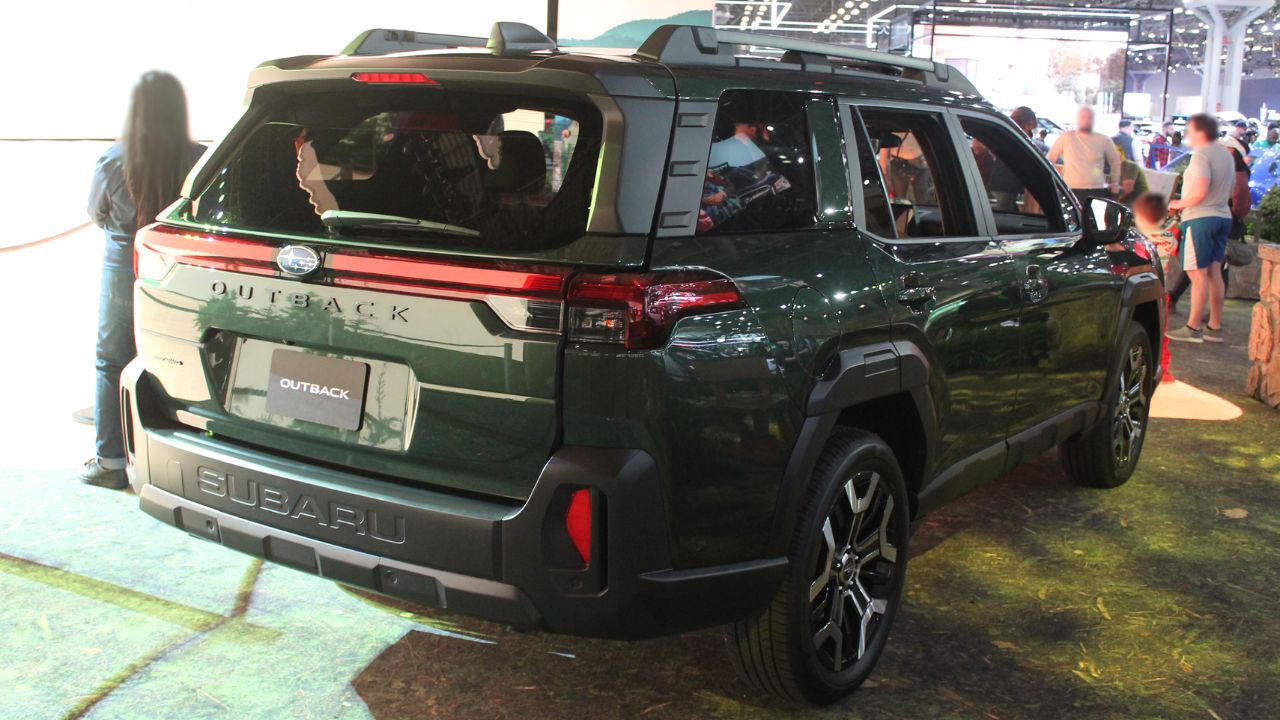
The 2026 Subaru Outback is already being flagged by experts as a model designed to stay on the road for at least a decade, continuing a pattern of long-lived wagons in the brand’s history. In guidance on What To Look For in a 2026 Car, analysts point to the Outback’s “Exceptional quality control” and balanced engineering as reasons it should comfortably last ten years or more. That expectation builds on earlier generations that routinely pass 200,000 miles in harsh climates.
For buyers planning ahead, the Outback’s projected longevity matters because it offers a rare mix of all-weather capability and long service life. A vehicle that can handle snow, gravel, and long highway stretches while remaining dependable reduces the need for multiple specialized cars. As more shoppers seek crossovers that will not age out quickly, the Outback’s durability-focused design positions it as a future member of the vehicles-that-refuse-to-quit club.
More from Fast Lane Only