The 1990s marked a pivotal moment in automotive history, characterized by a transition from analog to digital technology. This era produced vehicles that combined raw power, engaging driving experiences, and simpler mechanical systems. These cars remain iconic today, representing a nostalgic connection to a time when driving was about more than just getting from point A to point B. Below, I’ve compiled a list of ten vehicles that encapsulate this last great analog era.
Ford Mustang GT (1994-2004)

The Ford Mustang GT of the mid-1990s is a quintessential representation of American muscle. With its 4.6-liter V8 engine, it produced a thrilling 305 horsepower, delivering an exhilarating driving experience without the complexities of modern technology. The body design, featuring sharp lines and an aggressive stance, paid homage to Mustangs of yesteryear while still appealing to contemporary sensibilities. The analog gauges offered a tactile experience that many enthusiasts yearn for today. Plus, the Mustang GT’s affordability made it accessible to a wide audience, ensuring its place as a beloved classic. For those interested in the cultural significance of the Mustang, this resource provides deeper insights.
Chevrolet Corvette C4 (1984-1996)
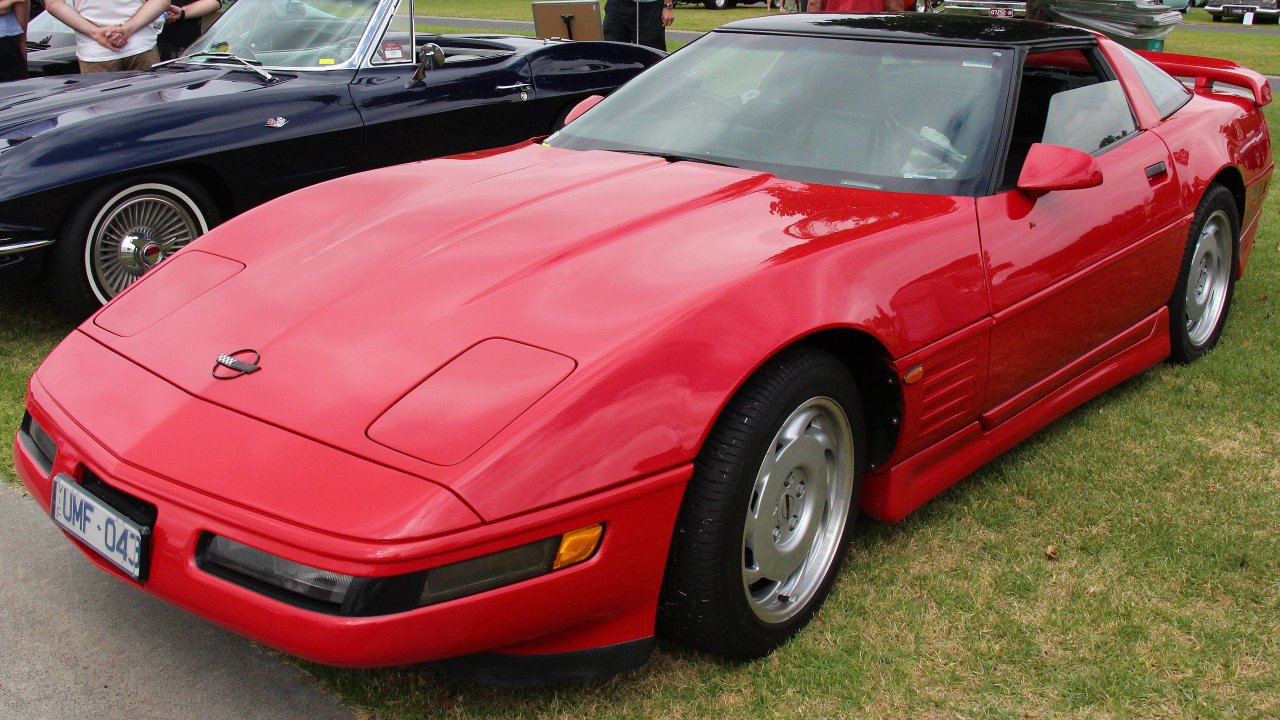
The Chevrolet Corvette C4, produced throughout the late 1980s and into the 1990s, is a sports car legend. With its sleek design and powerful 5.7-liter V8 engine, it offered performance that was hard to match. The C4 features a distinct digital dashboard that was innovative for its time, yet still retained the mechanical essence that many car enthusiasts cherish. The car’s lightweight fiberglass body and rear-wheel drive layout contributed to its agility and performance on the road. Driving a C4 is a nostalgic experience; it reminds us of a time when driving was a more visceral affair. For those interested in the technical aspects, this study dives into its engineering marvels.
Mazda Miata (NA, 1989-1997)

The Mazda Miata, often referred to as the epitome of the lightweight sports car, embodies the joy of driving. Introduced in 1989, the first-generation (NA) Miata offered a 1.6-liter inline-four engine and a manual transmission, making it a favorite among driving purists. Its rear-wheel-drive layout and balanced handling encouraged spirited driving, while the soft top allowed for an open-air experience. The simplicity of the Miata, coupled with its ability to connect the driver to the road, makes it a timeless classic. It’s a reminder of a simpler era, where the thrill of driving was paramount. For further details on its impact, check out this book.
Nissan 240SX (1989-1998)

The Nissan 240SX is a car that truly captivated a generation of drivers. With its rear-wheel-drive layout and a choice of a 2.4-liter inline-four or a turbocharged engine, it became a favorite for both drifting enthusiasts and tuners. The lightweight chassis and balanced handling made it a joy to drive, especially on winding roads or at the racetrack. Its minimalist design and analog controls offered a straightforward driving experience, aligning perfectly with the 1990s car culture. The 240SX’s enduring popularity can be attributed to its versatility and potential for modification, making it a staple in the automotive community. For those looking to explore its legacy, this article offers a comprehensive overview.
Toyota Supra Mk4 (1993-2002)
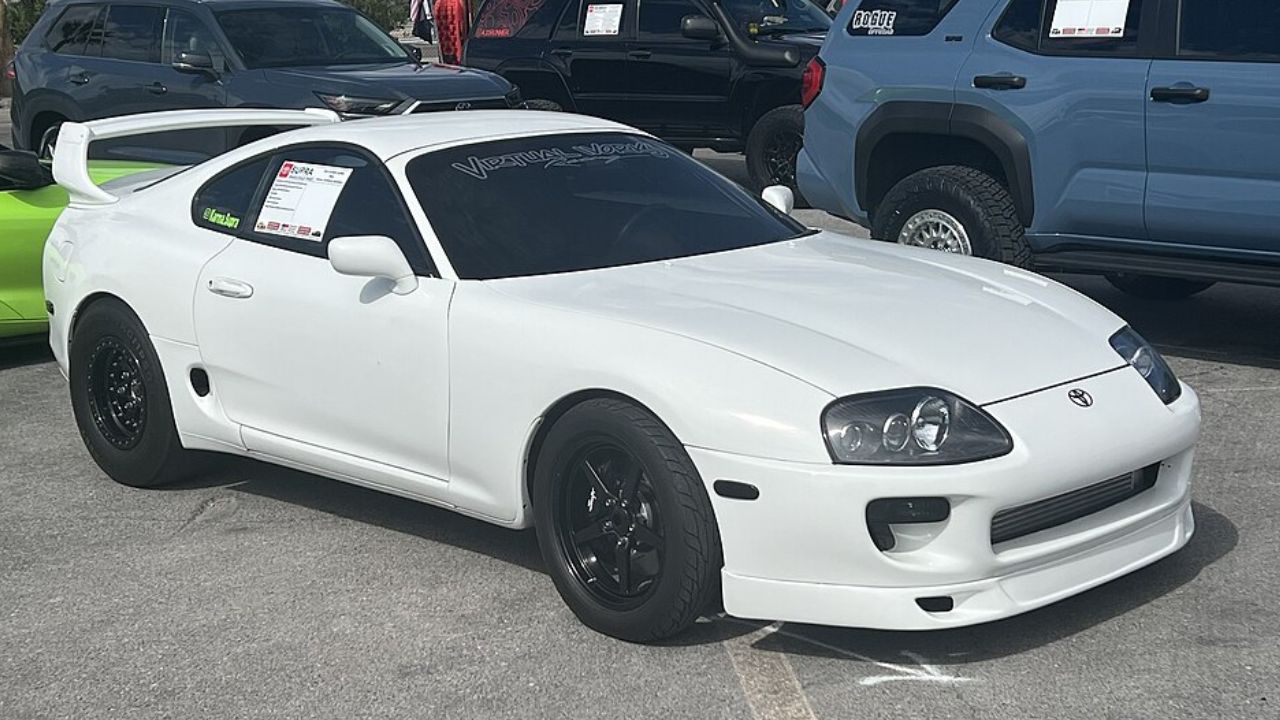
The Toyota Supra Mk4 is a legendary sports car that has become an icon in the automotive world. Known for its robust 3.0-liter inline-six engine, it produced impressive power and was equipped with a turbocharger option that made it a favorite among performance enthusiasts. The Supra’s sleek design and rear-wheel-drive layout contributed to its status as a formidable contender on the streets and racetracks. The analog gauges provided a direct connection to the driving experience, allowing enthusiasts to fully immerse themselves in the performance. Its popularity surged in the tuning community, making it a timeless choice for car lovers. To understand its cultural impact, I recommend looking into this publication.
Subaru Impreza WRX (1992-2000)

The Subaru Impreza WRX is synonymous with rally racing and has established a dedicated fan base around the globe. Launched in 1992, the WRX featured a turbocharged 2.0-liter flat-four engine that delivered exhilarating performance. Its all-wheel-drive system provided exceptional handling and stability, making it a top choice for both daily driving and competitive racing. The analog dashboard gave drivers immediate feedback, enhancing the driving experience. The WRX’s unique styling and rally heritage made it a standout in the 1990s. It’s remarkable to see how this model has influenced the automotive scene, especially among enthusiasts who appreciate its roots in analog performance.
Dodge Viper (1992-2002)

The Dodge Viper is a testament to raw American power and performance. Introduced in 1992, it featured an 8.0-liter V10 engine that produced a staggering 400 horsepower, making it one of the most powerful cars of its time. With its aggressive design and lack of electronic aids, the Viper demanded respect and skill from its driver. The focus was purely on the driving experience, with a simple interior that prioritized performance over luxury. The Viper quickly became a symbol of American muscle, embodying the spirit of the 1990s car culture. Its legacy continues to inspire a new generation of performance cars, proving that analog thrills are still cherished today.
Volkswagen Golf GTI Mk3 (1992-1999)

The Volkswagen Golf GTI Mk3 is a hot hatch that left a significant mark in the automotive world. Launched in 1992, it combined practicality with spirited performance, thanks to its peppy 2.0-liter inline-four engine. The GTI is often celebrated for its balance of fun and functionality, making it a popular choice for both enthusiasts and everyday drivers alike. With its analog gauges and a straightforward driving experience, the Mk3 GTI maintained the essence of what made the model so beloved. Its compact size and nimble handling made it perfect for urban environments, cementing its place in automotive history as a classic hatchback.
Porsche 911 (993, 1995-1998)

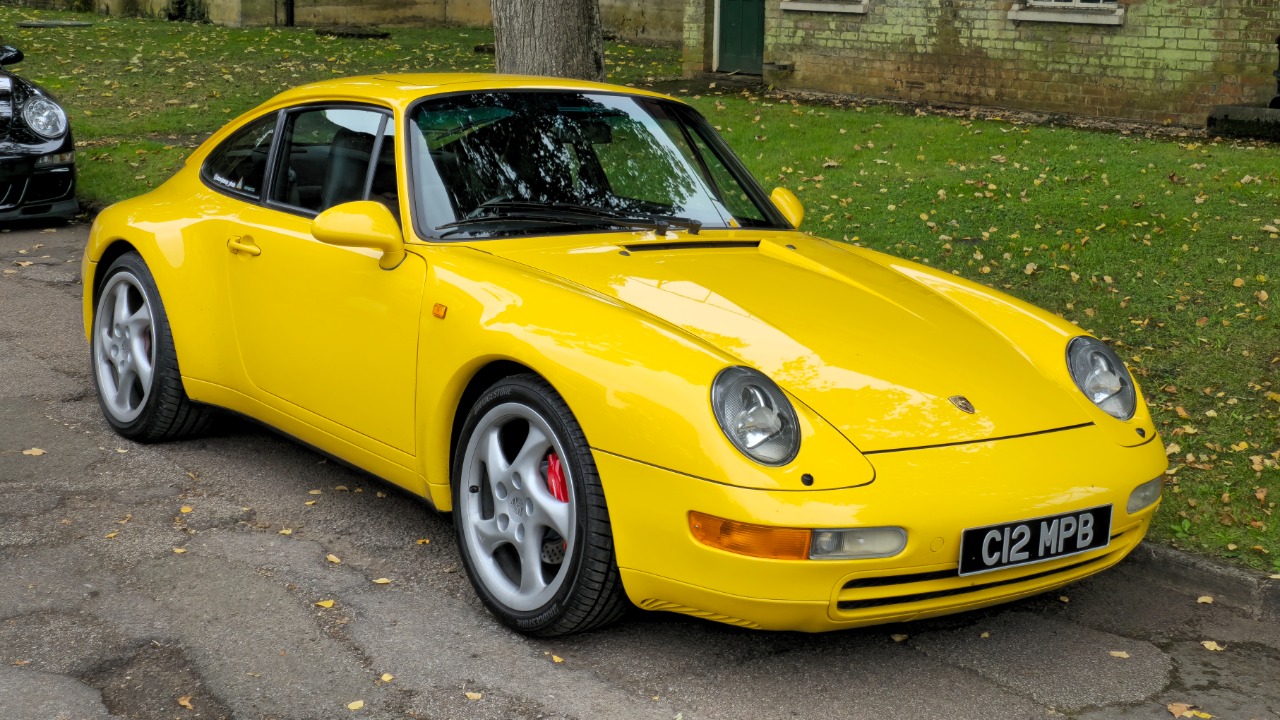
The Porsche 911 of the 1990s, specifically the 993 generation, is often regarded as the last of the “classic” 911s before the shift to digital dominance. Produced between 1995 and 1998, the 993 featured a 3.6-liter flat-six engine, offering a perfect blend of power and agility. The air-cooled engine is a hallmark of the model, providing a unique driving experience that enthusiasts still crave today. Its sleek design and analog controls created an intimate connection between the driver and the car. The 993 remains highly sought after, valued for its timeless appeal and the purity of driving it offers, making it a true icon of the era.
Honda Civic Si (1999)
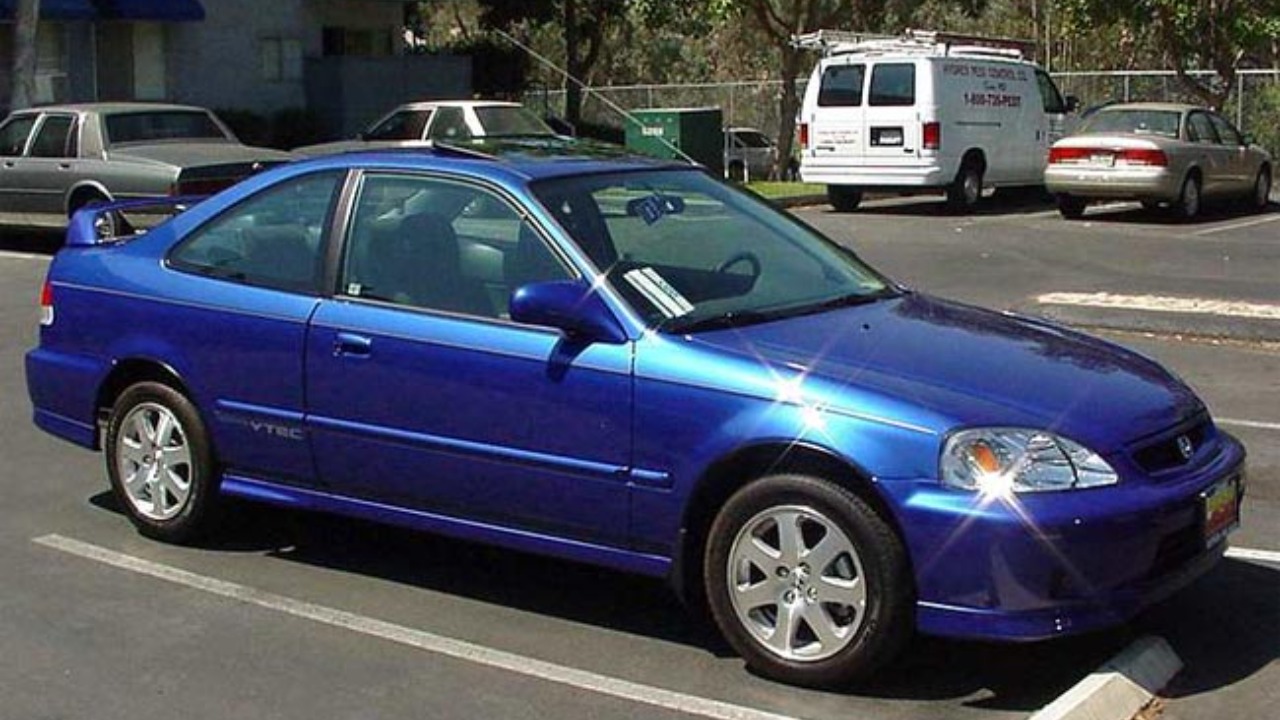
The Honda Civic Si of 1999 is a car that represents the spirit of the late ’90s sport compact scene. Equipped with a 1.6-liter DOHC VTEC engine, it produced 160 horsepower, offering an engaging driving experience that resonated with enthusiasts. The Si’s lightweight design and responsive handling made it a favorite for those seeking performance without sacrificing practicality. Its analog dashboard and manual transmission provided a pure driving experience that many modern cars have lost. The Civic Si quickly became a symbol of the tuning culture, allowing drivers to personalize and modify their rides. This model is a nostalgic reminder of a time when sport compacts were all about the joy of driving.
More from Fast Lane Only
- Unboxing the WWII Jeep in a Crate
- 15 rare Chevys collectors are quietly buying
- 10 underrated V8s still worth hunting down
- Police notice this before you even roll window down
*Research for this article included AI assistance, with all final content reviewed by human editors.