The 1960s and early 1970s were a thrilling time in the automotive world, marked by fierce competition among auto manufacturers striving to outdo each other in the horsepower department. This era, famously known as the horsepower wars, birthed some of the most iconic muscle cars that have since become legendary. Today, I’m taking a look at ten standout vehicles from this exhilarating period that still command attention and respect on the road and at car shows.
1964 Ford Mustang 289 V8
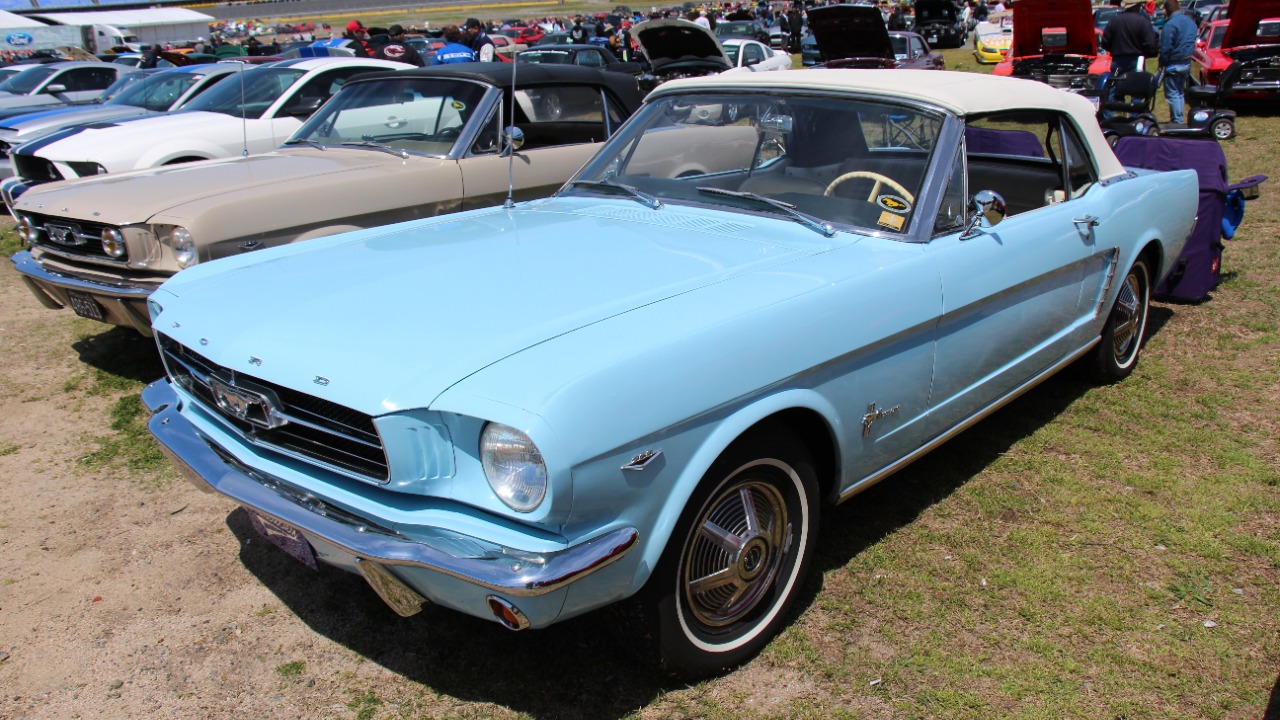
The 1964 Ford Mustang 289 V8 is often credited with igniting the muscle car craze. Its sleek design, combined with the potent 289 cubic inch V8 engine, produced a thrilling 271 horsepower, which was impressive for its time. With a lightweight body, the Mustang offered exceptional handling and acceleration, making it a favorite among young drivers and car enthusiasts alike. I remember the first time I saw one at a classic car show; the bold lines and aggressive stance made it stand out among the crowd. It set the standard for what a pony car should be, and its legacy continues to influence modern vehicles.
This model sparked a revolution in automotive design, offering a combination of style, performance, and affordability that was previously unseen. The Mustang’s success paved the way for many competitors to enter the market, ultimately contributing to the vibrant culture of muscle cars that we cherish today. If you want to dive deeper into this era, check out this detailed analysis on the Mustang’s impact.
1966 Chevrolet Corvette 427
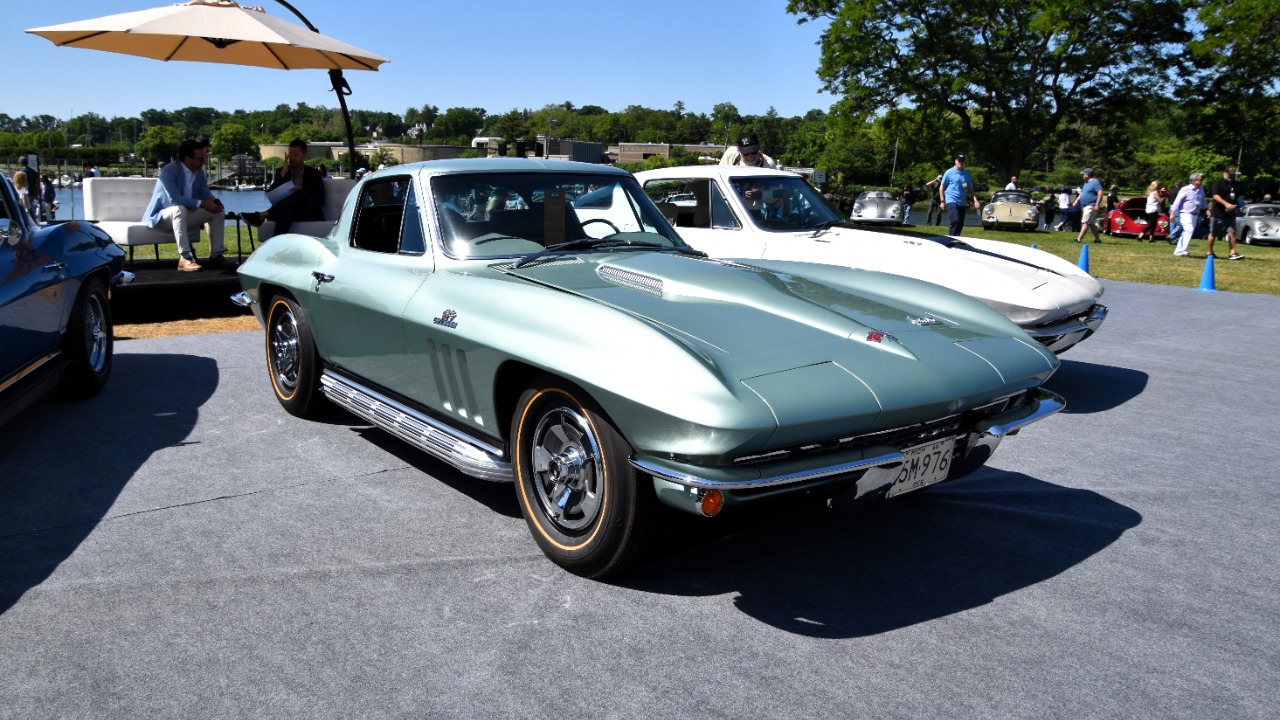
The 1966 Chevrolet Corvette 427 is a classic that perfectly encapsulates American muscle. With its iconic design and the introduction of the 427 cubic inch V8 engine, it produced an astounding 425 horsepower, making it one of the most powerful cars of its time. The Corvette’s low, sleek profile and aggressive styling made it a head-turner, and its performance capabilities were equally impressive. I recall watching a documentary about this model and its place in automotive history, which highlighted its influence on sports cars around the world.
This model not only delivered exhilarating speed but also offered a luxurious interior that set a new standard for sports cars. The 1966 Corvette 427 remains an enduring symbol of American automotive excellence and is celebrated by enthusiasts and collectors alike. For those interested in a deeper dive into its legacy, you can read more about it in this insightful publication found here.
1967 Pontiac GTO
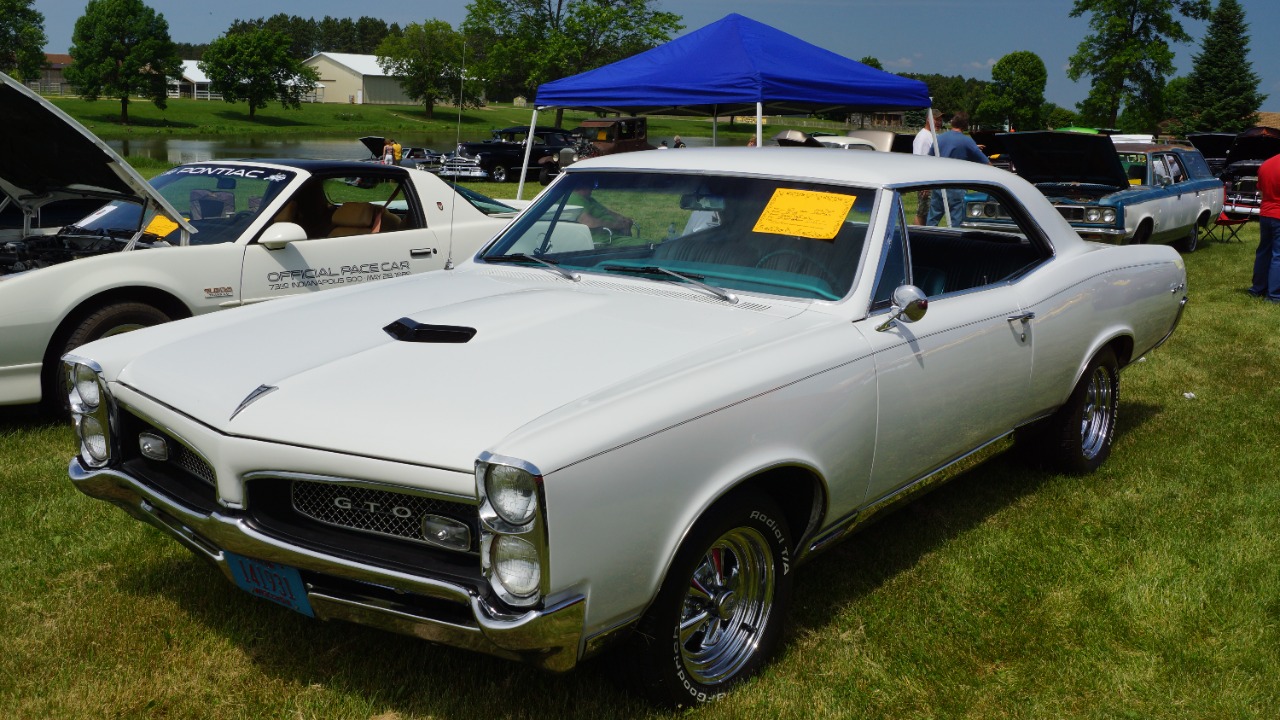
The 1967 Pontiac GTO is often hailed as the original muscle car. With its bold styling and high-performance capabilities, it captured the hearts of many car enthusiasts. Equipped with a 400 cubic inch V8 engine, it produced 360 horsepower, making it a force to be reckoned with on the streets. I vividly remember seeing one at a car meet, and the roar of its engine was music to my ears. The GTO’s combination of performance and style set the bar for competitors, establishing a template for muscle cars that followed.
Beyond its power, the GTO offered unique features like the “Endura” front bumper and stylish interior options that appealed to a wide audience. It became a cultural icon, often referenced in music and films, which solidified its place in automotive history. If you’re looking for a comprehensive look at the GTO’s impact, check out this in-depth analysis available here.
1968 Dodge Charger R/T
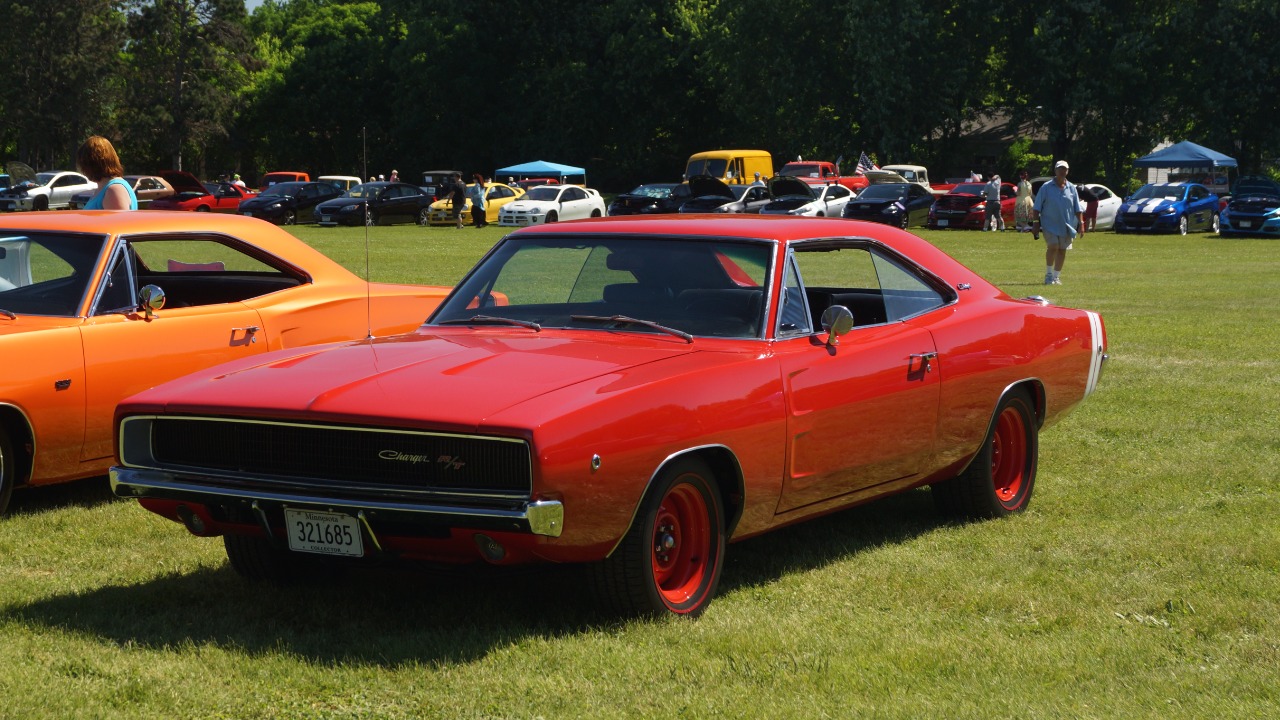
The 1968 Dodge Charger R/T is a classic representation of American muscle and a favorite among car enthusiasts. Its aggressive styling, highlighted by a fastback roofline and hidden headlights, made it a standout on the road. Under the hood, the Charger R/T boasted a 440 cubic inch V8 engine that churned out 375 horsepower, allowing for exhilarating performance. I’ve always admired how this car looks in motion; its design screams speed and power. The Charger has left an indelible mark on pop culture, frequently appearing in films and television, further enhancing its legendary status.
The 1968 model year was pivotal for the Charger, as it offered a range of options that appealed to a diverse audience. Additionally, it featured a spacious interior, making it practical for everyday use, while still delivering the thrilling performance expected from a muscle car. The Charger R/T’s blend of style and power continues to resonate with collectors and enthusiasts alike. For a closer look at its cultural significance, you can read a fascinating study here.
1969 Chevrolet Camaro Z/28
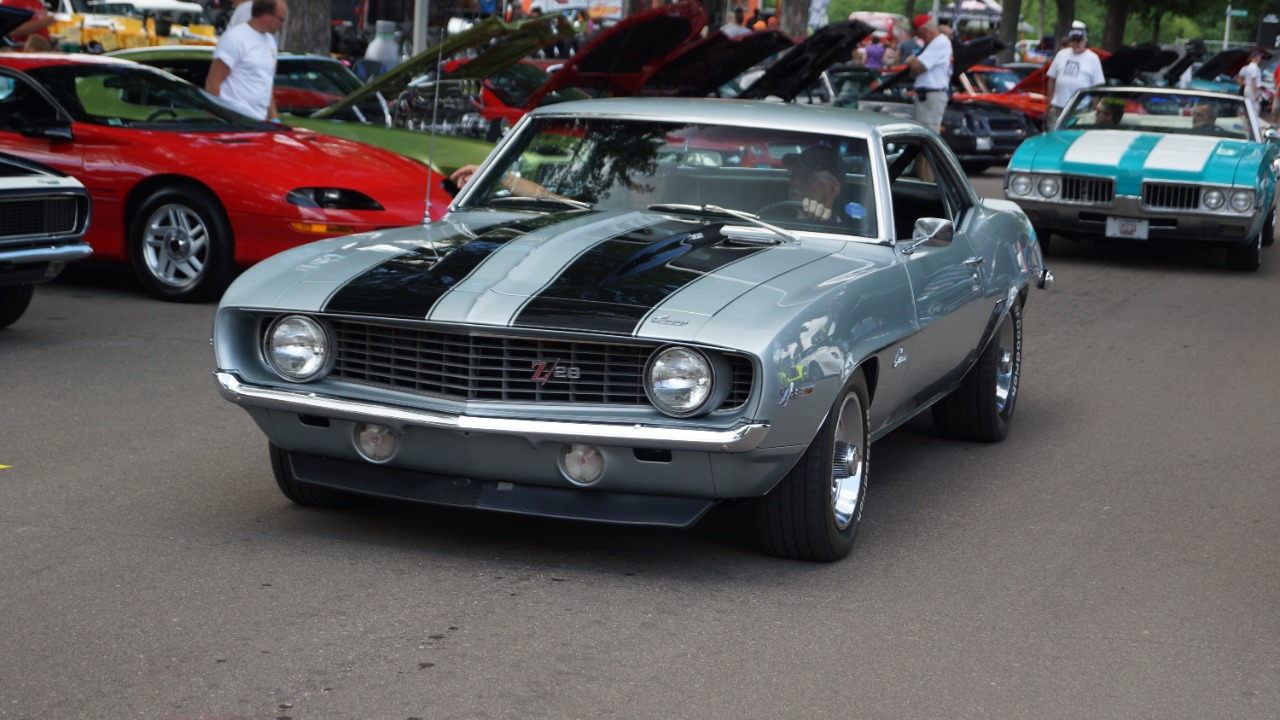
The 1969 Chevrolet Camaro Z/28 is a prime example of the fierce rivalry between Ford and Chevrolet during the muscle car era. Introduced as a response to the Mustang, the Camaro quickly established itself as a performance powerhouse. With a high-revving 302 cubic inch V8 engine producing 290 horsepower, the Z/28 was designed for racing and performance enthusiasts. I had the chance to drive one a few years ago, and the experience was electrifying—its responsive handling and aggressive acceleration left a lasting impression.
The 1969 model featured aggressive styling with bold stripes and a distinctive grille that drew attention wherever it went. It was not just about looks; the Z/28 was built for performance, with a suspension designed for cornering and a lightweight body that enhanced speed. The Camaro’s legacy continues today, with modern iterations paying homage to this classic. If you want to explore the impact of the Camaro in detail, I recommend checking out this resource here.
1970 Plymouth Hemi Cuda
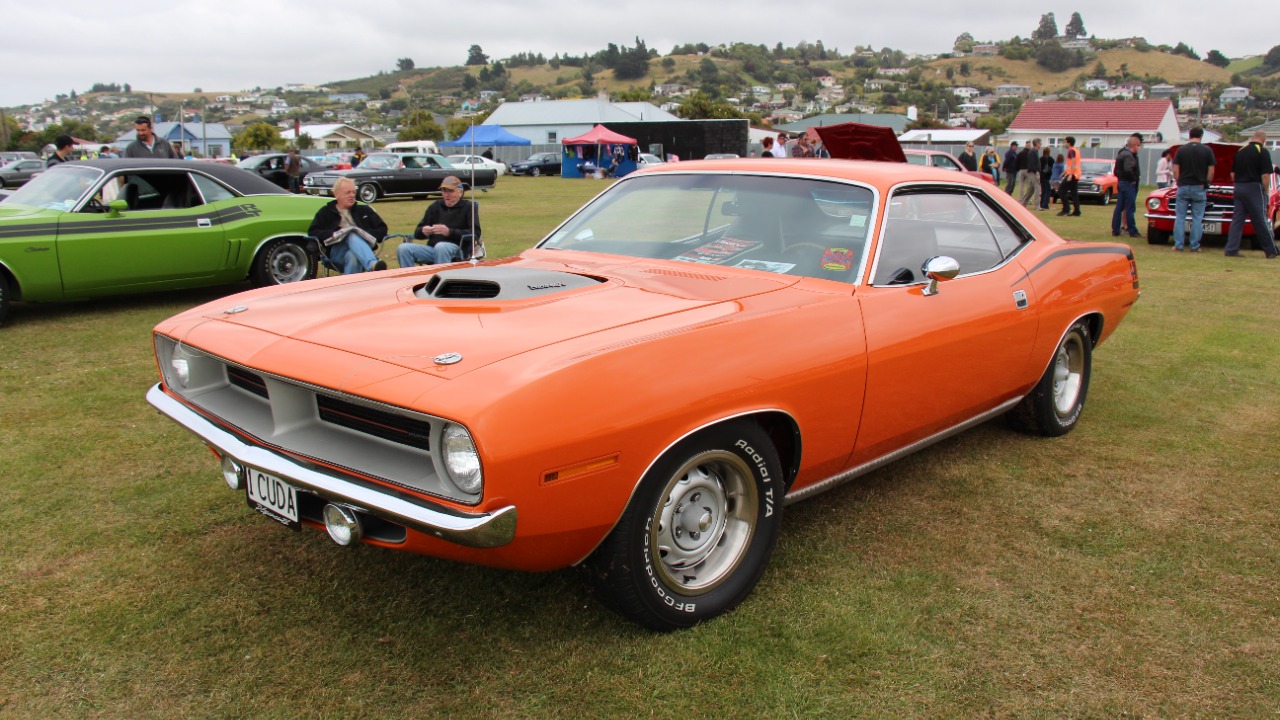
The 1970 Plymouth Hemi Cuda is often regarded as one of the most iconic muscle cars ever produced. Its aggressive styling, combined with the legendary 426 cubic inch Hemi V8 engine, unleashed a staggering 425 horsepower. I can still remember the first time I laid eyes on one—it was like witnessing a piece of automotive art in motion. The Hemi Cuda’s performance capabilities made it a standout on the drag strip, and its rarity today only adds to its allure among collectors.
Beyond its raw power, the Hemi Cuda offered a range of options that allowed buyers to customize their cars to fit their personalities. Its bold color palette and distinctive styling cues made it a head-turner, ensuring that it remained firmly in the spotlight during the horsepower wars. The 1970 model has become a symbol of American muscle, representing both power and style that are still celebrated today. Its legacy is a testament to the creativity and ambition of the automotive industry during this transformative period.
1970 Ford Torino Cobra
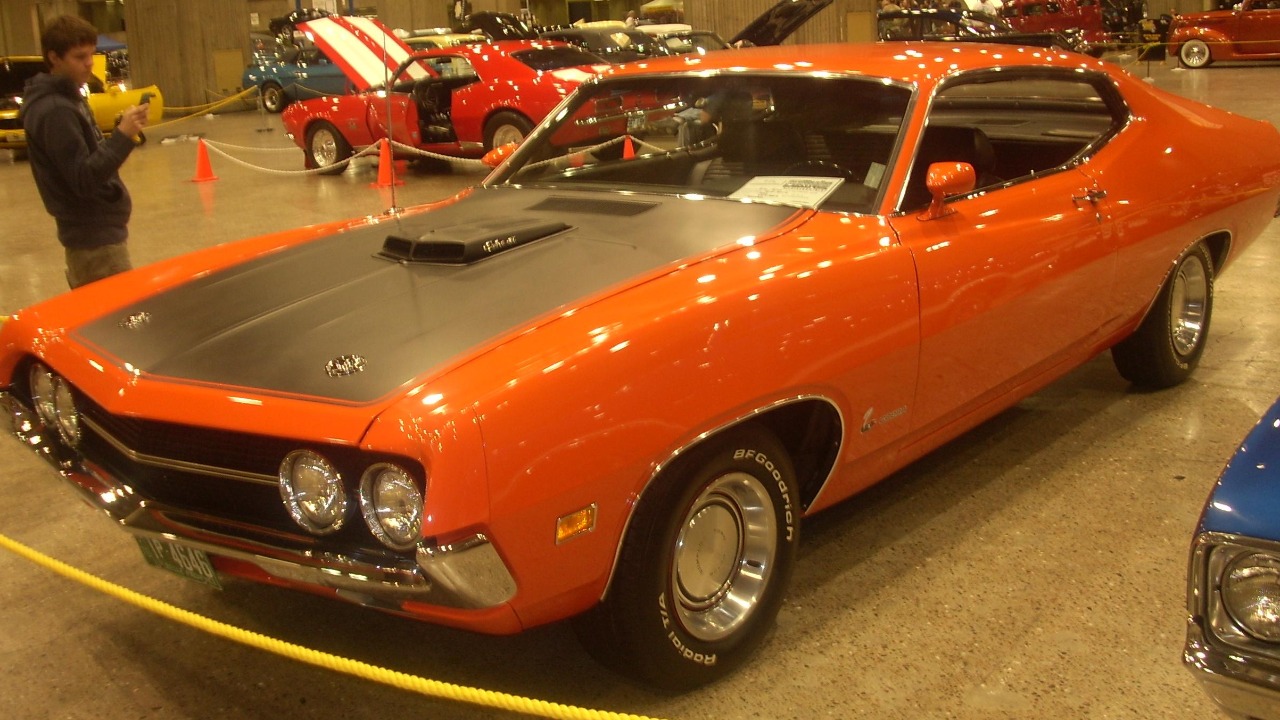
The 1970 Ford Torino Cobra is often overshadowed by other muscle cars, yet it remains an impressive machine in its own right. With a 429 cubic inch V8 engine capable of producing 370 horsepower, the Torino Cobra was designed for both speed and handling. I had the opportunity to see one in person, and its sleek lines and aggressive stance made it a true standout. The Torino was built with performance in mind, making it a favorite among racing enthusiasts and muscle car lovers alike.
What sets the Torino Cobra apart is its unique combination of style and performance. The aerodynamic design allowed for better airflow, enhancing speed and stability, while the spacious interior offered comfort for daily driving. The 1970 model year was pivotal for the Torino, as it solidified its place among the legendary muscle cars of the era. Today, it remains a sought-after classic, celebrated for its performance and design. If you’re curious about its historical significance, you can discover more about it in various automotive literature.
1970 Chevrolet Chevelle SS 454
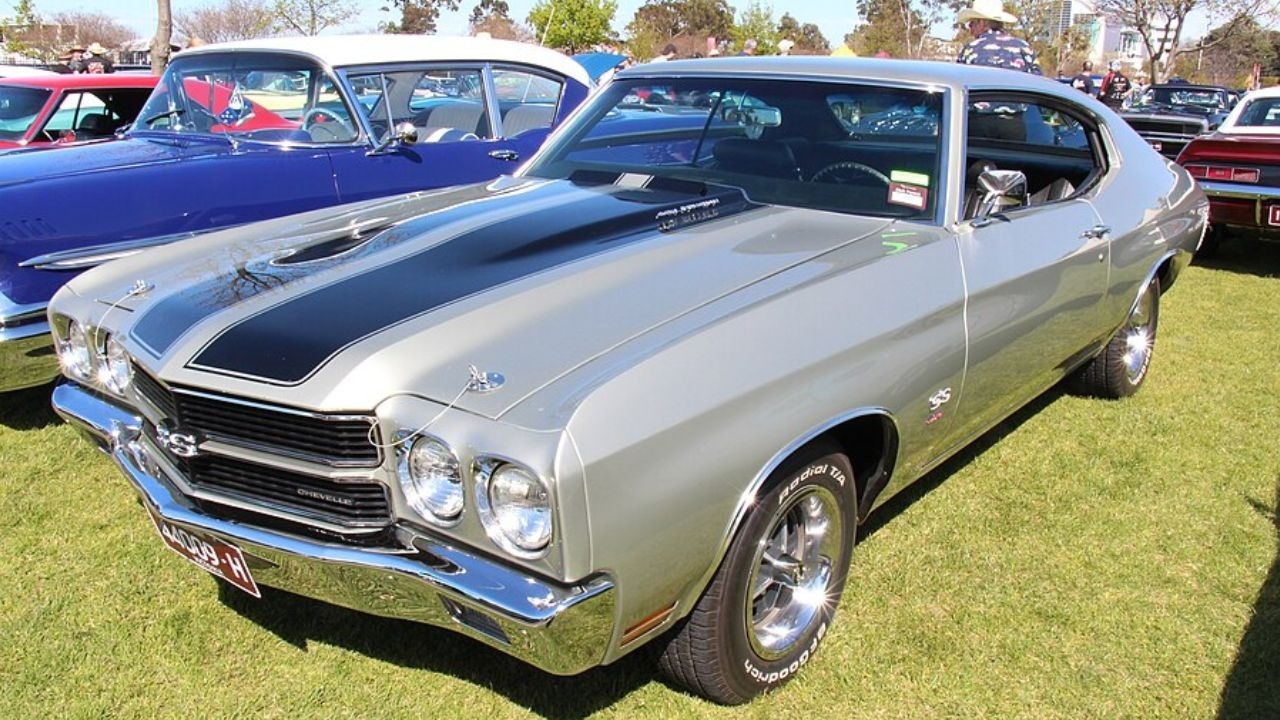
The 1970 Chevrolet Chevelle SS 454 is often regarded as one of the ultimate muscle cars. With its monstrous 454 cubic inch V8 engine producing a jaw-dropping 450 horsepower, this car was built for speed and power. I recall the thrill of hearing one roar down the street; the sound alone is enough to send shivers down any car enthusiast’s spine. The Chevelle SS offered a perfect blend of performance and classic styling, making it a favorite among collectors.
Beyond its power, the 1970 Chevelle SS was designed with a muscular body, featuring aggressive lines and a bold front grille that commanded attention. The interior was spacious and comfortable, making it practical for everyday use while still being a powerhouse on the road. The Chevelle SS 454’s legacy is celebrated today, and it remains a staple at classic car shows, where it draws admiration from fans and enthusiasts alike. For those interested in the Chevelle’s impact on muscle car culture, numerous resources delve into its history and significance.
1971 Pontiac Firebird Trans Am
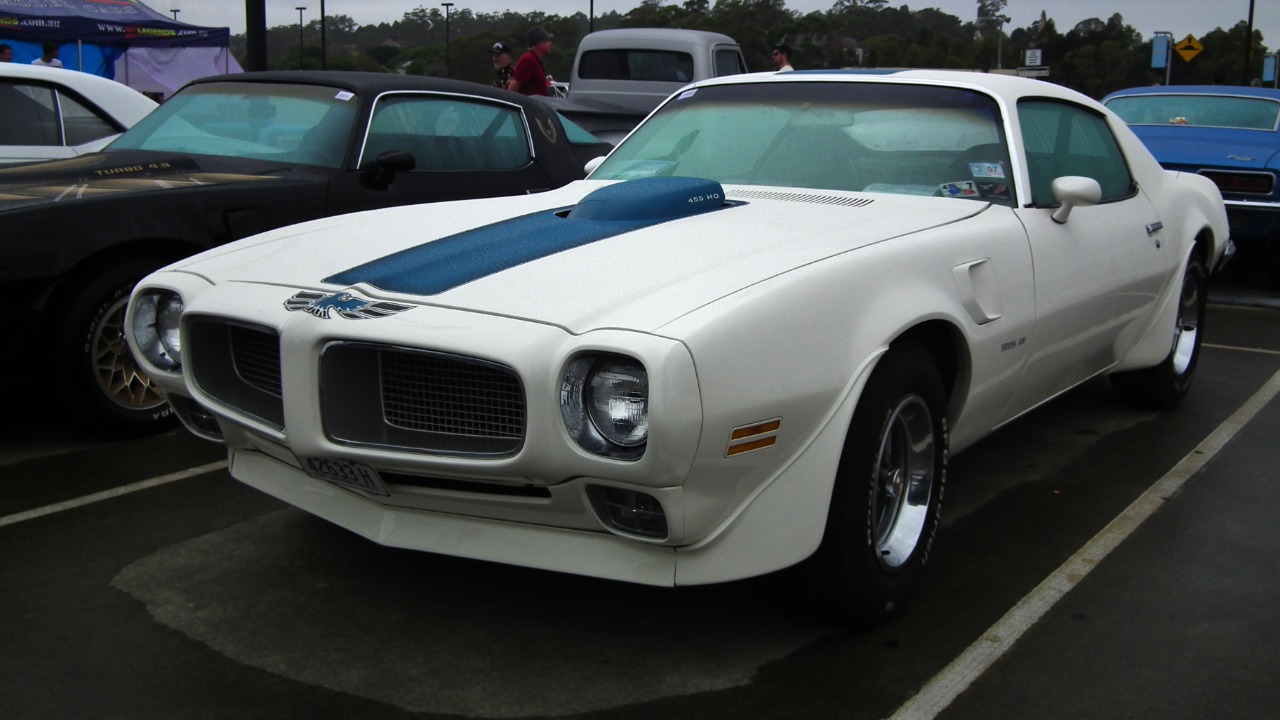
The 1971 Pontiac Firebird Trans Am is another iconic vehicle from the muscle car era, known for its performance and striking design. Equipped with a 455 cubic inch V8 engine, it delivered an impressive 335 horsepower, showcasing Pontiac’s commitment to power and speed. The Trans Am’s distinctive decals and bold styling made it a standout among its peers, and its racing heritage only added to its allure.
As one of the final iterations of the first-generation Firebird, the 1971 Trans Am represents the peak of Pontiac’s muscle car ambitions. Its combination of performance, style, and racing pedigree has solidified its place in automotive history. Today, the Trans Am is a highly coveted classic, admired for its unique character and the influence it had on the muscle car landscape. For fans of muscle cars, the Firebird Trans Am remains an unforgettable symbol of the era.
1971 De Tomaso Pantera
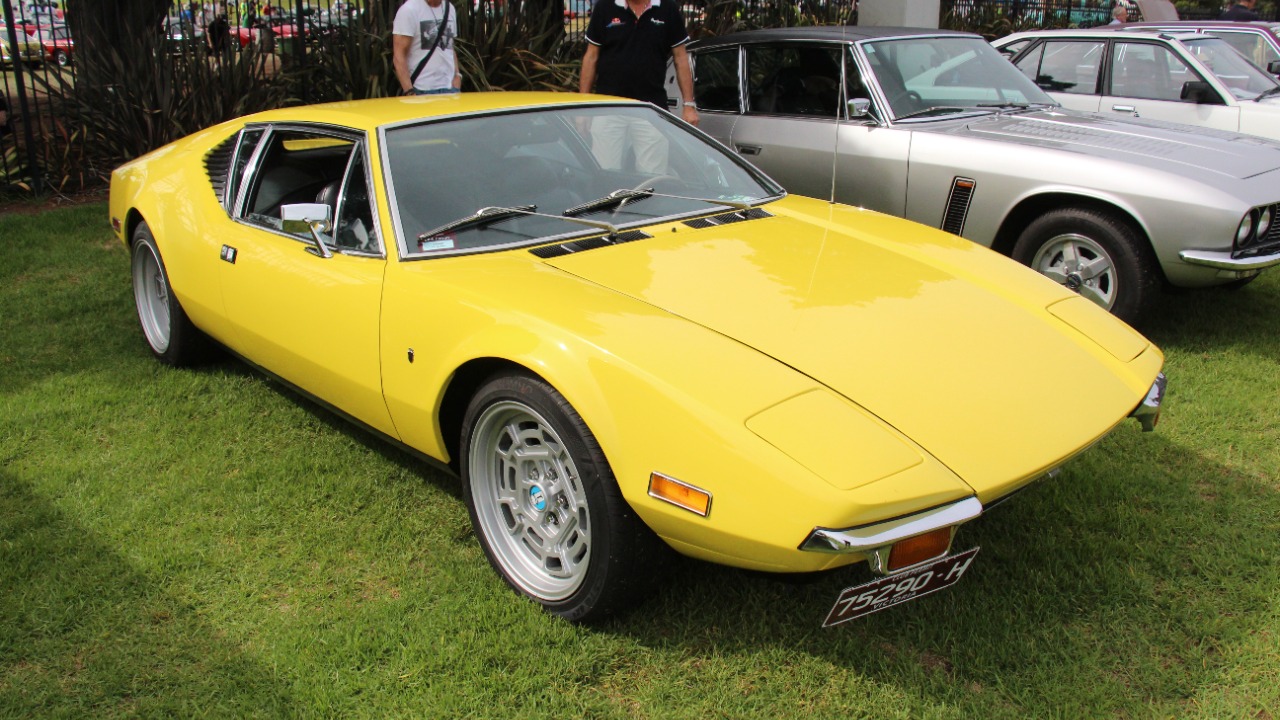
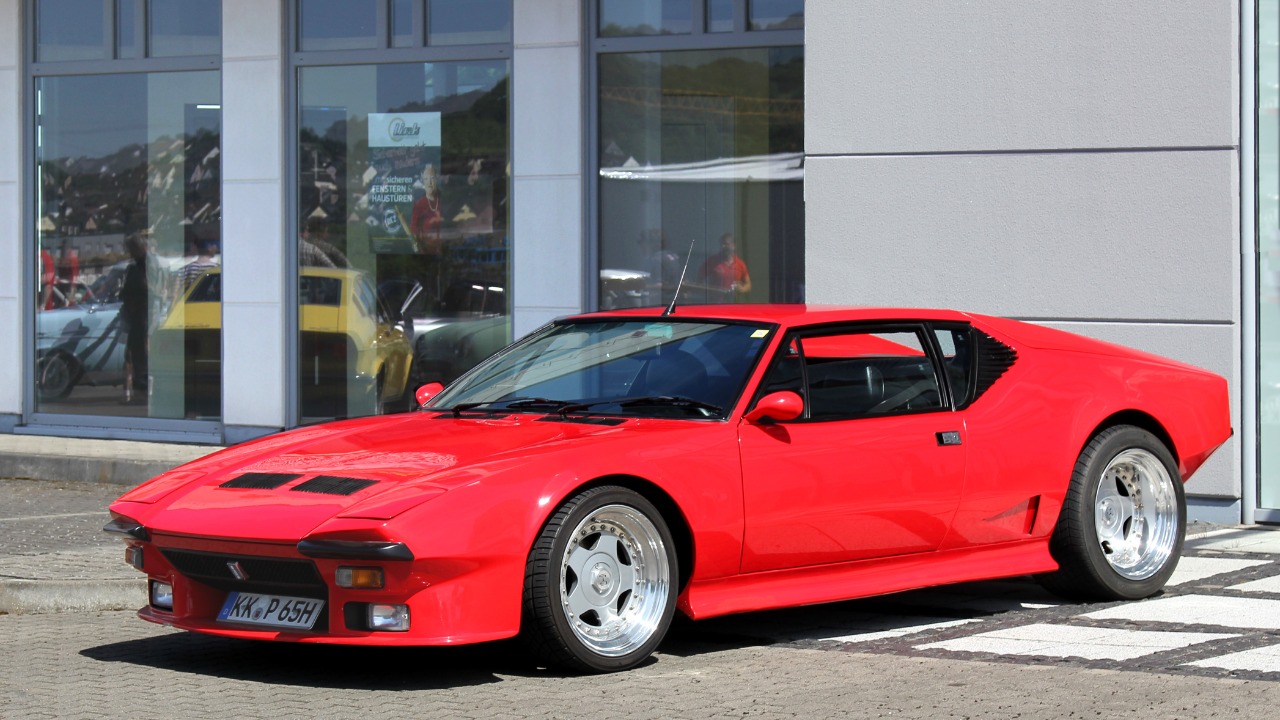
The 1971 De Tomaso Pantera is a unique entry in the muscle car landscape, blending American power with Italian design. Equipped with a Ford 351 cubic inch V8 engine, the Pantera produced around 330 horsepower, allowing it to compete with other muscle cars of the era. I remember the first time I encountered one—it was a striking blend of sleek lines and aggressive styling that captured my attention immediately. The Pantera was designed to deliver thrilling performance, with a lightweight body that maximized speed and agility.
What sets the Pantera apart is its exotic flair, with a design that stood out amidst the American muscle cars dominating the market. Its combination of Italian craftsmanship and American muscle made it a fascinating choice for those looking for something different. The Pantera continues to hold a special place in automotive history, celebrated for its unique design and performance capabilities. For those who want to learn more about the Pantera’s impact, various resources are available that explore its significance in the world of sports cars.
More from Fast Lane Only
- Unboxing the WWII Jeep in a Crate
- 15 rare Chevys collectors are quietly buying
- 10 underrated V8s still worth hunting down
- Police notice this before you even roll window down
*Research for this article included AI assistance, with all final content reviewed by human editors.