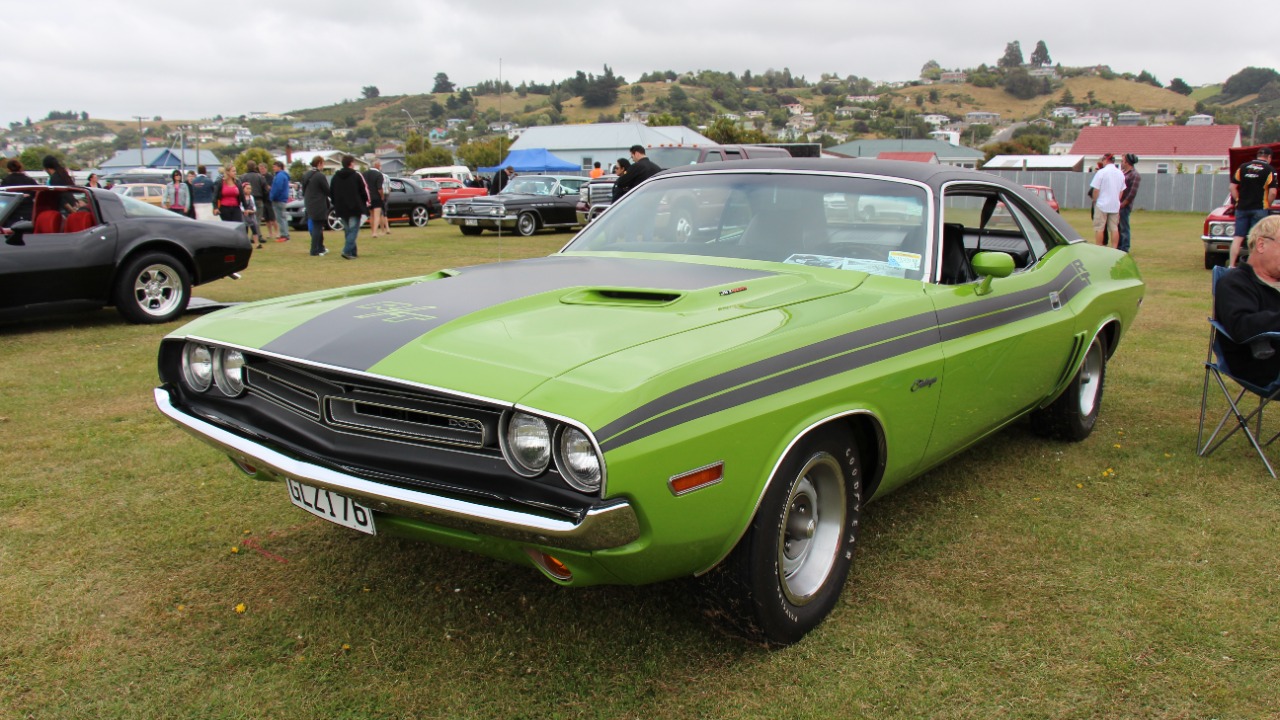
The horsepower wars of the 1960s and 1970s marked a thrilling time in American automotive history. It was an era defined by fierce competition among manufacturers striving to produce the most powerful and fastest muscle cars. These vehicles not only transformed the automotive landscape but also paved the way for the high-performance cars we know today. Here’s a look at 12 iconic muscle cars that changed performance forever.
1964 Pontiac GTO
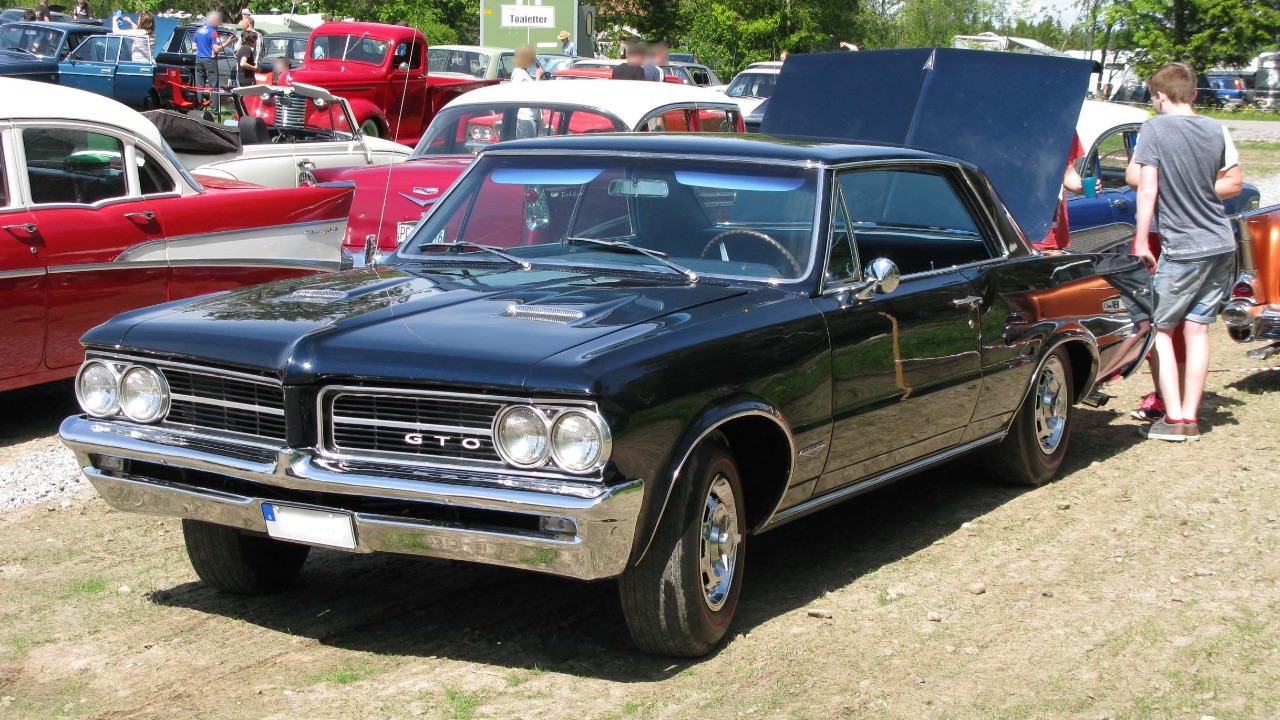
The 1964 Pontiac GTO is often credited with kicking off the muscle car craze. With its 389 cubic inch V8 engine producing 325 horsepower, it was a formidable contender on the streets. Its combination of sporty styling and performance made it an instant classic. The GTO showcased how a car could blend everyday usability with exhilarating power, setting a benchmark for future models. Its success led other manufacturers to create their own performance-oriented vehicles, starting an arms race in horsepower.
Not only did the GTO dominate the streets, but it also left a lasting legacy in automotive culture. It was one of the first cars to be marketed specifically as a muscle car, a term that would become synonymous with high-performance vehicles. The GTO’s influence can still be seen today in various modern interpretations that pay homage to its bold design and powerful performance. For a deep dive into muscle car history, consider reading this book.
1967 Chevrolet Camaro
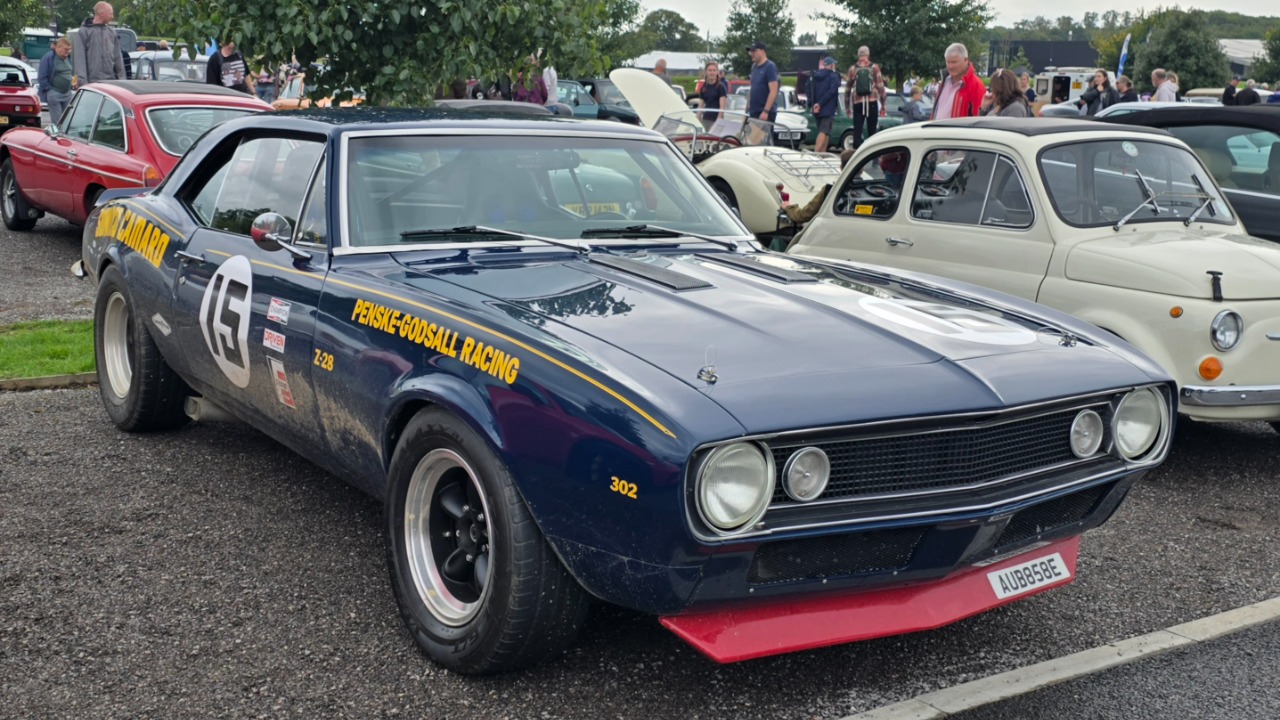
The 1967 Chevrolet Camaro emerged as a fierce competitor to the Ford Mustang, offering a blend of style and performance that appealed to a broad audience. Featuring a range of powerful engines, including a 396 cubic inch V8, the Camaro was designed for speed and agility. Its aggressive stance and customizable options made it a favorite among muscle car enthusiasts. The Camaro quickly became known for its balance and handling, which were exceptional for the era, making it a staple at drag strips and car shows alike.
As a result of its success, the Camaro solidified its place in automotive history. It became a symbol of American muscle, inspiring countless modifications and aftermarket upgrades. The Camaro’s importance extended beyond performance; it also influenced a generation of car culture, leading to the rise of car clubs and custom shows. The impact of the Camaro can be explored further in articles discussing how iconic engines changed racing forever.
1968 Ford Mustang GT
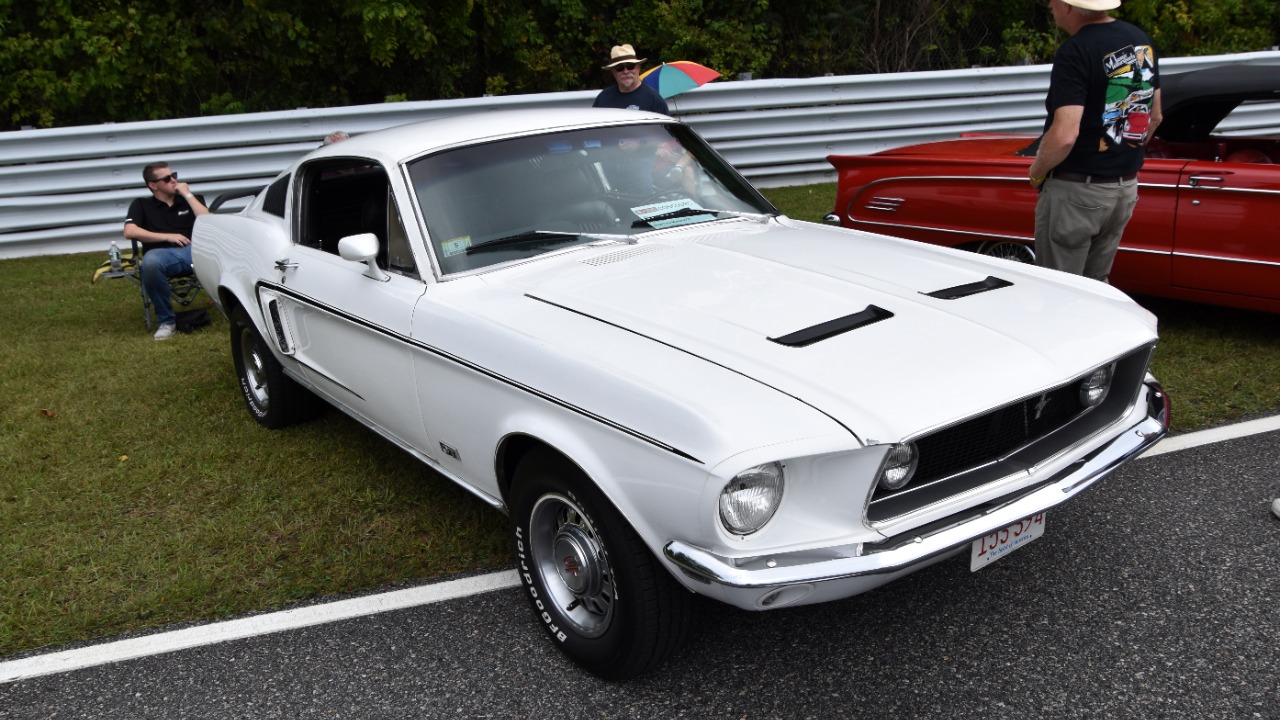
The 1968 Ford Mustang GT was an evolution of the original model, further enhancing its position as an American icon. With options for high-performance engines, including the 390 cubic inch V8, the Mustang GT offered drivers an exhilarating experience. Its sleek design and powerful engine options made it a favorite among performance enthusiasts and casual drivers alike. The Mustang became synonymous with speed, and its presence on the racetrack helped to elevate its status in American culture.
Moreover, the 1968 Mustang GT played a pivotal role in popularizing the muscle car segment, influencing future generations of vehicles. Its unique combination of style, performance, and affordability created a formula that many manufacturers would strive to replicate. This model also paved the way for the Mustang’s continued dominance in the automotive market. The Mustang’s legacy is a testament to how aftermarket culture has shaped the muscle car scene over the decades.
1970 Dodge Charger R/T
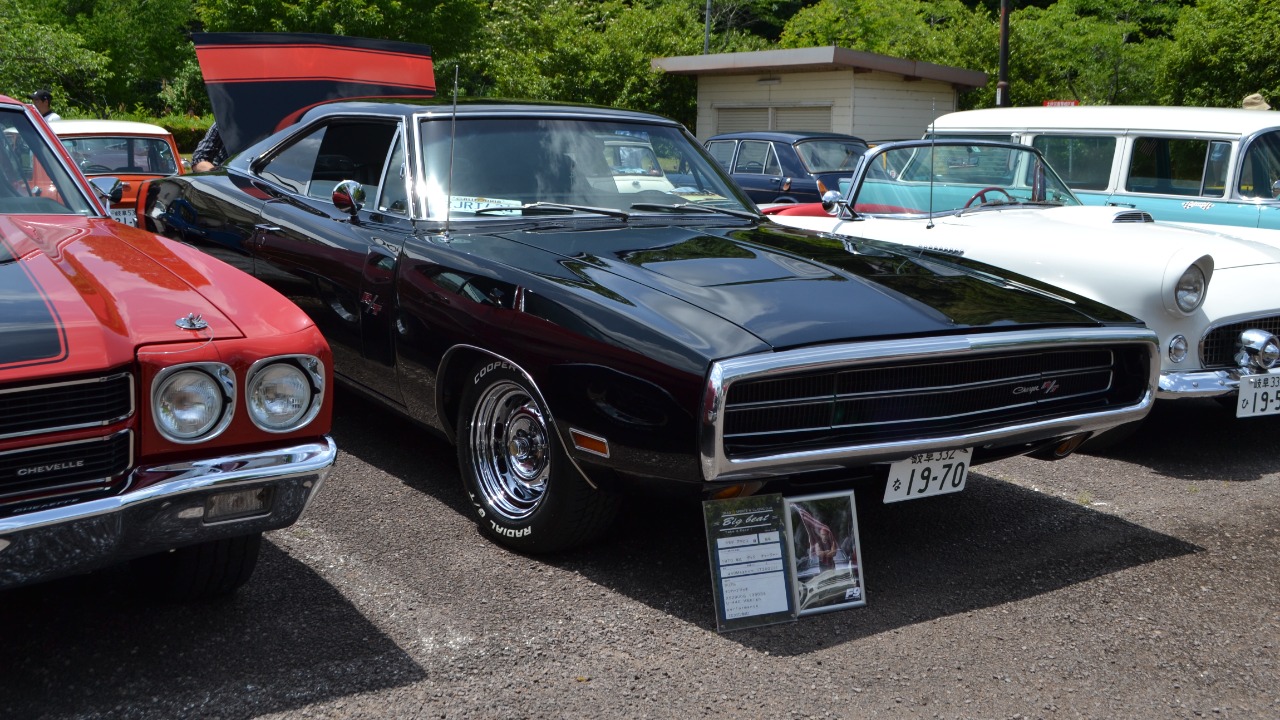
The 1970 Dodge Charger R/T is a muscle car that epitomizes raw power and aggressive styling. Equipped with a 440 cubic inch V8 or the legendary 426 Hemi, the Charger R/T was engineered for performance. Its bold design, featuring a prominent front grille and wide body, made it stand out on the roads. This model was not just about looks; it delivered exhilarating speed and handling, allowing it to dominate both the streets and the racetrack.
Additionally, the Charger R/T’s impact extended beyond performance. It became a cultural icon, appearing in popular films and television shows, which helped solidify its status in the muscle car pantheon. The Charger remains a popular choice among collectors and enthusiasts, thanks to its performance pedigree and classic design. The evolution of muscle cars like the Charger showcases how they continue to influence modern automotive trends, as seen in discussions about how classic muscle cars can outrun modern cars in certain aspects.
1970 Chevrolet Chevelle SS 454
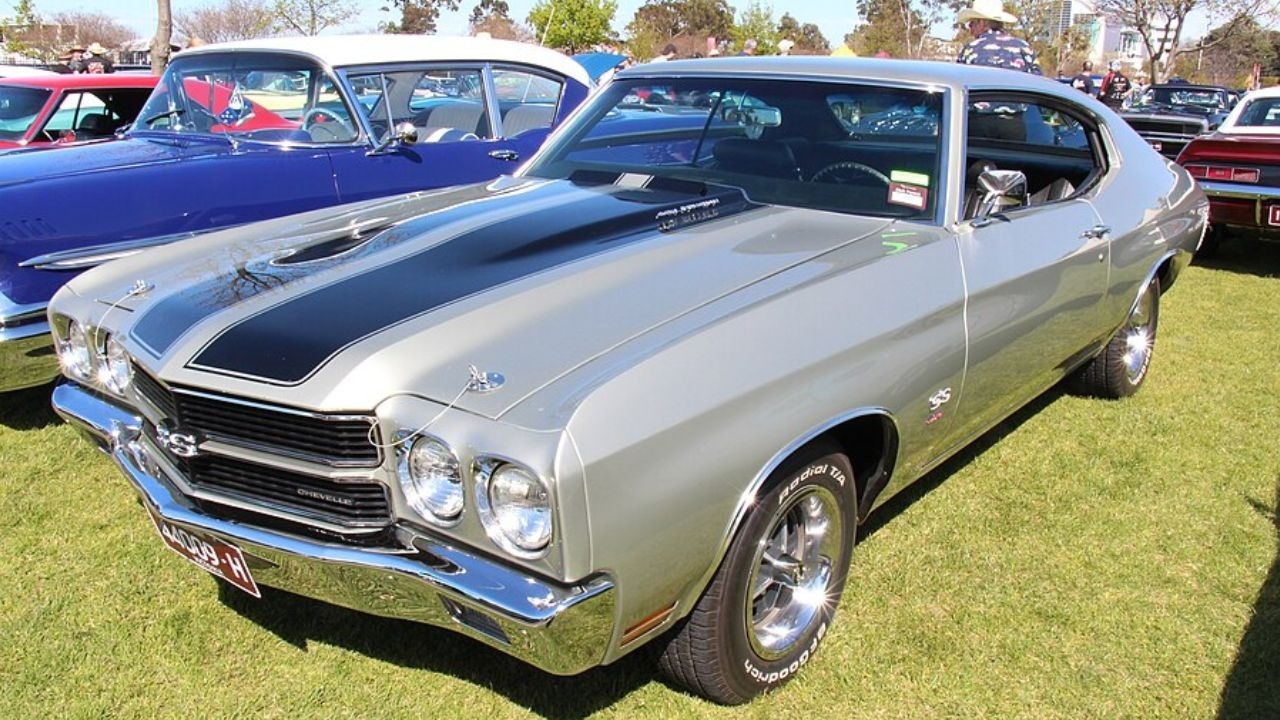
The 1970 Chevrolet Chevelle SS 454 is a powerhouse that remains a benchmark in muscle car performance. With its 454 cubic inch V8 engine capable of producing 450 horsepower, the Chevelle SS was engineered for speed and acceleration. This model showcased Chevrolet’s commitment to performance, blending aggressive styling with unmatched power. The Chevelle’s combination of muscle and practicality made it a favorite among enthusiasts and families alike, providing both excitement and comfort.
The Chevelle SS 454’s legacy lies in its remarkable performance and enduring popularity. It has inspired numerous restorations and modifications, cementing its place in the hearts of muscle car fans. The Chevelle’s influence can still be felt today, as it paved the way for subsequent generations of high-performance vehicles. For a comprehensive look at muscle car history, I recommend checking out this insightful book.
1969 Mercury Cougar Eliminator
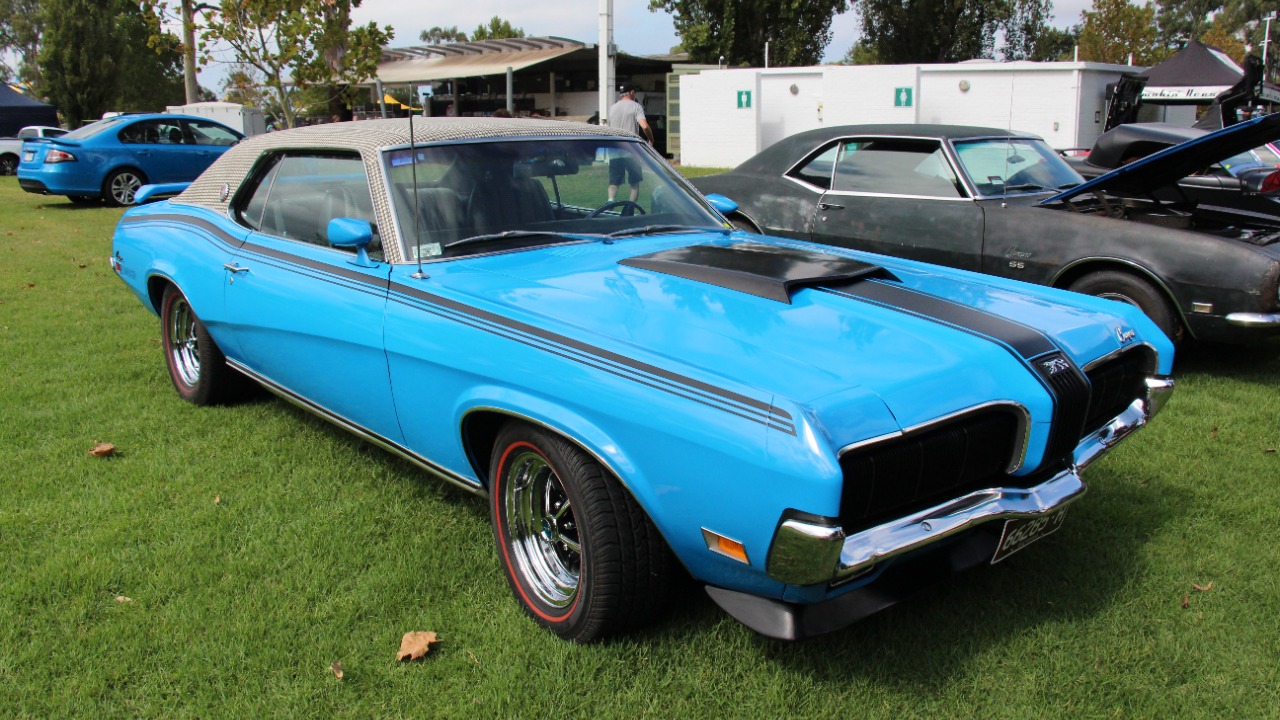
The 1969 Mercury Cougar Eliminator was a unique entry in the muscle car segment, offering a blend of elegance and performance. With several engine options, including the potent 351 cubic inch Windsor V8, the Cougar was designed to appeal to style-conscious buyers who sought performance. Its refined design and comfortable interior set it apart from its competitors, making it a more luxurious alternative without sacrificing speed. The Eliminator trim specifically highlighted its performance capabilities, making it a true contender in the muscle car arena.
What set the Cougar apart was its versatility; it appealed to both performance enthusiasts and those looking for a stylish cruiser. The Eliminator’s unique features and limited production numbers have made it a sought-after classic among collectors. The Cougar’s legacy continues to influence modern designs, merging performance with luxury. Its impact on the muscle car scene cannot be understated, as it demonstrated that muscle cars could embody both power and sophistication.
1971 Plymouth Hemi Cuda
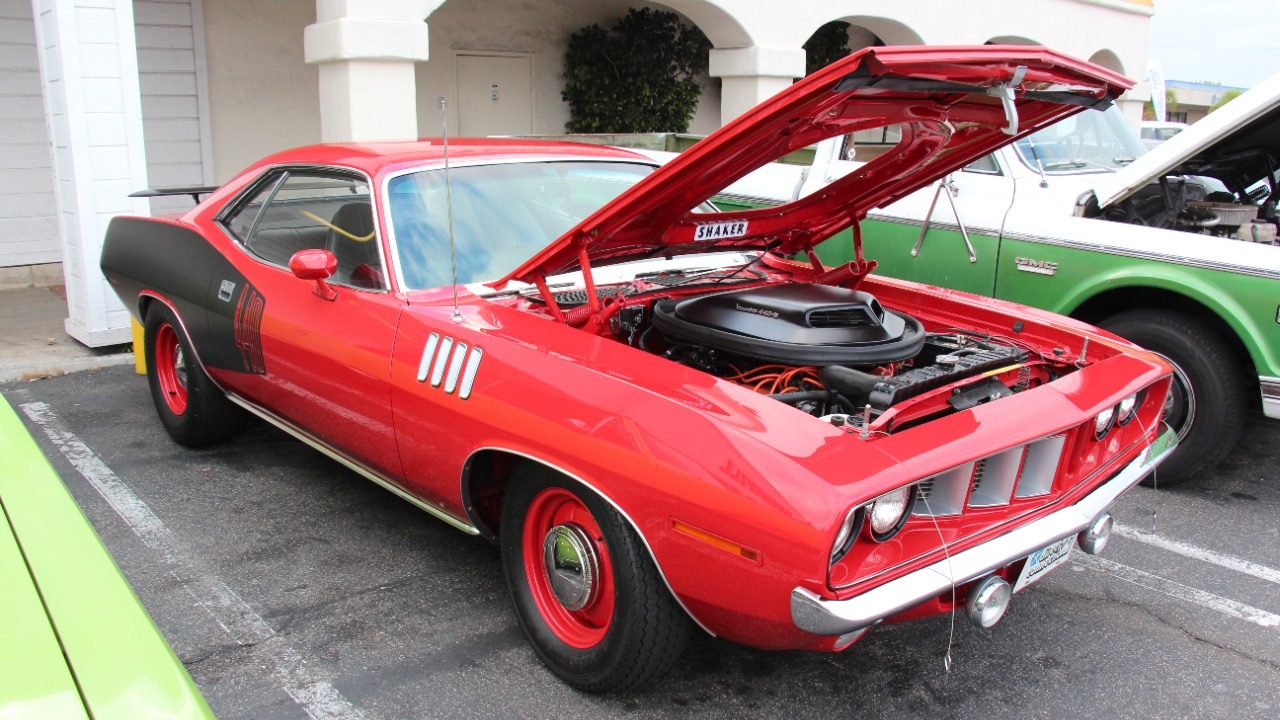
The 1971 Plymouth Hemi Cuda is often regarded as one of the most formidable muscle cars of its time. With its iconic styling and powerful 426 cubic inch Hemi V8 engine, the Hemi Cuda was designed for those who craved speed and performance. Its aggressive stance and distinctive features made it an instant classic. The Hemi engine provided an exhilarating driving experience, allowing it to dominate on the racetrack and the streets. Despite its limited production, the Hemi Cuda’s reputation as a performance icon has only grown over the years.
The legacy of the Hemi Cuda extends beyond its impressive specifications. It has become a symbol of the muscle car era, representing the pinnacle of American automotive performance. Its rarity and performance capabilities have made it a highly coveted vehicle among collectors and enthusiasts. The Hemi Cuda is a testament to the engineering prowess of the era, showcasing how muscle cars pushed the boundaries of performance and design.
1969 Pontiac Firebird Trans Am
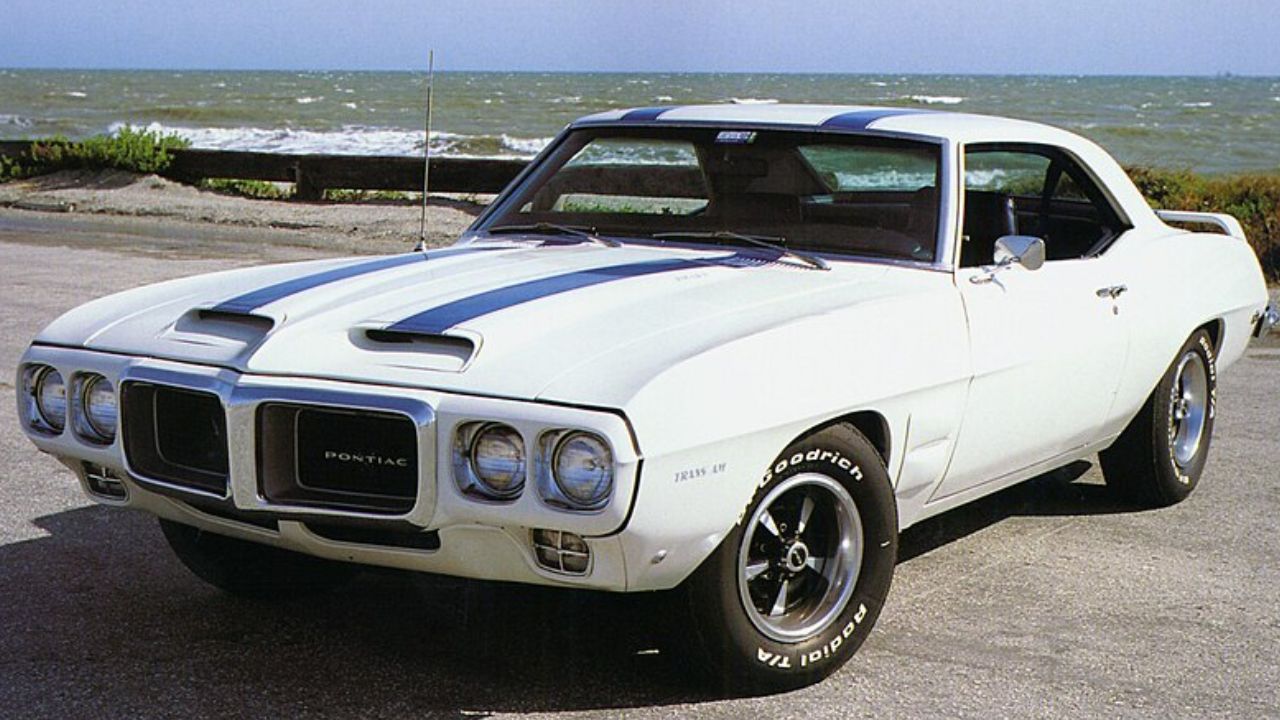
The 1969 Pontiac Firebird Trans Am was a game-changer in the muscle car segment, offering a blend of performance and style. With its distinctive graphics and powerful engine options, including the 400 cubic inch V8, the Trans Am quickly gained a reputation for performance. Its lightweight design and advanced handling made it a favorite among racing enthusiasts. The Trans Am was not just about raw power; it provided a balanced driving experience that appealed to a wide range of drivers.
Furthermore, the Firebird Trans Am’s legacy is marked by its cultural impact, appearing in films and television shows that have solidified its status as an American icon. Its combination of style, performance, and history has made it a sought-after classic car. The Trans Am’s influence can be seen in the modern performance vehicles that continue to pay homage to its design and capabilities.
1970 Oldsmobile 442 W-30
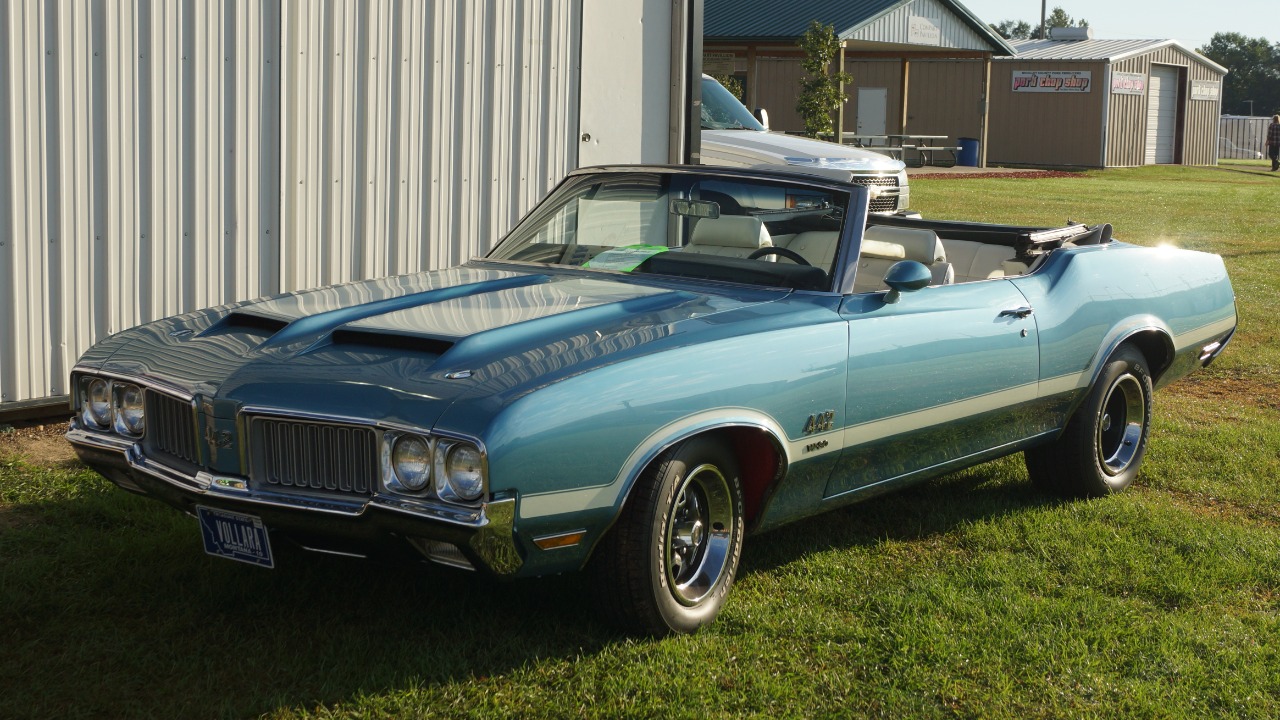
The 1970 Oldsmobile 442 W-30 is a standout model that made waves during the muscle car era. With its 455 cubic inch V8 engine producing 370 horsepower, the 442 W-30 was engineered for high performance. The model’s unique features, including its fiberglass hood and functional air scoop, contributed to its aggressive styling and performance capabilities. The 442 was designed not just for speed, but also for a thrilling driving experience, combining handling and power in a way that few cars could match.
Its legacy continues to resonate among car enthusiasts, as the 442 W-30 maintains a reputation for being one of the most powerful muscle cars of its time. Collectors seek out this model for its rarity and performance pedigree, and it remains a symbol of Oldsmobile’s engineering excellence. The Oldsmobile 442 W-30 is a testament to how muscle cars shaped the automotive landscape, influencing subsequent generations of performance vehicles.
1970 Buick GSX
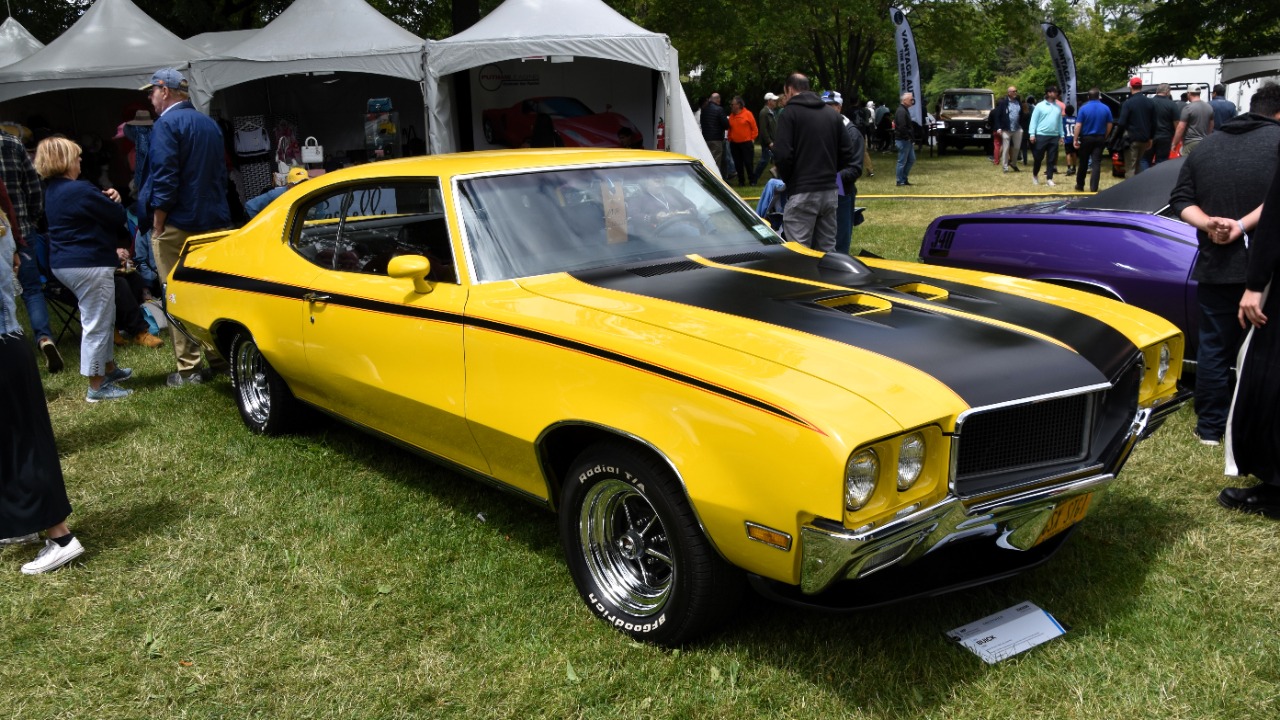
The 1970 Buick GSX is a remarkable muscle car that exemplifies the power and performance of its era. Equipped with a 455 cubic inch V8 engine, the GSX produced an impressive 510 lb-ft of torque, making it one of the most powerful cars of its time. Its bold styling, characterized by a distinctive black and yellow color scheme, set it apart from other muscle cars. The GSX was not just about looks; its performance capabilities made it a formidable competitor on the drag strip.
The GSX’s legacy lies in its limited production and high-performance attributes, making it a highly sought-after classic car. Its rarity and impressive specifications continue to captivate collectors and car enthusiasts. The Buick GSX represents a peak moment in the muscle car genre, showcasing how American manufacturers pushed the boundaries of performance and design during the horsepower wars.
1971 Dodge Challenger R/T
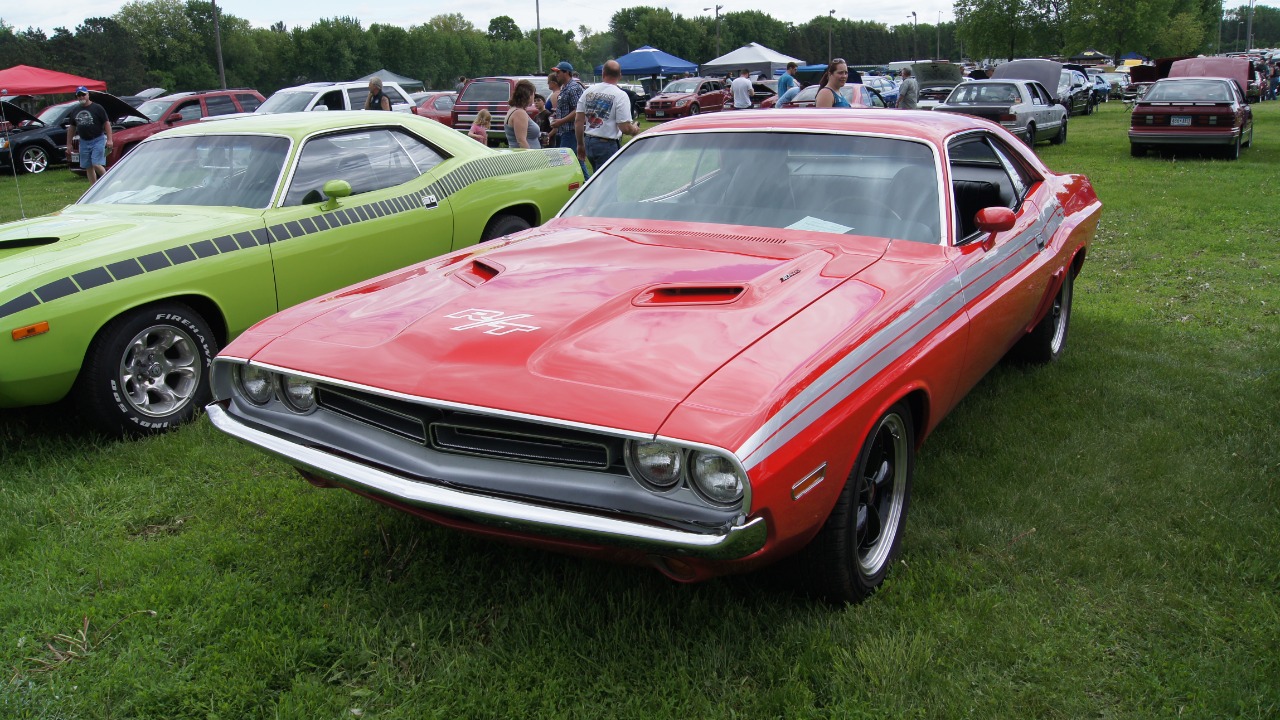
The 1971 Dodge Challenger R/T was a continuation of Dodge’s commitment to high-performance muscle cars. With a range of powerful engines, including the 440 cubic inch V8, the Challenger R/T offered exhilarating speed and handling. Its aggressive styling, featuring a long hood and wide stance, made it an iconic presence on the road. The Challenger was designed to deliver not only power but also a comfortable and engaging driving experience, appealing to a broad audience.
The Challenger R/T’s impact on the muscle car scene is undeniable. It became a cultural icon, appearing in films and car shows, further solidifying its status. Today, the Challenger R/T is revered by collectors and enthusiasts for its performance pedigree and timeless design. Its influence can be seen in modern iterations that pay homage to its legacy, showcasing the enduring appeal of American muscle cars.
1969 Ford Mustang Mach 1
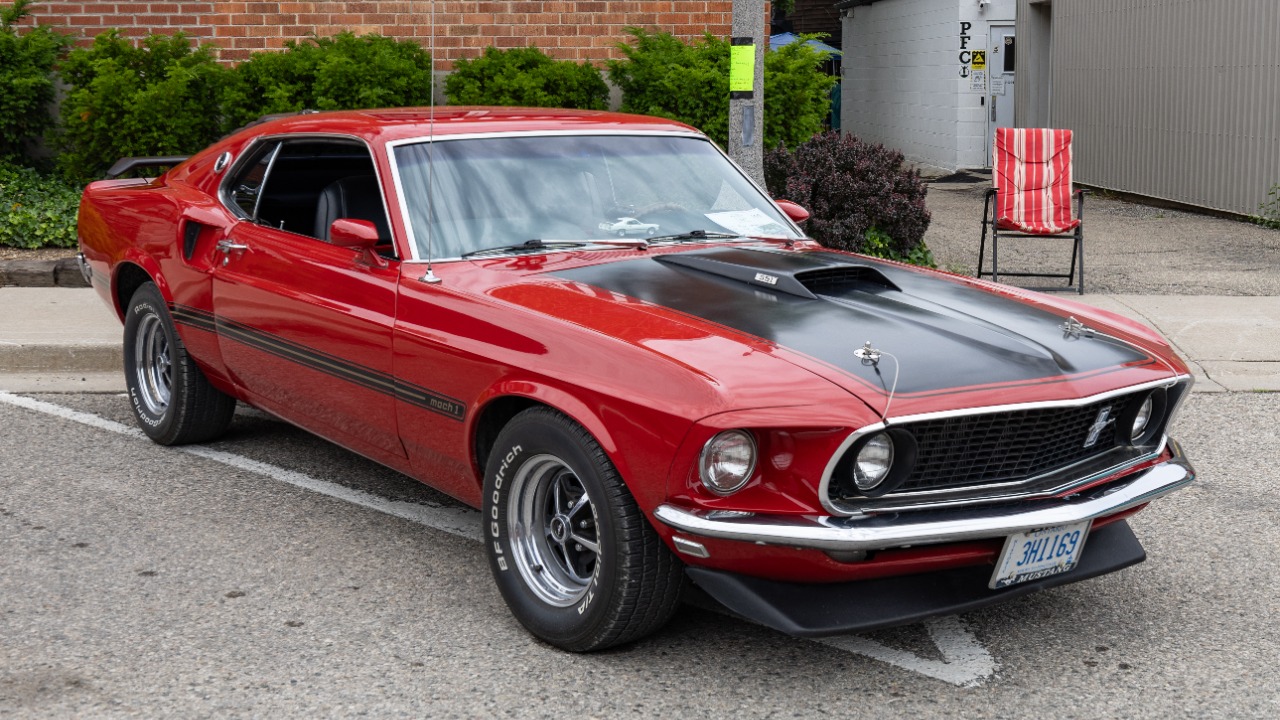
The 1969 Ford Mustang Mach 1 was a performance-oriented variant of the iconic Mustang, designed to cater to the speed enthusiasts of the era. With options for powerful engines, including the 428 cubic inch Cobra Jet V8, the Mach 1 was engineered for speed and agility. Its distinctive styling, featuring a hood scoop and sporty stripes, made it an eye-catching presence on the road. The Mach 1 was not just about raw power; it also emphasized handling, making it a well-rounded performance vehicle.
The Mach 1’s legacy is marked by its role in popularizing performance upgrades and modifications, inspiring countless enthusiasts to customize their Mustangs. It remains a beloved model among collectors, representing the pinnacle of muscle car design and performance. The Mustang Mach 1’s influence endures in the automotive world, showcasing how it paved the way for future generations of high-performance vehicles.
More from Fast Lane Only
- Unboxing the WWII Jeep in a Crate
- 15 rare Chevys collectors are quietly buying
- 10 underrated V8s still worth hunting down
- Police notice this before you even roll window down
*Research for this article included AI assistance, with all final content reviewed by human editors.