The automotive landscape underwent a radical transformation between the 1960s and 1980s. During this period, manufacturers pushed the envelope of design, performance, and technology, creating iconic vehicles that still captivate enthusiasts today. From muscle cars to exotic supercars, these classics have left an indelible mark, making modern offerings feel ordinary by comparison.
1964 Ford Mustang
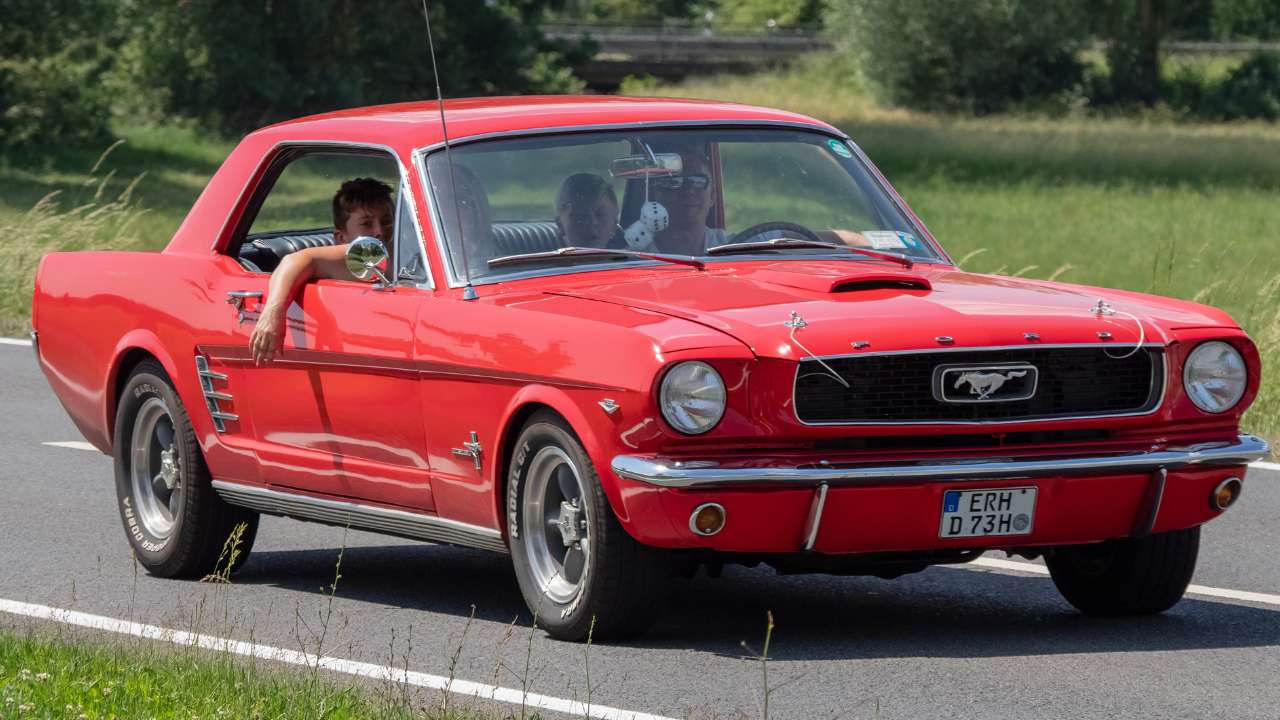
The 1964 Ford Mustang is often credited with launching the pony car segment, blending performance with affordability. Its sleek design, characterized by long hood and short rear deck, was revolutionary at the time. The Mustang offered an array of engines, from a 170-cubic inch inline-six to a powerful 289-cubic inch V8, giving buyers options that catered to both budget and performance enthusiasts. The Mustang quickly gained a reputation for speed and agility, becoming a symbol of American car culture. Today, its legacy lives on, and you can see its influence in numerous modern vehicles. For a deeper dive into its historical impact, check out this resource.
1967 Chevrolet Camaro
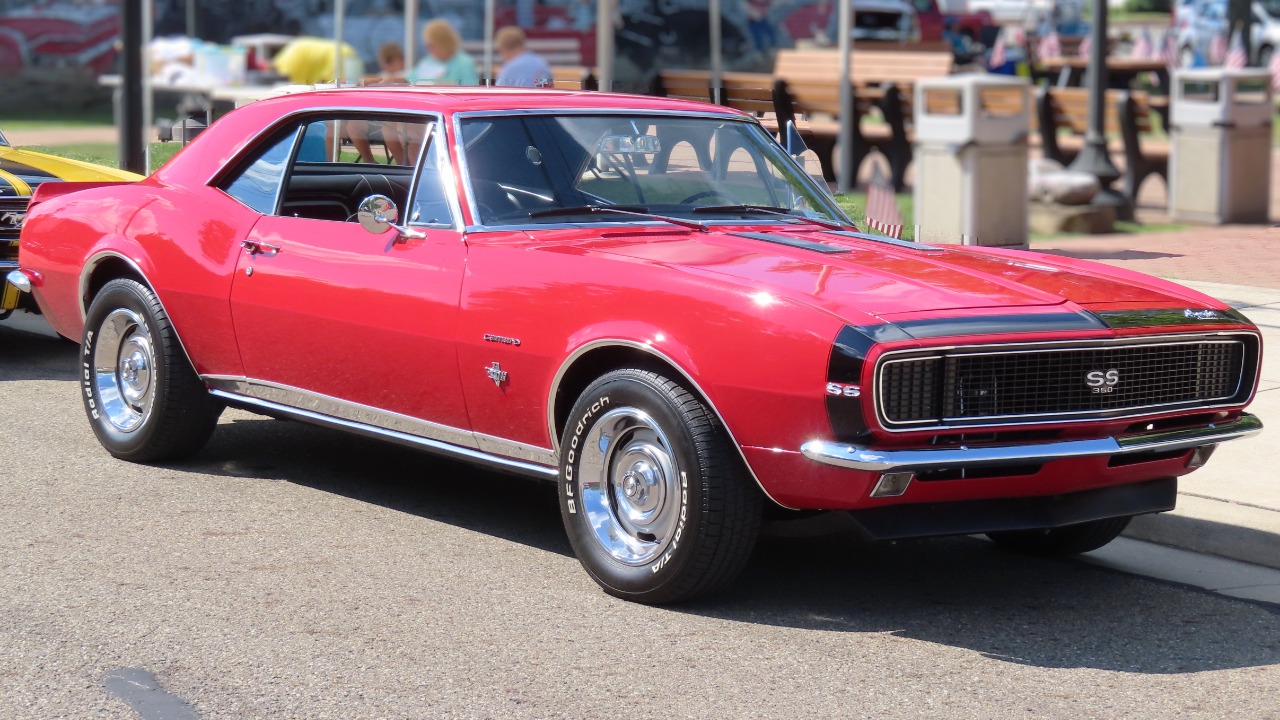
Released as a direct competitor to the Ford Mustang, the 1967 Chevrolet Camaro quickly established itself as a performance powerhouse. With a wide range of engine options, including the high-performance 396-cubic inch V8, the Camaro catered to driving enthusiasts who craved speed and style. Its aggressive stance and bold lines made it an instant classic, with a design that still resonates today. The Camaro’s racing heritage is also noteworthy, having competed in various motorsport events, enhancing its appeal among car lovers. The blend of muscle and refinement continues to influence modern muscle cars. For more on its legacy, explore this insightful chapter.
1970 Dodge Charger
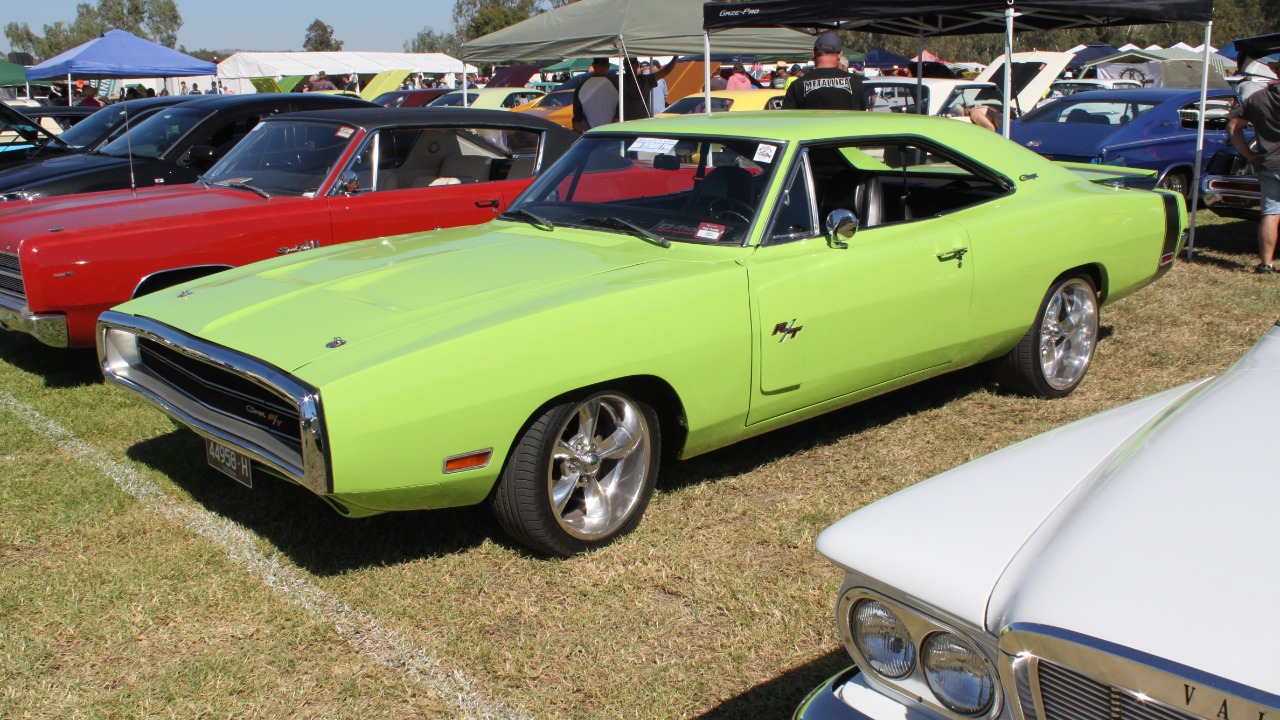
The 1970 Dodge Charger is a quintessential muscle car that encapsulates raw American power. With its elongated body, aggressive front grille, and iconic “Coke bottle” shape, the Charger is an aesthetic masterpiece. Under the hood, it offered a range of formidable engines, including the legendary 426 HEMI V8, allowing drivers to experience exhilarating performance. The Charger also made its mark in popular culture, famously featured in the “Dukes of Hazzard” television series. Its combination of brute force and striking design continues to inspire modern automotive design, as evidenced by its recent resurgence in the market. The Charger remains a benchmark for muscle cars, making it hard for modern vehicles to capture the same essence.
1971 Lamborghini Miura
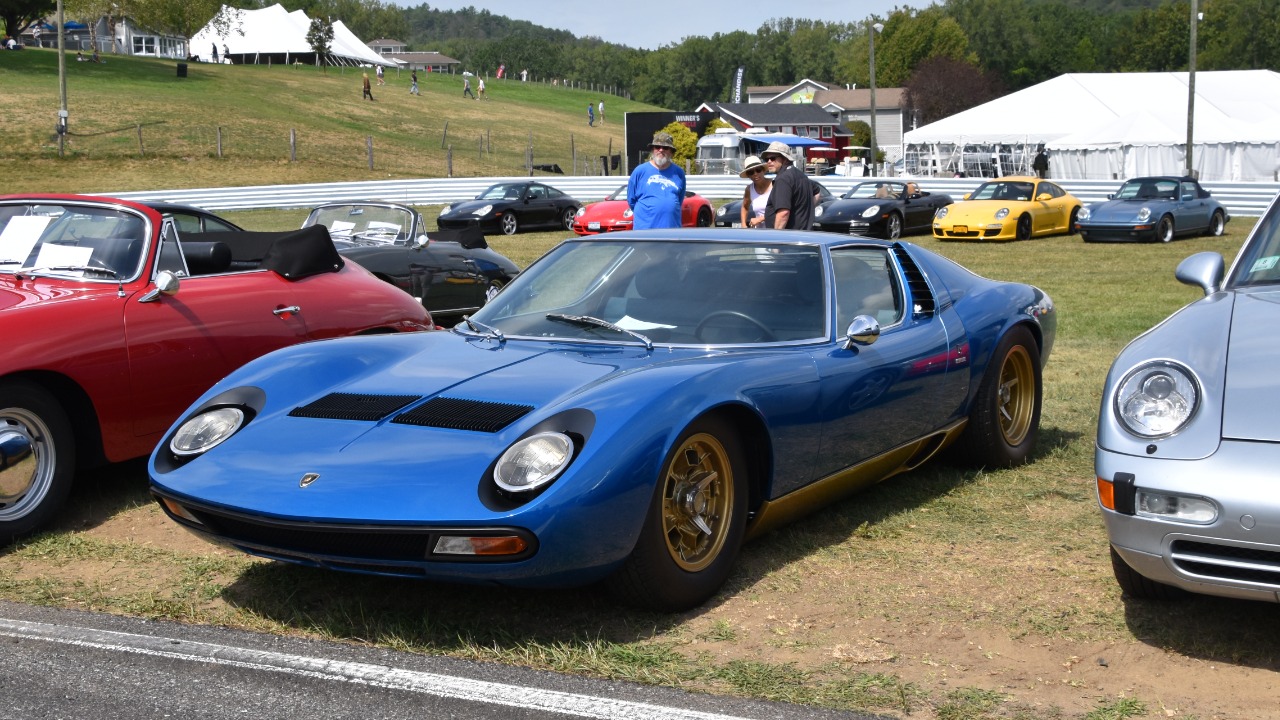
The 1971 Lamborghini Miura is often regarded as the world’s first supercar, setting the stage for high-performance vehicles that followed. With a mid-engine layout and stunning design by Marcello Gandini, it boasted a 3.9-liter V12 engine that could reach 60 mph in just 6.7 seconds. Its sleek, low profile and innovative engineering captured the imagination of car enthusiasts everywhere. The Miura’s blend of beauty and performance redefined expectations of what a sports car could be, influencing countless successors in the supercar realm. Even today, its legacy continues to shine brightly, reminding us of the golden age of automotive engineering.
1973 Porsche 911 Carrera
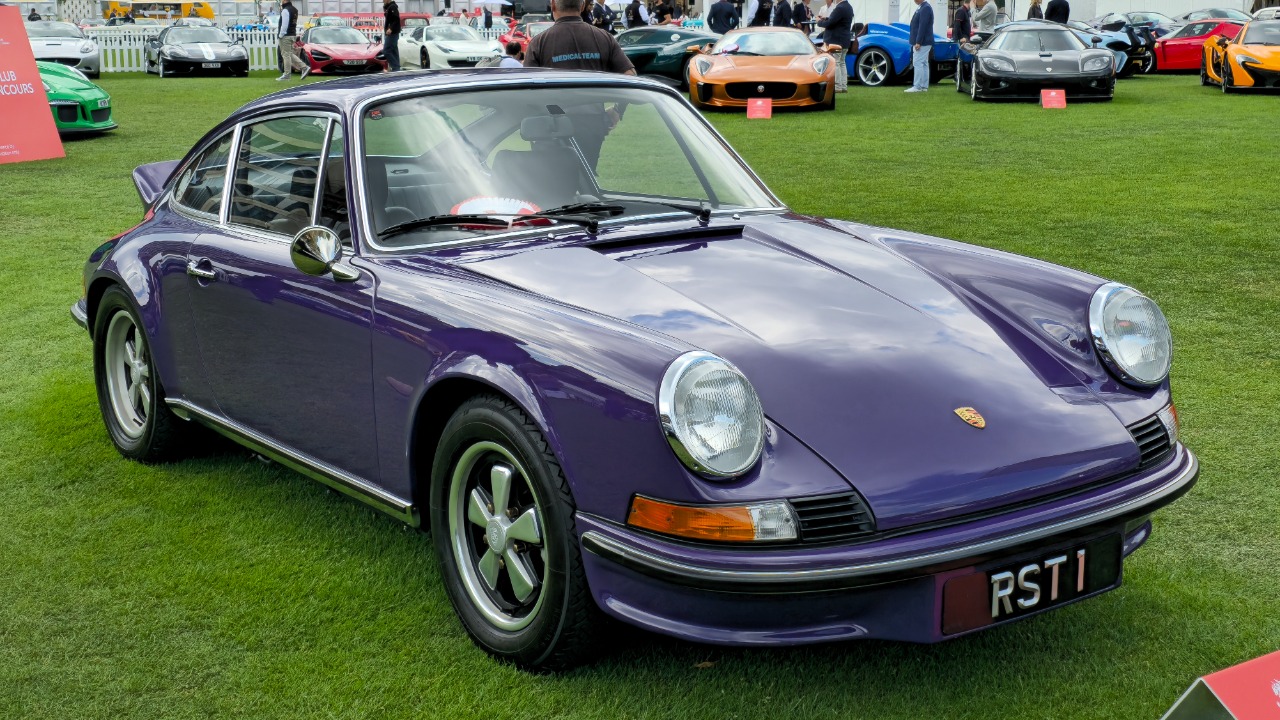
The 1973 Porsche 911 Carrera is a landmark in the evolution of sports cars, known for its distinctive shape and unmatched driving dynamics. Powered by a 2.7-liter flat-six engine, it delivered exhilarating performance while maintaining the everyday usability that Porsche is known for. The 911 Carrera’s lightweight construction and precision engineering allowed it to excel on both the road and the racetrack. Its timeless design has made it a favorite among collectors and enthusiasts, often fetching high prices at auctions. The 911’s influence on modern sports cars is undeniable, as it continues to set the standard for performance and style.
1975 Ferrari 308 GTB
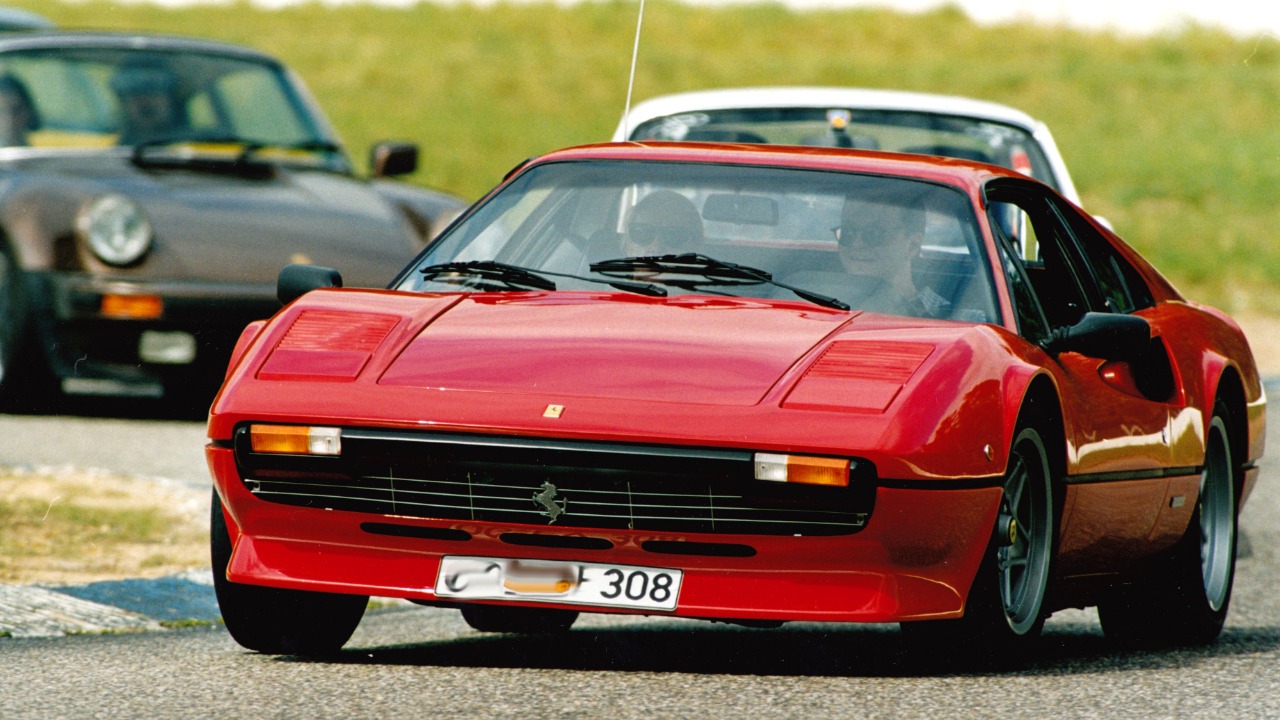
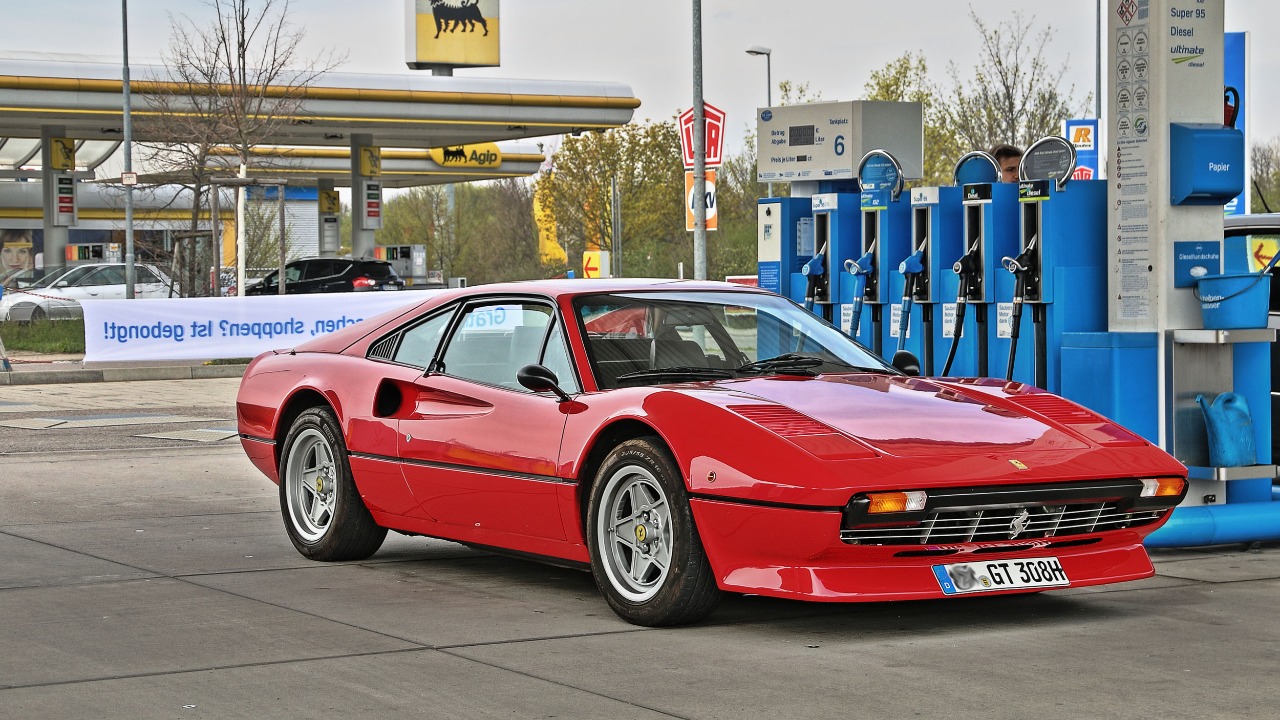
The 1975 Ferrari 308 GTB is an iconic representation of Italian automotive artistry. With its striking design and a mid-mounted 2.9-liter V8 engine, the 308 GTB balanced performance with elegance. This model gained significant fame through its appearance in the television series “Magnum, P.I.,” solidifying its status as a cultural icon. The car’s lightweight fiberglass body and advanced engineering allowed it to deliver an exhilarating driving experience, making it a sought-after classic among collectors. Even today, the 308 GTB continues to inspire admiration, and its design elements can be seen in various modern Ferraris, making it a timeless piece of automotive history.
1982 DeLorean DMC-12
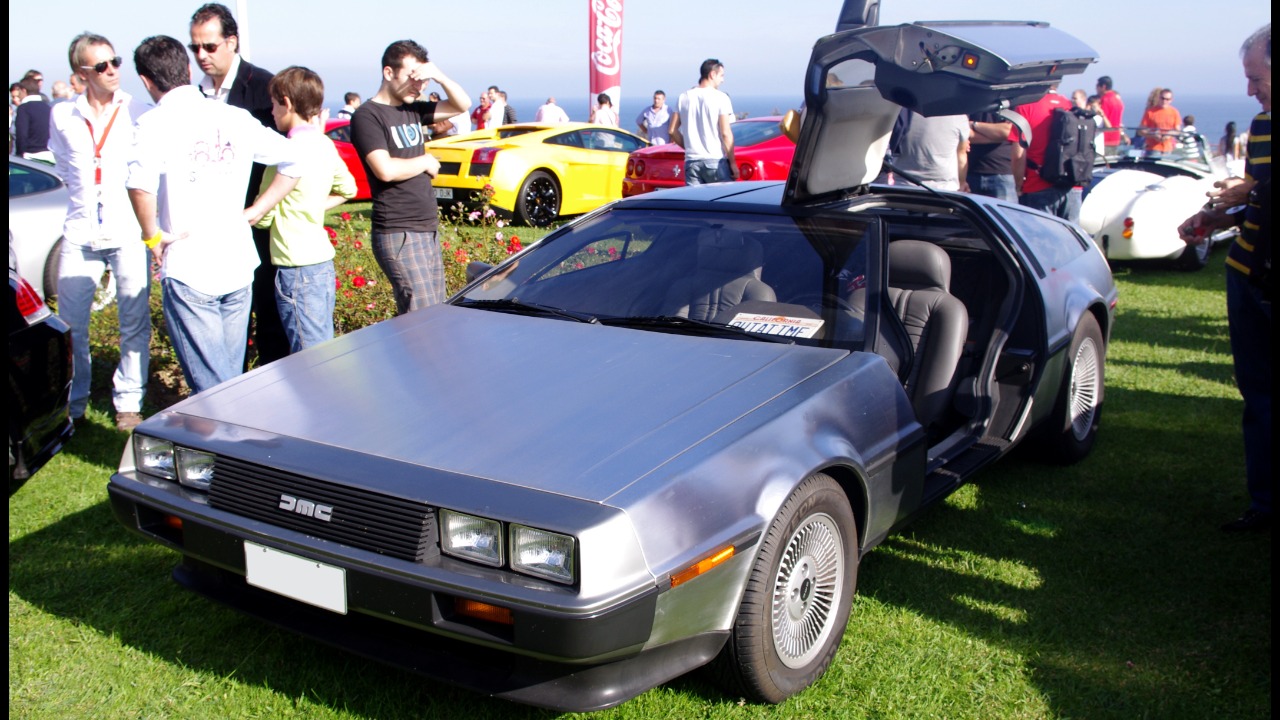
The 1982 DeLorean DMC-12 is more than just a car; it’s a cultural phenomenon. Famous for its unique gullwing doors and stainless-steel body, the DeLorean became an instant icon, largely thanks to its role in the “Back to the Future” movie franchise. Although it struggled with production issues, its futuristic design and innovative engineering captured the imagination of car enthusiasts. The DMC-12’s distinctive aesthetic and association with time travel have ensured its place in automotive history. Today, it stands as a testament to the era’s creativity, reminding us of a time when design was as much about vision as it was about function.
1984 Audi Quattro
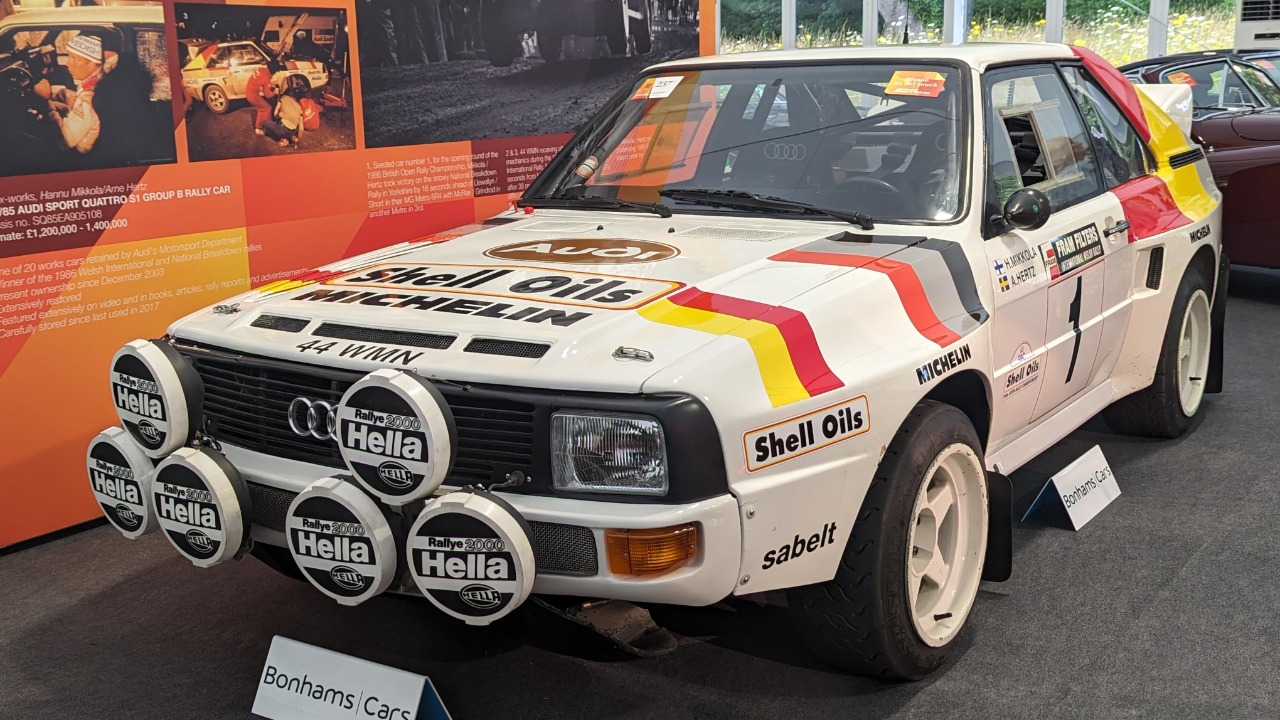
The 1984 Audi Quattro revolutionized the automotive world with its groundbreaking all-wheel-drive technology. This rally-bred car not only excelled in motorsport but also brought performance to the everyday driver. With its turbocharged 2.1-liter inline-five engine, the Quattro combined power and agility like no other vehicle of its time. Its boxy design became synonymous with the 1980s, and the Quattro’s success in rally racing helped solidify Audi’s reputation for engineering excellence. The Quattro laid the foundation for Audi’s future models, and its legacy can still be felt in the brand’s current offerings, making it a pivotal player in automotive history.
1986 BMW M3
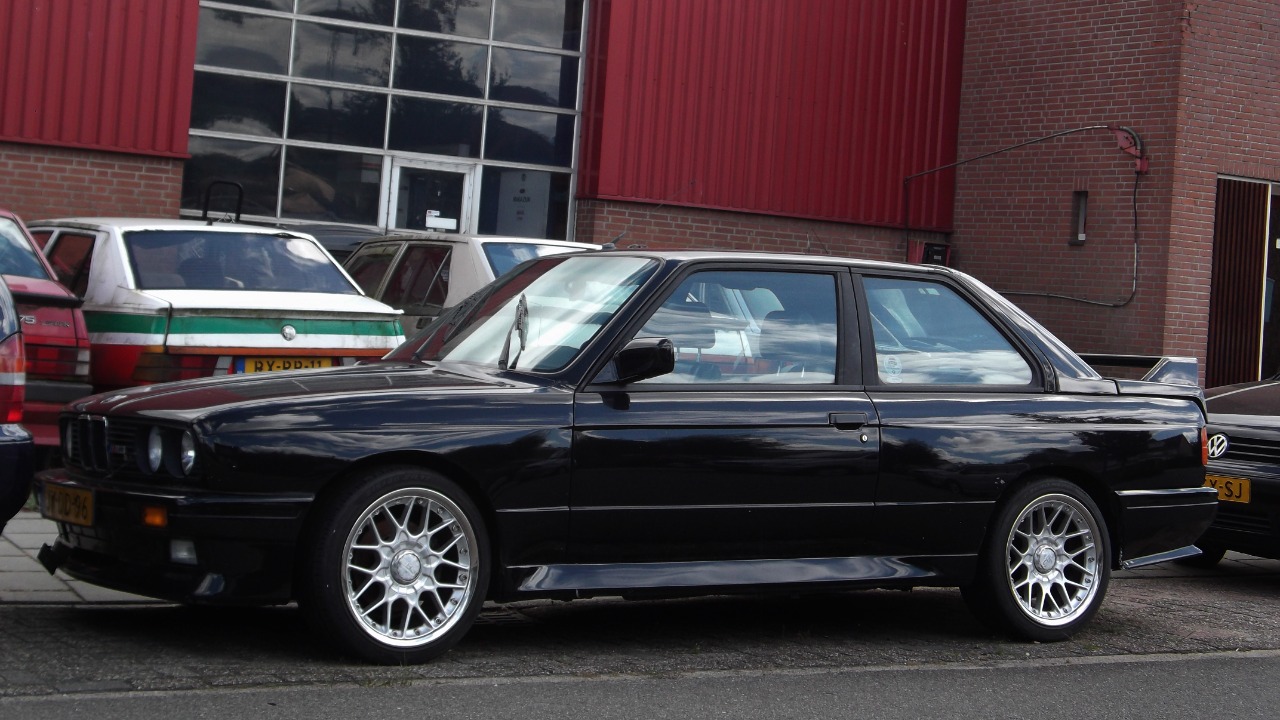
The 1986 BMW M3 is often hailed as one of the greatest driving machines ever produced. Built on the E30 platform, the M3 combined lightweight construction with a high-revving 2.3-liter inline-four engine, offering an exhilarating driving experience. Its sharp handling, balanced chassis, and iconic boxy design made it a favorite among enthusiasts and racers alike. The M3’s motorsport pedigree and success in touring car racing solidified its status as a performance icon. Even decades later, the E30 M3 remains highly sought after, embodying the essence of a true sports car. This model set the stage for the M3 lineage that continues to thrive in modern BMW offerings.
1989 Nissan Skyline GT-R
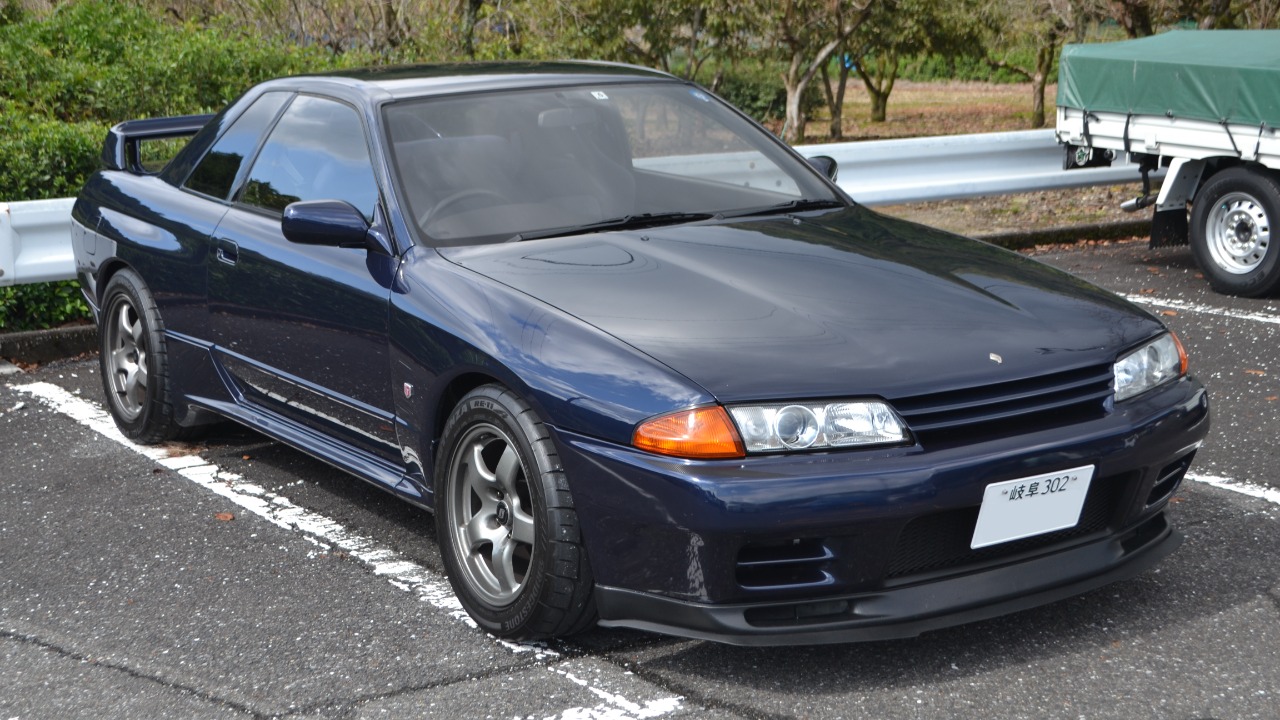
The 1989 Nissan Skyline GT-R, often referred to as the “Godzilla,” redefined performance in the late ’80s. Equipped with the RB26DETT, a 2.6-liter twin-turbo inline-six engine, it delivered astounding power coupled with advanced all-wheel-drive technology. The GT-R’s aerodynamic design and exceptional handling made it a dominant force in motorsport, particularly in Group A racing. Its cult status has only grown over the
More from Fast Lane Only
- Unboxing the WWII Jeep in a Crate
- 15 rare Chevys collectors are quietly buying
- 10 underrated V8s still worth hunting down
- Police notice this before you even roll window down
*Research for this article included AI assistance, with all final content reviewed by human editors.