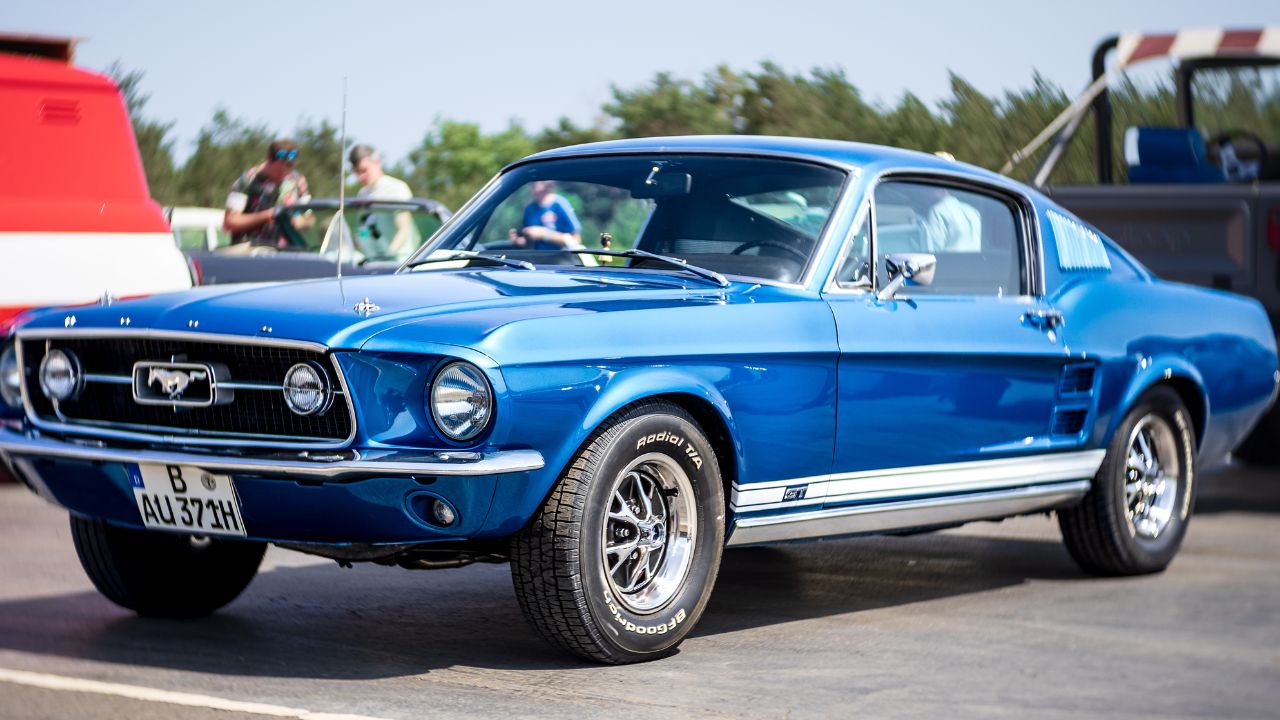
With the rapid evolution of technology and changing consumer preferences, insurance companies are paying close attention to certain types of vehicles. Whether it’s due to emerging technologies or specific characteristics that pose unique risks, these vehicles are reshaping the automotive landscape. Here are ten vehicles that are currently on the radar of insurance companies.
Electric Cars

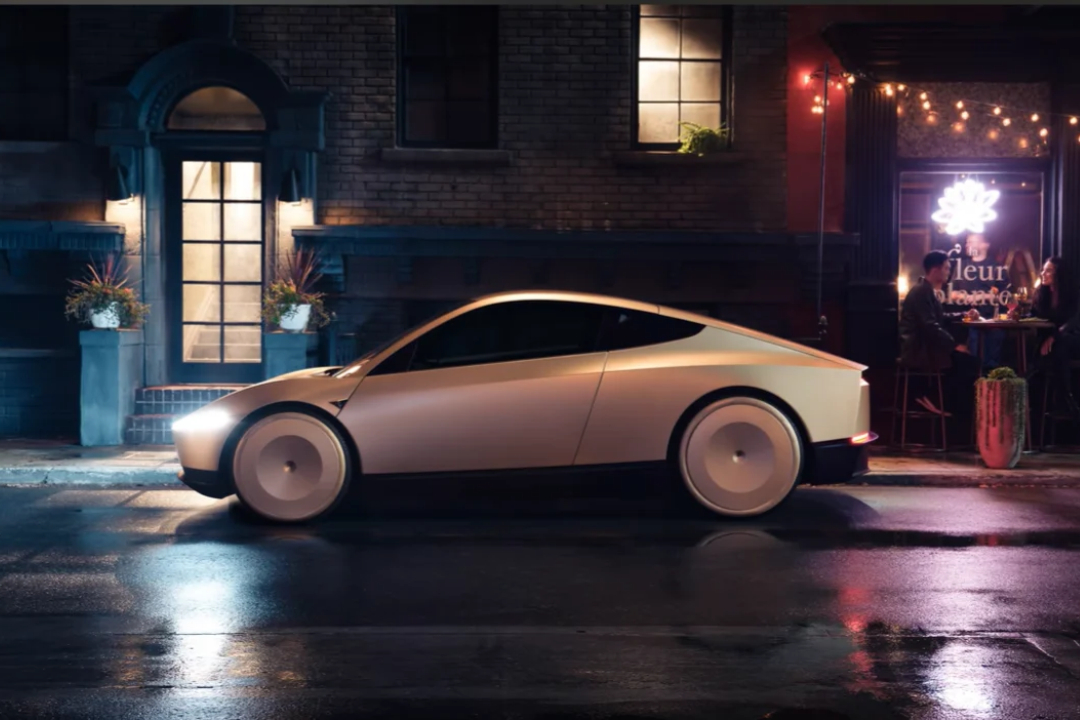
Electric vehicles (EVs) are quickly becoming the norm, with models like the Tesla Model 3 and the Ford Mustang Mach-E leading the charge. Insurance companies are particularly interested in EVs due to their high repair costs; the specialized technology and components can make repairs more expensive compared to traditional internal combustion engine vehicles. Moreover, the environmental benefits and government incentives add layers of complexity when evaluating coverage and premiums.
Additionally, the increased adoption of electric cars is influencing insurance underwriting processes. Insurers are looking at factors like battery life and the availability of charging stations, which could affect the likelihood of accidents due to range anxiety. As battery technology continues to evolve, we can expect insurance policies to adapt accordingly.
Autonomous Vehicles
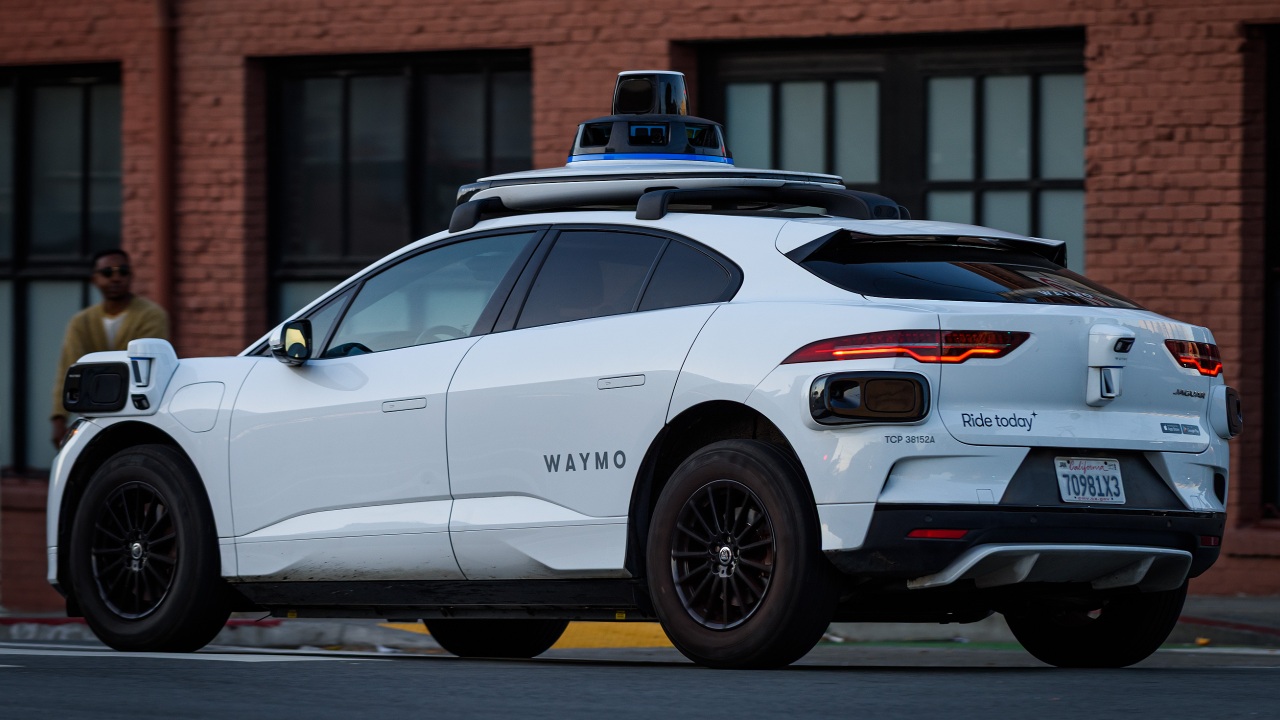
Autonomous vehicles, such as those developed by Waymo and Cruise, are a hot topic for insurers. The promise of reduced human error is appealing, yet these vehicles come with their own set of challenges. Liability is a significant concern; if an autonomous vehicle is involved in an accident, determining fault can be complicated. This shifts the focus from driver liability to product liability, requiring insurers to rethink their risk assessment models.
The rapid development in this sector also means that regulations are still catching up. Insurers must stay ahead by understanding how different levels of autonomy—from driver assistance to full self-driving—impact insurance needs. This evolving landscape demands constant vigilance and adaptation.
High-Performance Sports Cars
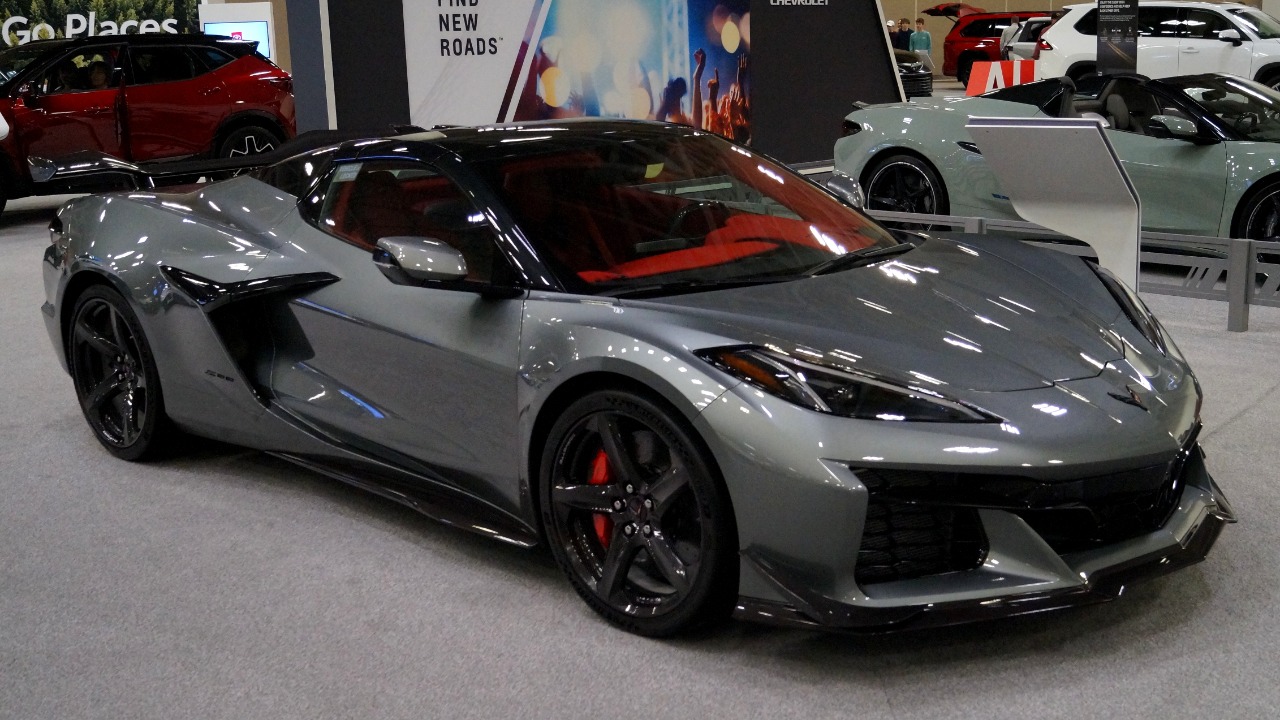
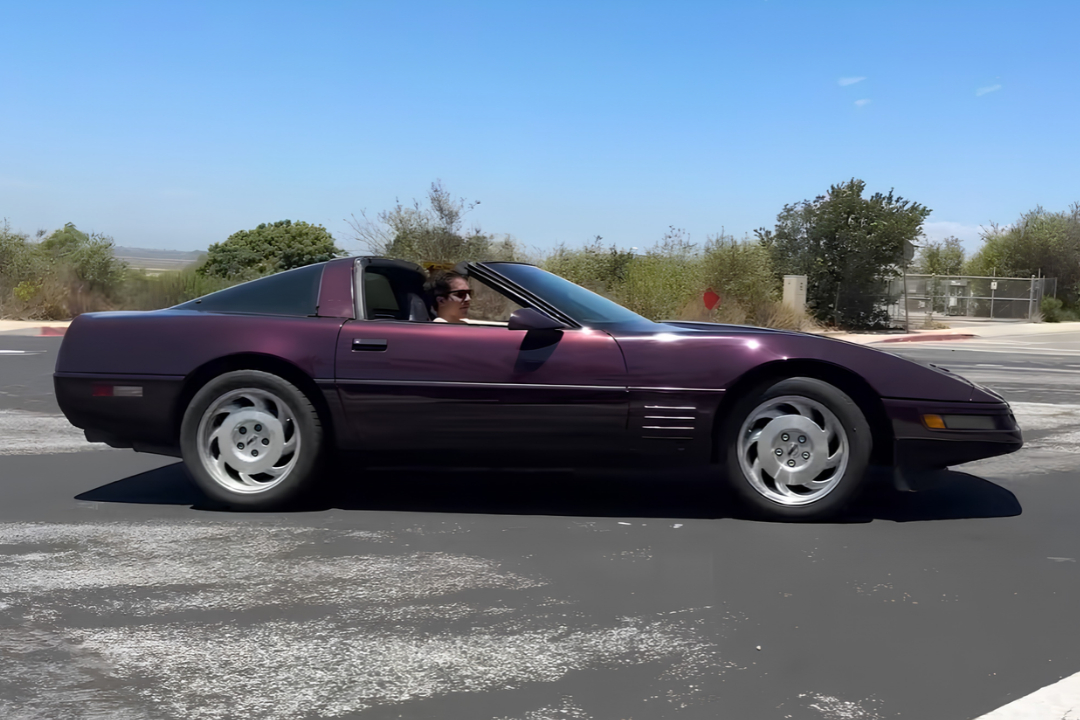
Sports cars like the Porsche 911 and Chevrolet Corvette offer thrilling performance but come with higher risks in the eyes of insurers. These vehicles are often involved in high-speed accidents, leading to more severe damage and injury claims. The cost of repairs and the potential for theft make these cars more expensive to insure.
Insurance companies also consider the driving behavior typically associated with sports cars, such as speeding and aggressive driving. When underwriting policies, insurers evaluate the car’s horsepower and its owner’s driving record, which play crucial roles in determining premiums.
Luxury SUVs
Luxury SUVs, such as the Range Rover and BMW X7, are another category closely monitored by insurers. Their high market value and complex electronics contribute to costly repairs, while their appeal to thieves adds another layer of risk. Additionally, these vehicles are often equipped with advanced safety features, which can impact insurance premiums both positively and negatively.
The combination of luxury and utility makes these SUVs popular among families, but their size and weight can result in more significant damage during collisions. This factor, along with repair and replacement costs, makes insurance underwriting for luxury SUVs a complex process.
Hybrid Vehicles
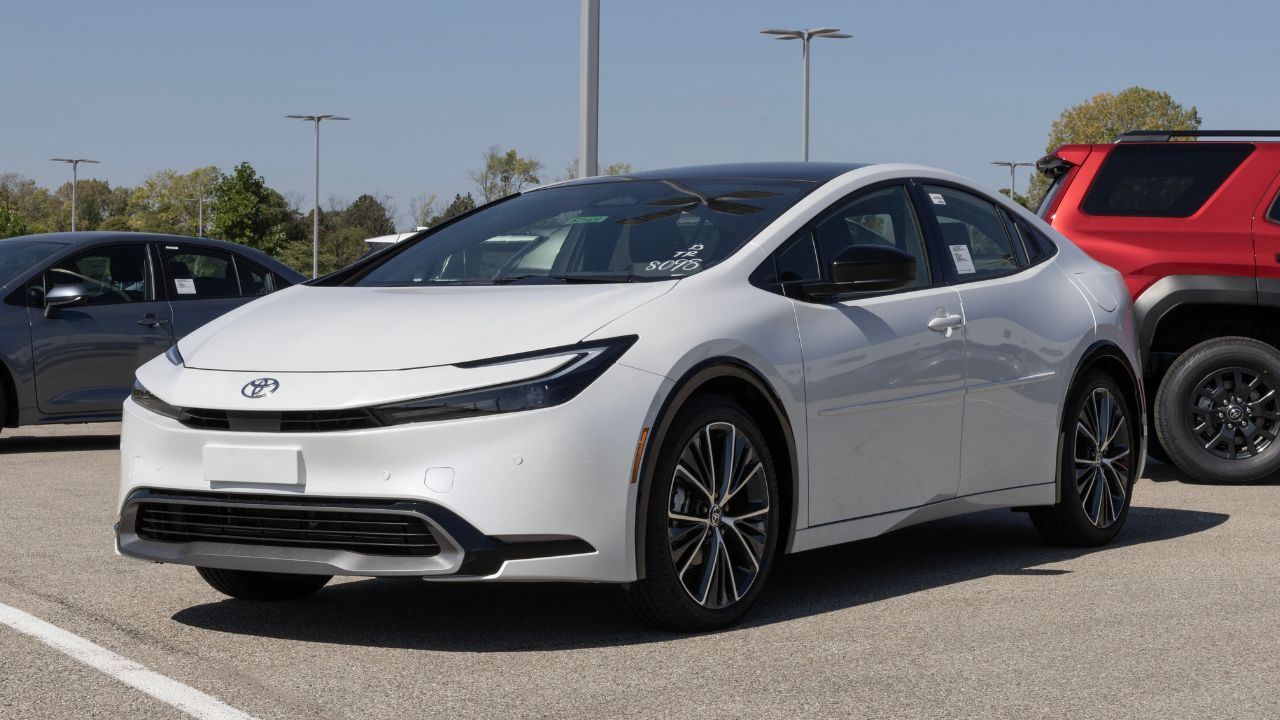
Hybrid vehicles, like the 2026 Toyota Prius and Honda Accord Hybrid, blend the best of both worlds—electric and gasoline power. Insurance companies are interested in these vehicles because they represent a step toward greater fuel efficiency and lower emissions. However, the dual powertrains can complicate repairs, impacting insurance costs.
The latest models come with advanced technology and safety features that insurers must assess. Factors such as battery longevity and maintenance costs are also considered when determining insurance premiums for hybrid vehicles. As more consumers turn to hybrids for their environmental benefits, insurers are adapting their policies to meet this demand.
Classic Cars
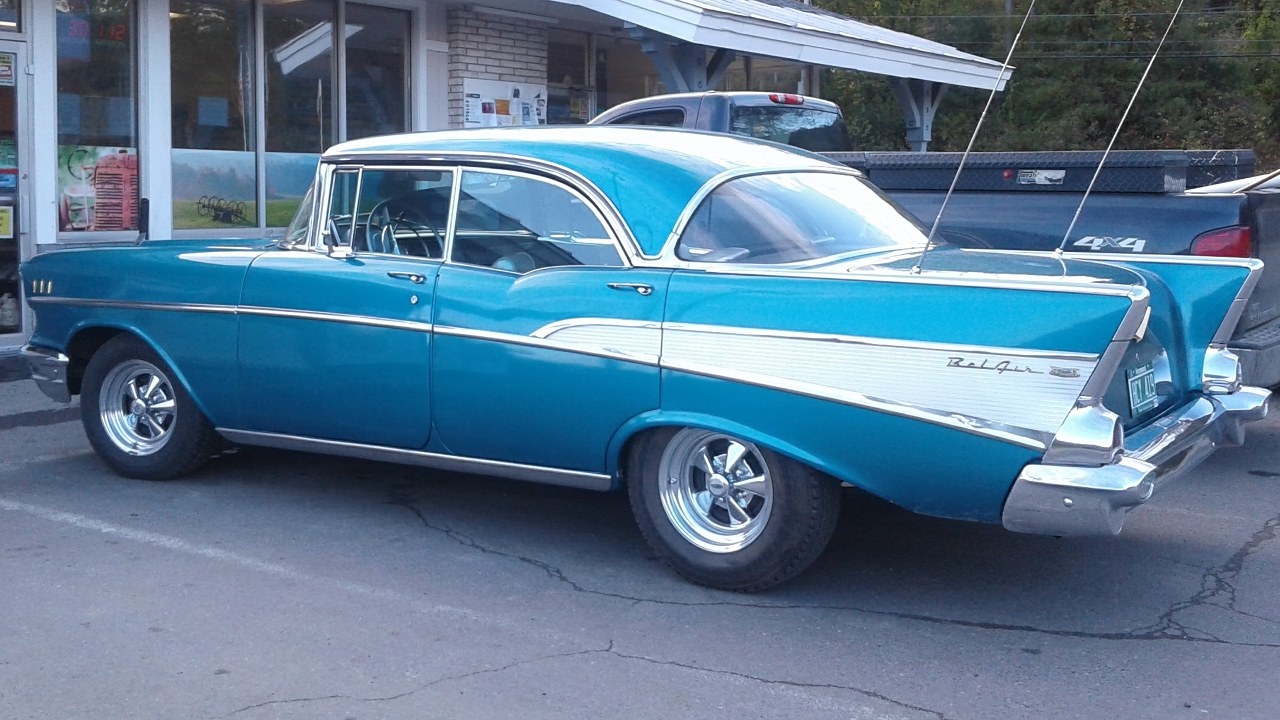
Classic cars hold a special place in automotive history, but they also present unique challenges for insurers. Vehicles like the 1965 Ford Mustang or 1957 Chevrolet Bel Air require specialized coverage due to their age, rarity, and the difficulty in sourcing parts. These cars are often more valuable than their original sale price, necessitating agreed value insurance policies.
Owners of classic cars typically drive them less frequently, reducing the risk of accidents but increasing concerns about storage and theft. Insurance companies must balance these factors when determining the appropriate coverage for classic vehicles, making them a distinct category in the insurance industry.
Motorcycles

Motorcycles, whether it’s a Harley-Davidson or a Ducati, are a high-risk category due to their vulnerability on the road. The lack of protective barriers and higher accident rates make these vehicles more dangerous, leading to higher insurance premiums. Additionally, the potential for severe injuries in crashes significantly impacts insurance claims.
Insurance companies also pay attention to the type of motorcycle and its engine size. Sport bikes, for example, often come with higher premiums due to their speed capabilities and the demographics of their typical riders. Understanding these nuances is crucial for insurers when tailoring coverage options for motorcyclists.
Commercial Drones
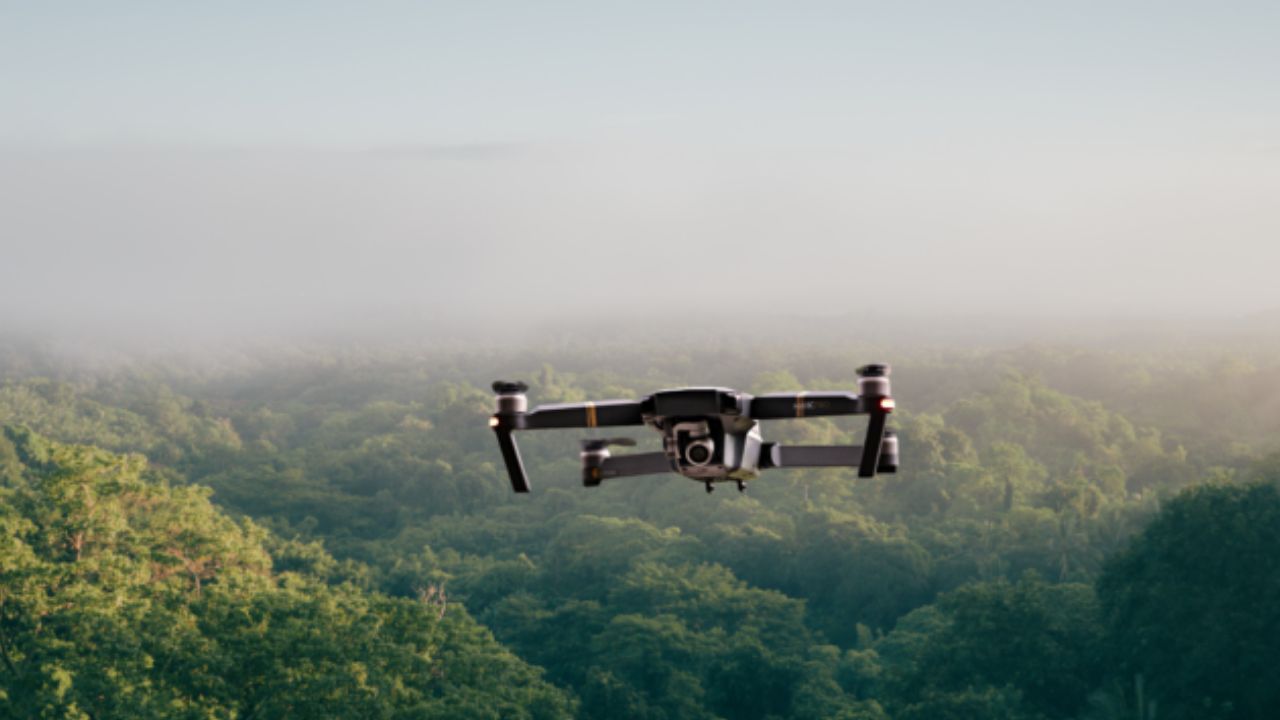
Commercial drones are becoming increasingly popular for tasks ranging from aerial photography to agricultural monitoring. With companies like DJI leading the market, insurers are closely monitoring this sector due to potential risks like property damage and privacy violations. As drones become more integrated into business operations, the need for specialized drone insurance is rising.
Regulatory requirements and airspace restrictions add layers of complexity for insurers. Coverage often includes liability, hull damage, and even cybersecurity, reflecting the multifaceted risks associated with commercial drone use. As technology and regulations evolve, so too will the insurance landscape for these aerial vehicles.
Ride-Sharing Fleet Vehicles
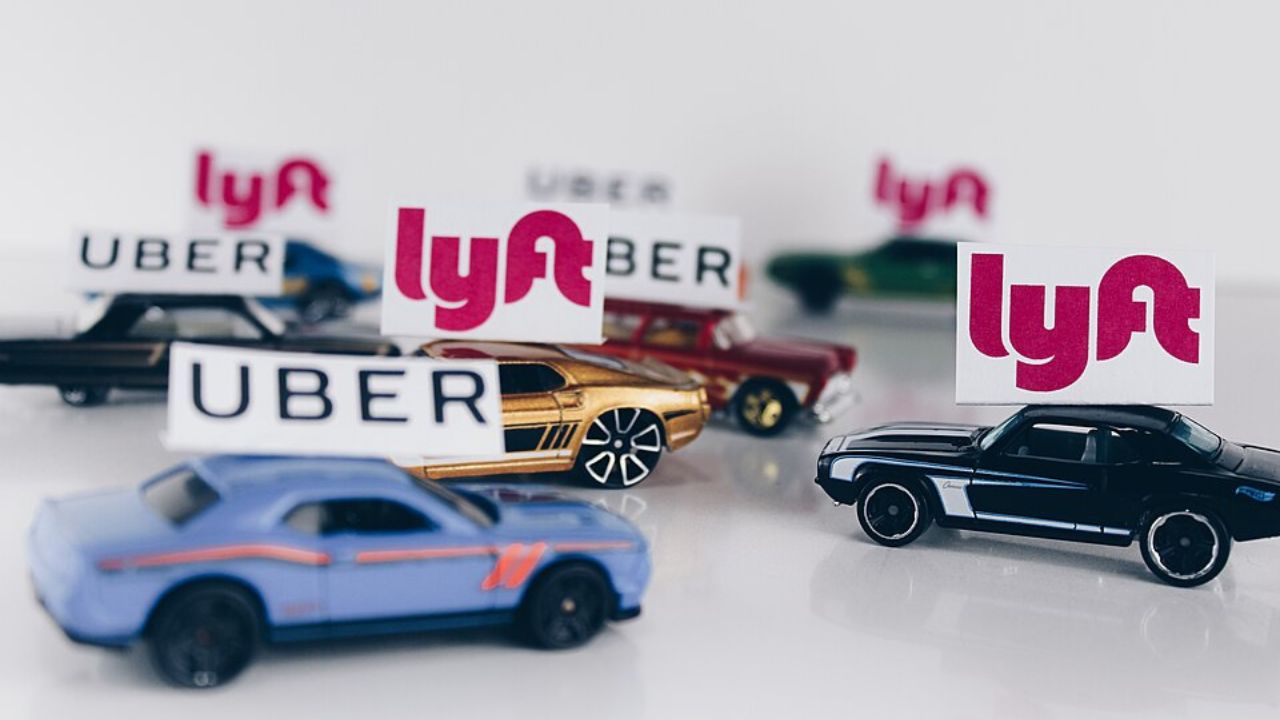
With the rise of ride-sharing companies like Uber and Lyft, fleet vehicles present unique challenges for insurers. These vehicles are on the road more frequently, increasing the likelihood of accidents and wear and tear. Insurers must consider factors such as driver history and vehicle usage patterns when assessing risk.
The shared economy model also blurs the lines between personal and commercial use, complicating insurance coverage. Companies often need hybrid policies that cover both personal and business-related activities. As ride-sharing continues to grow, insurance companies are innovating to provide solutions that meet the needs of this evolving market.
Recreational Vehicles (RVs)
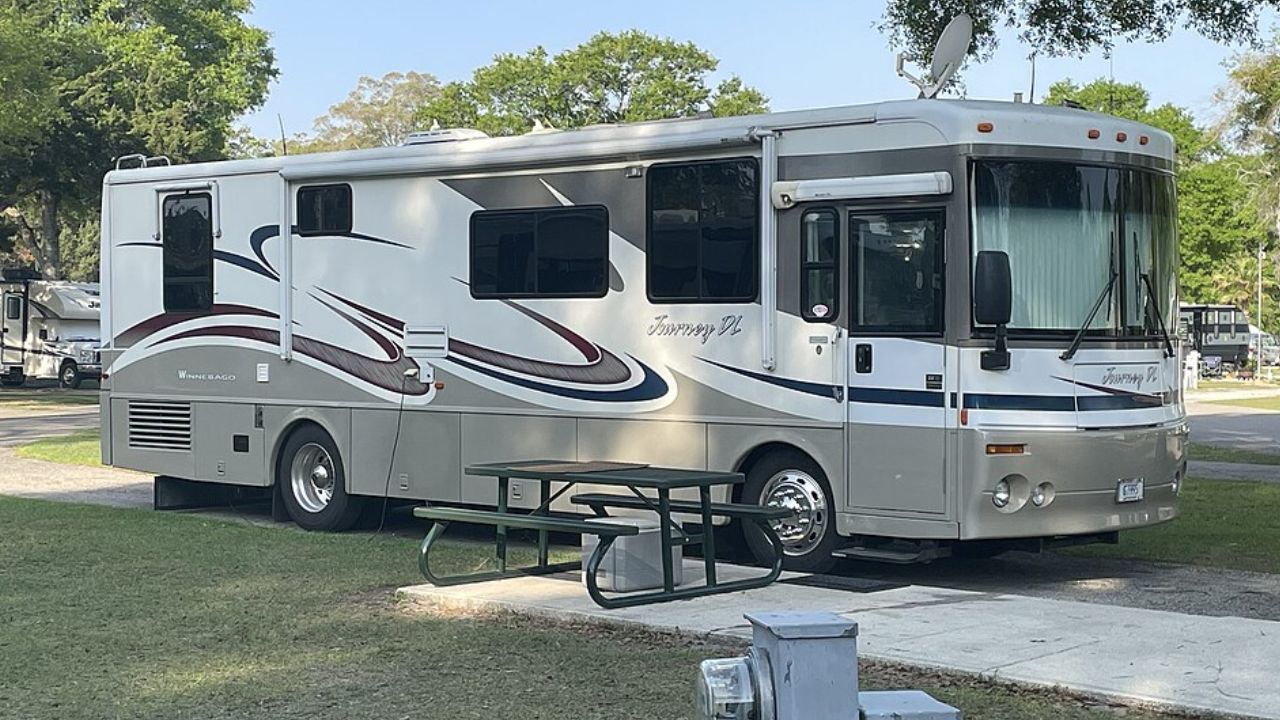
RVs, whether it’s a Winnebago or an Airstream, offer the freedom of travel with the comforts of home. However, their size and complexity pose unique risks that insurers must consider. Accidents involving RVs can result in significant damage, and repairs can be costly due to the specialized components involved.
Insurance companies also take into account the lifestyle of RV owners. Factors such as travel frequency, storage conditions, and usage patterns influence insurance premiums. As more people embrace the RV lifestyle, insurers are adapting their policies to address the specific needs of these mobile homes on wheels.
More from Fast Lane Only