The automotive industry is undergoing a seismic shift, fueled by innovations in technology, sustainability, and consumer demand. As manufacturers pivot towards eco-friendly and autonomous solutions, several vehicles stand out as pioneers in this transformation. Here are ten vehicles that are leading the charge in redefining the future of transportation.
Electric Revolution: Tesla Model 3

Tesla’s Model 3 has been a game-changer in the electric vehicle (EV) landscape since its launch in 2017. Priced to appeal to the mass market, it combines performance, range, and affordability, making EVs accessible to a wider audience. With over half a million units sold by 2021, the Model 3 has cemented its place as a cornerstone of the electric revolution.
Its success is not just attributed to Tesla’s brand appeal but also to its robust supercharger network and continuous software updates. These innovations ensure that owners have access to the latest features, keeping the Model 3 competitive in a rapidly evolving market.
Autonomous Driving: Waymo’s Self-Driving Fleet
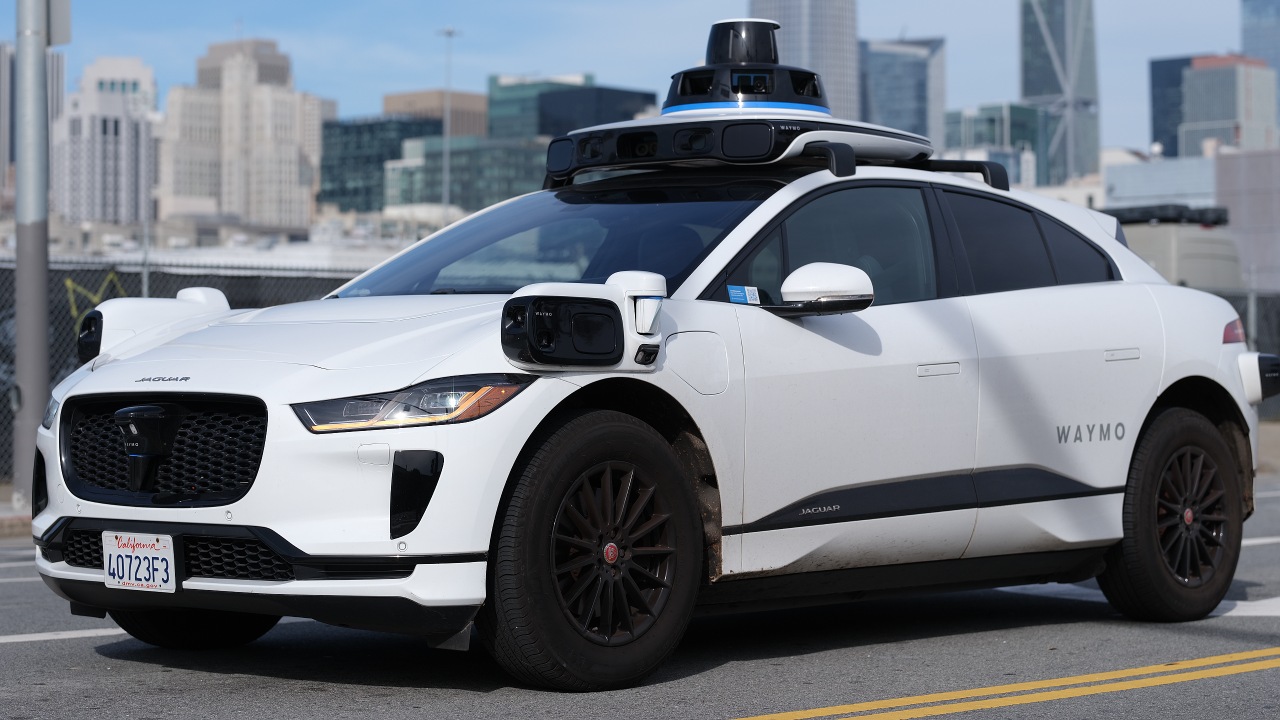
Waymo, a subsidiary of Alphabet Inc., is at the forefront of autonomous driving technology. Their self-driving fleet, which began testing in 2009, has logged millions of miles on public roads, showcasing the potential for a future without human drivers. By 2020, Waymo launched its first fully driverless ride-hailing service in Phoenix, Arizona.
Waymo’s commitment to safety and advanced AI systems sets a benchmark for the industry. Their technology continues to evolve, featuring lidar, radar, and cameras that work in harmony to navigate complex driving scenarios, paving the way for a new era of mobility.
Hydrogen Power: Toyota Mirai
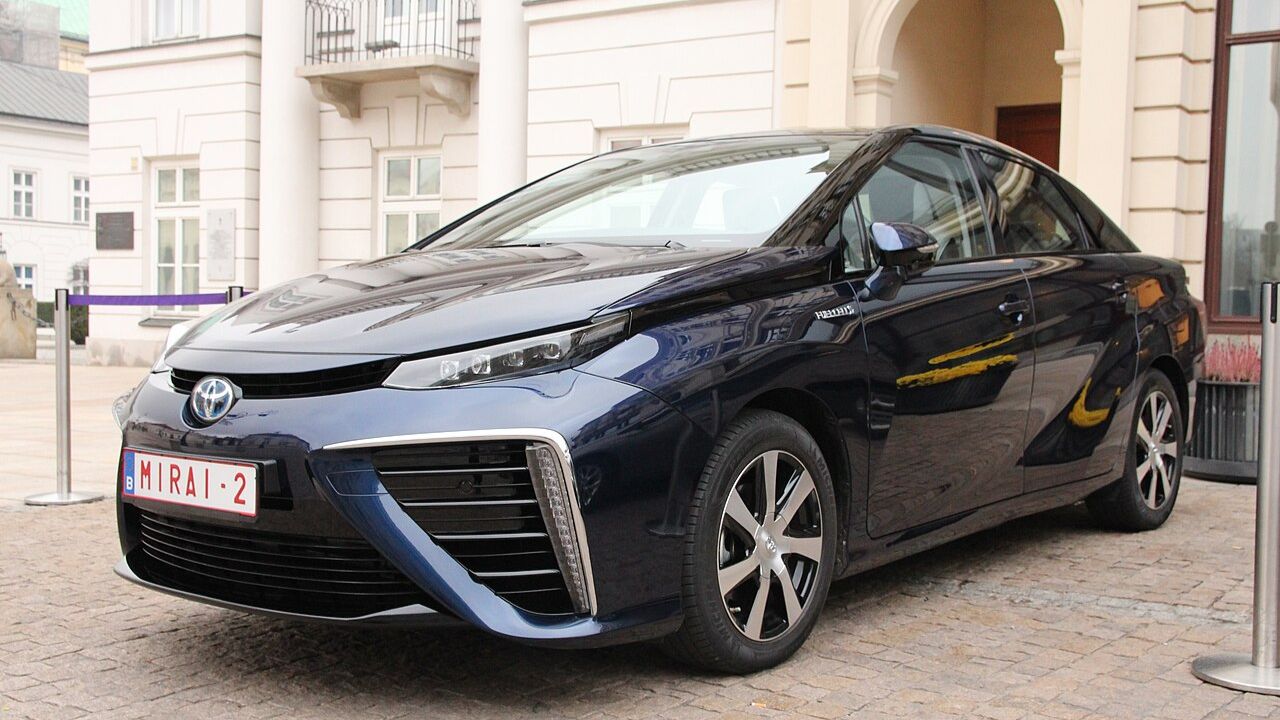
The Toyota Mirai represents a bold step towards hydrogen fuel cell technology. Launched in 2014, it was one of the world’s first mass-produced hydrogen-powered vehicles. The Mirai emits only water vapor, providing an environmentally friendly alternative to fossil fuels.
Despite challenges like limited refueling infrastructure, Toyota remains optimistic about hydrogen’s potential. The second-generation Mirai, released in 2020, offers a longer range and improved efficiency, demonstrating Toyota’s commitment to pioneering clean energy solutions.
Affordable EV: Nissan Leaf

The Nissan Leaf has been a trailblazer in making electric vehicles affordable since its debut in 2010. As one of the best-selling electric cars worldwide, the Leaf has evolved through multiple generations, each offering better range and technology.
Its 2023 model offers features like ProPILOT Assist and an e-Pedal, enhancing the driving experience while maintaining affordability. The Leaf’s impact on the market underscores the growing demand for accessible green technology.
Luxury Electrified: Porsche Taycan

The Porsche Taycan is a testament to how luxury and performance can coexist in the electric vehicle market. Launched in 2019, the Taycan combines Porsche’s legendary driving dynamics with cutting-edge electric technology, offering an exhilarating driving experience.
With rapid acceleration and a sleek design, the Taycan challenges the notion that electric vehicles must compromise on style or performance. Its success has spurred other luxury brands to accelerate their electrification plans, signaling a shift in the premium car segment.
Urban Mobility: Microlino

As urban centers become more congested, the need for compact and efficient transportation options has grown. The Microlino, inspired by the classic Isetta, offers a modern solution to urban mobility challenges. This small electric vehicle is perfect for city driving, providing a sustainable option with its compact design and efficient energy use.
With a range suitable for short commutes and a design that allows easy parking in tight spaces, the Microlino is gaining attention as cities worldwide seek to reduce emissions and improve transportation efficiency.
Ride-Sharing Innovation: Uber’s Partnered EVs
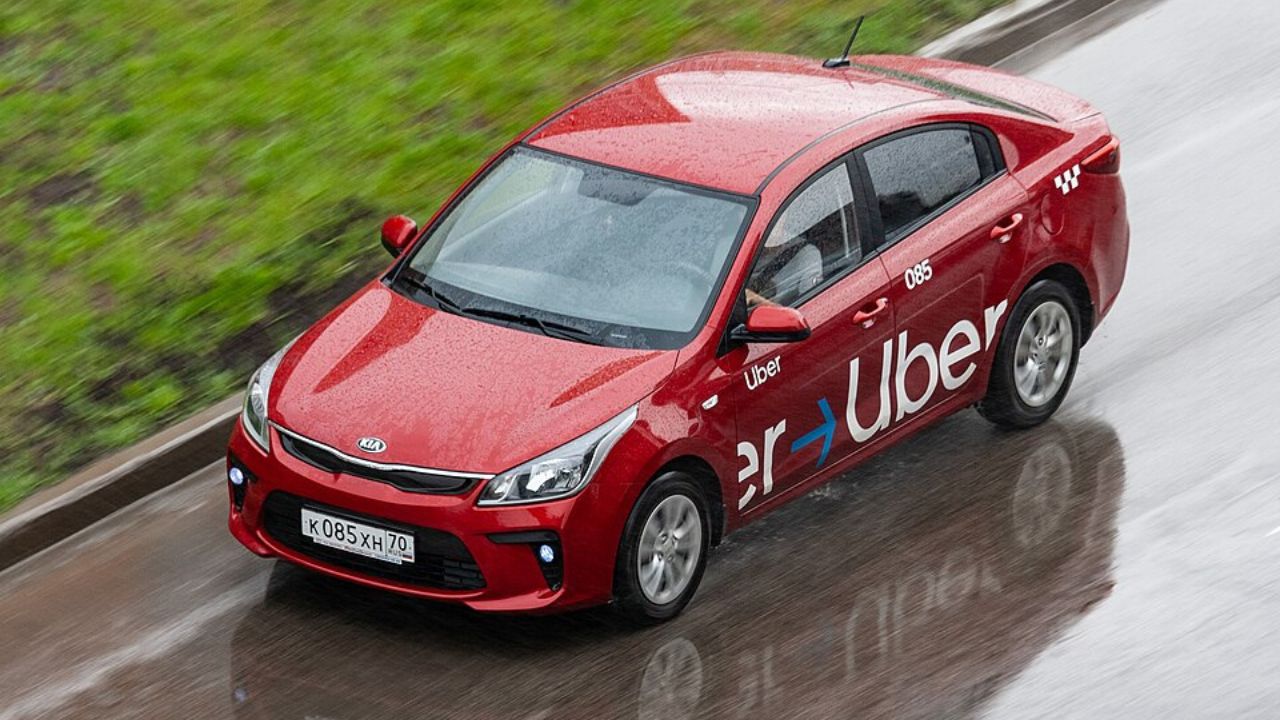
Ride-sharing giant Uber has committed to becoming a zero-emission platform by 2040, partnering with various automakers to integrate EVs into its fleet. This move not only reduces the carbon footprint of millions of rides but also encourages drivers to adopt electric vehicles.
By collaborating with companies like Nissan and GM, Uber offers incentives for drivers to switch to EVs, promoting sustainable transportation solutions. Such partnerships highlight the role of ride-sharing companies in advancing the electric vehicle market.
Off-Road Electric: Rivian R1T
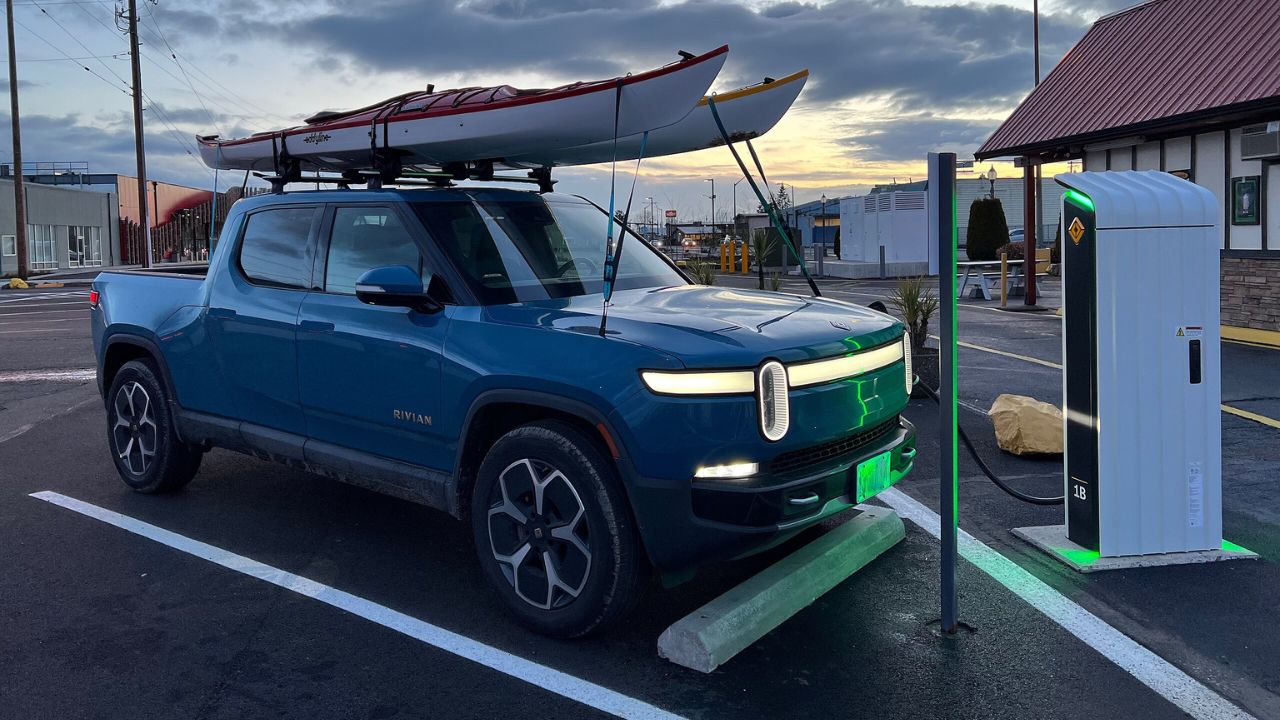
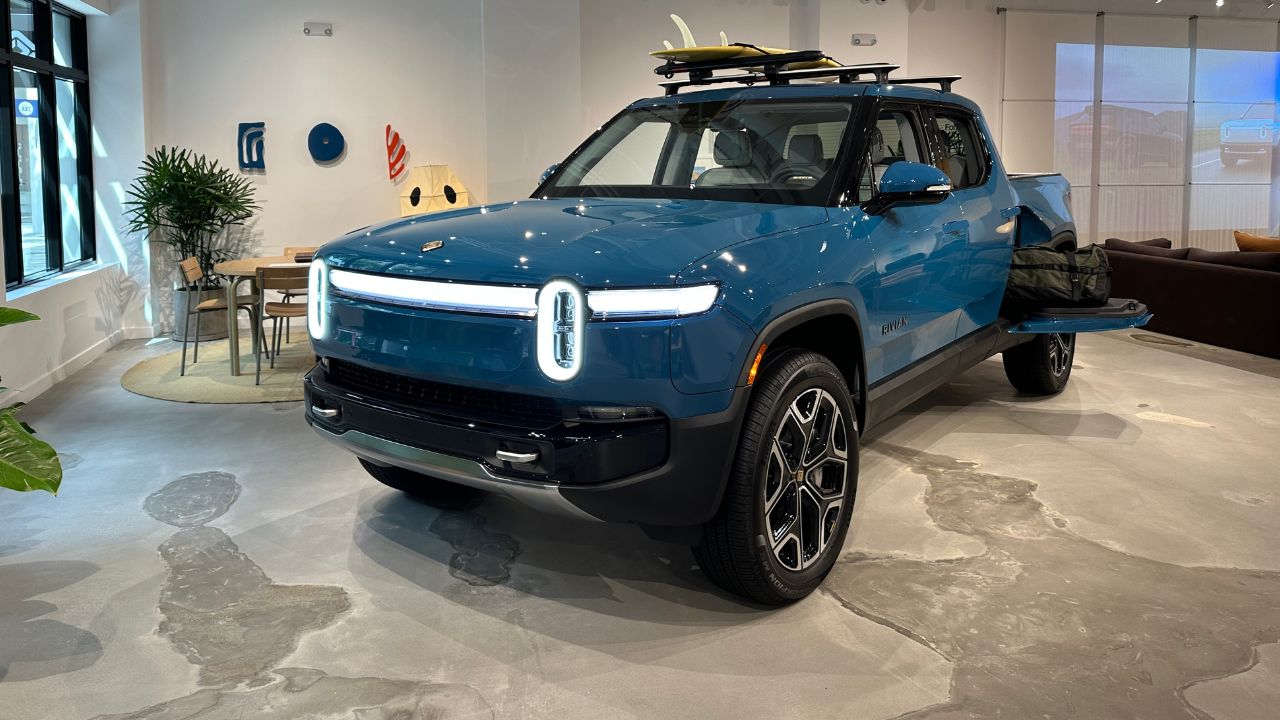
The Rivian R1T is revolutionizing the off-road vehicle segment with its electric powertrain and rugged capabilities. Since its debut in 2021, the R1T has shown that electric vehicles are not limited to city streets but can thrive in challenging terrains.
Equipped with features like a gear tunnel and a built-in air compressor, the R1T is designed for adventure, attracting outdoor enthusiasts looking for sustainable alternatives. Rivian’s success is pushing other manufacturers to consider off-road EVs, expanding the electric market’s reach.
Sustainable Materials: BMW i3

The BMW i3, launched in 2013, is not only an electric vehicle but also a pioneer in using sustainable materials. Its construction includes recycled plastics, natural fibers, and renewable materials, setting a new standard for eco-friendly vehicle manufacturing.
While its production ended in 2022, the i3’s legacy continues to influence BMW’s approach to sustainability. Its innovative use of materials demonstrates how the auto industry can reduce its environmental impact, inspiring future models.
Flying Cars: Terrafugia Transition
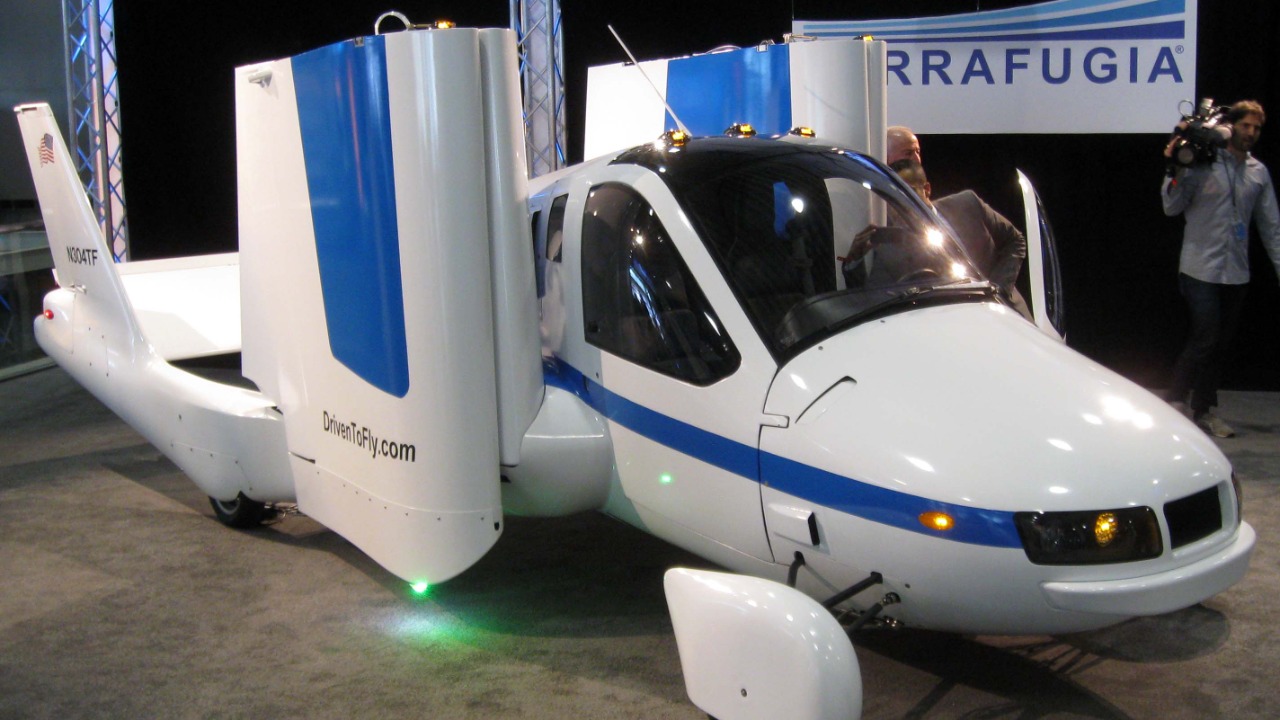
The Terrafugia Transition represents an exciting leap towards the long-dreamed future of flying cars. This roadable aircraft can switch between driving and flying modes, offering a glimpse into a future where transportation is not confined to roads.
Despite regulatory and technical challenges, the Transition’s development underscores significant progress in personal air mobility. As technology and infrastructure evolve, flying cars could transform how we think about travel, making them a symbol of the industry’s forward-thinking innovation.
More from Fast Lane Only