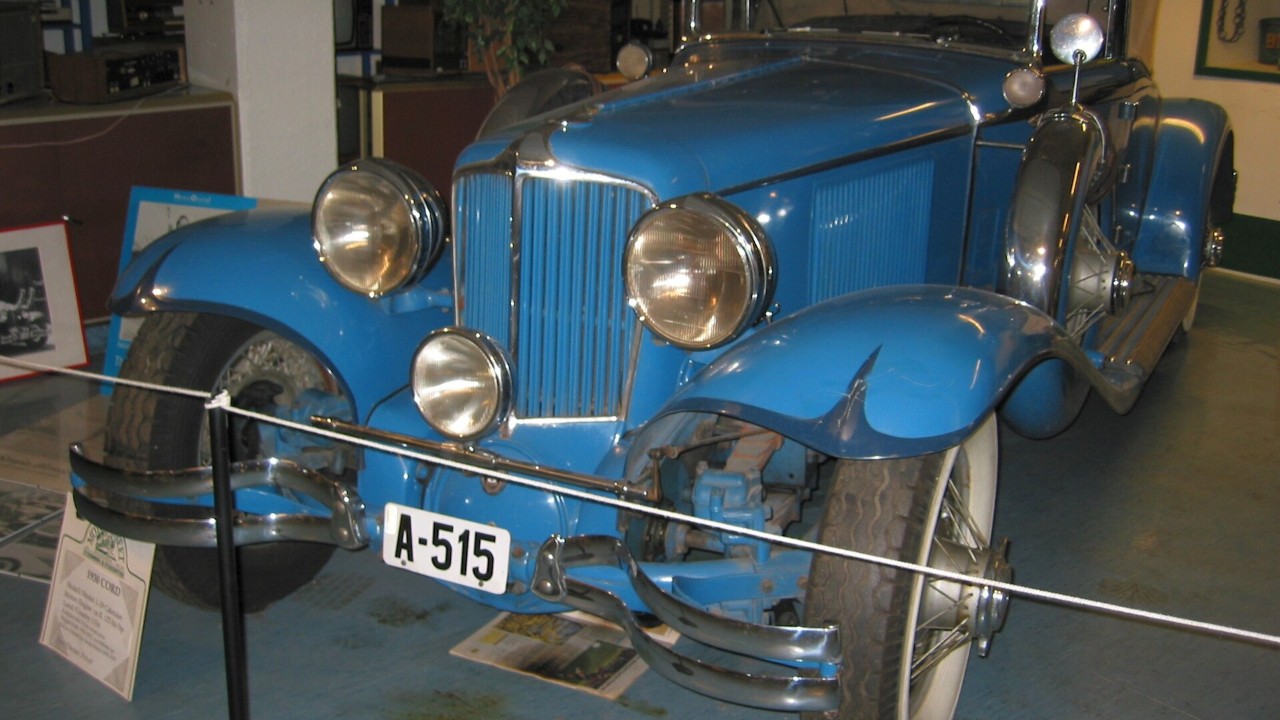
You probably expect certain cars to become legends, but some of the most talked‑about vehicles earned reputations nobody saw coming. From awkward crossovers that turned into cult icons to humble economy cars that reshaped entire eras, these models surprised designers, executives, and drivers alike. As you move through this list, you can trace how culture, timing, and even internet fandom turned unlikely machines into the vehicles everyone still argues about.
Ford Model T
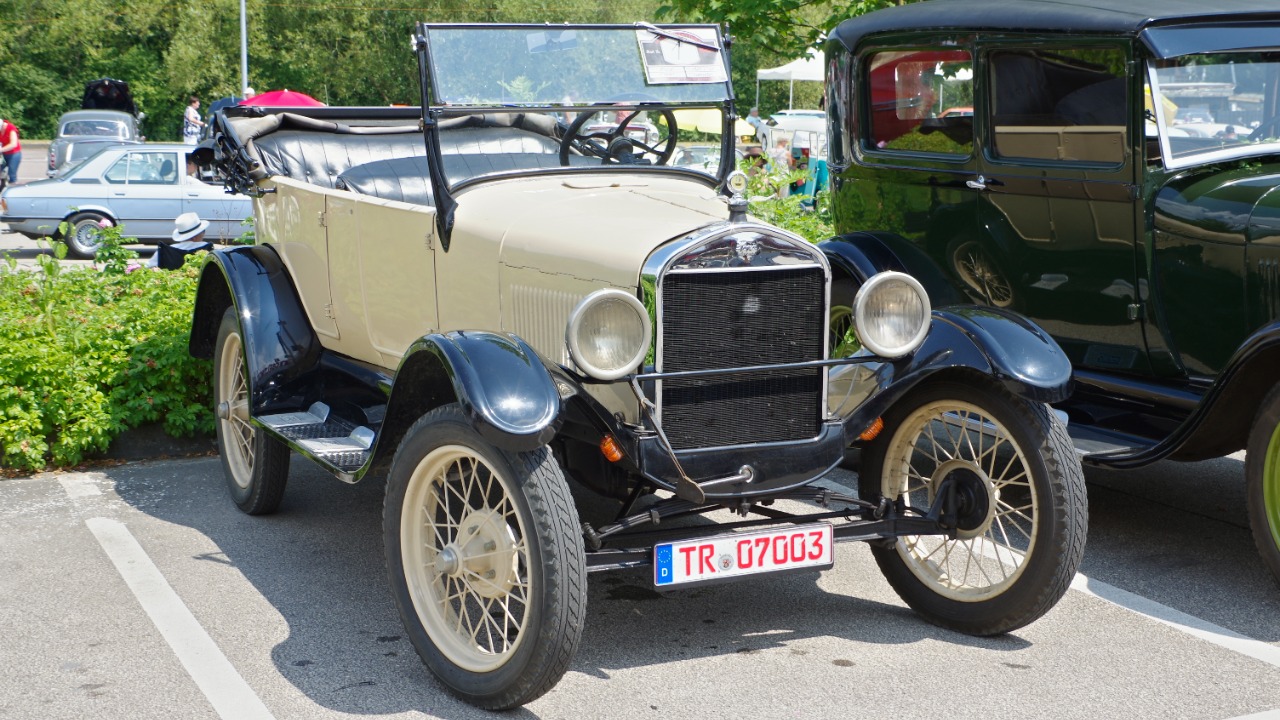
The Ford Model T was never meant to be glamorous, yet it became the car that defined modern motoring. You see its impact every time you drive a mass‑produced, affordable vehicle. In coverage of industry‑shaping machines, the Ford Model is credited with putting personal transportation within reach of ordinary families, not just wealthy early adopters. That practical mission, rather than any performance bragging rights, is what turned it into a symbol of mobility and progress.
Enthusiasts on forums discussing “the cars of the masses” routinely list the Ford Model T alongside later icons as one of the few vehicles that truly built a legacy. When you look at how assembly‑line production, standardized parts, and simple maintenance spread from this one car, you start to see why. Its unexpected reputation matters today because it set expectations that every new budget car still has to meet: low cost, reliability, and the feeling that you are part of a bigger technological shift.
Volkswagen Beetle

The Volkswagen Beetle began as a deeply political project, yet it evolved into one of the most beloved shapes in automotive history. According to one overview of landmark models, enthusiasts often pair the Ford Model T with the Beetle when they talk about cars that built a legacy. Another historical account notes that Production of the started in 1938, with the first cars reaching America in 1949, and that it remained in production until 2019.
For the next seven decades, the Beetle quietly became a global fixture, selling in huge numbers while symbolizing very different things to different generations. You might associate it with counterculture, cheap student transport, or sunny beach towns, but few would guess its roots from the styling alone. Its long life shows how a car can outgrow its origins and gain a reputation shaped more by owners than by the regime that commissioned it, a reminder that design and affordability can rewrite uncomfortable histories.
Pontiac Aztek
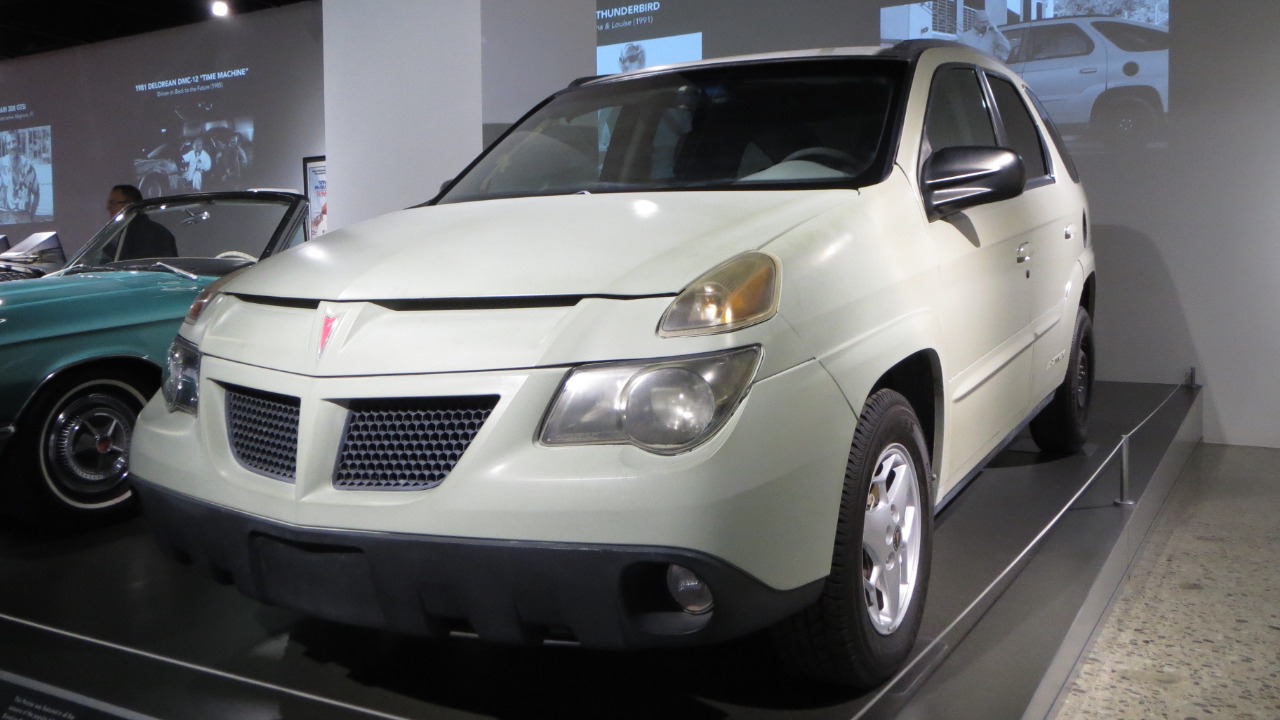
The Pontiac Aztek is the textbook case of a vehicle whose reputation veered wildly off script. At launch, it was pitched as a rugged, outdoorsy crossover that would attract adventurous younger buyers, with one analysis noting that The Pontiac Aztek was meant to blend practicality with bold styling. Instead, it quickly became a punchline, widely mocked for its awkward proportions and busy bodywork, and sales collapsed.
Yet the story did not end there. Later commentary argues that the Pontiac Aztek had clever packaging, with a configurable interior and camping‑friendly features that owners quietly appreciated. As pop culture rediscovered the Aztek, especially through television, its image shifted from disaster to oddly endearing cult object. For you as a buyer or enthusiast, it proves that design misfires can still hide genuinely useful ideas, and that time plus fandom can rescue even the most ridiculed shapes.
Chevrolet Chevette
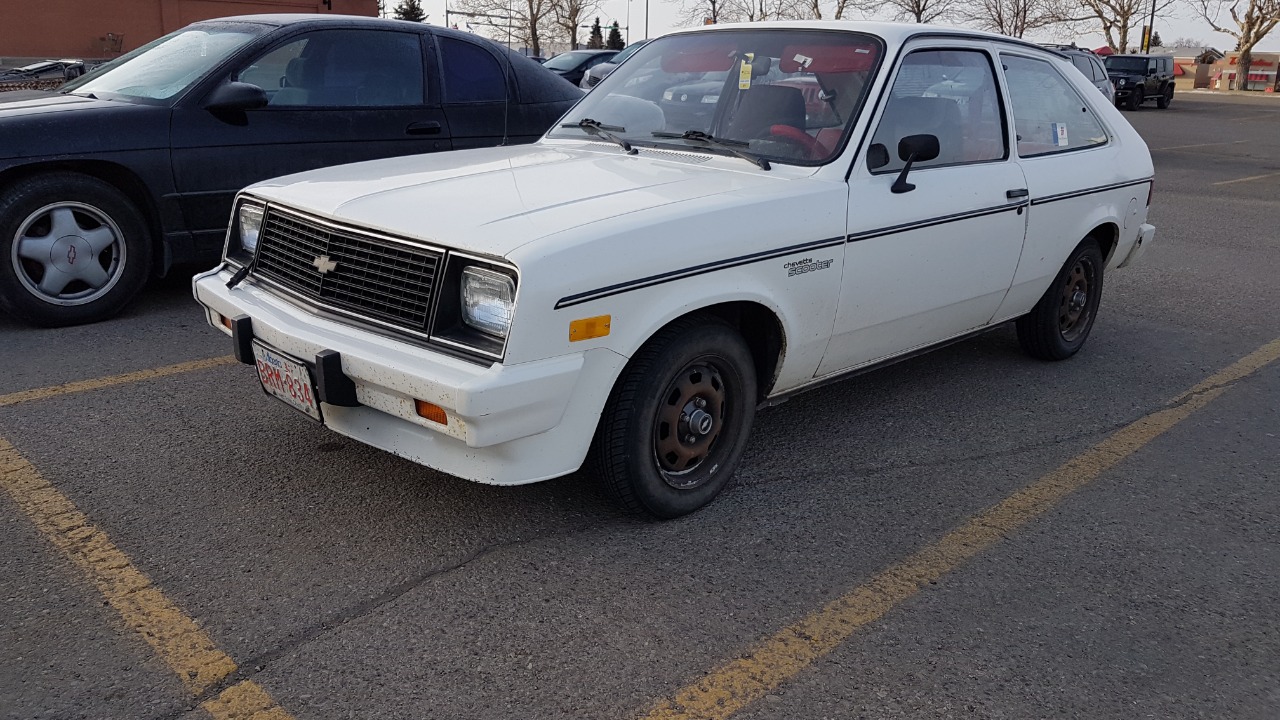
The Chevrolet Chevette arrived as a basic, budget hatchback, never intended to be anyone’s dream car. It was built to be cheap to buy and simple to run, a stopgap answer to fuel‑economy worries rather than a halo product. Yet later retrospectives on notorious cars point out that the Chevette developed a strange and unexpected cult following, with some fans celebrating its durability and bare‑bones honesty.
When you look at online communities trading stories about coaxing huge mileages from these cars, the appeal starts to make sense. The Chevette became a blank canvas for first‑time drivers, backyard tinkerers, and budget racers, precisely because expectations were so low. Its reputation shows how reliability and simplicity can turn a supposedly disposable product into a long‑term companion, and how nostalgia for “your first beater” can be as powerful as admiration for any supercar.
Subaru WRX
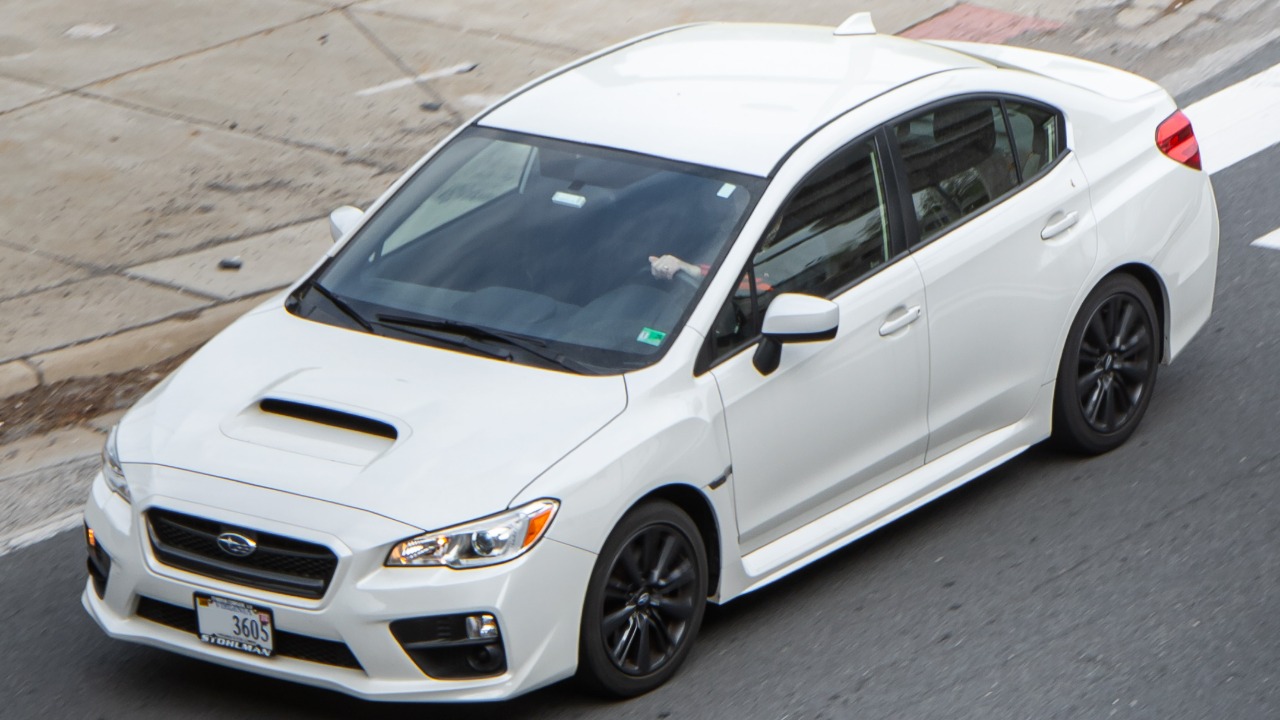
The Subaru WRX was born from rally stages, but few predicted how deeply it would embed itself in everyday car culture. One guide to cult favorites notes that the Subaru WRX carries rally championship DNA, and that heritage helped it stand out among compact sedans. Instead of staying a niche performance oddity, it became a go‑to choice for drivers who wanted all‑weather practicality and serious speed in one package.
Online, you see WRX owners swapping tuning tips, track‑day stories, and winter‑driving photos, treating the car as both tool and toy. That dual role is what gave it an outsized reputation compared with its modest footprint. For you, the WRX illustrates how motorsport credibility, when paired with real‑world usability, can turn a relatively affordable model into a lifelong passion and a gateway into enthusiast culture.
Toyota Prius
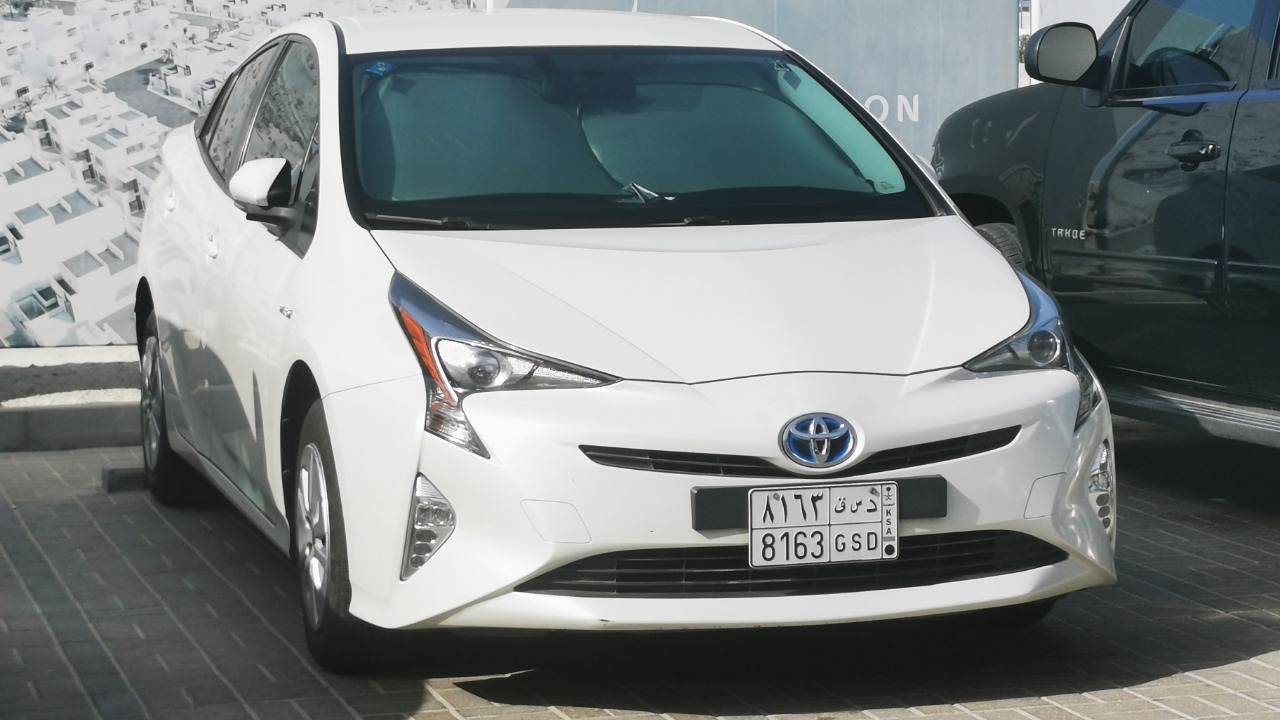
The Toyota Prius started as a cautious experiment in hybrid technology, yet it ended up reshaping how you think about efficiency. In a survey of influential recent models, the Toyota Pr is singled out for bold styling and for changing the idea of small cars. Instead of hiding its hybrid nature, the Prius wore its difference proudly, turning aerodynamic quirks into a visual badge of environmental awareness.
That decision helped the Prius become a cultural shorthand for eco‑conscious driving, far beyond what its engineers likely imagined. It influenced everything from taxi fleets to Hollywood red carpets, proving that efficiency could be aspirational. For the wider industry, its success forced rivals to accelerate hybrid and electric programs, while for you as a driver it normalized the idea that fuel‑saving tech could be mainstream, not a fringe science project.
Ford Bronco
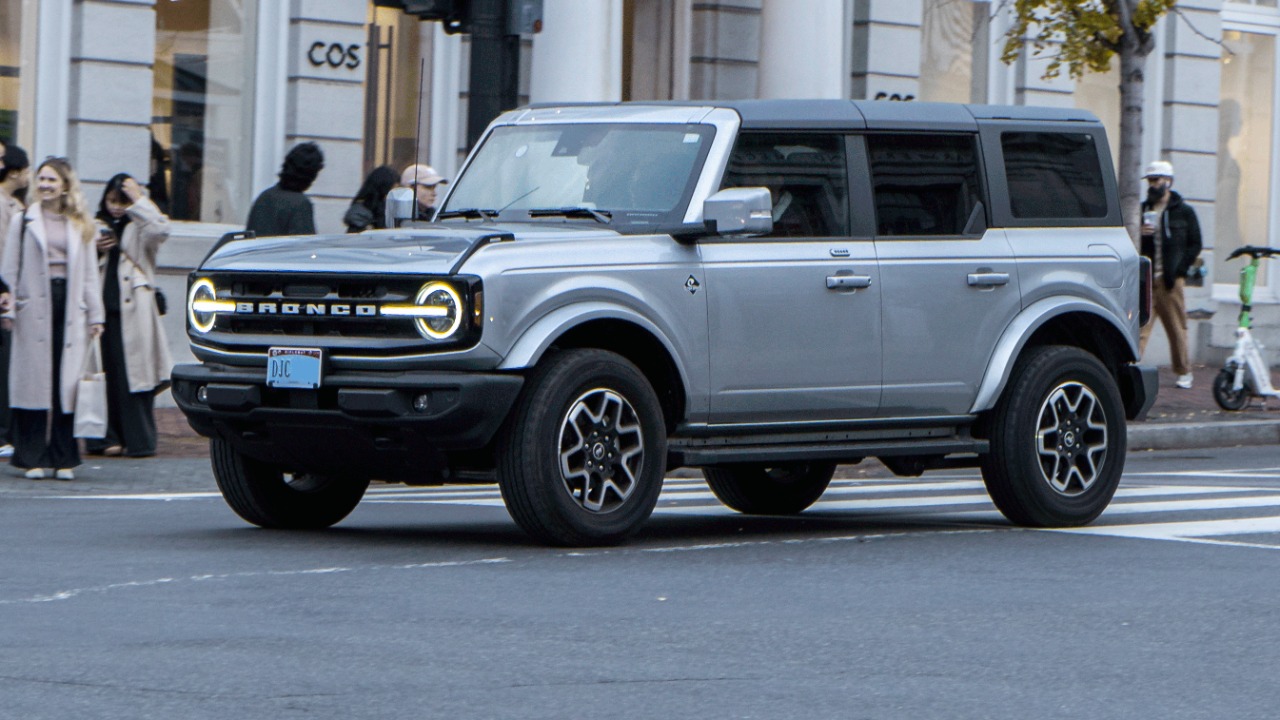
The Ford Bronco began life as a simple, utilitarian off‑roader, but its reputation has swung through several unexpected phases. A modern look at cult vehicles points out that the Ford Bronco now commands intense loyalty, with buyers drawn to its mix of retro styling and serious trail capability. That enthusiasm is rooted in decades of use on farms, beaches, and back roads, where the Bronco quietly proved itself long before its recent comeback.
What nobody predicted was how strongly nostalgia and social media would amplify demand when the nameplate returned. You see waiting lists, special editions, and thriving aftermarket scenes built around a truck that was once just a work tool. Its journey shows how heritage, when handled carefully, can turn a discontinued model into a modern status symbol, and how your memories of old family trucks can drive today’s purchase decisions.
Jeep Wrangler
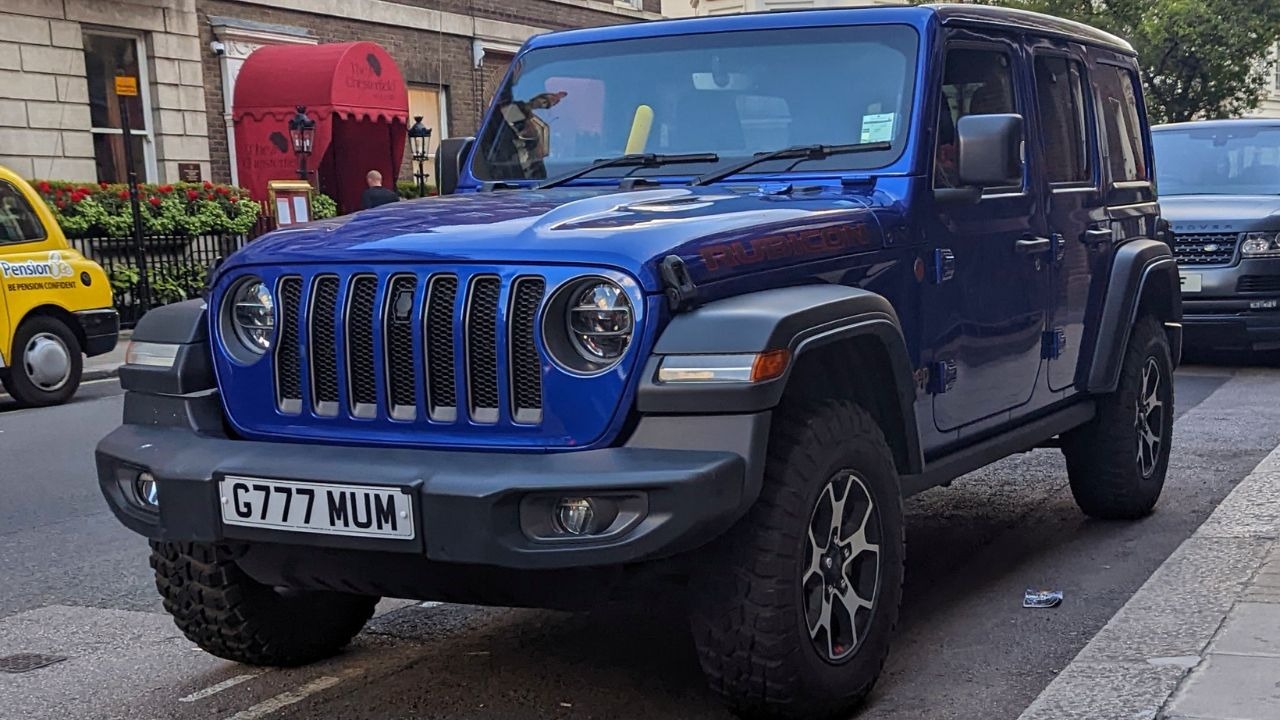
The Jeep Wrangler traces its lineage to military vehicles, but its modern reputation as a lifestyle accessory surprised many traditionalists. In discussions about American cult cars, commenters often insist you specify Jeep Wrangler rather than just JEEP, because the model itself inspires such devotion. Owners treat removable doors, fold‑down windshields, and endless customization options as invitations to make each Wrangler an extension of their personality.
That emotional connection turned a relatively crude, body‑on‑frame off‑roader into a surprisingly desirable daily driver, even in cities. You might see Wranglers with rooftop tents in national parks one weekend and parallel‑parked outside offices the next. The model’s evolution shows how authenticity and continuity of design can outweigh comfort compromises, and how a vehicle built for rough terrain can become a rolling community for people who want their car to signal adventure, even on a commute.
DeLorean DMC‑12
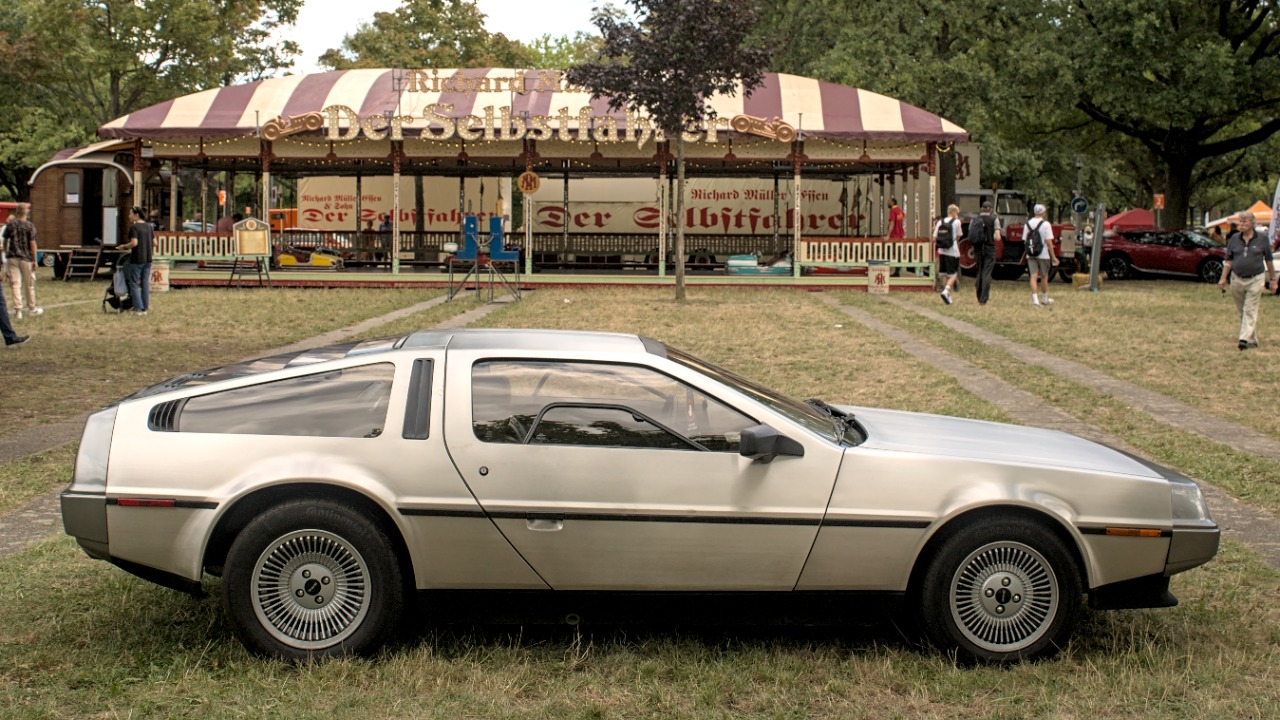
The DeLorean DMC‑12 was a commercial disappointment, but its reputation today is anything but. Early buyers expected a cutting‑edge sports car and instead got modest performance wrapped in stainless steel. Yet later lists of the coolest cult cars highlight the DeLorean as a prime example of a vehicle that was not mainstream when new but now wows enthusiasts whenever it appears.
Pop culture, especially its starring role in a certain time‑travel movie trilogy, transformed the DMC‑12 from failed startup product into a rolling piece of nostalgia. You rarely see one on the road, which only adds to the mystique. For collectors and fans, it proves that cultural context can matter more than spec sheets, and that a car’s second life in film, television, or memes can eclipse whatever happened in the showroom.
Smart Fortwo
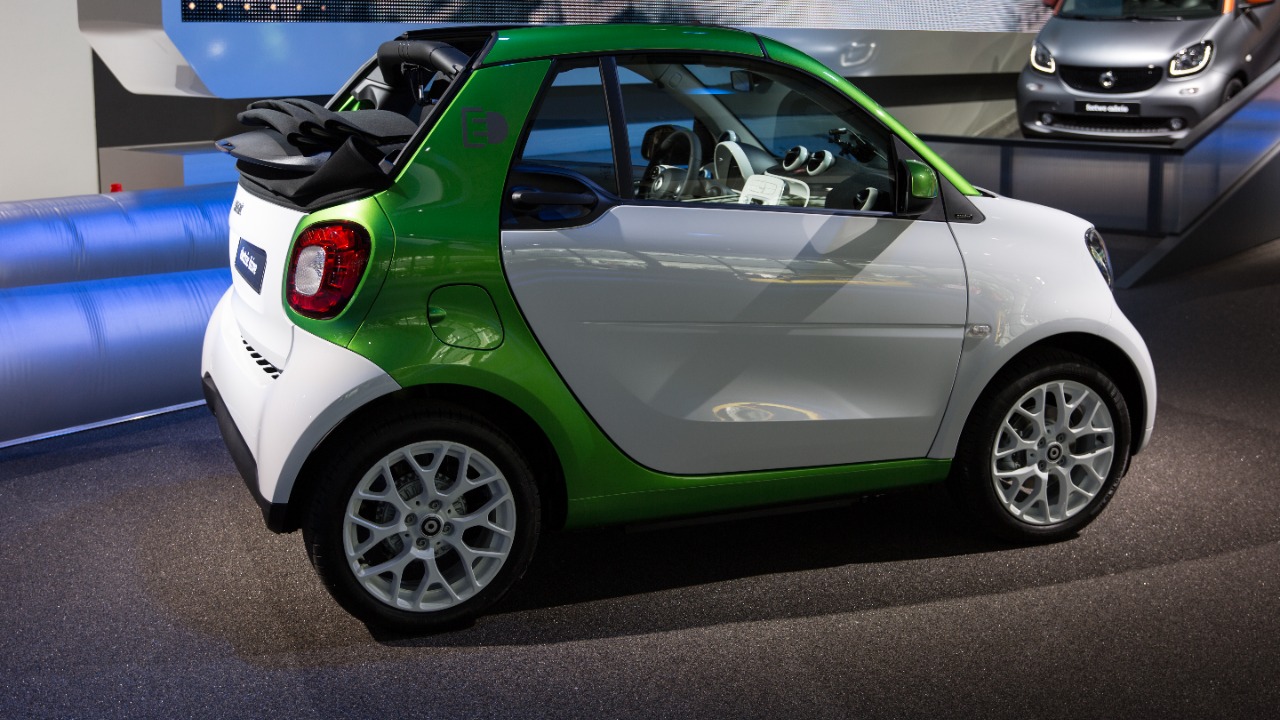
The Smart Fortwo was designed as a radical answer to crowded European cities, but its reputation in markets like America took a very different path. Initially, many drivers dismissed it as a novelty, questioning its highway stability and crash safety. Over time, though, it began appearing in conversations about cars famously that did not quite meet early expectations yet still carved out loyal niches.
Owners who embraced the Fortwo valued its tiny footprint, easy parking, and quirky styling, turning it into a statement about urban living rather than performance. You might see it wrapped in company logos, used as a city‑car share, or personalized with bright colors and wheels. Its trajectory shows how a car can fail as a mainstream product but succeed as a symbol of a specific lifestyle, reminding you that reputation often depends on where and how a vehicle is used, not just what the spec sheet promises.
More from Fast Lane Only