In the world of classic cars, not all vehicles are revered equally. While collectors often chase rare finds and pristine condition, mechanics tend to respect models that are reliable, easy to work on, and represent significant engineering breakthroughs. Here’s a look at seven classic cars that mechanics truly admire, often for their practical design and robust performance.
Ford Model T
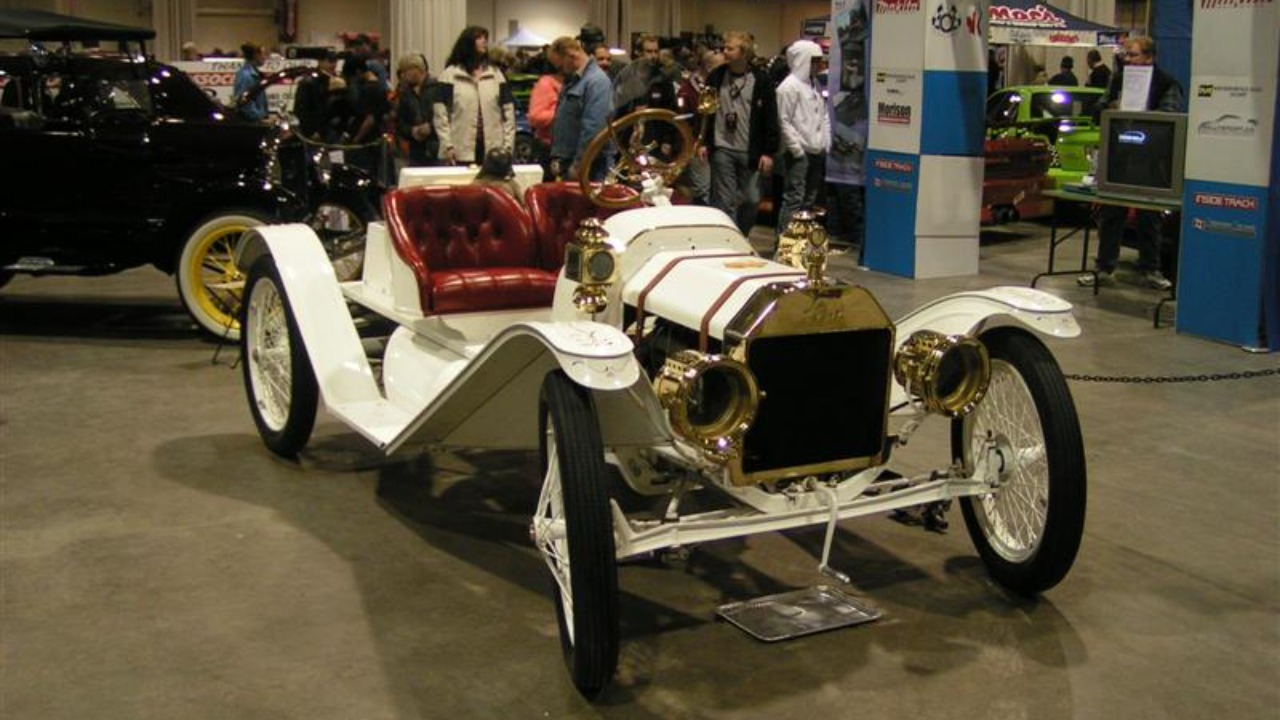
The Ford Model T, produced from 1908 to 1927, is often considered the first affordable automobile, revolutionizing personal transport. Mechanics respect the Model T for its simplicity and ease of repair. With a design that allows for straightforward access to its parts, this vehicle can be fixed with basic tools and a bit of know-how. Many mechanics appreciate the brass era’s advanced engineering, which set the foundation for modern automotive design. The Model T’s reliable four-cylinder engine, running on simple mechanics, makes it an enduring favorite among those who work on classic cars.
Additionally, the Model T’s modular construction means that parts are generally available and interchangeable, making repairs less daunting. This accessibility is why you might find these vehicles still on the road today, often restored by enthusiasts who value practicality over perfection. The sheer historical significance of the Model T also garners respect, as it democratized car ownership and inspired generations of automotive innovation. To explore more about its impact, check out this detailed analysis.
Chevrolet Bel Air
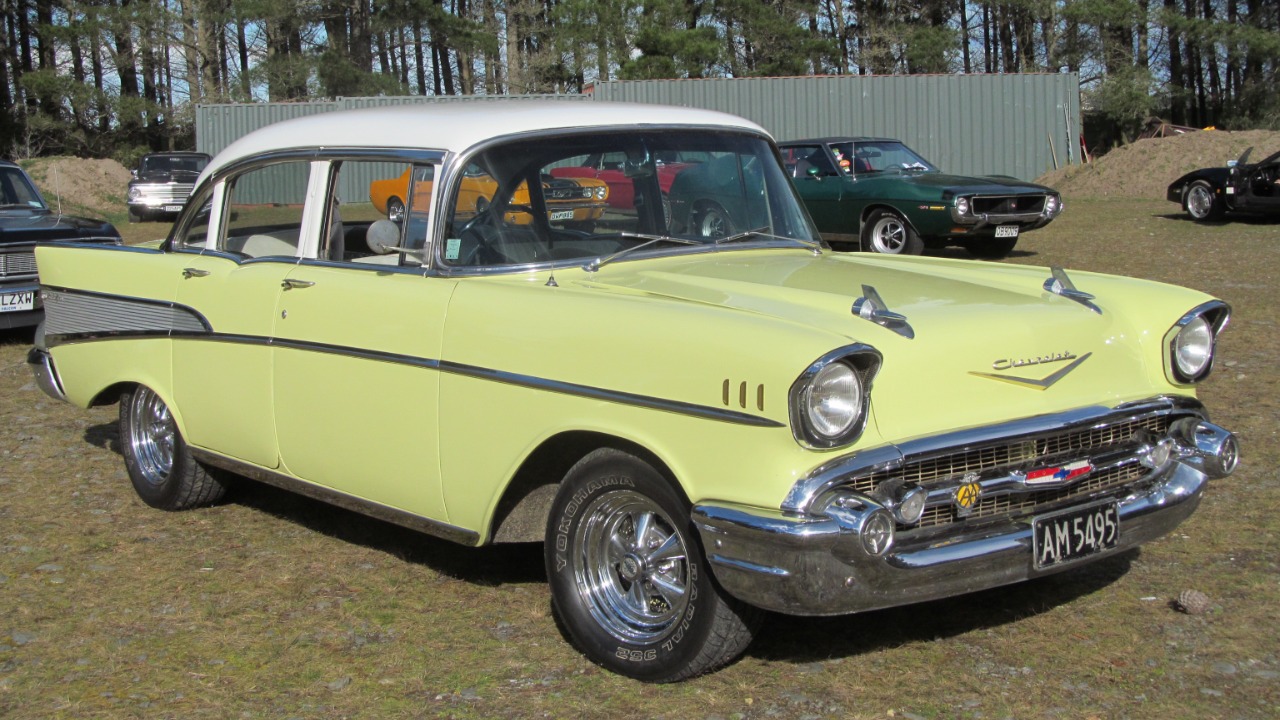
Produced from 1950 to 1981, the Chevrolet Bel Air stands out as a classic American car that mechanics admire for its robust design and straightforward mechanics. The Bel Air is particularly lauded for its V8 engines, which provide a balance of power and reliability. Mechanics appreciate that the Bel Air’s engine bay allows for easy access to components, making repairs and modifications a breeze. Whether you are dealing with the iconic 1957 model or any other year, the Bel Air’s mechanical design is user-friendly and approachable.
Moreover, the Bel Air has a rich heritage in American automotive culture, often seen as a symbol of post-war prosperity. Its simple yet stylish design means that it’s not just a car for collectors but also a favorite among those who enjoy working on older vehicles. The community around restoring and maintaining the Bel Air is vibrant, and many mechanics take pride in keeping these classics on the road. For insights into how collectors and mechanics differ in their appreciation of cars, check this discussion.
Volkswagen Beetle
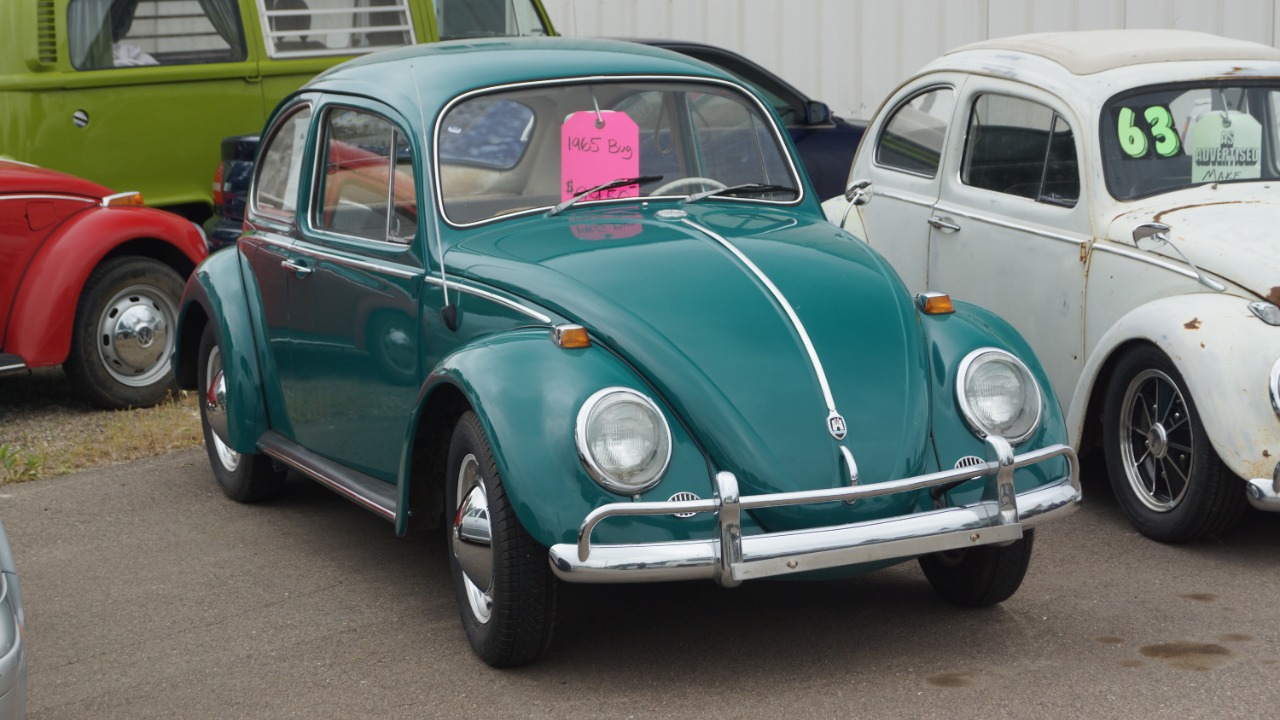
The Volkswagen Beetle, produced from 1938 until 2003, is another classic that mechanics hold in high regard. Its air-cooled, rear-engine design was revolutionary and remains easy to work on. Mechanics appreciate the Beetle’s simplicity, which makes it accessible for DIY repairs. For many, the Beetle represents the quintessential ‘people’s car,’ designed with practicality in mind. Its parts are readily available, and many enthusiasts find joy in restoring and maintaining these vehicles.
The Beetle’s flat-four engine is not only reliable but also offers a unique sound and character. Over the years, it has developed a loyal following, and its straightforward engineering allows for numerous modifications and upgrades. This adaptability means mechanics can have fun with the Beetle, whether they’re restoring a vintage model or customizing one for modern use. If you’re interested in seeing the Beetle’s legacy in action, this video showcases its enduring charm.
Porsche 911 (Air-Cooled)
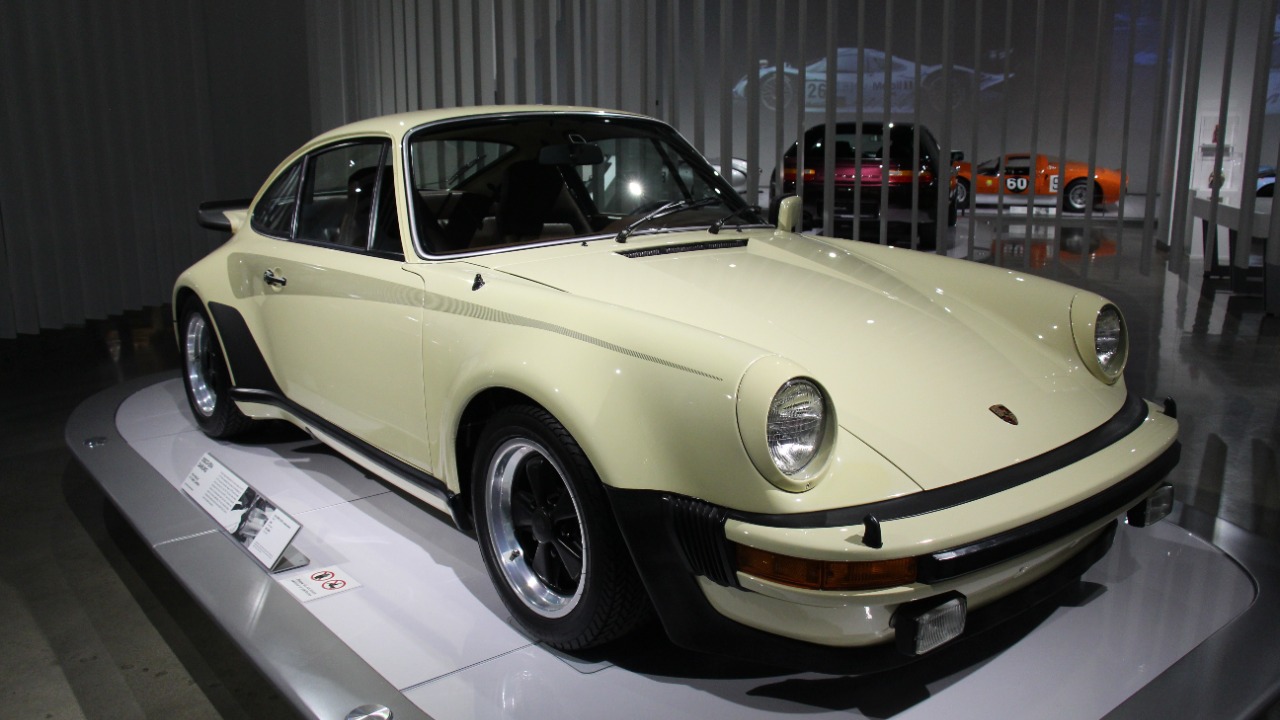
The Porsche 911, particularly the air-cooled models produced until 1998, is revered in the mechanic community for its engineering excellence. Mechanics respect the 911 for its distinctive design and performance capabilities, but what sets it apart is its relative ease of serviceability compared to other high-performance cars. The rear-engine layout and simple mechanical systems allow for straightforward access, making repairs and maintenance less complicated.
The 911’s flat-six engine is known for its reliability and longevity, which is a testament to Porsche’s commitment to quality. Mechanics often appreciate the 911’s ability to deliver exhilarating performance while remaining approachable for hands-on work. The car’s iconic status among collectors is well-deserved, but it’s the mechanics who often enjoy the thrill of keeping these machines in optimal condition. For more insights into the Porsche 911, check out this resource.
Toyota Land Cruiser
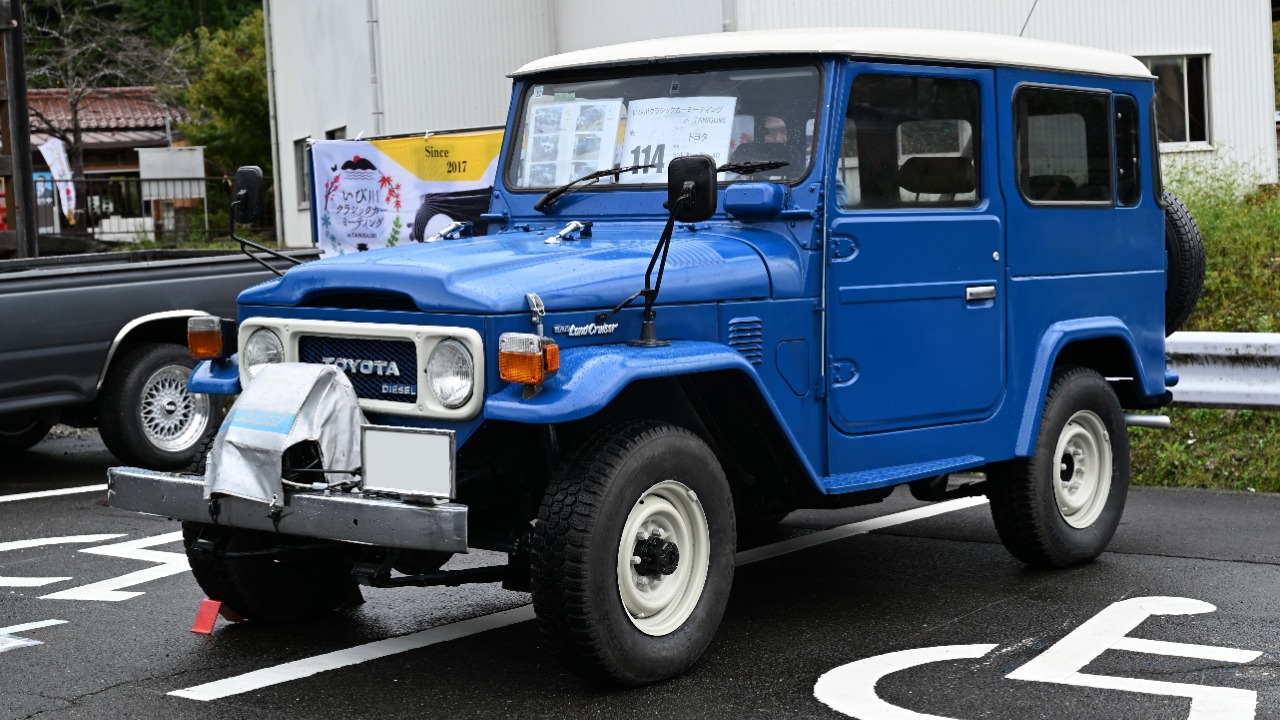
The Toyota Land Cruiser has built a reputation as one of the most reliable and durable SUVs ever produced. Mechanics respect the Land Cruiser for its rugged design and off-road capabilities. Known for its longevity, the Land Cruiser can often surpass the 300,000-mile mark with proper care, making it a favorite among those who appreciate mechanical durability. Its straightforward, body-on-frame construction allows for easy access to components, making repairs less intimidating.
The Land Cruiser is particularly well-respected in off-road communities, where its capability is put to the test. Mechanics often find joy in restoring older models, as they can handle a variety of modifications. The vehicle’s engineering has proven itself over decades, and many mechanics enjoy the challenge of keeping these beasts running smoothly. This vehicle is more than just a classic; it’s an enduring symbol of reliability and performance in the automotive world.
Dodge Charger (1968-1970)
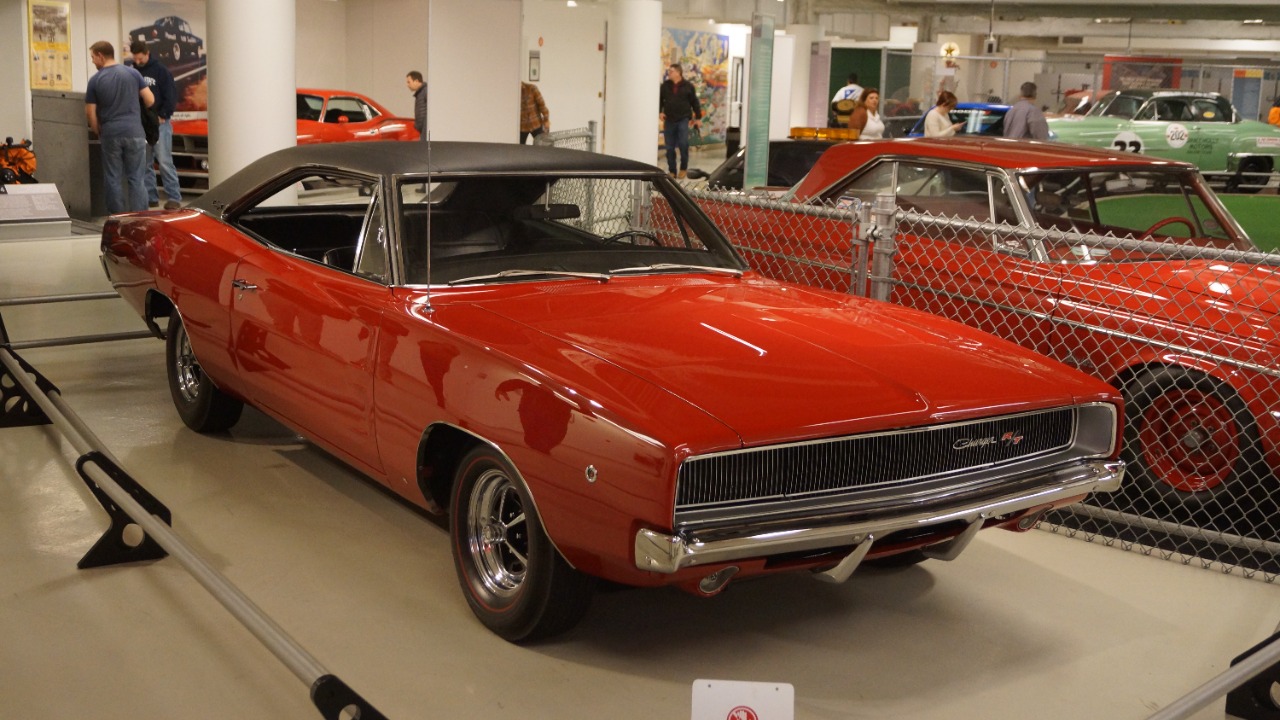
The Dodge Charger, especially the models from 1968 to 1970, is a classic muscle car that mechanics respect for its raw power and simplicity. Known for its bold styling and robust V8 engines, the Charger offers mechanics a straightforward build that makes it easy to work on. The engine bay is spacious, allowing for easy access to critical components, which is a huge plus for those who enjoy tuning or restoring these cars.
These Chargers were designed with performance in mind, and their relatively simple mechanical systems make them a favorite among both enthusiasts and mechanics. The muscle car culture surrounding the Charger has created a supportive community that shares tips and tricks for maintenance and modification. Mechanics appreciate the Charger not only for its performance but also for the camaraderie it fosters within the classic car community.
Honda Civic (1980s-1990s)

The Honda Civic from the 1980s to the 1990s is often revered for its reliability and fuel efficiency, making it a practical choice for mechanics. During this era, the Civic was known for its straightforward engineering, enabling easy repairs and modifications. Mechanics respect the Civic for its affordable parts and widespread availability, allowing for a vibrant aftermarket scene. The simplicity of its design, combined with the potential for performance upgrades, makes it a popular choice among DIY enthusiasts.
Additionally, the Civic’s lightweight build and nimble handling have made it a favorite for tuning and racing. Many mechanics enjoy working on these models due to their versatility and ease of customization. Whether it’s a hatchback or a sedan, the Civic represents a balance of practicality and performance that resonates with mechanics across the board. Its significance in the automotive landscape continues to inspire both respect and admiration.
More from Fast Lane Only
- Unboxing the WWII Jeep in a Crate
- 15 rare Chevys collectors are quietly buying
- 10 underrated V8s still worth hunting down
- Police notice this before you even roll window down
*Research for this article included AI assistance, with all final content reviewed by human editors.