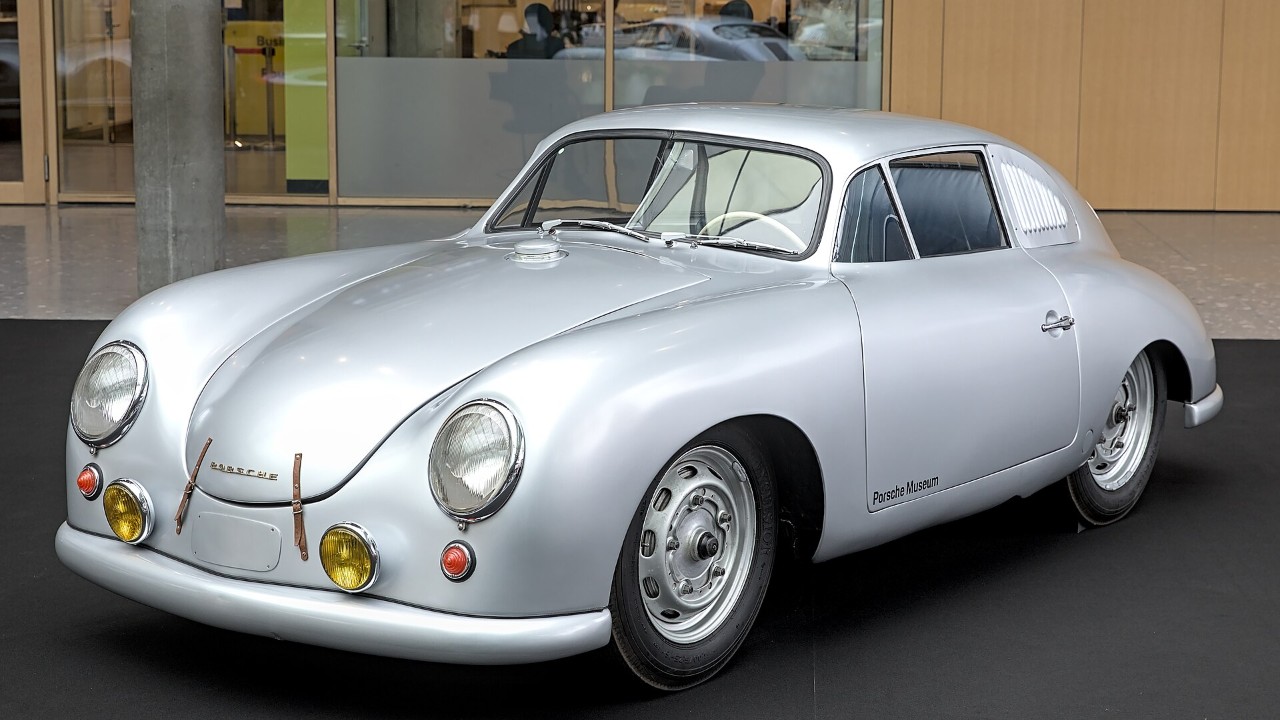
The 1950s were filled with optimism about the future, and American car designers embraced that mood with dramatic results. Cars gained enormous fins, wraparound glass, jet-inspired details, and shapes that seemed influenced by rockets and spacecraft. These eleven classics looked less like ordinary transportation and more like something imagined for a futuristic movie.
Buick LeSabre
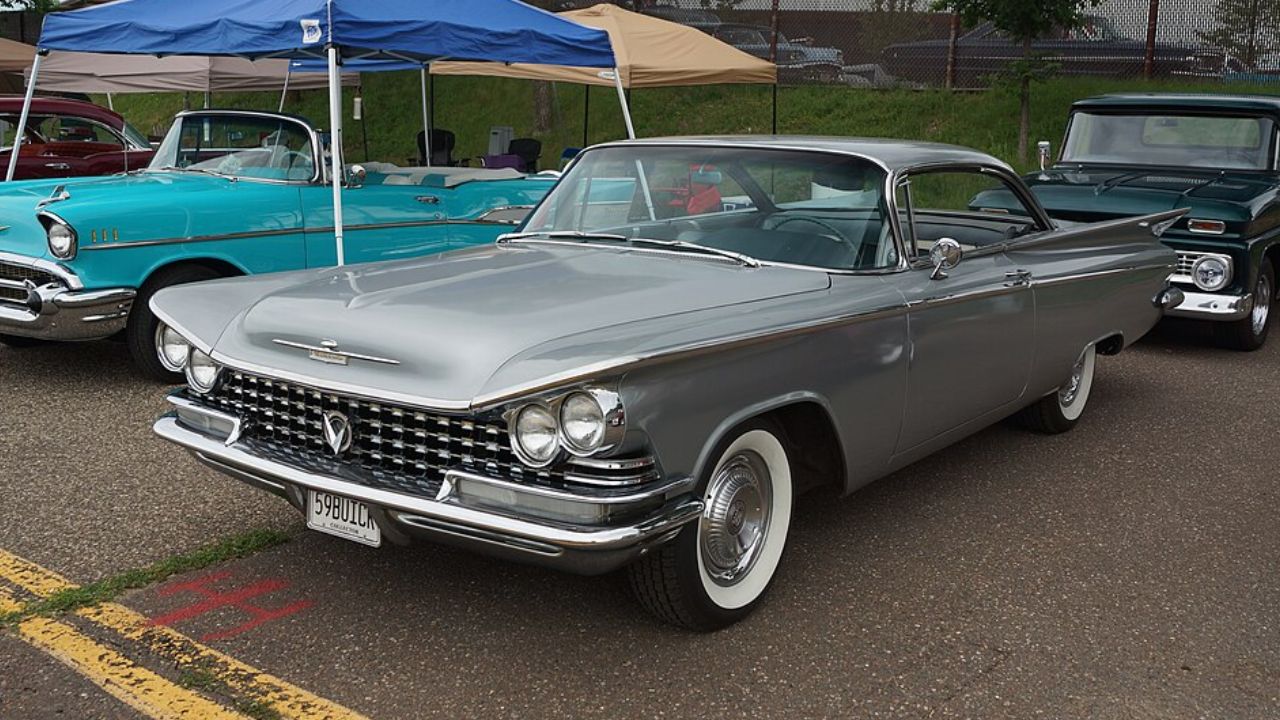
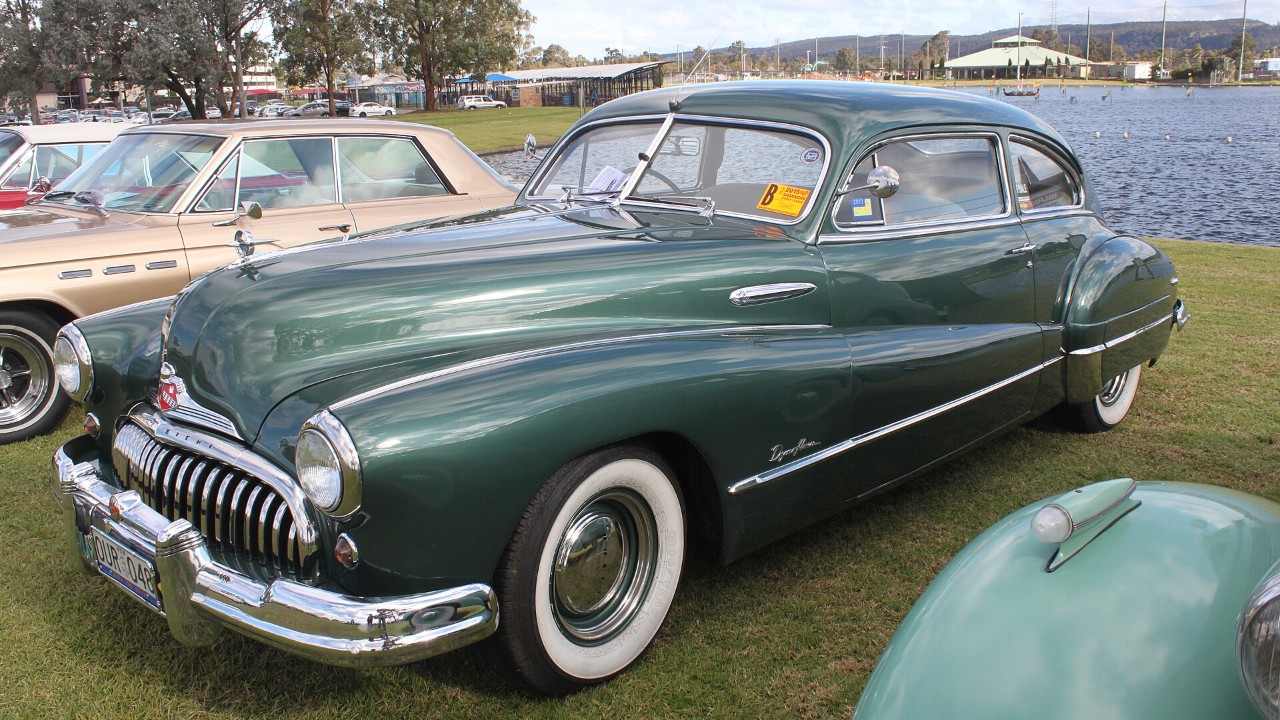
The Buick LeSabre arrived with styling that reflected America’s fascination with aviation and space exploration. Its sweeping body, panoramic windshield, and jet-inspired details made it look remarkably futuristic for a production car. Buick used the LeSabre name to signal a new direction, and the design delivered. Even today, its proportions capture the optimism of early 1950s automotive styling.
Oldsmobile 98
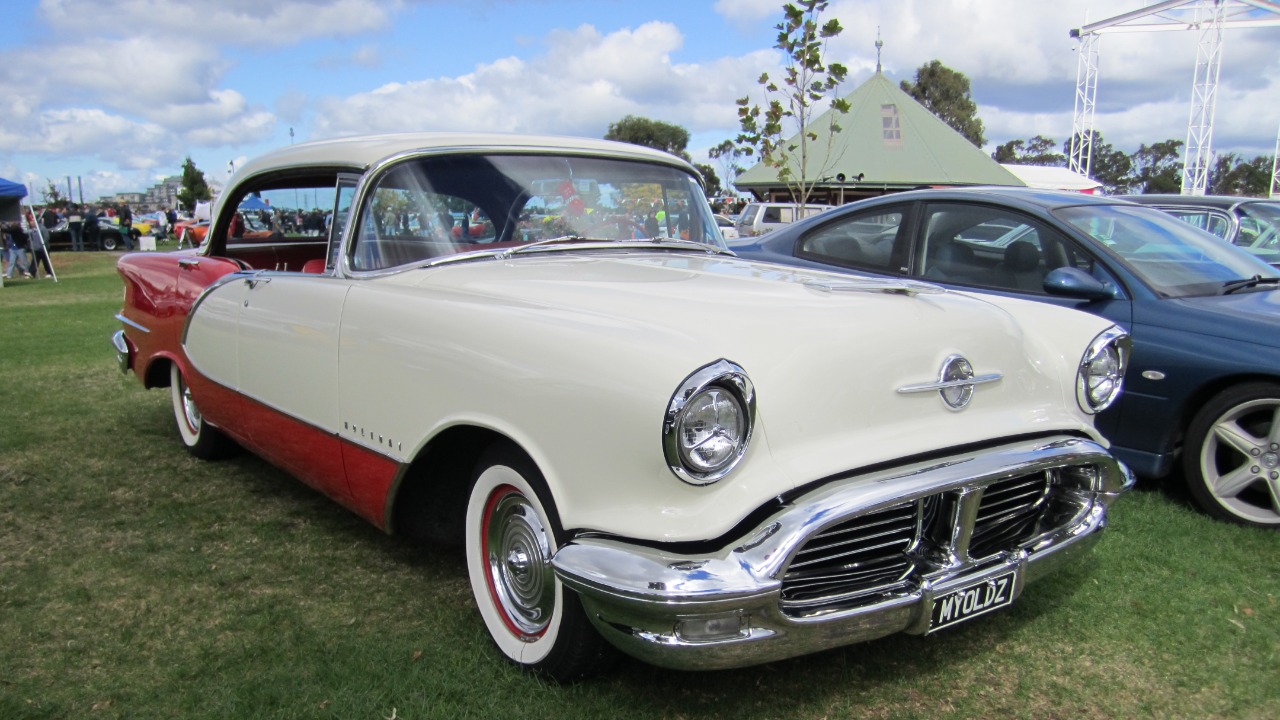
The Oldsmobile 98 embraced the decade’s fascination with jet-age design through sweeping chrome, dramatic rear styling, and increasingly elaborate details. Its substantial proportions gave it an imposing road presence, while the growing use of wraparound glass made the cabin feel more open. It looked like a machine designed for a prosperous future rather than a traditional automobile.
Cadillac Eldorado
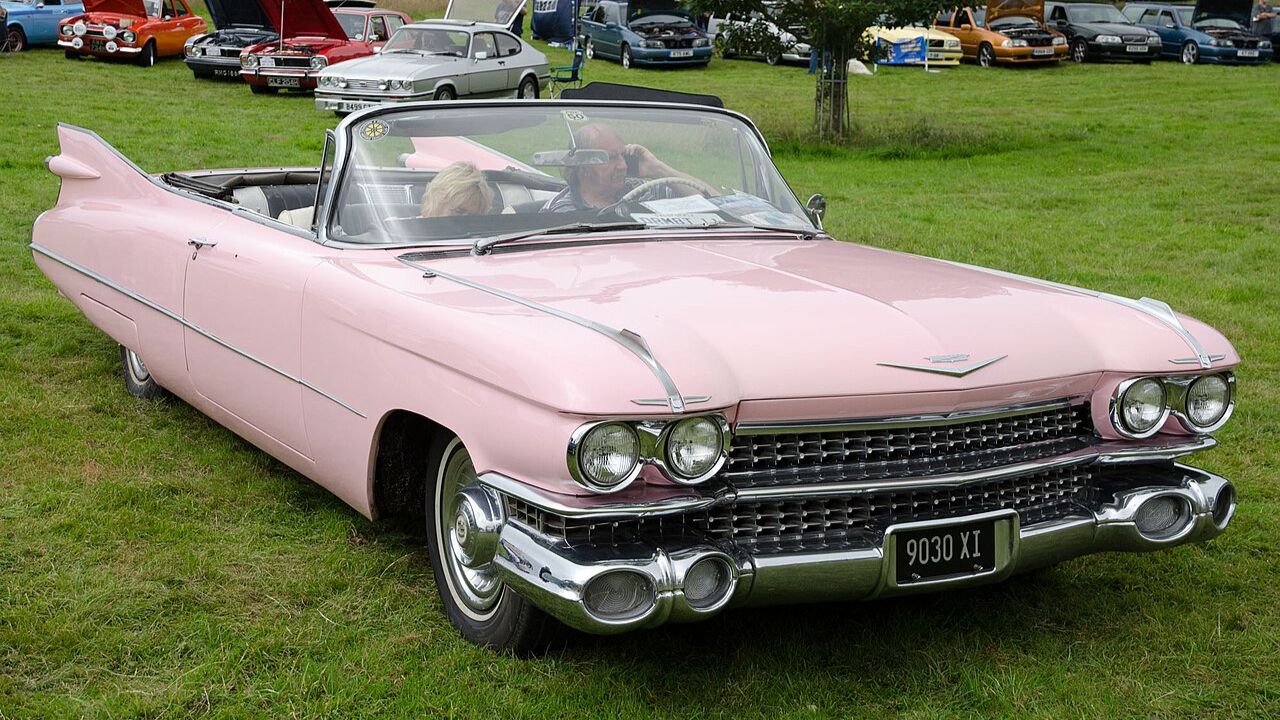
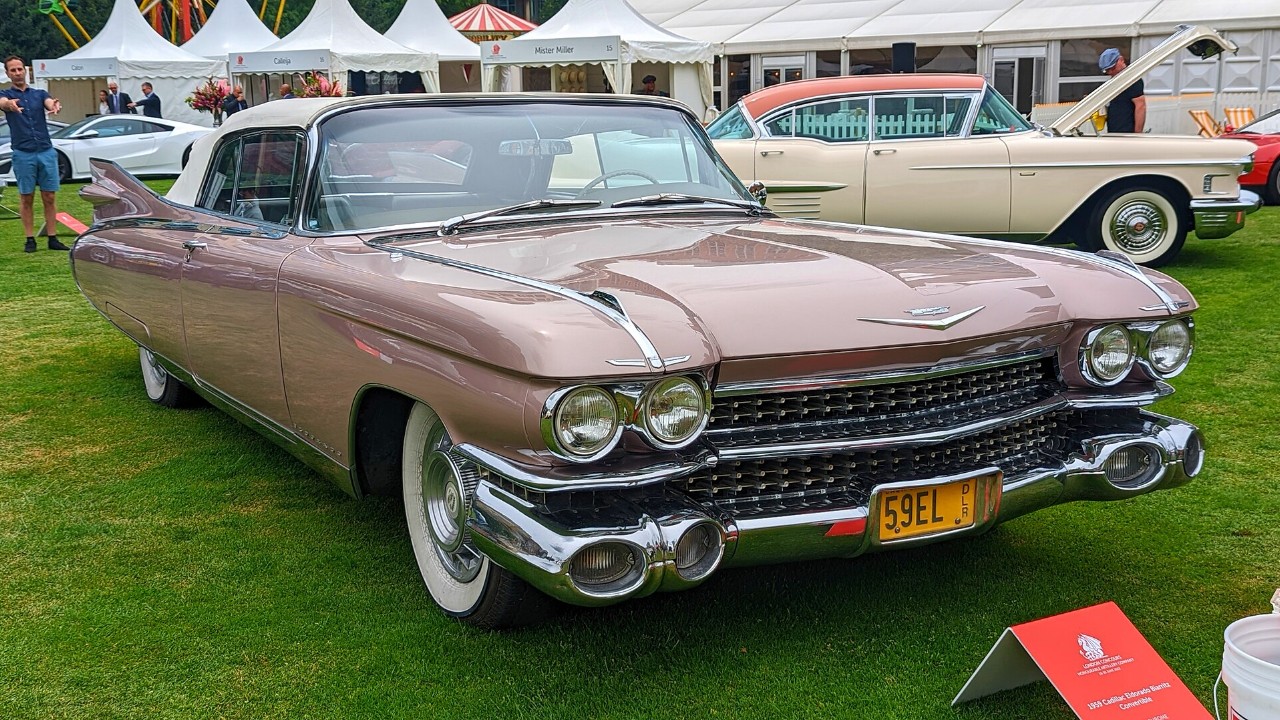
The Cadillac Eldorado represented the extravagant side of 1950s automotive design. Its dramatic fins, extensive chrome, and luxurious proportions reflected the era’s obsession with rockets and flight. Cadillac designers pushed visual excess to remarkable levels. The result was a car that looked almost too futuristic for ordinary roads and became one of the decade’s defining symbols.
Chevrolet Bel Air

The Chevrolet Bel Air transformed from a conventional-looking automobile into one of the most recognizable examples of 1950s jet-age styling. Its wraparound windshield, sculpted body, chrome trim, and distinctive rear design made it instantly memorable. Later versions became especially dramatic. The Bel Air remains a perfect snapshot of an era when automobile designers believed the future should look bigger and bolder.
Chrysler 300
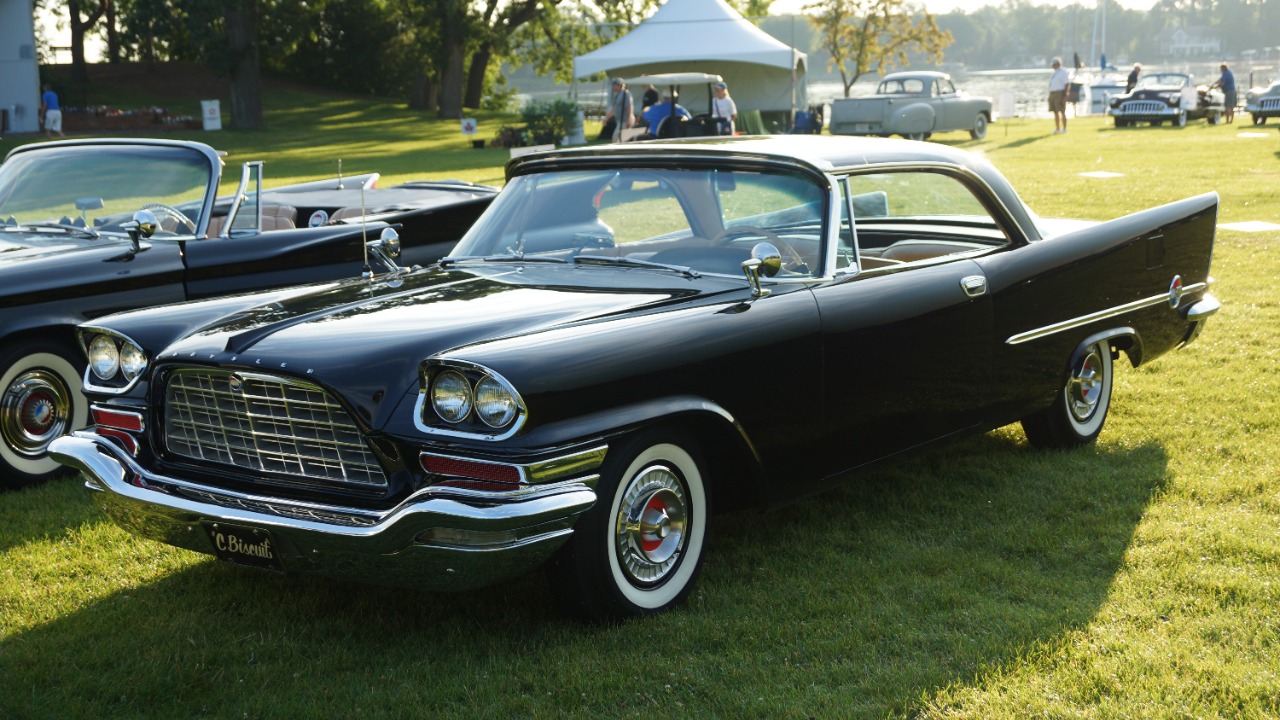
The Chrysler 300 took a more performance-oriented approach to futuristic styling. Its long hood, restrained body, and powerful Hemi V8 created a sophisticated combination of speed and elegance. The car looked purposeful rather than excessively decorated. Its low-slung proportions and understated details gave it a surprisingly modern appearance compared with many other American cars of the decade.
Ford Fairlane
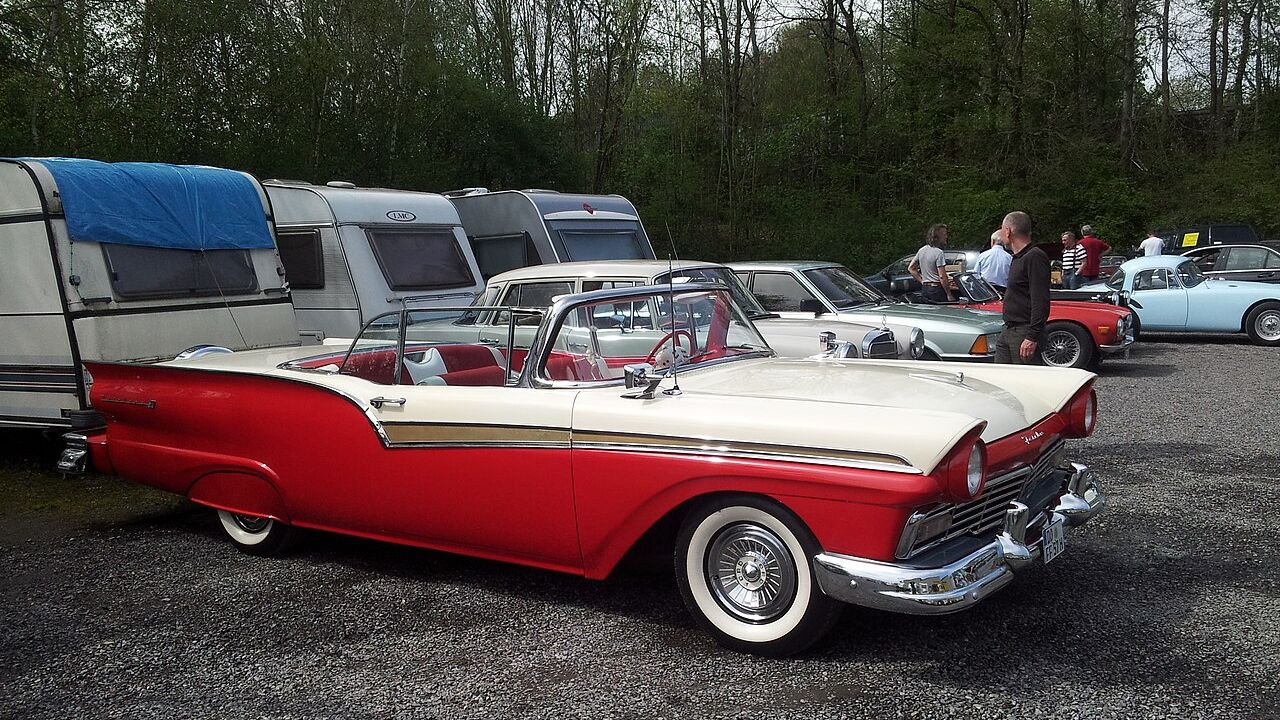
The Ford Fairlane reflected the growing influence of aircraft and rocket design on American automobiles. Its long body, broad chrome accents, and sculpted rear sections gave it plenty of visual drama. Ford continually updated the styling throughout the decade, making later versions particularly flamboyant. The Fairlane demonstrated how quickly mainstream American cars were embracing the futuristic aesthetic.
Lincoln Premiere
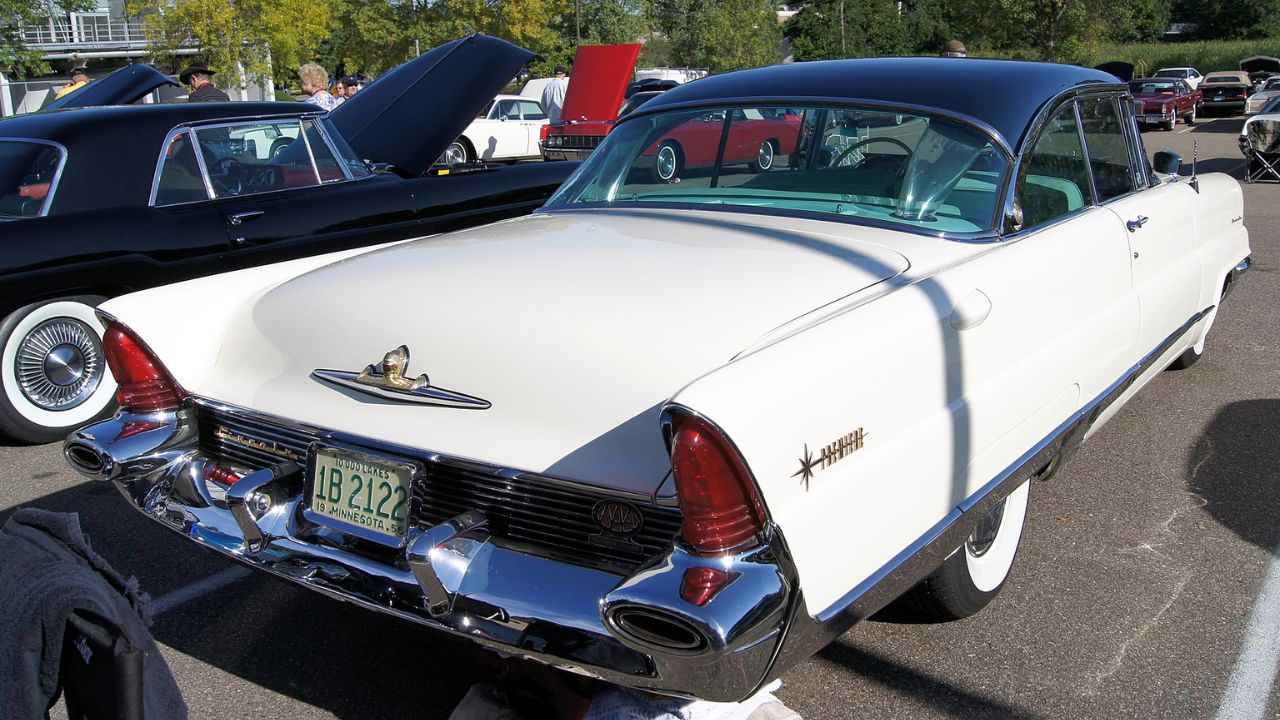
The Lincoln Premiere combined imposing dimensions with dramatic styling and elaborate chrome details. Its sleek roofline and broad body gave it an almost concept-car appearance. The interior was equally ambitious, with increasingly sophisticated appointments for the period. It represented Lincoln’s effort to create a luxury automobile that looked unmistakably modern and different from ordinary American sedans.
Mercury Turnpike Cruiser
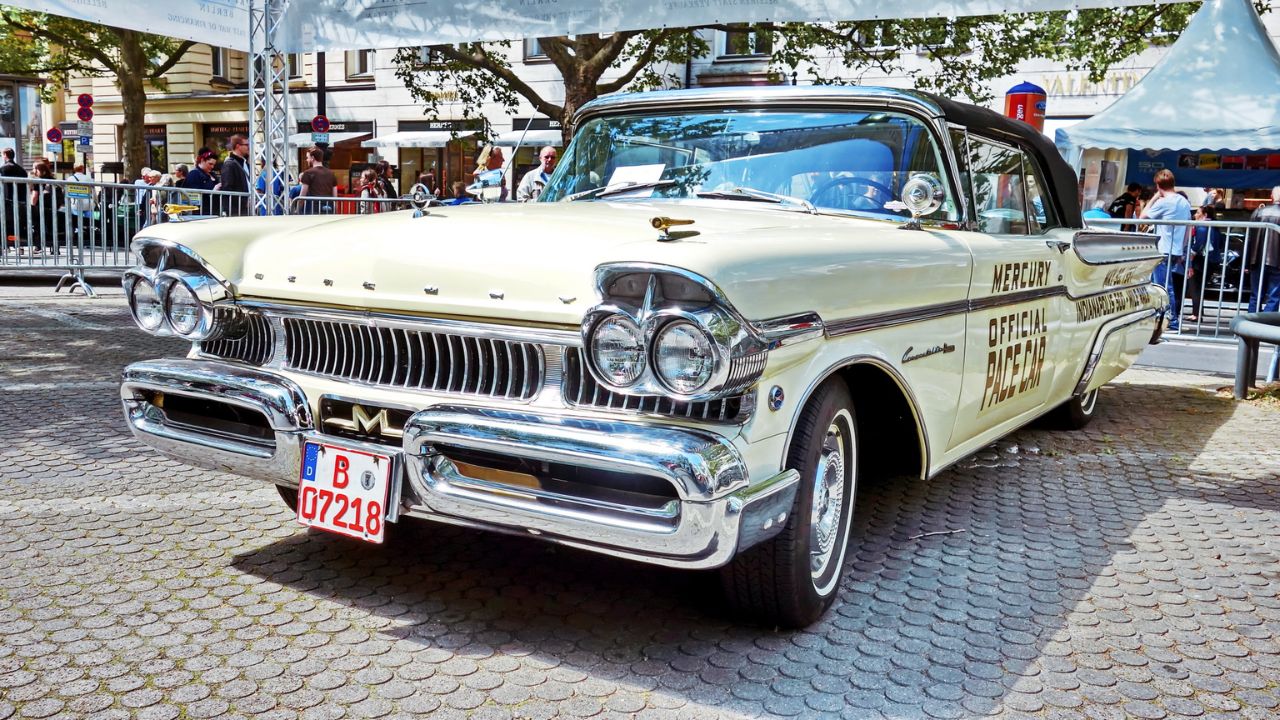
The Mercury Turnpike Cruiser may be one of the clearest examples of 1950s automotive futurism. Its rear roof-mounted air vents, wraparound windshield, extensive chrome, and elaborate bodywork made it look almost like a concept car that escaped onto public roads. The styling was deliberately dramatic, reflecting America’s fascination with high-speed travel and the coming space age.
Packard Caribbean
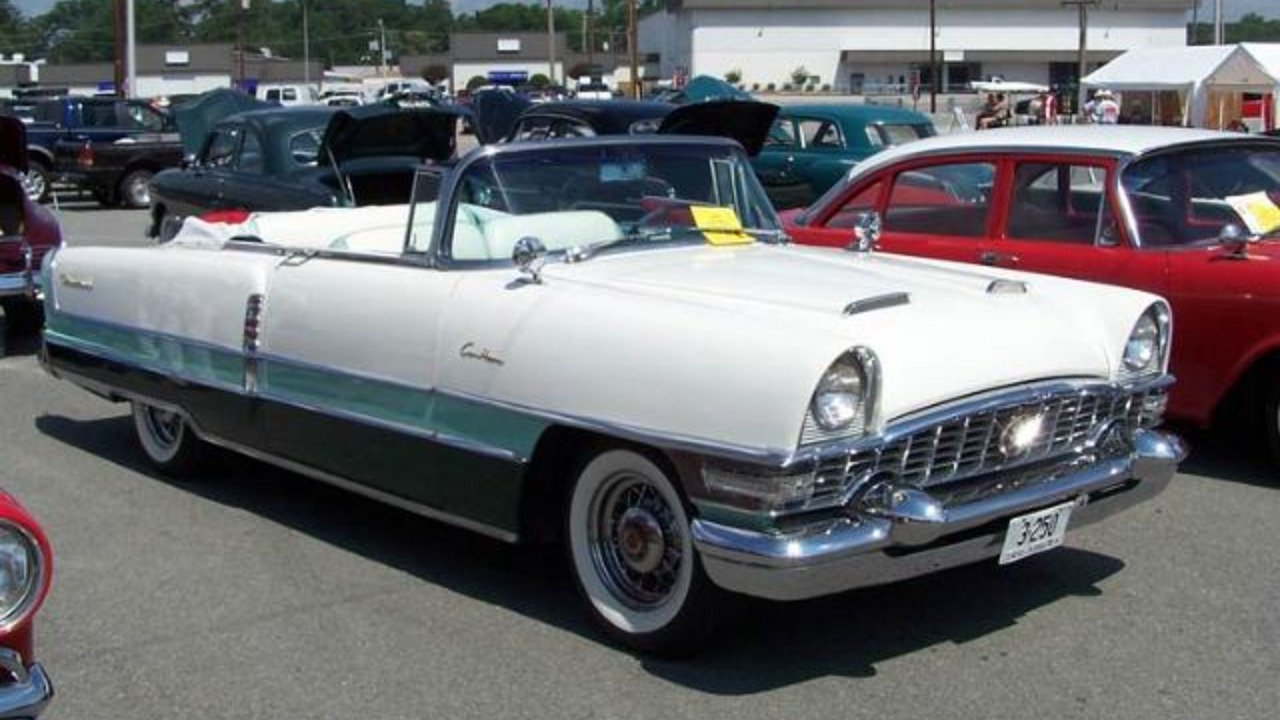
The Packard Caribbean combined luxury with the decade’s increasingly flamboyant design language. Bold colors, generous chrome, sweeping bodywork, and elaborate trim made it visually striking. Packard used the Caribbean to demonstrate that its cars could still compete with Detroit’s biggest luxury brands. Its styling now provides a fascinating look at the final years of Packard’s independent era.
Studebaker Golden Hawk
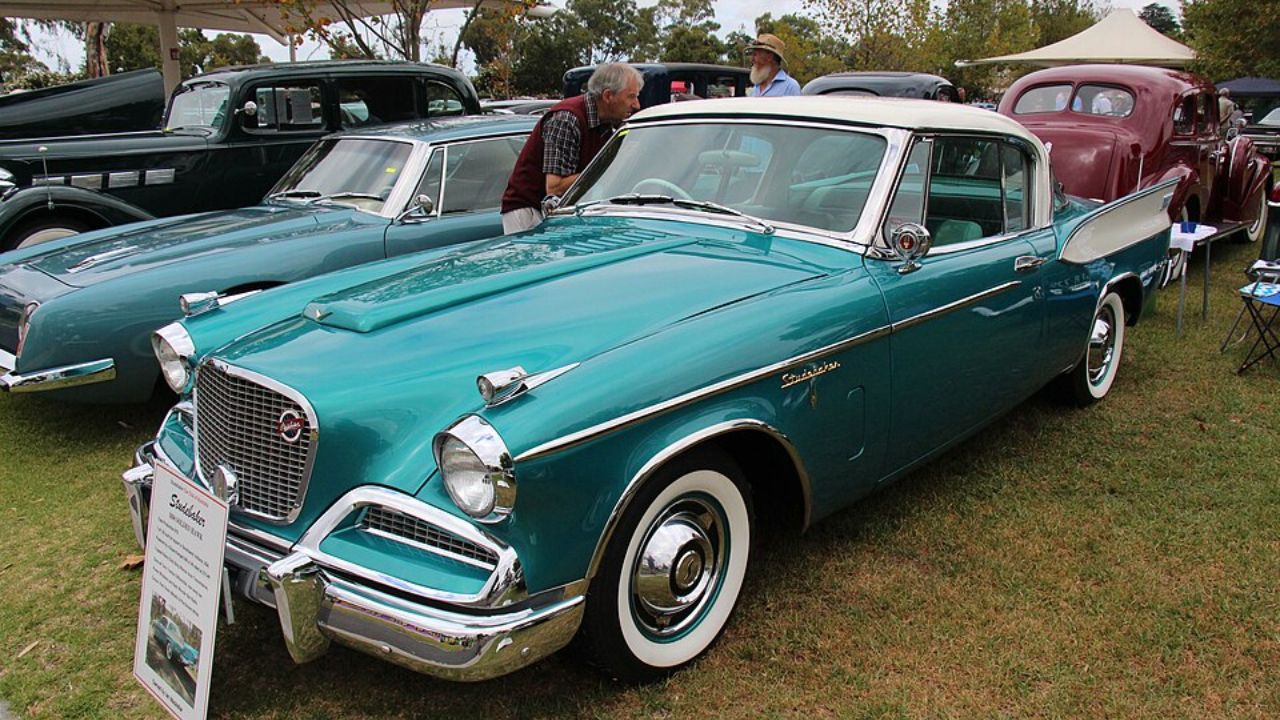
The Studebaker Golden Hawk took a different path toward futuristic styling. Its relatively low body, dramatic nose, sweeping roofline, and powerful V8 gave it an almost European-meets-jet-age appearance. Studebaker’s willingness to experiment with design helped it stand apart from the larger Detroit manufacturers. The Golden Hawk remains one of the most distinctive performance cars of the decade.
Lincoln Continental Mark II
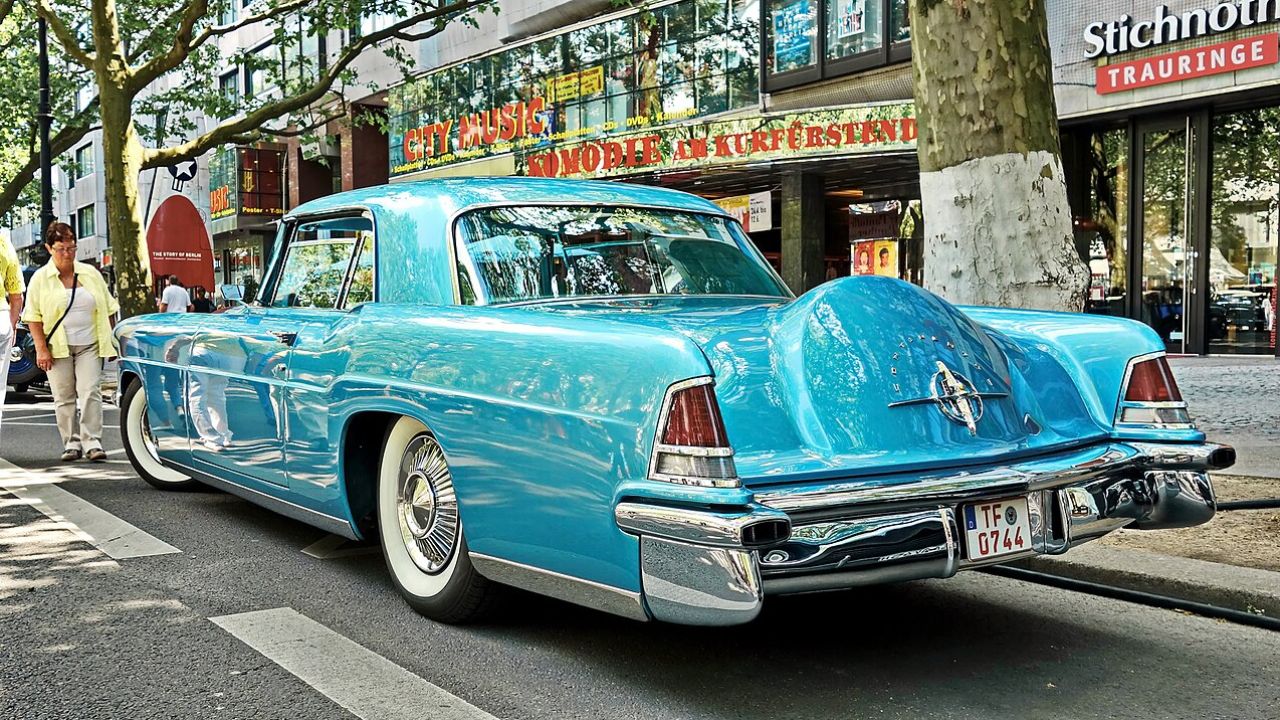
The Lincoln Continental Mark II deliberately avoided excessive fins while still looking remarkably futuristic. Its long, low body, elegant proportions, and restrained chrome created a sophisticated appearance that contrasted with Detroit’s increasingly exaggerated designs. The hidden spare-tire treatment added to its distinctive profile. It looked less like a rocket and more like a carefully designed automobile from the future.
More from Fast Lane Only
- Unboxing the WWII Jeep in a Crate
- 15 rare Chevys collectors are quietly buying
- 10 underrated V8s still worth hunting down
- Police notice this before you even roll window down
*Research for this article included AI assistance, with all final content reviewed by human editors