You know the feeling: a shiny new model hits the market, the hype is deafening, and buyers rush in before the real story emerges. These 11 vehicles show how quickly excitement can turn into regret when reliability, safety, or basic usability do not live up to the brochure. If you are shopping now, their missteps are a useful checklist of what to question before you sign anything.
Ford Pinto

The Ford Pinto is the textbook case of a car rushed into showrooms before the engineering was truly ready. In the race to deliver a cheap compact, the company accepted a rear fuel tank layout that later became infamous for fire risk in rear-end crashes. Reporting on cars rushed to highlights how The Ford Pinto turned into a legal and reputational disaster.
If you had bought one at launch, you would have thought you were getting a thrifty, modern small car, only to discover you were driving a symbol of cost-cutting gone too far. The lesson for you today is simple: when a new model arrives unusually quickly or undercuts rivals on price, you should ask what corners might have been cut in testing, especially around crash safety and fuel system integrity.
Subaru 360 (North American version)
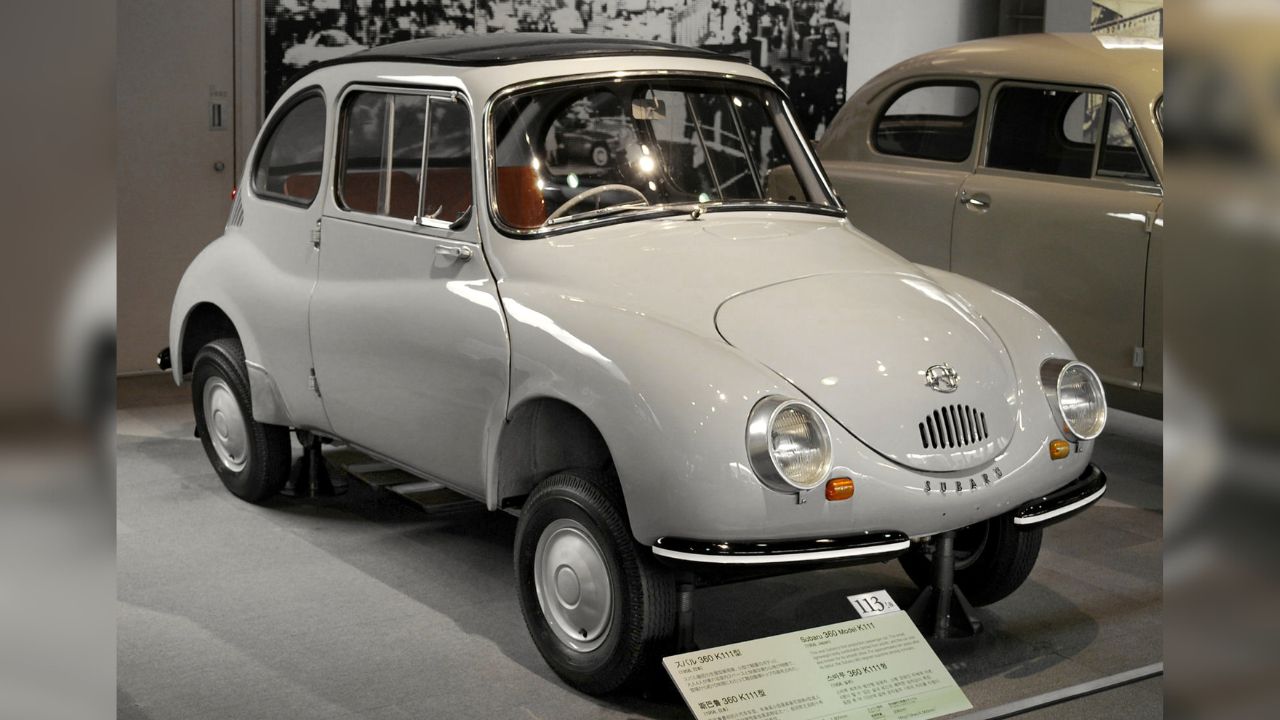
The Subaru 360, particularly the North American version, looked like a clever way into car ownership for very little money. Instead, it became a byword for how not to launch a foreign microcar in North America. According to negative reception data, Car and Driver called the 360 “the most unsafe car” it had ever tested.
Buyers who rushed in on price quickly discovered that the tiny 360 struggled to keep up with traffic and offered minimal crash protection. In a market built around big highways and high speeds, that mismatch was brutal. For you, it is a reminder that importing a design philosophy from another region without adapting it to local conditions can turn a bargain into a liability, especially when safety ratings lag behind expectations.
AMC Gremlin
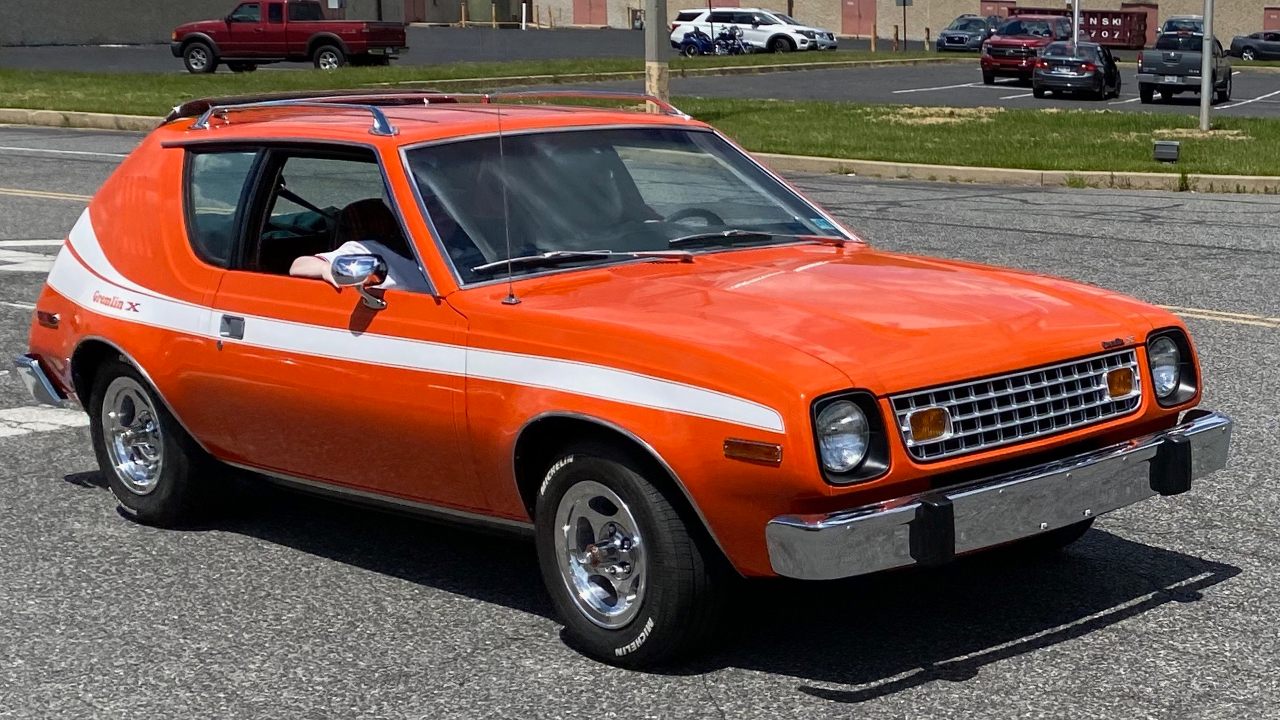
The AMC Gremlin promised something quirky and fresh at a time when compact cars were gaining traction. Its chopped-off rear and low entry price drew in buyers who wanted to stand out. Yet the Gremlin soon appeared on lists of poorly received cars, with Contents entries 4.2 grouping AMC and the Gremlin among cars notable for negative reception.
Owners complained about crude build quality, awkward proportions, and fuel economy that did not match the compact image. If you had bought one early, you might have felt you were driving a punchline rather than a trendsetter. The Gremlin shows how styling gimmicks and low prices can overshadow more important questions about refinement, corrosion protection, and long-term parts support, all of which matter far more once the novelty wears off.
Chevrolet Vega
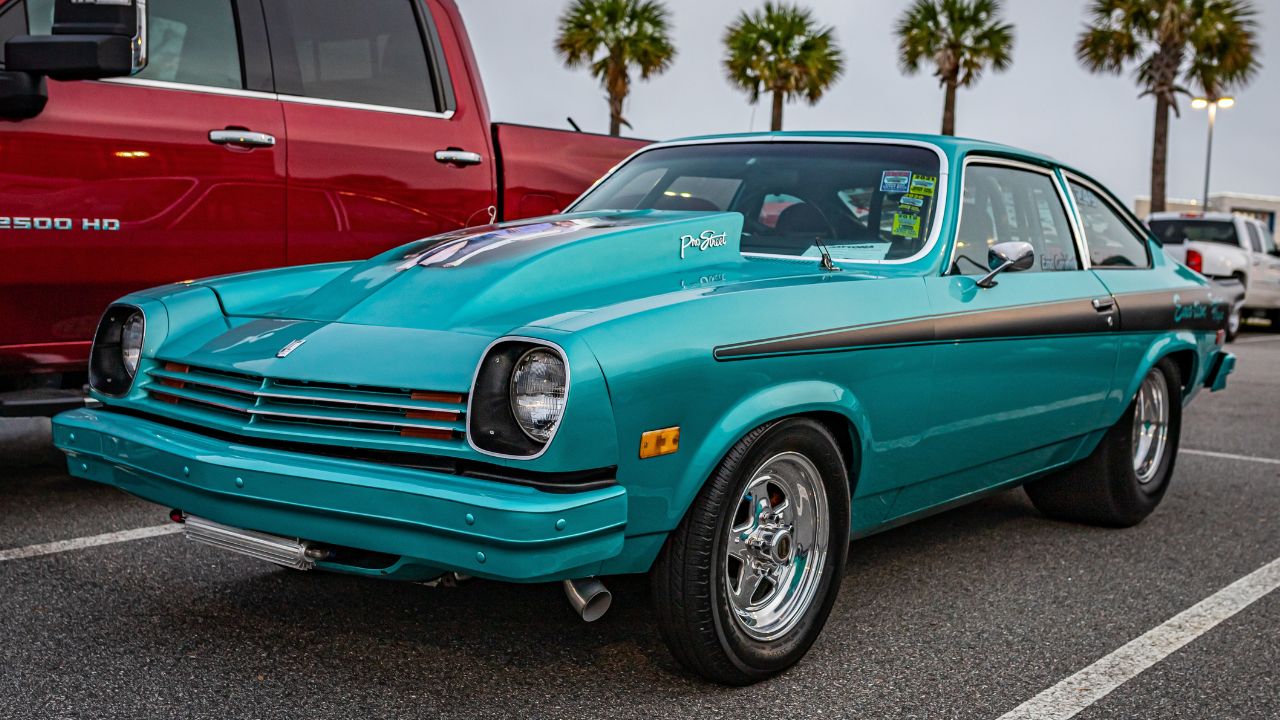
The Chevrolet Vega launched with huge fanfare as a modern, lightweight compact that would take on imports. Early buyers were drawn to its clean styling and promise of advanced engineering. Yet the Vega soon earned a place in the same negative reception list that includes 4.1, 4.2, 4.3 and 4.4, reflecting how quickly its reputation collapsed.
Rust problems, fragile aluminum engines, and quality-control issues meant many Vegas aged badly, leaving early adopters with cars that deteriorated long before they expected. If you are tempted by a brand-new platform today, the Vega is a warning to look closely at how thoroughly the powertrain and body have been tested in real-world conditions. A first-year engine or unproven corrosion strategy can turn a promising spec sheet into a long-term headache.
VAZ-2101 / Lada Riva / Zhiguli

The VAZ-2101, also known as the Lada Riva or Zhiguli, was marketed as rugged and simple transportation. In some markets, buyers rushed in because it was one of the few affordable new cars available. Yet the same Contents section 4.1 lists VAZ among cars notable for negative reception, reflecting how dated the design felt over time.
Owners often discovered that crude ergonomics, poor rust resistance, and limited safety features made daily driving tiring and, in some cases, risky. If you are considering a bare-bones budget model today, the VAZ-2101 story shows why you should look beyond the purchase price. Ask how the car will feel after years of use, whether crash protection meets modern standards, and how easily you will find parts and competent service when something breaks.
Ford Focus automatic (dual-clutch)

The Ford Focus automatic, particularly with the dual-clutch transmission, looked like a smart, efficient compact when it arrived. Many buyers rushed in, only to find that the gearbox could shudder, hesitate, and require repeated repairs. In a widely discussed thread asking What, users point to how the Ford Focus automatic damaged trust in the brand.
If you had bought one early, you might have spent years juggling software updates, clutch replacements, and resale-value hits. The Focus saga underlines the risk of being first in line for complex new transmission technology. When you shop, you should pay close attention to owner forums and early reliability data, especially if a model uses a new gearbox or engine that has not yet built a track record in everyday commuting.
Dodge Dart (2013–2016)

The Dodge Dart revival, especially the 2013 to 2016 models, arrived with aggressive marketing and sporty styling that made it look like a compact you could be proud to own. Enthusiasts on social media, including an Are five more style reel that calls out Number 5, the 2013 to 2016 Dodge Dart, highlight how quickly the shine wore off.
Owners complained about underwhelming engines, clunky transmissions, and interiors that did not match rivals for quality. As sales stalled, the model was dropped, leaving buyers with a discontinued car and soft resale values. For you, the Dart is a reminder that a relaunch of a historic nameplate is not a guarantee of long-term support. Before you buy, it is worth checking whether a brand has a clear plan for a model or if it might quietly disappear after a short run.
Kia Optima (problematic years)

The Kia Optima became a common sight on roads as buyers chased its sleek styling and generous equipment. Yet certain years have been singled out as some of the worst used buys, with one list of 10 worst used warning shoppers away from specific Optima model years. That reporting notes Don and Miss in a cautionary context, underscoring how easily you can overpay for trouble.
Engine failures, electrical issues, and recall histories have left some owners facing big repair bills on what was supposed to be a value-focused sedan. If you are browsing used listings, the Optima story shows why you should drill down to exact years and engine codes rather than assuming a model name is either “good” or “bad.” Within a single badge, there can be both solid and risky generations, and your wallet depends on knowing the difference.
Jeep Grand Cherokee

The Grand Cherokee’s rugged image and upscale trims made it irresistible to buyers wanting both off-road credibility and daily comfort. Sales spiked whenever a new generation launched.
Reality hit for some owners when air suspension issues, electronic modules, or drivetrain components required costly attention. While capable and stylish, maintenance costs occasionally surprised buyers who assumed durability came standard with the badge.
Ford Mustang Mach-E

Early Maverick-like enthusiasm and electric-car buzz pushed the Mach-E off lots quickly. Buyers loved the performance figures and range estimates.
The catch? Real-world range often fell short of expectations, especially in cold weather or with heavy use of climate systems. Charging speed and availability also left some owners scrambling on long trips.
Audi Q7
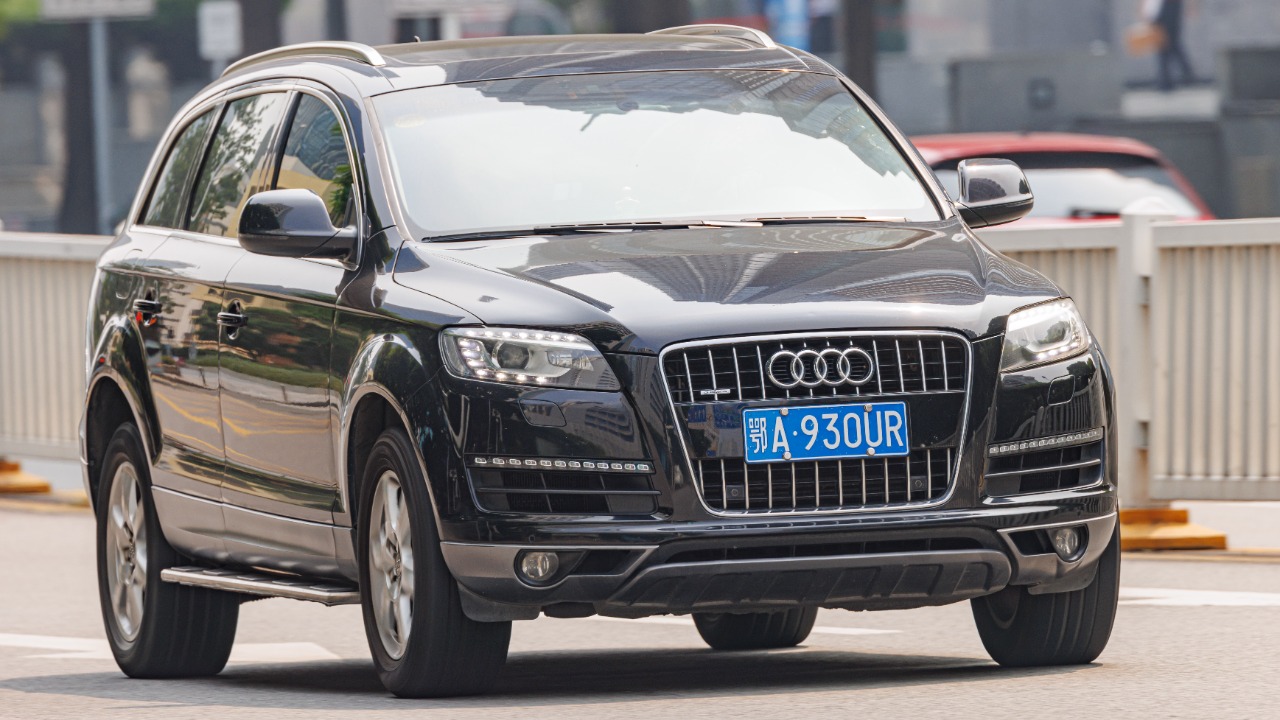
The Audi Q7’s premium image and silky interior attracted buyers quickly. Everyone wanted three-row luxury in a handsome package.
After a few years on the road, some owners found maintenance and repair bills much higher than expected, especially for air suspension components, turbochargers, and certain electrical modules. Predictably stylish didn’t always mean predictably affordable.
More from Fast Lane Only