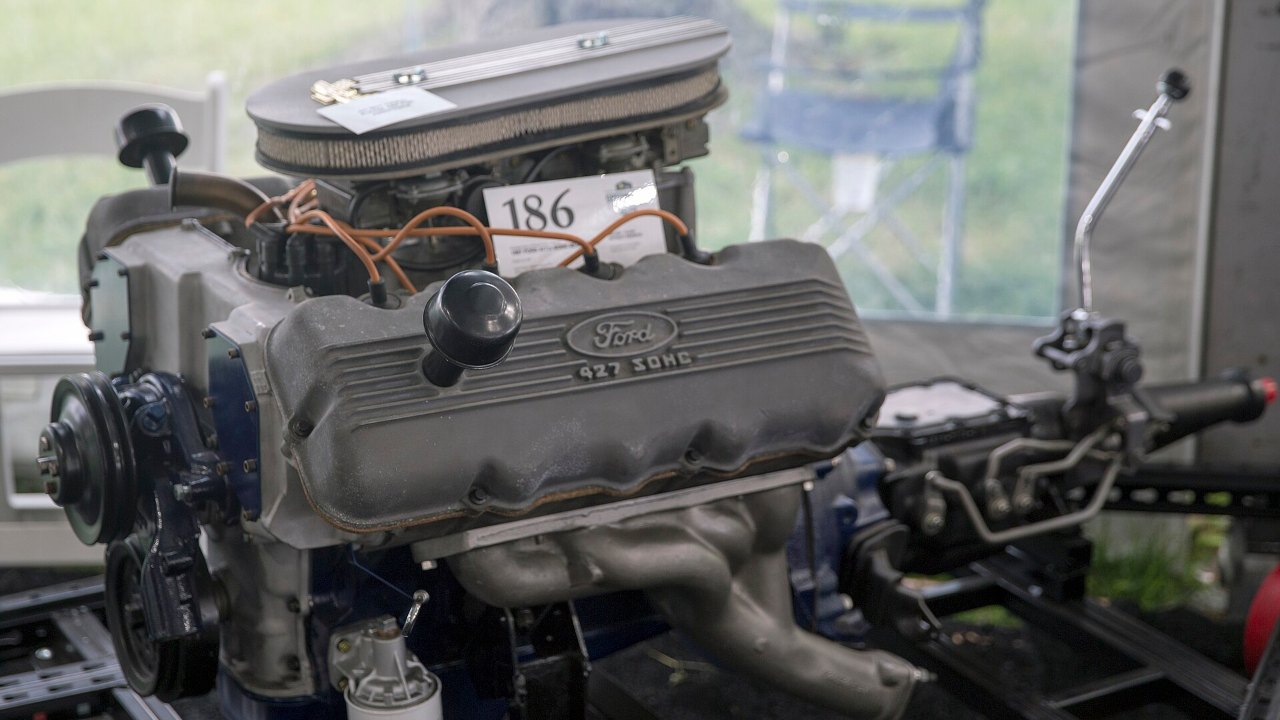
The 1940s marked a dramatic transition from wartime production to a renewed civilian automotive industry. Manufacturers returned to building vehicles for everyday buyers while introducing new styling, engineering ideas, and transportation concepts. These eleven vehicles captured that sense of change, representing a period when the automotive world was beginning to move toward a very different future.
Jeep CJ-2A
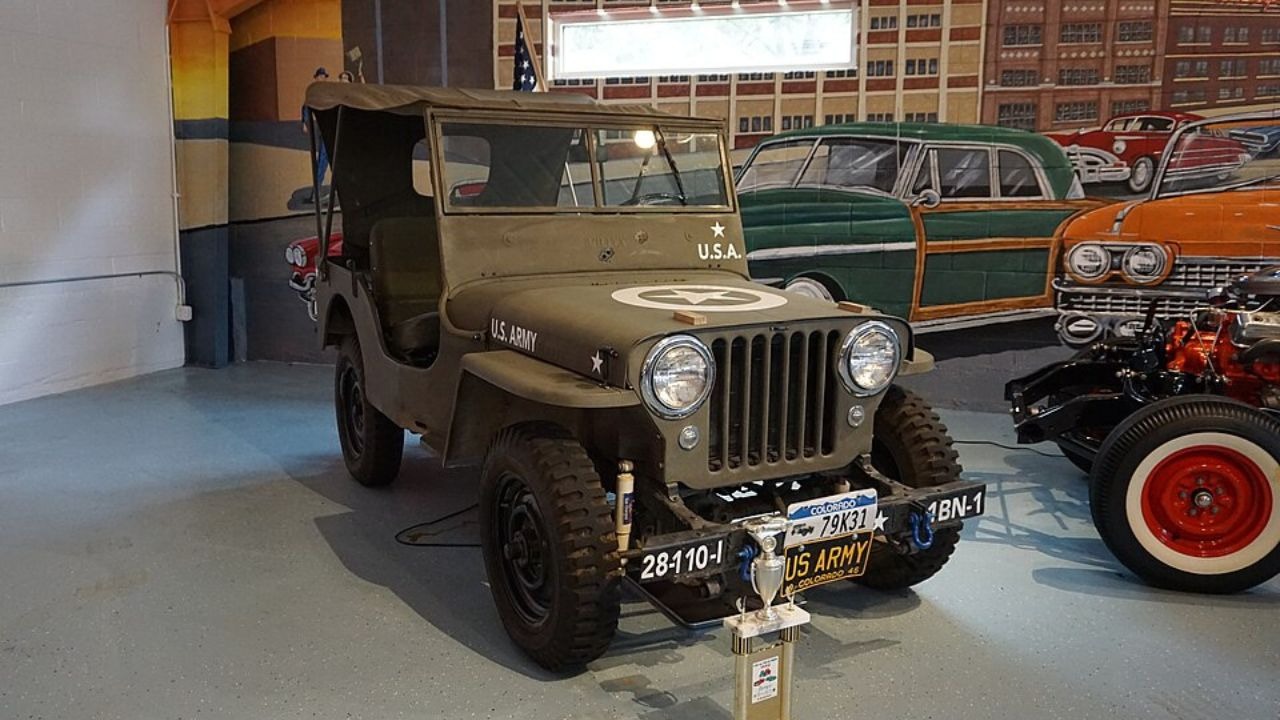
The Jeep CJ-2A helped transform a wartime utility vehicle into a practical civilian machine. Introduced after World War II, it retained the rugged four-wheel-drive ability that made the military Jeep famous while adding features intended for farmers, workers, and ordinary owners. Its simple construction and compact dimensions made it extremely versatile. The CJ-2A represented a new beginning because military engineering was successfully adapted into useful civilian transportation.
Chevrolet Fleetline
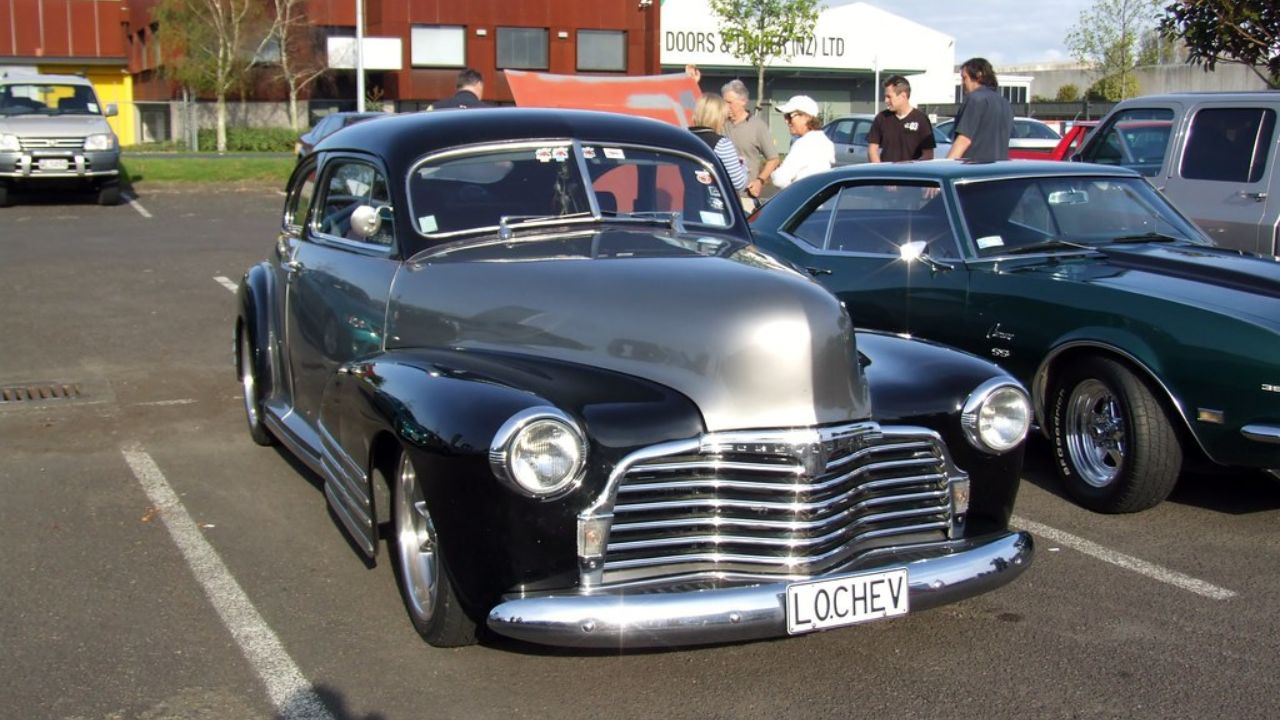
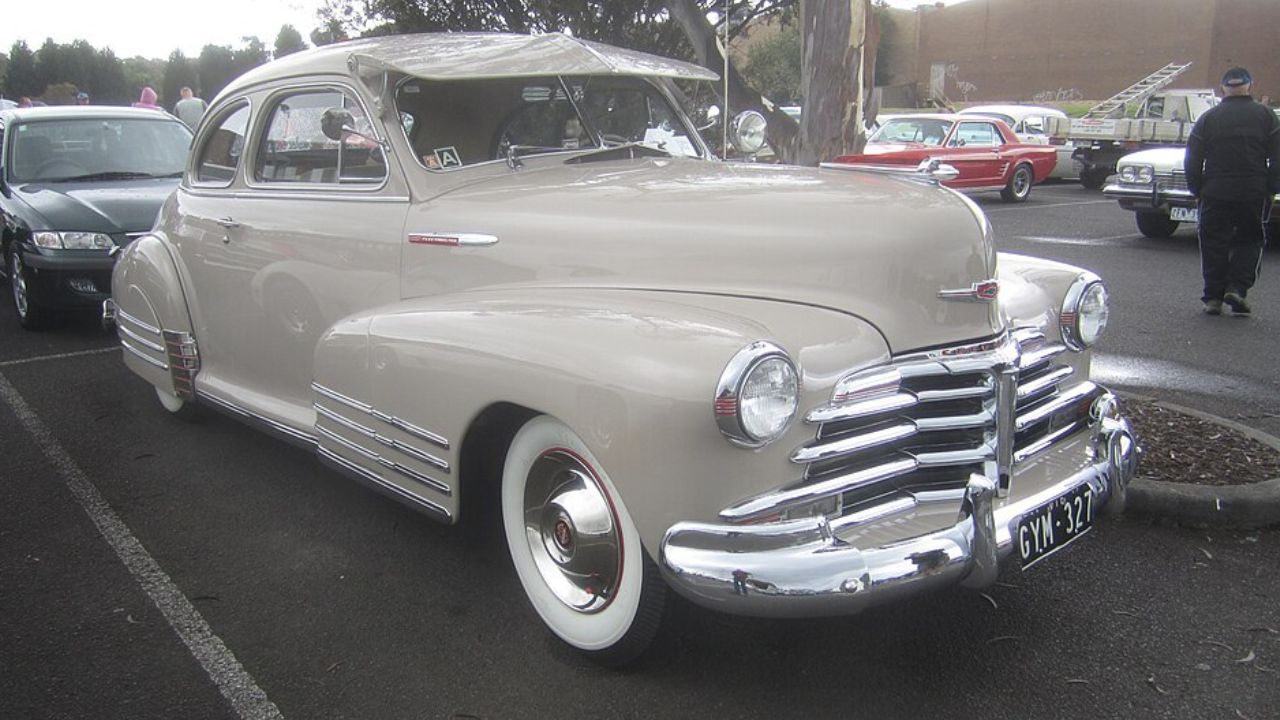
The Chevrolet Fleetline reflected America’s rapid return to civilian car production after years of wartime restrictions. Its streamlined fastback styling gave buyers something distinctly more modern than many prewar automobiles. Chevrolet offered familiar mechanical components underneath the updated body, helping make the transition easier for consumers. The Fleetline represented the growing desire for attractive, comfortable transportation as Americans began replacing aging vehicles and embracing the possibilities of postwar prosperity.
Ford Super Deluxe
The Ford Super Deluxe became one of Ford’s most important early postwar passenger cars. Its updated styling, improved interior appointments, and familiar mechanical foundation appealed to buyers who had spent years waiting for new civilian automobiles. Chrome detailing and smoother body lines reflected changing tastes. The Super Deluxe captured the moment when American manufacturers moved away from wartime production and began rebuilding a consumer market hungry for modern personal transportation.
Plymouth Special Deluxe
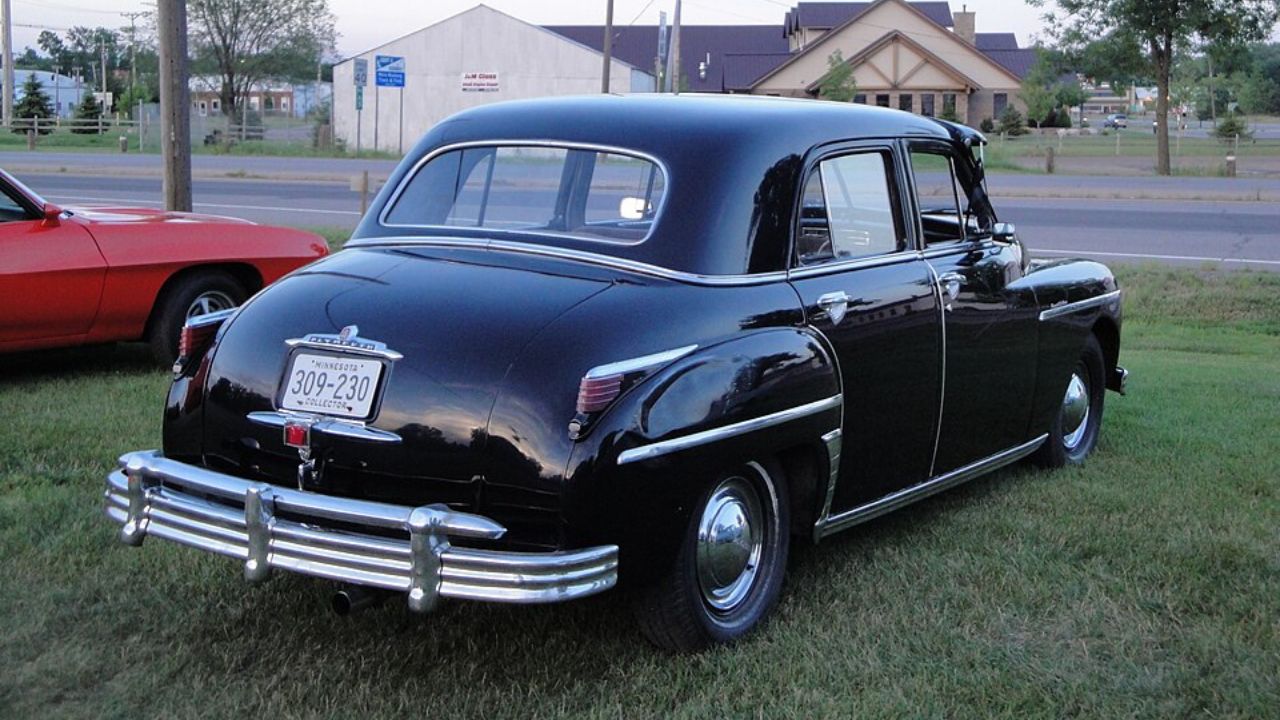
The Plymouth Special Deluxe represented Chrysler’s return to a growing civilian automobile market. Its rounded styling and comfortable proportions reflected the gradual movement away from prewar design conventions. Buyers could choose practical sedans, coupes, and other body styles suited to everyday life. The Special Deluxe was not revolutionary mechanically, but its timing made it important. It helped satisfy the enormous pent-up demand for new cars during the early years of postwar recovery.
Dodge Power Wagon
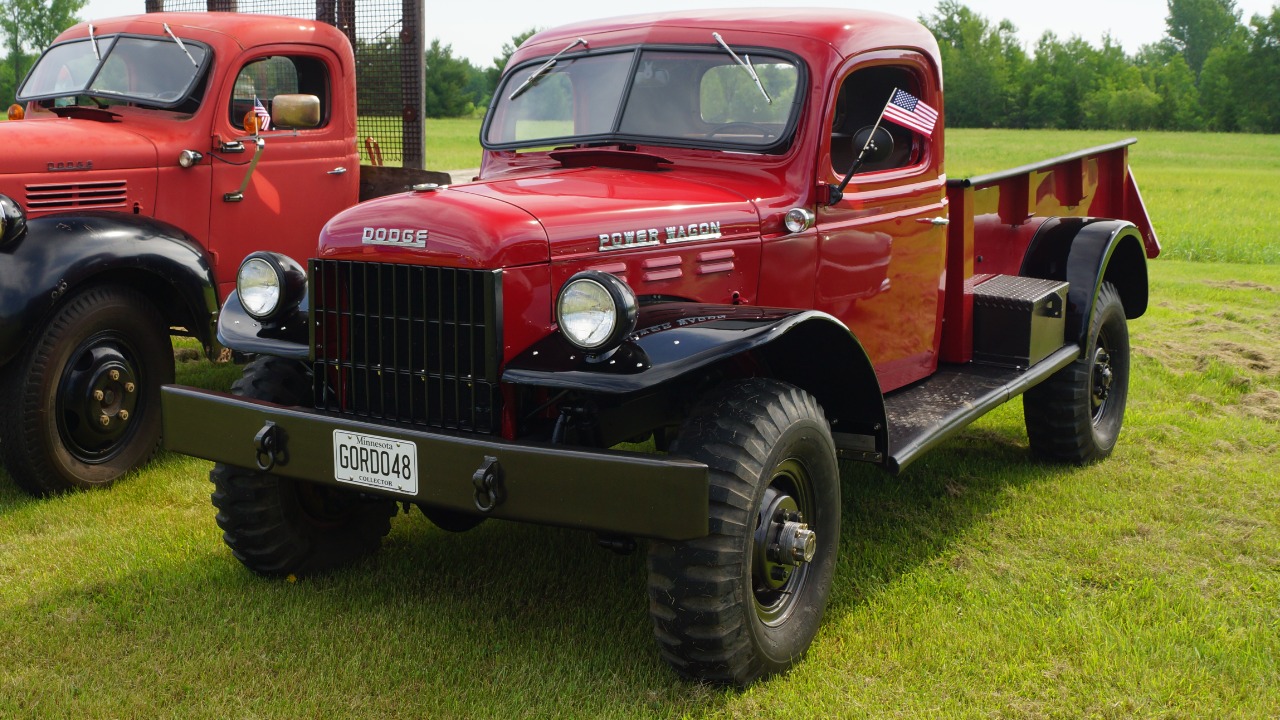
The Dodge Power Wagon transformed proven military truck engineering into a civilian workhorse. Its four-wheel-drive system, rugged chassis, and durable construction made it useful for farms, construction sites, forestry operations, and remote communities. Unlike ordinary pickups of the period, the Power Wagon was designed to tackle difficult terrain and heavy workloads. It represented a fresh start by showing how wartime technology could create entirely new possibilities for civilian work transportation.
Volkswagen Beetle
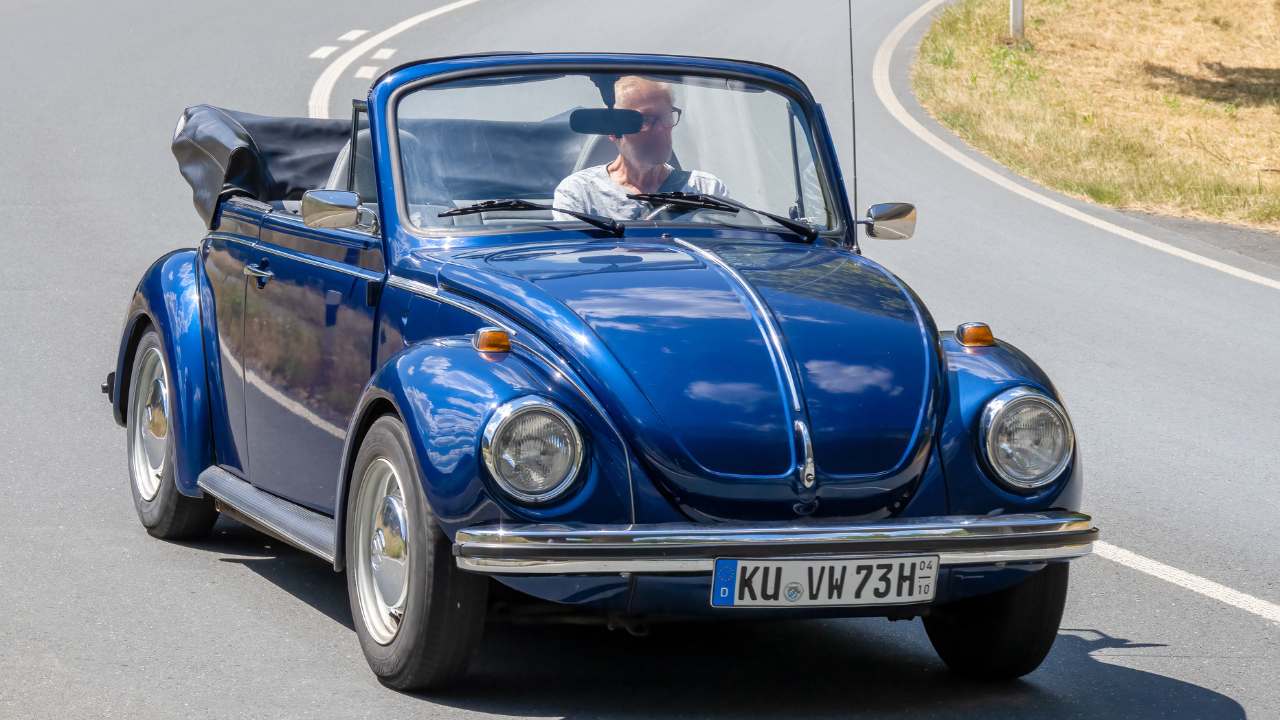
The Volkswagen Beetle became one of the most influential small cars of the postwar era. Its rear-engine layout, compact dimensions, and economical operation suited a Europe recovering from wartime destruction. Production expanded rapidly after the war, helping establish the Beetle as affordable transportation for a growing population. Its success represented a different vision of automotive progress, proving that the future did not have to revolve around large engines and enormous American cars.
Citroën Traction Avant
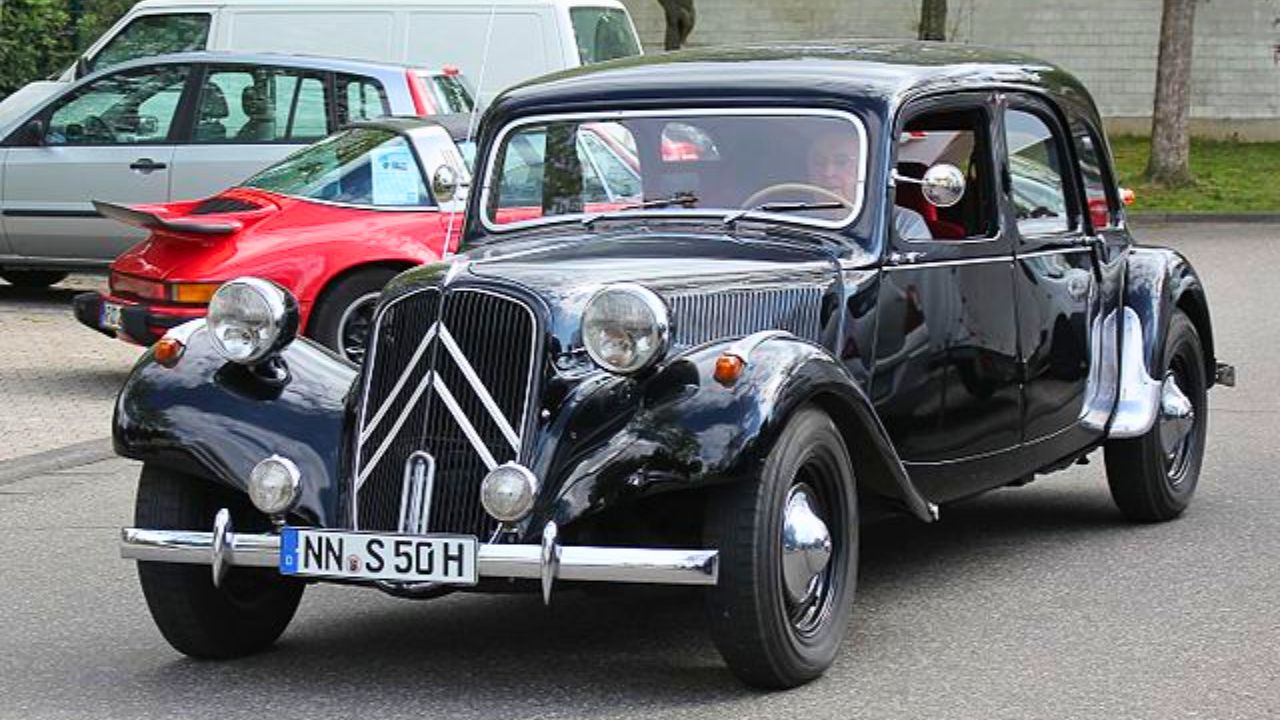
The Citroën Traction Avant entered the 1940s with engineering that remained remarkably advanced for its time. Its front-wheel-drive layout, unitary construction, and independent suspension gave it a sophisticated mechanical foundation. Although introduced before the decade, it continued serving as an important example of forward-looking European engineering. As postwar production resumed, cars like the Traction Avant demonstrated how automotive design could move toward lighter, more integrated, and technically advanced construction.
MG TC
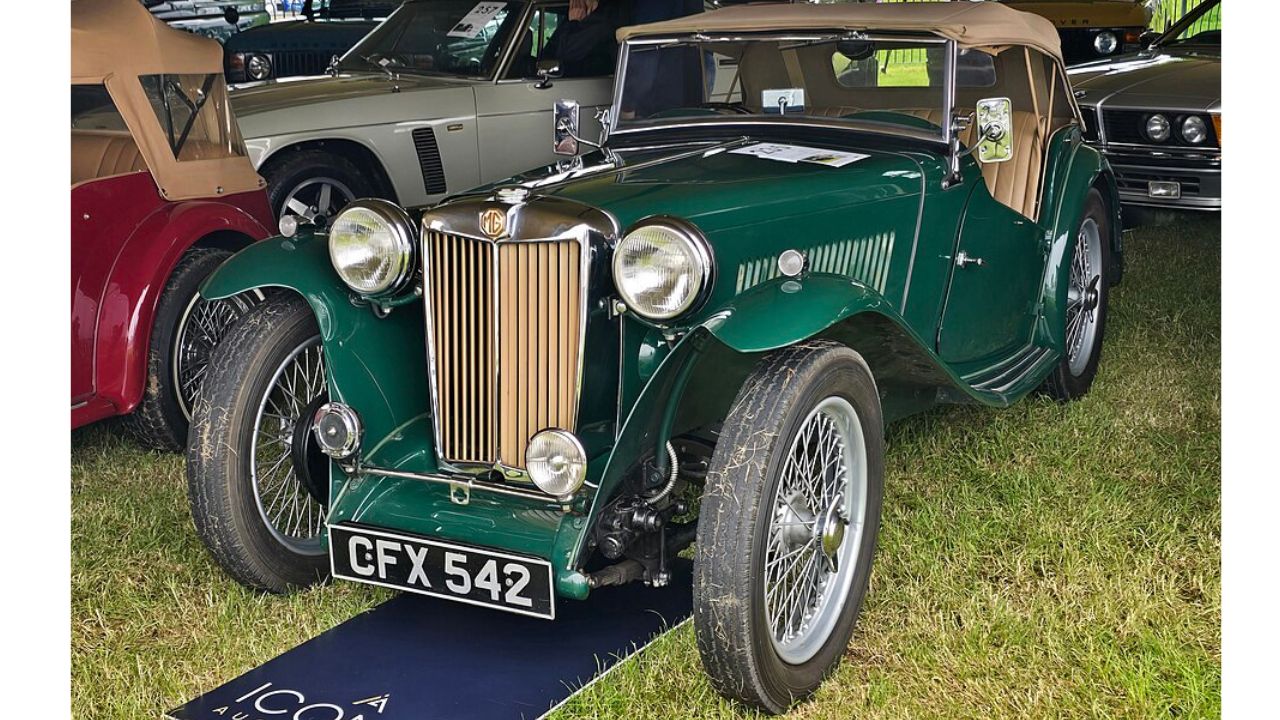
The MG TC helped reignite enthusiasm for lightweight British sports cars after World War II. Its compact dimensions, open cockpit, simple mechanical layout, and engaging handling made it particularly appealing to returning American servicemen who had encountered European sports cars during the war. The TC helped establish a stronger market for British roadsters in the United States. Its popularity represented a fresh beginning for the international sports-car culture that would grow during the following decades.
Tucker 48
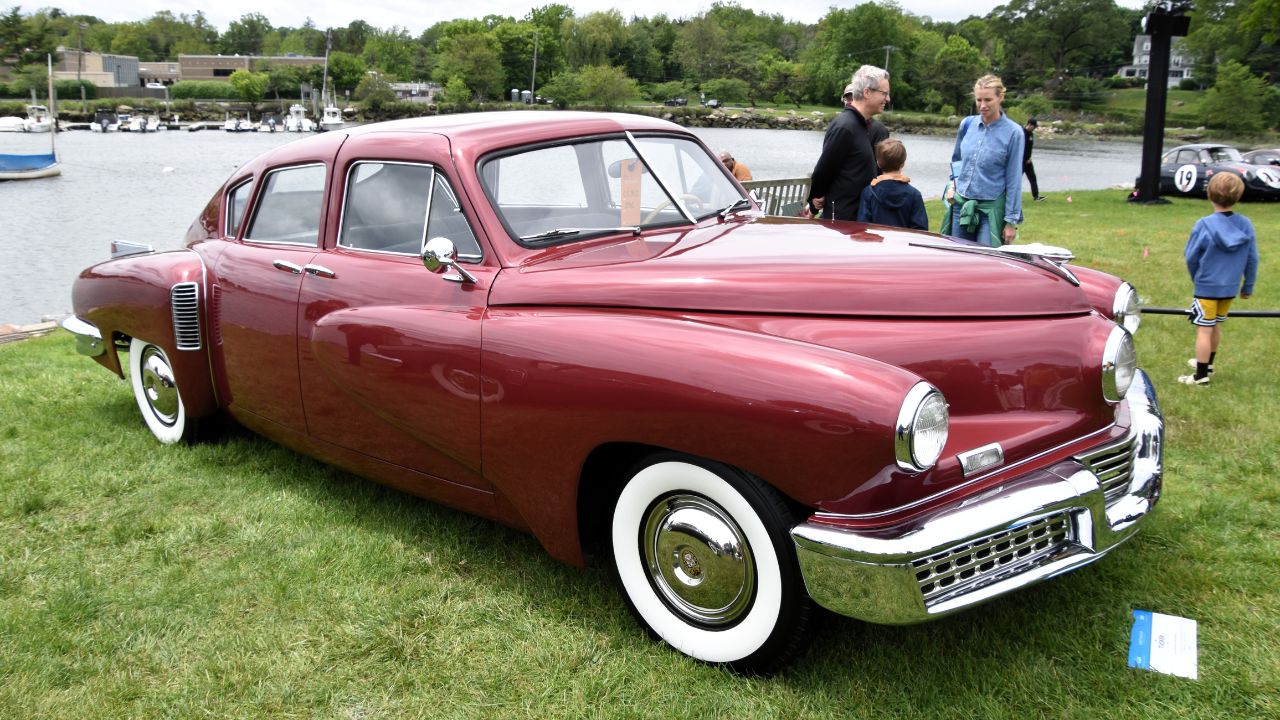
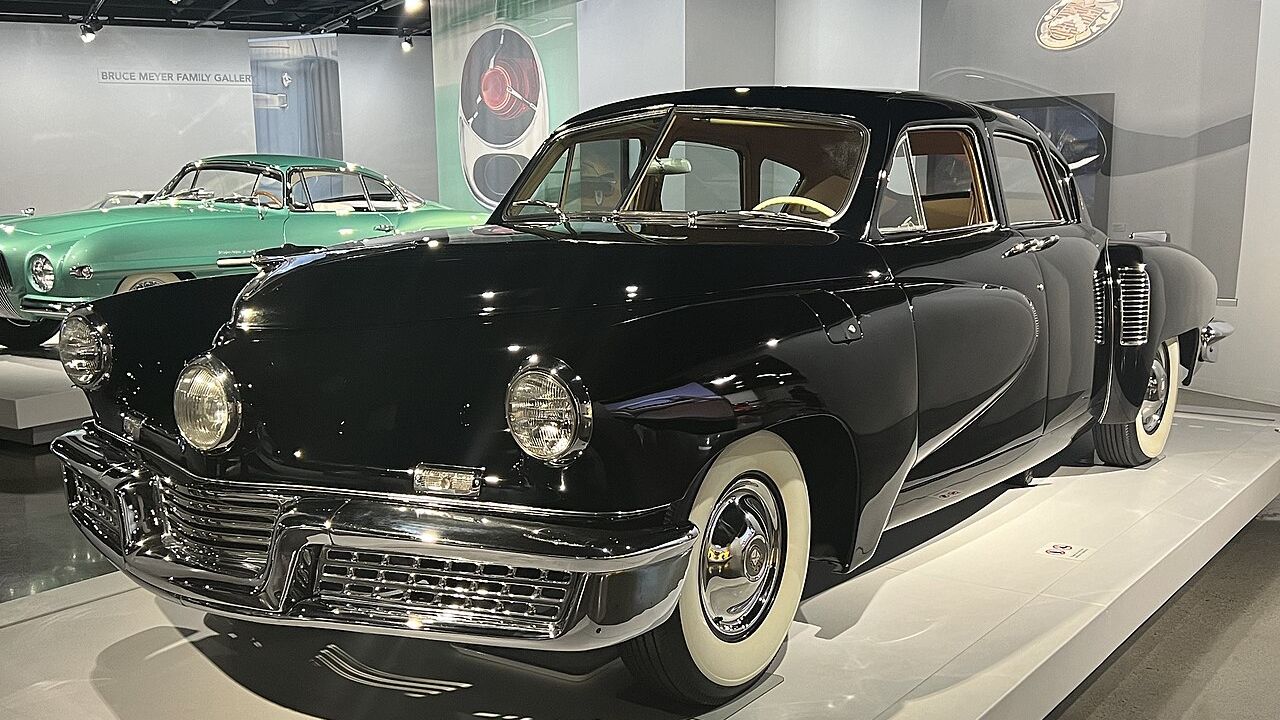
The Tucker 48 represented one of the boldest attempts to rethink the American automobile after the war. Its rear-mounted flat-six engine, central headlight, independent suspension, and innovative safety features gave it a distinctive engineering identity. Although production was extremely limited, the car attracted enormous attention. The Tucker demonstrated that postwar America was open to radically different automotive ideas, even if the company ultimately could not compete with Detroit’s established manufacturers.
Studebaker Starlight
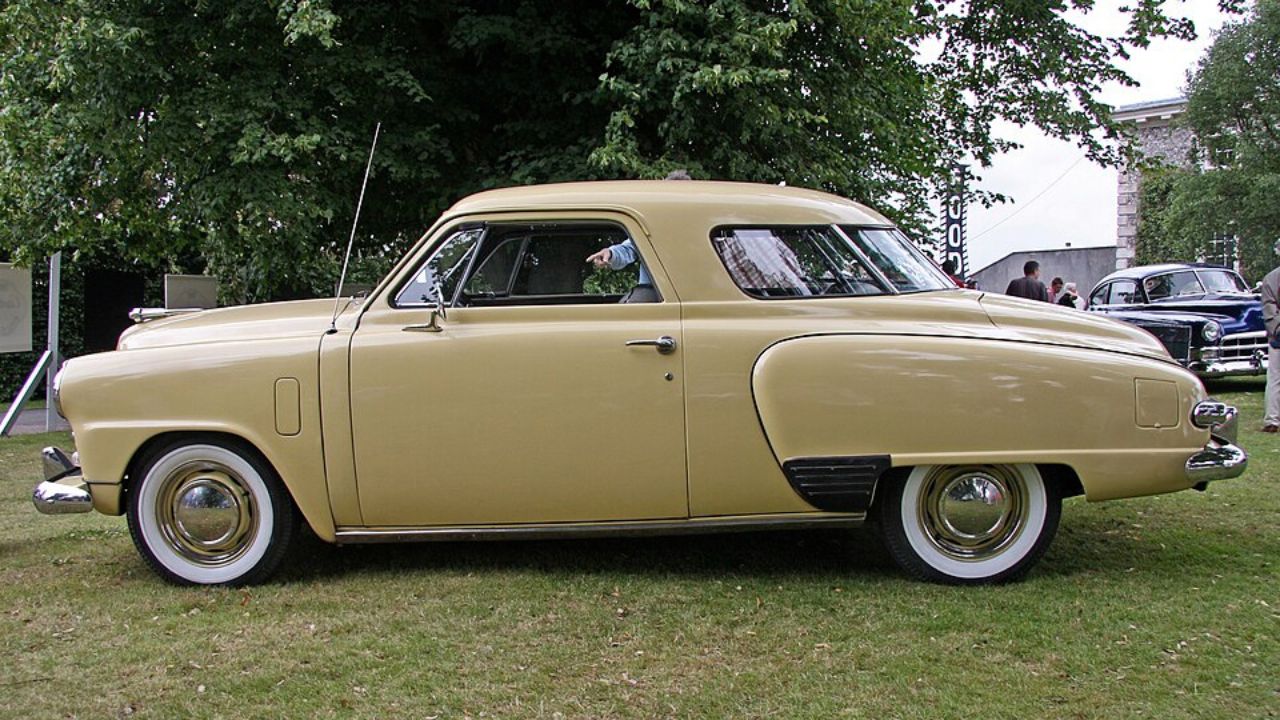
The Studebaker Starlight became an important symbol of postwar automotive design because it looked dramatically different from many traditional American cars. Its unusual wraparound rear window and streamlined body created a futuristic appearance. Studebaker used bold styling to compete against much larger manufacturers, giving buyers an alternative to conventional Detroit design. The Starlight represented optimism and modernity during a period when consumers were increasingly eager for cars that looked like they belonged to a new era.
Willys Jeep Station Wagon
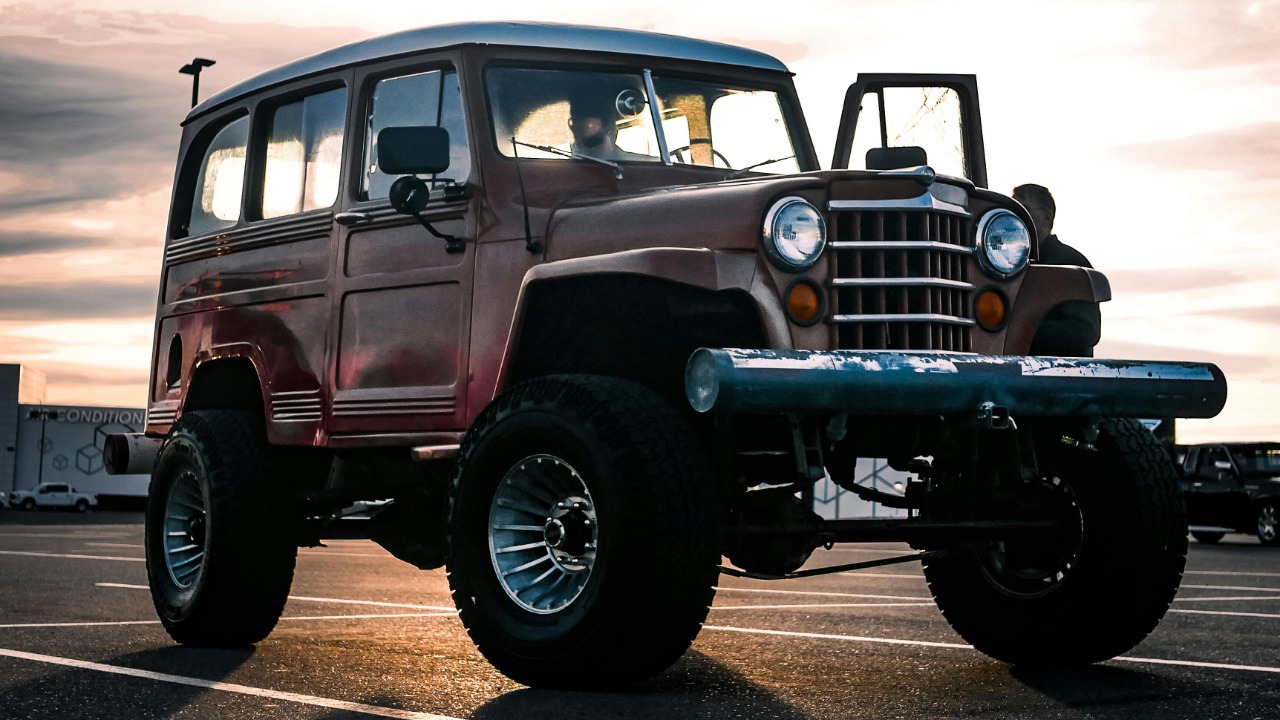
The Willys Jeep Station Wagon brought four-wheel-drive thinking into a more practical civilian vehicle format. Introduced in the 1940s, it offered enclosed passenger space while retaining the rugged utility associated with Jeep products. Its design anticipated the growing market for versatile vehicles capable of serving families, businesses, and rural communities. The station wagon demonstrated that practical transportation could combine passenger-carrying ability with useful off-road capability, foreshadowing later utility vehicles.
More from Fast Lane Only
- Unboxing the WWII Jeep in a Crate
- 15 rare Chevys collectors are quietly buying
- 10 underrated V8s still worth hunting down
- Police notice this before you even roll window down
*Research for this article included AI assistance, with all final content reviewed by human editors