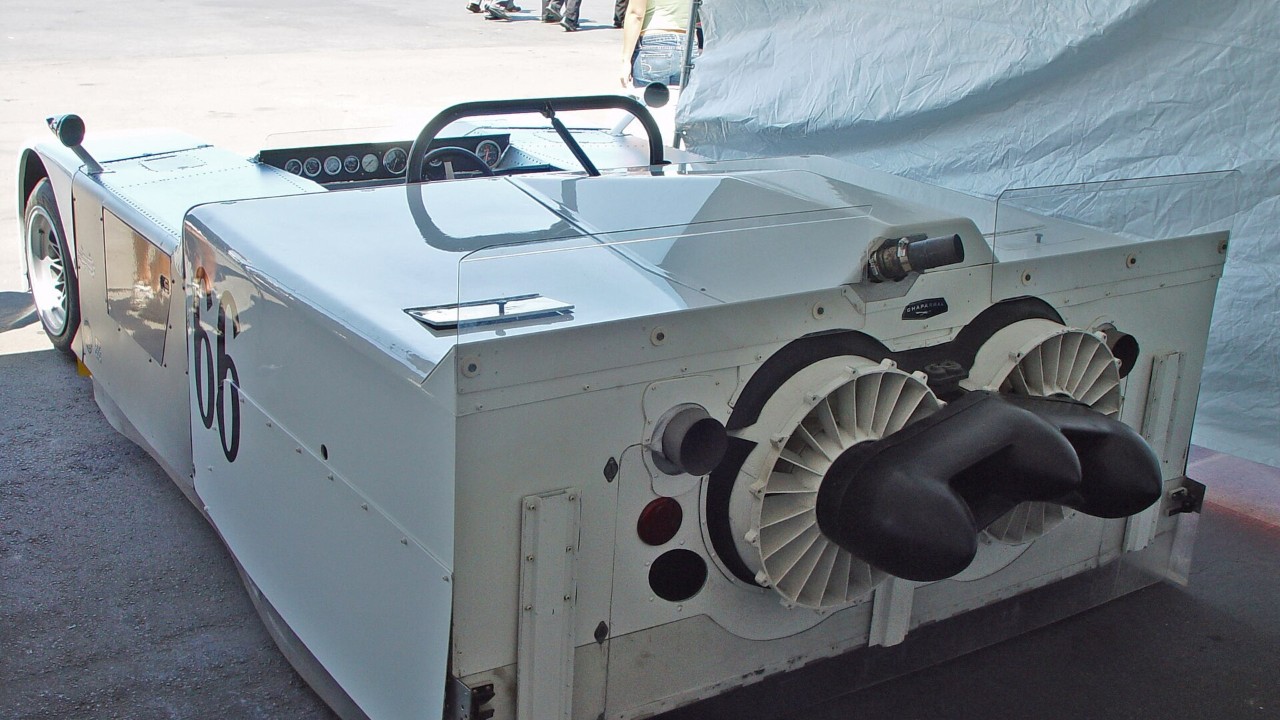
The best work trucks were not always the biggest or most powerful. Some introduced smarter layouts, better traction, improved comfort, or engineering solutions that competitors would eventually copy. These trucks often looked like ordinary tools for getting a job done, but their designs quietly pushed the segment forward. Many are now remembered as important milestones in pickup history rather than simply dependable work vehicles.
Chevrolet El Camino
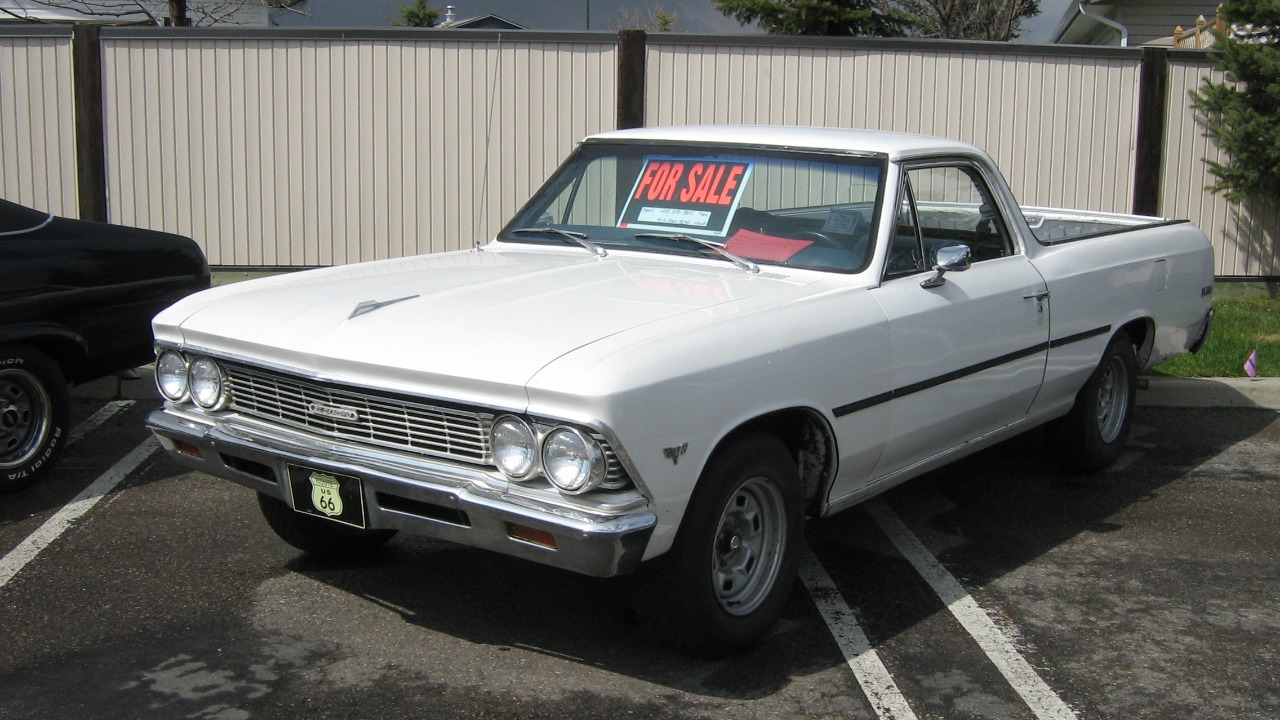
The Chevrolet El Camino blurred the line between passenger car and pickup long before lifestyle trucks became common. Its car-based platform provided more comfortable road manners than a conventional work truck, while the open bed retained useful hauling ability. The formula was unusual but remarkably practical. Later generations became increasingly capable, helping establish the idea that a pickup could also function as a comfortable everyday vehicle.
Ford Ranchero
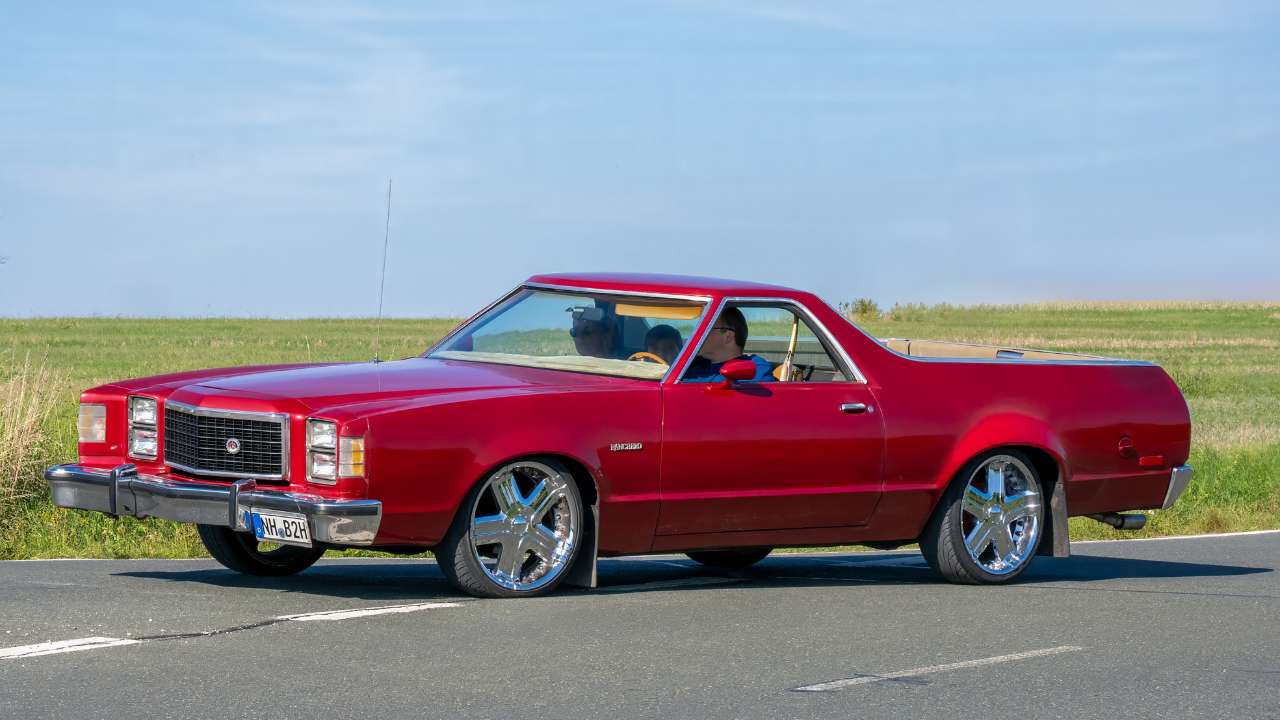
The Ford Ranchero took the car-based pickup concept and gave it a distinctly American personality. Its lower driving position and car-like handling made it easier to use on paved roads, while the cargo bed provided genuine utility. The Ranchero demonstrated that buyers did not always need a heavy-duty truck for light hauling. Its basic idea anticipated today’s growing demand for vehicles that combine several roles.
Subaru Brat
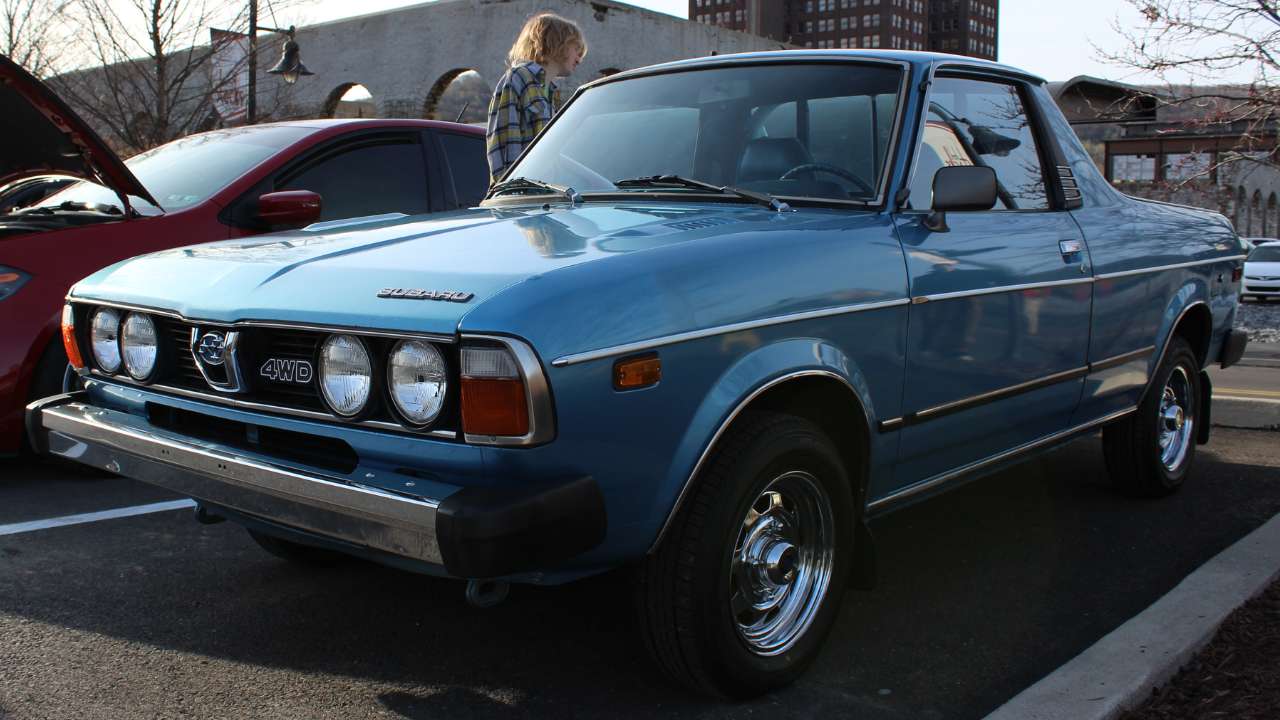
The Subaru Brat offered a remarkably different approach to the compact pickup. Its small dimensions, four-wheel-drive capability, and car-like driving characteristics made it useful for buyers who wanted a truck without the bulk of a full-size pickup. The unusual rear-facing seats in the cargo area became its trademark. The Brat’s combination of efficiency and versatility was remarkably well suited to changing buyer preferences.
Jeep Comanche
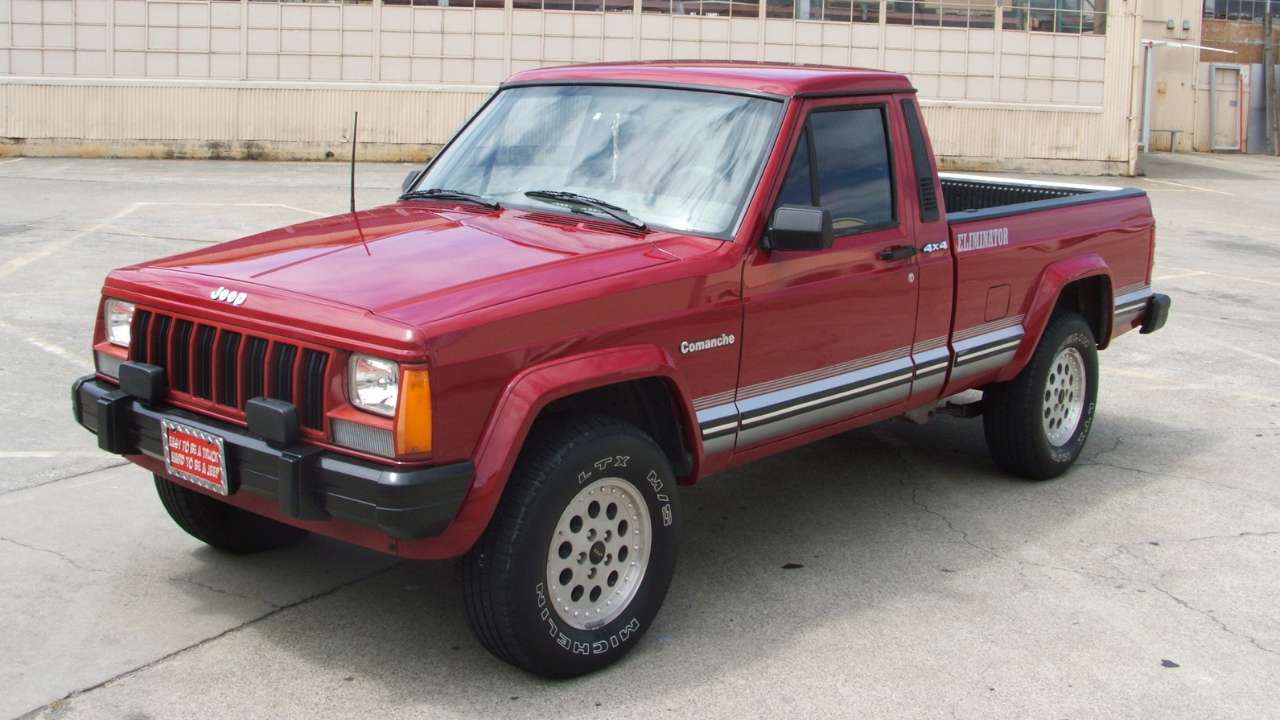
The Jeep Comanche combined a compact pickup body with the brand’s established four-wheel-drive expertise. Its unibody construction made it lighter than many traditional trucks, while available four-wheel-drive systems provided useful off-road ability. The Comanche could handle work and recreational driving without feeling excessively large. Its unusual construction and capable chassis made it an important early example of a more versatile compact truck.
Toyota Hilux
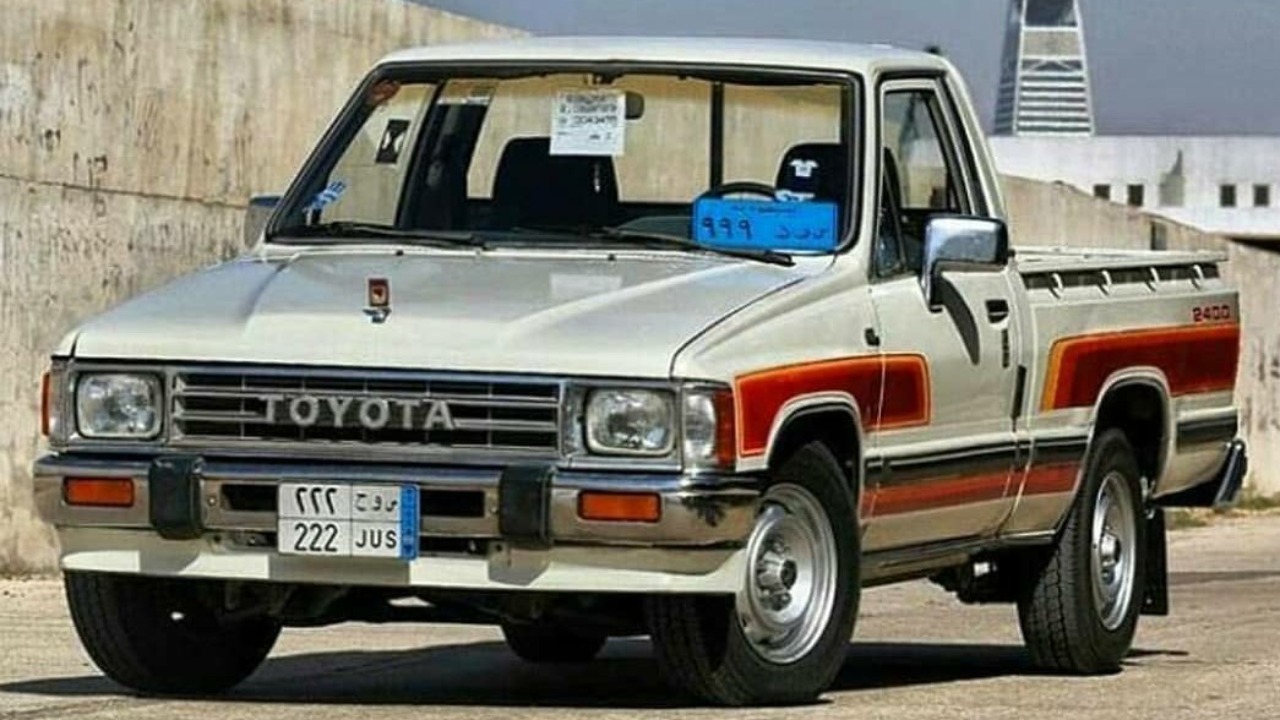
The Toyota Hilux established a reputation for durability while remaining considerably smaller than many American pickups. Its straightforward mechanical design, compact dimensions, and available four-wheel drive made it useful in demanding environments. The Hilux demonstrated that a work truck did not need enormous size to provide serious capability. Its global success eventually forced larger manufacturers to pay closer attention to compact pickups.
Ford Courier
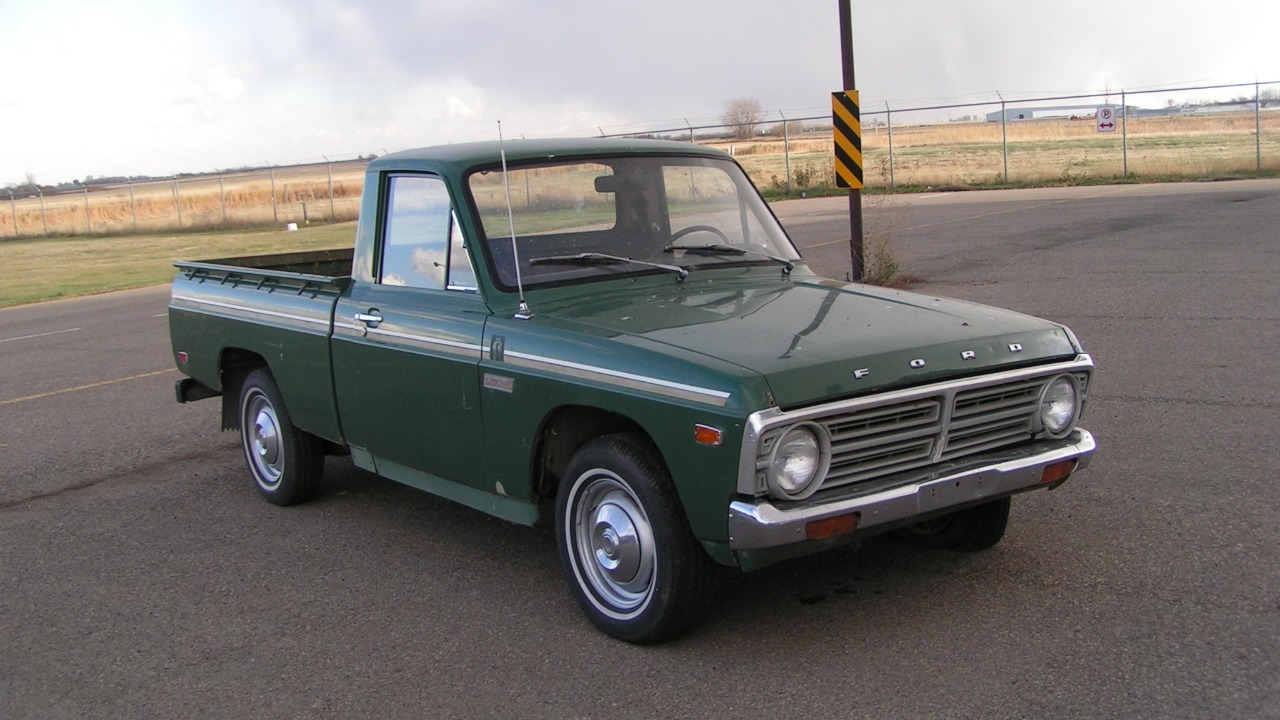
The Ford Courier gave American buyers a smaller alternative when traditional pickups were becoming increasingly expensive to operate. Its compact dimensions made it easier to maneuver, while its efficient powertrain suited light-duty work. Although it was not designed to replace heavy-duty trucks, the Courier showed how much utility could be packed into a smaller footprint. That philosophy later became increasingly important across the pickup market.
Chevrolet LUV
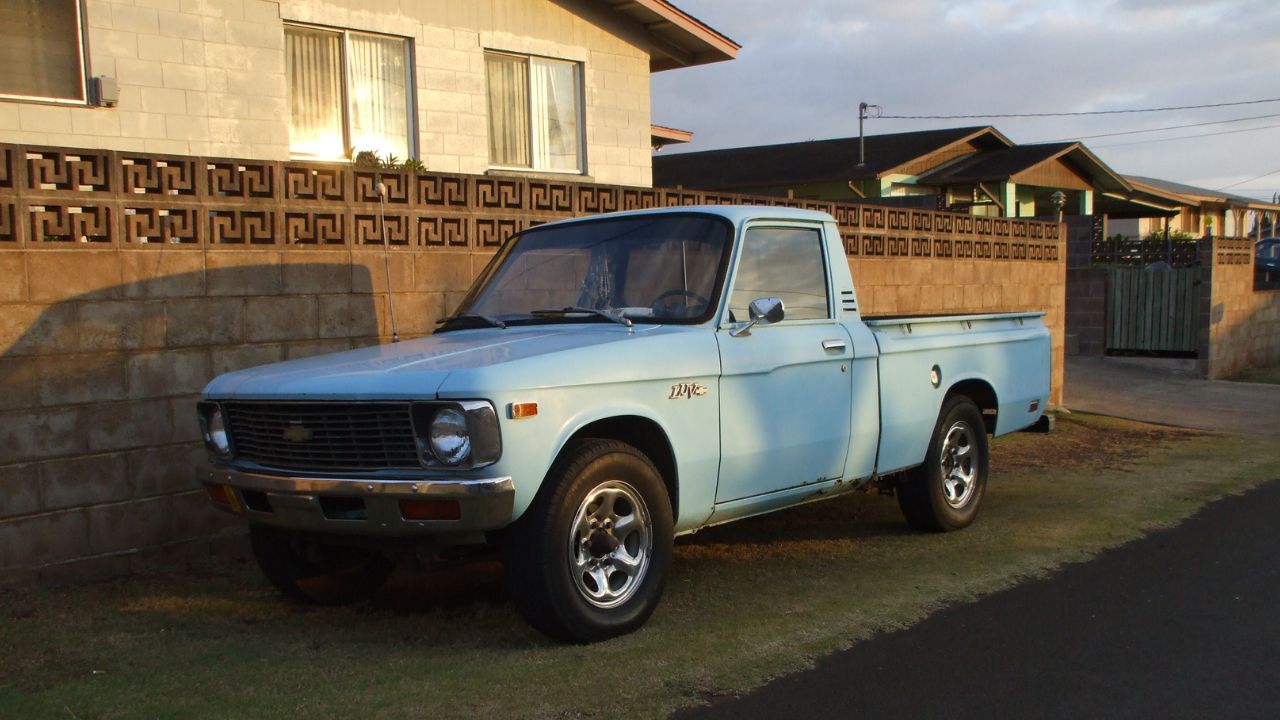
The Chevrolet LUV helped Chevrolet respond to growing demand for compact pickups. Its smaller body made it economical and practical, while the cargo bed provided enough room for everyday hauling. The LUV was especially useful for buyers who did not need the size of a full-size truck. Its success helped demonstrate that compact pickups could serve as legitimate work vehicles rather than simply inexpensive alternatives.
GMC Syclone
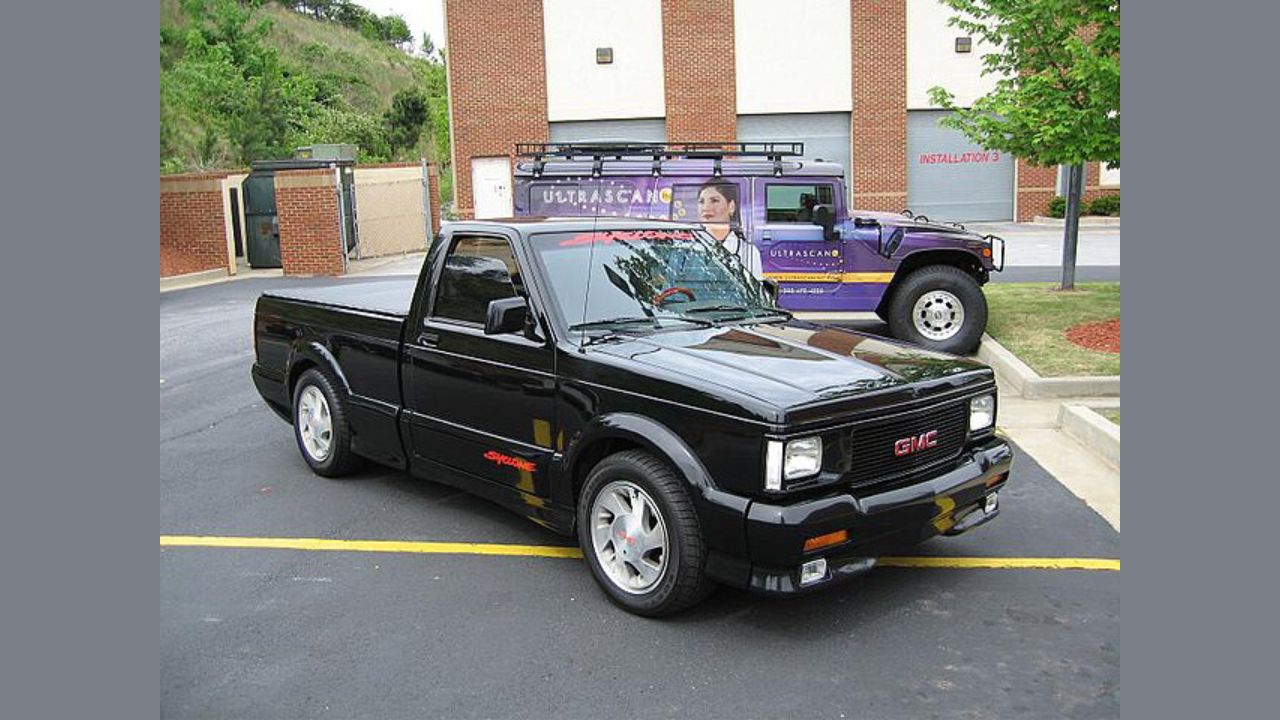
The GMC Syclone changed expectations in a completely different way by turning a compact pickup into a genuine performance machine. Its turbocharged V6 and all-wheel-drive system gave it extraordinary acceleration for a truck. It was not designed primarily for hauling, but it proved that pickup platforms could support serious performance. The Syclone helped inspire later generations of high-performance trucks.
Ford F-150 Lightning
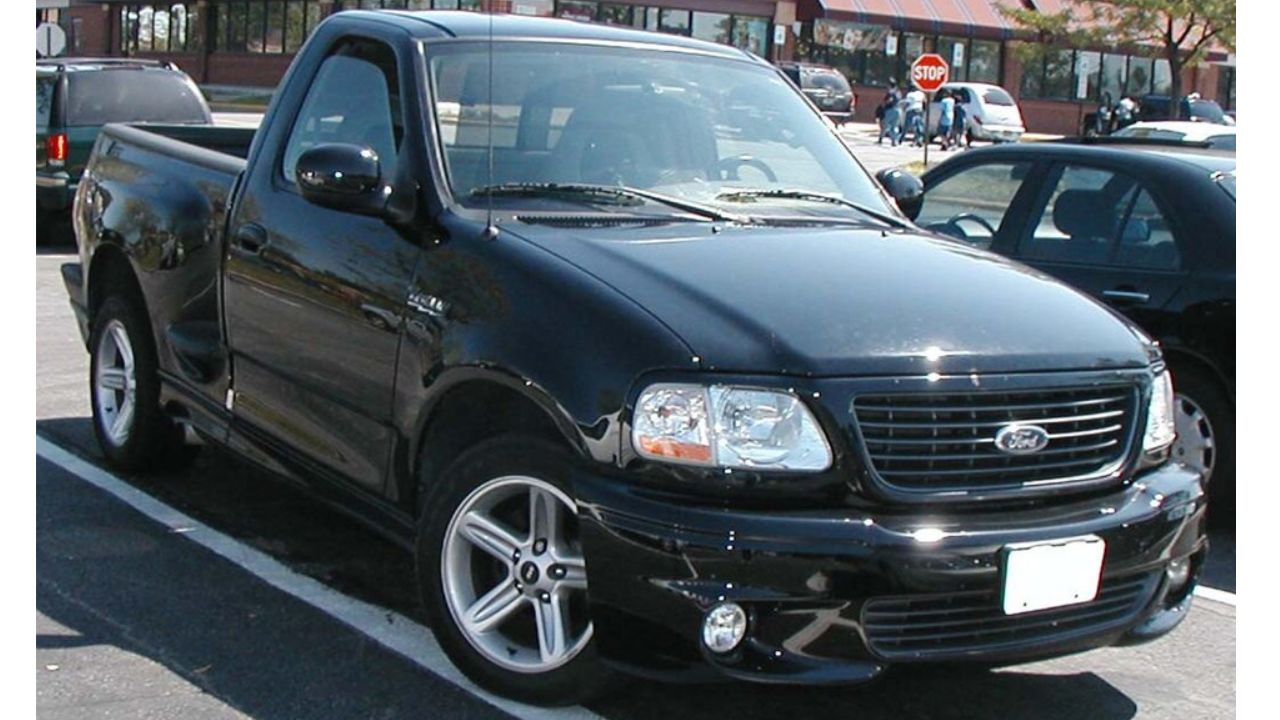
The Ford F-150 Lightning showed that a full-size work truck could be transformed into a performance vehicle without losing its basic pickup identity. Its powerful V8 and sport-tuned chassis made it dramatically quicker and more responsive than an ordinary F-150. The concept was unusual when introduced but eventually became part of a broader performance-truck trend. It remains an important chapter in Ford’s pickup history.
Dodge Ramcharger
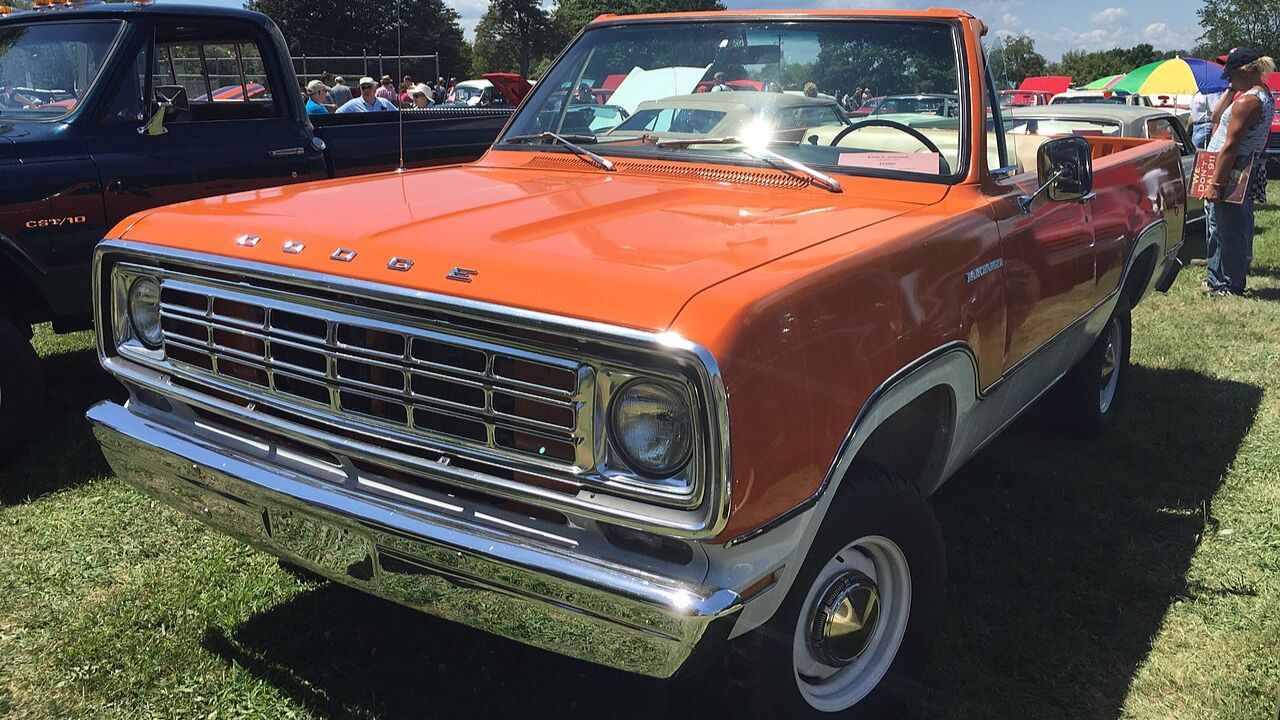
The Dodge Ramcharger demonstrated how a truck-based platform could serve as both a work vehicle and a recreational machine. Its rugged construction, four-wheel-drive capability, and removable roof sections made it useful for outdoor activities while retaining substantial towing and hauling ability. It helped establish the broader idea that truck-based vehicles could serve multiple purposes. That versatility would become increasingly important as the SUV market expanded.
International Harvester Scout
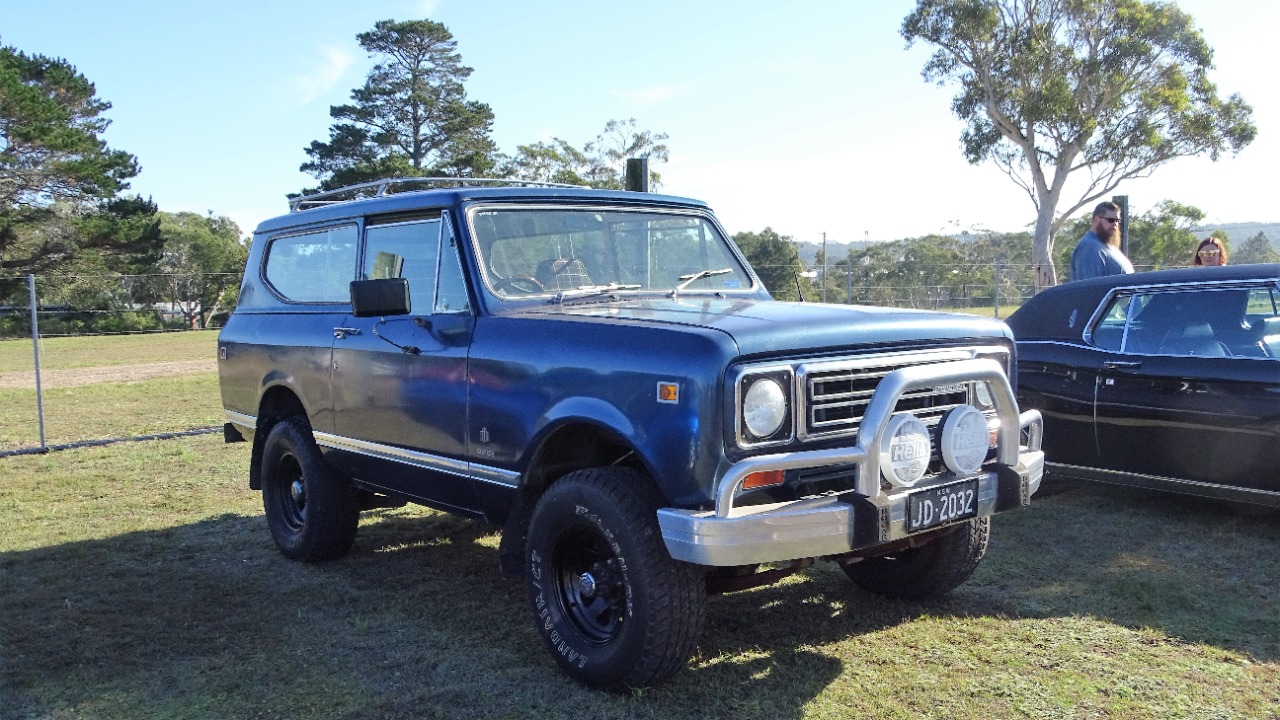
The International Harvester Scout brought genuine off-road capability into a relatively compact package. Its sturdy construction, available four-wheel drive, and simple layout made it useful for farms, work sites, and rough terrain. The Scout showed that a utility vehicle did not need to be enormous to be capable. Its influence can be seen in later compact four-wheel-drive trucks and SUVs that combined work duties with recreational use.
More from Fast Lane Only
- Unboxing the WWII Jeep in a Crate
- 15 rare Chevys collectors are quietly buying
- 10 underrated V8s still worth hunting down
- Police notice this before you even roll window down
*Research for this article included AI assistance, with all final content reviewed by human editors.