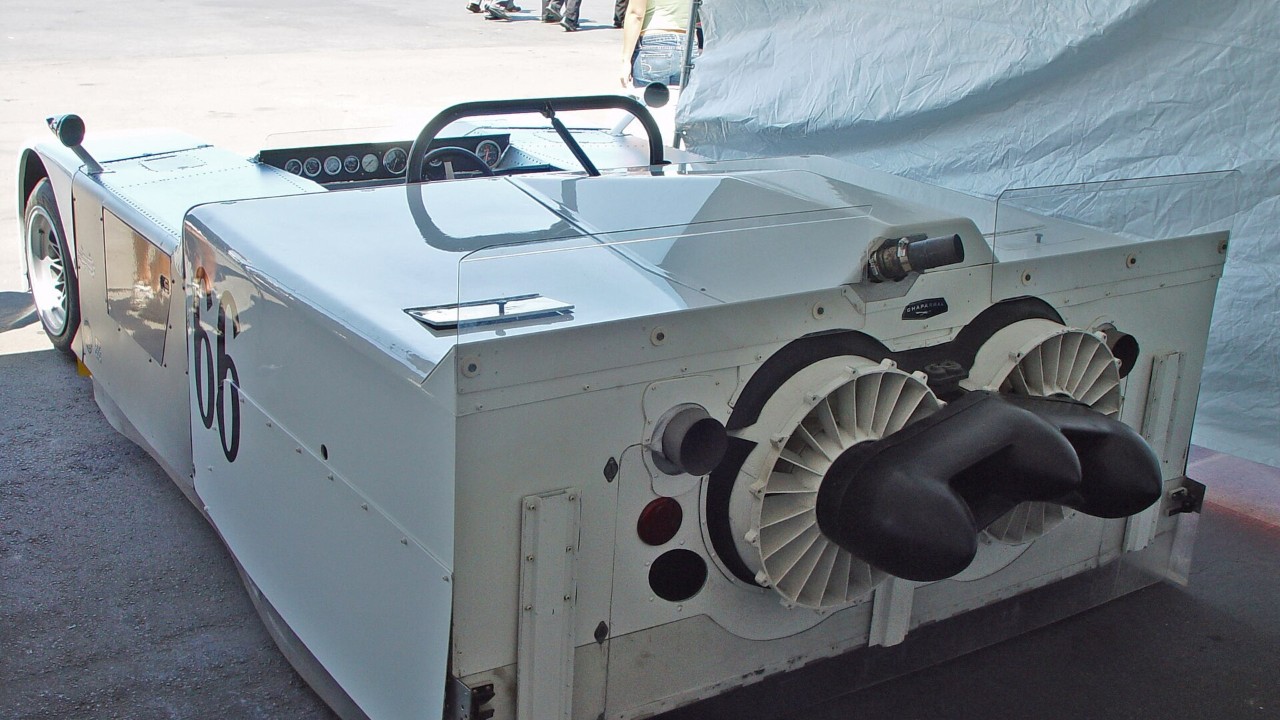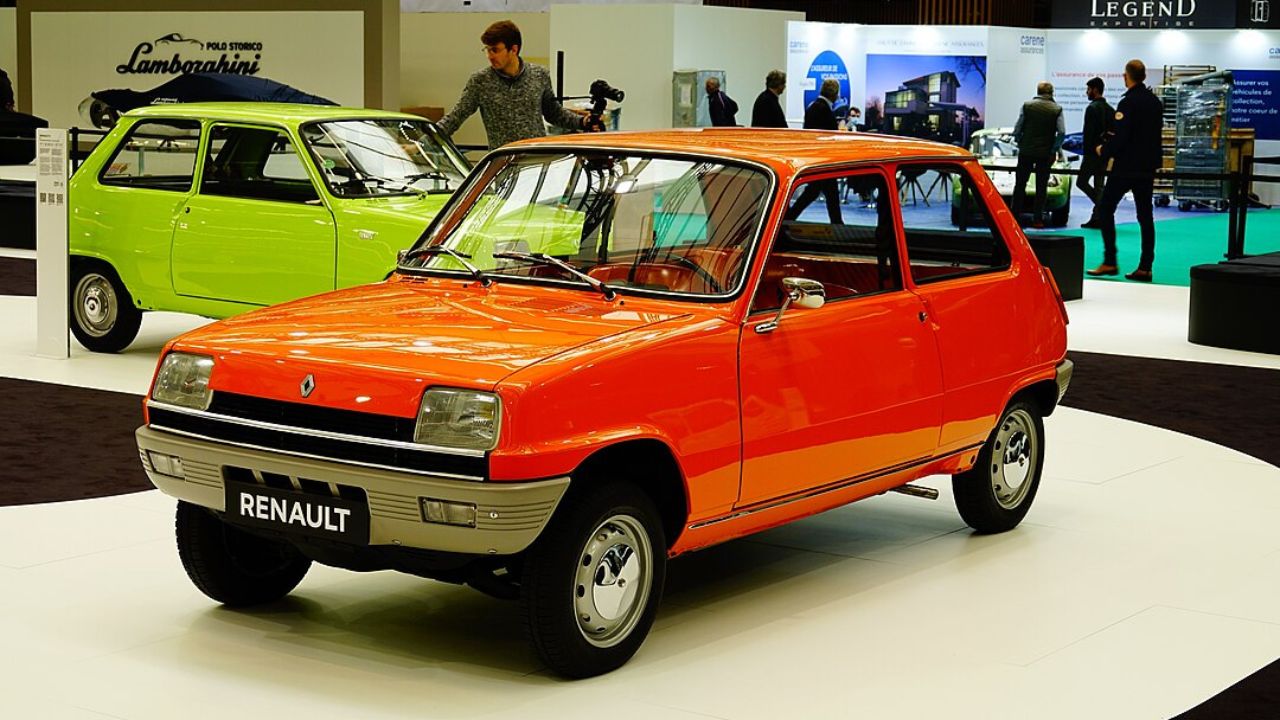
Some classic cars have reputations that became unfairly simplified over the years. A model may be remembered for one weakness, an unpopular design choice, or a mediocre version while its better qualities are largely forgotten. Look closer, however, and these cars often offer clever engineering, enjoyable performance, or impressive practicality. They deserve another look, especially when compared with how enthusiasts once viewed them.
Chevrolet Vega
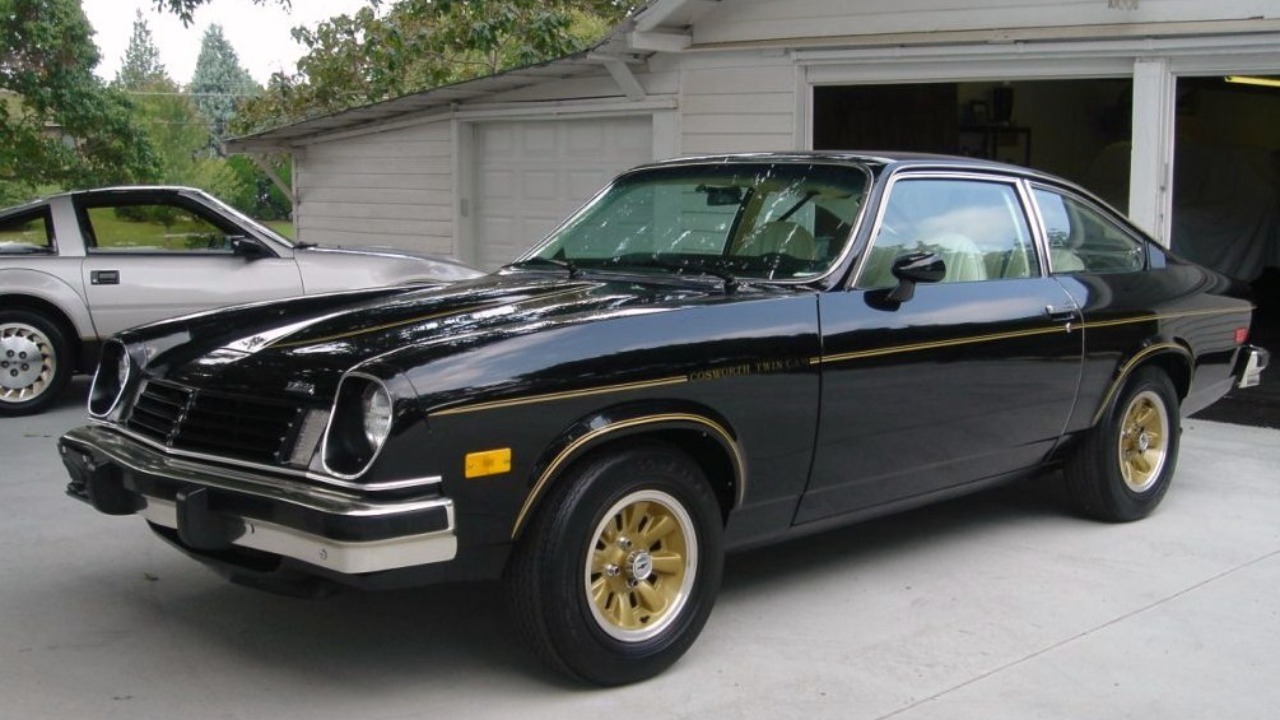
The Chevrolet Vega is often remembered primarily for its corrosion and engine problems, but the car had some genuinely clever engineering behind it. Its lightweight aluminum engine, compact dimensions, and crisp styling made it competitive when fuel economy and smaller cars were becoming increasingly important. The Vega also handled surprisingly well for an inexpensive American compact. Its reputation has overshadowed how ambitious the original design actually was.
Ford Mustang II
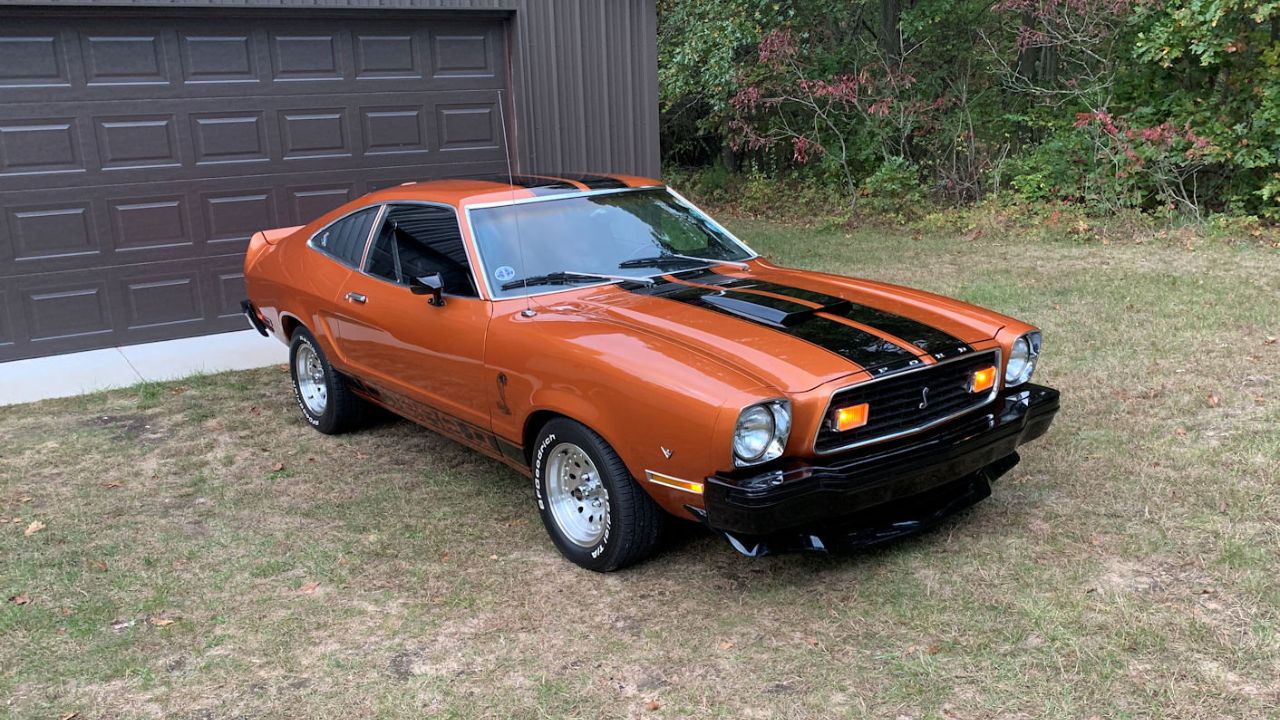
The Mustang II arrived during a difficult period for American performance cars, so it rarely receives the respect given to earlier Mustangs. Yet its smaller dimensions, improved fuel economy, and available V8 helped keep the Mustang name alive when larger performance cars were struggling. It also offered a more comfortable and manageable driving experience. Whatever its shortcomings, the Mustang II played an important role in keeping an American performance icon relevant.
AMC Pacer
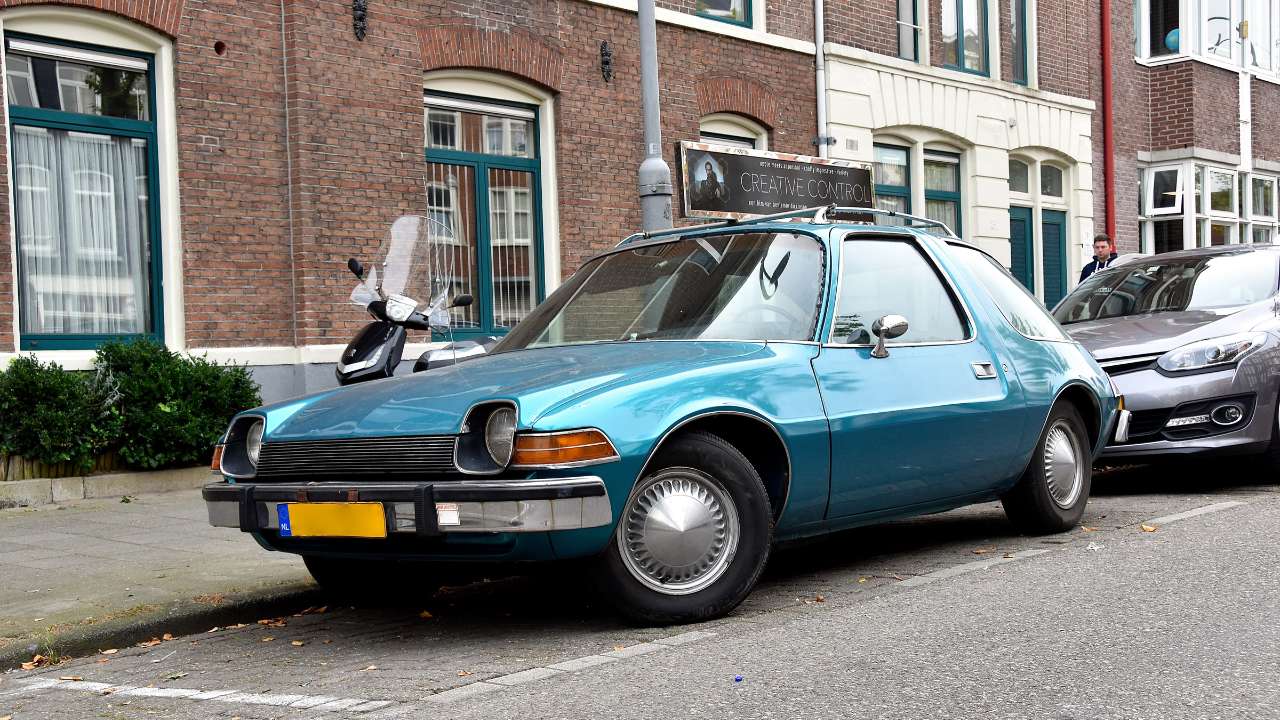
The AMC Pacer’s unusual shape made it an easy target for jokes, but its design was remarkably forward-thinking. The wide body created an unusually spacious cabin, while the large glass area improved visibility. Its compact length also made it easier to maneuver than many larger American cars. The Pacer may look strange today, but its emphasis on interior space and visibility was far more thoughtful than its reputation suggests.
Pontiac Fiero
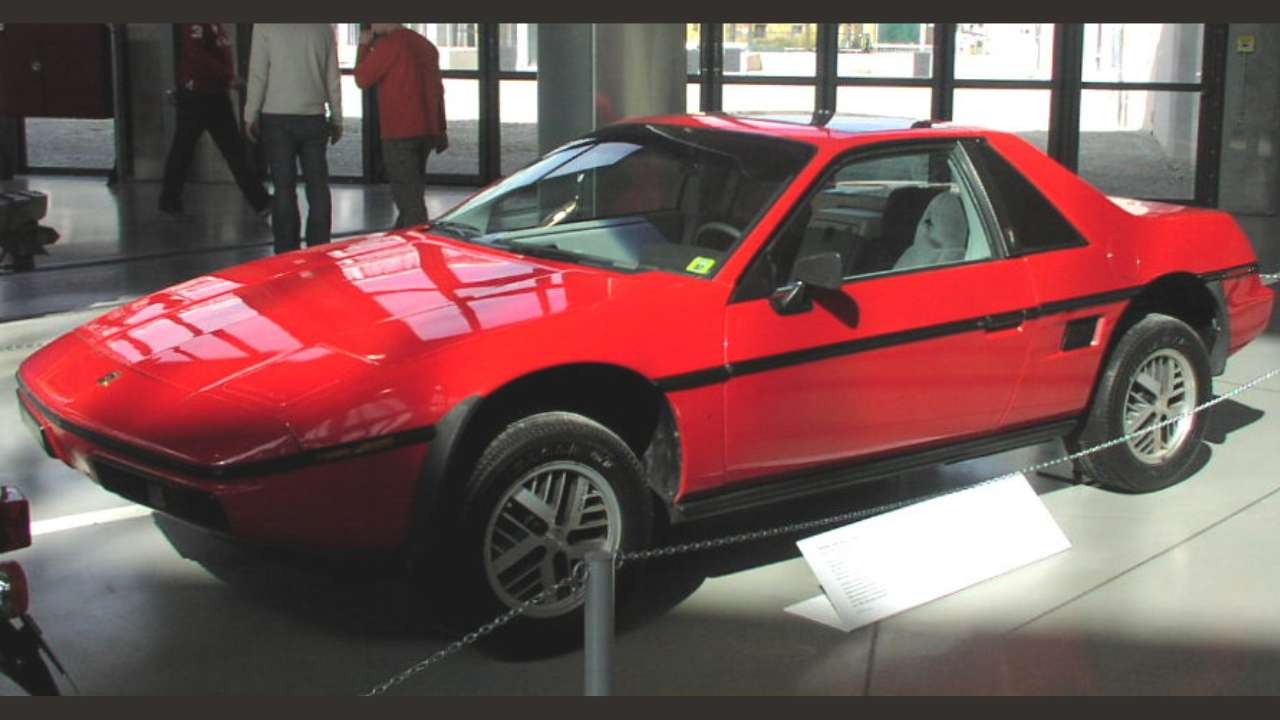
The Pontiac Fiero is often judged by its earliest versions, which were criticized for modest performance and reliability issues. Later models, however, received stronger engines, improved suspension components, and sharper driving characteristics. Its mid-engine layout remained unusual among affordable American cars. The Fiero ultimately showed considerable potential, and enthusiasts today increasingly appreciate its innovative packaging and distinctive character.
Cadillac Allanté
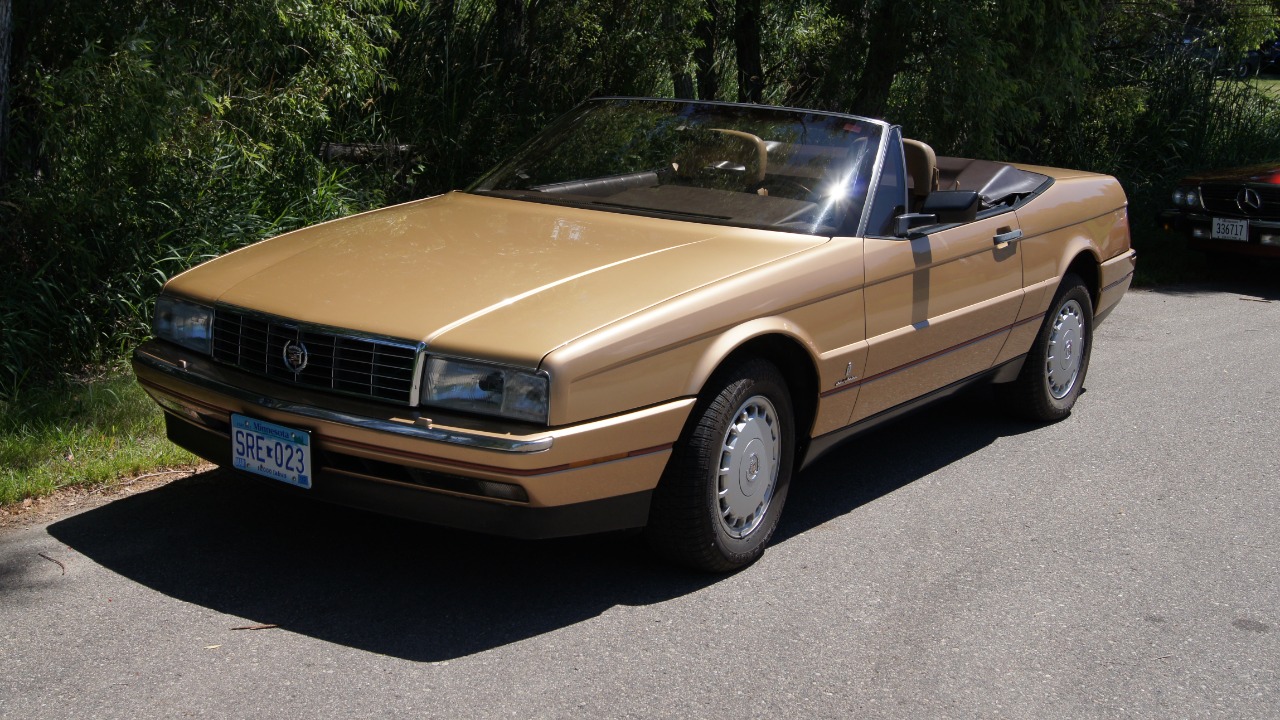
The Cadillac Allanté is sometimes dismissed because it never became the European luxury rival Cadillac wanted it to be. Yet its Pininfarina-designed body, sophisticated interior, and unusual production process made it one of Cadillac’s most ambitious modern-era projects. Later versions gained stronger technology and performance. The Allanté deserves recognition as an important attempt to give Cadillac a genuinely distinctive grand touring convertible.
Renault Le Car
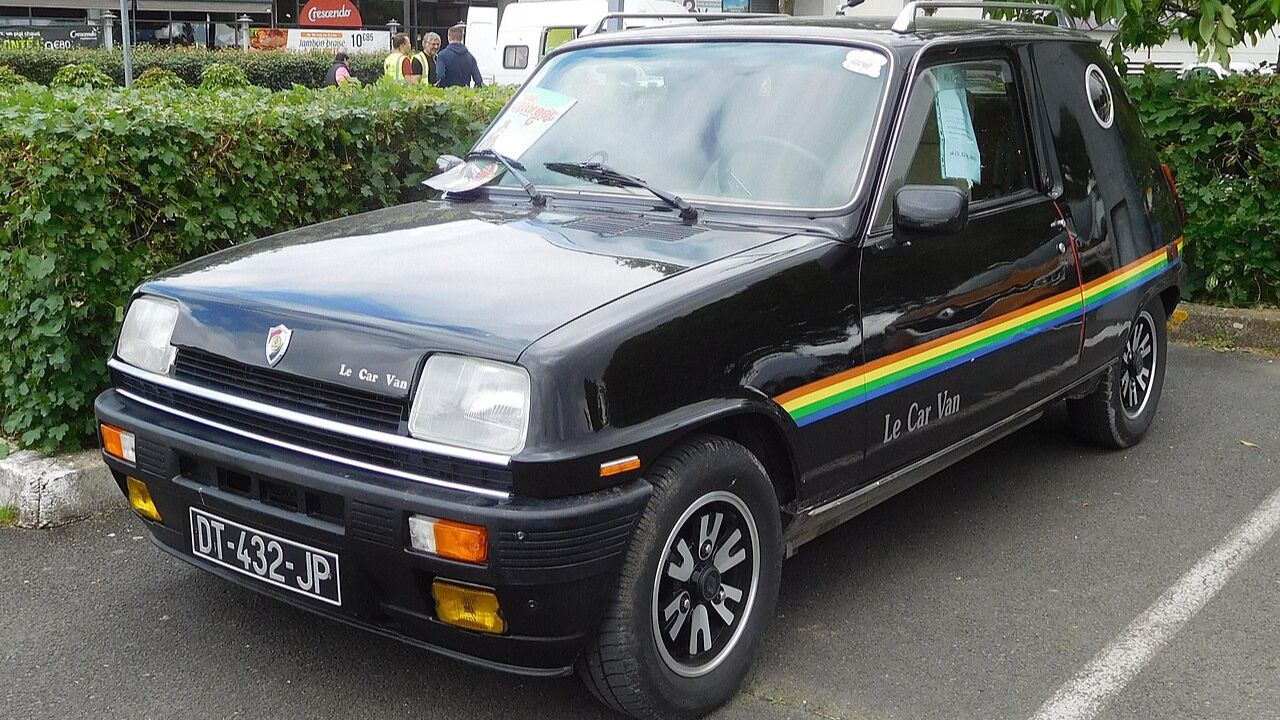
The Renault Le Car struggled to establish itself among American buyers, but its basic formula was well suited to changing automotive tastes. Its compact dimensions, front-wheel-drive layout, and hatchback body delivered useful space without requiring a large engine. It was also considerably more maneuverable than most American cars of the period. Its lack of mainstream success says more about the market than about the practicality of the design.
Mercury Capri

The Mercury Capri is often overshadowed by the Mustang despite offering its own appealing combination of compact dimensions, sporty styling, and performance. Later versions became especially interesting with stronger engines and more aggressive equipment. The Capri also offered a European-inspired alternative to traditional American coupes. Its relatively low profile today makes clean examples particularly appealing to collectors looking beyond the usual Ford performance cars.
More from Fast Lane Only
- Unboxing the WWII Jeep in a Crate
- 15 rare Chevys collectors are quietly buying
- 10 underrated V8s still worth hunting down
- Police notice this before you even roll window down
*Research for this article included AI assistance, with all final content reviewed by human editors.