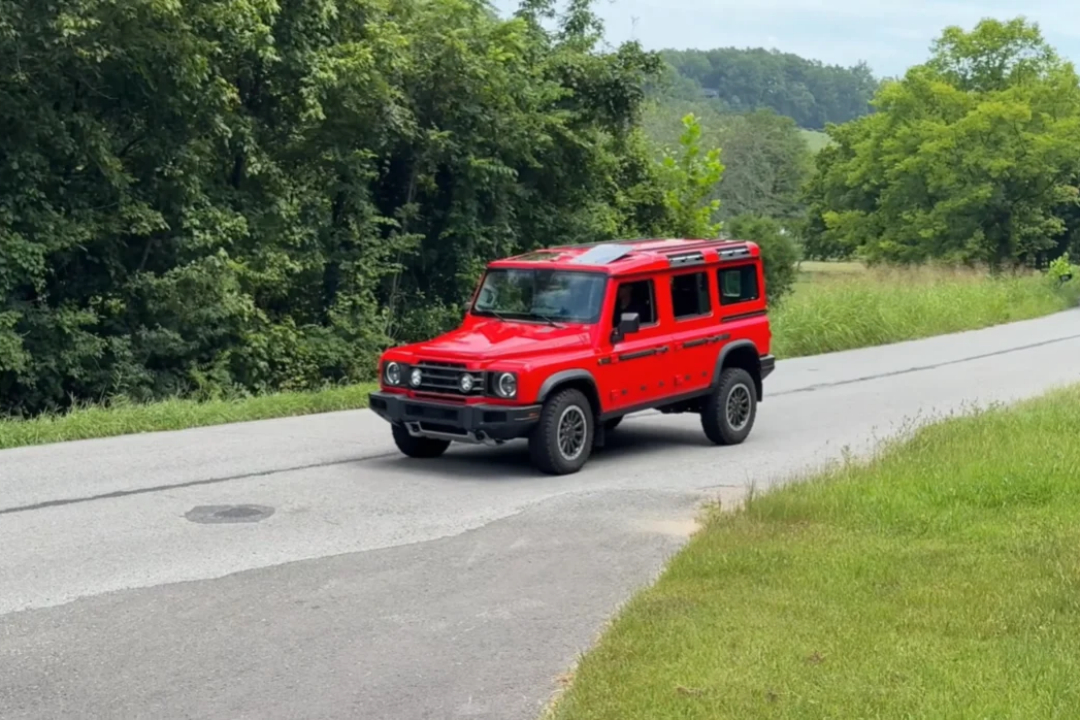
In the 1960s and 1970s, car manufacturers embraced vibrant and bold colors that became synonymous with the era’s sense of style and innovation. These colors were not just about aesthetic appeal; they reflected cultural shifts and new technological advancements in automotive paint. Let’s journey back in time to explore the car colors that defined these iconic decades.
Psychedelic Pink
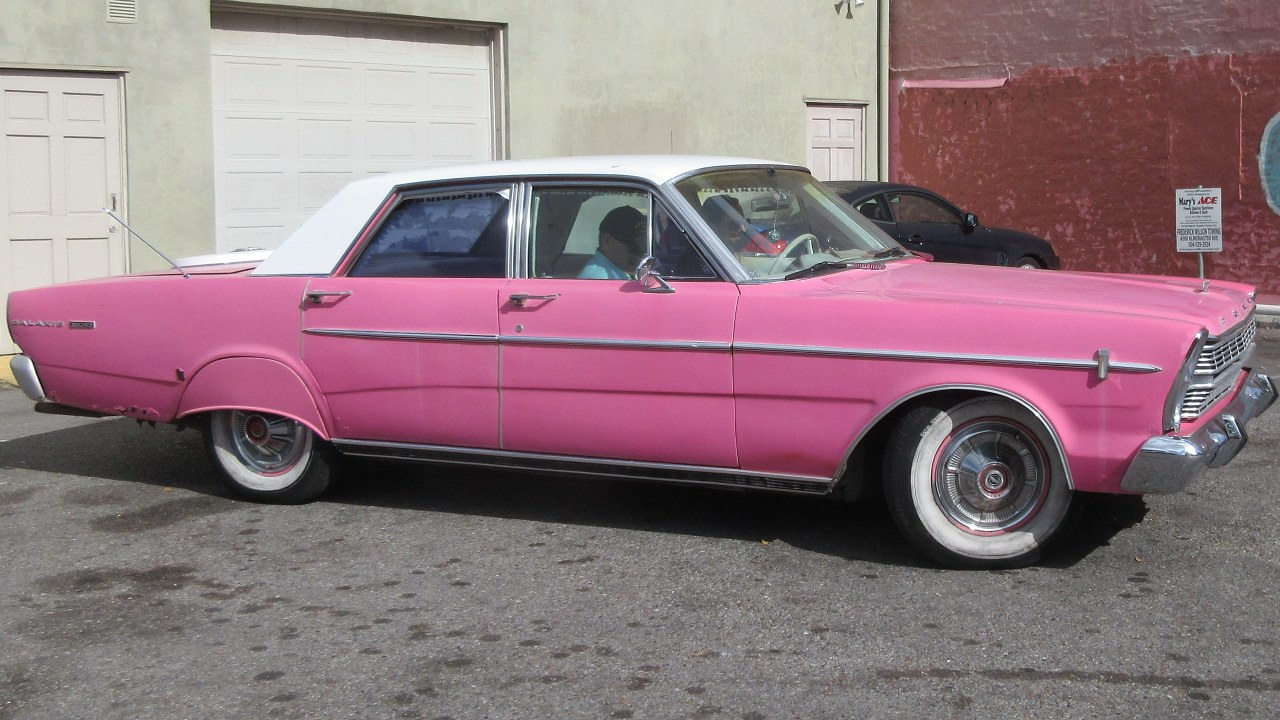
Psychedelic Pink was more than just a color; it was a statement. This vibrant shade resonated with the counterculture movement of the 1960s, symbolizing rebellion and individuality. Automotive brands like Dodge and Ford utilized this color to appeal to a younger, more adventurous audience. The 1967 Ford Mustang, for example, offered a pink option that turned heads and captured the spirit of the time. Psychedelic Pink was all about standing out and making a bold impression on the road.
While not the most common color on the streets, Pink represented a break from traditional automotive hues. It was a favorite among custom car enthusiasts who wanted to showcase their creativity and defy conventions. The color’s popularity in the 60s and early 70s also coincided with the rise of pop art, further cementing its place in the era’s cultural lexicon.
Electric Blue
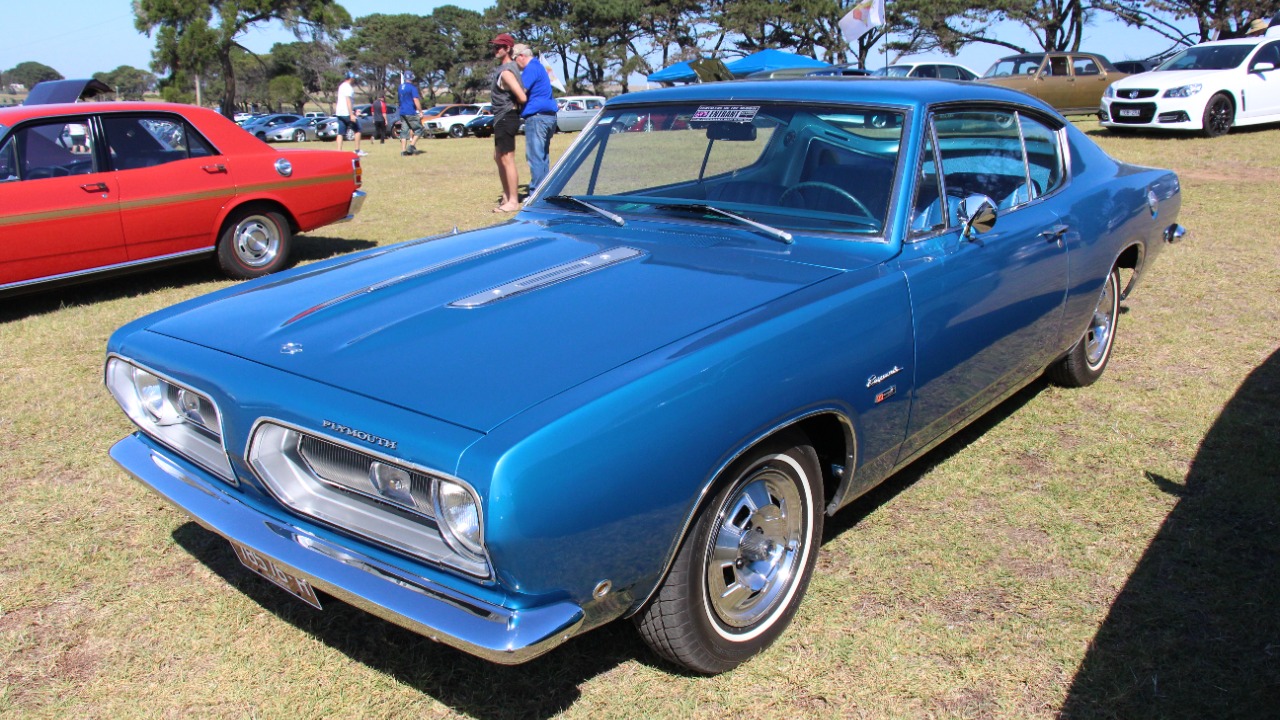
Electric Blue was a favorite among car enthusiasts who wanted a car that exuded energy and modernity. This color was commonly seen on models like the Plymouth Barracuda. Electric Blue was not just visually striking; it also embodied the technological advancements of the time. The color seemed to capture the excitement of the space race and the rapid pace of innovation in the automotive industry.
Unlike traditional blues, Electric Blue had a metallic sheen that made it appear almost luminescent in the sunlight. This quality made cars painted in this hue look futuristic and ahead of their time. It was a popular choice for muscle cars and sporty models, appealing to drivers who wanted to combine performance with style.
Burnt Orange
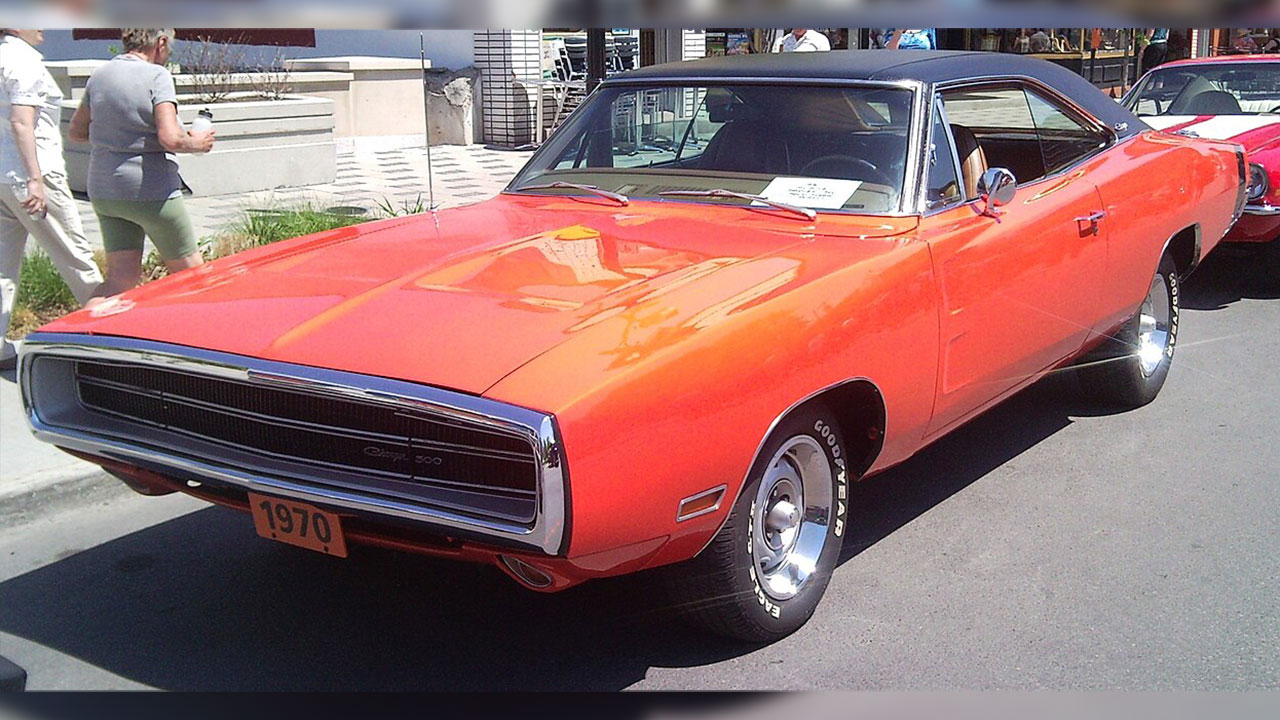
Burnt Orange was a color that epitomized the earthy tones popular in the late 60s and early 70s. This warm hue was featured on cars like the Dodge Charger and the Pontiac GTO, capturing the essence of the era’s fascination with natural colors. Burnt Orange offered a perfect blend of boldness and subtlety, making it an ideal choice for those who wanted a unique yet understated look.
This color was particularly popular in desert regions, where it complemented the natural landscape. Burnt Orange also had a vintage appeal, reminiscent of autumn leaves and sunsets. It was a color that celebrated the natural world while still maintaining a distinct, modern edge.
Avocado Green
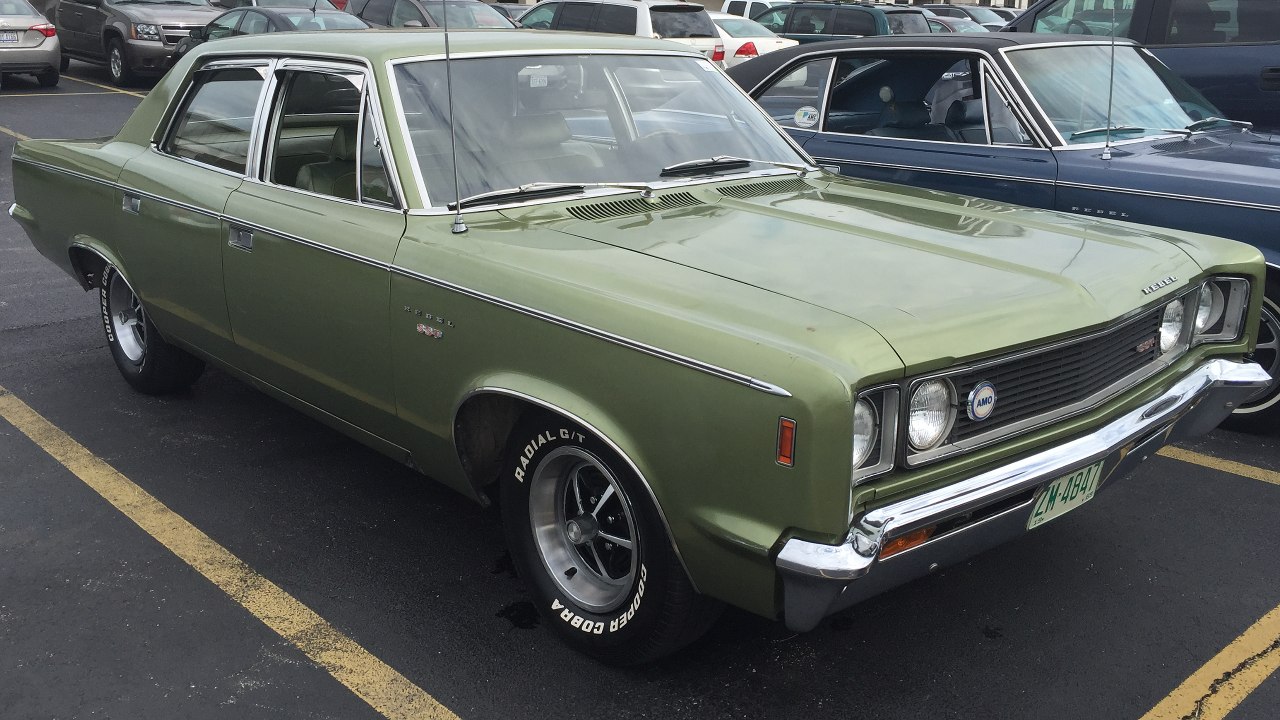
Avocado Green was a quintessential 70s color that made its way from kitchen appliances to automobiles. This distinct shade of green was a popular choice for family cars and compact models like the Volkswagen Beetle and the AMC Gremlin. Avocado Green resonated with a growing environmental consciousness and a desire for more organic, earthy tones.
While it may seem unusual by today’s standards, Avocado Green was a reflection of the era’s unique style and sensibility. The color offered a refreshing alternative to more traditional automotive palettes, allowing car owners to express their individuality. Avocado Green remains a nostalgic favorite for those who experienced the era firsthand.
Canary Yellow
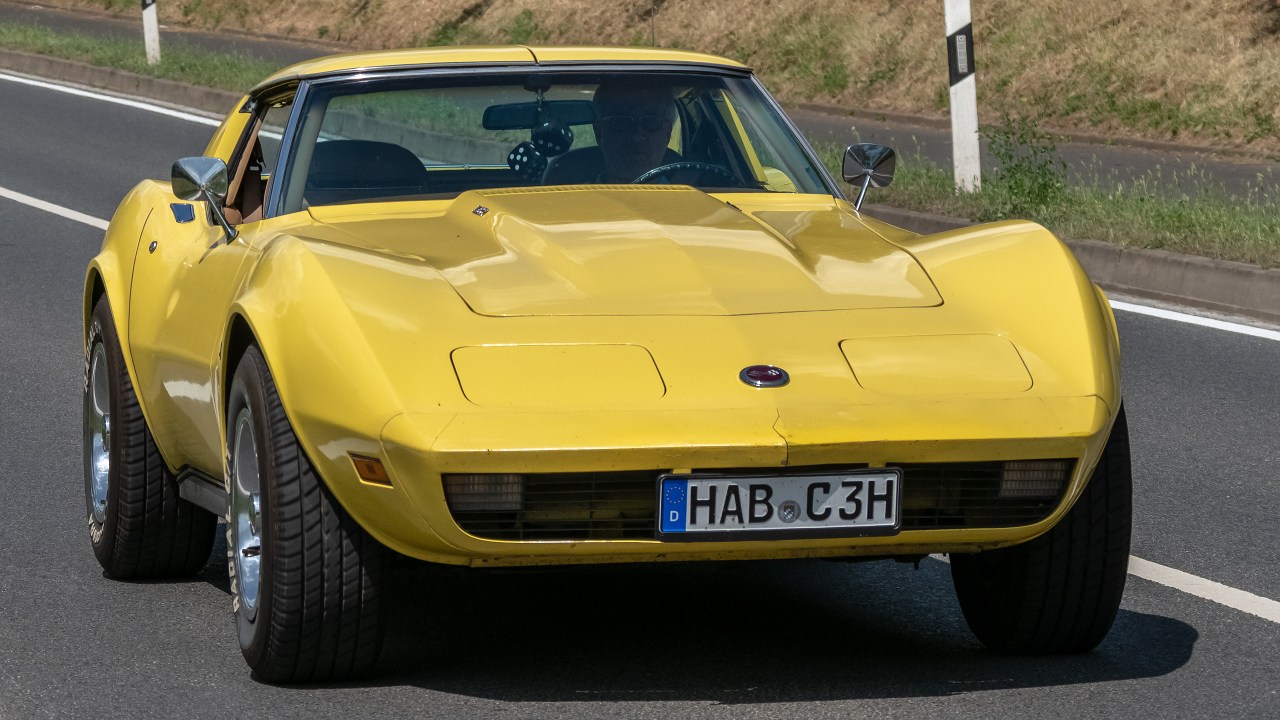
Canary Yellow was a bright and cheerful color that captured the optimism of the 1960s. It was a popular choice for convertibles and sporty models, such as the Chevrolet Corvette and the Ford Mustang. Canary Yellow was all about fun and freedom, evoking images of sunny days and open roads.
This vibrant hue was perfect for those who wanted their car to be a beacon of positivity and joy. It was also a practical choice, as the bright color made vehicles more visible on the road. Canary Yellow remains an iconic color from the era, symbolizing the carefree spirit of the time.
Plum Crazy
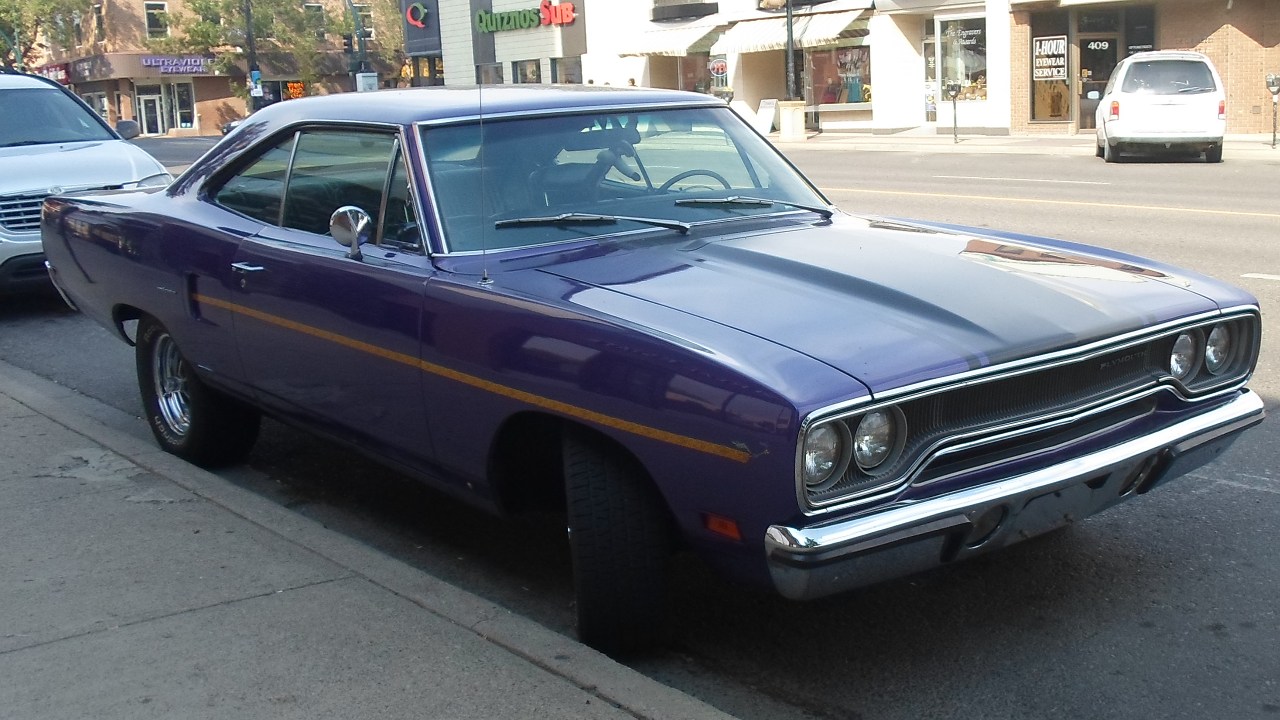
Plum Crazy was a daring shade of purple that became synonymous with the Dodge brand in the 1970s. This bold color was most famously used on the Dodge Challenger and Charger, appealing to drivers who wanted to make a statement. Plum Crazy was more than just a color; it was an attitude, representing the daring and adventurous spirit of the muscle car era.
The color’s popularity was a testament to the era’s willingness to embrace unconventional choices and break away from traditional norms. Plum Crazy offered a sense of excitement and individuality, embodying the rebellious spirit of the time. To this day, it remains a sought-after color for collectors and enthusiasts.
Powder Blue
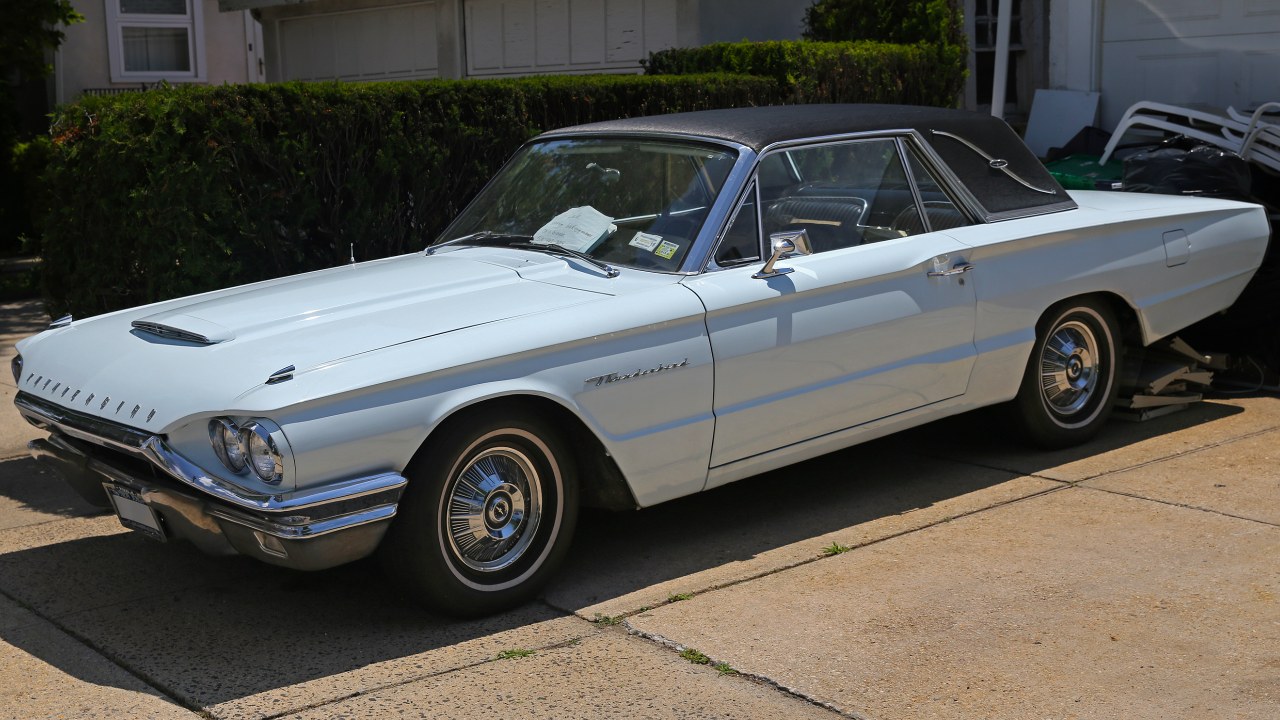
Powder Blue was a soft, pastel shade that offered a calming contrast to the bold colors of the era. It was a popular choice for luxury models and family cars, such as the Cadillac Eldorado and the Ford Galaxie. Powder Blue evoked a sense of elegance and sophistication, appealing to those who wanted a more understated look.
This gentle hue was also associated with the burgeoning women’s liberation movement, as more women began to own and drive their own cars. Powder Blue offered a sense of freedom and independence, making it a fitting choice for the time. Its timeless appeal continues to resonate with classic car enthusiasts today.
Hemi Orange
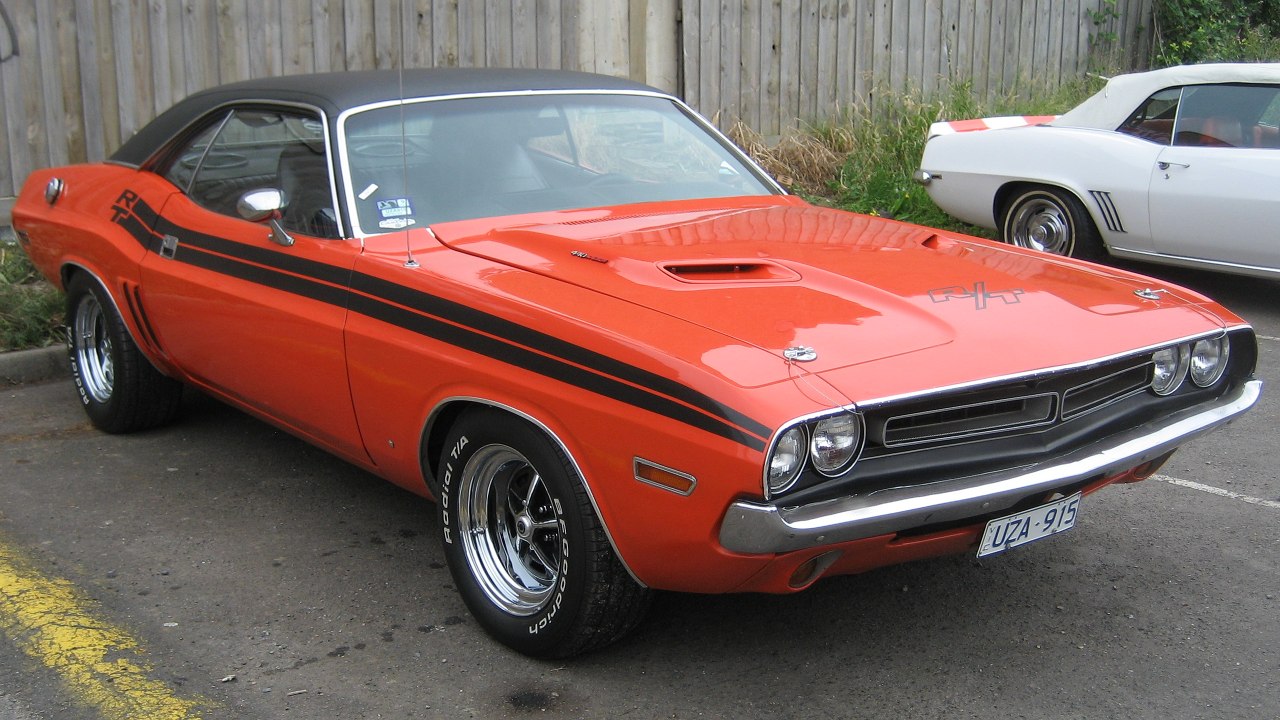
Hemi Orange was a vibrant and energetic color that became closely associated with the high-performance Dodge Hemi engines of the 1970s. This eye-catching hue was featured on models like the Dodge Challenger and Plymouth ‘Cuda, symbolizing power and speed. Hemi Orange was not just a color; it was a badge of honor for muscle car aficionados.
The boldness of Hemi Orange perfectly complemented the aggressive styling and performance of the cars it adorned. It was a color that demanded attention and respect, highlighting the capabilities of the vehicles it was applied to. Hemi Orange remains an iconic color for those who appreciate the raw power and performance of classic muscle cars.
Lime Green
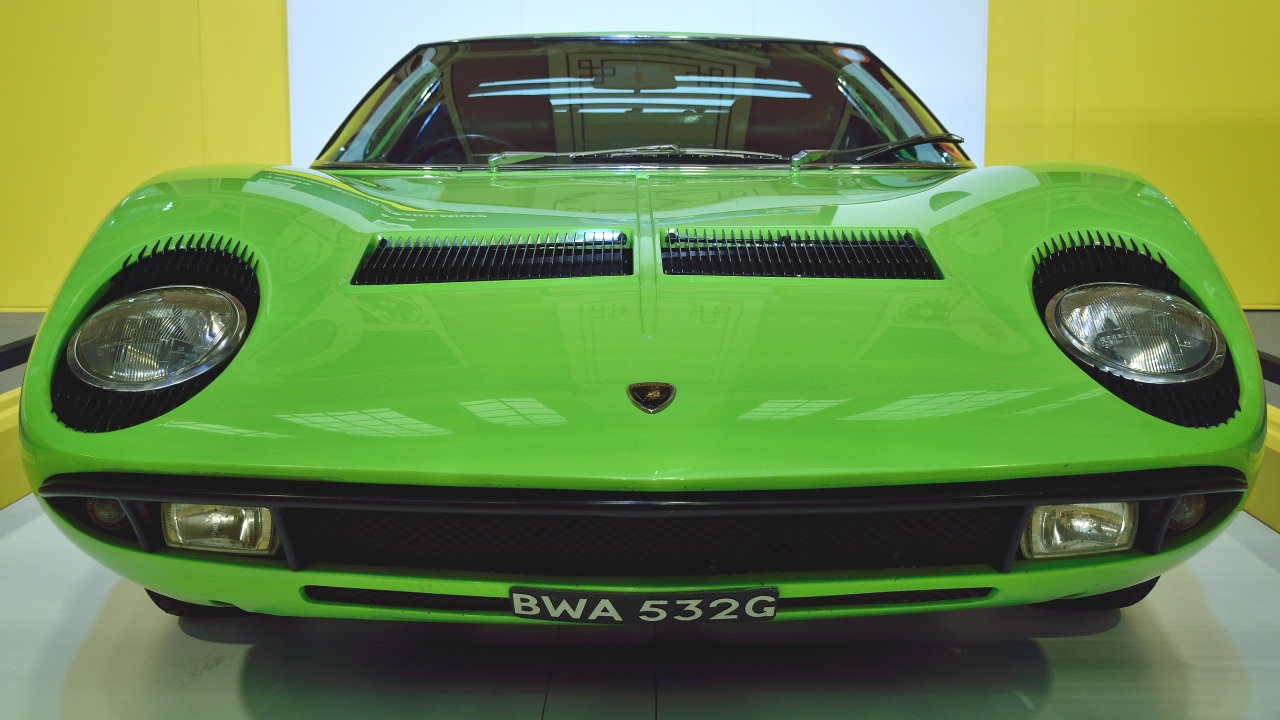
Lime Green was a playful and electrifying color that became popular in the late 60s and early 70s. It was a favorite among those who wanted to stand out, with cars like the Plymouth Barracuda and Dodge Dart sporting this lively hue. Lime Green was all about fun and excitement, capturing the youthful energy of the era.
This color was often associated with the burgeoning skate and surf culture, as well as the rise of psychedelic art. Lime Green offered a sense of adventure and exploration, appealing to drivers who wanted to break free from convention. Its bright and cheerful nature made it a timeless favorite for those who celebrate the spirit of the era.
Sunflower Yellow
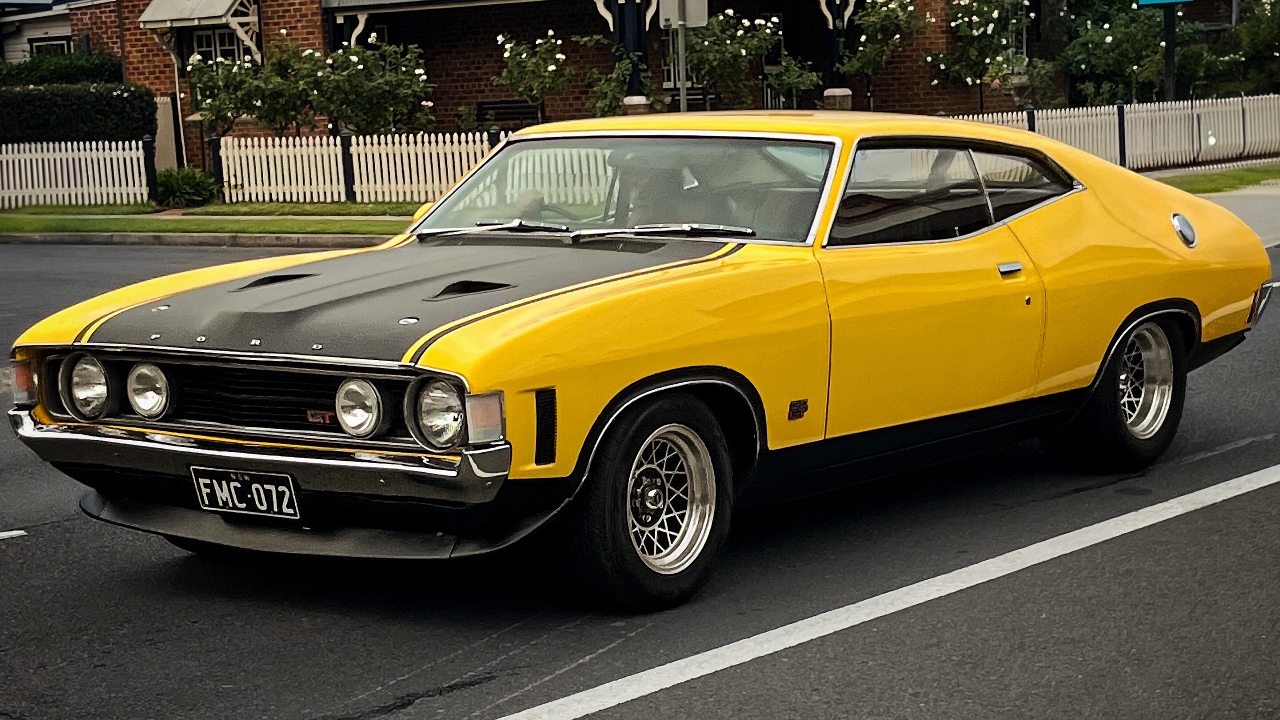
Sunflower Yellow was a deeper, richer shade of yellow that exuded warmth and positivity. This color was popular on models like the Chevrolet Camaro and the Ford Torino, offering a sense of brightness and cheerfulness. Sunflower Yellow was all about optimism and embracing the sunny side of life.
This hue was particularly popular in regions with abundant sunshine, where it complemented the natural surroundings. Sunflower Yellow was a color that celebrated life and vitality, making it a popular choice for those who wanted to express their zest for life. Its enduring appeal continues to captivate classic car enthusiasts.
Candy Apple Red
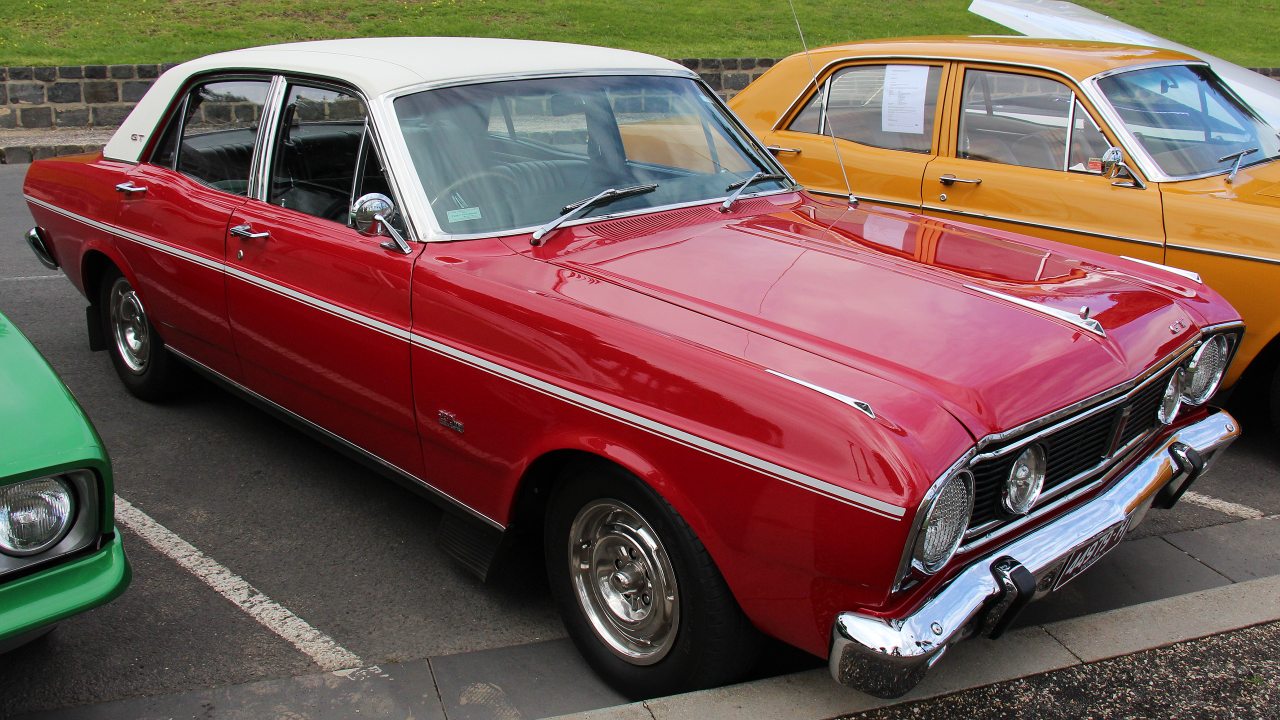
Candy Apple Red was a color that epitomized the allure of the classic American muscle car. This deep, glossy red was a favorite for models like the Ford Mustang and Chevrolet Corvette, symbolizing speed, power, and passion. Candy Apple Red was more than just a color; it was an icon of automotive culture.
This striking hue offered a sense of luxury and sophistication, making it a popular choice for those who wanted to make a bold statement. The color’s rich, metallic finish added to its appeal, giving cars a sense of depth and dimension. Candy Apple Red remains a beloved color for collectors and enthusiasts who appreciate its timeless allure.
Beige
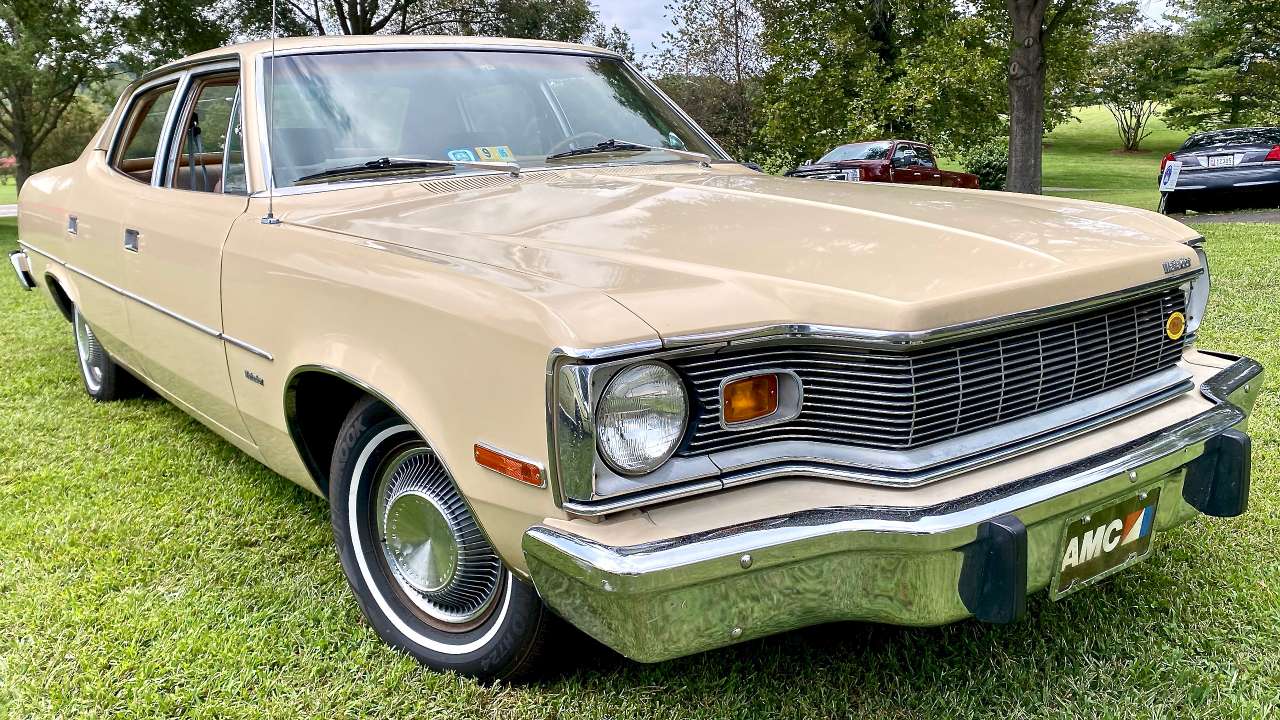
Beige may not have the boldness of other colors on this list, but it was a staple of the 1970s, offering a sense of practicality and understated elegance. This neutral hue was common on family cars and sedans, such as the Ford Pinto and the Chevrolet Nova. Beige was all about blending in and exuding a sense of calm and reliability.
While it may seem unremarkable compared to the more vibrant colors of the era, Beige was a reflection of the changing tastes and priorities of car buyers. It offered a timeless appeal that continues to resonate with those who appreciate a classic and understated look. Beige remains a popular choice for restorations and those seeking a retro vibe.
Like Fast Lane Only’s content? Be sure to follow us.
Here’s more from us:
*Created with AI assistance and editor review.