You used to be able to buy some of these cars with leftover student‑loan money or a modest bonus and feel like you had hacked the system. Now, the same machines that once looked like smart, cheap fun have turned into five and six‑figure collectibles. Here are 12 cars that seemed like no‑brainer buys until prices flipped and left you wondering why you did not grab one sooner.
Honda S2000 (AP1/AP2)

The Honda S2000, in both AP1 and AP2 form, was once a relatively attainable roadster that you could daily drive without feeling reckless. Today, clean examples of the Honda S2000 have surged as collectors chase high‑revving, manual sports cars. The car’s 9,000 rpm redline, precise six‑speed, and simple rear‑drive layout now read like a checklist of traits you cannot easily find in new models.
Because the AP1 and AP2 were built in modest numbers and many were modified or crashed, truly original cars are scarce. That supply squeeze has pushed prices far beyond what most buyers expected. If you are a younger enthusiast, the S2000 has become a lesson in how quickly a “used Honda” can turn into a blue‑chip asset once the market decides it is special.
Porsche 944

The Porsche 944 spent years as the “cheap” way into the badge, with front‑engine balance and hatchback practicality that made it a smart daily. Now, interest in analog Porsches has dragged the Porsche 944 into a different price league. Even non‑turbo cars that once sat unloved in classifieds have climbed as people realize how refined and usable they are.
The later, more powerful versions and the Turbo models have become especially expensive, helped by limited production and motorsport links. A second listing for the 944 series highlights how often it now shows up in collector conversations. For you as a buyer, that shift turns what was once a sensible starter Porsche into a car you have to justify as a long‑term collectible, not just a fun weekend toy.
Ferrari F355

The Ferrari F355 was not always treated like a sacred object. For a while, it sat in the shadow of newer V8 models, and you could find driver‑grade examples without millionaire money. As interest in 1990s exotics grew, the Ferrari F355 transformed into a poster child for rising prices, helped by its high‑revving V8, gated manual, and classic proportions.
Collectors now chase specific specs, like Berlinetta bodies with a manual gearbox, and pay premiums that would have sounded absurd a decade ago. Some guides list the F355 alongside other exotics whose values have jumped since 2020, reflecting how Ferrari has protected its image. If you once saw the F355 as a “cheap” way into a mid‑engine V8, the current market shows how quickly that window can slam shut.
Chevrolet Corvette Z06 (C6)

The C6 Chevrolet Corvette Z06 used to be the track rat’s secret: huge power, light weight, and real aero for less than many hot hatches. Experts now single out the Chevrolet C6 Z06 as a car with serious upside, noting that it already trades at up to two times some price guides. That attention has pushed clean, low‑mile examples into a different bracket.
Hagerty’s own forecast lists the 2006‑2013 Chevrolet Corvette Z06 with a typical value of $55,900 USD, repeating $55,900 as a key benchmark. For you, that means the car is no longer just a budget track tool, it is a potential investment that demands careful storage, documentation, and insurance. The fun‑per‑dollar ratio is still strong, but the days of “cheap Z06” deals are fading fast.
Datsun 240Z

The Datsun 240Z once filled the role that used Subaru BRZs do now, an affordable way into a light, rear‑drive coupe. As nostalgia for early Japanese sports cars has grown, the Datsun 240Z has rocketed from cheap project to prized collectible. Rust, modifications, and hard use have thinned the pool of original cars, which only adds fuel to the price climb.
Listings for the 240Z models now often sit beside far more expensive European classics, reflecting how the market views them. For younger enthusiasts, that shift is frustrating, since the 240Z used to be the gateway into classic ownership. The lesson is clear: when a car nails styling, sound, and driving feel, it will not stay cheap forever, no matter what badge it wears.
DeLorean DMC-12

The DeLorean DMC-12 was never a performance bargain, but its stainless steel body and movie fame once came at surprisingly reasonable prices. Over time, pop‑culture status and limited production turned the DeLorean DMC-12 into a rolling collectible. Buyers who once saw it as a quirky weekend car now face values that reflect its icon status more than its driving dynamics.
Another listing for the DMC-12 highlights how often it appears in discussions of classic cars with rising values. For you, the stakes are simple: you are paying for a story as much as for a machine. That can still make sense, but it flips the logic from “cheap, fun oddball” to “careful purchase that needs climate‑controlled storage and specialist support.”
Dodge Ramcharger

The Dodge Ramcharger was once just an old SUV, a cheaper alternative to a Bronco or Blazer that you could use for camping or hauling. As interest in vintage trucks has exploded, the Dodge Ramcharger has followed the same curve, moving from bargain beater to sought‑after classic. Two‑door bodies, V8 engines, and simple frames now read like a greatest‑hits list for collectors.
Even the second listing for the Ramcharger reflects how it is grouped with other appreciating trucks. For you, that means a rig you might have bought for winter duty now commands restoration‑grade money. The broader trend shows how trucks and SUVs, once ignored by collectors, have become serious players in the classic market, changing what “smart buy” looks like.
Lexus LFA

The Lexus LFA never looked cheap, but early buyers sometimes questioned whether its price matched its low production and halo status. Later analysis of Why the Original argued that the Lexus LFA Fell Short as a Halo Car Despite its engineering excellence, as Lexus struggled to recover its massive development costs. That mixed reception kept some buyers on the sidelines.
Over time, the screaming V10 and limited build numbers have flipped the script, and the The LFA is now seen as the car that changed how people look at Lexus. When it was introduced, many thought the Japanese brand had overreached, but values today suggest the opposite. For you, the LFA shows how a car can move from slow seller to blue‑chip collectible once the market catches up to its engineering story.
Citroën 2CV Sahara

The Citroën 2CV Sahara started as a quirky off‑road variant of a humble economy car, with twin engines and serious rural utility. For years, it was an oddball choice, not a status symbol. That changed as collectors began chasing rare, functional curiosities, and the Citro 2CV Sahara climbed to $130,000, a figure that would have seemed impossible when it was just farm equipment.
Seeing “Sahara” and $130,000 in the same sentence tells you how far the market has moved. For you as a buyer, this is the kind of flip that stings the most, because the car never felt glamorous when it was affordable. It shows how rarity, engineering oddities, and a good story can combine to push even the most modest machine into supercar money.
Shelby GT 350
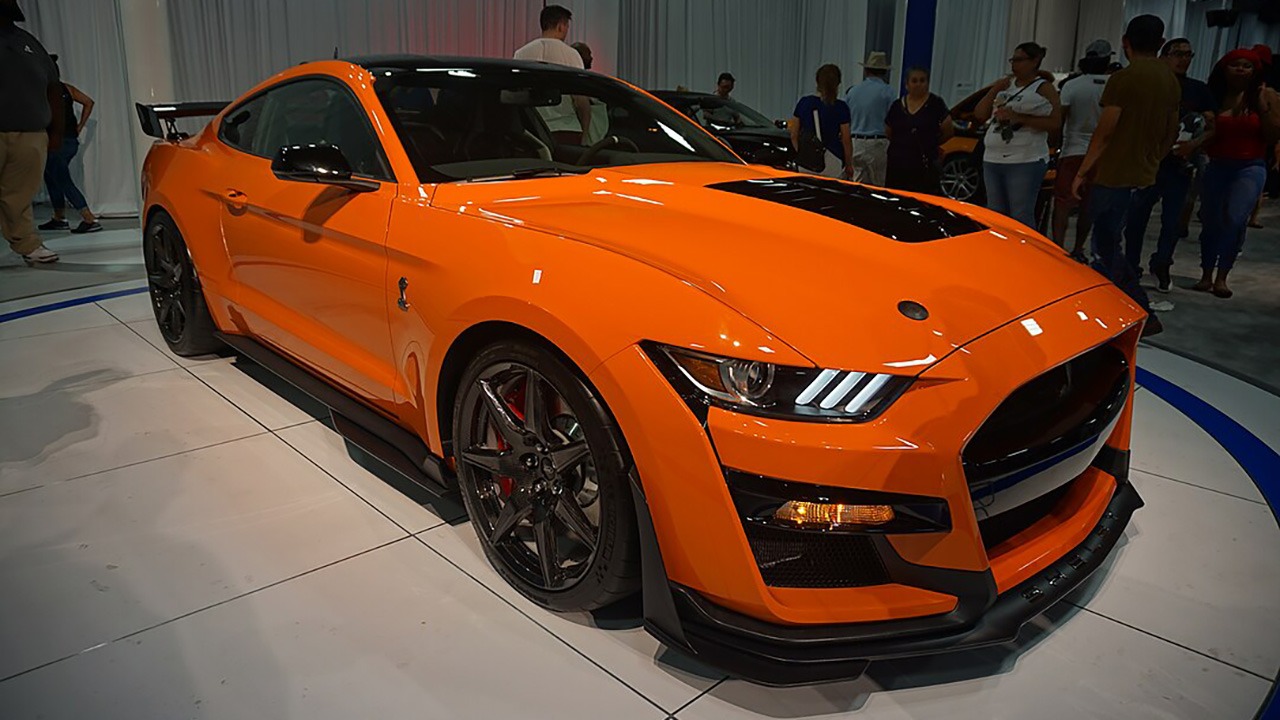
The Shelby GT 350 began life as a track‑tuned version of the early Mustang, built in limited numbers for people who actually used them hard. A video breakdown of Shelby GT values notes that when new the She was relatively attainable, especially compared with European exotics, yet it now sits in a different league. The number 350 has become shorthand for serious money at auction.
As early muscle cars gained respect, the GT 350 moved from weekend toy to blue‑chip collectible, helped by racing history and Carroll Shelby’s name. If you once thought of it as “just another old Mustang,” the current market proves otherwise. For you, it is a reminder that performance variants of common cars can become the most expensive of all once time and nostalgia do their work.
Ford Mustang GT Fastback (1965‑1966)

The Ford Mustang GT Fastback from 1965‑1966 was long seen as the sweet spot of classic pony cars, with V8 power and practical parts support. A guide to Undervalued Classic Cars a Lot of Money highlights how The Mustang has shifted from cheap entry‑level classic to serious investment. That shift reflects both cultural impact and the car’s role in shaping American performance.
Fastback body styles, factory GT packages, and original V8s now command strong premiums, especially with documentation. For you, this means the days of finding a driver‑quality 1960s Mustang GT Fastback for casual use are fading. The car still makes sense if you want a piece of history, but you have to treat it like a collectible first and a toy second.
Tesla Model S

The Tesla Model S once looked like a savvy long-term buy, combining cutting-edge EV performance with strong early resale values. Demand consistently outpaced supply.
Then aggressive new pricing adjustments and rapid tech updates shifted the market. Used values softened quickly, leaving some recent buyers watching their equity shrink faster than expected.to the stratosphere later on.
More from Fast Lane Only