When you shop for a car, some models look great on paper but fall apart once you dig into reliability, resale value, or future support. Shoppers are walking away mid-search from cars that are being discontinued, sitting unsold on lots, or sinking in value faster than rivals. Here are 15 specific models that keep getting dropped from shortlists once buyers see the risks behind the glossy photos.
Alfa Romeo Giulia Quadrifoglio
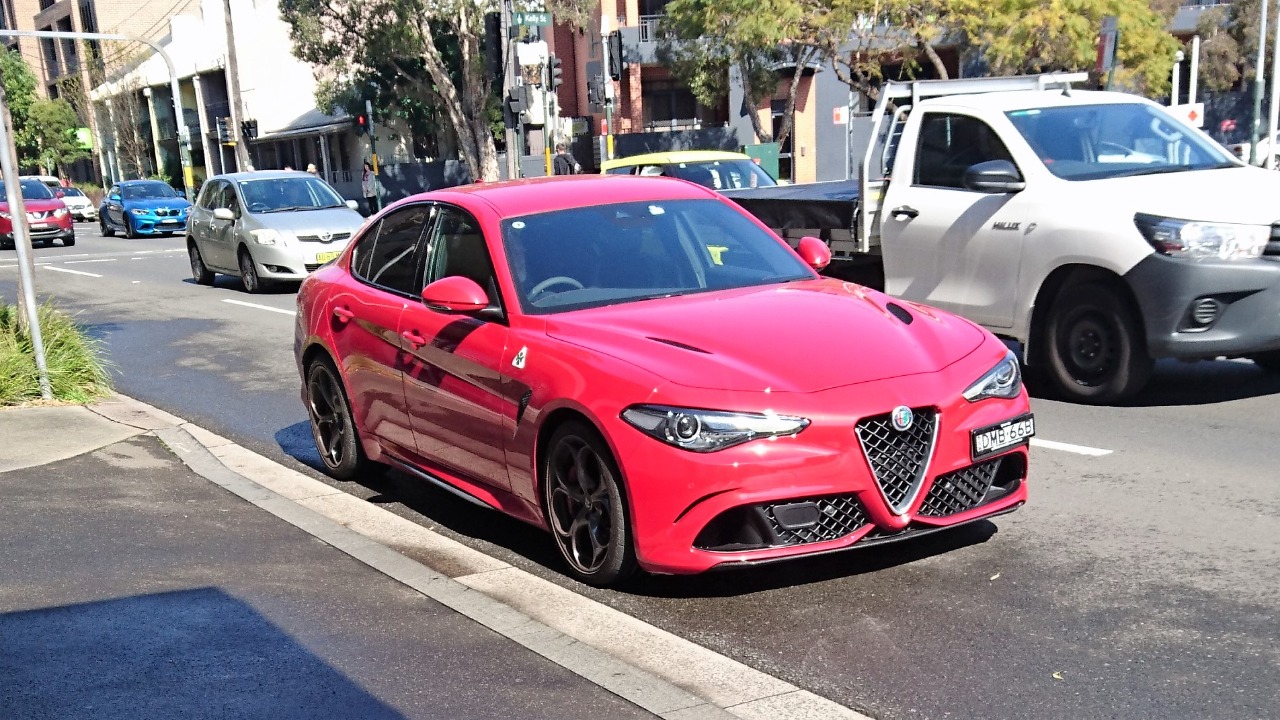
The Alfa Romeo Quadrifoglio versions of the Giulia and Stelvio grab your attention with huge power and racing heritage, but many shoppers back off once they see where the brand is heading. A detailed list of upcoming cuts shows the Alfa Romeo Quadrifoglio for both Giulia and Stelvio among the cars being discontinued, which signals shrinking long term support. When you realize a car you are building online may not exist in a couple of years, you are more likely to close the tab than place an order.
That discontinuation risk also feeds into worries about parts, resale value, and dealer expertise. Performance fans may still be tempted, but everyday buyers who want a stable daily driver often decide they do not want to be locked into a niche car. If you are comparing this sedan with more established German or Japanese rivals, the exit plans around Quadrifoglio models can be enough to make you abandon the search midstream.
Audi A4
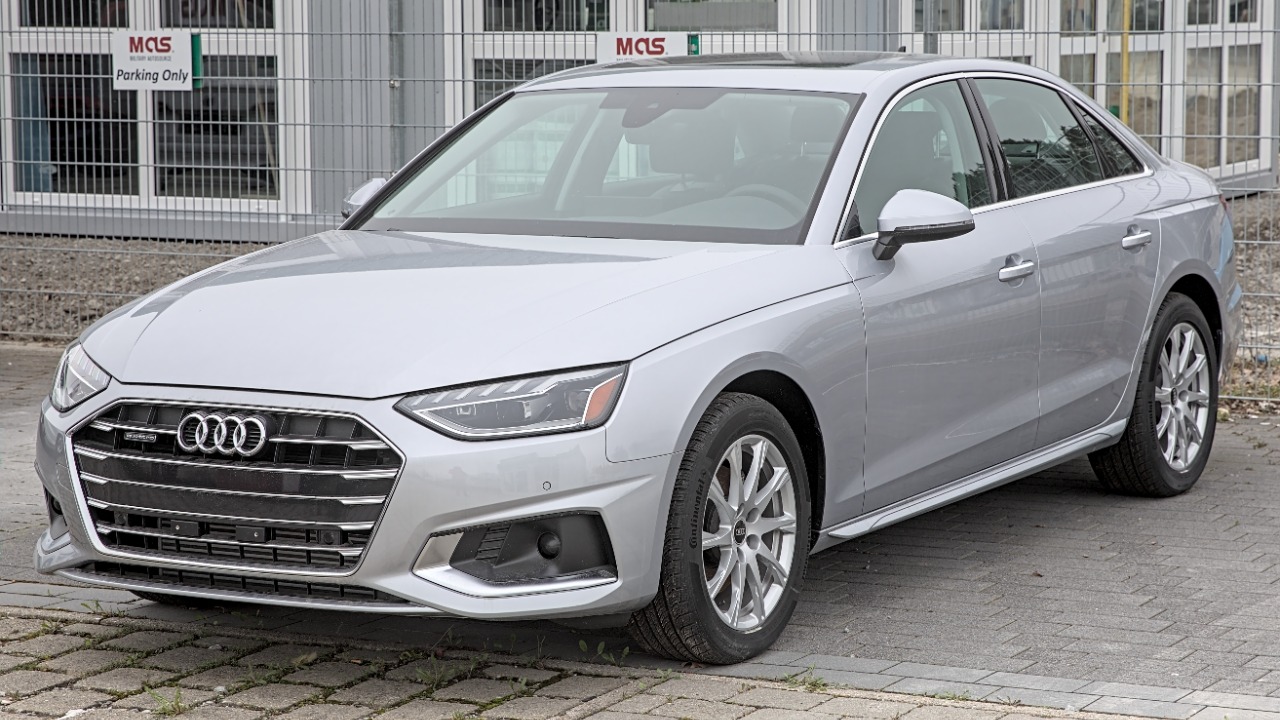
The Audi A4 has long been a default choice when you search for a compact luxury sedan, yet more shoppers are pausing once they look at long term value. The same discontinuation rundown that flags Alfa Romeo also lists the Audi A4, which raises questions about future updates and support. When you combine that with data showing Audi among brands with heavy Vehicle Deprecation, the numbers start to look rough.
Shoppers who run the math on the Avg Difference from MSRP, and see how much value can vanish in a few years, often decide to pivot to something with stronger resale. You may still love the interior and technology, but if the brand’s depreciation rate sits around 64.6 percent, you are likely to worry about being upside down on a loan. That mix of looming product change and steep value loss is a powerful reason to bail on the A4 mid search.
Cadillac XT4
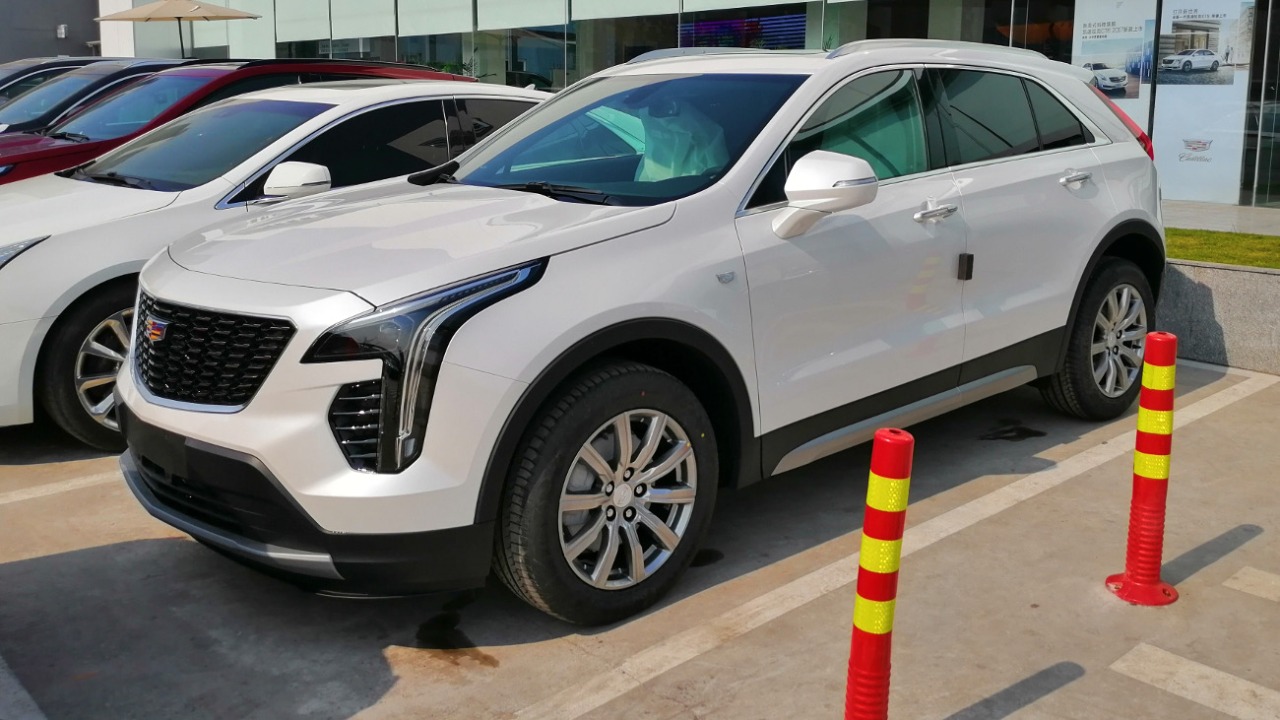
The Cadillac XT4 is another model that pulls you in with sharp styling and a premium badge, then sends you back to the search bar once you look closer. It appears alongside other Cadillac entries in the same Contents list of models heading for the exit, which hints that the brand is reshaping its lineup. For a compact luxury crossover that already faces tough competition, the risk of being phased out can be a deal breaker.
When you shop online, you also see that higher end vehicles are making up a growing share of discontinued models as brands recalibrate. A separate analysis of Higher end vehicles being dropped for 2026 shows how quickly plans can change. If you are a buyer who wants predictable support and strong resale, that uncertainty around the XT4 often pushes you toward more stable luxury crossovers.
Chevrolet Camaro
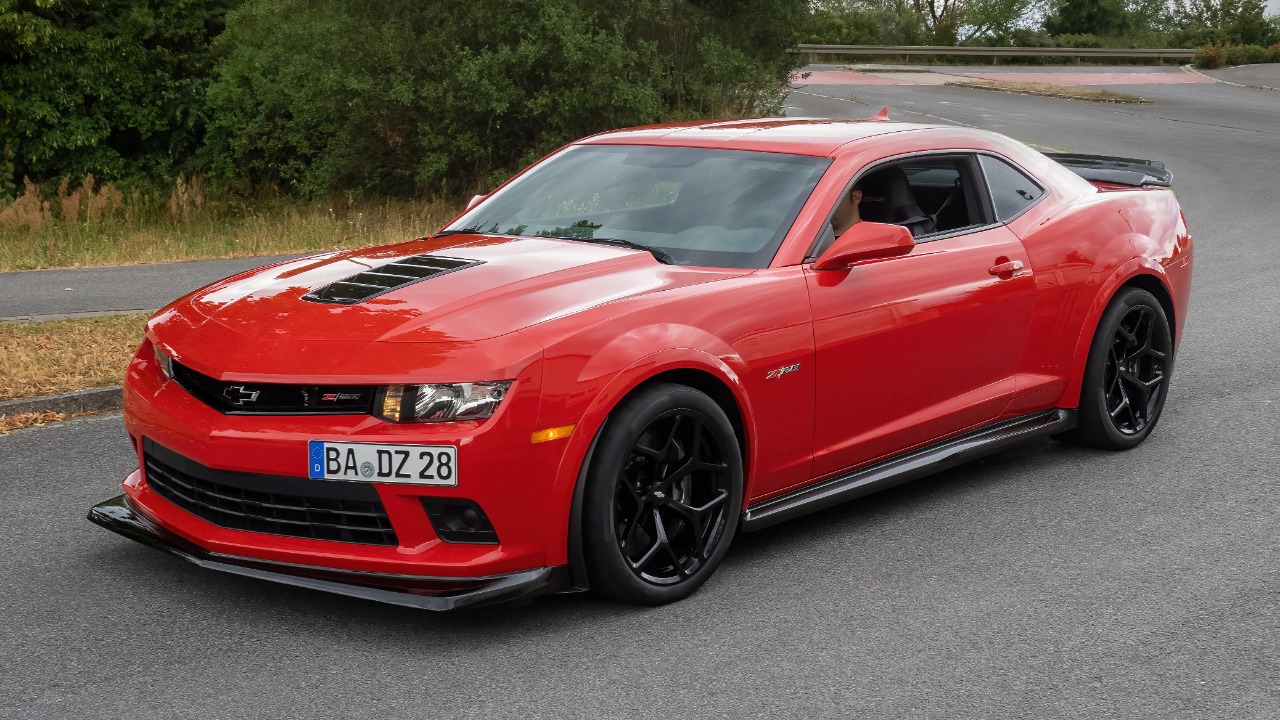
The Chevrolet Camaro still draws plenty of clicks from enthusiasts, but many shoppers walk away once they realize how fragile the future looks. In the same discontinuation overview, the Camaro appears beside models like the Chevrolet Malibu and Alfa Romeo Quadrifoglio, all grouped as cars that will not continue. When you see a beloved nameplate on a list of vehicles being cut, you start to question whether it makes sense as a daily driver you plan to keep for a decade.
Muscle car fans may be willing to accept that risk, yet mainstream buyers often are not. They worry about parts pricing and long term value once production stops. That concern is amplified by broader research on Depreciation, which explains how quickly some cars lose value the moment you drive off the lot. For a model already on the chopping block, many shoppers decide to exit the search before they ever reach the finance office.
Chevrolet Malibu
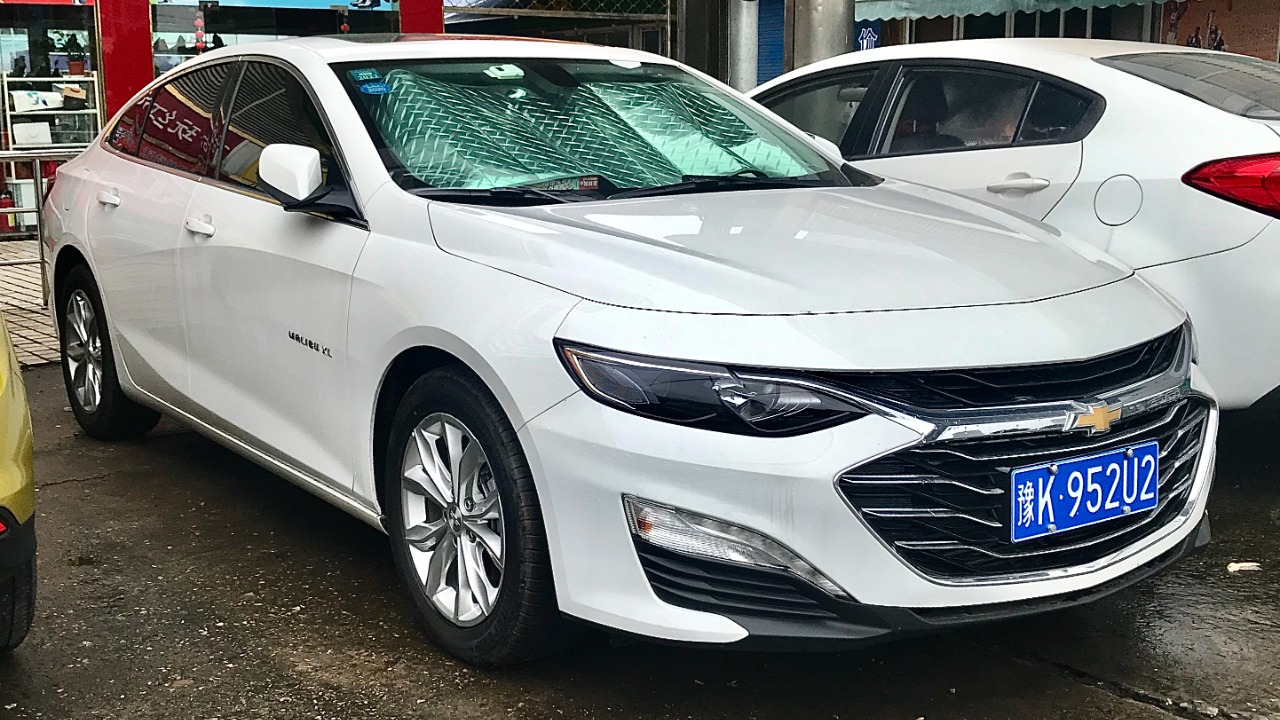
The Chevrolet Malibu has been a staple in rental fleets and family driveways, yet it is now a textbook case of a sedan shoppers abandon mid search. The same Contents hide list that calls out Alfa Romeo and Audi also includes the Malibu, signaling that Chevrolet is winding down its traditional midsize car. When you are comparing monthly payments, learning that a model is being discontinued can instantly push you toward crossovers or newer sedans.
There is also the question of demand. As more buyers move to SUVs, sedans like the Malibu risk becoming slow movers on dealer Lots, which can hurt resale and make future parts less of a priority. If you are a budget focused shopper, you may still be tempted by discounts, but many people decide that putting money into a car with a shrinking audience is not worth the risk. That is why the Malibu often starts strong in searches, then quietly disappears from final shortlists.
Chrysler Pacifica Hybrid

The Chrysler Pacifica Hybrid looks perfect on paper if you want a plug in family hauler, but reliability concerns are sending many shoppers back to the drawing board. A detailed ranking of least reliable vehicles lists the Chrysler Pacifica Hybrid with a low Reliability score, which can be scary if you are planning long road trips with kids. When you read that Here are the top 10 least reliable vehicles and see your target minivan on that list, enthusiasm fades fast.
Hybrid systems add complexity, and that can raise repair costs once the warranty ends. Parents who started their search excited about fuel savings often decide that a conventional minivan or three row SUV is safer for their budget. In a segment where peace of mind matters more than flashy features, a weak Reliability rating is enough to make you close the browser tab and look for something with a better track record.
Audi Q7
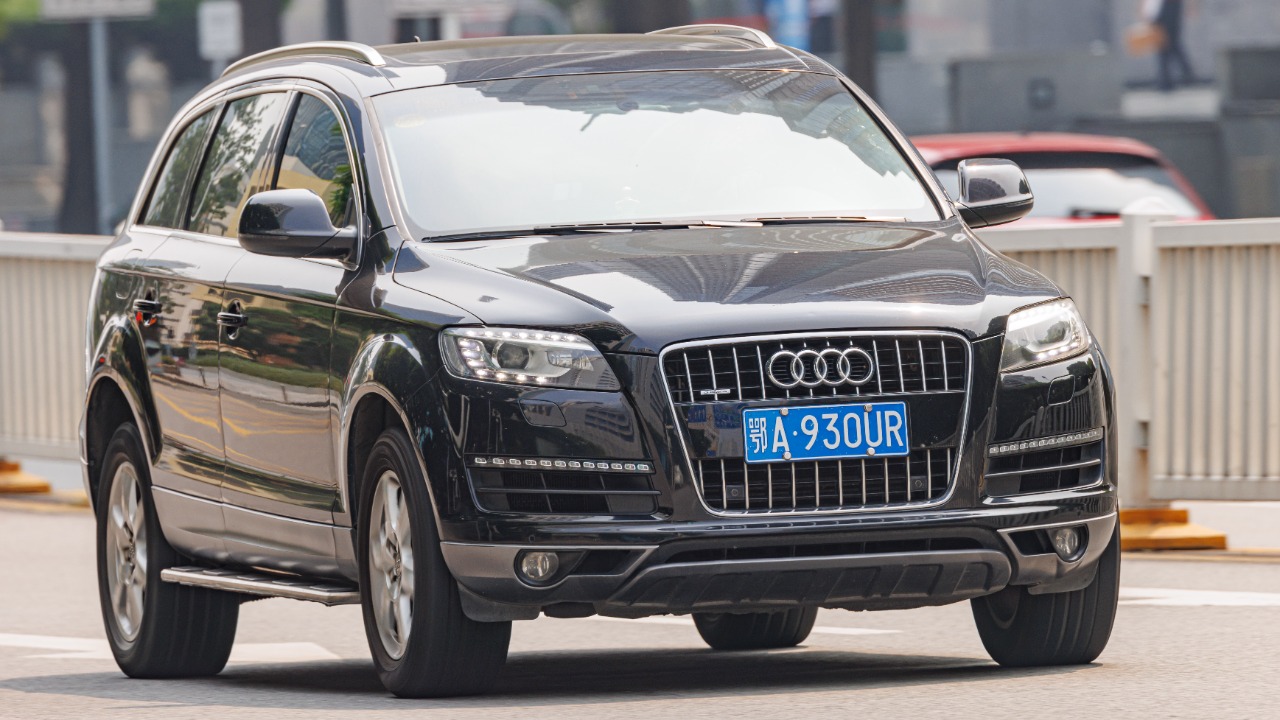
The Audi Q7 often appears on family wish lists, but its long term value story can be a shock when you dig into depreciation data. Research into Top 10 cars that depreciate the most shows how some luxury brands, including Audi, can lose more than half their value. When you see an Avg Difference from MSRP figure that large, a three row luxury SUV starts to look like a liability.
Buyers who plan to keep a car for only a few years are especially sensitive to that kind of drop. Once you realize that a Q7 could shed value faster than a mainstream rival, you may decide to redirect your search toward brands with better resale. The badge and interior still appeal, but the numbers behind that Vehicle Deprecation often push shoppers to abandon the Q7 before they ever schedule a test drive.
Lincoln Navigator
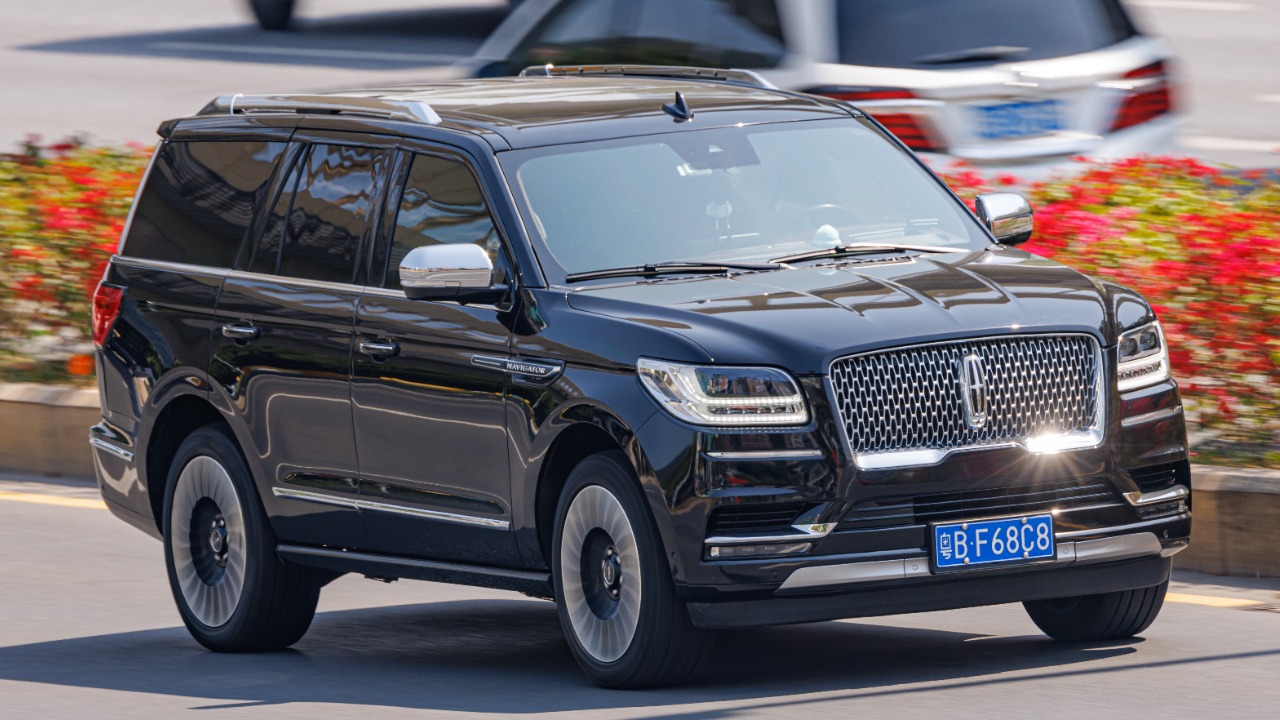
The Lincoln Navigator still has presence, yet shoppers who run the numbers often back away. The same depreciation study that highlights Audi also points to Lincoln with a rate of 63.6 percent, placing it among brands that lose value quickly. When you look at a Navigator’s sticker price and then see how much of that can vanish, the Avg Difference from MSRP becomes hard to ignore.
Full size luxury SUVs already come with high insurance, fuel, and maintenance costs. Add rapid Deprecation, and the total cost of ownership balloons. For buyers who started their search dreaming of a big luxury truck, that financial picture can be sobering. Many end up pivoting to smaller crossovers or more value focused trims, leaving the Navigator behind in the search history even if they loved the idea at first glance.
Mercedes-Benz GLC
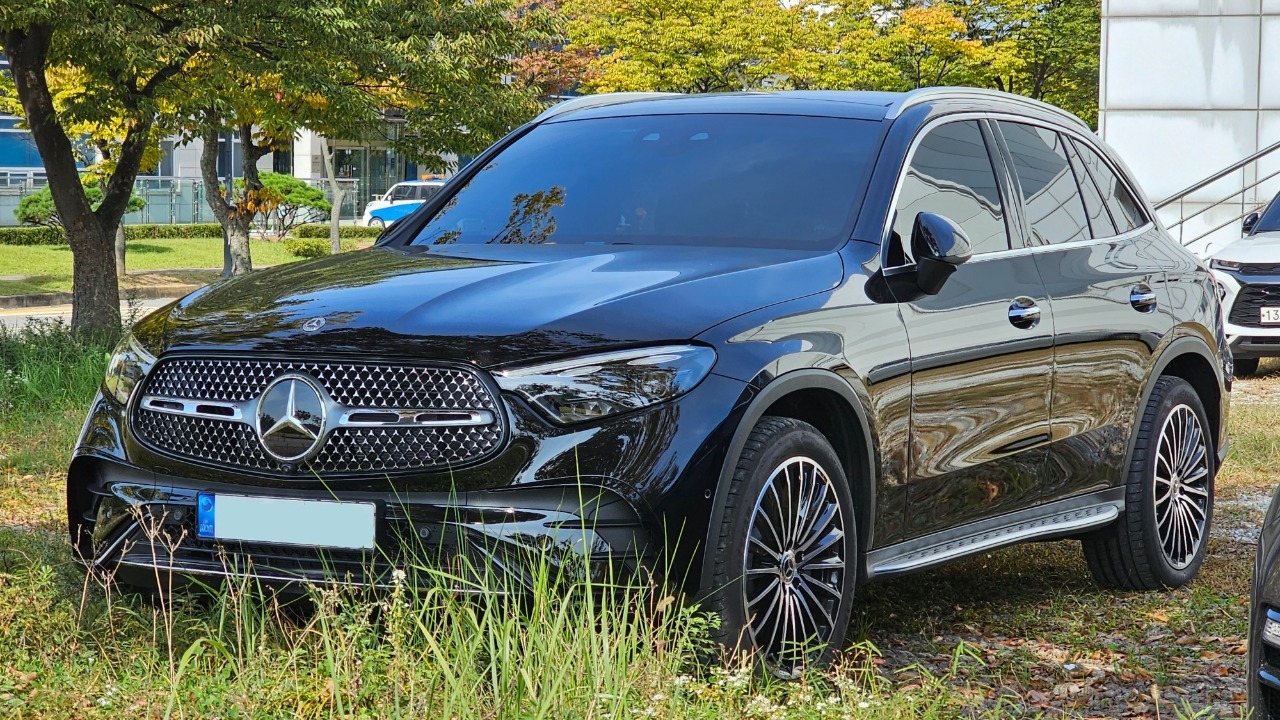
The Mercedes-Benz GLC sits at the heart of the luxury crossover market, yet younger buyers are starting to question whether it fits their priorities. Research into shifting buyer behavior notes that Well known automakers like Mercede are facing a significant drop in average buyer age, with customers moving from the mid 40s to about the mid 30s between 2018 and 2023. Younger shoppers often want tech heavy, efficient, and affordable models, not just a luxury badge.
When you compare the GLC’s price and options with newer electric crossovers or high tech mainstream SUVs, the value gap can be clear. Many shoppers start by building a GLC online, then realize they can get similar space and features for less money elsewhere. As that younger audience reshapes demand, the GLC risks becoming a model you admire during research but abandon before you ever visit the showroom.
Tesla Model S
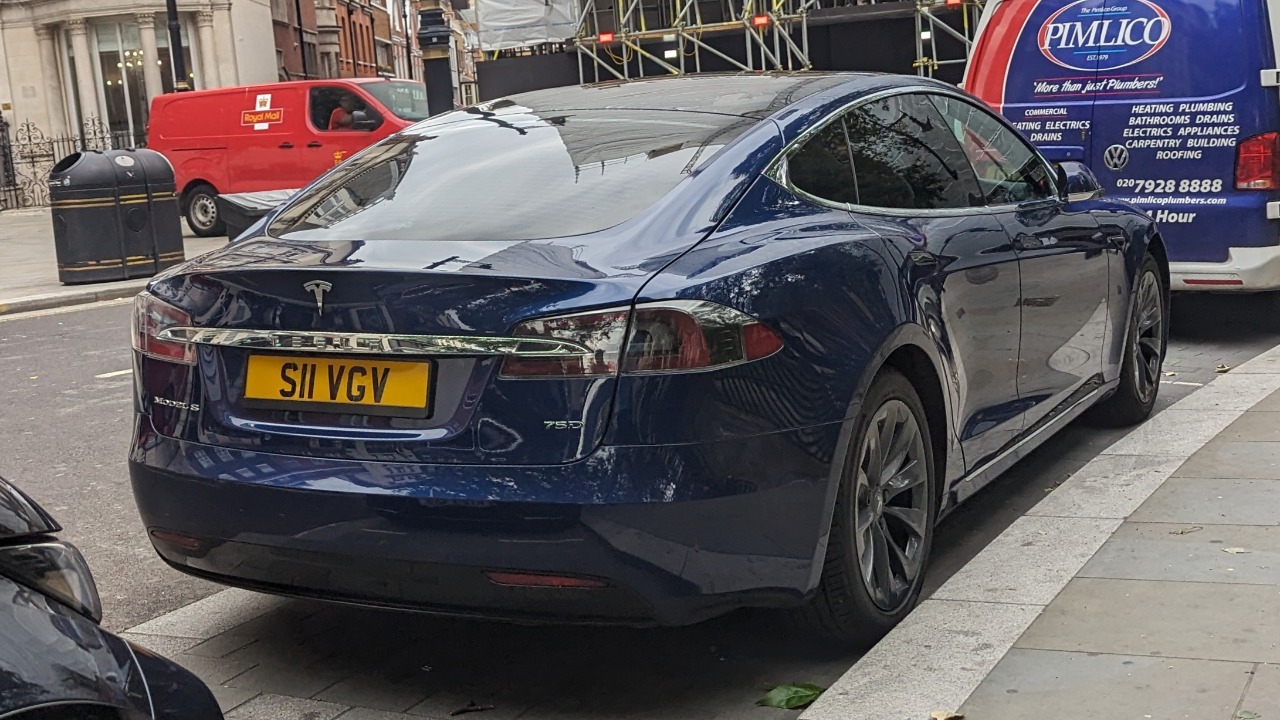
The Tesla Model S once dominated electric car wish lists, but software and tech concerns are making some shoppers think twice. A widely shared video breakdown of failing digital systems explains how, in some cars, the collapse was not mechanical, it was digital, with key fobs failing and advanced driver assistance systems ceasing function. That clip, titled These 15 Models in the URL, captures how fragile a tech heavy car can feel when software goes wrong.
For a flagship sedan that relies on constant updates, stories of glitchy features can be unsettling. Buyers who started their search excited about over the air improvements may worry about being stranded by a bad patch. When you add in concerns about long term battery health and repair access, many shoppers decide to shift their search to newer EVs or plug in hybrids, leaving the Model S as a car they researched heavily but did not buy.
Nissan Titan
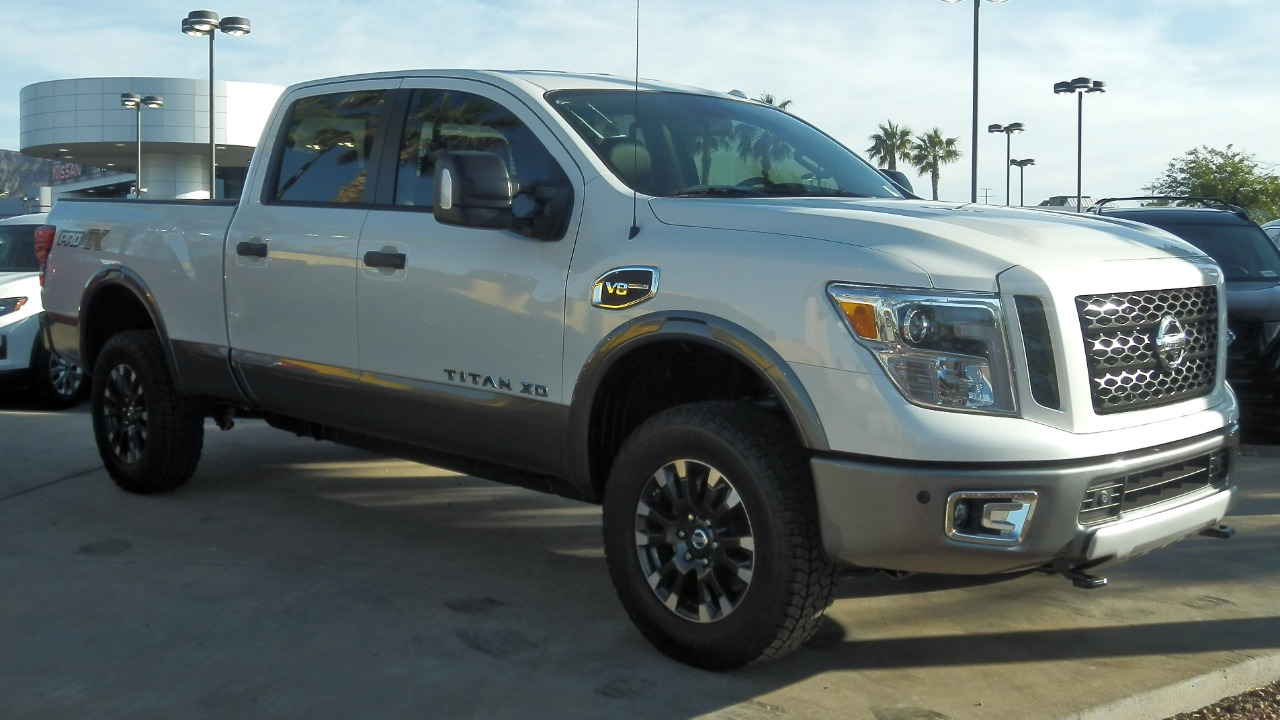
The Nissan Titan is a full size truck that often pops up when you filter for towing and payload, yet it struggles to stay on buyers’ shortlists. A table of Slowest Selling Cars in the U.S. shows how some trucks linger on lots, with high Total For Sale The counts that hint at weak demand. When you see a Titan trim sitting among thousands of active listings, you start to worry about resale and future support.
Trucks rely on loyal repeat buyers, and the Titan has not built the same base as domestic rivals. If you are shopping with an eye on long term value, a slow selling truck can look like a trap, even if the incentives are strong. Many shoppers click into Titan listings, notice the heavy inventory and discounts, and then decide that a Ford, Chevrolet, or Ram will be easier to sell or trade later.
Jeep Cherokee
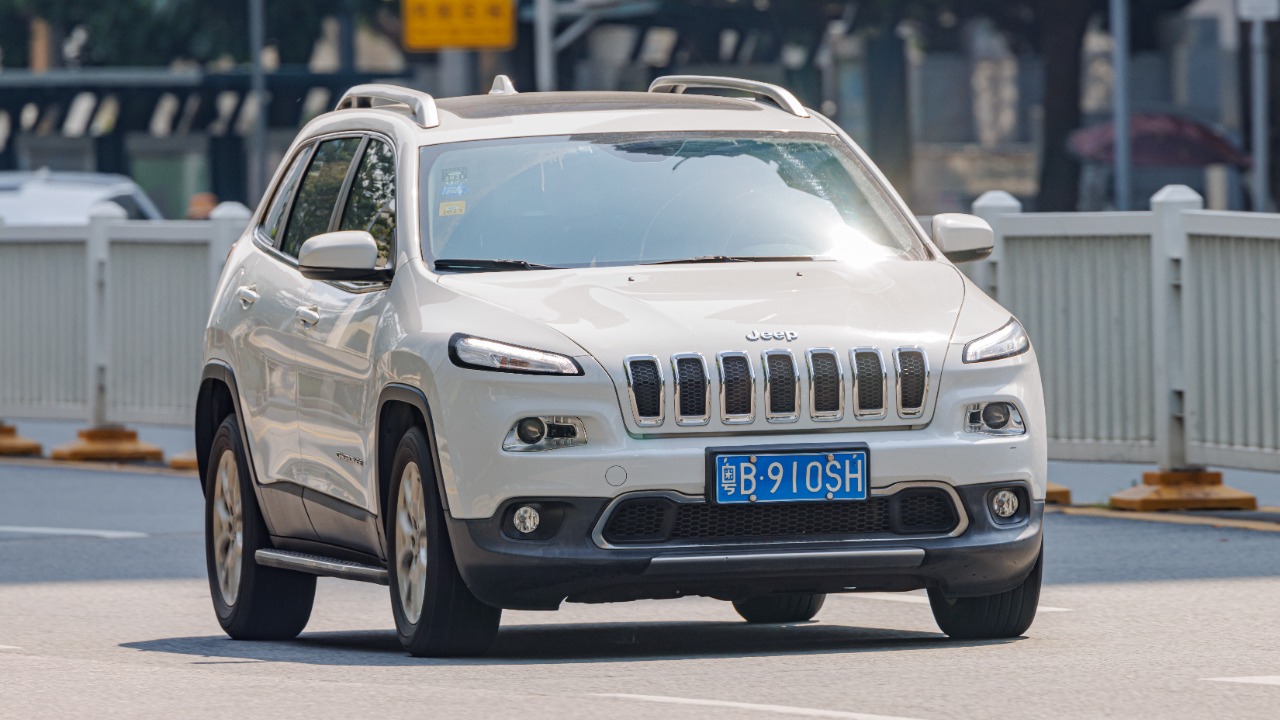
The Jeep Cherokee once sat at the center of the compact SUV boom, but today it often loses out mid search. Videos tracking collapsing models in the U.S. describe how Sales of some once popular vehicles are tanking, with support vanishing and models disappearing quietly. The Cherokee fits that pattern, with production pauses and shifting focus toward other Jeep crossovers.
When you are shopping, that uncertainty feels risky. You might start by comparing Cherokee trims, then read that some versions are being trimmed from the lineup and decide not to gamble. For buyers who want a small SUV they can keep for years, a model tied to falling Sales and unclear future plans often ends up abandoned in the browser history, even if the off road image was appealing at first.
Ford Edge
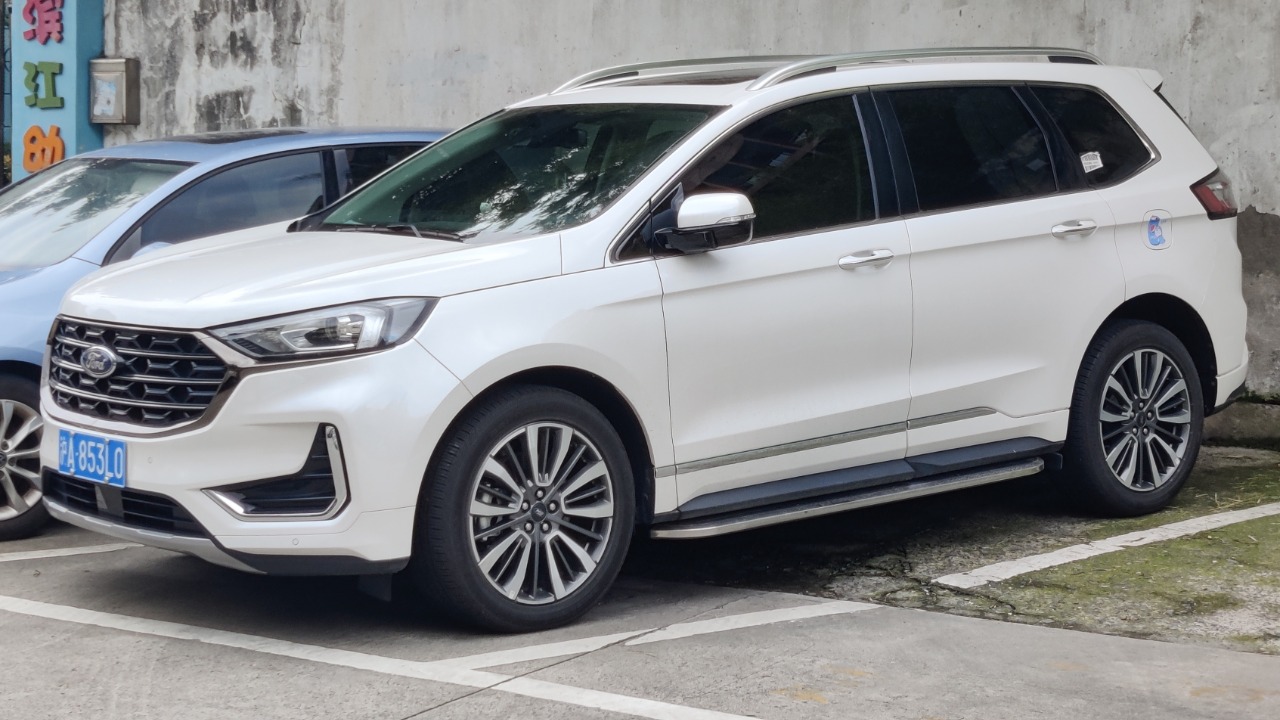
The Ford Edge is another crossover that looks fine at first glance but struggles to stay on your shortlist. It sits in a shrinking segment between compact and three row SUVs, and several reports suggest that brands are trimming such in between models as they streamline. When you see other mid size crossovers on the same Alfa Romeo Quadrifoglio style discontinuation lists, you start to suspect the Edge could face a similar fate.
Shoppers who want long term stability often prefer vehicles with clear futures and strong fleet demand. The Edge does not have the same pull as Ford’s trucks or Bronco family, which makes it more vulnerable to cuts. As you compare it with more modern two row SUVs, the Edge can feel like a stopgap, and many buyers quietly move on to fresher designs without ever taking a test drive.
Infiniti QX80
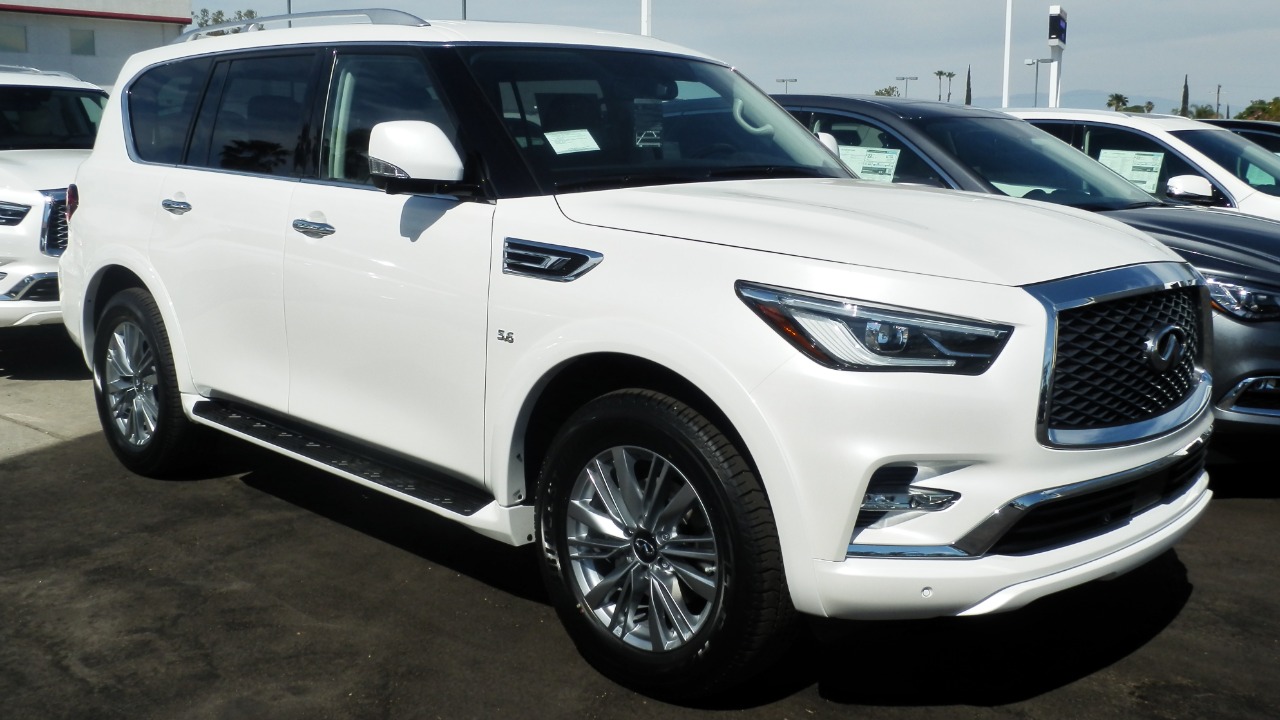
The Infiniti QX80 appeals to some buyers with its size and V8 power, but depreciation and age are turning many shoppers away. Luxury depreciation research explains that high end SUVs often lose value quickly, and brands with weaker demand can be hit hardest. When you line up the QX80 against newer rivals, the gap in technology and fuel economy becomes clear, while the price tag stays high.
Online shoppers who start by admiring the QX80’s presence often change their minds after reading owner forums and resale data. They see how fast used prices drop and how thirsty the engine is, then imagine filling the tank for years. That combination of heavy running costs and soft resale makes the QX80 a model that looks tempting in search results but is easy to abandon once you do the math.
BMW 7 Series
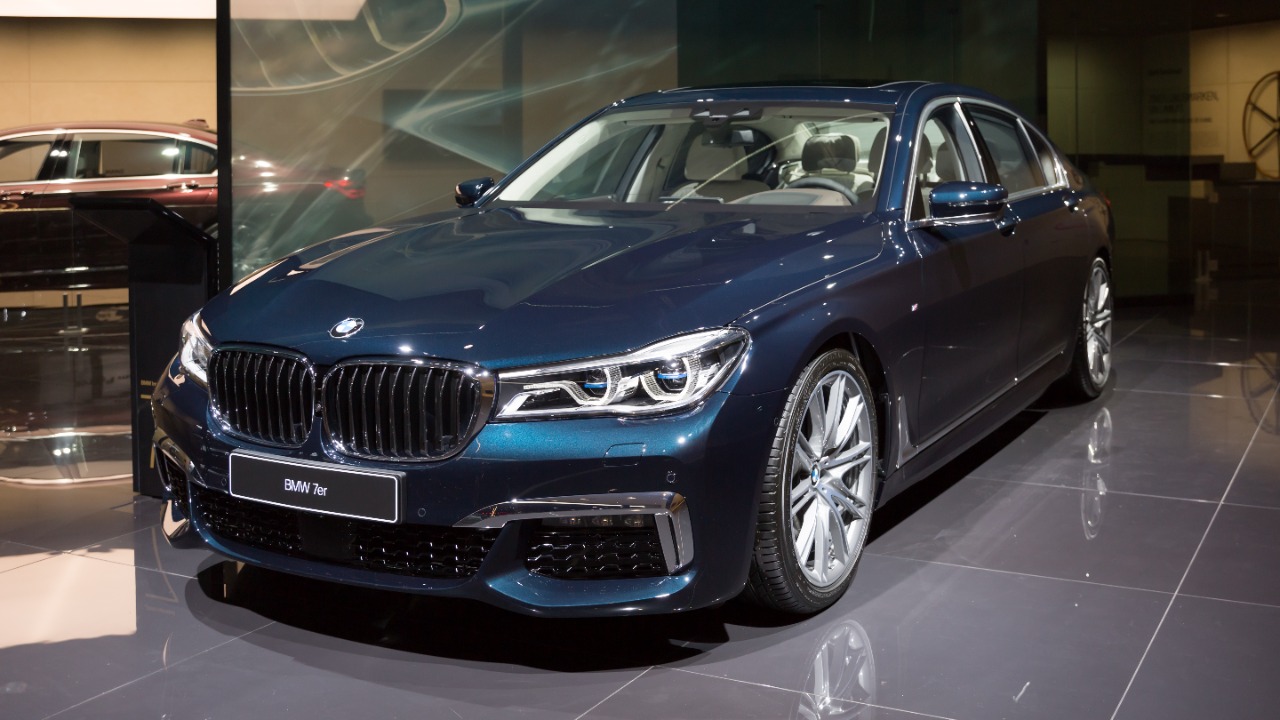
The BMW 7 Series still anchors the brand’s luxury image, yet it has turned into a classic example of a car that shoppers research but rarely buy. Large luxury sedans show up often in lists of vehicles that depreciate the most, with steep first owner losses and limited second hand demand. When you see how much value a flagship sedan can shed in just a few years, the Avg Difference from MSRP figure becomes hard to justify.
Shoppers who once dreamed of a 7 Series now compare it with high end SUVs or electric flagships and see more practical options. Maintenance and repair costs also weigh on the decision, especially once the warranty ends. As a result, many buyers still build their ideal 7 Series online, then quietly pivot to crossovers or smaller sedans, leaving this big sedan as a fantasy rather than a real purchase.
More from Fast Lane Only