Car enthusiasts often have strong opinions about which vehicles to embrace and which to avoid. While some cars have earned a cult following, others are notorious for their design flaws, performance issues, or lack of appeal. Here’s a look at ten cars that auto enthusiasts generally agree are best left off your must-have list.
Pontiac Aztek
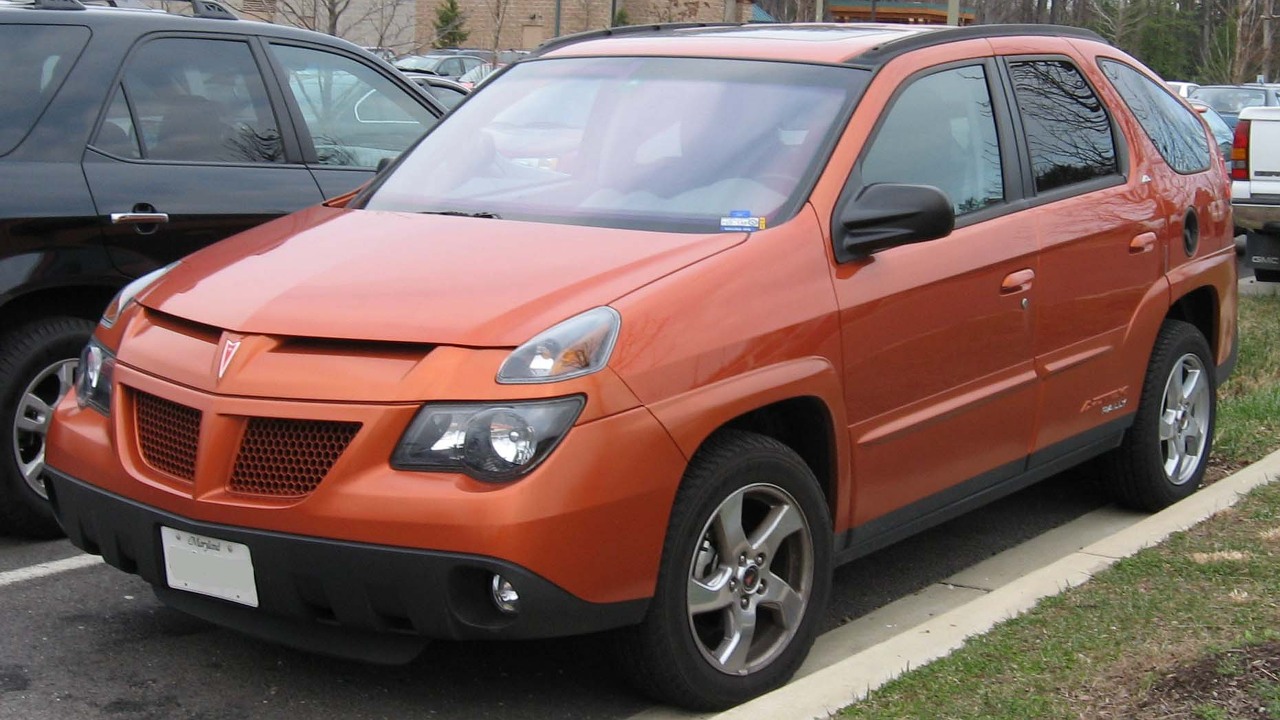
The Pontiac Aztek, produced from 2001 to 2005, often tops lists of cars to avoid due to its polarizing design. Despite its role in the TV series “Breaking Bad,” which gave it some degree of fame, the Aztek’s unconventional styling and questionable build quality left many unimpressed. It was intended to be a versatile crossover, but its unique appearance overshadowed its practicality.
Beyond aesthetics, the Aztek suffered from reliability issues, including problems with the transmission and cooling system. These mechanical concerns, coupled with its divisive look, make it a vehicle that many car enthusiasts suggest steering clear of.
Yugo GV
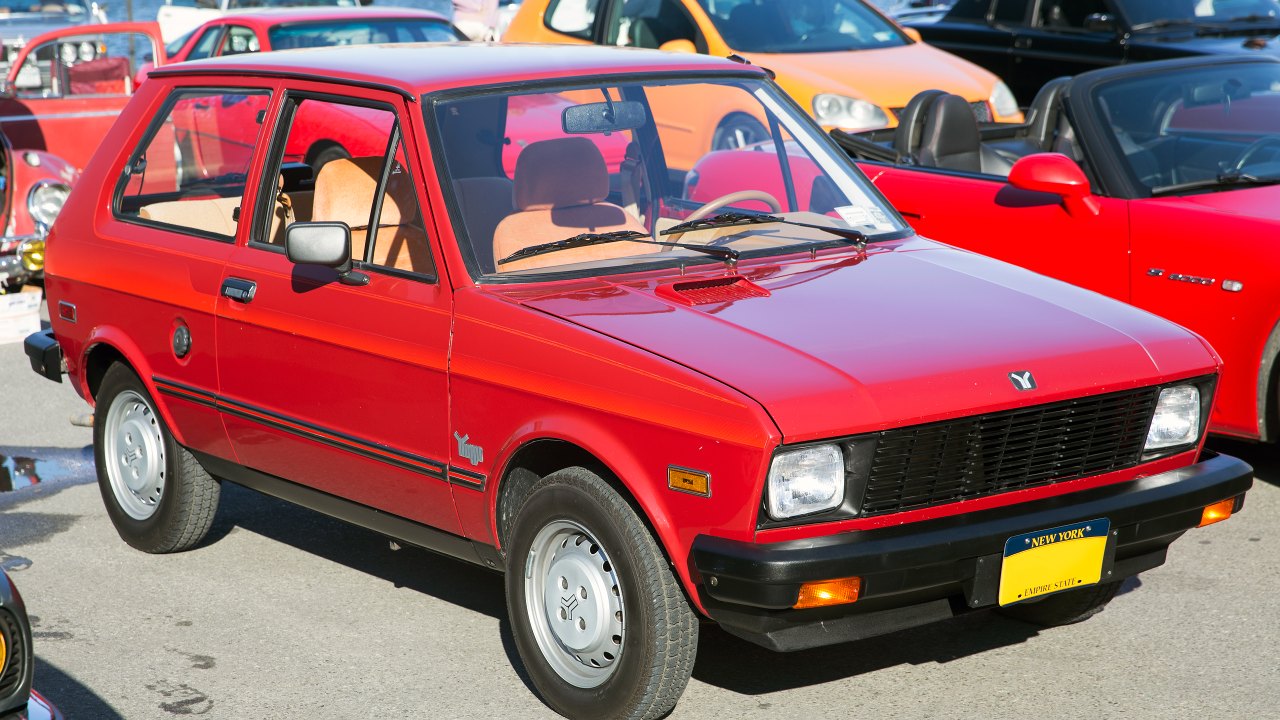
The Yugo GV, introduced to the American market in the late 1980s, quickly became synonymous with poor quality. Marketed as an affordable subcompact car, it was plagued by a variety of issues, from unreliable engines to subpar build quality. The Yugo’s reputation for frequent breakdowns and lackluster performance often made it more of a joke than a viable transportation option.
While its low price point attracted budget-conscious buyers, the costs of constant repairs and the hassle of dealing with its mechanical issues often outweighed any initial savings. It’s no surprise that the Yugo GV is frequently cited as a car to avoid.
Fiat Multipla
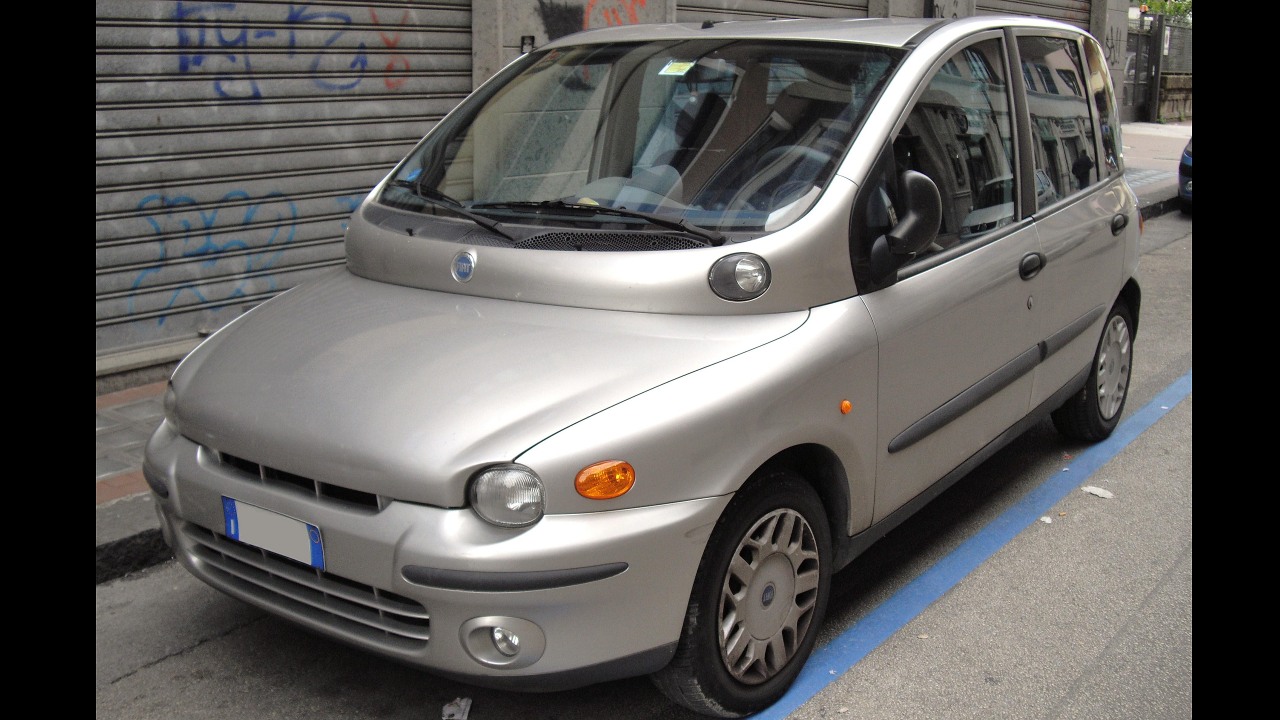
The Fiat Multipla, produced from 1998 to 2010, is often remembered for its unusual design, featuring a wide body and an awkwardly placed third row of headlights. The Multipla’s styling choices turned off many potential buyers, despite its practical interior and decent handling.
Aside from its appearance, the Multipla was criticized for its build quality and reliability. Issues with the electrical system and engine problems were not uncommon, further diminishing its appeal. Enthusiasts frequently advise against purchasing this model unless you’re specifically drawn to its quirky design.
Chevrolet Vega
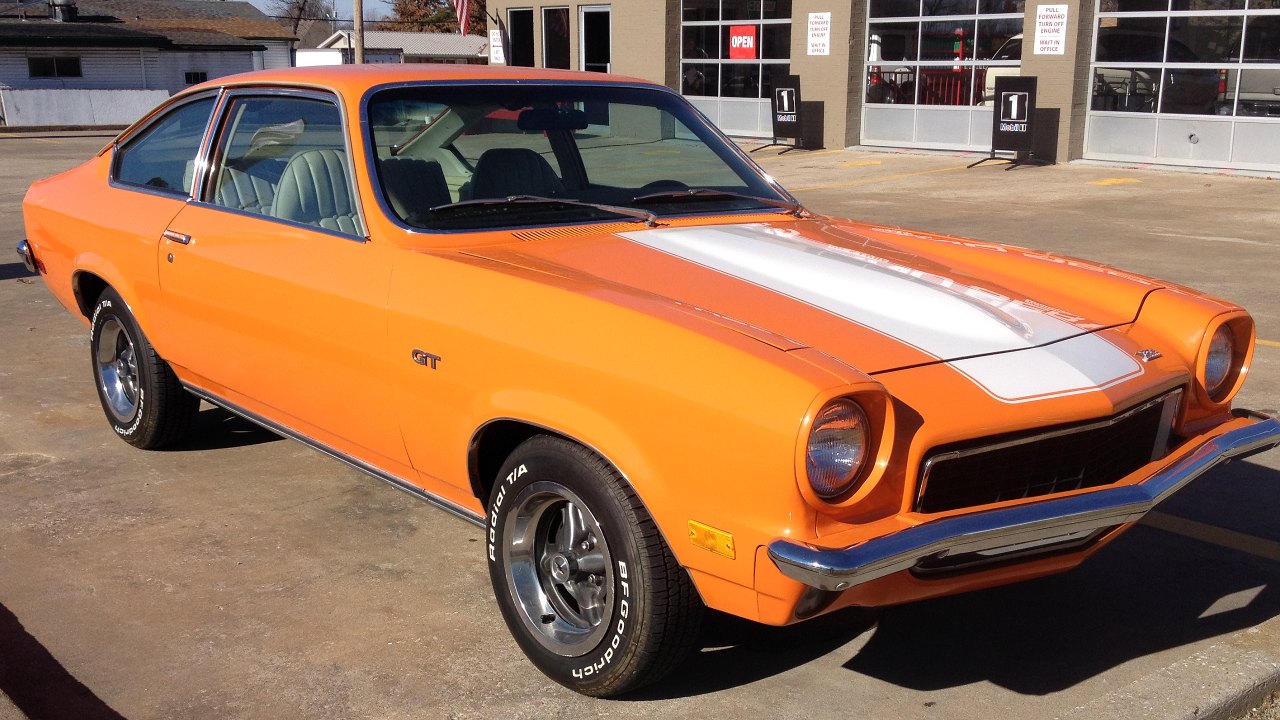
The Chevrolet Vega, produced from 1970 to 1977, initially garnered attention for its sleek design and innovative aluminum engine. However, it quickly became notorious for its rust problems and engine reliability issues. The Vega’s engine was prone to overheating, and its body was susceptible to rust, leading to significant durability concerns.
Although the Vega was initially a commercial success, these persistent issues drastically affected its reputation. Many automotive enthusiasts recommend avoiding the Vega due to its long-standing reputation for poor performance and reliability.
Suzuki X-90
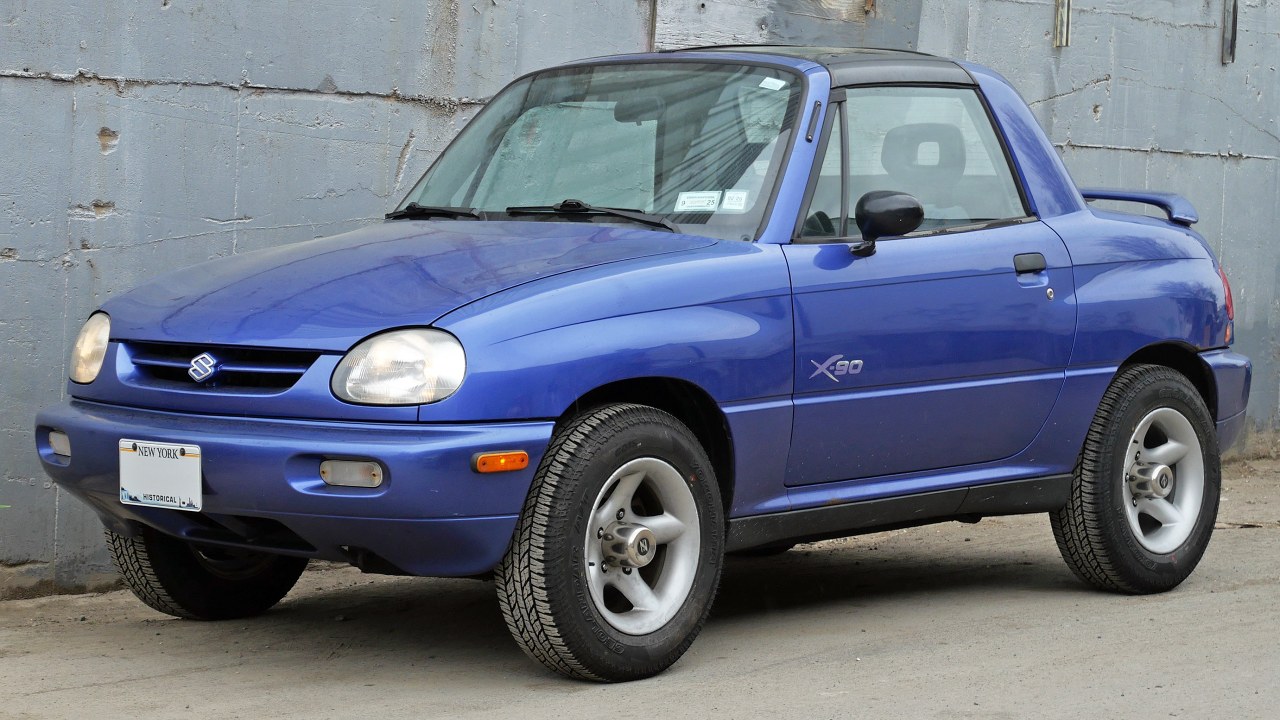
The Suzuki X-90, produced between 1995 and 1997, attempted to combine the attributes of a sports car with those of an SUV. Unfortunately, its unusual two-seater design and awkward styling did little to endear it to the car-buying public. The X-90 struggled to find a market niche, and its underwhelming performance only added to its woes.
Despite its unique concept, the X-90 was let down by its cramped interior and lack of practicality. Automotive enthusiasts often suggest skipping the X-90 in favor of more conventional vehicles that offer better utility and reliability.
Ford Pinto
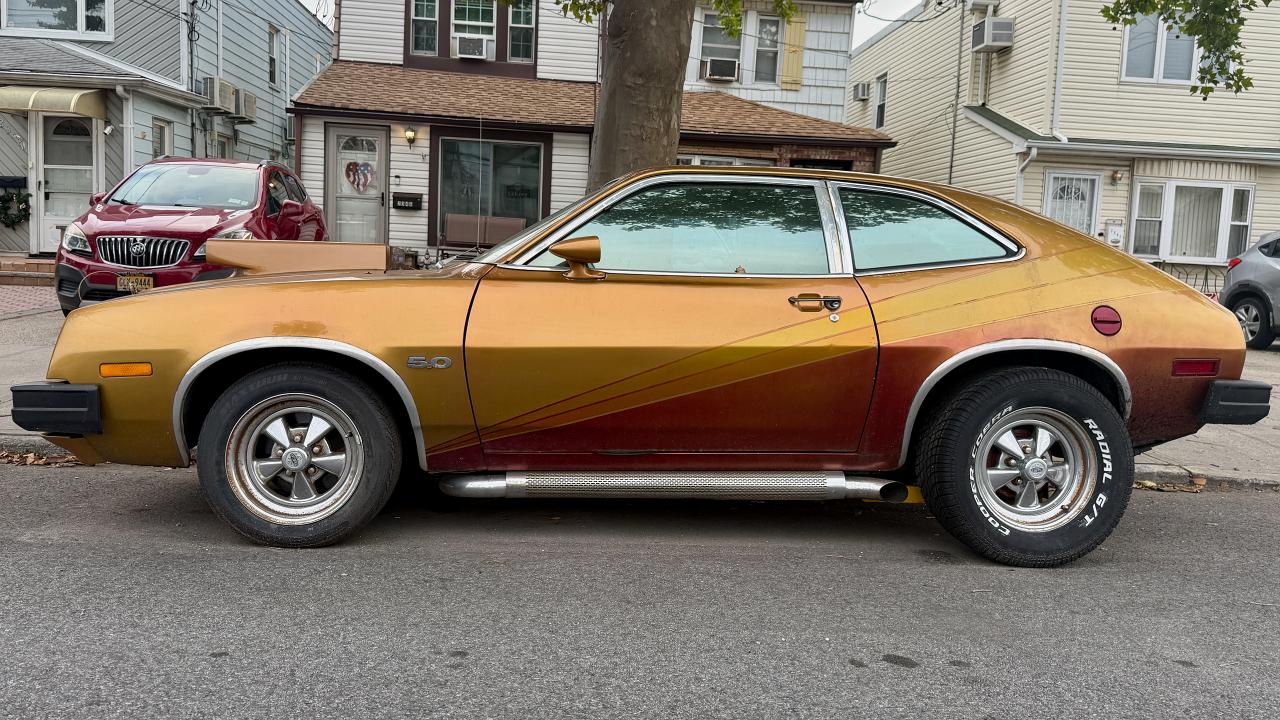
The Ford Pinto, produced from 1971 to 1980, is often remembered for its controversial safety issues. The Pinto’s fuel tank design made it susceptible to catching fire in rear-end collisions, leading to a highly publicized scandal and numerous lawsuits. This safety concern overshadowed any positive attributes the car might have had.
Despite its initial popularity as an economical subcompact, the Pinto’s legacy is marred by these safety concerns. Car enthusiasts generally recommend avoiding the Pinto, as its reputation for danger far outweighs any nostalgic appeal.
Chrysler PT Cruiser
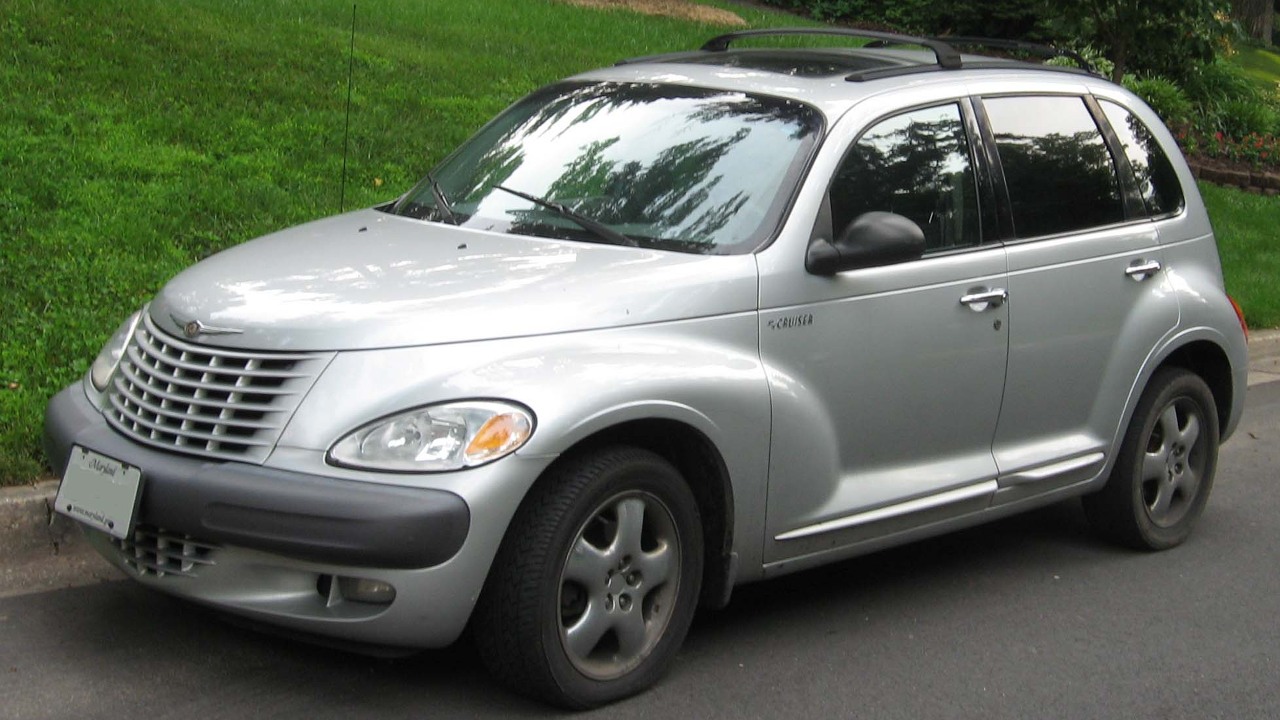
The Chrysler PT Cruiser, produced from 2000 to 2010, was initially praised for its retro styling and spacious interior. However, as time went on, the PT Cruiser’s appeal waned due to its lackluster performance and reliability issues. The car’s design, which initially set it apart, eventually became dated and less attractive.
Enthusiasts have criticized the PT Cruiser for its mediocre handling and frequent mechanical problems, including issues with the engine and transmission. While it may have a unique look, the PT Cruiser is often recommended as a vehicle to avoid due to these persistent shortcomings.
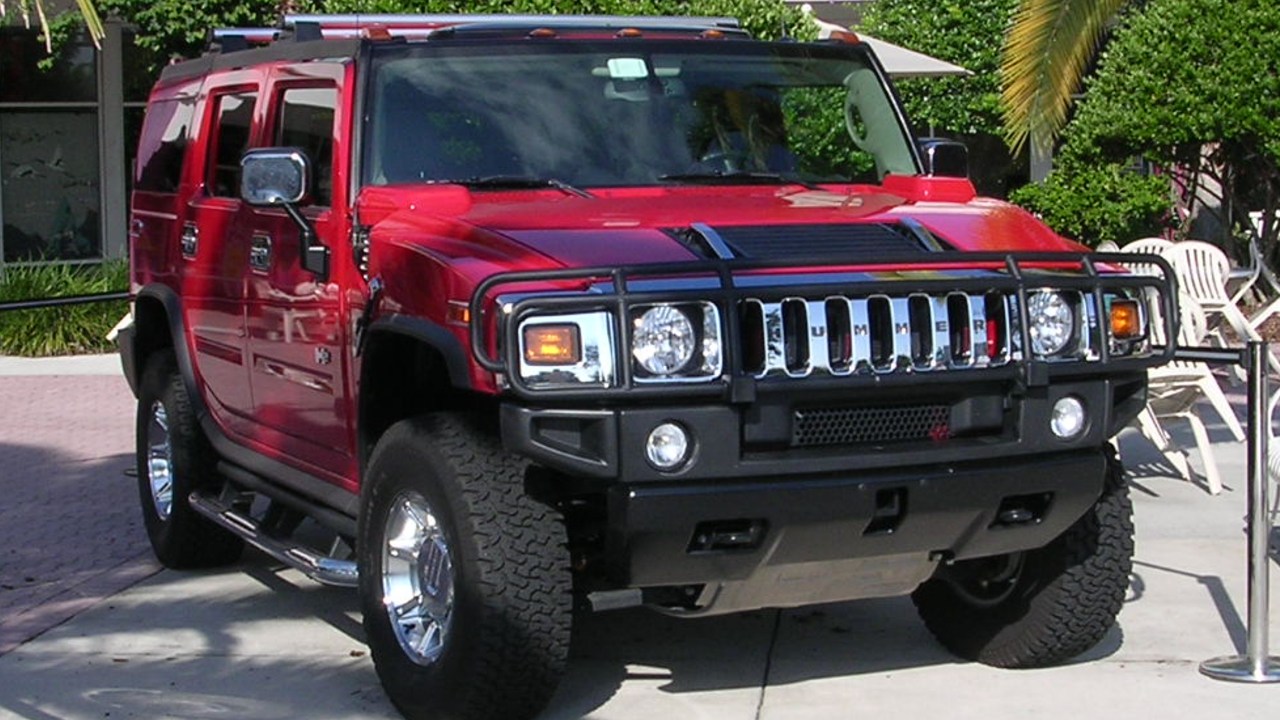
Hummer H2
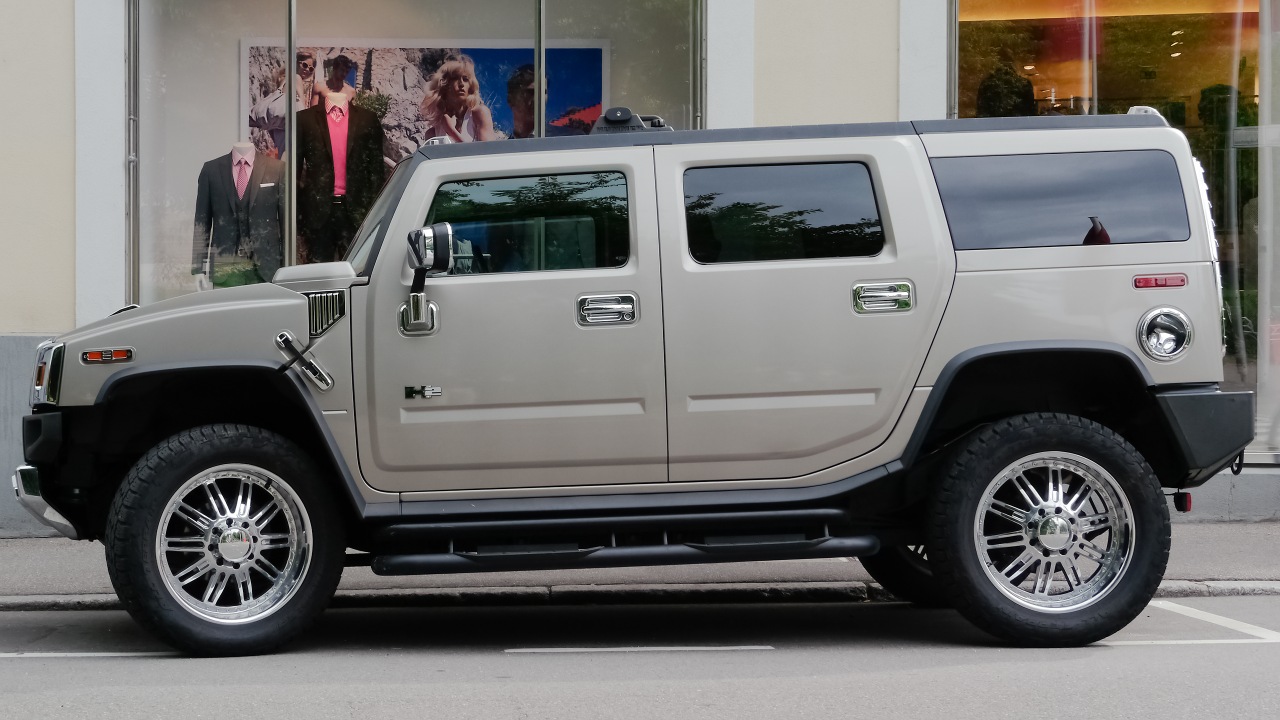
The Hummer H2, produced from 2002 to 2009, became a symbol of excess and inefficiency. While it boasted impressive off-road capabilities, its massive size and poor fuel economy made it impractical for everyday use. The H2’s image as a gas-guzzler became a major drawback, especially during periods of rising fuel prices.
In addition to its environmental impact, the H2 was criticized for its limited interior space despite its large exterior dimensions. Car enthusiasts often suggest steering clear of the H2 in favor of more fuel-efficient and practical alternatives.
Mitsubishi Eclipse Cross
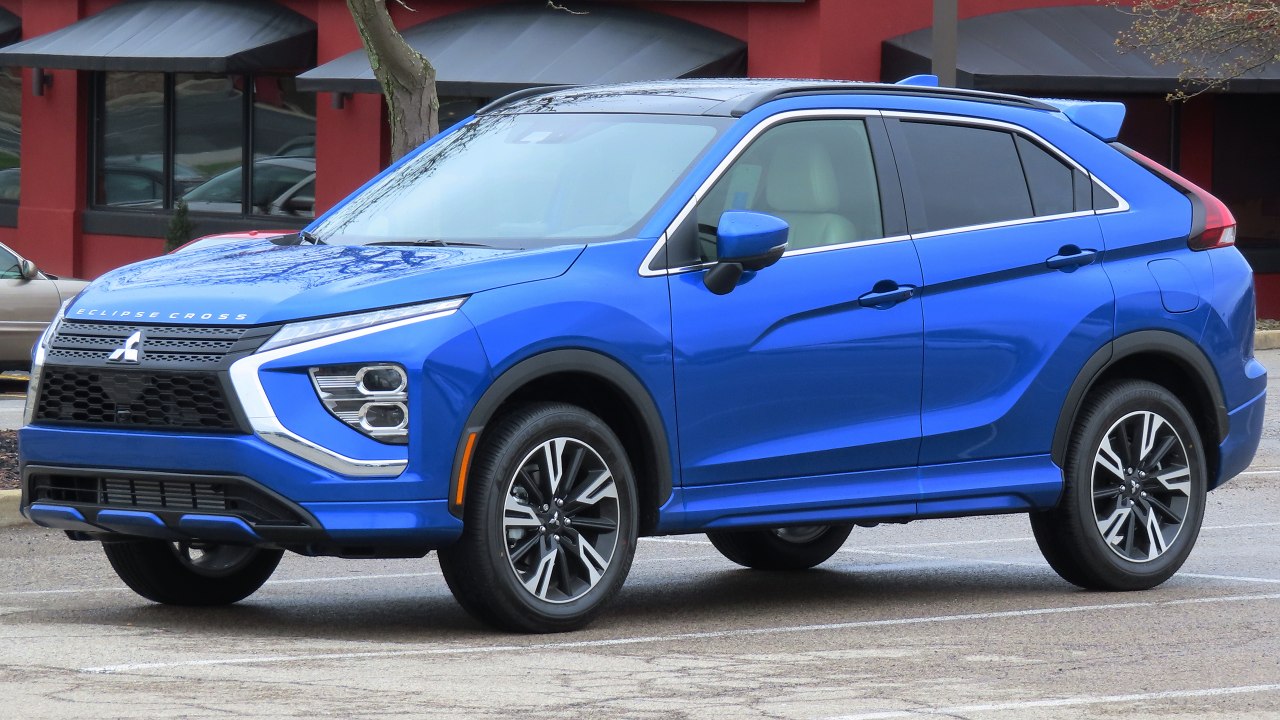
The Mitsubishi Eclipse Cross, introduced in 2017, aimed to capitalize on the popularity of the crossover market. However, it failed to live up to the legacy of the original Eclipse sports coupe. The Eclipse Cross faced criticism for its uninspired design and underwhelming performance compared to its competitors.
Despite offering a comfortable ride, the Eclipse Cross has been faulted for its limited cargo space and less engaging driving experience. Enthusiasts often suggest looking at other crossovers that offer better performance and features for the price.
Smart Fortwo
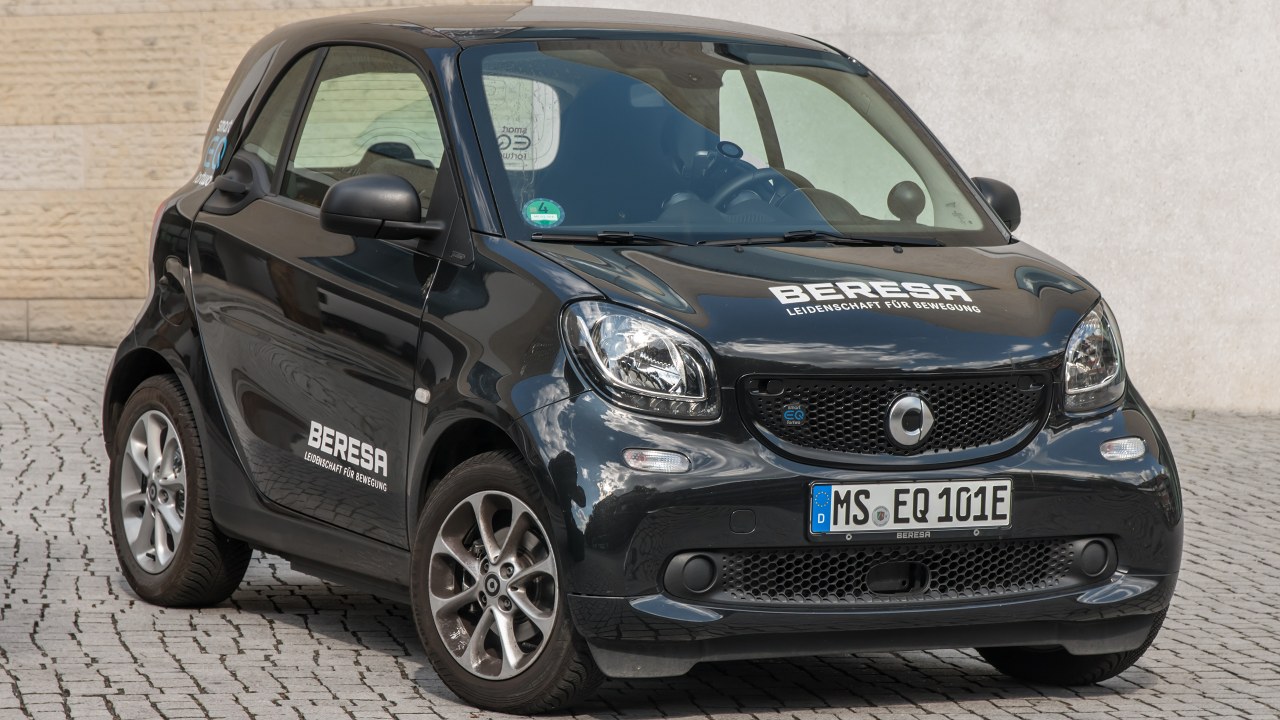
The Smart Fortwo, launched in 1998, was designed as a compact city car perfect for urban environments. However, its tiny size comes with significant trade-offs, including limited passenger and cargo space. The Fortwo’s small engine also means it’s not well-suited for highway driving, leading to a less versatile vehicle overall.
While the Fortwo’s compact design allows for easy parking in crowded cities, it has been criticized for its lack of practicality and less-than-stellar safety ratings. Many car enthusiasts recommend larger, more versatile vehicles that provide greater comfort and utility.
Like Fast Lane Only’s content? Be sure to follow us.
Here’s more from us:
*Created with AI assistance and editor review.