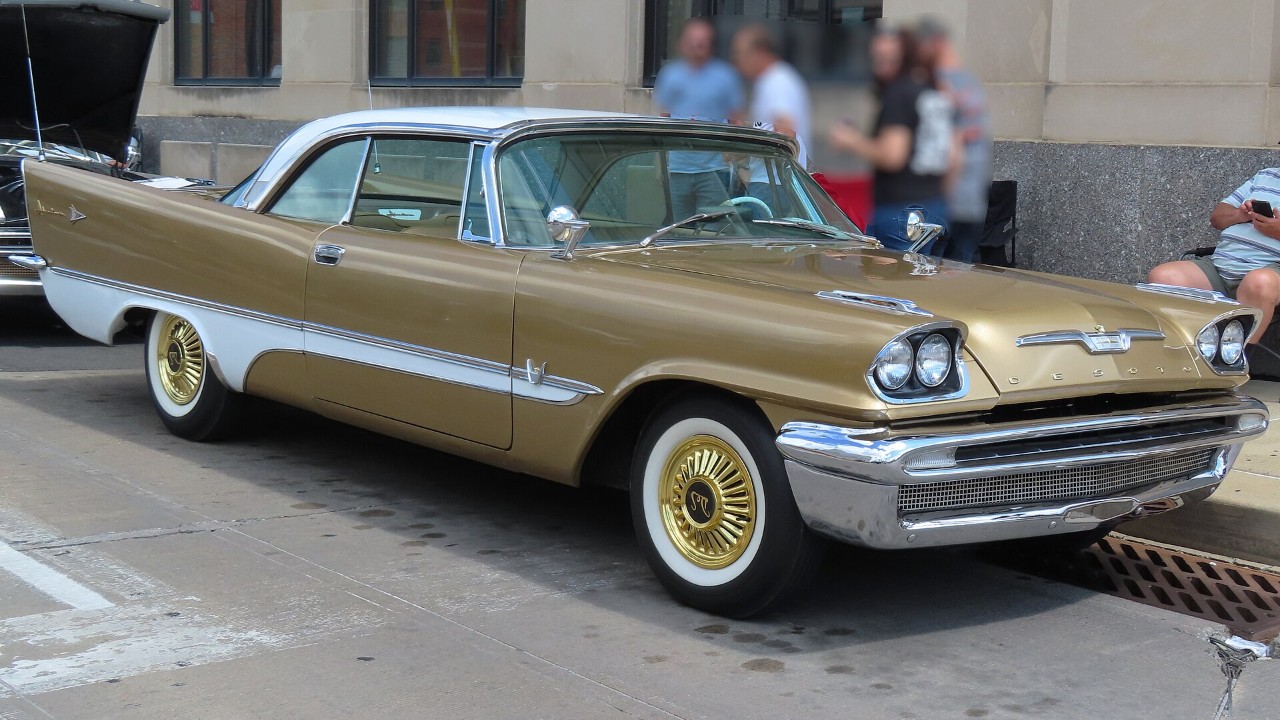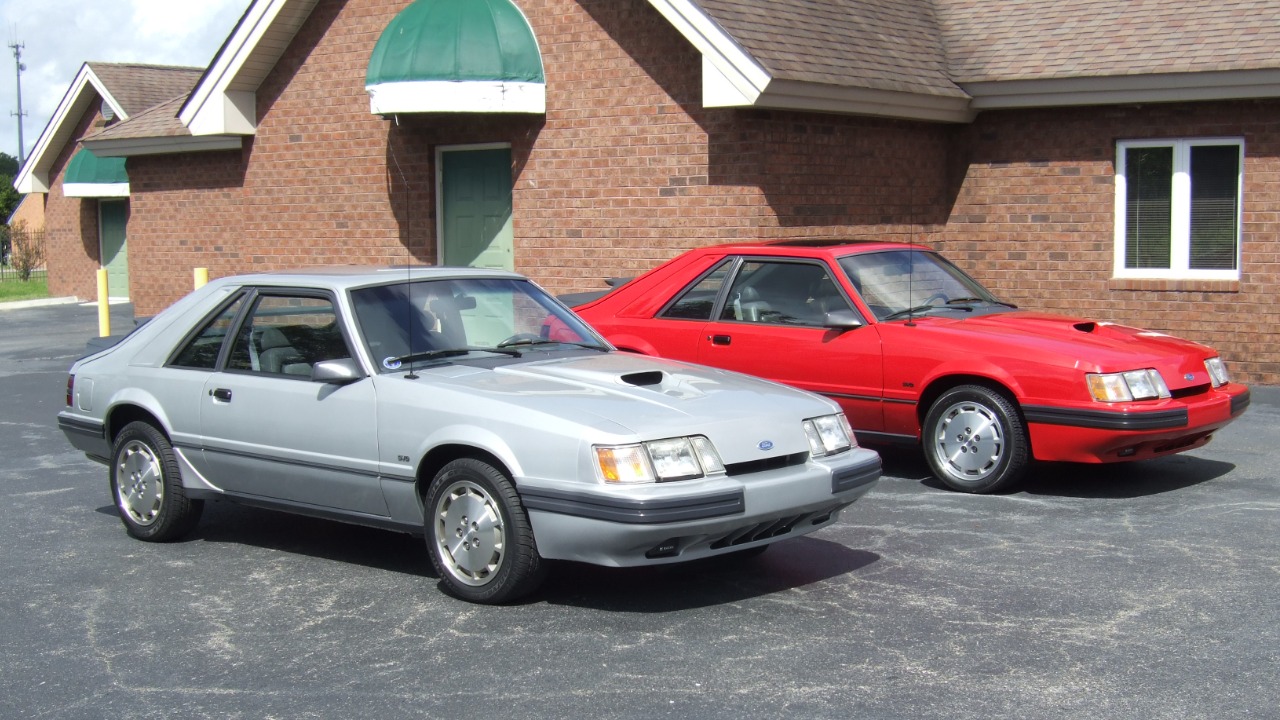
Between 1985 and 1999, the automotive world witnessed a surge of innovative performance cars that not only pushed the boundaries of engineering but also shaped the future of driving. During this transformative era, manufacturers delivered vehicles that emphasized power, handling, and style, laying the groundwork for the high-performance cars we see today. Here’s a look at 12 iconic models that defined a generation and arrived just before the driving experience was forever altered by technology.
1985 Chevrolet Camaro IROC-Z
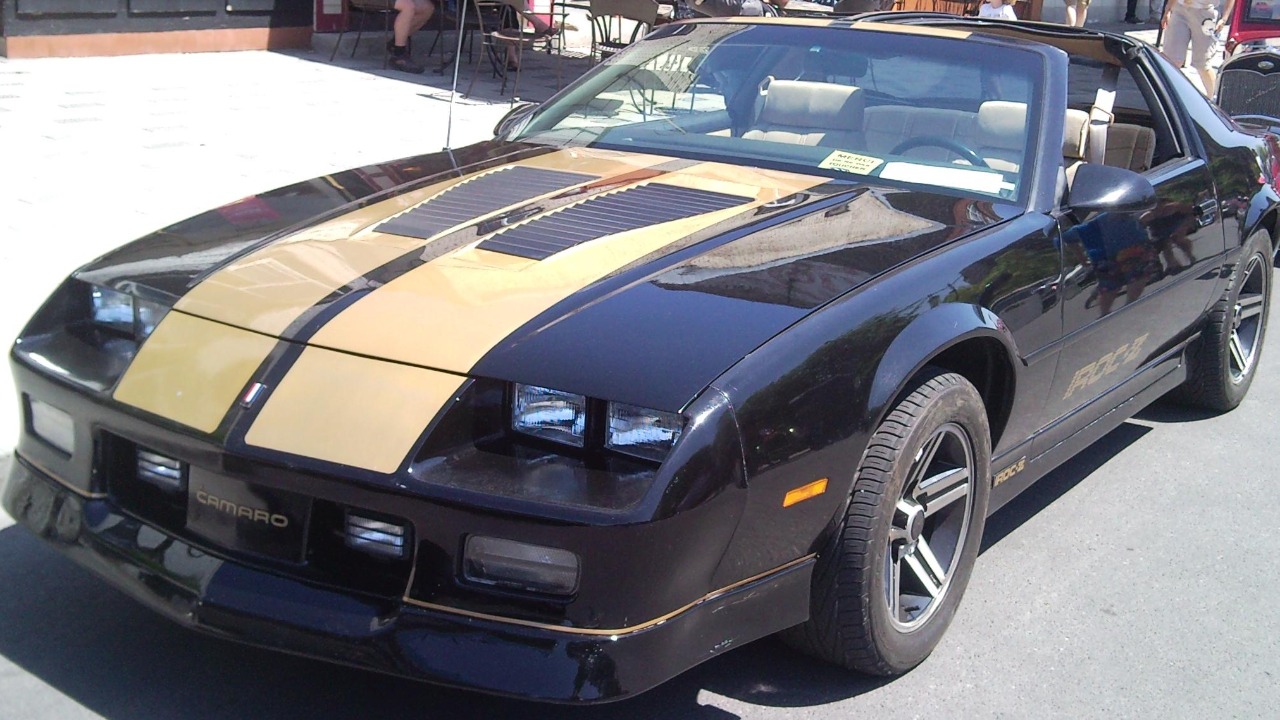
The 1985 Chevrolet Camaro IROC-Z represented the pinnacle of American muscle at the time. With a distinctively aggressive stance and a powerful 5.0-liter V8 engine, it was designed for performance enthusiasts. The IROC-Z featured a sport-tuned suspension, allowing it to handle corners with surprising agility, making it a favorite among drivers. This model was named after the International Race of Champions, highlighting its racing pedigree. With options for both a manual and an automatic transmission, the Camaro appealed to a wide audience. Its bold styling and performance capabilities made it a standout in the competitive sports car market of the mid-’80s.
Moreover, the IROC-Z’s success was bolstered by its presence in popular culture, appearing in movies and music videos, which further solidified its status as an icon of the era. If you want to delve deeper into the performance cars that changed the game, check out this insightful piece on HotCars.
1986 Ford Mustang SVO
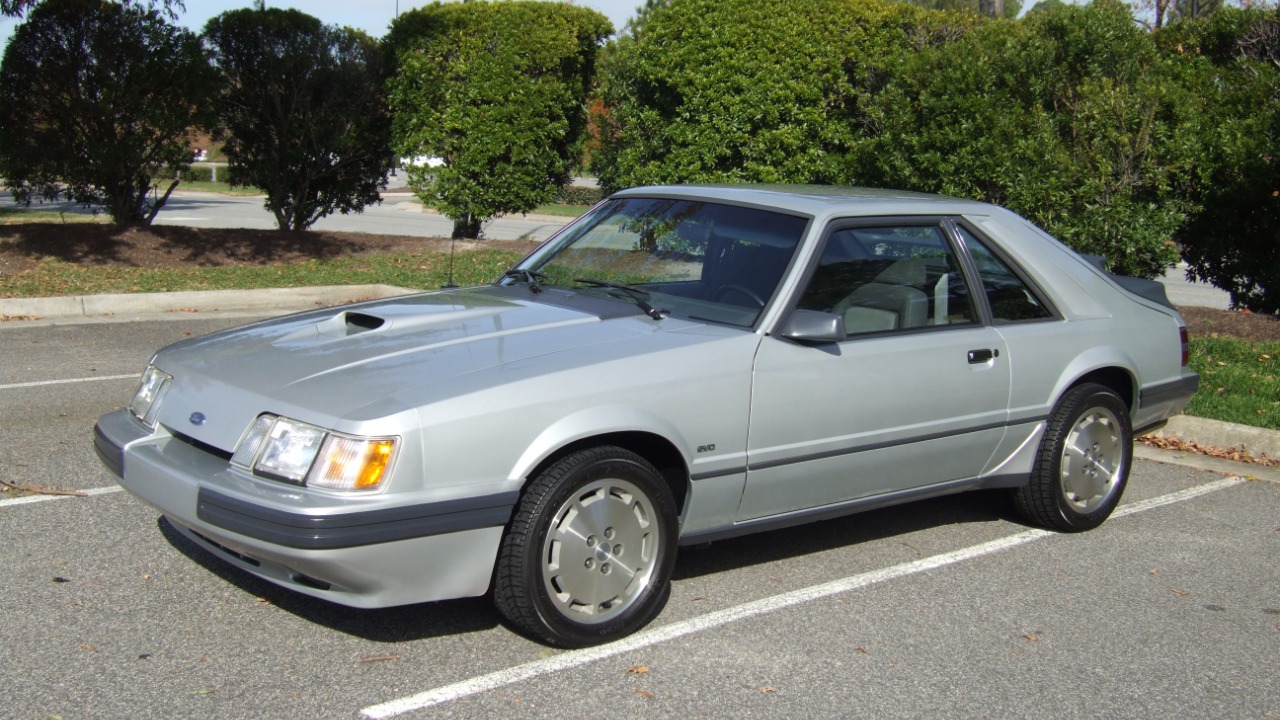
The 1986 Ford Mustang SVO was a revolutionary take on the classic Mustang formula. This model introduced turbocharging to the Mustang lineup, featuring a 2.3-liter turbocharged inline-four engine that delivered impressive performance for its time. The SVO was not just about raw power; it was engineered with a focus on handling, boasting a unique suspension setup that provided a more refined driving experience compared to its V8 counterparts. With its distinctive aerodynamic body kit, the SVO stood out visually while delivering a driving experience that appealed to enthusiasts seeking something different.
Ford’s decision to incorporate advanced technology into the SVO’s design marked a significant shift in the Mustang’s evolution. This model paved the way for future generations of Mustangs, emphasizing performance and technology. For those interested in the broader context of how these vehicles influenced driving, I recommend checking out this book available on Google Books.
1987 Buick GNX
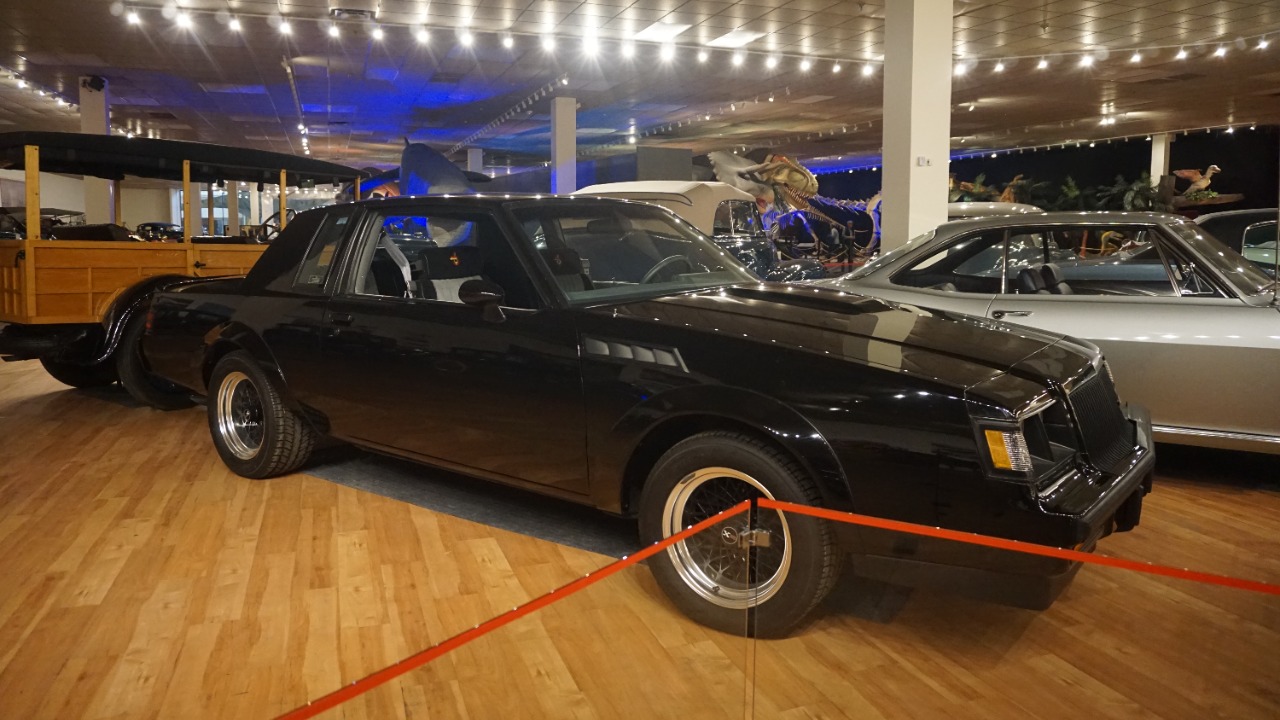
The 1987 Buick GNX is often regarded as one of the most powerful American cars of its time, boasting a turbocharged 3.8-liter V6 engine that produced a staggering 276 horsepower. What made the GNX truly special was its combination of luxury and performance, offering a comfortable interior while delivering thrilling acceleration. The GNX was a limited-production model, which adds to its allure among collectors today. With a distinctive wide-body stance and unique styling elements, it made a statement on the road that few cars could match.
Beyond its impressive specifications, the GNX is remembered for its role in popularizing turbocharged engines in American performance cars. Its legacy continues to influence modern muscle cars, showcasing a blend of power and refinement that remains desirable among enthusiasts. If you’re keen on understanding the vehicles that shifted our driving paradigms, I suggest reading this compelling article on Hagerty.
1989 Nissan 240SX
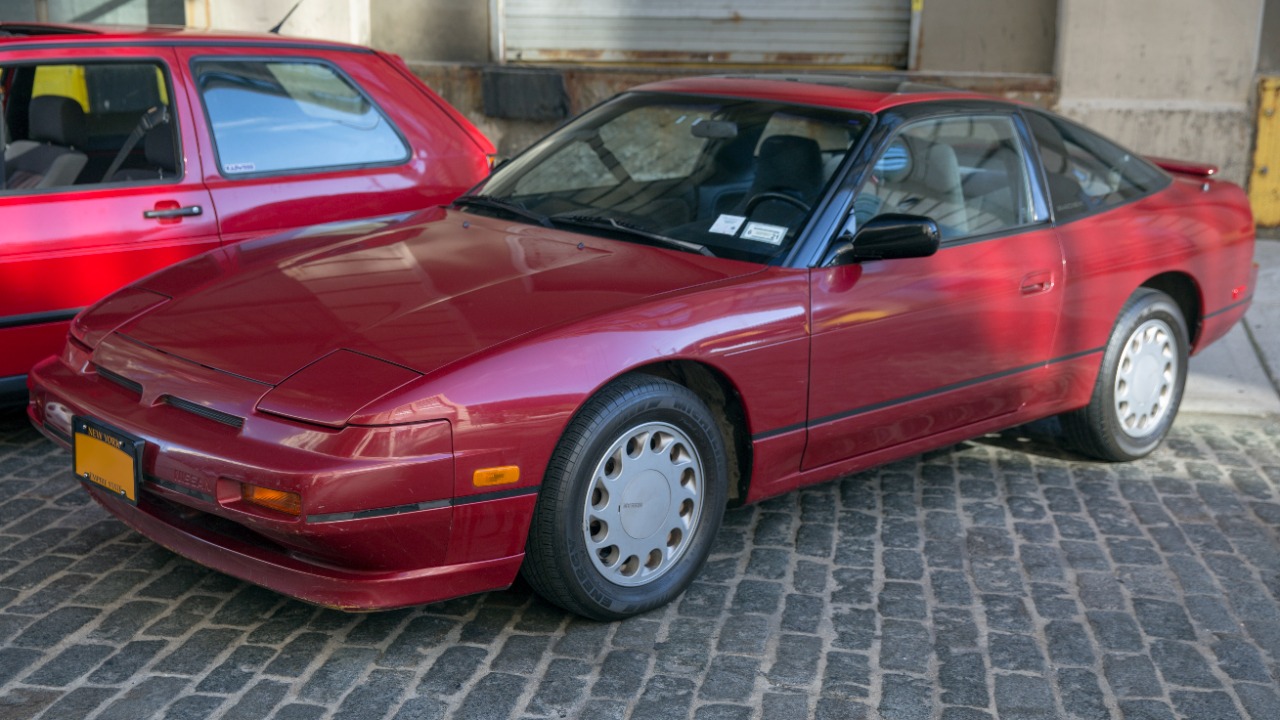
The 1989 Nissan 240SX was a game-changer for the drifting community and Japanese sports cars in general. Featuring a lightweight design and a rear-wheel-drive layout, it was perfect for enthusiasts looking to modify for performance. The 240SX came equipped with a 2.4-liter inline-four engine, providing a solid foundation for tuning. Its balanced chassis made it a popular choice for both novice and experienced drivers, allowing for an engaging driving experience that few cars could replicate.
Additionally, the 240SX’s design elements, such as its sleek lines and pop-up headlights, made it visually appealing. Over the years, it has gained a cult following, cementing its place in automotive history. For more insights into how this car and others influenced the performance landscape, check out this Google Books entry.
1990 Mazda RX-7

The 1990 Mazda RX-7 is often celebrated for its unique rotary engine, which offered a lightweight and compact design that contributed to its agile handling. With a 1.3-liter twin-rotor engine capable of producing up to 200 horsepower, the RX-7 provided an exhilarating driving experience that was unmatched by many of its competitors. The car’s balanced chassis and near-perfect weight distribution made it feel like an extension of the driver, allowing for precise maneuvers on twisty roads.
Not only did the RX-7 excel in performance, but it also showcased Mazda’s commitment to innovative engineering. Its distinctive styling, featuring sleek lines and a low profile, made it an eye-catching option in the sports car market. The RX-7’s legacy endures, influencing the design and engineering philosophies of future performance vehicles. If you want to see the RX-7 in action, check out this YouTube video showcasing its capabilities.
1992 Toyota Supra Turbo
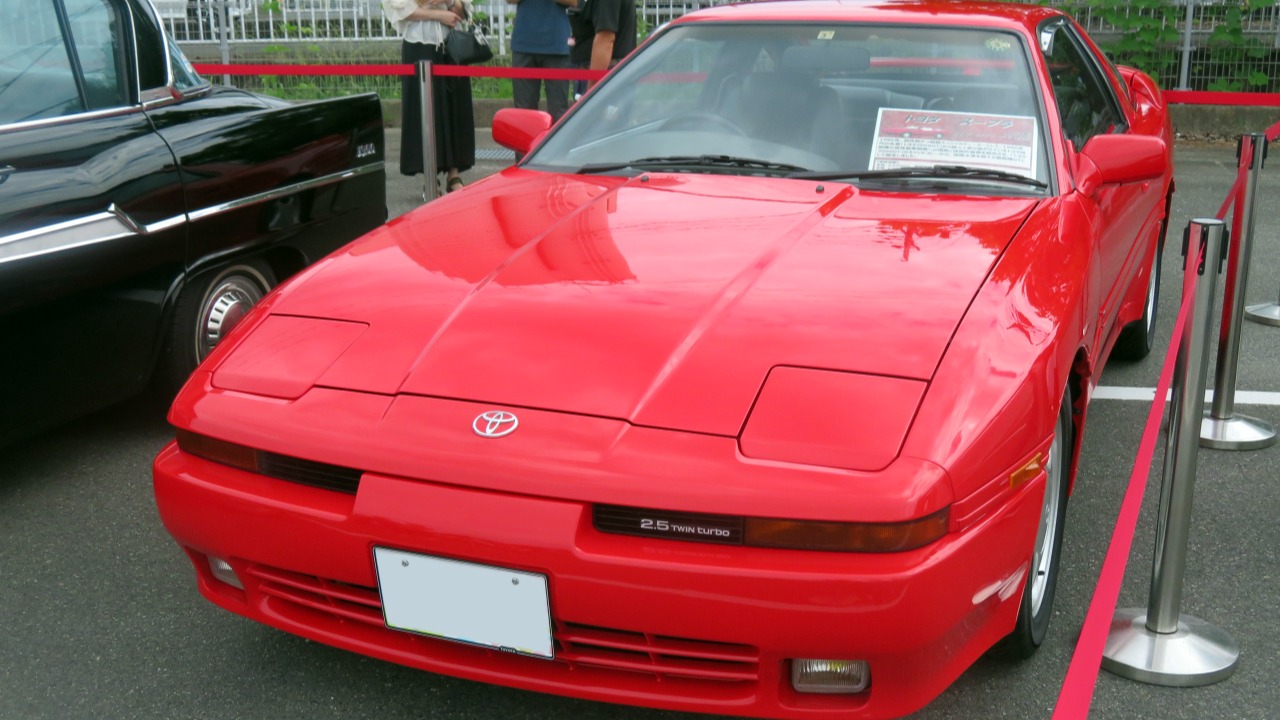
The 1992 Toyota Supra Turbo is a legendary performance car known for its incredible power and tunability. With a 3.0-liter inline-six engine featuring a turbocharger, it produced an impressive 276 horsepower, allowing it to accelerate quickly and reach high speeds. The Supra’s balanced chassis and rear-wheel-drive configuration made it a favorite among driving enthusiasts, particularly for those interested in modifying their vehicles for increased performance.
Its sleek, aerodynamic design and spacious interior added to its appeal, making it a practical option for everyday driving while still delivering exhilarating performance. The Supra Turbo became a cornerstone of the Japanese performance car scene and remains a sought-after model for collectors and enthusiasts alike. For a deeper dive into performance vehicles like the Supra, look into this insightful resource.
1992 Honda NSX

The 1992 Honda NSX redefined the supercar landscape with its groundbreaking design and technology. Developed in collaboration with Formula One legend Ayrton Senna, the NSX featured a mid-engine layout and a lightweight aluminum body. Its 3.0-liter V6 engine, generating 270 horsepower, offered a perfect balance of power and precision.
The NSX was praised for its exceptional handling, making it a true driver’s car. Its sleek, aerodynamic design set a new standard for performance vehicles. The NSX’s commitment to reliability and daily usability challenged the notion that supercars must be impractical. It remains a benchmark for aspiring performance vehicles, influencing manufacturers worldwide.
1995 Mitsubishi 3000GT VR-4
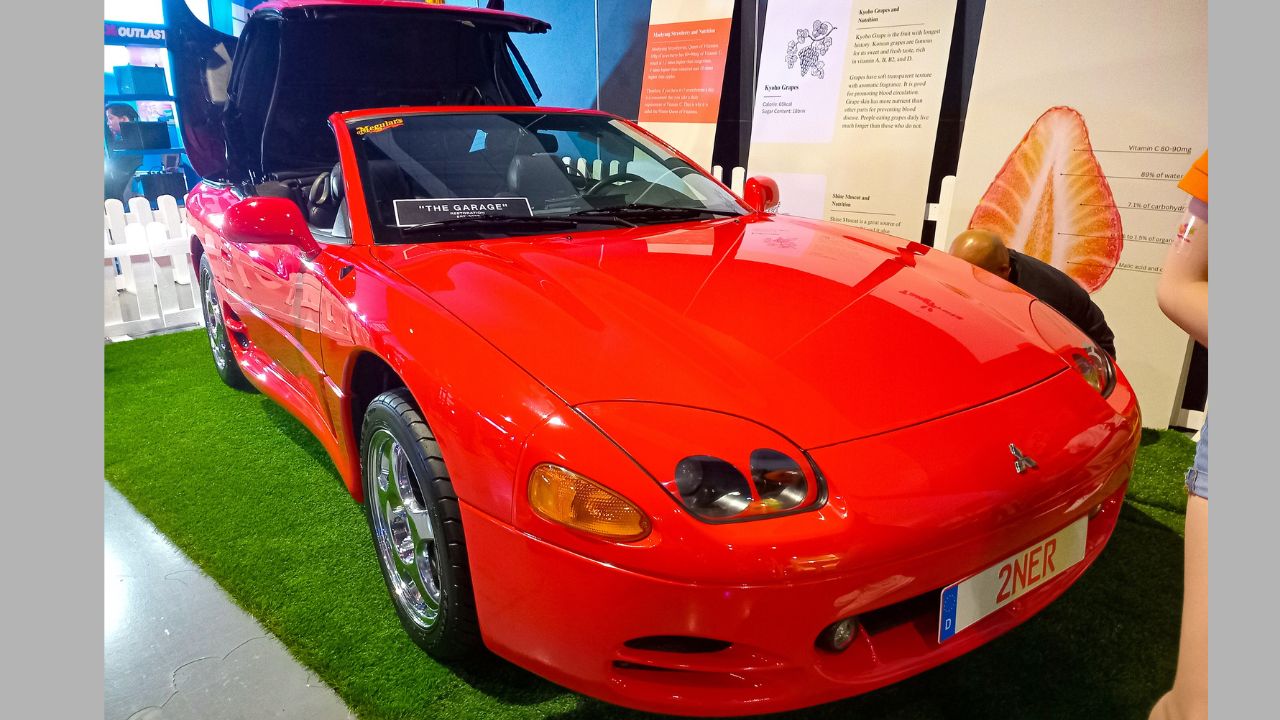
The 1995 Mitsubishi 3000GT VR-4 was a technological marvel of its time, featuring a twin-turbocharged V6 engine that produced 320 horsepower. This all-wheel-drive sports coupe boasted advanced features like active aerodynamics and four-wheel steering, making it one of the most sophisticated performance cars of the ’90s. The VR-4’s design reflected its performance-oriented nature, with a low-slung body and aggressive styling that turned heads wherever it went.
Driving the 3000GT VR-4 was an exhilarating experience, thanks to its powerful acceleration and superior handling capabilities. It was designed for those who sought thrilling performance without sacrificing comfort, making it a versatile option for both spirited drives and everyday use. The 3000GT VR-4 remains a respected name among enthusiasts, symbolizing the peak of Japanese engineering during its era. For insights on how this model fits within the broader context of performance vehicles, refer to various resources.
1996 Dodge Viper RT/10
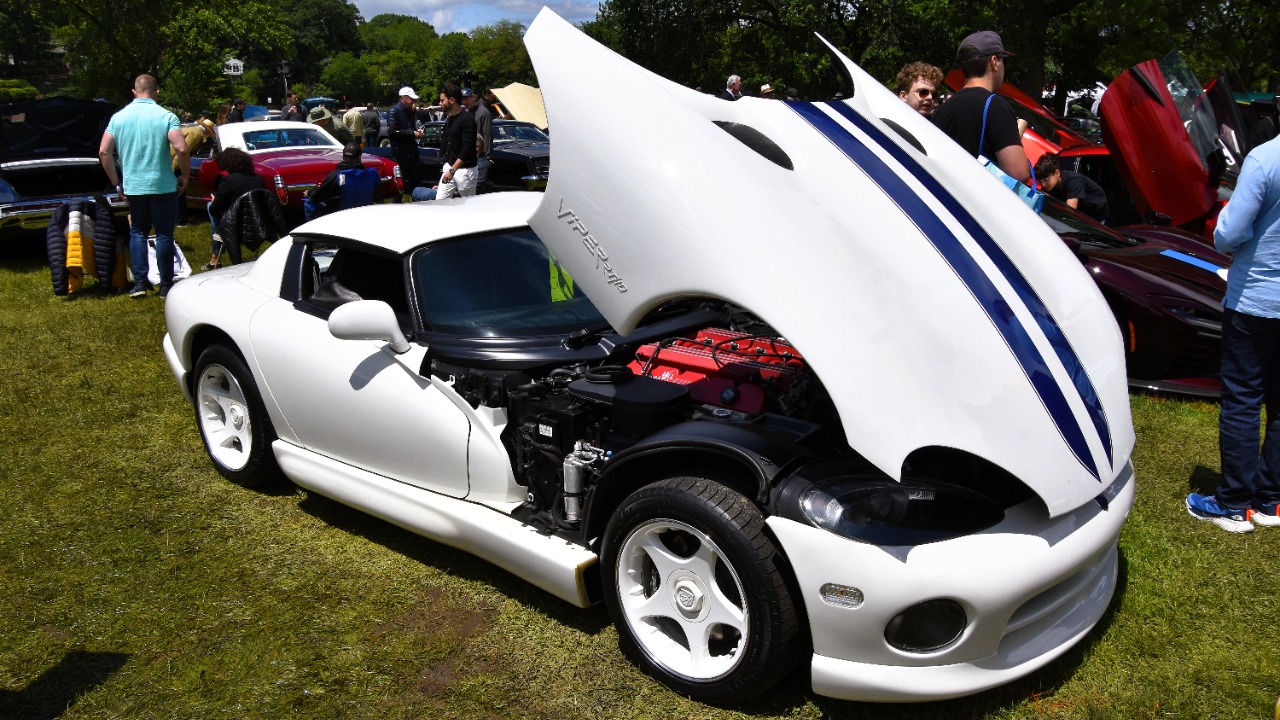
The 1996 Dodge Viper RT/10 is synonymous with raw American performance. With an 8.0-liter V10 engine that produced 415 horsepower, the Viper was designed to deliver an exhilarating driving experience. Its aggressive styling and minimalistic interior focused on the essentials, appealing to those who valued performance over luxury. The RT/10’s lightweight construction allowed it to sprint from 0 to 60 mph in under four seconds, making it one of the fastest cars of its time.
The Viper’s unique design and powerful engine set it apart in the supercar segment, securing its status as an icon of American automotive culture. Despite its lack of modern technology, the driving experience was pure and unfiltered, allowing drivers to connect with the road in a way few cars could. For further reading on performance cars that have left a mark, consider exploring various literature on the subject.
1997 Porsche 911 (993)

The 1997 Porsche 911 (993) is often praised as one of the best iterations of the iconic 911 series. Featuring a 3.6-liter flat-six engine that produced 282 horsepower, it combined classic Porsche performance with modern refinements. The 993 was the last of the air-cooled 911s, adding to its allure and desirability among collectors. Its design balanced form and function, offering a timeless aesthetic while enhancing aerodynamic efficiency.
The handling of the 993 was exceptional, showcasing Porsche’s engineering prowess and commitment to performance. With its rear-engine layout and precise steering, it provided a driving experience that felt both engaging and exhilarating. The 993 set a benchmark for what a sports car should be, influencing future generations of the 911. For those interested in the evolution of performance vehicles, I recommend looking into various publications that discuss their impact.
1998 Subaru Impreza WRX STI
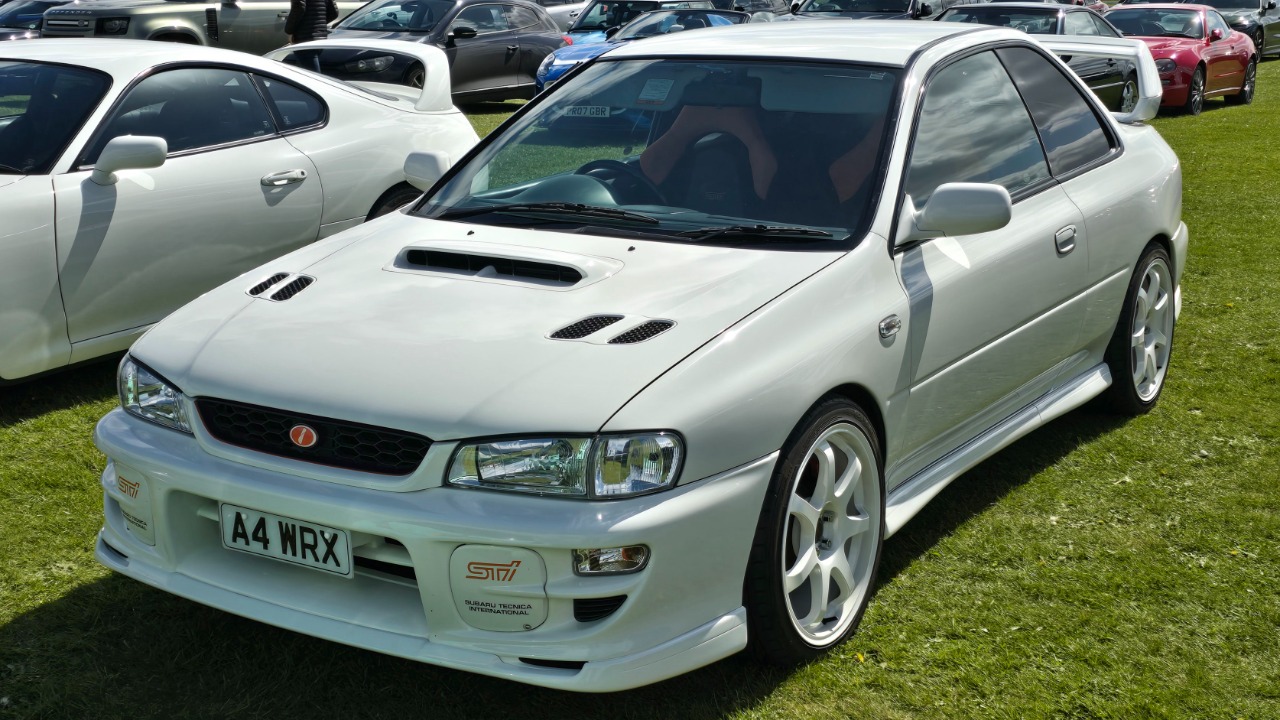
The 1998 Subaru Impreza WRX STI marked a significant moment in the world of rally-inspired performance cars. Equipped with a turbocharged 2.0-liter flat-four engine, it produced 276 horsepower, allowing it to dominate both the streets and rally courses. The all-wheel-drive system provided exceptional grip, making it a favorite among driving enthusiasts who appreciated its rally heritage and performance capabilities. The STI’s aggressive styling and functional aerodynamics gave it a distinctive presence, further solidifying its status in the automotive community.
As a cultural icon, the WRX STI became synonymous with rally racing and was celebrated for its performance on various terrains. Its legacy continues today, influencing the design and engineering of modern performance cars. For a deeper understanding of the impact of vehicles like the WRX STI, consider exploring various automotive resources.
1999 BMW M Coupe
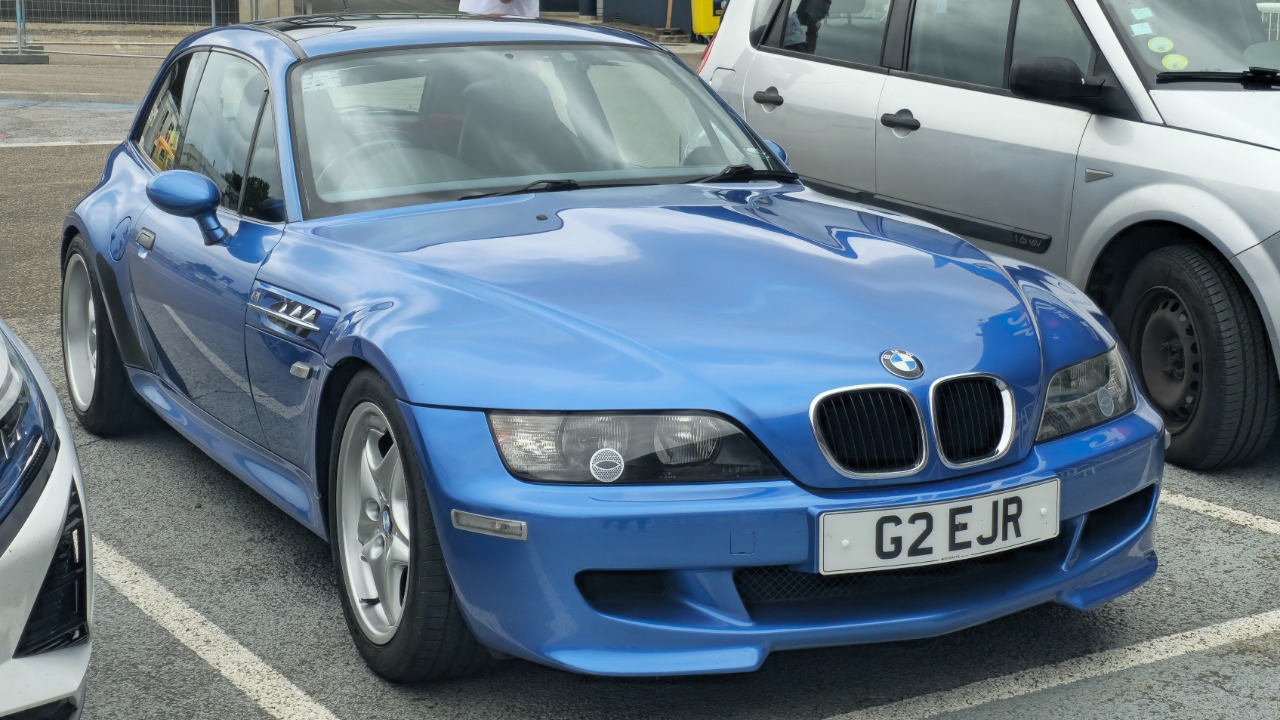
The 1999 BMW M Coupe is a unique entry in the world of performance cars, known for its distinctive styling and powerful performance. With a 3.2-liter inline-six engine producing 240 horsepower, it combined the practicality of a hatchback with the performance of a sports car. The M Coupe’s design, characterized by its bulbous rear and sleek lines, set it apart from other models in the BMW lineup, making it a true standout.
Its lightweight construction and balanced chassis provided an engaging driving experience, while the rear-wheel-drive layout allowed for precise handling. The M Coupe has gained a cult following among enthusiasts, thanks to its unique blend of performance and practicality. Those interested in the evolution of performance vehicles will find this model to be a fascinating subject, as it showcases BMW’s commitment to engineering excellence. For more insights into performance cars that have shaped the industry, check out various automotive literature.
More from Fast Lane Only
- Unboxing the WWII Jeep in a Crate
- 15 rare Chevys collectors are quietly buying
- 10 underrated V8s still worth hunting down
- Police notice this before you even roll window down
*Research for this article included AI assistance, with all final content reviewed by human editors.