After World War II, rising incomes, expanding suburbs, and renewed consumer confidence transformed the automobile industry. Manufacturers introduced cars that reflected a growing desire for personal mobility, modern styling, and everyday convenience. These ten vehicles helped define the early postwar market and showed how quickly the automobile could become central to ordinary family life.
Chevrolet Styleline

The Chevrolet Styleline helped establish the look of Chevrolet’s first major postwar passenger-car generation. Introduced for 1949, it featured smoother bodywork and a more modern appearance than many prewar designs. Buyers were ready for something fresh after years of wartime restrictions, and the Styleline provided it. Its combination of familiar mechanicals, attractive styling, and mass-market availability helped Chevrolet reconnect with American consumers during the beginning of the postwar boom.
Ford Custom
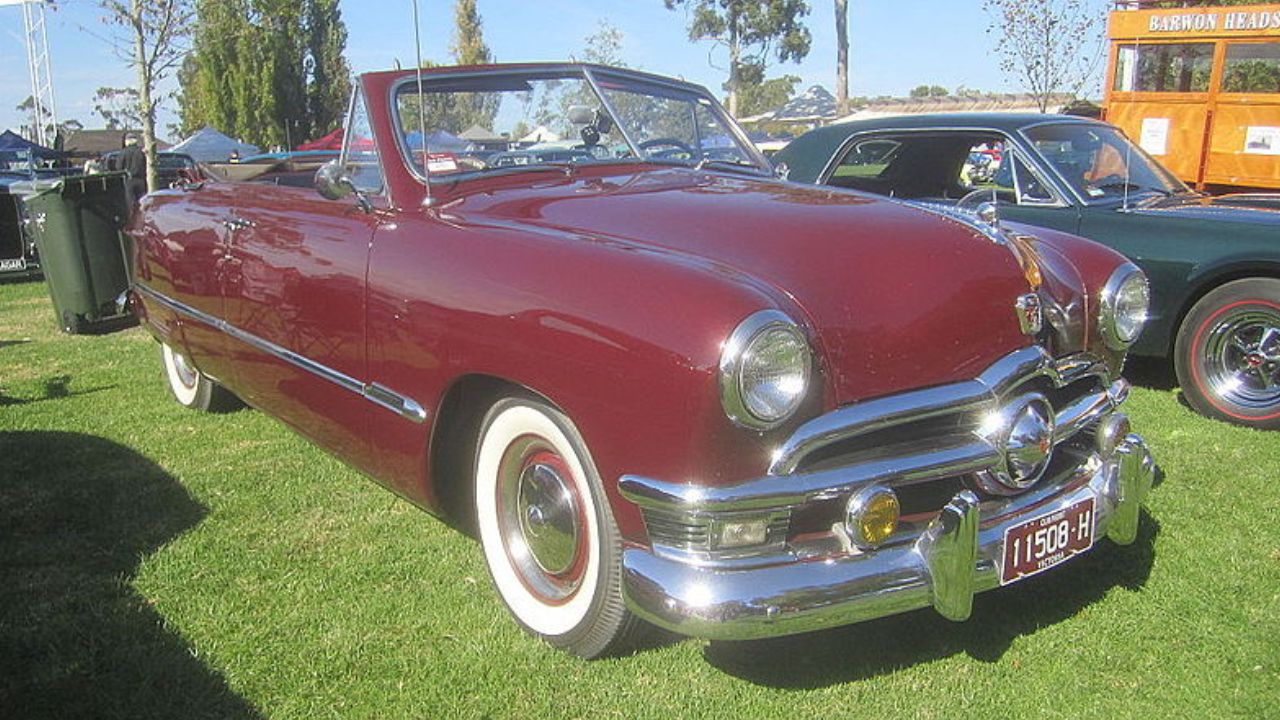
The Ford Custom represented Ford’s return to producing civilian automobiles after concentrating heavily on wartime manufacturing. Its modernized styling and straightforward mechanical design appealed to families looking for dependable transportation. As American consumers began replacing aging prewar vehicles, Ford was positioned to benefit from enormous pent-up demand. The Custom reflected the broader transition from wartime austerity toward a consumer economy increasingly centered around personal automobiles.
Plymouth Special Deluxe
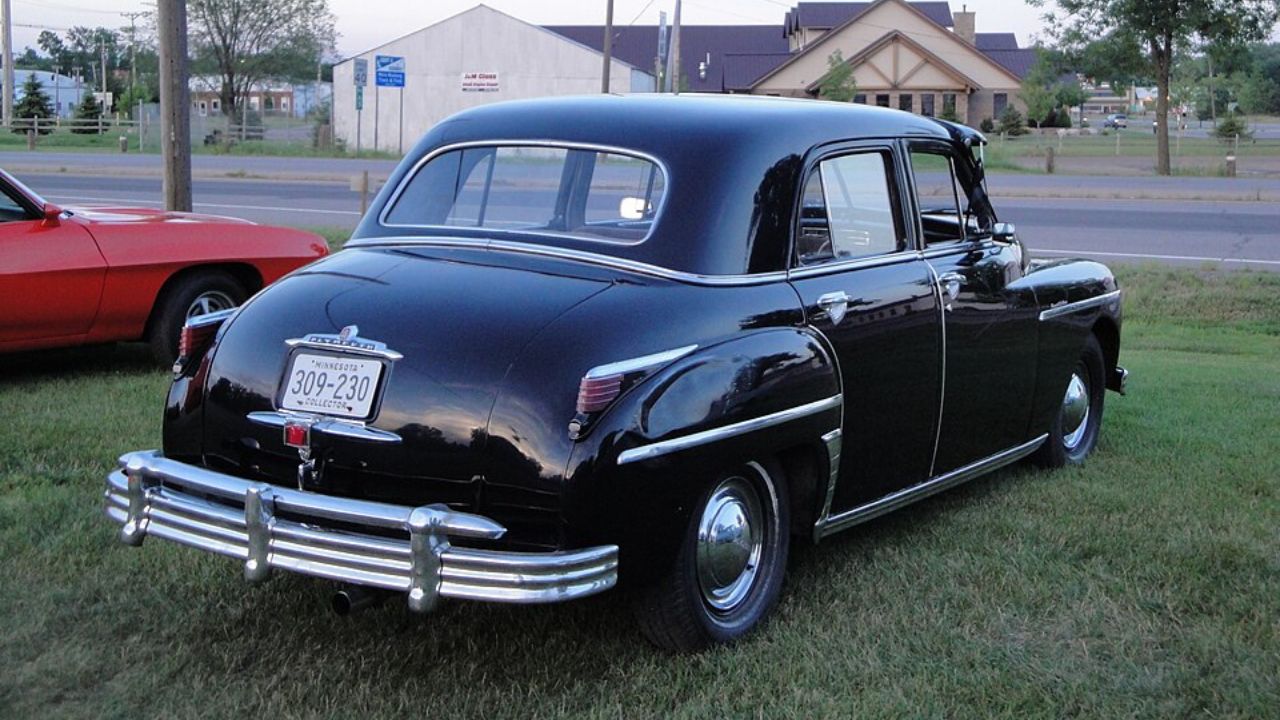
The Plymouth Special Deluxe became an important part of Chrysler’s postwar recovery by offering buyers a practical automobile with updated styling and comfortable proportions. Its relatively conservative engineering made it accessible to a wide audience, while its rounded body reflected changing design trends. Plymouth benefited from the large number of consumers who had delayed buying new cars during the war, making models like the Special Deluxe important contributors to the postwar sales surge.
Buick Roadmaster
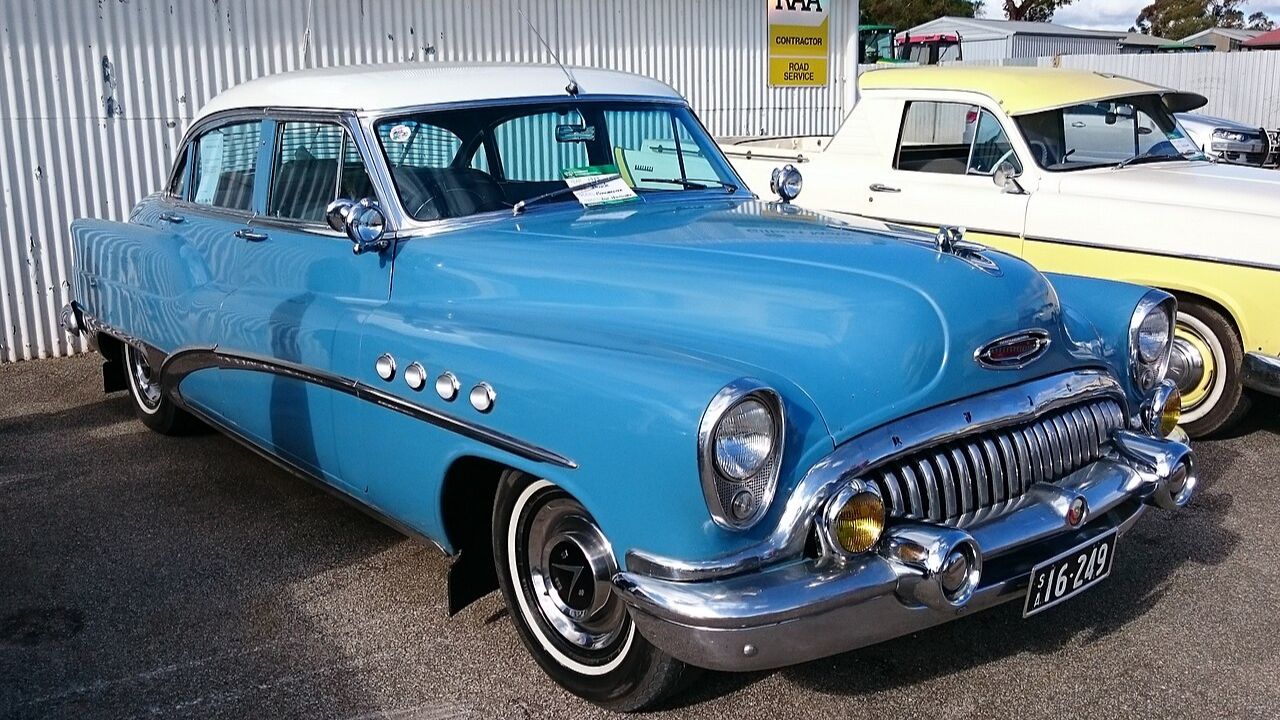
The Buick Roadmaster appealed to buyers who wanted something more substantial and prestigious than an entry-level automobile. Its large body, powerful straight-eight engine, and increasingly refined styling represented the growing appetite for comfort and status. During the postwar boom, Buick occupied an important position between mass-market and luxury brands. The Roadmaster demonstrated how rising prosperity encouraged consumers to spend more on automobiles that offered additional power, space, and refinement.
Oldsmobile Rocket 88
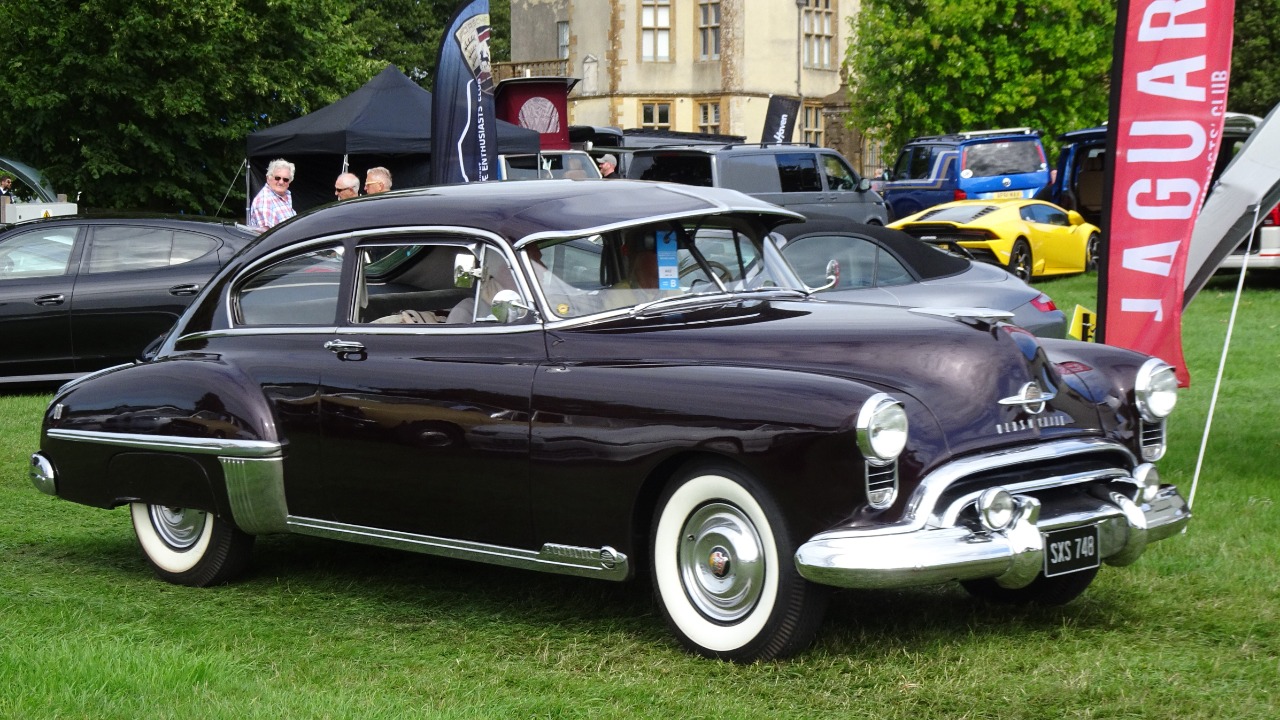
The Oldsmobile Rocket 88 helped introduce a new era of American performance by combining a relatively lightweight body with the brand’s new overhead-valve V8. Its strong acceleration gave ordinary buyers access to performance that had previously been associated with more specialized cars. The Rocket 88 arrived at exactly the right moment, helping establish the V8 as a central part of American automotive culture and influencing the performance cars that followed.
Volkswagen Beetle
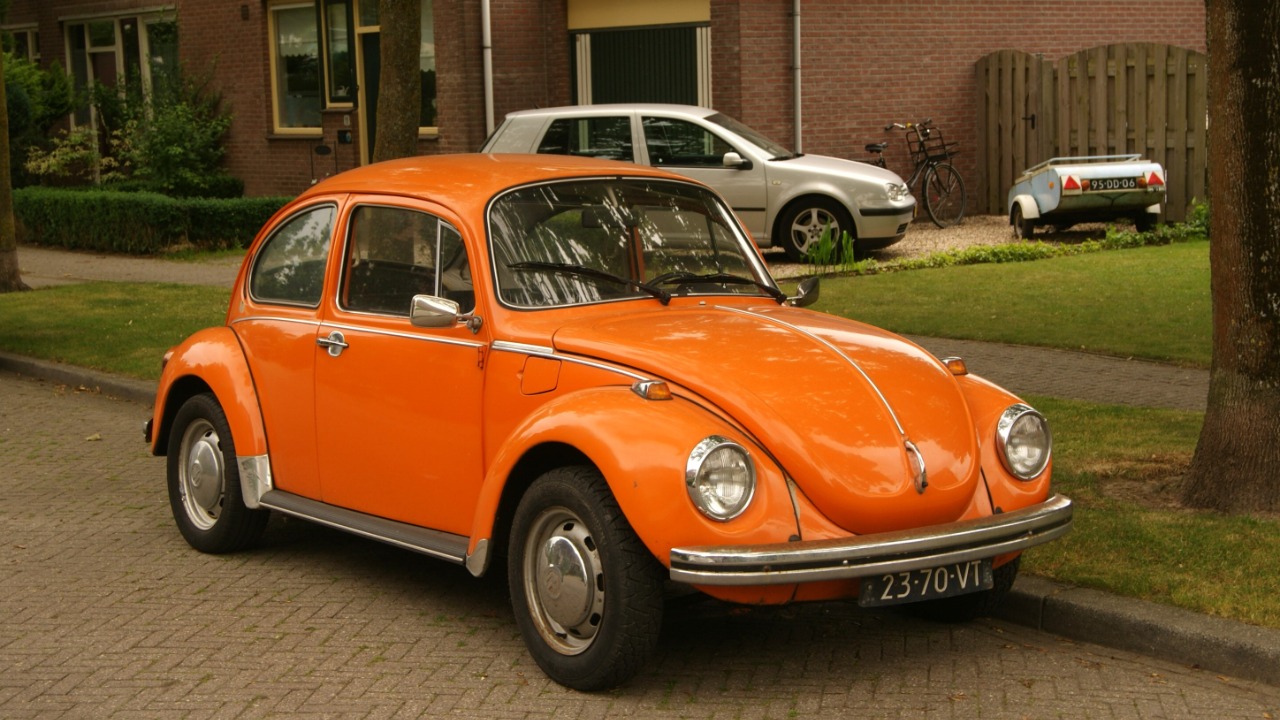
The Volkswagen Beetle represented a completely different path to postwar automotive growth. Its compact dimensions, economical operation, and distinctive rear-engine layout made it particularly attractive in markets where large American cars were impractical or expensive. As European economies recovered, the Beetle became an important symbol of affordable personal transportation. Its worldwide success demonstrated that the postwar automotive boom was not limited to large sedans or powerful American automobiles.
Fiat 500
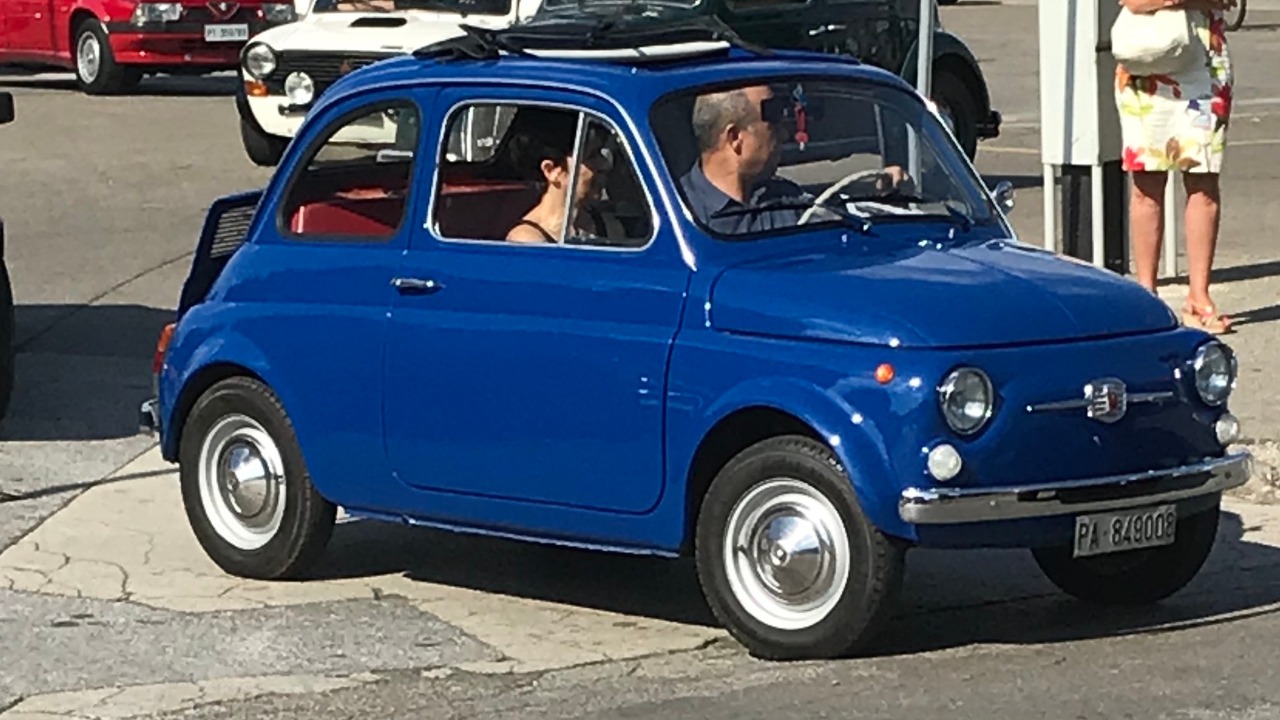
The Fiat 500 helped motorize postwar Italy by providing inexpensive and practical transportation for ordinary families. Its tiny dimensions made it ideal for crowded European cities, while its economical engine kept operating costs manageable. The car represented a broader shift toward compact transportation as European countries rebuilt their economies. The 500 showed that automotive growth could come from small, efficient vehicles just as effectively as from large American-style automobiles.
Citroën 2CV

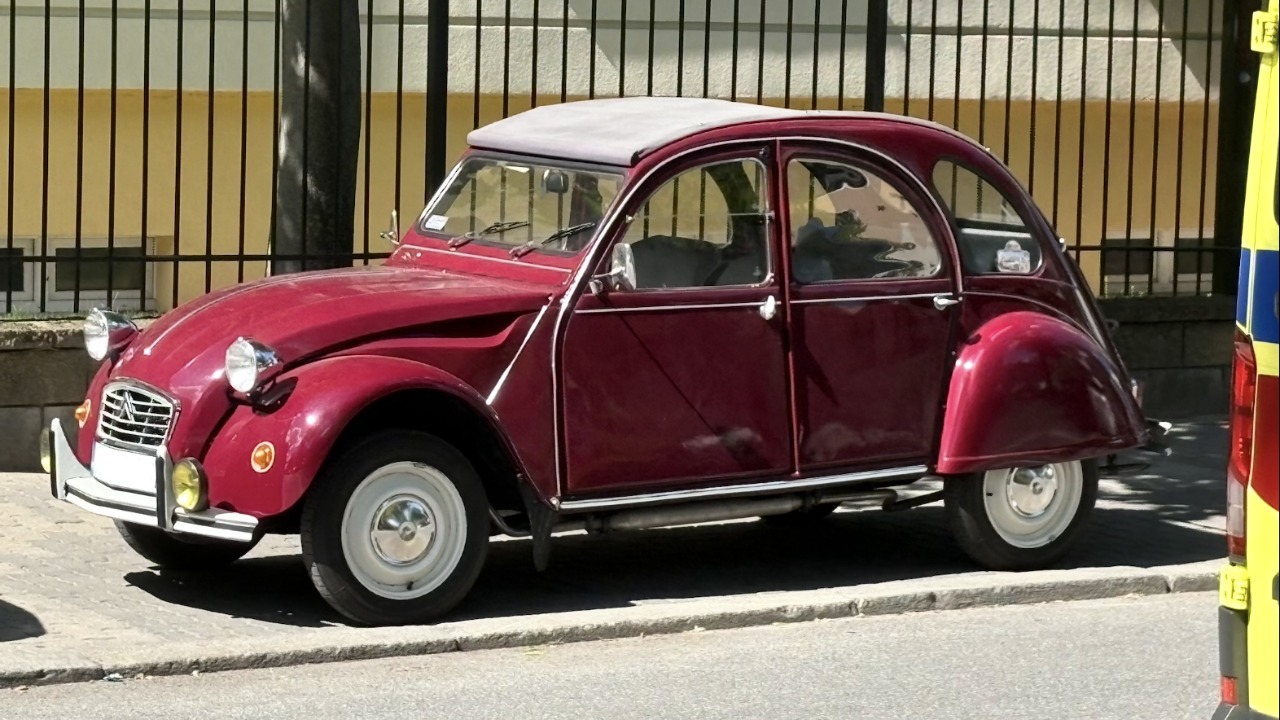
The Citroën 2CV was designed around the practical needs of postwar European consumers, emphasizing simplicity, low operating costs, and exceptional versatility. Its unusual appearance concealed a highly functional vehicle capable of handling poor roads and rural conditions. The 2CV helped make automobile ownership more attainable for a broad population. Its success demonstrated how manufacturers could respond to changing economic realities with radically different approaches to personal transportation.
Morris Minor
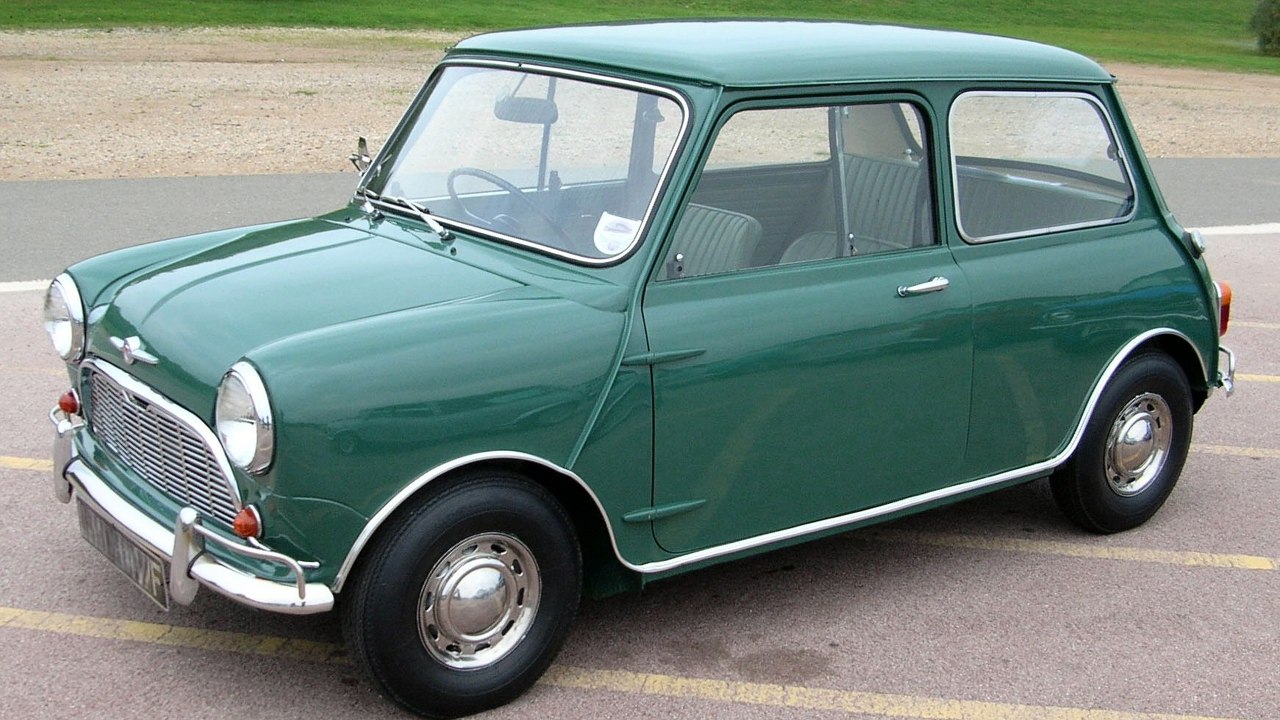
The Morris Minor became an important part of Britain’s postwar transition toward widespread private car ownership. Its compact dimensions, economical operation, and approachable styling suited a country rebuilding after years of wartime shortages. The Minor offered practical transportation without the size and expense of larger cars. Its long production run reflected strong demand for affordable mobility and helped establish the small family car as a central part of British motoring.
Studebaker Starlight
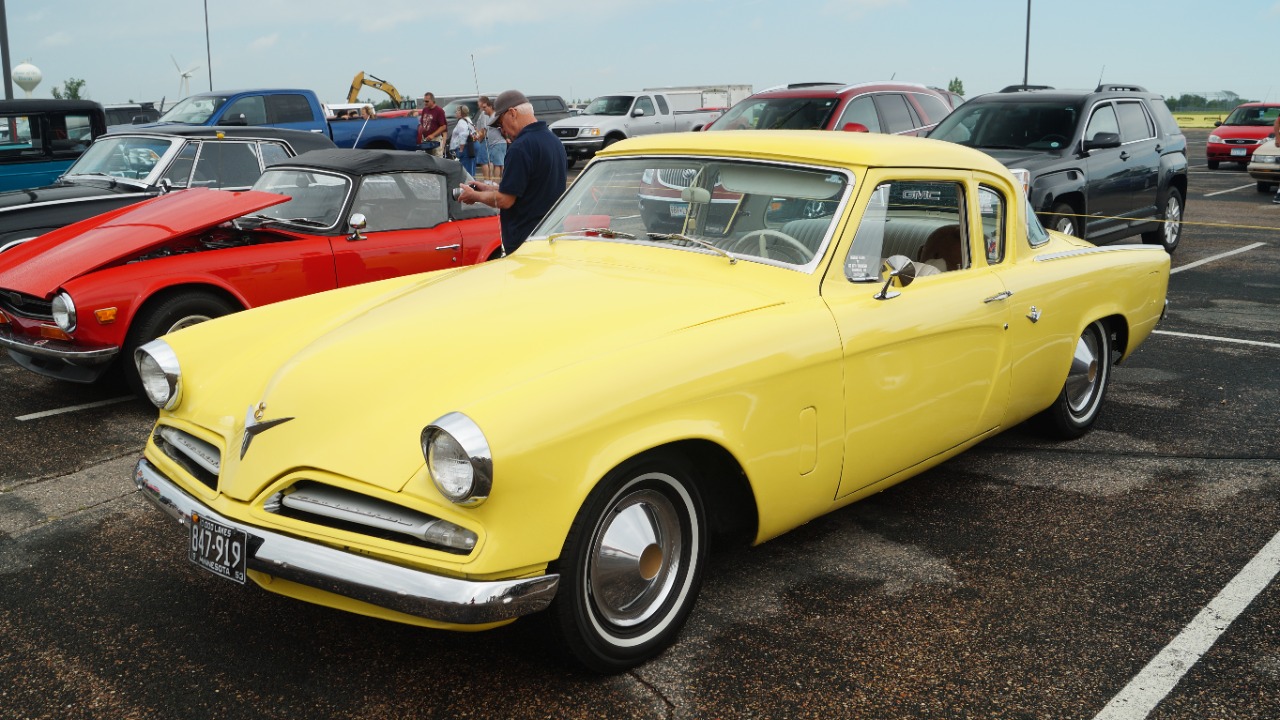
The Studebaker Starlight showed that a smaller American manufacturer could challenge Detroit’s largest companies through bold design. Its dramatic wraparound rear window and streamlined bodywork looked unusually modern for the early postwar period. Rather than simply copying established styling trends, Studebaker pursued a distinctive identity. The Starlight demonstrated that consumers emerging from wartime restrictions were increasingly interested in modern-looking cars that represented progress, optimism, and a new beginning.
More from Fast Lane Only
- Unboxing the WWII Jeep in a Crate
- 15 rare Chevys collectors are quietly buying
- 10 underrated V8s still worth hunting down
- Police notice this before you even roll window down
*Research for this article included AI assistance, with all final content reviewed by human editors