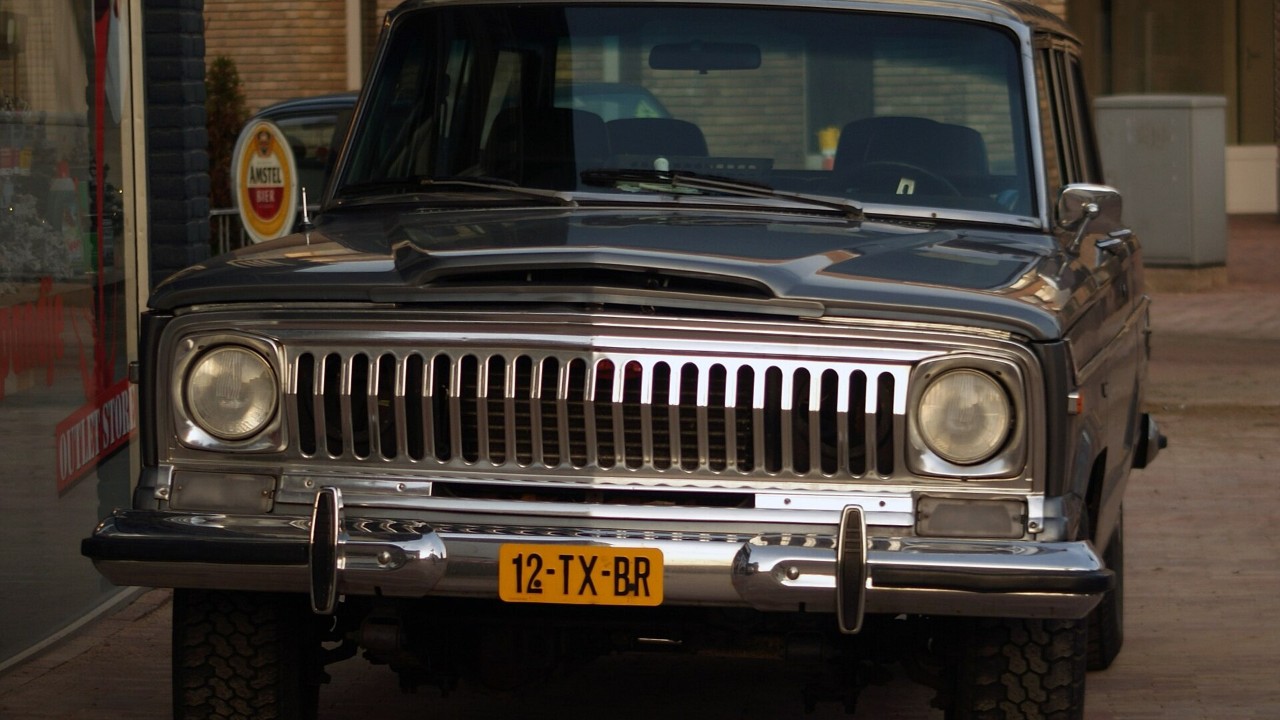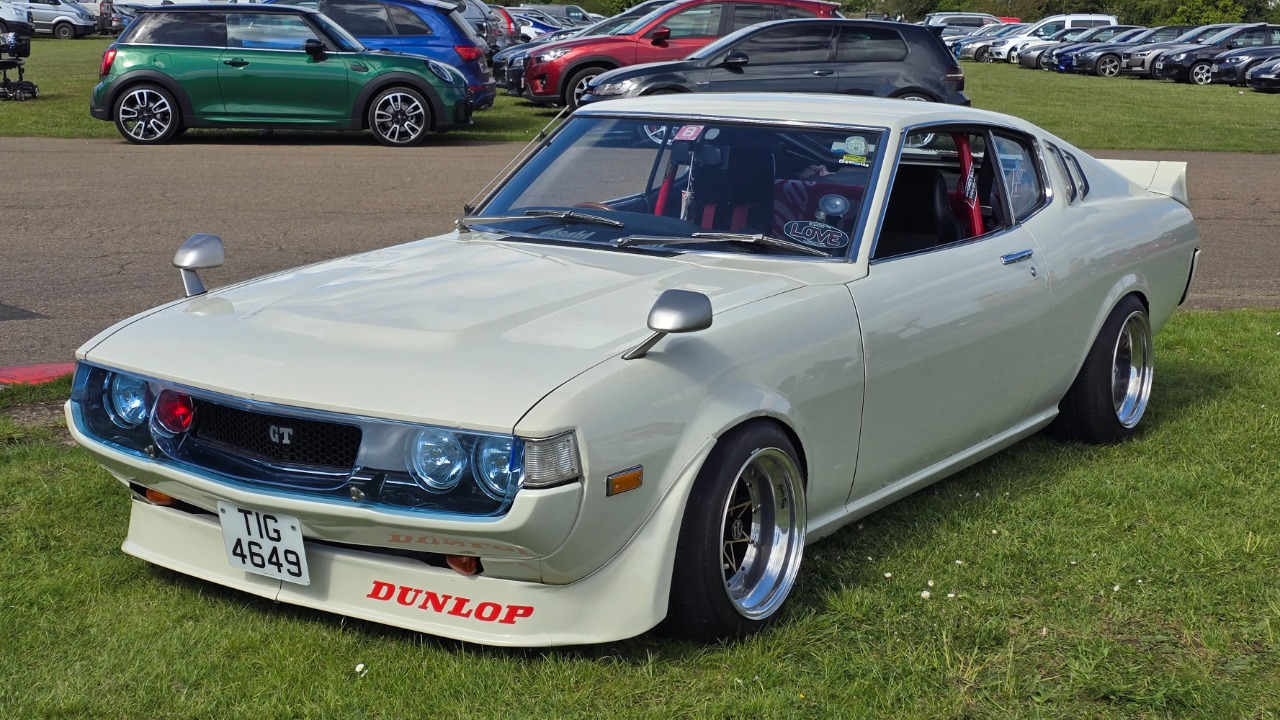
The 1970s was a transformative decade marked by cultural revolutions, economic changes, and unique automotive designs. As the era unfolded, the automotive industry responded with vehicles that reflected the spirit of the times—bold, innovative, and sometimes quirky. From muscle cars to compact designs, these vehicles encapsulated the personalities of their drivers and the shifting social landscape. Here are twelve standout vehicles from the 1970s that defined the decade.
Ford Mustang II
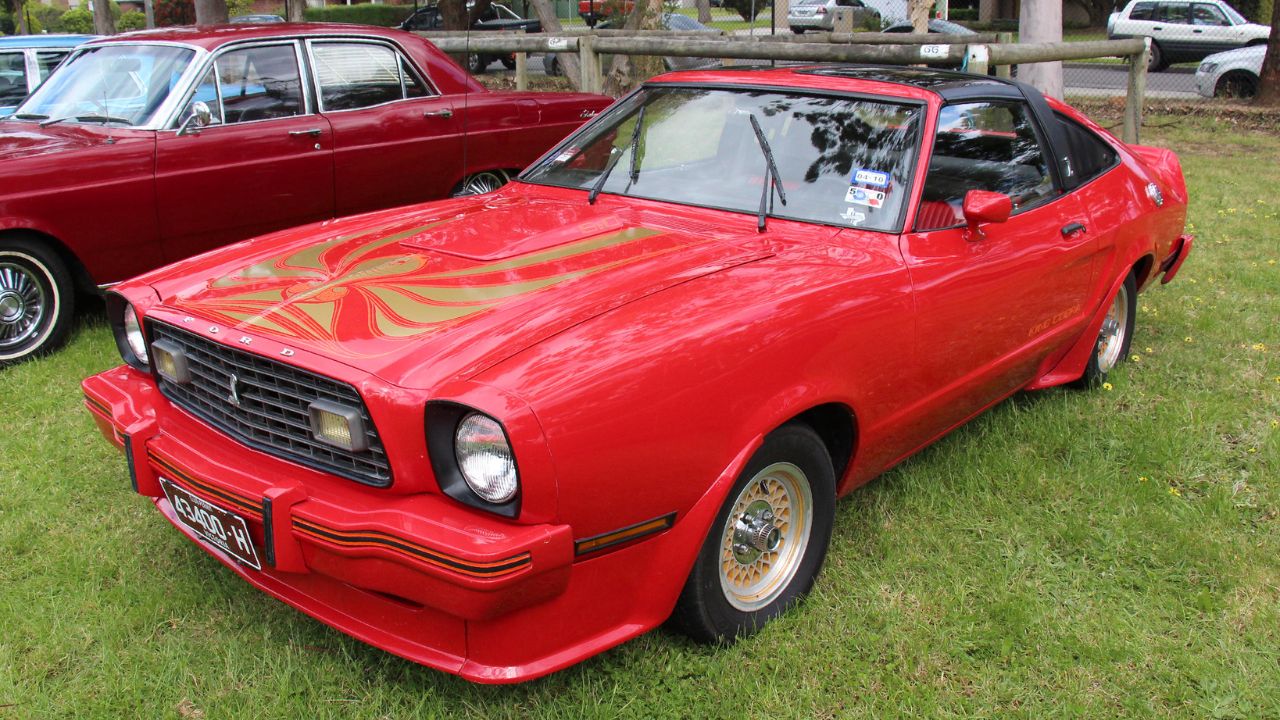
The Ford Mustang II emerged in 1974 as a response to the oil crisis and changing consumer preferences. This model was notably smaller and more fuel-efficient compared to its predecessors, making it a popular choice among buyers looking for a sporty yet economical vehicle. The Mustang II was available in several trims, including the Mach 1 and Ghia, each offering a mix of performance and comfort. Despite some criticism for straying from the classic Mustang muscle car ethos, it still captured the hearts of many enthusiasts. The Mustang II’s unique design and compact size helped it carve its niche in the automotive landscape of the 1970s.
Chevrolet Camaro
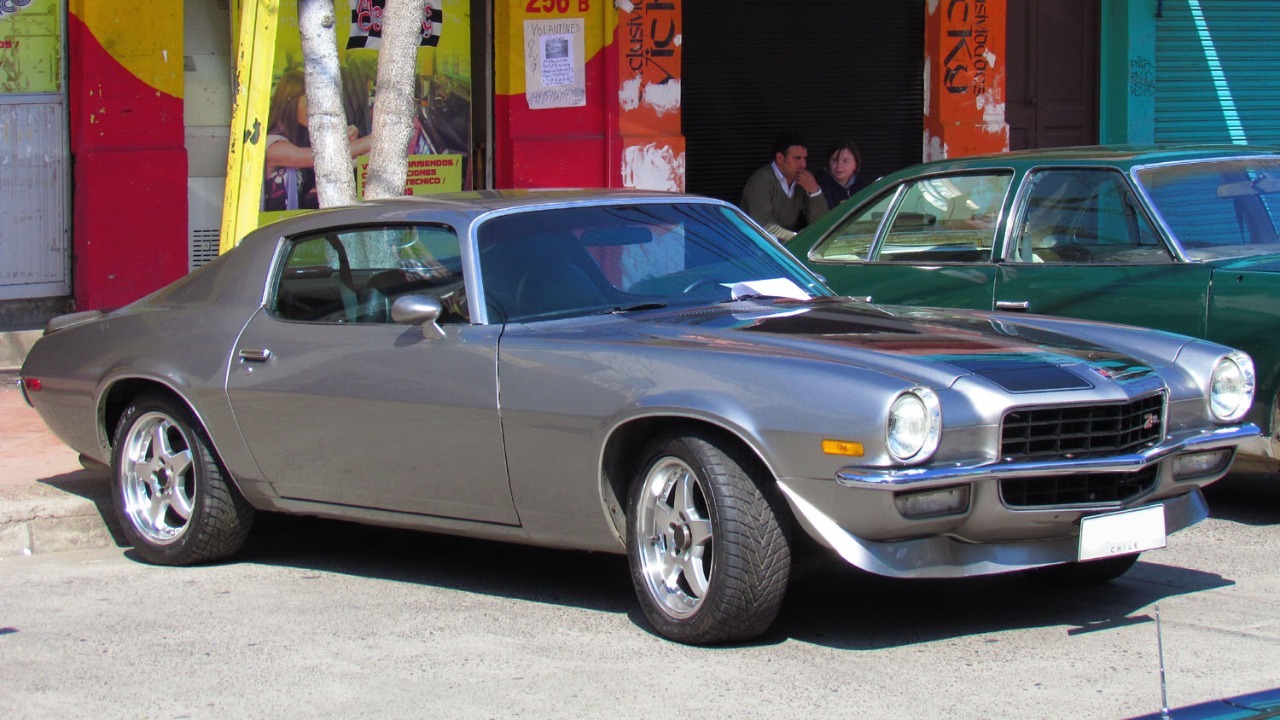
The Chevrolet Camaro was introduced in 1966 but truly found its identity in the 1970s, especially with the second generation launched in 1970. This model showcased a sleeker design and more aggressive styling, which resonated with muscle car enthusiasts. The Camaro offered a variety of engine options, allowing drivers to choose between fuel efficiency and raw power. The Z/28 package, in particular, became a favorite for those seeking performance. The Camaro’s enduring popularity can be attributed to its blend of speed and style, making it a symbol of the American muscle car era. You can see a classic model in action here: Camaro in action.
Dodge Charger
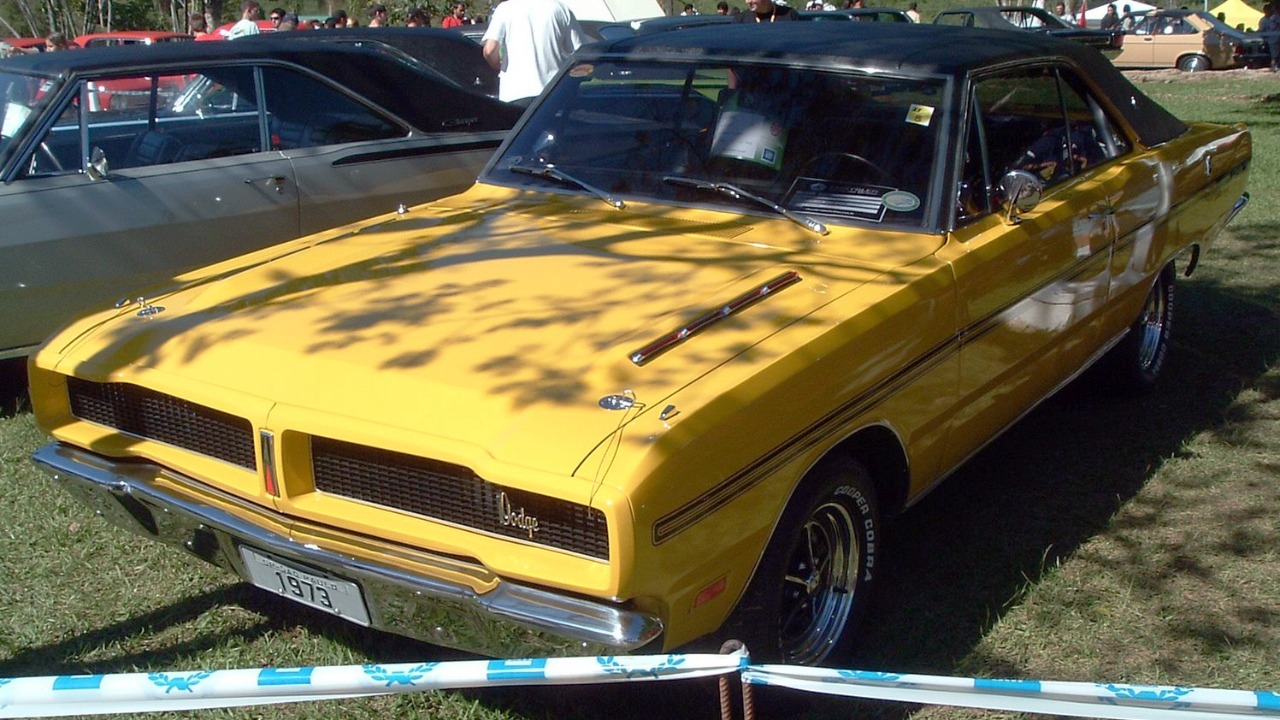
The Dodge Charger made waves in the 1970s, particularly with the introduction of the third generation in 1971. This model was known for its bold styling and powerful performance, often featuring V8 engine options that appealed to speed enthusiasts. The Charger became iconic not only for its performance but also for its appearances in popular culture, notably in film and television. Its role in the “Dukes of Hazzard” series helped solidify its status as a cultural icon. The Charger represented the rebellious spirit of the decade, making it a standout choice for those looking to make a statement on the road.
Volkswagen Type 2 Bus
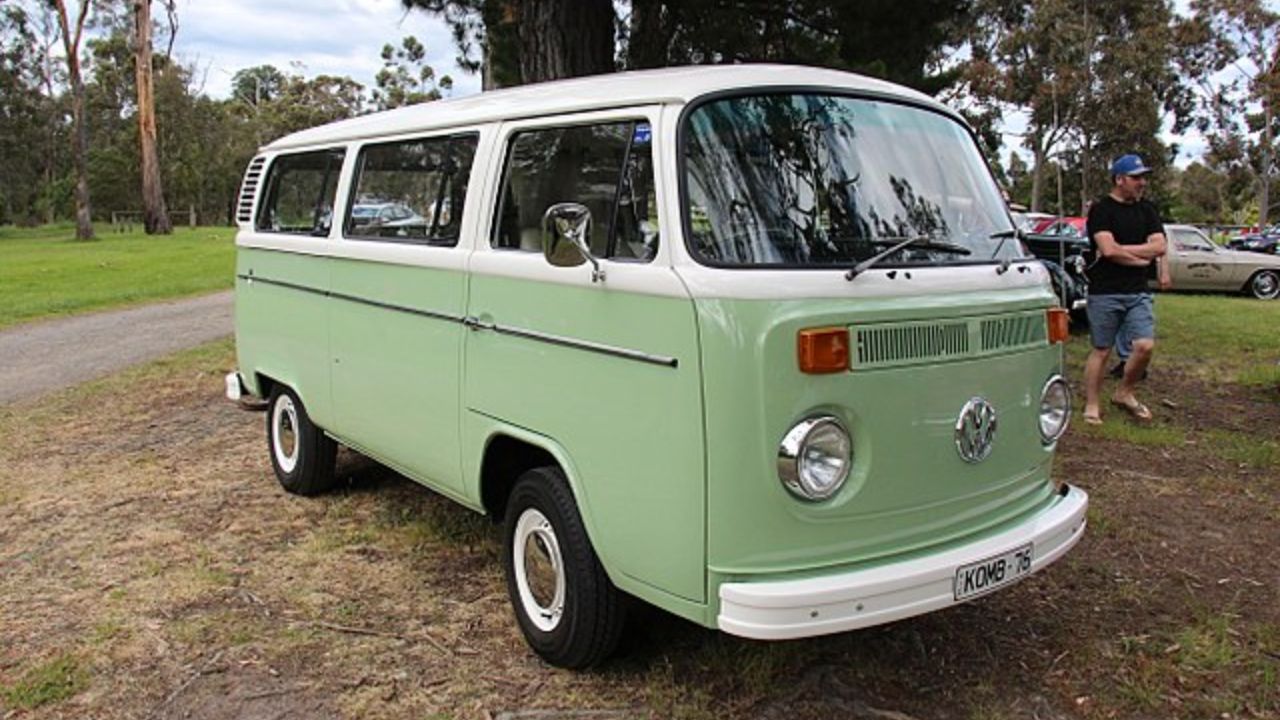
The Volkswagen Type 2 Bus, also known as the “VW Bus,” became synonymous with the counterculture movement of the 1970s. Its spacious interior and distinctive design made it a favorite among families and hippies alike. The Bus was often seen at music festivals and road trips, embodying the free-spirited lifestyle that characterized the era. Its rear-engine layout and ability to accommodate numerous passengers made it practical without sacrificing style. The VW Bus continues to evoke nostalgia, representing a time of exploration and adventure. Its cultural significance is undeniable, as seen in various media and literature that celebrate the era.
Plymouth Duster
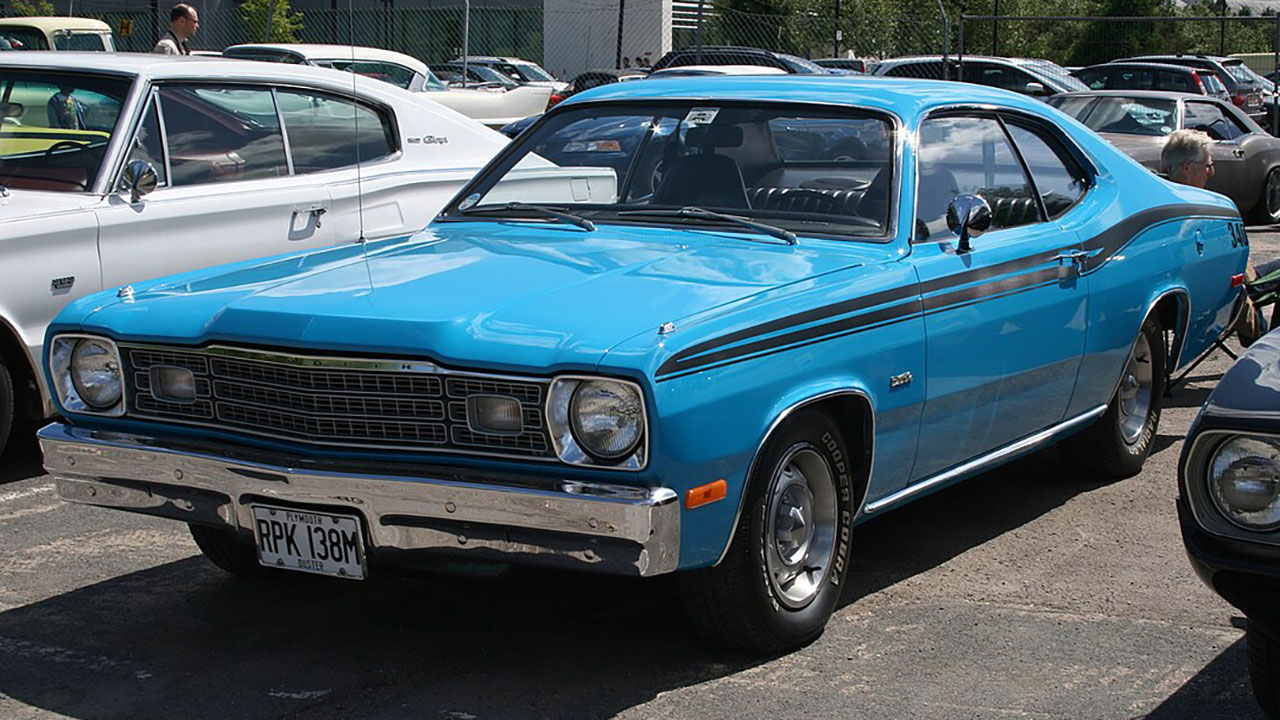
Launched in 1970, the Plymouth Duster was designed as an affordable yet sporty compact car. It quickly gained popularity among young drivers looking for performance without breaking the bank. The Duster’s clean lines and aggressive stance made it a standout on the road. It was available with a range of engines, including the powerful 340 cubic inch V8, which offered impressive acceleration. The Duster was marketed as a car that combined practicality with a sporty edge, appealing to a generation eager for both style and substance. Its affordability and performance made it an essential part of the automotive landscape during the decade.
AMC Gremlin

The AMC Gremlin, introduced in 1970, was one of the first American-made compact cars. Its unique design, characterized by a distinctive hatchback shape, made it instantly recognizable. The Gremlin was aimed at budget-conscious consumers, offering a practical solution for urban driving. While it may not have had the performance credentials of some of its competitors, its quirky charm captured the hearts of many. The Gremlin became an icon of the 1970s, often associated with the era’s experimental spirit. Its marketing campaign, which emphasized its affordability and utility, resonated with those looking for something different in a car.
Chevrolet Corvette

The Chevrolet Corvette continued to evolve in the 1970s, with the third generation, known as the C3, debuting in 1968. This era of the Corvette was marked by its iconic fiberglass body and a focus on performance. The 1970s models, particularly the 1978 “Fastback,” showcased a sleek, aerodynamic design that appealed to sports car enthusiasts. While the oil crisis did lead to reduced engine options, the Corvette maintained its reputation for speed and style. Its status as a symbol of American automotive excellence was solidified during this decade, making it a prized possession for many car lovers.
Toyota Celica

The Toyota Celica made its debut in 1970 and quickly became a popular choice among young drivers looking for a sporty yet affordable vehicle. Its compact size and sleek design made it an attractive option during a time when fuel efficiency was becoming increasingly important. The first generation of the Celica featured a 1.6-liter engine, which provided a spirited driving experience without sacrificing economy. As the 1970s progressed, the Celica evolved, introducing more powerful engine options and sporty trims. Its blend of reliability and performance helped establish Toyota as a significant player in the U.S. automotive market.
Pontiac Trans Am
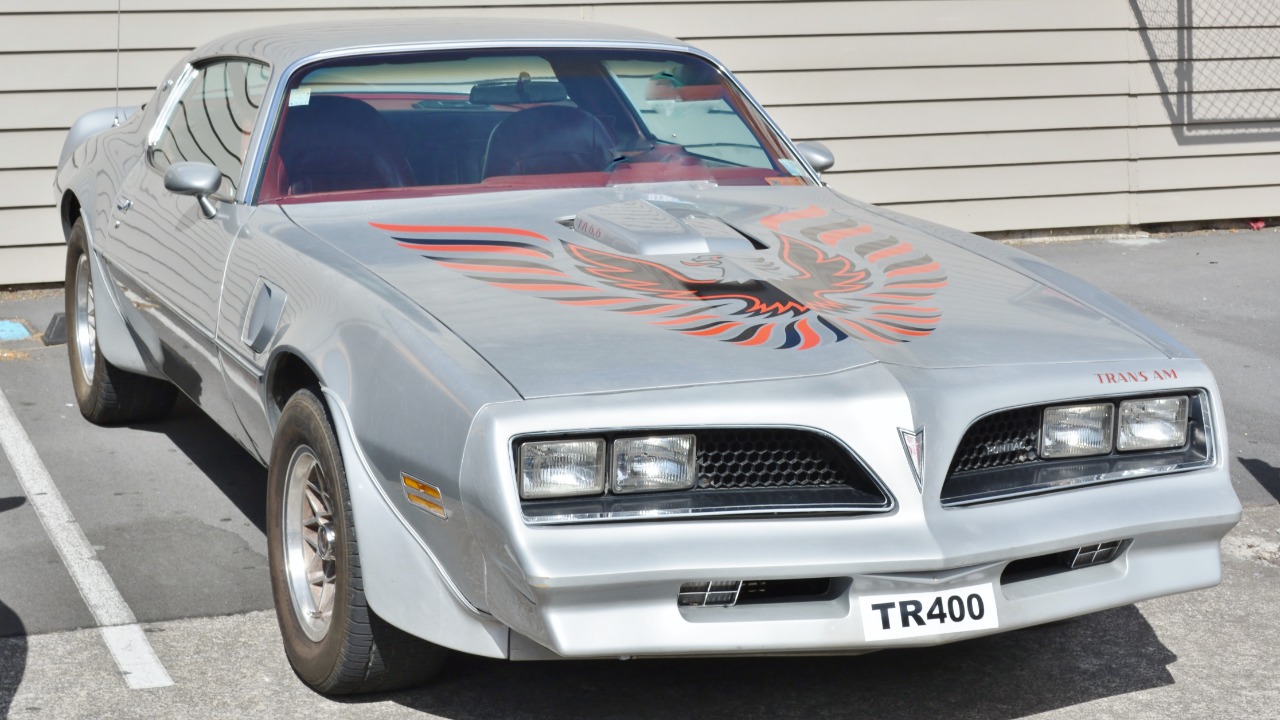
The Pontiac Trans Am, particularly in the 1970s, became a symbol of American muscle and performance. Known for its distinctive “screaming chicken” hood decal, the Trans Am was designed for those seeking speed and style. The 1977 model, featuring a powerful 6.6-liter V8 engine, gained immense popularity, especially after its appearance in the film “Smokey and the Bandit.” The Trans Am’s bold aesthetics and thrilling performance made it a favorite among car enthusiasts. It represented the peak of the muscle car era, embodying the freedom and rebellious spirit of the decade. Its legacy continues to influence automotive design today.
Chrysler Cordoba

The Chrysler Cordoba was introduced in 1975 as a personal luxury vehicle, aiming to combine comfort with a sporty flair. It became famous for its distinctive styling and luxurious interior, complete with rich materials and advanced features for the time. The Cordoba was marketed heavily through memorable commercials featuring actor Ricardo Montalbán, who emphasized its “fine Corinthian leather” upholstery. This emphasis on luxury made the Cordoba popular among buyers looking for a more refined driving experience. While it may not have been a performance powerhouse, its appeal lay in its blend of style, comfort, and a touch of glamour, making it a notable vehicle of the 1970s.
Jeep CJ-5
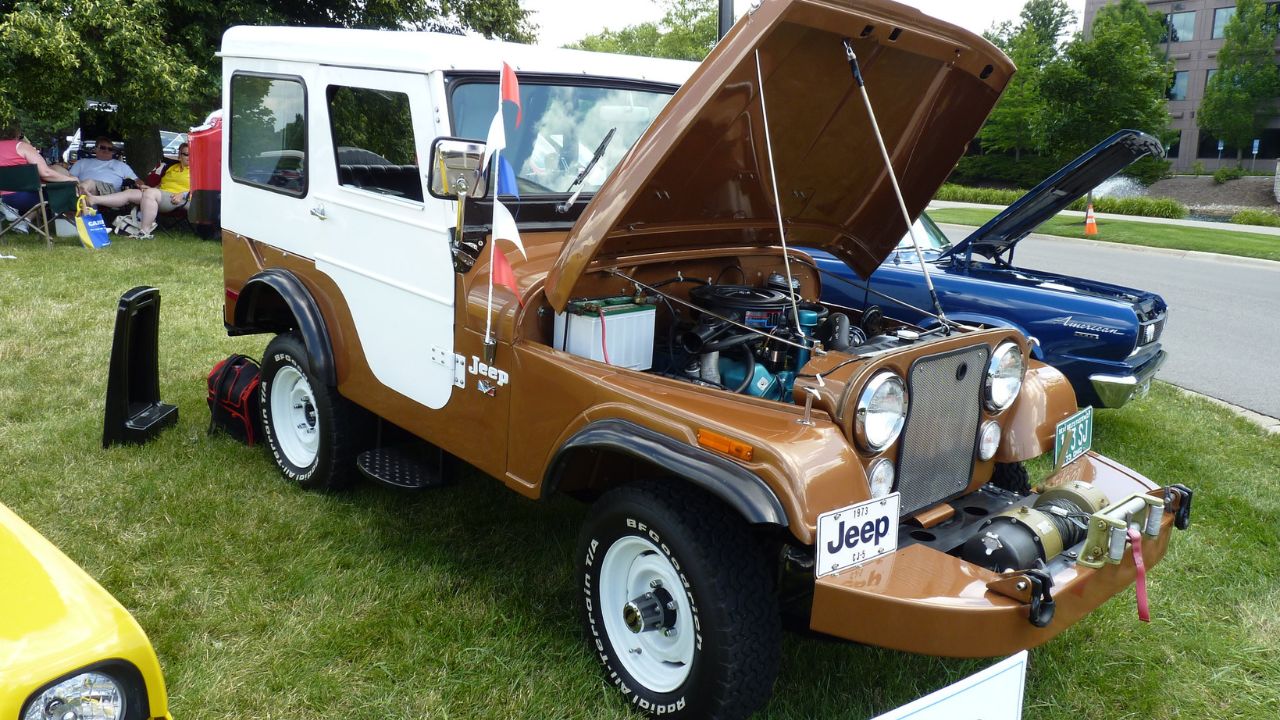
The Jeep CJ-5, produced from 1954 to 1983, solidified its place in the American automotive landscape during the 1970s. Its rugged design and off-road capabilities made it a favorite among adventure seekers and outdoor enthusiasts. The CJ-5 was known for its versatility, capable of tackling rough terrains while also serving as a practical vehicle for everyday use. The 1970s models featured improved comfort and options, appealing to a broader audience. Its ability to handle diverse driving conditions made the CJ-5 an essential vehicle for those who embraced the adventurous spirit of the 1970s, reflecting a burgeoning interest in outdoor recreation.
Subaru 360

The Subaru 360 was a kei car that gained popularity in the United States during the 1970s. Known for its compact size and efficiency, the 360 was designed to navigate urban environments with ease. It featured a unique, rounded shape and could accommodate four passengers, making it a practical choice for city dwellers. Despite its small engine, the Subaru 360 offered surprising agility and maneuverability. Its affordability and fuel efficiency resonated during a time of rising gas prices, making it a sensible option for many. The 360 exemplified the growing trend toward compact vehicles in response to changing consumer needs and lifestyles.
More from Fast Lane Only
- Unboxing the WWII Jeep in a Crate
- 15 rare Chevys collectors are quietly buying
- 10 underrated V8s still worth hunting down
- Police notice this before you even roll window down
*Research for this article included AI assistance, with all final content reviewed by human editors.