When you ask working mechanics which cars they would never park in their own driveways, you get blunt answers that can save you thousands. The models below keep showing up in complaint data, reliability rankings, and even lemon law files. If you are shopping for a new or used vehicle, treating these 12 as red-flag buys can help you avoid constant repairs, safety worries, and brutal depreciation.
Range Rover Sport
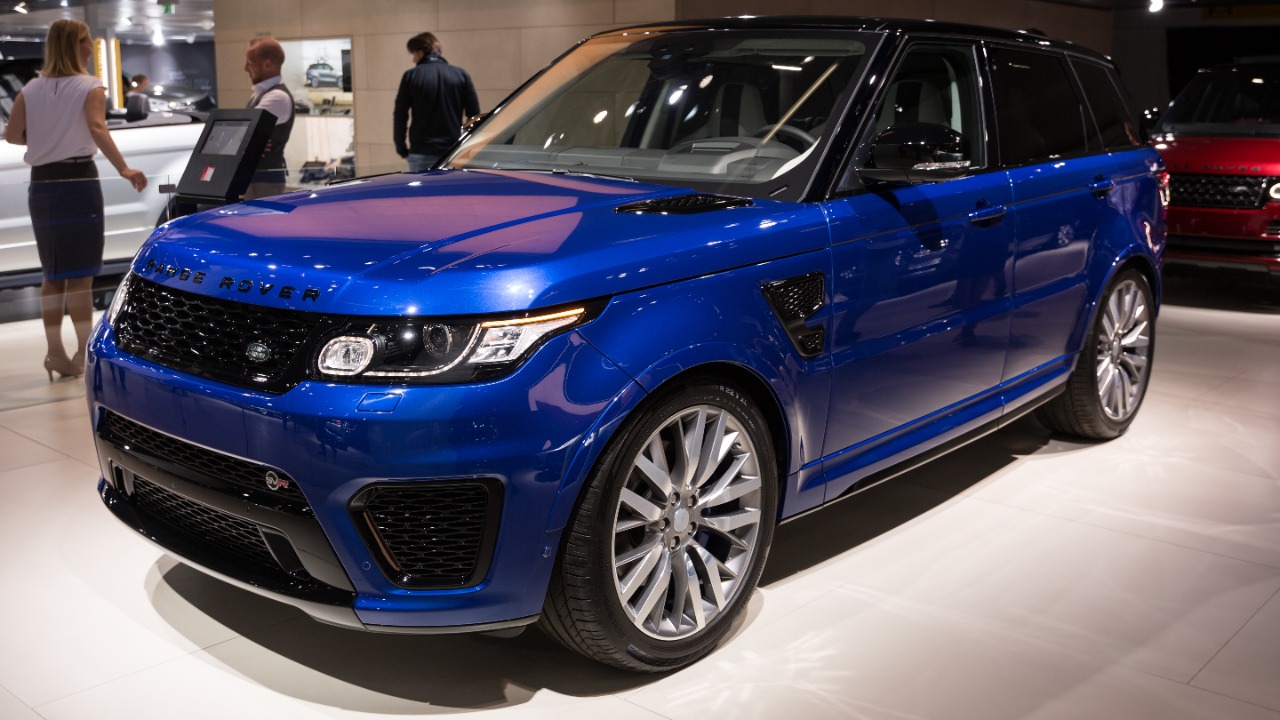
The Range Rover Sport looks like the ultimate status SUV, but technicians repeatedly flag it for chronic reliability problems and sky-high repair costs. In recent guidance on overhyped models, experts warned that you should not expect Land Rover to top any reliability rankings anytime soon. The Range Rover Sport is singled out as a prime example of a vehicle that dazzles with handling, tech, and power while quietly draining owners’ wallets.
Mechanics point to complex air suspensions, electronics, and turbocharged drivetrains that are expensive to diagnose and fix once the warranty ends. Because many Range Rover Sport buyers lease or trade in early, you are likely to encounter these issues when the truck is on its second or third owner. That combination of prestige badge and fragile hardware makes it a risky choice if you plan to keep your SUV long term.
The Land Rover Range Rover
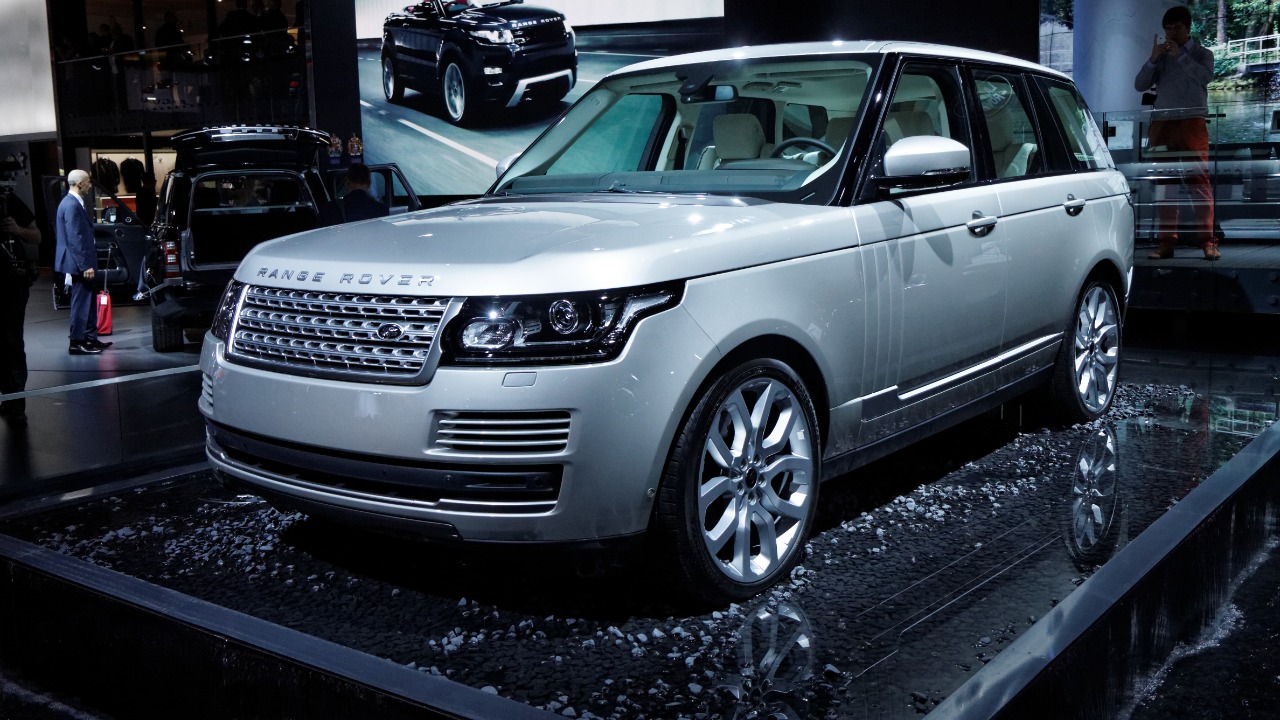
The Land Rover Range Rover, the brand’s flagship, carries an even bigger warning label from independent shops. Financial and reliability analysts note that the 2026 version is popular among upper-class young drivers, yet Land Rover USA has had to acknowledge serious suspension failures that can affect only one side of the vehicle. That kind of asymmetric failure is not just expensive, it can also compromise stability and ride height in unpredictable ways.
Consumer-focused reporting adds that, according to long-term data, purchasing a Land Rover may result in higher maintenance and repair costs than choosing any other typical luxury SUV. When you combine that with the Range Rover’s dense electronics, four-wheel-drive hardware, and intricate interior systems, you get a vehicle that spends more time in the shop than many rivals. For you as a buyer, the risk is that prestige and comfort mask a pattern of breakdowns that are difficult to budget for.
Chrysler Pacifica Hybrid
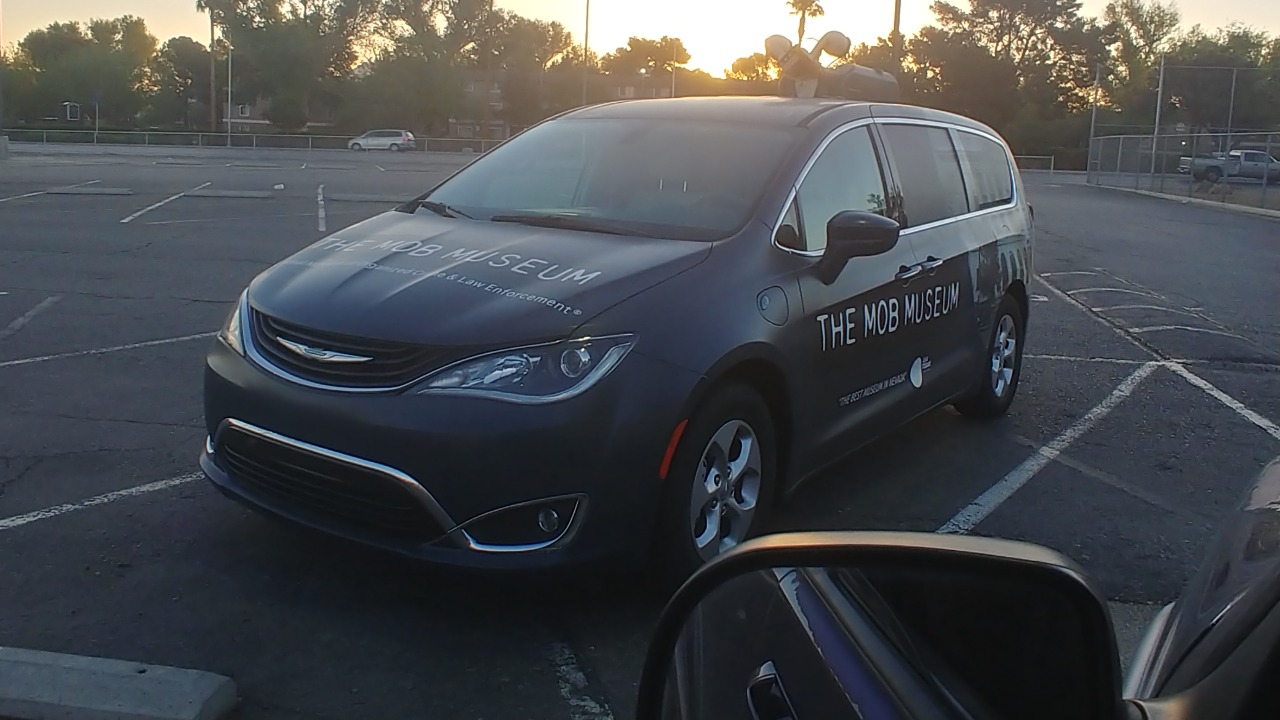
The Chrysler Pacifica Hybrid is often praised for its family-friendly layout and plug-in capability, but mechanics are increasingly steering parents away from it. In a recent rundown of models to avoid, experts recommended staying away from both the 2025 Chrysler Pacifica and the hybrid alternative, stressing that the Pacifica Hybrid is getting more and more complaints about reliability.
That warning lines up with independent testing that lists the Chrysler Pacifica Hybrid among the least reliable vehicles, with a very low reliability score. Owners report issues with the plug-in battery system, sliding doors, and infotainment glitches that can be maddening in daily family use. If you rely on one vehicle to shuttle kids, groceries, and gear, a minivan that frequently needs dealer visits can quickly upend your schedule and budget.
Nissan Altima (2013–2020)
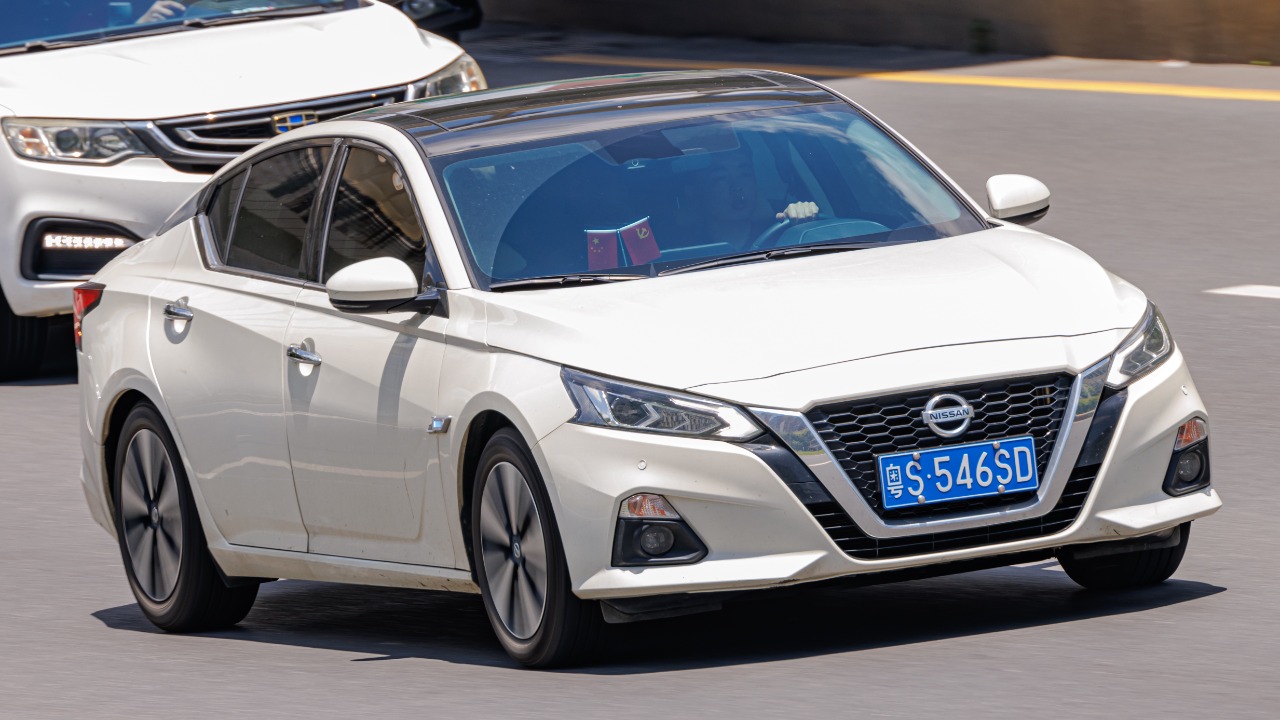
The Nissan Altima from 2013 to 2020 is a textbook example of a car that looks like a safe, sensible used buy but hides a major mechanical weak point. A veteran technician quoted in a buyer-beware guide singled out the Nissan Altima for its continuously variable transmission, or CVT, calling it a problem so serious that the car is not worth the price.
Another detailed breakdown of models to avoid described the Nissan Altima and as the “undisputed champions of CVT failure,” arguing that these cars did more damage to CVT reputation than any others. For you, that means a high chance of transmission shuddering, slipping, or outright failure, often outside warranty coverage. Replacing a CVT can cost more than the car is worth, turning a cheap used sedan into a financial trap.
Nissan Rogue
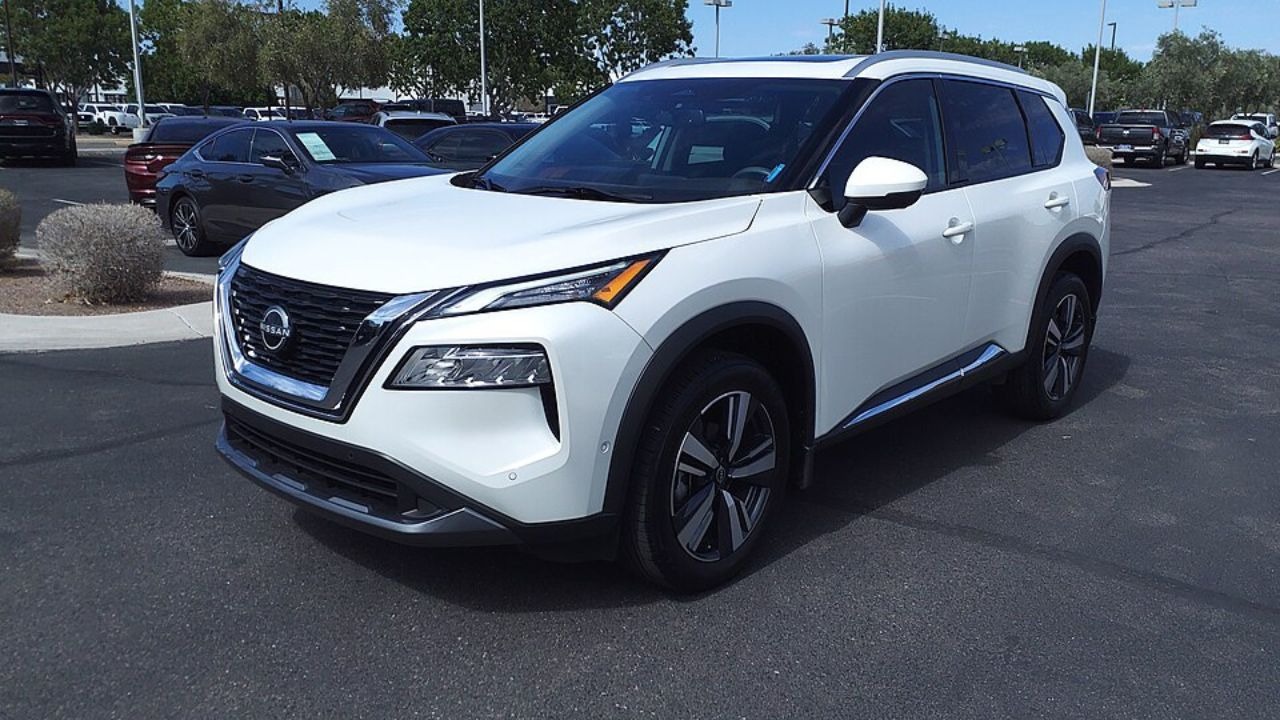
The Nissan Rogue shares much of its drivetrain with the Altima, which is exactly why mechanics are wary of it. In the same analysis that labeled the Altima a CVT disaster, the Nissan Rogue was cited as sharing the same “undisputed” CVT failure crown. That reputation is backed up by a steady stream of owner complaints about whining noises, jerky acceleration, and sudden loss of power.
Because the Rogue is marketed as a practical family crossover, many buyers assume it will be as durable as rivals from Toyota or Honda. Instead, the transmission design often leads to repeated repairs or full replacements, which can easily exceed the vehicle’s value on older models. If you want a compact SUV that you can keep for a decade, mechanics suggest looking elsewhere rather than gambling on a Rogue with a known weak heart.
Chevy Cruze
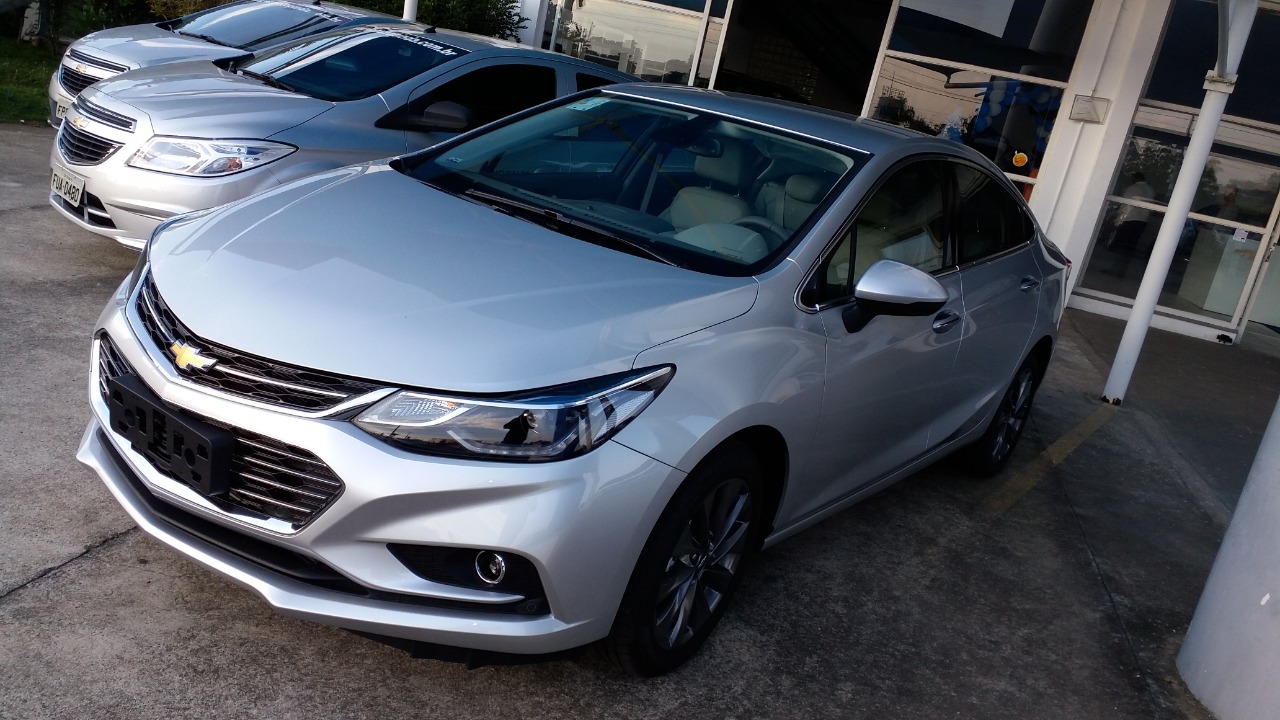
The Chevy Cruze is another compact that looks like a bargain on the used lot but shows up frequently in shop bays. In a survey of vehicles mechanics would not recommend even to their worst customers, the Chevy Cruz and were both singled out. Technicians cited recurring engine and transmission issues, along with electrical gremlins that can be time-consuming to diagnose.
For the Cruze specifically, turbocharged small engines can suffer from cooling and oiling problems if maintenance is not perfect, and many first owners treated them as basic economy cars. That means you, as a second or third owner, may inherit a vehicle with hidden internal wear. When a car has a reputation among mechanics as something they would not wish on an enemy, it is a strong sign to keep walking.
Chevy Equinox
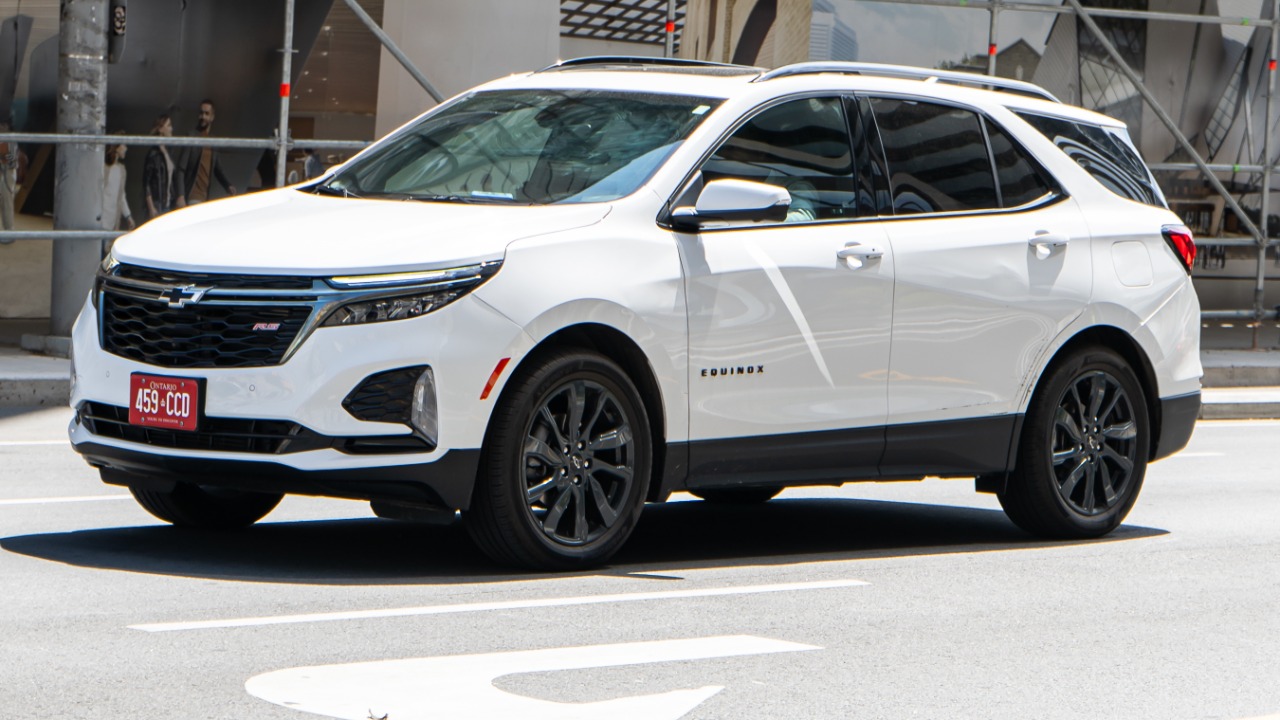
The Chevy Equinox shares the Cruze’s place on many mechanics’ “never buy” lists, but for slightly different reasons. In the same warning that grouped the Chevy Cruz and, technicians pointed to chronic engine problems in certain Equinox generations, including excessive oil consumption and timing chain failures. Those issues can lead to catastrophic engine damage if not caught early.
Because the Equinox is a popular fleet and family vehicle, many examples have high mileage and spotty maintenance histories. Once oil-burning or timing problems start, repair bills can quickly exceed what the SUV is worth on the private market. For you as a shopper, that means a high risk of buying into someone else’s deferred maintenance and facing a four-figure engine job soon after signing the paperwork.
Tesla Model S

The Tesla Model S helped make electric cars aspirational, yet working mechanics often caution against buying one, especially out of warranty. A detailed rundown of vehicles professionals would never own themselves noted that Tesla vehicles dominate the EV market but are also among the cars you should not purchase if you value straightforward service.
Independent shops highlight that parts and repair procedures are tightly controlled, and some components are unique and difficult to find. That can leave you dependent on a limited service network, with long waits and high costs once the factory coverage ends. For a tech-heavy car like the Model S, where battery, suspension, and infotainment issues can all crop up, that lack of accessible repair options becomes a serious ownership risk.
Volkswagen ID.4
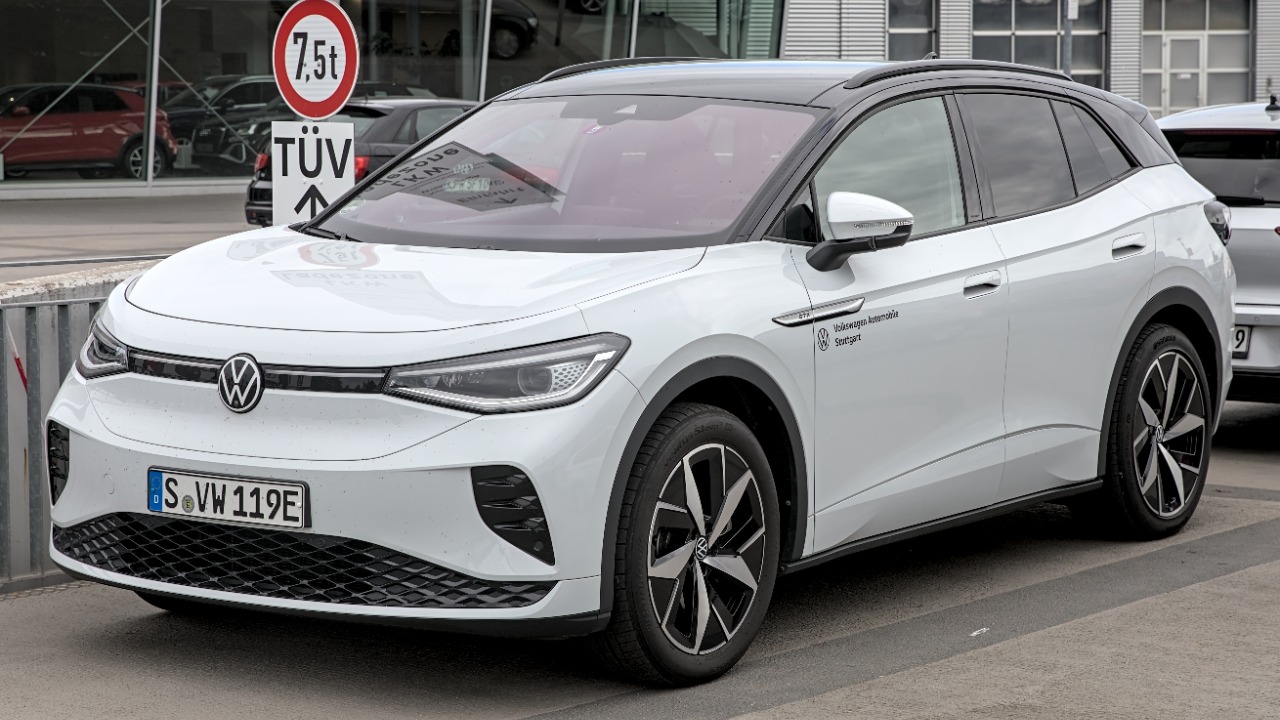
The Volkswagen ID.4 is pitched as a sleek electric crossover for the mainstream, but reliability data is already raising red flags. In a video breakdown of cars to avoid, analysts opened their list with the 2025 Volkswagen ID.4, warning that early owners are already dealing with software glitches and charging-system quirks that are difficult to resolve.
Those concerns echo broader commentary that some newer EVs are “maintenance nightmares waiting to happen” as they age, because complex electronics and battery management systems are still relatively untested over long time spans. If you are drawn to the ID.4’s styling and quiet drive, mechanics suggest weighing that against the risk of being an unpaid beta tester for evolving software and hardware. With EV technology moving quickly, a problematic first-generation model can become obsolete before you finish paying it off.
Nissan Frontier
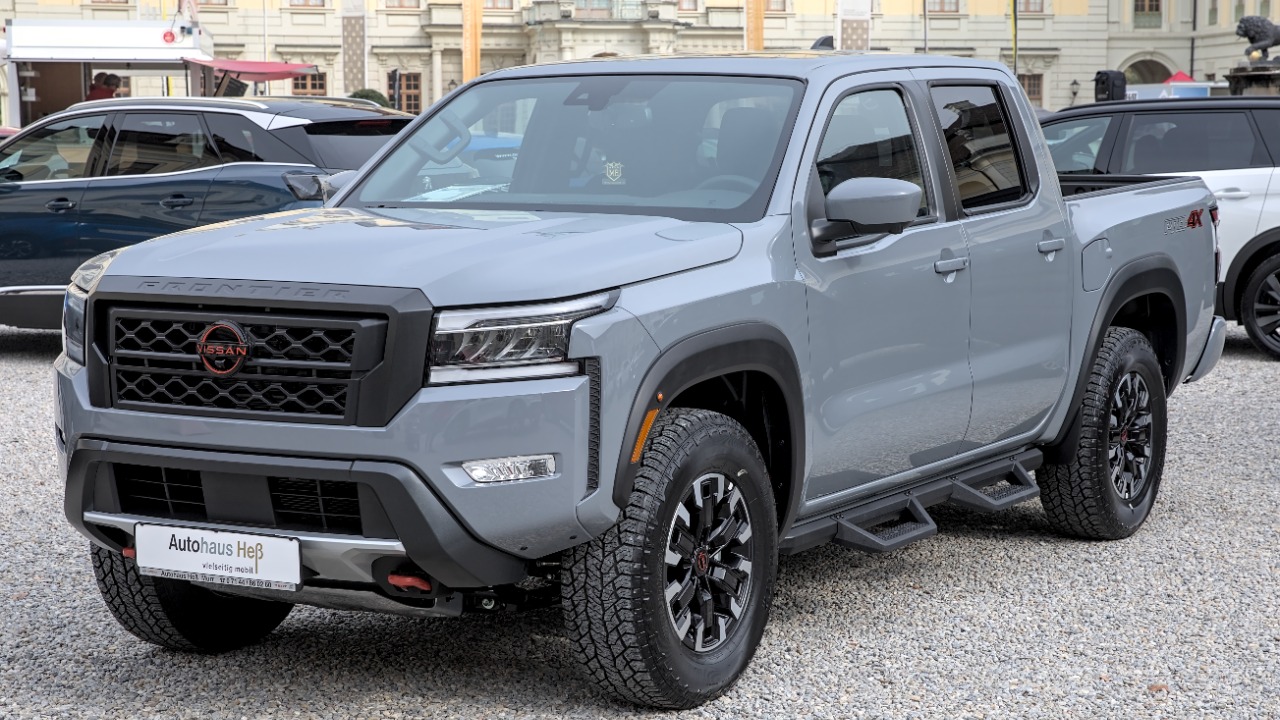
The Nissan Frontier is often marketed as a rugged, no-nonsense midsize truck, but some buyer guides now list it among the models to avoid. A detailed overview of problem vehicles notes that Cars that you in 2025 include the Nissan Frontier, adding that Nissan is a long way off from being the most desired brand of truck. That skepticism reflects concerns about drivetrain durability and outdated engineering in some model years.
For owners who actually use their trucks for towing or off-road work, those weaknesses can show up as transmission strain, premature rust, or suspension wear. Because trucks tend to rack up high mileage, any underlying design flaw becomes more expensive over time. If you need a workhorse that will last, mechanics often recommend more proven alternatives rather than gambling on a Frontier with mixed reliability history.
High-complaint Ford F-150 generations
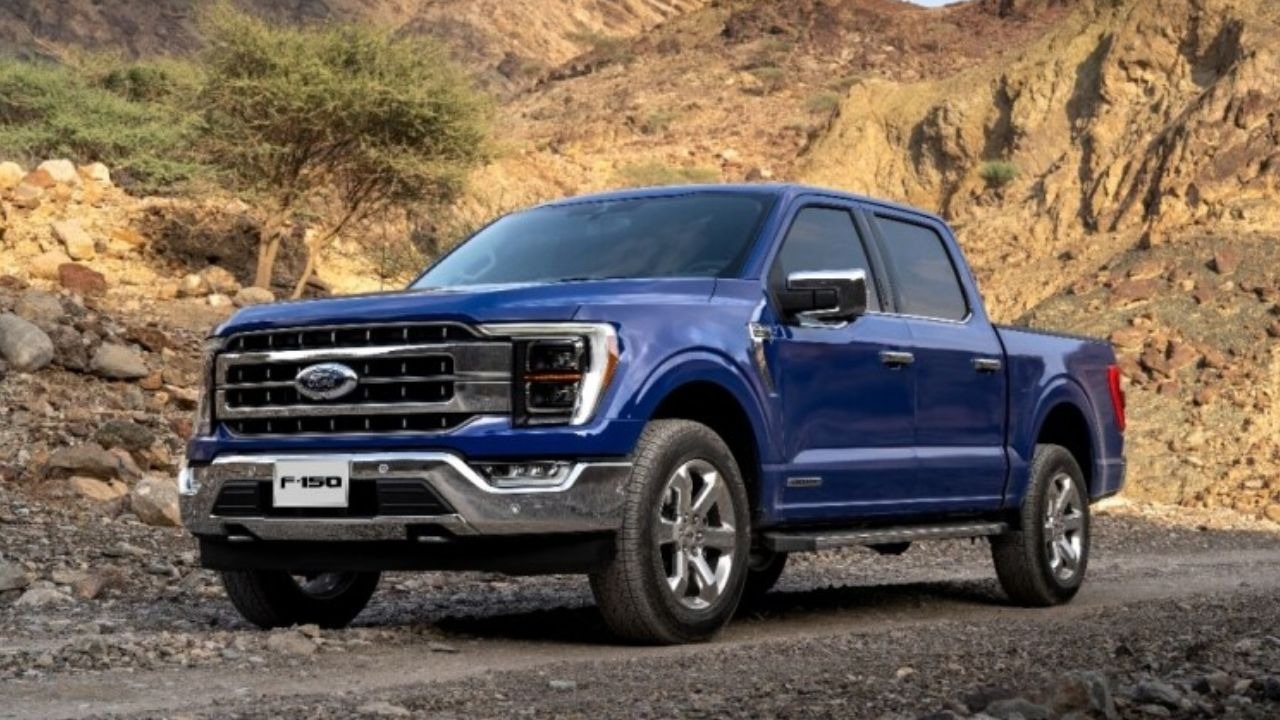
The Ford F-150 is the best-selling vehicle in America, but that popularity hides the fact that certain generations generate an outsized number of owner complaints. A breakdown of vehicles with the most issues lists the Cars with the, including specific Ford Make and Model entries with complaint counts in the tens of thousands.
Mechanics who see these trucks daily point to issues like turbo EcoBoost engine problems, transmission shudder, and aluminum body repair costs that can surprise owners. The key takeaway is not that every F-150 is bad, but that you should research the exact model year and powertrain before buying. When complaint data clusters around certain generations, you can use that information to steer toward more reliable years or negotiate a lower price to offset potential repairs.
Overhyped luxury SUVs with poor reliability rankings
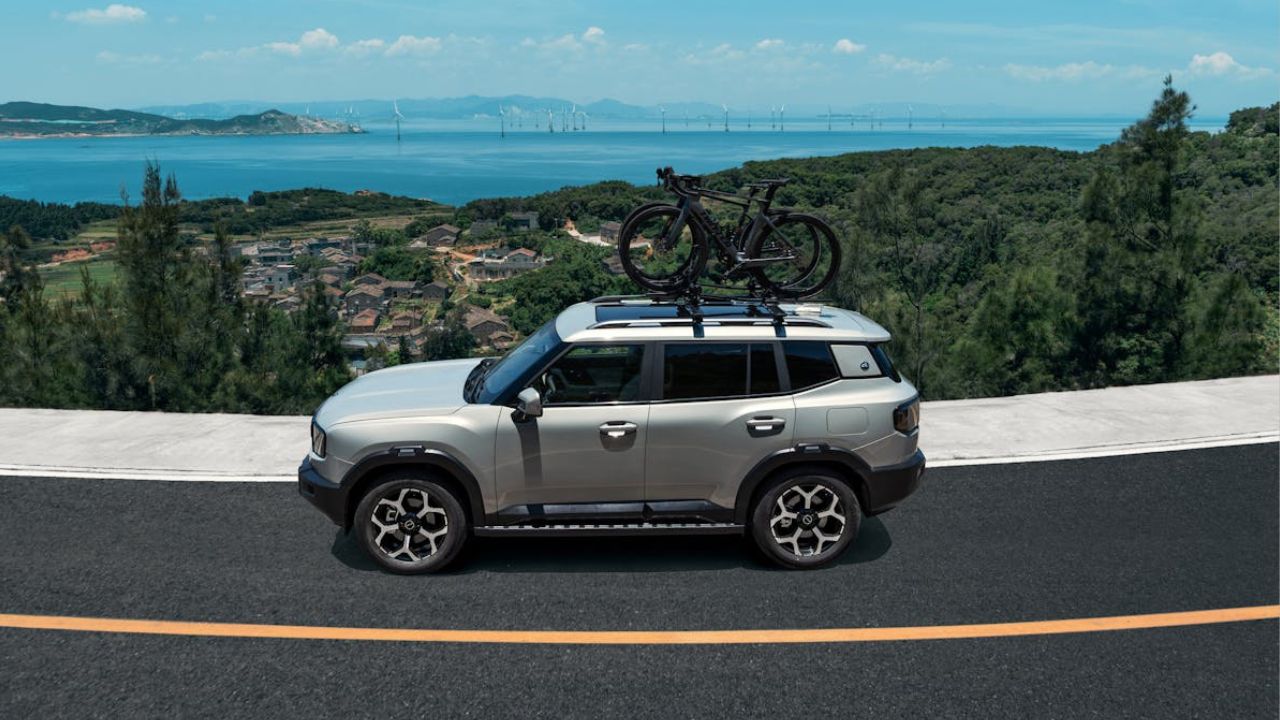
Beyond specific nameplates, mechanics warn you to be cautious with any luxury SUV that looks glamorous but sits near the bottom of reliability charts. A recent consumer-focused analysis of Least Dependable Car highlights how some premium badges consistently underperform on Reliability Rankings. That pattern is reinforced by lemon law specialists who, Using statistics from 2024, identify models with high repair rates and joint complaints that are likely to trigger lemon law claims.
Mechanics also caution that some of these SUVs are “overhyped,” a point echoed in consumer pieces urging drivers to stop buying certain overhyped car models that look great on social media but fall apart in real-world use. When you see a luxury SUV with cutting-edge tech, air suspension, and a badge from a brand that ranks near the bottom of reliability lists, treat it as a potential money pit. Spending a little more time on research, or choosing a simpler model, can save you from years of expensive shop visits.
More from Fast Lane Only