Once a car crosses 50,000 miles, the honeymoon phase is over and the real ownership story begins. You start to see which models age gracefully and which ones turn into money pits that you quietly stop recommending to friends. Here are 10 specific cars that many owners regret buying after that 50,000-mile mark, along with the patterns and complaints that explain why satisfaction drops so sharply.
Infiniti QX50

The Infiniti QX50 looks like a safe luxury bet when it is new, but owner surveys show a harsh reality once you rack up miles. In one detailed breakdown of regret-prone models, the Infiniti QX50 was listed with only 25% of owners saying they Would Buy Again. That is an alarmingly low figure for a premium crossover that competes on comfort and technology rather than bargain pricing.
By the time you pass 50,000 miles, complaints often center on transmission behavior, interior rattles, and driver-assistance tech that feels dated or glitchy compared with newer rivals. When only 25% of owners would repeat the purchase, it suggests you could face both reliability frustrations and steep depreciation. If you are shopping used, you need to budget for repairs and be realistic about resale value, because the market tends to punish luxury models that disappoint early adopters.
Volkswagen Taos

The Volkswagen Taos is another compact SUV that seems perfect on paper, yet long-term satisfaction numbers tell a different story. In the same owner feedback that flagged the Infiniti, the Volkswagen Taos showed just 38% Would Buy Again, a strikingly low endorsement for a relatively new model. That 38% figure reflects how quickly early enthusiasm can fade once real-world driving and maintenance costs set in.
Owners frequently point to jerky low-speed shifting, finicky infotainment, and fuel economy that fails to match expectations in mixed driving. After 50,000 miles, those annoyances are compounded by out-of-warranty repairs on turbocharged components and electronics. For you as a buyer, that means a higher risk of unexpected bills and a vehicle that may feel older than its odometer suggests, especially compared with more polished Japanese and Korean competitors in the same price bracket.
Nissan Sentra

The Nissan Sentra has long been marketed as a sensible compact sedan, but owner satisfaction data shows that many drivers sour on it over time. In the same analysis that highlighted the Taos, the Nissan Sentra posted only 39% Would Buy Again. That 39% result is particularly concerning in a segment where rivals like the Toyota Corolla and Honda Civic often inspire repeat purchases.
Once you pass 50,000 miles, the Sentra’s continuously variable transmission becomes a frequent source of anxiety, with reports of shuddering, slipping, or outright failure that can cost thousands to address. Interior materials also tend to show wear quickly, making the car feel tired even if the drivetrain survives. For budget-conscious buyers, that combination of potential transmission trouble and rapid cosmetic aging can turn what looked like a smart deal into a car you are eager to trade in sooner than planned.
Kia Sorento Hybrid

The Kia Sorento Hybrid promises three-row practicality with impressive fuel savings, but some owners discover the compromises only after living with it for several years. In owner satisfaction rankings that also covered the Infiniti and Sentra, the Kia Sorento Hybrid landed on a list of models that drivers regret, signaling that the ownership experience does not always match the brochure. Complaints often focus on real-world fuel economy that falls short of expectations once the battery and engine have aged.
By the 50,000-mile mark, you may also notice more frequent software updates, occasional hybrid system warnings, and brake components that wear faster due to the vehicle’s weight. While not catastrophic, these issues can erode confidence in the long-term durability of the hybrid system. For families counting on low running costs, the gap between promised efficiency and actual expenses can feel like a broken promise, especially when compared with simpler non-hybrid SUVs.
Jeep Compass

The Jeep Compass is marketed as a rugged Small SUV, but long-term owners often describe a very different experience. In a widely cited owner-satisfaction review, drivers were urged to Learn about models that disappoint, and the Jeep Compass was singled out for Lackluster performance, a cramped and austere cabin, and a driving experience that many simply call boring. Those flaws become harder to ignore once the novelty of the badge wears off.
After 50,000 miles, owners frequently report suspension clunks, electrical gremlins, and infotainment glitches that require repeated dealer visits. The Jeep name suggests adventure, yet the Compass often spends more time dealing with minor but persistent issues than exploring trails. For you, that means factoring in not just repair costs but also the frustration of downtime, especially if you bought the vehicle expecting both reliability and off-road credibility that it struggles to deliver.
Jeep Wrangler

The Jeep Wrangler has an iconic image, but the ownership story changes once you cross the 50,000-mile threshold. Detailed warranty guidance notes that Significant repairs, even on a Jeep, tend to occur when Jeeps go past the 50,000-mile mark, right as factory coverage winds down. That timing leaves many Wrangler owners facing big bills for engines, transmissions, or complex four-wheel-drive components.
Because Wranglers are often modified and driven hard, wear on steering, suspension, and differentials can accelerate, compounding the risk. If you are drawn to the Wrangler’s open-air fun, you need to budget for those likely repairs and consider an extended warranty. Otherwise, the same rugged hardware that makes the Jeep so appealing off-road can become the reason you regret buying it once the odometer and repair invoices start climbing together.
Mini Cooper

The Mini Cooper wins hearts with its styling and go-kart handling, but mechanics see a different side of the story around the 50,000-mile mark. One specialist shop notes that it is very common for the water pump and thermostat to fail on these cars, recommending service around 50k miles to replace the water pump. Ignoring that advice can lead to overheating and far more expensive engine damage.
Beyond cooling-system issues, owners often face carbon buildup on direct-injection engines, oil leaks, and pricey suspension repairs, all of which tend to surface as the car ages. Because parts and labor are not cheap, especially at branded service centers, the Mini’s charm can fade quickly when you are staring at a four-figure estimate. If you are considering a used Mini Cooper, you should treat a full service history and proactive cooling-system work as non-negotiable, or you risk inheriting someone else’s deferred maintenance.
BMW X5 (6‑cylinder)
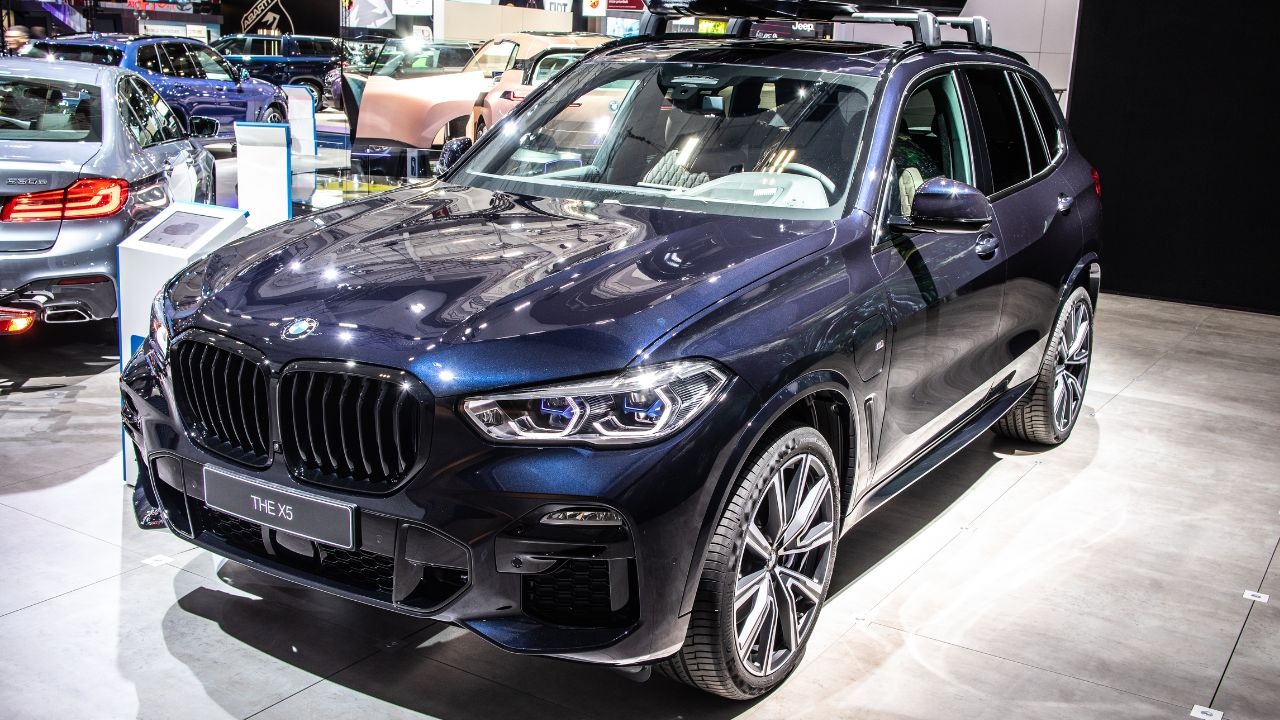
The BMW X5 with the 6-cyl engine is often praised when new, yet it appears prominently on lists of used vehicles to avoid. One widely shared warning singles out the BMW X5 (6-cyl) alongside several aging domestic models, citing high ownership costs and reliability concerns. Those problems tend to intensify once the odometer passes 50,000 miles and complex systems age out of warranty.
Air suspension components, turbochargers, and electronic modules are all known pain points, and each can generate repair bills that rival several months of car payments. When you combine that with premium fuel requirements and expensive tires, the X5 can feel like a financial trap. For shoppers, the lesson is clear: a low used price on a luxury SUV does not erase the reality of European parts pricing and labor rates once the vehicle is no longer new.
European luxury brands (Audi, BMW, Land Rover)

Zooming out from individual models, several European luxury marques are consistently flagged as costly to own in the long run. A comprehensive cost-of-ownership study found that At the bottom of the rankings, several European luxury marques are clustered as the most expensive brands, namely Audi, BMW, Land Rover. Those names carry prestige, but they also bring some of the highest maintenance and repair costs in the industry.
After 50,000 miles, complex air suspensions, turbocharged engines, and advanced electronics start to show their age, and out-of-warranty repairs can be brutal. Even routine service items like brakes and fluids cost more than on mainstream brands. If you are tempted by a used Audi, BMW, or Land Rover at an attractive price, you need to factor in that long-term cost profile, or you may quickly regret trading a lower-status badge for a higher monthly repair budget.
Plug‑in hybrids with complex systems

Plug-in hybrids promise the best of both worlds, but some owners discover that complexity becomes a liability as mileage climbs. One detailed owner-satisfaction review of plug-in models noted that certain systems have been linked to a long list of complaints, including electrical issues and charging frustrations, with satisfaction scores dropping to around 70 out of 100. Those problems often surface after several years, right when the odometer passes 50,000 miles.
At that point, battery degradation, software glitches, and out-of-warranty charging hardware can turn a once-delightful commuter into a source of anxiety. Because plug-in systems are still relatively new, independent shops may be less equipped to diagnose issues, pushing you toward expensive dealer service. For you as a buyer, that means carefully weighing the fuel savings against the risk of complex, high-voltage components aging in ways that are harder and costlier to fix than a conventional gasoline drivetrain.
More from Fast Lane Only