You know the feeling: a strange-looking car passes you, you laugh it off, and a decade later you are wishing you had bought one cheap. Some models were so far ahead of what drivers wanted that they only made sense in hindsight. Here are seven cars drivers did not really understand until it was too late, and what they reveal about how slowly tastes and technology actually change.
DMC DeLorean

The DMC DeLorean looked like a stainless-steel spaceship, yet most buyers never saw past its modest performance and early quality issues. Contemporary critics focused on the lack of power rather than the radical gullwing doors and corrosion resistant body. As later analysis of The DeLorean explains, Jan commentary notes that Although it failed commercially, it became an enduring symbol of innovation. Many of the original engineering ideas, such as the composite underbody and safety-focused chassis, were simply too unusual for the early 1980s showroom.
Today, you see the result of that misunderstanding in the market. Enthusiasts now treat the car as a rolling piece of design history, and specialist shops keep a surprisingly large number on the road. Many of the surviving cars are preserved or restored by owners who finally recognize how bold the concept was. The stakes for you as a buyer are obvious: when a car looks unlike anything else, it might be a future icon rather than a punchline.
Nissan Murano CrossCabriolet

The Nissan Murano CrossCabriolet asked drivers to imagine a world where a crossover and a luxury convertible were the same vehicle. Most shoppers just saw a strange, tall soft-top and walked away. Period sales charts show that the Nissan Murano based convertible was a disaster in showrooms, yet later coverage of sales disasters notes how it has become a cult favorite. Jan analysis points out that the Nissan experiment anticipated the appetite for lifestyle SUVs that feel more like fashion accessories than family haulers.
Because drivers did not understand who the CrossCabriolet was for, they missed how it previewed today’s flood of coupe-like crossovers and style-first SUVs. Now, low-mile examples trade among enthusiasts who enjoy the sheer oddity and comfort. If you are tempted to laugh at the next niche Nissan or Murano spin-off, remember that the same recipe of all-wheel drive, high seating and open-air cruising now looks surprisingly close to what premium brands are selling at a premium.
Isuzu VehiCROSS

The Isuzu VehiCROSS looked like it had been sketched by a sci-fi storyboard artist, with cladding, tiny windows and a stance that screamed concept car. At the time, buyers were not ready for an SUV that prioritized design and off-road tech over cargo space. Later reviewers of forgotten 90s cars highlight how this Isuzu SUV, shown in Exterior Image Mecum auction photos, packed advanced suspension hardware and serious trail ability into a compact footprint.
Drivers who dismissed it as a toy missed that it foreshadowed the modern obsession with small, style-heavy crossovers. The VehiCROSS previewed the idea that you might buy an SUV as a personal statement rather than a family appliance. Today, collectors hunt for clean examples, and prices reflect that shift in perception. If you had trusted your instincts instead of the crowd, you could have owned a future classic that now turns heads at any cars and coffee meet.
Ford Edsel
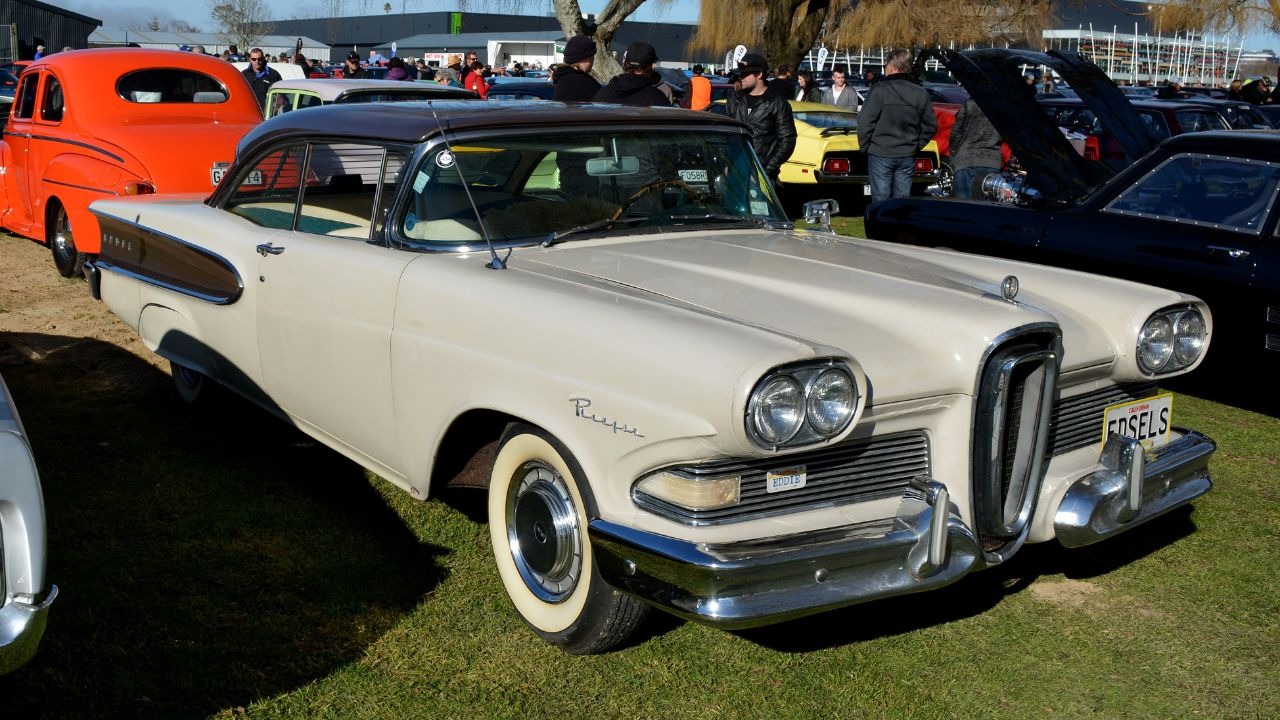
The Ford Edsel has become shorthand for failure, yet that reputation hides how ambitious the project really was. Contemporary buyers balked at the styling and the marketing hype, and sales collapsed so quickly that the nameplate vanished. Modern valuations, however, show how the narrative has changed. Coverage of Classic Car Flops notes that the 1959 Ford Edsel can command around $45,000, with Condon Skelly citing its scarcity and cultural significance.
Drivers in period did not appreciate the technical features or the attempt to create a distinct sub-brand within Ford. Now, the same quirks that scared buyers away make the car a conversation piece at auctions. For you, the Edsel is a reminder that market failure and bad design are not the same thing. A car can flop because it arrives at the wrong moment, and that timing mistake can later turn into a financial opportunity for anyone willing to look past the jokes.
Volvo 850 Turbo Estate

The Volvo 850 Turbo Estate looked like a sensible family wagon, which is exactly why most drivers underestimated it. Under the boxy body sat a 2.3-liter turbocharged engine that transformed the 850 into a genuine performance machine. Later lists of Most Underrated Cars single out the 850 Turbo Estate and spell out the Specification and Details, emphasizing how its power and practicality combination went largely unnoticed when new.
Because the styling screamed “suburban errands,” few people realized they were watching the template for modern fast wagons and performance crossovers. The 850 showed that you could have speed, safety and space in one package without shouting about it. Today, enthusiasts hunt for clean Turbo Estate examples, and values are climbing as drivers finally understand what they missed. If you ever shrug off a car because it looks too sensible, remember how quietly this Volvo rewrote the rules.
Buick Roadmaster

The Buick Roadmaster arrived at a time when big American sedans were falling out of favor, so many drivers dismissed it as an outdated barge. That reaction ignored how cleverly it blended traditional comfort with modern V8 power and long-distance refinement. Later retrospectives on overlooked classics argue that While some incredible cars get overshadowed by their rivals, the Buick Roadmaster was simply too far ahead of its time in anticipating today’s comfort-focused cruisers.
Drivers who wanted sharp handling or European badges never gave it a chance, yet the Roadmaster quietly delivered the relaxed, torque-rich driving experience that modern luxury SUVs now sell at a premium. As fuel prices and tastes shifted, the car disappeared, only to be rediscovered by enthusiasts who value its highway composure and durability. If you are tempted to write off a big sedan as irrelevant, the Roadmaster shows how quickly tastes can swing back toward comfort and character.
Honda Crosstour
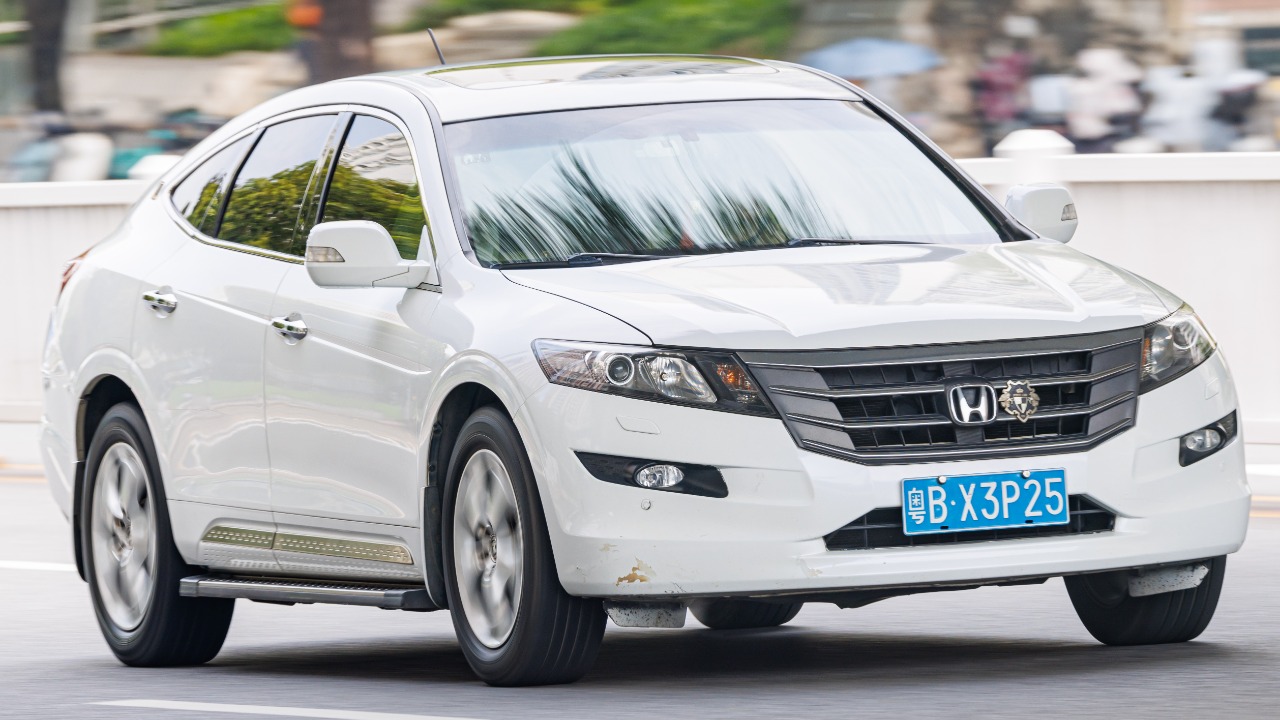
The Honda Crosstour tried to merge a sedan, wagon and crossover into one sleek package, but shoppers mostly scratched their heads. Its sloping roofline cut into cargo space, and traditional SUV buyers did not see the point. Reader responses collected in a discussion of cars too ahead mention the Honda Crosstour alongside models like the Suzuki Sidekick and Geo Chevy Tracker, arguing that the idea was more theoretical than actual for most drivers.
Yet the Crosstour anticipated the current wave of coupe-like crossovers that trade boxy practicality for style and car-like dynamics. What looked confusing a decade ago now feels familiar in showrooms full of sloping-roof SUVs. For you as a buyer, the Crosstour is a lesson in watching the direction of the market rather than the immediate sales charts. The cars that seem strangest today may be the ones that define the next phase of automotive design.
More from Fast Lane Only