Racing organizations have always tried to keep powerful engines within competitive limits. Sometimes the rules targeted displacement, while other restrictions focused on compression, carburetion, intake design, or production requirements. These regulations could dramatically change how an engine performed on the track. These 16 big-blocks became associated with racing rules that deliberately controlled their potential.
Chevrolet 427 L88

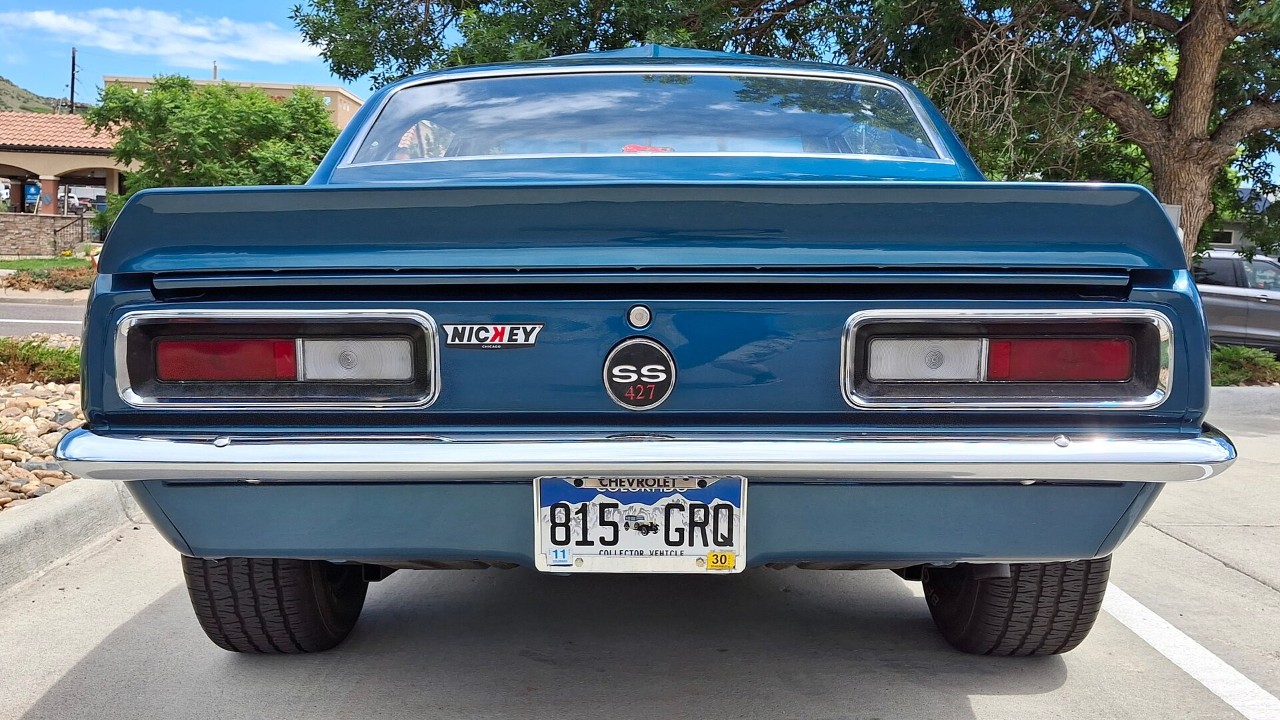
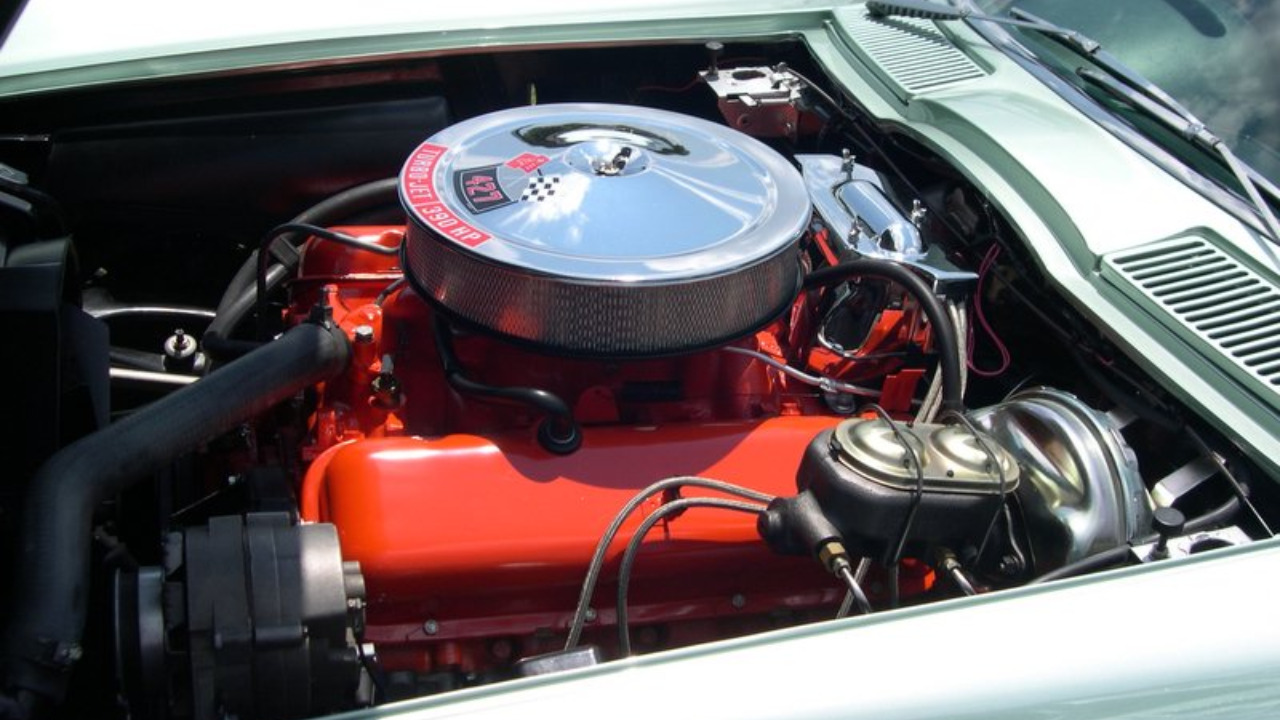
The Chevrolet 427 L88 was one of the most extreme big-blocks Chevrolet offered during the muscle-car era. Built with serious racing hardware, it used high-flow cylinder heads, a solid-lifter valvetrain, and a large four-barrel carburetor. Its official street rating understated its real capability. Racing organizations had strong reasons to control engines like the L88 through displacement, equipment, and class regulations because its combination of airflow and high-rpm capability could create a major advantage.
Chevrolet 427 ZL1
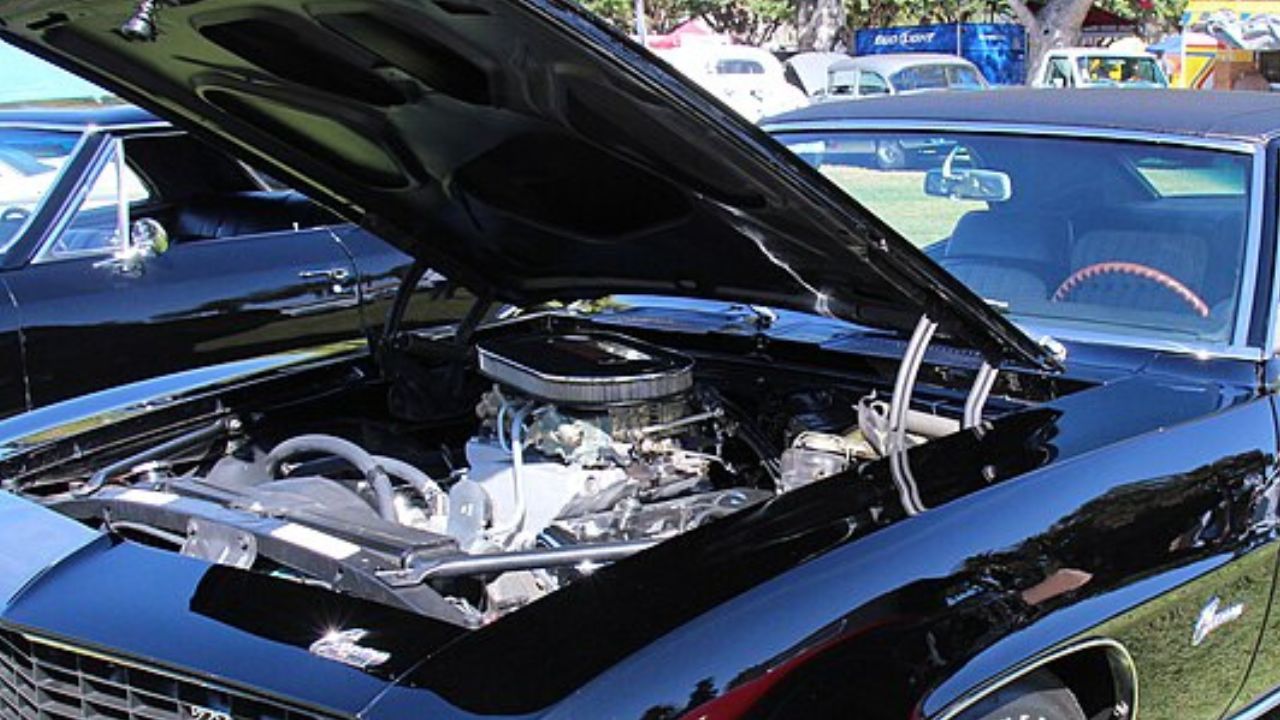
The aluminum-block Chevrolet 427 ZL1 was developed with competition in mind and shared much of its architecture with Chevrolet’s racing-oriented big-block program. Its lightweight aluminum block reduced engine weight while maintaining enormous displacement. The engine’s racing applications brought it under rules designed to prevent unlimited development advantages. Production requirements and class regulations could determine where an engine like the ZL1 was permitted to compete, preventing its technology from simply dominating every category.
Ford 427 SOHC
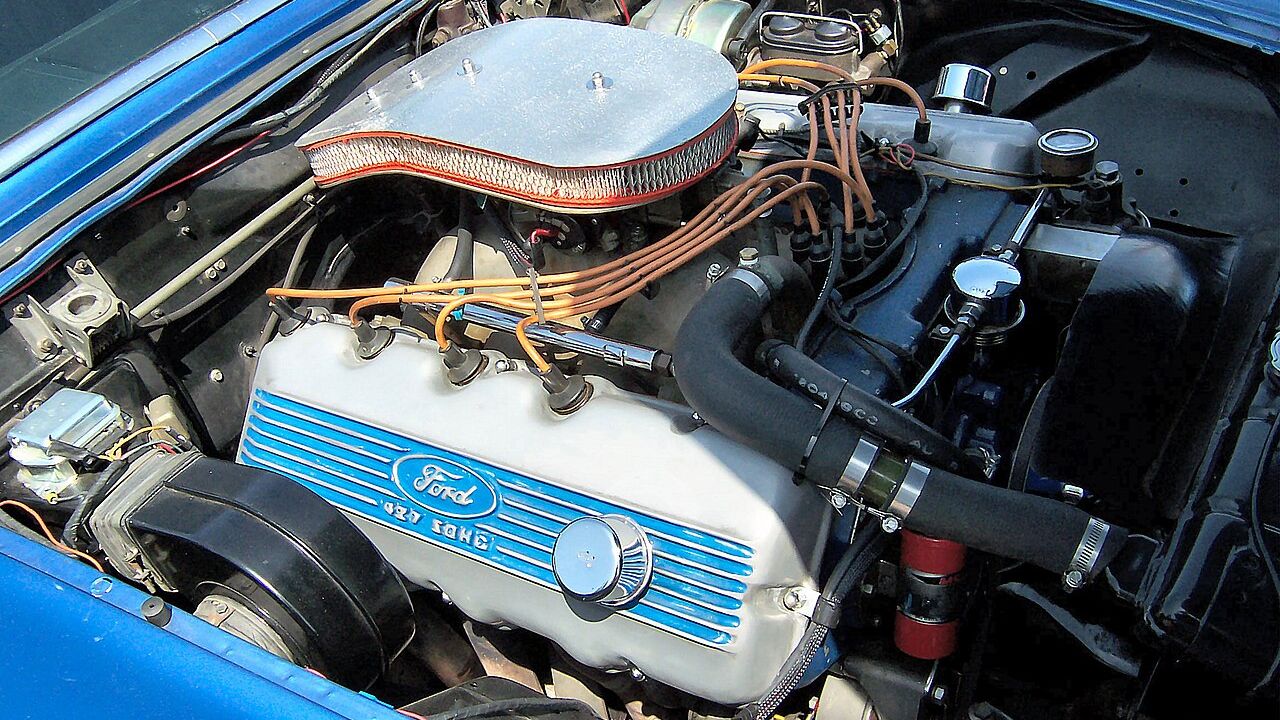
Ford’s 427 SOHC, often called the Cammer, was one of the most ambitious American racing engines of the 1960s. Its single-overhead-camshaft layout allowed excellent control of the valves at high engine speeds. NASCAR famously prevented the engine from competing in its premier stock-car competition after rule changes surrounding overhead-cam engines. The restriction became part of the engine’s legend because Ford had developed an unusually sophisticated design for American stock-car racing.
Chrysler 426 Hemi
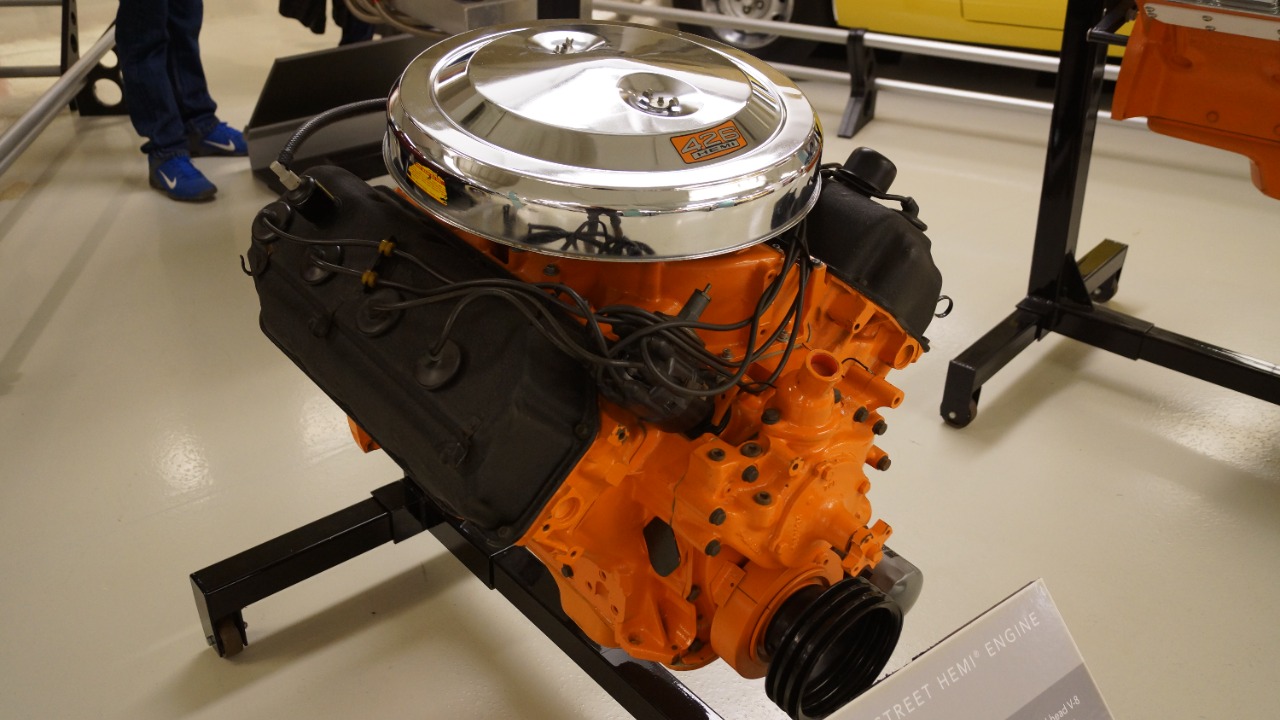
The Chrysler 426 Hemi became one of the defining engines of American drag racing and stock-car competition. Its hemispherical combustion chambers and excellent cylinder-head airflow provided enormous performance potential. NASCAR’s rules surrounding the engine required Chrysler to meet production and homologation conditions, while later regulations changed what versions could compete. The restrictions were intended to keep specialized racing hardware from creating an overwhelming advantage against more conventional production-based engines.
Ford 429 Boss
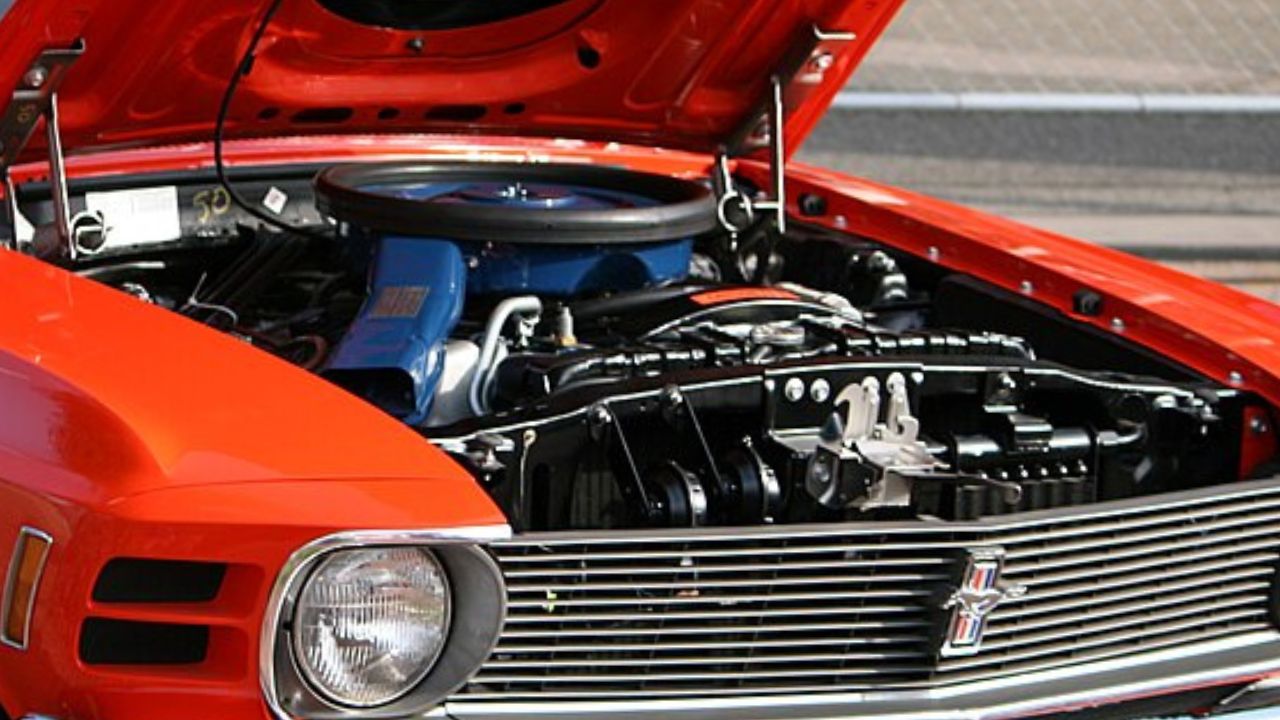
The Ford 429 Boss was one of the engines specifically affected by NHRA’s early Pro Stock weight-break system. In 1972, NHRA gave conventional wedge engines one weight formula while applying a heavier 7.25-pounds-per-cubic-inch break to Hemis, Ford SOHC engines, and the 429 Boss. At 429 cubic inches, that created a significant minimum-weight requirement. The rule shows how sanctioning bodies could restrict an engine without actually banning it.
Ford 427 FE
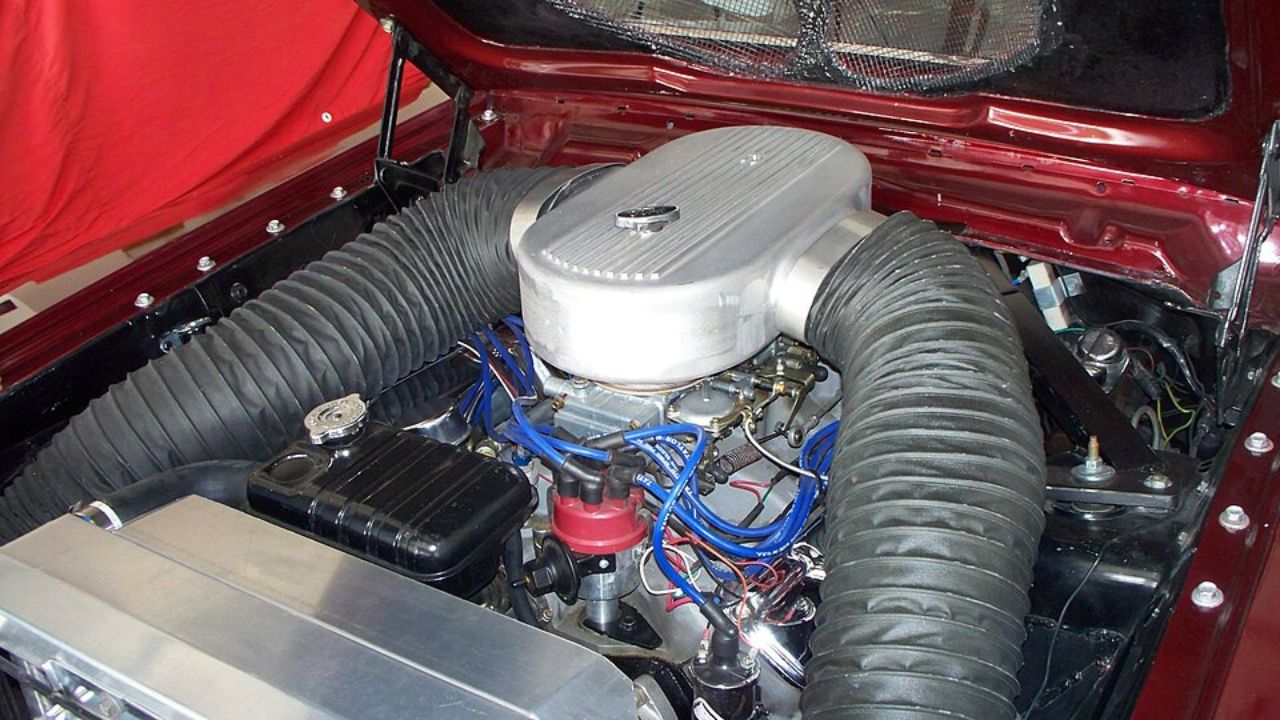
The Ford 427 FE became a major force in NASCAR, drag racing, and endurance competition. Different versions used different cylinder heads and induction systems, allowing Ford to tailor the engine to particular racing applications. Sanctioning rules controlled displacement, carburetion, vehicle weight, and required production numbers. These restrictions meant teams could not simply install the most powerful 427 combination available. Instead, the engine had to fit the technical rules of its specific racing class.
Chevrolet 396 Big-Block
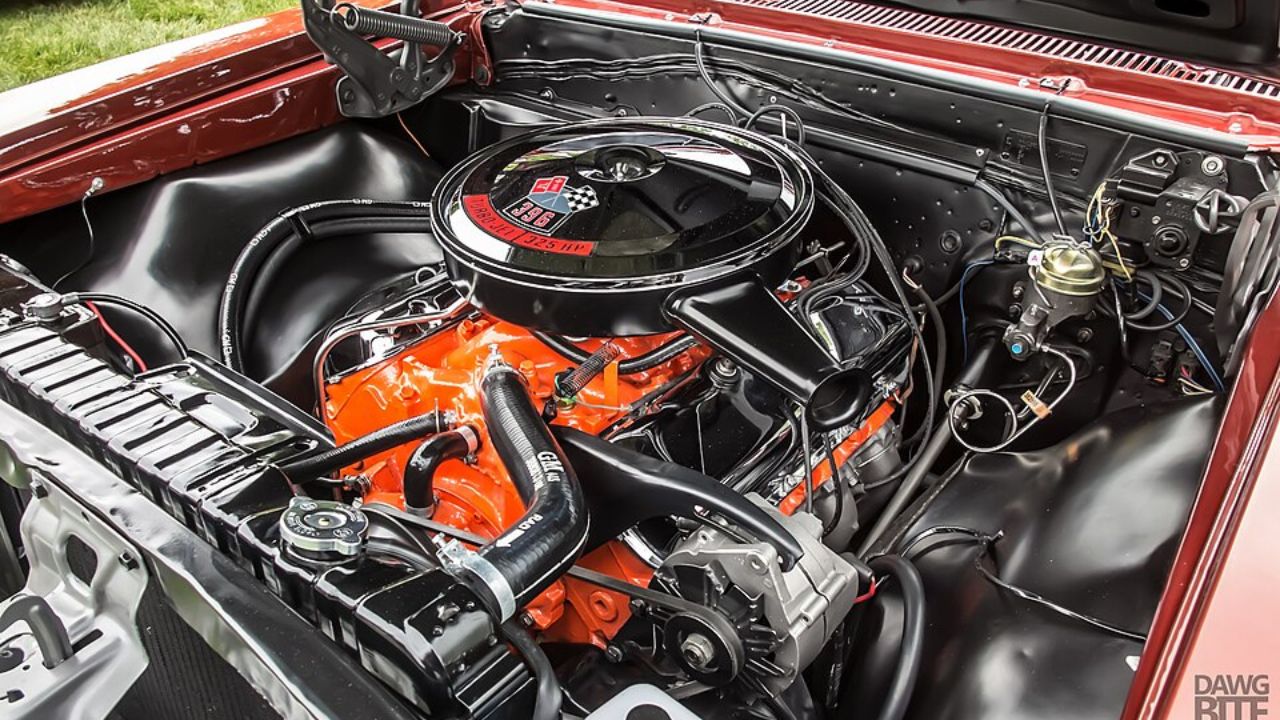
Chevrolet’s 396 big-block was introduced during the height of the muscle-car and racing era. Its displacement made it useful in several competition classes, but racing regulations often placed engines into specific displacement and weight categories. The 396 was therefore affected by rules governing engine size, vehicle weight, carburetion, and modifications. These limits helped prevent larger-displacement combinations from gaining an automatic advantage over smaller engines competing in the same general class.
Buick 455 Stage 1
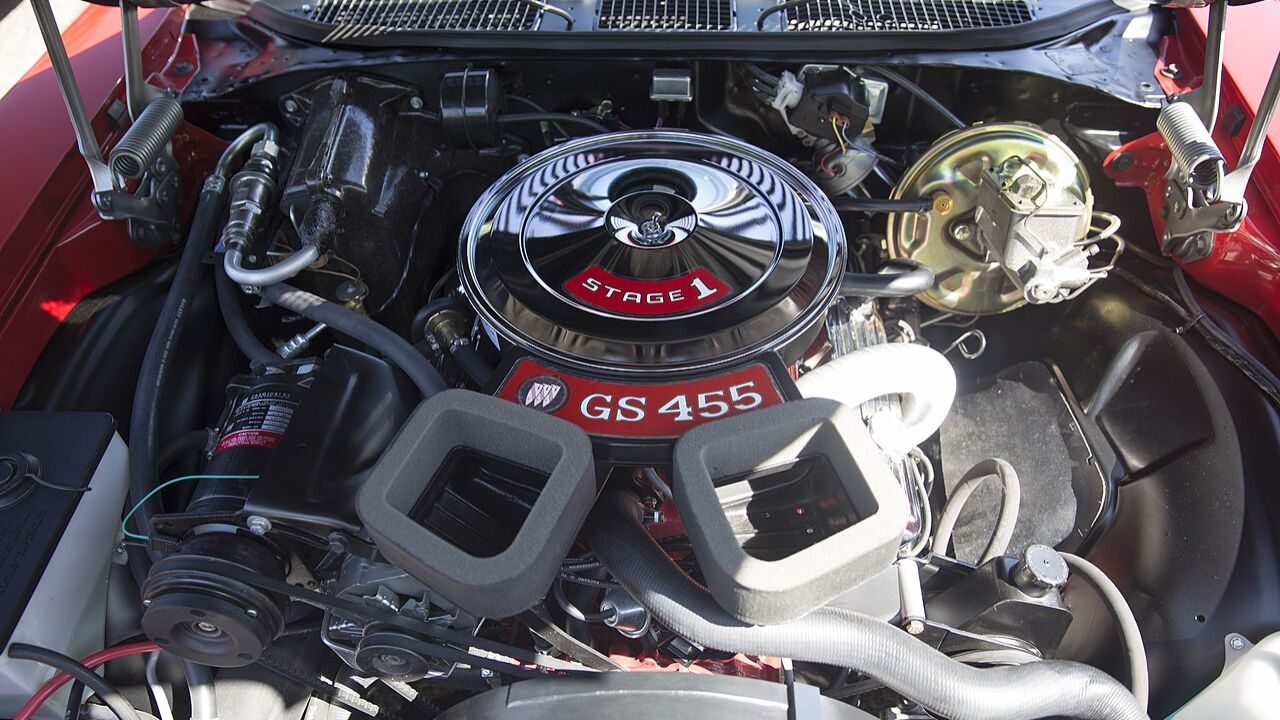
Buick’s 455 Stage 1 was designed around large displacement and strong torque, making it particularly effective in heavy performance cars. When engines of this size entered production-based drag-racing categories, class rules became important because displacement was tied directly to minimum vehicle weight. The Stage 1 therefore had to compete within a framework designed to prevent large-displacement engines from gaining an unlimited advantage. Its performance was real, but the rulebook determined how much of it could be exploited.
Oldsmobile 455
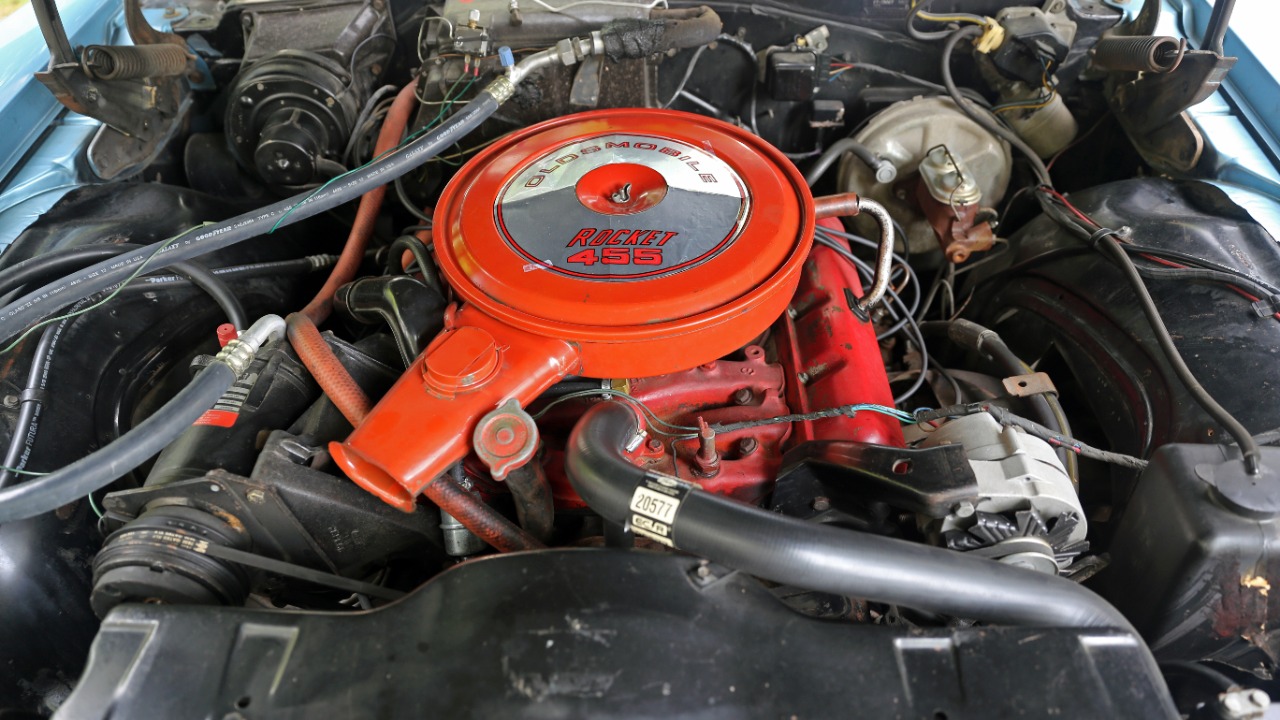
The Oldsmobile 455 was one of the largest engines in the GM family during the muscle-car era. Its large displacement produced strong torque, but racing categories frequently divided engines according to displacement and vehicle weight. That meant the 455 could face penalties or restrictions depending on the class. Certain competition rules also limited how much teams could modify production engines. These regulations kept large-displacement Oldsmobile combinations from simply overpowering smaller engines through cubic inches alone.
Pontiac 389 Tri-Power
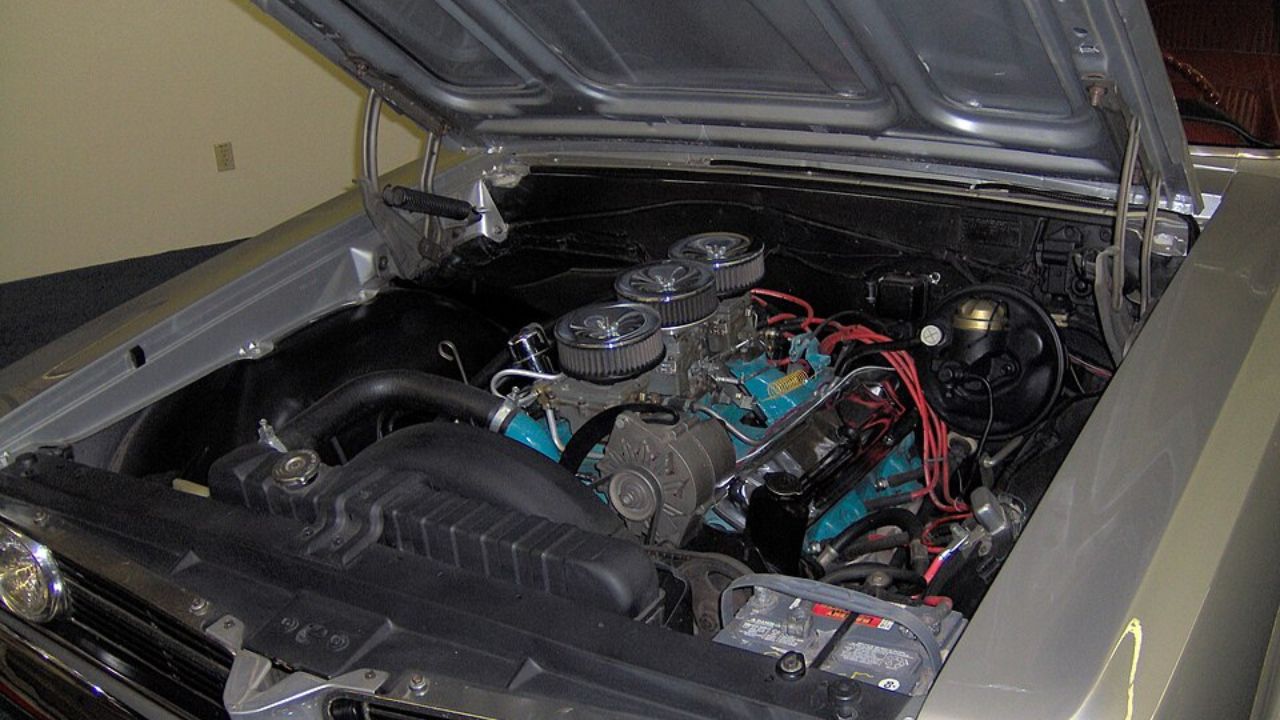
The Pontiac 389 Tri-Power combined a large-displacement V8 with three two-barrel carburetors. The setup gave the engine excellent airflow potential when all three carburetors were operating. Racing organizations could regulate multi-carburetor induction, displacement, and vehicle weight to prevent the combination from gaining an unrestricted advantage. The rules helped explain why Pontiac’s factory performance engines could be extremely powerful while still having to fit within carefully defined competition categories.
Ford 429 Super Cobra Jet
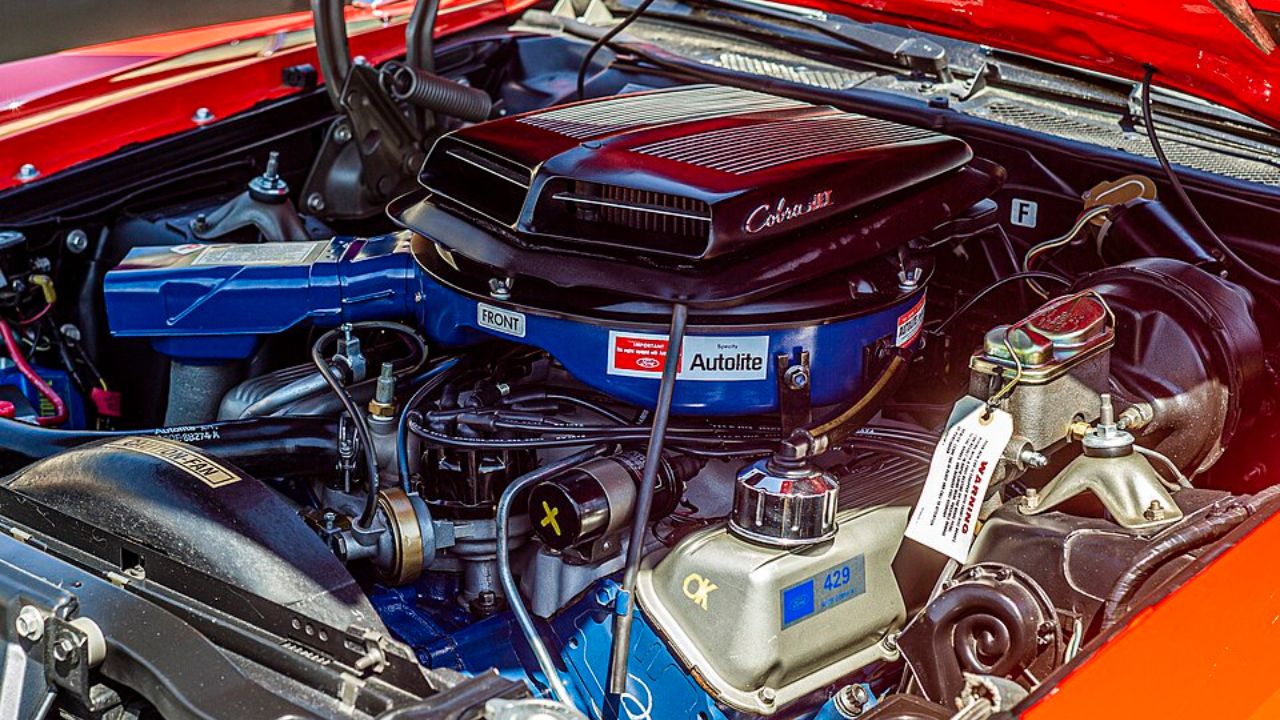
The 429 Super Cobra Jet was an even more competition-focused version of Ford’s 429 family. It included stronger internal components and specialized hardware intended to withstand demanding use. Drag-racing regulations could limit how much additional performance teams extracted from engines like this through restrictions on displacement, induction, weight, and modifications. The engine’s existence shows how manufacturers and racers were constantly pushing against the technical boundaries established by sanctioning organizations.
Chevrolet 454 LS6
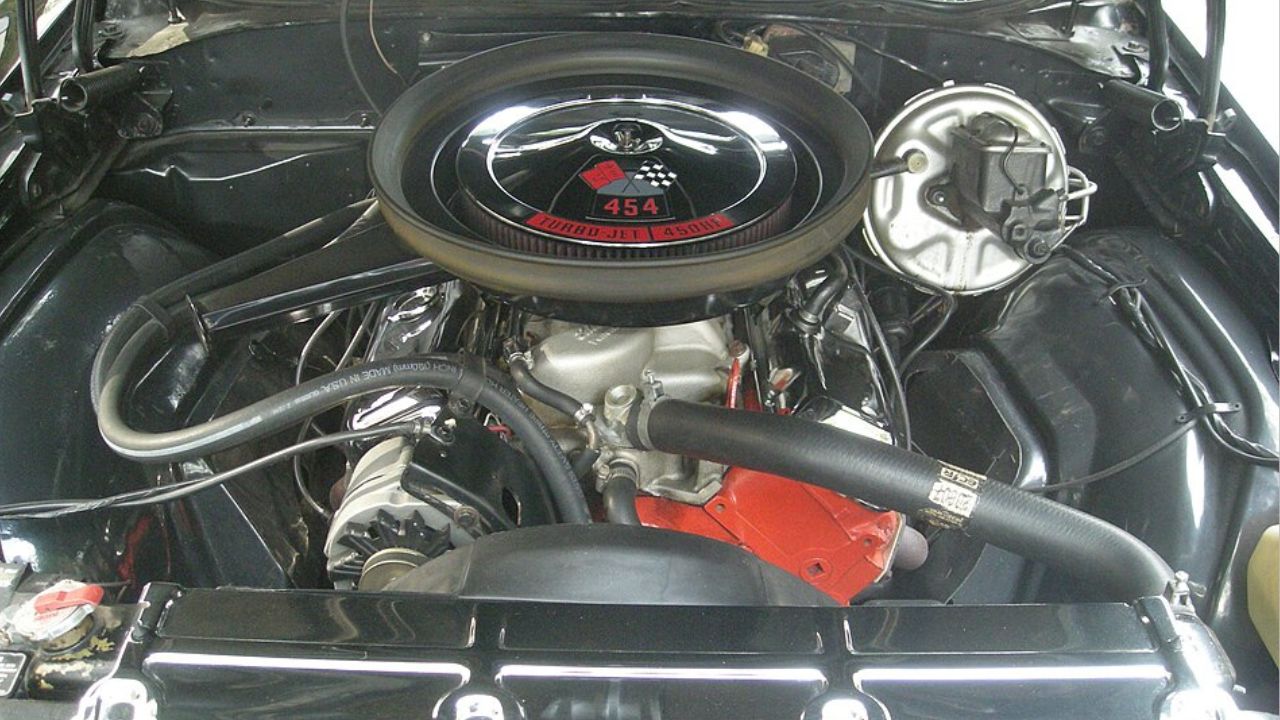
The Chevrolet 454 LS6 became one of the most famous big-blocks of the early 1970s. Its high compression, aggressive camshaft, and strong cylinder heads produced exceptional factory performance. Racing regulations placed limits on production-based engine combinations through displacement, vehicle weight, and allowable modifications. As racing organizations tightened their technical rules, engines like the LS6 became increasingly dependent on the exact class in which they competed. Its reputation nevertheless survived long after its original racing era.
Buick 430 V8
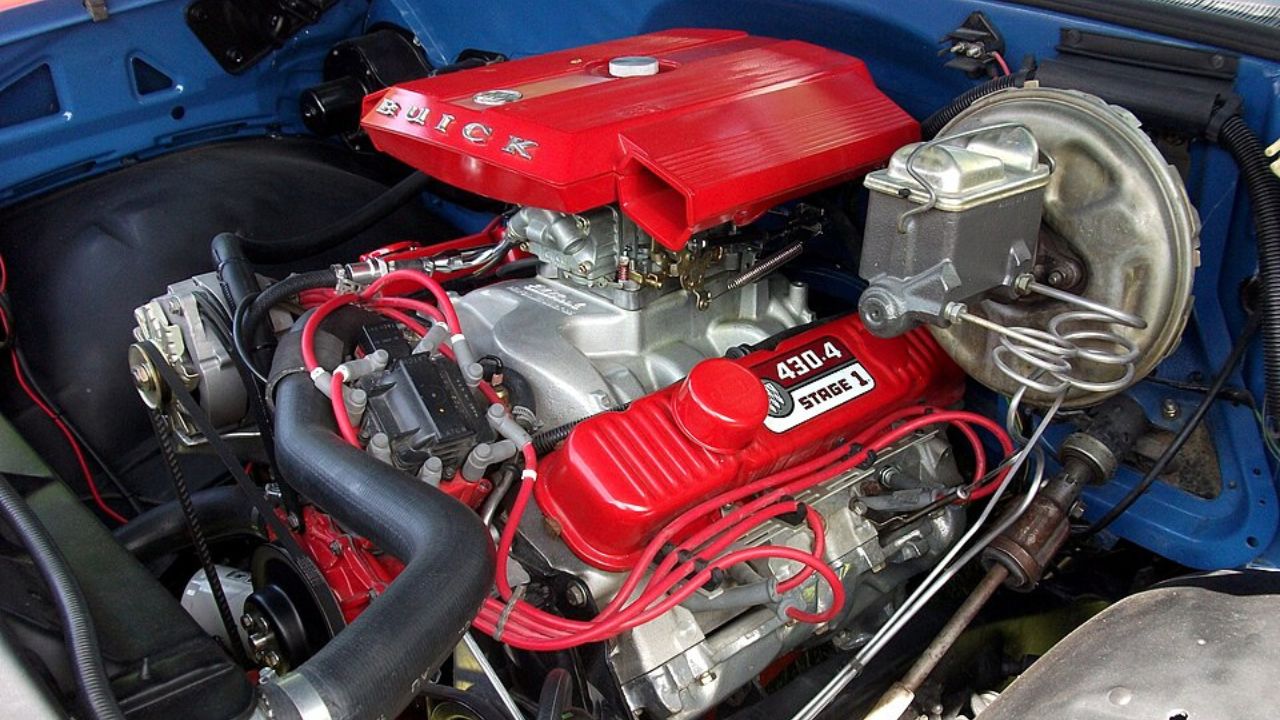
The Buick 430 was one of General Motors’ early large-displacement engines and appeared during the rapid expansion of American big-block performance. Its displacement placed it in an increasingly crowded competition environment where engine size was closely tied to vehicle weight. Racing regulations limited how much advantage a large engine could gain from a lightweight chassis. The 430 therefore had to operate within a technical system designed to keep different displacement combinations reasonably balanced.
Chrysler 440 Six Pack
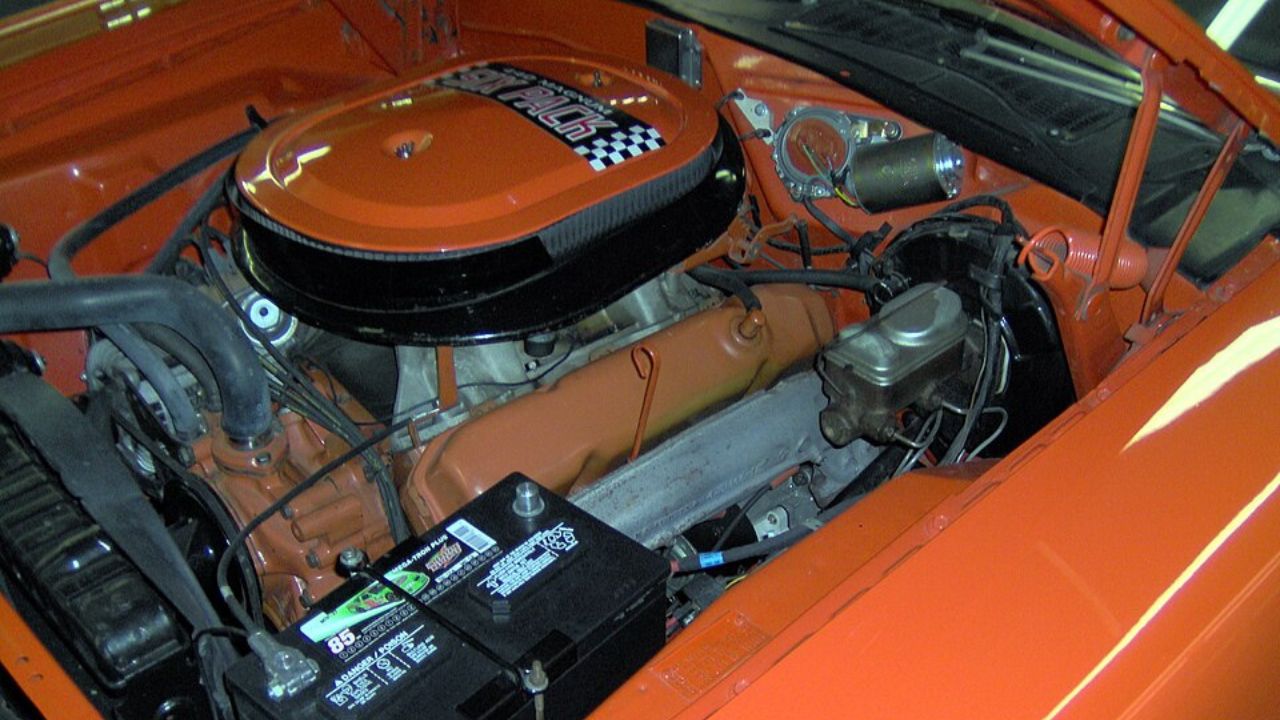
The Chrysler 440 Six Pack combined a large-displacement big-block with a three-two-barrel induction system. The arrangement gave the engine strong airflow and impressive acceleration, particularly at higher throttle openings. Racing classes could regulate multi-carburetor systems, engine displacement, vehicle weight, and modifications. Such rules prevented the Six Pack’s induction advantage from automatically translating into unrestricted competition performance. The engine remains famous because its factory configuration already pushed production-car performance to an impressive level.
Chrysler 440 Magnum
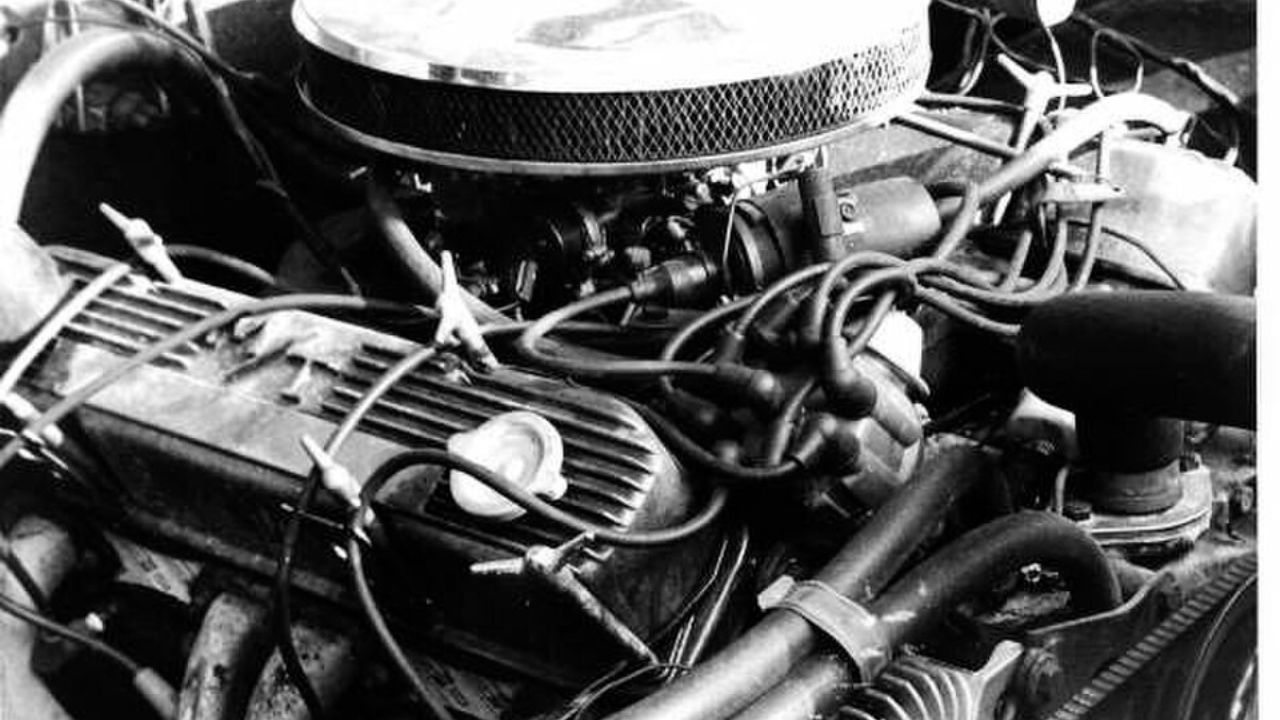
The Chrysler 440 Magnum was a large-displacement wedge engine used across Dodge, Plymouth, and Chrysler performance vehicles. Its enormous torque made it attractive for drag racing and other forms of competition. Racing organizations could restrict it through displacement-based classifications, weight rules, and limitations on internal modifications. These restrictions were particularly important for big-block engines because cubic inches could provide a substantial advantage in classes where smaller engines competed against them.
Chevrolet 409

The Chevrolet 409 became famous through both street performance and early drag racing. Its large displacement and strong torque made it a natural choice for competition. As racing categories became more organized, engine displacement, vehicle weight, carburetion, and allowable modifications became increasingly regulated. The 409 therefore belonged to an important transitional period when manufacturers were developing increasingly powerful big-blocks while sanctioning bodies were learning how to keep those engines within manageable competitive limits.
More from Fast Lane Only
- Unboxing the WWII Jeep in a Crate
- 15 rare Chevys collectors are quietly buying
- 10 underrated V8s still worth hunting down
- Police notice this before you even roll window down
*Research for this article included AI assistance, with all final content reviewed by human editors.