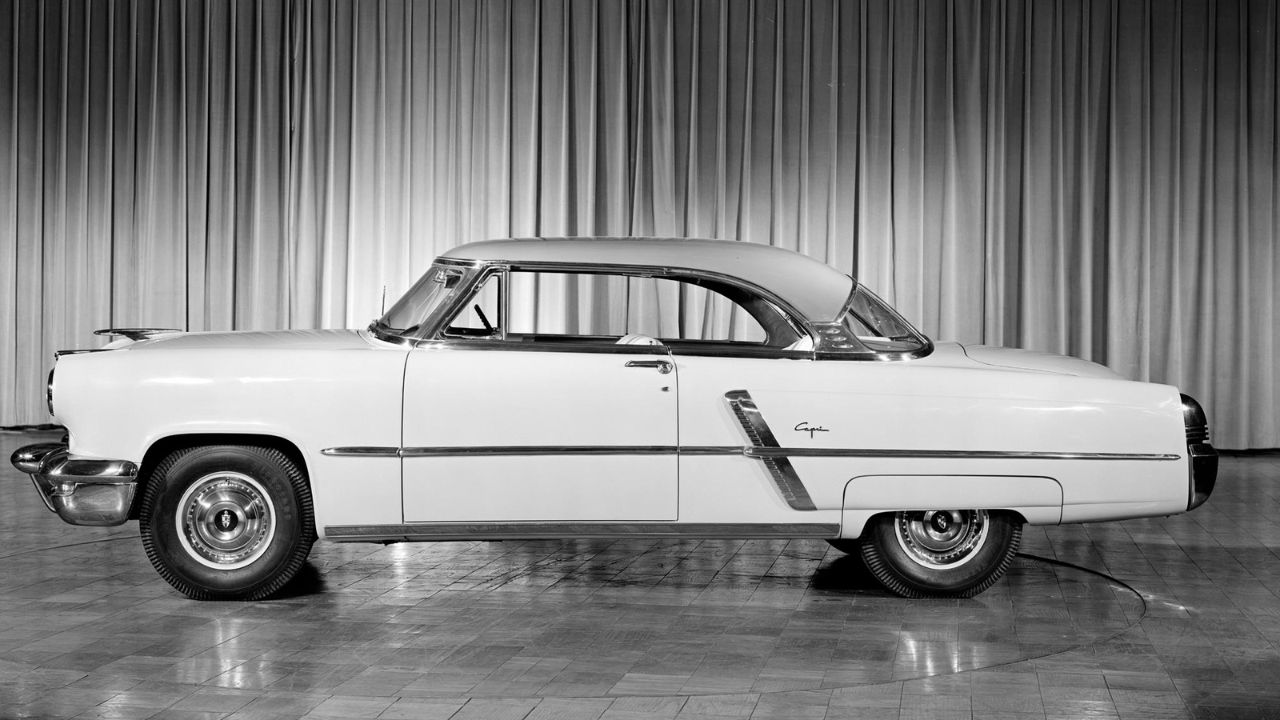
Lincoln built its reputation around large luxury automobiles, powerful engines, and substantial construction. From elegant prewar Continentals to massive postwar sedans and long-running Town Cars, many Lincolns were engineered for comfortable miles without sacrificing mechanical strength. These ten models represent some of the most durable and interesting Lincolns ever produced, showing why surviving examples can still attract attention decades after they left the factory.
Lincoln Continental
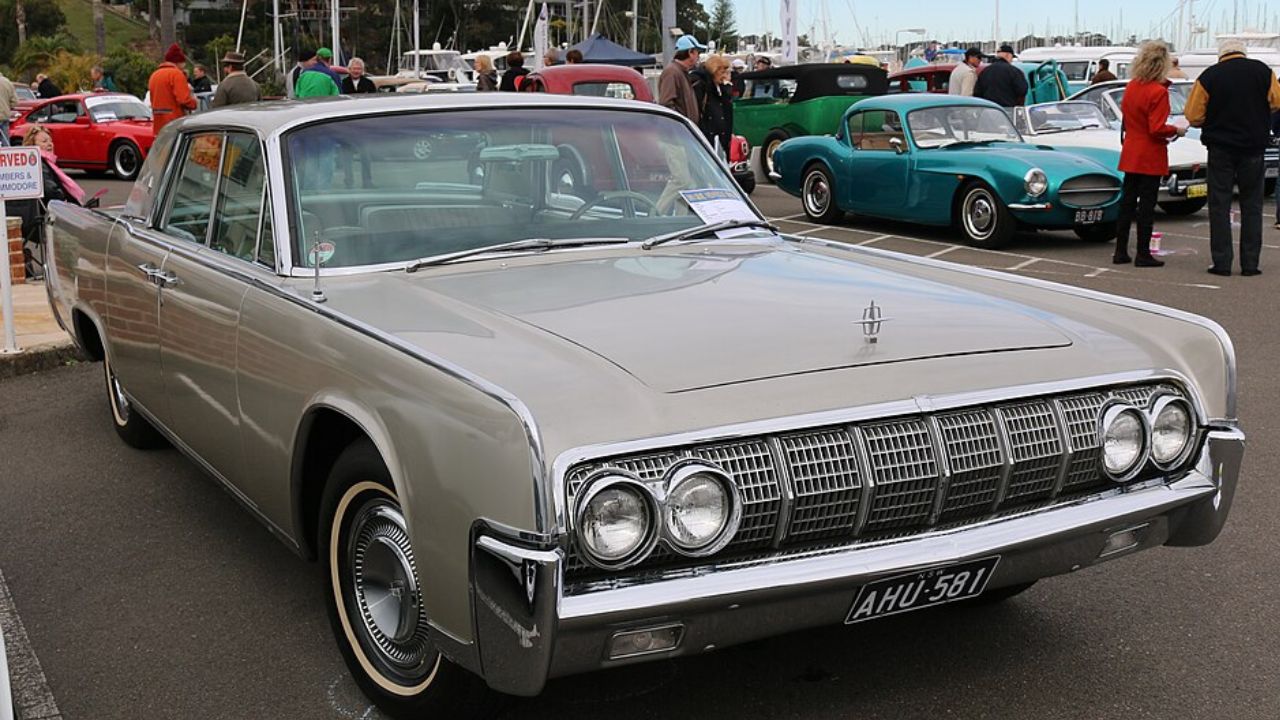
The Lincoln Continental became one of America’s most recognizable luxury cars, combining distinctive styling with substantial mechanical hardware. The original 1940 model used a powerful V12 and a body developed from the Lincoln-Zephyr platform, while later generations continued the nameplate’s reputation for long-distance comfort. Its strong engines, conventional rear-wheel-drive layout, and sturdy construction helped many examples survive decades of use. Today, early Continentals remain among Lincoln’s most celebrated classics.
Lincoln Town Car
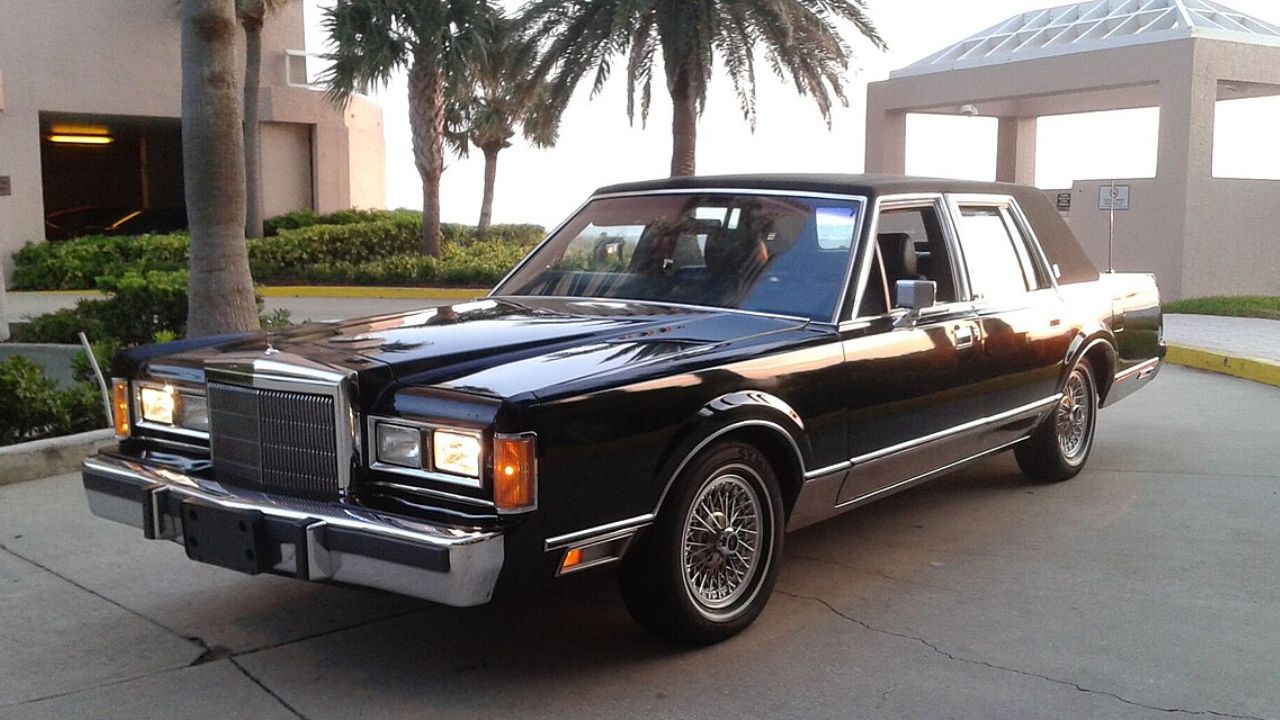
The Lincoln Town Car became famous for its enormous size, comfortable ride, and durable full-size mechanical package. Introduced as a standalone Lincoln model for 1981, it used Ford’s proven Panther platform and a 5.0-liter V8, with later versions receiving fuel injection and other improvements. The combination of a simple rear-wheel-drive layout, body-on-frame construction, and widely available Ford components helped make the Town Car a favorite among high-mileage owners and professional drivers.
Lincoln Continental Mark IV
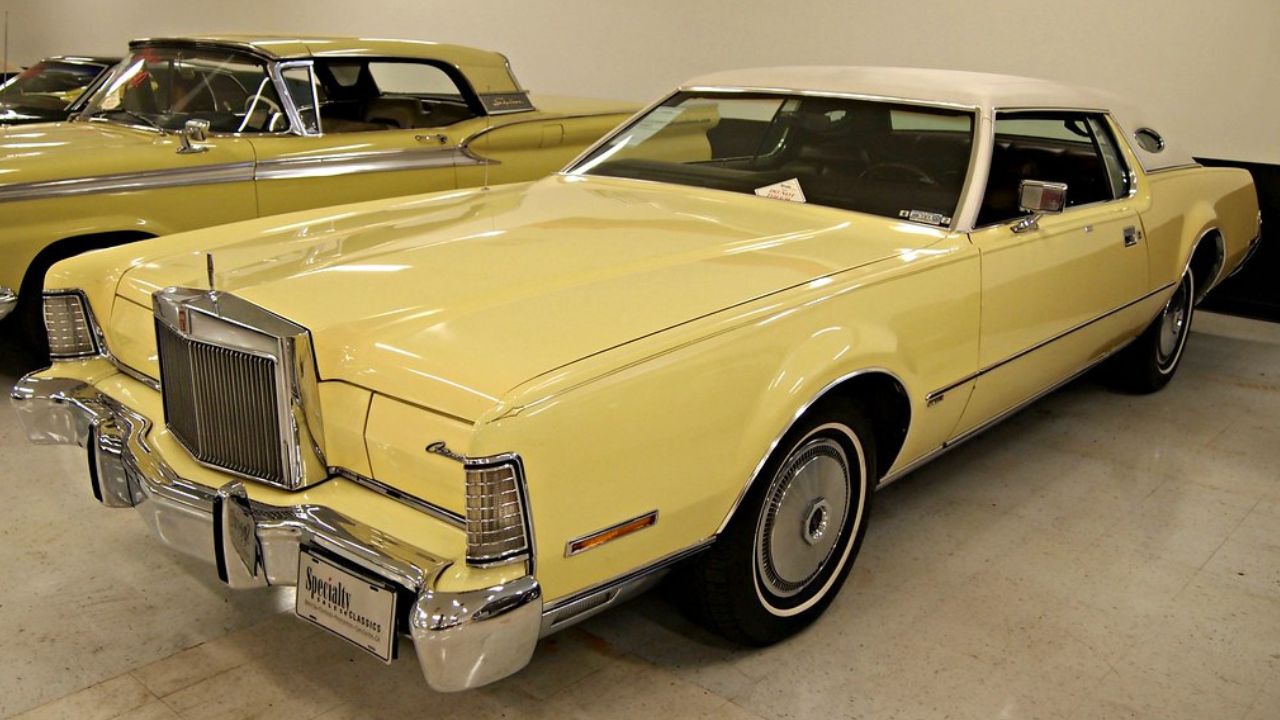
The Lincoln Continental Mark IV was a massive personal-luxury coupe powered by Ford’s 460-cubic-inch V8. Built from 1972 through 1976, it combined a heavy-duty drivetrain with a substantial chassis designed to move a large luxury car with effortless torque. Its three-speed automatic transmission and conventional rear-wheel-drive layout were mechanically straightforward by luxury-car standards. The Mark IV’s size and robust powertrain have helped surviving examples remain popular with enthusiasts.
Lincoln Continental Mark V
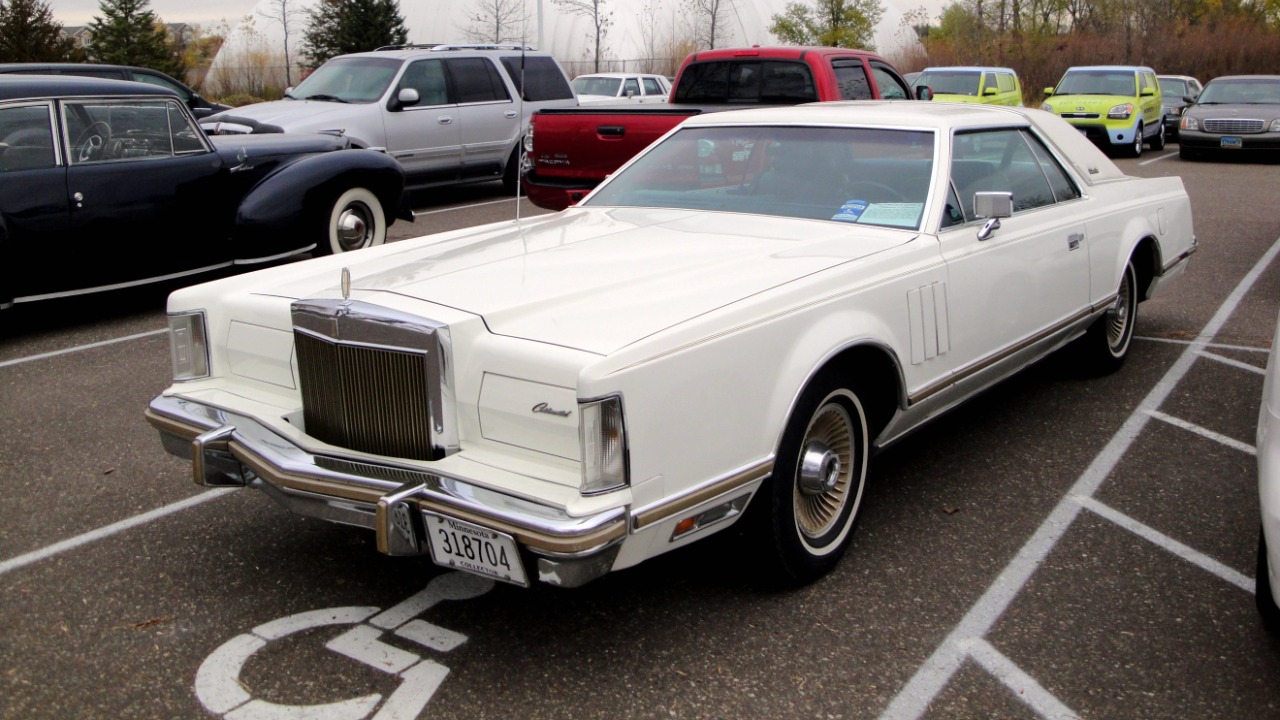
The Lincoln Continental Mark V continued the formula with a large body, rear-wheel drive, and available 460-cubic-inch V8 power. Produced for the 1977–1979 model years, it retained much of the Mark IV’s mechanical architecture while receiving updated styling and a somewhat lighter body. The combination of a proven Ford V8 and C6 automatic transmission gave the Mark V a straightforward mechanical foundation. Well-maintained examples can still deliver the relaxed cruising character for which these Lincolns became known.
Lincoln Continental Mark III

The Lincoln Continental Mark III introduced a new generation of personal luxury to Lincoln for 1969. Beneath its imposing body was a powerful 460-cubic-inch V8 developed around the needs of large luxury automobiles. The engine produced enormous torque, making the Mark III capable of moving its considerable weight with ease. Its traditional rear-wheel-drive layout and conventional automatic transmission also gave it a relatively straightforward mechanical foundation compared with later luxury cars.
Lincoln Continental Mark II
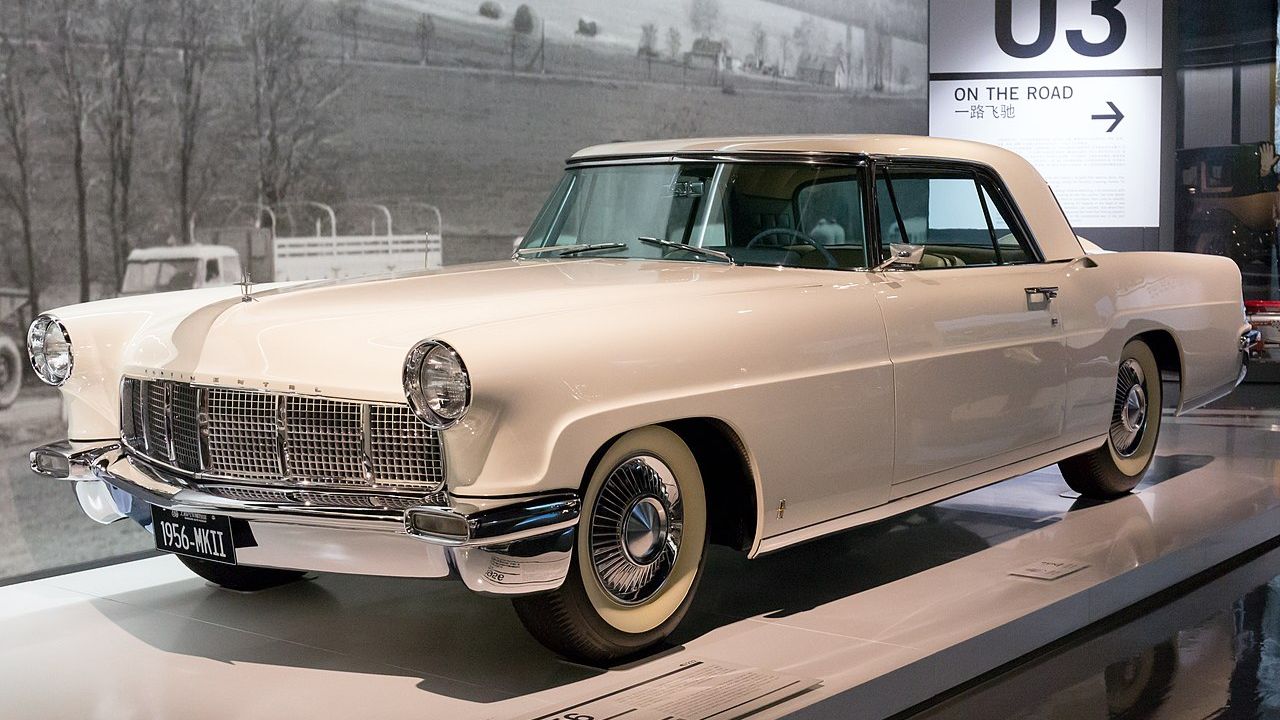
The Lincoln Continental Mark II was built as an exceptionally exclusive luxury automobile for 1956 and 1957. Although it was expensive and hand-assembled, the Mark II used proven Lincoln mechanical components rather than exotic engineering. Its substantial construction, V8 power, and carefully engineered chassis reflected Ford’s effort to create a serious American grand touring car. Very few were produced, making surviving examples exceptionally rare and highly valued today.
Lincoln Zephyr
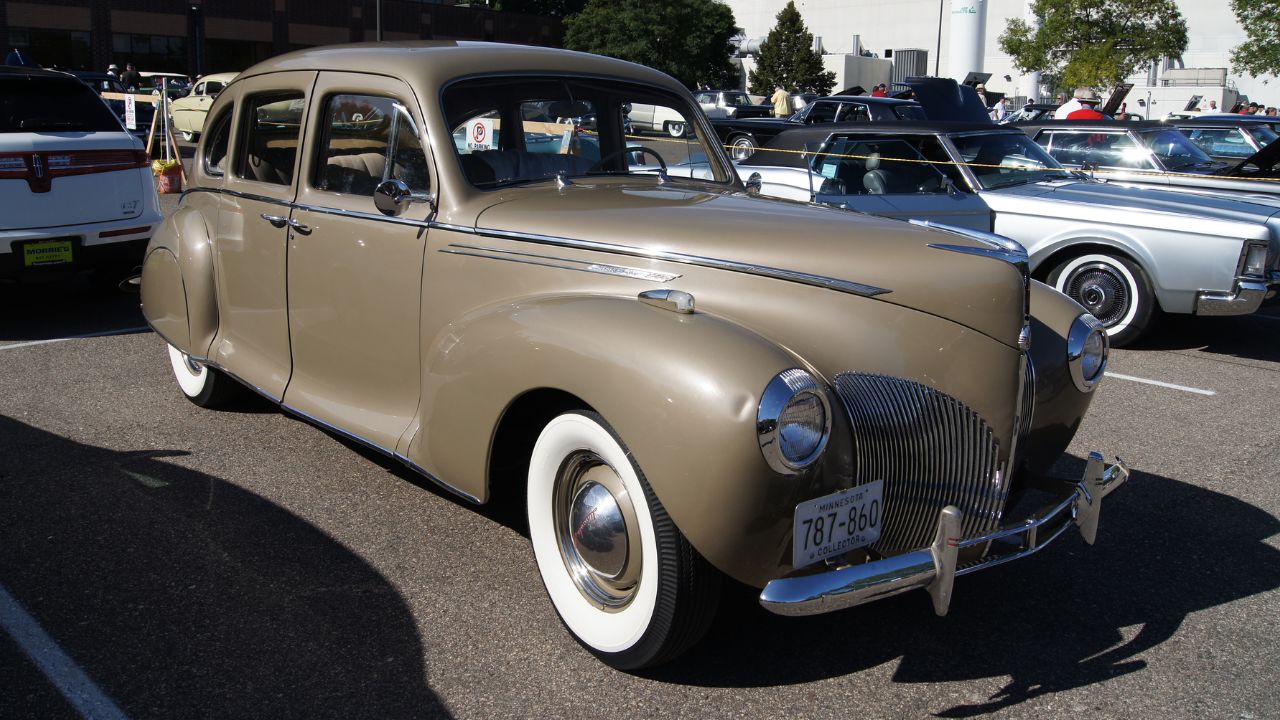
The Lincoln Zephyr brought streamlined styling and more modern engineering to Lincoln’s lineup during the late 1930s. Its flathead V12 provided smooth power, while the unitized body construction was an important departure from the traditional body-on-frame construction used by many large American cars of the period. The Zephyr became an important foundation for the original Continental, and its combination of innovative design and substantial construction makes surviving examples especially significant.
Lincoln Capri
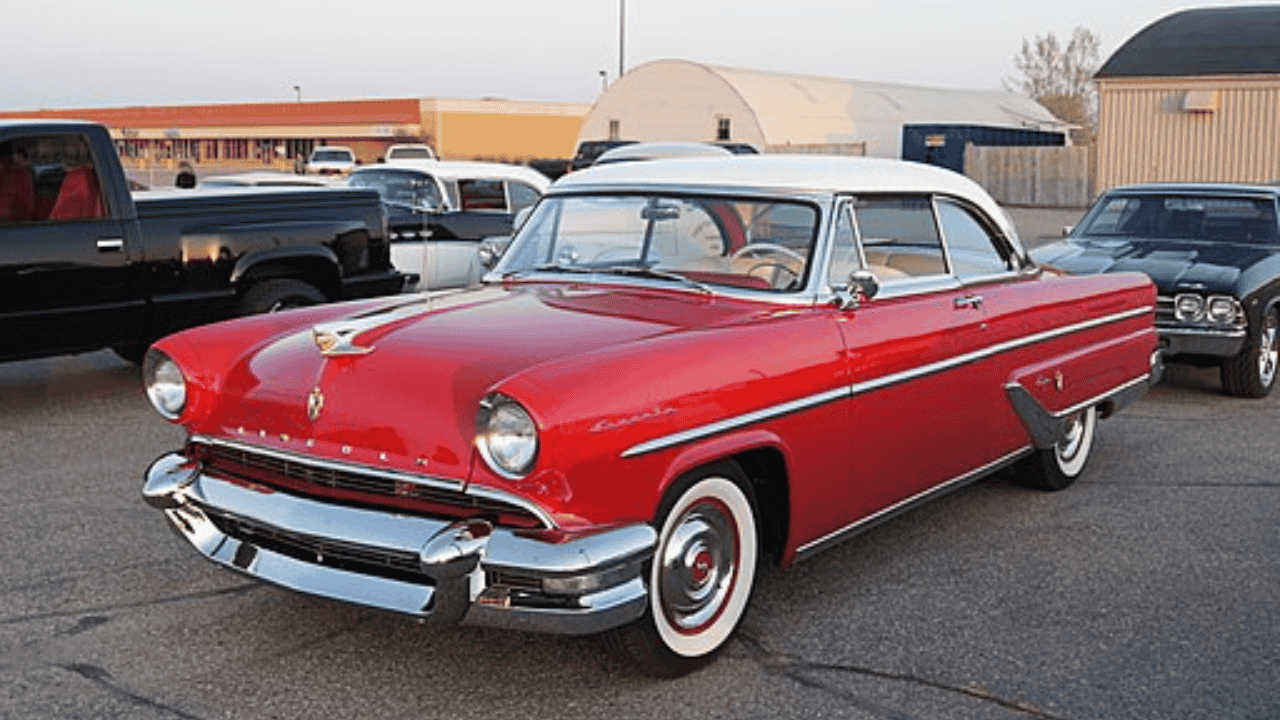
The Lincoln Capri served as one of the company’s full-size luxury models during the 1950s. It combined large American-car dimensions with powerful V8 engines and a conventional rear-wheel-drive layout. The Capri was designed for effortless highway cruising, with a substantial chassis and robust drivetrain suited to its considerable size. Although overshadowed by more famous Lincoln nameplates, surviving Capris demonstrate the heavy-duty character that defined many American luxury cars of the era.
Lincoln Premiere
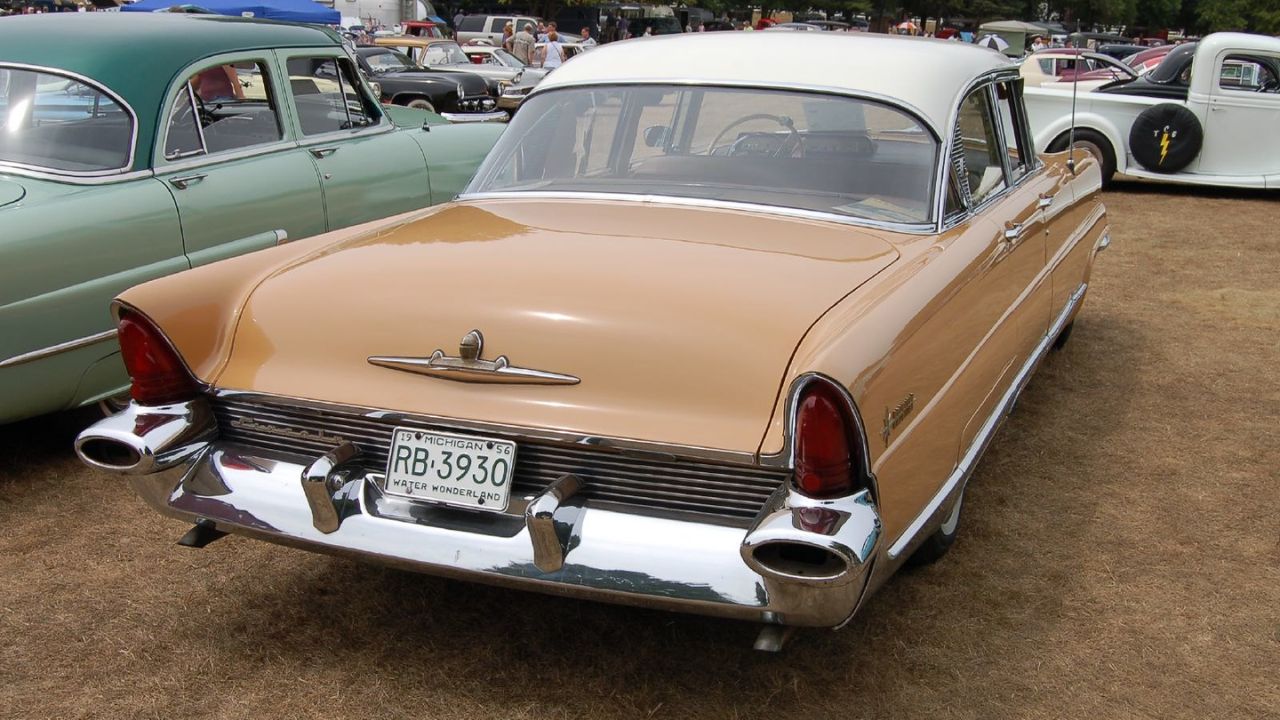
The Lincoln Premiere represented Lincoln’s push toward modern luxury during the late 1950s. It used the company’s large V8 powerplants and shared much of its mechanical foundation with other full-size Lincoln models. Its spacious body, strong frame structure, and traditional rear-wheel-drive layout were typical of American luxury cars built before downsizing became widespread. The Premiere’s combination of size, power, and conventional mechanical components makes surviving examples fascinating reminders of Lincoln’s engineering philosophy.
Lincoln Cosmopolitan
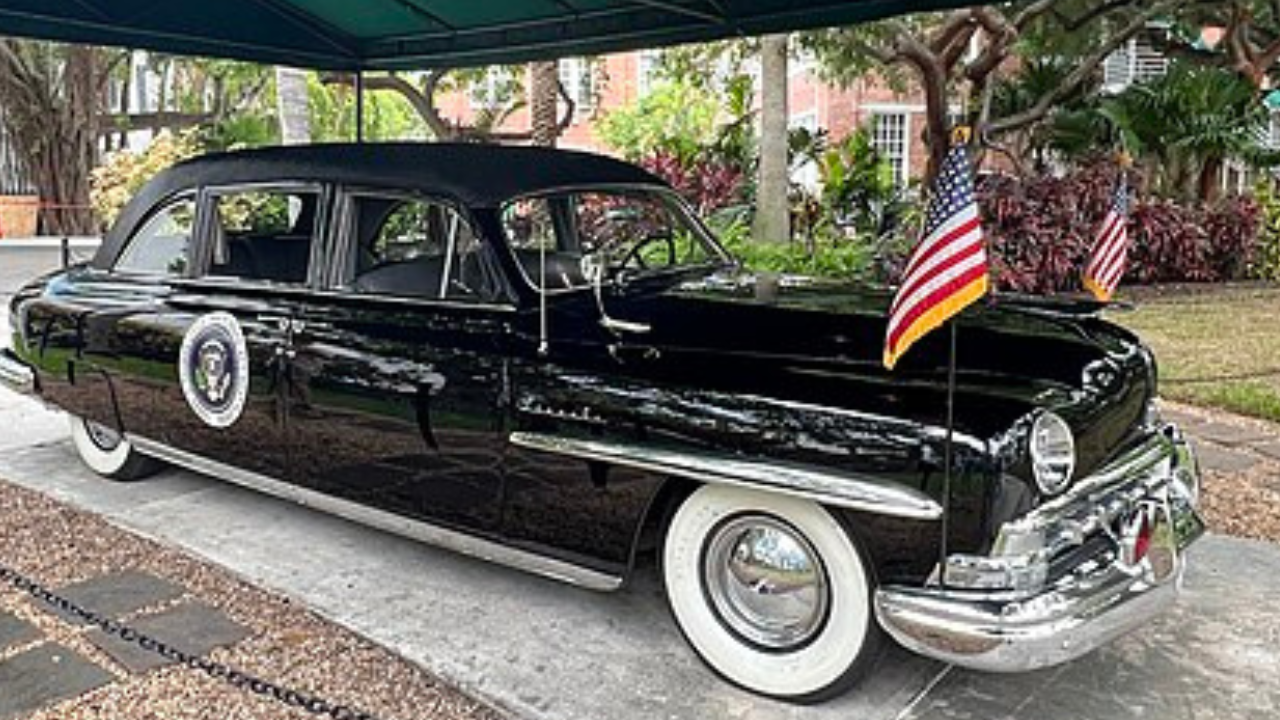
The Lincoln Cosmopolitan was one of the company’s major postwar luxury models, combining large-car construction with Lincoln’s powerful flathead V8. Introduced for the early 1950s, it was designed as a comfortable full-size automobile with substantial mechanical components and a smooth ride. Its conventional drivetrain made it relatively straightforward compared with later luxury cars. Today, surviving Cosmopolitans provide a glimpse into an era when American manufacturers built large automobiles with durability and long-distance cruising in mind.
More from Fast Lane Only
- Unboxing the WWII Jeep in a Crate
- 15 rare Chevys collectors are quietly buying
- 10 underrated V8s still worth hunting down
- Police notice this before you even roll window down
*Research for this article included AI assistance, with all final content reviewed by human editors.