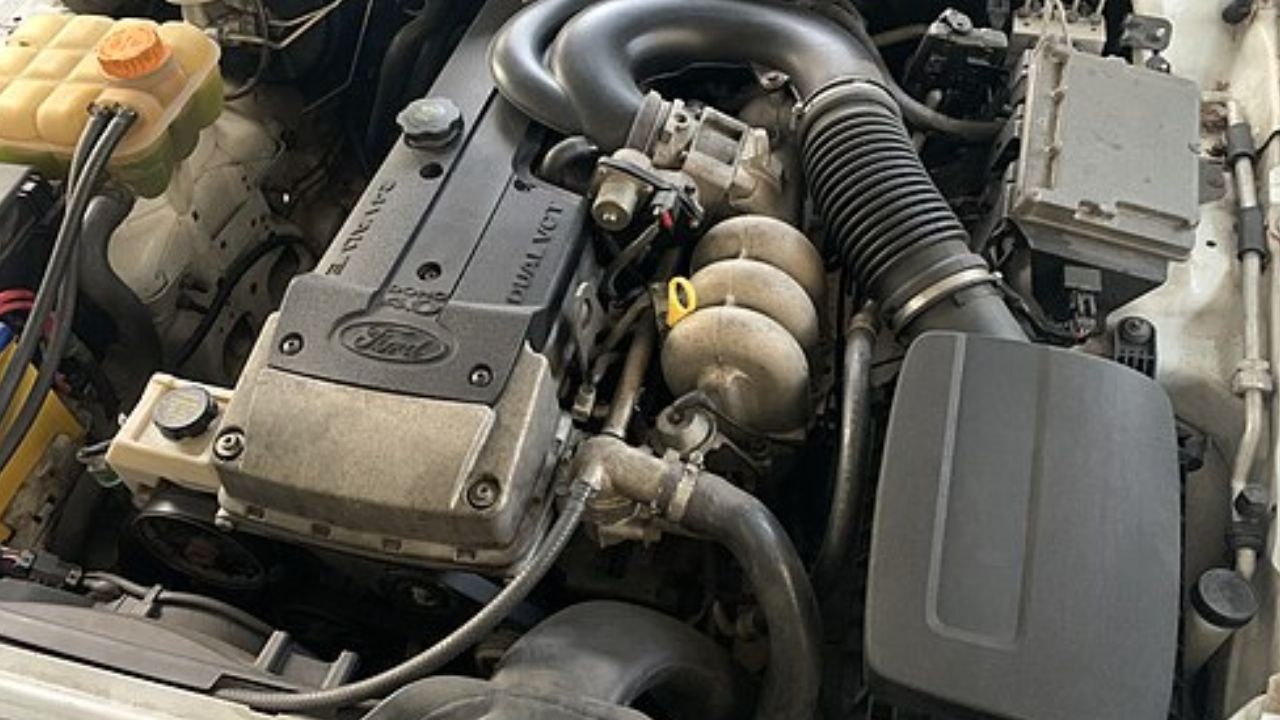
Some engines earn a reputation for lasting because they were engineered with durability in mind from the beginning. Heavy-duty internals, conservative tuning, simple designs, and strong cooling systems can make a huge difference when an engine is expected to work hard for years. These are 16 engines remembered for being built with that kind of long-term thinking.
Toyota 1HZ
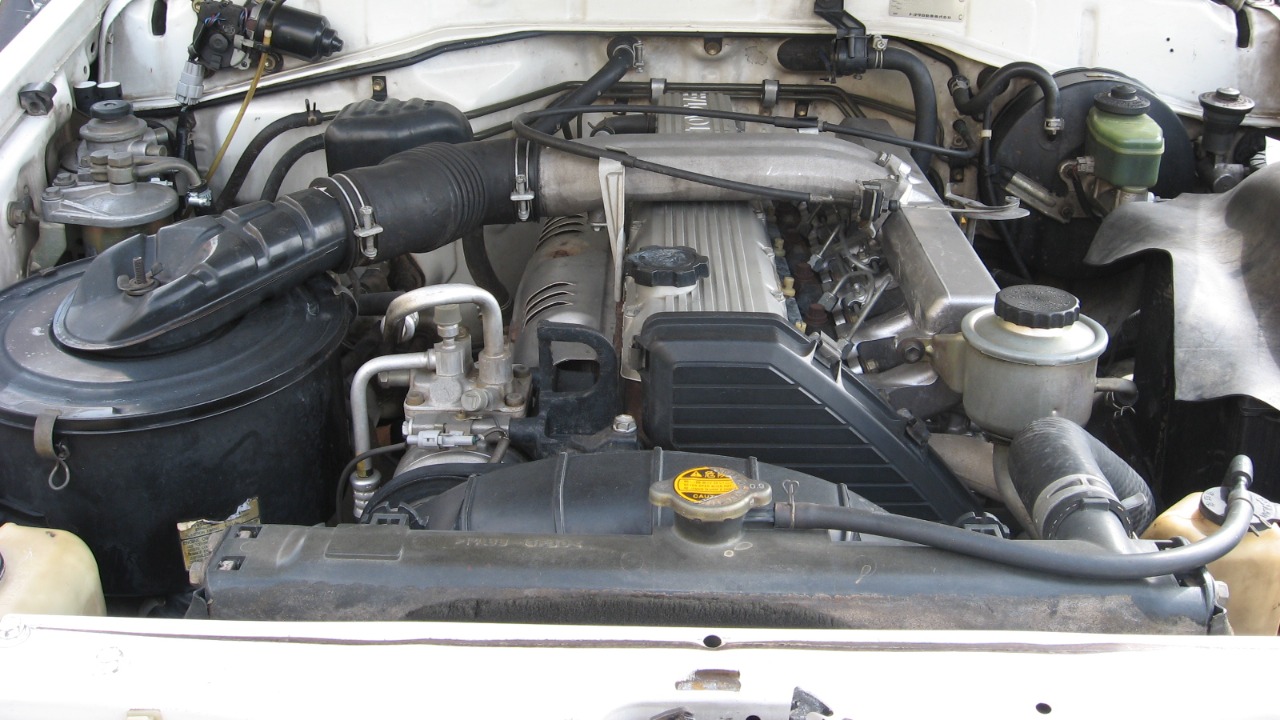
Toyota’s 1HZ diesel became famous for its straightforward design and ability to handle demanding conditions. The naturally aspirated inline-six uses relatively conservative power output, which helps reduce stress on major components. It was widely used in Land Cruiser applications where reliability mattered more than outright speed. With proper maintenance, the 1HZ has earned a reputation for handling enormous mileage and difficult operating conditions without becoming complicated to service.
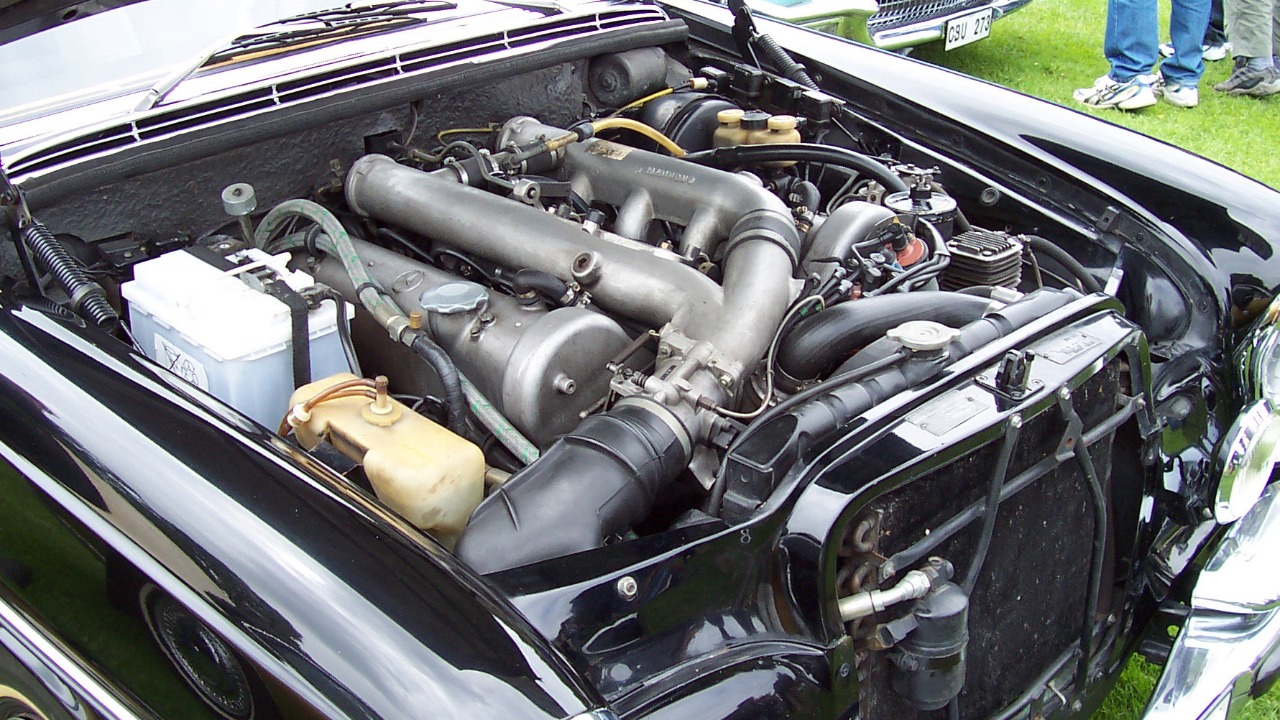
Mercedes-Benz OM617

The OM617 five-cylinder diesel is one of Mercedes-Benz’s most respected older engines. Its cast-iron construction, relatively simple mechanical fuel system, and conservative output gave it impressive longevity. These engines powered cars and utility vehicles through years of hard use. Their reputation comes from mechanical simplicity rather than sophisticated technology, making the OM617 a favorite among owners who value an engine that can keep working long after newer designs have become expensive to repair.
Toyota 2JZ-GE
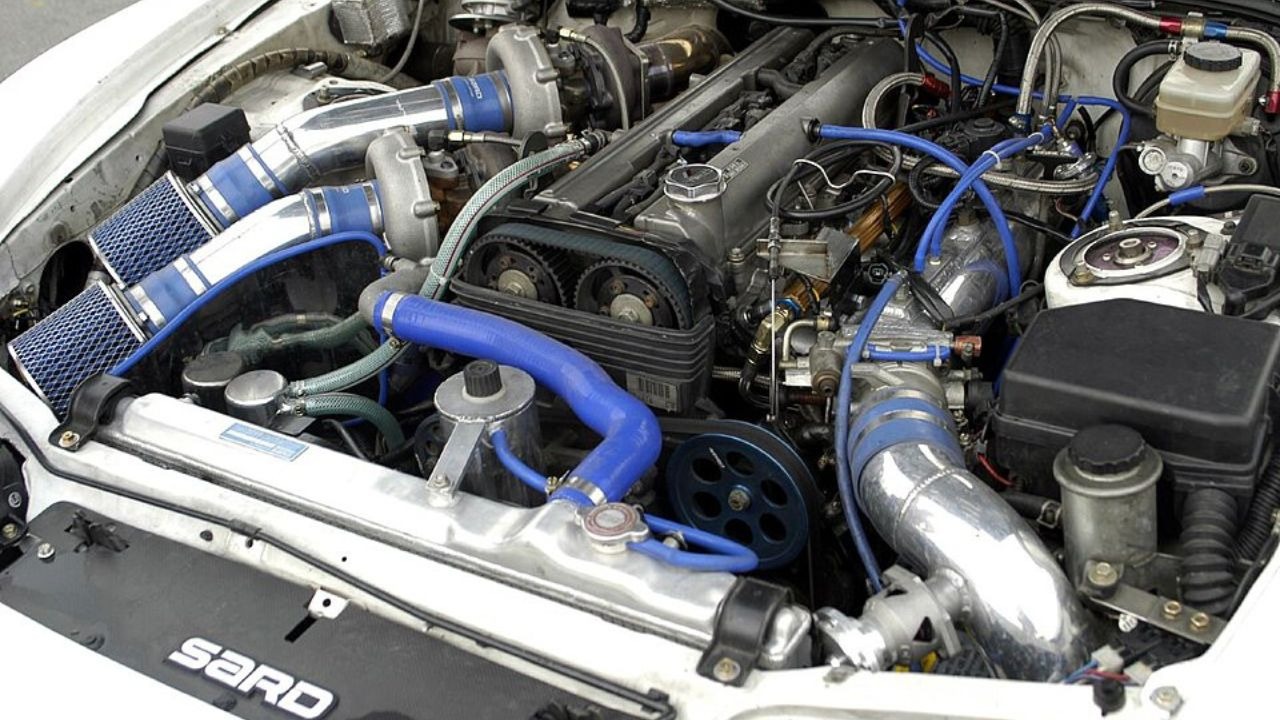
The naturally aspirated 2JZ-GE is often overshadowed by the turbocharged version, but its underlying construction is equally interesting. The inline-six features a strong iron block and a robust bottom end that was designed for long-term use. In normal form, it was not pushed particularly hard for its displacement. That combination gave the engine a reputation for surviving high mileage while also providing a strong foundation for enthusiasts who wanted more performance.
Cummins 6BT
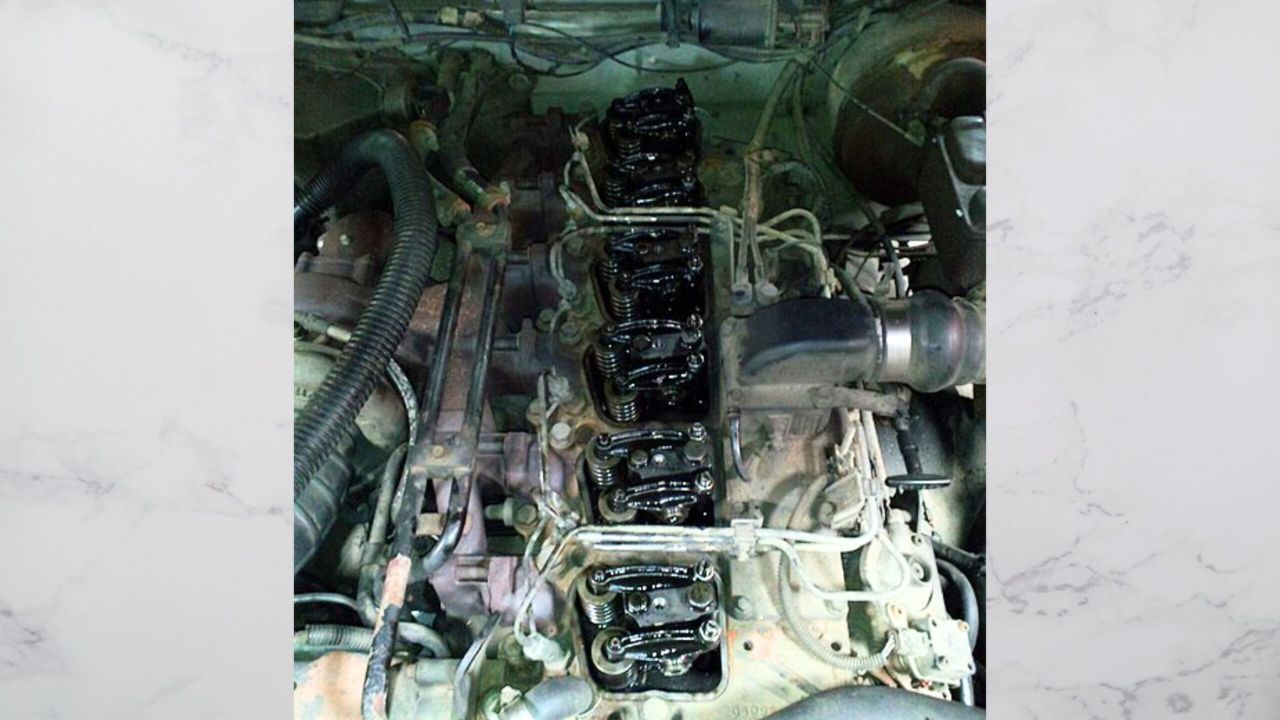
The 6BT became famous in pickup trucks and industrial applications for its simple, heavy-duty approach. Its inline-six configuration, mechanical versions, and substantial construction made it particularly well suited to sustained workloads. Rather than chasing high specific output, the engine was designed to produce useful torque while enduring demanding service. That philosophy helped turn the 6BT into one of the most recognizable examples of a long-lasting diesel engine.
Volvo B230
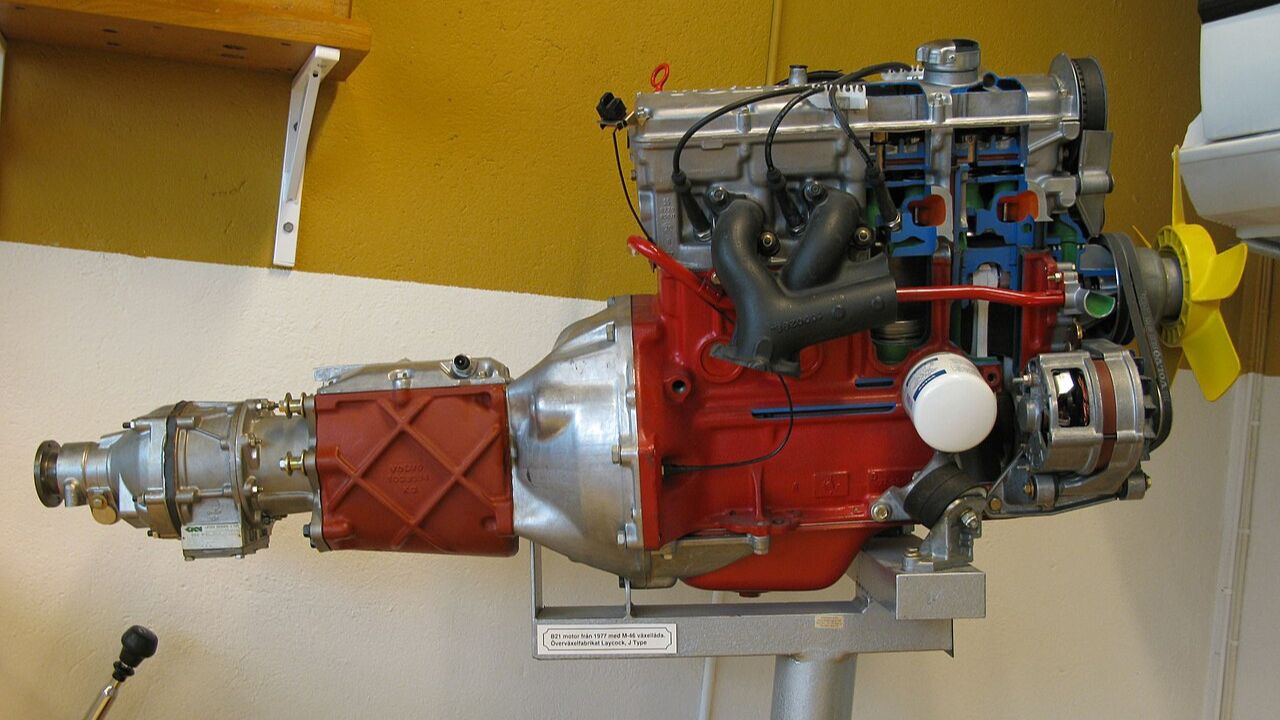
Volvo’s B230 four-cylinder is another engine that developed a reputation for going the distance. Used in numerous Volvo models, it combined a relatively simple architecture with sturdy construction. The naturally aspirated versions were particularly uncomplicated, while turbocharged variants demonstrated that the basic design could also handle considerably more performance. Regular maintenance and cooling-system care were important, but the B230 remains associated with the kind of longevity that made older Volvos famous.
Ford 300 inline-six
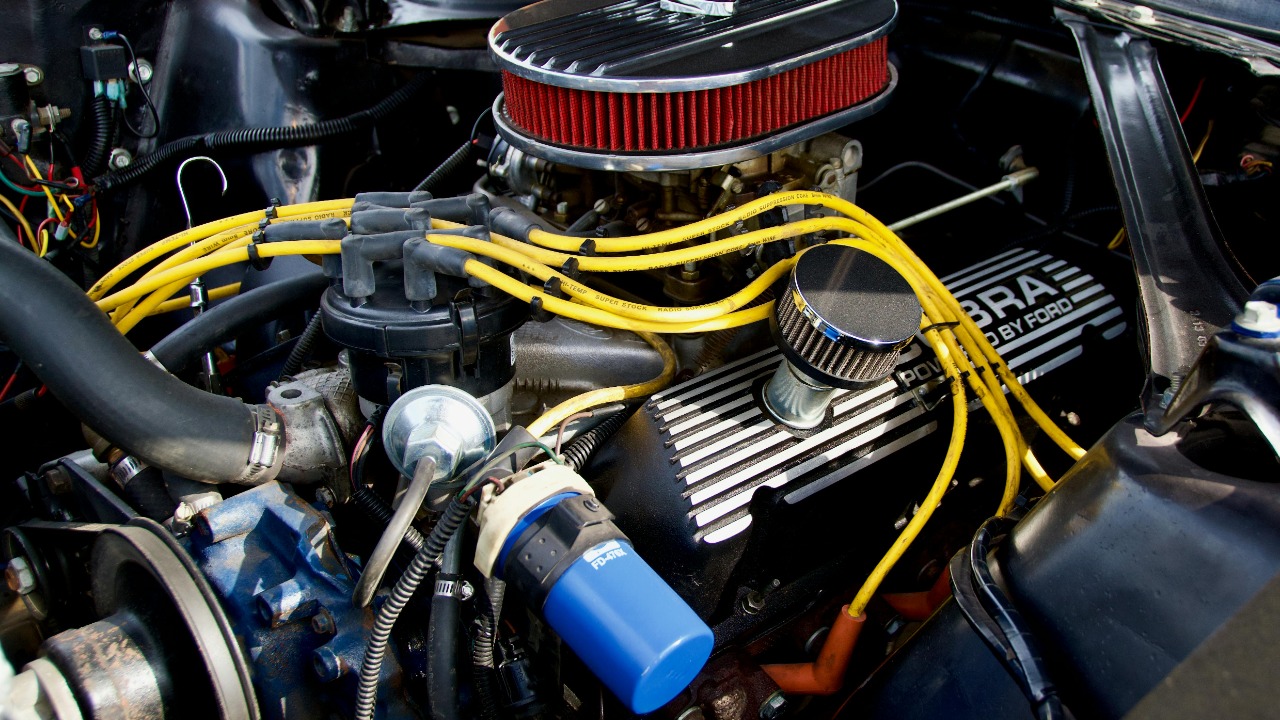
Ford’s 300-cubic-inch inline-six became a legend among truck owners because it prioritized torque and durability over sophistication. The engine was used extensively in pickups and work vehicles, where it was expected to handle towing, hauling, and everyday abuse. Its simple layout and substantial construction made it easy to understand and service. Many examples earned reputations for continuing to work long after the trucks around them had accumulated years of hard use.
Toyota 3RZ-FE
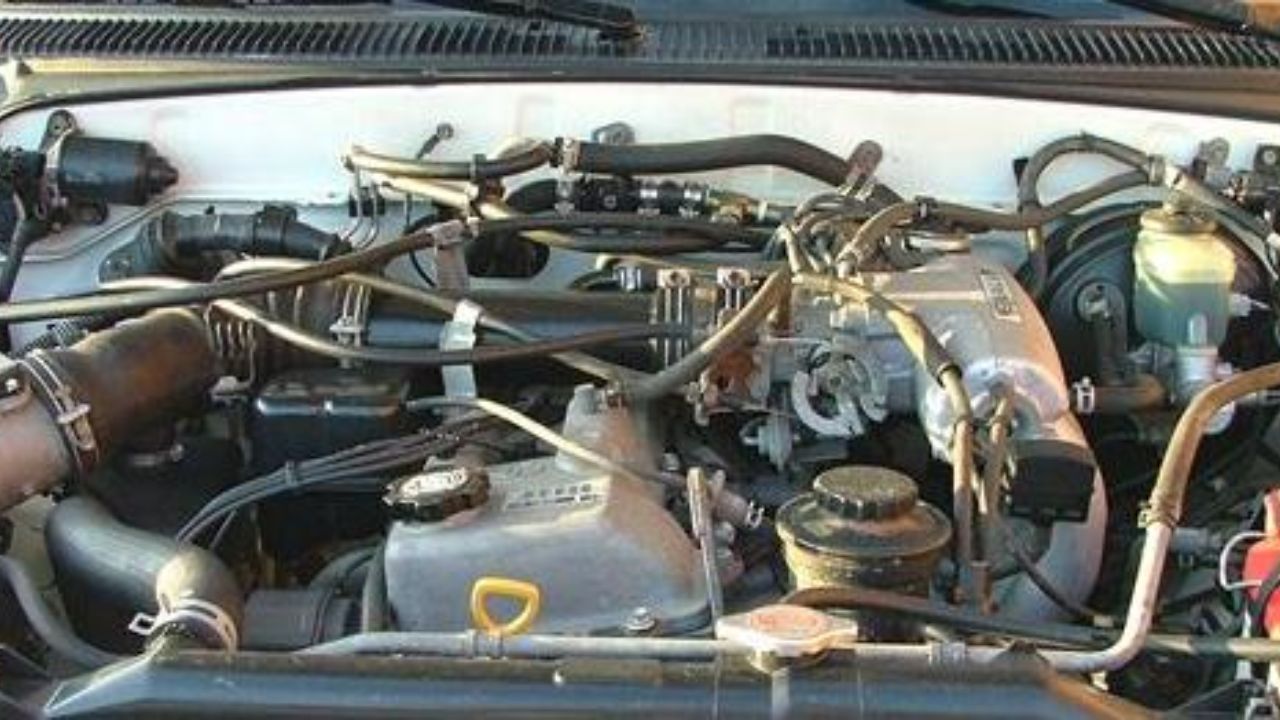
The 3RZ-FE four-cylinder was developed for applications where dependable everyday performance mattered. Its relatively simple design and naturally aspirated configuration helped keep mechanical stress manageable. It became a familiar engine in Toyota trucks and SUVs, where reliability was particularly important. The 3RZ-FE was not built around headline-making performance, but its sturdy construction and straightforward maintenance requirements helped make it a respected long-term powerplant.
GM 3800 V6
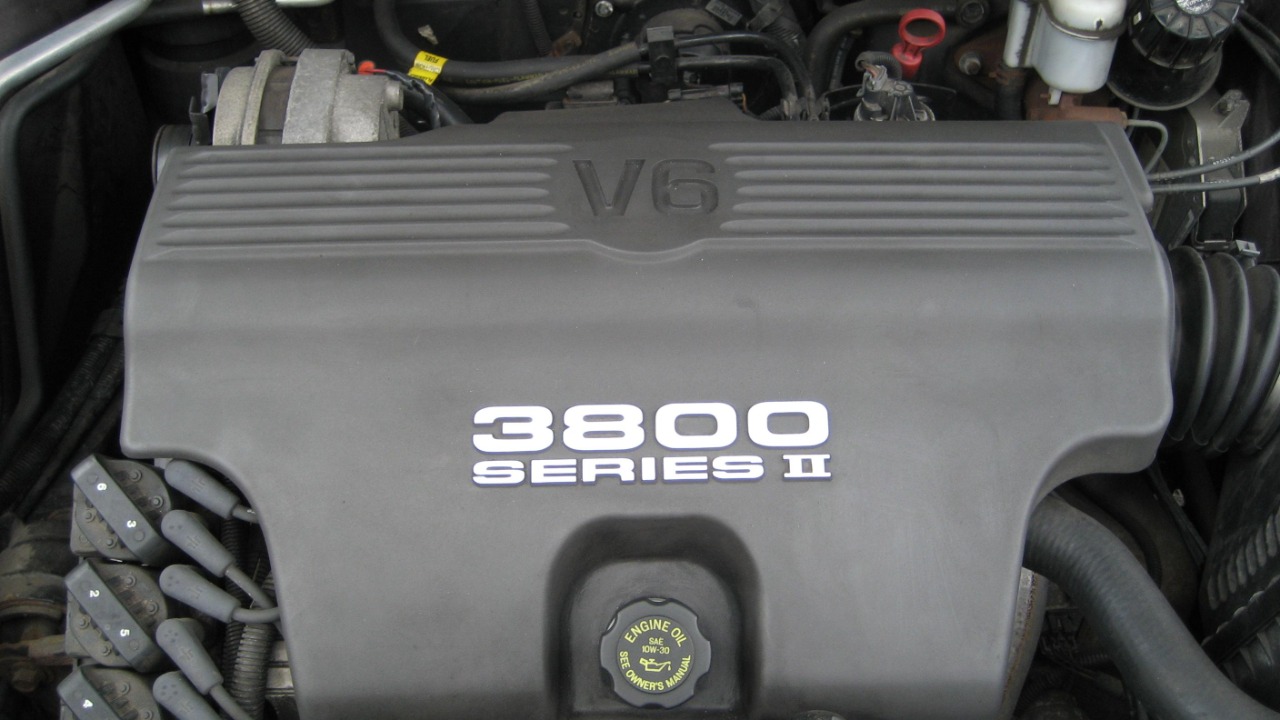
General Motors’ 3800 V6 developed one of the strongest durability reputations among American passenger-car engines. Its basic architecture evolved through several generations, eventually incorporating modern fuel injection and other improvements without abandoning the fundamental design. The engine appeared in everything from sedans to performance-oriented cars. Owners often appreciated its ability to accumulate high mileage while requiring relatively ordinary maintenance.
Toyota 1HD-T
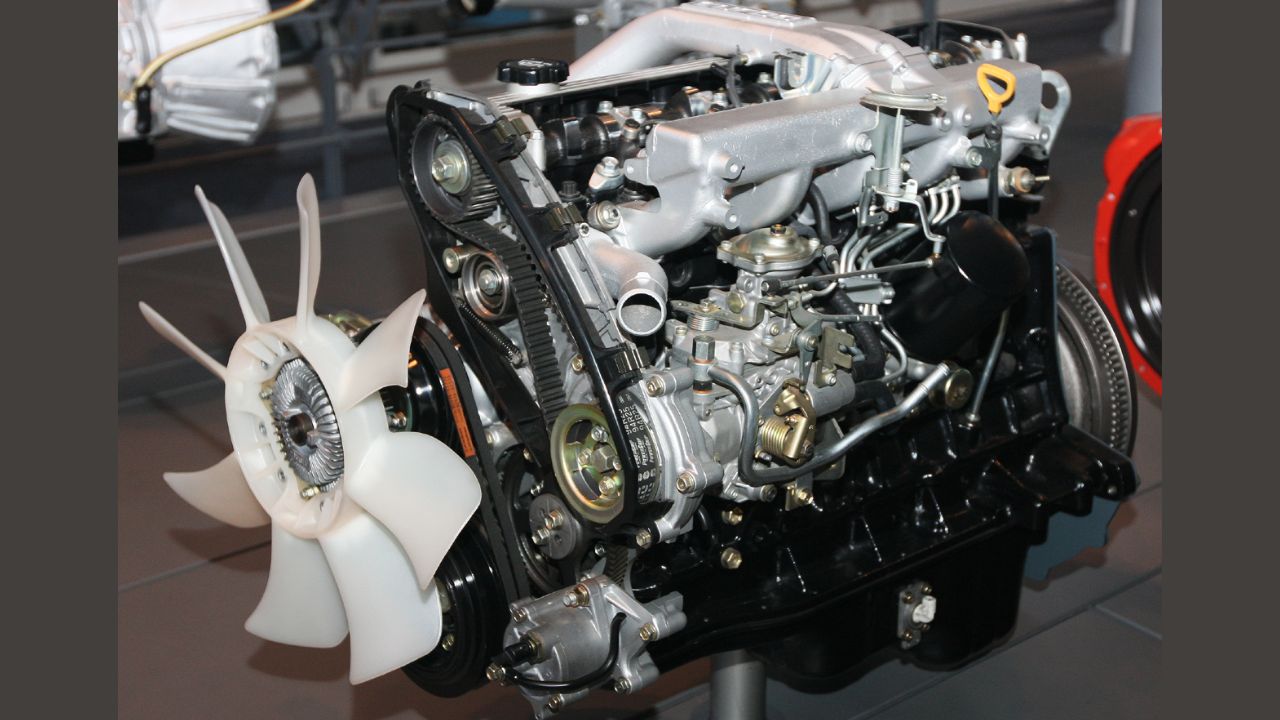
The 1HD-T belongs to Toyota’s highly regarded family of heavy-duty diesel engines. Designed for demanding applications, it used a six-cylinder layout and turbocharging while retaining a strong emphasis on durability. It became particularly associated with Land Cruiser applications. The engine was capable of producing substantial torque without being engineered around extreme output, which helped it develop a reputation for surviving long periods of hard use when properly maintained.
Mercedes-Benz OM606
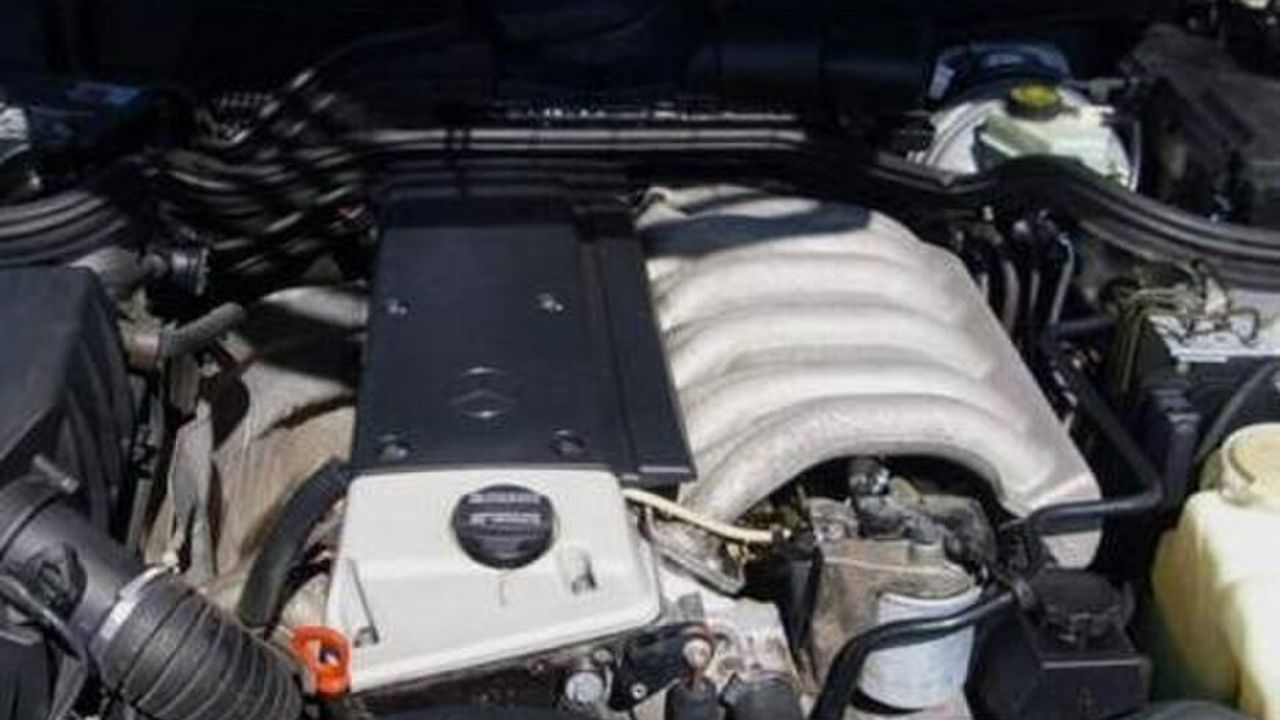
The OM606 is another Mercedes-Benz diesel that earned a strong following among enthusiasts and long-distance drivers. Its inline-six layout and robust construction provided an excellent foundation for high mileage. The engine was also used in demanding applications where dependable operation mattered. Its combination of smoothness, durability, and mechanical strength helped establish it as one of the standout diesel designs of its era.
Toyota 5VZ-FE
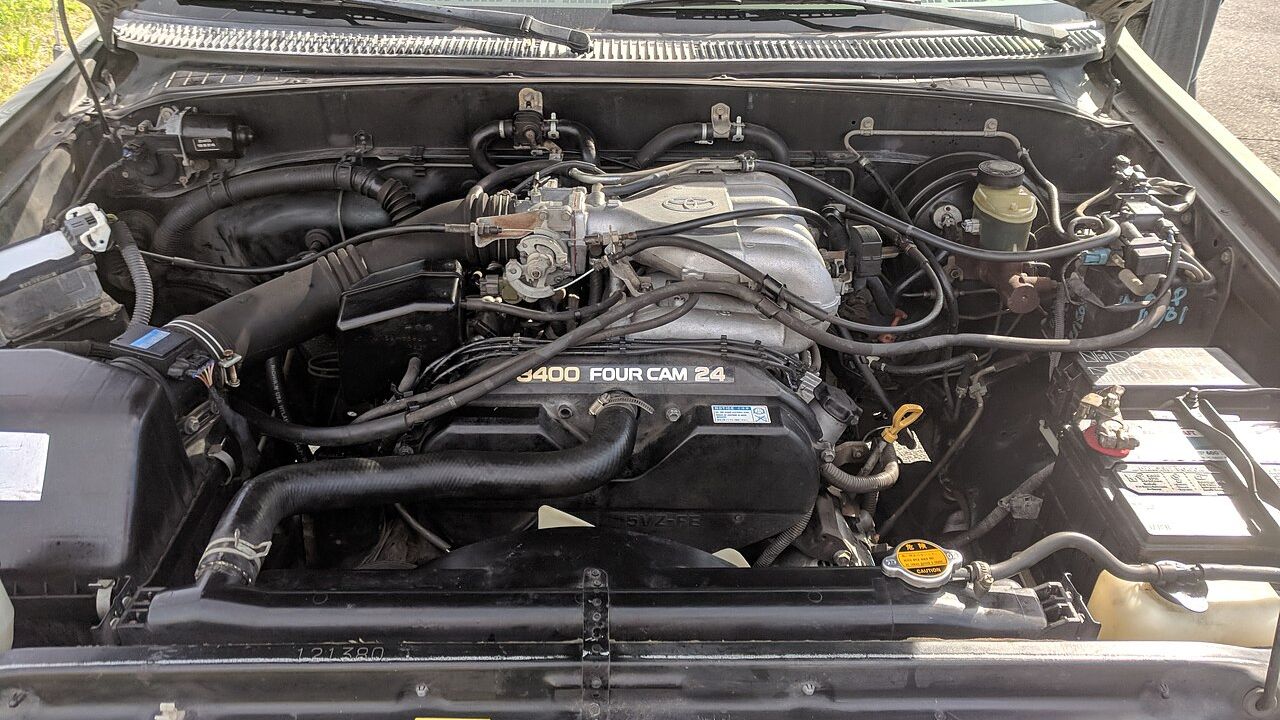
The 5VZ-FE V6 became a familiar sight in Toyota trucks and SUVs, including models frequently used for towing and off-road driving. Its 3.4-liter displacement provided useful torque without requiring extreme engine tuning. The engine’s straightforward design and durable bottom end helped it develop an excellent reputation. Many owners valued it because it could tolerate high mileage while continuing to provide dependable everyday performance.
Jeep 4.0 inline-six
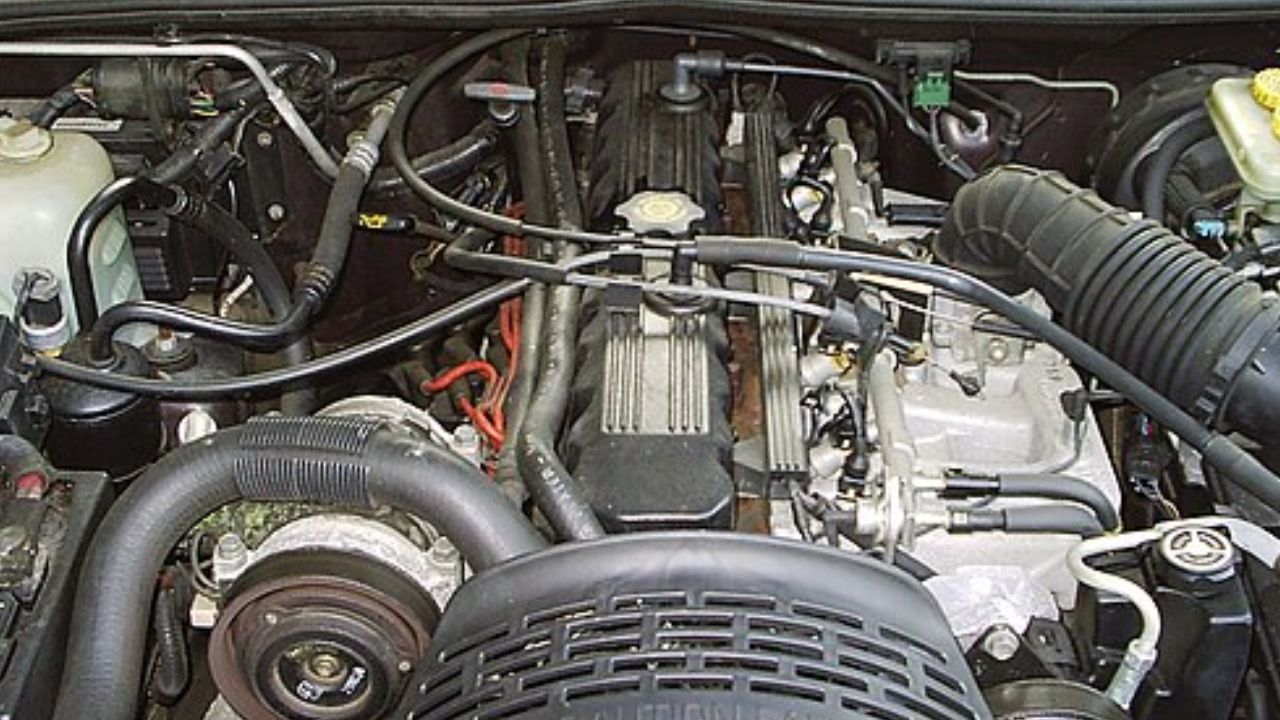
The Jeep 4.0 inline-six is one of the best-known examples of an American engine designed around simplicity and durability. Its long production run gave it an extensive reputation among Jeep owners. The engine produced useful torque at relatively modest output for its size, while the inline-six configuration kept the basic architecture straightforward. With regular maintenance, many examples accumulated impressive mileage in vehicles that were frequently used off-road.
Volkswagen 1.9 TDI
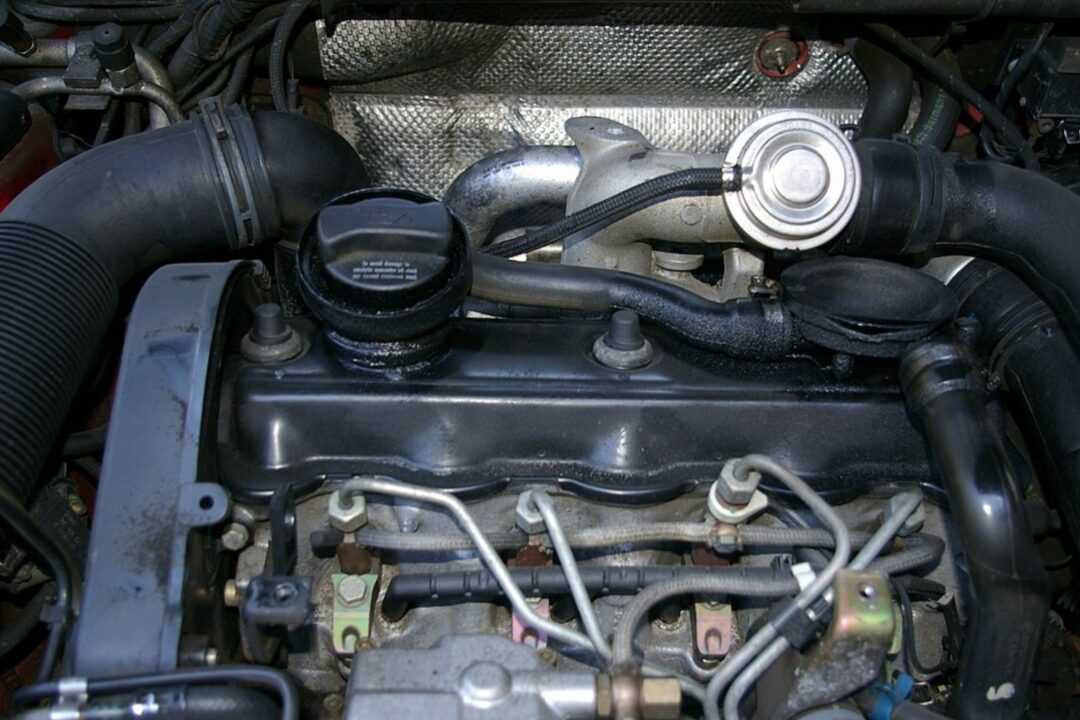
Volkswagen’s 1.9 TDI became one of the best-known European diesel engines of its generation. Several versions were produced, but the family became particularly famous for fuel economy and long service life. The engine was used in numerous Volkswagen Group vehicles and became popular with high-mileage drivers. Its efficiency, widespread parts availability, and reputation for durability helped turn it into a favorite among owners who routinely put serious mileage on their cars.
Toyota 4A-GE
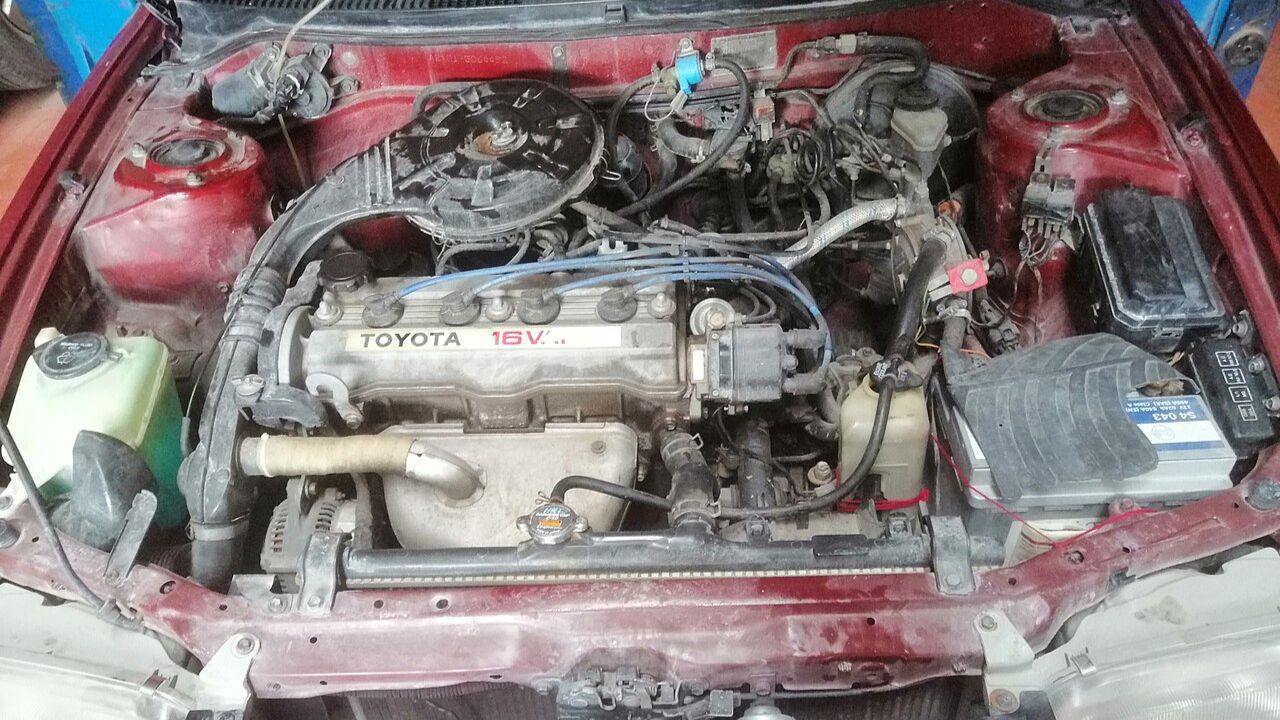
The 4A-GE is remembered primarily for its performance character, but its compact four-cylinder design also demonstrated considerable engineering durability. Toyota produced several generations of the engine, with different versions appearing in a variety of sporty applications. The engine combined relatively simple mechanical architecture with strong engineering and a willingness to rev. Properly maintained examples could deliver years of dependable service while still providing an engaging driving experience.
Ford 4.6 Modular V8
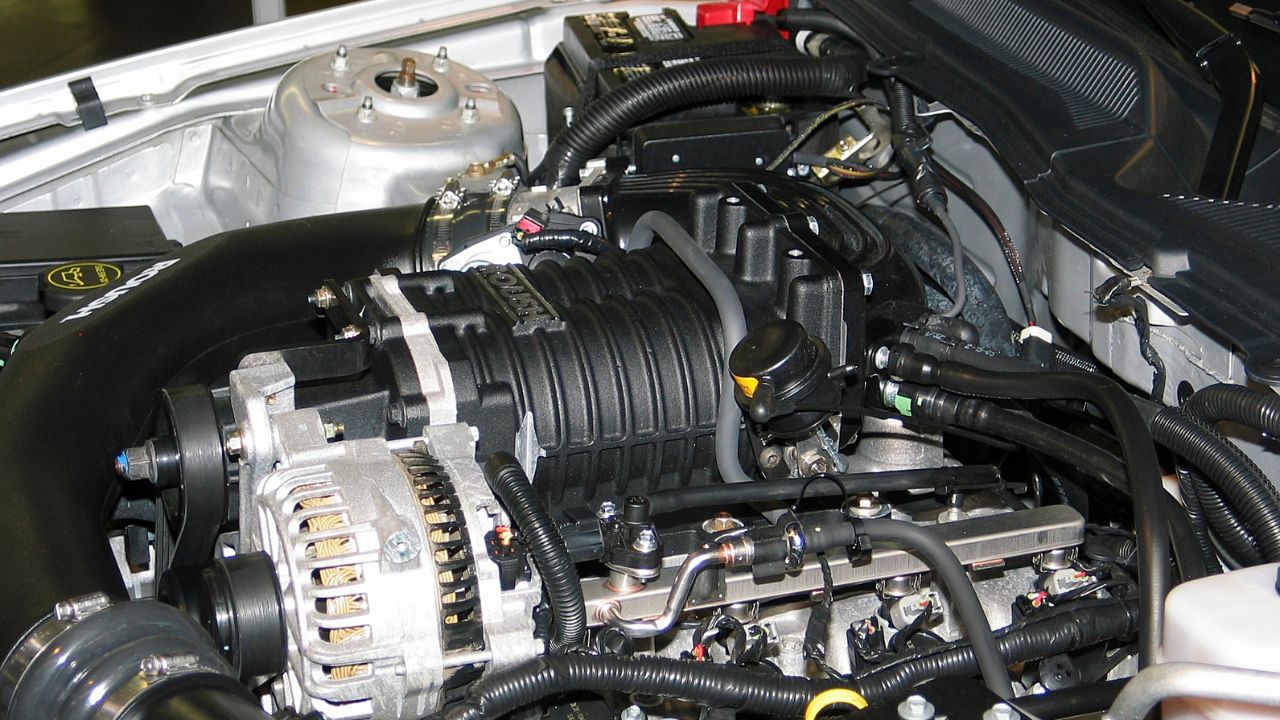
Ford’s 4.6-liter Modular V8 became a major part of the company’s lineup for decades. Although versions varied considerably, the basic engine architecture proved capable of handling long service lives in cars, trucks, and performance applications. Its broad use also meant parts and technical knowledge became widely available. In everyday applications, the engine was generally tuned conservatively enough to provide a useful combination of durability, smoothness, and reasonable operating costs.
Toyota 2TR-FE
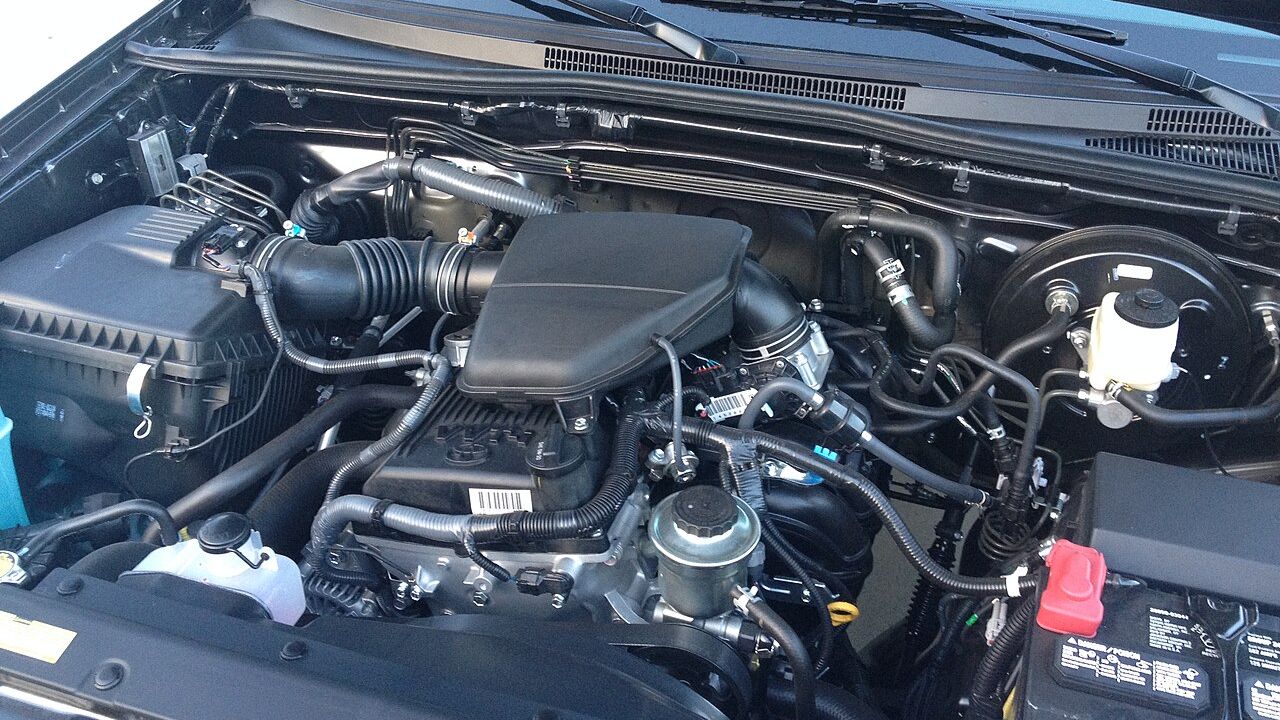
The 2TR-FE four-cylinder was developed for pickups, commercial vehicles, and utility-focused applications where dependable operation was a priority. Its naturally aspirated design and relatively modest specific output helped keep stresses manageable. The engine became widely used in Toyota trucks and vans in different markets. Its reputation reflects an engineering philosophy that favors predictable performance, straightforward servicing, and the ability to withstand years of regular work.
More from Fast Lane Only
- Unboxing the WWII Jeep in a Crate
- 15 rare Chevys collectors are quietly buying
- 10 underrated V8s still worth hunting down
- Police notice this before you even roll window down
*Research for this article included AI assistance, with all final content reviewed by human editors.