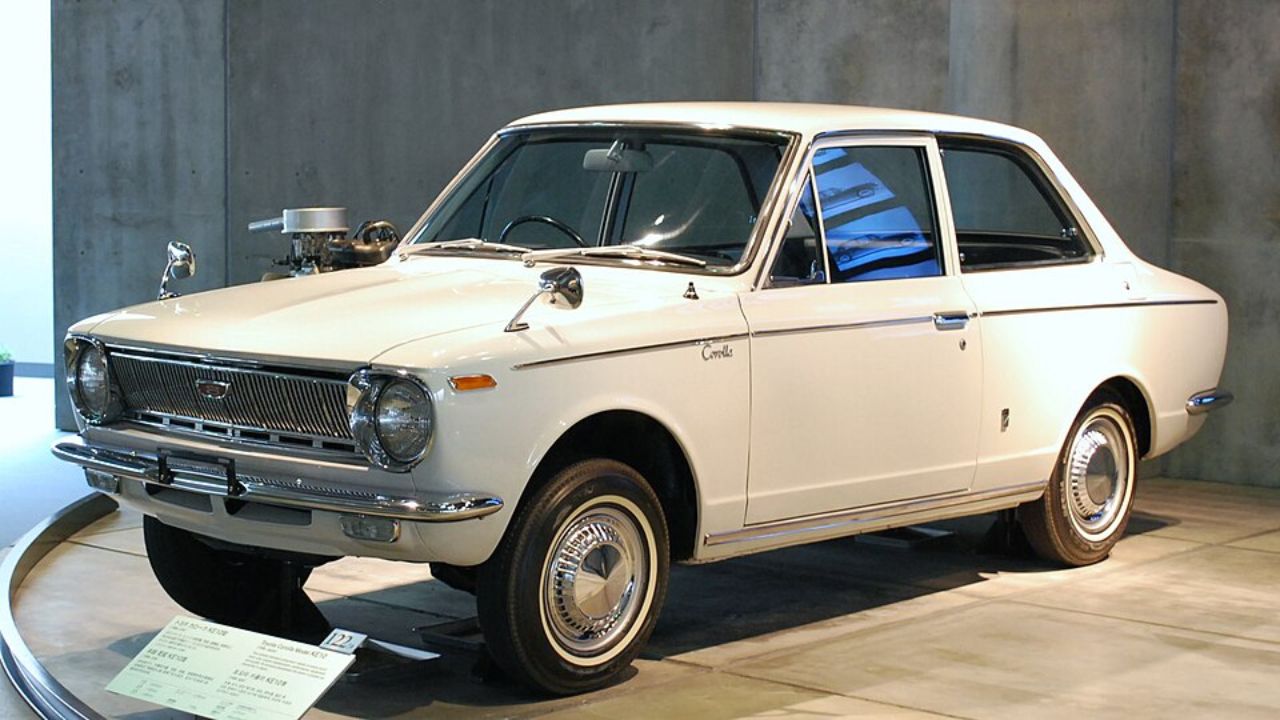
Throughout automotive history, certain vehicles have not only captured the imagination of the public but have also transformed the way people drive and experience transportation. The following list highlights nine iconic automobiles that have significantly shaped a new generation of drivers, each leaving a lasting impact on the automotive landscape.
Ford Model T
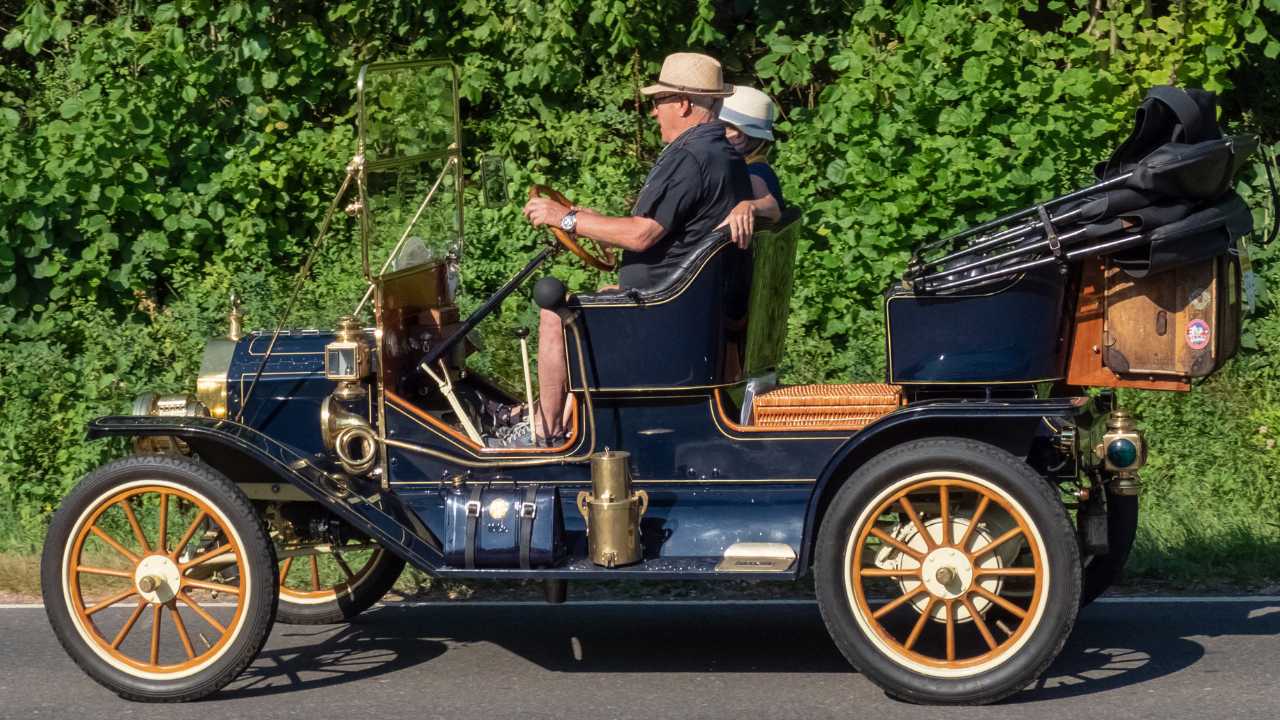
The Ford Model T, introduced in 1908, is often credited with revolutionizing personal transportation. By making cars affordable for the average American, Henry Ford’s assembly line production methods made the automobile accessible to millions. This mass production technique not only lowered costs but also set the stage for modern manufacturing practices.
As a result, the Model T encouraged a culture of mobility, allowing families to venture beyond their local communities. This vehicle not only changed the automotive industry but also had profound social implications, such as the development of suburbs and the expansion of road infrastructure across the United States.
Volkswagen Beetle
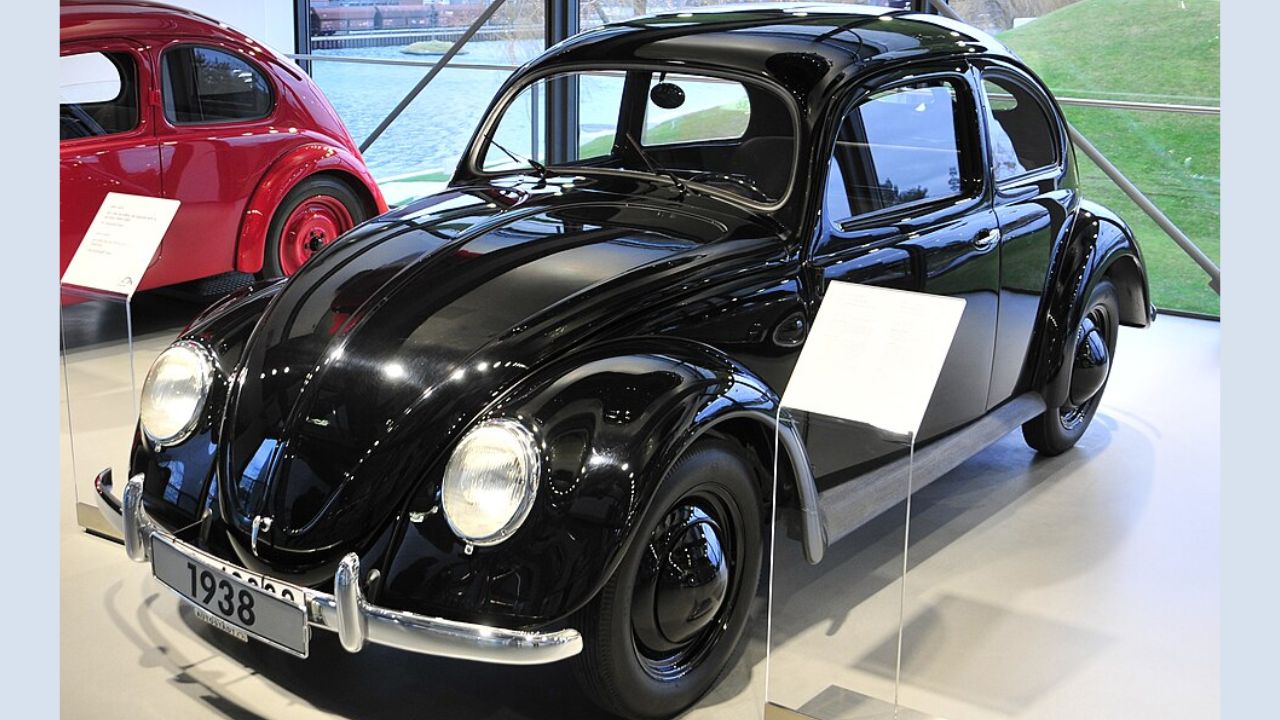
Launched in the late 1930s but gaining significant popularity in the 1960s, the Volkswagen Beetle became a symbol of the counterculture movement. Its unique design and affordability made it appealing to a broad audience. With over 21 million units produced, it became one of the best-selling cars of all time.
The Beetle’s compact size and efficiency encouraged a new way of thinking about personal transportation, emphasizing practicality and individuality. Its success influenced the design of future compact cars, making it a classic example of how a vehicle can resonate with generational values.
Mini Cooper
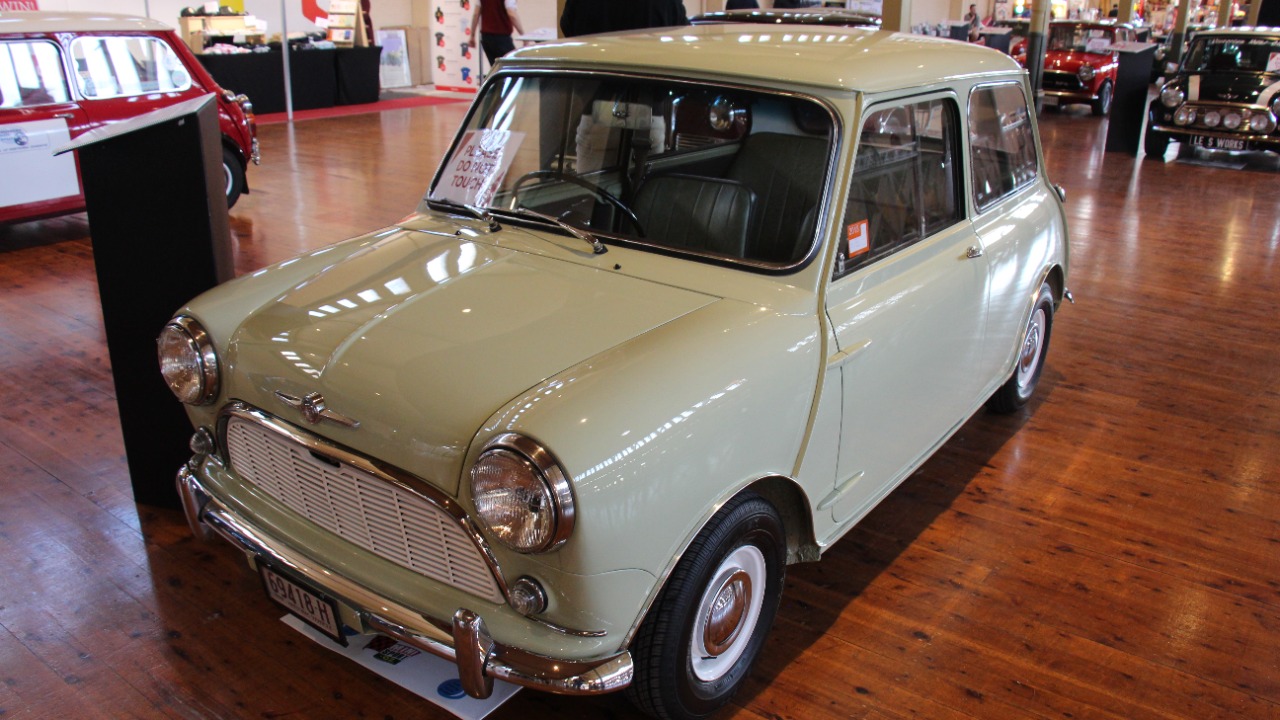
The Mini Cooper, introduced in 1961, is renowned for its compact design and remarkable handling. This British icon captured the hearts of drivers with its quirky personality and efficient use of space. The Mini became synonymous with the 1960s’ British Invasion, showcasing how cars can embody cultural movements.
With its fuel efficiency and fun driving experience, the Mini Cooper became a favorite among urban dwellers and young drivers. Its design continues to inspire modern compact vehicles, proving that great things can come in small packages.
Honda Civic
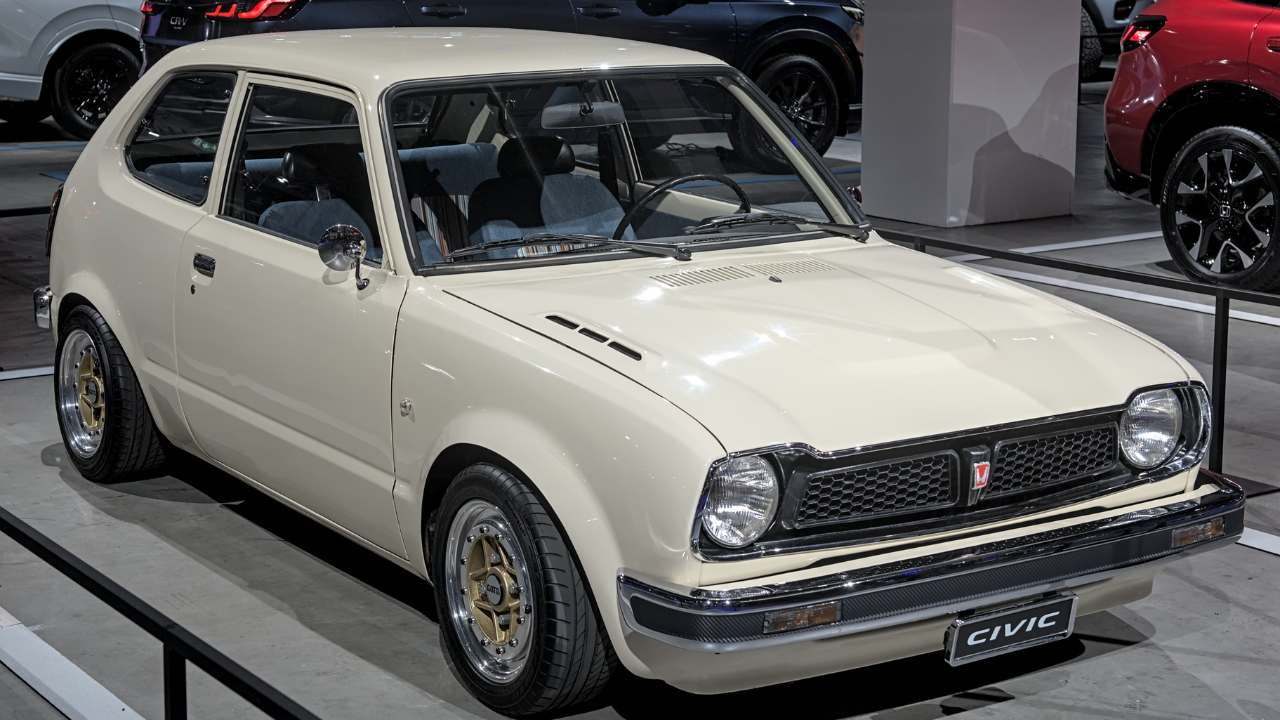
Since its debut in 1972, the Honda Civic has established itself as a reliable and fuel-efficient choice for drivers worldwide. Its blend of practicality, affordability, and performance has made it especially popular among younger drivers looking for their first car.
Over the decades, the Civic has adapted to changing consumer preferences, offering a range of models from sporty to eco-friendly hybrids. This flexibility has solidified its legacy as a staple in the automotive market, shaping the expectations of what a compact car should deliver.
Toyota Corolla
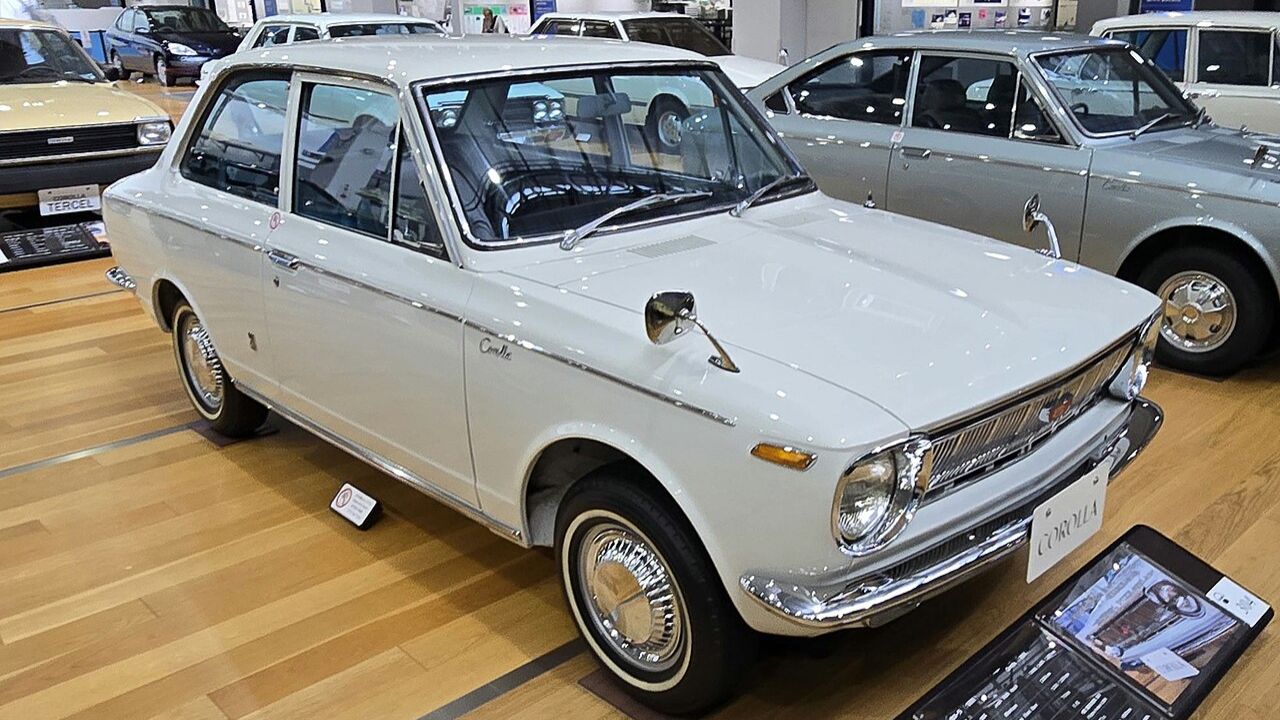
Launched in 1966, the Toyota Corolla is one of the best-selling cars globally, known for its reliability and efficiency. Its straightforward design and low maintenance costs have made it a popular choice for families and first-time car buyers alike.
With a reputation for longevity and dependability, the Corolla has become synonymous with smart purchasing decisions. Its continuous evolution through various generations has kept it relevant in a competitive market, influencing how manufacturers approach compact cars.
Subaru Outback
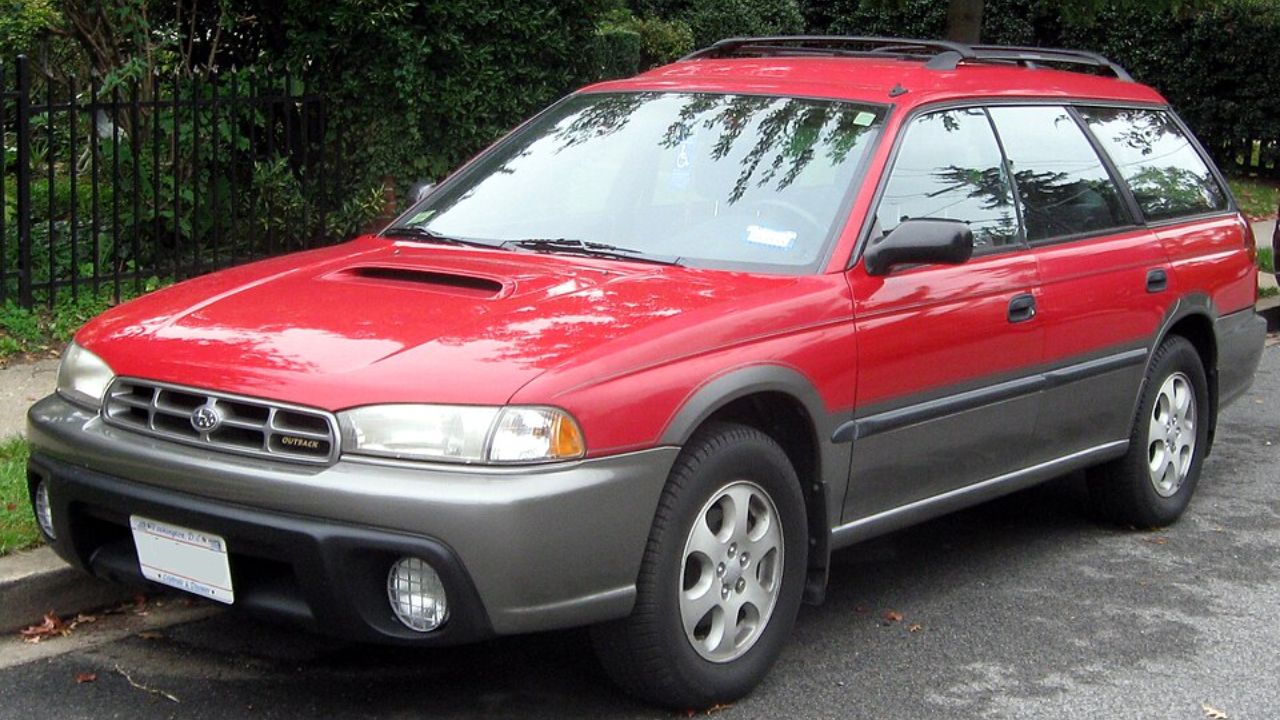
The Subaru Outback, introduced in the mid-1990s, has become a favorite among outdoor enthusiasts and families. With its all-wheel-drive capabilities and rugged design, it appeals to those seeking adventure without sacrificing comfort.
This crossover SUV has played a significant role in shaping the market for vehicles that cater to active lifestyles. Its versatility has redefined family travel, allowing drivers to explore both urban environments and off-road terrains with ease.
Tesla Model 3
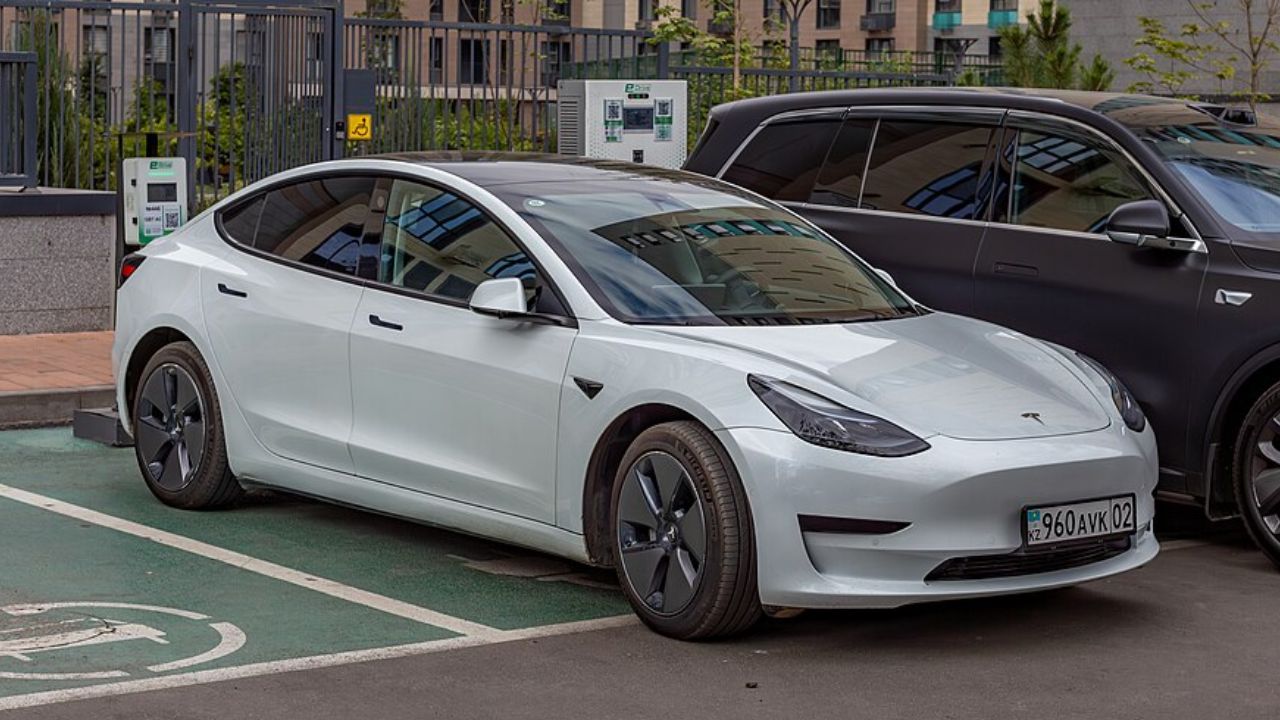
Since its introduction in 2017, the Tesla Model 3 has emerged as a game-changer in the electric vehicle market. Its combination of affordability, performance, and cutting-edge technology has made electric driving accessible to a broader audience.
The Model 3’s success has accelerated the shift toward sustainable transportation, inspiring other manufacturers to invest in electric vehicles. Its influence extends beyond just automotive design; it has initiated discussions about renewable energy and the future of mobility, shaping the values of new generations of drivers.
Jeep Wrangler
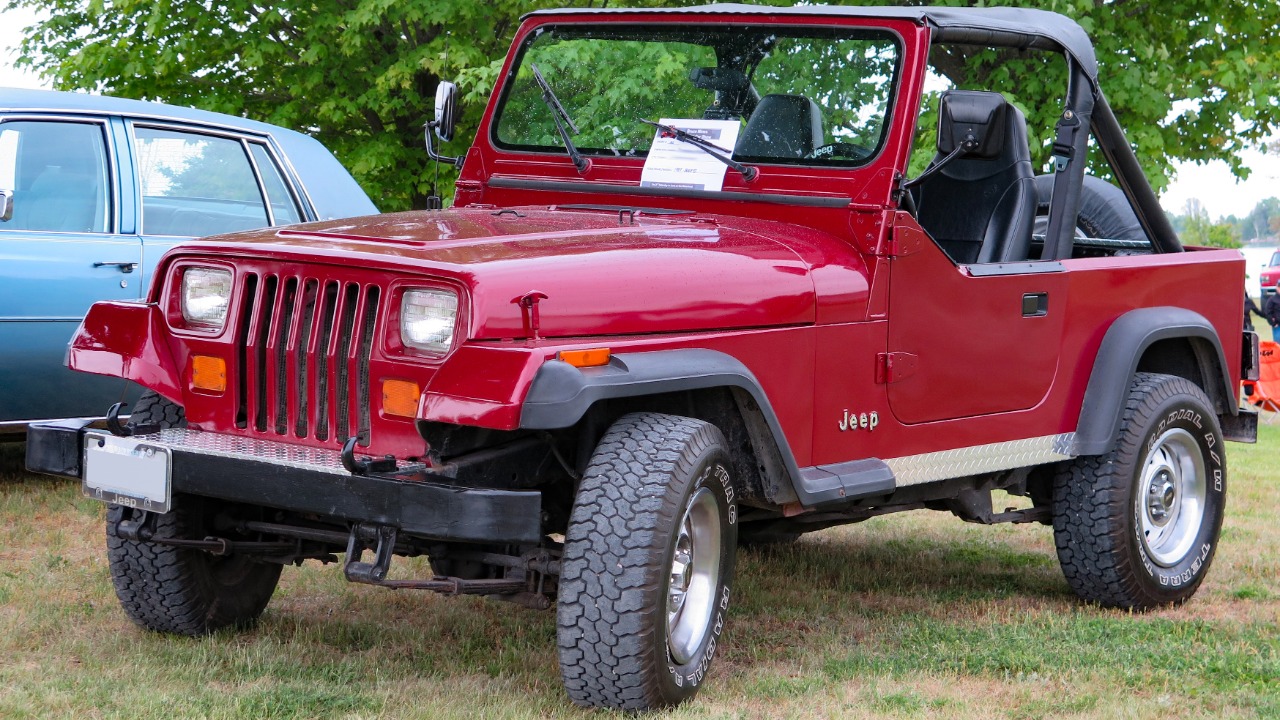
The Jeep Wrangler has become synonymous with adventure and off-road capability since its inception in the 1980s. Its rugged design and versatile performance make it a favorite among outdoor enthusiasts and those looking for a vehicle that can handle any terrain.
The Wrangler has cultivated a loyal community of drivers who value exploration and freedom. This vehicle’s legacy continues to influence the SUV market, inspiring designs that prioritize both capability and comfort for modern drivers.
Ford F-150
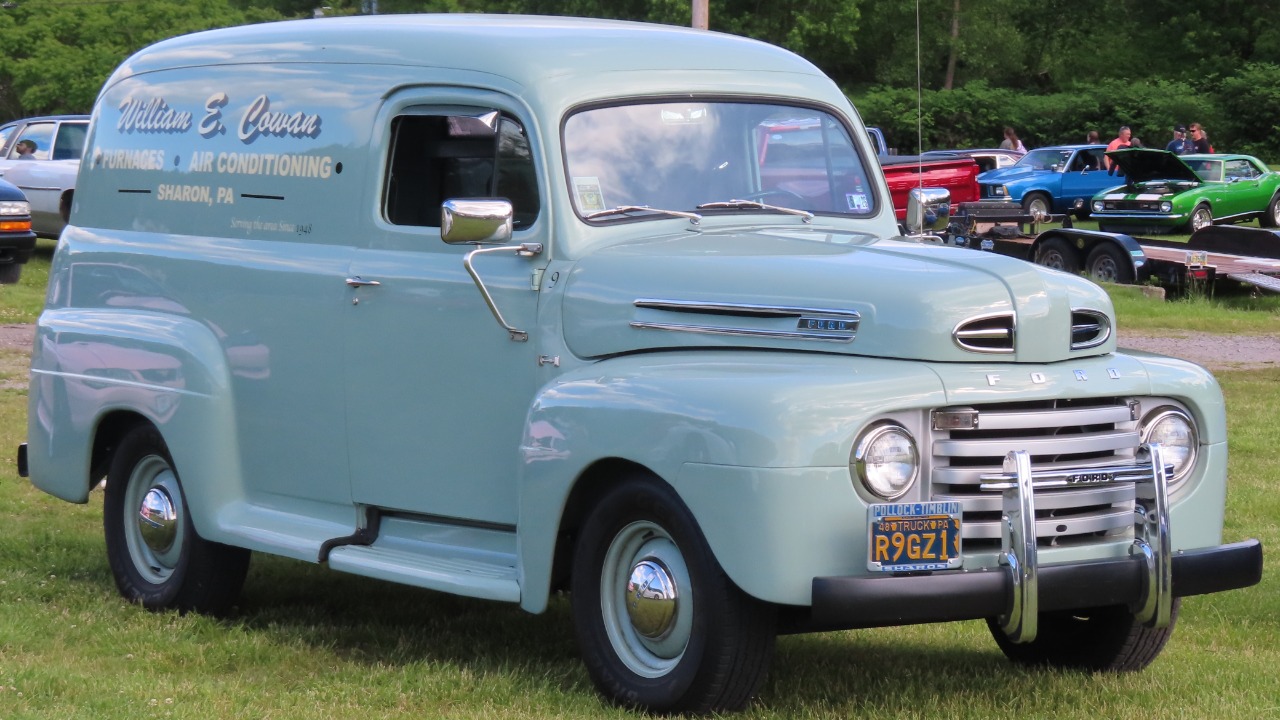
First introduced in 1948, the Ford F-150 has become the best-selling vehicle in America for decades. Its combination of durability, versatility, and performance has made it a top choice for both work and recreation.
The F-150 has evolved through numerous generations, adapting to changing consumer needs while maintaining its reputation as a reliable truck. Its impact on the pickup truck segment has set standards for performance and capability, making it a prominent symbol of American automotive culture.
More from Fast Lane Only