American automotive history is filled with famous engines, but plenty of capable powerplants never received the recognition they deserved. Some were overshadowed by bigger V8s, while others powered ordinary cars that were never considered collectible. Yet these engines offered durability, useful performance, clever engineering, or all three. Here are 20 American engines that deserve another look.
Pontiac 326 V8
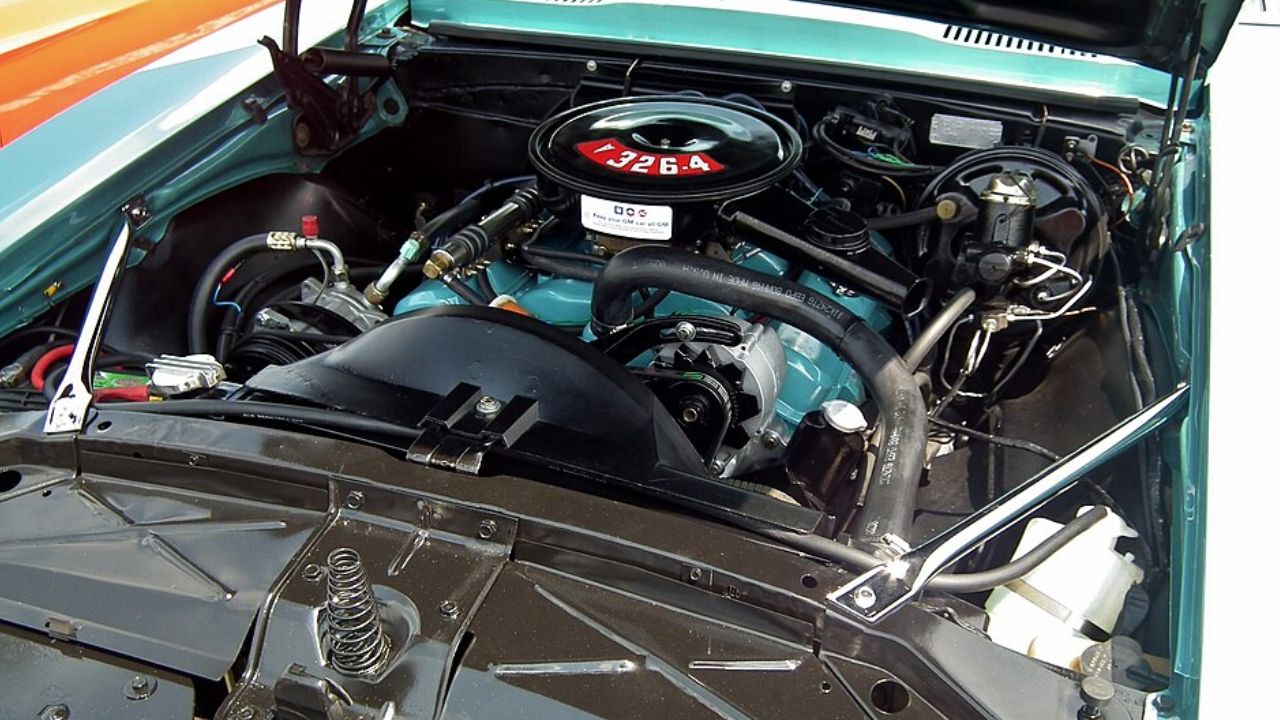
The Pontiac 326 V8 rarely gets the attention given to the brand’s larger engines, but it was an important part of Pontiac’s rise as a performance-minded automaker. It offered useful power in smaller cars without the weight and fuel demands of the biggest V8s. The 326 found its way into models such as the Tempest and LeMans, giving buyers a practical route into V8 ownership. Today, collectors often focus on Pontiac’s 389 and 400, leaving the 326 as one of the company’s more overlooked engines.
Buick 215 V8
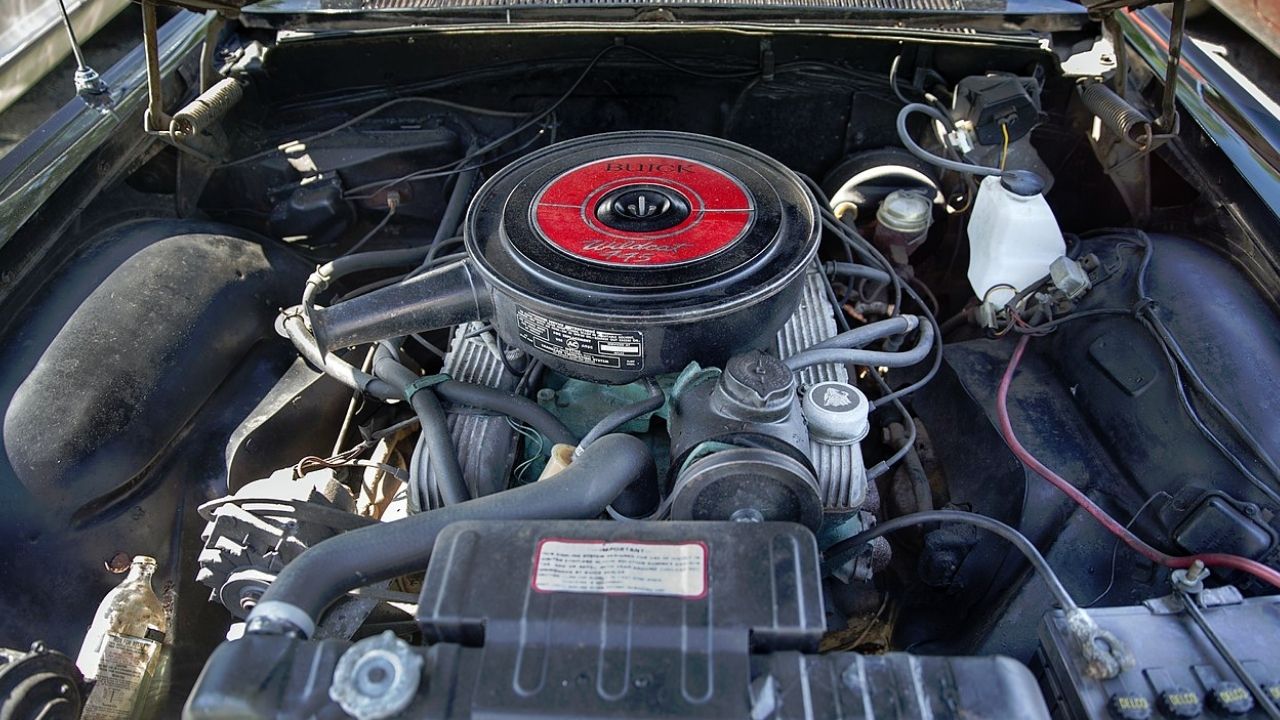
The Buick 215 was an unusually clever engine for its time. Its compact aluminum construction helped reduce weight, making it a natural fit for smaller cars at a time when American V8s were becoming increasingly large. Buick eventually sold the design to Rover, where it enjoyed a remarkably long second life. That history alone makes the 215 fascinating. It may not have become a famous American performance engine, but its lightweight design influenced engines well beyond the Buick models that originally carried it.
Oldsmobile 330 V8
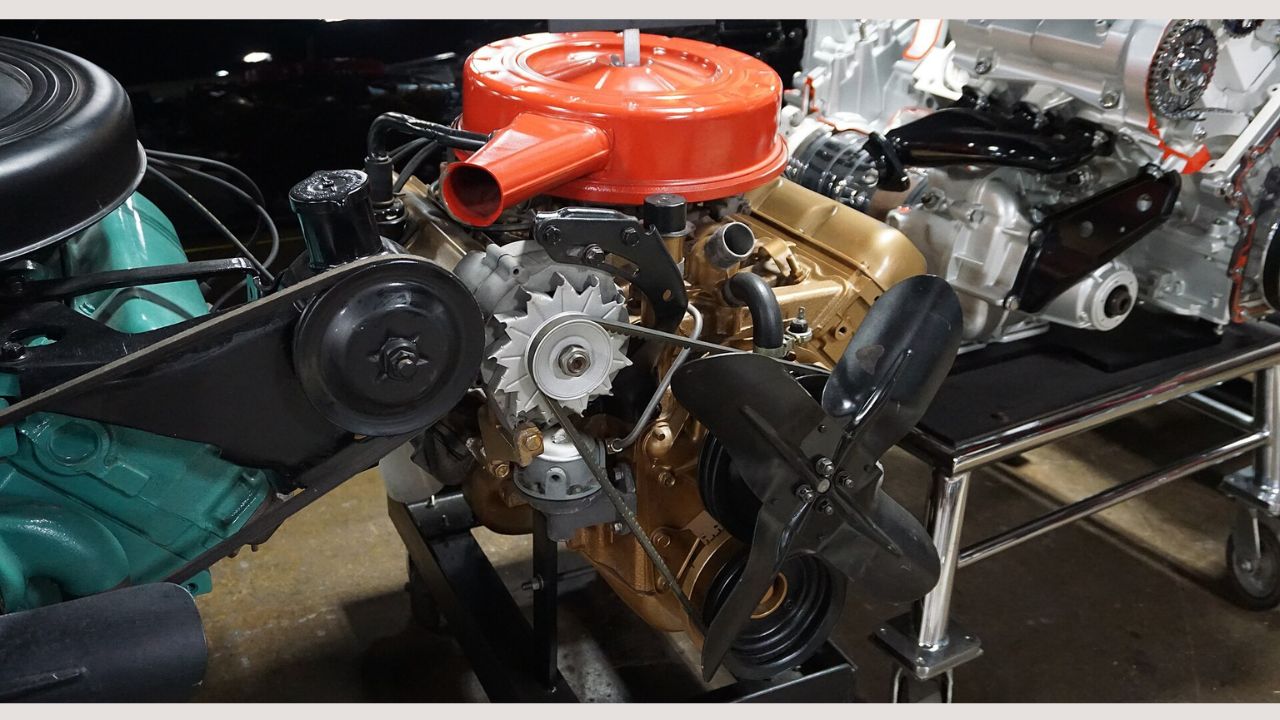
The Oldsmobile 330 sits in the shadow of the brand’s larger Rocket V8s, yet it provided a useful balance of size, torque, and performance. It appeared in several Oldsmobile models during an era when buyers were increasingly interested in smaller high-output engines. The 330 helped bridge the gap between everyday transportation and the more serious performance engines that followed. Because collectors tend to gravitate toward the 400 and 455, the 330 is often overlooked despite being an important part of Oldsmobile’s V8 story.
Ford 221 V8
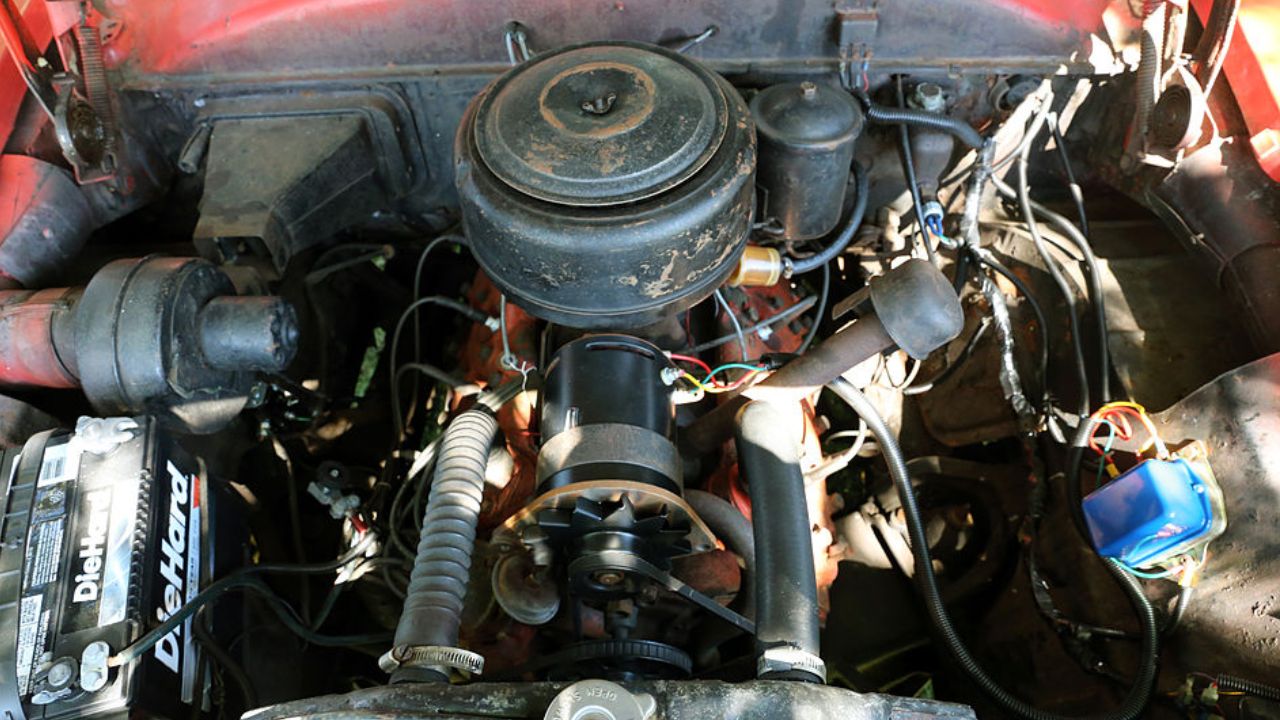
Ford’s 221 V8 deserves more recognition for helping establish the compact V8 formula that became so important to American cars. Its smaller dimensions made it easier to fit into a broad range of vehicles, while its V8 layout gave ordinary buyers access to more performance than a six-cylinder could provide. The engine became part of Ford’s evolution toward lighter and more efficient V8 designs. It may not have the fame of later Ford engines, but it helped lay important groundwork for the company’s highly successful small-block family.
Chevrolet 305 V8
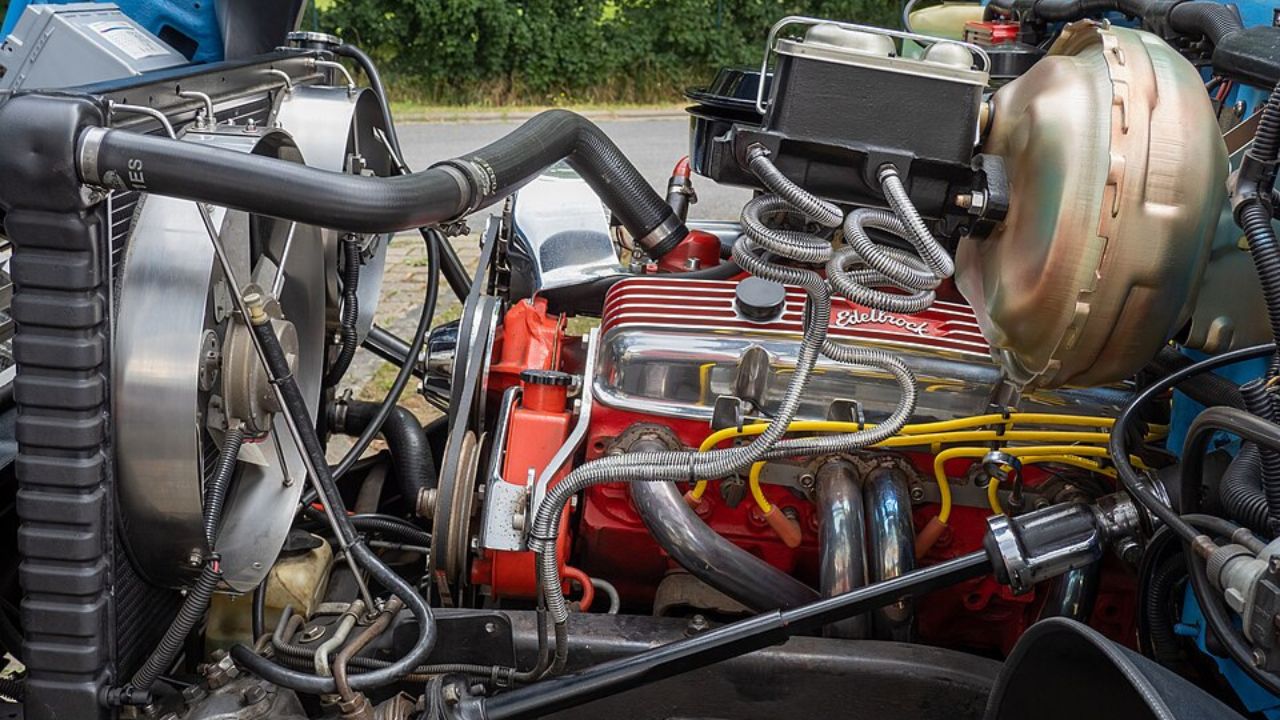
The Chevrolet 305 is one of those engines that powered enormous numbers of ordinary cars and trucks without ever developing the glamorous reputation of the 350. It was used across Chevrolet’s lineup and became a familiar sight in everything from passenger cars to pickups. While performance enthusiasts sometimes dismissed it, the 305 offered practical V8 power and broad availability. Its widespread use also made parts and mechanical knowledge easy to find. It deserves recognition as one of Chevrolet’s most important everyday V8s.
Buick 350 V8

The Buick 350 often gets overlooked because its name is shared with Chevrolet’s much more famous small-block. Yet Buick’s version had its own character, including strong torque and a design suited to the company’s larger passenger cars. It was a dependable workhorse during a period when Buick needed engines that could move substantial vehicles without relying exclusively on enormous displacement. The 350 powered many ordinary Buicks that have since disappeared, leaving the engine itself as an underappreciated part of the brand’s history.
Oldsmobile 307 V8
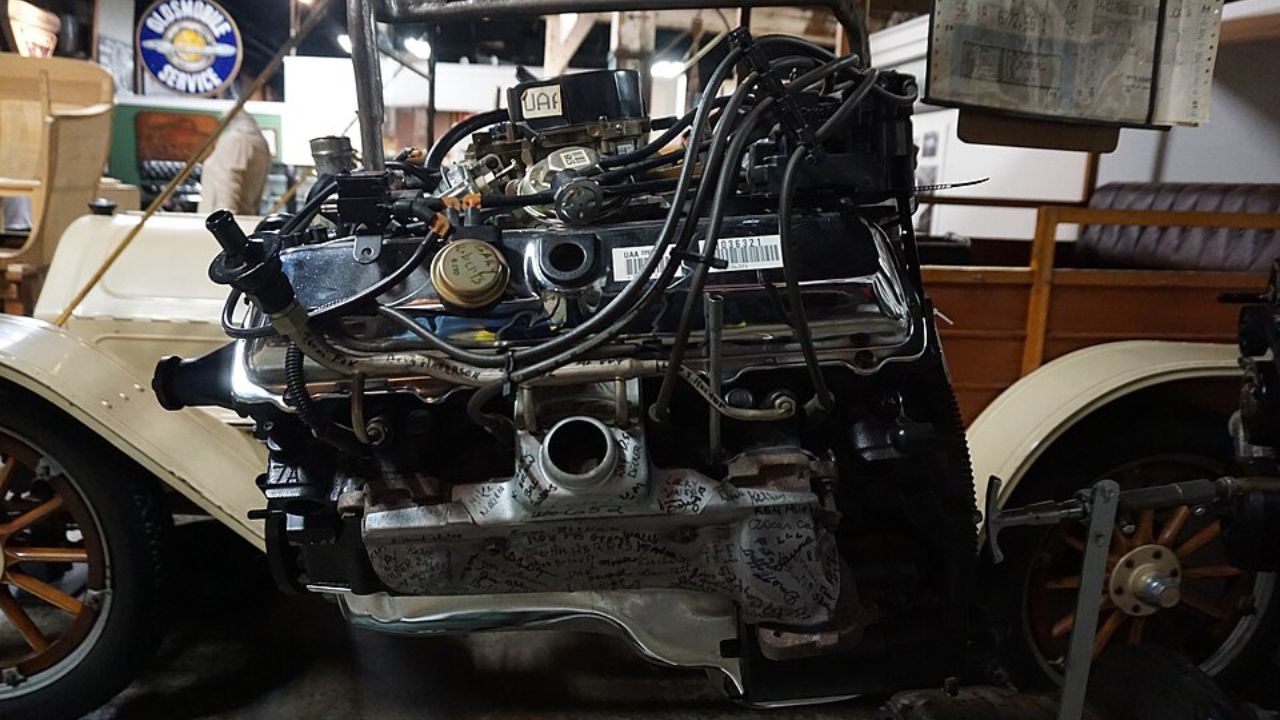
The Oldsmobile 307 became one of the brand’s most widely used engines during the 1980s and early 1990s. It powered a broad range of cars, including popular rear-wheel-drive models that remained common on American roads for years. The engine was not designed to recreate the glory days of the big-block era, but it offered smooth operation, useful torque, and widespread availability. Because it was so common, enthusiasts sometimes overlooked it. In retrospect, its importance to Oldsmobile’s later years is difficult to ignore.
Chevrolet 4.3 V6
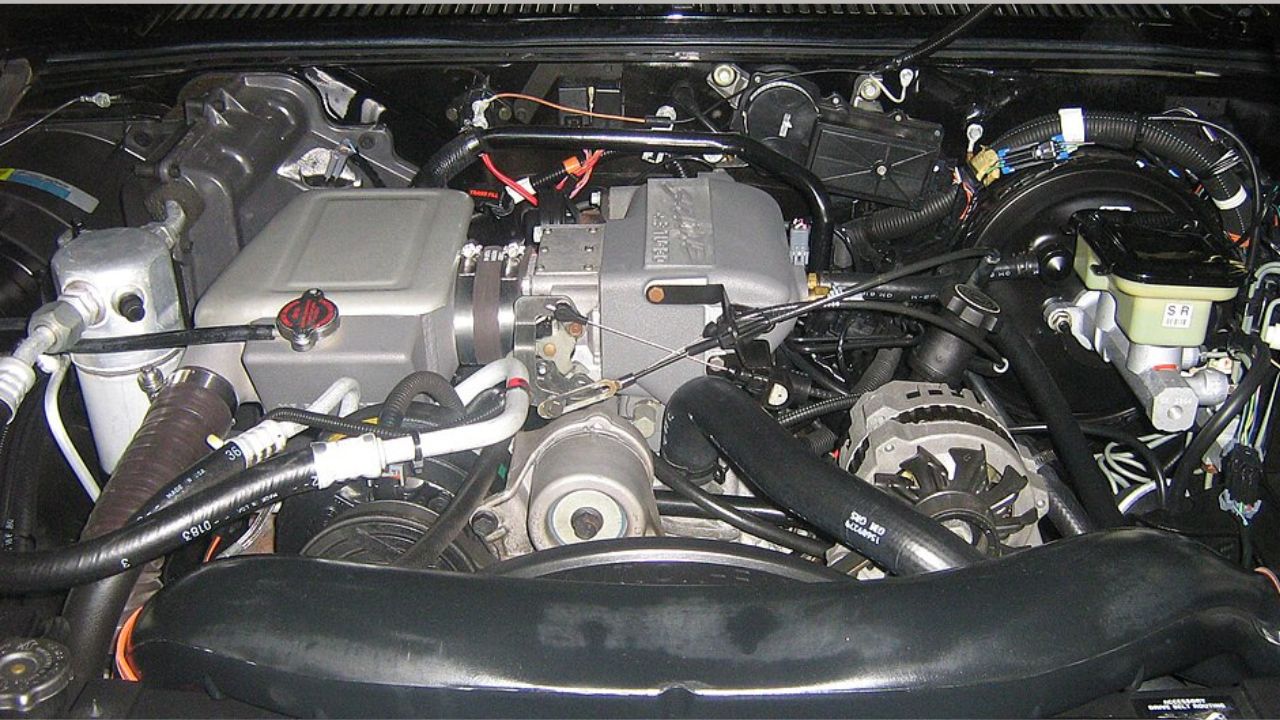
The Chevrolet 4.3-liter V6 became a remarkably important engine for General Motors, particularly in trucks and SUVs. Based closely on the small-block V8 family, it gave buyers a compact engine with useful torque and familiar mechanical characteristics. The 4.3 became a staple in Chevrolet and GMC pickups, vans, and sport-utility vehicles. Its widespread use and relatively straightforward design helped it develop a reputation as a dependable workhorse. It deserves more credit as one of America’s most successful truck engines of its era.
Ford 3.8 V6
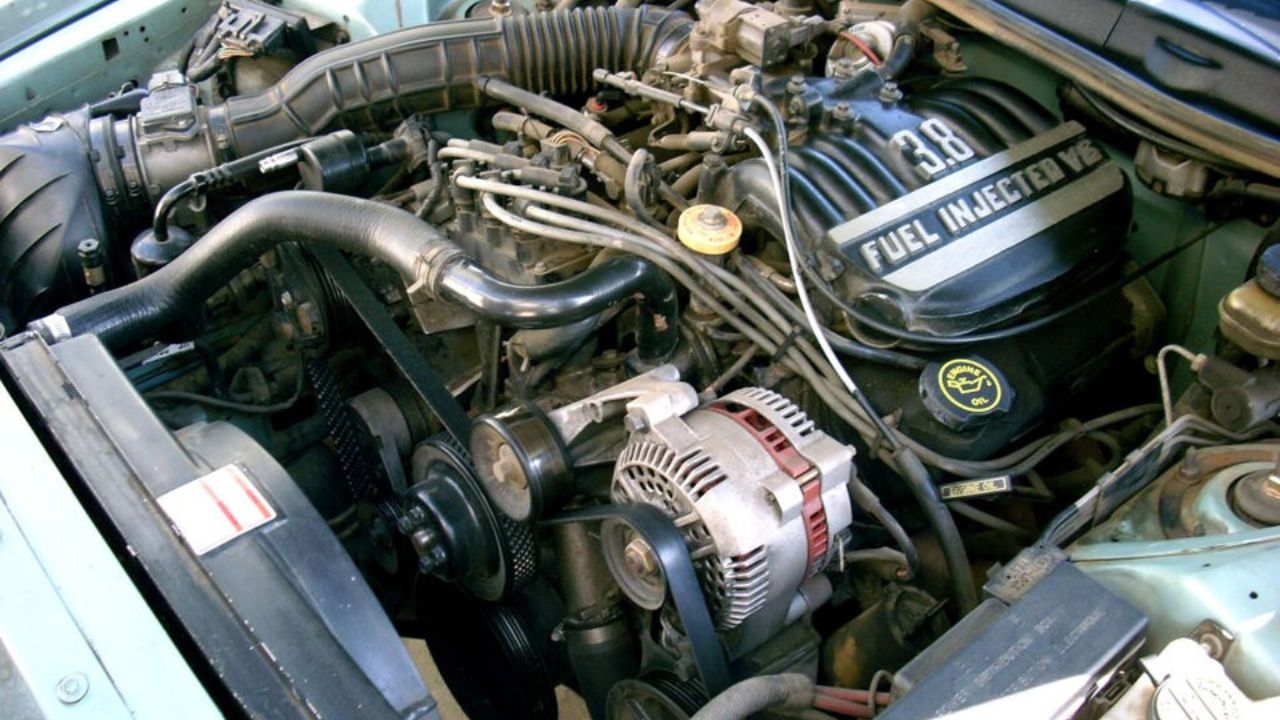
Ford’s 3.8-liter V6 powered an enormous variety of cars and minivans during several decades of changing automotive design. It was never glamorous, but its broad application made it an important engine for ordinary American drivers. The 3.8 helped Ford offer six-cylinder power in vehicles that did not need a V8, while later versions became more refined and capable. Its legacy is easy to overlook because it powered so many everyday models, but that widespread service makes it an important chapter in Ford’s engine history.
Buick 3.8 V6
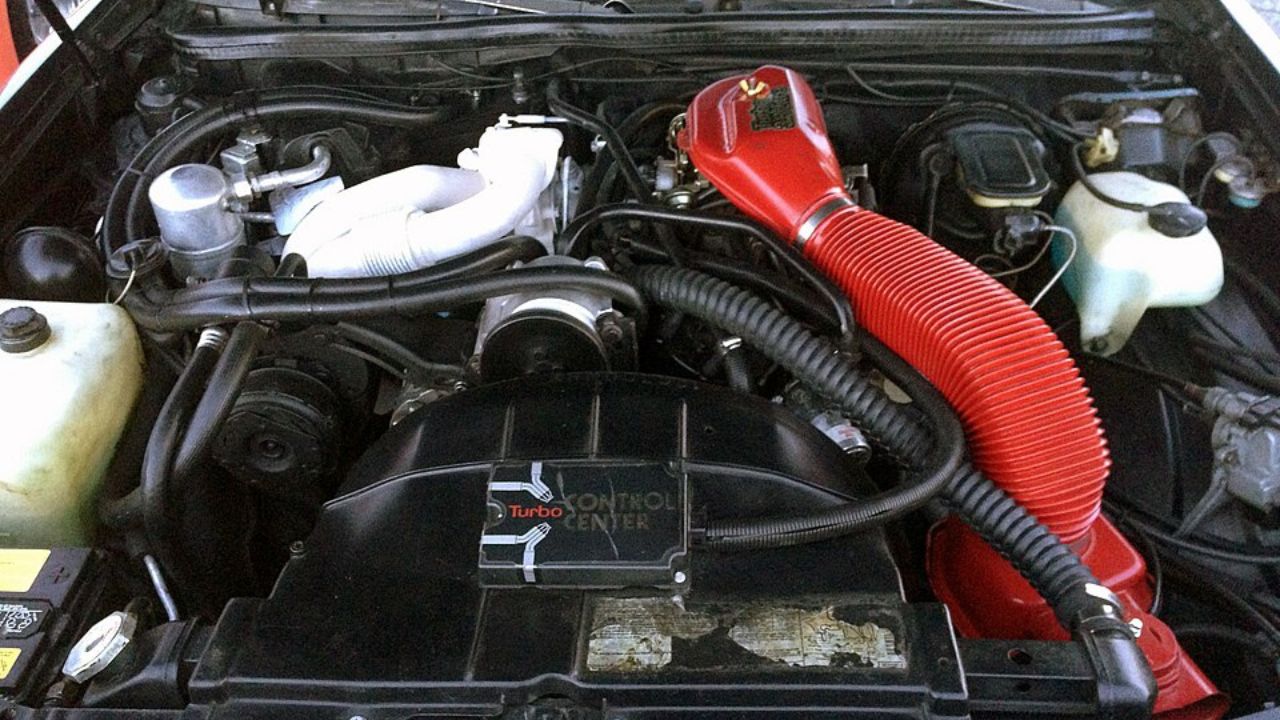
The Buick 3.8 V6 became much more famous when used in turbocharged performance applications, but its naturally aspirated versions also deserve recognition. The engine’s compact dimensions, smooth operation, and strong torque made it useful across Buick’s lineup and beyond. It eventually became one of the most recognizable V6 designs in American automotive history. While enthusiasts often remember the turbocharged Grand National, the ordinary 3.8 helped establish the durability and versatility that made the engine family so successful.
Ford 2.3 Lima
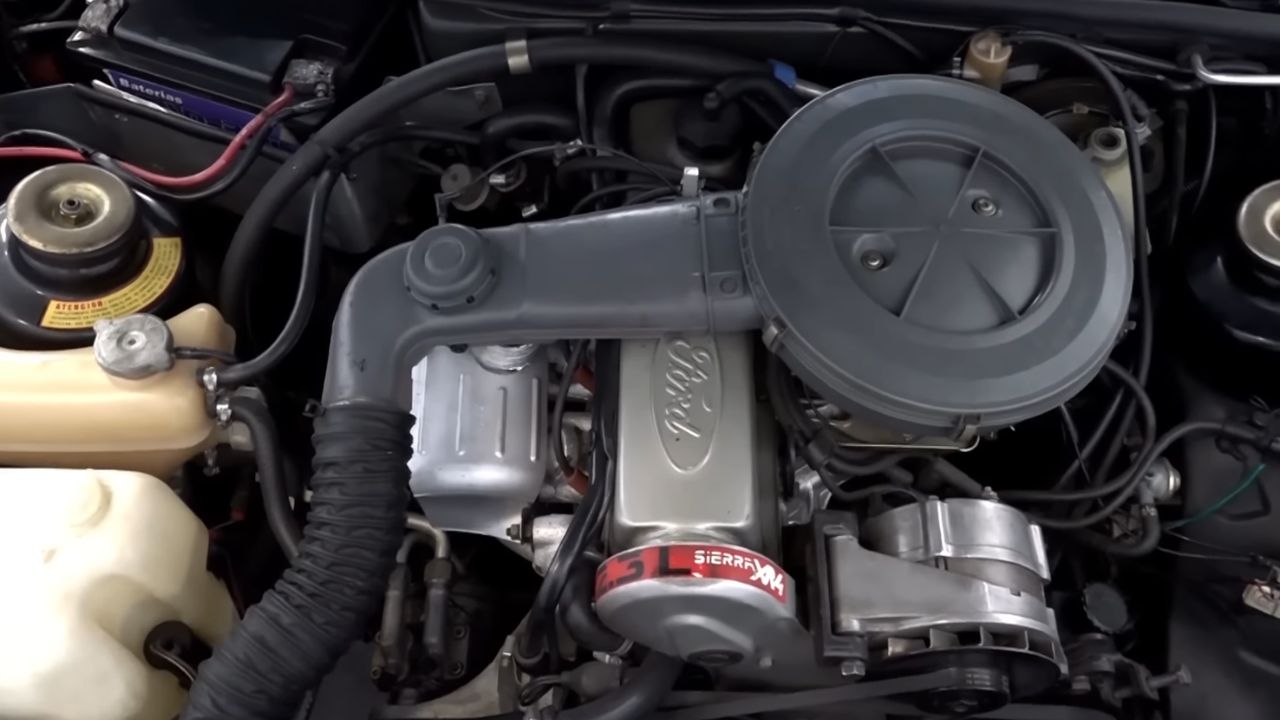
The Ford 2.3-liter Lima four-cylinder powered a remarkable variety of American cars and trucks. It appeared in models ranging from the Mustang to the Ranger, giving Ford a flexible engine that could serve very different purposes. The design also developed an enthusiast following because of its turbocharged applications. Yet even the naturally aspirated versions deserve attention for their straightforward construction and widespread use. The 2.3 Lima became one of those engines that could keep an aging Ford useful long after the rest of the vehicle began showing its years.
Chrysler 2.5 Four-Cylinder
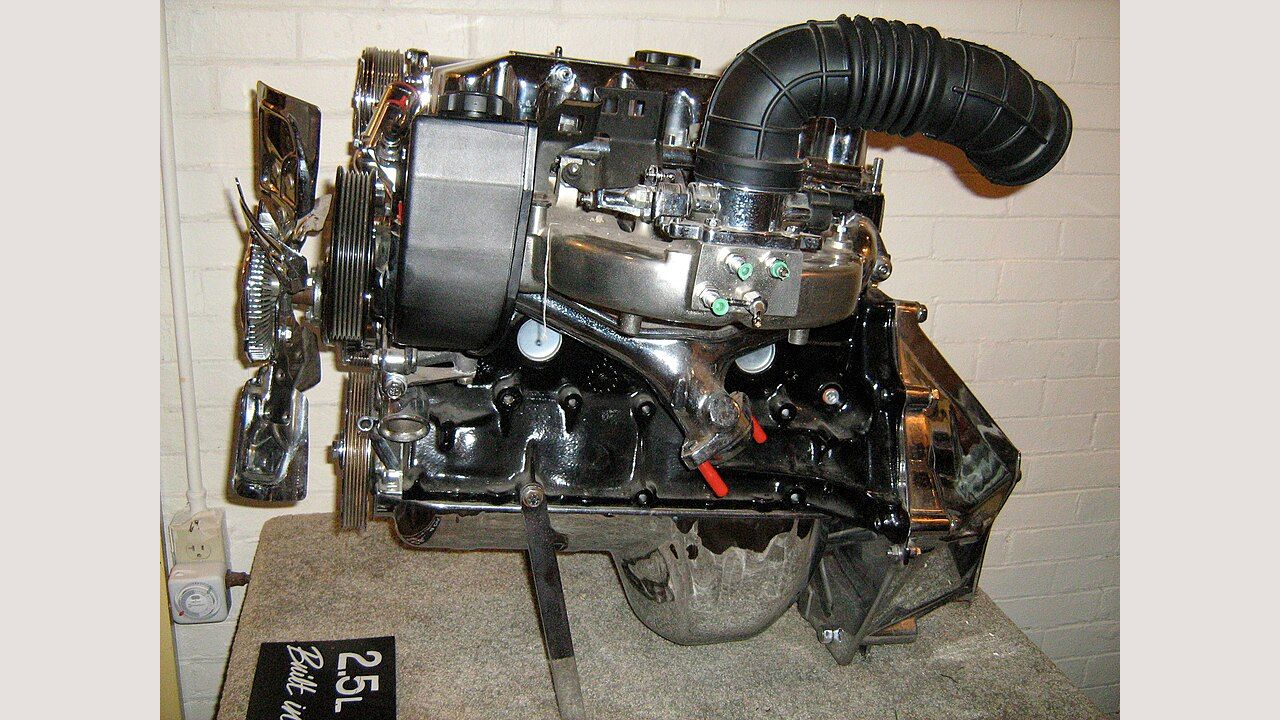
Chrysler’s 2.5-liter four-cylinder helped the company compete in a market increasingly interested in smaller, more economical engines. It powered a wide range of front-wheel-drive cars and became familiar to millions of drivers. Although it lacked the prestige of Chrysler’s V8s, the engine played an important role during the company’s transition toward more efficient vehicles. Its relatively simple design and broad application made it a practical choice for everyday transportation. It deserves more recognition for helping Chrysler adapt to a changing American market.
Chevrolet 3.8 V6
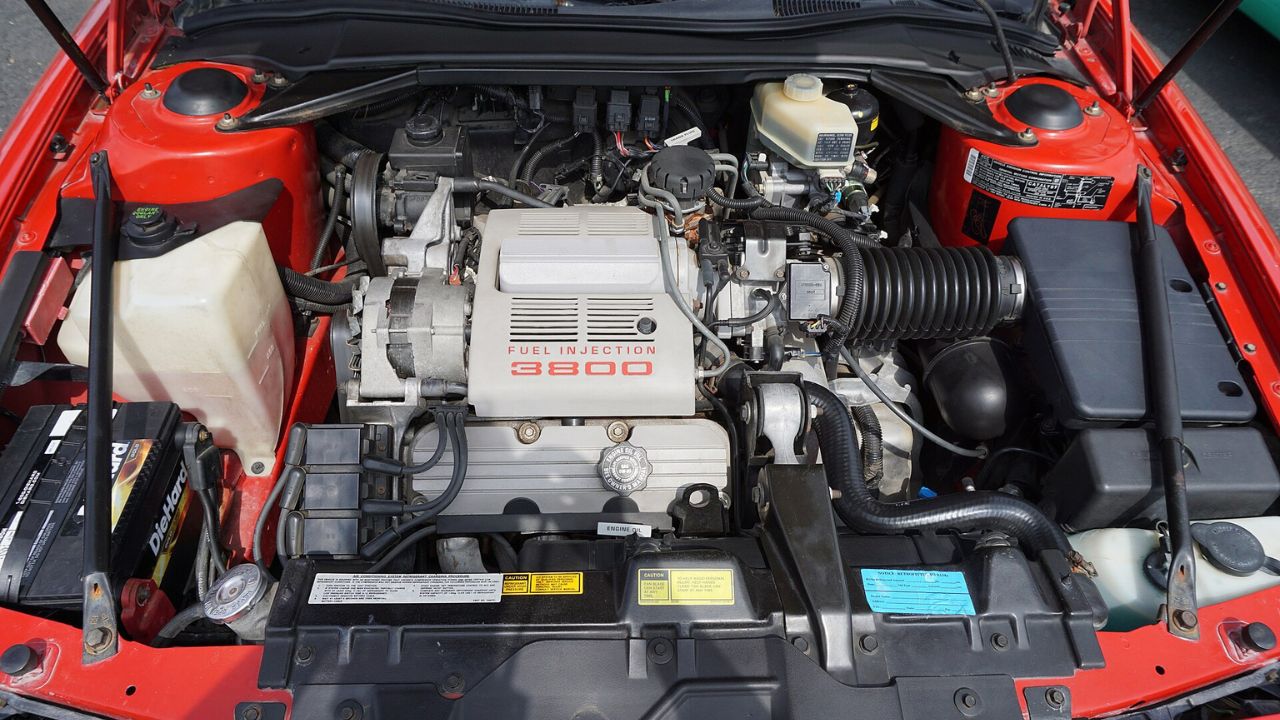
Chevrolet’s 3.8-liter V6 offered American buyers a middle ground between four-cylinder economy and V8 power. It appeared in a range of passenger cars during a period when manufacturers were searching for efficient alternatives to larger engines. While it never developed the legendary status of Chevrolet’s small-block V8s, the engine served millions of miles of ordinary driving. Its importance is partly historical: it shows how Chevrolet adapted familiar American engine concepts to a market that increasingly demanded better fuel economy.
AMC 258 Inline-Six
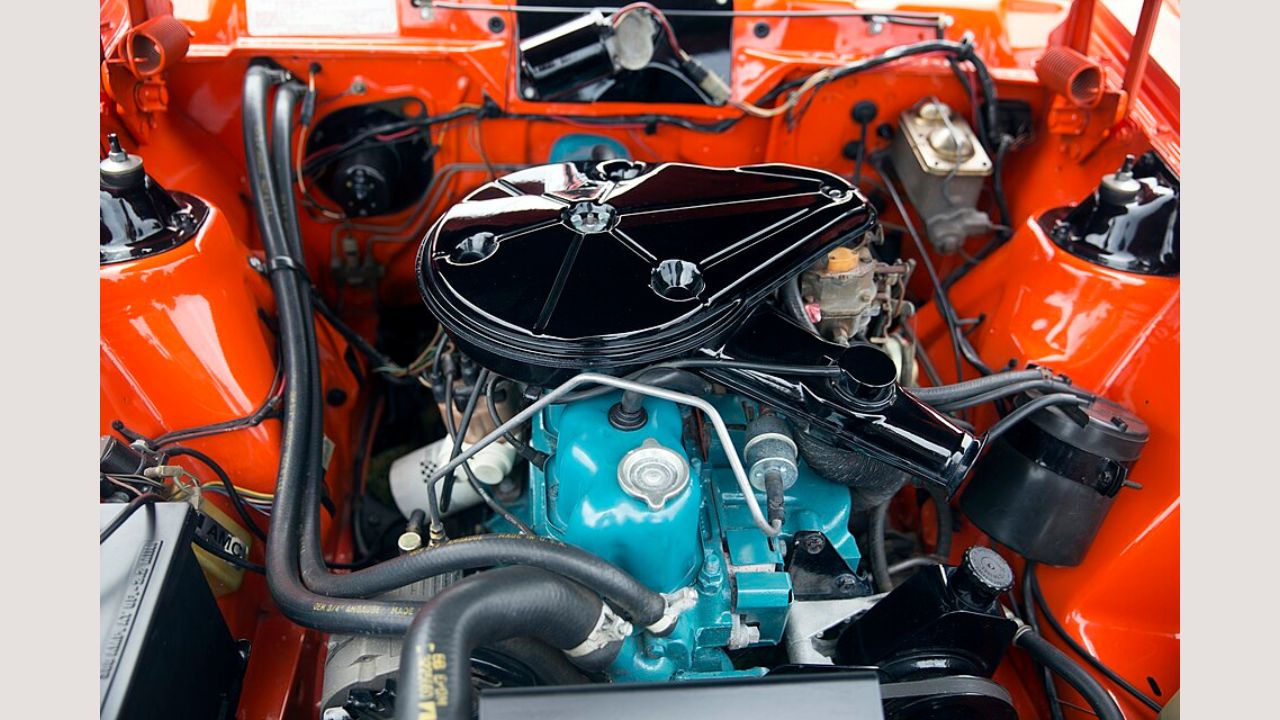
The AMC 258 inline-six became one of the company’s most dependable engines and powered vehicles ranging from passenger cars to Jeeps. Its strong torque and straightforward construction suited the rugged applications in which it was often used. Jeep owners in particular came to appreciate the engine’s ability to keep working through demanding conditions. The 258 may never receive the same attention as Jeep’s later 4.0-liter six-cylinder, but it helped establish the reputation that made AMC and Jeep inline-sixes so respected.
AMC 304 V8
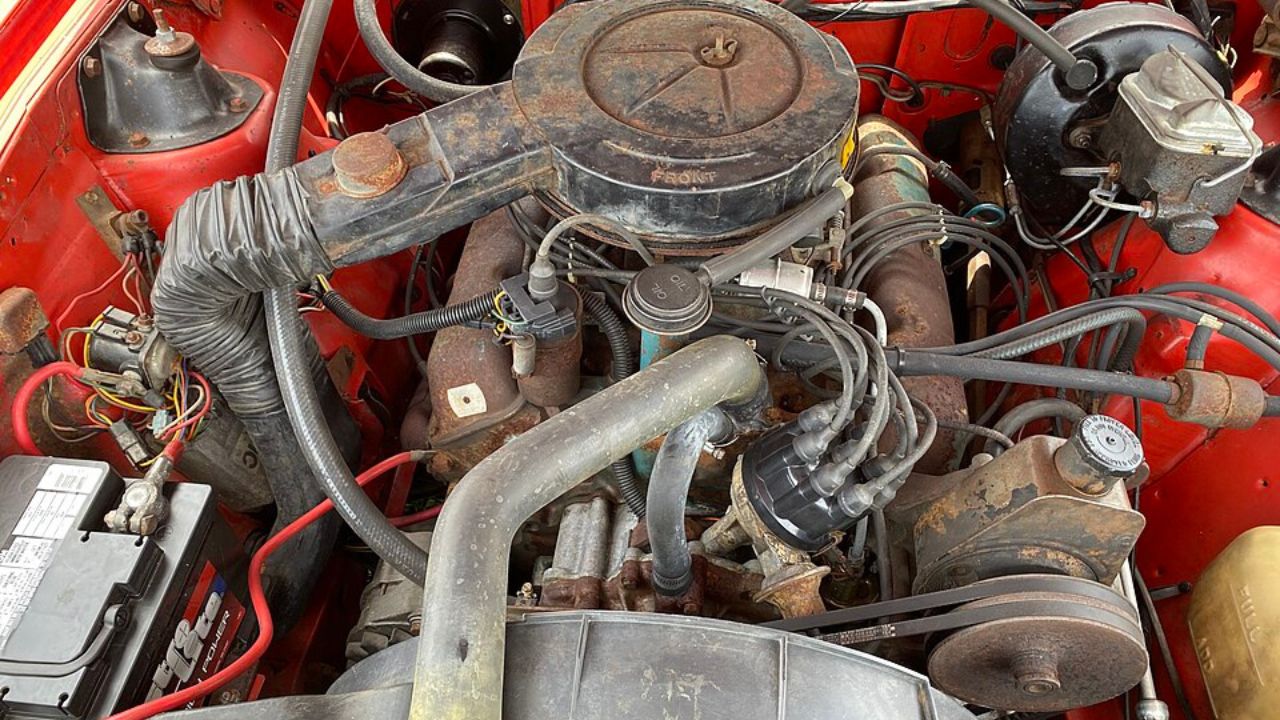
The AMC 304 was a compact V8 with enough torque to suit both passenger cars and Jeep applications. It never enjoyed the same fame as Chevrolet’s small-blocks or Ford’s performance V8s, but that does not mean it lacked character. Its relatively compact dimensions made it useful in vehicles where a larger engine would have been difficult to package. The 304 also gave AMC buyers a genuine V8 option during a period when the company was trying to compete with much larger manufacturers.
Cadillac Northstar V8

The Cadillac Northstar V8 represented a major technological shift for an American luxury brand. It brought features such as dual overhead camshafts and sophisticated electronic controls to Cadillac’s V8 lineup at a time when the company was trying to compete with advanced European and Japanese engines. Early reliability problems hurt its reputation, but later versions addressed many of those concerns. The Northstar remains important because it demonstrated that Cadillac was willing to move beyond traditional pushrod V8 architecture and pursue a more modern engineering direction.
More from Fast Lane Only
- Unboxing the WWII Jeep in a Crate
- 15 rare Chevys collectors are quietly buying
- 10 underrated V8s still worth hunting down
- Police notice this before you even roll window down
*Research for this article included AI assistance, with all final content reviewed by human editors.