British motorcycles have a way of becoming personal possessions rather than simple transportation. Their styling, character, and mechanical feel have earned them devoted owners who keep them running for decades. From famous Triumphs and Nortons to lesser-seen models from BSA and Ariel, these bikes have the kind of personality that makes owners think twice before ever letting them go.
Triumph Bonneville
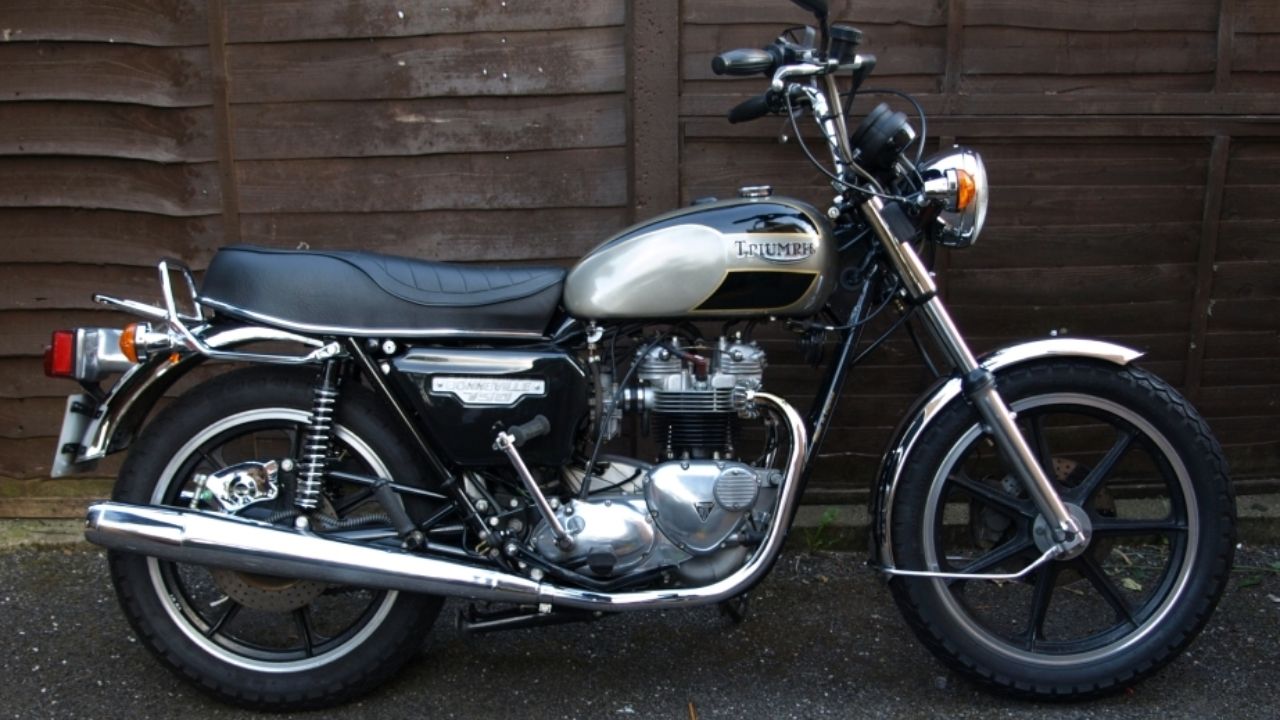
The Triumph Bonneville became one of Britain’s most recognizable motorcycles and remains a favorite among classic-bike enthusiasts. Its parallel-twin engine, clean styling, and strong connection to the 1960s motorcycle scene gave it an identity that went well beyond basic transportation. Owners often develop a strong attachment to the Bonneville because it is relatively approachable while still delivering the unmistakable feel of a traditional British motorcycle.
Norton Commando
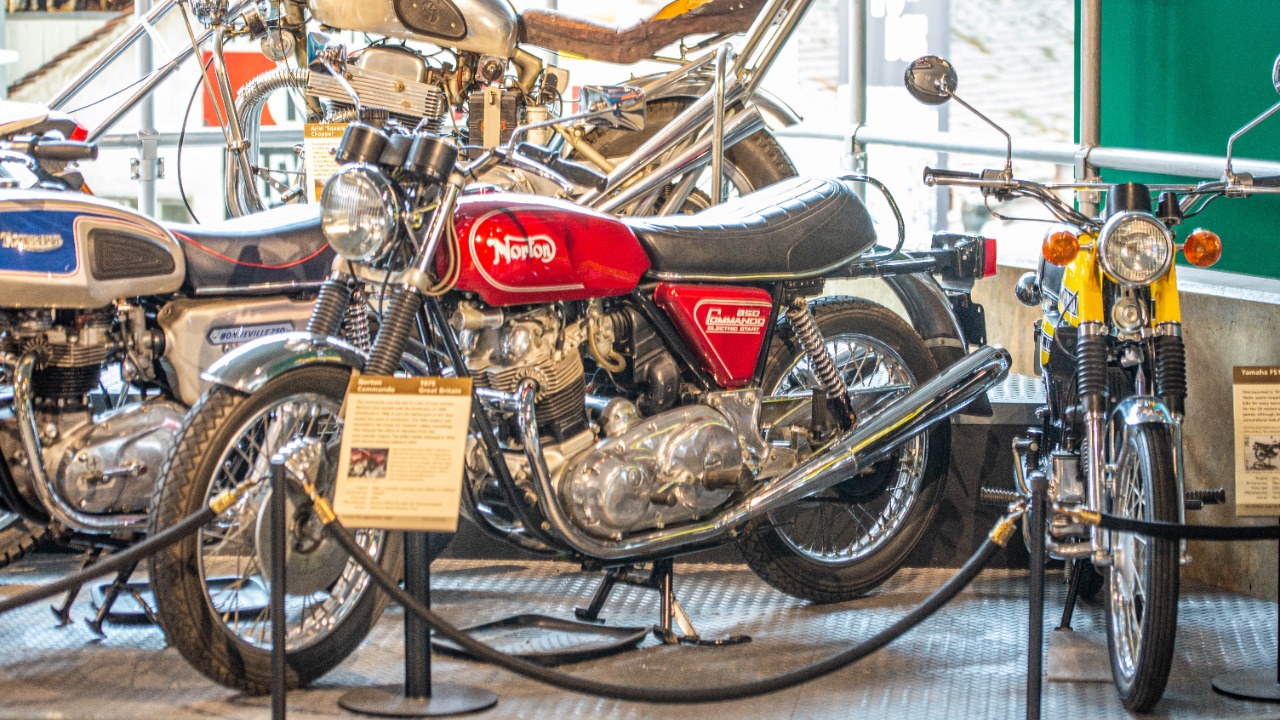
The Norton Commando earned a devoted following through its combination of strong performance, distinctive styling, and innovative frame design. Its parallel-twin engine gave it plenty of character, while the isolastic mounting system helped address the vibration associated with earlier Norton twins. Today, well-kept Commandos remain highly desirable among enthusiasts. Owners who have spent years maintaining one often appreciate its personality too much to casually part with it.
BSA Gold Star
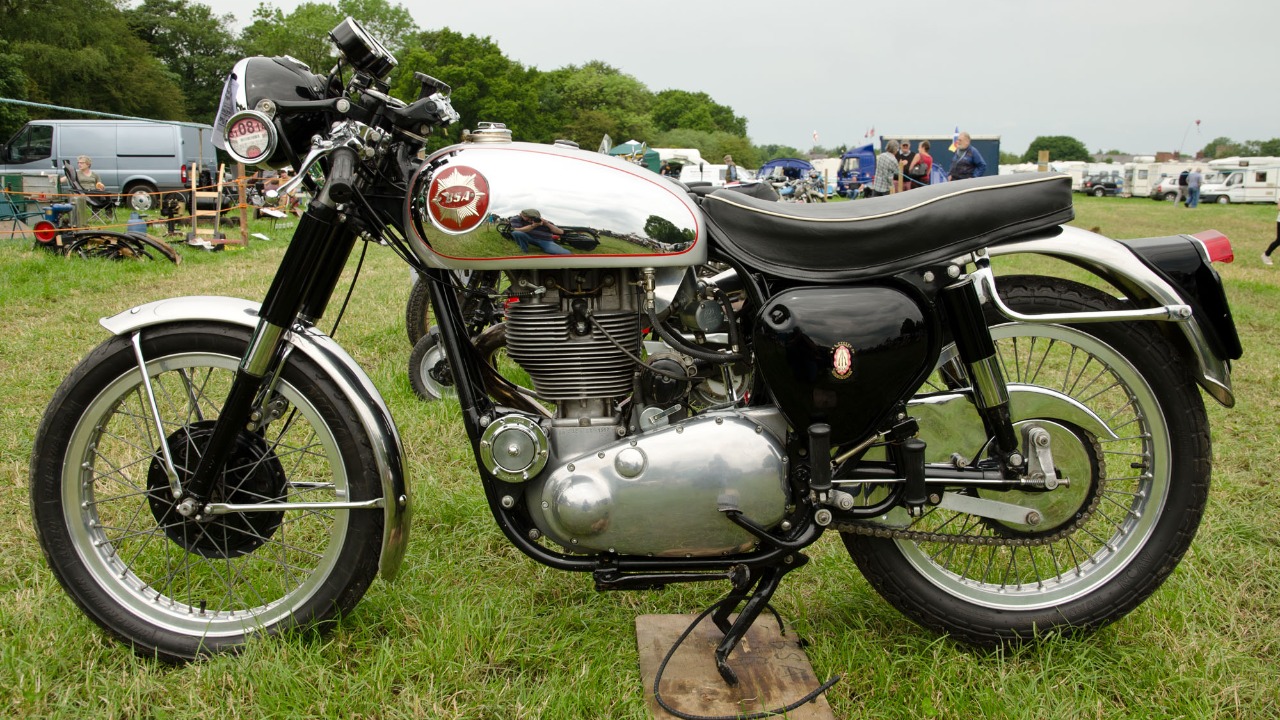
The BSA Gold Star developed a legendary reputation among riders who wanted a fast and capable British single. Its large single-cylinder engine delivered strong performance for its time, while the bike’s competition background added to its appeal. Gold Stars were never simply ordinary commuter motorcycles, and surviving examples have become important pieces of British motorcycling history. Owners tend to treat them as long-term possessions rather than machines to be casually traded.
Triumph TR6 Trophy
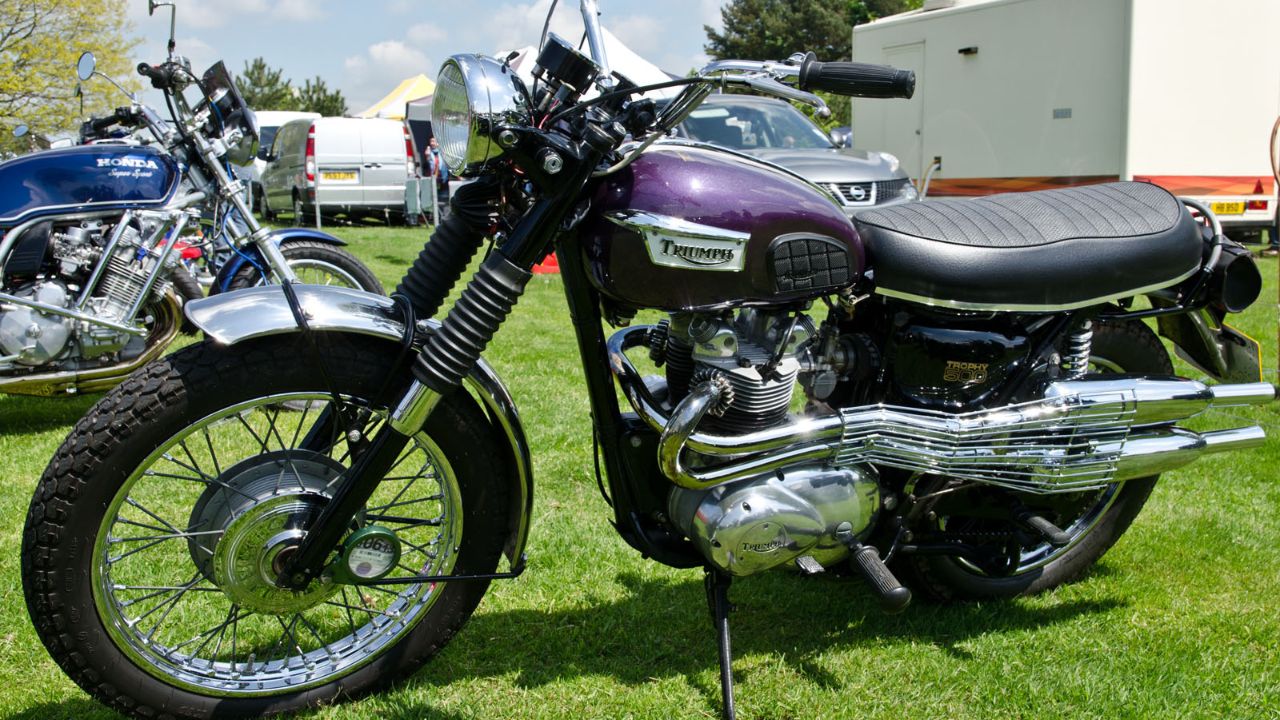
The Triumph TR6 Trophy blended road-going practicality with a rugged image influenced by off-road competition. Its single-carburetor Triumph twin was straightforward and relatively easy for experienced owners to understand. The Trophy also became closely associated with the American motorcycle market, where its versatility made it popular. Surviving examples have strong collector appeal, and owners often value the bike’s combination of simple mechanics and unmistakable period character.
BSA Lightning
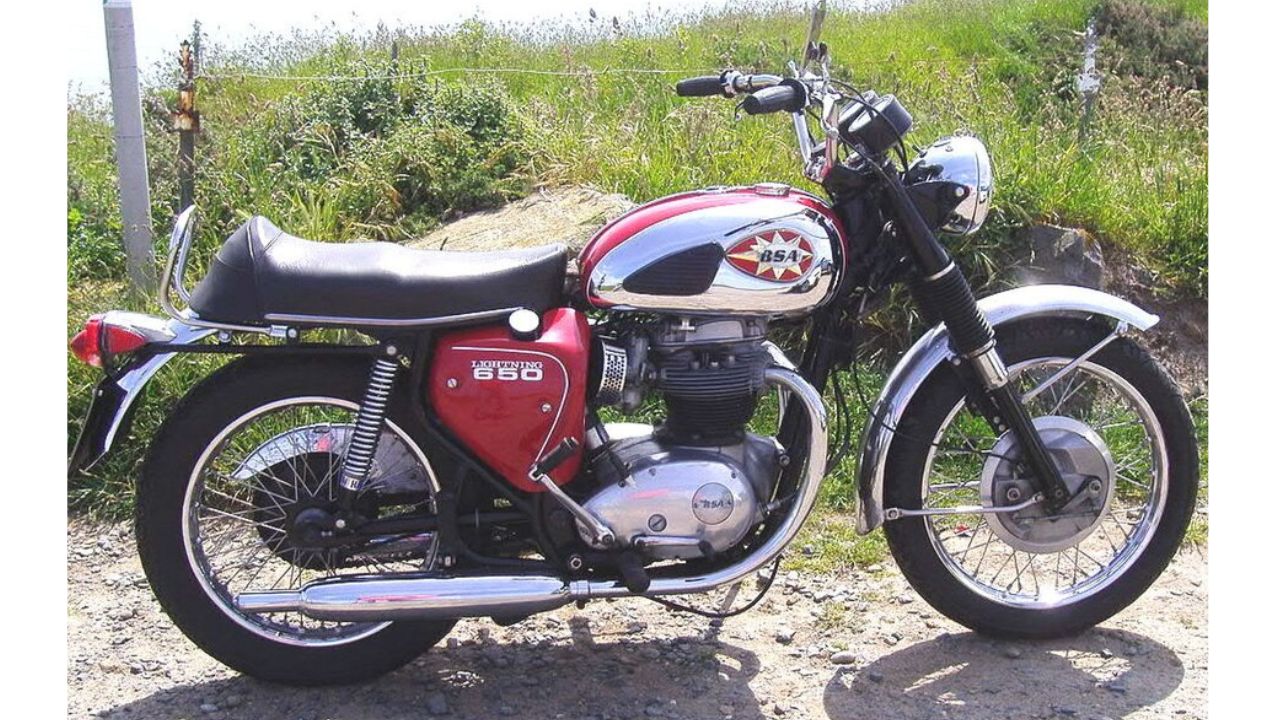
The BSA Lightning was designed as a faster and sportier member of BSA’s twin-cylinder lineup. Its 650cc engine gave it useful performance while keeping the bike relatively manageable on the road. The Lightning also had the clean, purposeful appearance that defined many British motorcycles of the period. Riders who own one often appreciate its balance of performance and simplicity, making it a bike that can become surprisingly difficult to let go.
Norton Atlas
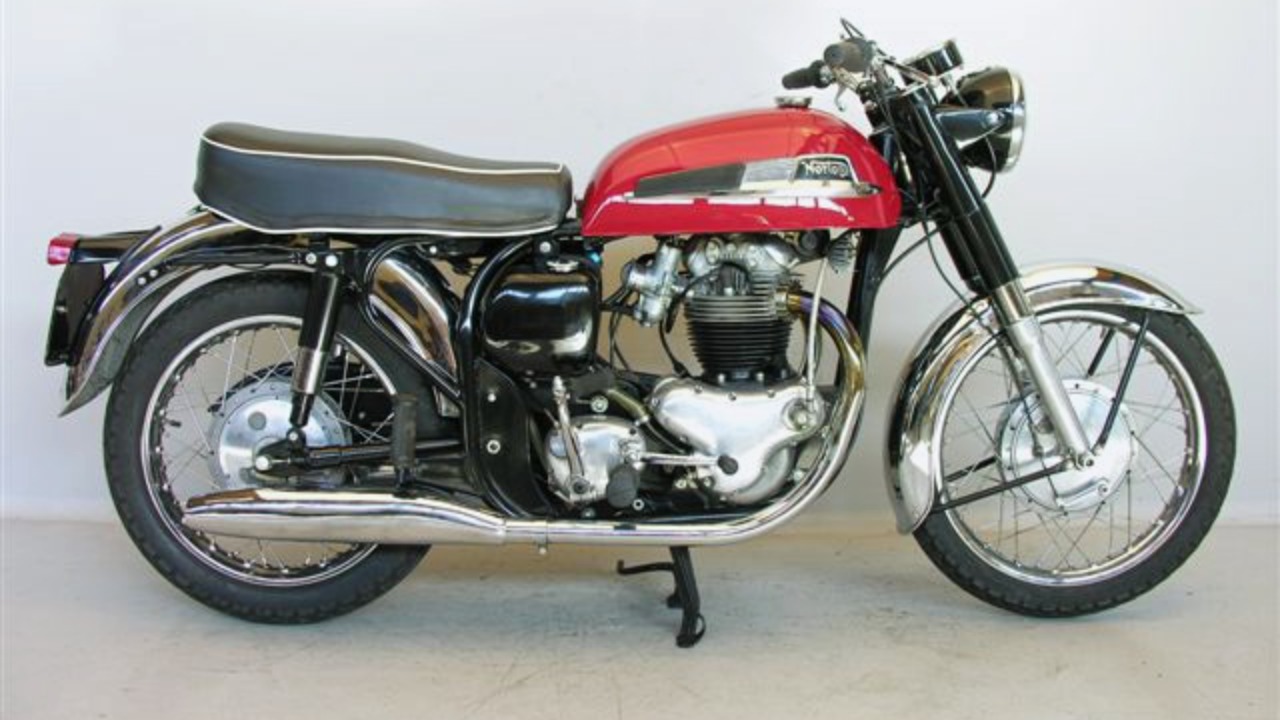
The Norton Atlas represented a major step forward for the company’s large-capacity parallel twins. Its engine delivered strong torque and performance, while its classic British styling made it an attractive motorcycle even when parked. Like many Nortons, the Atlas could demand attention from its owner, but that hands-on relationship is part of the appeal. Riders who understand and maintain these machines often become deeply attached to them.
Triumph Speed Twin
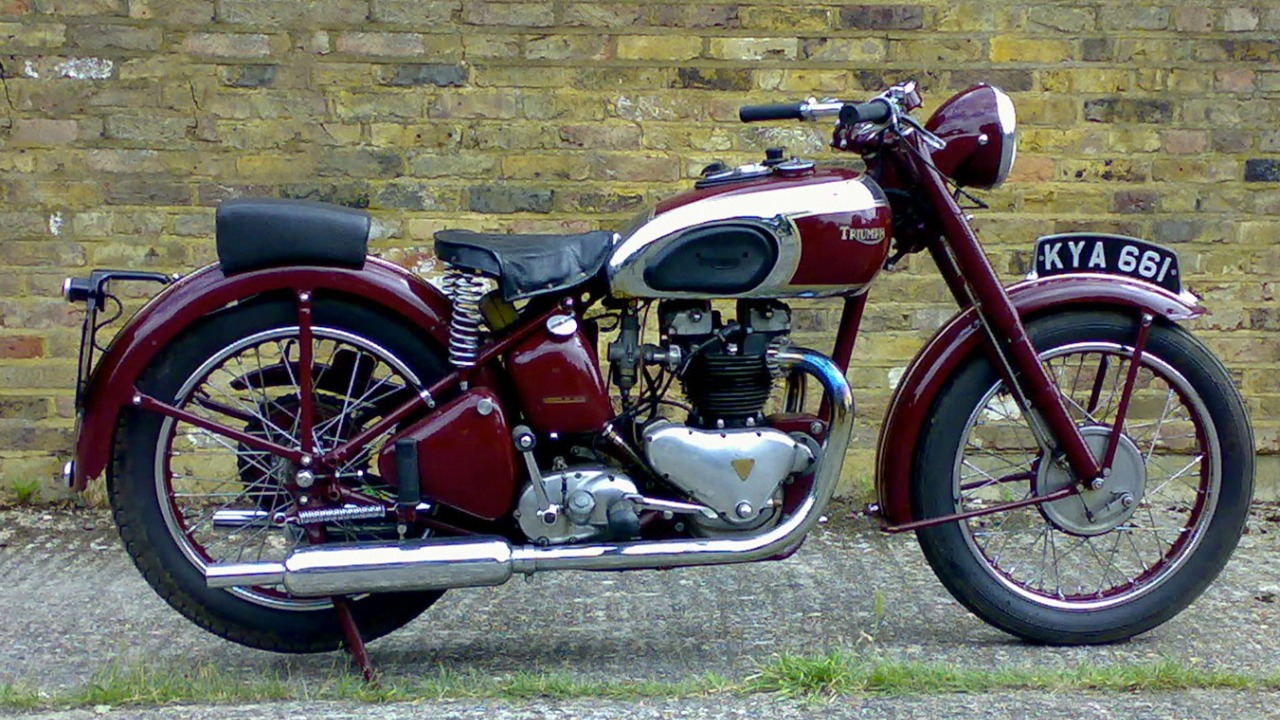
The Triumph Speed Twin helped establish the parallel-twin formula that would define much of the company’s postwar success. It offered a useful combination of performance, manageable weight, and everyday practicality. Its importance to British motorcycle history gives surviving examples considerable appeal today. Owners also appreciate the bike’s straightforward mechanical layout and distinctive character, qualities that make an old Speed Twin feel very different from a modern motorcycle.
BSA A65
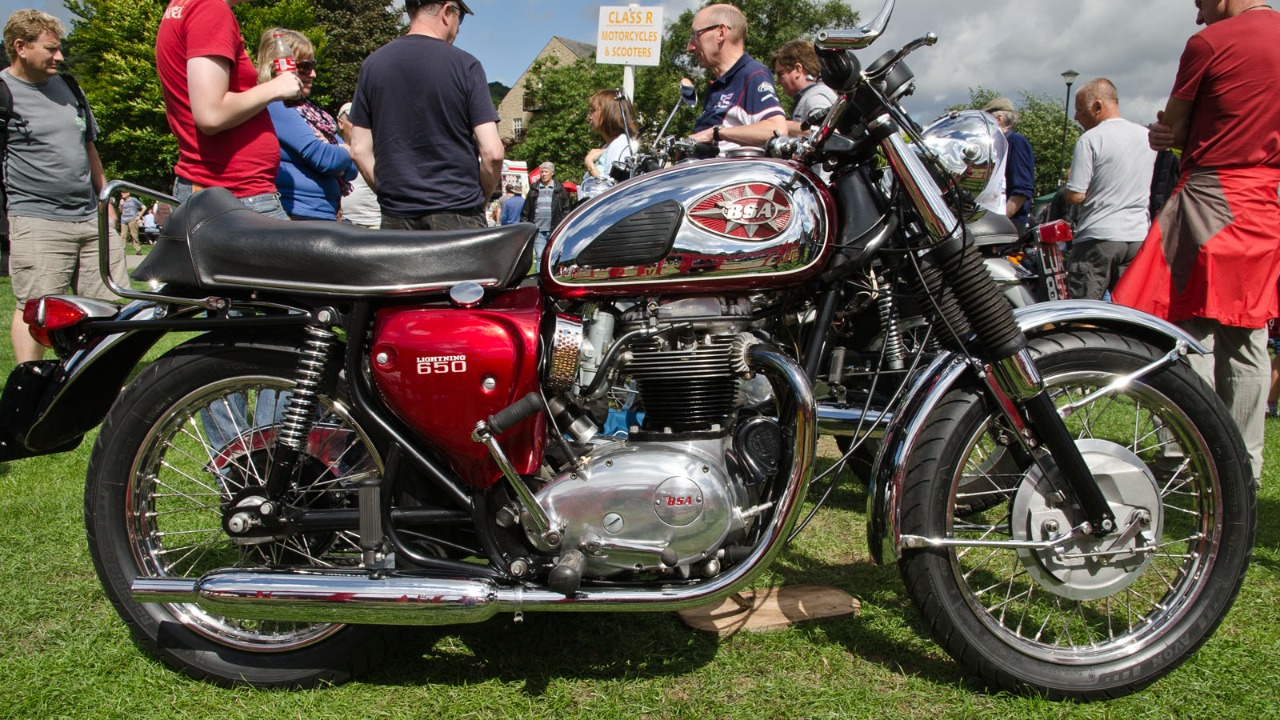
The BSA A65 became one of the company’s best-known twin-cylinder motorcycles and was offered in several versions over its production life. Its straightforward construction and traditional British styling make it appealing to riders who enjoy working on older bikes. The A65 also has enough performance for enjoyable road riding without feeling excessively complicated. Once owners become familiar with the bike’s quirks, many see little reason to replace it with something newer.
Triumph Tiger 100
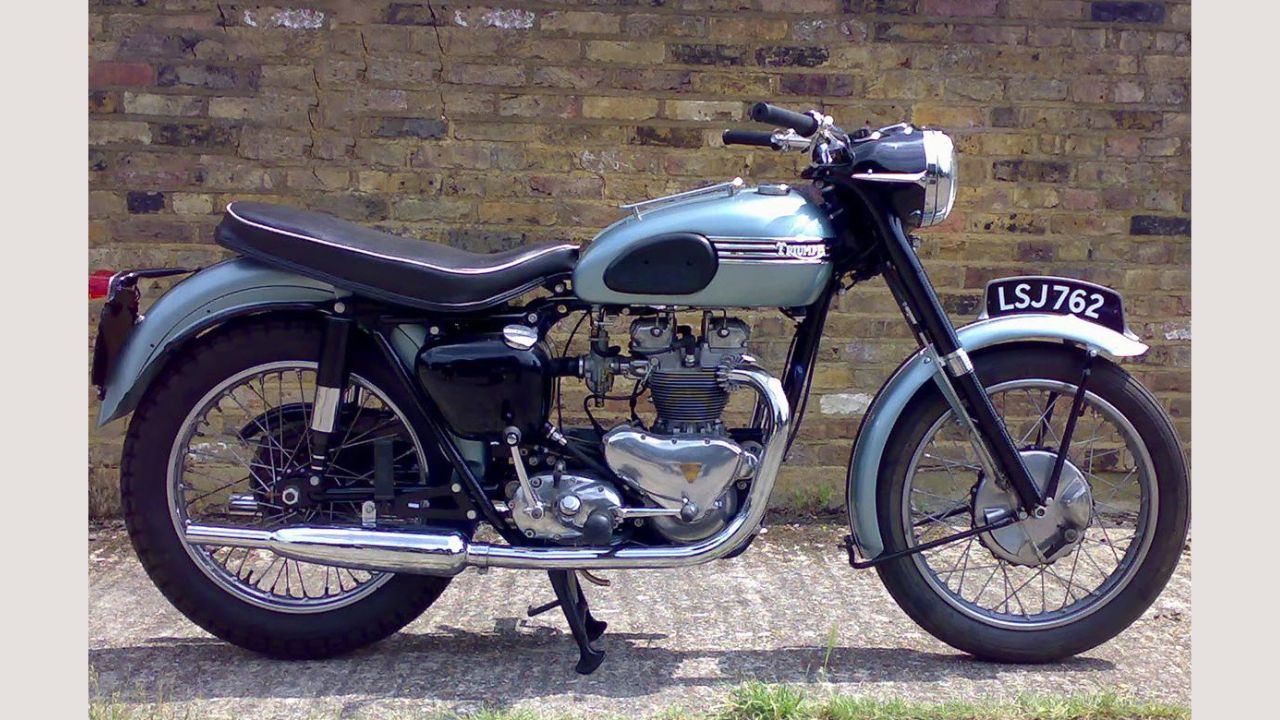
The Triumph Tiger 100 has a long history that connects early British performance motorcycles with the company’s later twin-cylinder road bikes. Its name became associated with speed and sporting ability, while its relatively simple mechanical design made it approachable for experienced riders. Surviving Tigers are now valued for both their history and their distinctive appearance. Owners who preserve them are often protecting a direct link to Triumph’s early performance heritage.
Norton Dominator
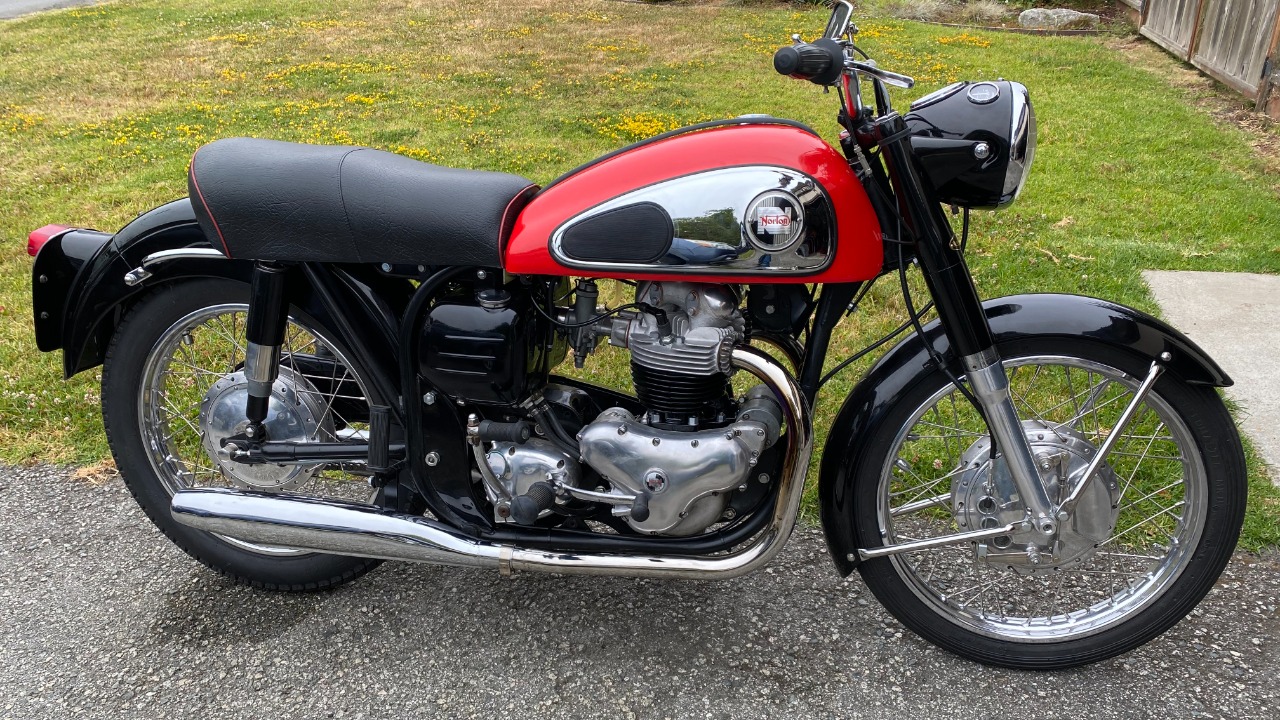
The Norton Dominator became an important part of the company’s move toward larger and more capable parallel-twin motorcycles. Its traditional styling hides an engine layout that helped establish the basic formula for several later Nortons. The Dominator has a strong following because it combines classic looks with usable road performance. For many owners, maintaining one is as much about preserving British engineering history as it is about enjoying the ride.
BSA Thunderbolt
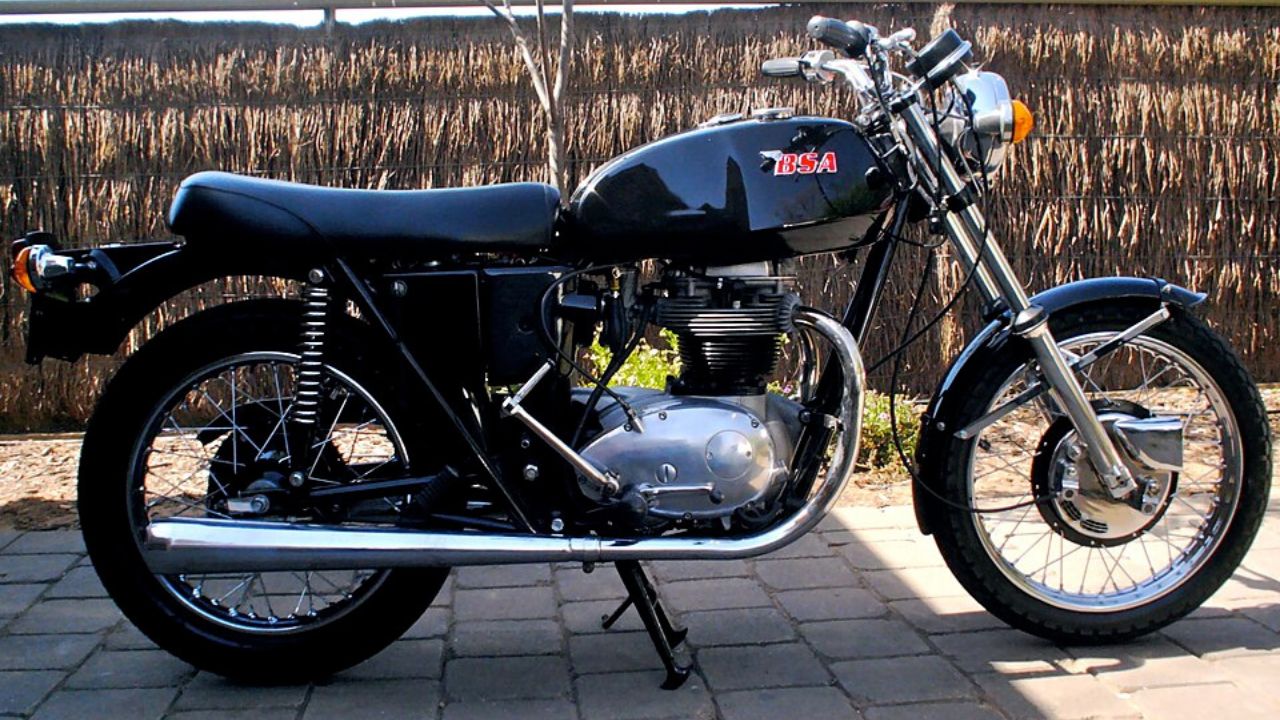
The BSA Thunderbolt was built as a practical 650cc twin with an emphasis on smooth road performance. Its relaxed character made it suitable for longer rides, while its traditional construction kept it relatively familiar to mechanics who understood older British motorcycles. The Thunderbolt may not receive as much attention as the more sporting BSA models, but that can make it even more appealing to owners who prefer understated classics that remain enjoyable to ride.
Triumph Thunderbird
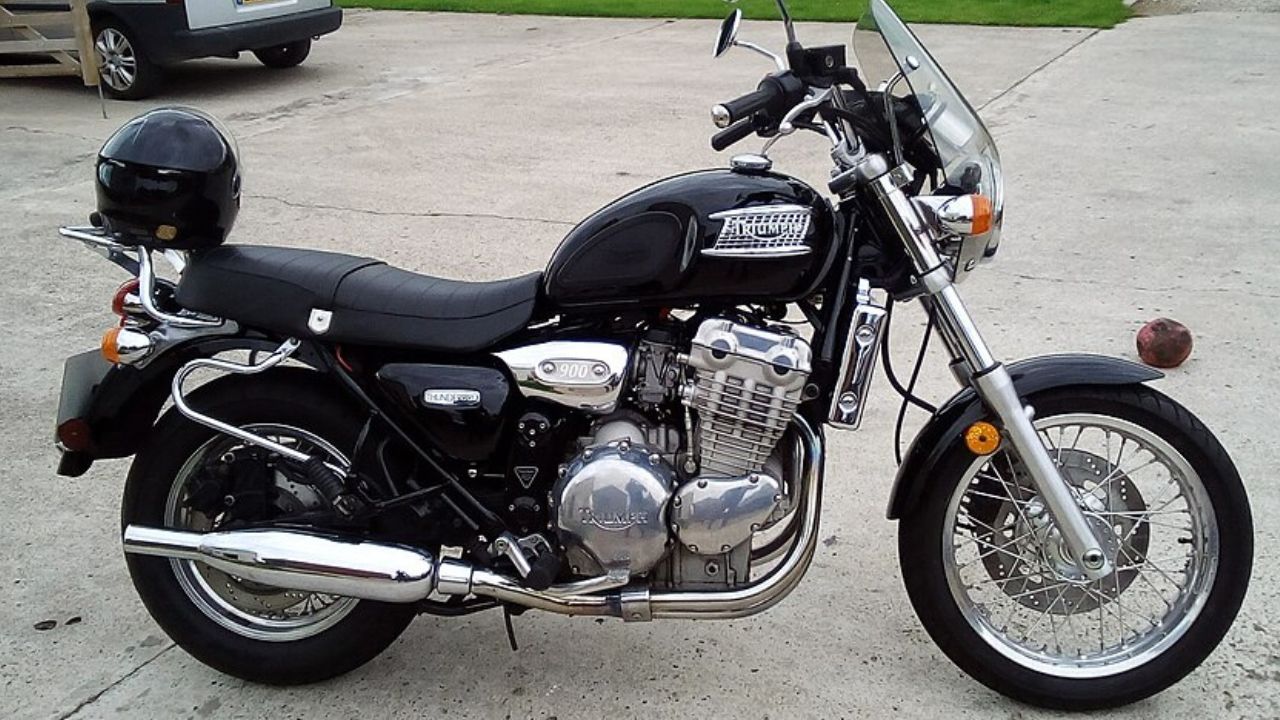
The Triumph Thunderbird was developed with the American market in mind and became one of the company’s most important postwar models. Its parallel-twin engine offered useful performance and a strong cruising character, while its styling fit the tastes of riders looking for something substantial. The Thunderbird name became deeply connected with Triumph’s history, and surviving classic examples remain prized by owners who appreciate the bike’s place in the company’s international expansion.
Ariel Square Four
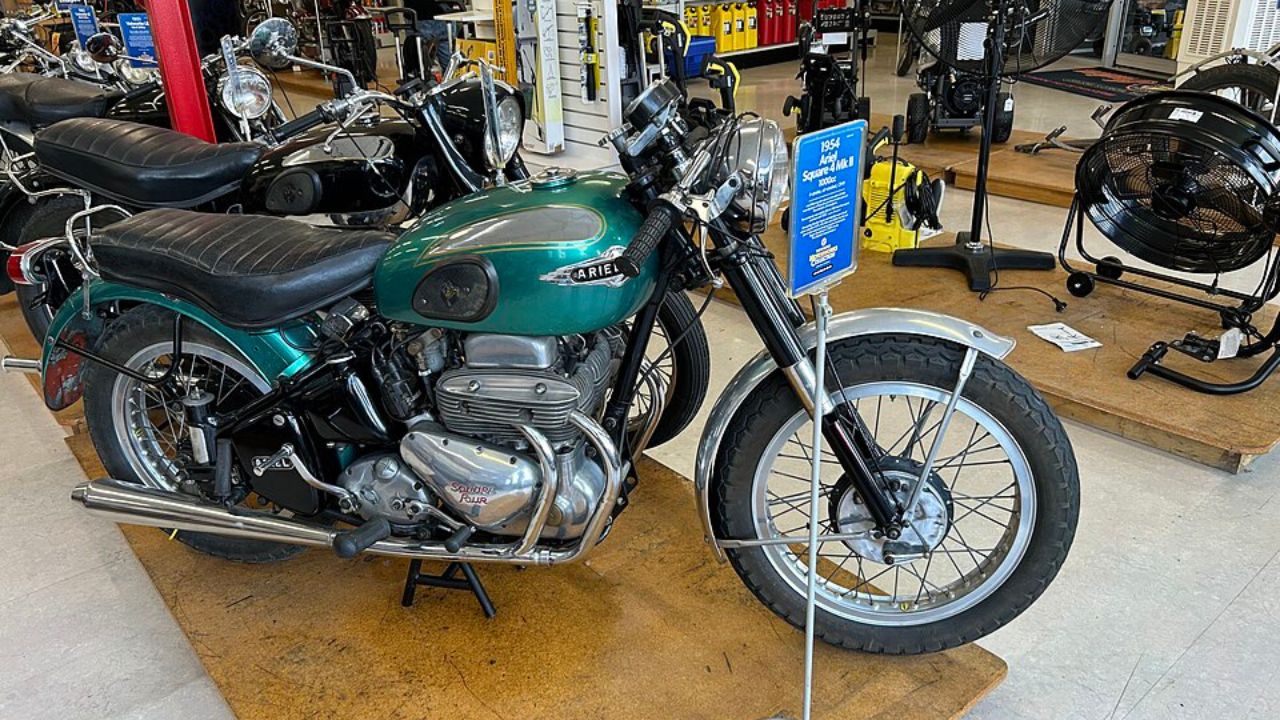
The Ariel Square Four is one of the most unusual British motorcycles ever produced. Its four-cylinder engine used a distinctive layout that gave the bike a character unlike conventional British singles and twins. The engineering complexity made it very different from more straightforward motorcycles of the era, but that uniqueness is exactly why enthusiasts value it. Owners who find a good Square Four often regard it as a machine worth preserving rather than replacing.
Vincent Black Shadow
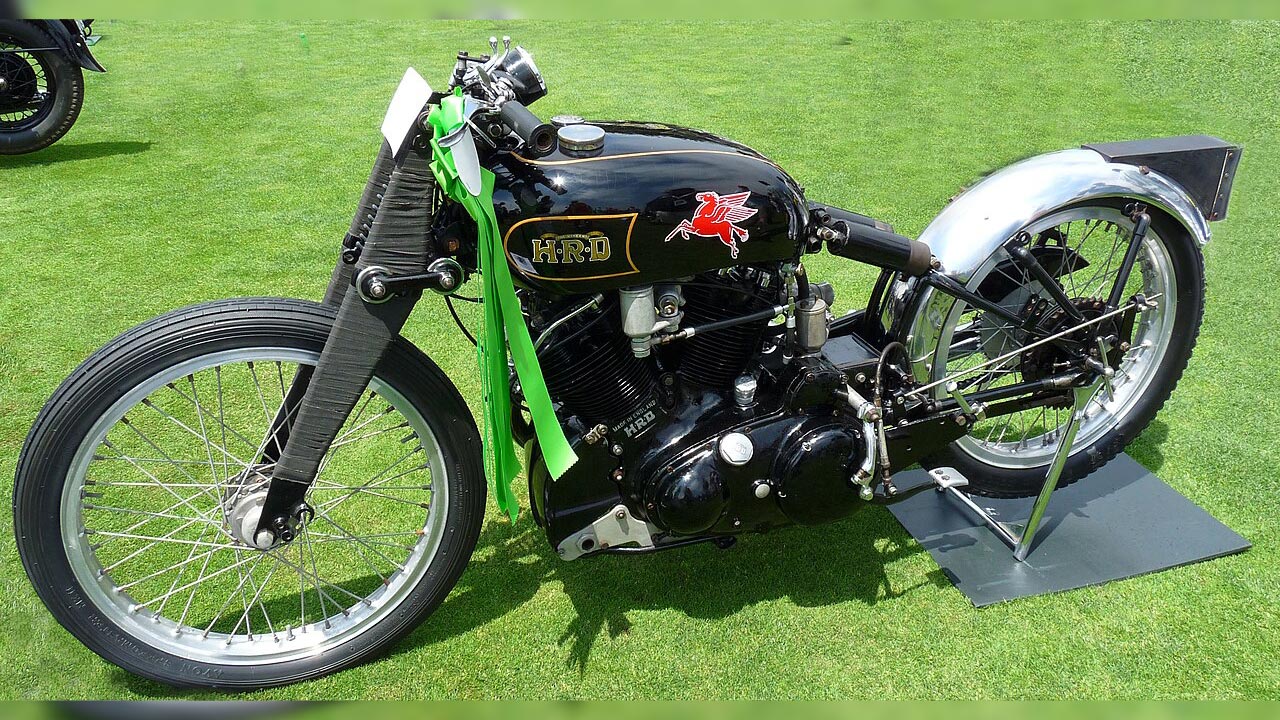
The Vincent Black Shadow became legendary for its performance and advanced engineering. Its powerful V-twin engine and impressive speed made it one of the most remarkable British motorcycles of its era. Production numbers were limited, and surviving examples are now highly prized. Owners who have the opportunity to keep one are preserving a significant piece of motorcycle history, making the Black Shadow one of the least likely bikes to be casually sold.
Vincent Rapide
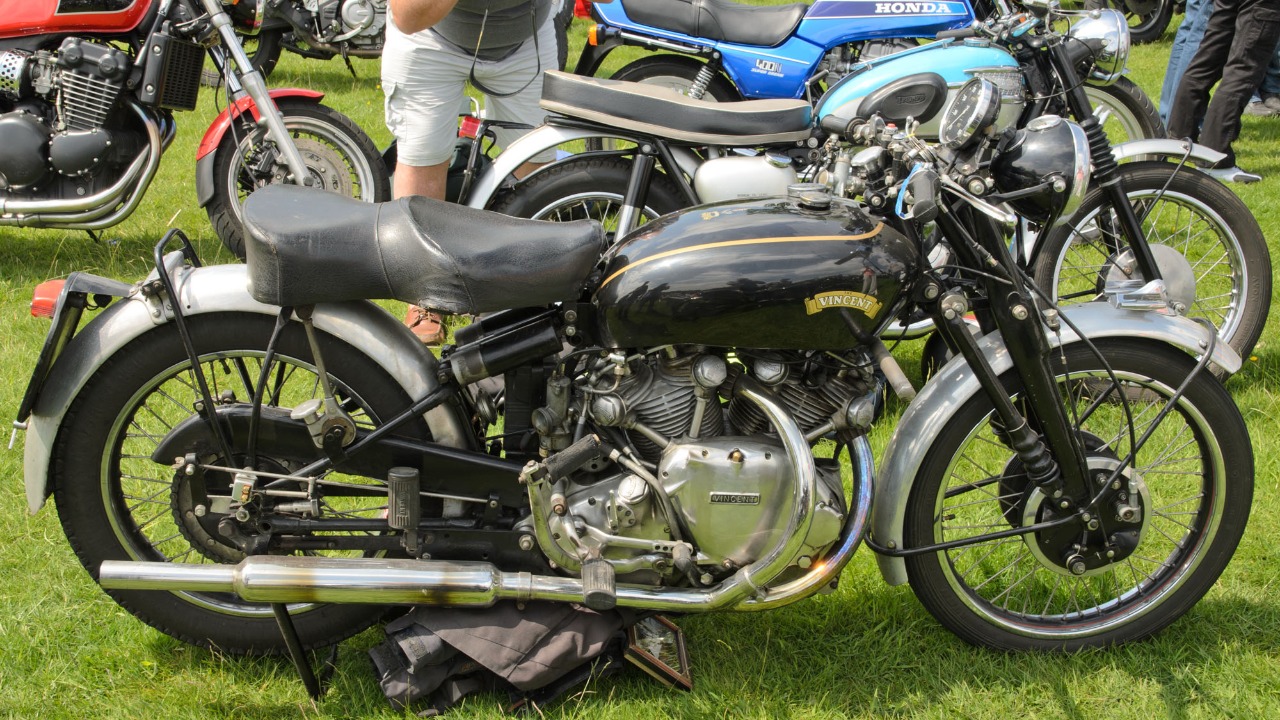
The Vincent Rapide shared much of the engineering philosophy that made the Black Shadow famous while offering a slightly different character. Its V-twin engine and distinctive chassis design made it a sophisticated machine for its time. The Rapide has become a major collector motorcycle, but its appeal extends beyond rarity. Enthusiasts admire the engineering details and the sense of occasion that comes from riding a motorcycle designed with such a strong focus on performance.
Matchless G80
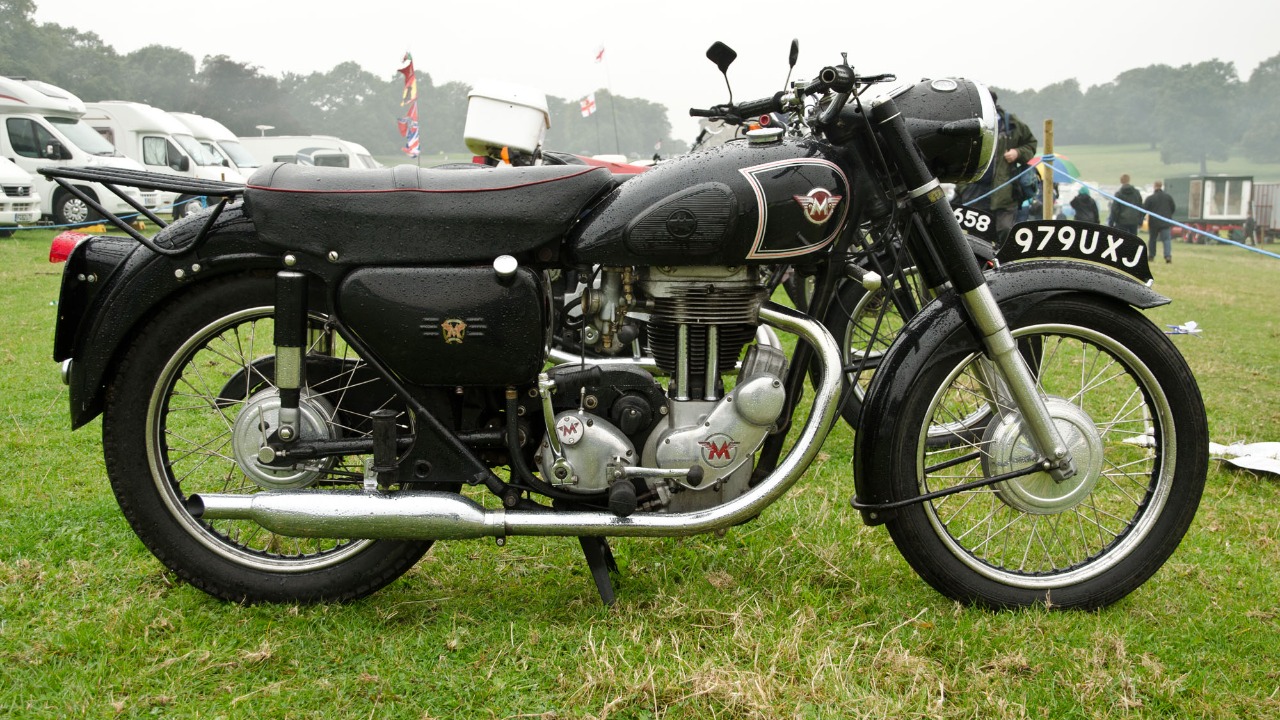
The Matchless G80 was a classic British single that combined traditional styling with a useful amount of performance. Its large single-cylinder engine gave the bike a distinctive sound and feel, while the straightforward design made it attractive to riders who enjoy hands-on ownership. Matchless motorcycles are less commonly seen than Triumphs today, which makes surviving G80s particularly interesting. Owners often value their rarity without needing the bike to be excessively complicated.
Ariel Red Hunter
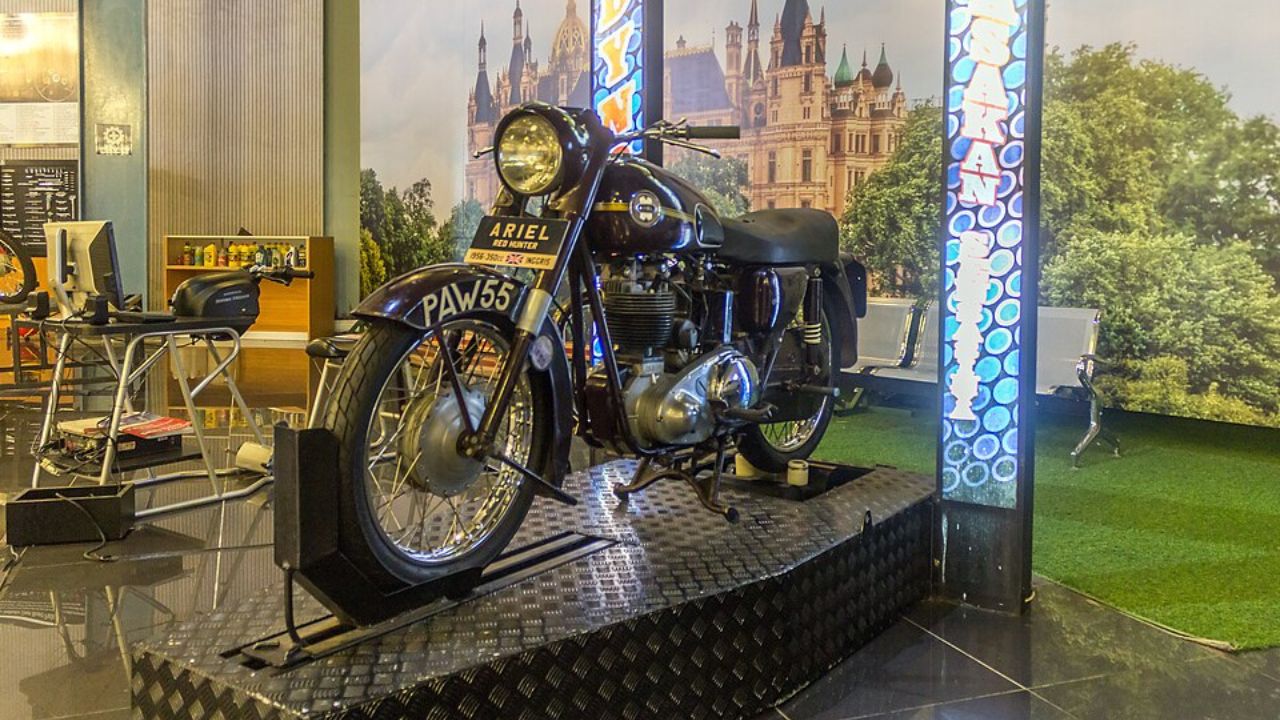
The Ariel Red Hunter was one of Britain’s best-known sporting motorcycles before and after World War II. It used a traditional single-cylinder layout and became popular with riders who wanted a capable road bike with a sporting edge. The model developed a strong reputation for versatility and durability. Surviving examples have plenty of historical appeal, and owners often keep them because the bike provides a direct connection to an earlier era of British motorcycling.
Royal Enfield Bullet
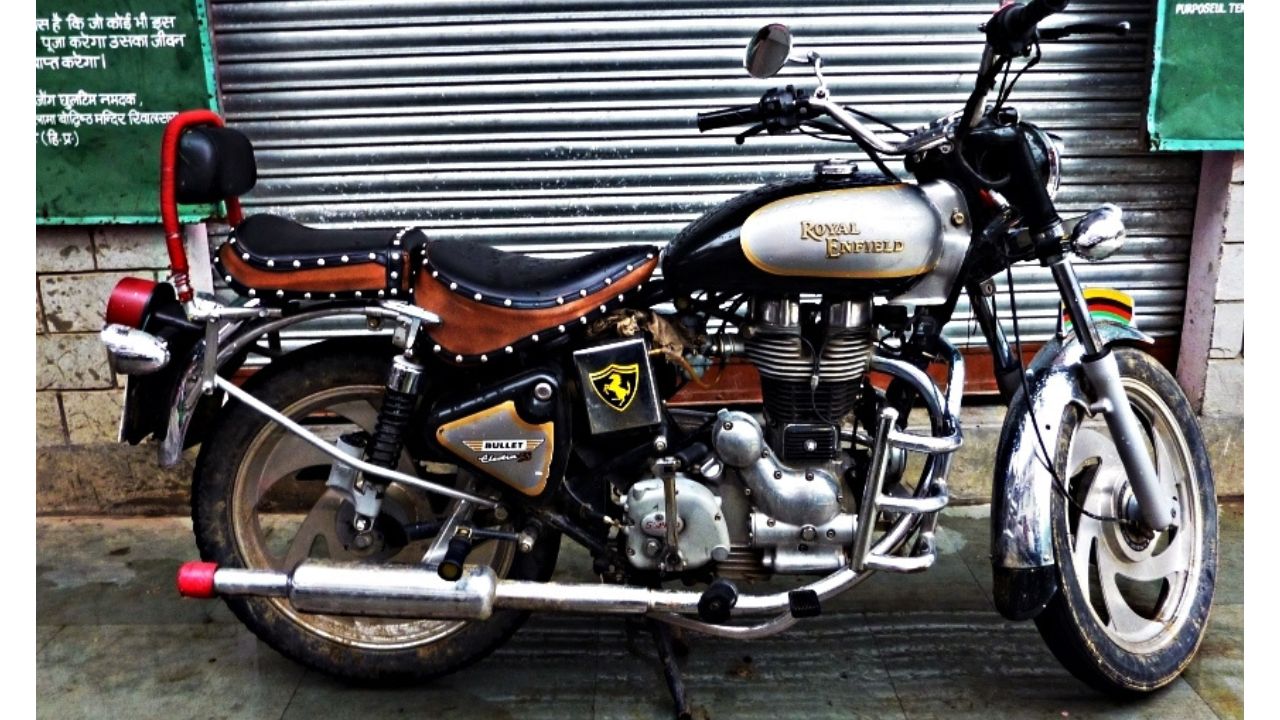
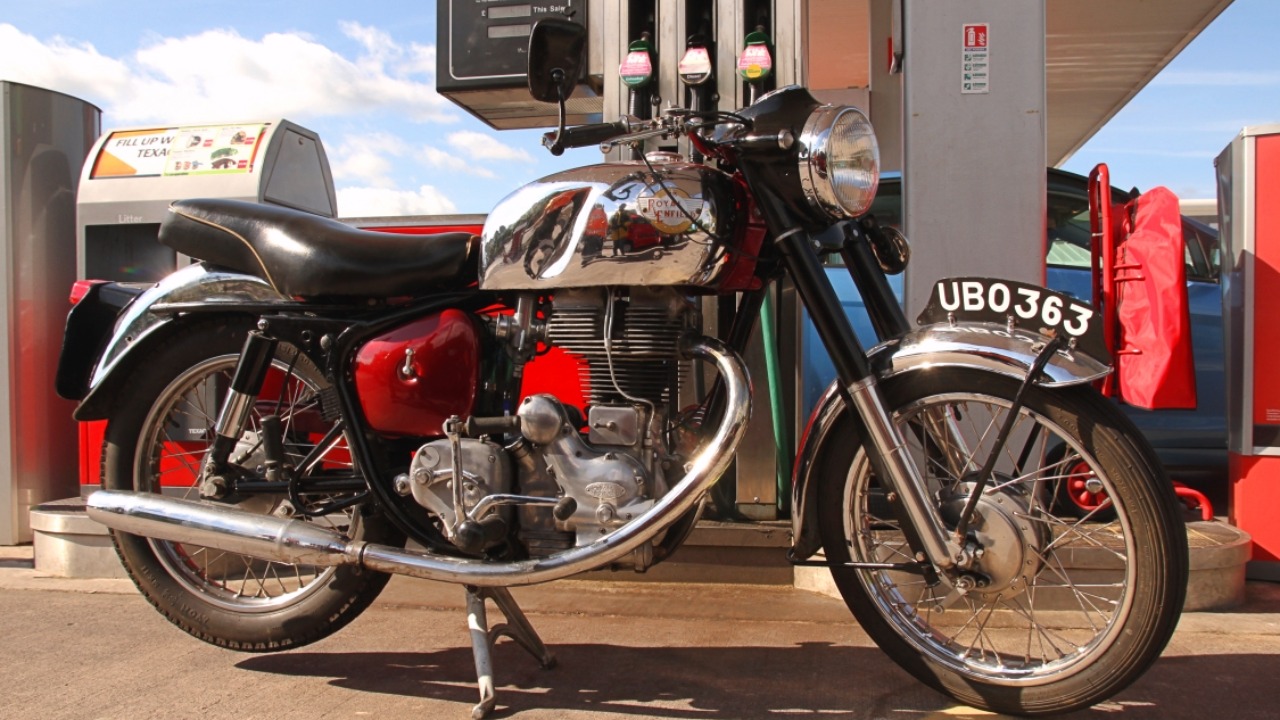
The Royal Enfield Bullet has one of the longest-running names in motorcycle history. Its traditional single-cylinder design and straightforward mechanical character helped it develop a loyal following. The classic British-built versions are particularly interesting to collectors because they represent the company’s earlier identity before production became centered in India. Owners often appreciate the Bullet precisely because it feels mechanical and uncomplicated, with a riding experience far removed from modern high-tech motorcycles.
Triumph Daytona
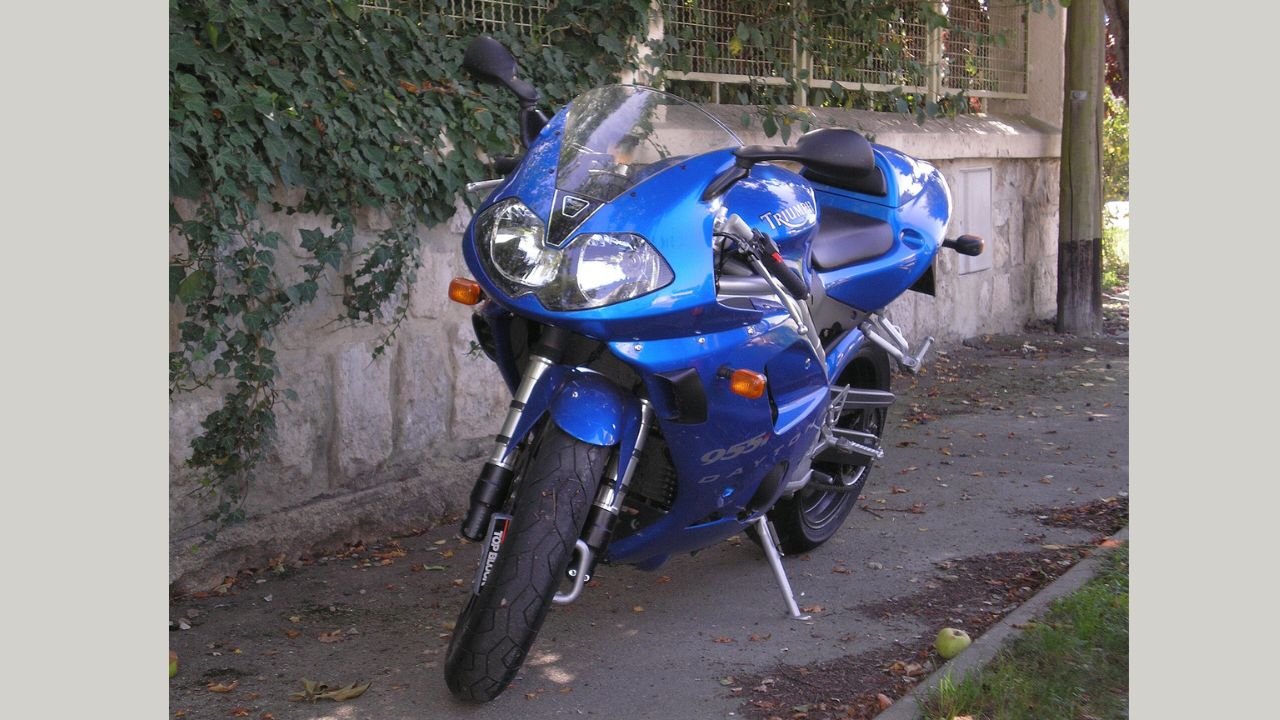
The Triumph Daytona brought a sportier edge to the brand’s range and became an important part of its performance history. Earlier versions were closely related to Triumph’s classic twin-cylinder machines, while later generations developed a much more aggressive character. Riders who own classic Daytonas often appreciate the combination of British styling and usable performance. The model has enough history behind it to appeal to collectors without being as difficult to enjoy as some rarer British machines.
BSA Rocket Gold Star
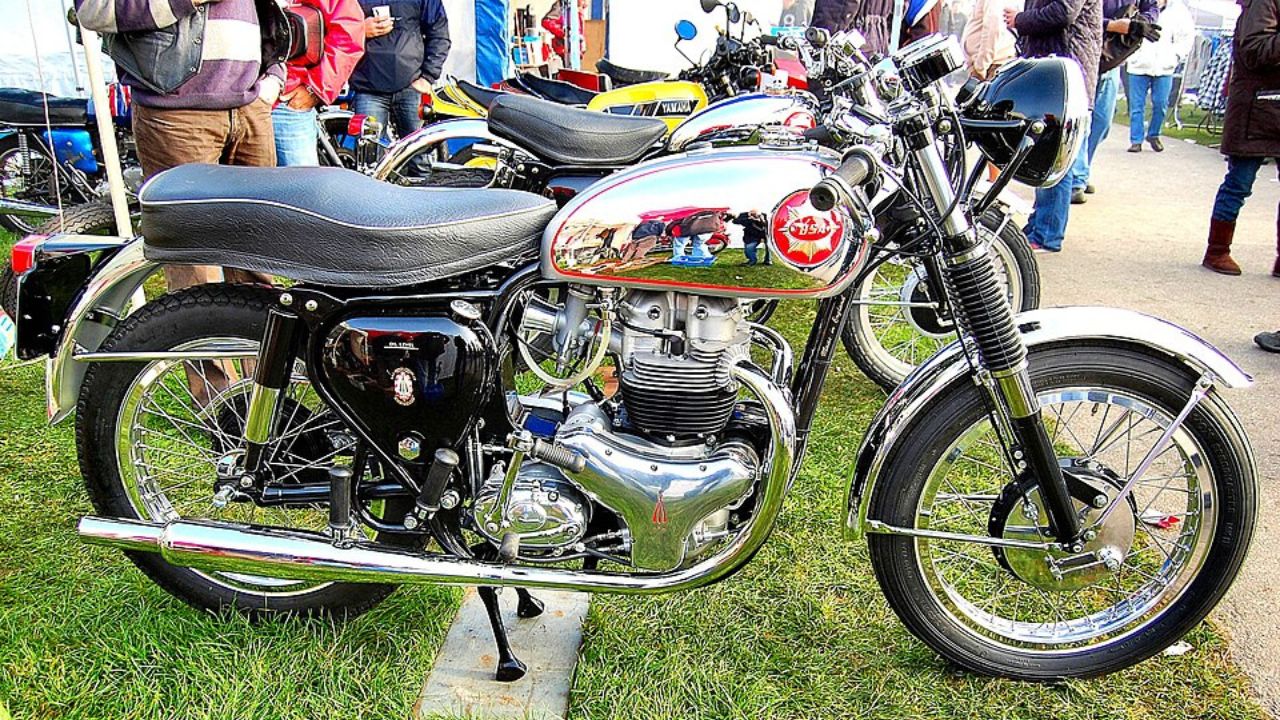
The BSA Rocket Gold Star combined the company’s large twin-cylinder engine with the sporting character of the famous Gold Star name. It became one of BSA’s most respected performance motorcycles and remains highly desirable among British-bike collectors. The combination of classic styling, strong performance, and limited surviving examples gives it lasting appeal. Owners who have spent years finding, restoring, or maintaining one are understandably reluctant to let such a special motorcycle leave the garage.
More from Fast Lane Only
- Unboxing the WWII Jeep in a Crate
- 15 rare Chevys collectors are quietly buying
- 10 underrated V8s still worth hunting down
- Police notice this before you even roll window down
*Research for this article included AI assistance, with all final content reviewed by human editors.