Some classic motorcycles never received the attention given to famous names such as the Honda CB750 or Kawasaki Z1. Yet many overlooked bikes offered excellent engines, distinctive styling, strong handling, or unusual engineering. As collectors look beyond the obvious choices, these motorcycles are becoming harder to ignore and increasingly interesting to enthusiasts.
Honda CBX
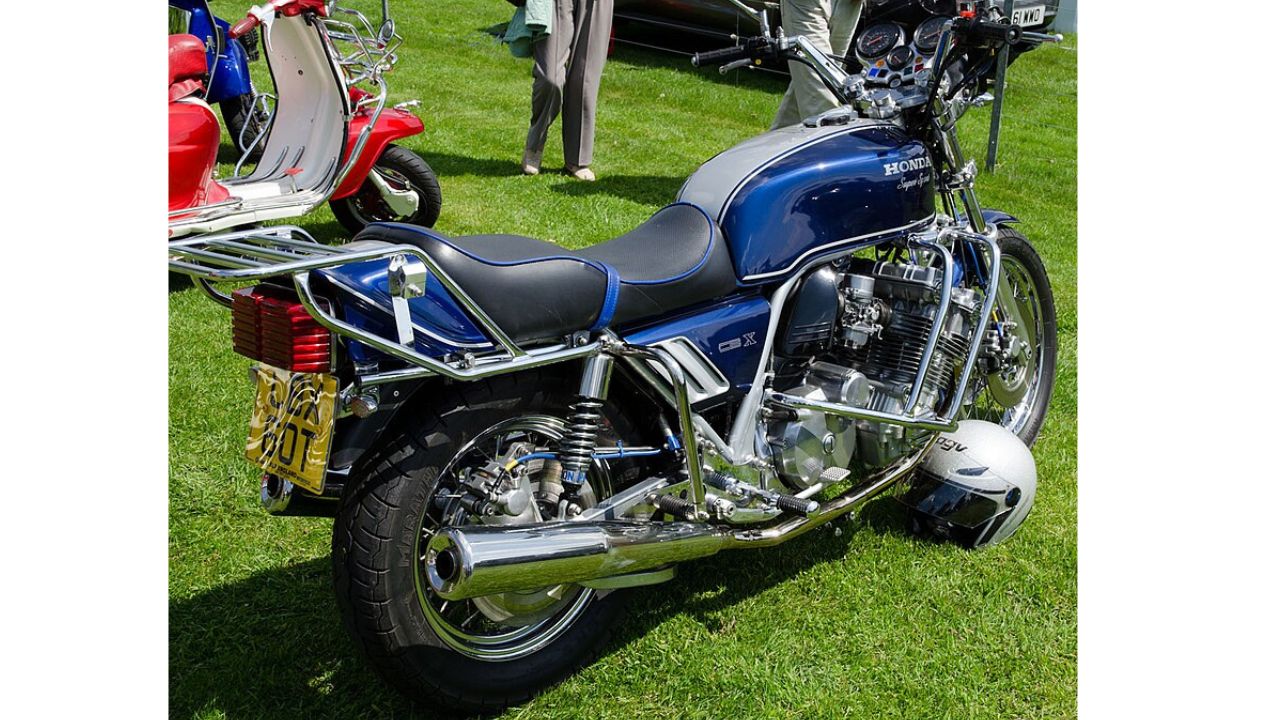
The Honda CBX brought an extraordinary six-cylinder engine to the motorcycle market in 1978. Its 1,047cc inline-six produced a distinctive sound and impressive performance, while the motorcycle combined sport-bike character with long-distance ability. Early CBXs were especially dramatic because of their wide engine and high-revving nature. Although later versions became more touring-focused, the original CBX remains one of Honda’s most memorable engineering experiments.
Yamaha XS1100
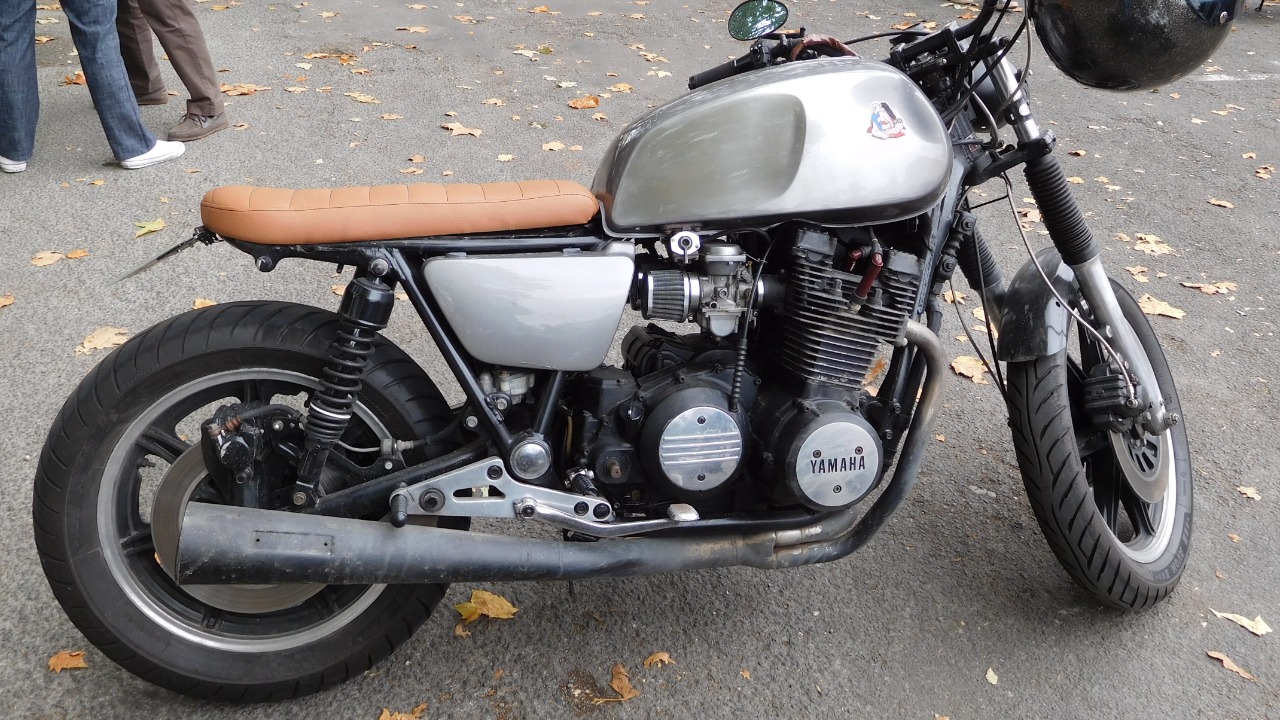
The Yamaha XS1100 arrived in 1978 with a massive 1,101cc inline-four engine and enough performance to make it one of the fastest Japanese motorcycles of its time. It was designed as a large sport-touring machine, offering strong acceleration and long-distance comfort. Its size kept it from receiving the same attention as lighter sport bikes, but its powerful engine, shaft drive, and solid construction make the XS1100 an increasingly interesting classic.
Suzuki GS1000
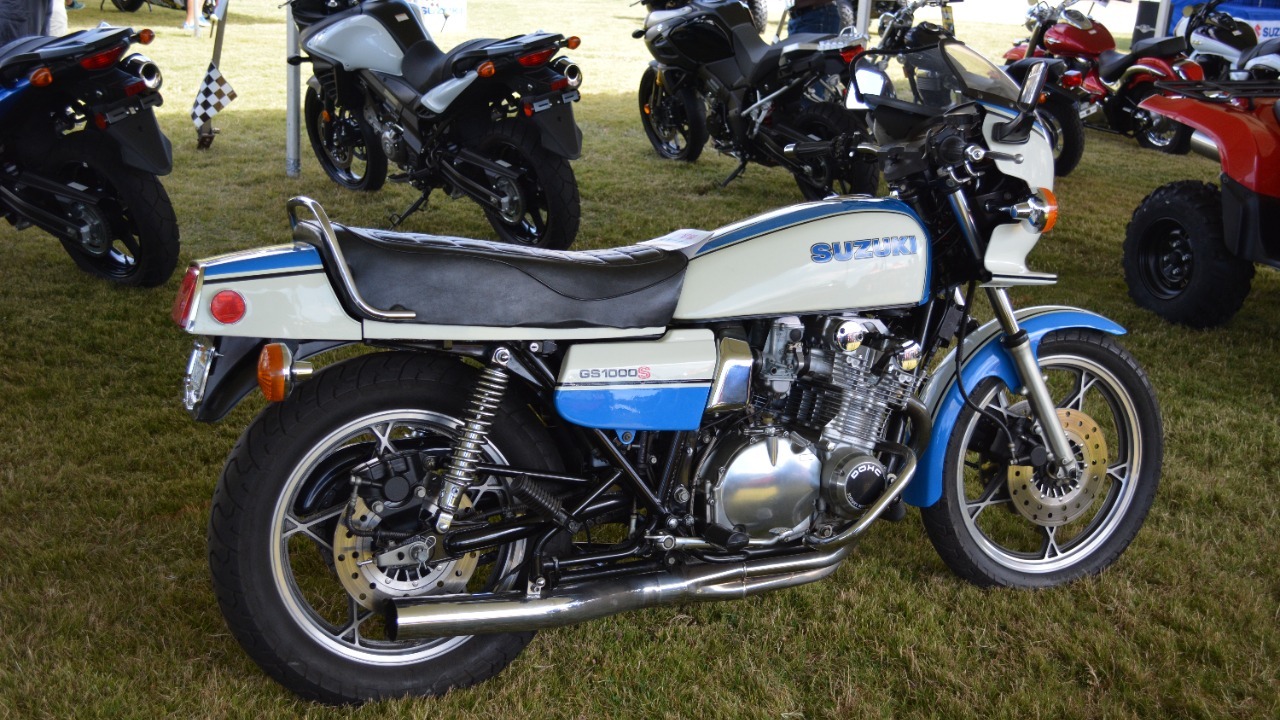
The Suzuki GS1000 combined a strong 998cc inline-four with a relatively manageable chassis, creating a motorcycle that could perform well without becoming excessively complicated. Introduced in the late 1970s, it quickly developed a reputation among riders who wanted strong performance and everyday usability. It often sits behind more famous Suzuki models in collector discussions, but clean examples are becoming harder to overlook as enthusiasts rediscover early Japanese superbikes.
Kawasaki Z650
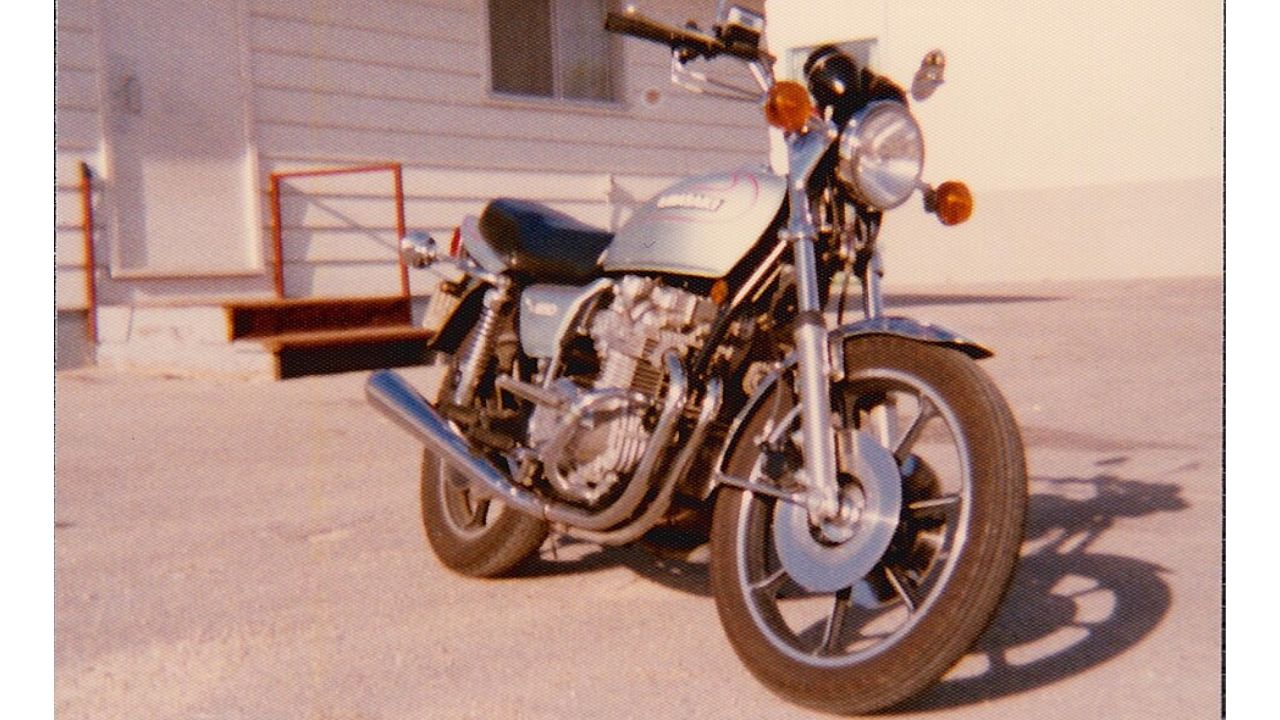
The Kawasaki Z650 offered many of the qualities that made Kawasaki’s larger motorcycles popular in a lighter package. Introduced in 1976, it used a 652cc inline-four engine and a relatively compact chassis. The motorcycle provided strong performance while remaining easier to manage than larger superbikes. Its combination of classic styling, usable power, and simpler proportions makes the Z650 an appealing choice for riders searching for an overlooked 1970s Japanese classic.
Suzuki GS550
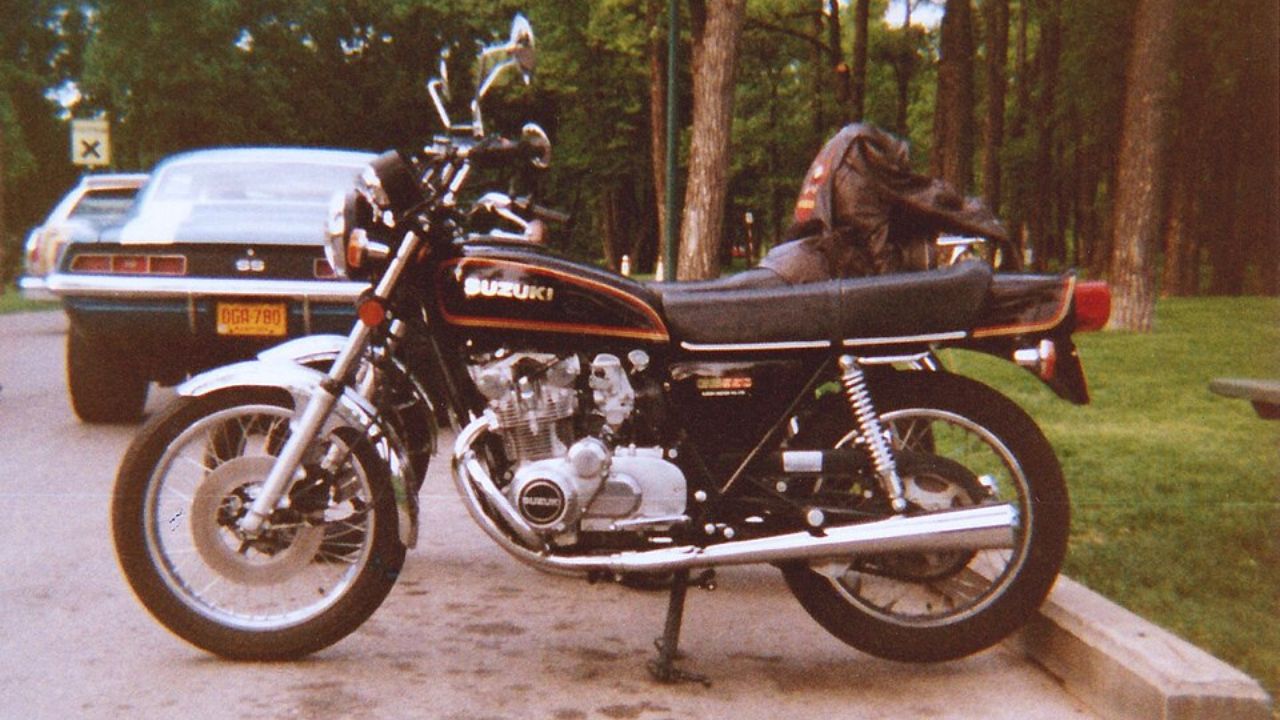
The Suzuki GS550 became an important middleweight motorcycle during the late 1970s and early 1980s. Its air-cooled inline-four engine delivered enough performance for enthusiastic riding without the weight and expense of larger machines. The GS550 was also relatively straightforward mechanically, which helped make it practical for everyday use. Today, its understated character can make it easy to overlook, but good original examples are increasingly interesting to classic-bike enthusiasts.
Yamaha RD350
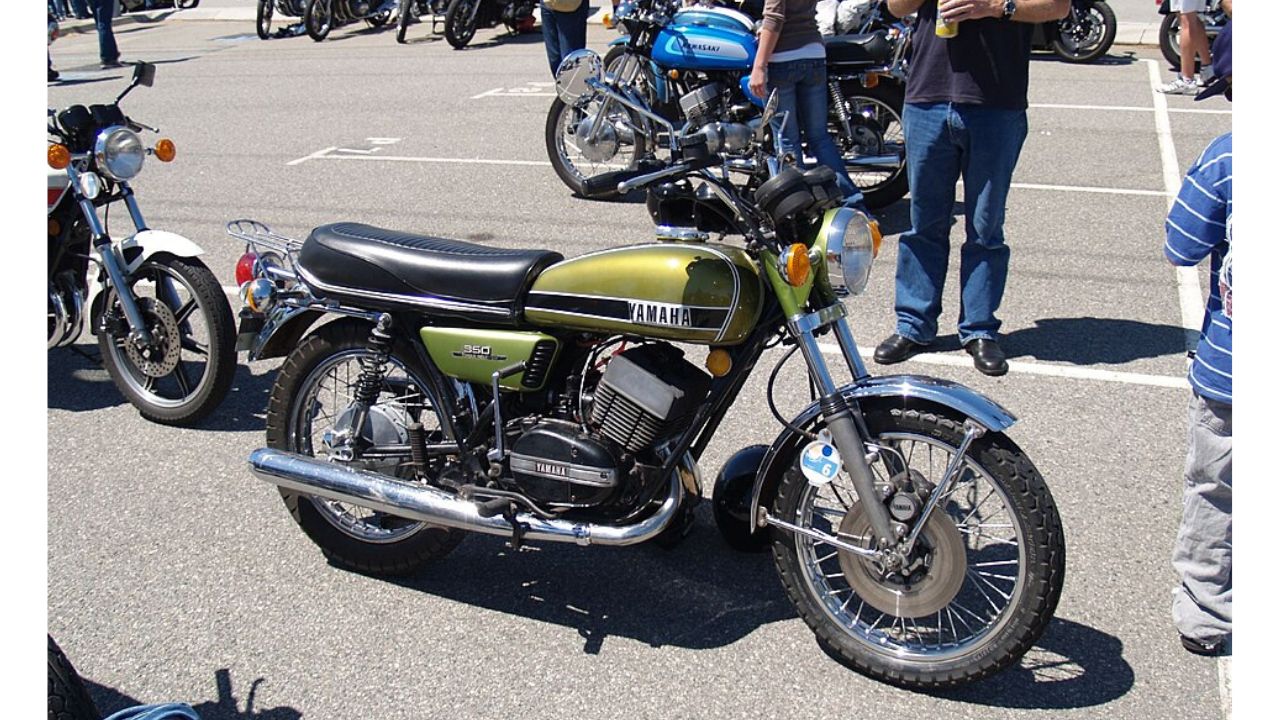
The Yamaha RD350 earned its reputation through a lightweight chassis, two-stroke engine, and lively performance. Its compact size allowed the motorcycle to change direction quickly, while the engine delivered the sharp power delivery associated with Yamaha’s performance-oriented two-strokes. The RD350 became an important part of Yamaha’s sporting history and remains popular with riders who appreciate simple, lightweight motorcycles. Clean examples are becoming increasingly difficult to find in original condition.
Suzuki GT750

The Suzuki GT750 was unusual because it combined a large two-stroke triple-cylinder engine with liquid cooling. Introduced in the early 1970s, it offered strong performance and smooth power delivery for its period. Its nickname, “Water Buffalo,” became closely associated with the model’s distinctive engineering. The GT750 was heavier than some competing sporting motorcycles, but its unusual engine, long-distance capability, and historical importance give it growing appeal among collectors.
Kawasaki H2 Mach IV
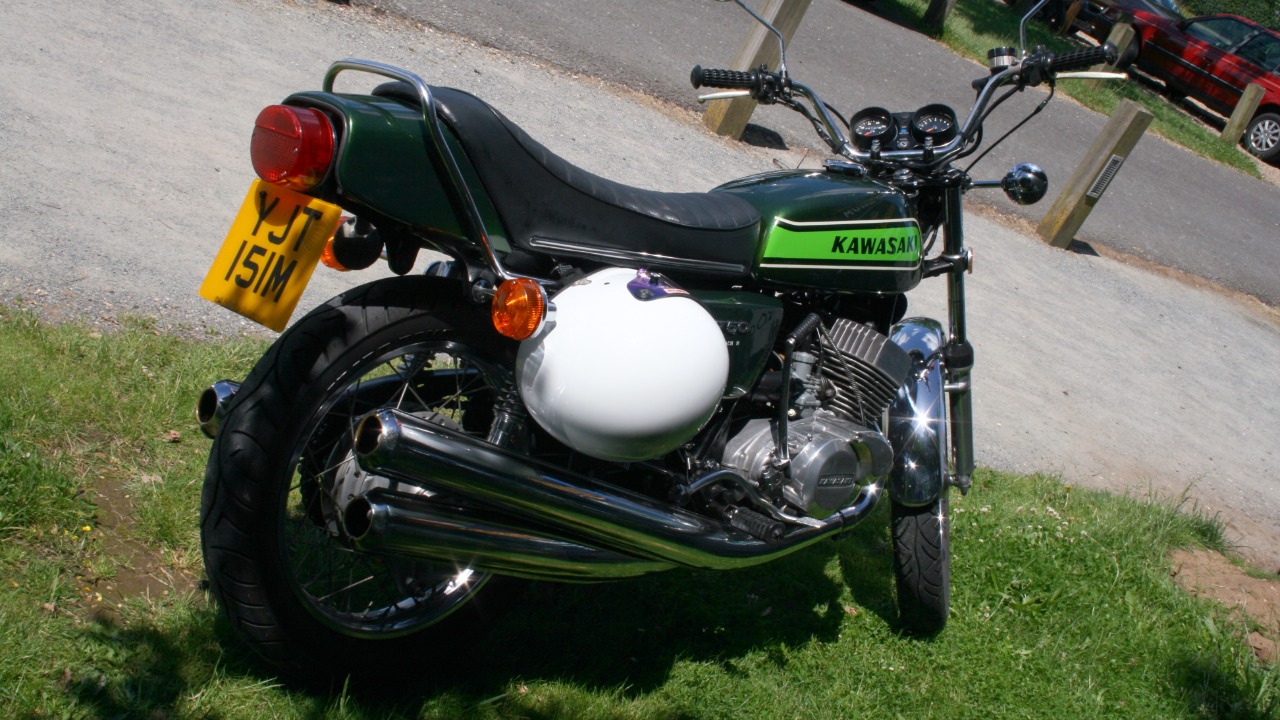
The Kawasaki H2 Mach IV became famous for its explosive performance and 748cc two-stroke triple. Introduced in the early 1970s, it delivered acceleration that was remarkable for its era. The motorcycle developed a reputation for being demanding, which may have limited its appeal compared with more refined later motorcycles. Today, that raw character is part of its attraction. Original H2 examples are increasingly appreciated as important pieces of two-stroke history.
Honda VF750F Interceptor
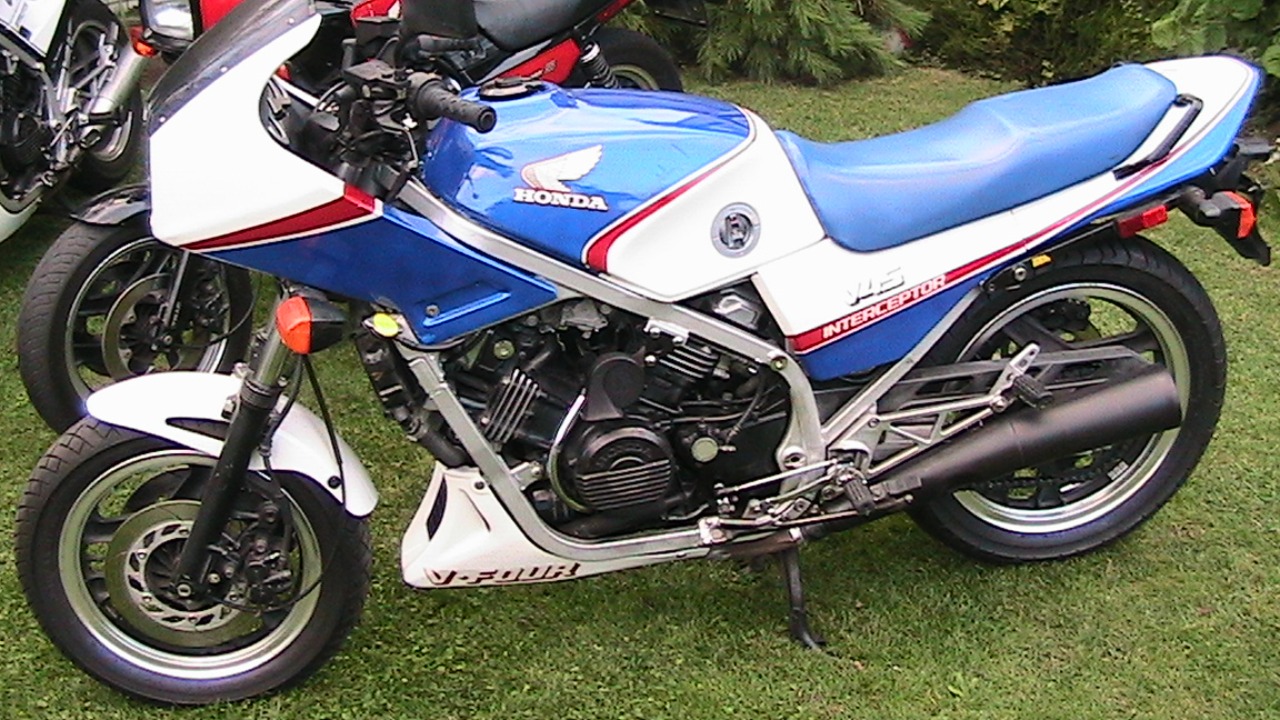
The Honda VF750F Interceptor represented an important step toward the modern sport bike. Introduced in the early 1980s, it combined a liquid-cooled V4 engine with a full fairing, sport-oriented chassis, and advanced technology for its period. The Interceptor helped establish Honda’s V4 performance identity and influenced later models. Its place in motorcycle development makes well-preserved examples particularly interesting to enthusiasts who value engineering history as much as outright performance.
Suzuki Katana GSX1100S
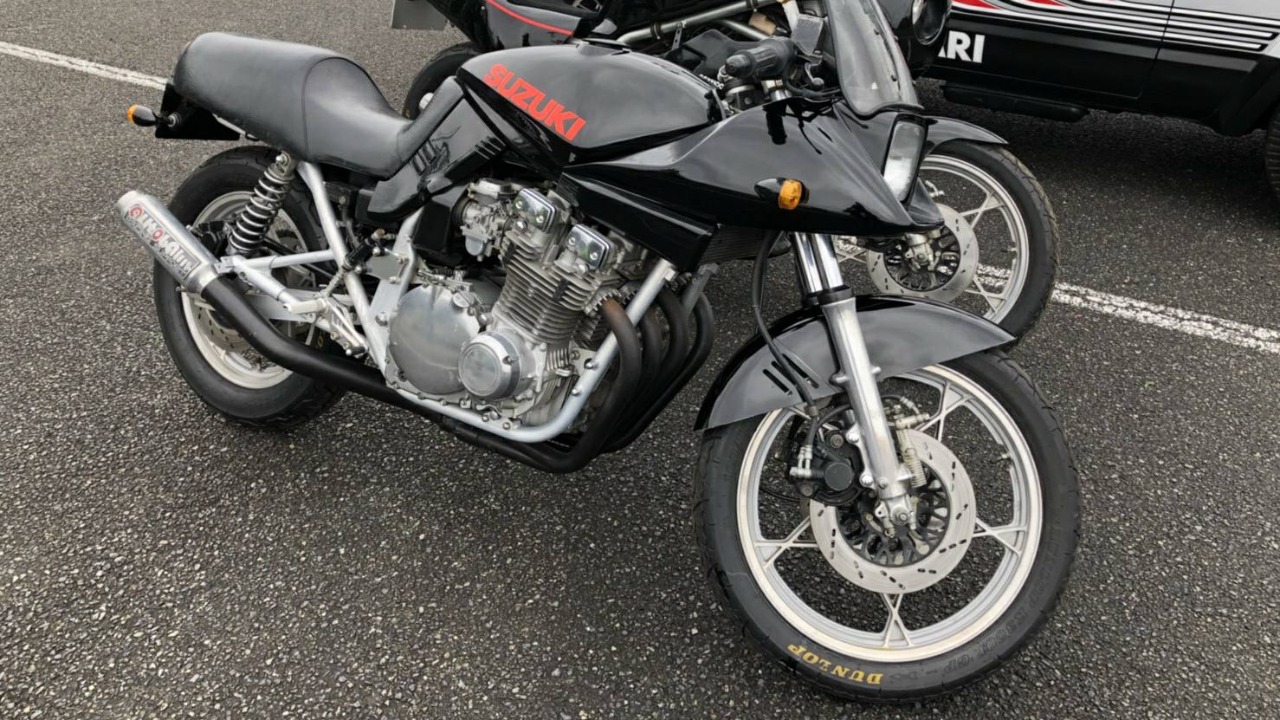
The Suzuki Katana GSX1100S became one of the most distinctive motorcycles of the 1980s. Designed with major input from Germany’s Target Design, it featured sharp bodywork, an unusual riding position, and a powerful 1,075cc inline-four. Its styling was radically different from conventional motorcycles of the period. The Katana eventually became a design icon, but early examples are particularly interesting because they capture the motorcycle’s original and unconventional character.
Honda CX500
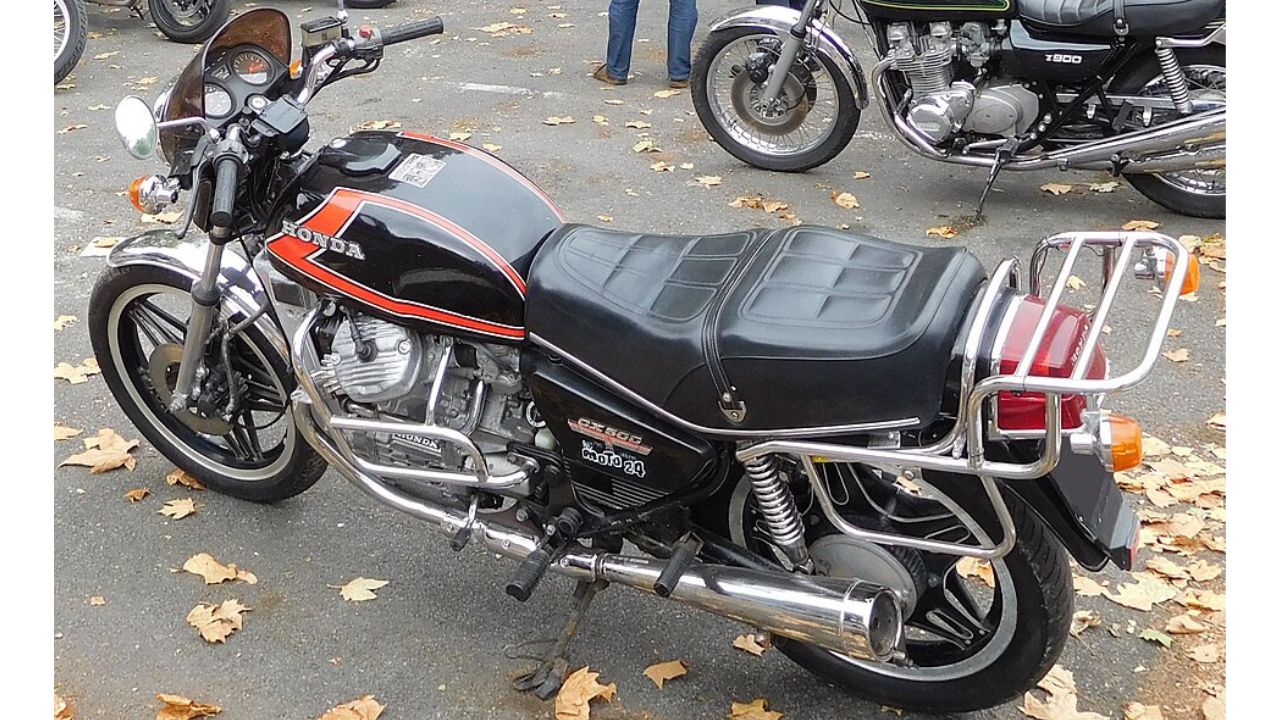
The Honda CX500 stood apart from most motorcycles because of its liquid-cooled transverse V-twin engine and shaft drive. Introduced in the late 1970s, it offered a practical combination of reliability, manageable performance, and unusual engineering. Its shaft drive and distinctive engine layout made it suitable for everyday and touring use. The CX500 was never treated like a traditional superbike, but its durability and character have helped it develop a dedicated following.
Moto Guzzi Le Mans

The Moto Guzzi Le Mans brought Italian engineering and distinctive V-twin character to the sport-touring market. Its longitudinally mounted 90-degree V-twin and shaft drive gave it a mechanical personality unlike Japanese competitors. The original Le Mans became known for its combination of strong road performance and long-distance capability. Today, early examples attract riders who want a classic motorcycle with unusual engineering and a strong connection to traditional Italian motorcycle design.
Laverda Jota 1000
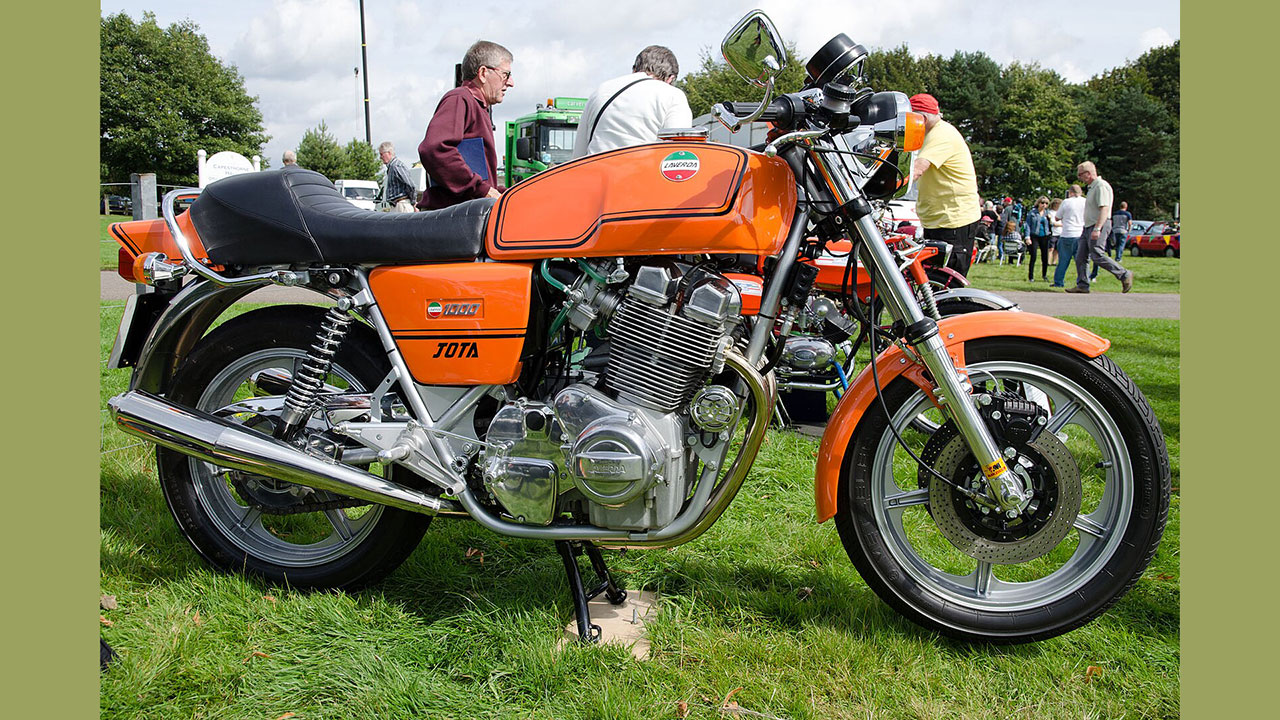
The Laverda Jota 1000 became one of the most exciting European motorcycles of the 1970s. Its 981cc three-cylinder engine delivered strong performance, while the heavy-duty chassis reflected Laverda’s engineering approach. The Jota developed a reputation for speed and mechanical character rather than lightweight elegance. Its limited presence outside Europe makes surviving examples especially interesting, and collectors increasingly recognize the model as one of the great European superbikes of its era.
Ducati 900 Super Sport
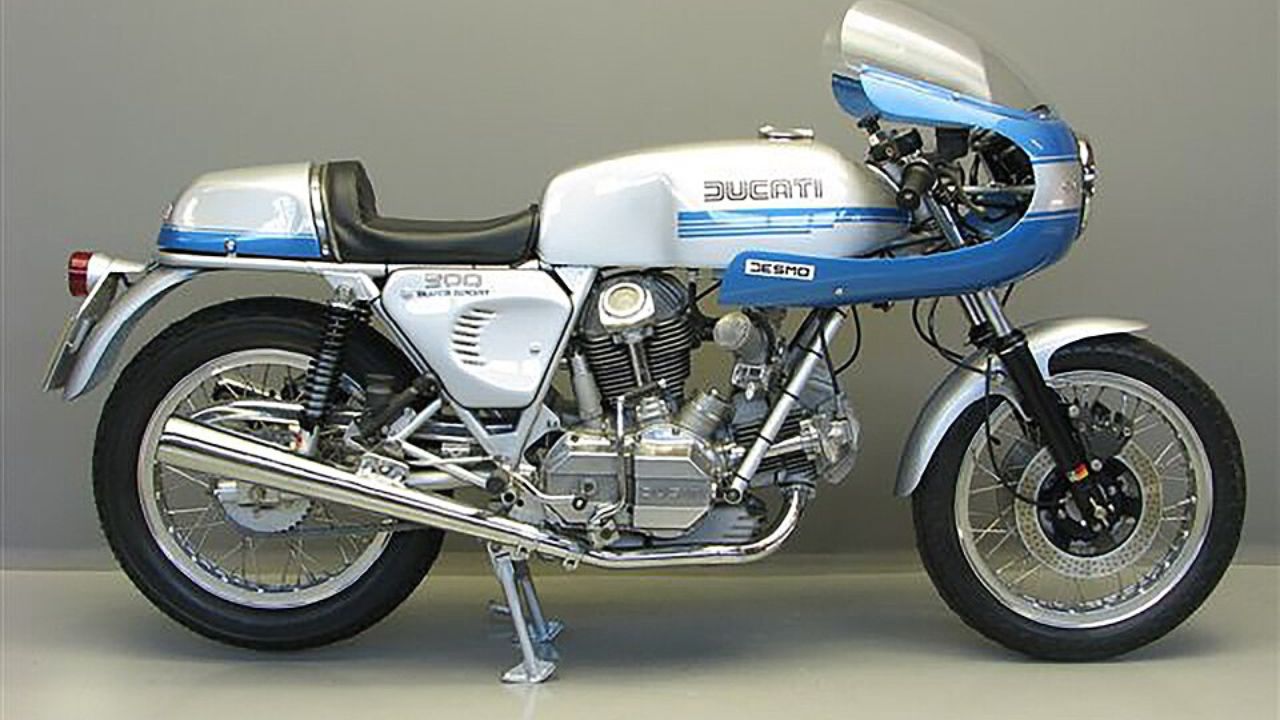
The Ducati 900 Super Sport combined a desmodromic V-twin engine with distinctive Italian styling and a sport-focused chassis. Its engine delivered strong midrange performance, while the lightweight design created an engaging riding experience. Early versions are particularly admired for their clean proportions and mechanical character. As interest in classic Ducati motorcycles continues, the 900 Super Sport remains an important model for enthusiasts looking beyond the company’s better-known modern superbikes.
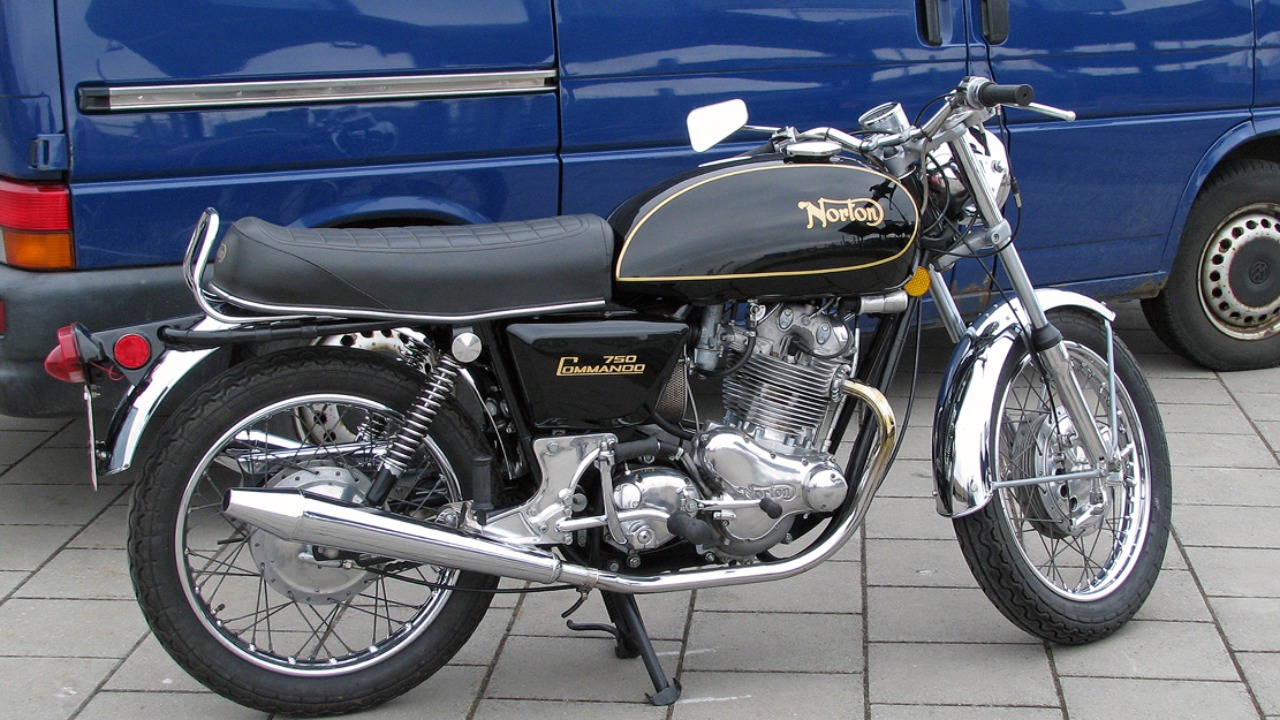
Norton Commando 750
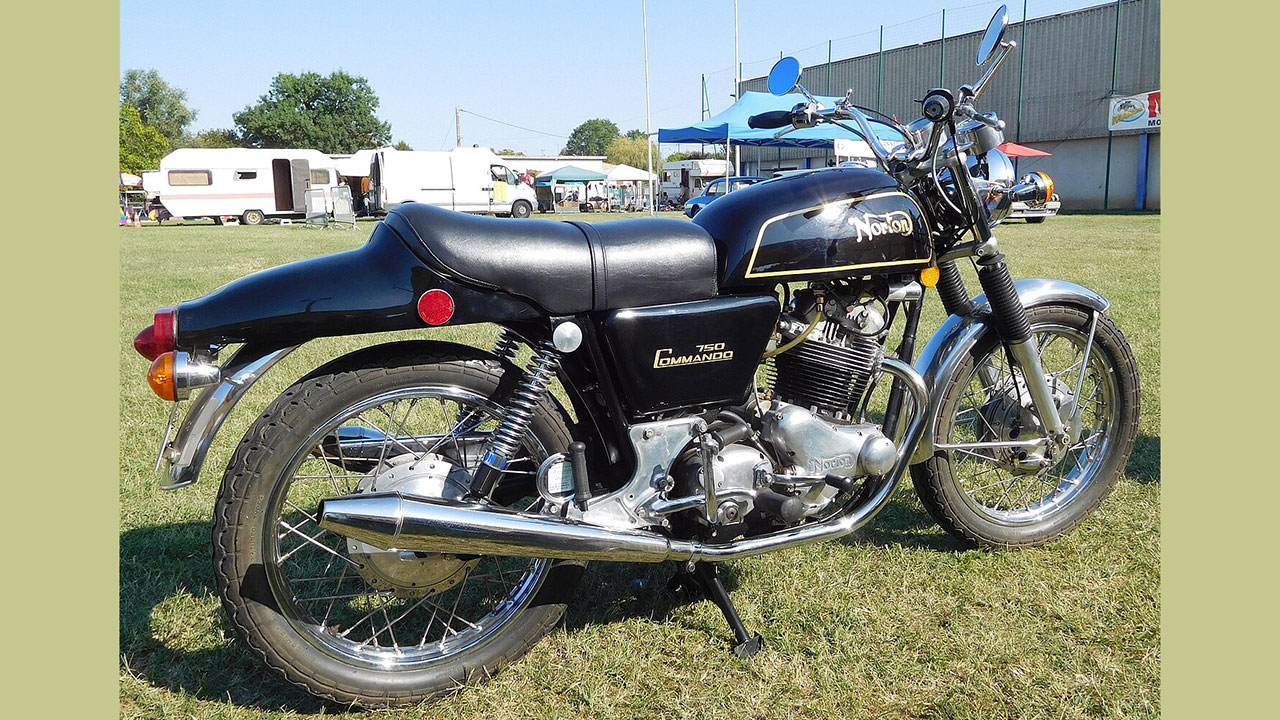
The Norton Commando 750 became one of Britain’s most successful motorcycles of the late 1960s and early 1970s. Its parallel-twin engine was mounted using Norton’s innovative Isolastic system, which reduced vibration reaching the rider. The Commando offered strong road performance and distinctive British styling. Although it faced intense competition from Japanese manufacturers, its engineering and riding character have helped the model remain highly respected among classic motorcycle enthusiasts.
Harley-Davidson XR-1000
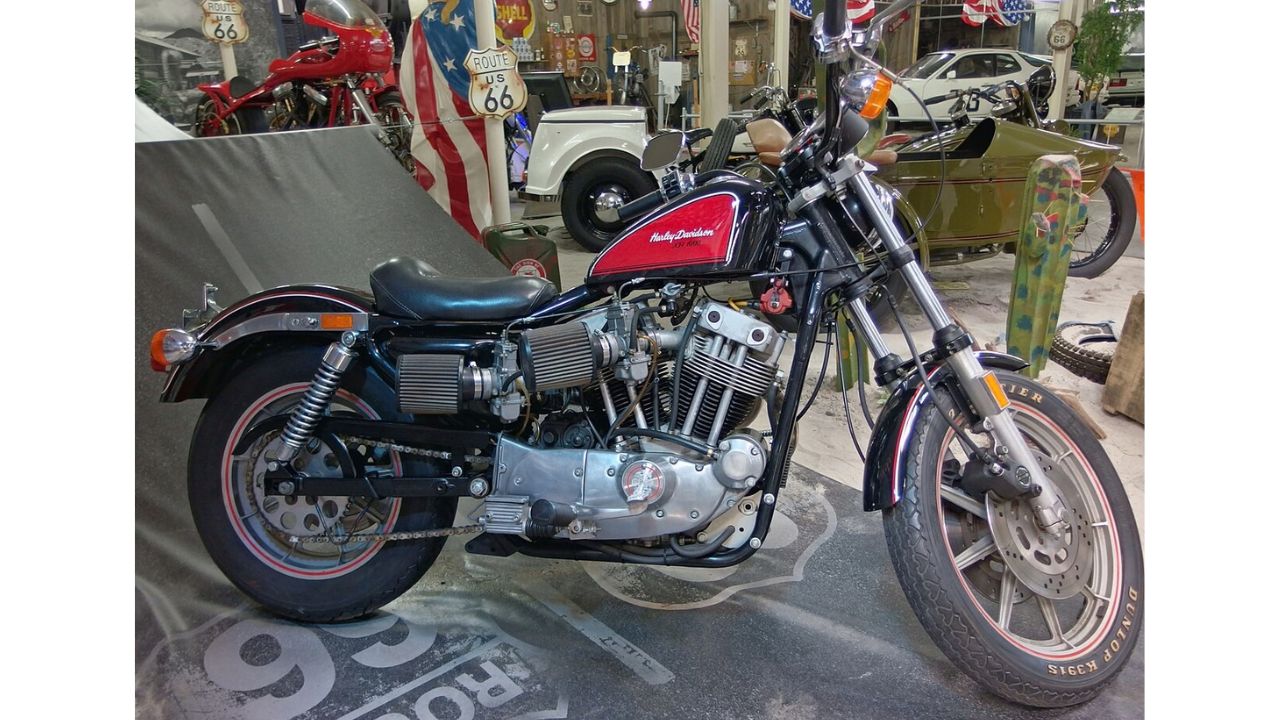
The Harley-Davidson XR-1000 combined Sportster foundations with technology inspired by the company’s successful XR-750 racing motorcycle. Introduced in 1983, it used high-performance cylinder heads and other changes intended to improve the Sportster’s sporting ability. Production was limited compared with mainstream Harley-Davidson models. Its unusual combination of American V-twin character and racing influence makes the XR-1000 an increasingly interesting motorcycle for collectors seeking something different from traditional cruisers.
Buell S1 Lightning
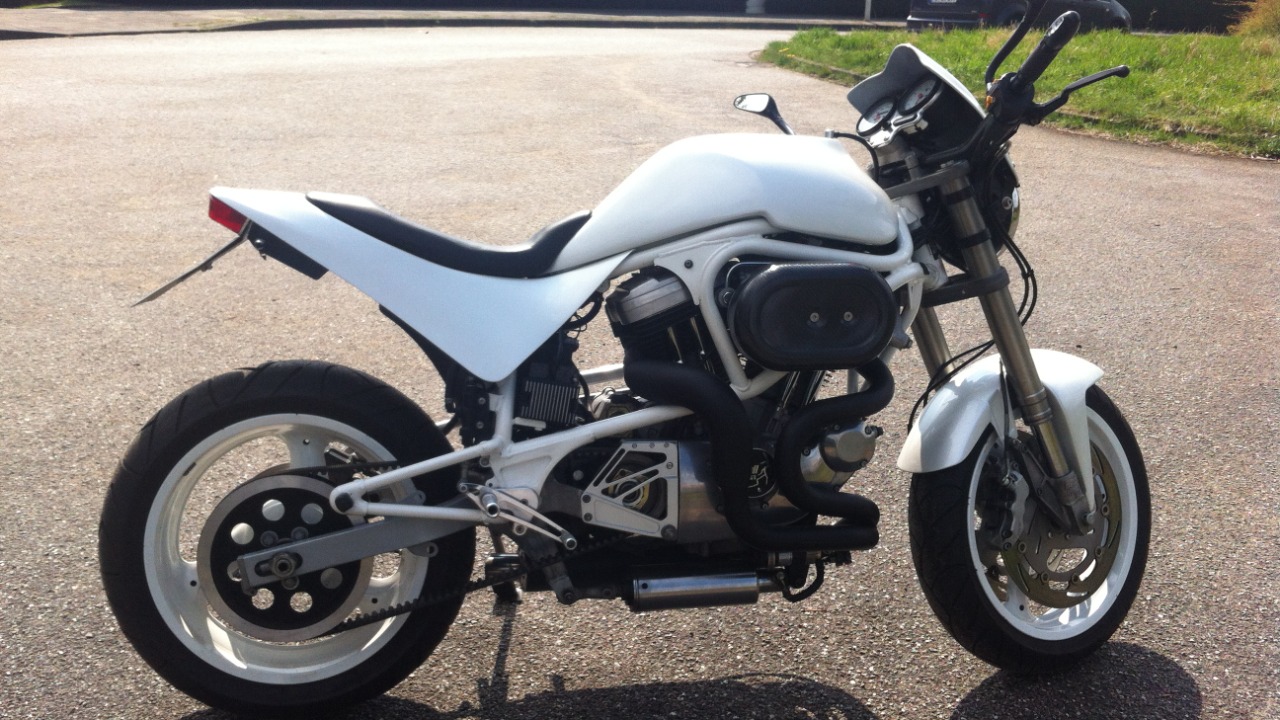
The Buell S1 Lightning demonstrated how unconventional American motorcycle engineering could be. Introduced in the 1990s, it combined a Harley-Davidson-derived V-twin with Buell’s focus on lightweight construction, centralized mass, and responsive handling. Its distinctive frame and styling separated it from conventional American cruisers. The S1 Lightning represents an important part of Buell’s history and is becoming more interesting as enthusiasts recognize the company’s contribution to American performance motorcycles.
More from Fast Lane Only
- Unboxing the WWII Jeep in a Crate
- 15 rare Chevys collectors are quietly buying
- 10 underrated V8s still worth hunting down
- Police notice this before you even roll window down
*Research for this article included AI assistance, with all final content reviewed by human editors.