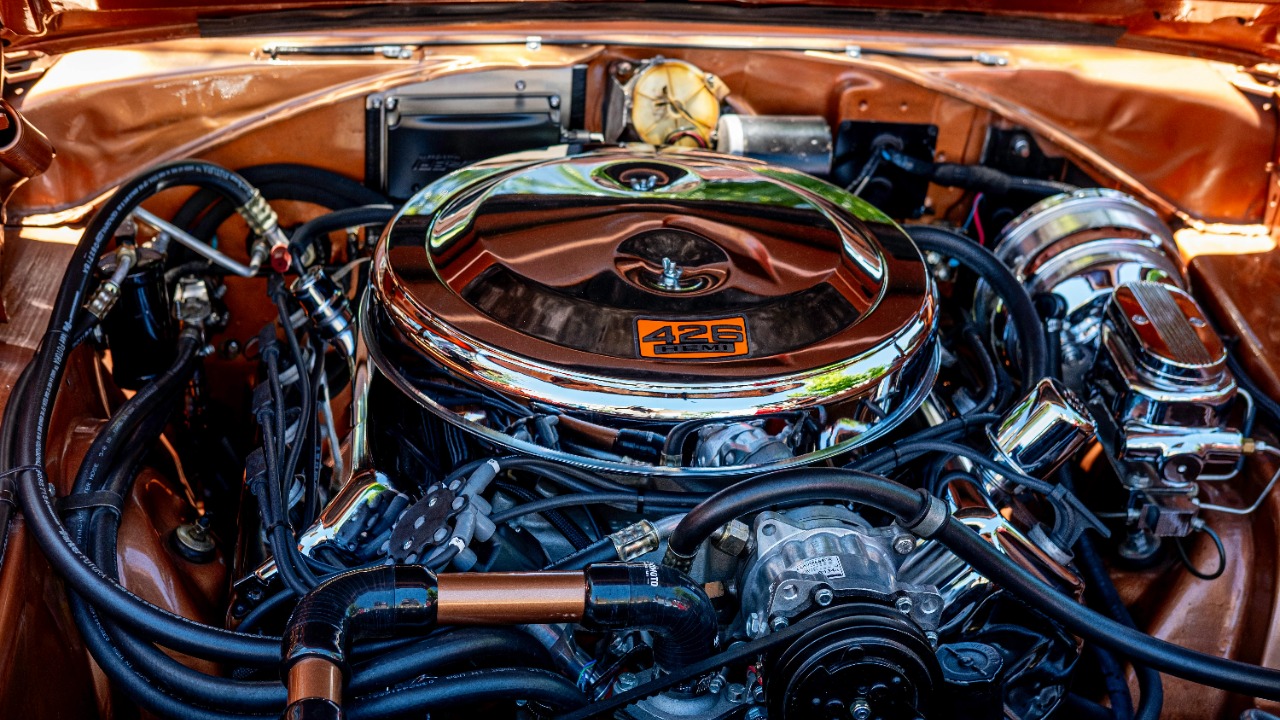
Big-block engines earned their reputation through displacement, torque, and simple mechanical strength. Even as newer engine designs arrived with better technology, some older big-blocks continued delivering impressive performance. Their ability to make serious power with straightforward engineering showed why these engines remained respected long after their original production years.
Chevrolet 427 L88
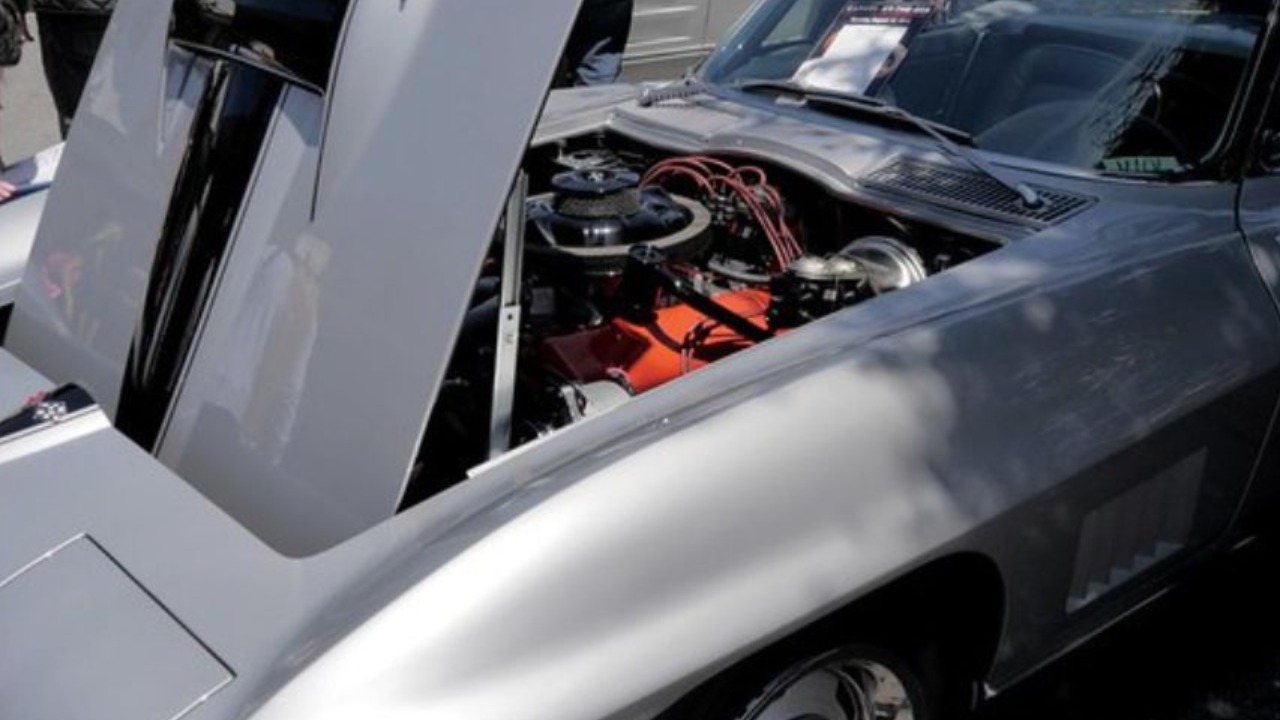
The Chevrolet 427 L88 was built with competition in mind, but its reputation quickly extended beyond the racetrack. With high-flow cylinder heads, a solid-lifter camshaft, and enormous breathing capability, the L88 produced extraordinary performance. Its aggressive design showed how an older naturally aspirated big-block could still challenge much newer performance engines when properly prepared.
Chevrolet 427 ZL1
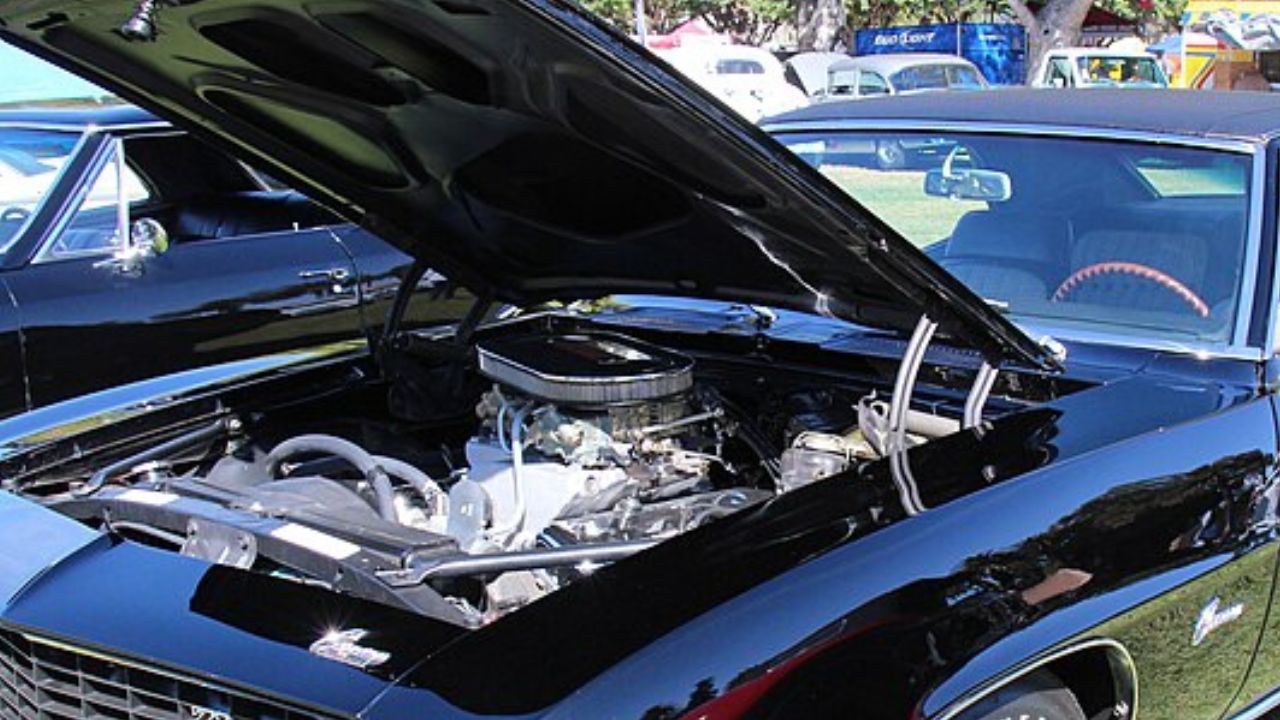
The all-aluminum Chevrolet 427 ZL1 combined massive displacement with lightweight construction. Developed from racing technology, it was one of Chevrolet’s most advanced big-blocks of its era. The engine delivered exceptional high-rpm capability while avoiding the weight penalty normally associated with large V8s. Its engineering remained impressive even beside later performance powerplants.
Chevrolet 454 LS6

The Chevrolet 454 LS6 became one of the most recognizable high-performance big-blocks of the muscle-car era. With enormous torque and strong factory output, it could move heavy cars with surprising authority. Its combination of displacement, compression, and simple mechanical design helped it remain competitive with many later engines that relied on newer technology.
Chevrolet 502

The Chevrolet 502 represented the continuing appeal of traditional big-block architecture. Its large displacement gave it tremendous low-end torque, while aftermarket support made additional power relatively straightforward. Although newer engines offered electronic controls and more efficient designs, the 502 demonstrated that an old-fashioned large-displacement V8 could still deliver serious street performance.
Ford 427 FE

The Ford 427 FE became legendary through racing and high-performance road cars. Its robust bottom end and excellent cylinder-head designs allowed it to operate at demanding speeds while producing substantial power. Even decades later, the 427 FE remained capable of competing with newer performance engines when properly built, proving that strong fundamentals can age remarkably well.
Ford 428 Cobra Jet

The Ford 428 Cobra Jet was created to give ordinary buyers access to serious muscle-car performance. Its combination of large displacement and strong torque made it particularly effective in heavier performance cars. While newer engines eventually gained sophisticated fuel injection and electronic controls, the Cobra Jet continued to demonstrate the effectiveness of simple cubic inches.
Ford 427 Side Oiler

The Ford 427 Side Oiler was engineered for demanding performance applications, with a dedicated oiling system designed to provide reliable lubrication under severe conditions. Its strength and durability made it a favorite for racing and high-performance builds. The engine showed that careful attention to lubrication and internal strength could keep an older design highly competitive.
Ford 460
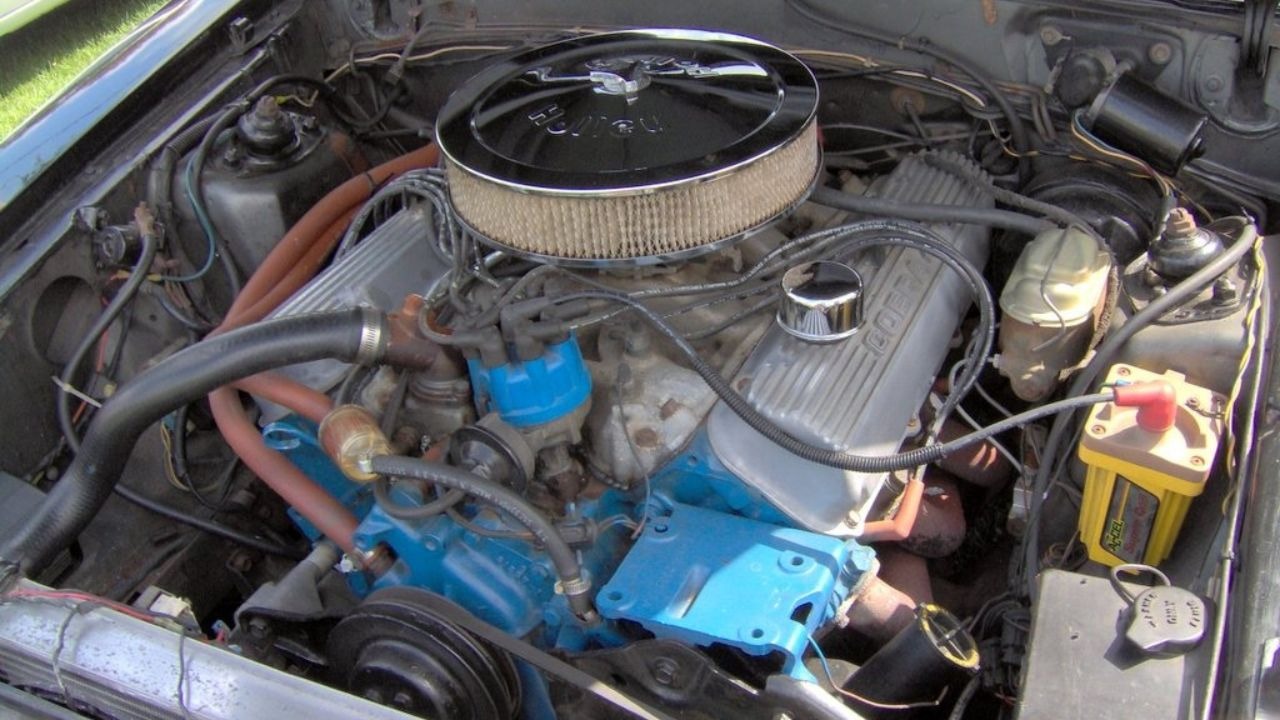
The Ford 460 became known for producing huge amounts of torque from its 7.5-liter displacement. Although originally associated with large cars and trucks, the engine also became popular with performance builders. Its enormous internal dimensions gave enthusiasts plenty of room for modifications, allowing this older big-block architecture to remain useful long after newer engines appeared.
Chrysler 426 Hemi
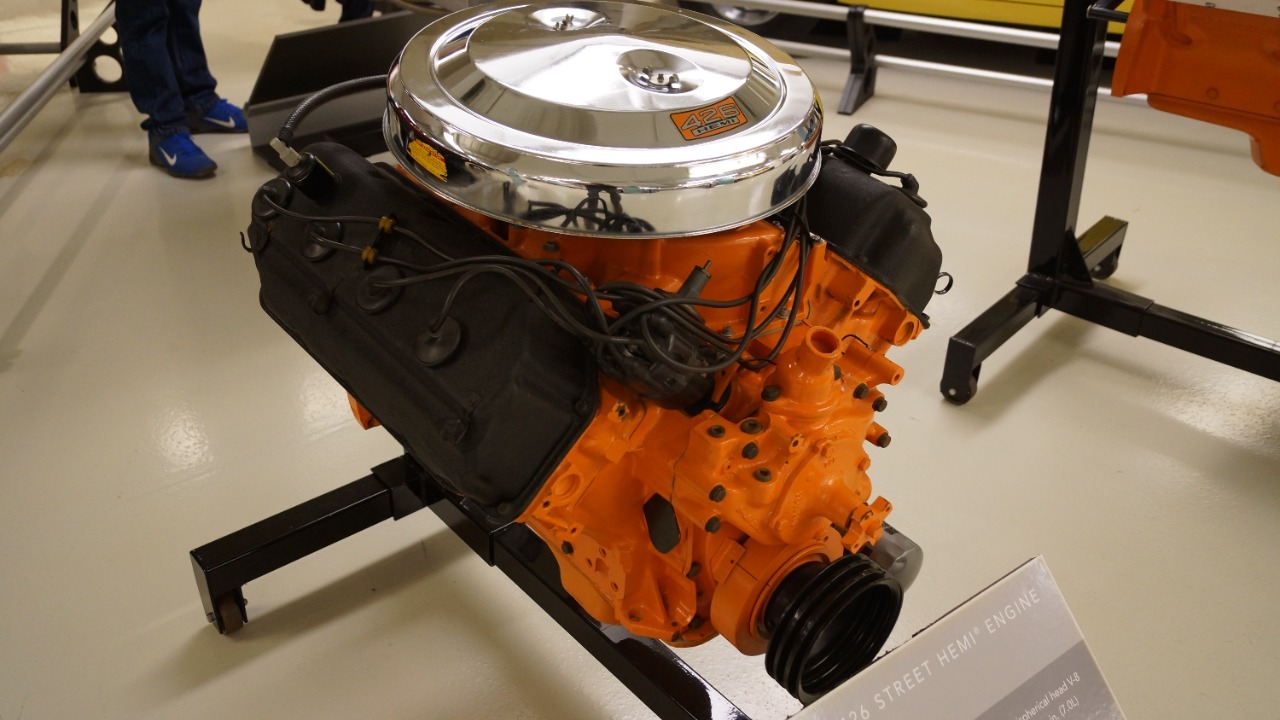
The Chrysler 426 Hemi earned its reputation through its hemispherical combustion chambers and exceptional breathing ability. It became one of the defining engines of American muscle-car history. Later engines gained computerized management and more sophisticated designs, but the 426 Hemi still demonstrated how effective careful cylinder-head engineering and large displacement could be.
Chrysler 440 RB
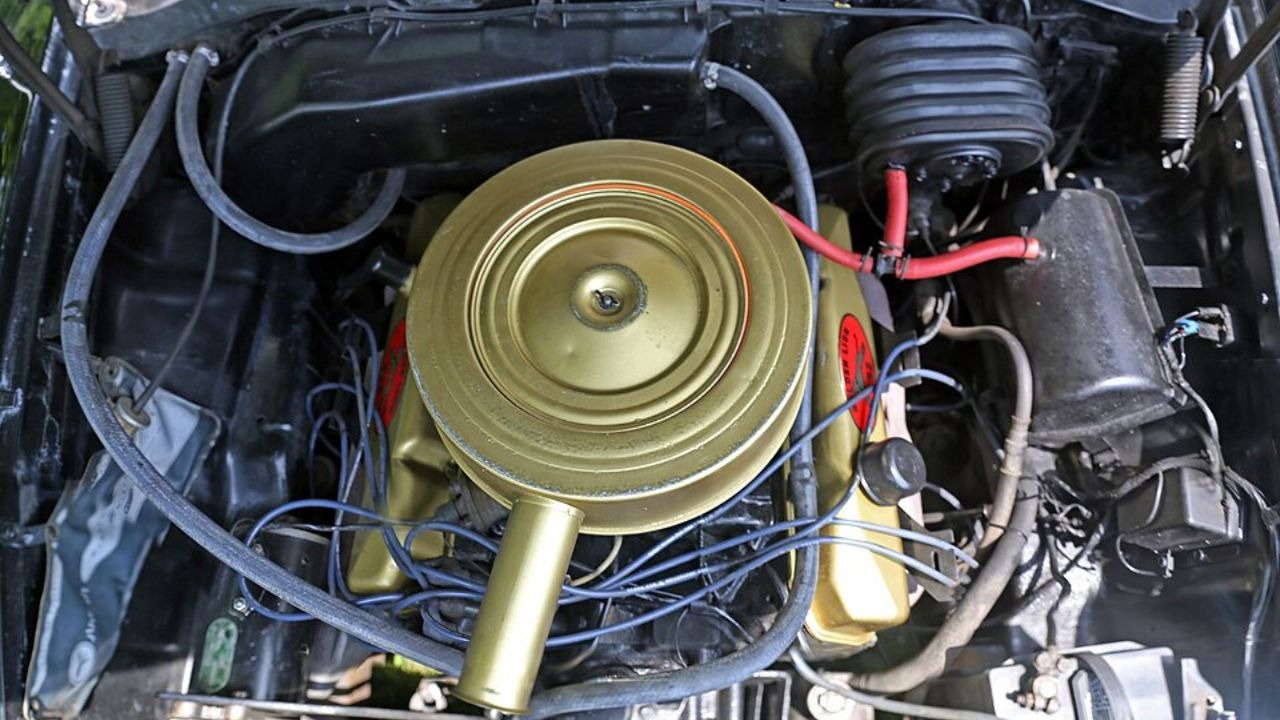
The Chrysler 440 RB was famous for its combination of torque, durability, and broad availability. Unlike the specialized 426 Hemi, the 440 could deliver substantial performance while remaining practical for street use. Its strong low-end power allowed large cars to accelerate with authority, showing that a conventional big-block could remain extremely effective without exotic technology.
Chrysler 413 Max Wedge
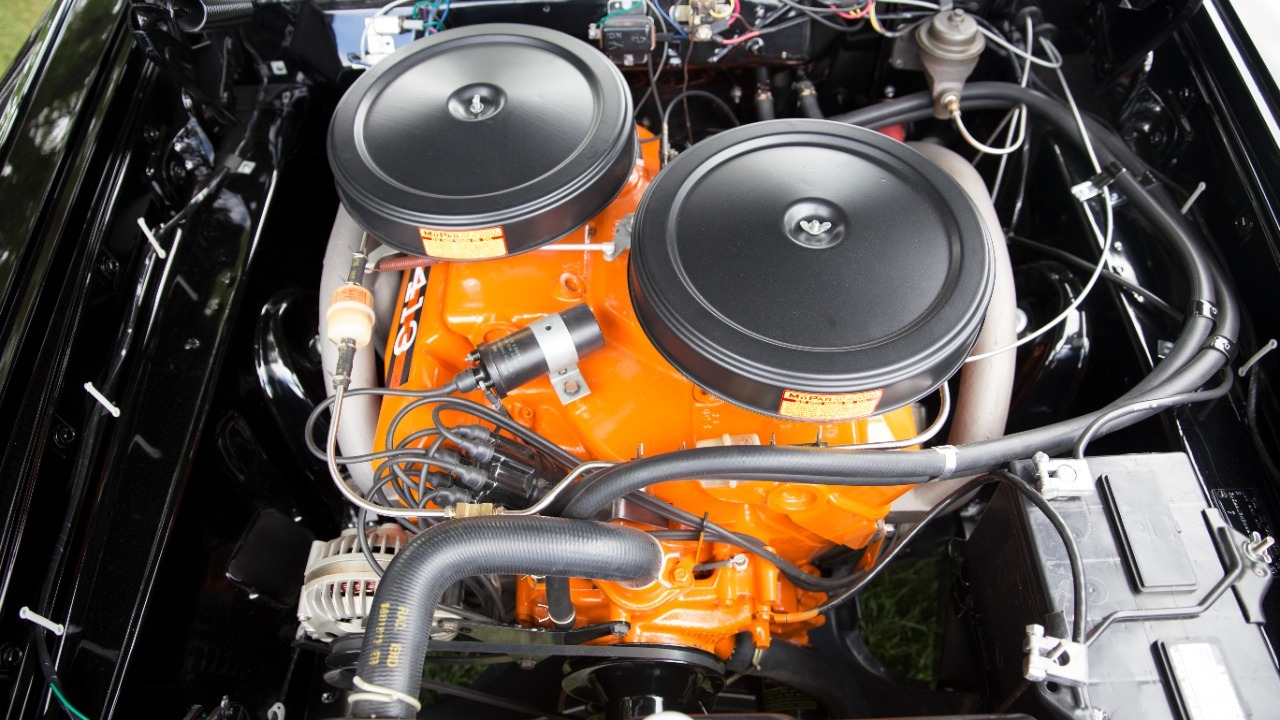
The Chrysler 413 Max Wedge was one of the engines that helped establish Chrysler as a serious force in early drag racing. Its large valves, special exhaust system, and aggressive design gave it remarkable performance for its period. Even against newer engines, its purpose-built approach demonstrated how much could be achieved through mechanical engineering alone.
Buick 430
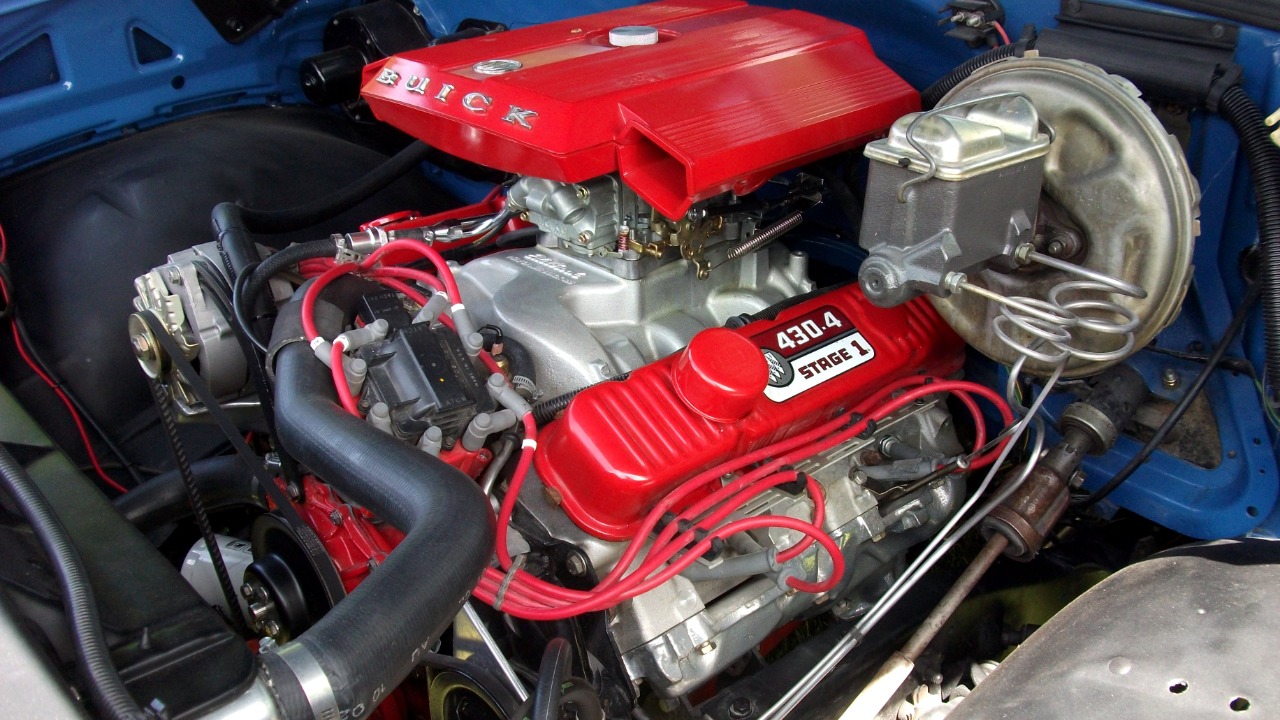
The Buick 430 was a substantial big-block designed to provide smooth, powerful performance in Buick’s large cars. Its considerable displacement produced strong torque, making it well suited to heavy vehicles. The engine’s refined delivery showed that big-block performance did not always require an aggressive personality. It could combine effortless cruising with strong acceleration when needed.
Ford 390 FE

The Ford 390 FE was widely used in performance cars, trucks, and full-size vehicles, making it one of Ford’s most recognizable big-blocks. Its strong torque and durable construction made it useful in a wide range of applications. With performance upgrades, the 390 could produce serious power, demonstrating the versatility of Ford’s FE architecture.
Buick 455 Stage 1
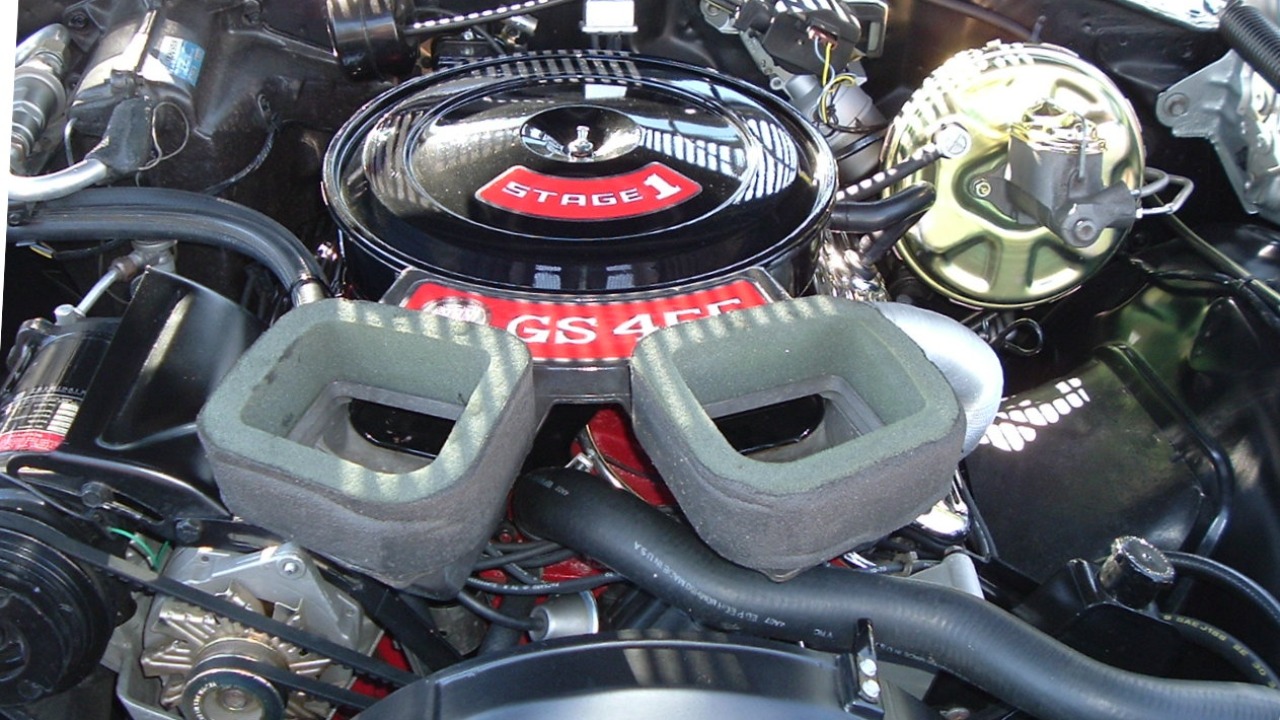
The Buick 455 Stage 1 was built around torque rather than simply chasing high-rpm numbers. Its massive displacement allowed it to move heavy cars with remarkable authority. The engine’s strong low-speed response made it particularly effective on the street, where usable torque mattered more than peak horsepower figures.
Oldsmobile 455
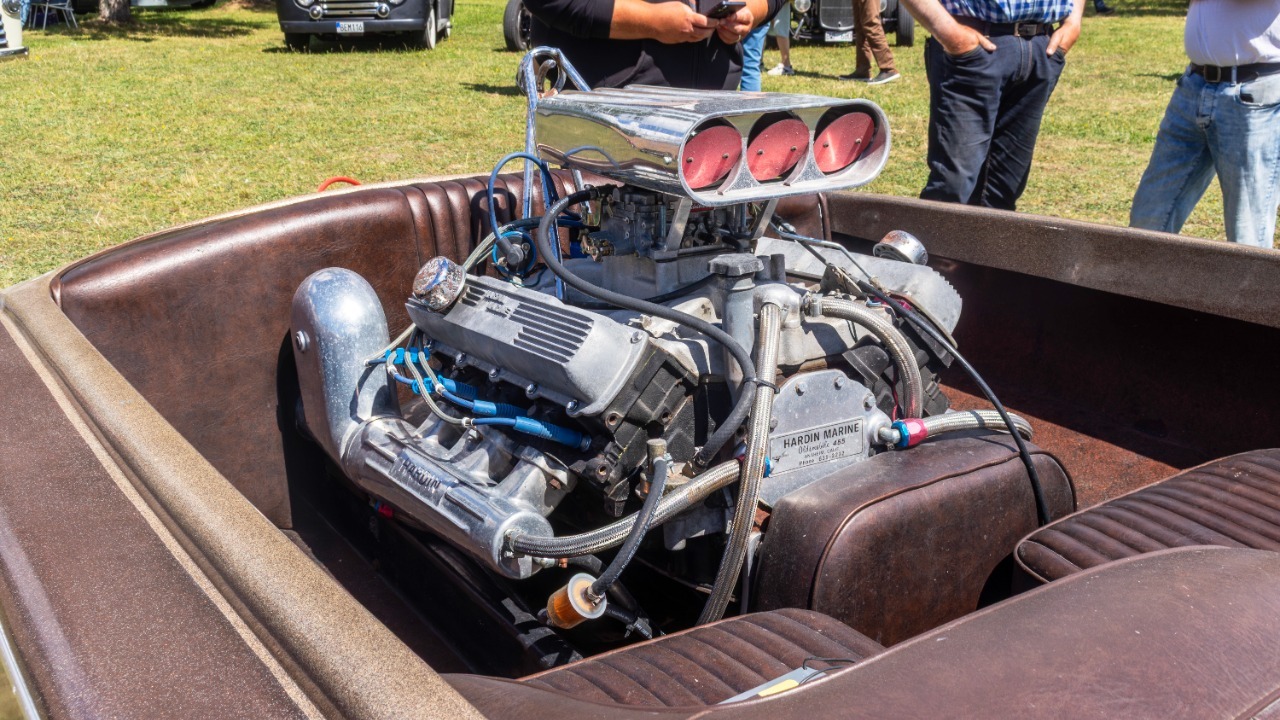
The Oldsmobile 455 delivered the kind of effortless torque that made large American cars feel surprisingly quick. Its broad powerband suited both street driving and performance applications. Despite its age, the engine remained attractive to builders because its large displacement provided an excellent foundation for producing strong power without requiring complicated technology.
Chrysler 440 Six Pack
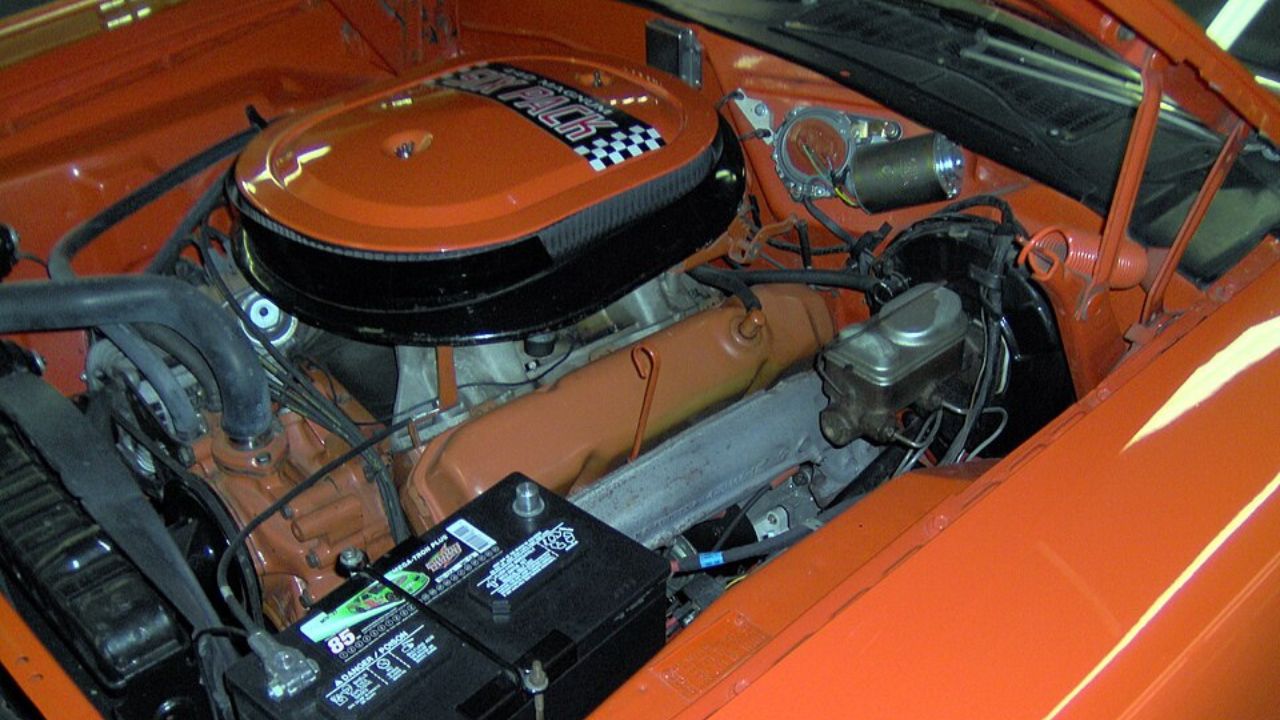
The Chrysler 440 Six Pack combined huge displacement with a three-carburetor induction system. The arrangement allowed the engine to supply large amounts of air and fuel when the driver demanded maximum acceleration. Its enormous torque and simple mechanical design made it extremely effective in heavy muscle cars, proving that an older naturally aspirated V8 could still deliver brutal performance.
AMC 401

The AMC 401 was one of the largest and most powerful engines produced by American Motors. Its substantial displacement provided strong torque, while performance versions could deliver impressive acceleration in relatively compact cars. The 401 demonstrated that AMC could compete with the larger manufacturers using a traditional big-block-style V8 despite having fewer resources and a smaller lineup.
Chevrolet 409
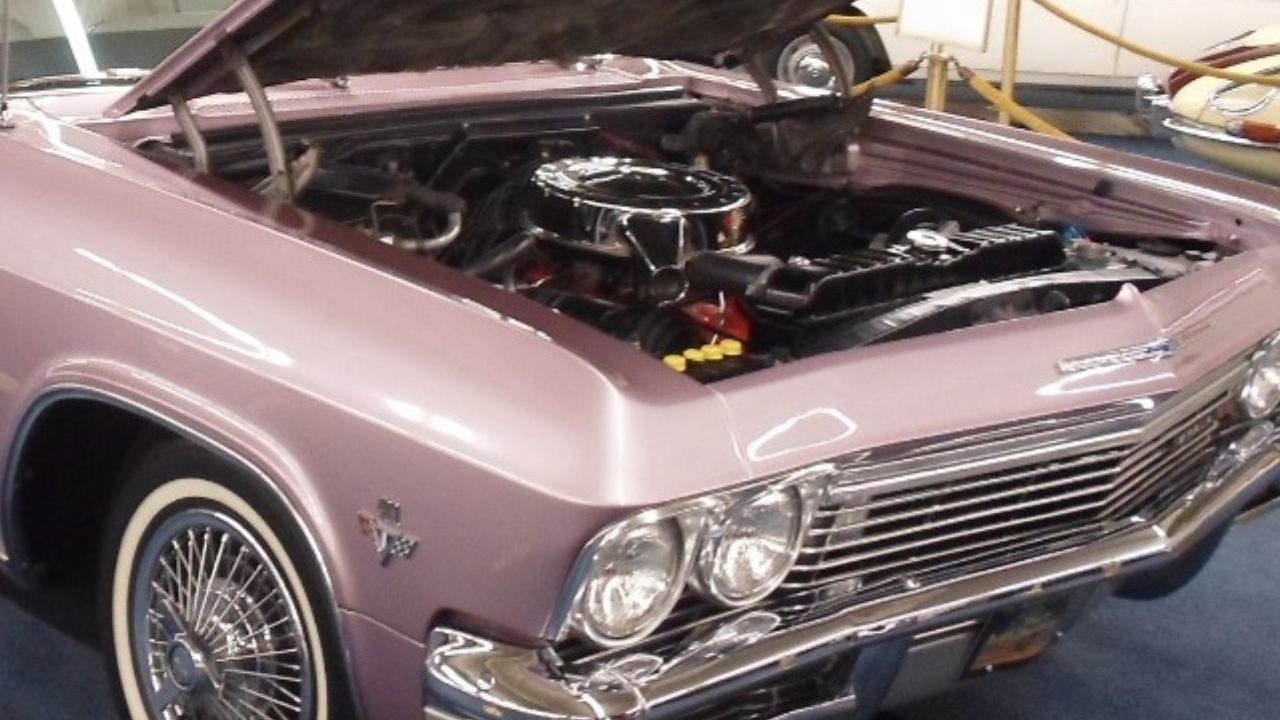
The Chevrolet 409 became famous for powering some of Chevrolet’s most memorable full-size performance cars. Its distinctive W-series architecture, large displacement, and strong torque made it a formidable engine in its day. Even after newer designs arrived, the 409 remained an example of how unconventional engineering and cubic inches could create serious performance.
More from Fast Lane Only
- Unboxing the WWII Jeep in a Crate
- 15 rare Chevys collectors are quietly buying
- 10 underrated V8s still worth hunting down
- Police notice this before you even roll window down
*Research for this article included AI assistance, with all final content reviewed by human editors.