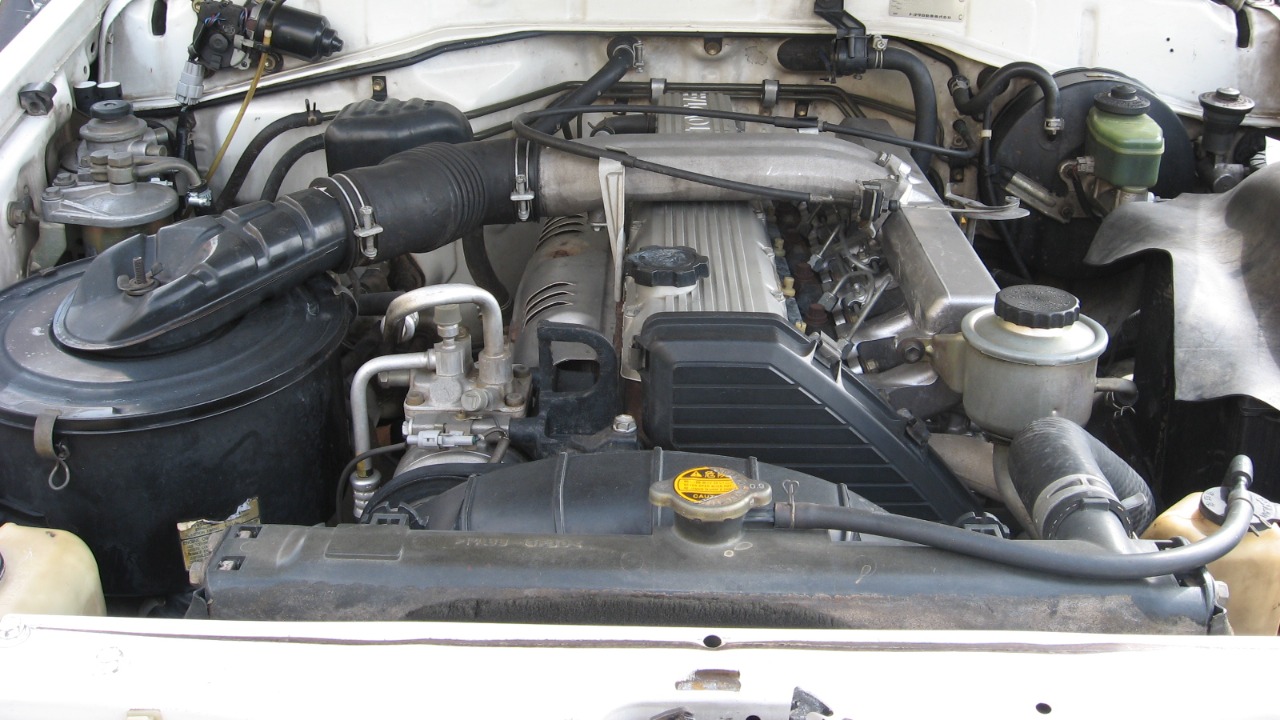
Some engines earn legendary reputations not because they make the most horsepower, but because they keep running through years of hard use, poor conditions, and neglected maintenance. Their strong designs, durable internals, and proven engineering allow them to survive punishment that would quickly destroy less dependable engines.
Toyota 2JZ-GTE
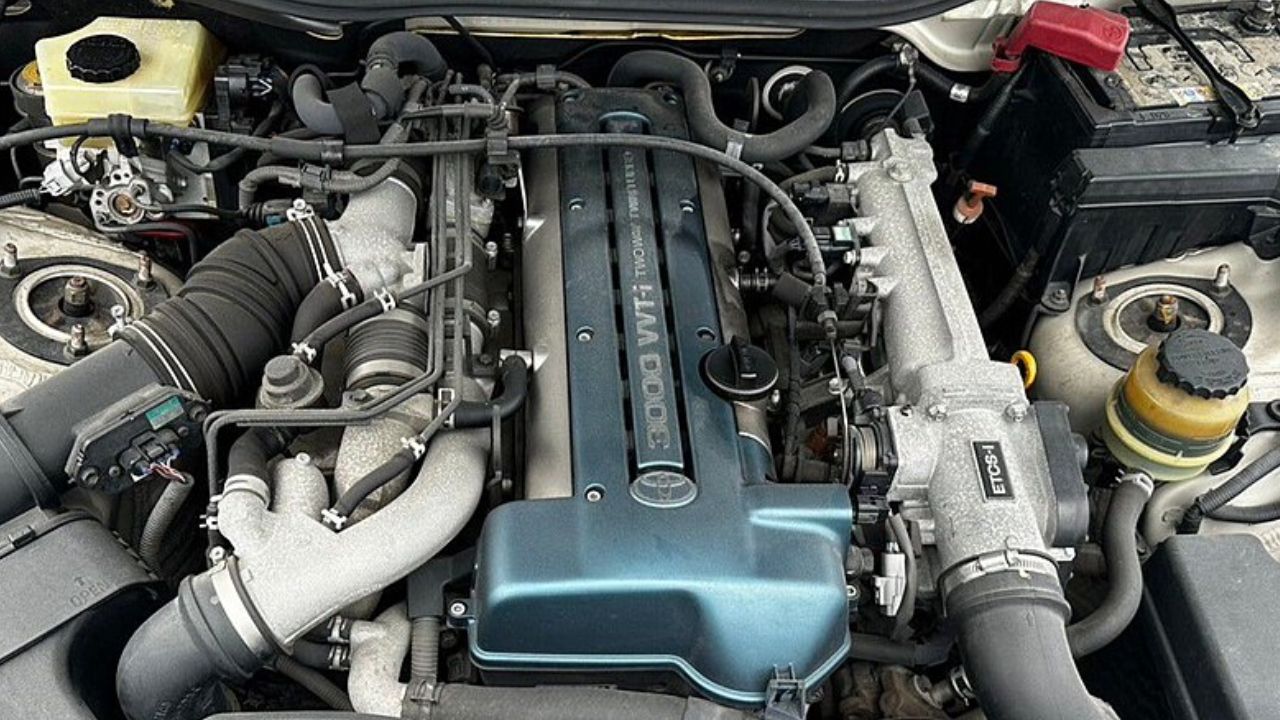
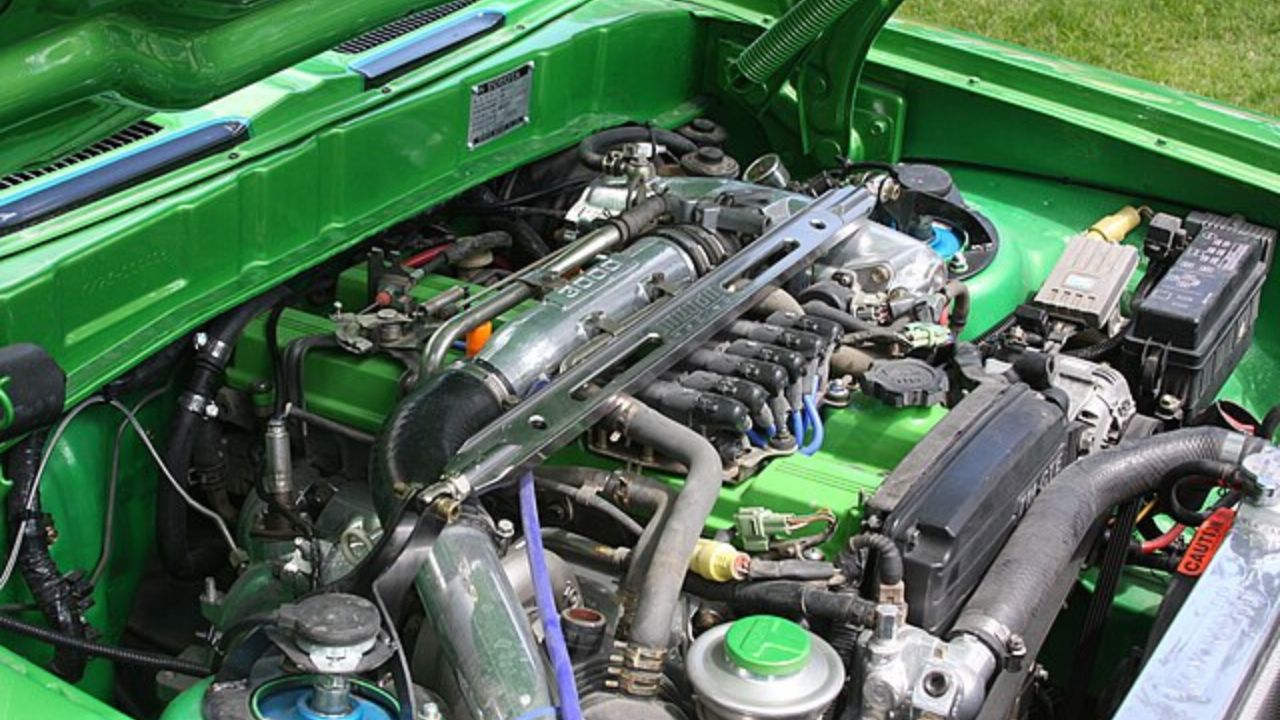
The Toyota 2JZ-GTE became famous for its ability to handle serious power while remaining remarkably durable. Its cast-iron block, strong bottom end, and robust cylinder head give the engine an excellent foundation for high-output builds. The factory twin-turbo system already provided strong performance, but enthusiasts discovered that the basic engine could tolerate considerably more when properly supported. Beyond modified cars, the 2JZ is respected for its longevity in ordinary use. Its reputation has made it one of the most recognizable durable performance engines ever produced.
Mercedes-Benz OM617

The Mercedes-Benz OM617 five-cylinder diesel developed a reputation for extraordinary longevity in demanding conditions. Used extensively in Mercedes passenger cars and utility applications, it was designed around durability, mechanical simplicity, and conservative operating characteristics. Many examples accumulated very high mileage while continuing to provide dependable service. The engine’s cast-iron construction and relatively straightforward fuel system helped make long-term maintenance manageable. Although not a high-performance engine, the OM617 became legendary because it could endure decades of regular driving when basic servicing was maintained.
Toyota 1HZ
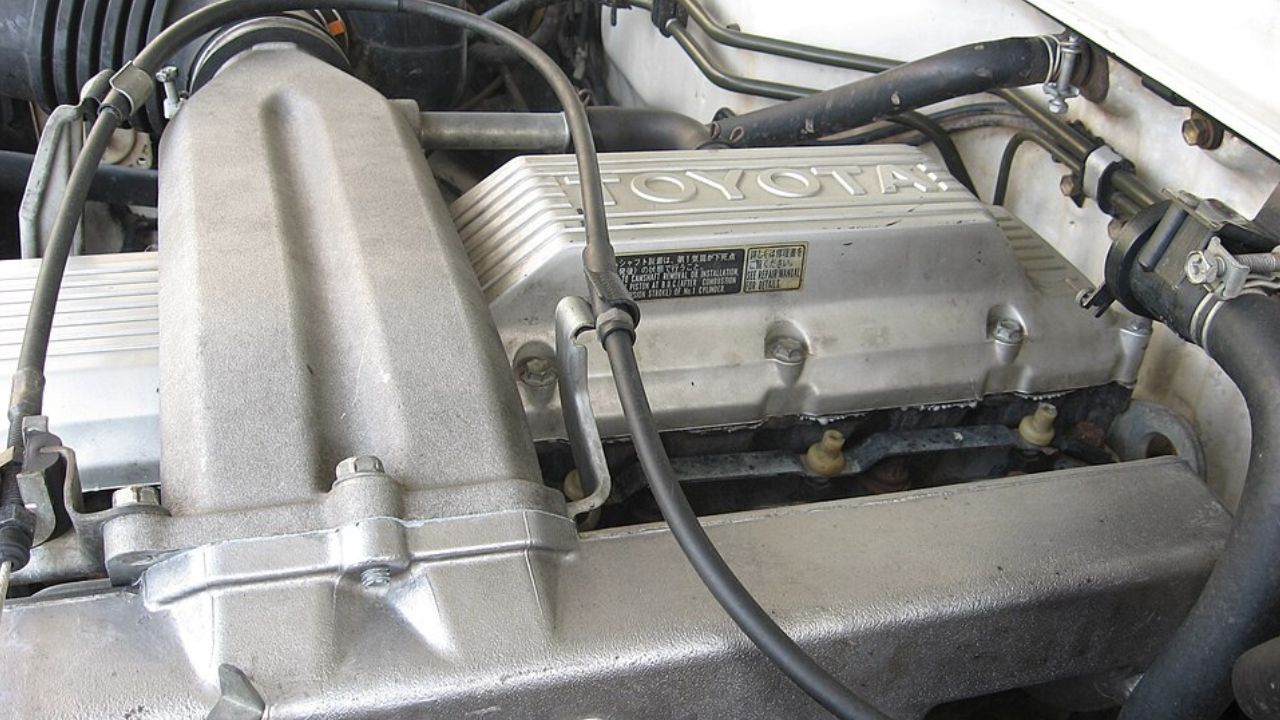
The Toyota 1HZ became a favorite among owners who valued reliability in difficult environments. This naturally aspirated 4.2-liter diesel was designed for durability rather than outright performance, with a simple mechanical injection system and conservative tuning. It became particularly common in the Land Cruiser family, where engines were expected to operate far from major service facilities. Its straightforward construction allows many components to be maintained or repaired without complicated electronics. The 1HZ’s reputation for surviving heavy use has made it one of Toyota’s most respected diesel engines.
Cummins 5.9 12-Valve
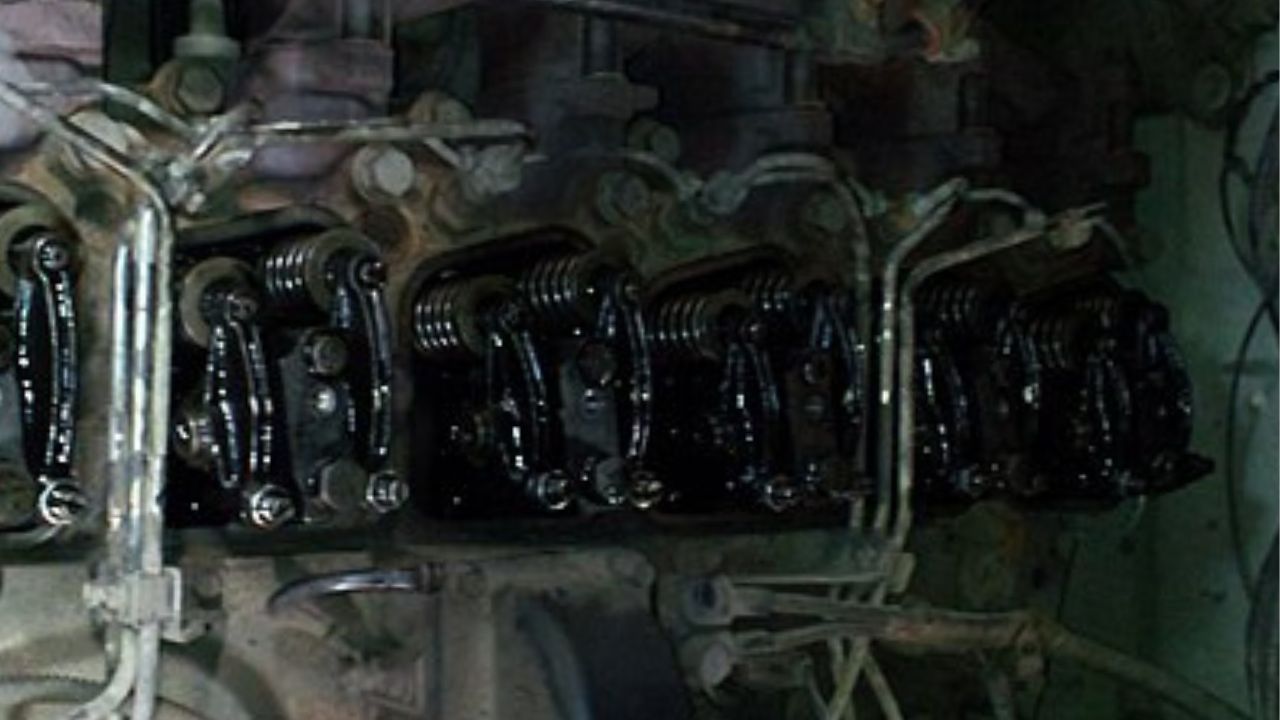
The 5.9-liter Cummins 12-valve diesel became legendary among truck owners for its exceptionally durable construction. Its cast-iron block, mechanical injection pump, and relatively simple electrical system gave it a reputation for surviving high mileage and demanding workloads. The engine was used in Dodge Ram pickups during the 1980s and 1990s and became extremely popular with owners who wanted dependable towing power. Proper maintenance remains important, but the basic architecture is exceptionally robust. Few pickup engines have developed a stronger reputation for long-term durability.
Toyota 1UZ-FE
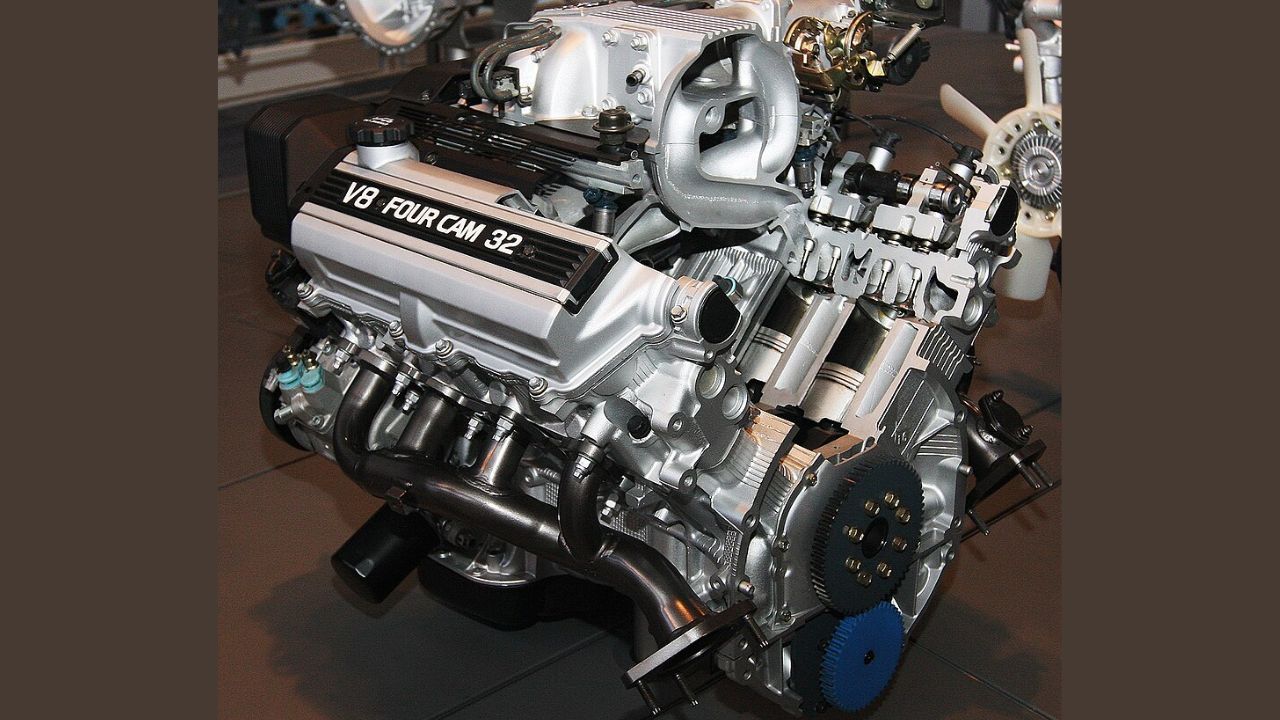
The Toyota 1UZ-FE was developed for the original Lexus LS400 and was engineered primarily around refinement, smoothness, and long-term durability. Its aluminum block, strong internal components, and carefully designed cylinder heads gave it impressive mechanical strength. Although originally intended for luxury cars, enthusiasts later discovered that the engine could also tolerate performance modifications. Regular maintenance, especially of the timing belt and cooling system, remains important. Even so, the 1UZ has become famous for combining sophisticated engineering with the kind of durability associated with simpler Toyota engines.
Honda K20
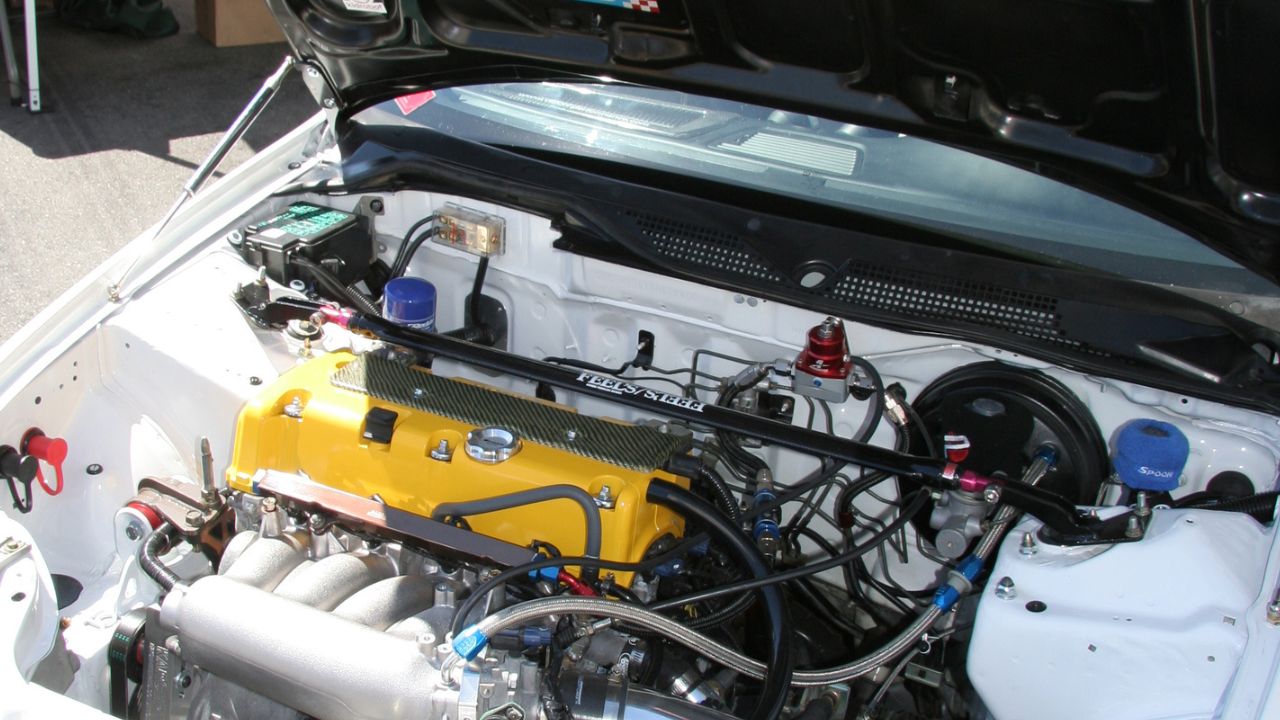
The Honda K20 became one of the company’s most respected four-cylinder engine families. Naturally aspirated versions are known for strong high-rpm performance, while the basic architecture has also proven adaptable to demanding modified applications. Honda’s efficient cylinder-head design and variable valve timing helped the engine produce impressive output without requiring enormous displacement. When properly maintained, many K20 engines tolerate years of spirited driving. Their popularity in performance cars and swaps has also created a huge supply of technical knowledge, parts, and proven maintenance solutions.
Toyota 1KD-FTV
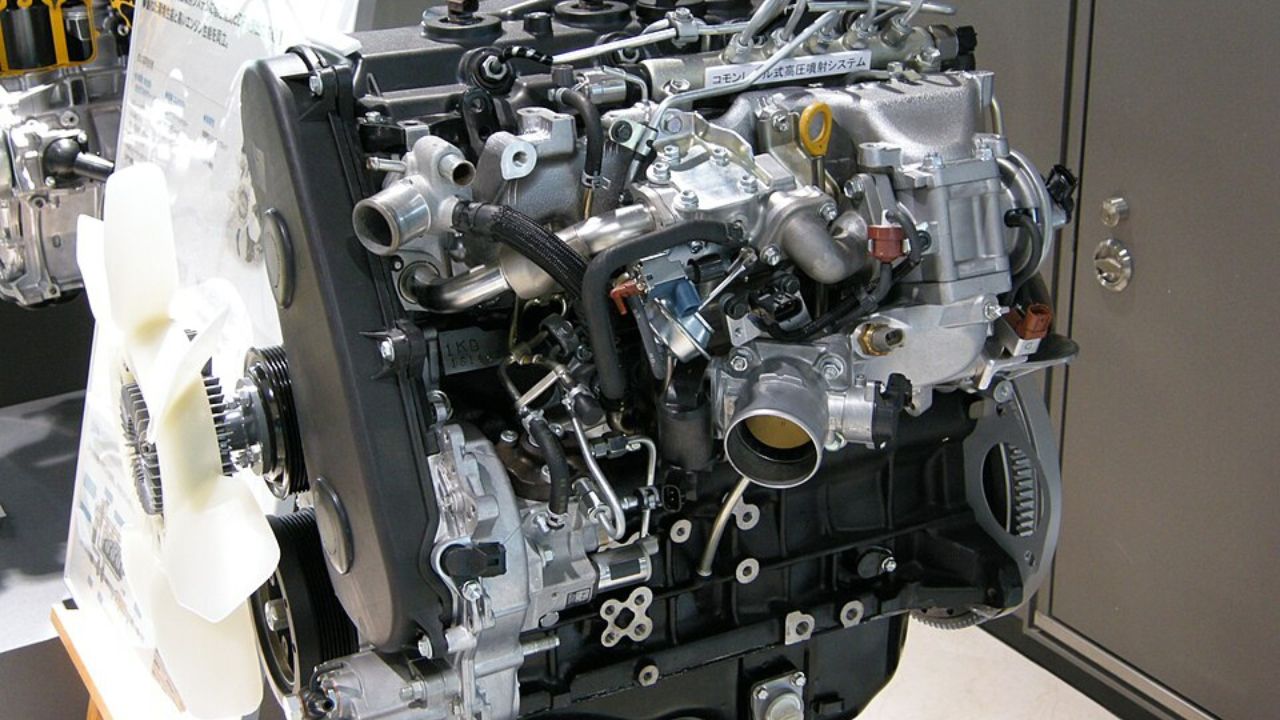
The Toyota 1KD-FTV became a widely used common-rail diesel in Toyota SUVs, pickups, and commercial vehicles. Its 3.0-liter displacement provided a useful balance of torque and fuel economy, making it popular in markets where vehicles routinely face heavy workloads. Later versions incorporated increasingly sophisticated emissions and fuel-management technology, but the basic engine became known for substantial mileage potential when properly serviced. Its reputation is particularly strong among owners who use Toyota pickups and utility vehicles for demanding daily transportation and long-distance travel.
Toyota 1HD-T
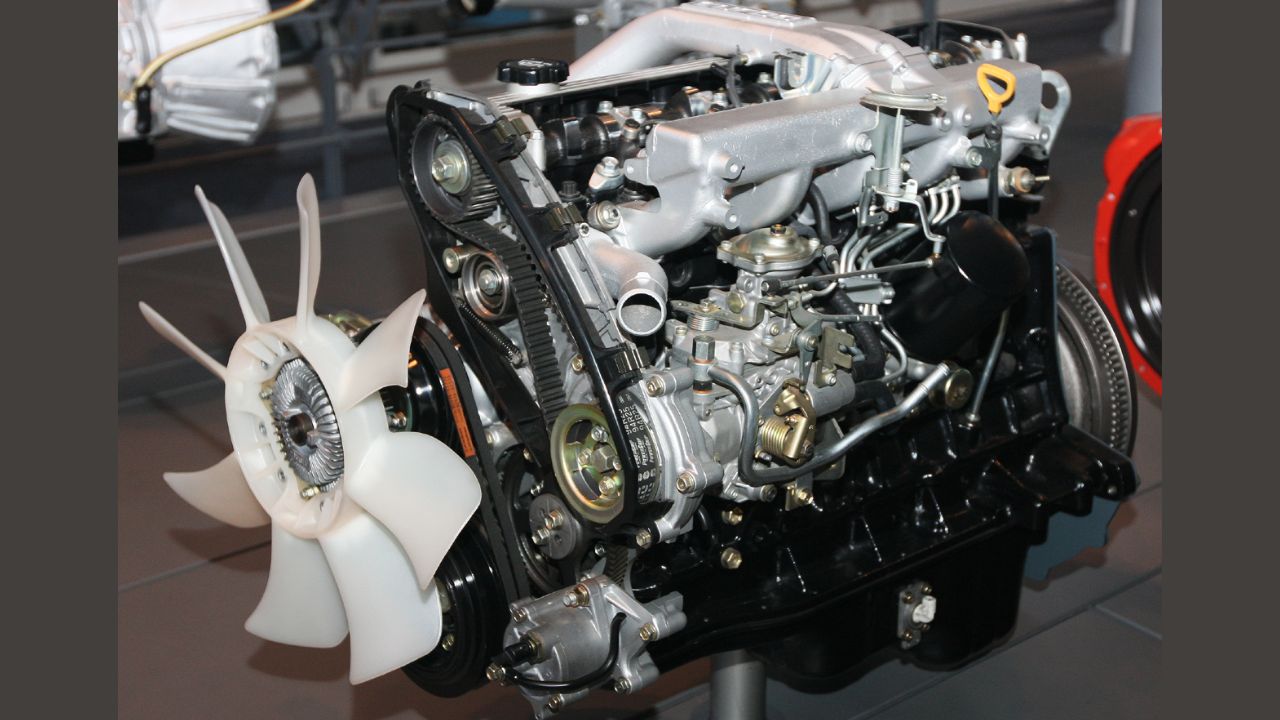
The Toyota 1HD-T is a 4.2-liter turbocharged diesel from Toyota’s highly respected heavy-duty diesel family. Designed for Land Cruiser applications, it combined strong construction with useful torque for demanding conditions. Unlike many high-output modern diesels, it was relatively straightforward mechanically. Properly serviced examples have demonstrated impressive longevity, particularly in regions where Land Cruisers are used for long-distance travel, towing, and difficult terrain.
Isuzu 4JJ1
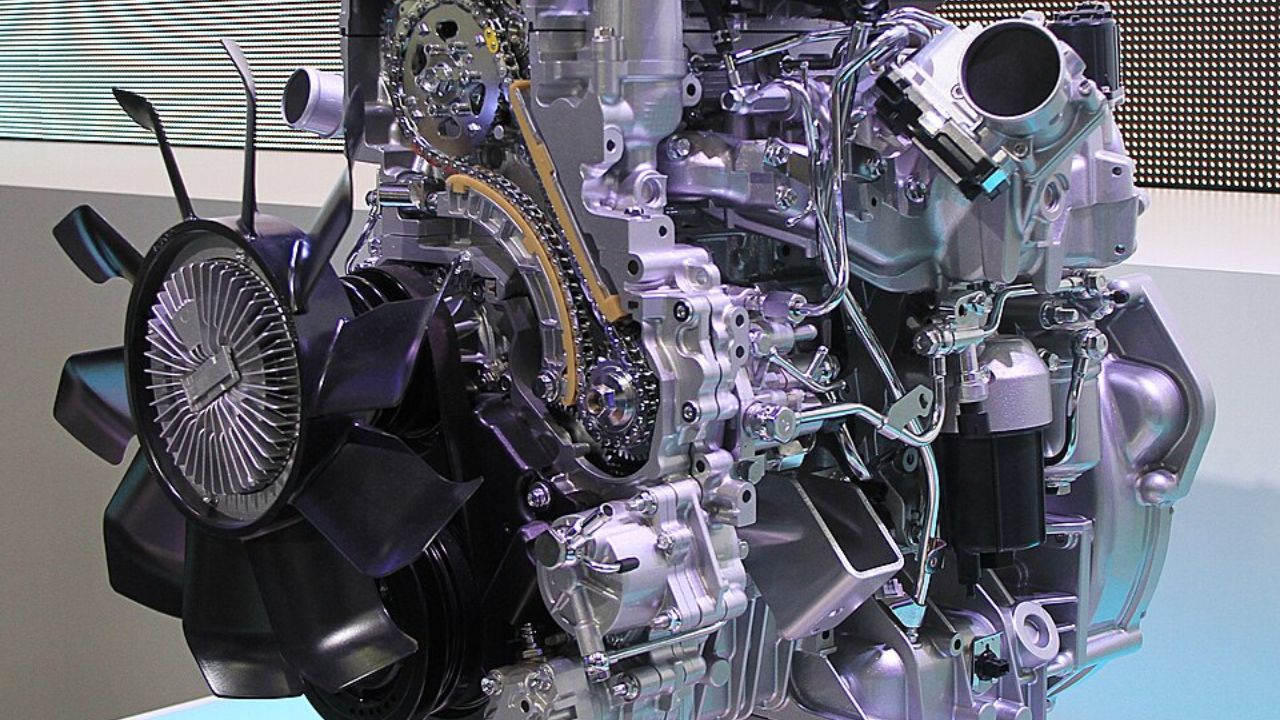
The Isuzu 4JJ1 became well known for durability in pickup trucks and commercial applications. Its 3.0-liter turbo-diesel design emphasizes torque, efficiency, and long-term usability rather than extreme performance. Isuzu’s experience building commercial diesel engines influenced the engine’s overall approach to durability. It has been used in demanding environments where vehicles regularly carry loads, travel long distances, or operate on poor roads. With appropriate maintenance, the 4JJ1 can accumulate substantial mileage, helping explain its strong reputation among owners of Isuzu utility vehicles.
Toyota 1GR-FE
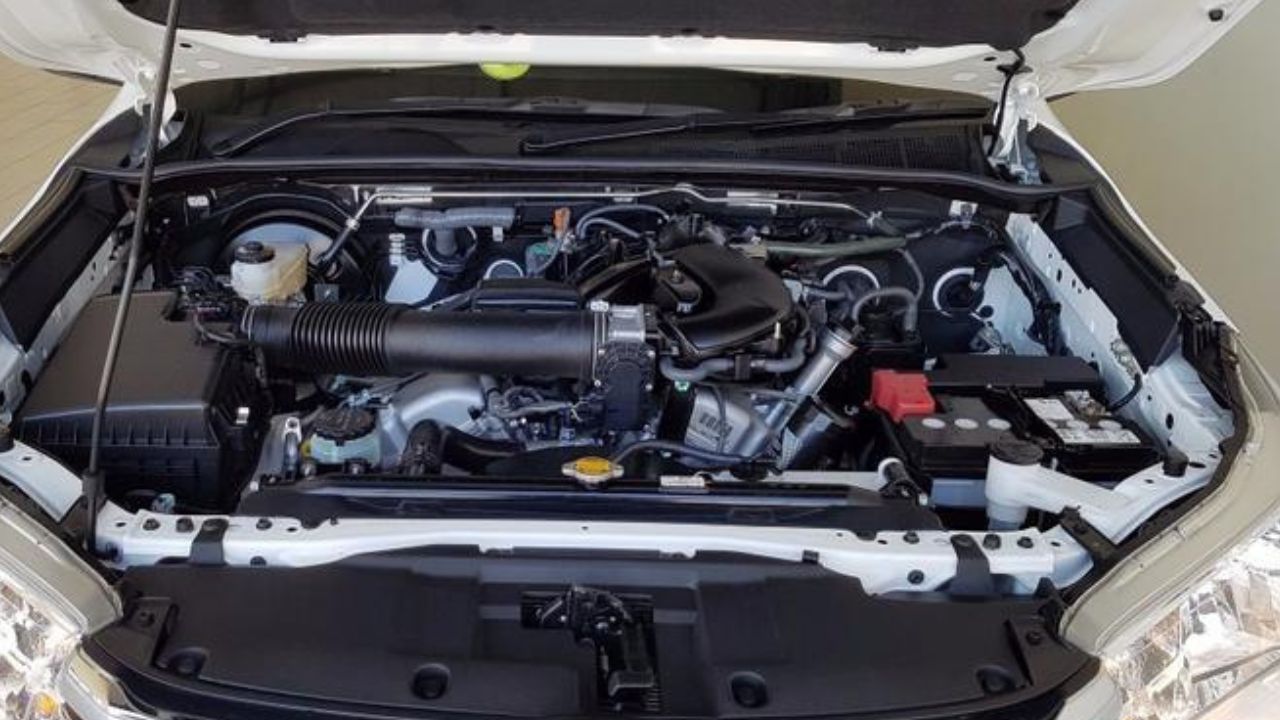
The Toyota 1GR-FE is a 4.0-liter V6 that became widely used in pickups, SUVs, and off-road vehicles. Its relatively simple naturally aspirated architecture in many applications gives it a useful balance of performance and durability. The engine became particularly common in the Tacoma and 4Runner, where it was expected to handle towing, rough terrain, and everyday driving. Cooling-system maintenance and regular servicing remain important, but the basic engine has proven capable of high mileage. Its broad use also makes replacement parts and technical knowledge easy to find.
Toyota 3S-GE
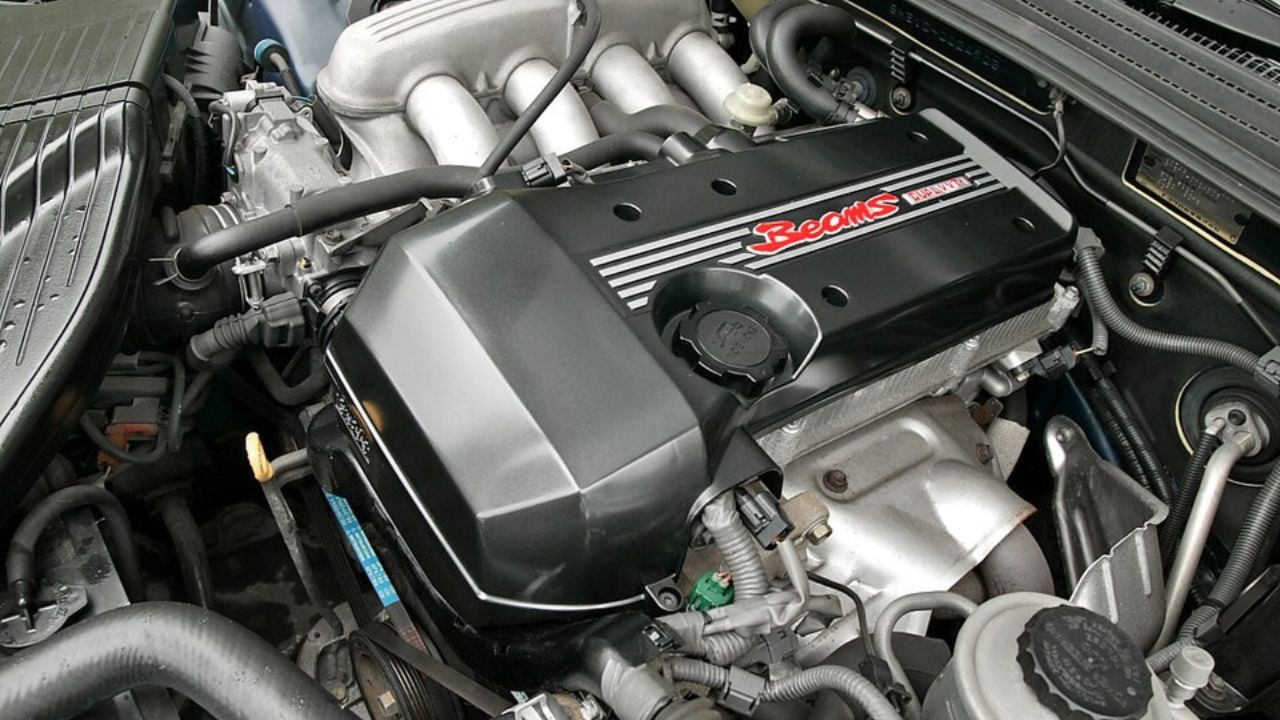
The Toyota 3S-GE became respected for combining naturally aspirated performance with a durable four-cylinder architecture. Developed from Toyota’s S-series family, it was used in performance-oriented cars and received multiple generations of improvements. Certain versions incorporated advanced cylinder heads and variable valve timing, while the basic engine remained compact and mechanically robust. Enthusiasts have used 3S-GE engines in demanding applications for decades. Its durability is particularly impressive because the engine was designed to operate at relatively high engine speeds rather than simply producing low-rpm torque.
Honda B18C
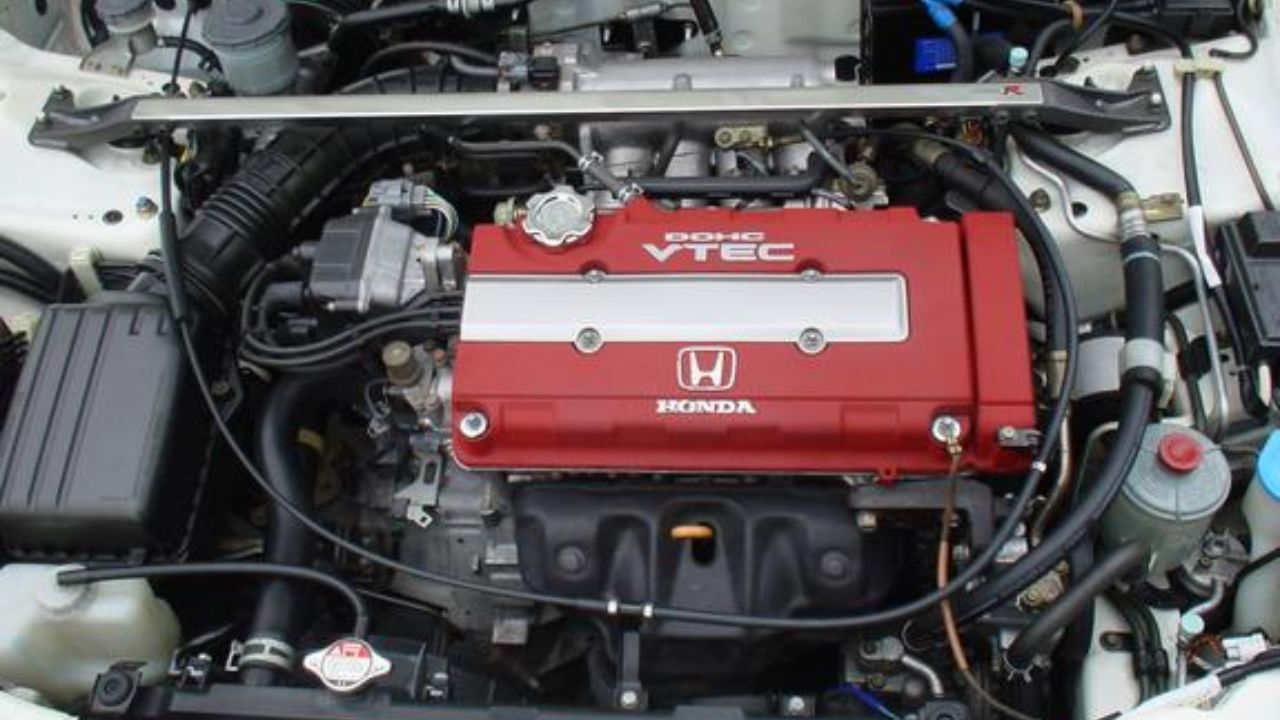
The Honda B18C became a favorite among enthusiasts because it combines strong naturally aspirated performance with an unusually durable four-cylinder design. High-performance versions used VTEC, high compression, and aggressive camshaft profiles, allowing impressive output from a small displacement. Despite its performance focus, the engine can remain dependable when maintained correctly. Its extensive use in the Integra Type R and other Honda performance applications helped establish a huge knowledge base around servicing and modification. Original B18C engines are now increasingly sought after as classic Japanese performance components.
Volkswagen 1.9 TDI
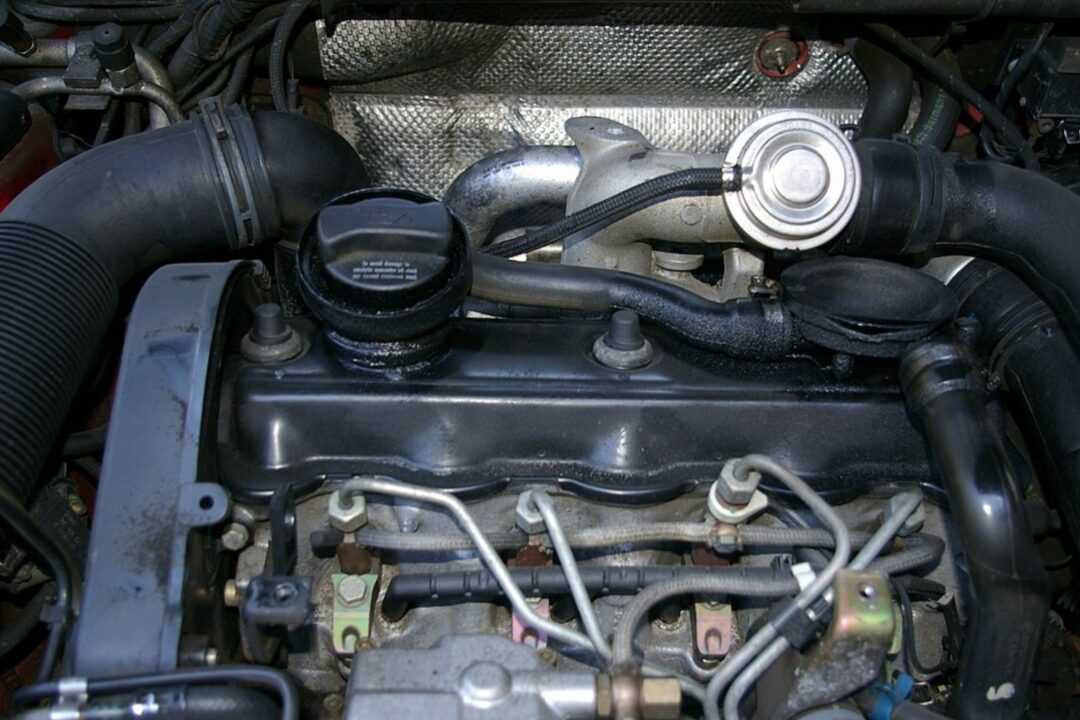
The Volkswagen 1.9 TDI became one of Europe’s most recognizable durable diesel engines. Different versions used varying injection systems and turbochargers, but the basic engine family developed a reputation for impressive fuel economy and high mileage. Many examples were used in cars that accumulated substantial distances as commuter or fleet vehicles. Simpler versions are particularly respected because they combine mechanical durability with relatively straightforward maintenance. Their popularity across Europe also created an enormous supply of replacement parts and technical knowledge, helping keep aging examples on the road.
Mitsubishi 4D56
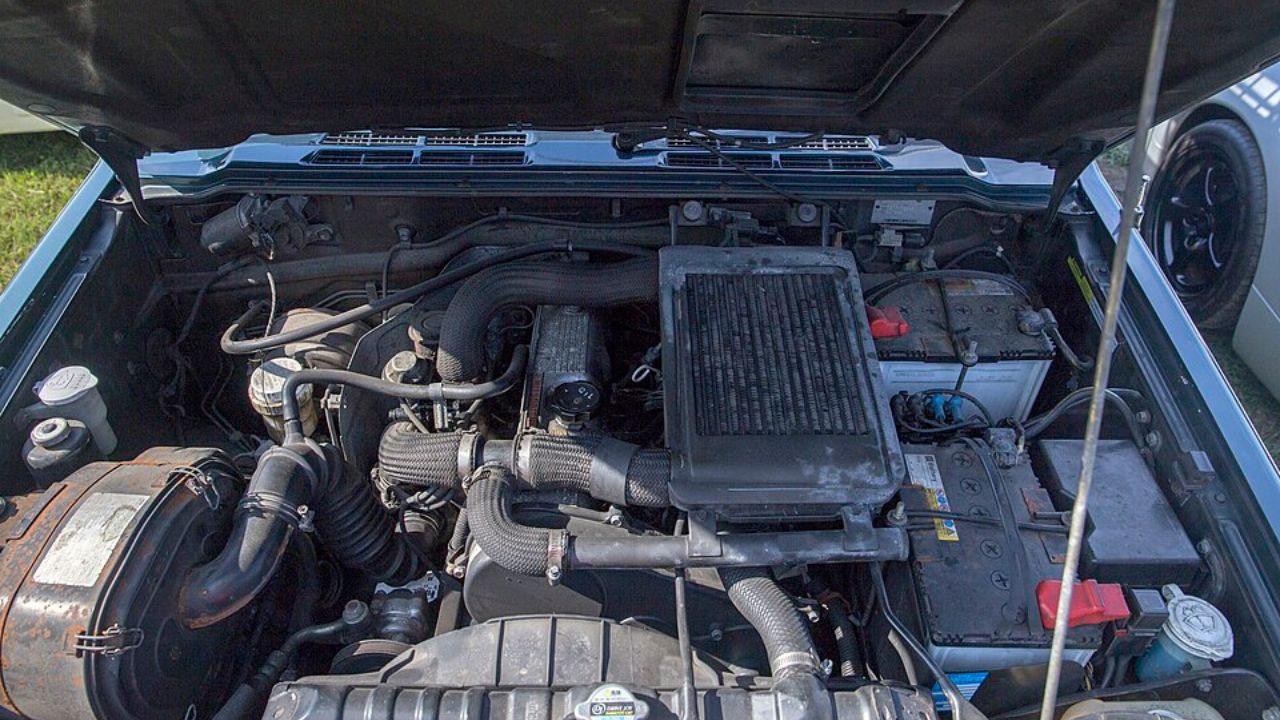
The Mitsubishi 4D56 became a familiar diesel engine in pickups, SUVs, and commercial vehicles across many markets. Its relatively simple four-cylinder layout and broad availability made it useful for vehicles expected to operate in difficult conditions. Different generations received turbocharging, intercooling, and improved fuel systems, but the engine remained popular because it was easy to recognize and widely supported. Maintenance is still critical, particularly for cooling and timing components. When properly serviced, the 4D56 can provide years of dependable work in demanding environments.
Nissan RB25DET
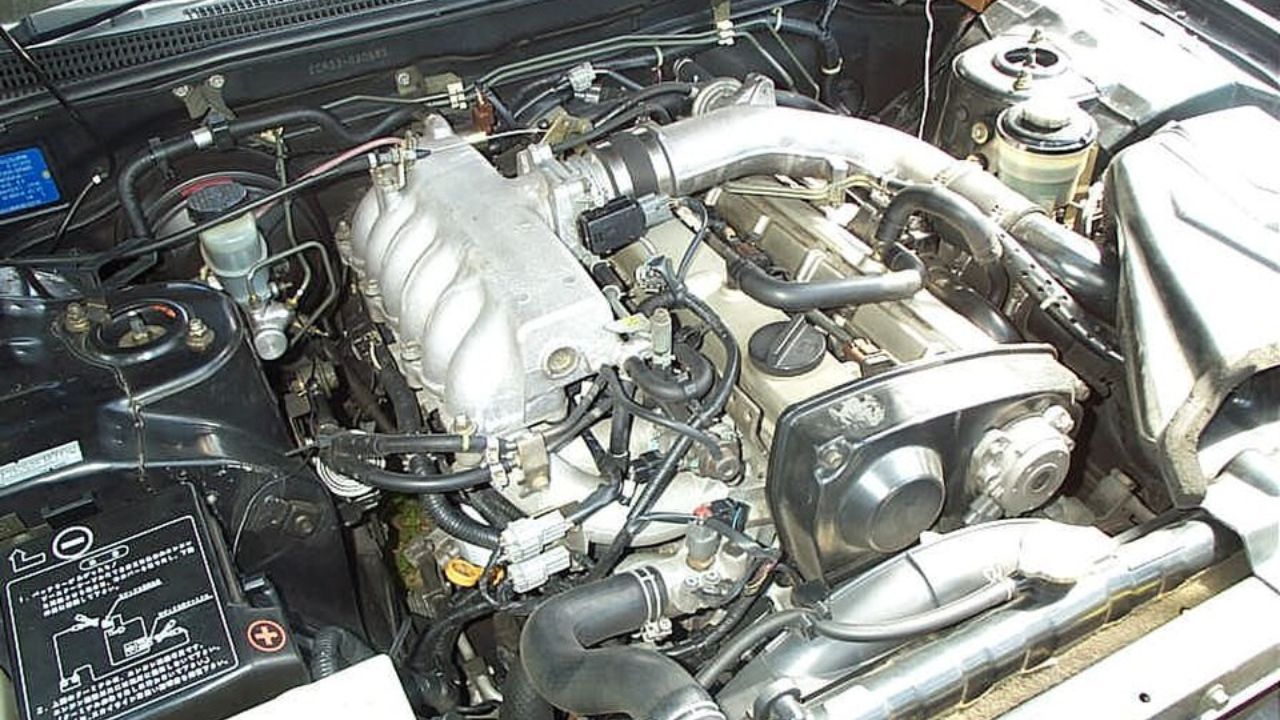
The Nissan RB25DET became famous as a turbocharged inline-six used in performance-oriented Skyline models and related applications. Although enthusiasts often focus on its tuning potential, the engine also earned respect for its robust basic construction. Its iron block and strong inline-six architecture provide a durable foundation for performance modifications when supporting systems are properly upgraded. Regular oil, cooling, and turbo maintenance are important, especially on modified examples. Well-kept engines can deliver both strong performance and impressive longevity, helping maintain the RB family’s legendary status.
Toyota 3UZ-FE
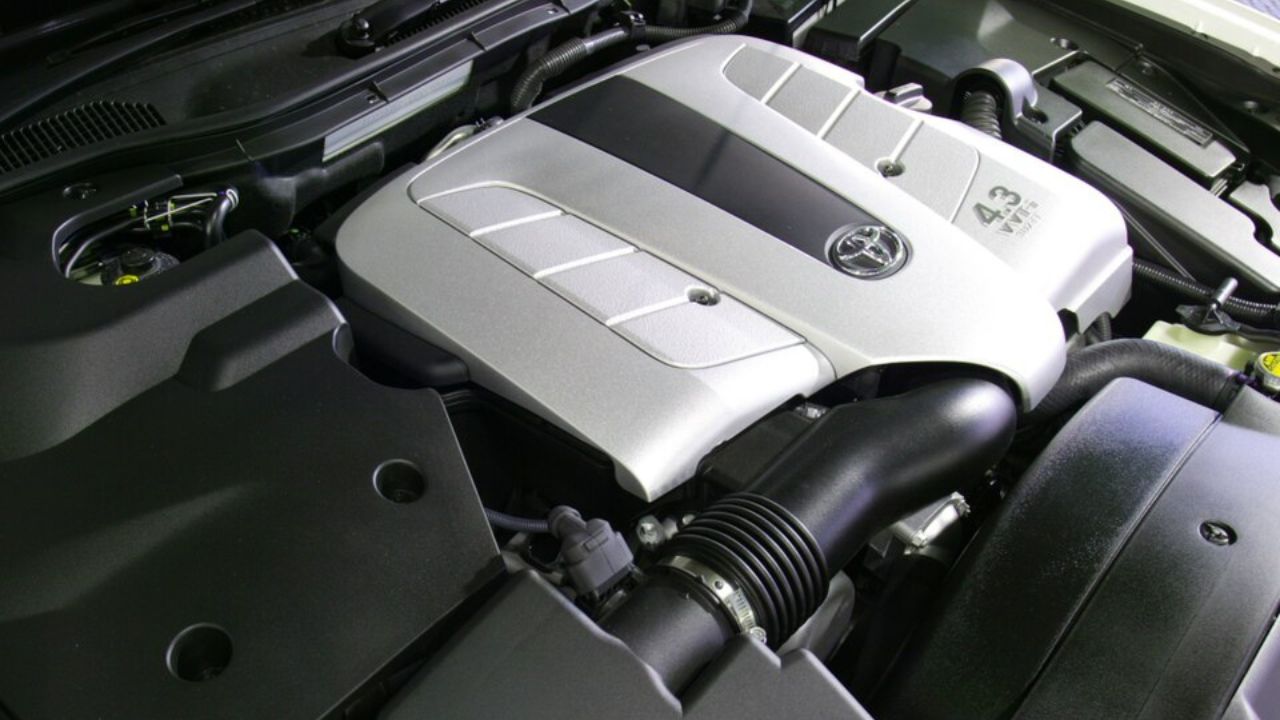
The Toyota 3UZ-FE was a later development of Toyota’s UZ V8 family, increasing displacement while retaining the architecture’s emphasis on smoothness and durability. Used primarily in Lexus models and other Toyota luxury applications, it delivered refined power rather than aggressive sports-car performance. Its aluminum construction and sophisticated engine management did not prevent it from developing a strong durability reputation. Proper timing-belt replacement and cooling-system care remain essential. For enthusiasts seeking a durable V8 with modern refinement, the 3UZ remains an attractive engine.
Cummins 6.7
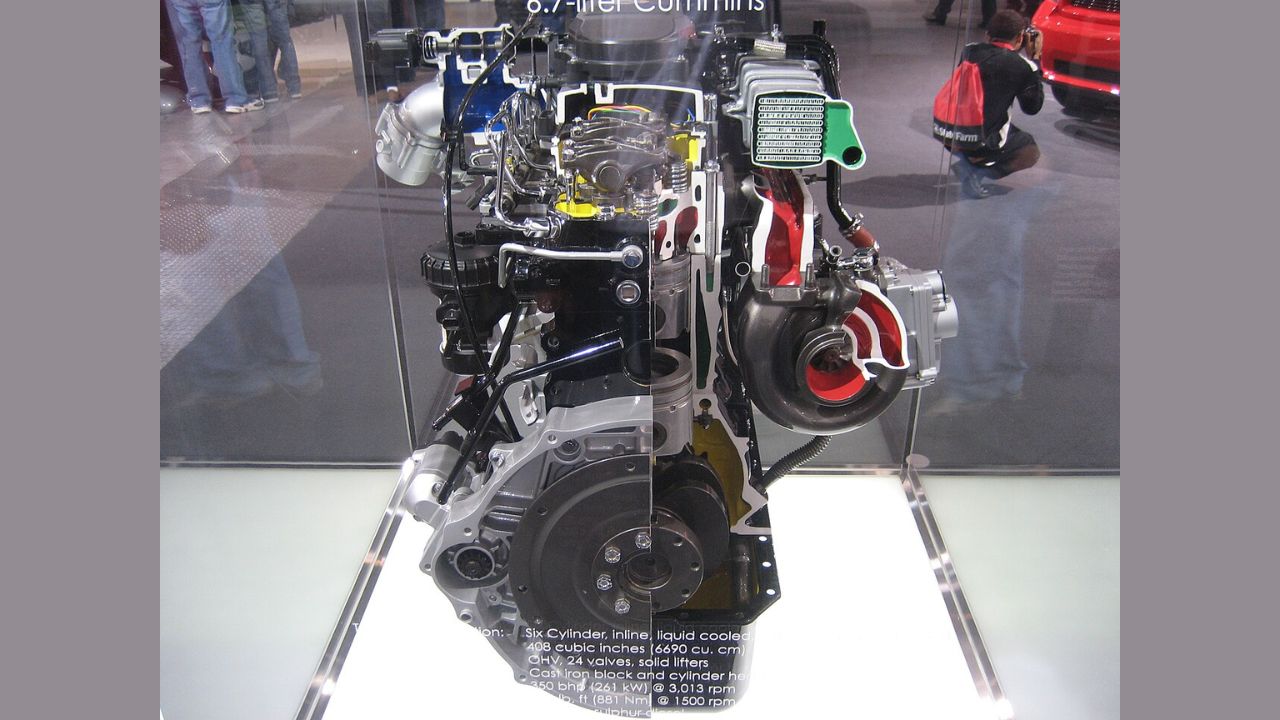
The modern Cummins 6.7-liter turbo-diesel became a major force in heavy-duty pickup trucks because of its enormous torque and work-oriented design. Compared with older mechanical diesels, it uses significantly more electronics and emissions equipment, but the underlying engine is still designed around heavy-duty operation. Proper maintenance is especially important because modern diesel systems are more complex. When serviced correctly, the 6.7 can handle towing, hauling, and high-mileage use for years. Its combination of torque and heavy-duty engineering keeps it popular among truck owners.
More from Fast Lane Only
- Unboxing the WWII Jeep in a Crate
- 15 rare Chevys collectors are quietly buying
- 10 underrated V8s still worth hunting down
- Police notice this before you even roll window down
*Research for this article included AI assistance, with all final content reviewed by human editors.