The chrome era produced some of America’s most recognizable vehicles, blending generous proportions, powerful engines, elaborate trim, and dramatic styling. Many were built for comfort and visual impact rather than efficiency. Decades later, certain models remain instantly recognizable, attracting collectors and enthusiasts who appreciate the bold character of postwar American automotive design.
1957 Chevrolet Bel Air
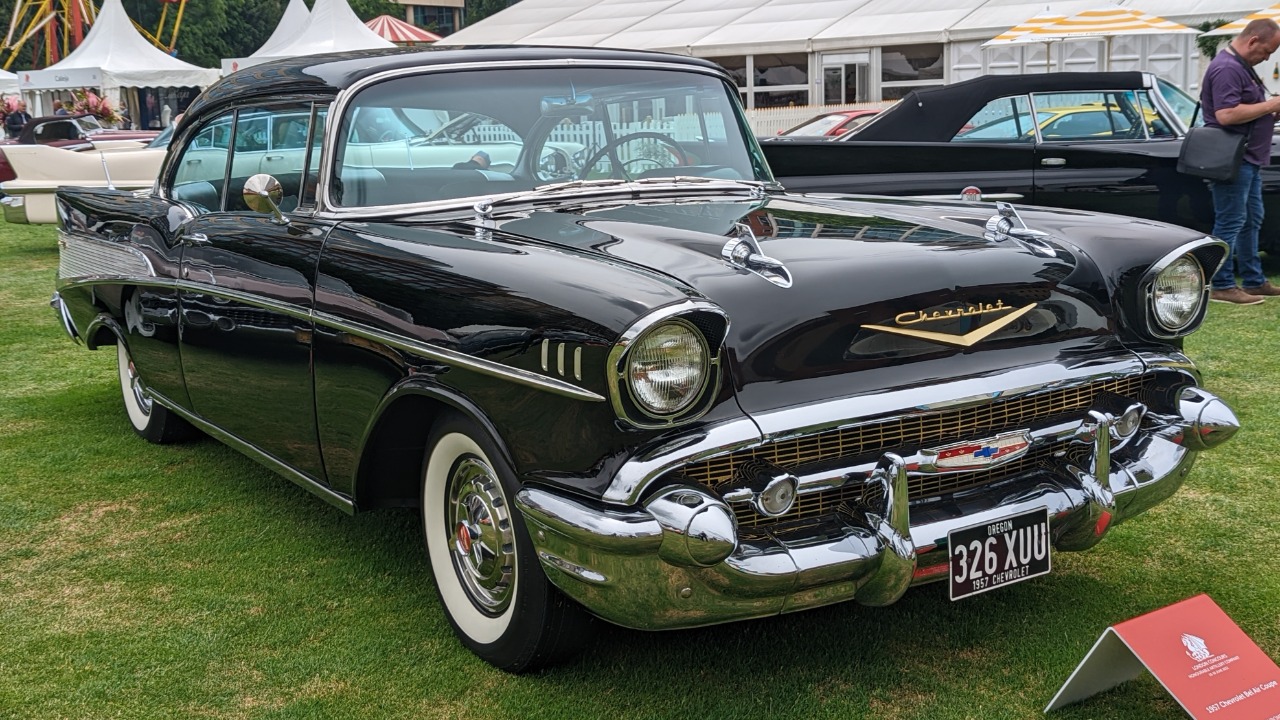
The 1957 Chevrolet Bel Air became one of the defining cars of the chrome era. Its prominent grille, sweeping rear fins, extensive brightwork, and distinctive tail-light design gave it an unmistakable appearance. Chevrolet offered several body styles and V8 options, allowing the Bel Air to appeal to both everyday buyers and performance enthusiasts. Today, the 1957 model remains one of the most recognizable American classics. Its styling captures the optimism of the late 1950s, when manufacturers competed heavily to create increasingly dramatic and memorable automobiles.
1959 Cadillac Eldorado
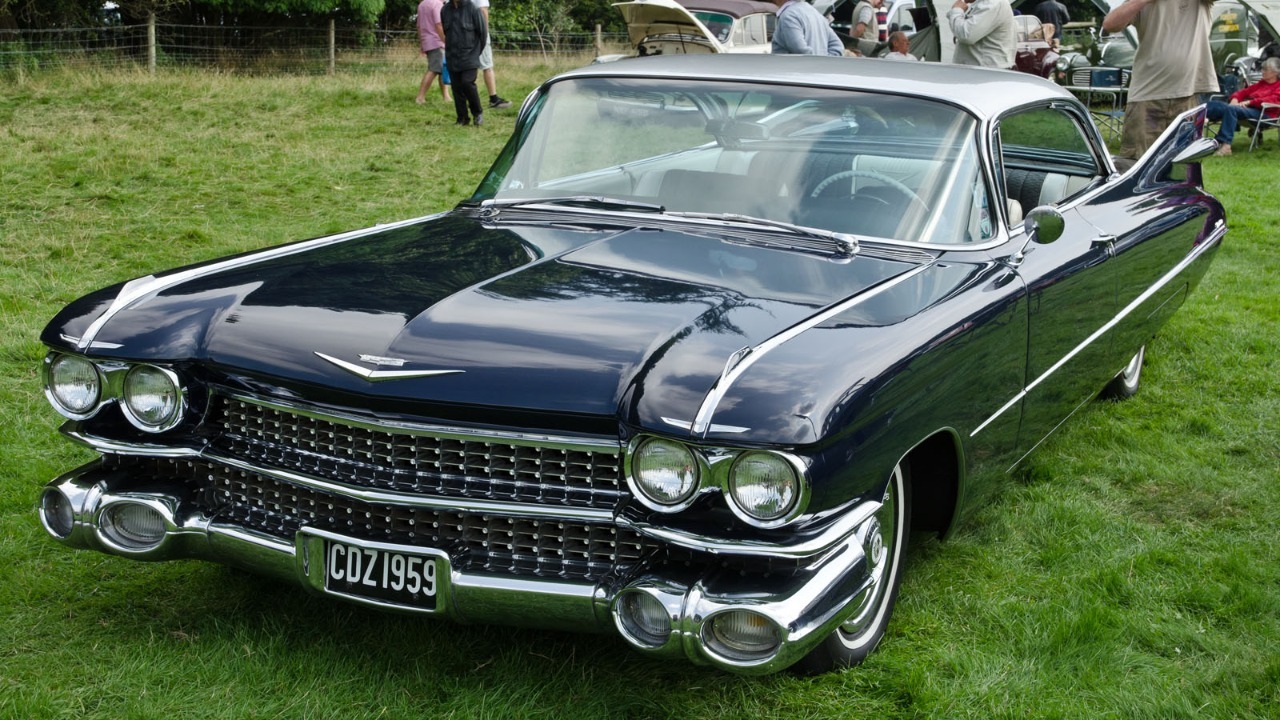
The 1959 Cadillac Eldorado represents the peak of American tail-fin styling. Its enormous rear fins, twin bullet-shaped taillights, expansive chrome trim, and wide body created one of the most dramatic designs of the period. Cadillac positioned the Eldorado as a premium luxury model, giving it a powerful V8 and a richly equipped interior. Although its styling was controversial even when new, the car became an enduring symbol of late-1950s American design. Surviving examples continue to attract attention because few production cars ever reached such extravagant proportions.
1956 Ford Thunderbird
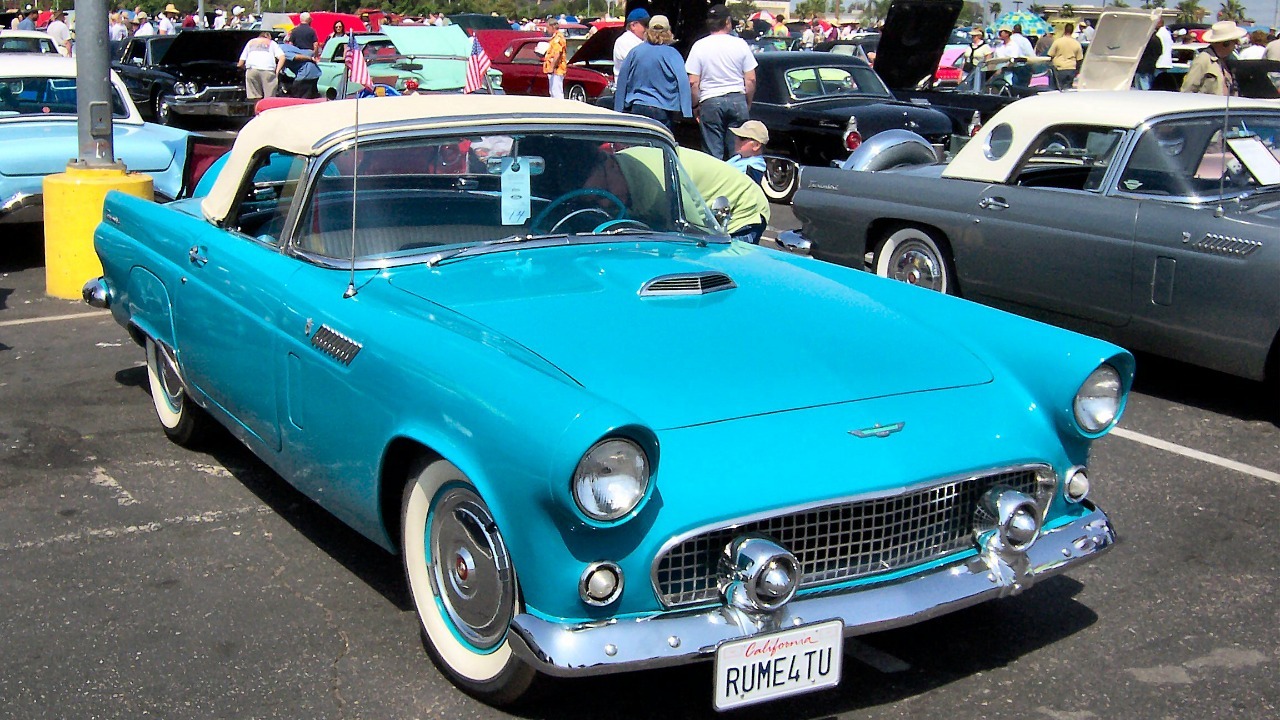
The 1956 Ford Thunderbird helped establish the personal-luxury sports-car category in America. Its rounded body, removable roof options, continental-style spare-tire treatment, and extensive chrome details gave it a distinctive personality. The Thunderbird also offered V8 power, making it more than simply a stylish cruiser. Ford continued developing the model throughout the decade, but the 1956 version remains especially recognizable. Its combination of compact proportions, performance, and sophisticated styling captured the changing expectations of American buyers during the middle of the chrome era.
1958 Buick Limited
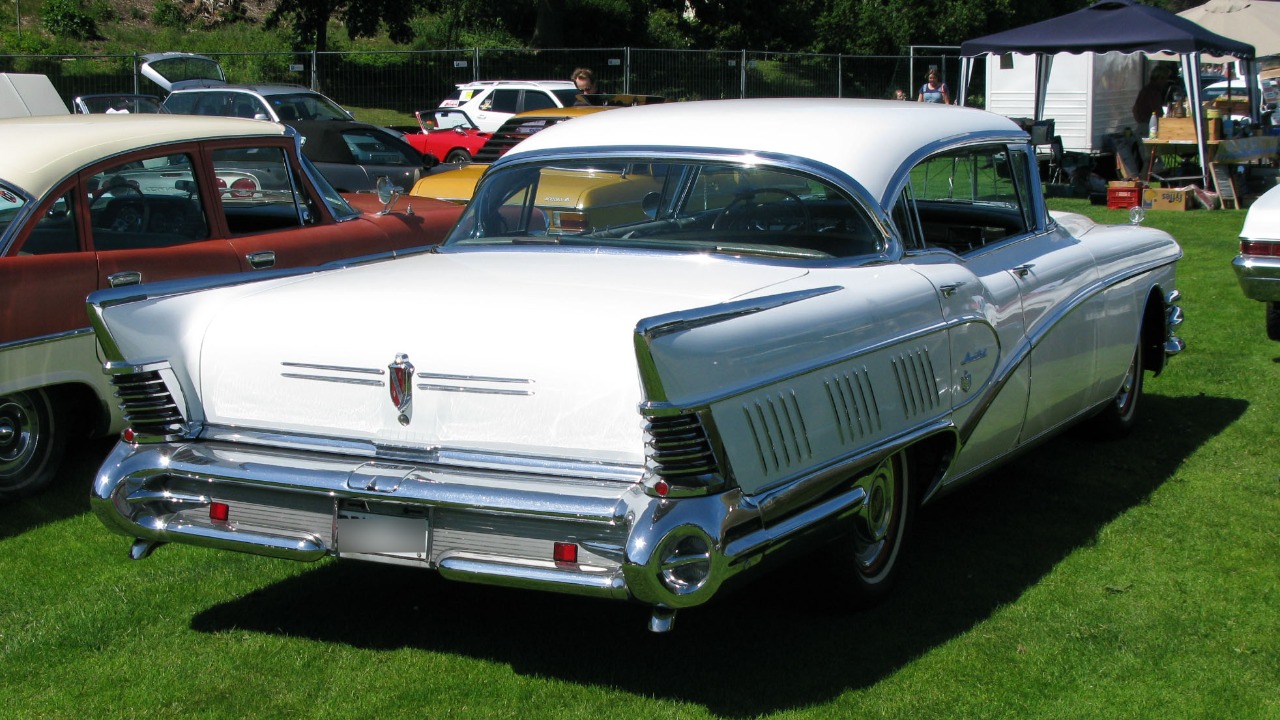
The 1958 Buick Limited represented Buick’s move toward increasingly elaborate styling and luxury. It featured large amounts of chrome, a broad grille, sculpted bodywork, and substantial dimensions that reflected the late-1950s American fascination with size. The Limited sat near the top of Buick’s range and offered a powerful V8 with a spacious interior. Its production numbers were relatively modest compared with more common Buick models. Today, surviving examples attract collectors who appreciate its extravagant styling and its place in the brief period when American automotive design reached extraordinary visual proportions.
1959 Chevrolet Impala
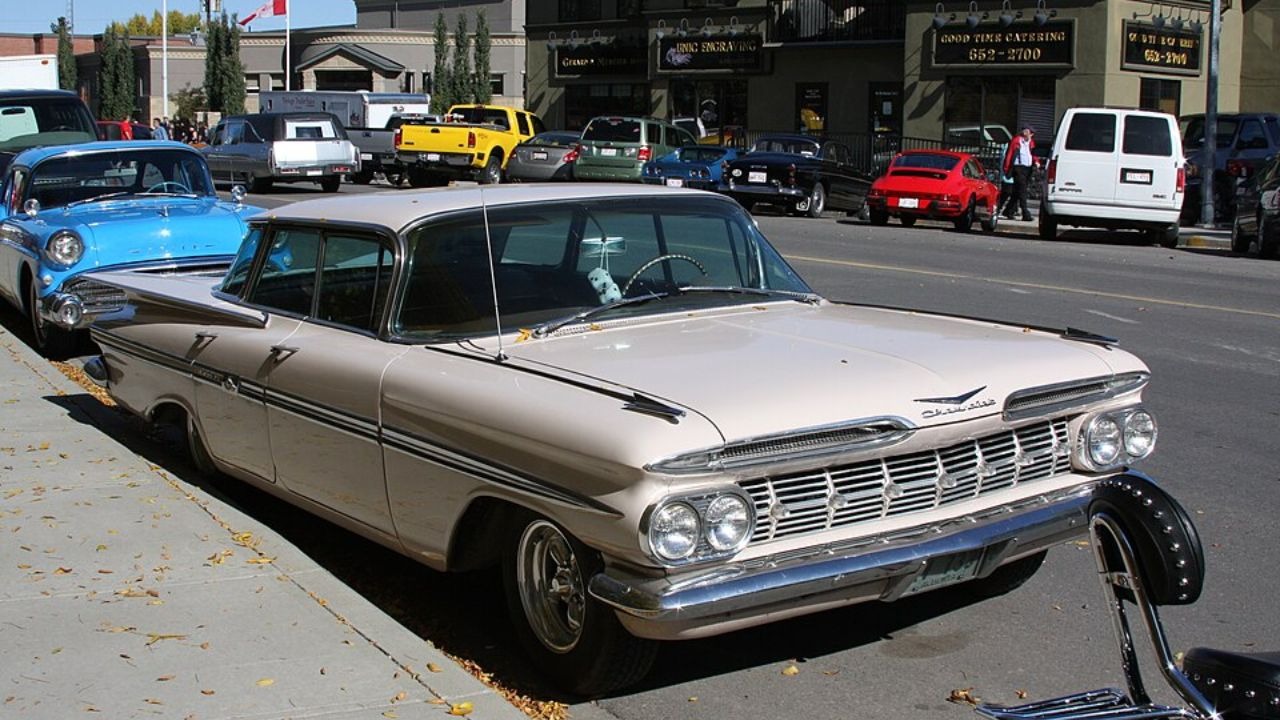
The 1959 Chevrolet Impala introduced one of the most distinctive body designs of the chrome era. Its wide, low proportions and unusual rear fins made it immediately different from the 1958 Chevrolet. The Impala was offered in several configurations and became an important part of Chevrolet’s full-size lineup. Its styling has remained recognizable because it represents the dramatic transition toward increasingly horizontal, wide-bodied American cars. Today, well-preserved examples remain popular with collectors who appreciate the model’s unusual proportions and its connection to late-1950s automotive design.
1958 Plymouth Fury
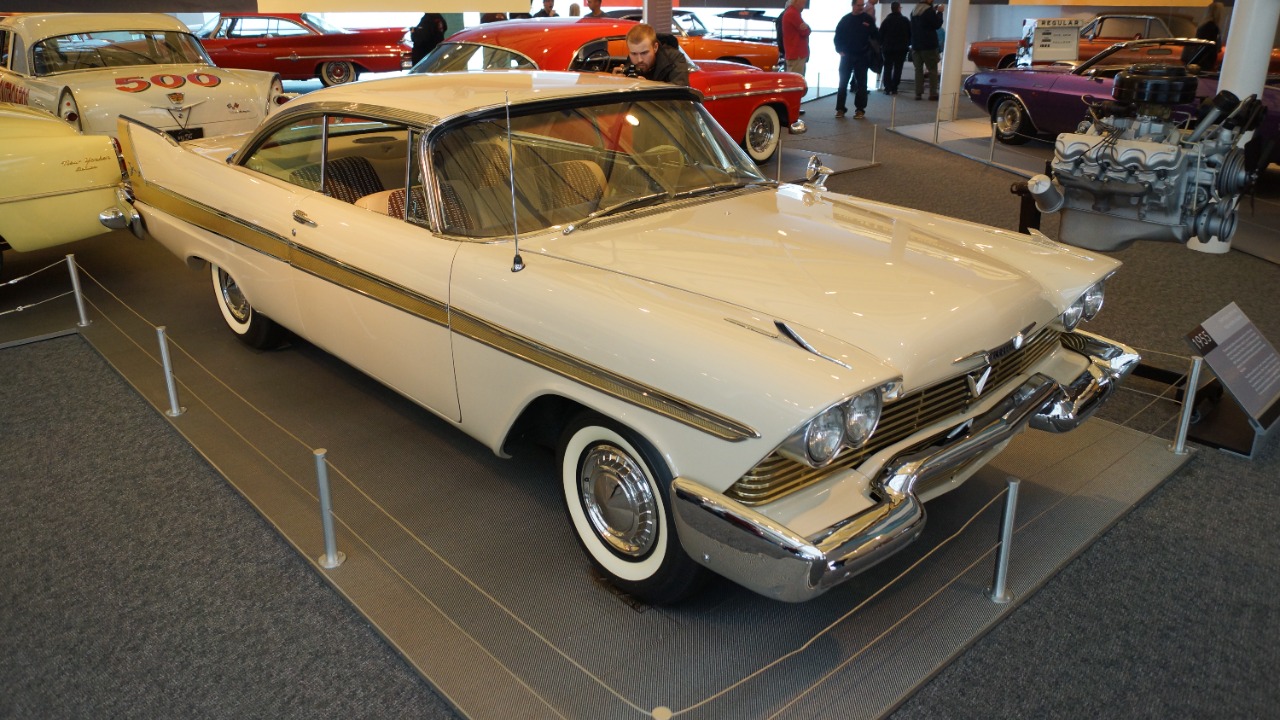
The 1958 Plymouth Fury combined performance and dramatic styling during one of the most visually extravagant years in American automotive history. Its prominent grille, chrome details, sculpted body, and rear fins gave it a strong presence. The Fury also gained cultural fame through its association with Stephen King’s Christine, although its real automotive significance comes from Plymouth’s performance and styling ambitions. V8 power made it more than a decorative cruiser. Today, the 1958 Fury remains an appealing classic for enthusiasts interested in both American performance history and chrome-era design.
1957 Pontiac Bonneville
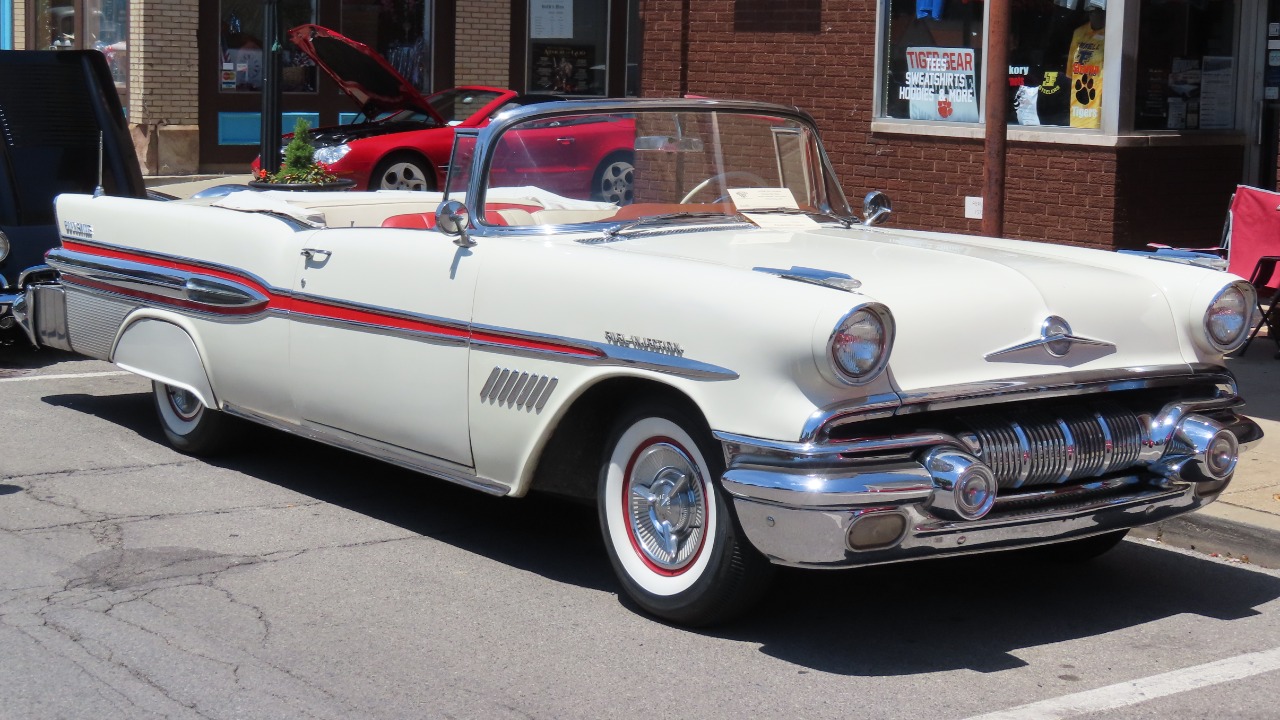
The 1957 Pontiac Bonneville represented Pontiac’s growing performance image during the late 1950s. It combined a powerful V8 with extensive chrome trim, distinctive body styling, and a more performance-oriented character than many full-size American cars. The Bonneville name would become important for Pontiac for decades, but its earliest versions are especially interesting because they appeared during the height of the chrome era. Surviving examples are valued for their styling and historical importance. The car demonstrates how Pontiac began developing a stronger performance identity before the muscle-car period arrived.
1957 Chrysler 300C
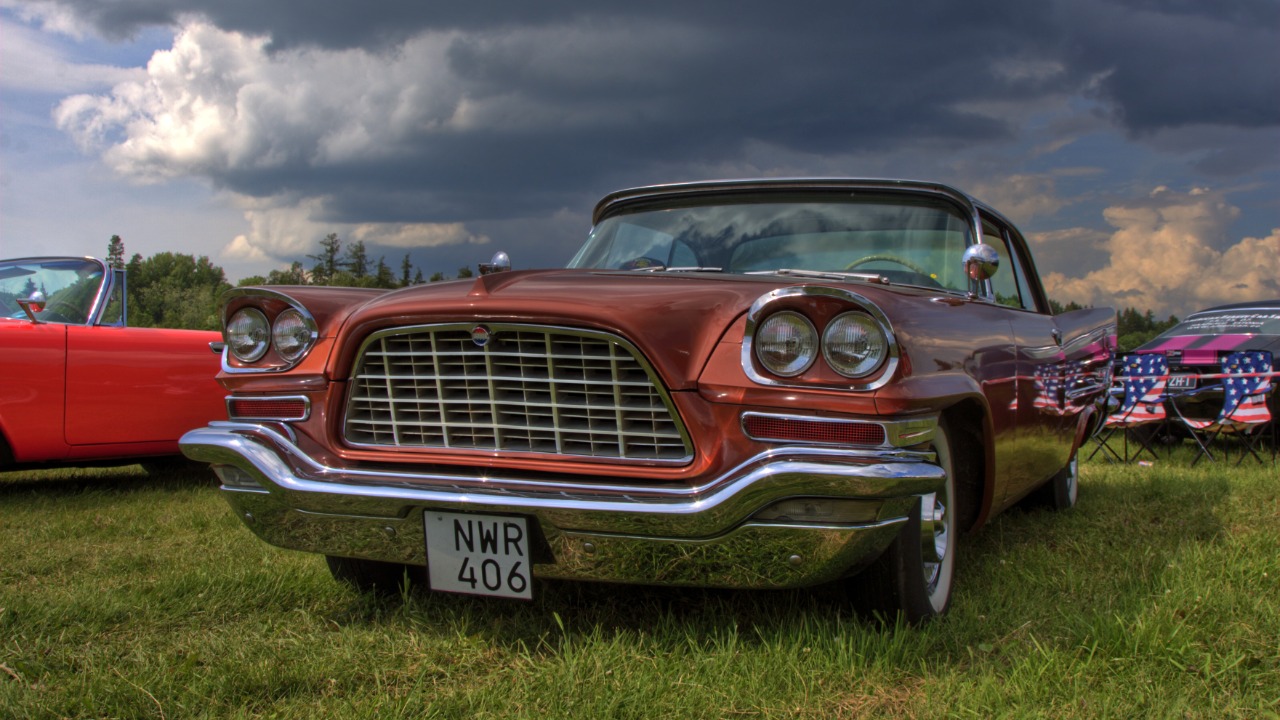
The Chrysler 300C combined dramatic styling with genuine performance. Its powerful Hemi V8 gave it the ability to back up its aggressive appearance, while extensive chrome and carefully shaped bodywork reflected Chrysler’s late-1950s design direction. The 300 series had already developed a performance reputation before the 300C arrived, and the C continued that tradition. Collectors appreciate the model because it represents an early American performance luxury car. Its combination of power, styling, and relatively limited production makes the 300C one of the more significant Chrysler products of the chrome era.
1955 Chevrolet Nomad
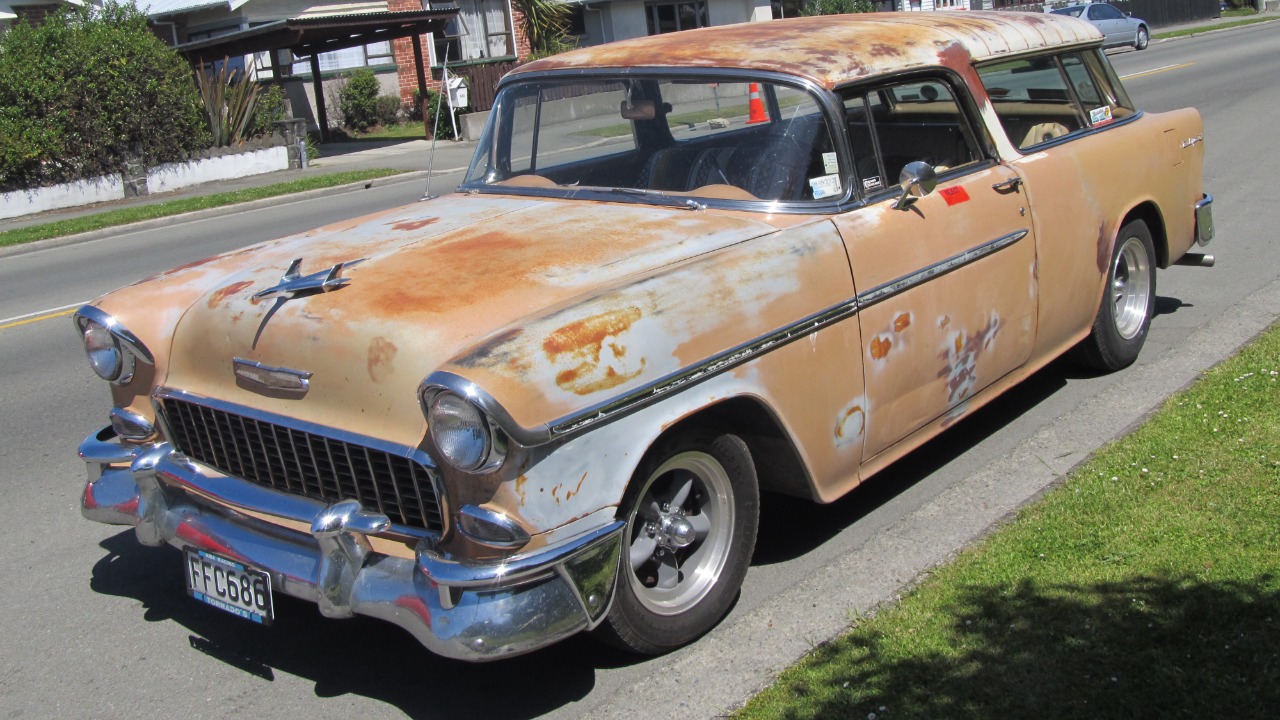
The 1955 Chevrolet Nomad gave the practical station wagon an unusually stylish appearance. Based on Chevrolet’s new-for-1955 design, it featured a distinctive two-door body, sweeping side trim, large areas of chrome, and a sporty roofline. The Nomad was closely related to Chevrolet’s passenger-car range but stood apart from ordinary wagons. Its combination of utility and dramatic styling made it unusual even when new. Today, surviving Nomads are highly recognizable examples of mid-1950s American design and remain popular among collectors who appreciate distinctive body styles.
1955 Ford Fairlane Crown Victoria
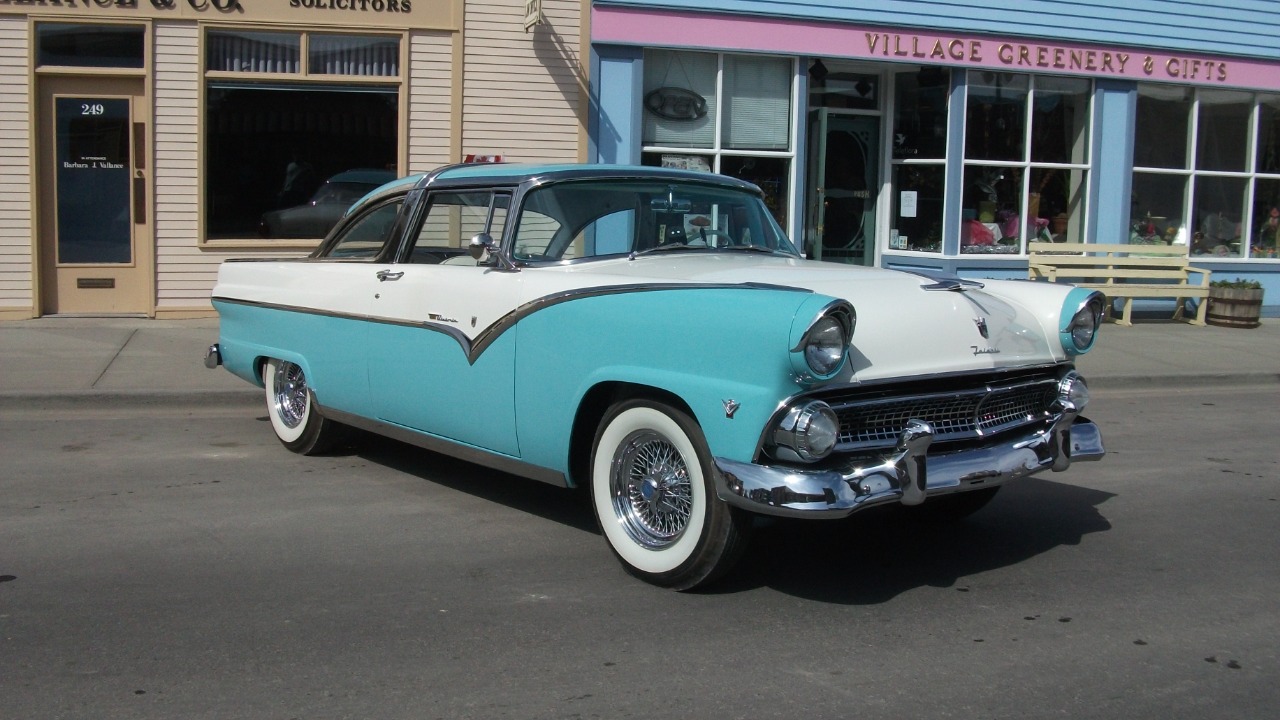
The 1955 Ford Fairlane Crown Victoria represented Ford’s answer to the increasingly extravagant styling competition of the mid-1950s. Its stainless-steel roof band, extensive chrome, wraparound glass, and sculpted body created a sophisticated appearance. The car was positioned above more ordinary Ford models and offered a V8 option for buyers seeking additional performance. The Crown Victoria name would later become associated with an entirely different Ford model, but this original version remains an important chrome-era classic. Its unusual roof treatment makes surviving examples especially easy to recognize.
1956 Lincoln Continental Mark II
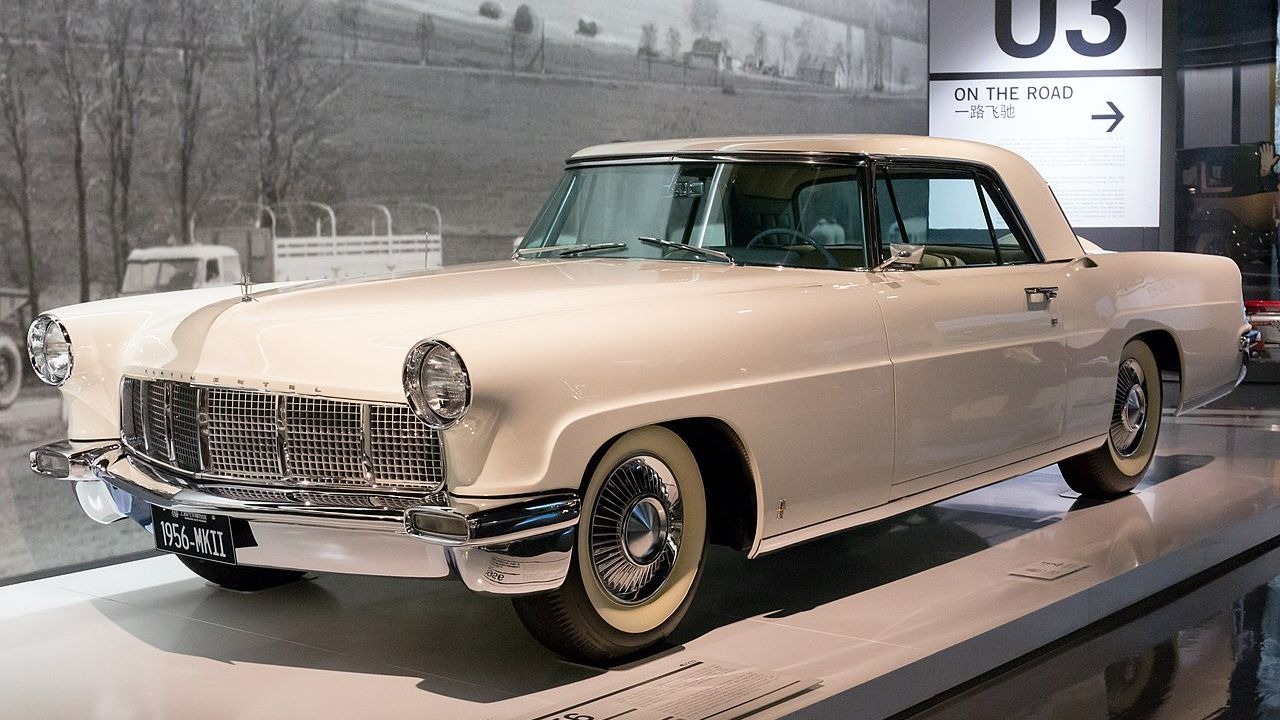
The 1956 Lincoln Continental Mark II took a more restrained approach to luxury than many other American cars of the decade. Instead of enormous fins, it emphasized clean lines, careful proportions, and high-quality materials. Its continental spare-tire styling became a defining feature, while the interior reflected Lincoln’s luxury ambitions. The Mark II was expensive and produced in limited numbers, making surviving examples particularly significant. Today, collectors appreciate it as an example of American luxury design that demonstrated elegance did not always require excessive ornamentation during the chrome era.
1957 DeSoto Adventurer
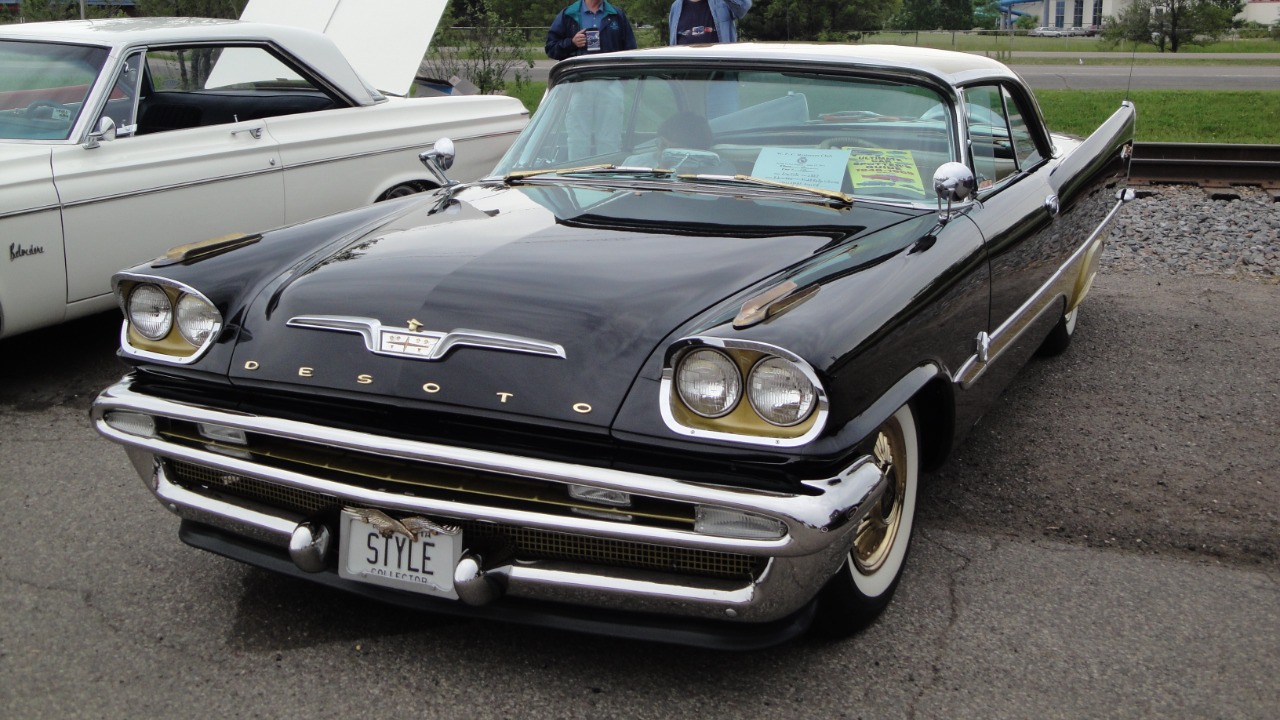
The 1957 DeSoto Adventurer reflected Chrysler’s interest in combining dramatic styling with performance. Its elaborate chrome grille, sweeping body lines, tail fins, and powerful V8 created a strong late-1950s presence. The Adventurer sat at the upper end of the DeSoto lineup and featured equipment designed to appeal to buyers seeking something more special than an ordinary full-size car. DeSoto itself disappeared after the 1960 model year, making surviving Adventurers particularly interesting. Their styling preserves a distinctive chapter of Chrysler Corporation history that is no longer represented by a modern brand.
1957 Mercury Turnpike Cruiser
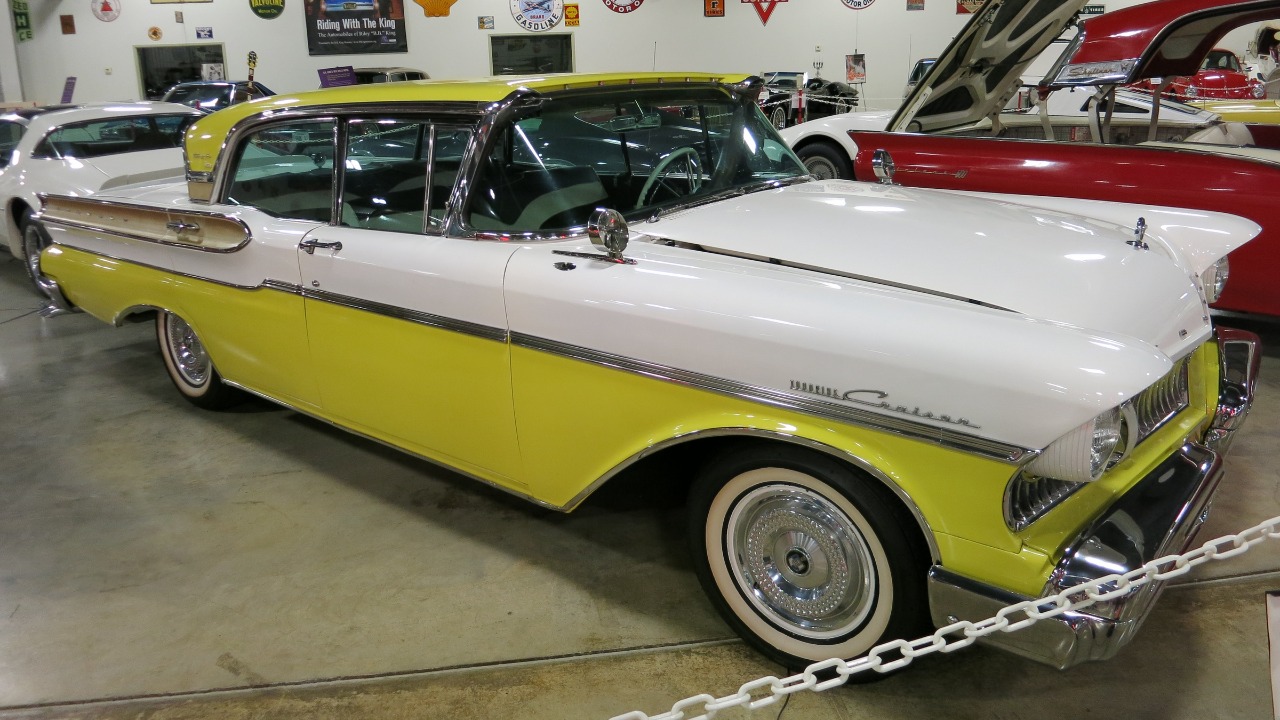
The Mercury Turnpike Cruiser was designed to look futuristic, incorporating unusual styling features such as rear-window treatments, large chrome elements, and prominent tail fins. Its name referenced the growing American fascination with long-distance highways and modern travel. The car’s complicated appearance was not universally appreciated when new, but that uniqueness has helped it become an interesting collector vehicle. Today, enthusiasts value the Turnpike Cruiser because it captures the experimental side of 1950s American automotive design. Few other Mercury models demonstrate the era’s fascination with futuristic styling quite as clearly.
1959 Pontiac Catalina
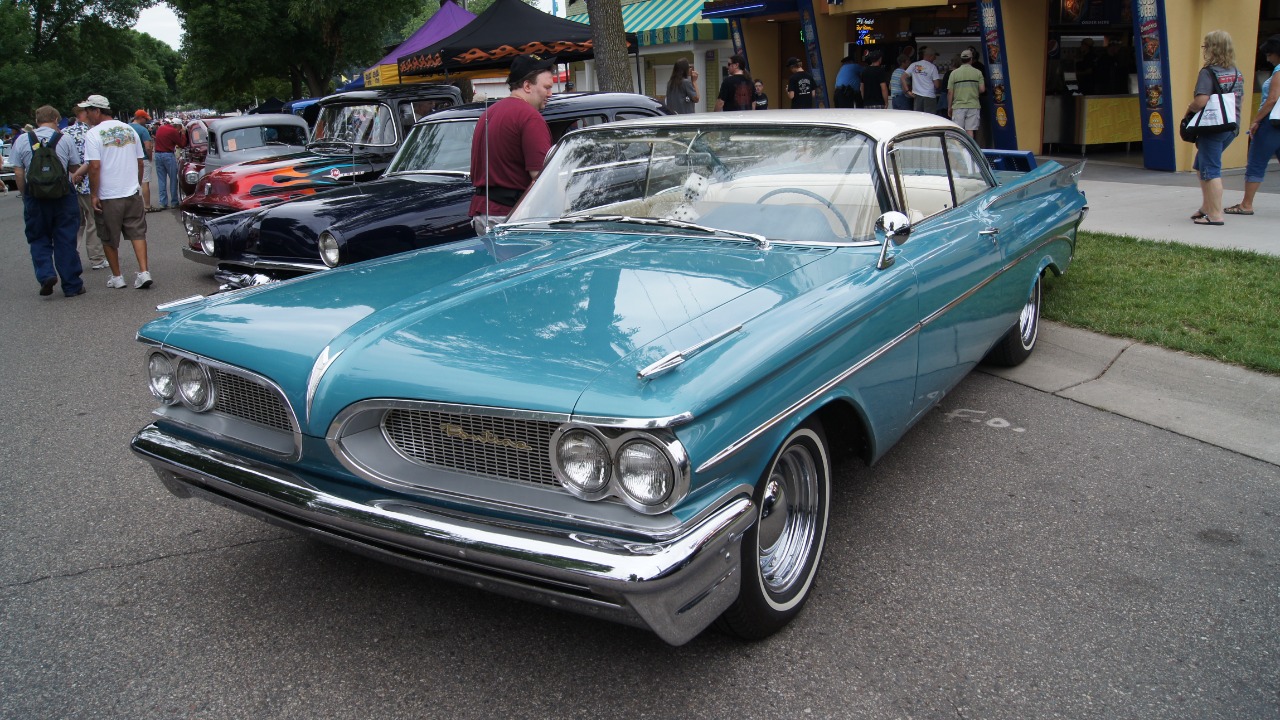
The 1959 Pontiac Catalina represented Pontiac’s dramatic redesign for the new model year. Its wide body, split grille, sweeping rear fins, and extensive chrome reflected the industry’s move toward broader and lower-looking cars. The Catalina offered a range of engines and body styles, making it a practical part of Pontiac’s full-size lineup. Its styling remains strongly associated with the late 1950s because of its unusual proportions and horizontal design. Collectors appreciate surviving examples as representations of Pontiac’s transition toward the performance-focused identity it would develop during the following decade.
1957 Oldsmobile Super 88
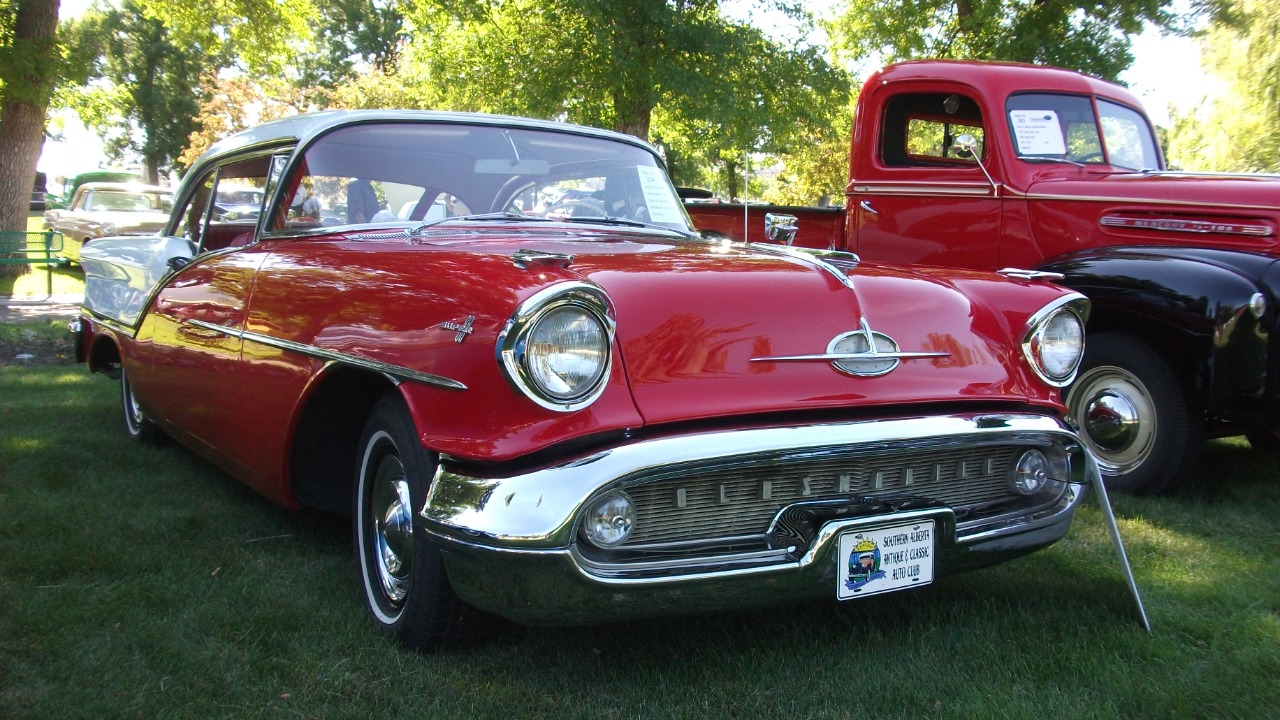
The 1957 Oldsmobile Super 88 combined strong V8 performance with the dramatic styling expected from a premium American car of its time. Its large grille, extensive chrome, sculpted body, and tail-fin treatment gave it a commanding appearance. The Super 88 occupied an important position within Oldsmobile’s lineup and benefited from the brand’s growing reputation for engineering and performance. Today, it remains an appealing chrome-era classic because it combines impressive period styling with mechanical significance. Well-preserved examples offer a clear look at Oldsmobile’s role in 1950s American automotive culture.
1958 Edsel Citation
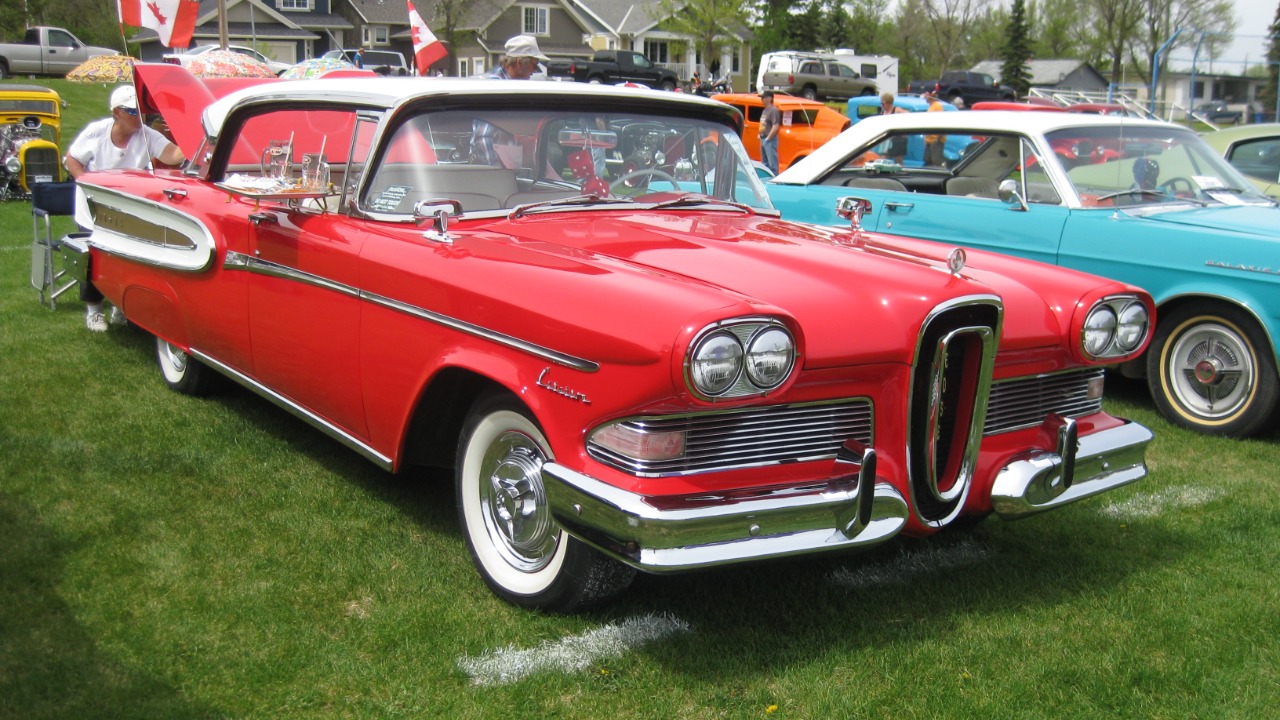
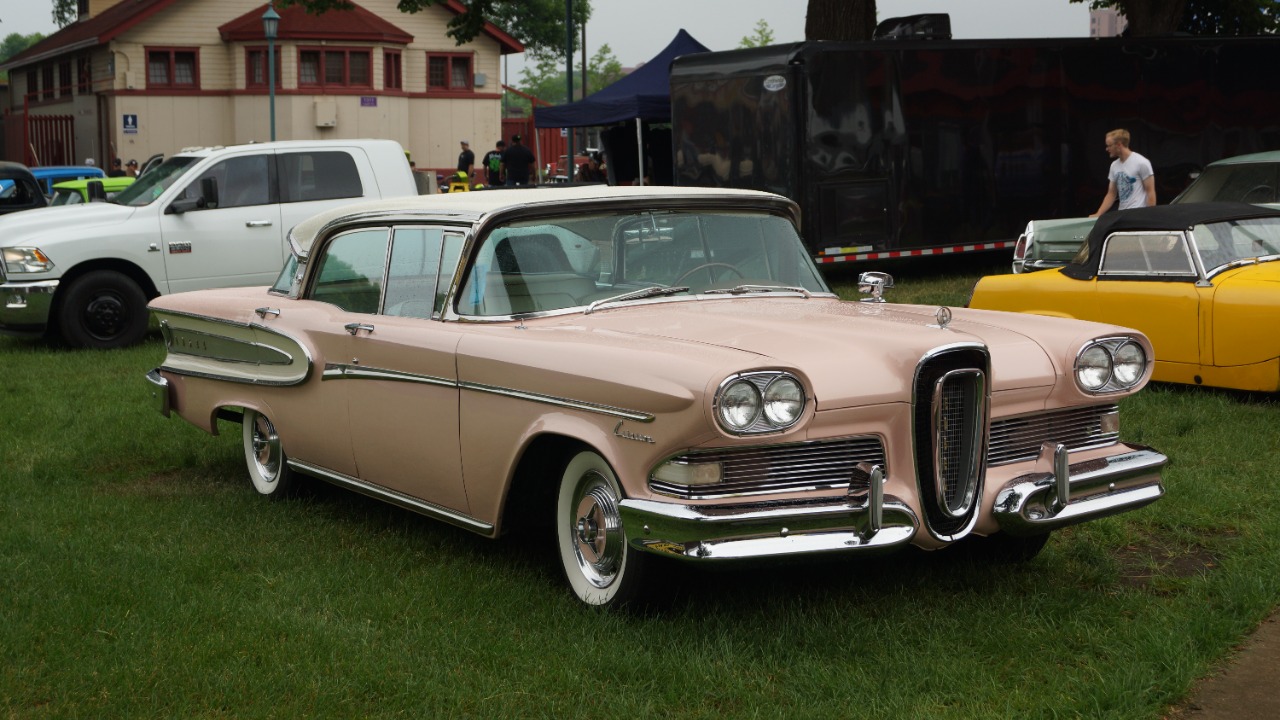
The 1958 Edsel Citation became one of the most recognizable examples of Ford’s ambitious attempt to create a new automotive division. Its unusual vertical grille, heavy chrome treatment, distinctive rear styling, and large body made it impossible to confuse with other Ford products. Although the Edsel brand disappeared quickly, surviving Citations have become historically important. Collectors value them because they document an unusual moment in American automotive history. The Citation’s styling also makes it an excellent representation of the chrome era’s willingness to experiment with bold and unconventional designs.
1956 Packard Caribbean
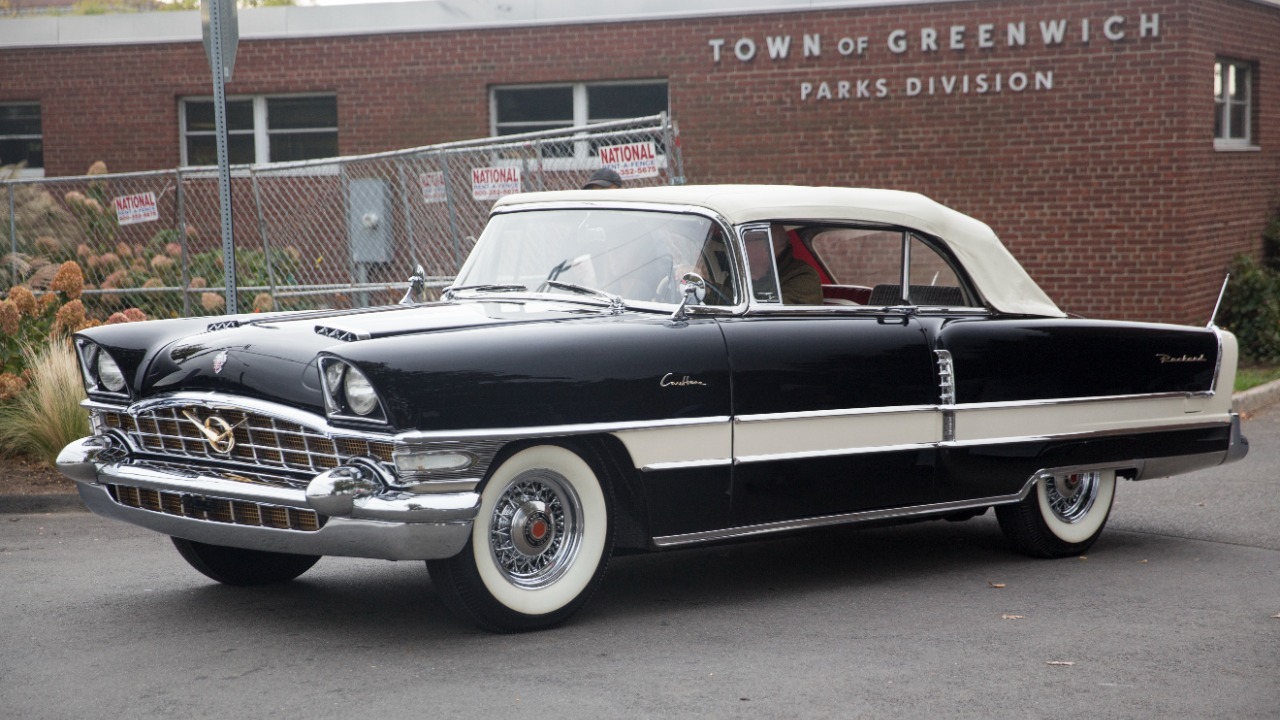
The Packard Caribbean represented the luxury side of the chrome era. Its extensive brightwork, distinctive two-tone color combinations, sculpted body, and powerful V8 gave it a strong presence among premium American automobiles. Packard had a long history before the 1950s, but the Caribbean reflected the company’s attempt to compete in a rapidly changing luxury market. Packard eventually disappeared as an independent American automobile manufacturer, increasing the historical importance of surviving examples. Enthusiasts appreciate the Caribbean for its styling, rarity, and connection to the final years of Packard’s independent identity.
1958 Cadillac Series 62
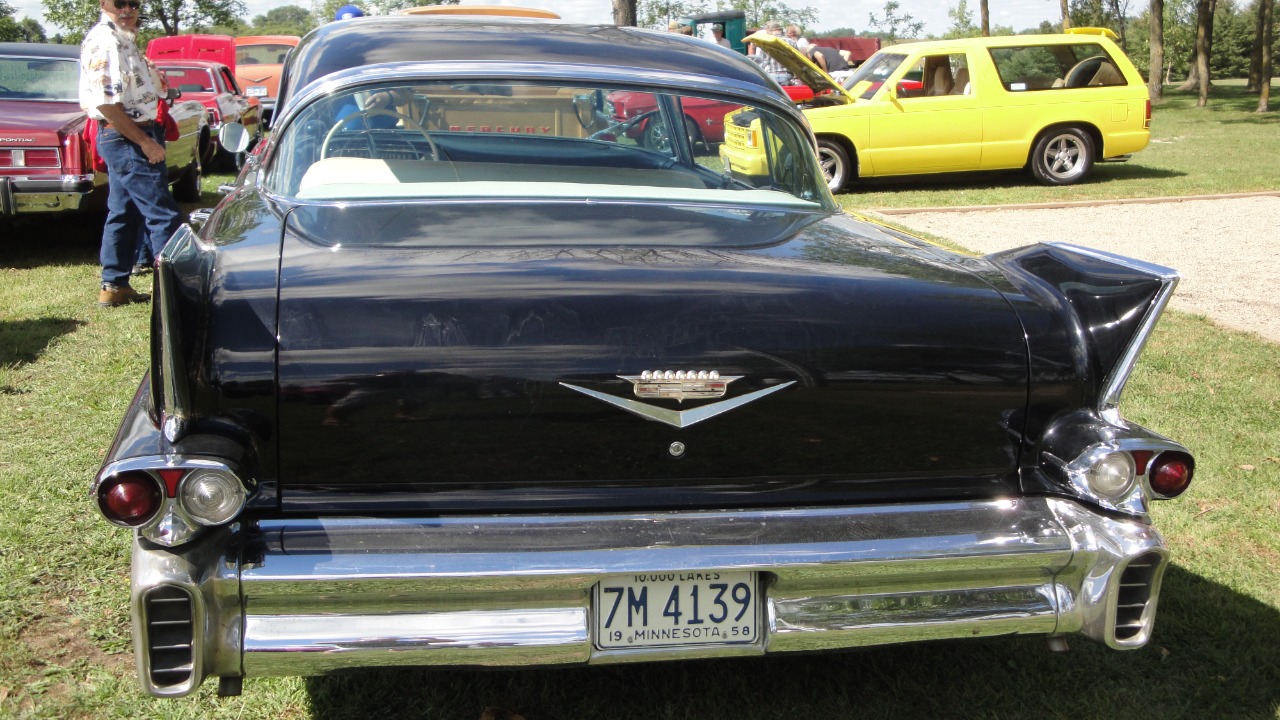
The 1958 Cadillac Series 62 displayed the enormous proportions and extensive chrome that defined Cadillac during the late 1950s. Its broad front end, large body, abundant brightwork, and dramatic rear styling made it immediately recognizable. Cadillac positioned the Series 62 below the more exclusive Eldorado models while still offering substantial size and luxury. Today, surviving examples attract enthusiasts who want a genuine representation of late-1950s American automotive design. The car remains memorable because its proportions and detailing reflect a period when manufacturers competed intensely to create visually impressive automobiles.
1957 Studebaker Golden Hawk
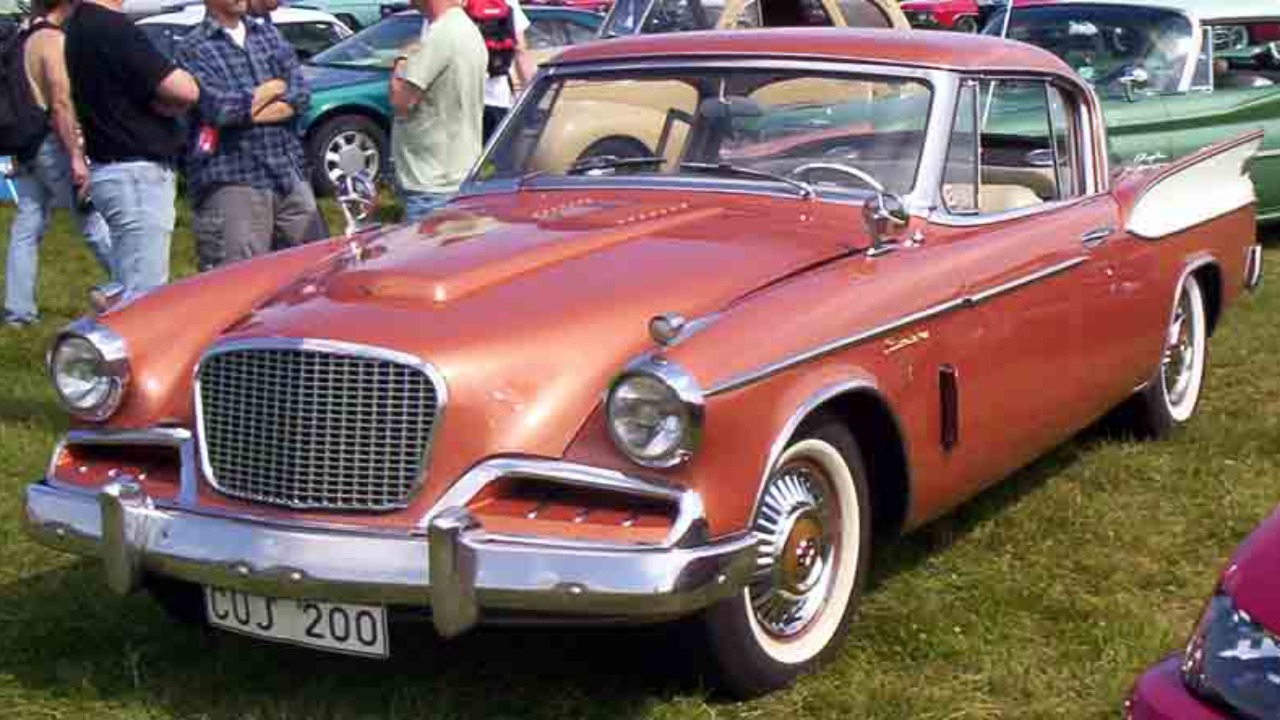
The 1957 Studebaker Golden Hawk combined relatively compact dimensions with powerful V8 performance and distinctive styling. Its contrasting body colors, prominent grille, tail fins, and extensive chrome gave it a strong visual identity. Unlike many larger American cars of the period, the Golden Hawk maintained a sportier and more compact profile. Studebaker’s difficult position in the American market makes surviving examples particularly interesting to collectors. The Golden Hawk remains significant because it shows how an independent manufacturer could create a genuine performance-oriented car during one of the most competitive periods in American automotive history.
1956 Mercury Montclair
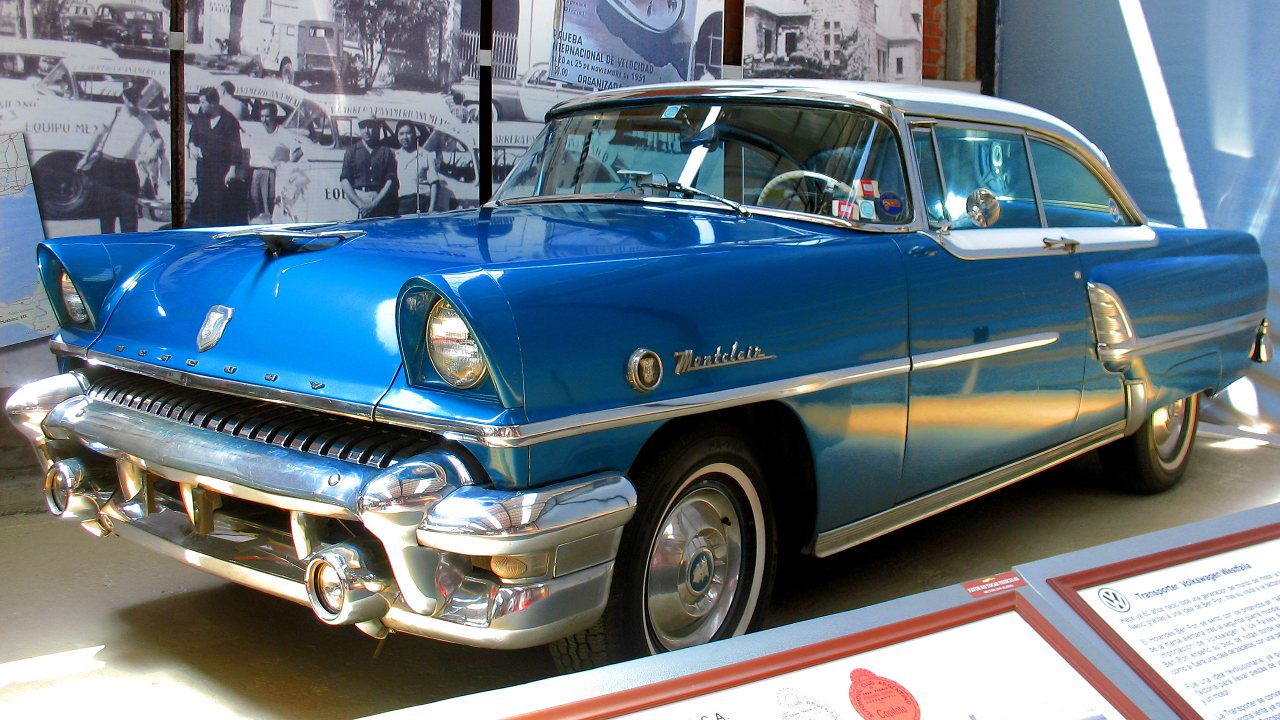
The 1956 Mercury Montclair captured the bold styling direction of Ford’s upscale Mercury division during the chrome era. Its long body, large grille, extensive brightwork, wraparound windshield, and sculpted rear design gave it the dramatic appearance expected from a premium American car of the period. A powerful V8 provided strong performance for its size, while the spacious cabin emphasized comfort. Today, the Montclair remains an interesting chrome-era classic because it combines substantial proportions, distinctive styling, and the elaborate detailing that defined Mercury during the mid-1950s.
More from Fast Lane Only
- Unboxing the WWII Jeep in a Crate
- 15 rare Chevys collectors are quietly buying
- 10 underrated V8s still worth hunting down
- Police notice this before you even roll window down
*Research for this article included AI assistance, with all final content reviewed by human editors.