Some vintage motorcycles were built in an era when speed, raw power, and mechanical simplicity mattered more than rider comfort or modern safety. Their heavy controls, limited brakes, narrow tires, and strong engines can make them demanding machines by today’s standards. These 20 motorcycles show just how intense old-school riding could feel.
Kawasaki 750 H2 Mach IV

The Kawasaki 750 H2 Mach IV earned its reputation with a lightweight chassis and a powerful two-stroke triple that delivered hard acceleration. Its explosive powerband could catch inexperienced riders by surprise, especially when the engine came on strongly at higher revs. Compared with modern motorcycles, its chassis, brakes, and tires provide much less reassurance when riding quickly.
Suzuki GT750
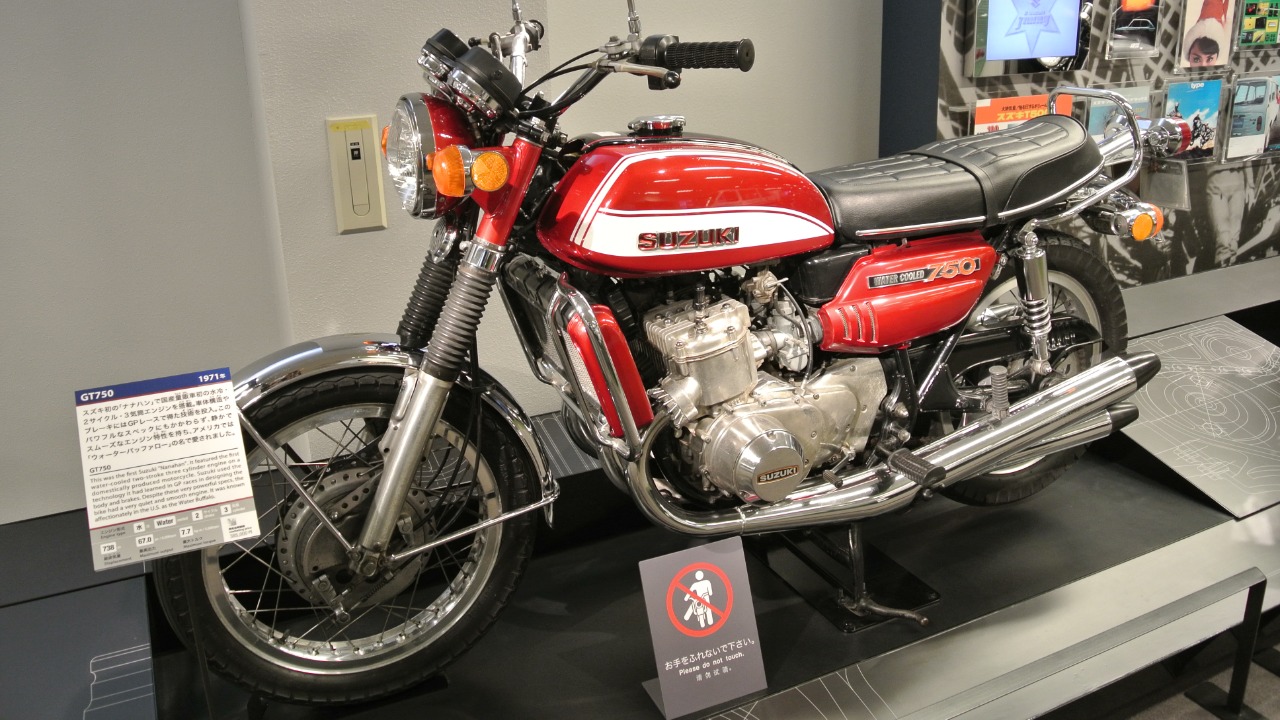
The Suzuki GT750 was smoother and heavier than many two-stroke rivals, but its size and period braking system could still make fast riding demanding. The engine produced strong performance for its era, while the suspension and tires lacked the sophistication found on modern motorcycles. Riding one today requires respecting its age and understanding its limitations.
Yamaha RD400
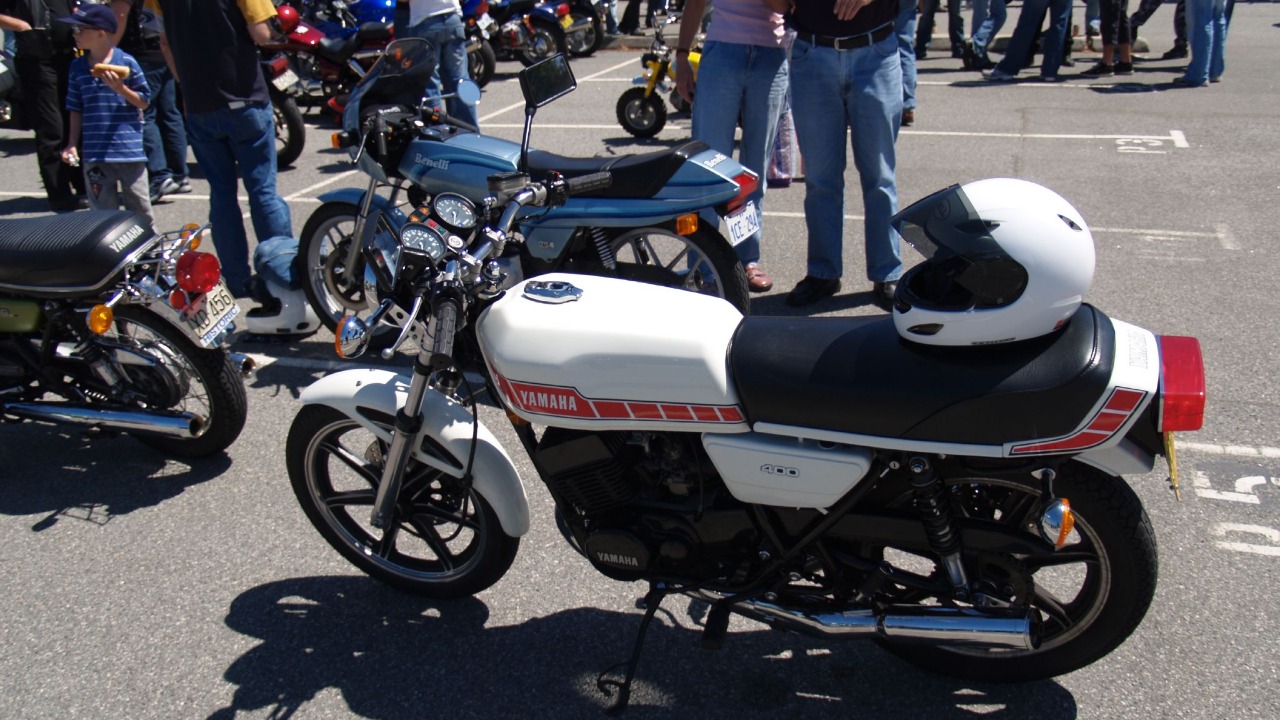
The Yamaha RD400 became famous for combining a lightweight chassis with a lively two-stroke engine. It could accelerate quickly and change direction easily, but its narrow tires, modest brakes, and basic suspension are very different from modern equipment. The combination makes the RD400 exciting but unforgiving when ridden beyond what its period hardware was designed to handle.
Kawasaki 900 Z1
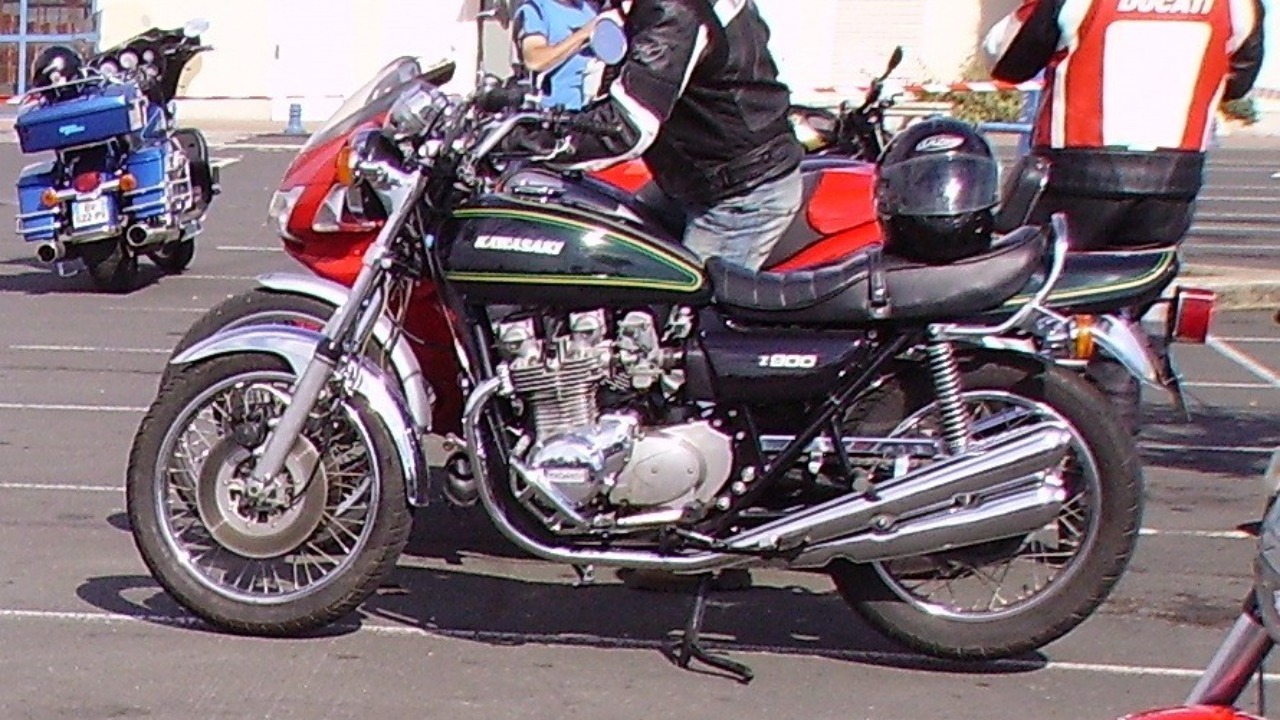
The Kawasaki 900 Z1 was one of the most powerful Japanese motorcycles of its time. Its large four-cylinder engine delivered impressive speed, while the chassis and braking technology remained firmly rooted in the 1970s. Modern riders accustomed to advanced brakes, tires, and suspension may find the Z1 surprisingly demanding when its performance is explored.
Suzuki GT550
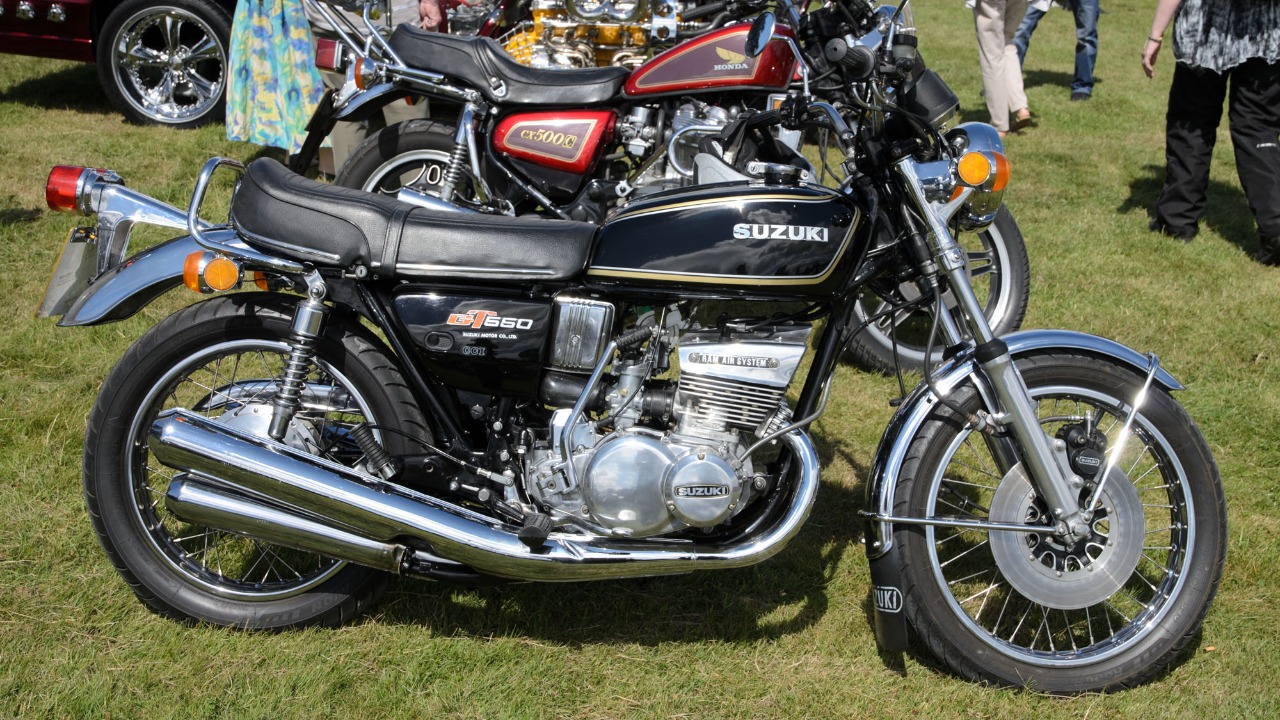
The Suzuki GT550 was a relatively practical two-stroke triple, but its performance could still feel serious by today’s standards. Its period brakes and suspension were designed around older expectations of speed and handling. The engine’s power delivery also gives the motorcycle a distinctive character that demands more attention from a rider than many modern machines.
Yamaha XS1100
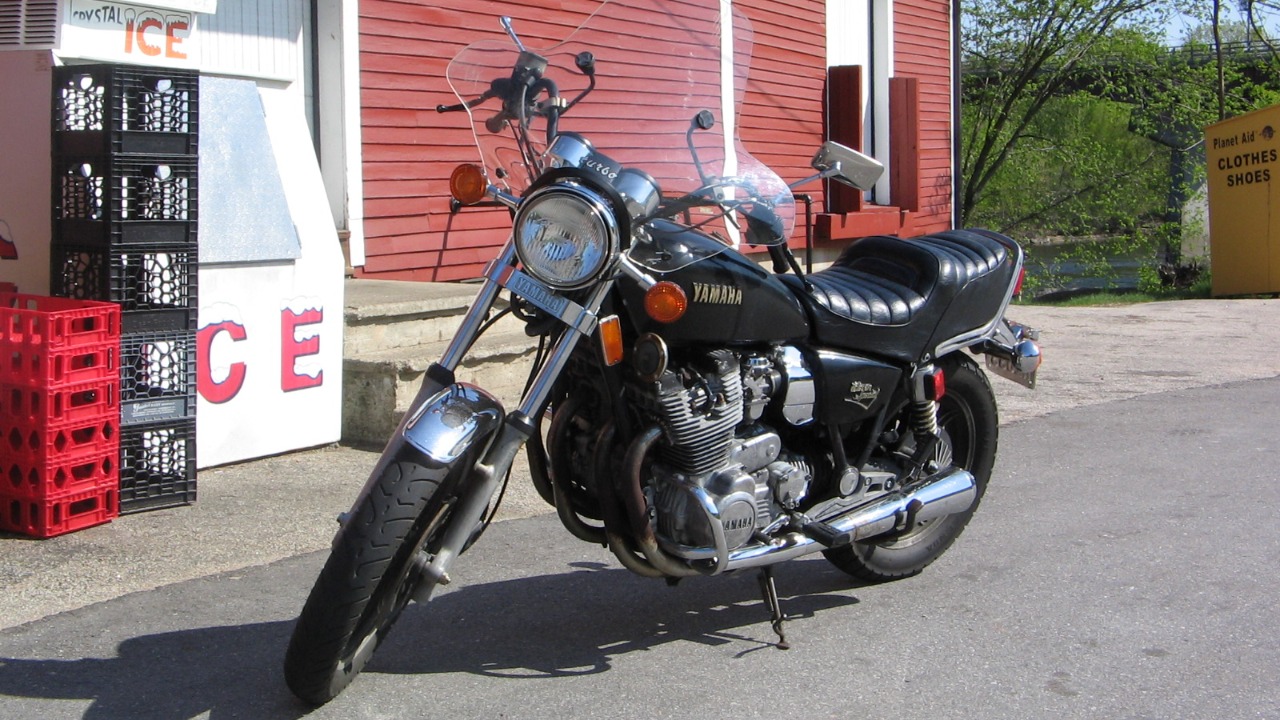
The Yamaha XS1100 combined a large 1,100cc four-cylinder engine with substantial weight and old-school chassis technology. Its strong torque and high-speed capability made it a serious machine during its era. Today, the combination of mass, power, and relatively basic braking and suspension can make the XS1100 feel intimidating compared with modern liter-class motorcycles.
Kawasaki 750 Turbo
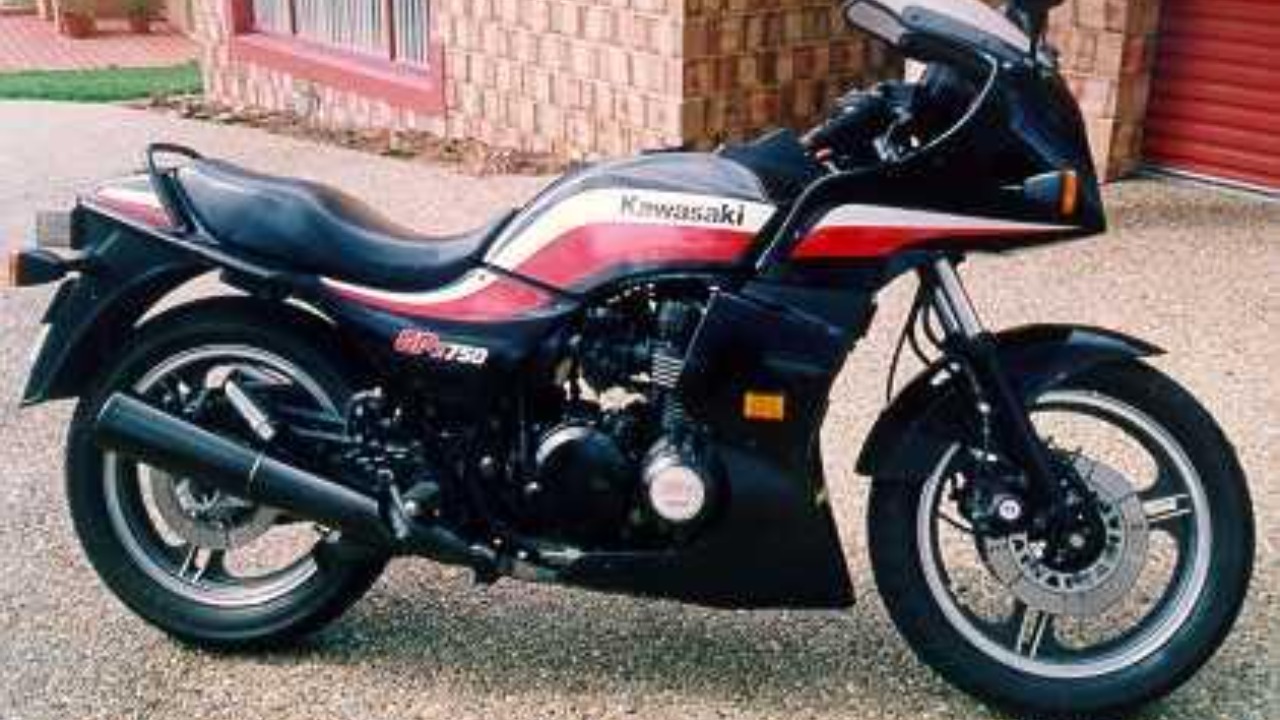
The Kawasaki 750 Turbo brought forced induction technology to a motorcycle platform during an era when turbocharged engines were still unusual. Its power delivery could be much more dramatic than riders expected, especially when boost arrived. Although impressive for its time, its older chassis and braking technology can make its performance feel less controlled than that of a modern sportbike.
Honda CBX1000
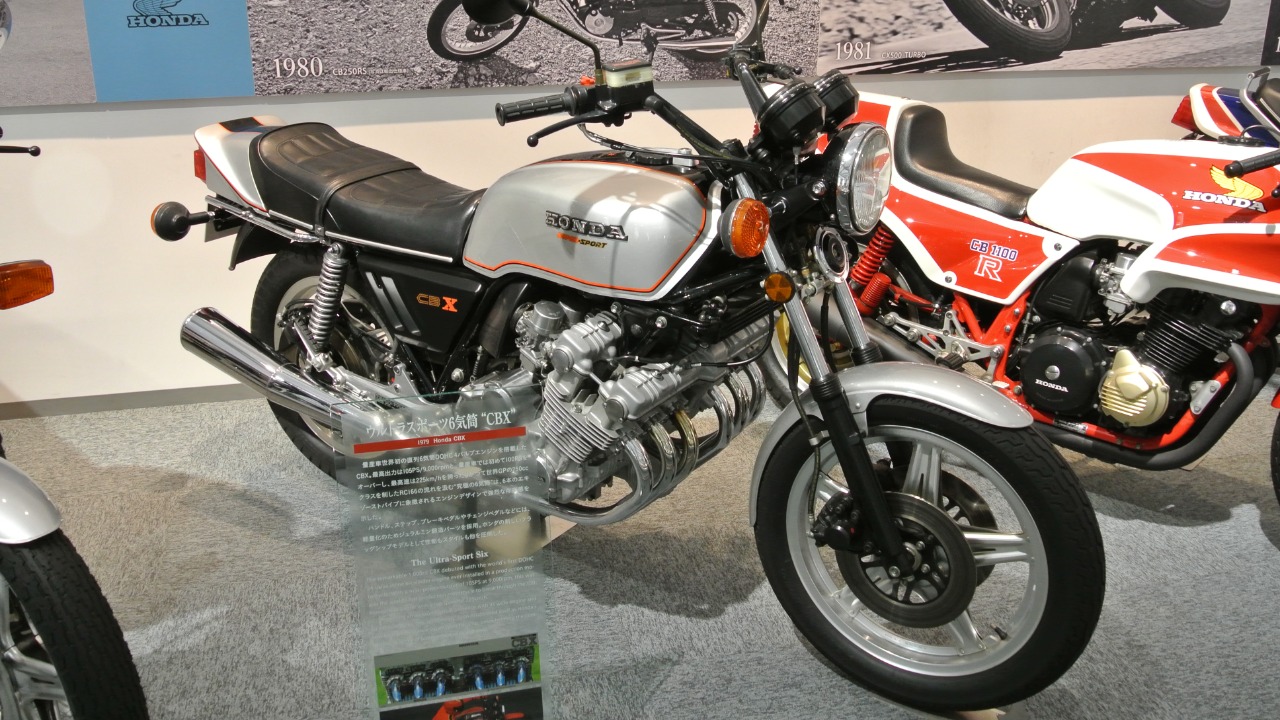
The Honda CBX1000 was famous for its six-cylinder engine and impressive performance. Its large engine could deliver strong acceleration, while the motorcycle carried considerable weight. The period chassis, brakes, and suspension were not designed around the electronic aids and advanced tires available today. That combination can make the CBX feel demanding when pushed hard.
Suzuki GSX1100S Katana
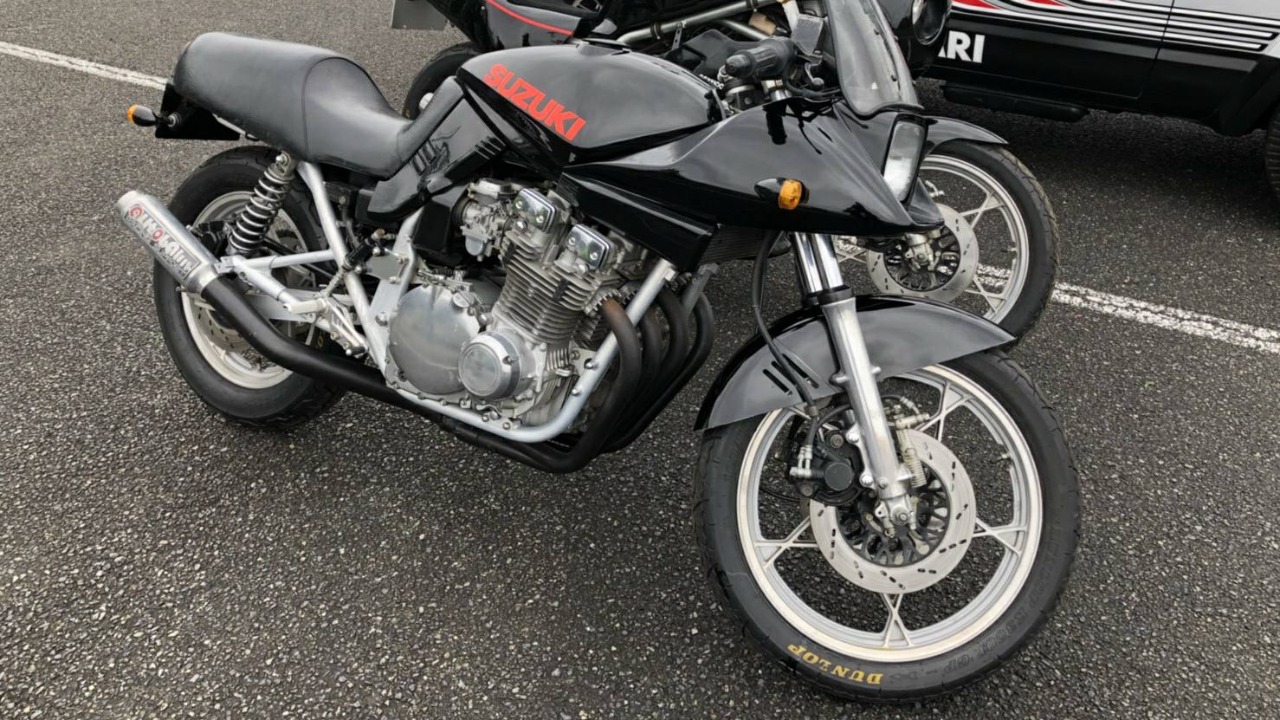
The Suzuki GSX1100S Katana combined a powerful 1,075cc engine with distinctive styling and a relatively compact riding position. Its acceleration was serious for its era, but the motorcycle still relied on older suspension, tires, and braking hardware. Riders moving from a modern sportbike may quickly notice how much more work the Katana demands from its pilot.
Honda VF1000F Interceptor
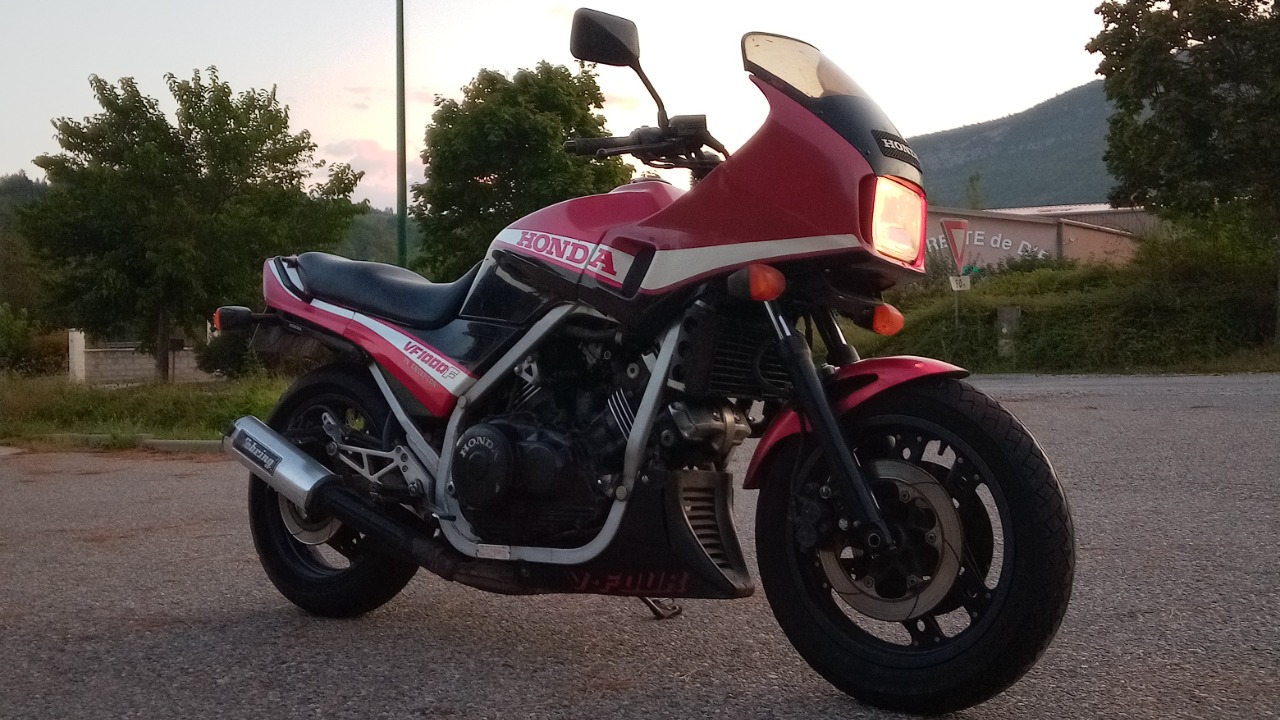
The Honda VF1000F Interceptor brought strong V4 performance to a sport-touring package. Its engine could provide serious acceleration, but its overall design belongs to an earlier period of motorcycle development. Compared with modern motorcycles, its brakes, suspension, and tire technology offer less control when approaching the limits.
Yamaha FJ1100
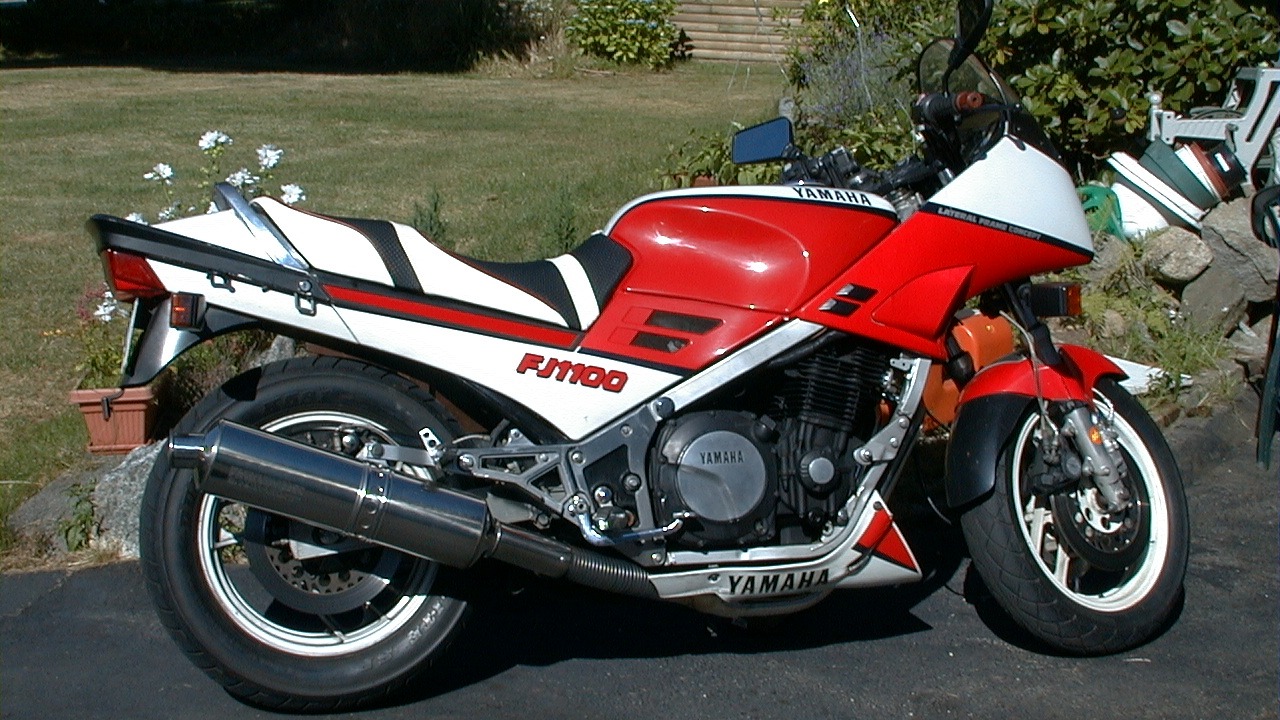
The Yamaha FJ1100 was a fast sport-touring motorcycle with a strong four-cylinder engine and substantial high-speed capability. It was designed for serious road performance rather than gentle cruising. Its weight and older chassis technology can make fast cornering more demanding today, particularly for riders used to modern suspension and braking systems.
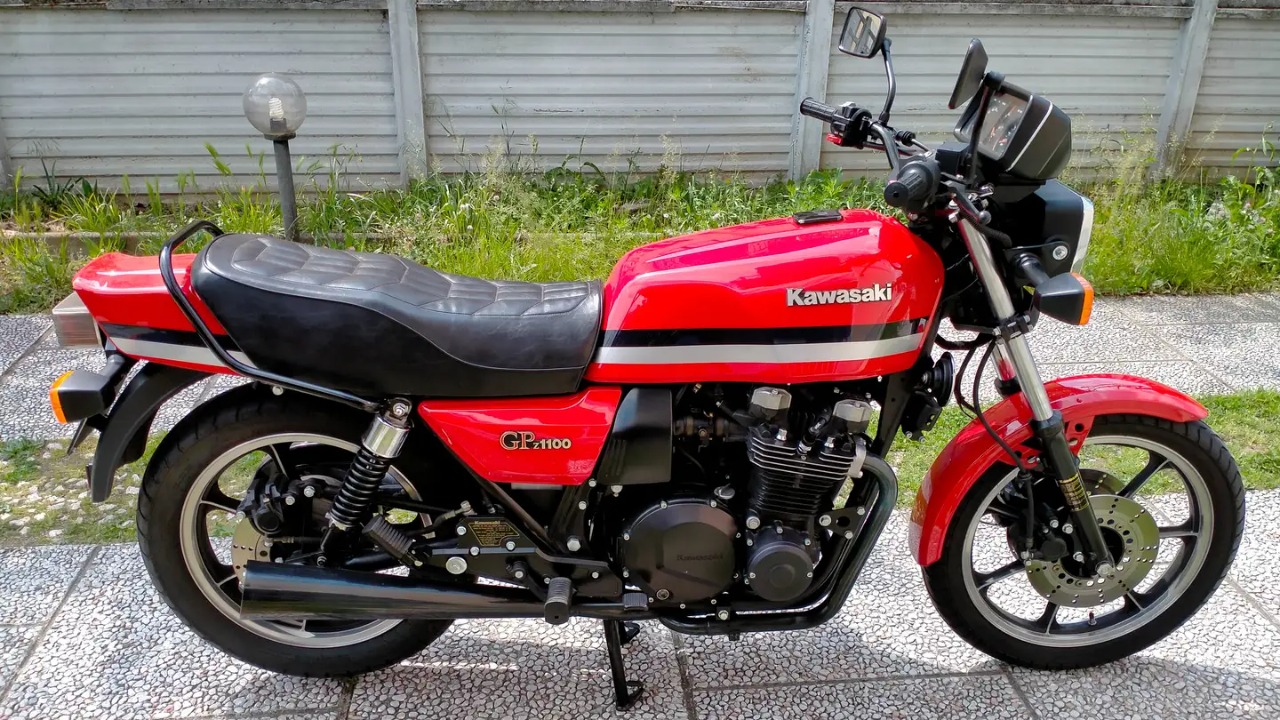
Kawasaki GPz1100
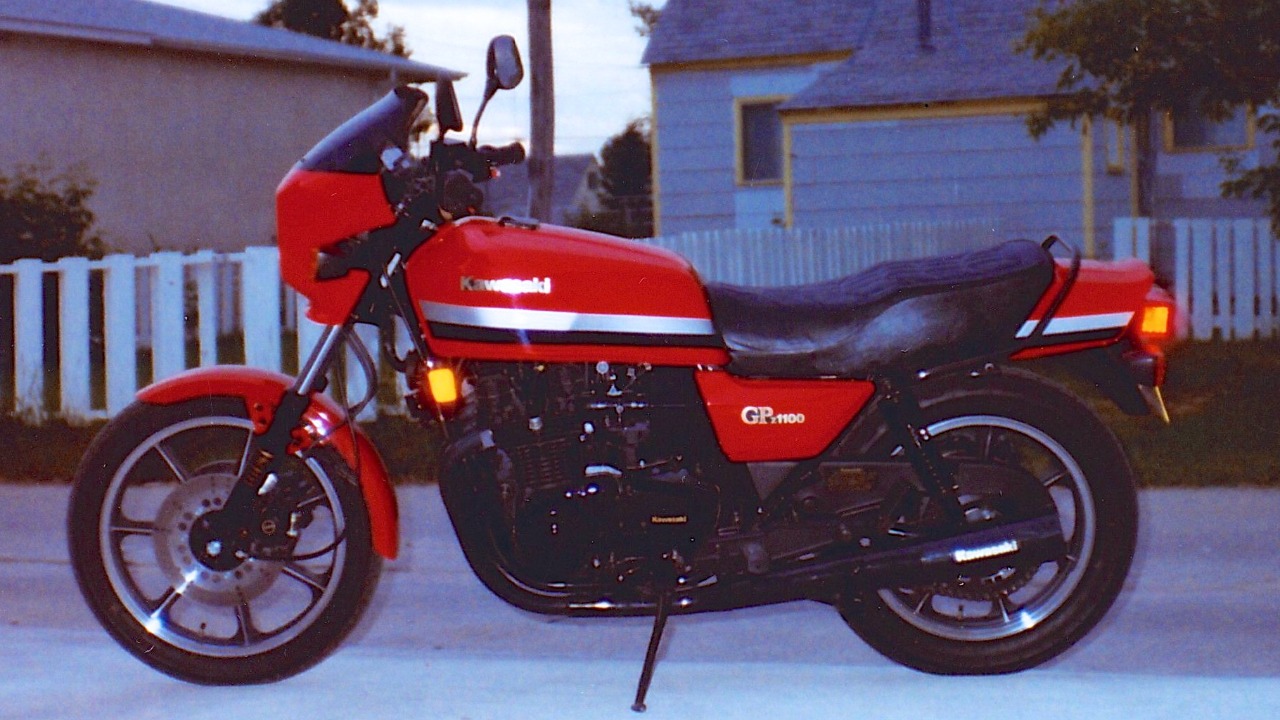
The Kawasaki GPz1100 was built when large-displacement Japanese motorcycles were becoming extremely fast. Its powerful engine could push the motorcycle to impressive speeds, while its chassis and braking components reflected the technology of its period. That contrast between strong engine performance and older supporting hardware gives the GPz1100 a particularly intense character.
Suzuki GS1000
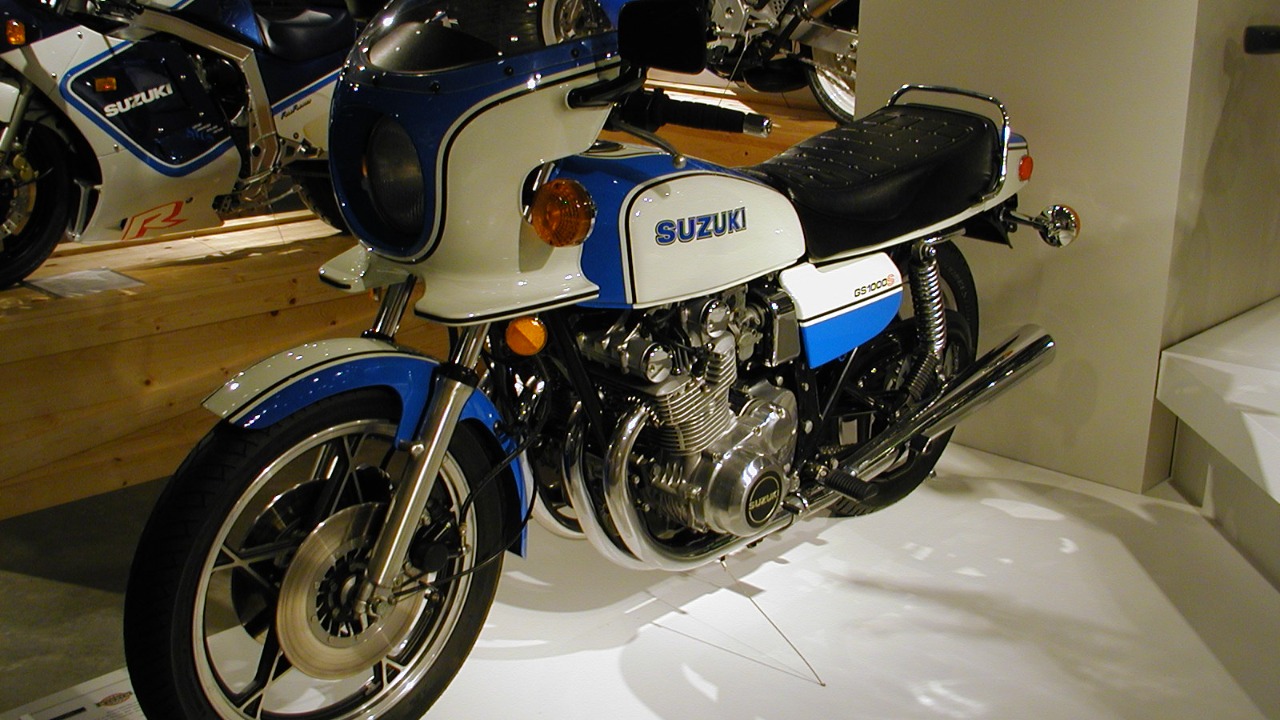
The Suzuki GS1000 was respected for its strong four-cylinder engine and capable handling for its time. However, its period braking system, suspension, and tires cannot match the grip and stopping performance expected from modern motorcycles. Its combination of substantial power and older chassis technology can make aggressive riding feel considerably more serious today.
Honda CB900F
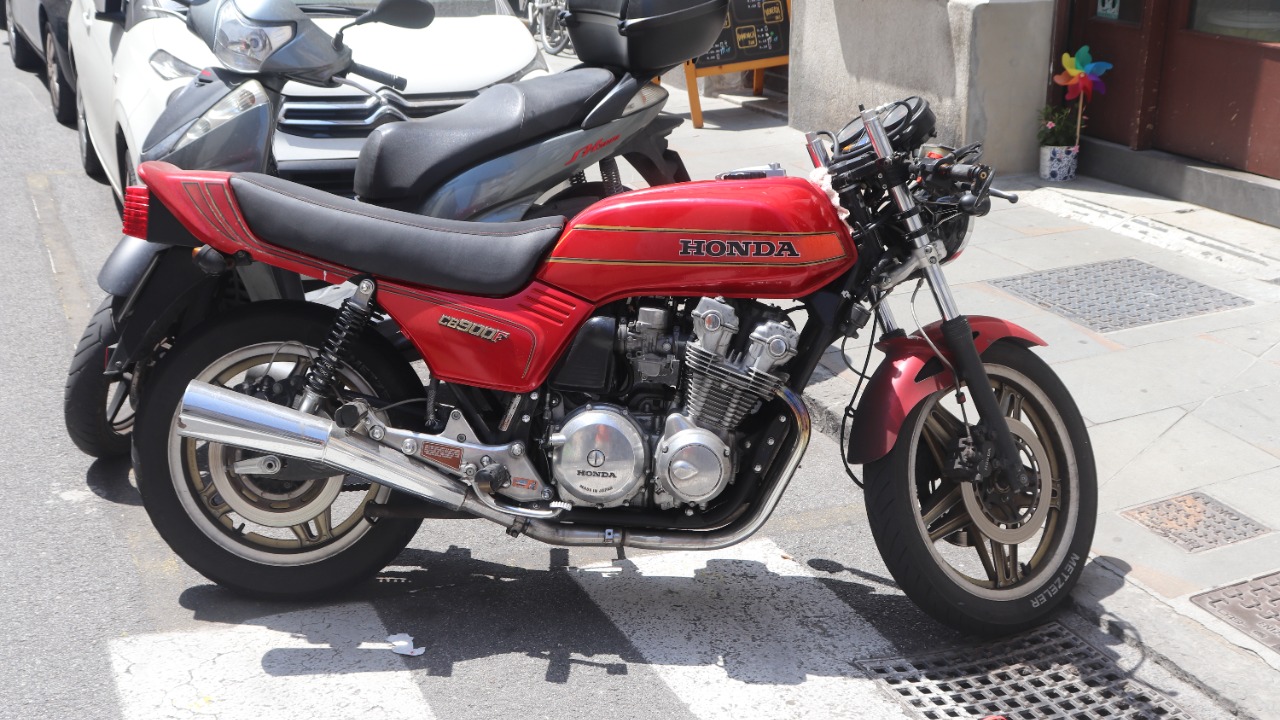
The Honda CB900F combined a powerful inline-four engine with a relatively straightforward chassis. It became known for strong performance and usable road manners, but its mechanical simplicity also means that riders cannot expect modern levels of braking, suspension control, or electronic assistance. Riding one quickly requires a more deliberate approach than many contemporary motorcycles.
Suzuki GSX-R1100
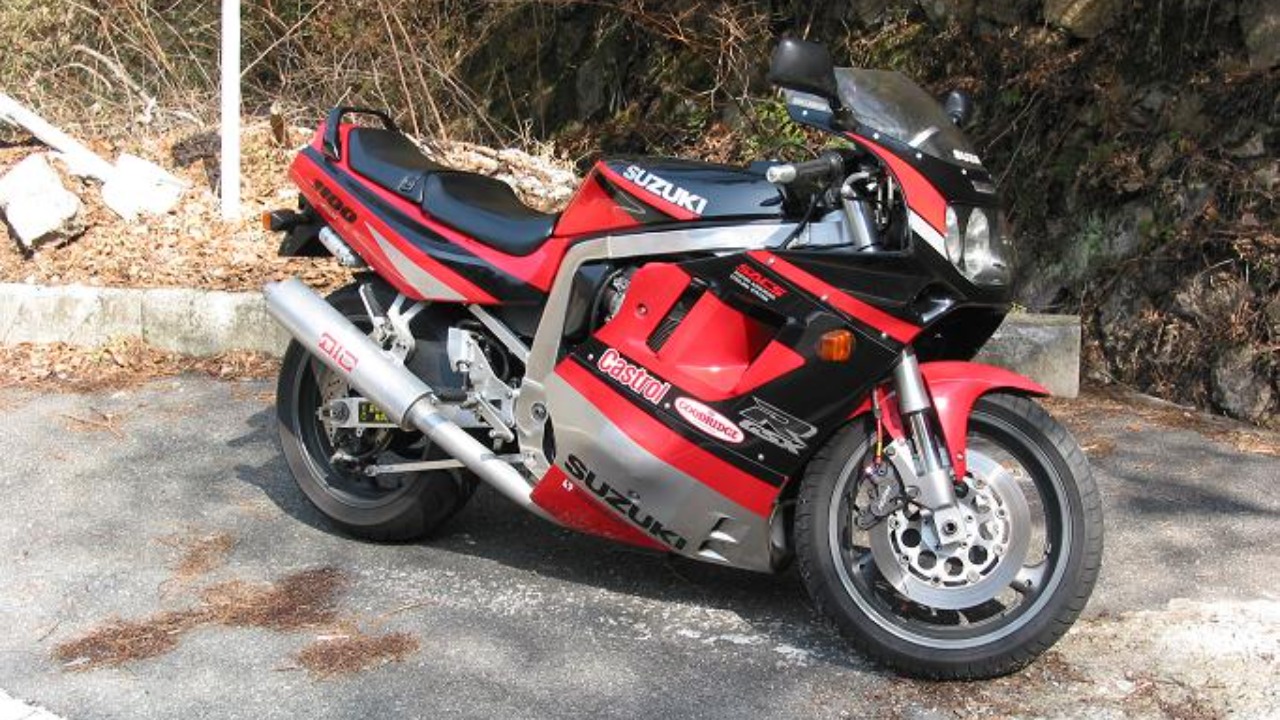
The early Suzuki GSX-R1100 delivered superbike-level performance while remaining surprisingly light for its engine size. Its power-to-weight ratio made it extremely fast, but the technology was still developing rapidly during this period. Early examples can feel particularly demanding because the engine performance can arrive faster than the chassis and braking system inspire confidence.
Yamaha RD350
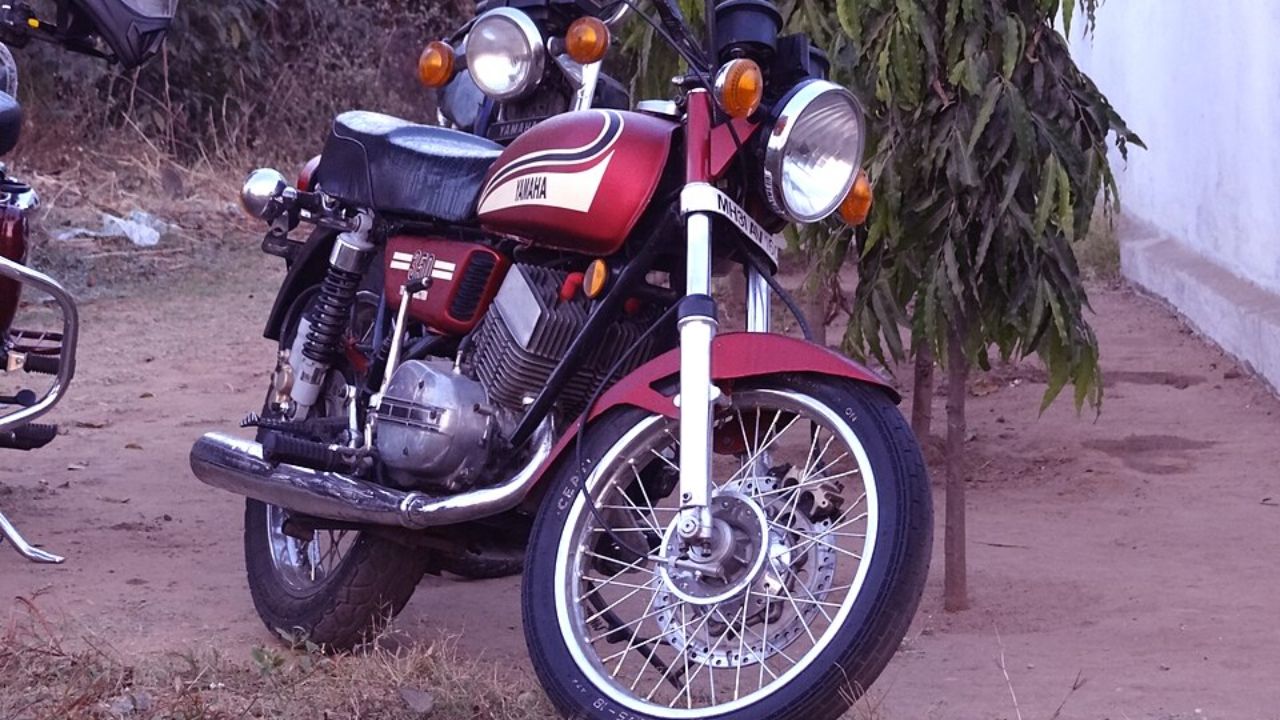
The Yamaha RD350 became famous for its lightweight construction and lively two-stroke engine. Its compact size made it quick and entertaining, but its brakes, tires, and suspension are basic compared with modern motorcycles. The sharp power delivery can also make the bike feel more aggressive than its modest displacement suggests.
Honda CB750
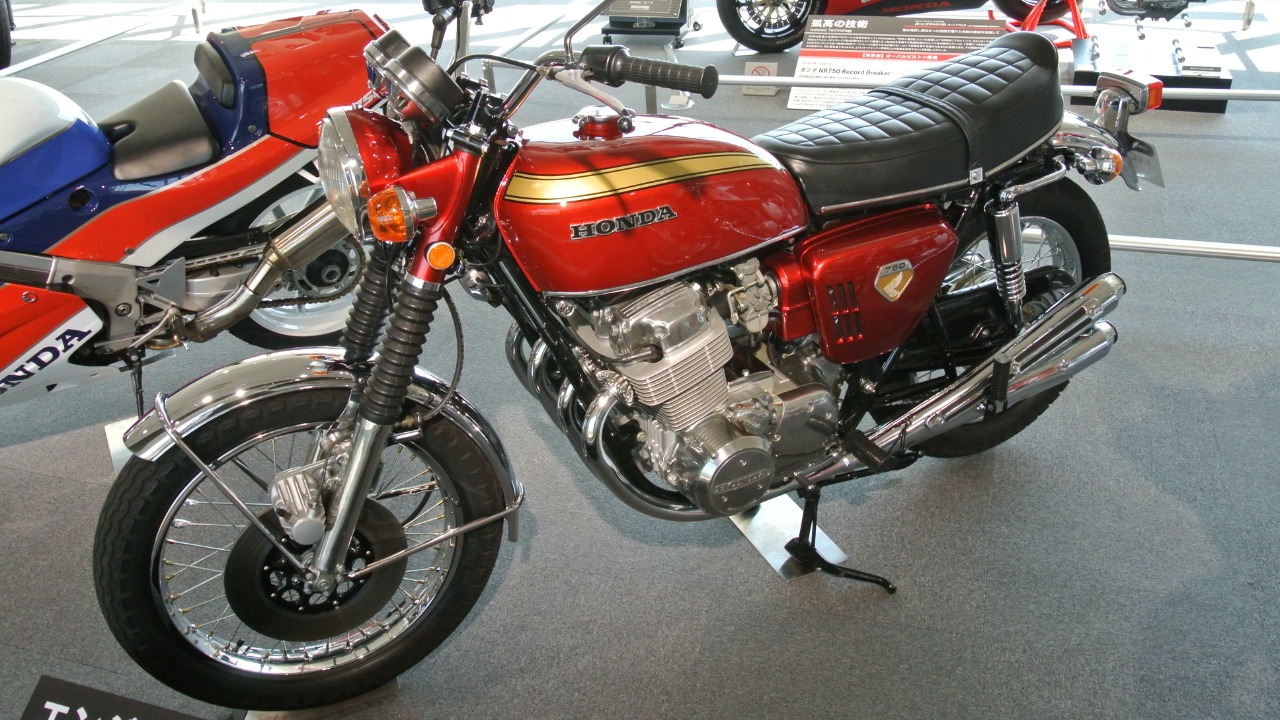
The Honda CB750 helped establish the superbike category with its smooth four-cylinder engine and strong performance. Modern riders may be surprised by how basic its chassis equipment feels compared with today’s motorcycles. The combination of speed, weight, period brakes, and older suspension means the CB750 demands careful riding when used at modern road speeds.
Harley-Davidson XR-750
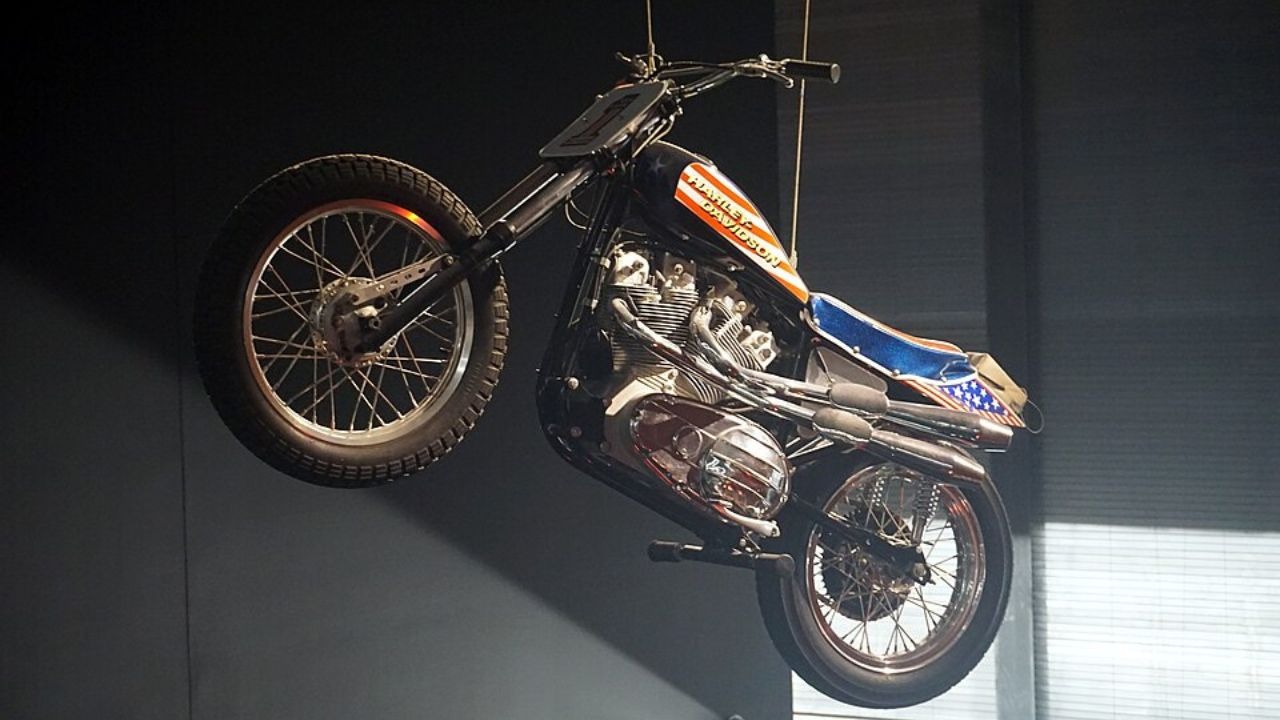
The Harley-Davidson XR-750 was developed primarily for American flat-track racing, making it very different from an ordinary street motorcycle. Its racing-focused character, strong engine, and competition-oriented design were intended for skilled riders. Using a machine with that kind of purpose outside its original environment can feel extremely demanding, especially compared with modern street motorcycles.
Vincent Black Shadow
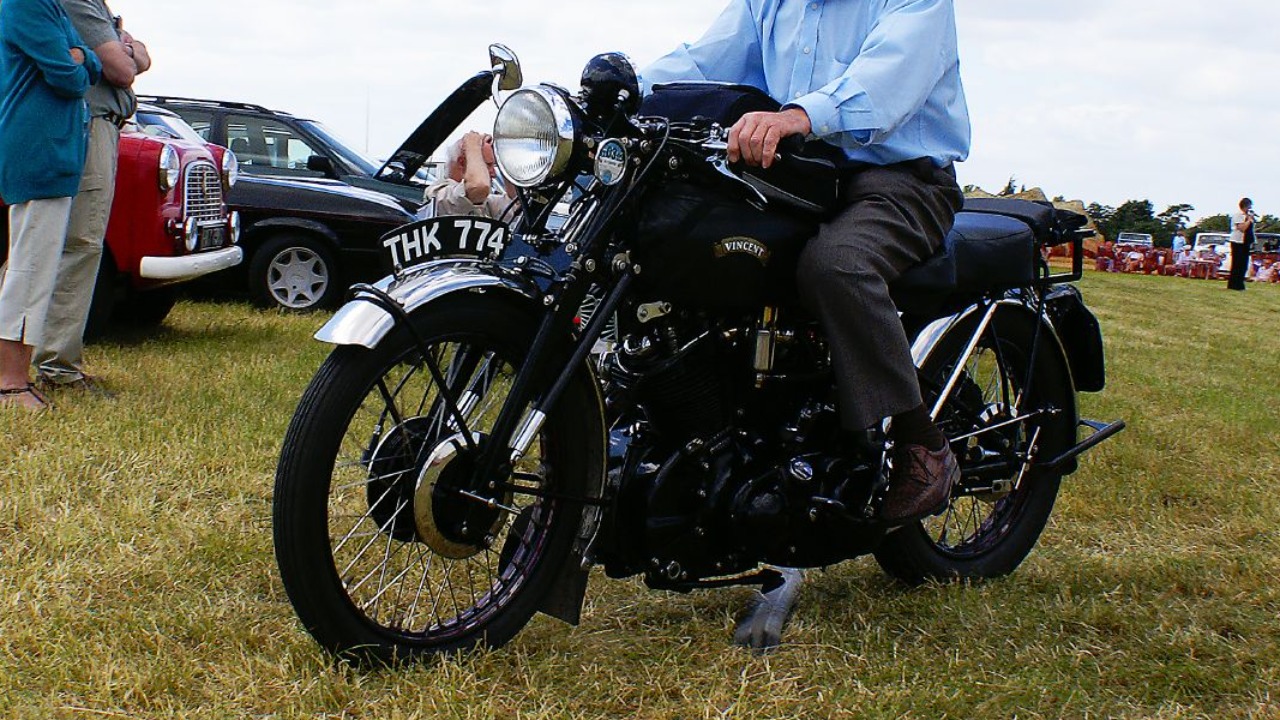
The Vincent Black Shadow was one of the fastest motorcycles of its era, combining a large V-twin engine with a relatively advanced chassis for its time. Its historical performance is impressive, but its age means modern safety expectations cannot be applied to it. The combination of speed, weight, narrow tires, and period braking makes careful riding essential.
Brough Superior SS100
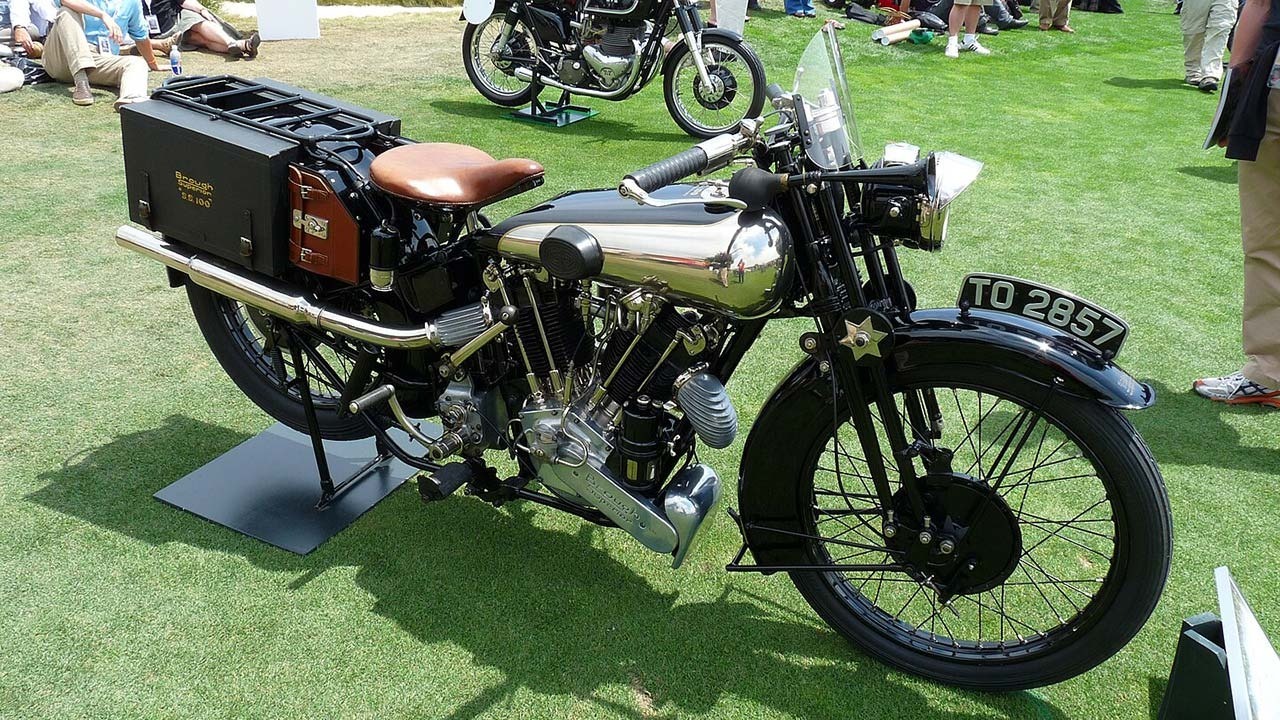
The Brough Superior SS100 was an expensive, high-performance motorcycle built for riders who wanted exceptional speed and quality during the early twentieth century. Its powerful engine and limited period safety equipment make it a very different experience from a modern motorcycle. For today’s rider, its performance must be respected alongside its historical mechanical limitations.
More from Fast Lane Only
- Unboxing the WWII Jeep in a Crate
- 15 rare Chevys collectors are quietly buying
- 10 underrated V8s still worth hunting down
- Police notice this before you even roll window down
*Research for this article included AI assistance, with all final content reviewed by human editors.