The classic muscle-car era produced machines with enormous engines, rear-wheel drive, aggressive styling, and very little concern for fuel economy. Big-block V8s gave these cars huge amounts of torque and an unmistakable character. From lightweight intermediates to full-size bruisers, these 19 muscle cars capture an era when factory performance was built around displacement.
Chevrolet Chevelle SS 454 LS6

The Chevrolet Chevelle SS 454 LS6 was one of the most powerful muscle cars of the classic era. Its 454-cubic-inch big-block delivered enormous torque, turning the intermediate Chevelle into a serious straight-line performer. The combination of a relatively compact body and a massive V8 created the kind of performance that became increasingly difficult for manufacturers to offer. Original LS6 Chevelles remain among the most recognizable big-block muscle cars.
Chevrolet Camaro ZL1
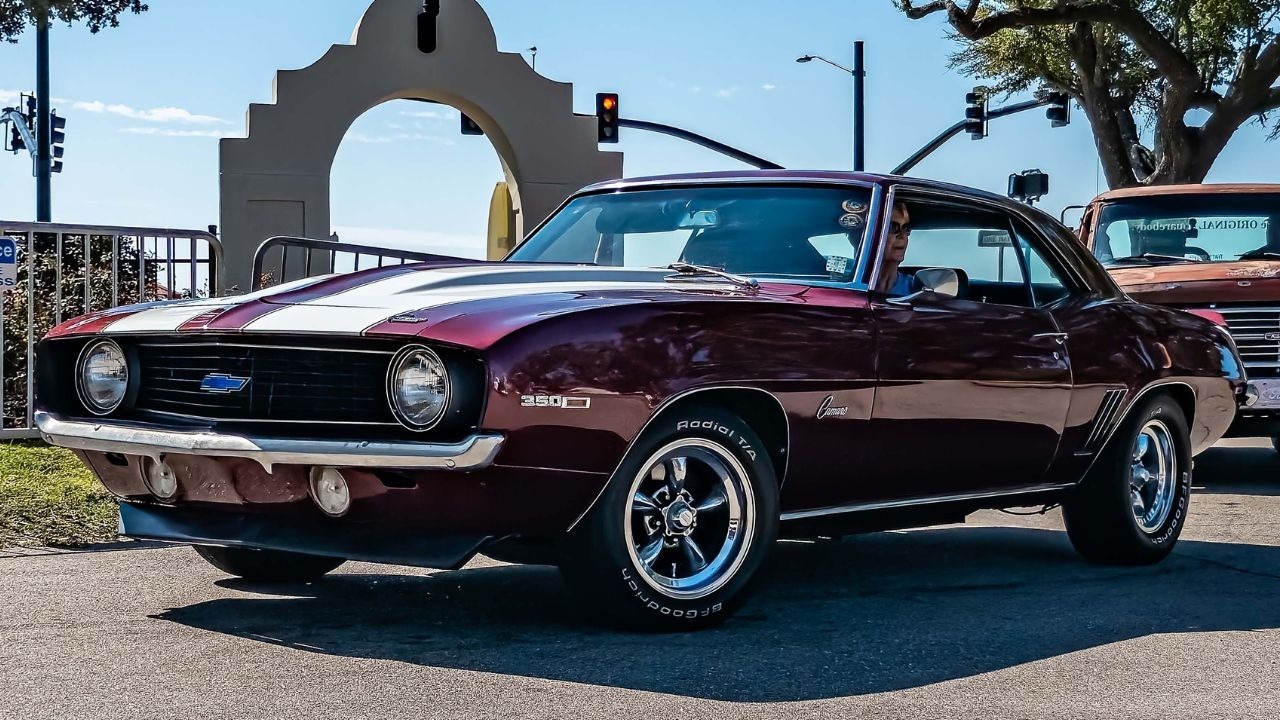
The Chevrolet Camaro ZL1 used an aluminum 427-cubic-inch big-block derived from Chevrolet’s racing program. Its lightweight engine helped reduce weight while delivering exceptional performance. Only a very small number of production ZL1 Camaros were built, making them extremely rare today. The car demonstrated just how far Chevrolet was willing to push its pony-car platform when maximum performance was the priority.
Chevrolet Corvette L88
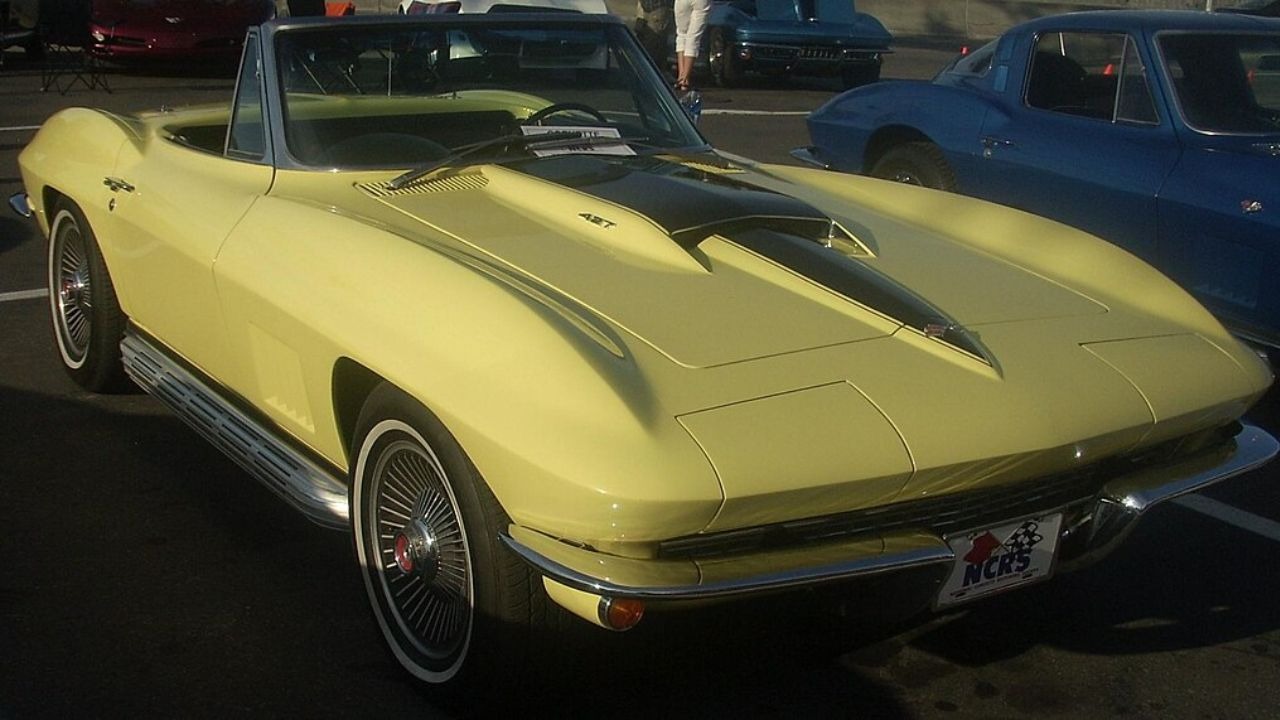
The Corvette L88 was built around a competition-oriented 427-cubic-inch big-block. Chevrolet officially understated its output, but the engine featured serious racing hardware and was intended for experienced performance drivers. Very few L88 Corvettes were produced, and many were used in competition. Their combination of lightweight construction, enormous displacement, and racing capability makes them some of the most significant big-block American performance cars.
Chevrolet Nova SS 396
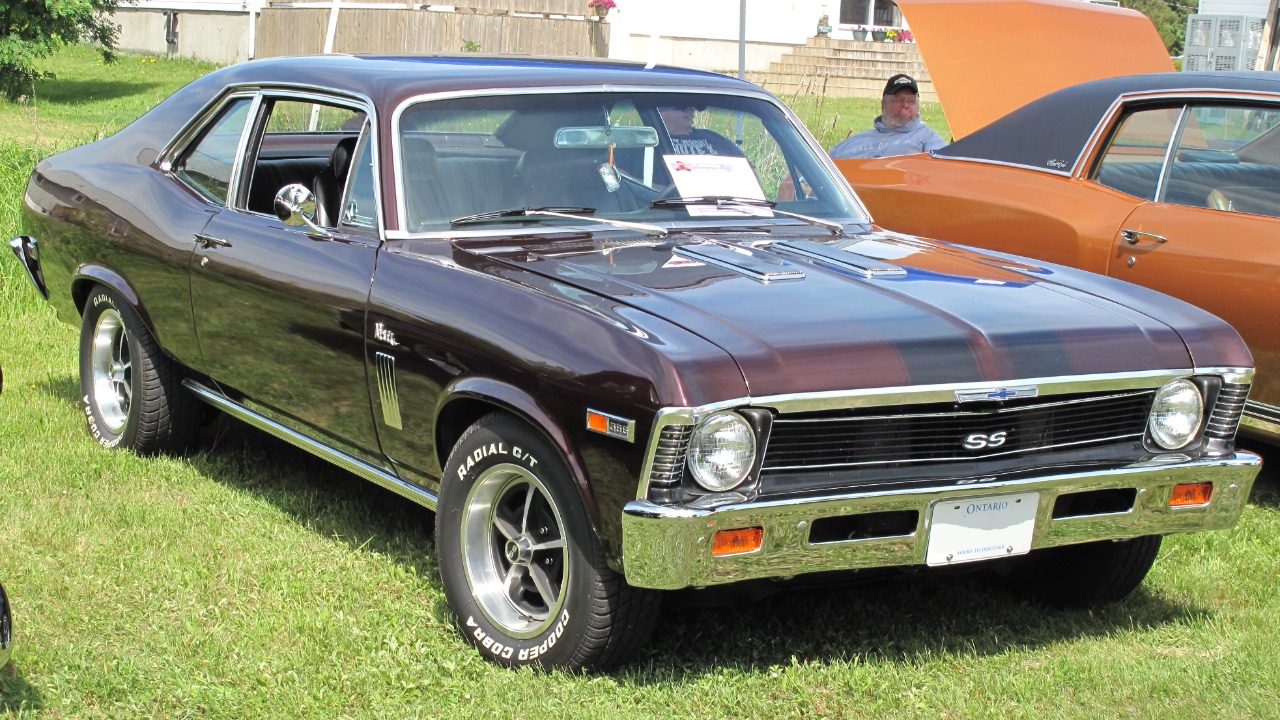
The Chevrolet Nova SS 396 placed big-block power into a smaller and lighter package than many traditional muscle cars. The compact body made the Nova particularly interesting because the large V8 could produce strong acceleration without requiring a huge full-size chassis. Its understated styling also allowed the car to look relatively ordinary. Today, genuine SS 396 examples are highly recognizable representatives of Chevrolet’s compact muscle-car strategy.
Chevrolet Impala SS 427
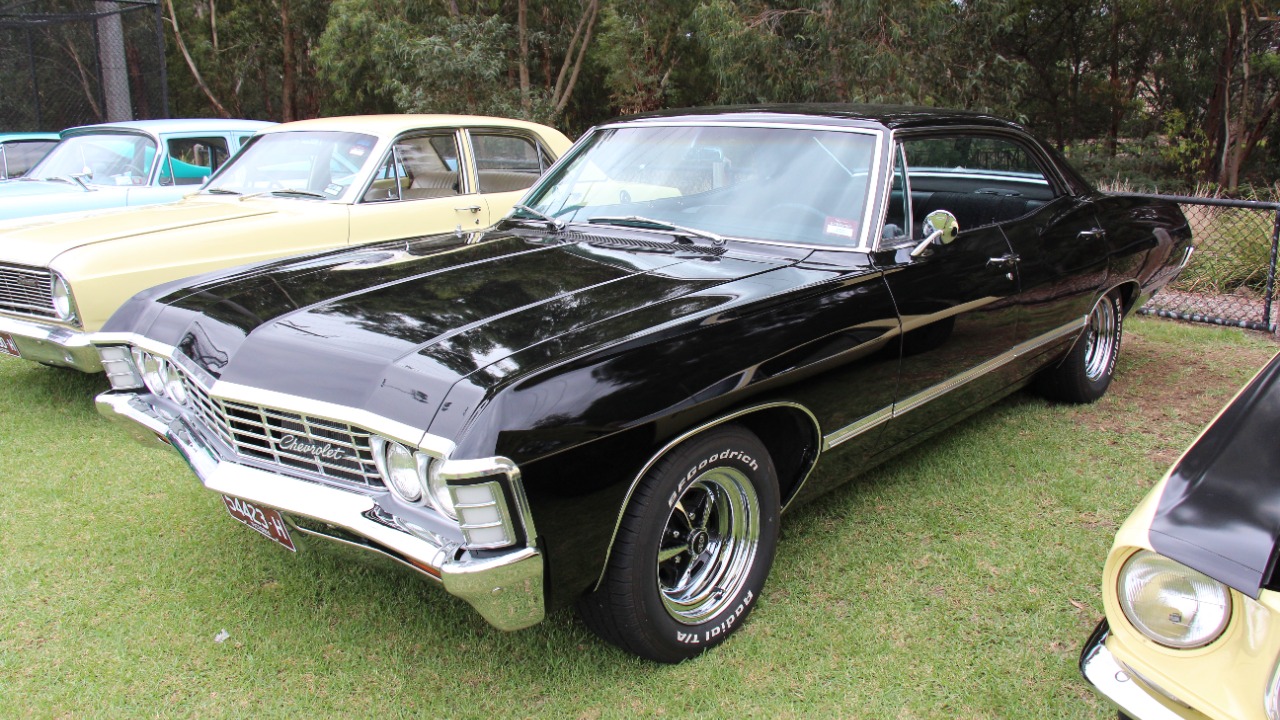
The Impala SS 427 combined a large full-size Chevrolet body with one of the company’s most powerful big-block engines. The 427 V8 provided substantial torque while the large cabin offered the comfort expected from a full-size car. This combination made the Impala unusual among muscle cars. It could deliver serious performance while still functioning as a spacious family automobile, demonstrating the excess of the classic American V8 era.
Chevrolet Biscayne 427
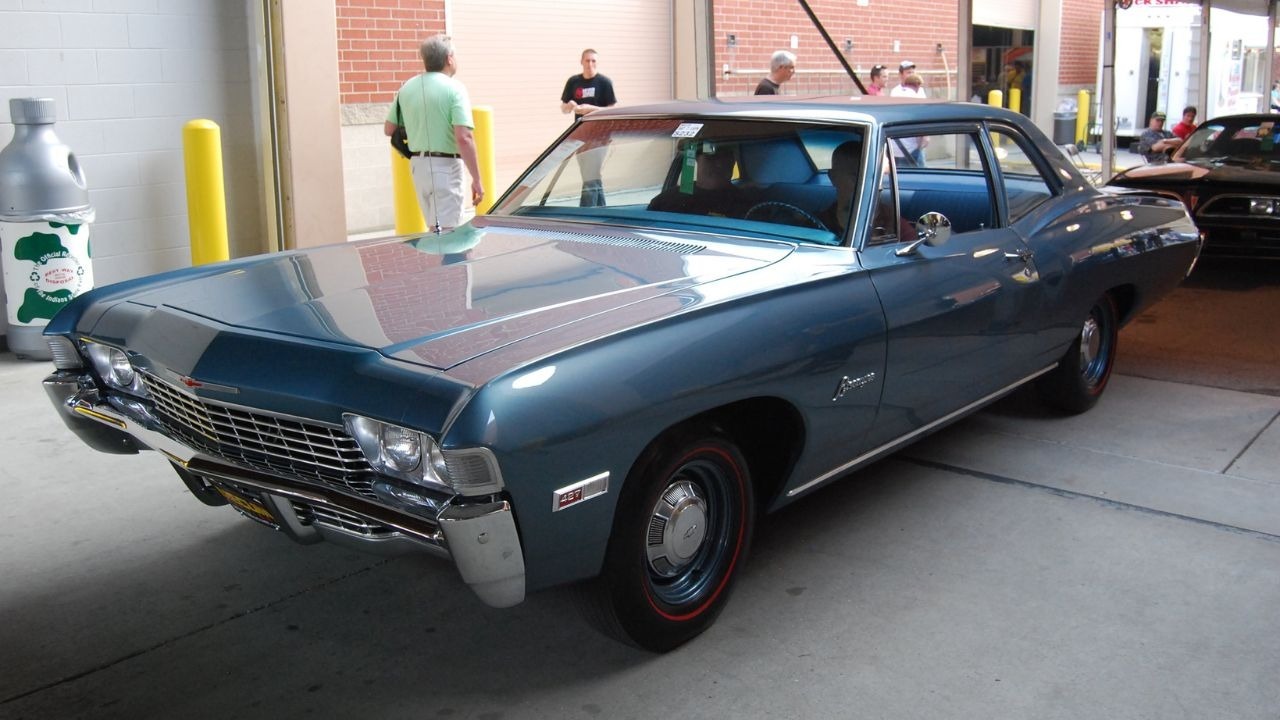
The Chevrolet Biscayne 427 was a stripped-down alternative to Chevrolet’s more luxurious full-size models. With a powerful 427 big-block available, the lightweight Biscayne could become a surprisingly serious performance machine. Its plain appearance made the combination even more interesting. The car represented an era when buyers could order an enormous V8 in a relatively basic full-size body without needing luxury equipment or flashy styling.
Pontiac GTO Ram Air IV
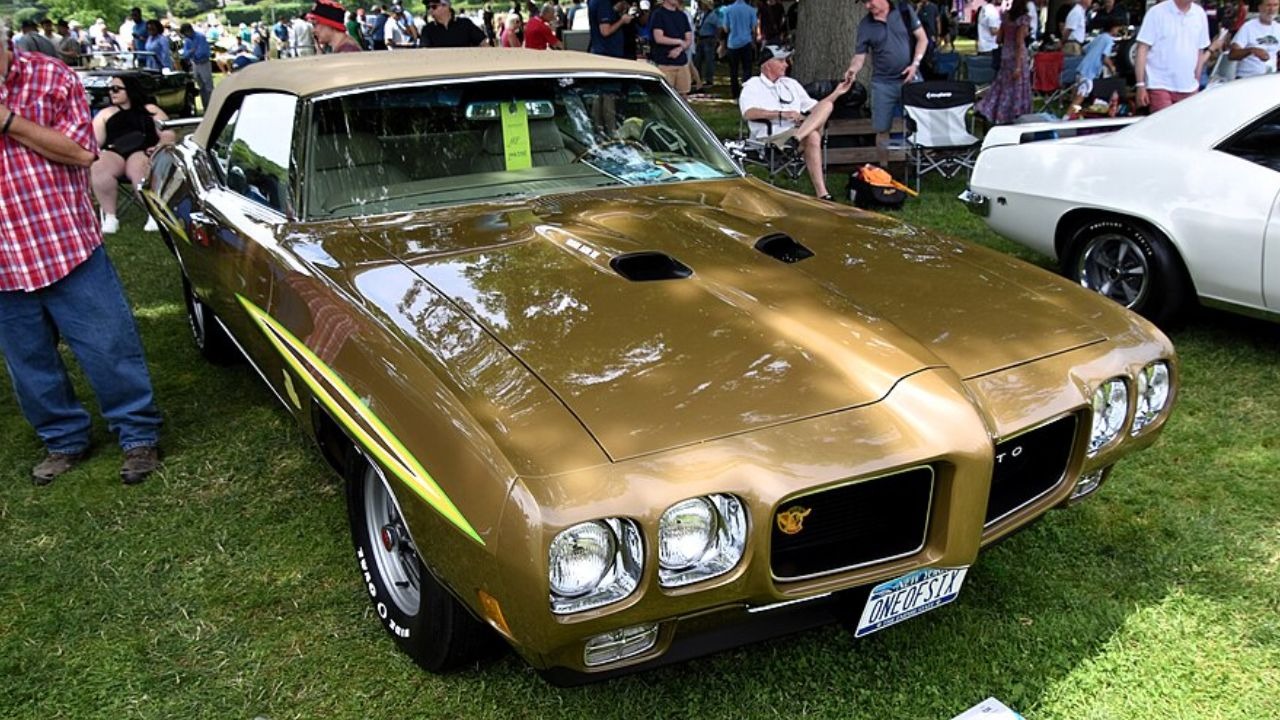
The Pontiac GTO Ram Air IV combined an intermediate-size body with one of Pontiac’s most aggressive factory V8 configurations. Its specialized cylinder heads, high-flow exhaust components, and performance-oriented engine made it a serious competitor during the height of the muscle-car era. The Ram Air IV was produced in limited numbers, and original cars remain particularly interesting because they represent Pontiac’s factory performance engineering at its most ambitious.
Buick GSX Stage 1
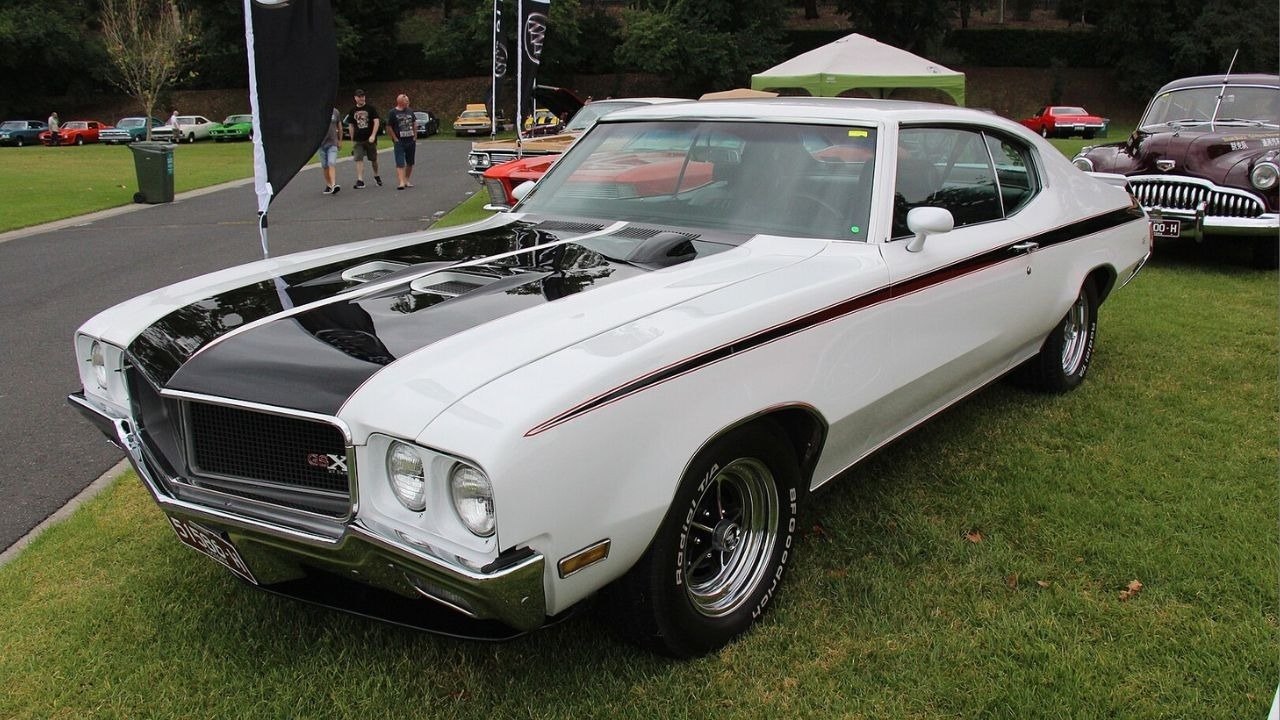
The Buick GSX Stage 1 combined a relatively understated body with a powerful 455-cubic-inch V8. Its enormous torque output made it particularly strong in straight-line acceleration, while the GSX package added performance-oriented suspension and styling equipment. Buick’s luxury image made the car an unusual muscle-machine choice. The GSX Stage 1 remains one of the clearest examples of how a comfortable American coupe could hide serious big-block performance.
Oldsmobile 442 W-30

The Oldsmobile 442 W-30 paired Oldsmobile’s large 455 V8 with a carefully developed performance package. Special induction components, suspension tuning, and distinctive styling helped transform the 442 into a serious muscle car. The W-30 became one of Oldsmobile’s most famous performance packages, particularly because it delivered substantial power while retaining the brand’s more refined character. Original examples remain important pieces of Oldsmobile’s muscle-car history.
Plymouth Road Runner 440
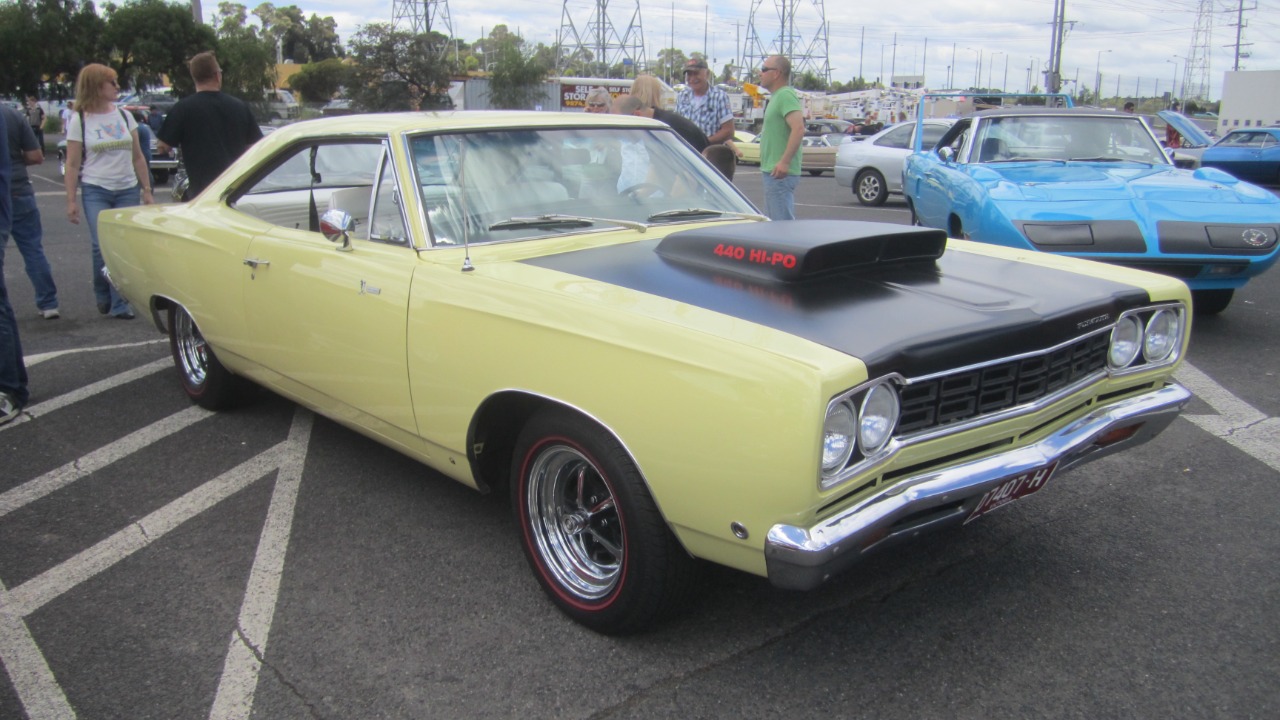
The Plymouth Road Runner became famous for providing affordable muscle-car performance, and the 440 version took that concept considerably further. Its big-block V8 produced strong torque while the Road Runner’s relatively simple construction kept the focus on performance. The combination made the 440 Road Runner a powerful and straightforward machine. It represented an era when a mainstream manufacturer could sell a large-engine performance car without turning it into a luxury product.
Plymouth GTX 440

The Plymouth GTX was positioned as a more upscale performance car than the Road Runner, but it retained serious big-block muscle. The 440 V8 gave the GTX strong acceleration, while its more refined interior and styling made it suitable for buyers who wanted performance with additional comfort. The GTX demonstrated how Chrysler could build different versions of the same basic muscle-car formula for different types of enthusiasts.
Plymouth Road Runner 426 Hemi

The Plymouth Road Runner 426 Hemi combined one of Chrysler’s most famous engines with a relatively simple and lightweight muscle-car body. The hemispherical-head V8 was designed with high-performance applications in mind and became legendary for its power potential. A Hemi Road Runner was a serious machine when new and remains one of the most recognizable combinations from the classic muscle era.
Dodge Charger R/T 440

The Dodge Charger R/T 440 combined dramatic fastback styling with Chrysler’s large 440-cubic-inch V8. The engine delivered abundant torque, while the Charger’s long body and aggressive design created a distinctive road presence. The combination became one of Dodge’s defining muscle-car formulas. It remains particularly memorable because the Charger could look like a rolling piece of automotive theater while still providing substantial big-block performance.
Dodge Charger R/T 426 Hemi
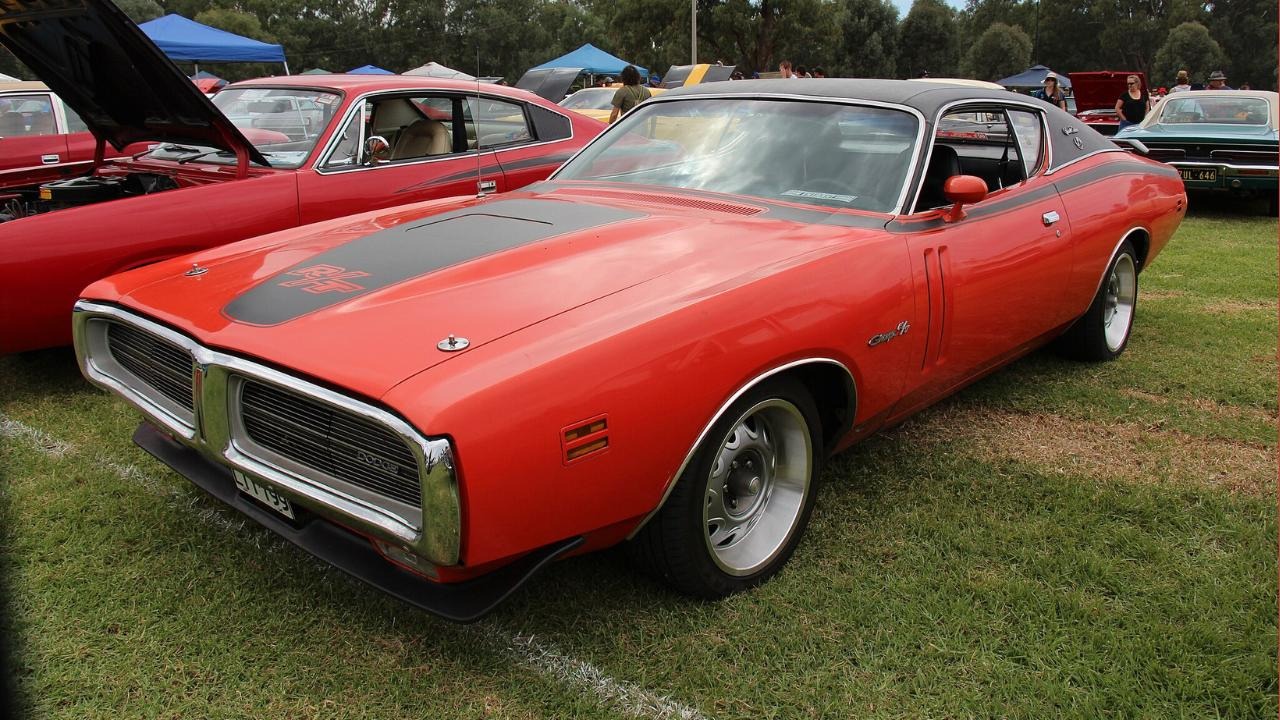
The Charger R/T with the 426 Hemi represented one of Dodge’s most serious street-performance combinations. The big-block used hemispherical combustion chambers and specialized components that helped it produce exceptional power. Its combination with the Charger created a machine that was as visually aggressive as it was mechanically serious. Surviving examples remain closely associated with the peak years of American muscle-car engineering.
Dodge Challenger R/T 440 Six Pack

The Dodge Challenger R/T 440 Six Pack used three two-barrel carburetors to feed its large-displacement V8. The unusual induction system helped the engine produce strong performance while giving the Challenger a distinctive place among Mopar muscle cars. The combination of big-block torque, aggressive styling, and limited production made the 440 Six Pack Challenger one of the most memorable high-performance cars of the period.
Plymouth Superbird 440
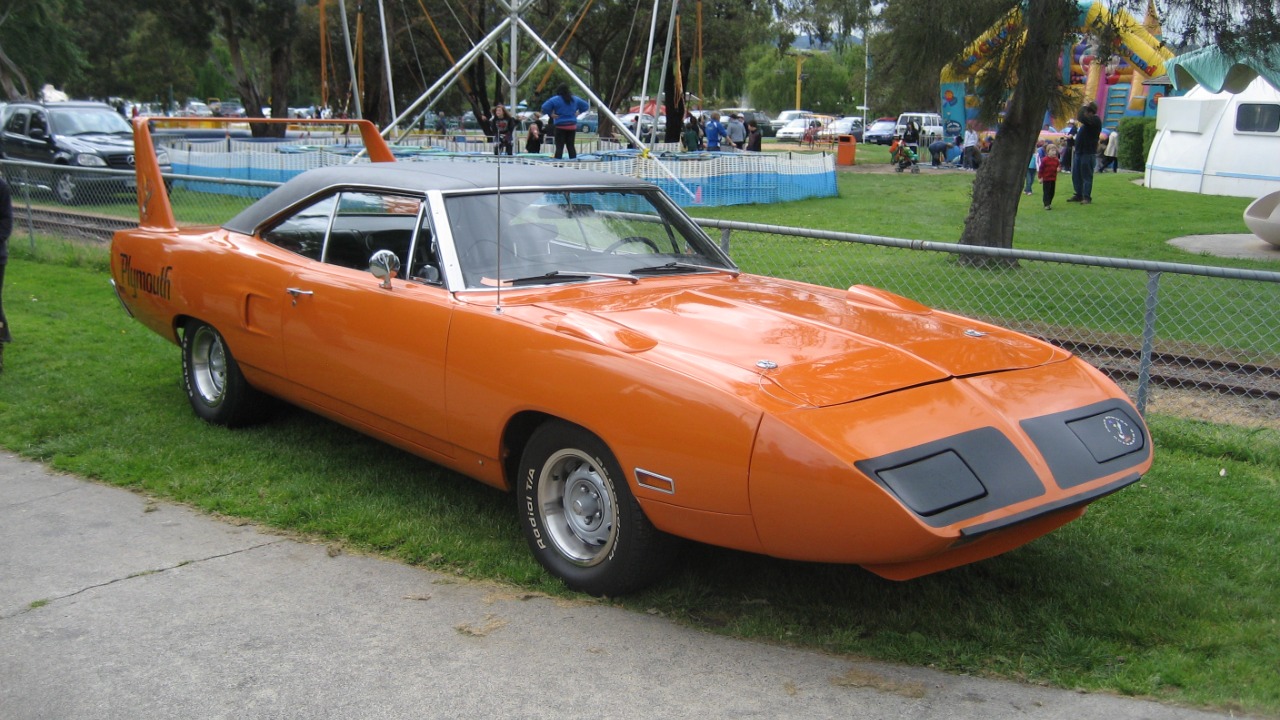
The Plymouth Superbird took the standard muscle-car formula into NASCAR-inspired territory. Its aerodynamic nose cone and enormous rear wing were developed to improve high-speed performance, while the 440 big-block provided substantial power. The unusual design made the car impossible to confuse with an ordinary Plymouth. Today, the Superbird remains one of the clearest examples of how racing technology influenced production muscle cars.
Dodge Charger Daytona 440

The Dodge Charger Daytona used dramatic aerodynamic modifications to improve its performance at high speed. Its pointed nose and towering rear wing made it one of the most unusual American cars of its era. The 440 big-block gave the Daytona substantial street performance, while the car’s limited production was tied to NASCAR homologation requirements. Its design remains one of the most recognizable examples of American factory engineering.
Ford Torino Cobra 429
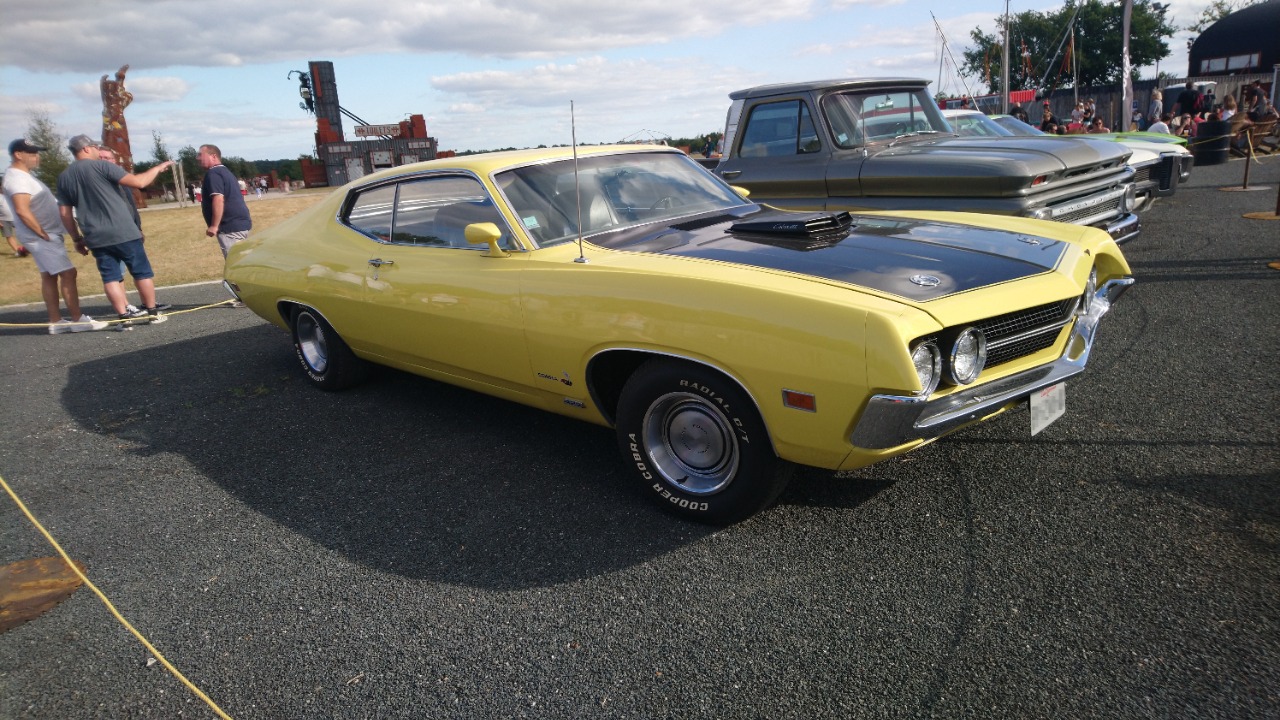
The Ford Torino Cobra paired a muscular intermediate body with Ford’s 429-cubic-inch big-block. The large V8 gave the car strong acceleration, while the Cobra package added performance-focused equipment. Ford’s 429 family became one of the company’s most important big-block designs during the early 1970s. The Torino Cobra demonstrated how Ford could compete directly with Chevrolet, Dodge, and Plymouth in the increasingly intense muscle-car market.
Ford Mustang Boss 429

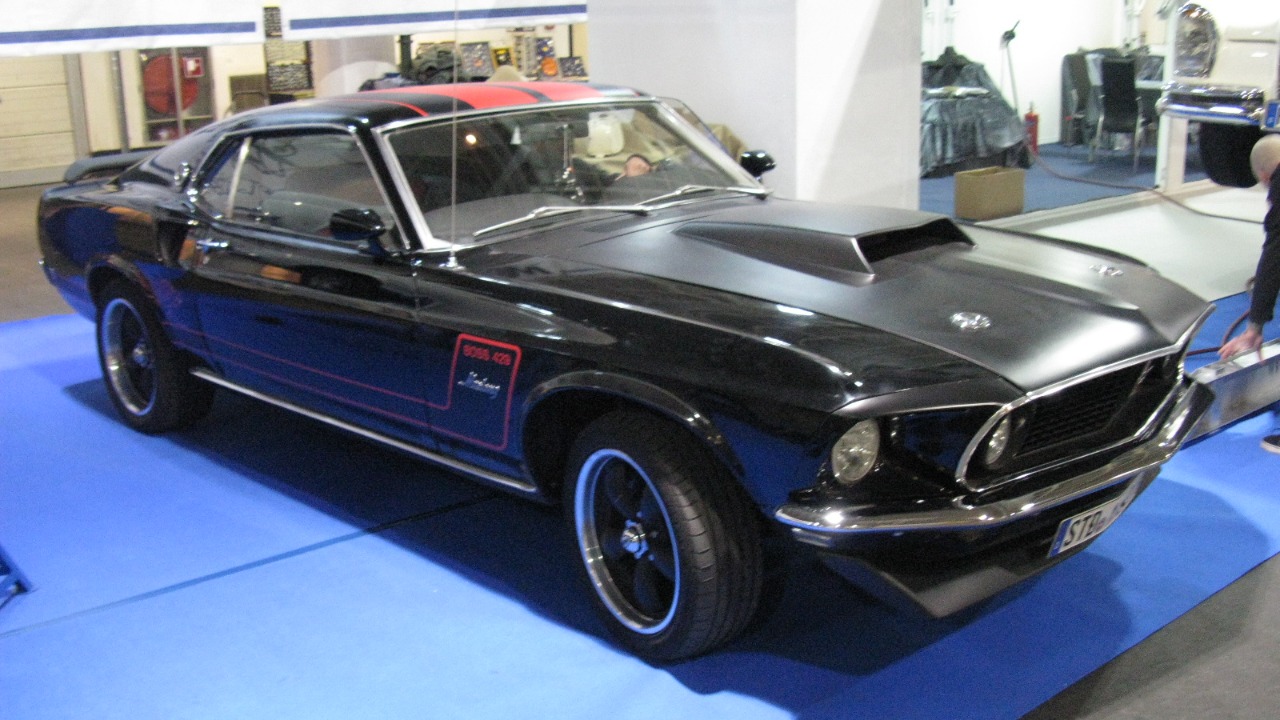
The Ford Mustang Boss 429 was built around one of Ford’s largest and most famous performance engines. The 429-cubic-inch V8 was developed with racing applications in mind and required significant changes to the Mustang’s engine compartment. Production numbers were limited, and each car represented a serious investment in factory performance engineering. The Boss 429 remains one of the most distinctive big-block Mustangs ever produced.
More from Fast Lane Only
- Unboxing the WWII Jeep in a Crate
- 15 rare Chevys collectors are quietly buying
- 10 underrated V8s still worth hunting down
- Police notice this before you even roll window down
*Research for this article included AI assistance, with all final content reviewed by human editors.