Some engines were once easy to find, affordable, and largely overlooked by collectors. As desirable cars disappeared, racing history became more appreciated, and tuning culture grew, certain powerplants became increasingly valuable. These engines now attract enthusiasts searching for original examples, rare specifications, and historically important designs that have become much harder to find.
Toyota 2JZ-GTE

The Toyota 2JZ-GTE was once viewed mainly as the engine that made the fourth-generation Supra famous. Today, original examples are highly sought after because of their durability, twin-turbo layout, and enormous tuning potential. Many engines were modified heavily, swapped into other vehicles, or subjected to demanding use, reducing the number of desirable untouched examples. Collectors who could have purchased complete, original 2JZ-GTE engines cheaply years ago may now wish they had preserved them. Factory components and correct-specification engines are particularly interesting to Supra enthusiasts.
Nissan RB26DETT
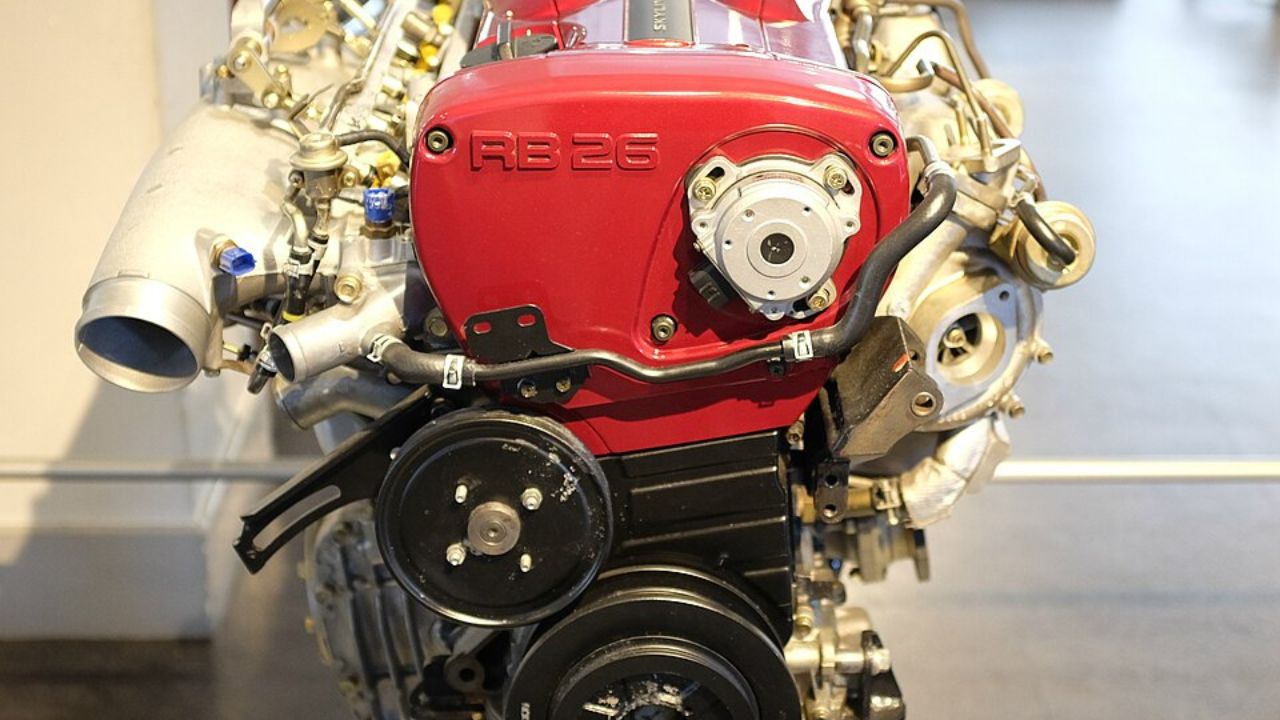
The Nissan RB26DETT became one of the defining engines of the Skyline GT-R family. Its 2.6-liter twin-turbocharged inline-six combined strong construction with sophisticated engineering and impressive tuning potential. Years ago, complete engines and replacement parts were much easier to source, particularly as older Skylines were broken down for components. Today, original engines with desirable specifications and matching components are increasingly important to collectors restoring GT-Rs. The RB26’s connection to Nissan’s racing program also gives original examples historical significance beyond their performance alone.
Ford 427 SOHC
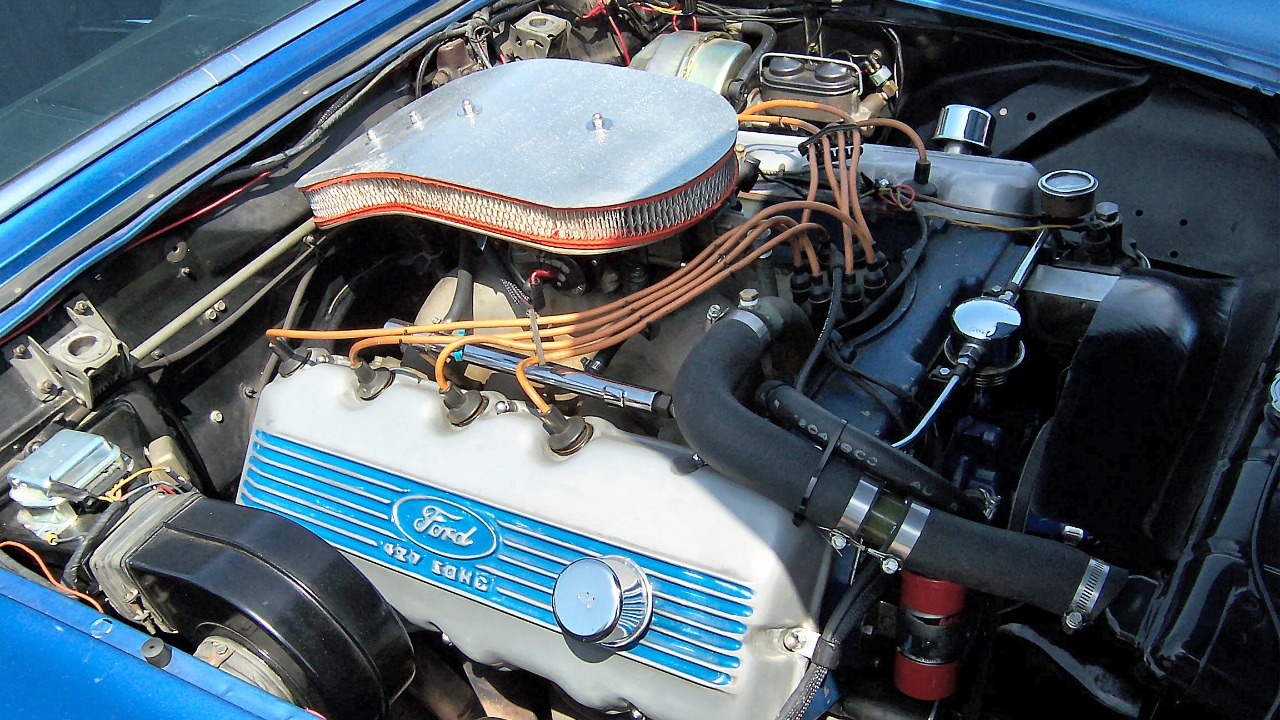
Ford’s 427 SOHC was never an ordinary production engine, which is precisely why collectors value it today. Developed for racing, the enormous V8 used overhead camshaft technology at a time when most American performance engines relied on pushrods. Complete original examples are difficult to find, while authentic components can command considerable attention from Ford enthusiasts. The engine’s association with drag racing and other forms of competition further increases its historical appeal. Collectors who overlooked original 427 SOHC parts decades ago now face a much smaller supply.
Chevrolet 427 ZL1
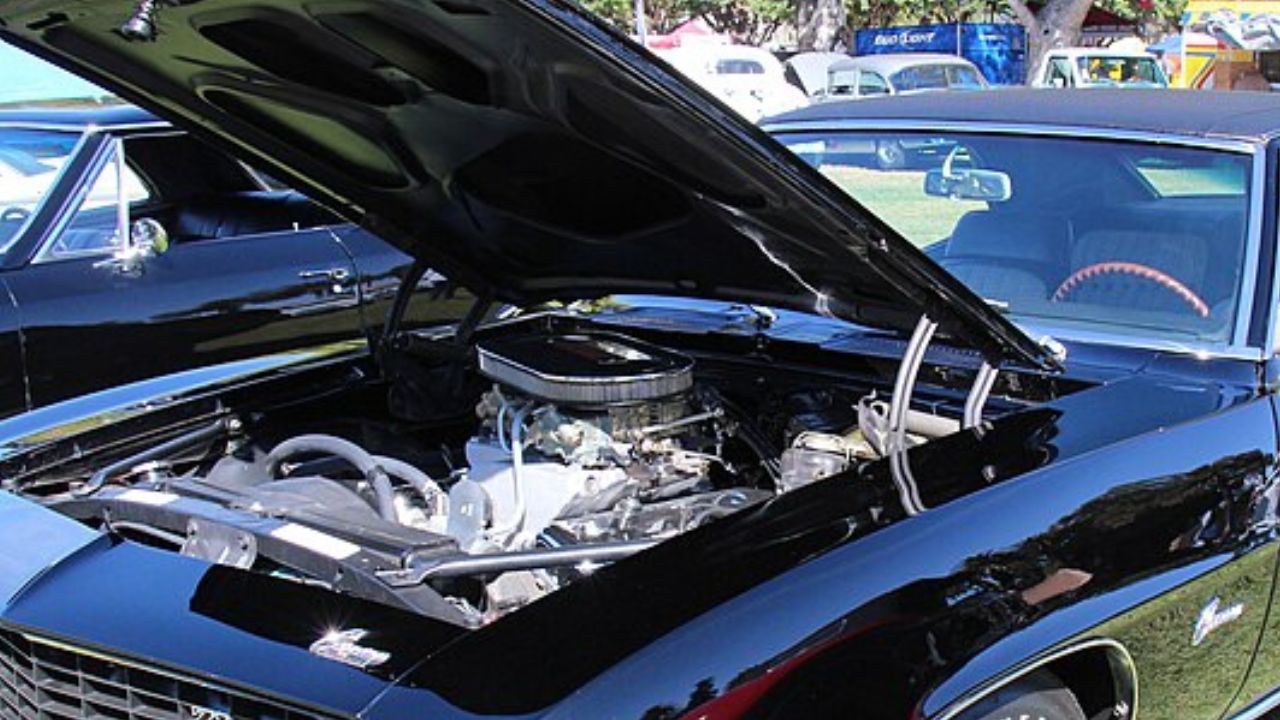
The Chevrolet 427 ZL1 remains one of the most desirable big-block engines from the muscle-car era. Its aluminum construction made it lighter than conventional iron-block big-blocks, while its racing-oriented design gave it exceptional performance potential. Only a tiny number of 1969 Camaros received the engine, making original examples particularly rare. Over time, engines were removed, modified, rebuilt, or separated from their original cars. Collectors interested in authentic ZL1 history therefore place considerable importance on correct blocks, heads, and original components.
Chrysler 426 Hemi
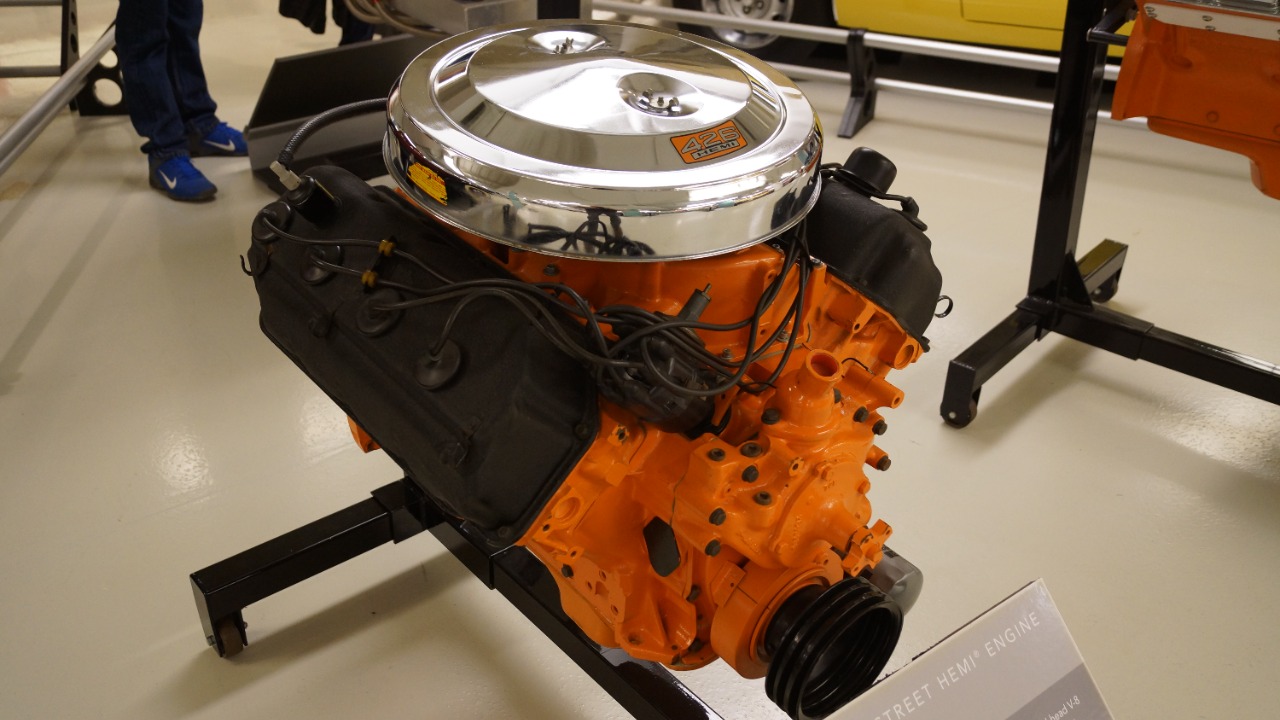
The Chrysler 426 Hemi became one of the defining engines of the classic muscle-car era. Its hemispherical combustion chambers, large valves, and substantial displacement gave it tremendous performance potential. Complete engines were once more accessible, especially when older muscle cars were treated as inexpensive used vehicles rather than valuable collectibles. Today, original 426 Hemi components are important to restorers working on Dodge, Plymouth, and Chrysler performance cars. Correct casting numbers, dates, and factory specifications can make an original engine especially interesting to serious collectors.
Ford 428 Cobra Jet
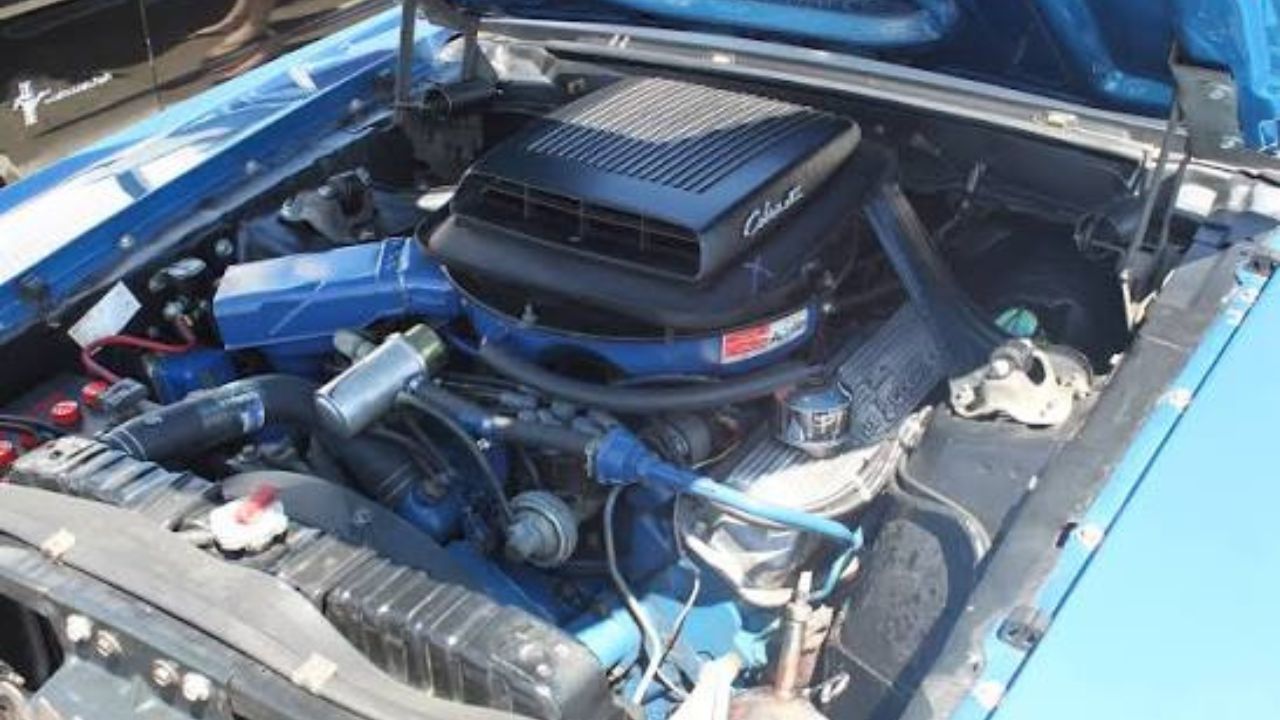
The Ford 428 Cobra Jet brought big-block performance to several famous Ford muscle cars. With 428 cubic inches and specialized performance components, it delivered strong street and drag-strip performance while remaining practical enough for regular driving. Many engines were modified for racing or replaced with other powerplants as these cars aged. Original, correctly dated Cobra Jet engines are now valuable to restorers seeking authenticity. Collectors who purchased complete engines before muscle-car values increased had an easier path to preserving original examples than enthusiasts searching for them today.
Pontiac 400 Ram Air IV
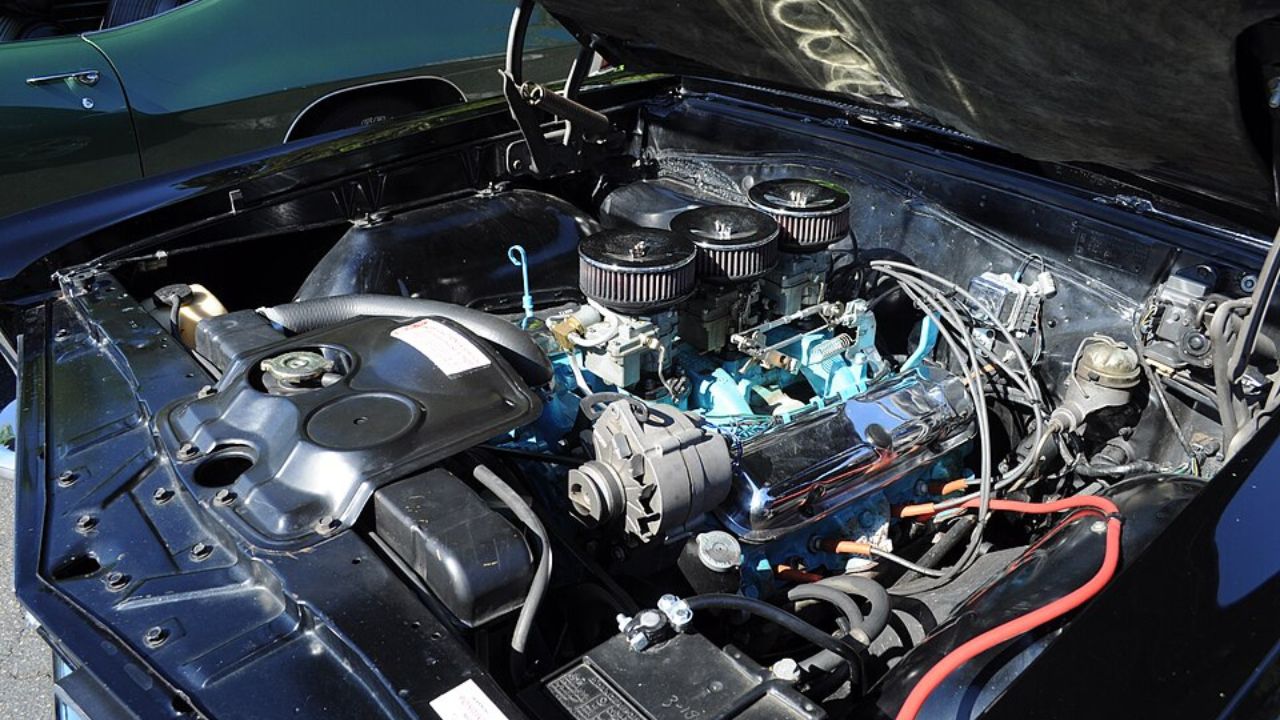
The Pontiac 400 Ram Air IV was among the most specialized factory performance engines of the muscle-car period. It featured round-port cylinder heads, a high-performance camshaft, improved exhaust passages, and other components designed for serious output. Original engines are desirable because many were rebuilt with aftermarket parts or separated from their original vehicles. The engine’s connection to high-performance GTOs and Firebirds gives it additional historical importance. Correct factory components are particularly valuable to collectors restoring cars to their original specifications.
Oldsmobile 455 W-30
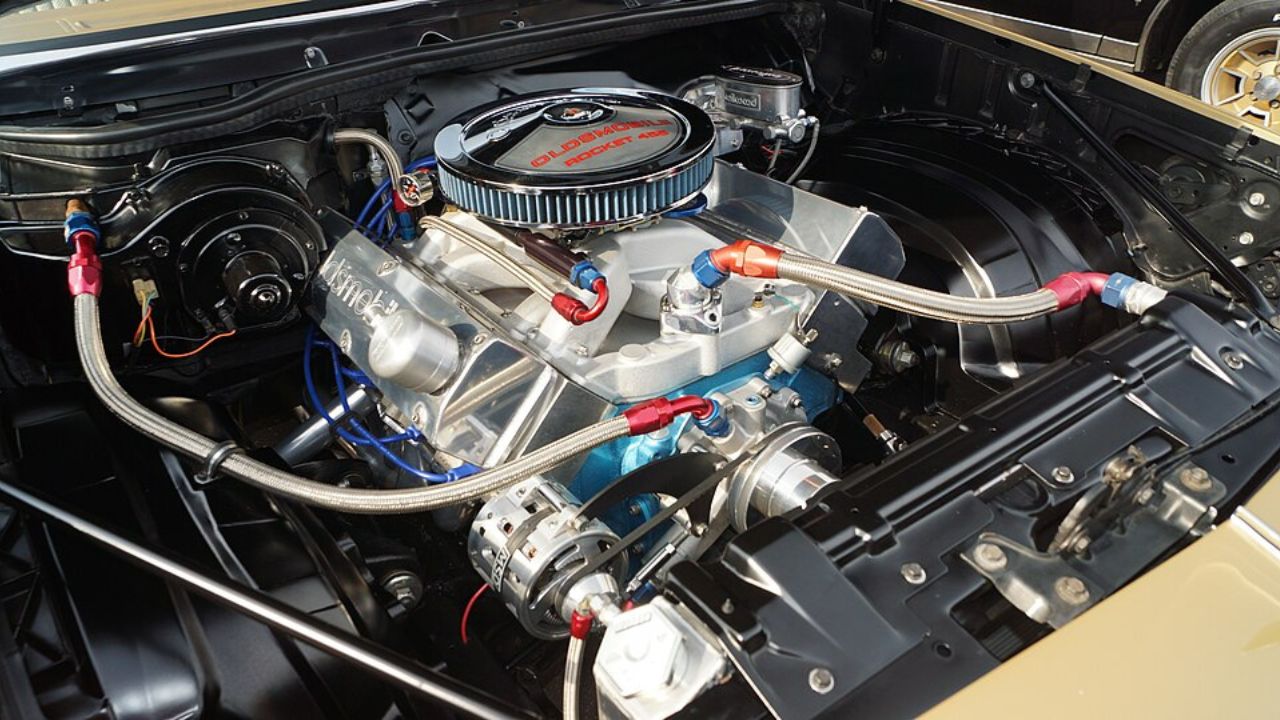
The Oldsmobile 455 W-30 was a major part of the 442’s performance reputation. Its 455-cubic-inch V8 produced enormous torque, while special cylinder heads, induction components, and other upgrades distinguished it from standard Oldsmobile engines. Over the decades, many W-30 engines were rebuilt, modified, or used in other applications. As original 442s became more collectible, demand for correct W-30 engines and components increased. Collectors who preserved complete examples before the restoration market became more serious avoided the challenge of finding rare original parts later.
Buick 455 Stage 1
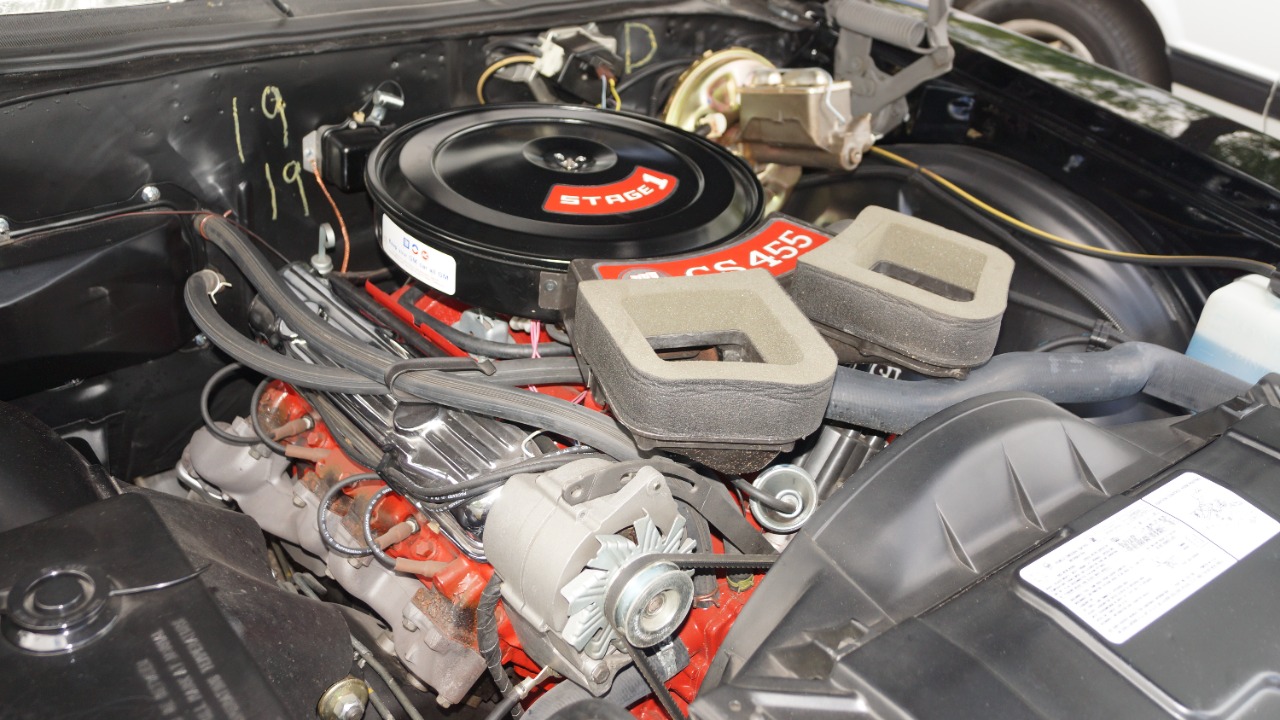
The Buick 455 Stage 1 offered a distinctive combination of large displacement and strong low-speed torque. Used in performance-oriented Buick models, it featured specialized cylinder heads, a performance camshaft, and other factory upgrades. Complete original engines became harder to locate as cars were modified, scrapped, or restored using replacement components. Today, collectors restoring Buick muscle cars often look for correct engines with appropriate casting and date information. The Stage 1’s relatively limited production compared with ordinary Buick engines makes authentic examples particularly interesting.
Chevrolet 302
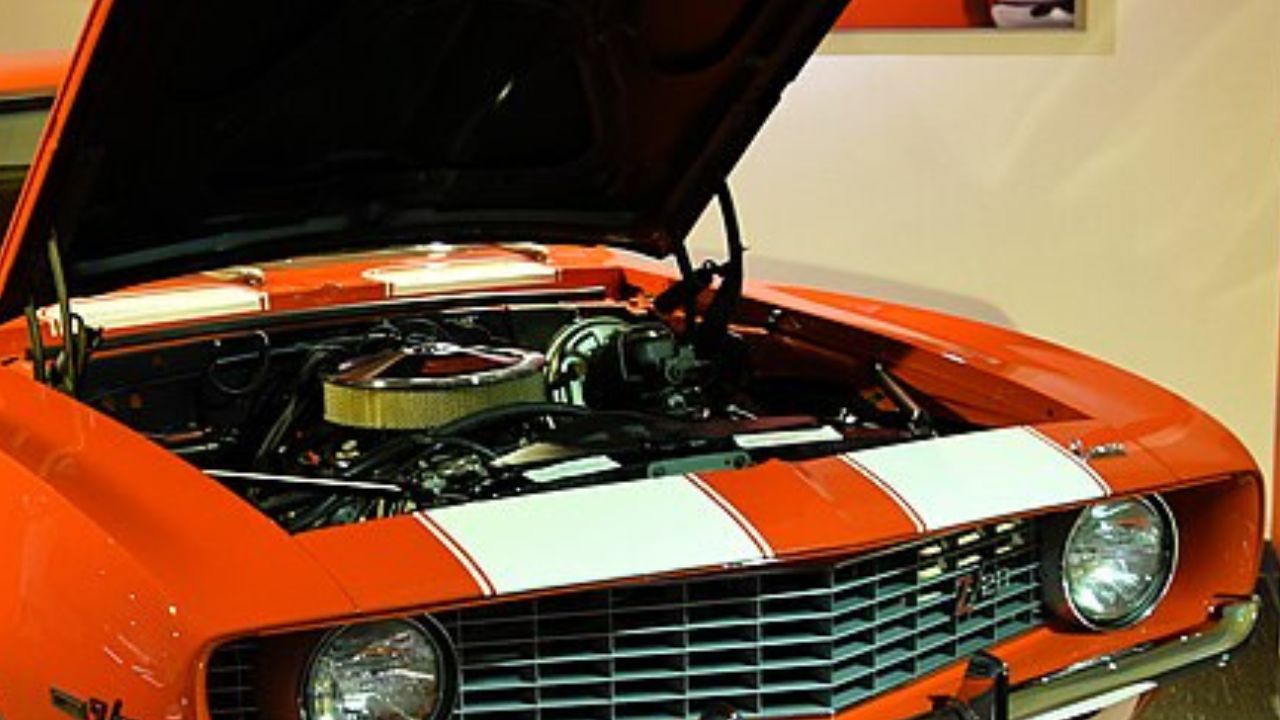
CC0 1.0 / Wiki Commons
The Chevrolet 302 was created specifically for the Camaro Z/28 and its connection to Trans-Am racing. Its short-stroke design allowed high engine speeds while maintaining the compact dimensions of a small-block V8. Many original engines were modified for racing, rebuilt with aftermarket parts, or replaced during decades of ownership. As first-generation Z/28s became more valuable, authentic 302 engines became increasingly important to restorers. A correct engine with original or period-correct components can add considerable historical credibility to a restored Camaro.
Ford 351 Cleveland
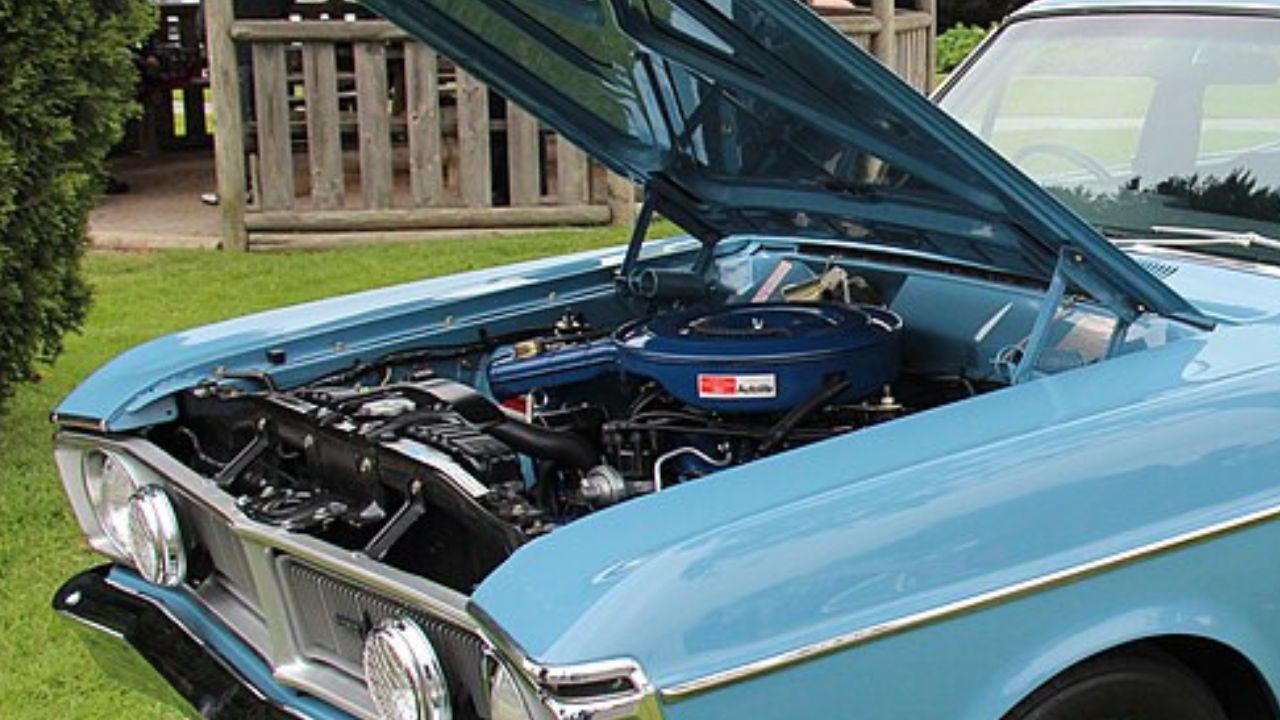
The 351 Cleveland developed a strong following because of its advanced cylinder-head design and excellent breathing characteristics. Introduced for the 1970 model year, it offered a different approach from Ford’s Windsor small-block family and became particularly interesting in performance versions. Many engines were modified because of their tuning potential, while others were used in swaps. Collectors later discovered that untouched examples were becoming harder to locate. Original high-performance Cleveland engines are now especially appealing to enthusiasts restoring period-correct Mustangs and other Ford performance cars.
Chevrolet 409
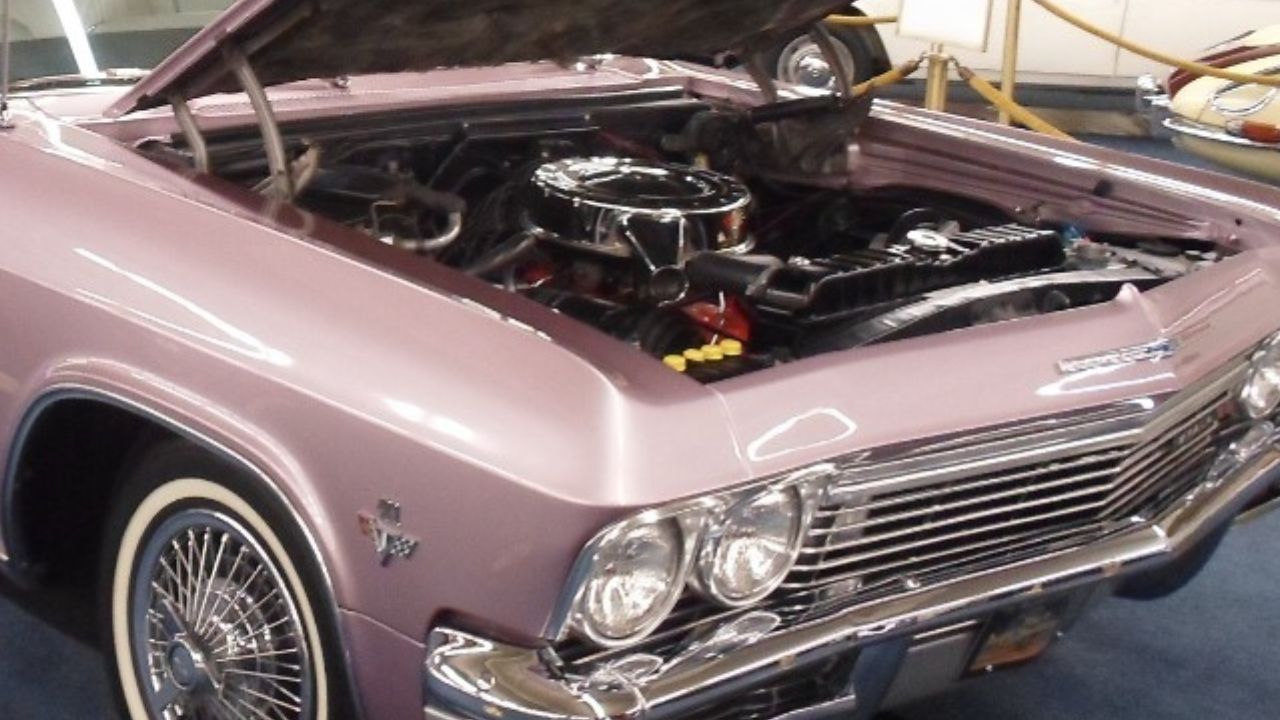
The Chevrolet 409 became famous through its role in early 1960s full-size Chevrolet performance cars and popular culture. Its distinctive W-series design made it visually and mechanically different from later Chevrolet big-blocks. Once these engines became old, many were replaced, rebuilt, or discarded as newer powerplants became more common. Today, original 409 engines attract collectors restoring early Impalas, Bel Airs, and Biscaynes. Correct factory components are important because the engine’s unusual design and relatively limited production make replacement parts and authentic examples increasingly desirable.
Chevrolet 396 L78
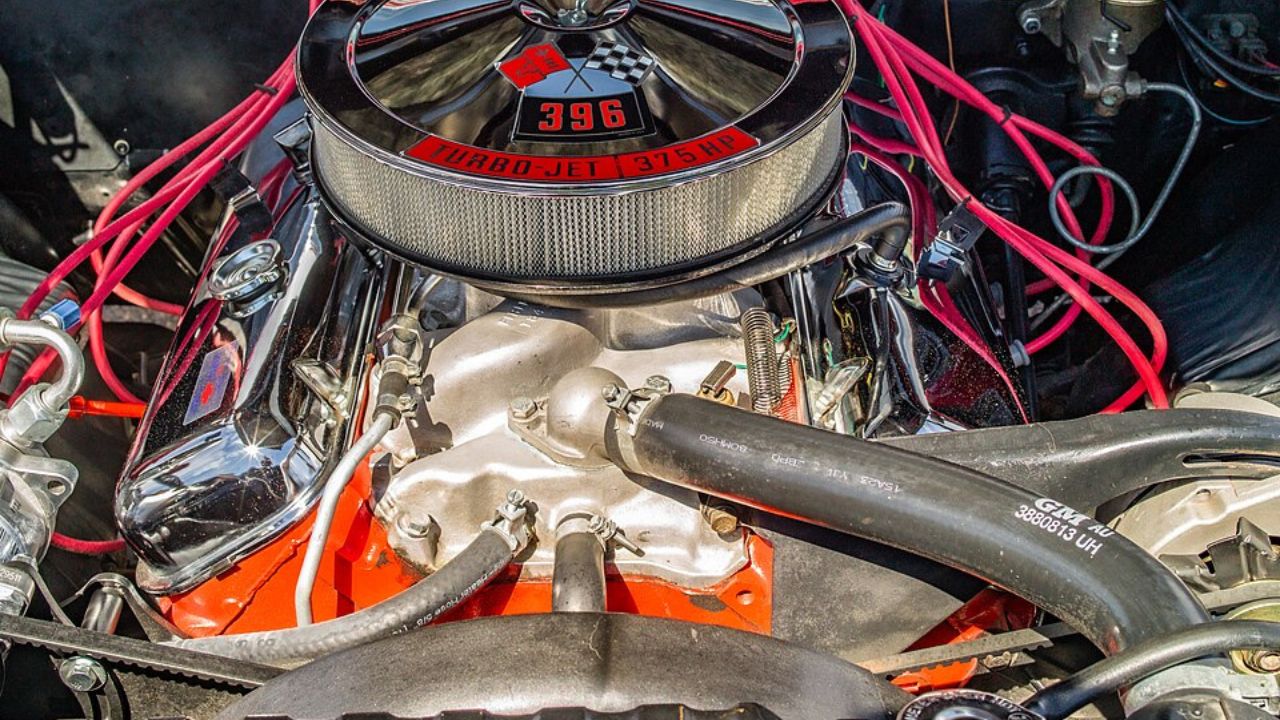
The Chevrolet 396 L78 was one of the most serious big-block options available in Chevrolet muscle cars during the late 1960s. Its high-compression design, large valves, and aggressive camshaft helped produce substantial power. Engines were frequently modified for drag racing, making untouched examples difficult to locate decades later. Today, original L78 engines are sought by collectors restoring Chevelles, Novas, and Camaros. Correct casting numbers, dates, and factory components are especially important because visually similar Chevrolet big-blocks can otherwise be mistaken for the original engine.
Ford 390 GT
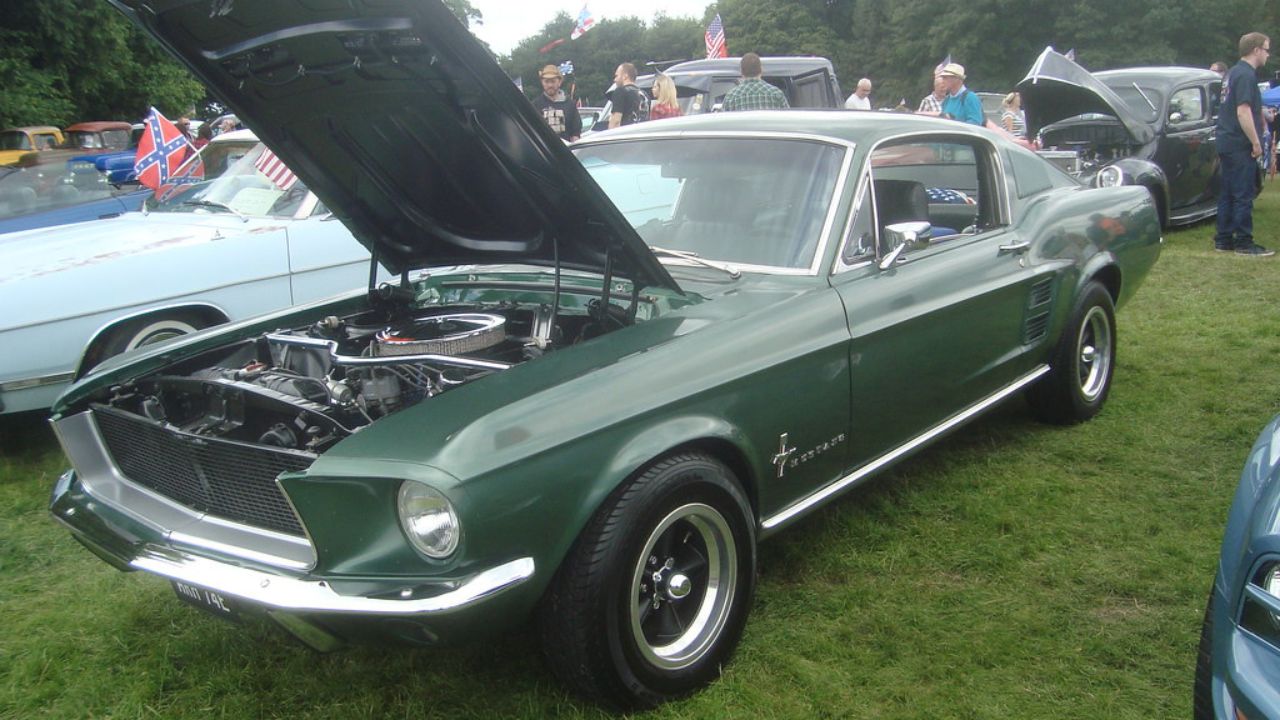
The Ford 390 GT provided large-displacement performance in several important Ford models during the 1960s. Used in cars such as the Mustang, Fairlane, and other performance-oriented vehicles, it combined substantial torque with relatively straightforward mechanical construction. Many examples were rebuilt or modified over the years because the FE engine family was popular for performance applications. Collectors restoring period Ford muscle cars now have greater interest in finding correct 390 GT components. Engines that retain their original configuration can be particularly useful for historically accurate restorations.
BMW S54
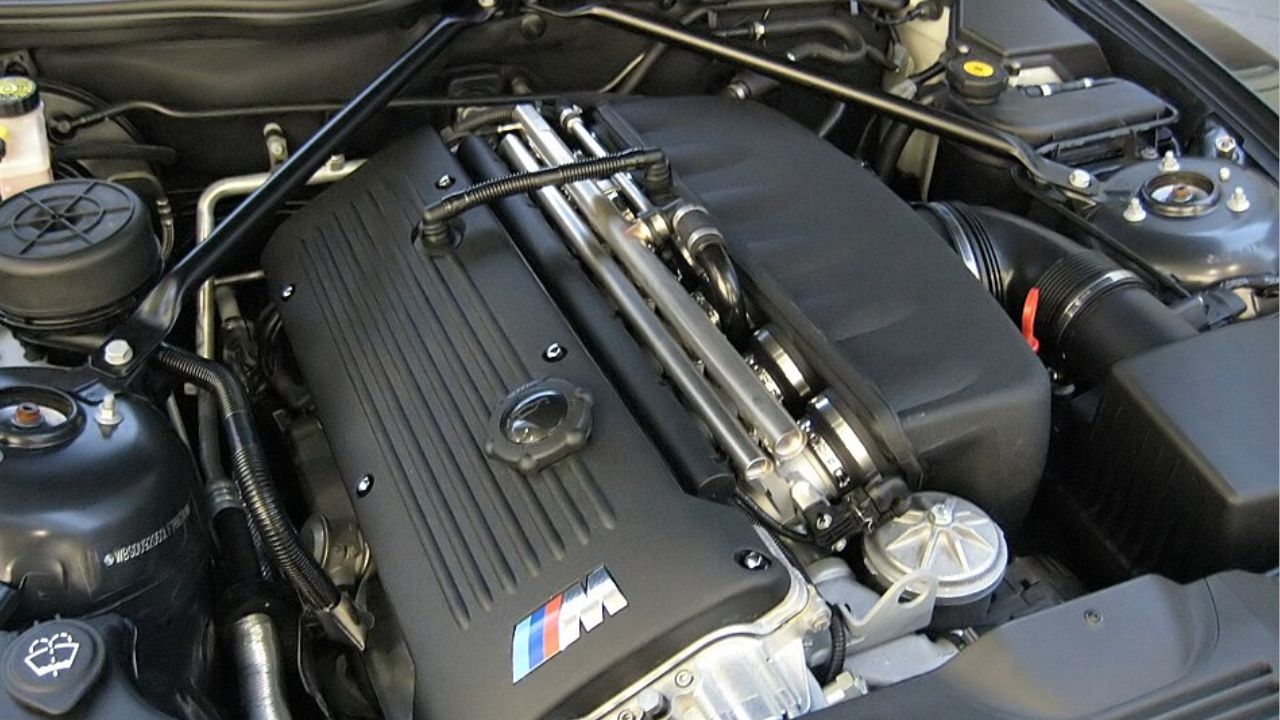
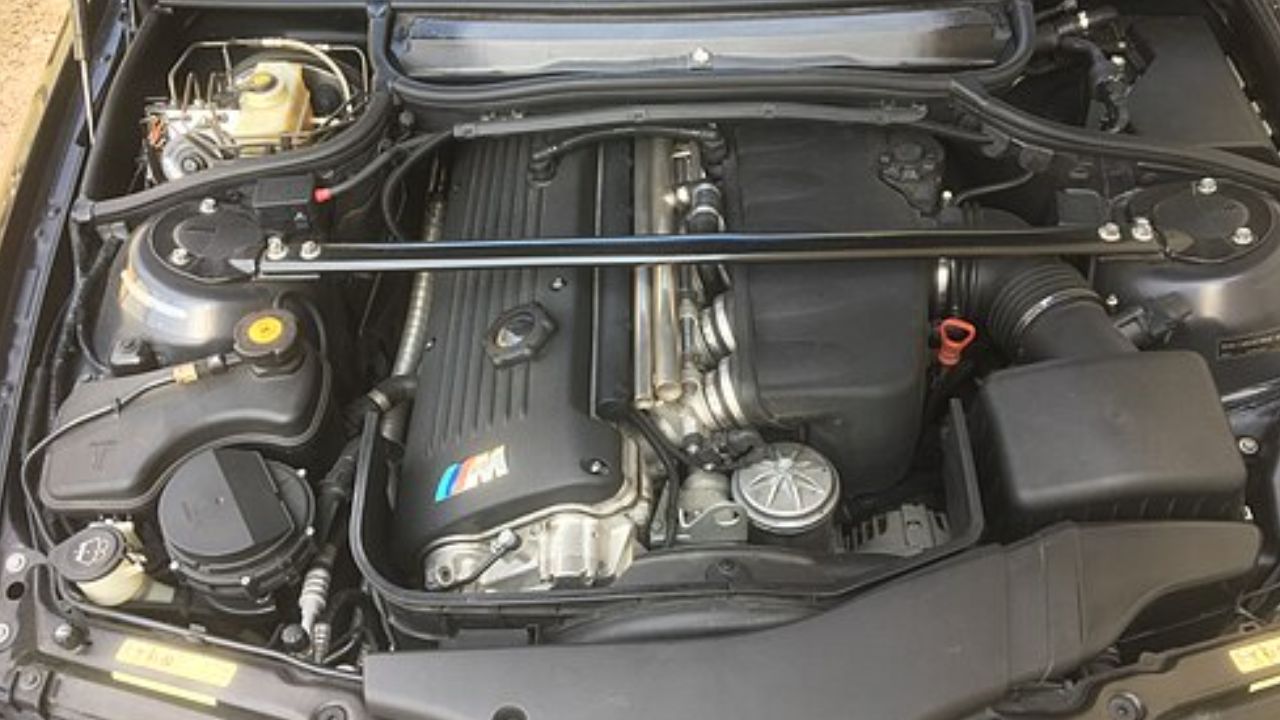
The BMW S54 became one of the most celebrated naturally aspirated inline-six engines of the modern performance era. Used in the E46 M3 and related models, its 3.2-liter displacement, individual throttle bodies, and high-revving character gave it a distinctive personality. Earlier in its life, complete engines were relatively accessible because they were simply replacement parts from used performance cars. As interest in analog BMWs increased, original S54 engines became more desirable. Collectors now appreciate engines that retain factory components and have documented histories.
Ferrari F140 V12

Ferrari’s F140 V12 represents the high-performance naturally aspirated engine at an increasingly rare point in automotive history. Introduced in the Enzo and later developed for several Ferrari models, it combined large displacement with advanced materials and extremely high output. Complete engines were never inexpensive, but collectors who could preserve original powerplants before major restorations and engine swaps became more common had an opportunity to secure historically important hardware. Today, the F140’s connection to Ferrari’s flagship road cars gives it considerable long-term collector interest.
Toyota 4A-GE
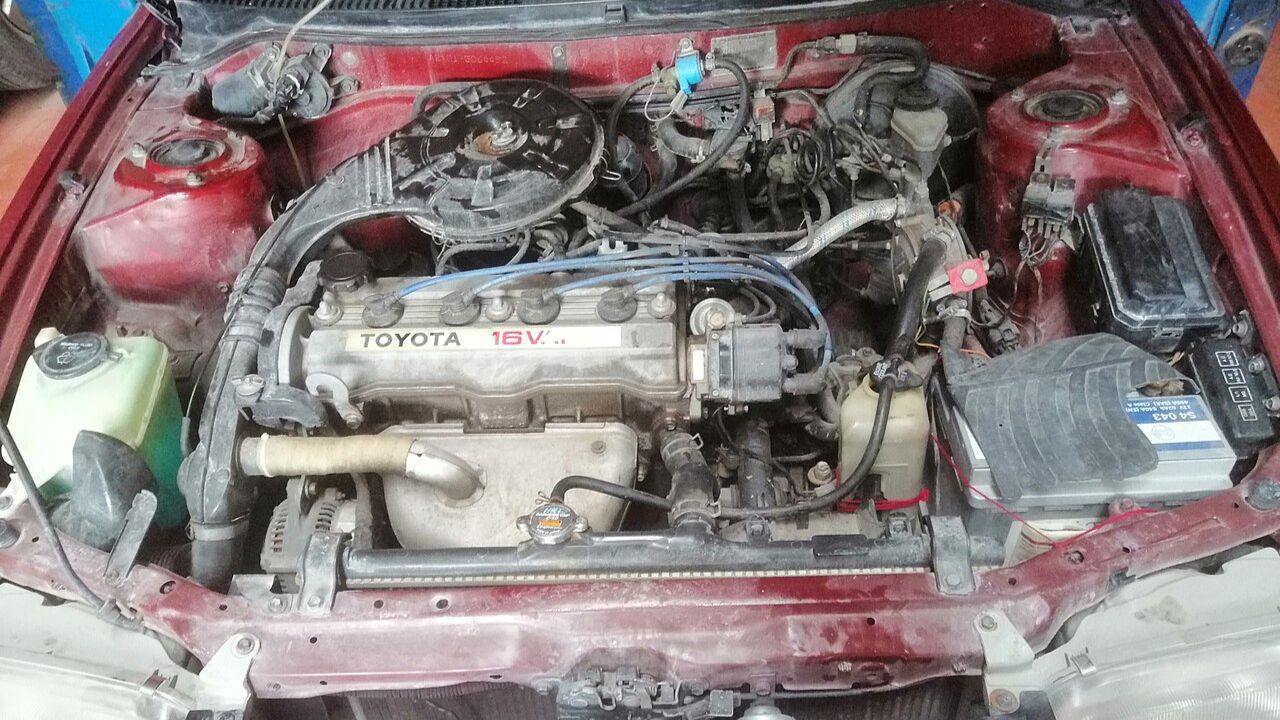
The Toyota 4A-GE became a favorite among enthusiasts because it delivered responsive performance from a compact naturally aspirated four-cylinder engine. Used in models such as the Corolla AE86 and other Toyota performance applications, it developed a strong reputation in motorsport and tuning communities. Because these cars were inexpensive for many years, engines were frequently modified, swapped, or rebuilt. Original examples have consequently become more interesting to collectors. Enthusiasts restoring classic Toyotas increasingly appreciate complete engines retaining their correct intake, ignition, and factory components.
BMW S70/3 V12
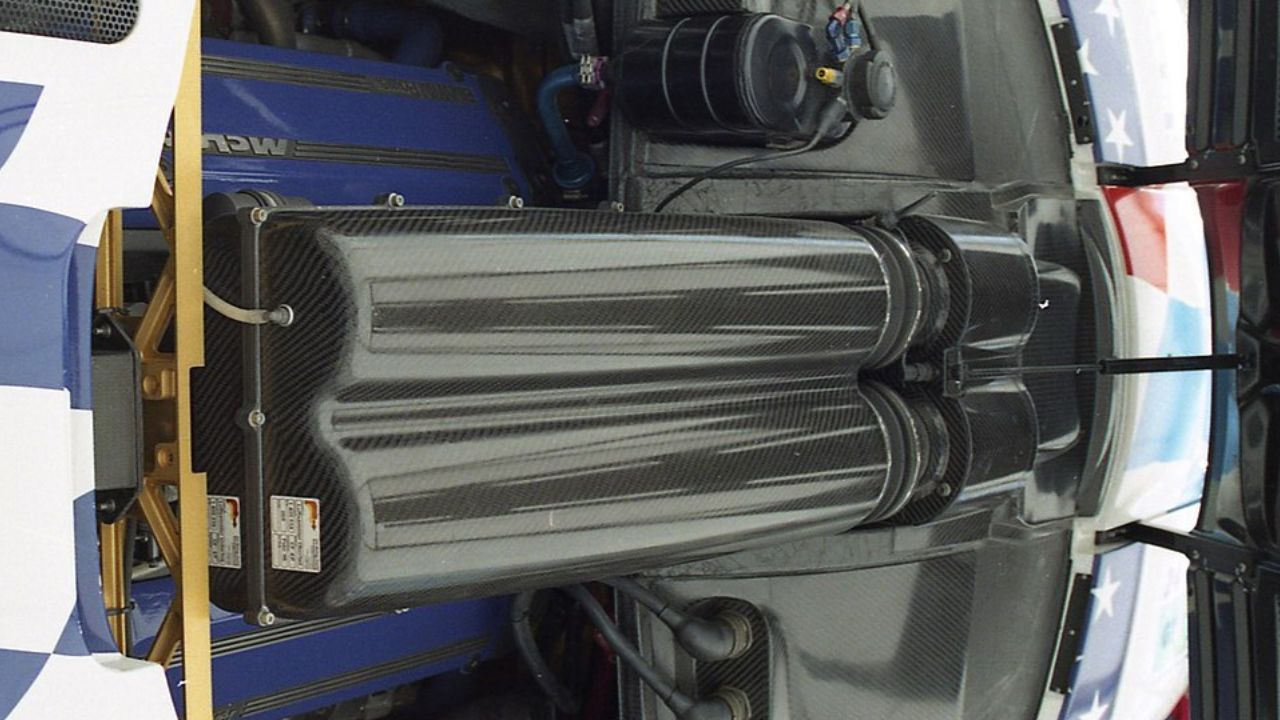
The BMW S70/3 V12 is one of the rarest and most historically significant engines connected to a road car. Built specifically for the McLaren F1, its 6.1-liter naturally aspirated design produced about 627 horsepower and used advanced BMW Motorsport engineering. Only a small number were produced, making original engines extremely difficult to find. Collectors value the S70/3 not only for its performance but also for its direct connection to one of the most iconic supercars ever built.
More from Fast Lane Only
- Unboxing the WWII Jeep in a Crate
- 15 rare Chevys collectors are quietly buying
- 10 underrated V8s still worth hunting down
- Police notice this before you even roll window down
*Research for this article included AI assistance, with all final content reviewed by human editors.