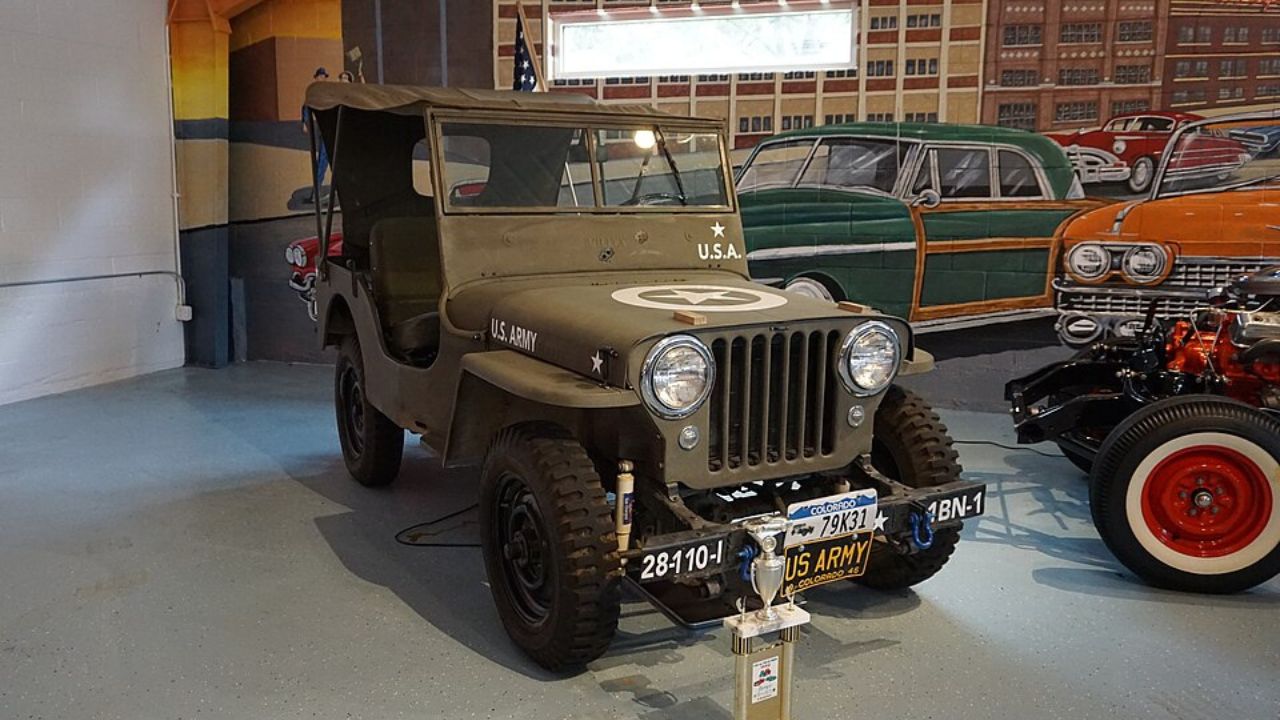
Willys built its reputation around vehicles designed for difficult roads, demanding work, and military service. From wartime Jeeps to civilian utility vehicles, the company produced machines valued for simple engineering and dependable operation. Their rugged construction allowed many examples to survive decades of hard use, restoration, farming, and off-road driving.
Willys MB
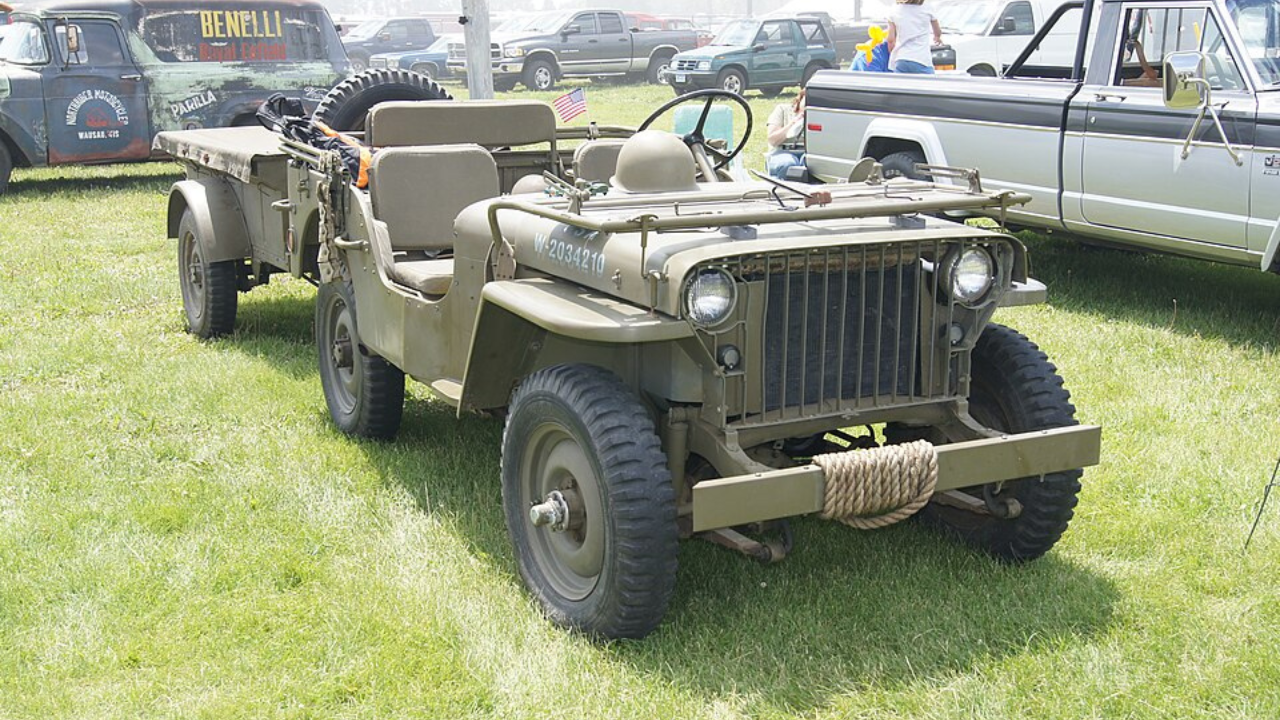
The Willys MB became one of the most recognizable military vehicles of World War II. Its compact four-wheel-drive layout, simple controls, and rugged frame allowed soldiers to operate it across difficult terrain. The 134-cubic-inch Go-Devil four-cylinder engine was not powerful by modern standards, but it emphasized durability and serviceability. Mechanics could access many components without specialized equipment, an important advantage during wartime. Thousands of MBs survived military service and later civilian use, proving how effectively the design handled years of demanding conditions.
Willys CJ-2A
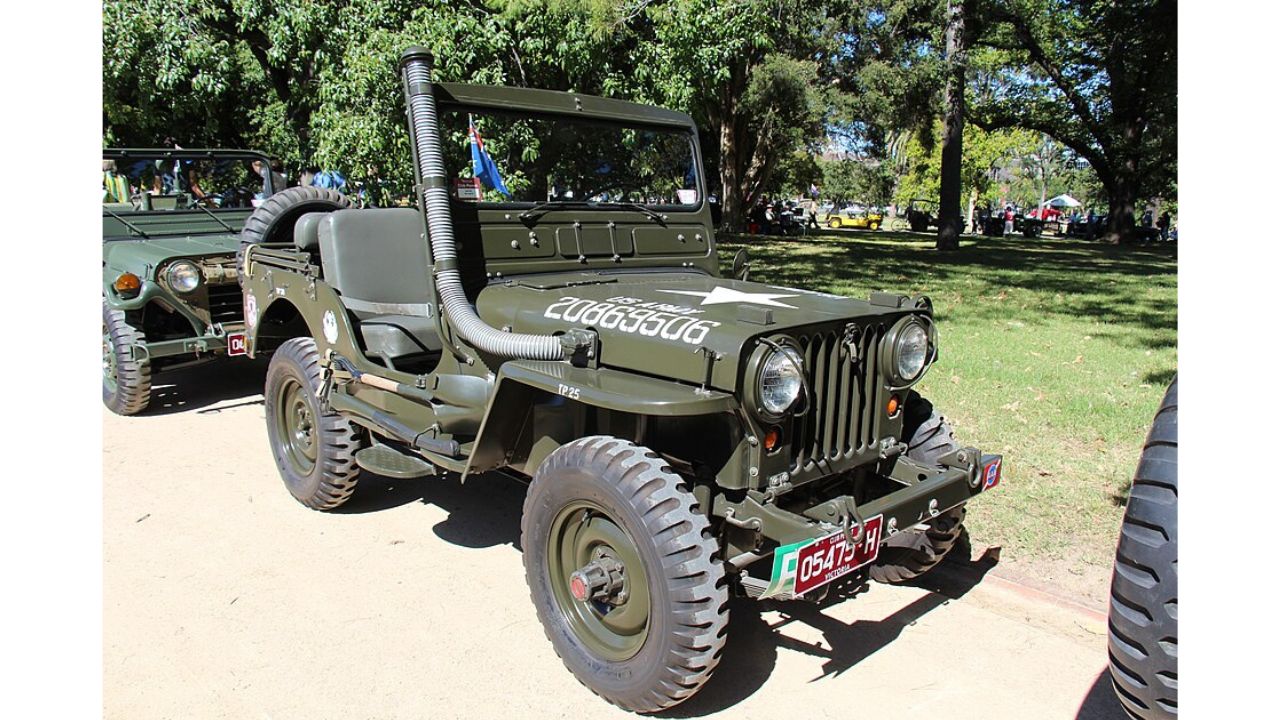
The Willys CJ-2A transformed the wartime Jeep concept into a civilian work vehicle. Introduced in 1945, it retained the compact four-wheel-drive system and Go-Devil engine while gaining features designed for farming and general utility work. Its simple construction made it easy to repair in remote locations. Owners used CJ-2As for agriculture, hauling, hunting, and off-road travel. Many examples continued working for decades, demonstrating the strength of the original Jeep design. Its durability also helped establish the civilian Jeep as a practical utility vehicle.
Willys CJ-3A
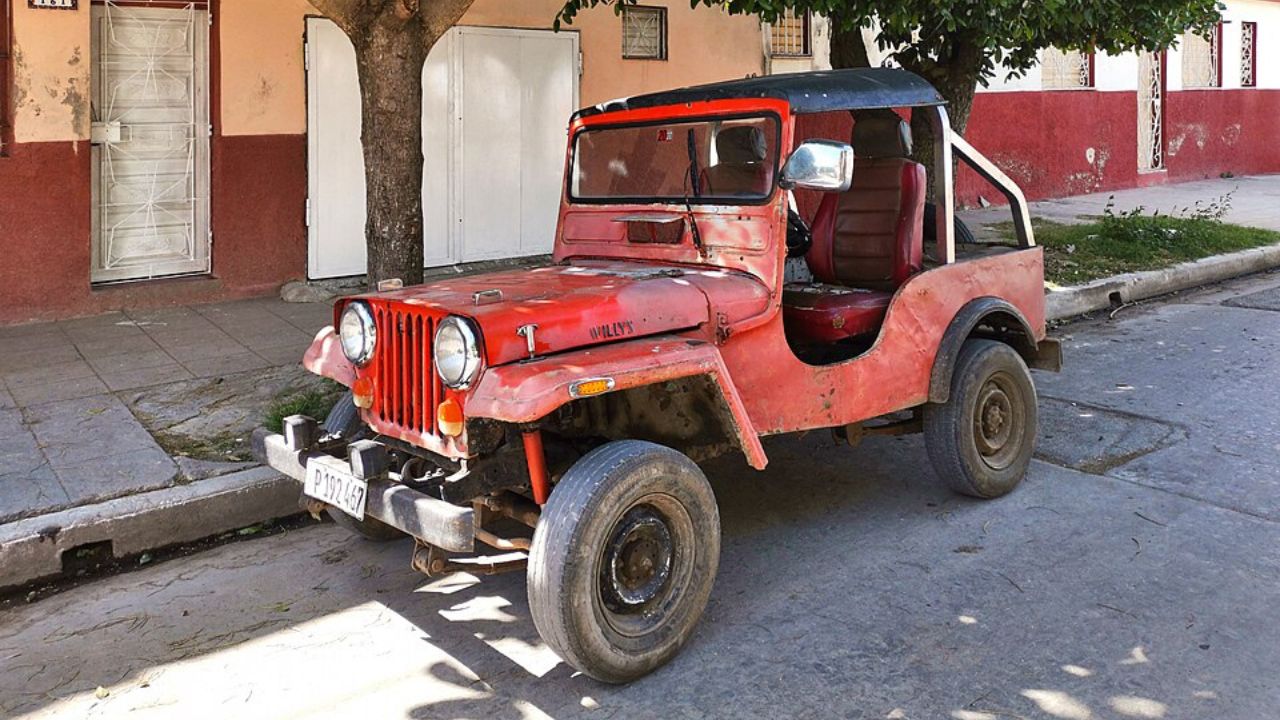
The Willys CJ-3A built on the successful CJ-2A with several practical improvements while retaining the basic rugged Jeep formula. Its reinforced body, compact dimensions, four-wheel-drive system, and dependable Go-Devil engine made it useful on farms and rough roads. The simple drivetrain was easy for mechanics to inspect and repair. CJ-3As were frequently exposed to mud, rocks, steep trails, and heavy work. Surviving examples today show how well the platform handled demanding conditions. Many remain operational after decades of restoration and recreational off-road use.
Willys CJ-3B
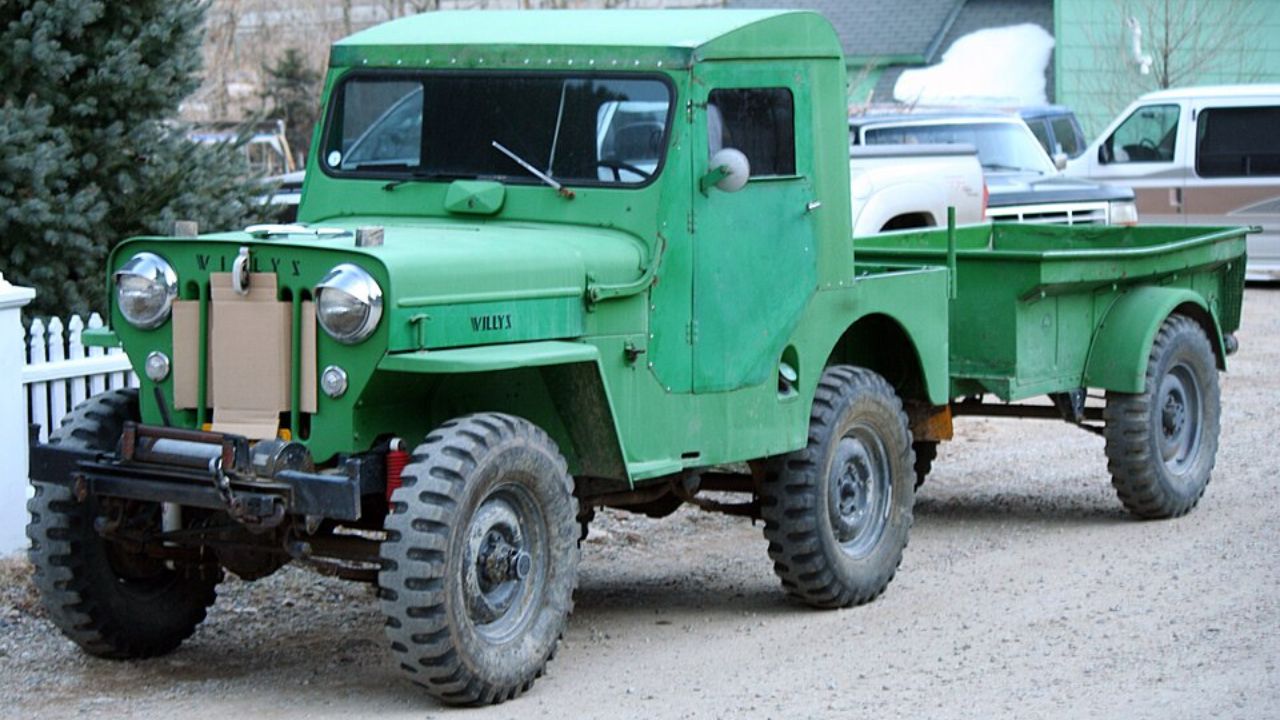
The Willys CJ-3B introduced a taller hood to accommodate the more powerful Hurricane four-cylinder engine. That extra power made the vehicle better suited to agricultural work, utility duties, and difficult terrain. Despite the change, Willys retained the straightforward four-wheel-drive architecture that had made earlier Jeeps successful. The CJ-3B could operate in places where larger vehicles struggled to maneuver. Its mechanical simplicity also made field repairs relatively practical. Many examples survived years of commercial and farm use before eventually becoming popular restoration and off-road projects.
Willys CJ-5
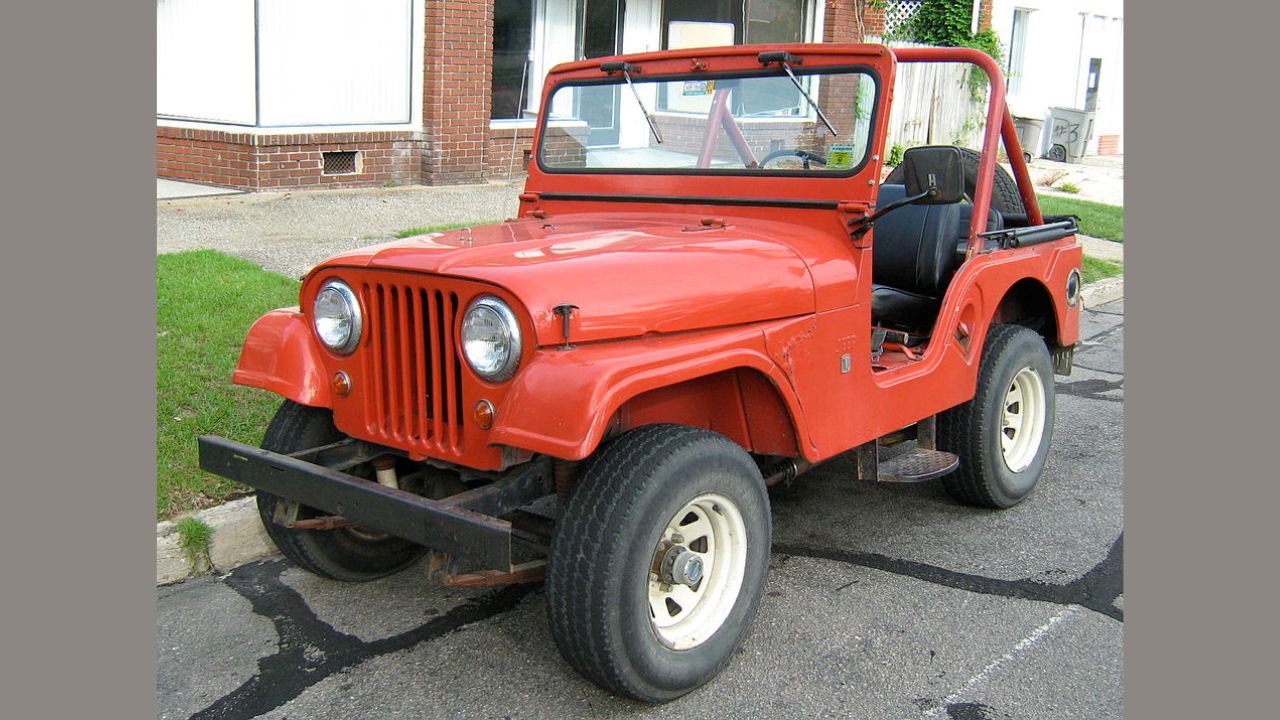
The Willys CJ-5 became one of the longest-lived Jeep designs, remaining in production for decades. Its short wheelbase, rugged frame, and four-wheel-drive system made it useful for farming, forestry, construction, and recreation. Multiple engines were offered during its long production run, but the basic chassis remained remarkably durable. The CJ-5 was also small enough to navigate narrow trails and rough terrain. Mechanics value its simple construction and strong aftermarket support. Thousands survived hard working lives, helping make the CJ-5 a classic American utility vehicle.
Willys CJ-6
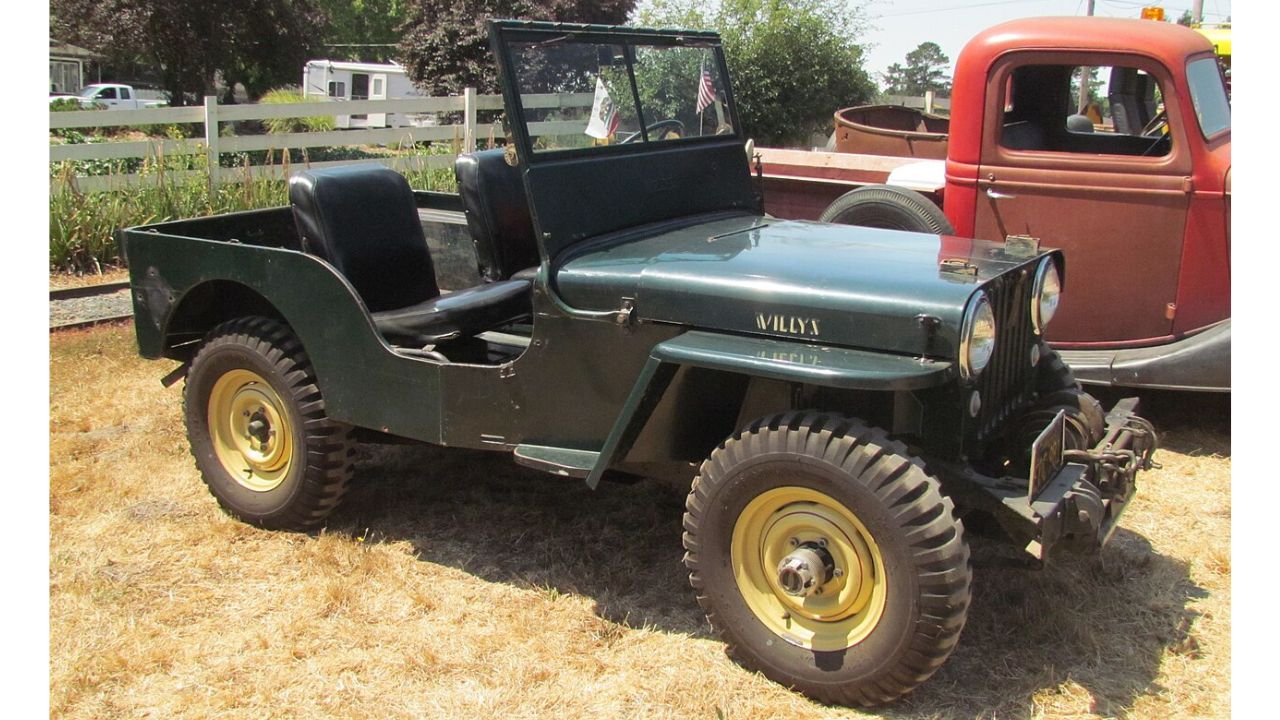
The Willys CJ-6 extended the CJ-5 concept with a longer wheelbase and additional cargo space. It retained the same basic rugged architecture while offering greater practicality for hauling equipment, tools, and passengers. The longer body made it particularly useful for commercial and agricultural applications. Four-wheel drive and a durable chassis allowed it to handle rough surfaces without requiring complicated technology. Although less common than the CJ-5, surviving CJ-6s have developed a strong following among collectors and off-road enthusiasts because of their combination of utility and durability.
Willys Station Wagon
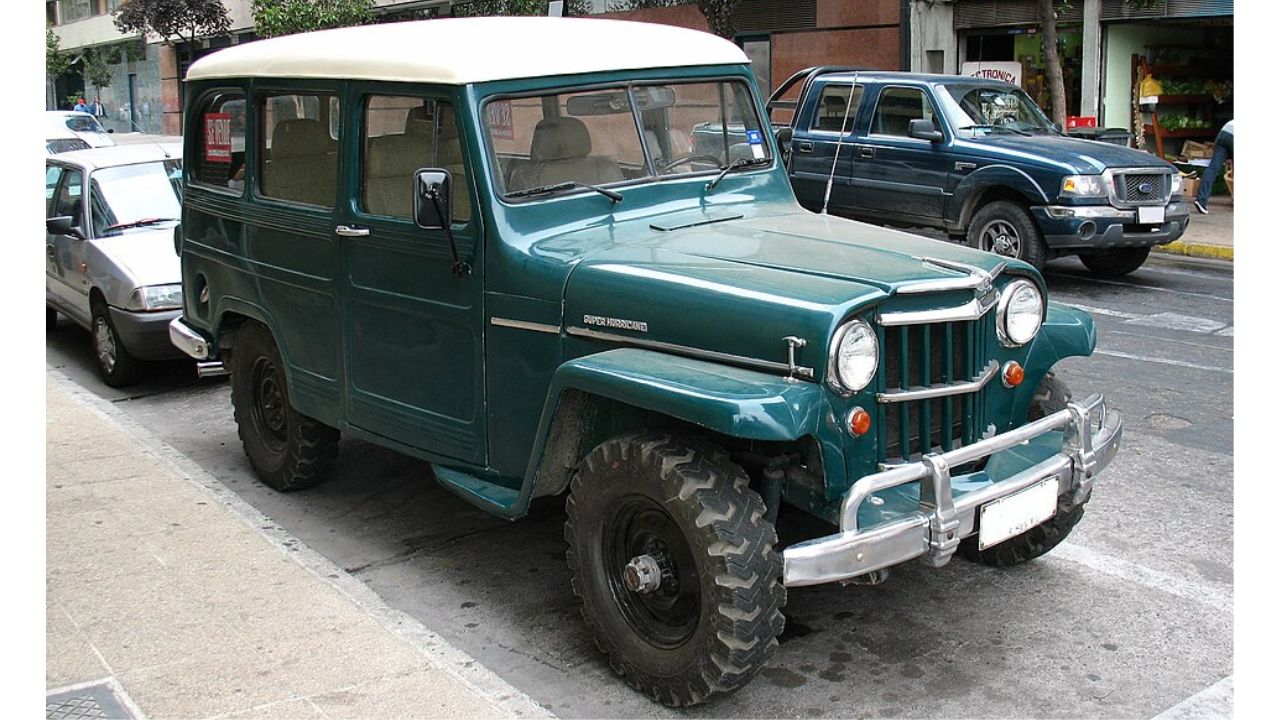
The Willys Station Wagon brought four-wheel-drive utility into a more practical enclosed-body format. Introduced in the 1940s, it became useful for families, businesses, rural transportation, and commercial work. Its body-on-frame construction and available four-wheel drive made it well suited to rough roads. Willys also offered several engine options during its production life. The station wagon became an important predecessor to the modern SUV because it combined passenger space with genuine utility. Surviving examples are now valued for their historical importance and rugged mechanical character.
Willys Jeep Truck
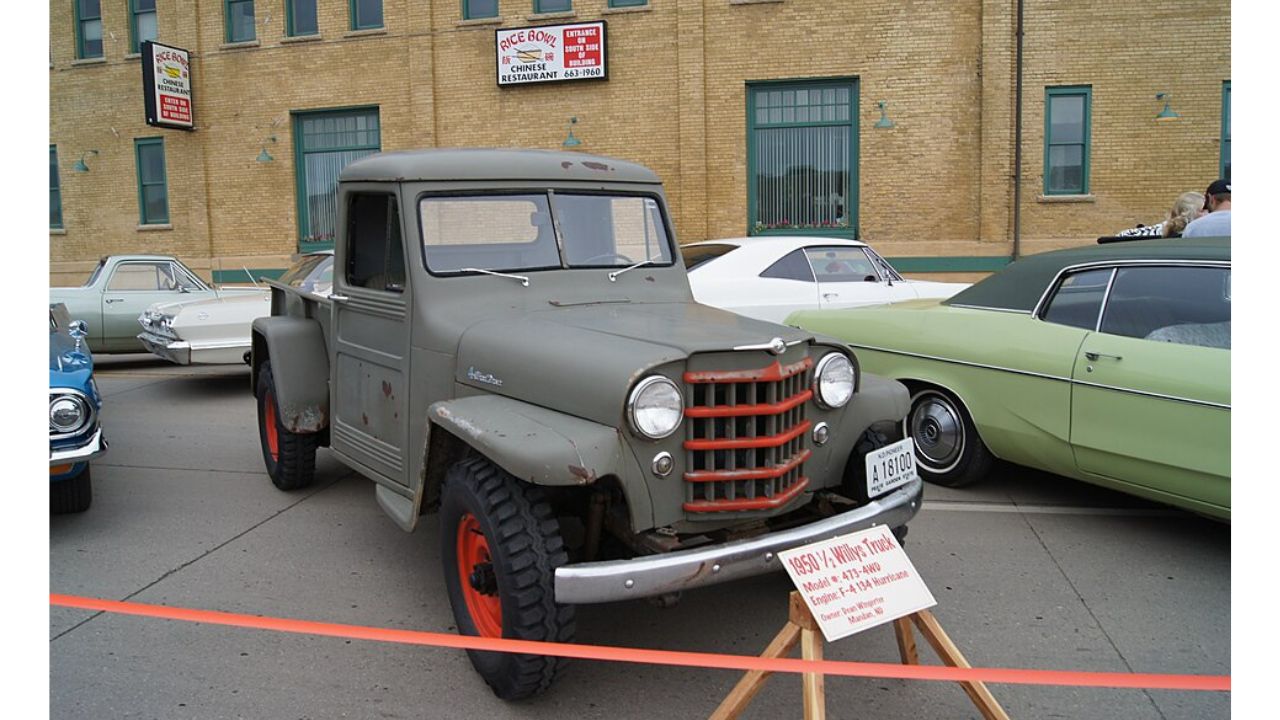
The Willys Jeep Truck provided the basic Jeep drivetrain in a pickup-style package. It was designed for farmers, businesses, and workers who needed a compact truck capable of handling poor roads. Four-wheel drive gave it an advantage over conventional pickups in muddy fields and rough terrain. Its relatively simple mechanical systems made maintenance easier for working owners. The Jeep Truck could haul equipment while remaining maneuverable in tight areas. Many were used heavily during their working lives, making surviving examples evidence of Willys’ practical approach to vehicle design.
Willys Jeepster
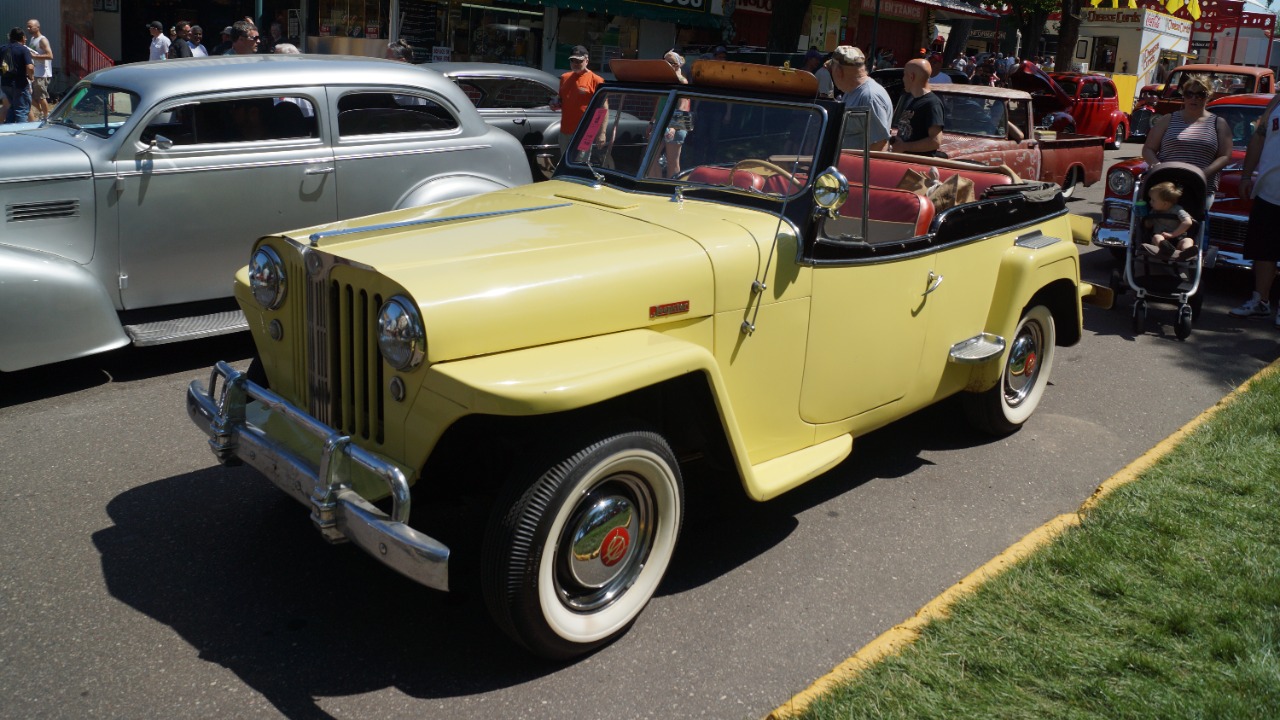
The Willys Jeepster was an unusual combination of civilian road vehicle and Jeep-inspired utility machine. Introduced after World War II, it used rear-wheel drive and a more conventional passenger-car configuration while retaining the rugged character associated with Willys. Although it was not as capable off-road as a four-wheel-drive CJ, its simple mechanical layout made it straightforward to maintain. The Jeepster also became an important part of Willys’ attempt to create a civilian vehicle lineup after wartime production ended. Restored examples remain popular with collectors.
Willys M38
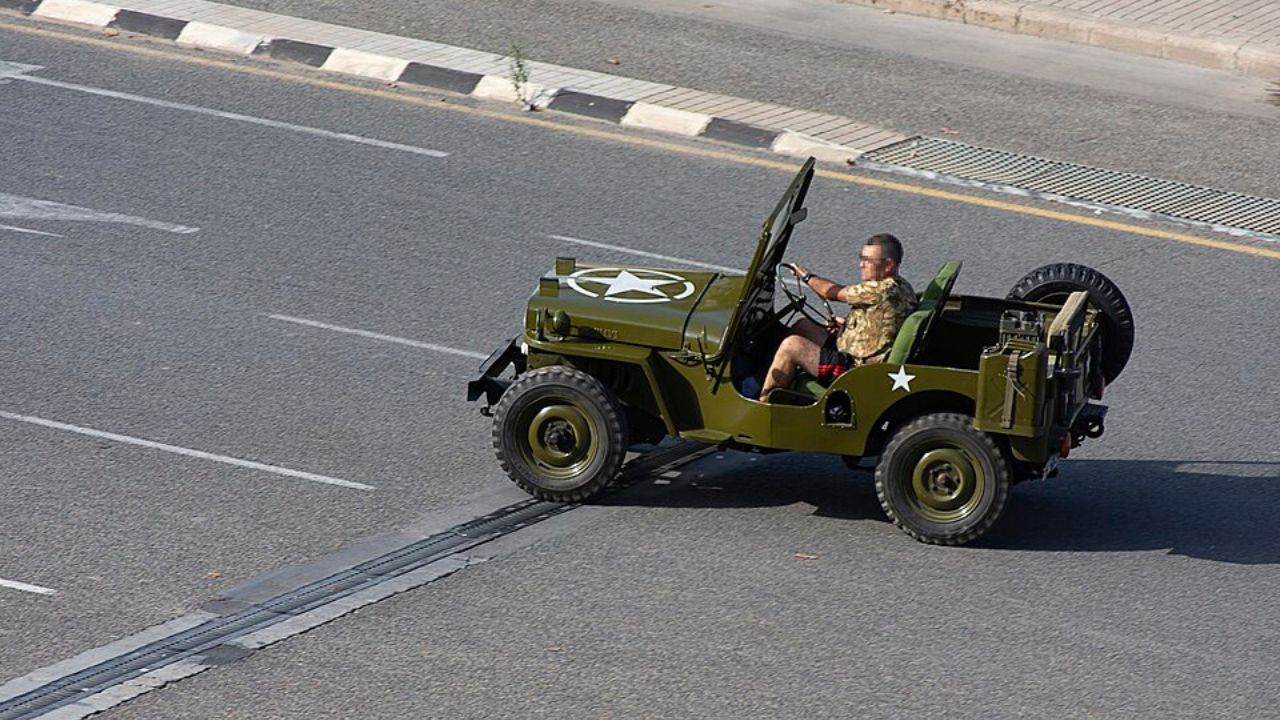
The Willys M38 was developed as a military successor to the wartime MB. It retained the compact Jeep formula but incorporated improvements intended for military service, including a stronger chassis and updated electrical system. The four-wheel-drive layout and rugged suspension allowed it to operate across difficult terrain. Its Hurricane-related four-cylinder development also provided dependable power for its size. Mechanics valued the M38 because many of its systems remained relatively straightforward. Surviving examples are now prized by military-vehicle collectors and demonstrate the continued evolution of the original Jeep concept.
Willys M38A1
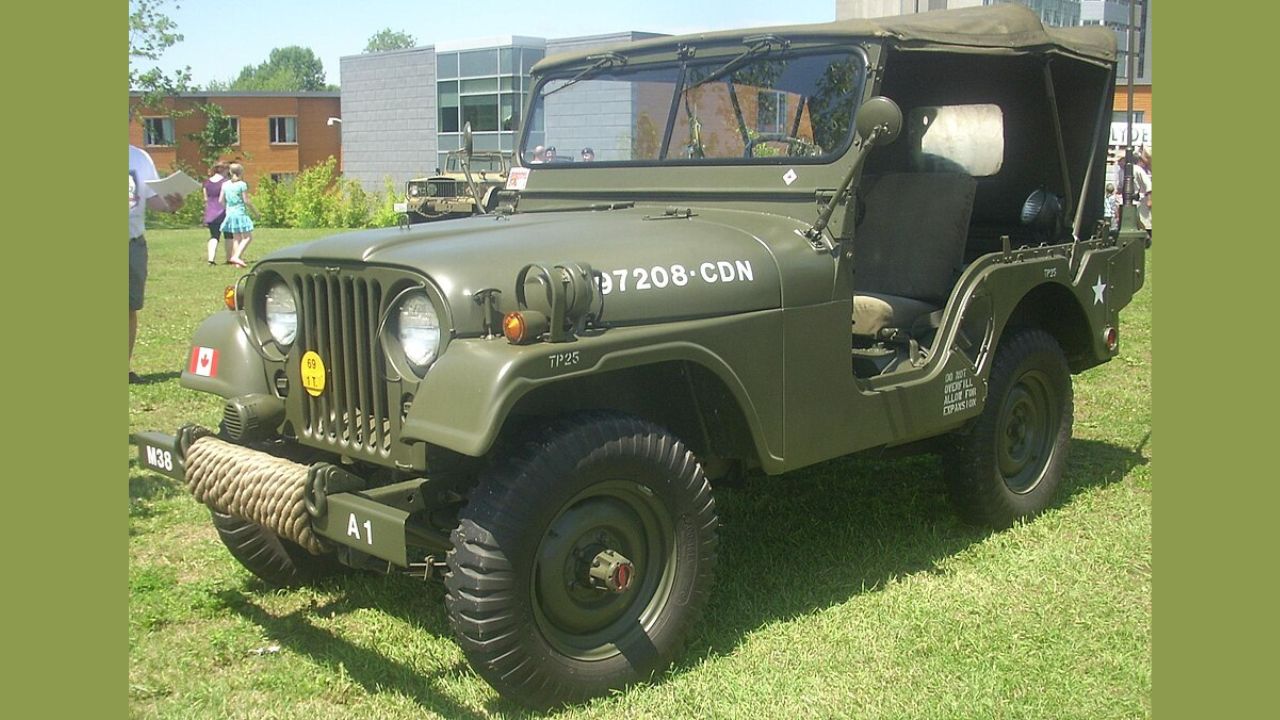
The Willys M38A1 introduced a more rounded body design and became one of the most important military Jeeps of the postwar period. Its chassis and four-wheel-drive system were engineered for demanding military conditions, while the Hurricane four-cylinder engine provided useful low-speed torque. The M38A1 served with American forces and was also exported to other countries. Its strong construction allowed many examples to remain in service for years. The design later influenced civilian Jeeps, making the M38A1 an important link between military and civilian Jeep development.
Willys M606
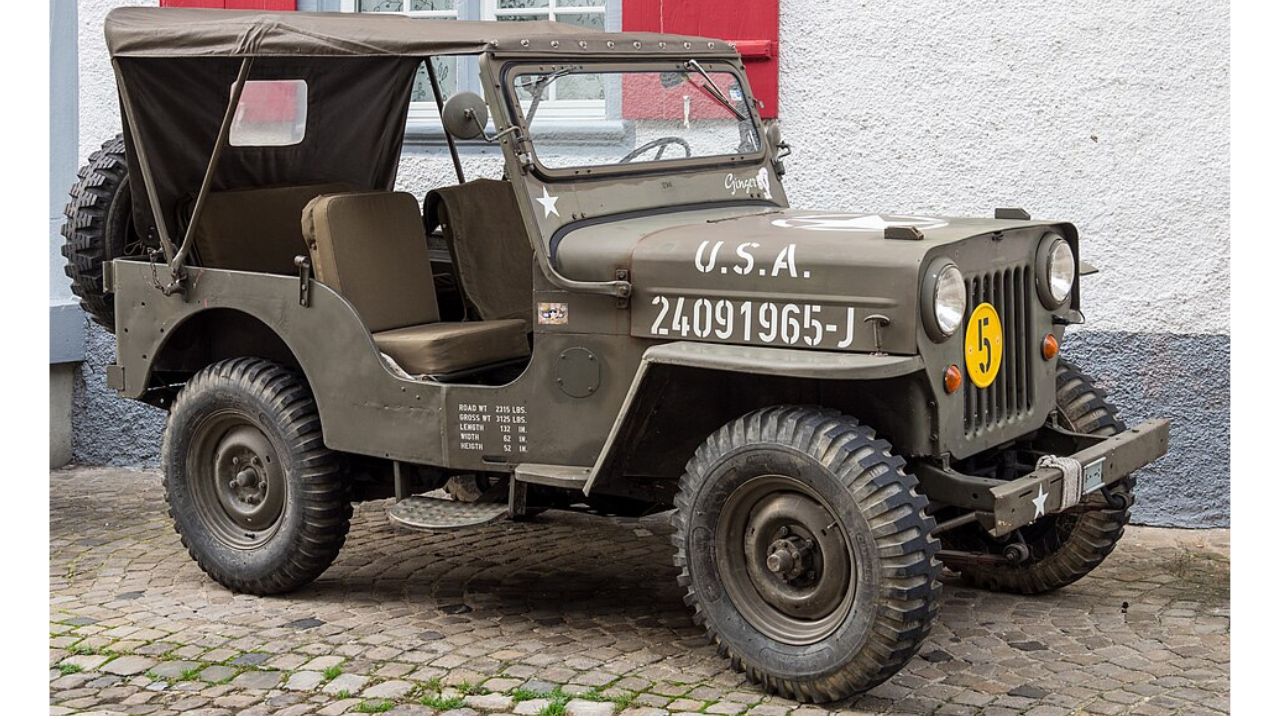
The Willys M606 was a military-style Jeep developed primarily for export markets. Based on civilian Jeep architecture, it combined compact dimensions with four-wheel drive and a rugged chassis. The design was well suited to countries where roads could be rough or unreliable and where vehicles needed to be easy to maintain. Its relatively simple mechanical components allowed local mechanics to service many systems without advanced equipment. M606 examples are less familiar to American collectors, but they represent an important part of Willys’ international utility-vehicle history.
Willys Aero
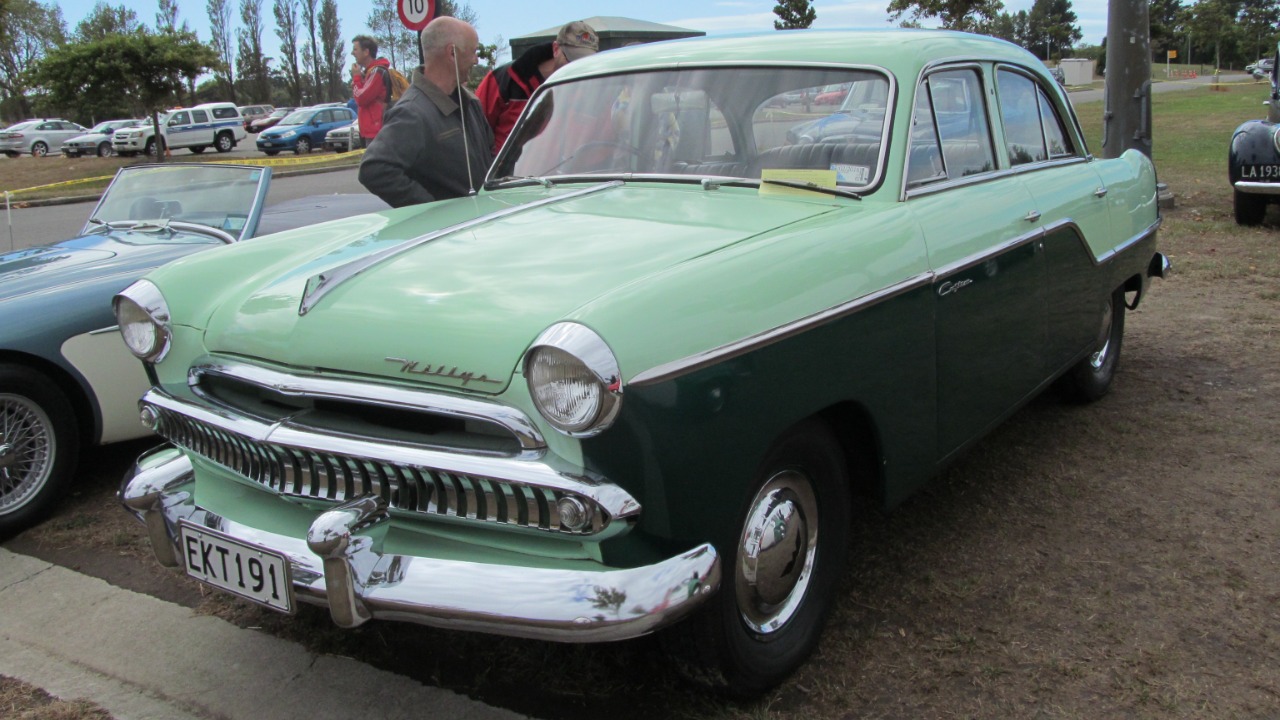
The Willys Aero represented a major departure from the company’s rugged Jeep products. It was a compact passenger car introduced in the early 1950s, available with Willys’ reliable four-cylinder engines and conventional rear-wheel-drive architecture. Although designed primarily for road use, the Aero retained the company’s emphasis on practical engineering. Its compact size and relatively simple mechanical systems made it economical to operate and maintain. The Aero is now less common than Willys Jeeps, but surviving examples demonstrate that Willys also built durable conventional passenger cars.
Willys Aero Ace
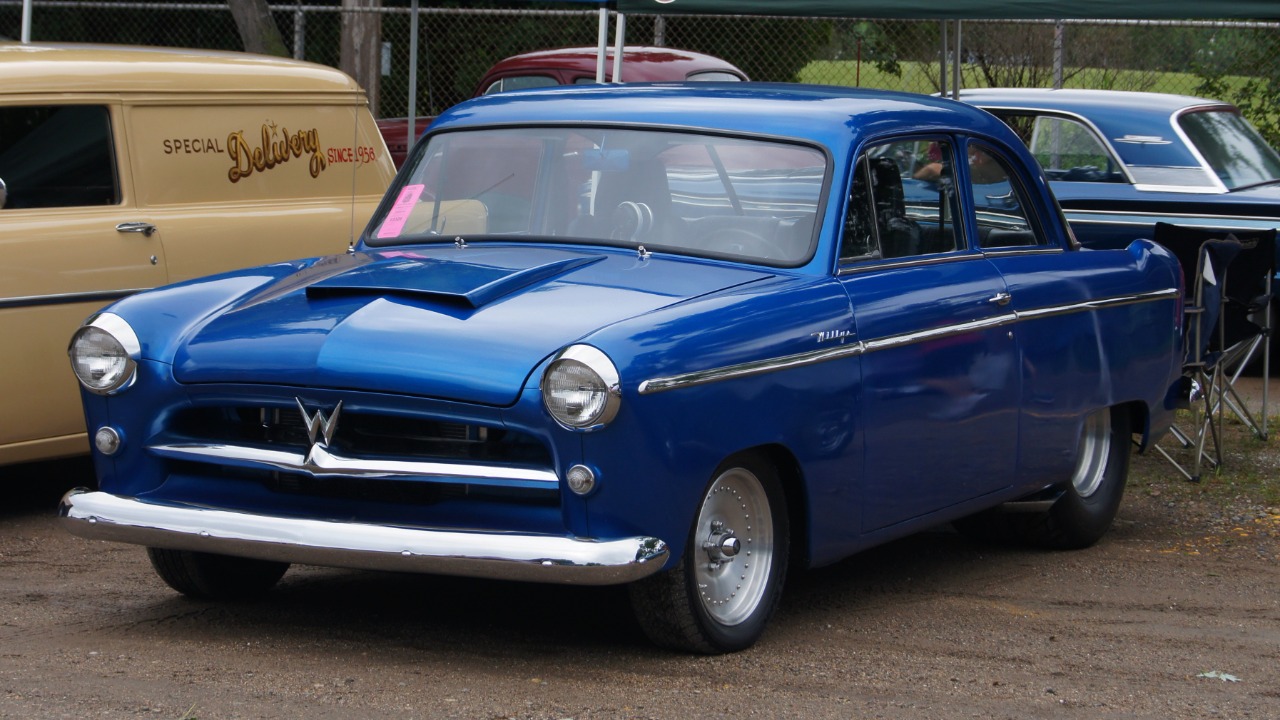
The Willys Aero Ace was one of the more upscale versions of the Aero passenger-car line. It offered additional styling and equipment while retaining the underlying mechanical architecture. The compact body and efficient four-cylinder power made it practical for everyday transportation. Like other Willys passenger cars, the Aero Ace used relatively straightforward engineering compared with later automobiles. Surviving cars are increasingly uncommon because far fewer were preserved than Jeep models. For collectors, the Aero Ace provides a different look at Willys’ postwar vehicle-building capabilities.
Willys Aero Falcon
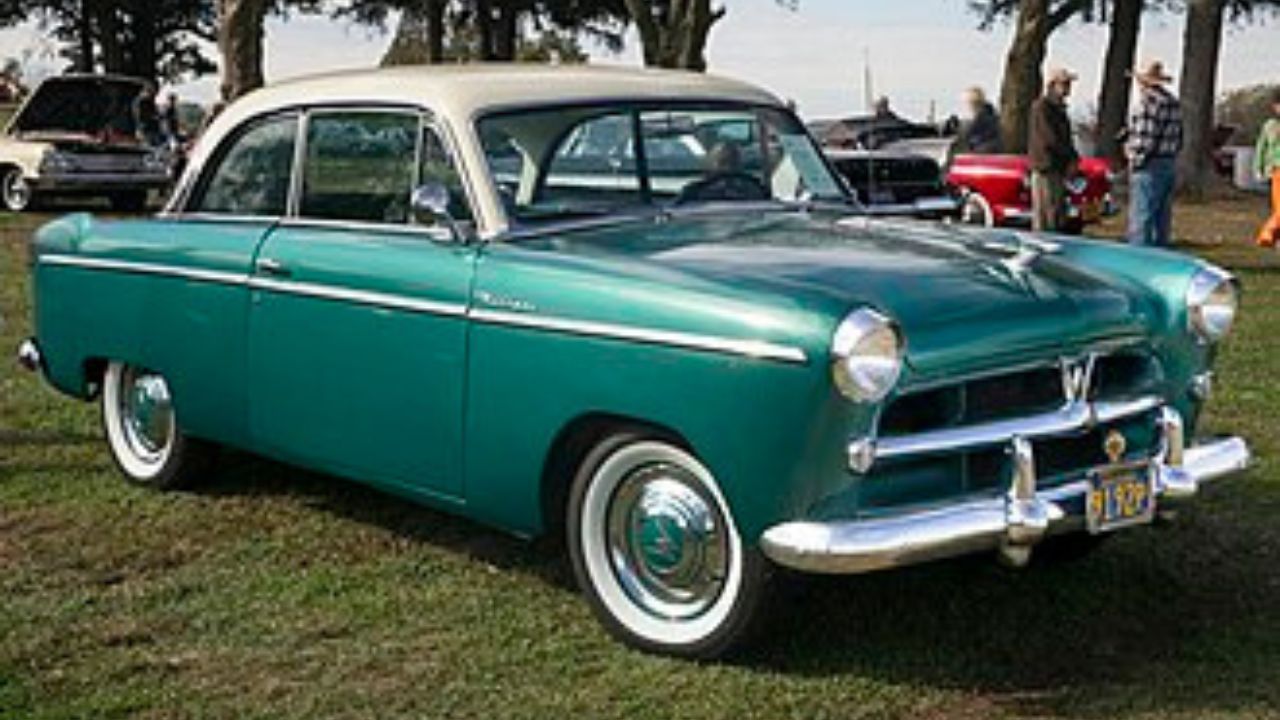
The Willys Aero Falcon combined compact dimensions with the company’s familiar four-cylinder powertrain. It was intended as an economical passenger car during a period when smaller vehicles were becoming increasingly attractive to some American buyers. The car’s mechanical layout was relatively uncomplicated, allowing routine service without the complexity found in many later vehicles. Although the Aero Falcon did not achieve the cultural impact of the Jeep, it remains historically significant. Its survival today gives collectors a chance to experience Willys’ lesser-known approach to civilian automobile production.
Willys MA
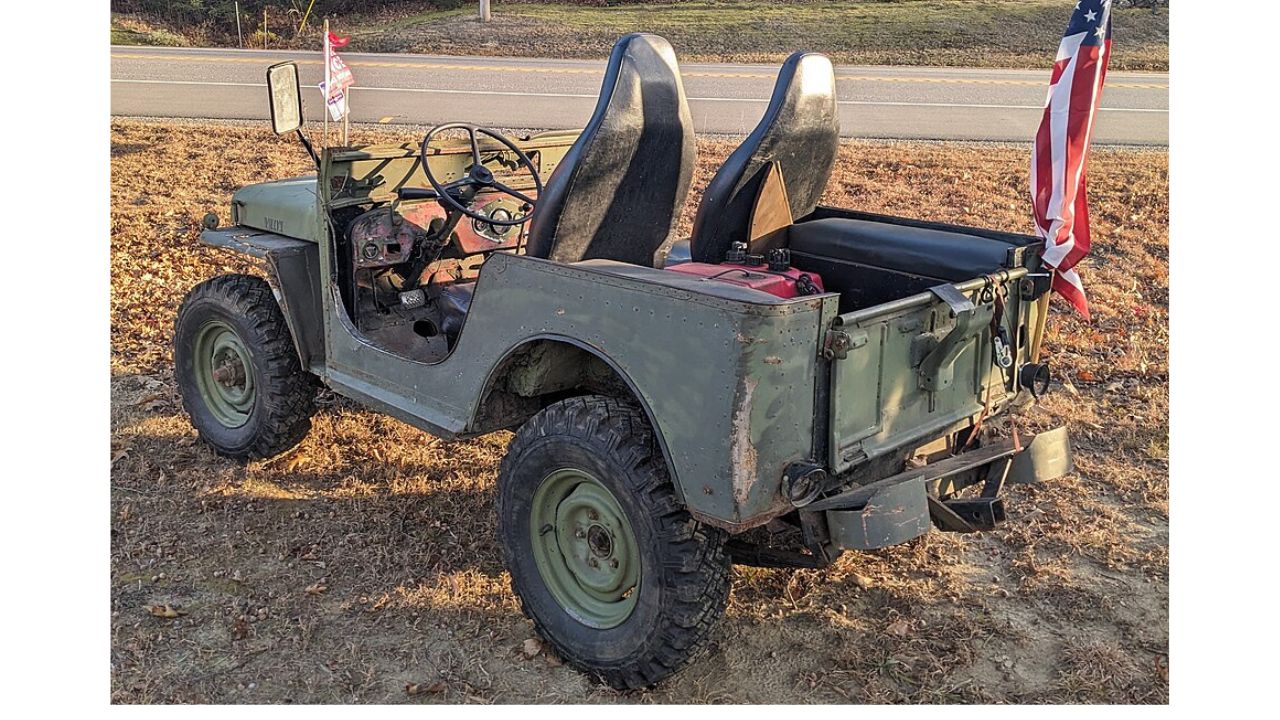
The Willys MA was one of the early prototype and pre-standardization military Jeeps that helped lead to the famous MB. It featured four-wheel drive, a compact body, and a simple four-cylinder engine. The MA was produced in very small numbers, making surviving examples extremely rare. Its importance comes from its place in the development of the military Jeep rather than from mass production. The vehicle demonstrated that a lightweight, mechanically simple four-wheel-drive machine could provide enormous practical value to soldiers operating away from established roads.
Willys MT-TUG
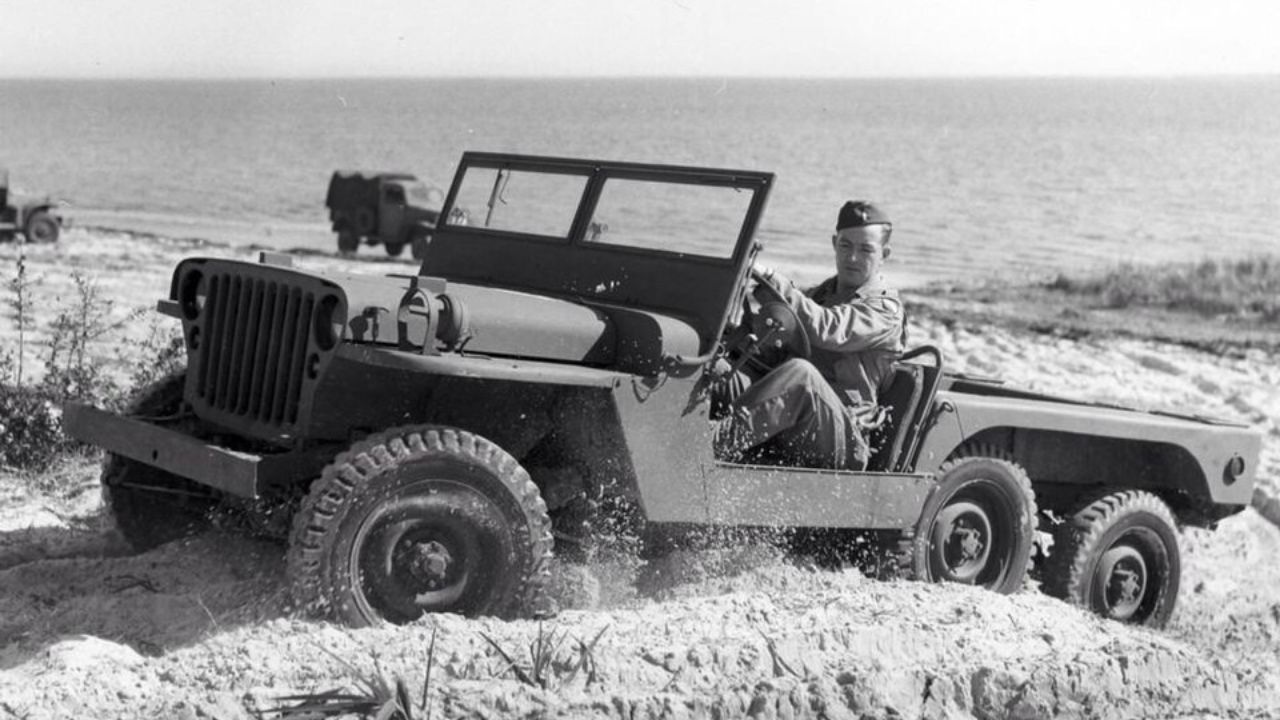
The Willys MT-TUG was developed as a specialized military towing vehicle rather than a conventional passenger Jeep. Its design emphasized low-speed pulling ability and compact dimensions, allowing it to move equipment around military facilities and airfields. Like other Willys military products, it prioritized straightforward mechanical construction and practical serviceability. The MT-TUG is extremely uncommon today, with surviving examples mainly found in specialist collections. Its existence demonstrates how far Willys’ basic engineering approach extended beyond the familiar MB and civilian CJ models.
More from Fast Lane Only
- Unboxing the WWII Jeep in a Crate
- 15 rare Chevys collectors are quietly buying
- 10 underrated V8s still worth hunting down
- Police notice this before you even roll window down
*Research for this article included AI assistance, with all final content reviewed by human editors.