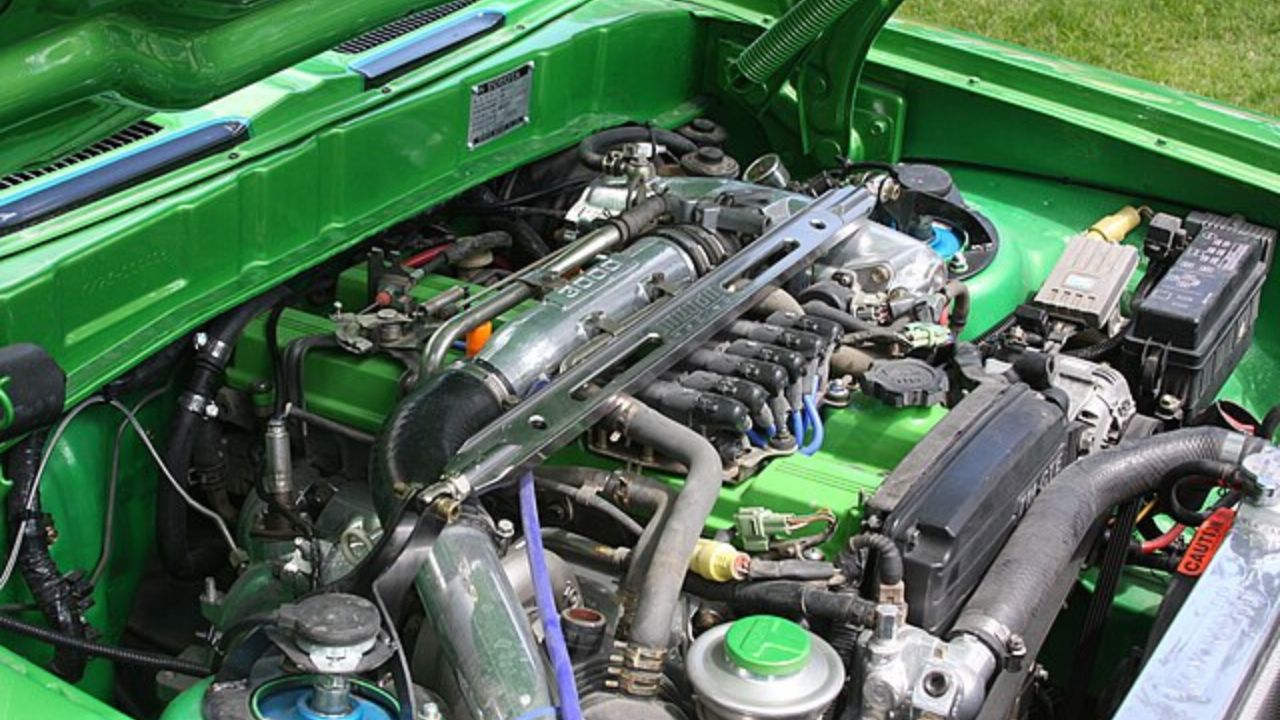
Some engines were built with far more performance than ordinary roads could comfortably handle. They delivered huge horsepower, aggressive powerbands, or race-bred engineering that pushed street cars toward their limits. These engines often demanded careful driving, strong drivetrains, and skilled hands, making them fascinating examples of engineering taken close to the edge.
426 Hemi
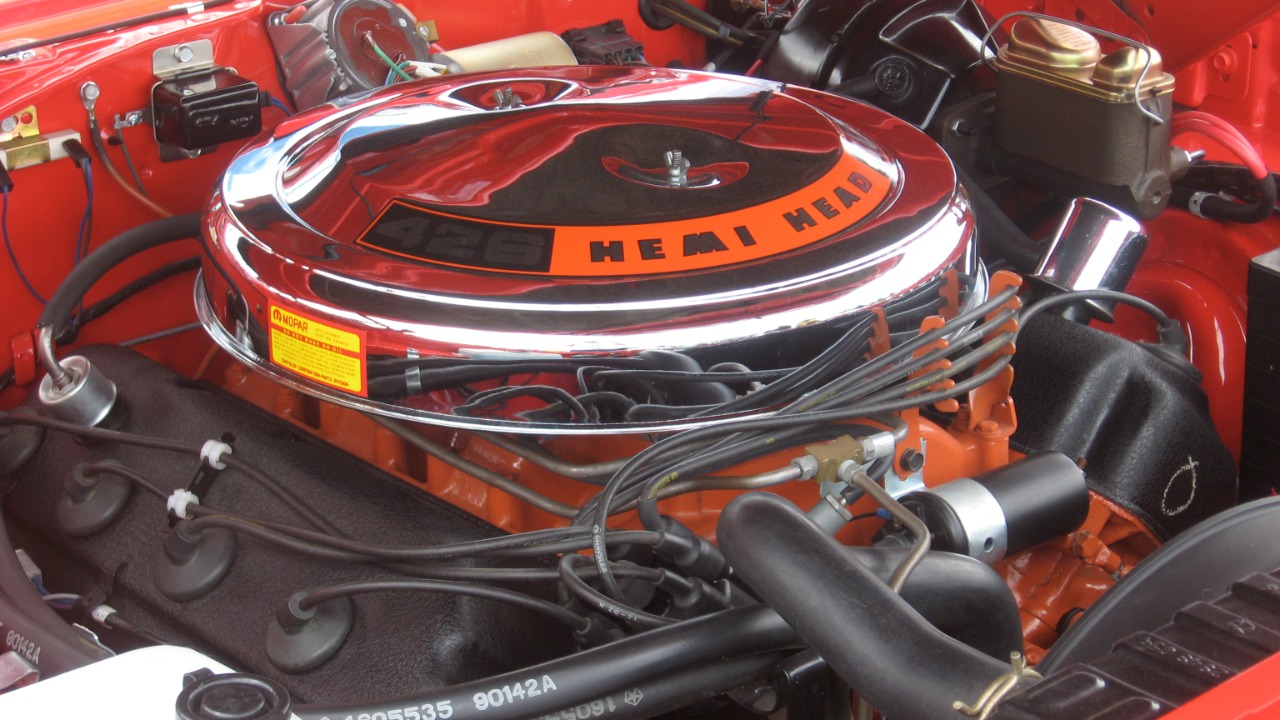
The 426 Hemi became legendary for bringing race-bred cylinder-head technology into a street-legal muscle car engine. Its hemispherical combustion chambers allowed large valves and strong breathing, helping it produce enormous power for its era. Rated at 425 horsepower in street form, the 426 Hemi could overwhelm rear tires with ease. Its combination of torque, high-rpm capability, and tuning potential made it intimidating on public roads. Although refined versions were available from the factory, its character remained closer to competition machinery than an ordinary family-car powerplant.
Ford 427 SOHC
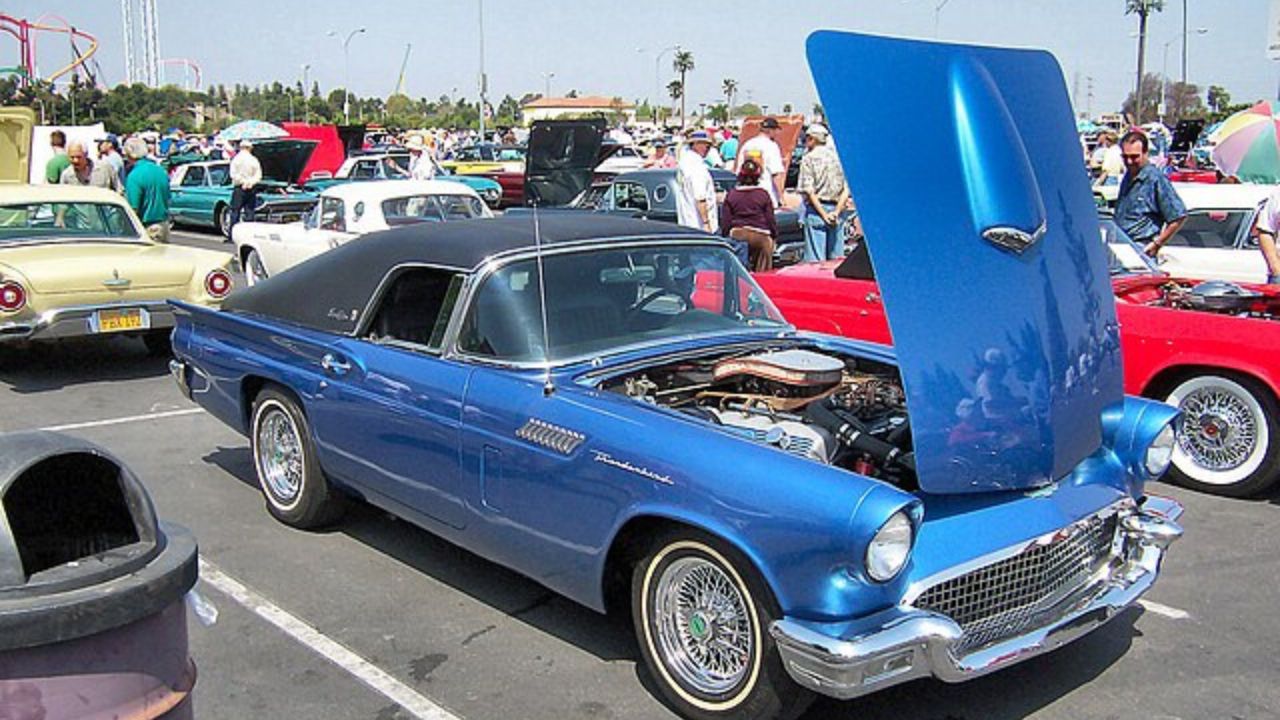
Ford’s 427 SOHC was developed primarily with racing in mind, but its existence demonstrated just how far American engine development could go. The single overhead cam design allowed aggressive valve control and supported extremely high engine speeds for a large-displacement V8. Producing roughly 600 horsepower in competition configurations, it was far beyond what typical street cars needed. The engine became famous for its enormous physical size, specialized construction, and intimidating output. Even experienced drivers had to respect the combination of power, lightweight race-car applications, and sudden acceleration.
Chevrolet 427 ZL1
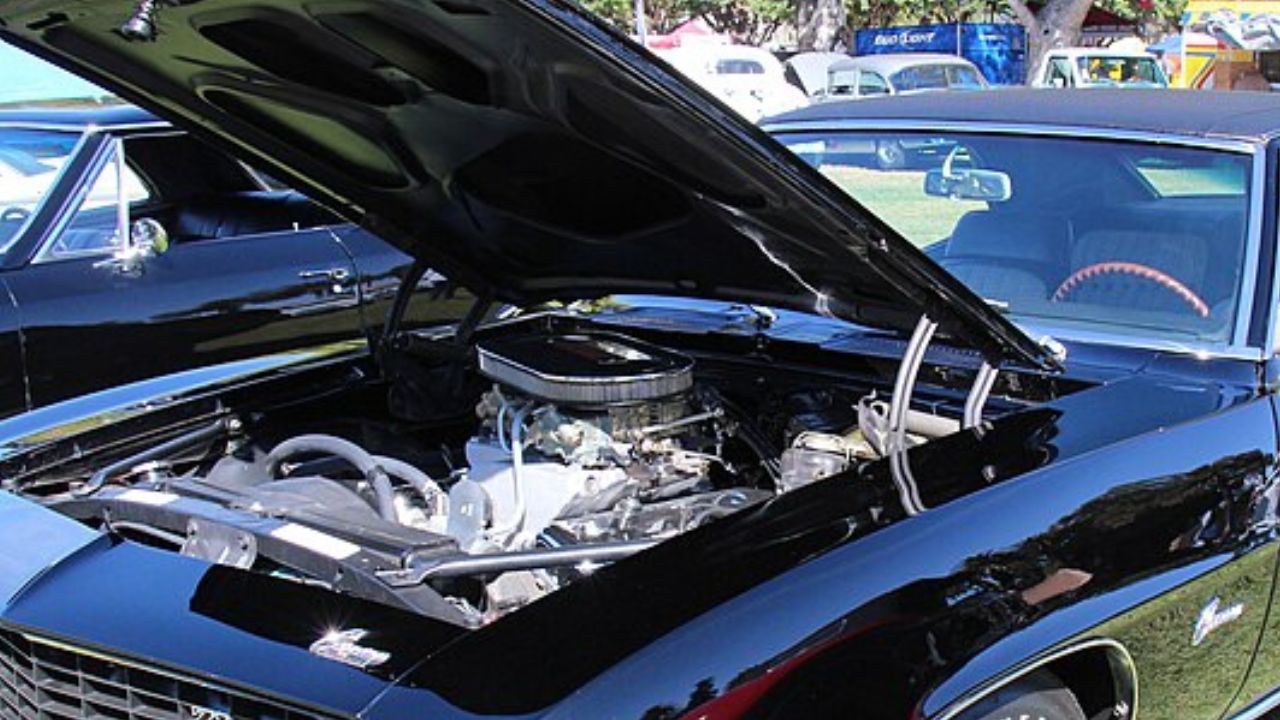
The Chevrolet 427 ZL1 was one of the most extreme big-block engines ever offered through Chevrolet. Built with an aluminum block and heads, it reduced weight while retaining enormous displacement and racing potential. Officially rated at 430 horsepower, its actual output was considerably higher according to period testing and later evaluations. Only a handful of Camaro ZL1s received the engine in 1969, making it exceptionally rare. With competition-grade hardware and tremendous torque, the ZL1 delivered performance that could quickly become difficult to manage on ordinary streets.
Chrysler 440 Six Pack
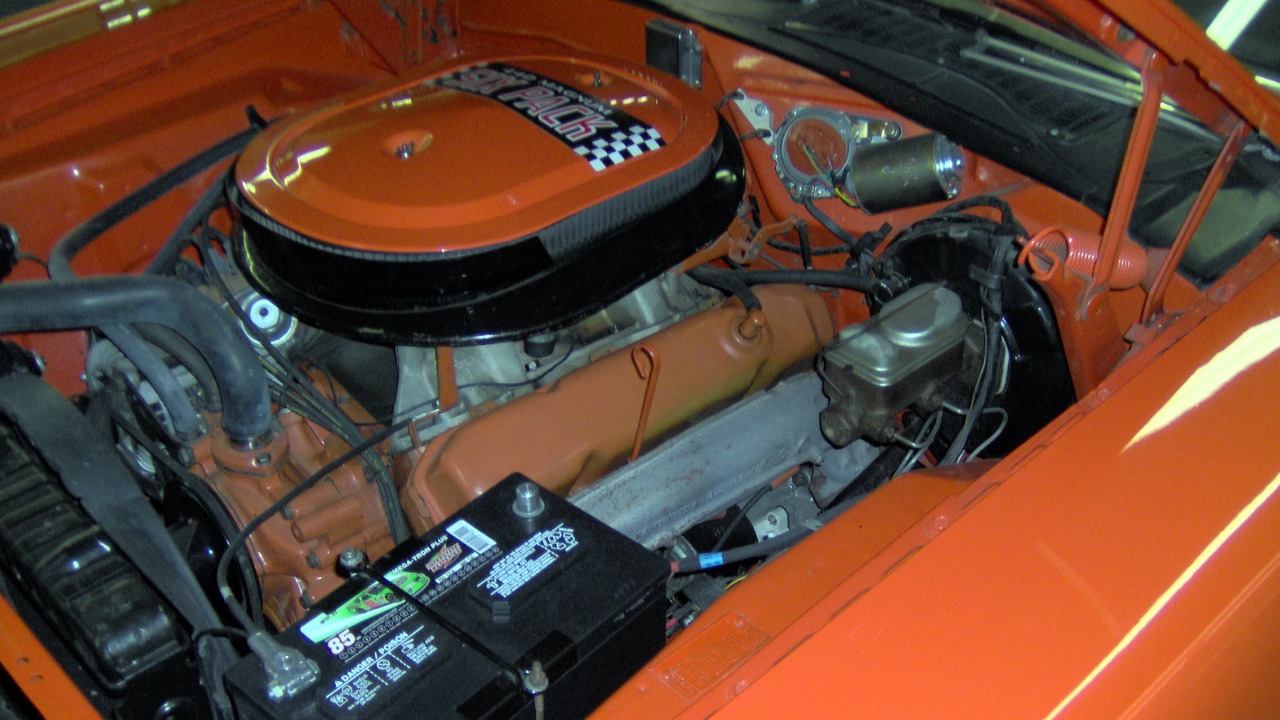
The 440 Six Pack combined Chrysler’s massive 440-cubic-inch V8 with three two-barrel carburetors, creating a street engine with serious high-output capability. Factory ratings placed it around 390 horsepower and 490 lb-ft of torque, but its broad torque curve made the engine feel much stronger from behind the wheel. Cars equipped with it could launch aggressively and accelerate hard through the gears. The engine remained relatively street-friendly compared with some racing designs, yet its combination of displacement, carburetion, and torque made traction a constant concern.
455 Super Duty
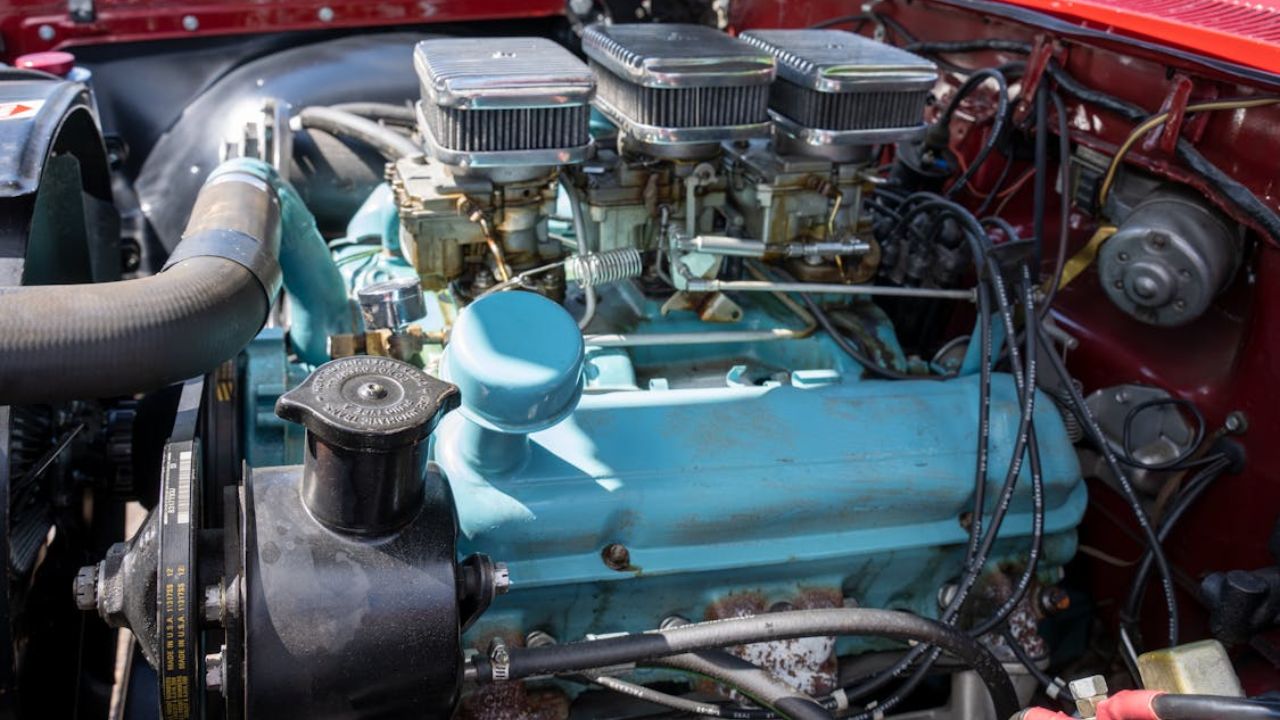
Pontiac’s 455 Super Duty represented one of the final great expressions of traditional American muscle before tightening emissions and fuel regulations changed the industry. Introduced for the 1973 Firebird and Trans Am, it used heavy-duty internal components and produced substantial torque. Its official output was affected by changing rating standards, but the engine’s reputation came from its strong low-end pull and durability under demanding use. In a relatively lightweight performance car, that torque could overwhelm the rear tires quickly, giving the Super Duty an unusually aggressive personality.
Oldsmobile 455 W-30
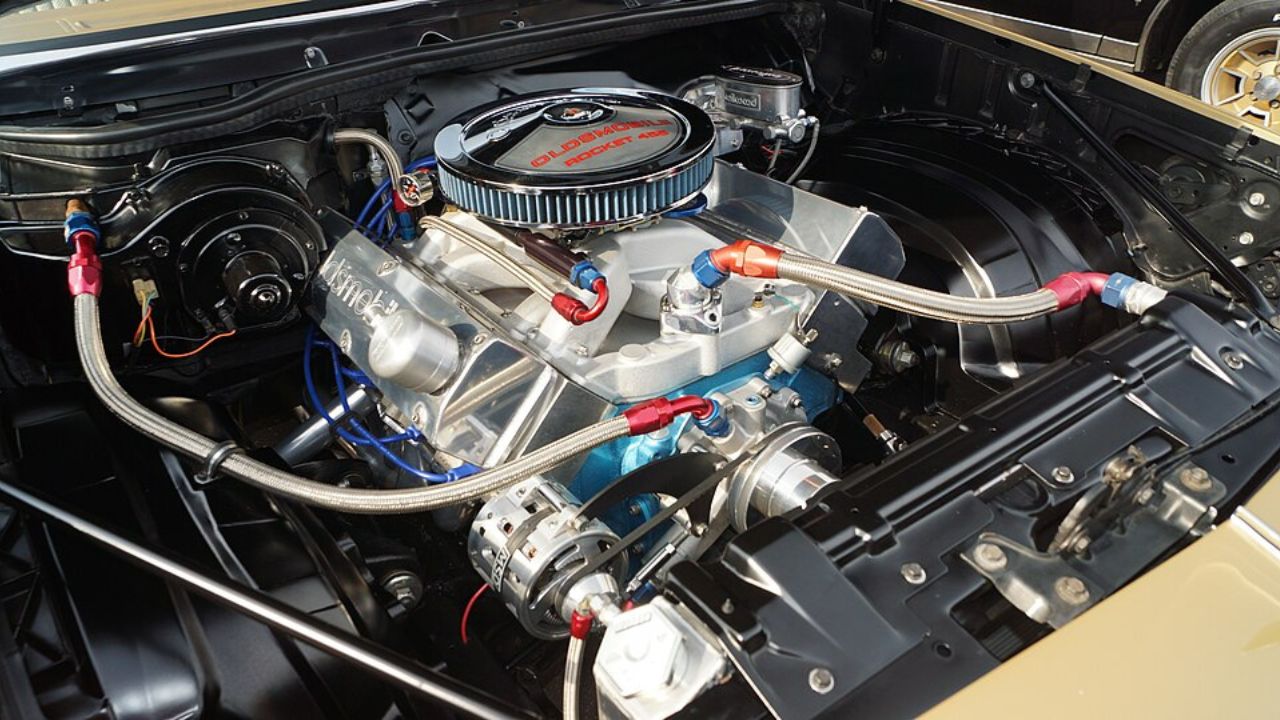
The Oldsmobile 455 W-30 was a large-displacement engine developed to give Oldsmobile muscle cars serious performance without abandoning street usability. Its 455 cubic inches delivered strong torque, while the W-30 package added performance-oriented cylinder heads, induction components, and exhaust improvements. Factory-rated output varied with model year and measurement standards, but the engine was capable of moving heavy cars with surprising authority. The abundant low-speed torque made launches especially dramatic. Drivers could quickly discover that keeping the rear tires planted required restraint and careful throttle control.
Buick 455 Stage 1
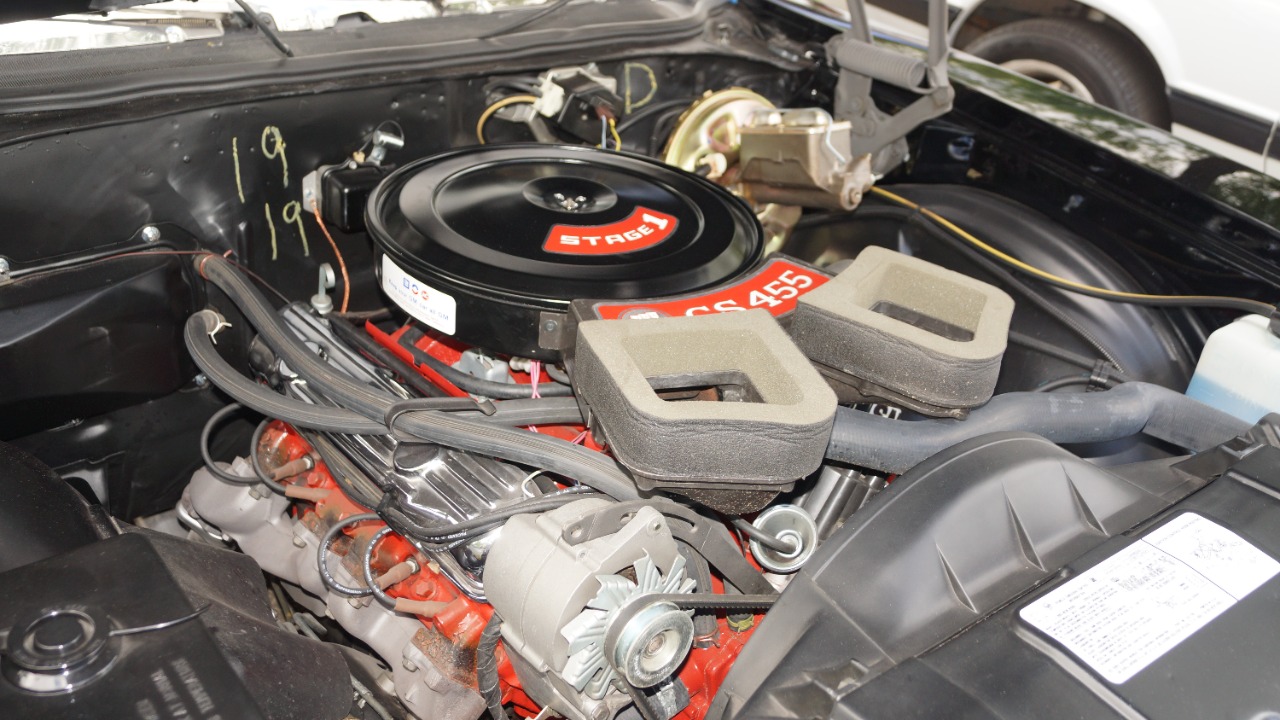
Buick’s 455 Stage 1 became famous for combining a large engine with exceptional torque and relatively understated styling. The engine featured performance-focused heads, higher compression, a revised camshaft, and improved induction. Buick rated it at 360 horsepower under the gross horsepower system used at the time, while torque reached an impressive 510 lb-ft. That torque arrived low in the rev range, making the engine feel powerful without requiring high rpm. In street cars such as the GS, the Stage 1 could produce startling acceleration while appearing surprisingly civilized.
Pontiac 400 Ram Air IV
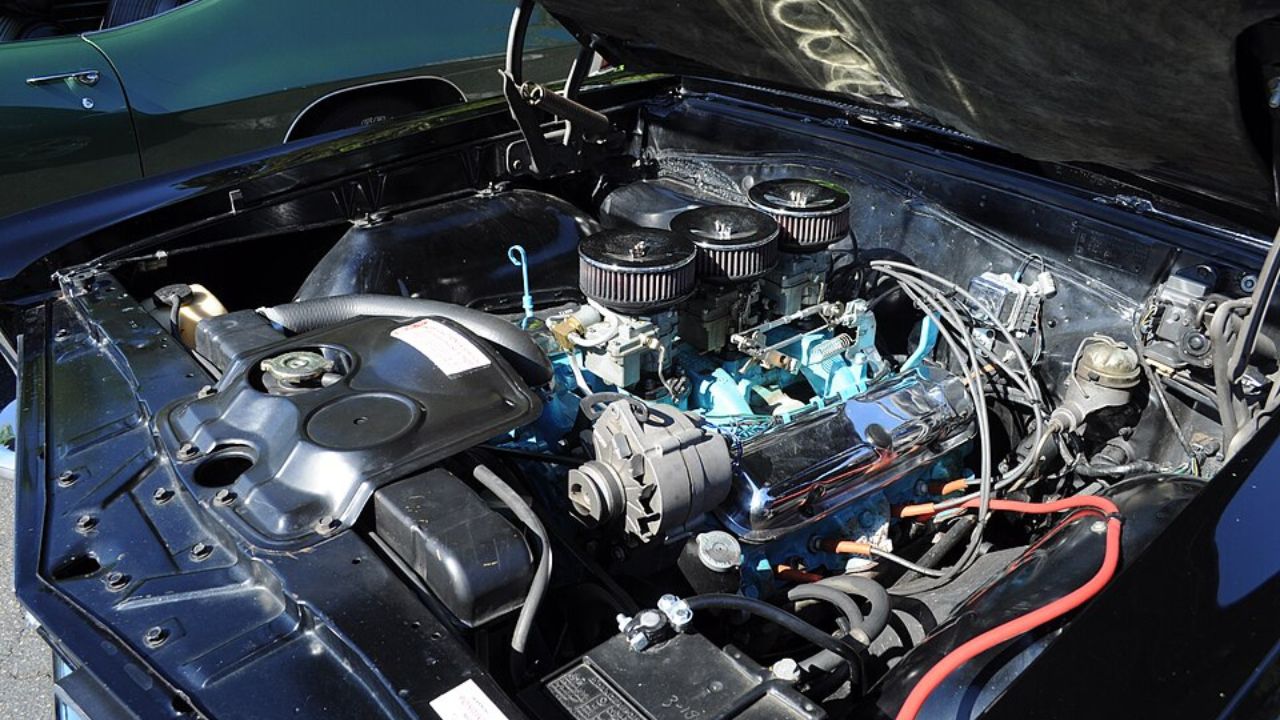
The Pontiac 400 Ram Air IV was developed as a high-performance street engine with technology influenced heavily by Pontiac’s racing efforts. It featured round-port cylinder heads, high-flow exhaust passages, a performance camshaft, and a distinctive aluminum intake manifold. Pontiac officially rated it at 370 horsepower, although enthusiasts and contemporary testing often suggested greater output. The engine was especially effective at higher rpm, where its breathing advantages became obvious. In a Firebird or GTO, the Ram Air IV could turn a normal street car into a machine that demanded serious attention.
Chevrolet 302 Z/28
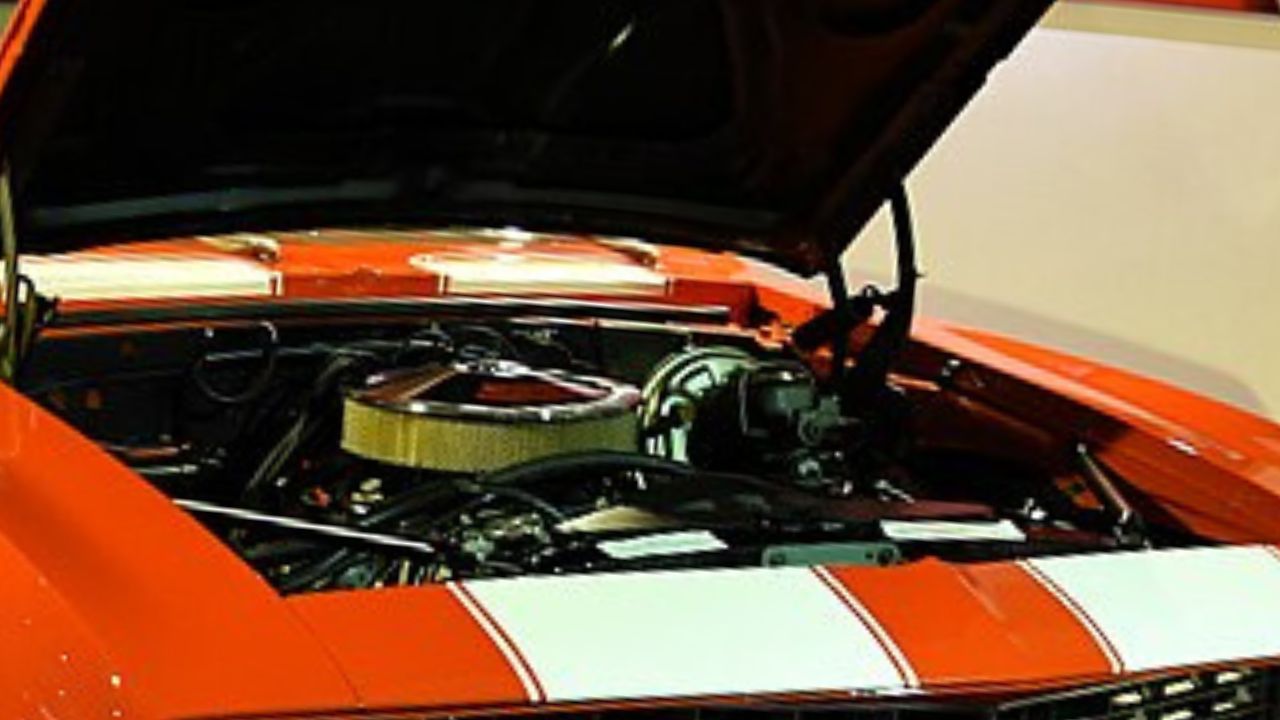
The Chevrolet 302 created an unusual combination of relatively small displacement and racing-focused performance. Developed for the first-generation Camaro Z/28, it combined the 327 block with a 283 crankshaft to meet Trans-Am racing displacement requirements. Its 4.00-inch bore and 3.00-inch stroke encouraged high-rpm operation, while factory versions were officially rated at 290 horsepower. In reality, the engine could produce considerably more. Its willingness to rev made it exciting but demanding, particularly when drivers kept pushing toward the upper end of its powerband.
Dodge Viper 8.0 V10
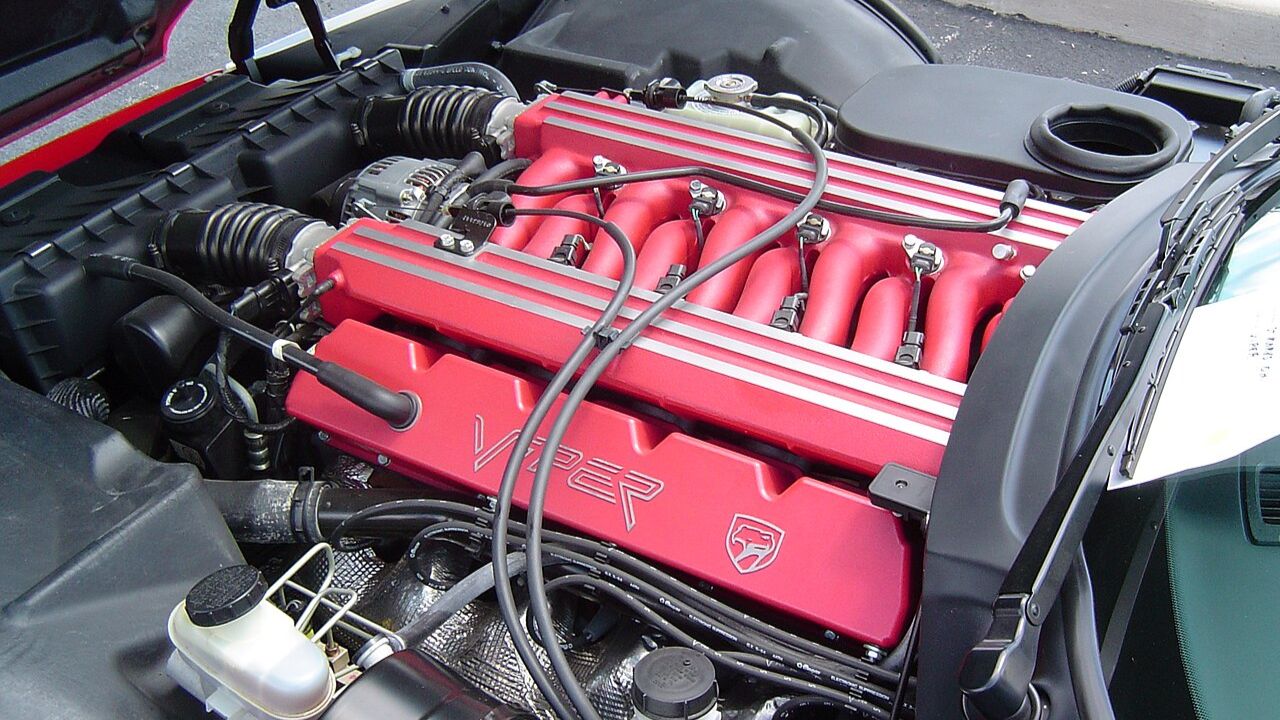
The original Dodge Viper’s 8.0-liter V10 was conceived around raw performance rather than everyday convenience. Derived from a truck-based architecture but heavily modified for sports-car use, it produced around 400 horsepower and 450 lb-ft of torque in early form. The Viper lacked many modern electronic driving aids, leaving the driver responsible for controlling its substantial output. Its huge displacement produced strong acceleration throughout the rev range. On public roads, the combination of enormous torque, limited electronic intervention, and rear-wheel drive demanded considerable respect.
Dodge Viper 8.3 V10
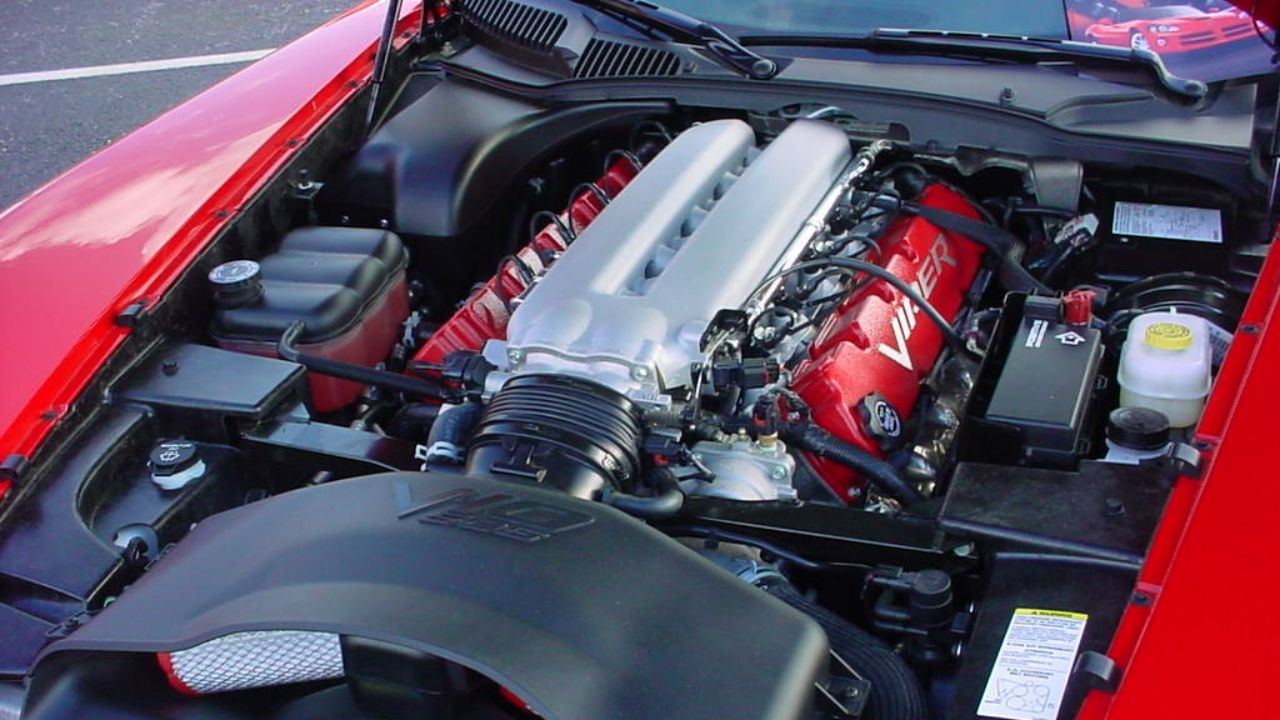
The later 8.3-liter V10 increased the Viper’s already formidable performance with more displacement and higher output. Introduced for the third-generation Viper, it produced approximately 500 horsepower and 525 lb-ft of torque. The engine delivered enormous acceleration without relying on turbochargers or superchargers. Its naturally aspirated character made throttle response immediate, while the large torque reserve could rapidly increase vehicle speed. Although the Viper gained improvements in refinement and chassis development, the engine still offered far more performance than most street situations could comfortably exploit.
Mercedes-Benz M120 V12

Mercedes-Benz’s M120 6.0-liter V12 was designed as a smooth, sophisticated powerplant, but its performance potential was considerable. Used in the 600 SL and later high-performance applications, the naturally aspirated engine produced around 389 horsepower in its original form. AMG versions increased displacement and output substantially, creating engines capable of exceeding 500 horsepower. Its twelve-cylinder configuration provided effortless acceleration and remarkable smoothness. The danger was less about sudden behavior and more about how easily the engine could propel a large luxury car to speeds far beyond normal road conditions.
BMW S70/3 V12
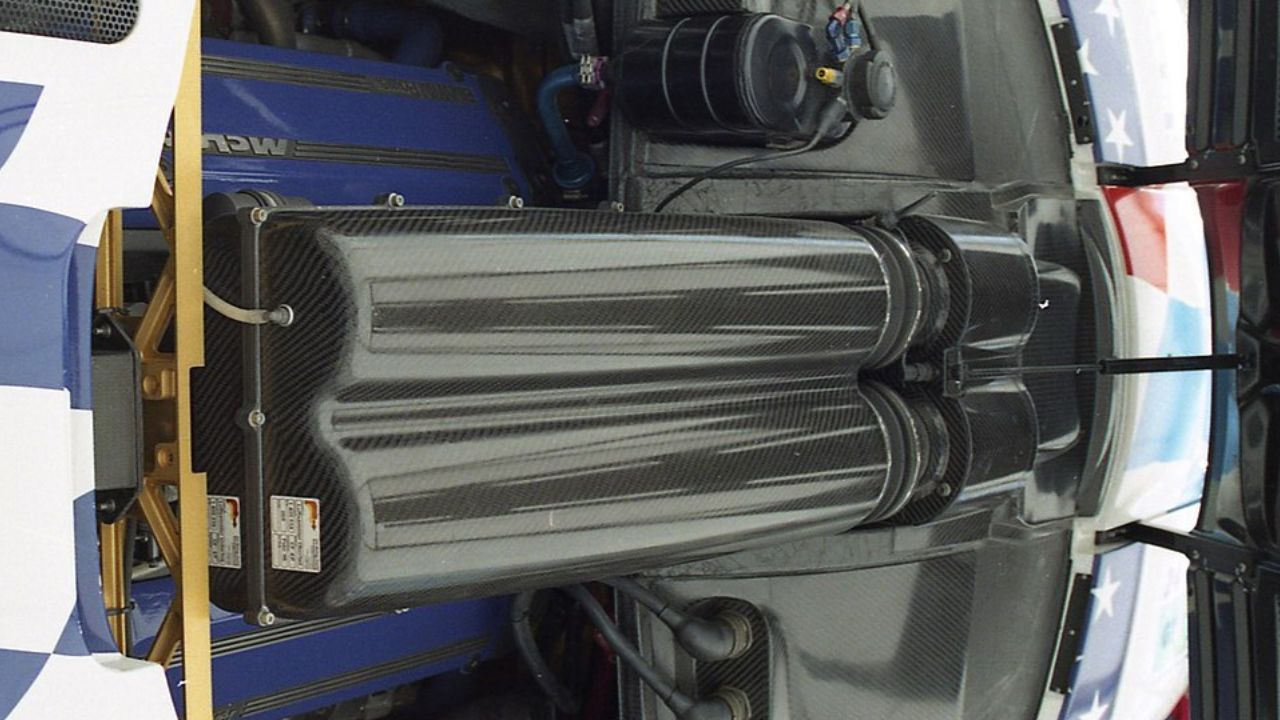
The BMW S70/3 V12 became famous through the McLaren F1, where it delivered approximately 627 horsepower from a naturally aspirated 6.1-liter engine. Unlike many massive street engines, it combined relatively compact dimensions with extremely advanced engineering, including individual throttle bodies and high-rpm capability. The McLaren F1 was road legal, but its performance was closer to a racing prototype than an ordinary sports car. Its engine could propel the car to extraordinary speeds while remaining remarkably responsive, making it one of the clearest examples of race-level performance adapted for public roads.
Ferrari F140 V12

Ferrari’s F140 V12 showed how far naturally aspirated street-engine technology could be pushed in the modern era. Introduced in the Enzo and later developed for several Ferrari models, the engine combined large displacement with advanced materials, high compression, and an extremely responsive valvetrain. Output climbed beyond 600 horsepower in early applications and later versions exceeded 800 horsepower. Such performance allowed Ferrari road cars to accelerate at extraordinary rates. Despite sophisticated chassis systems, the sheer output of the F140 placed it firmly in supercar territory.
Lamborghini V12
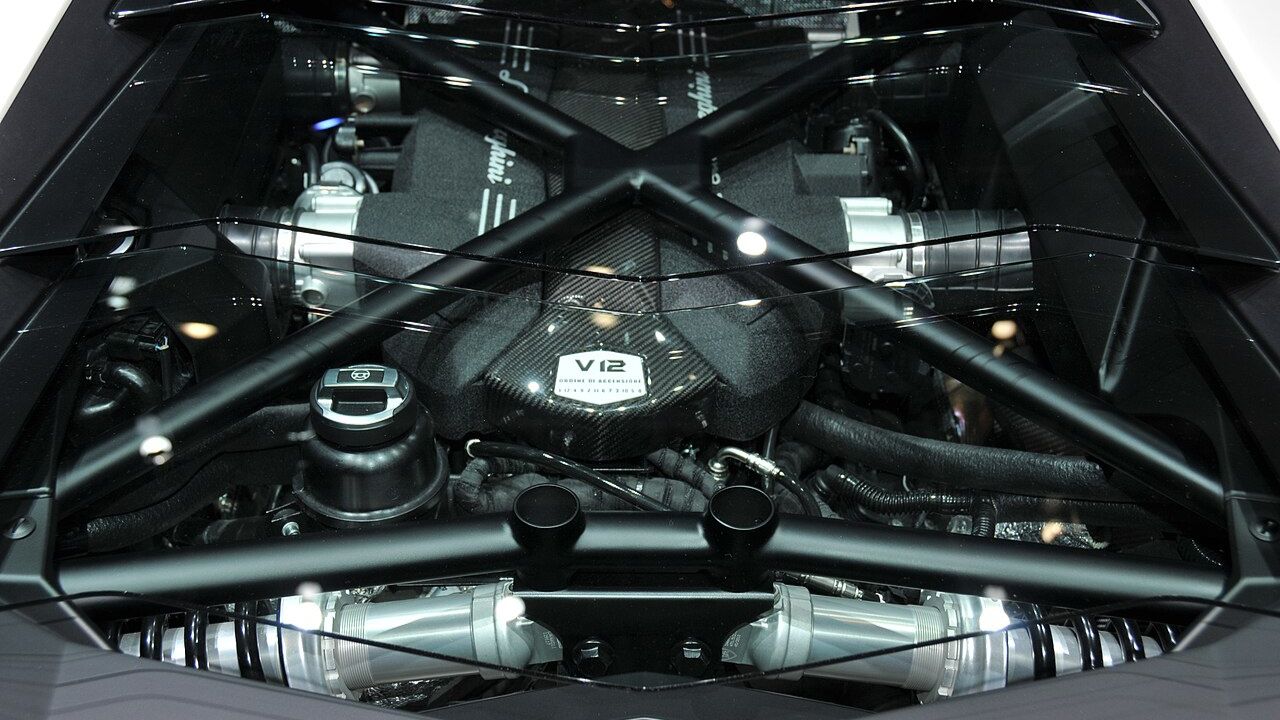
Lamborghini’s long-running V12 family became synonymous with extreme road-car performance. Beginning with the original 3.5-liter unit and evolving through larger versions, the architecture eventually reached more than 6.5 liters in modern applications. Power climbed dramatically over decades, with later naturally aspirated versions producing more than 700 horsepower. The engine’s character combined high-rpm power with enormous acceleration, particularly in lightweight Lamborghini models. Although designed for street use, its performance potential could easily exceed what public roads provided, requiring drivers to exercise considerable restraint.
Toyota 2JZ-GTE
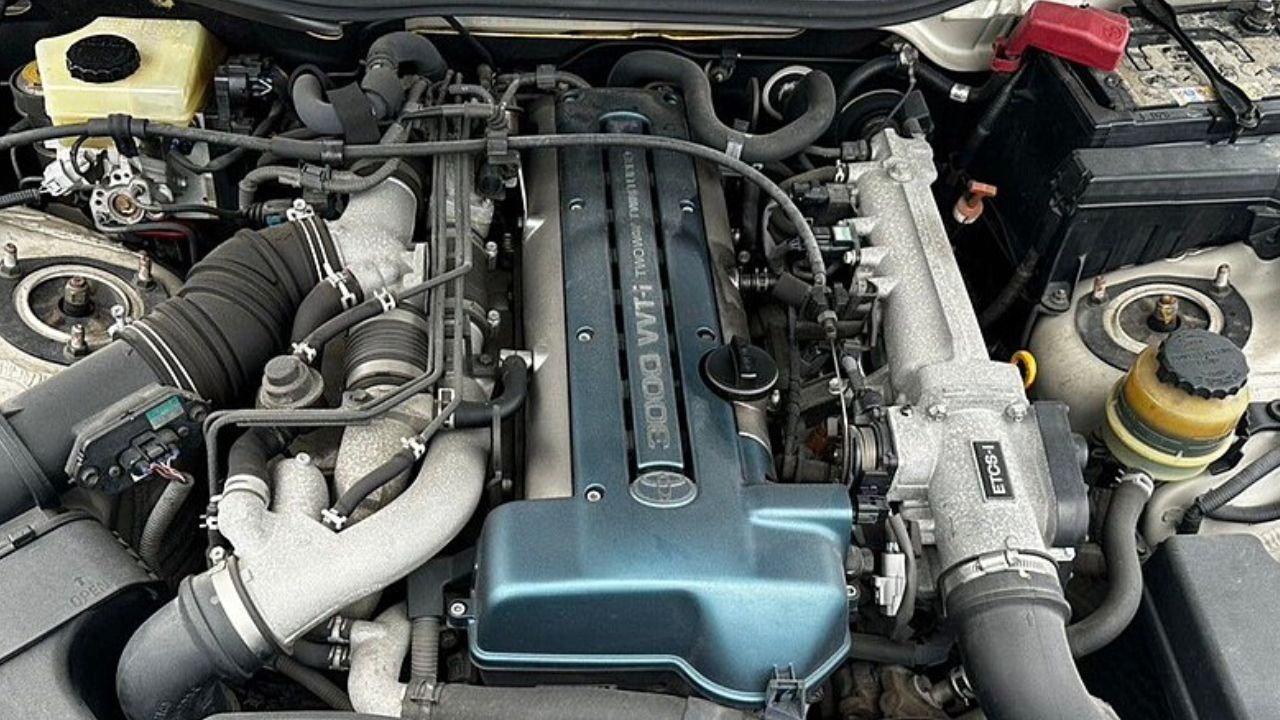
Toyota’s 2JZ-GTE gained its reputation through the fourth-generation Supra, where its 3.0-liter twin-turbocharged inline-six provided strong factory performance and exceptional tuning potential. Japanese-market versions were rated at 280 PS under the period’s voluntary horsepower agreement, while export versions were commonly rated around 320 horsepower. The engine’s iron block, strong internals, and sequential turbocharging made it capable of handling substantially greater output when modified. With upgraded components, power levels far beyond factory specifications became possible, pushing the Supra into serious high-performance territory.
Ford 7.0 FE 427
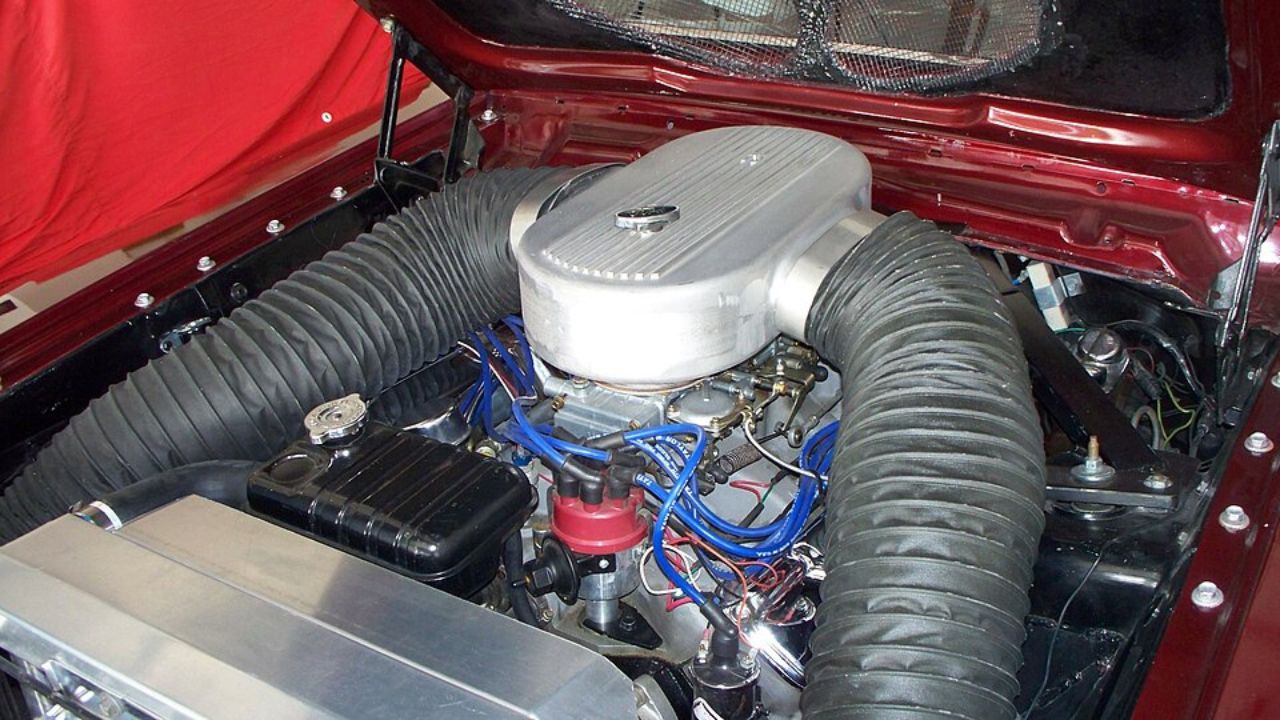
Ford’s 427 FE big-block became a major force in American racing before appearing in limited high-performance street applications. Its 7.0-liter displacement, reinforced construction, and aggressive cylinder-head designs allowed enormous power production. Competition versions could exceed 500 horsepower, while specialized variants produced considerably more. The engine was physically large and heavy, but its torque and high-rpm capability made it formidable. Installed in cars such as the Cobra and Galaxie, the 427 delivered a level of acceleration that could make ordinary street tires and public roads feel completely inadequate.
Chevrolet LS7

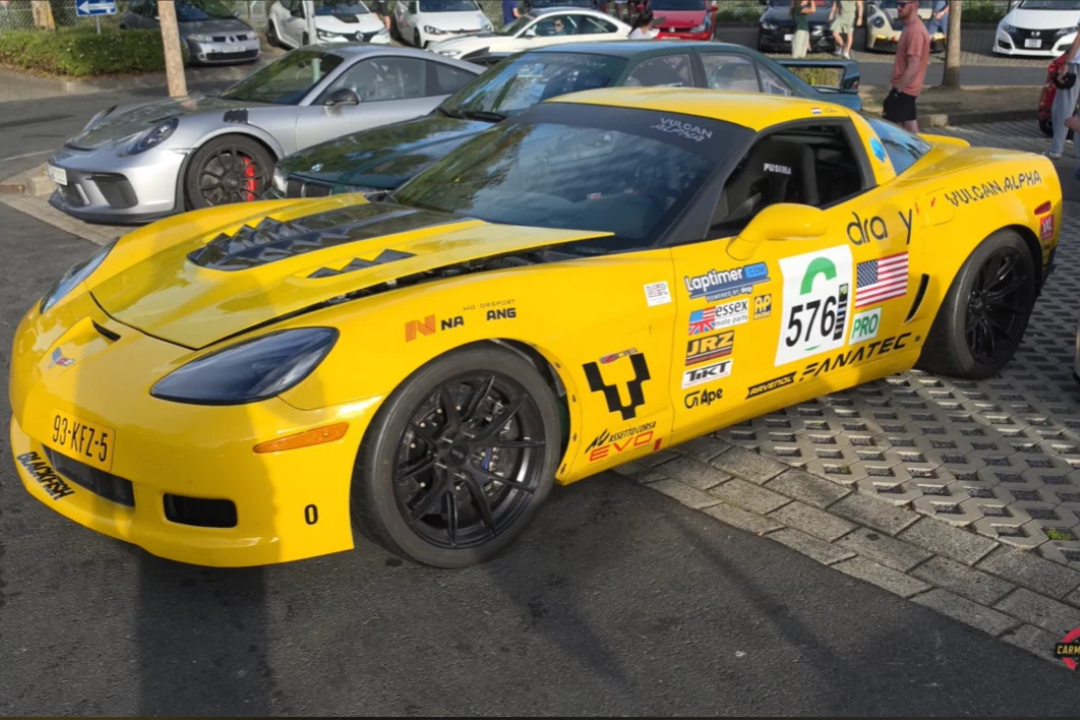
The modern Chevrolet LS7 brought race-inspired engineering into a street-legal naturally aspirated V8. Its 7.0-liter displacement, titanium connecting rods, high-flow cylinder heads, dry-sump lubrication, and lightweight components helped it produce 505 horsepower in the Corvette Z06. The engine was designed to rev significantly higher than many traditional big-blocks while maintaining enormous torque. In a relatively lightweight Corvette, that combination created exceptional acceleration and high-speed capability. Its naturally aspirated response made the power easy to access, leaving the driver with little need for forced induction.
More from Fast Lane Only
- Unboxing the WWII Jeep in a Crate
- 15 rare Chevys collectors are quietly buying
- 10 underrated V8s still worth hunting down
- Police notice this before you even roll window down
*Research for this article included AI assistance, with all final content reviewed by human editors.