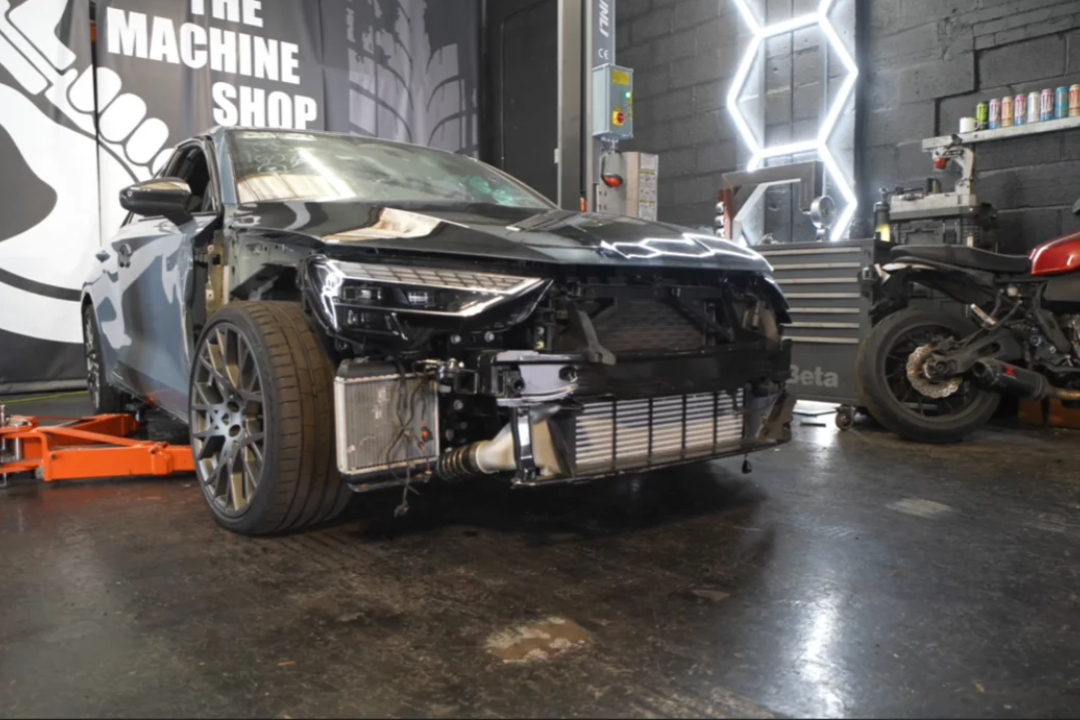
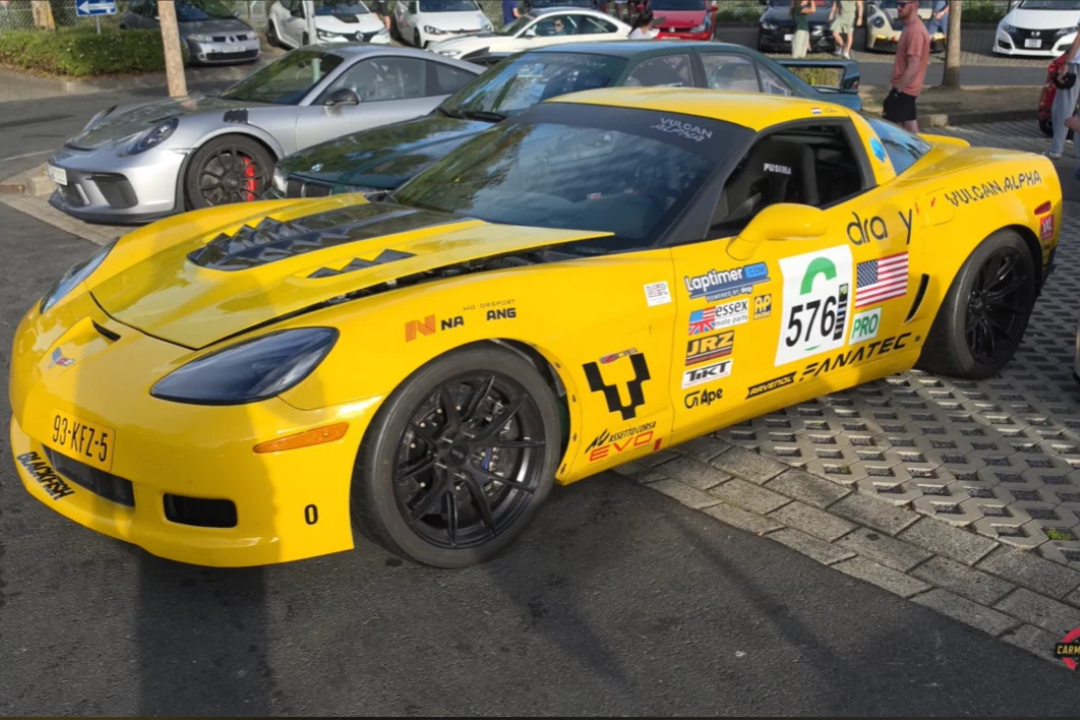
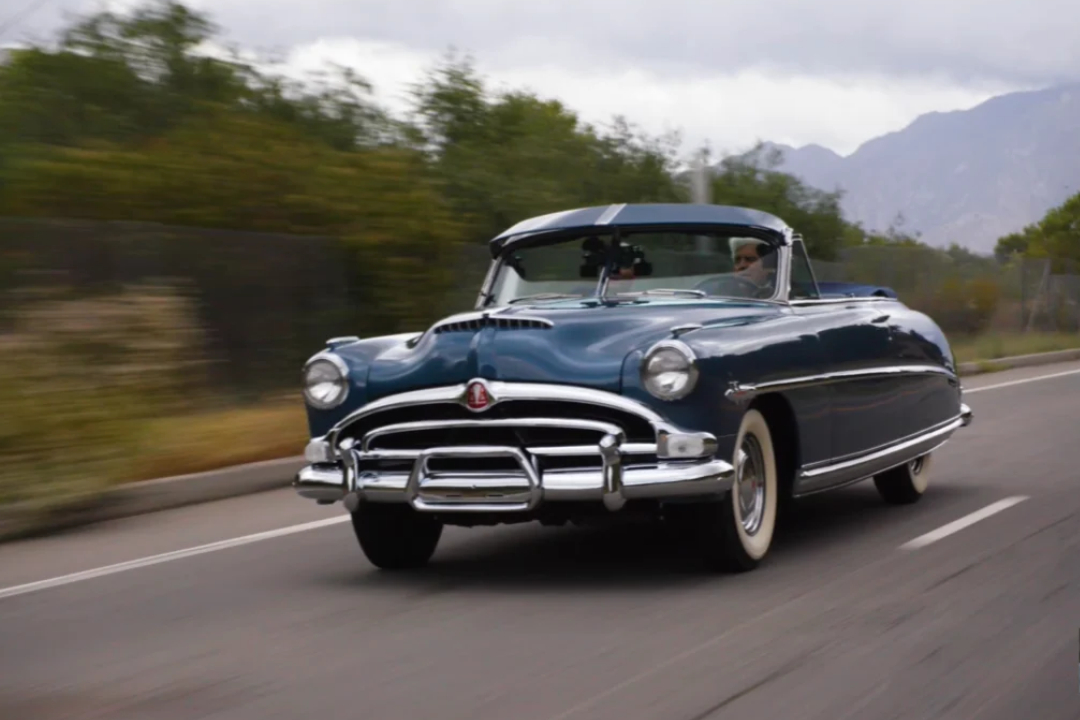
Factory V8s are often remembered for horsepower, sound, and performance, but some became equally respected for lasting through years of hard use. These engines powered everything from family sedans and pickup trucks to muscle cars and luxury vehicles. Their conservative designs, strong construction, and widespread parts support helped many survive longer than expected.
Chevrolet 350 Small-Block
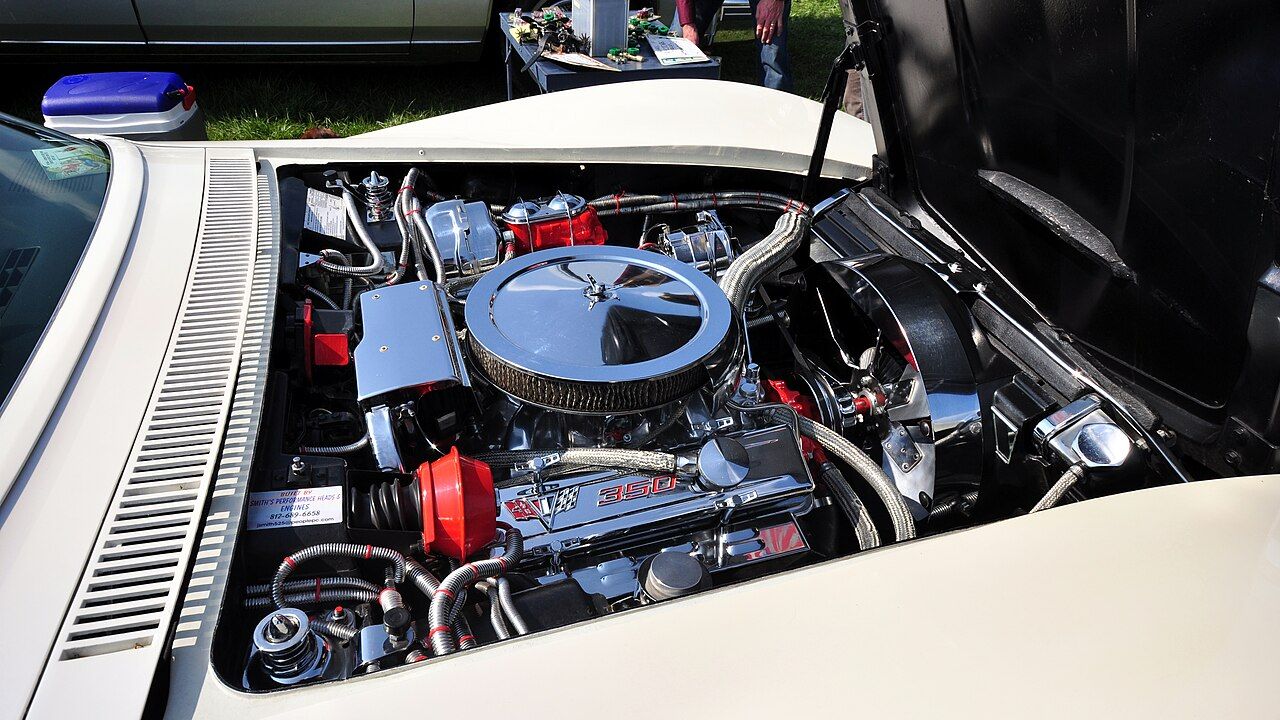
The Chevrolet 350 small-block became one of the most widely used V8s ever produced. Its simple pushrod design, cast-iron construction, and enormous parts supply made it easy to maintain and rebuild. It powered everything from pickups and full-size cars to performance models, exposing the engine to many different forms of use. Many versions were tuned conservatively from the factory, helping reduce stress on internal components. With regular maintenance, the 350 could deliver years of dependable service, which helped establish its reputation as one of Chevrolet’s most durable V8 platforms.
Ford 302 Windsor
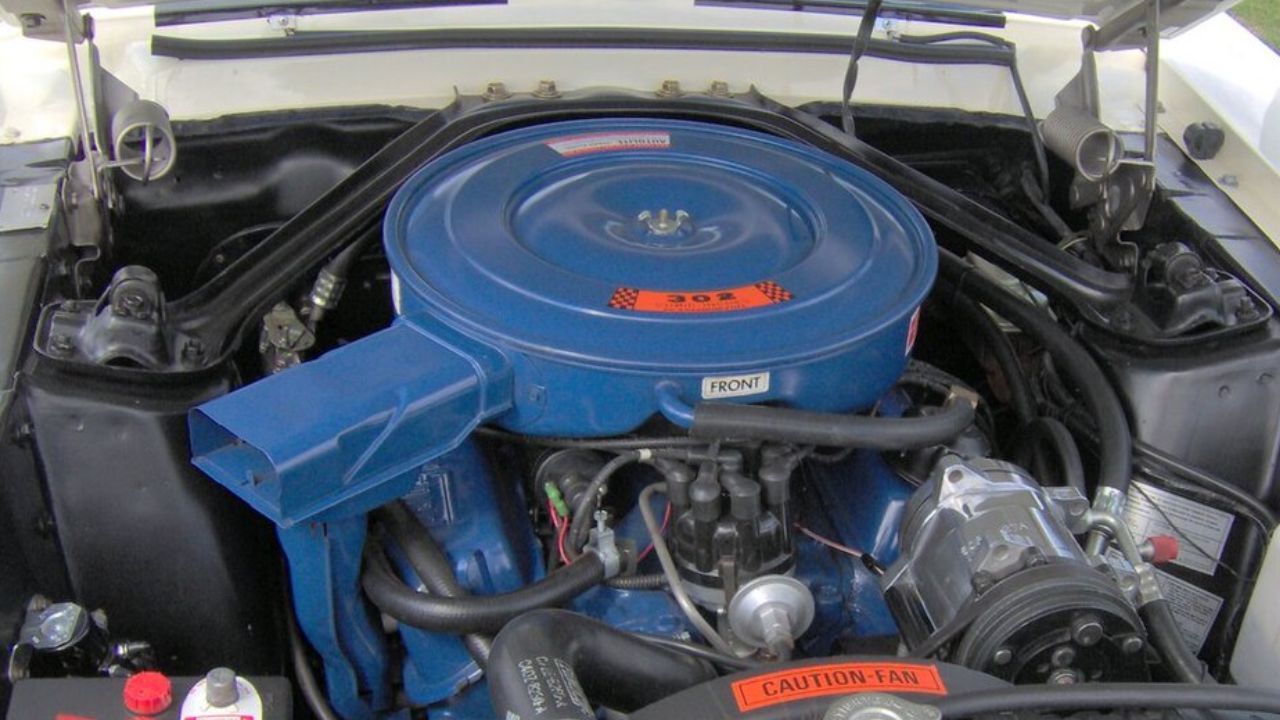
The Ford 302 Windsor became a familiar V8 in Mustangs, trucks, sedans, and other Ford products. Its compact dimensions and straightforward pushrod architecture made it versatile without requiring complicated maintenance. Factory versions ranged from economy-focused engines to performance-oriented applications, but many were built with relatively conservative specifications. The engine’s widespread use also created an enormous supply of replacement parts and rebuilding knowledge. When properly maintained, the 302 could accumulate substantial mileage while continuing to provide reliable service, making it one of Ford’s best-known long-running small-block V8s.
Chrysler 318 LA
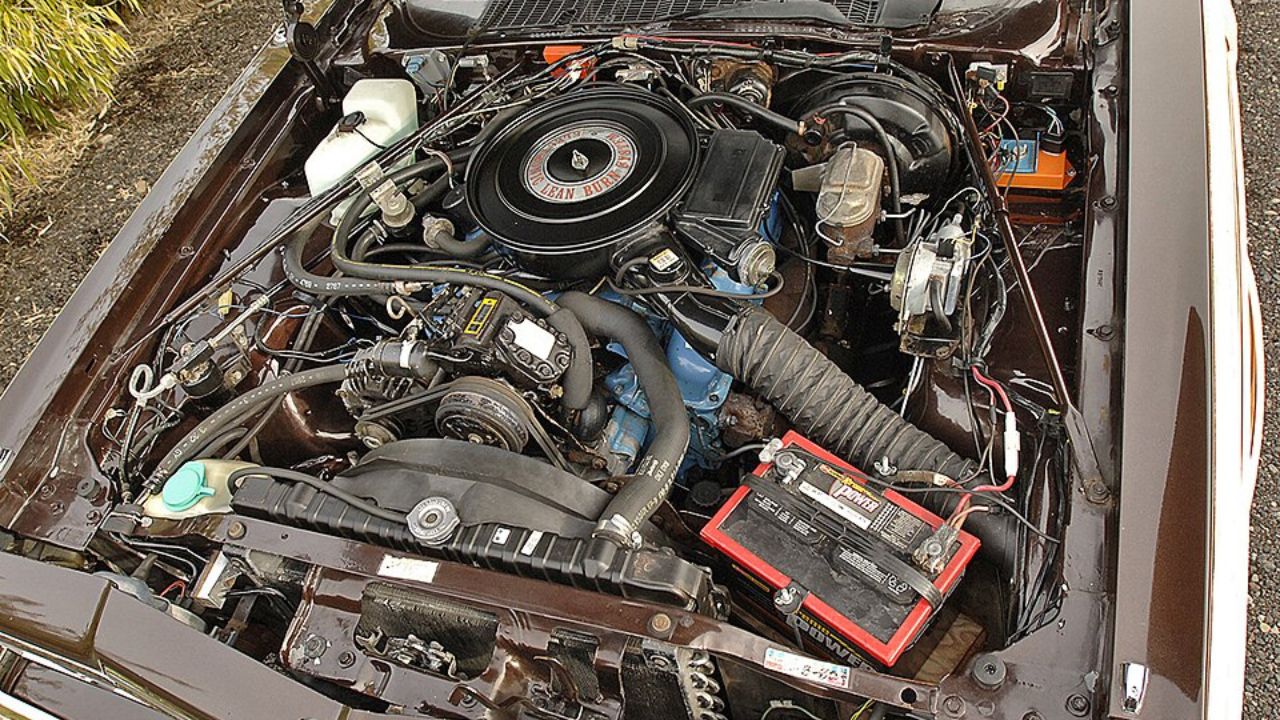
The Chrysler 318 LA became a dependable V8 for cars, trucks, vans, and other Chrysler products. Its 5.2-liter displacement provided useful everyday power without requiring an aggressive state of tune. The engine’s simple pushrod design and durable cast-iron construction made routine servicing straightforward. It was also produced in large numbers, giving owners access to plentiful replacement parts and mechanical expertise. Many 318-powered vehicles were used as daily transportation or work vehicles for years. Its reputation grew from consistency rather than spectacular performance, making the 318 a practical long-service V8.
Buick 3800 V6
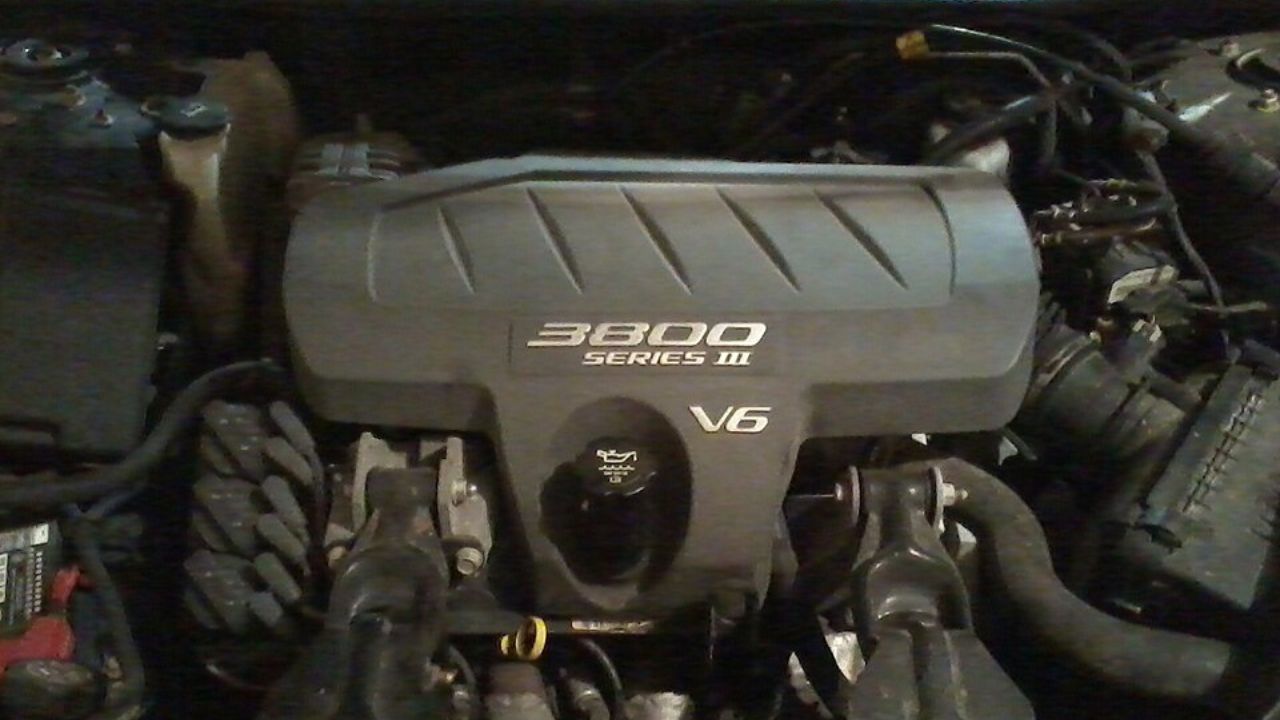
Although technically a V6 rather than a V8, the Buick 3800 is often mentioned alongside durable American engines because of its long service life. Its sturdy design powered many Buick, Pontiac, Oldsmobile, and other GM vehicles. The engine was known for producing useful torque while remaining relatively economical and uncomplicated. Later versions added supercharging without abandoning the basic architecture. Proper maintenance allowed many examples to accumulate very high mileage. Its broad use in family cars and daily drivers demonstrated how a conservative factory engine could remain dependable through years of regular service.
Oldsmobile 350 Rocket
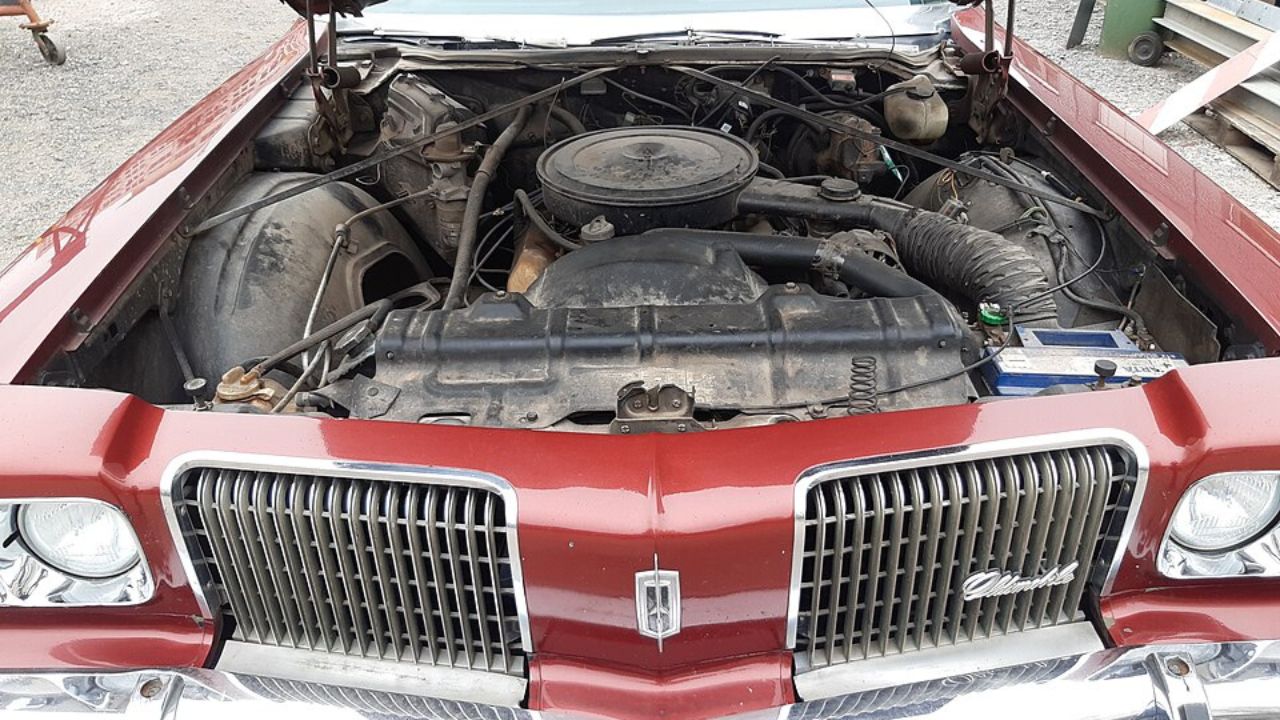
The Oldsmobile 350 Rocket became a dependable member of Oldsmobile’s Rocket V8 family. Introduced for the 1968 model year, it used a cast-iron block and conventional pushrod layout. The engine appeared in a wide range of Oldsmobile vehicles, from everyday sedans to larger performance-oriented models. Its factory output varied, but many versions were tuned for practical street use rather than extreme performance. That conservative approach helped the engine handle ordinary driving for long periods. Its simple construction also made repairs and rebuilding relatively familiar to mechanics.
Ford 351 Windsor
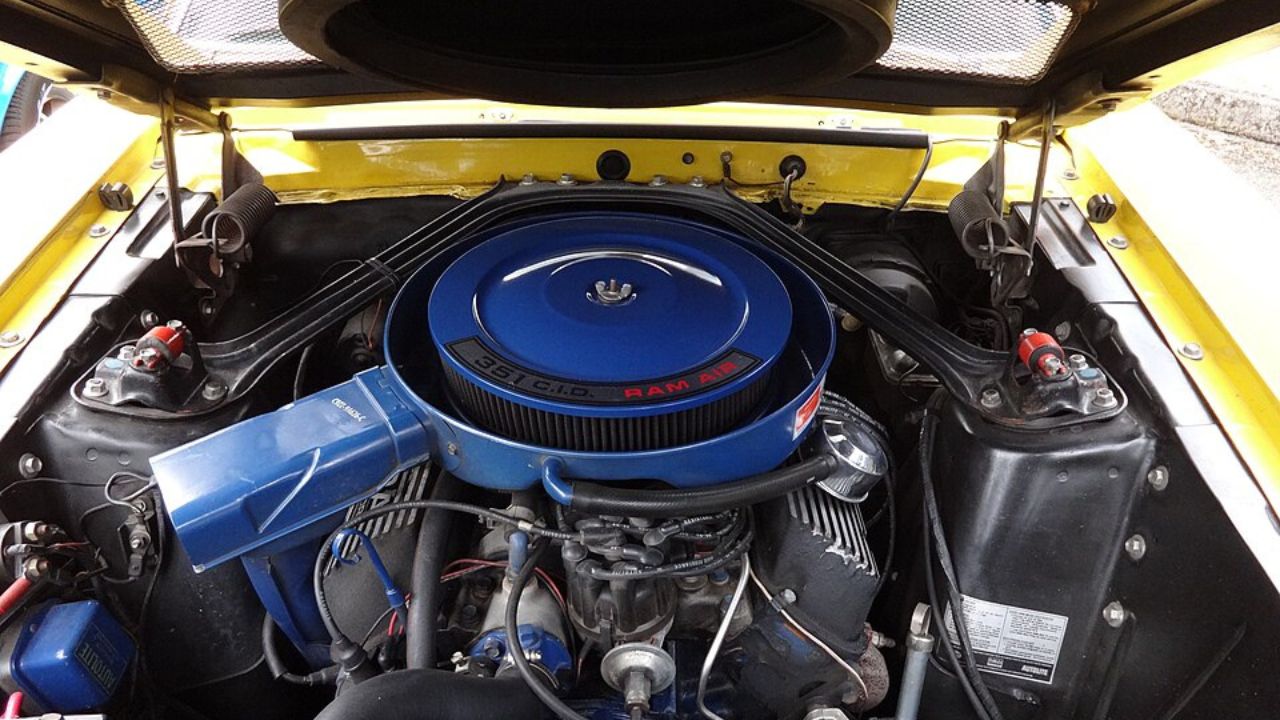
The Ford 351 Windsor combined the basic strengths of the 302 family with additional displacement. It became popular in cars, pickups, and performance applications, giving it exposure to both everyday driving and heavier workloads. The engine’s traditional pushrod architecture made it relatively straightforward to service, while its cast-iron construction provided a solid foundation. Factory versions ranged widely in output, but many were built for practical street use. With proper cooling, lubrication, and maintenance, the 351 Windsor could provide long service, making it a respected Ford V8 beyond its performance reputation.
Chevrolet 400 Small-Block
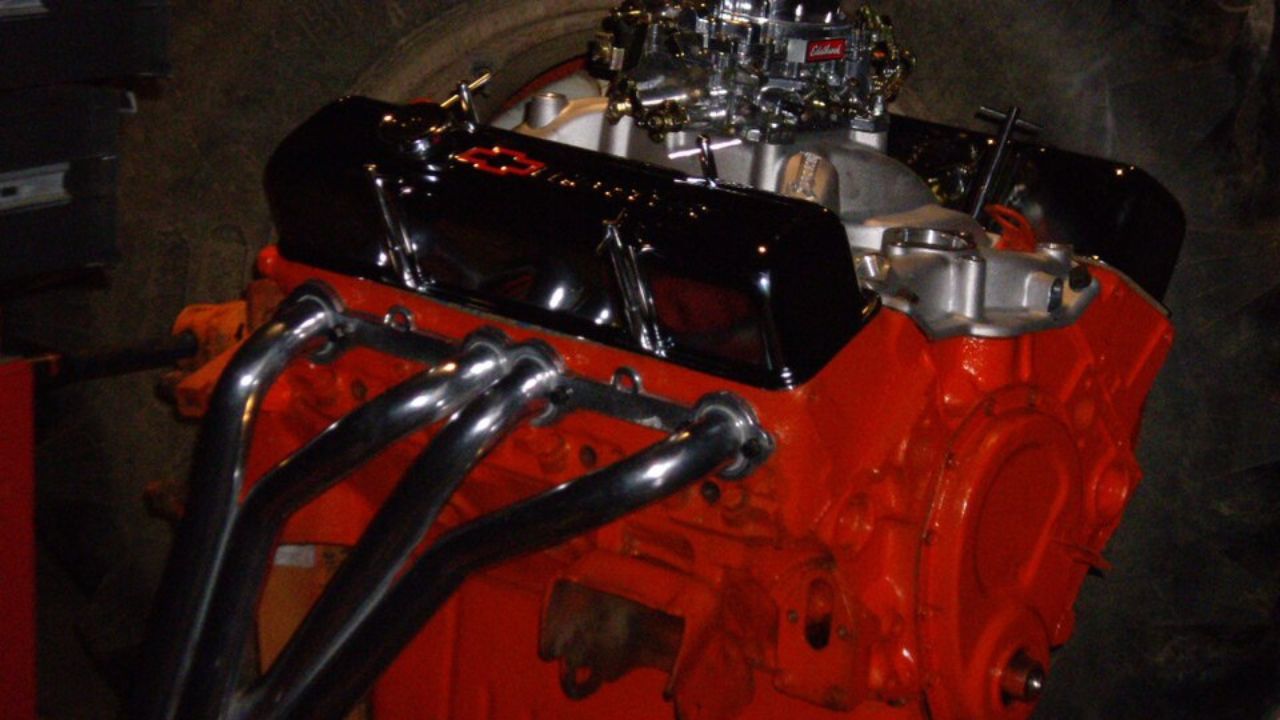
The Chevrolet 400 small-block was developed to provide more displacement without abandoning the basic small-block architecture. Its 4.125-inch bore and shorter 3.75-inch stroke gave it strong low-speed torque, making it useful in full-size cars and trucks. Factory versions were generally designed around practical street performance rather than extreme output. The engine’s large displacement also meant it could produce useful torque without requiring extremely high engine speeds. When properly maintained, the 400 could serve for years in demanding vehicles, giving it a reputation as a sturdy big-displacement small-block.
Pontiac 350
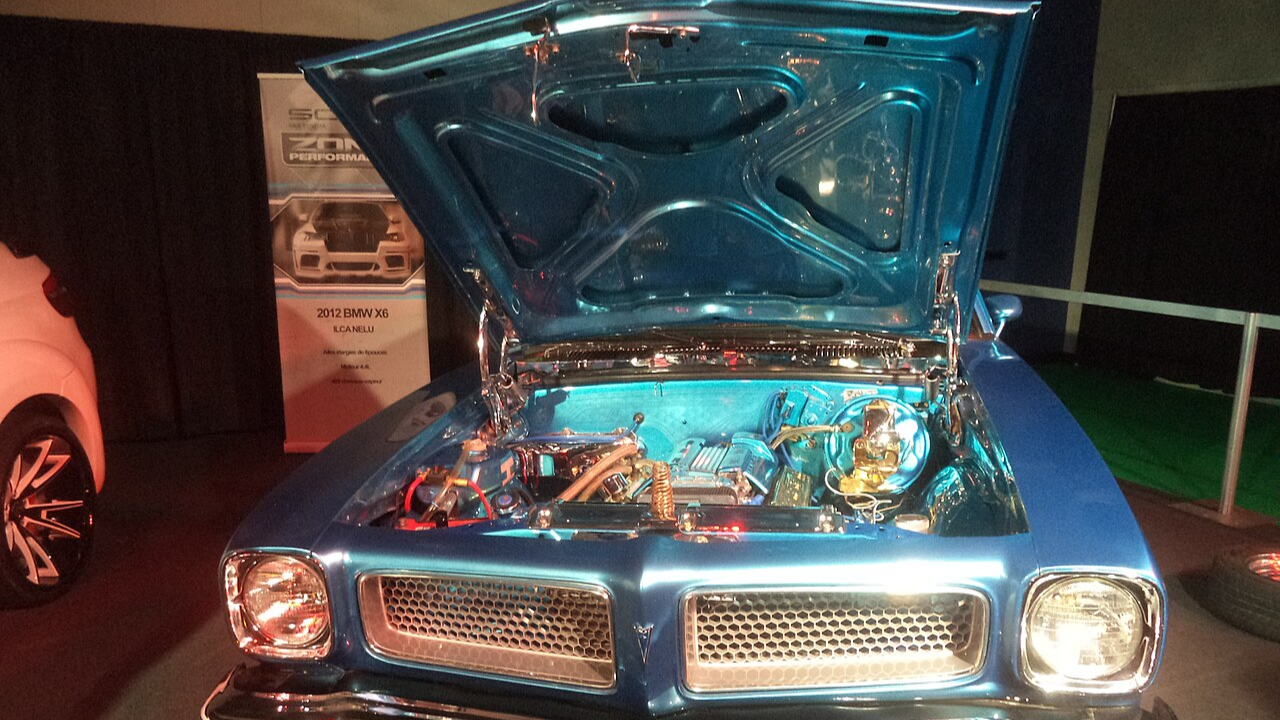
The Pontiac 350 became a widely used V8 during the 1960s and 1970s, powering everything from family sedans to performance-oriented models. Its traditional overhead-valve design and cast-iron construction were typical of Pontiac’s larger V8 family. The engine delivered useful torque without needing an extreme factory tune, making it suitable for everyday driving. Pontiac produced numerous versions with different specifications, but the basic architecture remained durable. Proper maintenance allowed these engines to continue operating for substantial mileage, particularly in vehicles used as regular transportation rather than heavily modified performance machines.
AMC 360
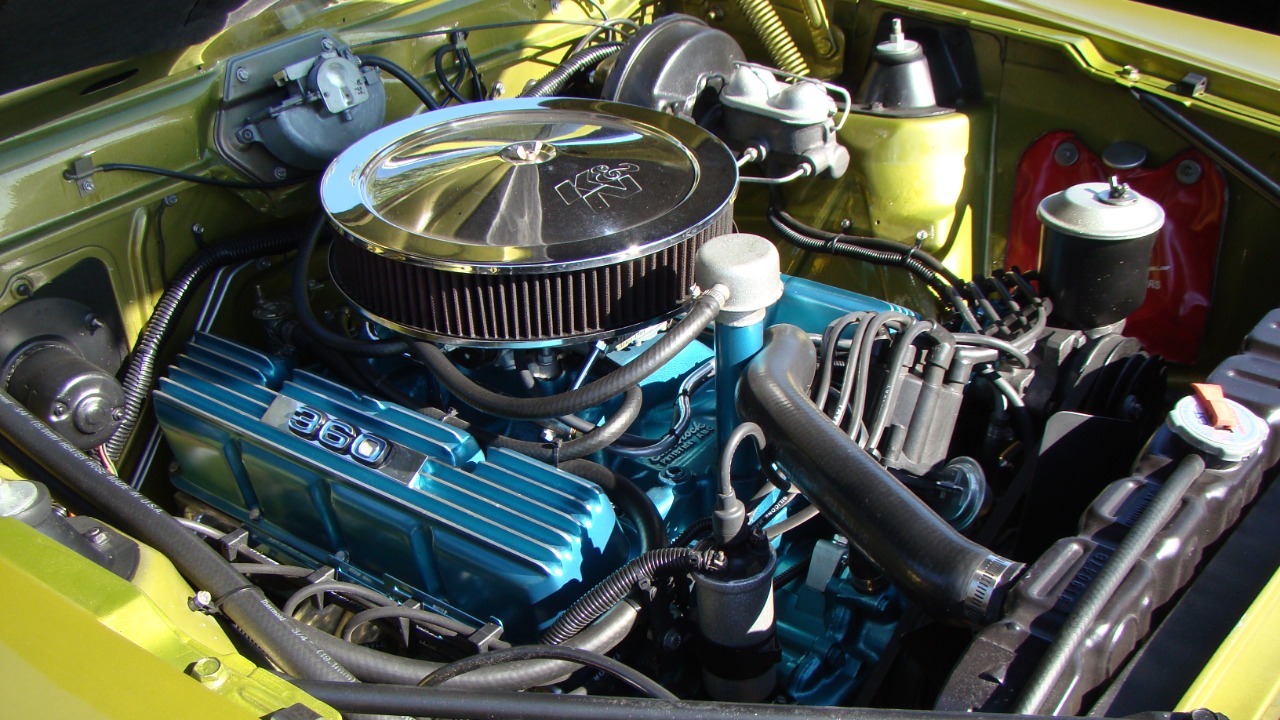
The AMC 360 became one of American Motors’ most important V8 engines, appearing in cars, Jeeps, and other vehicles. Its 5.9-liter displacement gave it useful torque for both road and utility applications. The engine used a straightforward pushrod layout and cast-iron construction, making it relatively familiar to mechanics. In Jeep applications, it could face towing, off-road driving, and other demanding conditions. Although factory performance versions could produce significant power, many 360s were used in practical vehicles. Their combination of displacement, simple engineering, and sturdy construction helped them survive hard service.
Ford 460
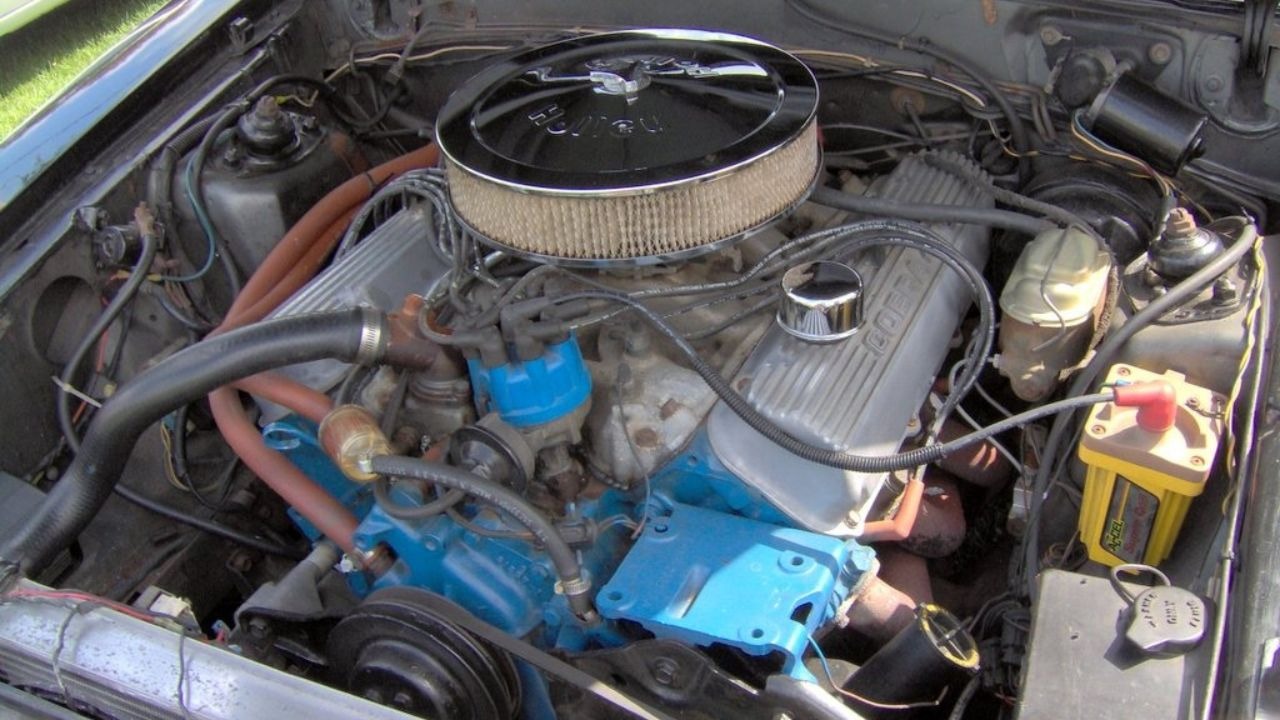
The Ford 460 became a major big-block V8 for large cars, trucks, and motorhomes. Its 7.5-liter displacement produced substantial torque, allowing it to move heavy vehicles without requiring extreme engine speeds. The engine’s cast-iron construction and traditional pushrod design made it well suited to demanding applications. Later truck versions became especially familiar in towing and hauling roles. Because it was designed to handle heavy loads, the 460 could spend years working under conditions that would challenge smaller engines. Its durability became part of its reputation as a serious Ford workhorse.
Chevrolet 454
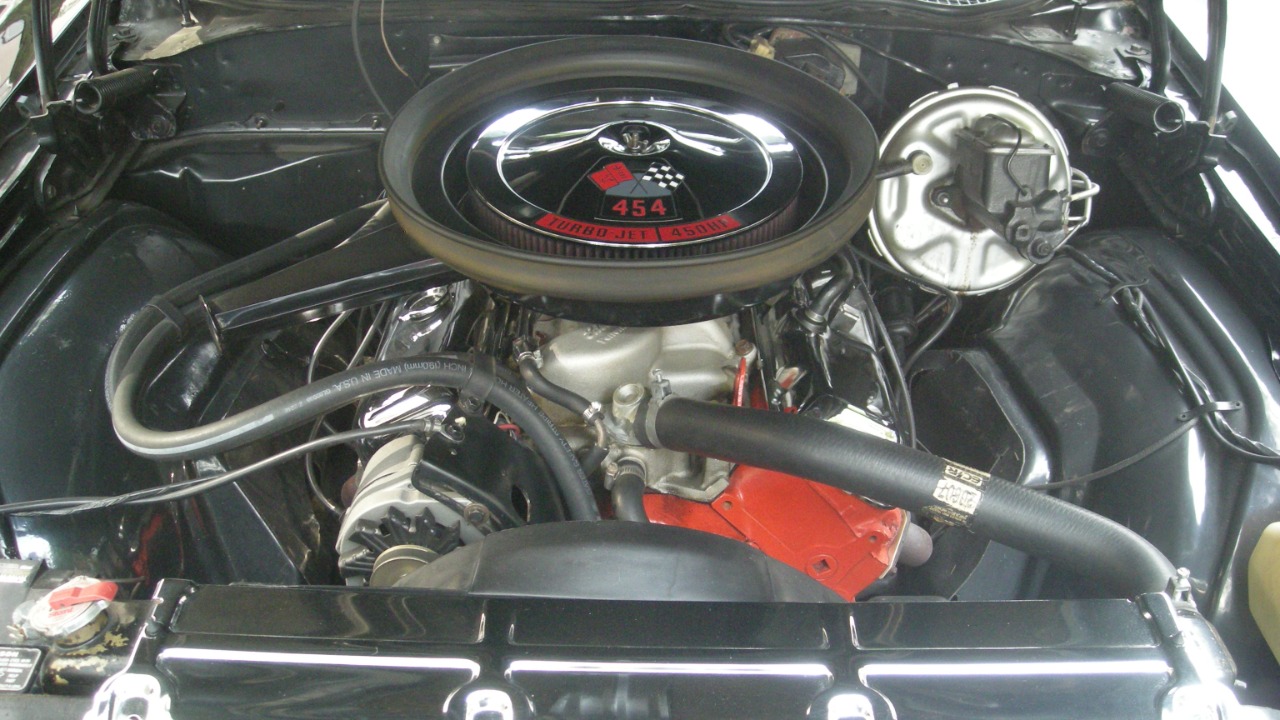
The Chevrolet 454 became one of the best-known big-block V8s in American automotive history. While famous for muscle cars and performance models, it also found extensive use in trucks, motorhomes, and marine applications. Its large displacement produced substantial torque at relatively low engine speeds, making it useful for heavy loads. Factory versions varied considerably in power and specification, but many were built for sustained street or utility use. Proper cooling and lubrication were important, yet well-maintained 454 engines could deliver years of service under demanding conditions.
Ford 390 FE

The Ford 390 FE became a familiar V8 in full-size cars, pickups, and performance models during the 1960s and 1970s. Its 6.4-liter displacement provided strong torque, while the traditional FE architecture was designed for a broad range of applications. Many 390s were used in large Ford vehicles that accumulated substantial road mileage. The engine’s cast-iron construction and straightforward mechanical design made it relatively serviceable. Although some performance versions were pushed harder, ordinary factory 390s could provide long-term service when properly maintained.
Chrysler 360 LA
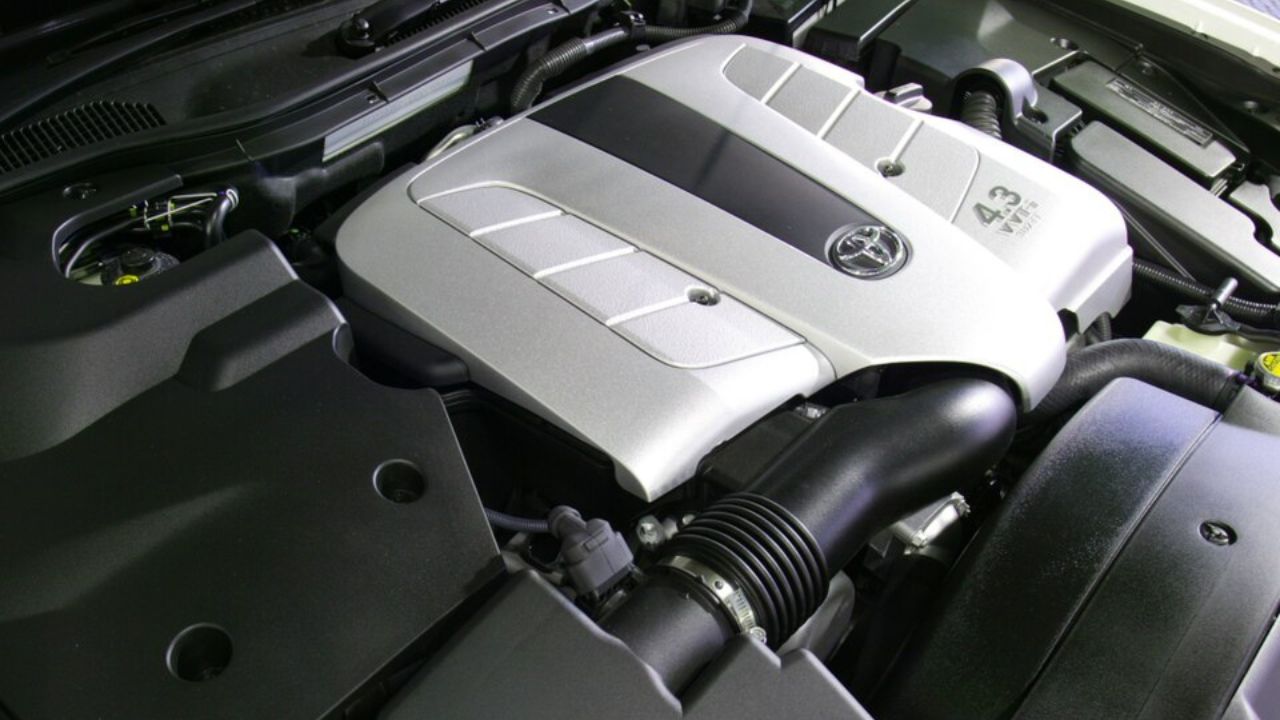
The 3UZ-FE evolved from Toyota’s earlier UZ-family V8 and continued the emphasis on smoothness and long-term service. Its 4.3-liter displacement provided additional torque while retaining the refined character expected in Lexus applications. The engine appeared in luxury cars and SUVs where dependable operation was important. Its aluminum construction and overhead-cam design were more sophisticated than traditional American pushrod V8s, yet properly maintained examples could cover substantial mileage. The 3UZ-FE became respected because it delivered smooth factory performance without sacrificing the durability expected from Toyota’s larger engines.
Buick 455
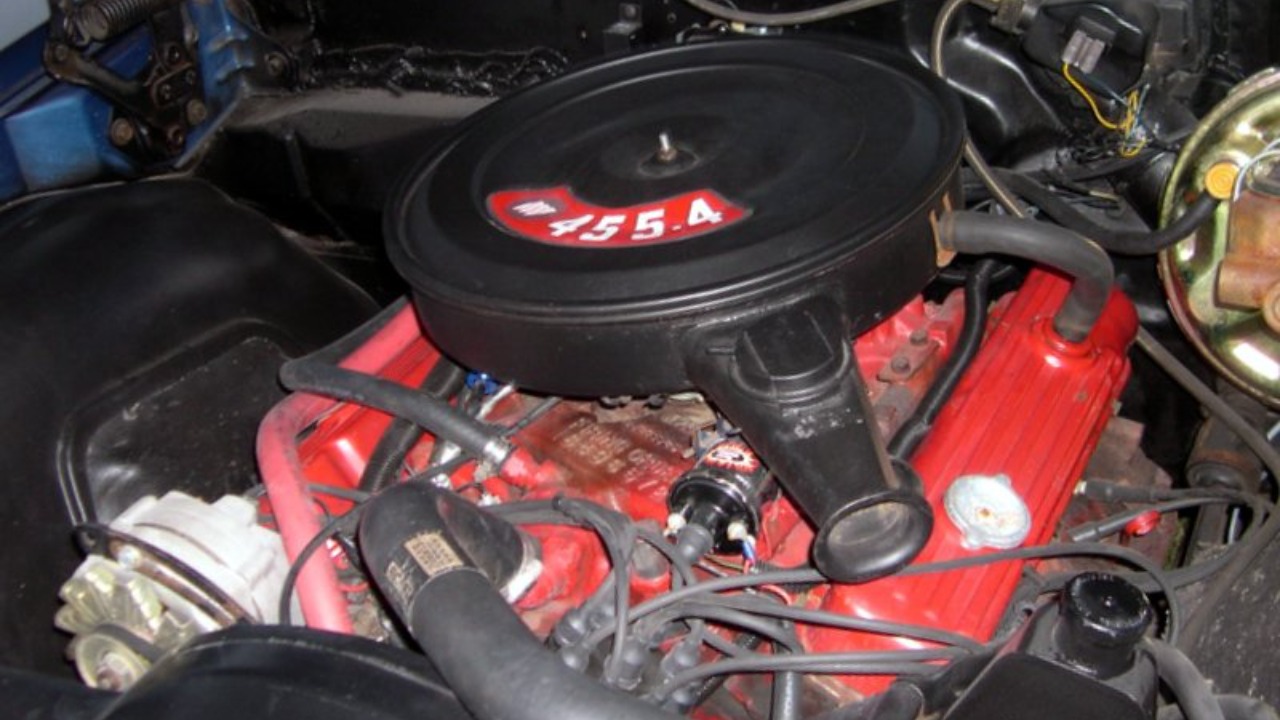
The Buick 455 was a large-displacement V8 known for producing strong torque without requiring extreme engine speeds. It powered full-size Buicks, muscle cars, and other GM vehicles during the 1970s. Despite its large displacement, the engine was relatively light for a big-block-style V8 because of its design. Factory versions ranged from mild street engines to high-performance variants. The less aggressive versions were particularly well suited to regular driving, where their abundant torque allowed relaxed operation. With proper maintenance, the Buick 455 could provide long service while moving heavy cars with ease.
Oldsmobile 455
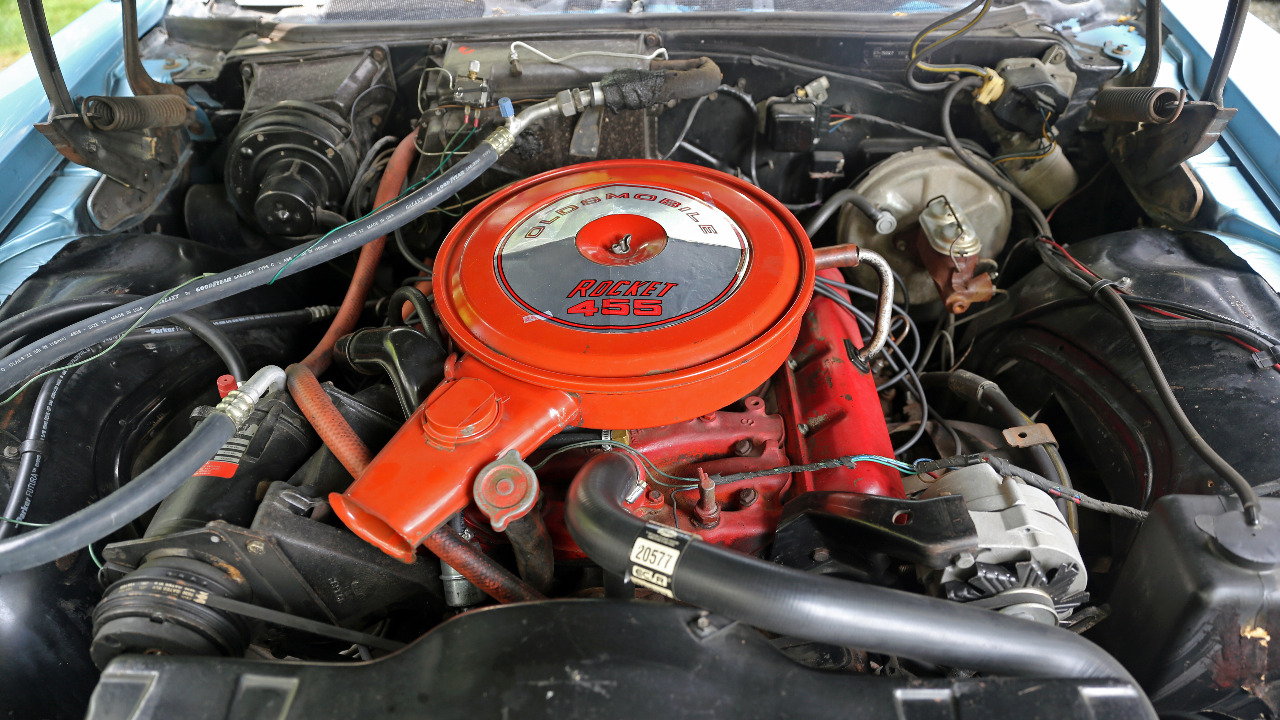
The Oldsmobile 455 became one of the brand’s largest and most recognizable V8 engines. Its substantial displacement produced strong torque, making it useful in full-size cars as well as performance models. The engine was available in different factory configurations, from comfortable street-oriented versions to more powerful variants. Its cast-iron construction and traditional pushrod layout kept the design relatively straightforward. Many examples spent their lives powering large cars in ordinary daily service. When maintained properly, the Oldsmobile 455 could combine effortless low-speed power with impressive long-term durability.
Pontiac 400
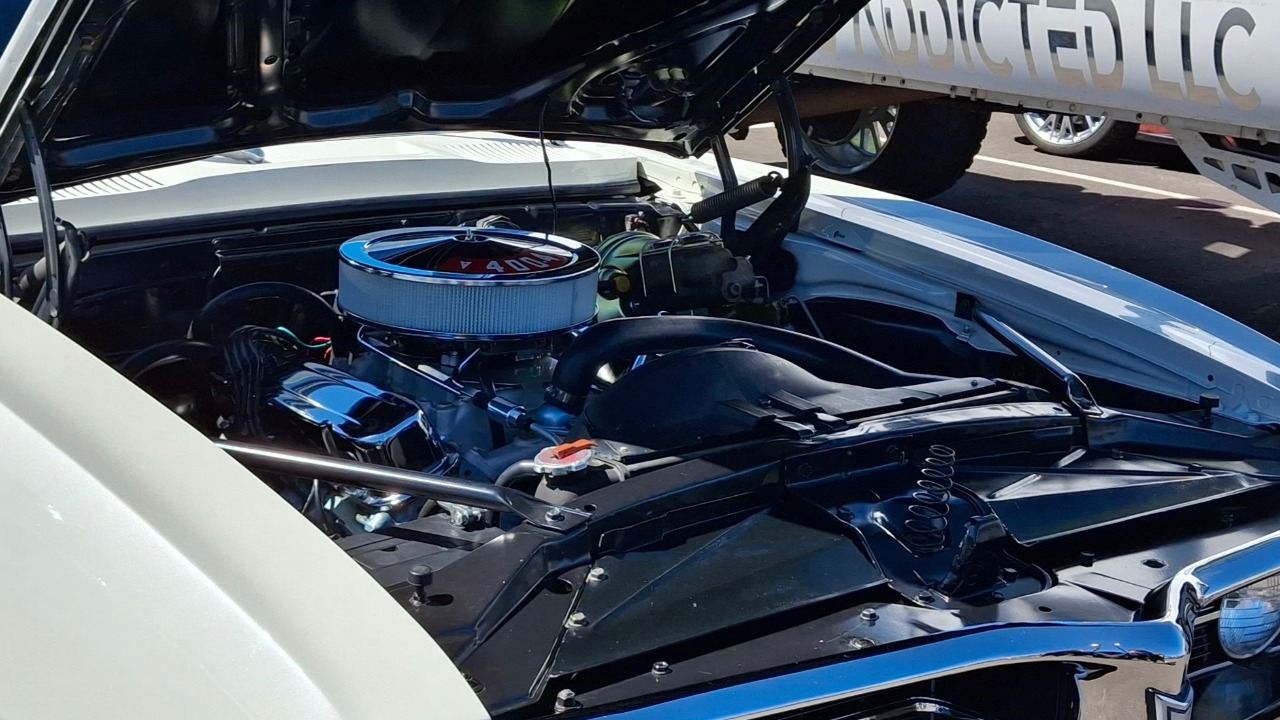
The Pontiac 400 became one of the most familiar engines in the brand’s history. It powered everything from full-size sedans to Firebirds and other performance models. Its 4.125-inch bore and 3.75-inch stroke created a useful combination of displacement and torque. Factory versions varied greatly, but many street engines were designed for practical operation rather than maximum output. The engine’s strong cast-iron construction and simple pushrod architecture made it relatively easy to service. Properly maintained Pontiac 400s could remain dependable for years, even when installed in heavy vehicles.
Ford 429
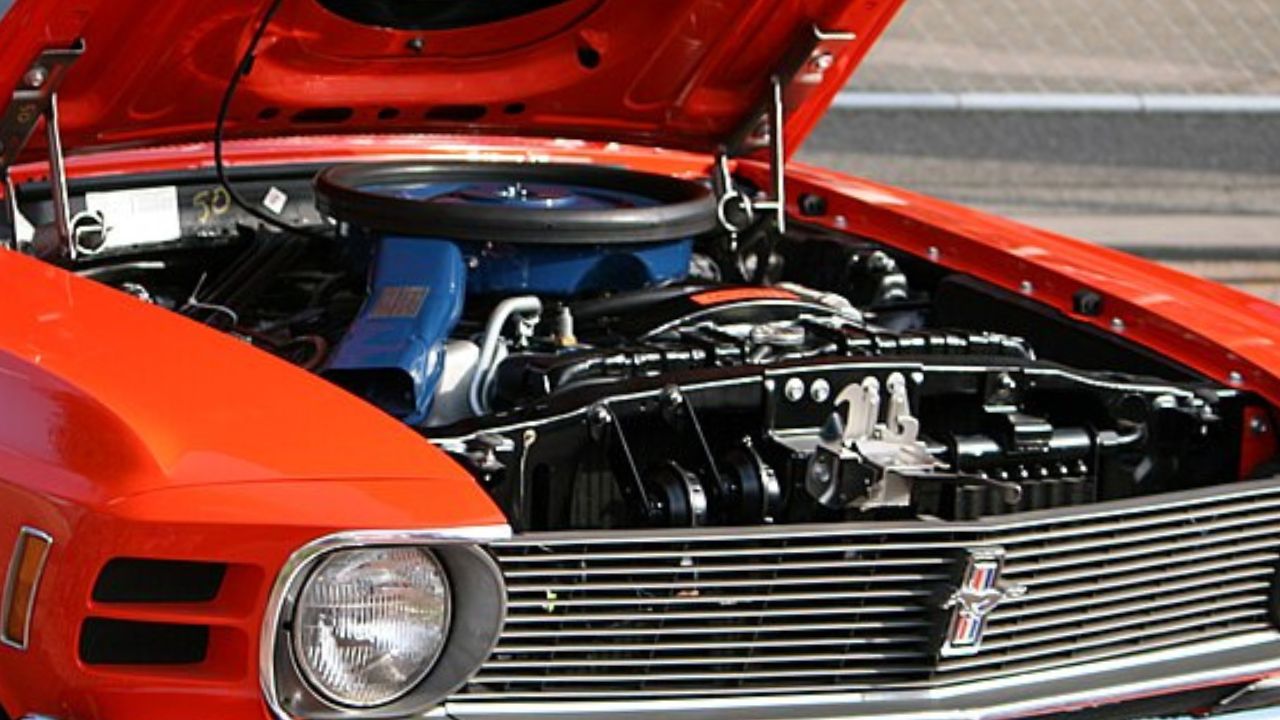
The Ford 429 became one of Ford’s major big-block V8s during the late 1960s and 1970s. It powered full-size cars, muscle cars, and heavy-duty applications, giving the engine a wide range of operating conditions. Its large displacement allowed strong torque production without relying on extreme engine speeds. Although high-performance versions received considerable attention, many factory 429s were designed for normal street use. The engine’s robust construction and traditional pushrod layout helped it tolerate regular driving and heavy vehicles, contributing to its reputation as a durable big-block.
Cadillac 472
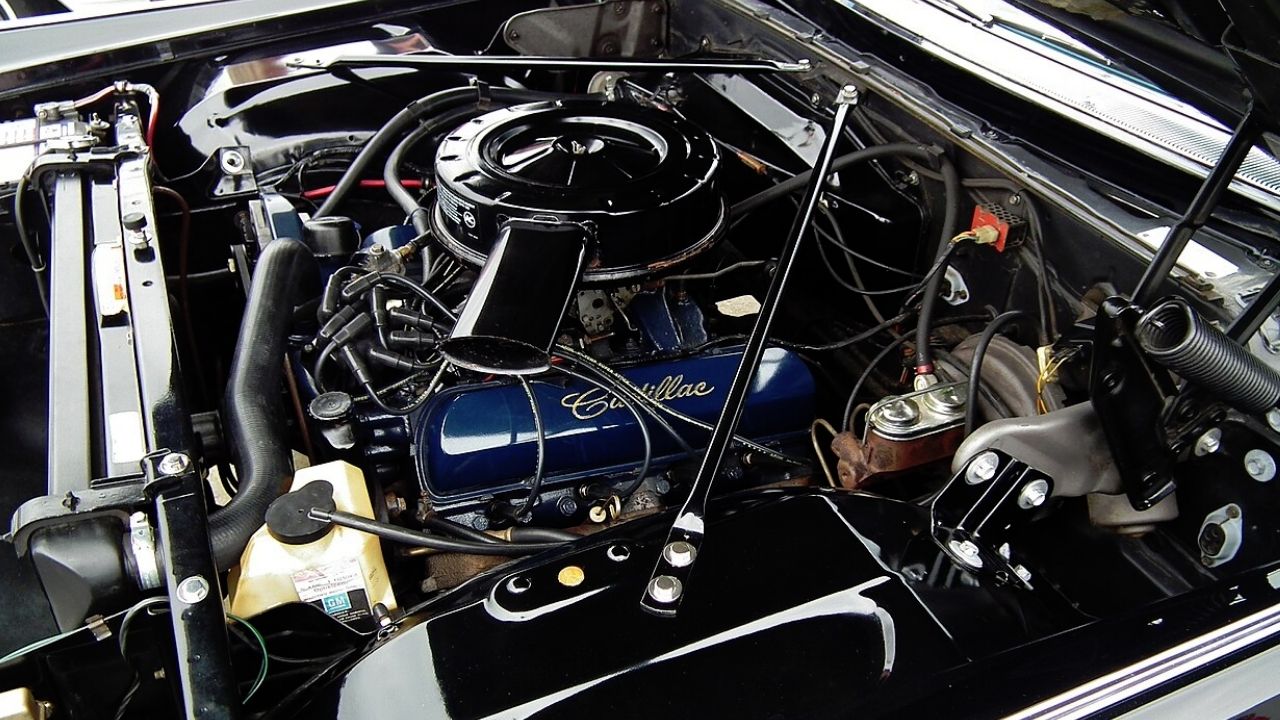
The Cadillac 472 was designed primarily to provide effortless power in large luxury cars. Introduced for 1968, its massive 7.7-liter displacement produced abundant torque at low engine speeds. That allowed Cadillac’s heavy vehicles to accelerate smoothly without demanding high revs from the engine. Its cast-iron construction and conventional pushrod layout were well suited to the era. Although fuel consumption was substantial, the engine was not highly stressed during normal driving. Its conservative operating character helped many examples provide dependable service in large sedans and coupes for years.
ore from Fast Lane Only
- Unboxing the WWII Jeep in a Crate
- 15 rare Chevys collectors are quietly buying
- 10 underrated V8s still worth hunting down
- Police notice this before you even roll window down
*Research for this article included AI assistance, with all final content reviewed by human editors.