Muscle cars were built for performance, but manufacturers rarely had complete freedom to develop them. Racing regulations, insurance costs, emissions laws, corporate policies, and changing safety requirements often limited engines or performance equipment. These restrictions shaped some famous American performance cars and sometimes made their most desirable versions even more interesting.
Pontiac GTO
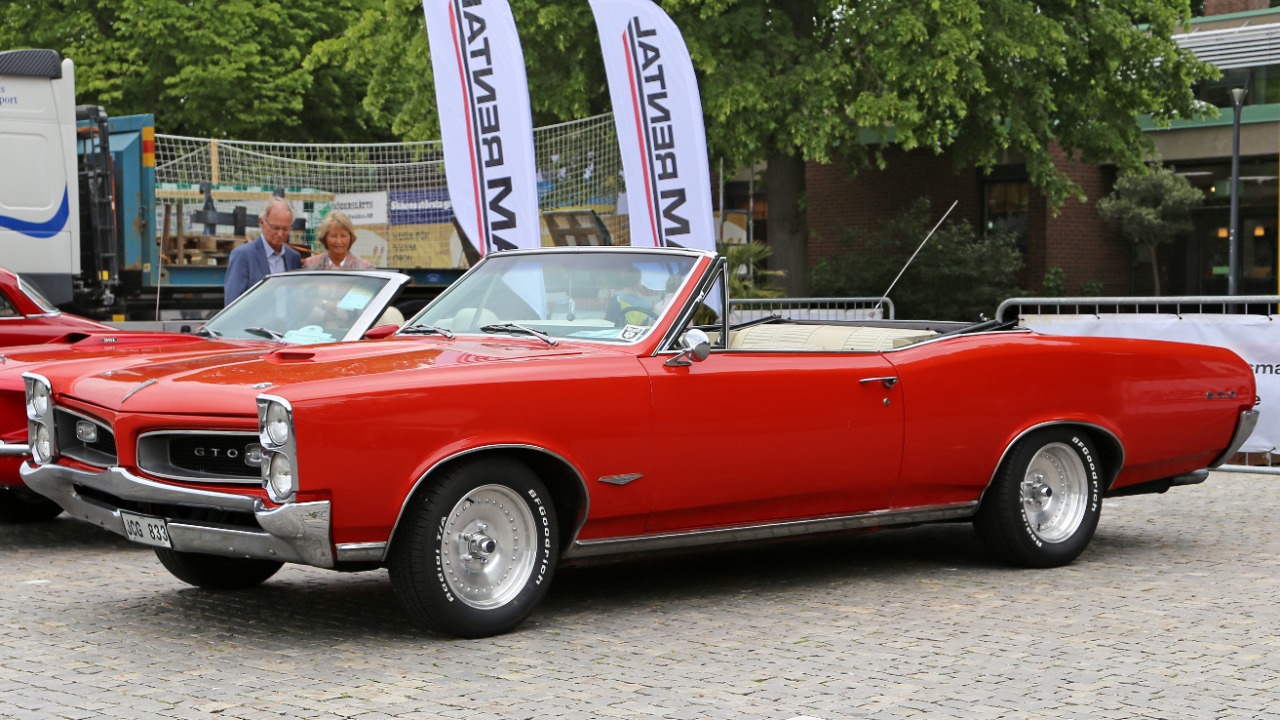
The Pontiac GTO helped create the muscle-car formula, but Pontiac faced an important corporate restriction when the model debuted for 1964. GM had a policy limiting engine size in its intermediate cars, yet Pontiac marketed the GTO as a performance package rather than a separate model. The car used a 389-cubic-inch V8 despite its intermediate platform. Later GM rules changed the situation, allowing larger engines in intermediate cars. The GTO therefore became an important example of how corporate policies could influence the development and marketing of early muscle cars.
Chevrolet Chevelle SS 396
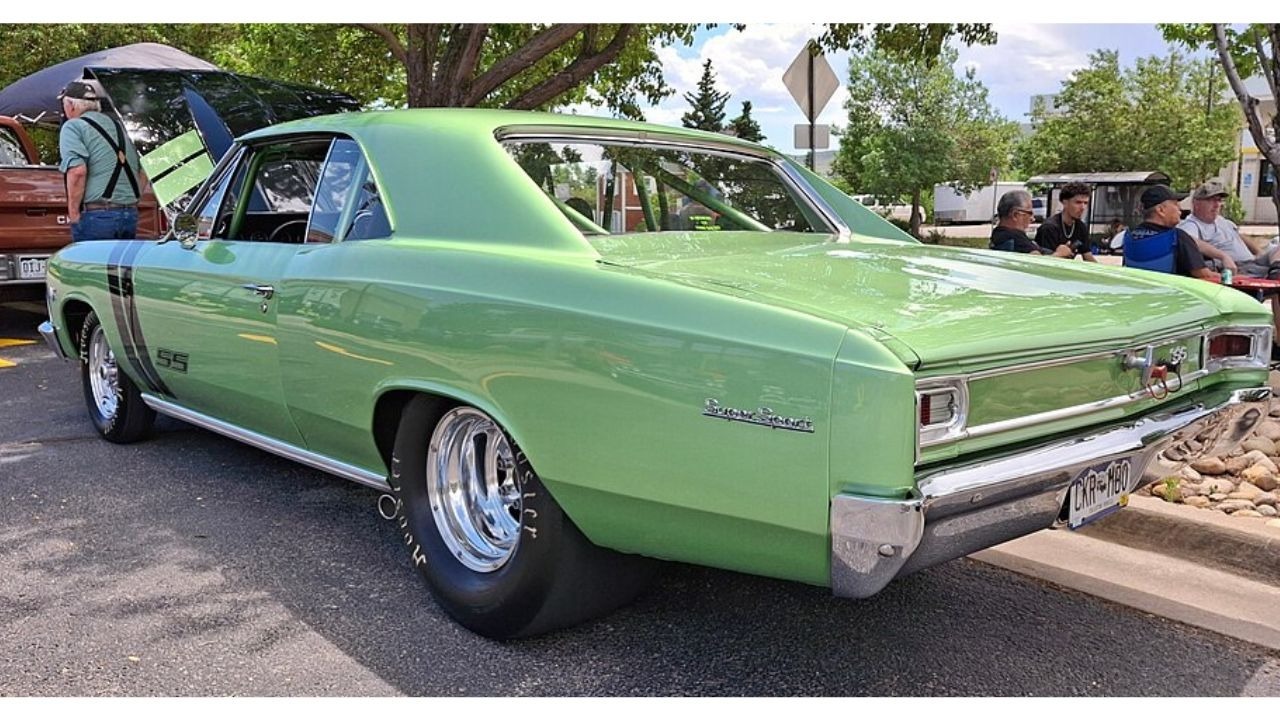
The Chevrolet Chevelle SS 396 arrived when General Motors’ internal policies still influenced how large engines could be used in intermediate cars. The SS 396’s big-block V8 gave the Chevelle serious performance, but Chevrolet had to work within changing corporate and regulatory conditions. Later versions became even more powerful as restrictions changed. The Chevelle also faced increasing insurance costs that affected how buyers viewed high-performance models. Its history shows how muscle-car development was shaped not only by engineering but also by corporate rules and the growing cost of owning powerful cars.
Pontiac Firebird Trans Am
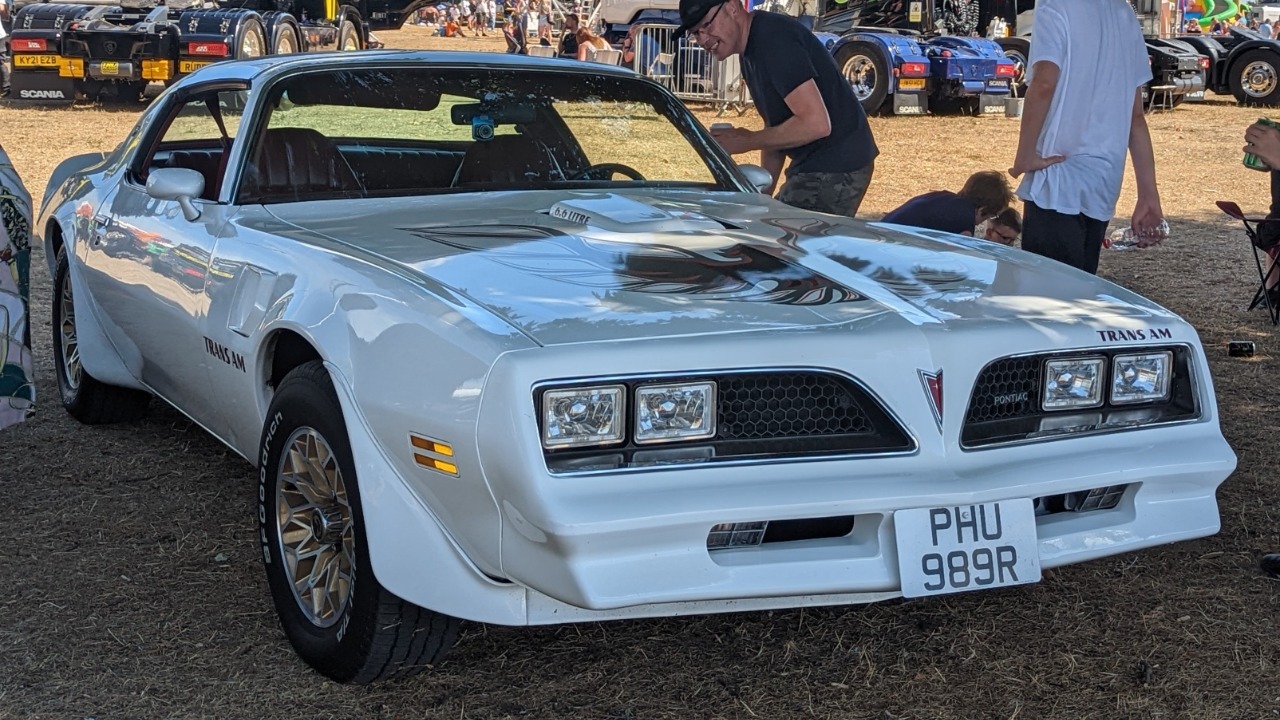
The Pontiac Firebird Trans Am faced several restrictions during its long development, particularly as emissions requirements and fuel-economy concerns became more demanding. The early 1970s versions still offered impressive V8 performance, but horsepower ratings began changing as manufacturers adapted to new testing methods and regulations. By the mid-1970s, Pontiac engineers had to balance performance with increasingly strict emissions requirements. The Trans Am survived the period when many muscle cars disappeared, but its engines and output changed significantly. Its history demonstrates how regulation gradually reshaped American performance cars.
Chevrolet Camaro Z/28
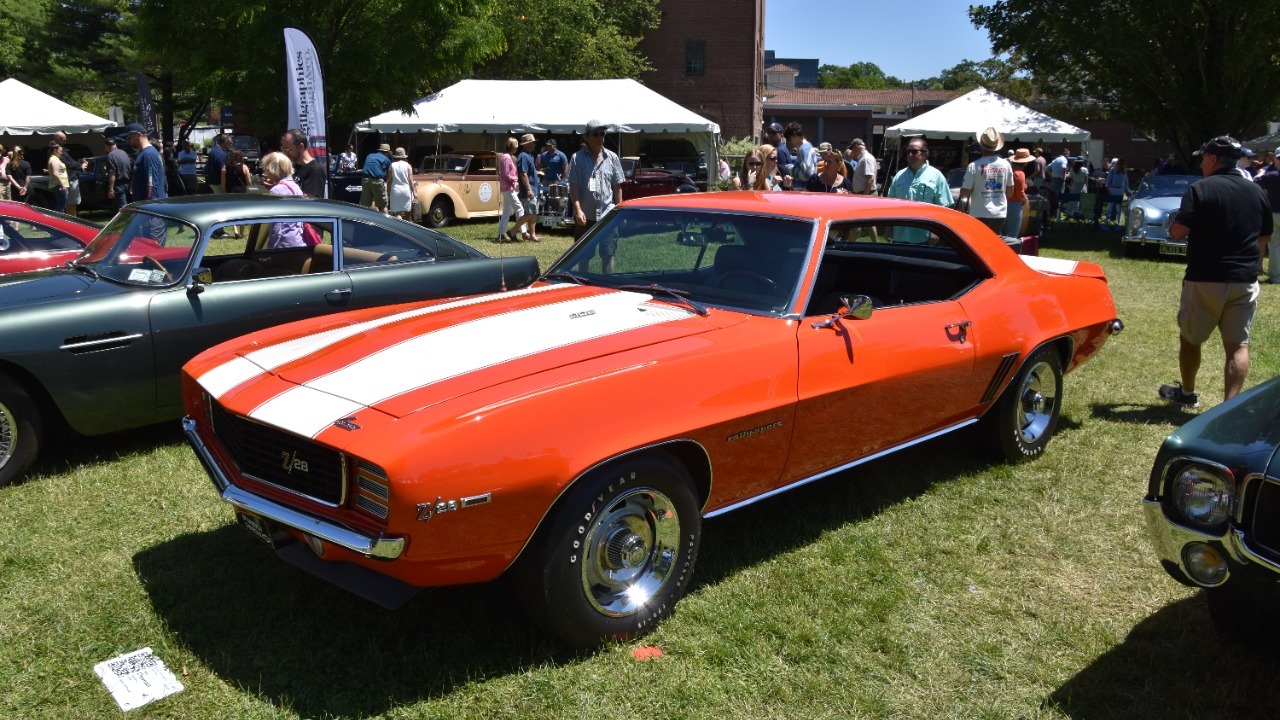
The Camaro Z/28 was originally developed with racing competition in mind, particularly the requirements surrounding the Trans-Am racing series. Chevrolet had to build a production version that met homologation requirements, which influenced its engine displacement and equipment. The original Z/28 therefore used a 302-cubic-inch engine rather than simply receiving the largest V8 available in the Camaro lineup. That restriction helped create a unique performance combination. The Z/28 became known for its high-revving small-block V8 and road-racing focus, making the rules part of its identity rather than simply a limitation.
Ford Mustang Boss 302
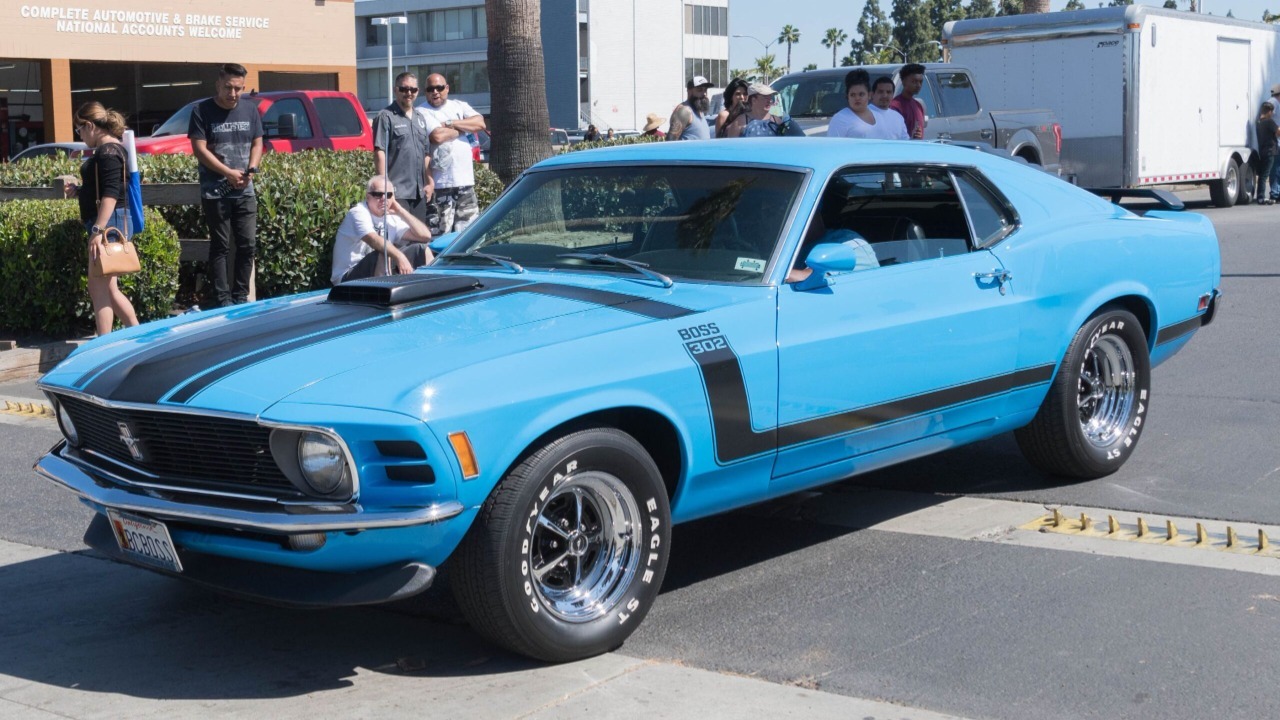
The Mustang Boss 302 was closely connected to Ford’s competition goals and the rules governing the Trans-Am racing series. The production car used a 302-cubic-inch V8 so Ford could meet homologation requirements for competition. Engineers focused heavily on handling, suspension, and engine breathing rather than simply installing the largest available engine. The result was a Mustang with a different character from big-block performance models. Its history demonstrates how racing regulations could force manufacturers to develop smaller-displacement engines with specialized performance equipment rather than relying entirely on engine size.
Plymouth AAR Cuda
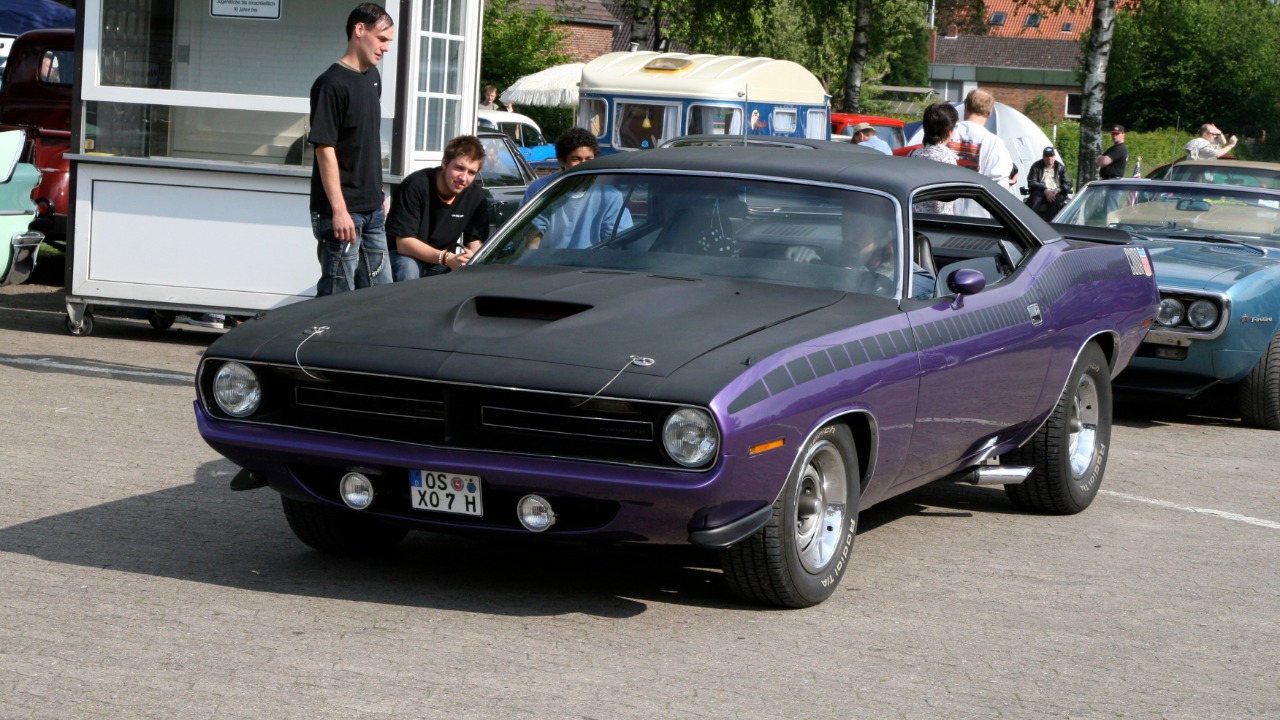
The Plymouth AAR Cuda was developed partly around homologation requirements for racing. Chrysler needed to produce enough road-going examples to qualify the car for competition, influencing its unusual combination of a 340-based engine, distinctive bodywork, and aerodynamic features. The street version included equipment related to its racing role, making it different from ordinary Barracuda models. Its restricted production also makes it historically significant. The AAR Cuda demonstrates how racing rules could create unusual muscle cars that were developed not simply for showroom sales but also to satisfy specific competition requirements.
Dodge Challenger T/A
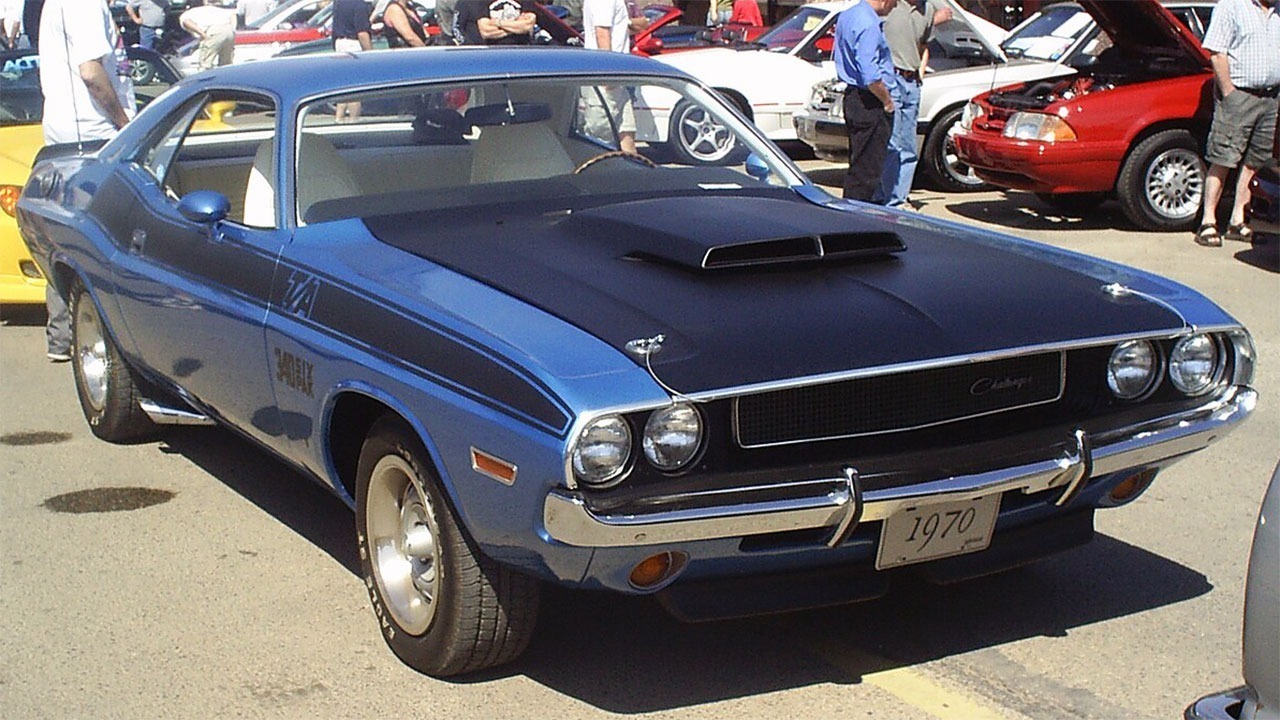
The Dodge Challenger T/A was created to support Chrysler’s involvement in the Trans-Am racing series. Like other homologation specials, it had to be offered as a production road car, which influenced its mechanical configuration and distinctive bodywork. The street version used a 340-based small-block V8 and featured special intake equipment, exhaust arrangements, suspension changes, and aerodynamic additions. The result was a Challenger that differed substantially from ordinary models. Its existence shows how racing regulations could push manufacturers toward specialized road cars that later became highly recognizable collector versions.
Ford Torino Talladega
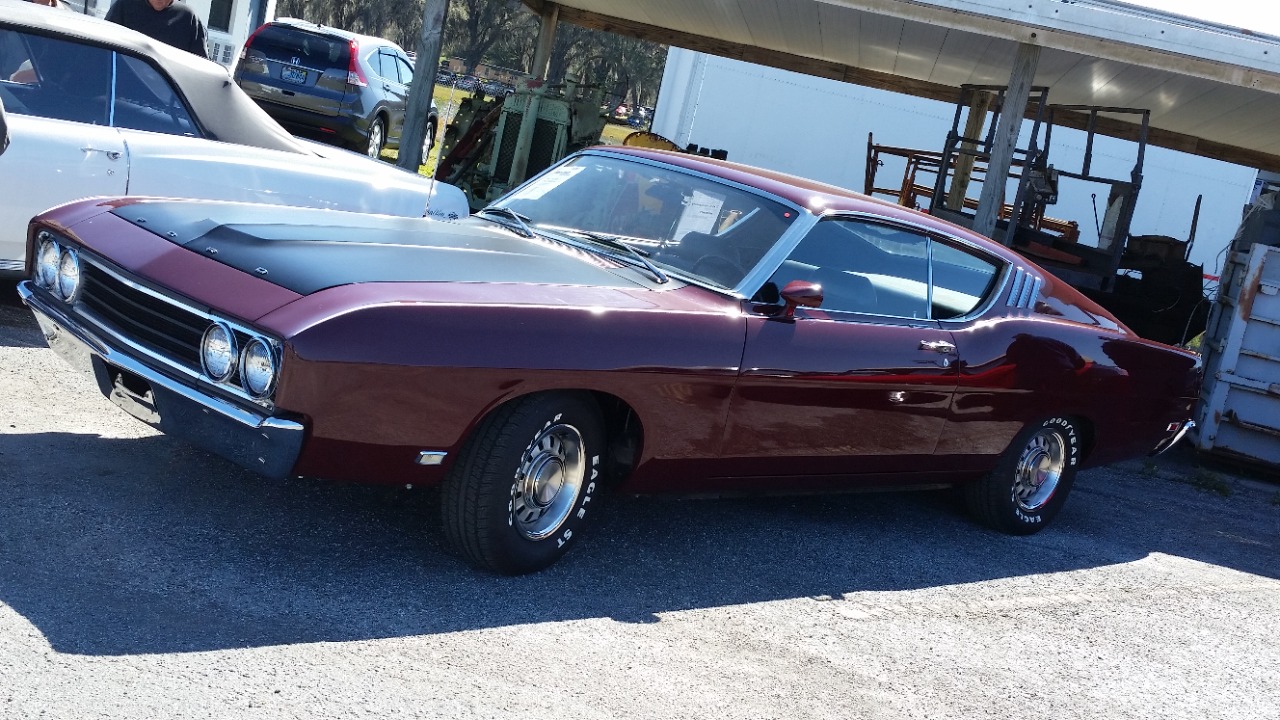
The Ford Torino Talladega was developed primarily because NASCAR rules required manufacturers to base their competition cars on production vehicles. Ford created the Talladega with aerodynamic modifications designed to improve high-speed performance on oval tracks. The street version featured a distinctive extended front end and other changes that separated it from an ordinary Torino. Production was limited because its primary purpose was homologation. The Talladega remains important because it demonstrates how racing regulations could directly influence showroom models. Its unusual shape was not simply a styling decision but part of Ford’s competition strategy.
Mercury Cyclone Spoiler II
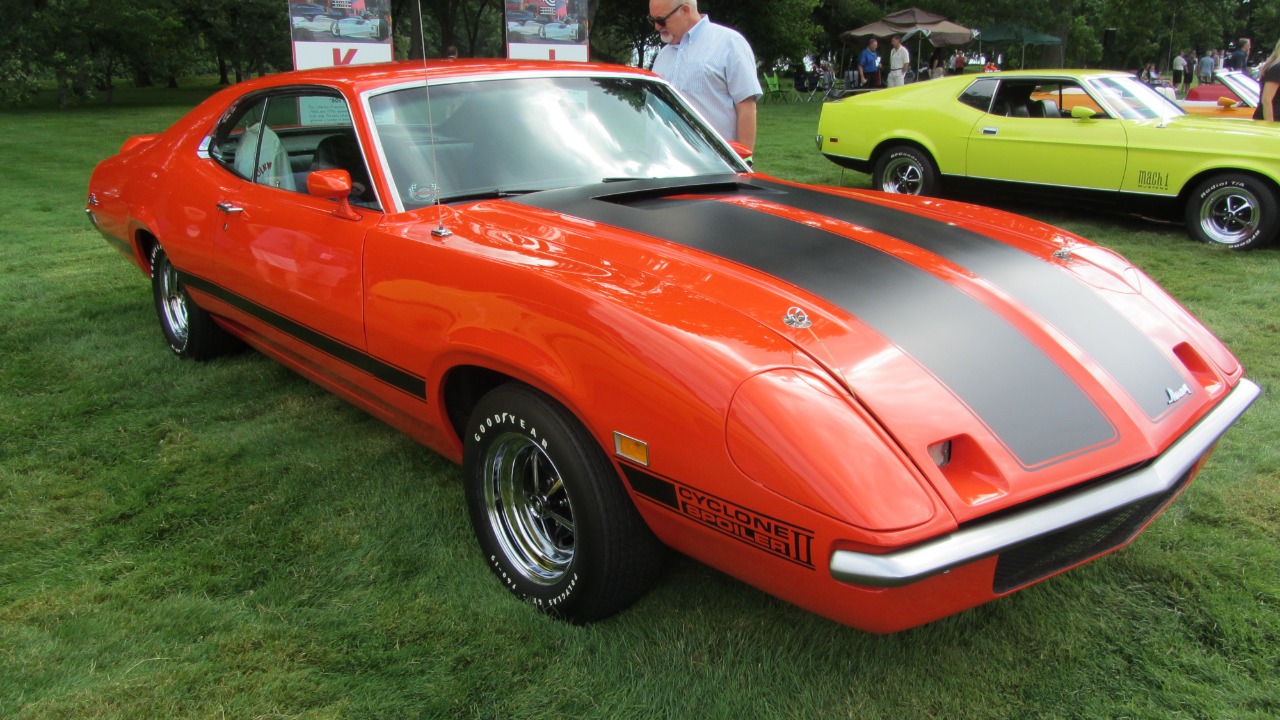
The Mercury Cyclone Spoiler II was another NASCAR homologation car shaped by the rules of its era. Mercury produced the street version so its aerodynamic body configuration could be used in stock-car competition. The car featured a distinctive elongated nose and unique styling that separated it from conventional Cyclone models. Production numbers were limited, and the model existed primarily because of racing requirements. Today, the Spoiler II provides a clear example of how competition regulations influenced American production cars, sometimes creating unusual models that would probably never have been developed solely for ordinary road use.
Plymouth Superbird
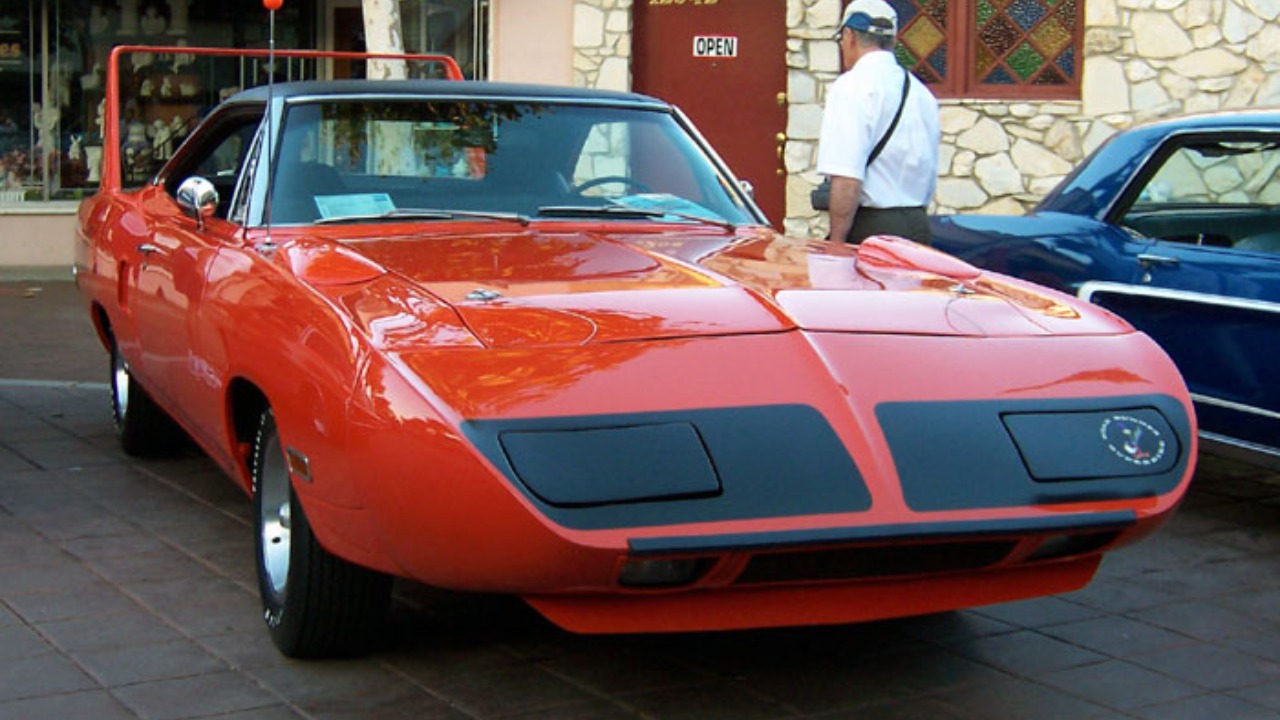
The Plymouth Superbird was one of the most extreme examples of NASCAR rules influencing an American production car. Chrysler developed its aerodynamic bodywork to improve high-speed performance in stock-car racing, adding a pointed nose and enormous rear wing to the Road Runner-based design. NASCAR homologation requirements meant Plymouth had to build road-going examples. The unusual appearance made the Superbird instantly recognizable. Although its racing purpose was central to its development, the production car became an important muscle-car collectible. Its design remains a direct reminder of how competition rules could shape road cars.
Dodge Charger Daytona
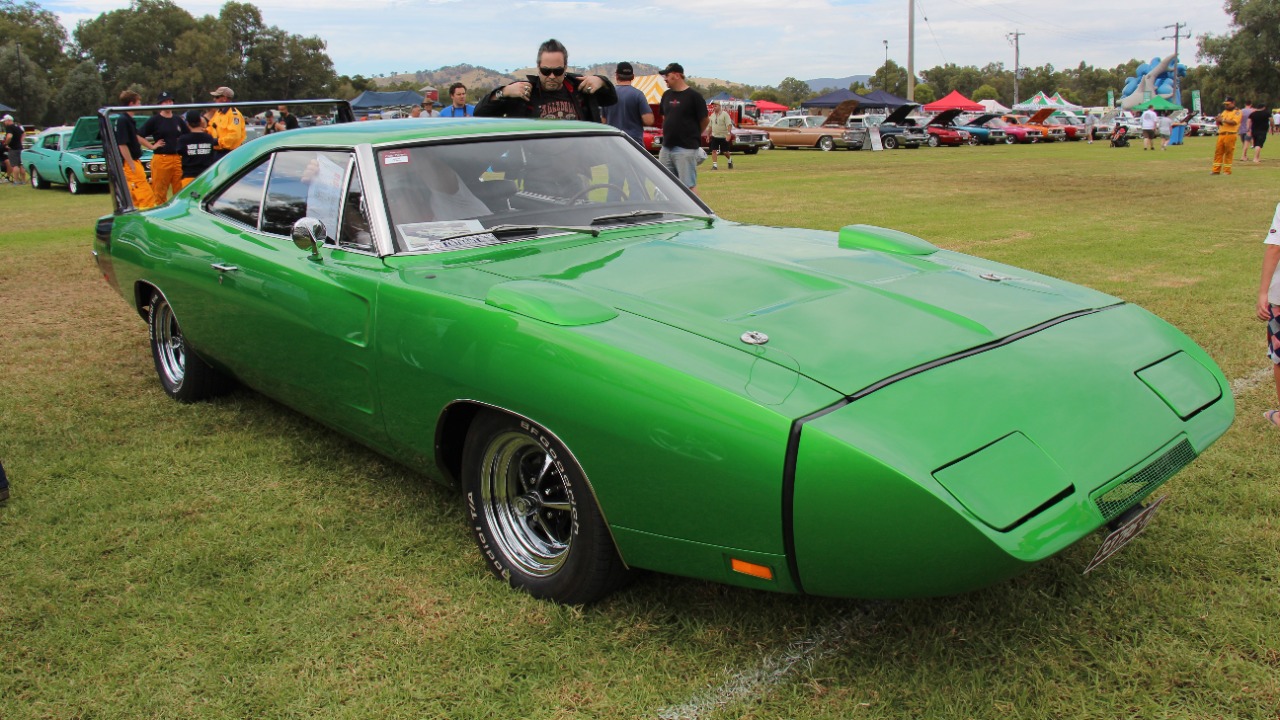
The Dodge Charger Daytona was developed to improve Dodge’s competitiveness in NASCAR by reducing aerodynamic drag and increasing high-speed stability. Its pointed nose and tall rear wing transformed the standard Charger into a specialized aerodynamic machine. NASCAR’s homologation rules required production examples, bringing the unusual design to public roads. The Daytona therefore became one of the most extreme road-going muscle cars of the period. Its limited production and direct connection to racing regulations make it historically important. The car shows how manufacturers sometimes had to build specialized street versions to gain a competitive advantage on the track.
Oldsmobile 442
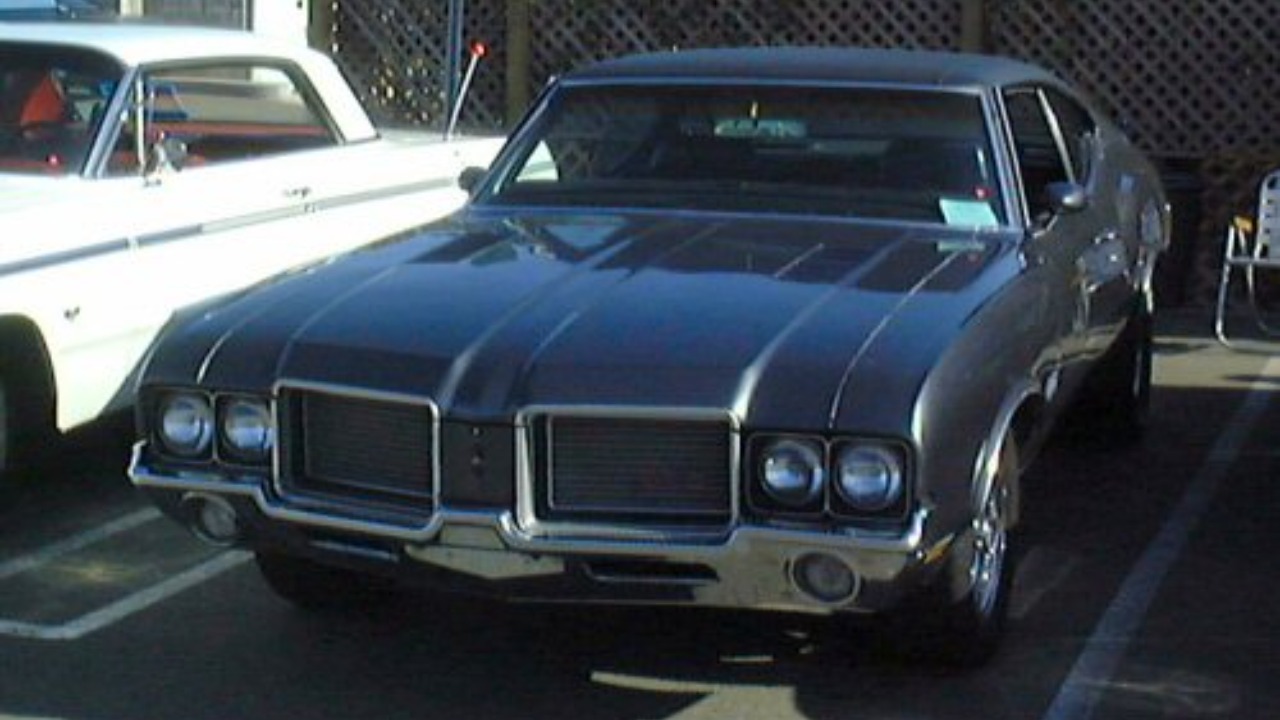
The Oldsmobile 442 experienced several restrictions during the muscle-car era, including changing corporate policies concerning engine sizes and performance. Earlier versions developed from Oldsmobile’s intermediate lineup, while later cars received larger engines as GM policies evolved. Insurance costs also increasingly affected high-performance cars during the late 1960s. As emissions requirements became stricter in the 1970s, the 442’s performance changed again. The model survived longer than many competitors, but its evolution reflects how corporate rules, insurance costs, and government regulations gradually limited the freedom manufacturers once had to build increasingly powerful muscle cars.
Buick GSX
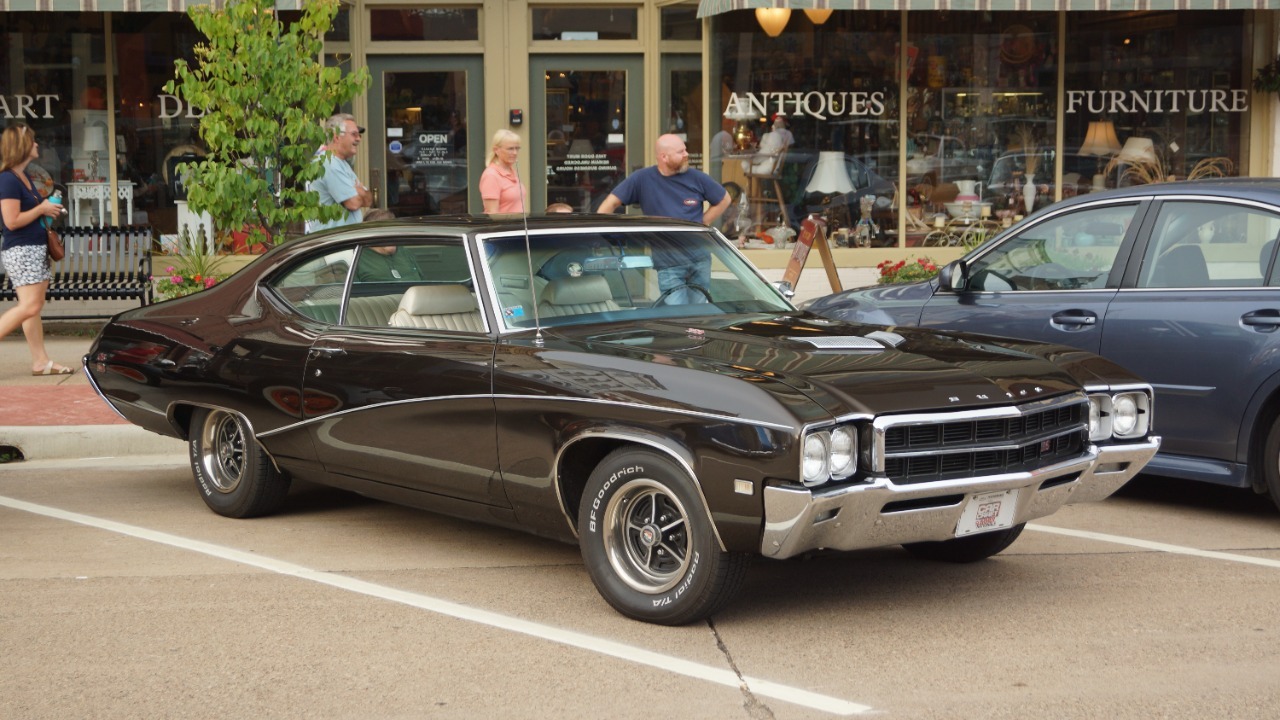
The Buick GSX arrived during the final peak of the classic muscle-car era, when performance cars were increasingly affected by insurance rates and changing market conditions. Buick offered powerful big-block V8 engines, but buyers faced higher insurance costs for high-performance models. At the same time, manufacturers were beginning to prepare for increasingly strict emissions requirements. The GSX therefore appeared during a brief period when Buick could still offer extremely powerful intermediate performance cars. Its limited production and short window of availability make it an important example of late-1960s muscle-car performance.
Chevrolet Nova SS
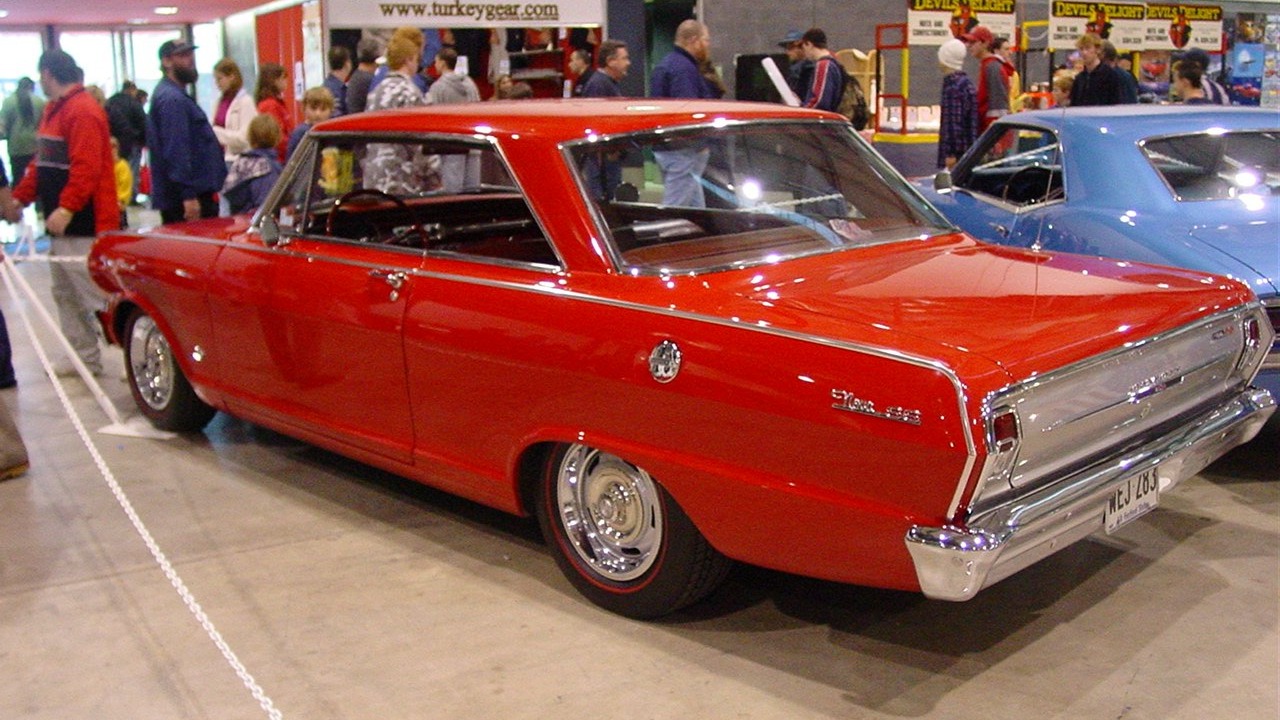
The Chevrolet Nova SS illustrates how smaller cars could be affected by corporate and market restrictions. Chevrolet offered the Nova with increasingly powerful engines, but internal GM policies historically influenced which engine sizes could be installed in intermediate and compact models. Later, insurance costs also made high-performance compact cars more expensive to own. Despite these limitations, the Nova SS could be ordered with serious V8 power. Its compact body and relatively straightforward construction made it an interesting alternative to larger muscle cars, particularly for buyers who wanted performance without a full-size platform.
AMC AMX
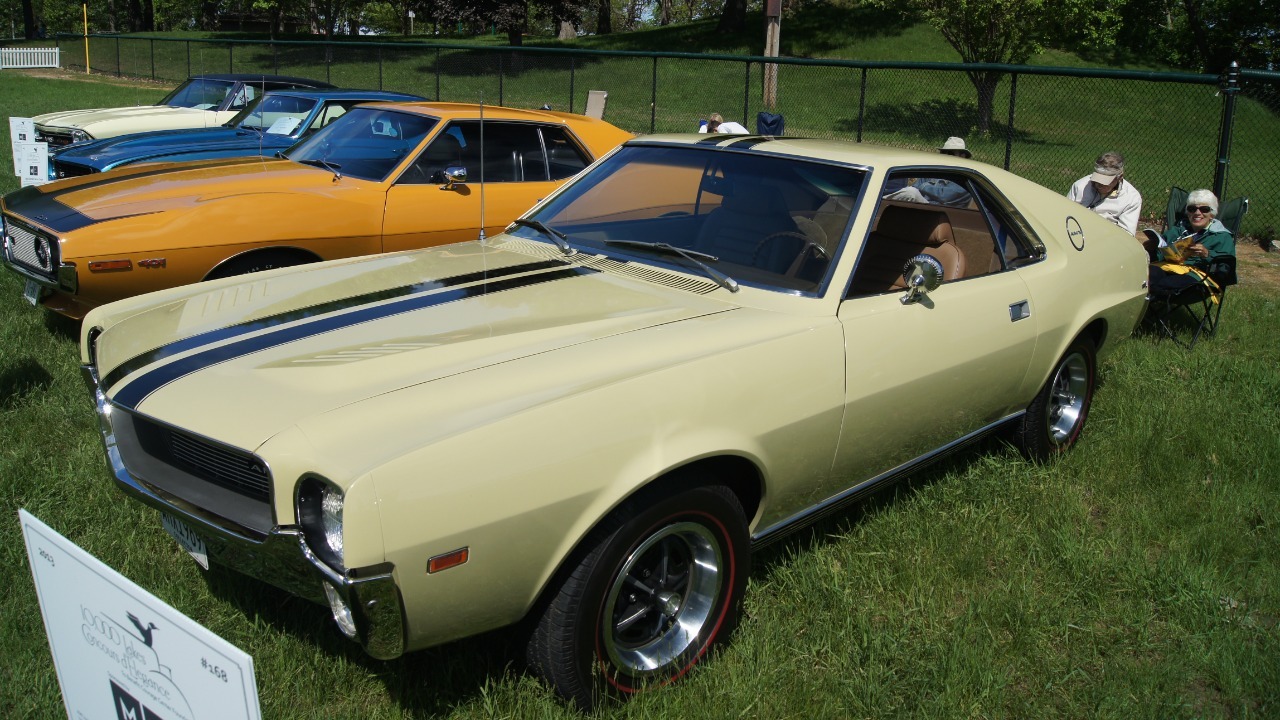
The AMC AMX was already unusual because it was a compact two-seat performance car rather than a conventional four-seat muscle car. AMC had fewer resources than the major Detroit manufacturers, which influenced the model’s development and available equipment. The AMX could receive powerful V8 engines, but its compact platform placed natural limits on packaging and development. Changing insurance costs and the broader decline of the muscle-car market also shortened its performance-focused era. Today, the AMX remains notable for being one of the few American two-seat performance cars produced during the classic muscle-car period.
Mercury Cougar Eliminator
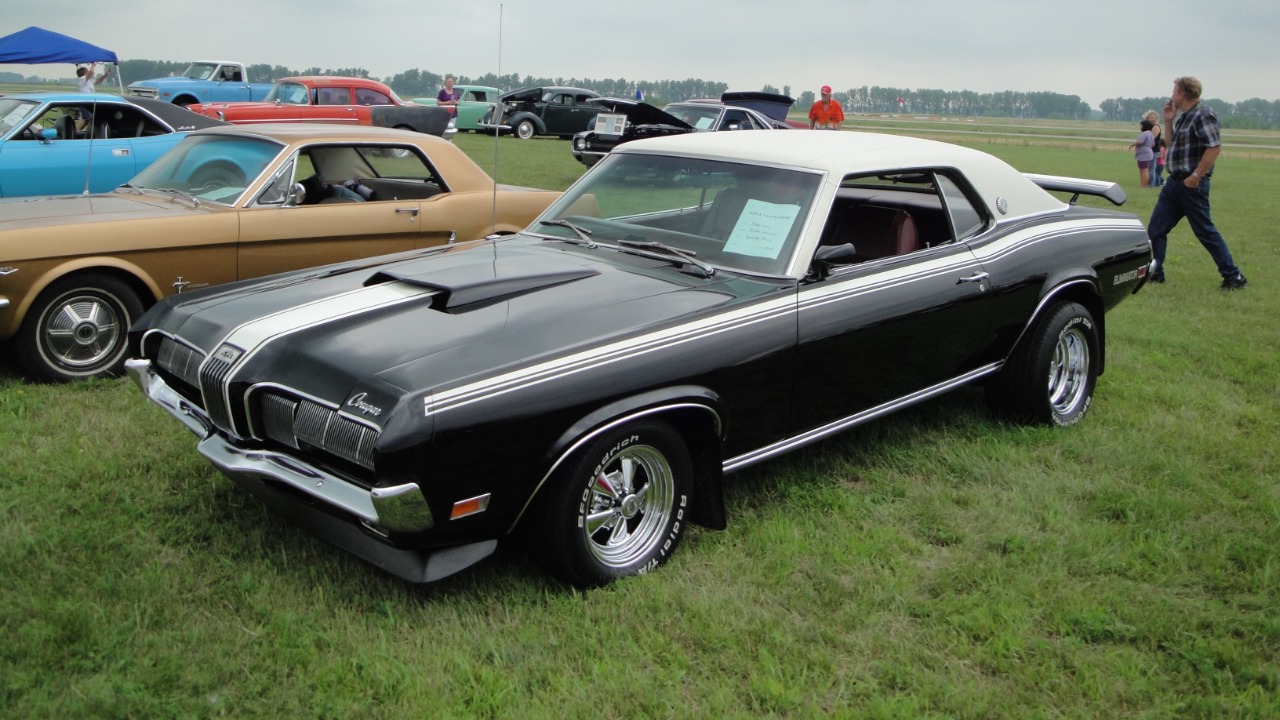
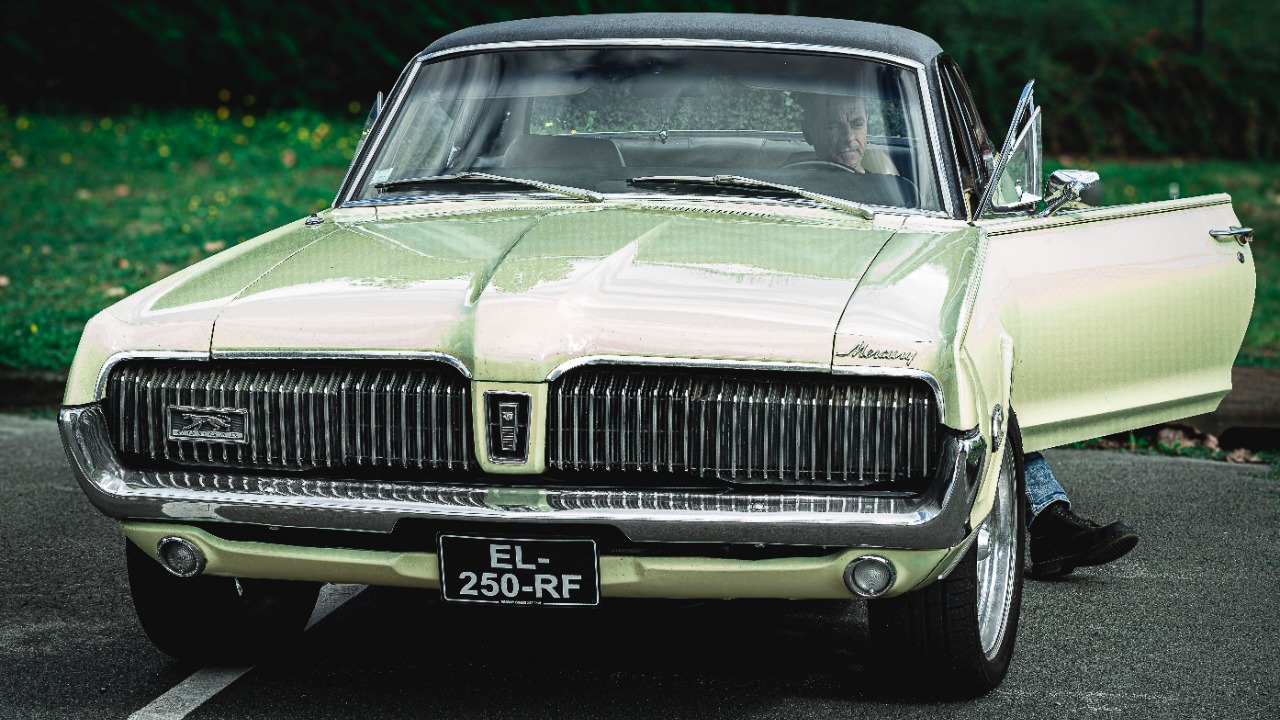
The Mercury Cougar Eliminator appeared during a period when Ford was competing heavily in the performance market while also managing corporate product policies. The Eliminator could be equipped with several V8 engines, including high-performance options, but changing emissions standards and insurance costs increasingly affected the muscle-car market. Its combination of Mustang-related mechanical components and Mercury styling gave it a different identity. The Eliminator eventually disappeared as the performance market changed. Surviving examples remain interesting because they represent Mercury’s attempt to create a more distinctive performance car within Ford’s broader corporate structure.
Pontiac Firebird Formula 455
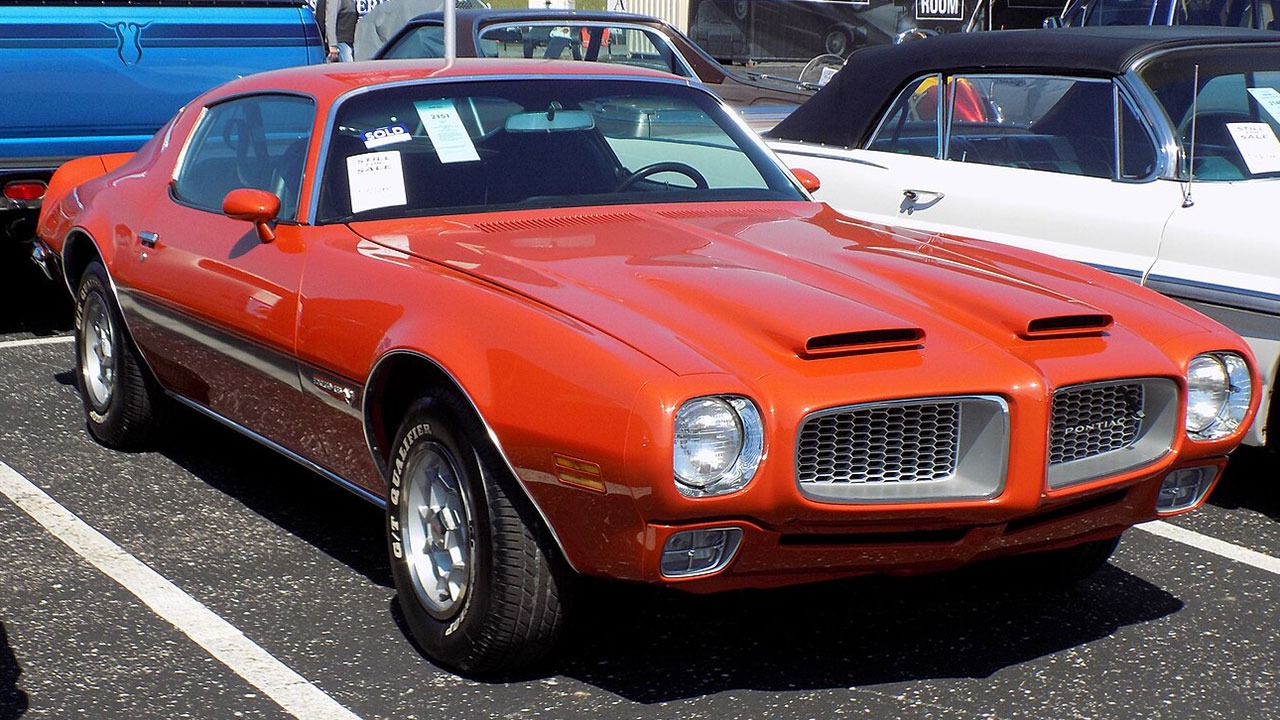
The Firebird Formula 455 represented Pontiac’s attempt to maintain big-engine performance while the muscle-car era was already facing increasing restrictions. Its large-displacement V8 provided strong torque, but emissions requirements were beginning to reduce the output of many American engines. Insurance costs also made powerful cars more expensive to own. The Formula 455 therefore belongs to a transitional period when manufacturers were still offering large engines while simultaneously adapting to new regulations. Its importance comes partly from being one of the final generations of traditional big-engine American performance cars before the industry changed dramatically.
Chevrolet Monte Carlo SS 454
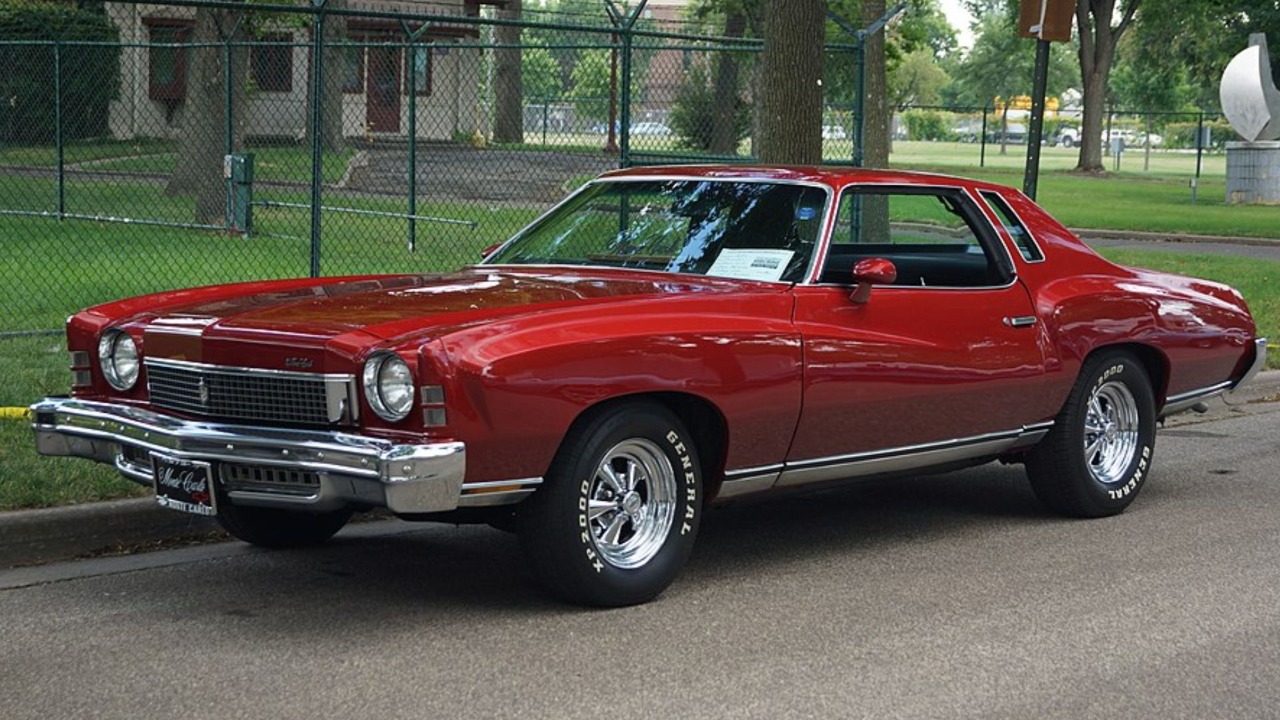
The Chevrolet Monte Carlo SS 454 was a short-lived performance package that appeared as the American market was becoming less favorable toward large-displacement performance cars. The Monte Carlo was primarily a personal-luxury coupe, but Chevrolet offered a powerful 454-cubic-inch V8 in the SS. Rising insurance costs, changing emissions requirements, and shifting consumer preferences limited the future of such combinations. The SS 454 is therefore interesting because it combined a luxury-oriented body with muscle-car hardware during a period when manufacturers were increasingly moving away from extreme performance. Surviving examples document that transitional era.
Dodge Charger R/T 440
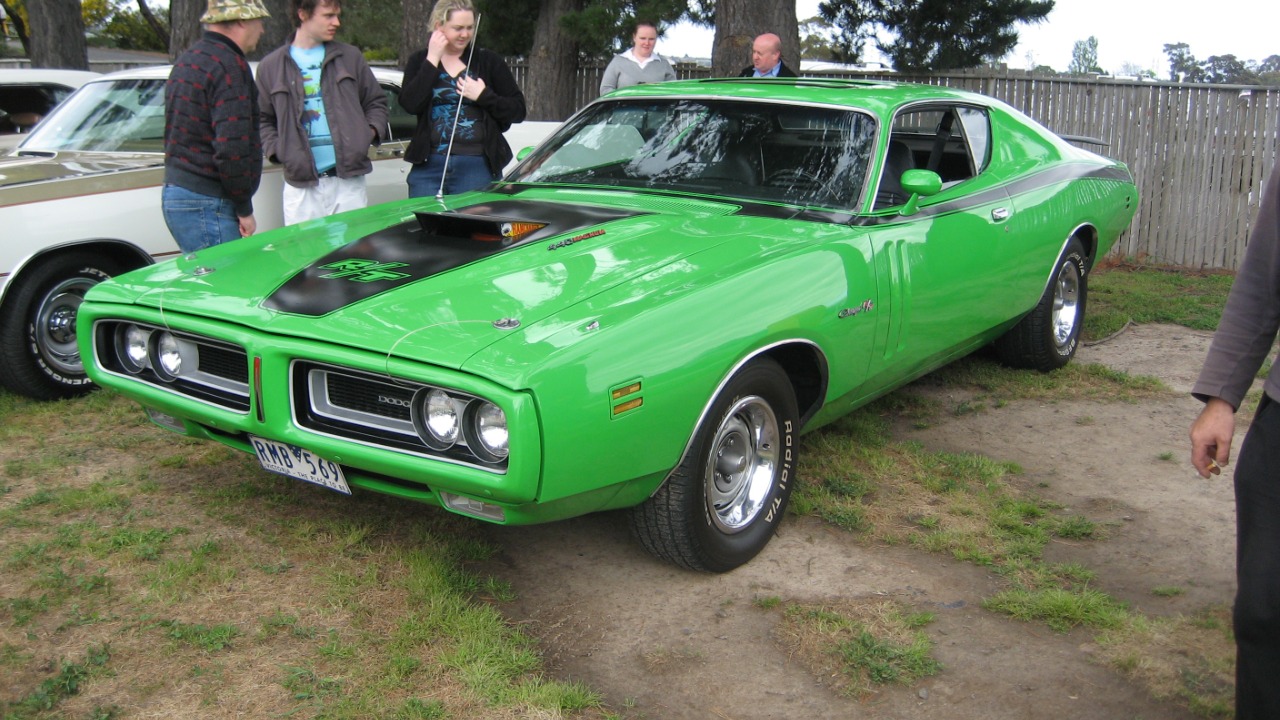
The Dodge Charger R/T 440 represented the high-performance side of Chrysler’s muscle-car lineup during a period when powerful engines were becoming increasingly affected by insurance costs and changing regulations. Its 440-cubic-inch V8 provided substantial performance, while the Charger offered the aggressive styling associated with the era. As emissions standards and insurance premiums became more restrictive, large-engine performance cars became harder to maintain and market. The Charger R/T 440 remains an example of the powerful combinations available just before those pressures significantly changed the American muscle-car landscape.
More from Fast Lane Only
- Unboxing the WWII Jeep in a Crate
- 15 rare Chevys collectors are quietly buying
- 10 underrated V8s still worth hunting down
- Police notice this before you even roll window down
*Research for this article included AI assistance, with all final content reviewed by human editors.