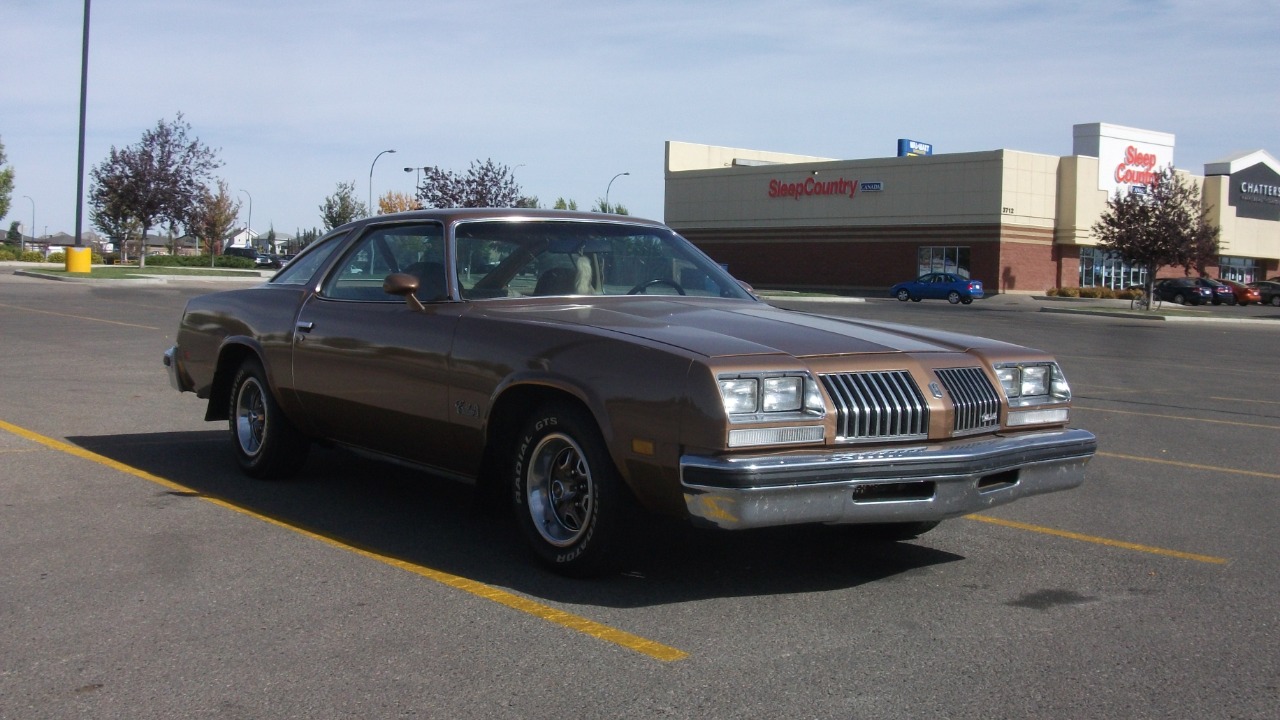
Oldsmobile built some remarkably powerful cars long before the brand disappeared. From early Rocket V8s to giant 455s and turbocharged engines, the division repeatedly produced machines that pushed beyond its ordinary image. Many eventually vanished from showrooms as regulations, fuel costs, and changing buyers reshaped the industry. These 18 Oldsmobiles deserve another look.
Oldsmobile Rocket 88
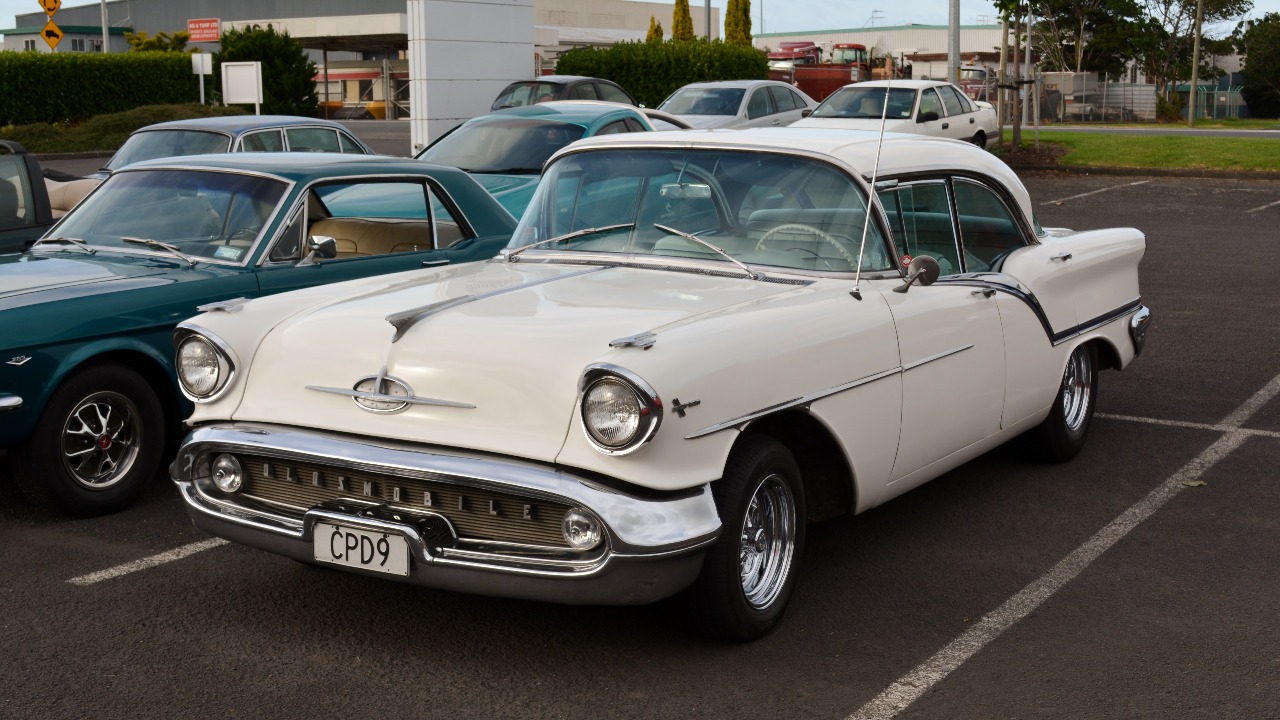
The Oldsmobile Rocket 88 helped establish the performance potential of the modern American V8. Introduced for 1949, it combined a relatively light body with Oldsmobile’s new overhead-valve Rocket V8. The result was strong acceleration for its era and an important early performance reputation. The Rocket 88 became associated with early stock-car racing and helped establish Oldsmobile as a serious performance division.
Oldsmobile Super 88
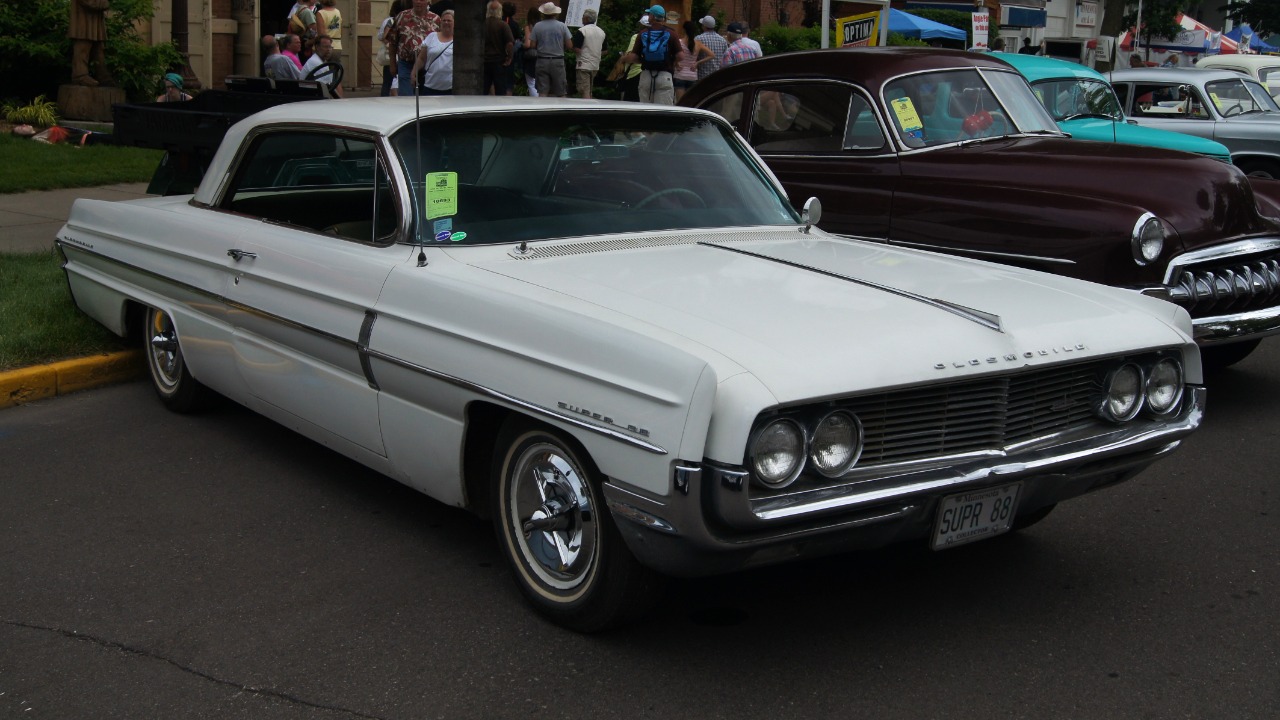
The Super 88 brought Oldsmobile’s Rocket V8 into a more substantial package while maintaining a strong performance character. Its combination of full-size comfort and V8 power made it an appealing alternative to more ordinary family cars. During the 1950s, engine development continued to increase its performance potential. Today, surviving Super 88s are reminders of how quickly American V8 technology advanced during the period.
Oldsmobile 98
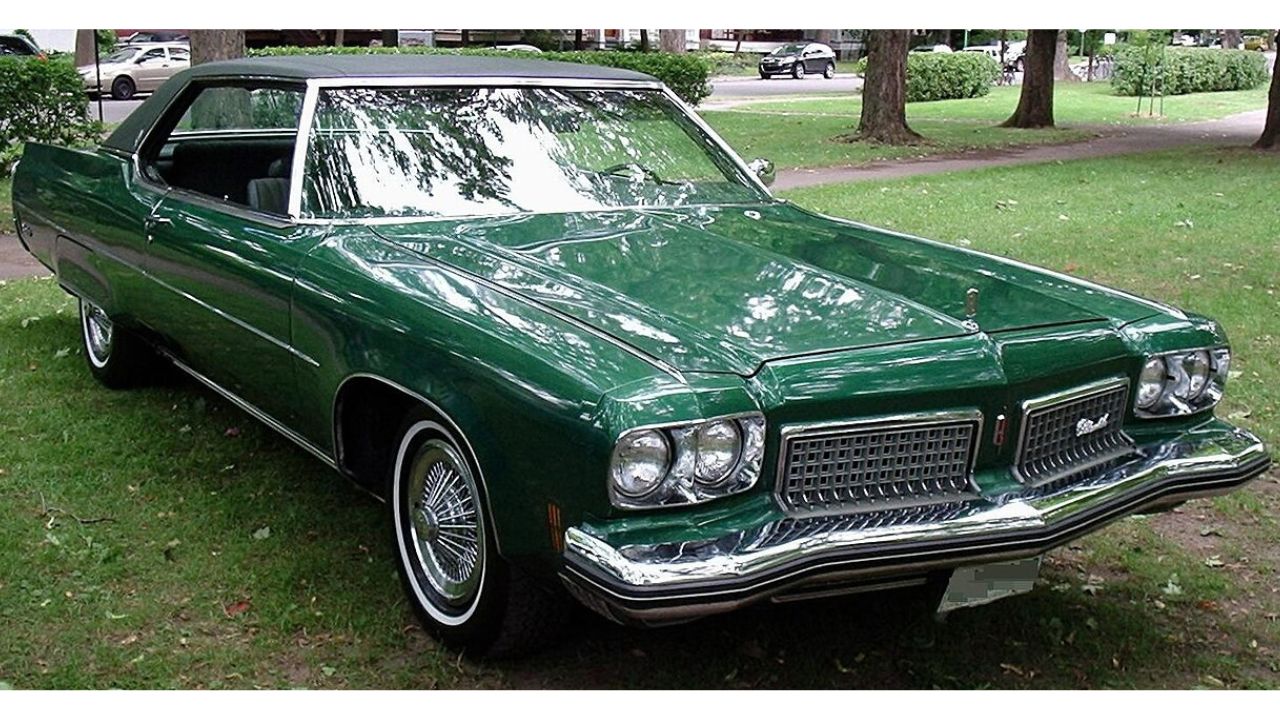
The Oldsmobile 98 represented the upper end of Oldsmobile’s lineup while benefiting from the division’s continual V8 development. Large-displacement Rocket engines gave the big sedan and convertible surprisingly strong performance for their size. The 98 was primarily a luxury-oriented automobile, but its available power made it capable of moving its substantial body with authority. Certain early examples are now rarely seen outside specialist collections.
Oldsmobile Starfire
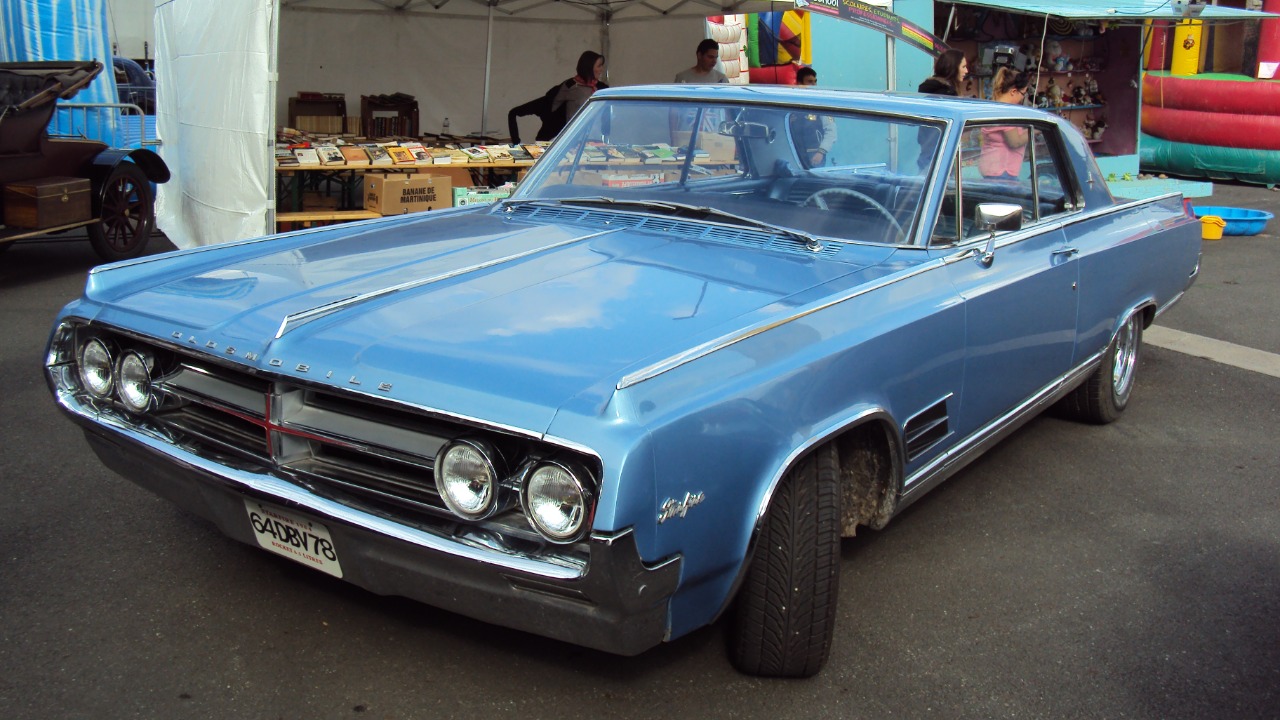
The Oldsmobile Starfire added a sportier personality to Oldsmobile’s full-size range. Introduced in the early 1960s, it combined a distinctive hardtop body with a powerful Rocket V8 and upscale equipment. Its combination of size and performance made it an interesting alternative to smaller muscle cars. Although it never achieved the fame of the later 442, the Starfire remains an important part of Oldsmobile’s performance history.
Oldsmobile F-85 Cutlass
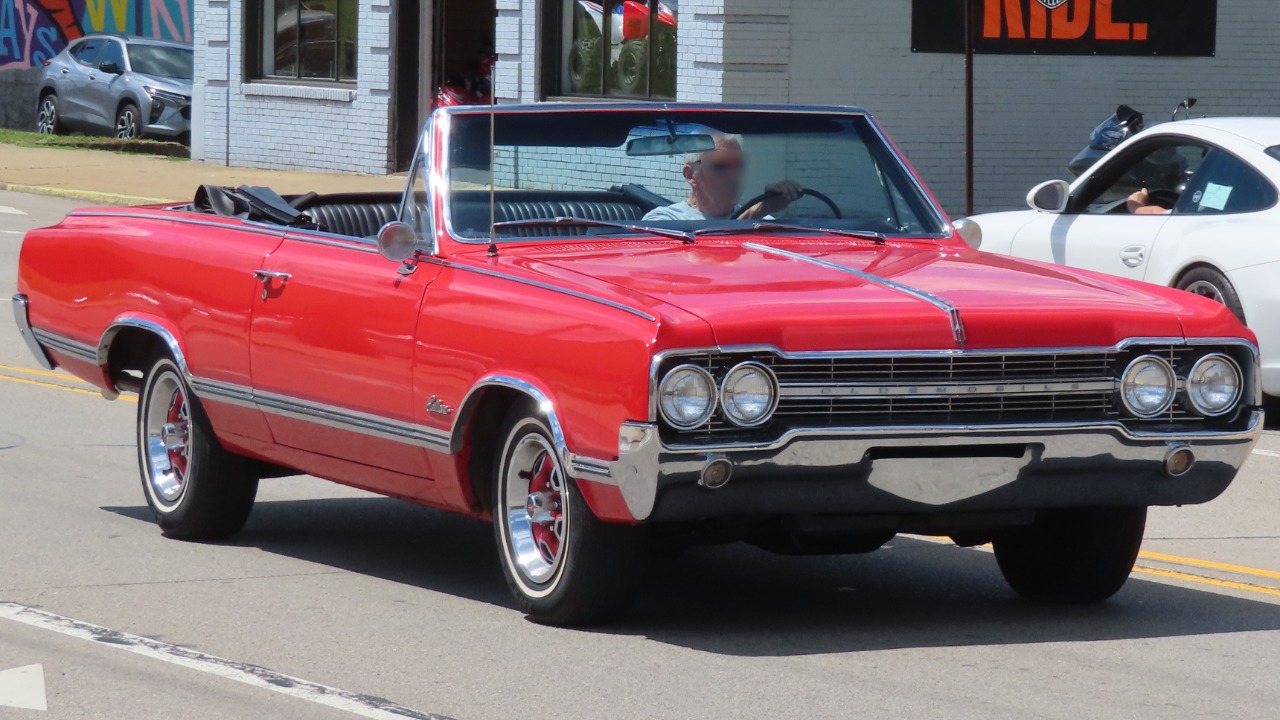
The early Oldsmobile F-85 Cutlass brought V8 power into a smaller body during a period when American manufacturers were experimenting with compact performance cars. Its relatively light construction allowed the Rocket V8 to provide lively acceleration. The Cutlass name would eventually become one of Oldsmobile’s most important badges, but its early performance versions are less remembered today despite helping establish the platform’s sporting potential.
Oldsmobile Jetfire
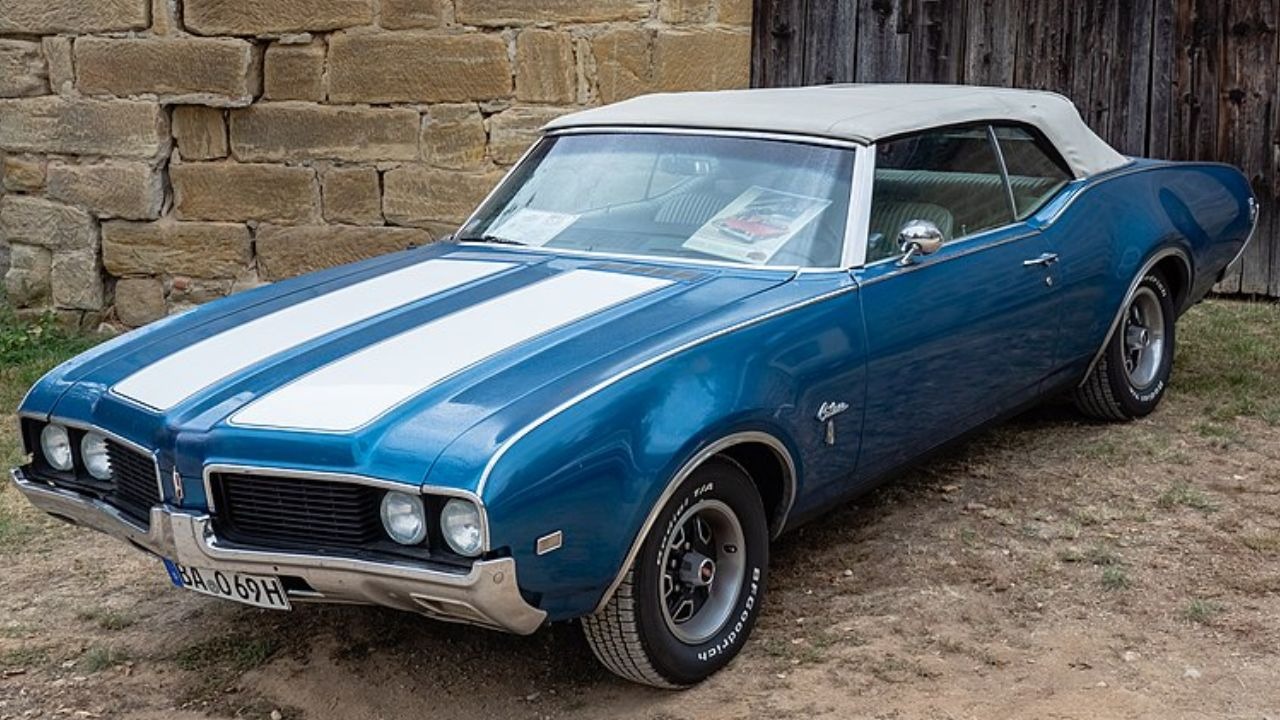
The Oldsmobile Jetfire was one of the most technically unusual Oldsmobiles of the early 1960s. It used a turbocharged version of the aluminum 215-cubic-inch V8, making it one of the first turbocharged production cars. Oldsmobile called the system Turbo-Rocket, and the engine required a special fluid system to control detonation. Its complexity limited its success, but the Jetfire remains a fascinating example of Oldsmobile experimenting ahead of its time.
Oldsmobile 442
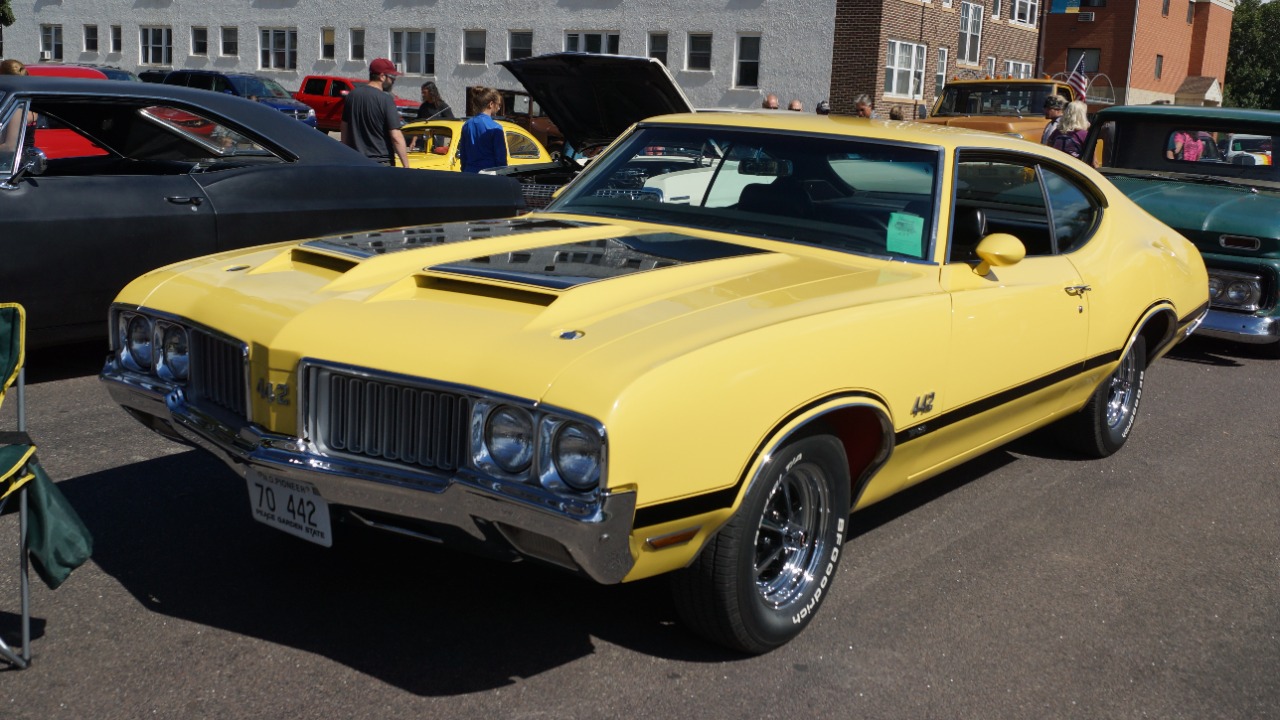
The Oldsmobile 442 became the division’s signature muscle car. Its combination of V8 power, upgraded suspension, performance-oriented equipment, and midsize dimensions gave it a strong reputation against competitors from Chevrolet, Pontiac, and Buick. As engine sizes increased, the 442 became increasingly serious. Later versions could deliver enormous torque while retaining Oldsmobile’s more refined personality, making the name important to collectors today.
Oldsmobile Cutlass Supreme
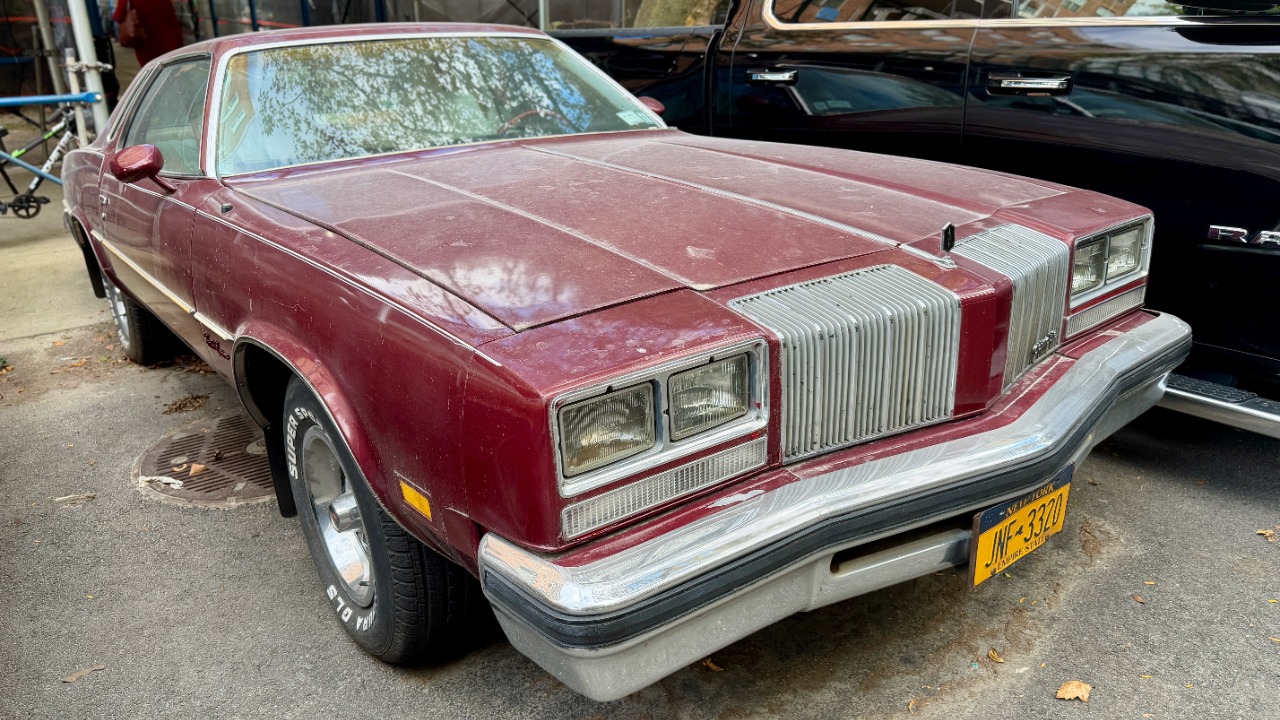
The Oldsmobile Cutlass Supreme developed into a stylish performance-oriented coupe that could combine comfort with substantial V8 power. During the muscle-car era, available engines and performance packages made certain versions considerably more capable than their appearance suggested. The Cutlass Supreme later became one of Oldsmobile’s most recognizable models, but its earlier high-performance configurations are often overshadowed by more famous 442 examples.
Oldsmobile Cutlass S
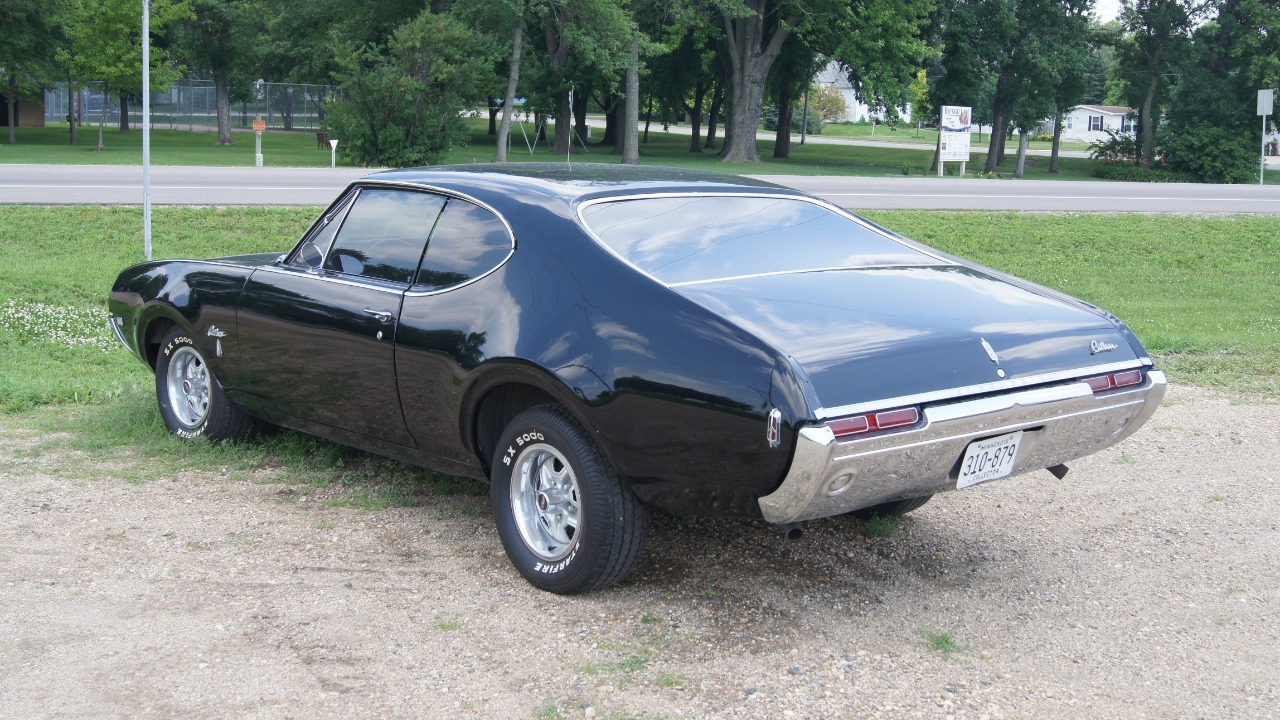
The Cutlass S provided a sportier alternative within Oldsmobile’s midsize lineup. Available with increasingly powerful V8 engines during the late 1960s and early 1970s, it could deliver serious straight-line performance without always carrying the 442’s visual identity. That understated character made some versions particularly interesting as sleeper-style performance cars. Today, original high-performance Cutlass S examples are much less common than their ordinary counterparts.
Oldsmobile 442 W-30
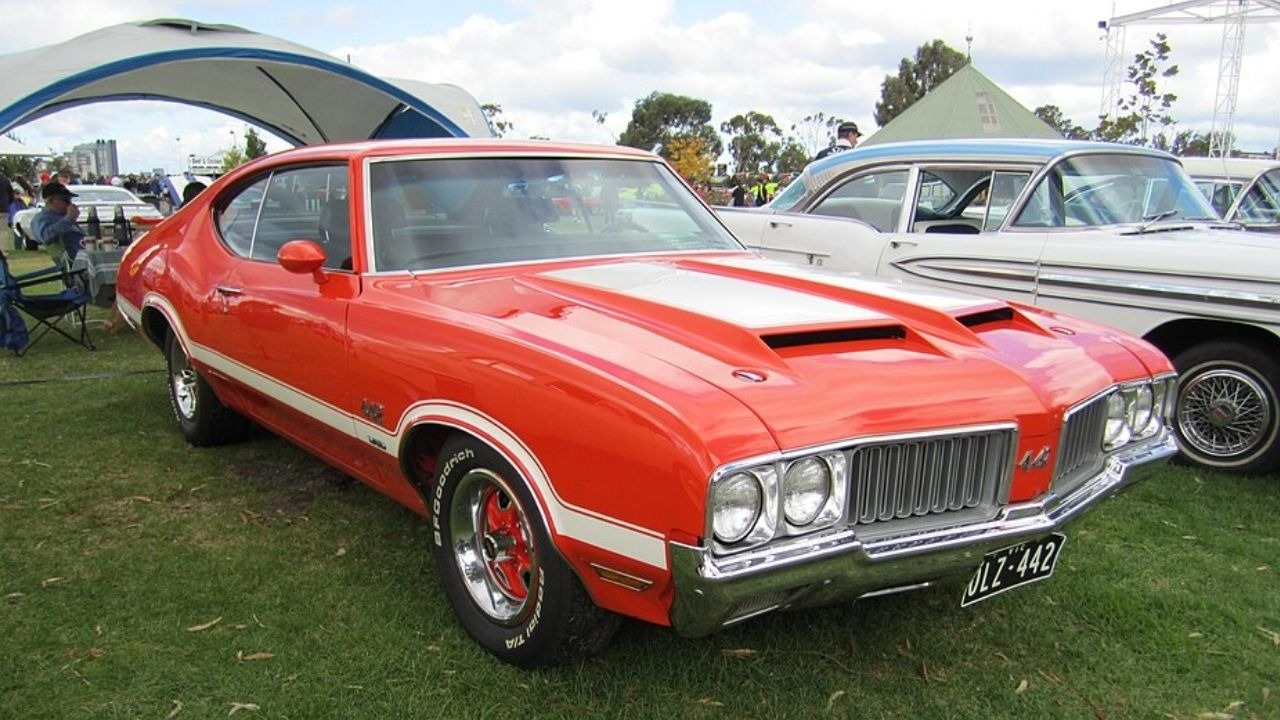
The Oldsmobile 442 W-30 represented one of the most serious performance packages offered by the division. Its 455-cubic-inch V8, special induction system, suspension upgrades, and distinctive components gave it a strong performance identity. W-30 production remained limited compared with ordinary Oldsmobile models. Genuine examples are now highly sought after because they represent one of the highest-performance expressions of the classic Oldsmobile muscle-car era.
Oldsmobile Hurst/Olds
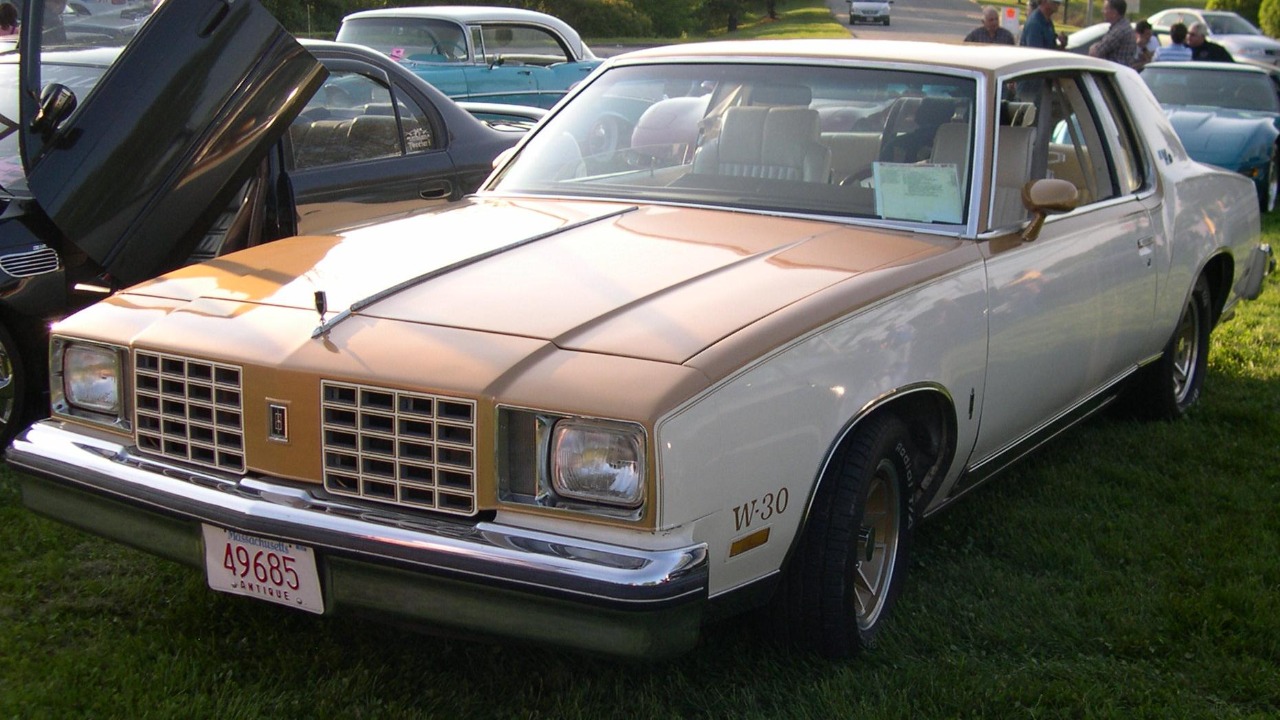
The Hurst/Olds combined Oldsmobile engineering with Hurst performance equipment to create a limited-production muscle car. Special colors, distinctive trim, upgraded suspension, and powerful V8 engines separated it from ordinary Cutlass models. Several generations appeared over the years, giving the name a unique place in Oldsmobile history. Its limited production and unusual factory collaboration make authentic Hurst/Olds cars especially interesting today.
Oldsmobile 442 Convertible
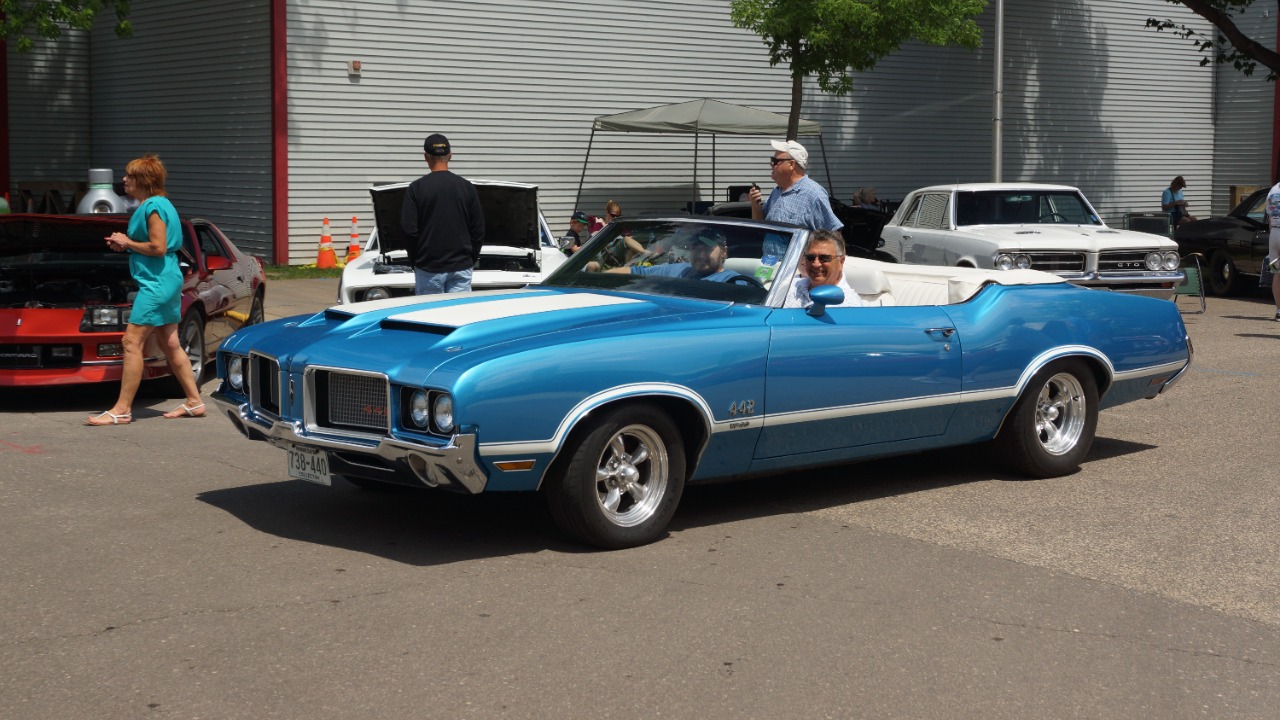
The 442 Convertible combined Oldsmobile’s performance image with the open-air body style that many enthusiasts wanted during the muscle-car era. Powerful V8 options gave the car strong acceleration, while the convertible body added visual appeal. Production numbers were naturally lower than for hardtops, especially in high-performance configurations. As a result, well-preserved 442 Convertibles have become particularly attractive to Oldsmobile collectors.
Oldsmobile 98 Regency
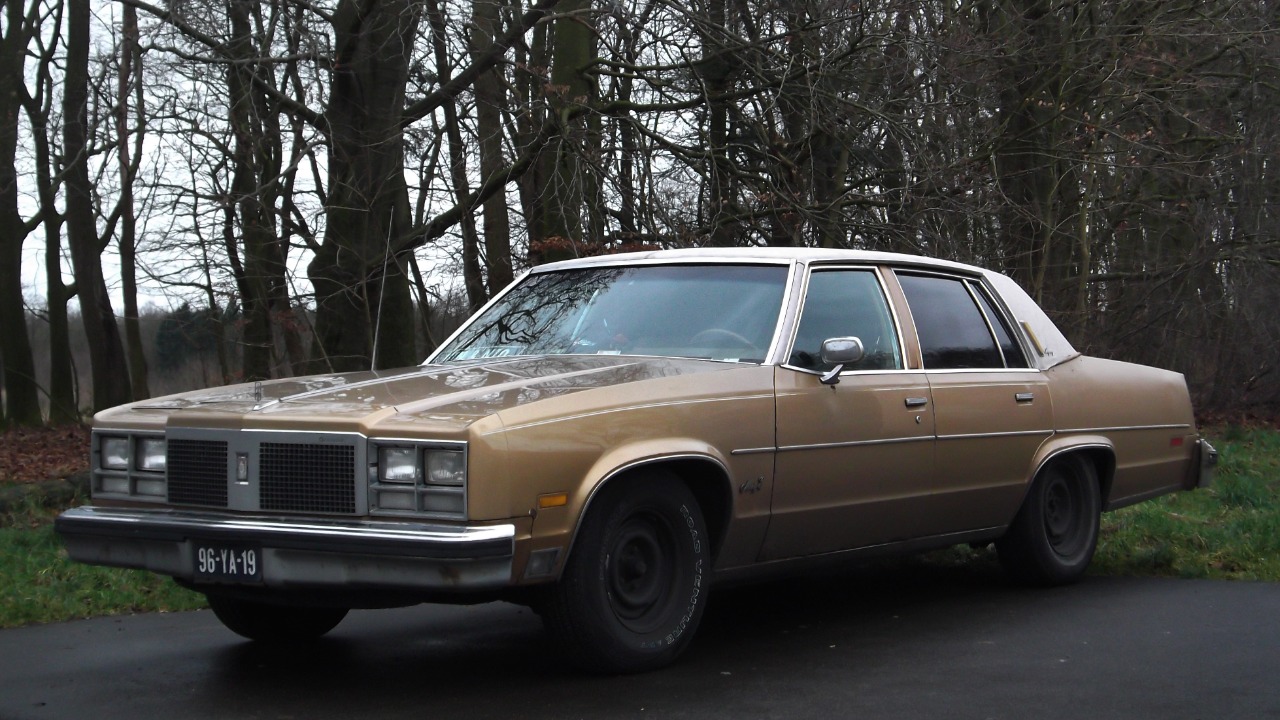
The 98 Regency was primarily designed as a luxury automobile, but Oldsmobile’s large V8 engines gave it considerable performance for such a substantial car. Its quiet appearance could hide a strong drivetrain underneath. During the 1970s, as the industry moved toward smaller engines, large Oldsmobiles became increasingly difficult to maintain. Well-preserved Regency models now offer an unusual look at Oldsmobile’s combination of luxury and traditional V8 power.
Oldsmobile Cutlass Calais
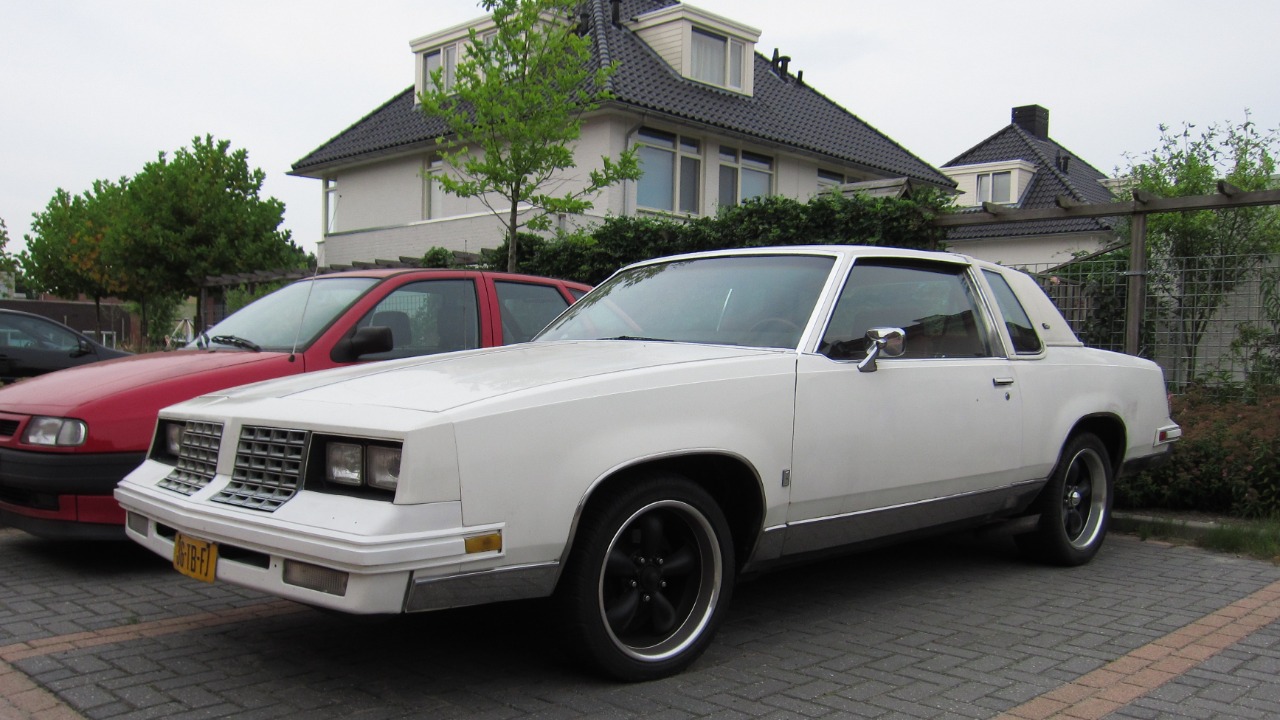
The Cutlass Calais provided a more compact and youthful interpretation of Oldsmobile’s midsize lineup. During the late 1970s and 1980s, certain versions could still be equipped with V8 power while maintaining relatively modest dimensions. This created an interesting balance between efficiency and traditional American performance. The Calais name is largely forgotten today, but its V8-equipped examples remain part of Oldsmobile’s transition away from classic muscle cars.
Oldsmobile Starfire GT

The Starfire GT gave Oldsmobile a sportier compact offering during the 1970s. Its smaller body and available performance-oriented equipment made it different from the large V8-powered Oldsmobiles that had defined the previous decade. While its engines were much smaller than the legendary 455, the Starfire GT represented Oldsmobile’s attempt to maintain a sporting identity during a rapidly changing automotive market.
Oldsmobile Toronado
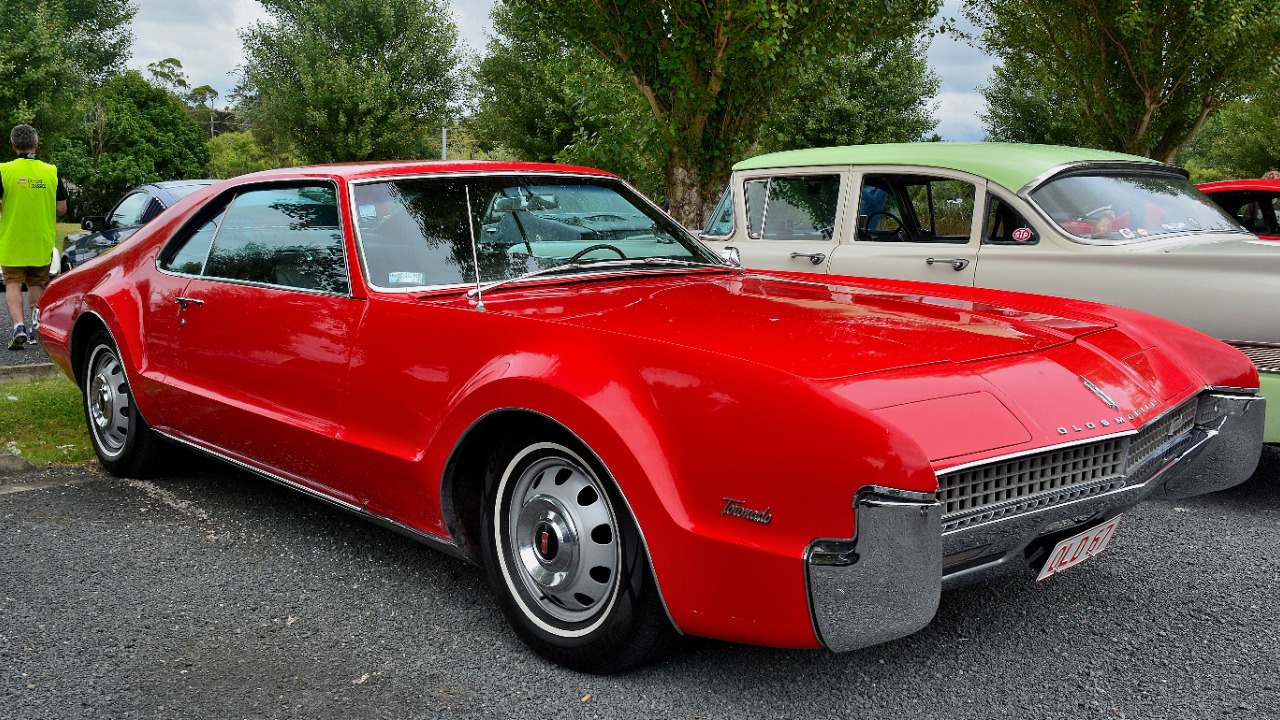
The Oldsmobile Toronado became famous for its front-wheel-drive layout and dramatic styling, but its large V8 engine made it far more than an experimental design exercise. Introduced in 1966, it delivered substantial power through a front-wheel-drive drivetrain that was unusual for an American performance-oriented car. The Toronado demonstrated that Oldsmobile was willing to combine advanced engineering with traditional American V8 performance.
Oldsmobile Toronado GT
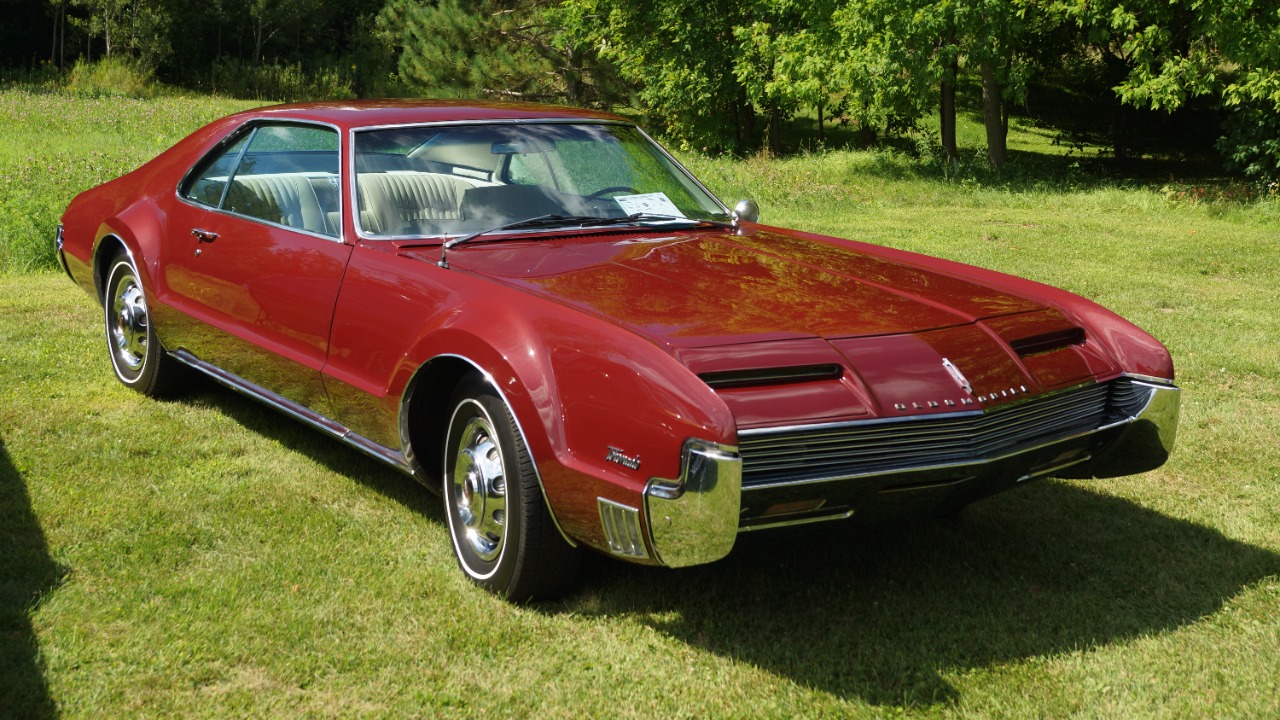
The Toronado GT added a sportier character to Oldsmobile’s distinctive front-wheel-drive personal luxury car. Its large-displacement V8 provided strong acceleration despite the Toronado’s considerable size and weight. The combination of dramatic styling, front-wheel drive, and substantial power made it unlike most conventional American performance cars. Today, surviving examples are increasingly unusual and are often overlooked beside more famous Oldsmobile muscle cars.
Oldsmobile Aurora V8
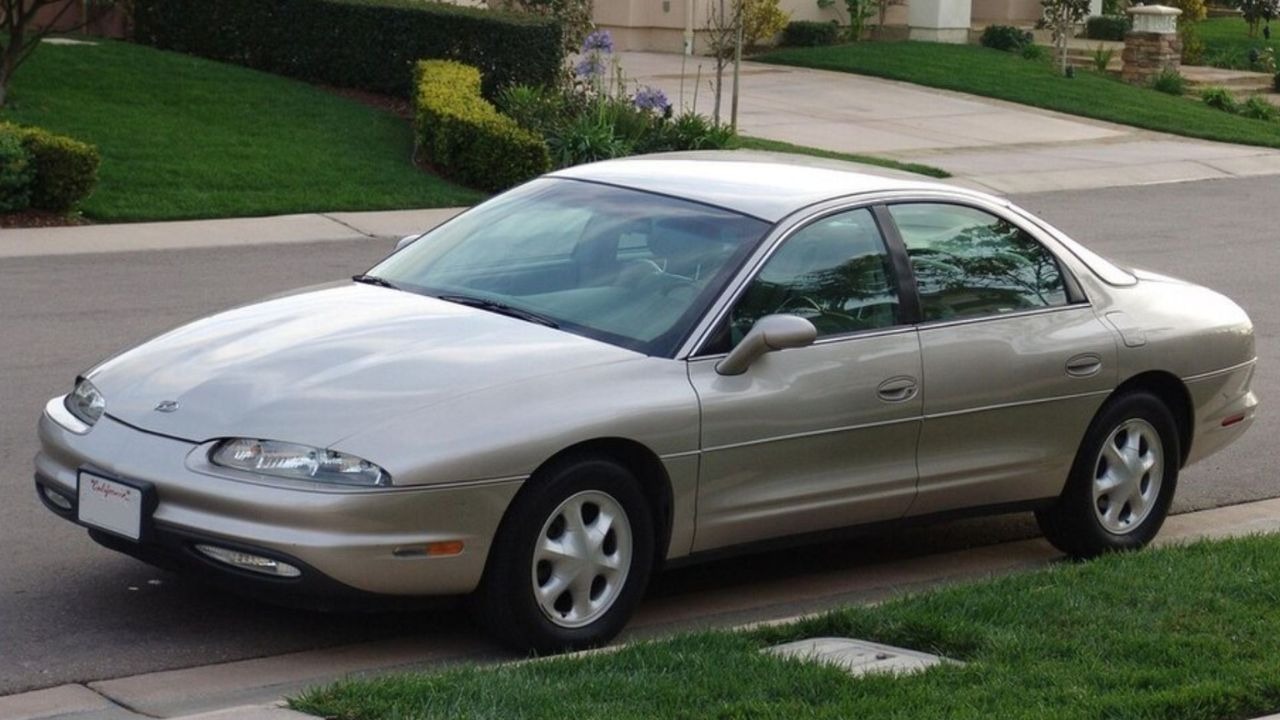
The Oldsmobile Aurora represented a major change in the division’s engineering philosophy. Introduced for the 1990s, its sophisticated DOHC V8 was developed from the Cadillac Northstar family and provided smooth, modern performance in a front-wheel-drive package. The Aurora was very different from the traditional Rocket-powered Oldsmobiles of earlier decades. Its advanced engine and distinctive design make it an important, though often forgotten, chapter in Oldsmobile history.
More from Fast Lane Only
- Unboxing the WWII Jeep in a Crate
- 15 rare Chevys collectors are quietly buying
- 10 underrated V8s still worth hunting down
- Police notice this before you even roll window down
*Research for this article included AI assistance, with all final content reviewed by human editors.