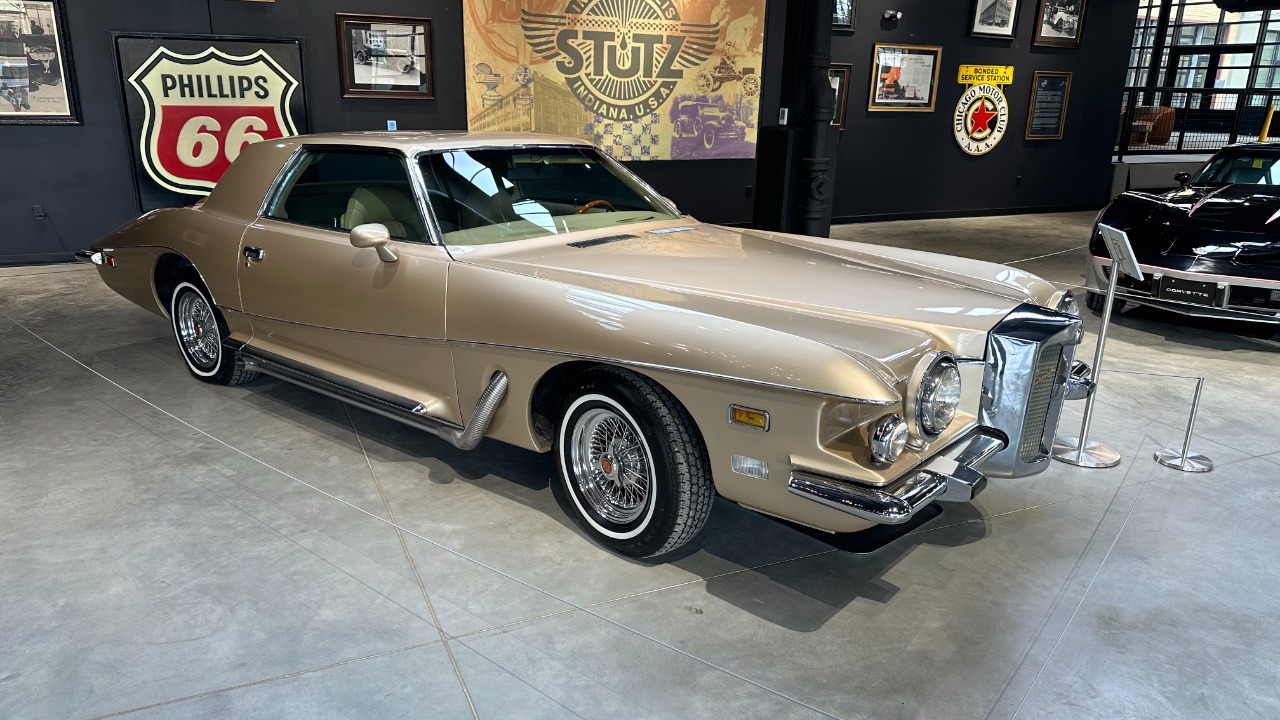
Some classic cars are rare enough that even experienced collectors can go years without seeing one in person. Limited production, unusual engineering, short-lived manufacturers, and difficult histories have left only small numbers surviving today. These cars may not have the fame of a Ferrari or Porsche, but their scarcity makes them fascinating pieces of automotive history.
Tucker 48
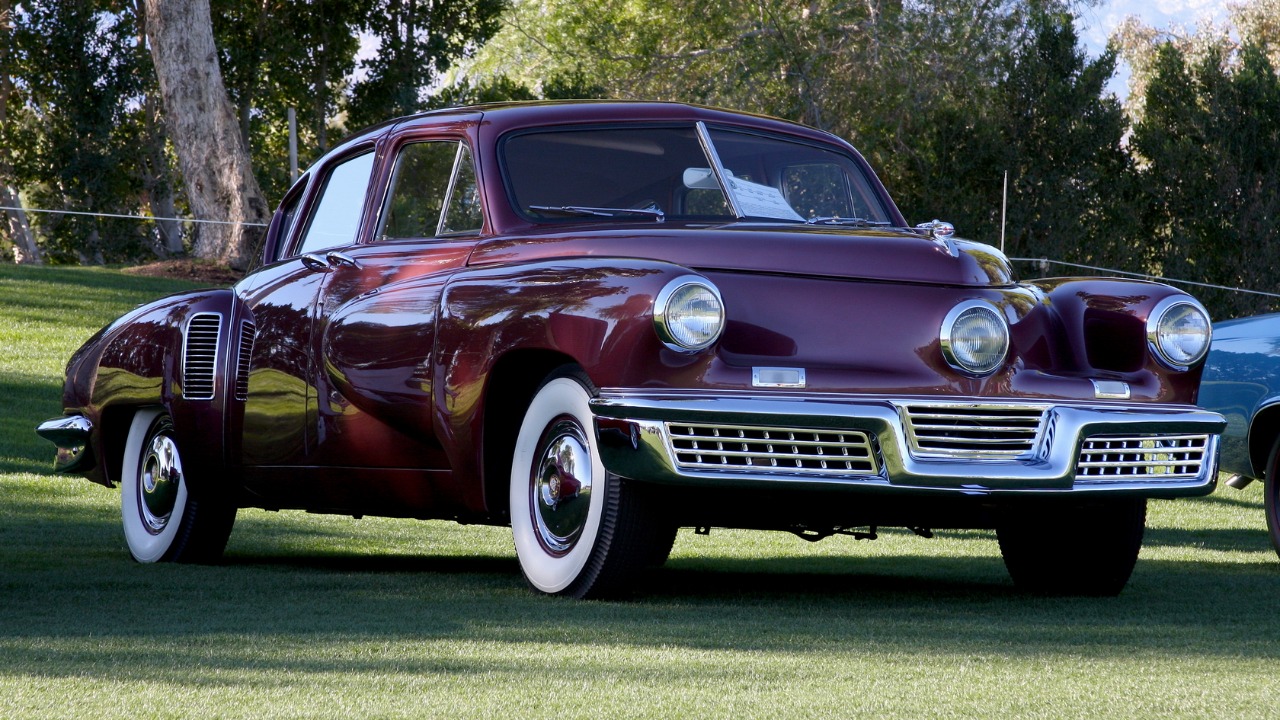
The Tucker 48 was one of the most ambitious American cars of the postwar period. Its rear-mounted flat-six engine, rear-hinged center door, and unusual safety features separated it from conventional sedans. Only a small number were produced before the Tucker Corporation collapsed. Surviving examples are exceptionally significant, making an original Tucker 48 one of the most unusual cars a collector can encounter.
Kaiser-Darrin
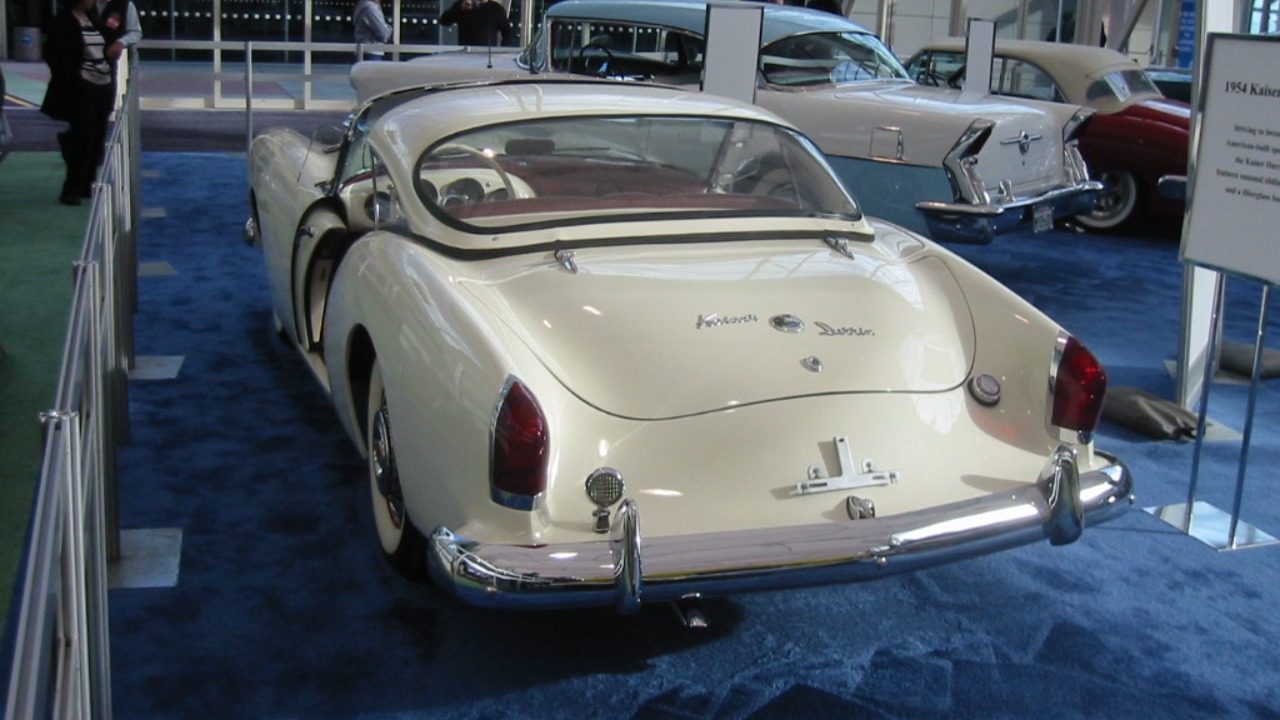
The Kaiser-Darrin was America’s first production fiberglass sports car and one of the strangest two-seat designs of the 1950s. Its most recognizable feature was its sliding doors that disappeared into the front fenders. Production was extremely limited, and the car’s unusual construction makes surviving examples particularly interesting. Collectors rarely encounter one outside major events, specialized collections, or important auctions.
Hudson Italia
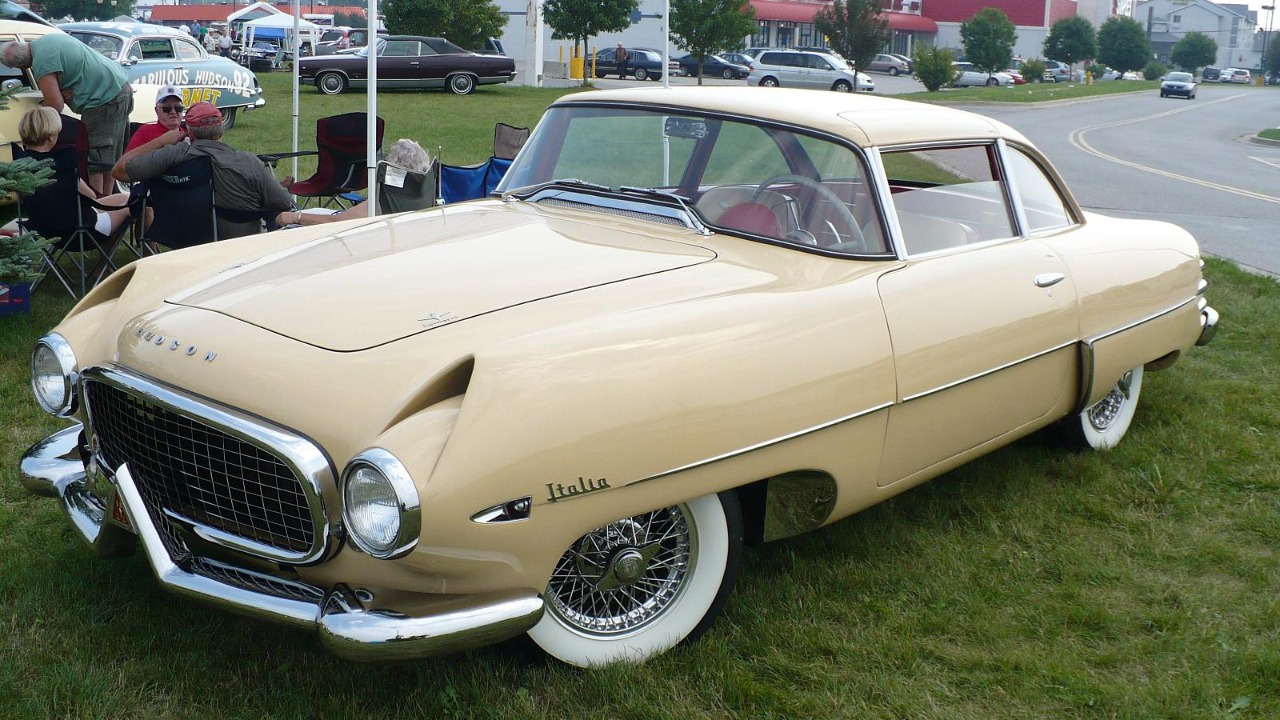
The Hudson Italia was a limited-production sports coupe developed from the Hudson Jet. Italian-inspired styling, unusual proportions, and special bodywork made it dramatically different from Hudson’s regular cars. Only a small number were built, making surviving examples exceptionally uncommon. The Italia is particularly interesting because it represents one of Hudson’s final attempts to create an exciting specialty automobile before the company disappeared into American Motors.
Nash-Healey
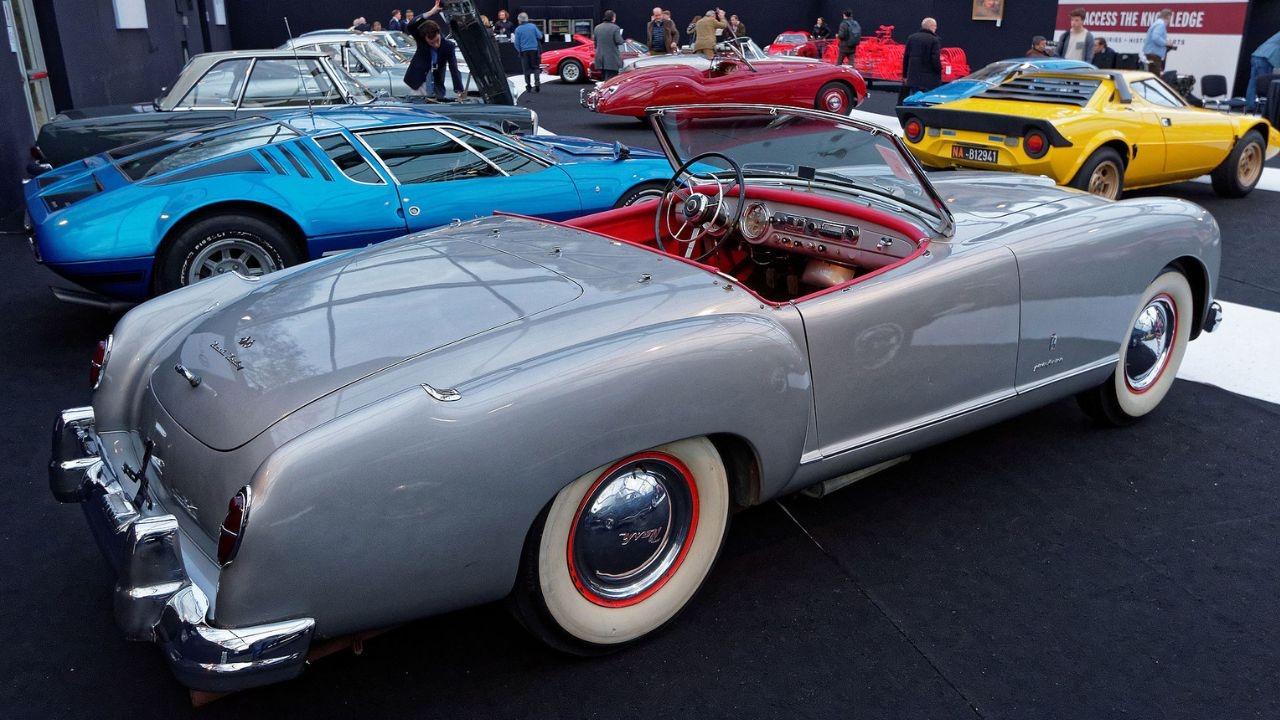
The Nash-Healey combined American mechanical components with British sports-car engineering and European-inspired styling. It was created through a partnership involving Nash-Kelvinator and British sports-car manufacturer Healey. Production numbers remained low throughout its life, leaving relatively few surviving cars. Its unusual international background and limited production make the Nash-Healey one of the more obscure early postwar American sports cars.
Chrysler Turbine Car
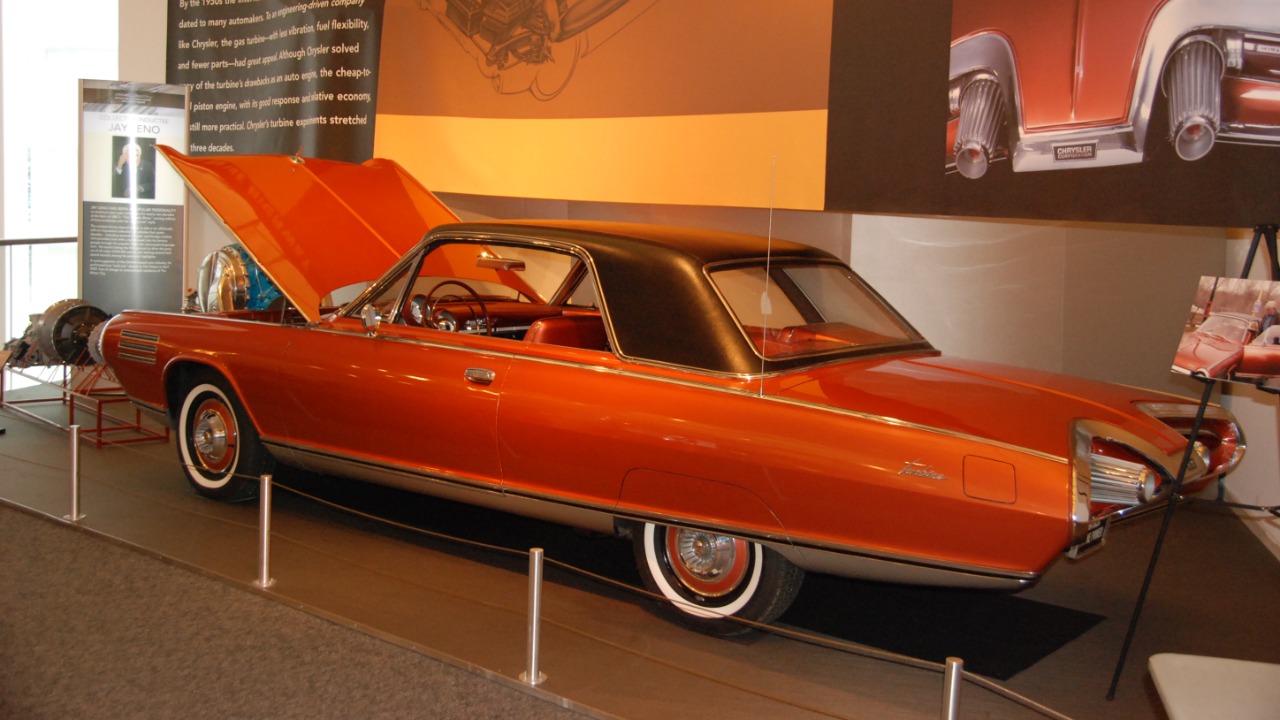
The Chrysler Turbine Car was an experimental production automobile powered by a gas turbine rather than a conventional piston engine. Chrysler built only a small number for a public evaluation program during the 1960s. Most were eventually destroyed, leaving only a handful of survivors. Seeing one today is extremely unusual, particularly because the car represents one of the most ambitious attempts by a major American manufacturer to bring turbine technology to ordinary motorists.
Facel Vega HK500
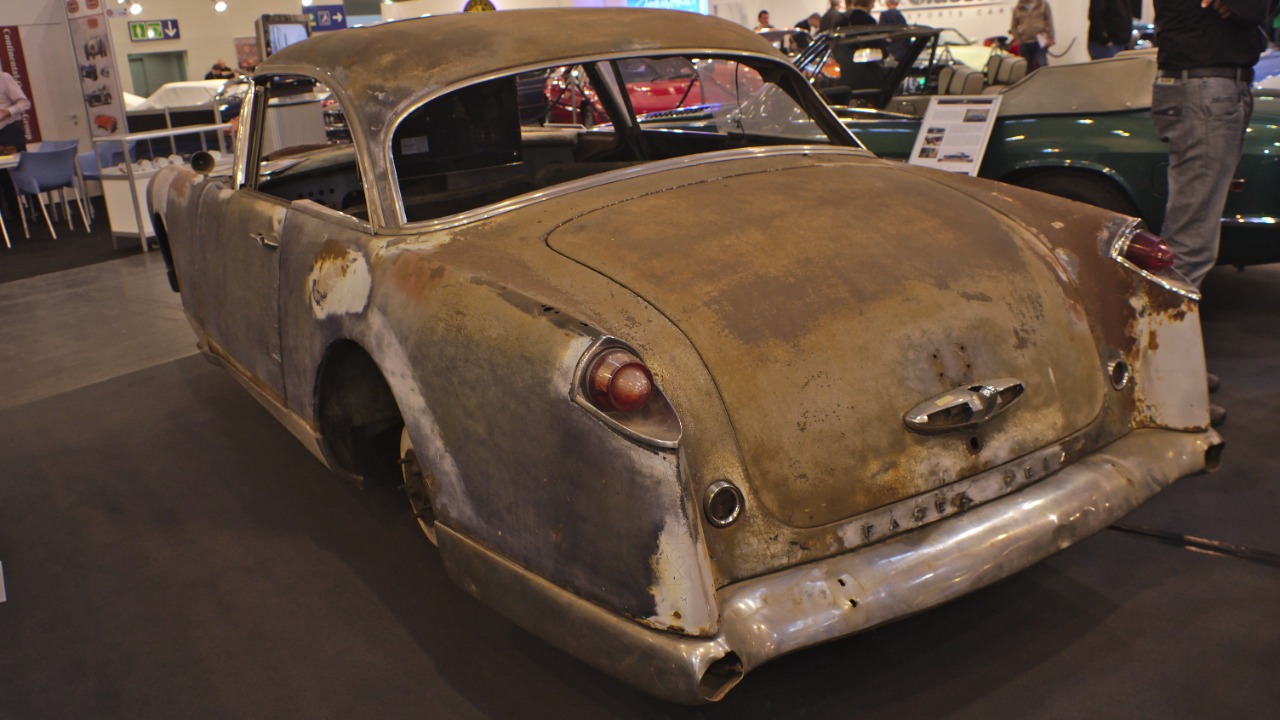
The Facel Vega HK500 combined French luxury-car craftsmanship with a powerful American V8. Its elegant bodywork and high-speed capability made it attractive to wealthy owners and celebrities during the late 1950s. Production remained limited compared with mainstream luxury cars. Surviving examples are now highly specialized collector vehicles, and their rarity makes an HK500 a remarkable sight even at events dedicated to important European automobiles.
Pegaso Z-102
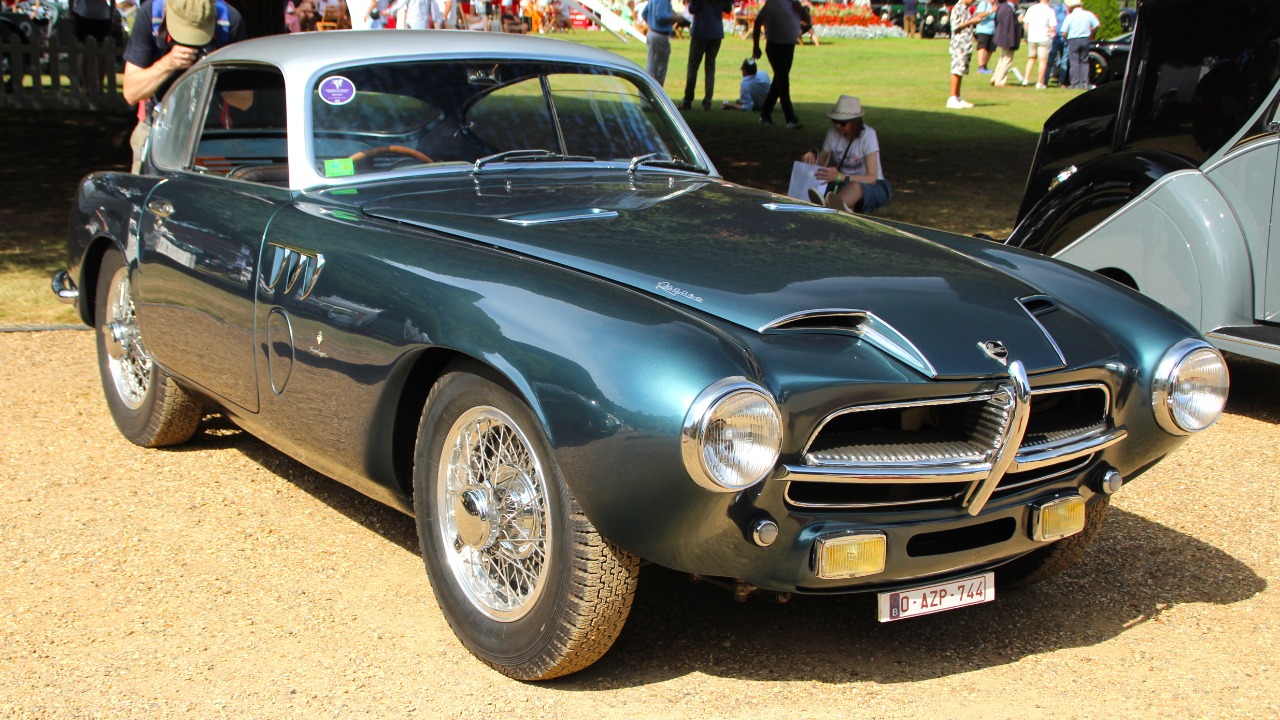
The Pegaso Z-102 was an extraordinary Spanish sports car produced in very limited numbers. It combined advanced engineering with exotic coachbuilt bodies from companies including Touring and Saoutchik. Its V8 engine and sophisticated chassis made it technically impressive for its time. Because production was extremely small, surviving Z-102s are among the rarest European sports cars and seldom appear outside major collections.
Bizzarrini 5300 GT
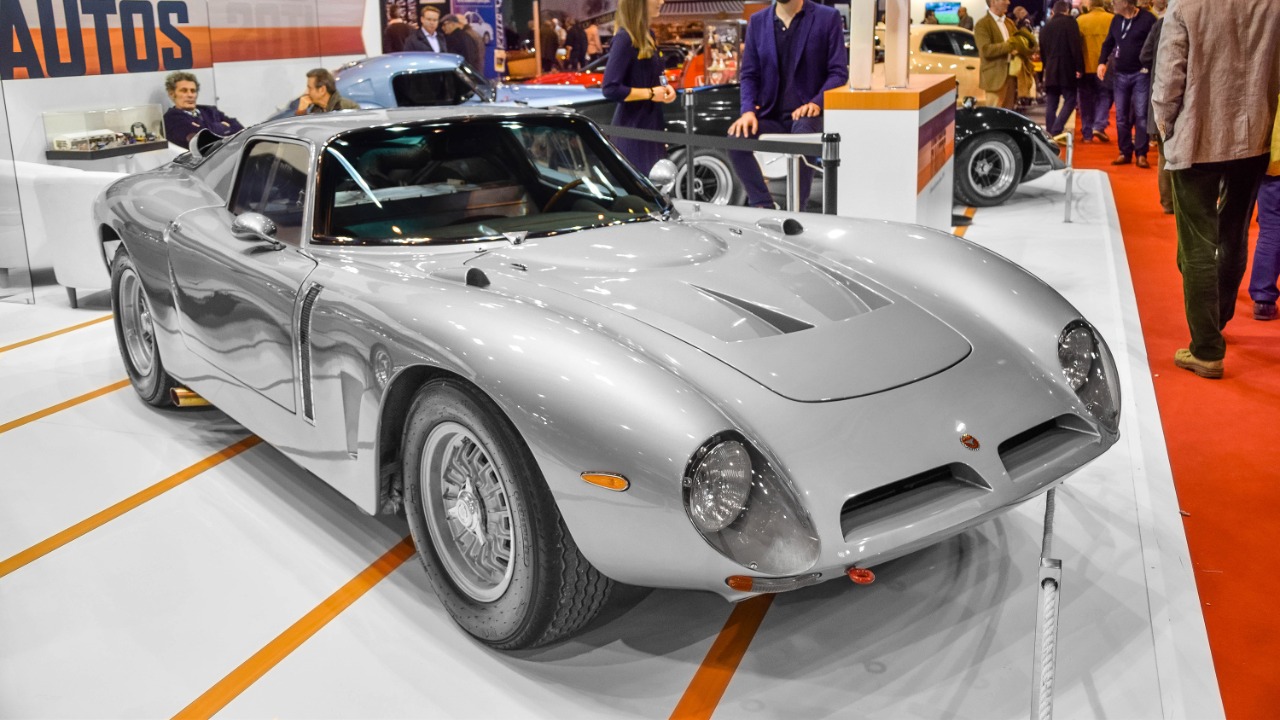
The Bizzarrini 5300 GT was developed by Italian engineer Giotto Bizzarrini and combined Italian styling with a powerful Chevrolet V8. Its low production numbers and competition-oriented engineering make it one of the most distinctive Italian-American performance cars of the 1960s. Original examples are extremely difficult to encounter, especially because many surviving cars have long histories of restoration and competition use.
Iso Grifo
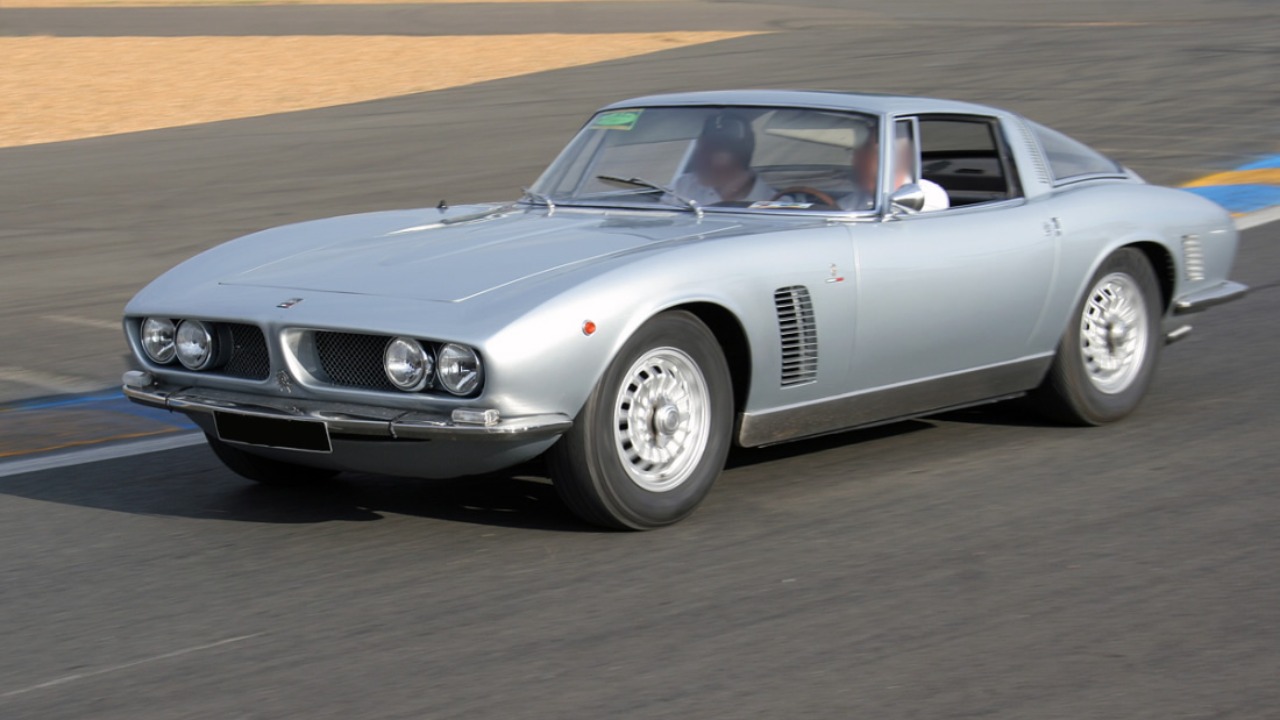
The Iso Grifo brought together Italian body design and American V8 power in an elegant grand touring package. Early cars used engines from Chevrolet, while later versions received Ford power. Production remained far below that of mainstream sports cars, leaving relatively few examples today. The combination of exotic styling, American mechanical components, and limited production makes the Grifo particularly interesting to serious collectors.
Jensen Interceptor FF
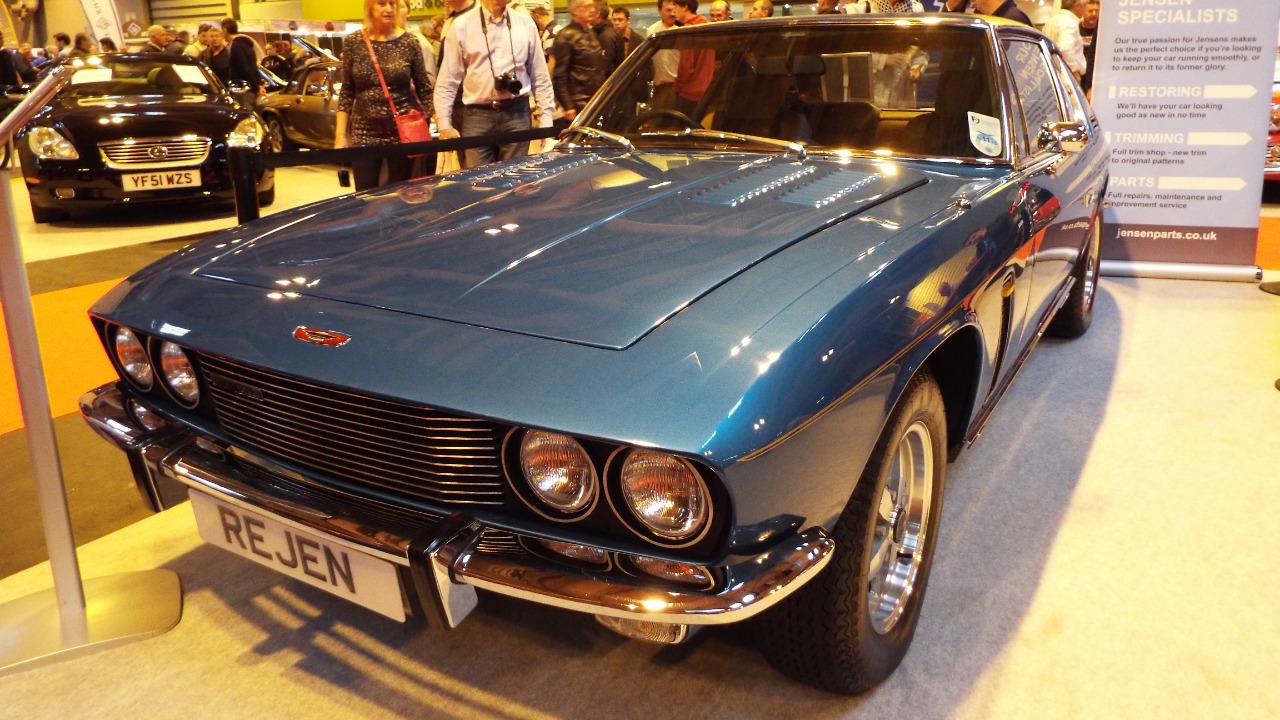
The Jensen Interceptor FF was an advanced British grand tourer that introduced four-wheel drive and an early anti-lock braking system to a production road car. Its technology made it significantly more sophisticated than many contemporary performance cars. Only a limited number were produced, and surviving examples are now uncommon. The FF is especially notable because its unusual engineering was developed long before similar systems became common.
Monteverdi 375 L
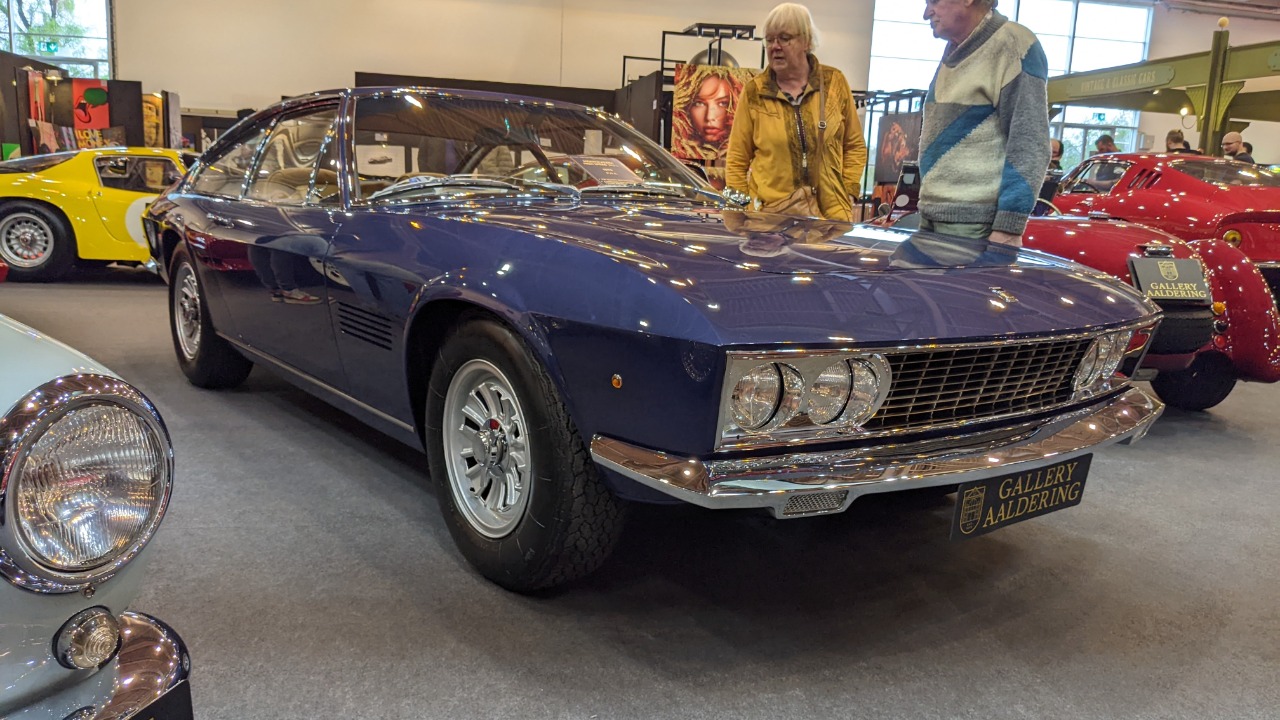
The Monteverdi 375 L was a Swiss luxury grand tourer that combined elegant Italian bodywork with powerful American V8 engines. Production was limited, reflecting the company’s small scale compared with established European manufacturers. Its understated appearance can make it easy to overlook, but surviving examples are extremely uncommon. A 375 L is therefore a particularly unusual sight even among high-end classic European cars.
Lancia Flaminia Sport Zagato
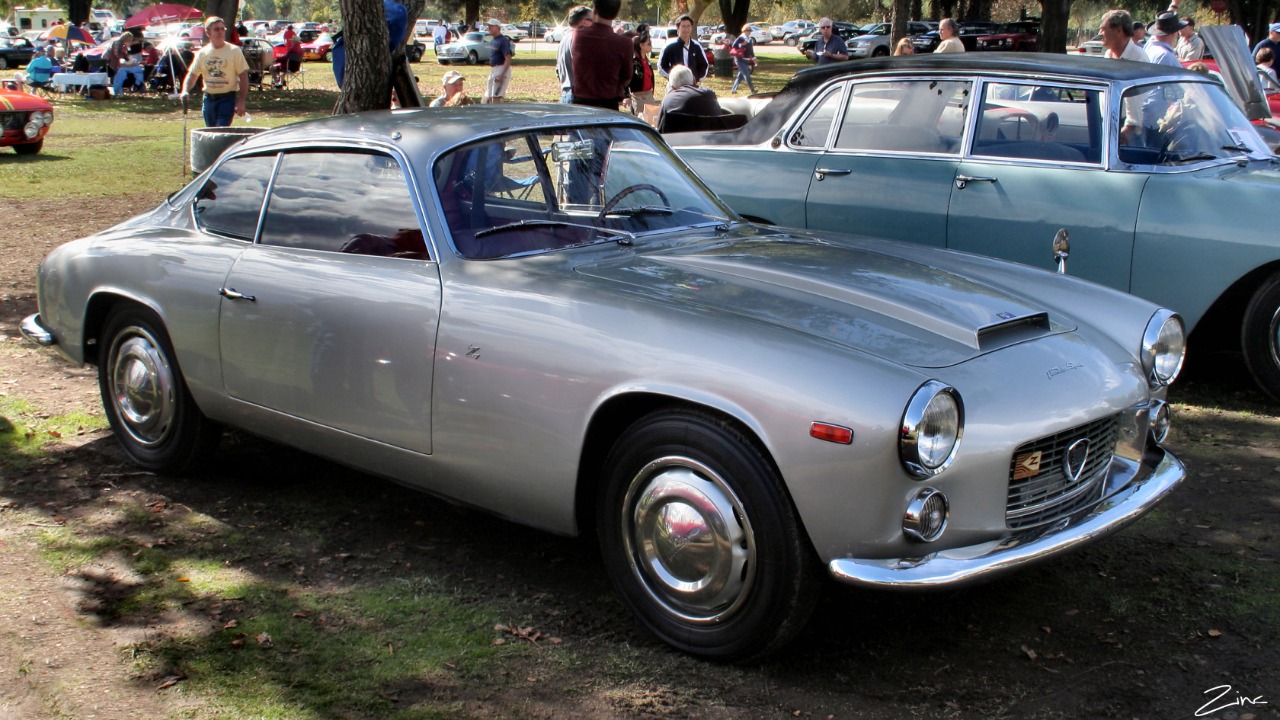
The Lancia Flaminia Sport Zagato was a lightweight Italian grand tourer with distinctive Zagato coachwork. Its compact aluminum body and unusual aerodynamic details separated it from the larger Flaminia models. Production numbers were extremely limited, and many surviving cars have become important collector pieces. Its combination of Italian craftsmanship, unusual styling, and scarcity makes it one of the harder Lancia classics to encounter.
Ghia 450 SS
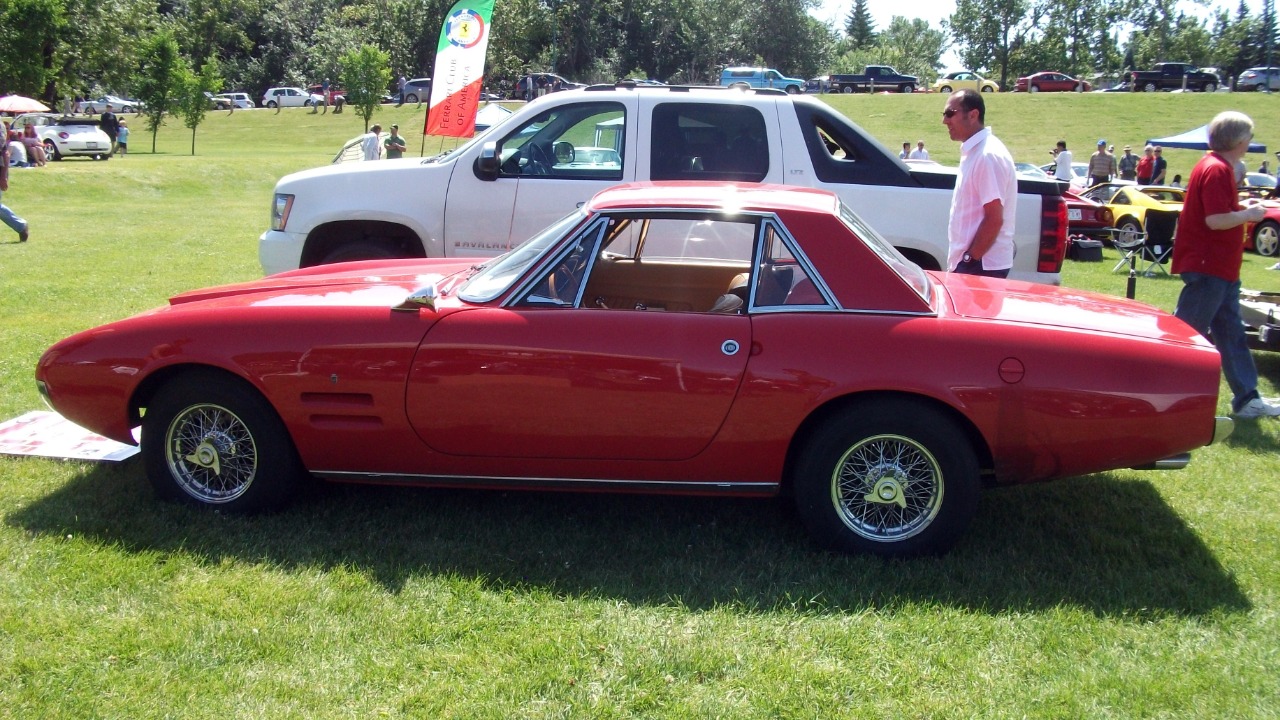
The Ghia 450 SS was a limited-production Italian-American sports car developed by Ghia with a Chrysler-derived V8. Its sleek bodywork gave it the appearance of an exotic European roadster while its American powertrain provided strong performance. Only a small number were built, making surviving examples extremely rare. The car’s unusual combination of Italian design and American mechanical components gives it a unique place in automotive history.
Stutz Blackhawk
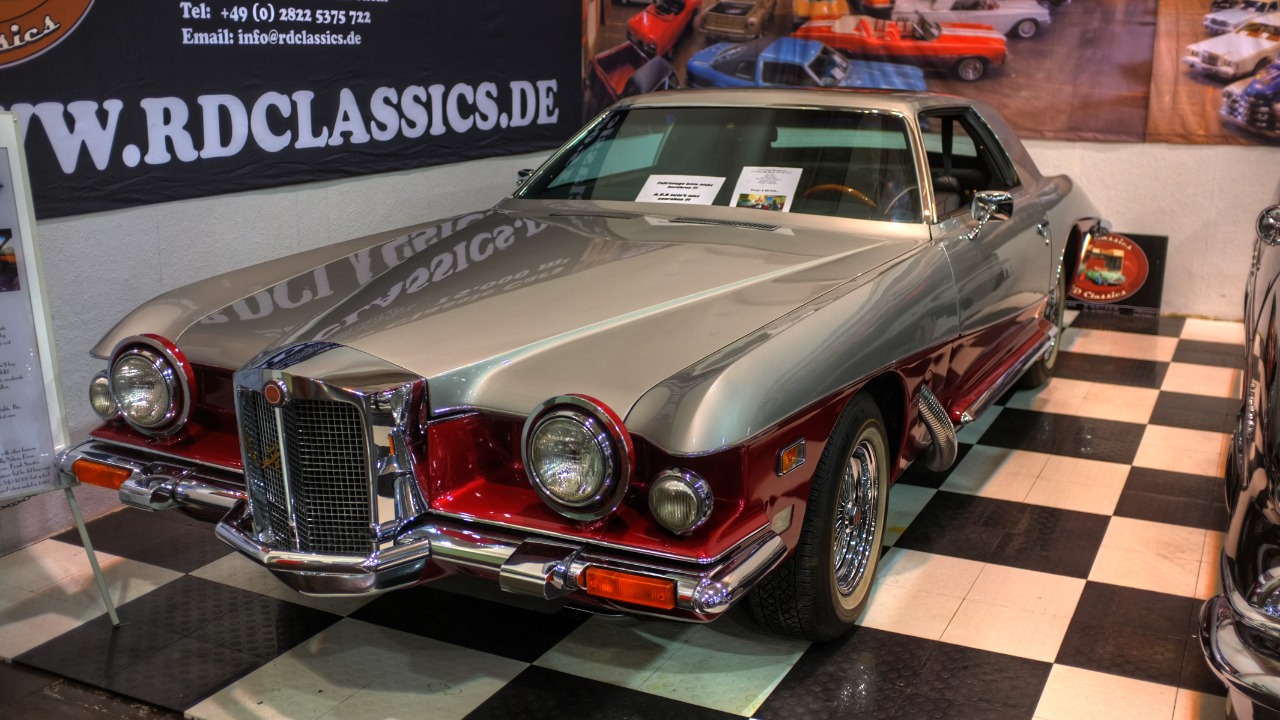
The Stutz Blackhawk revived the Stutz name with an extravagant American luxury coupe aimed at buyers seeking exclusivity. Its long hood, dramatic proportions, and powerful V8 created a distinctive presence during the 1970s. Production was limited compared with mainstream luxury cars, and surviving examples remain unusual. The Blackhawk is particularly recognizable for its flamboyant design and association with wealthy and famous owners.
Gordon-Keeble
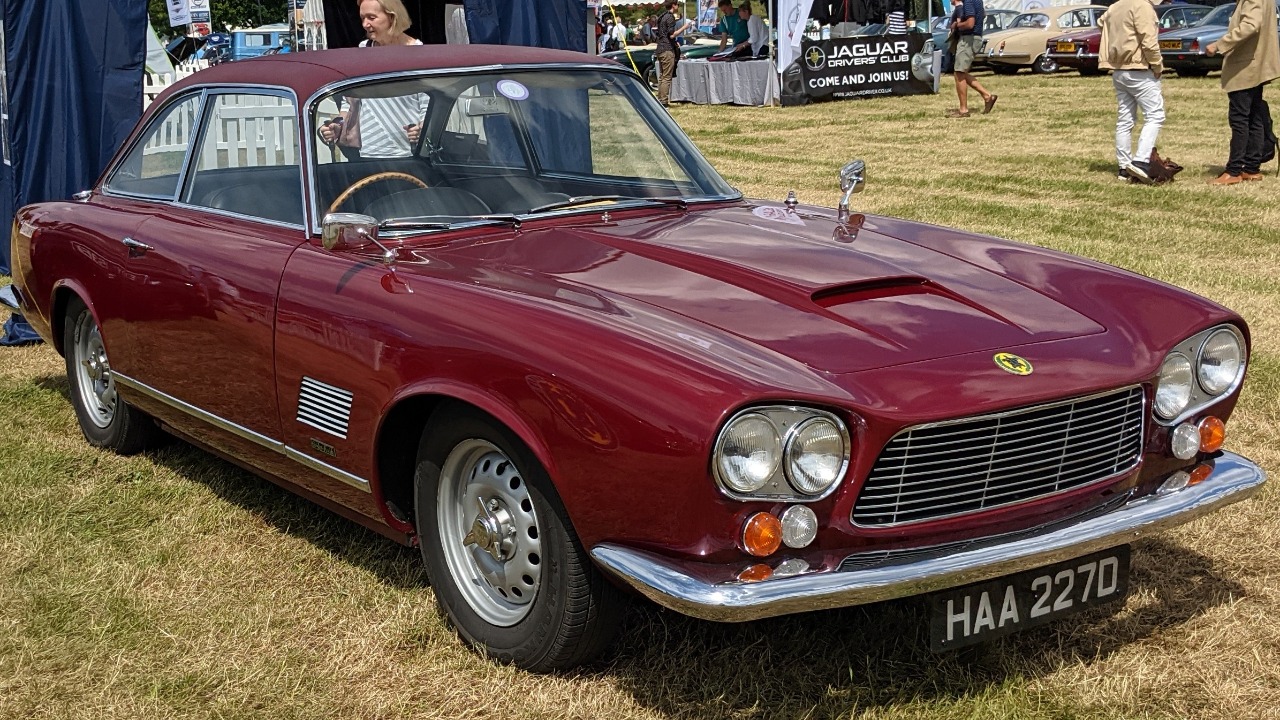
The Gordon-Keeble was a British grand tourer powered by an American Chevrolet V8 and wrapped in elegant Italian bodywork. Its development involved a small team working outside the major British manufacturers, resulting in extremely limited production. The car’s rarity is partly responsible for its cult following today. A genuine Gordon-Keeble is an unusual discovery even at gatherings filled with rare British automobiles.
Bristol 406
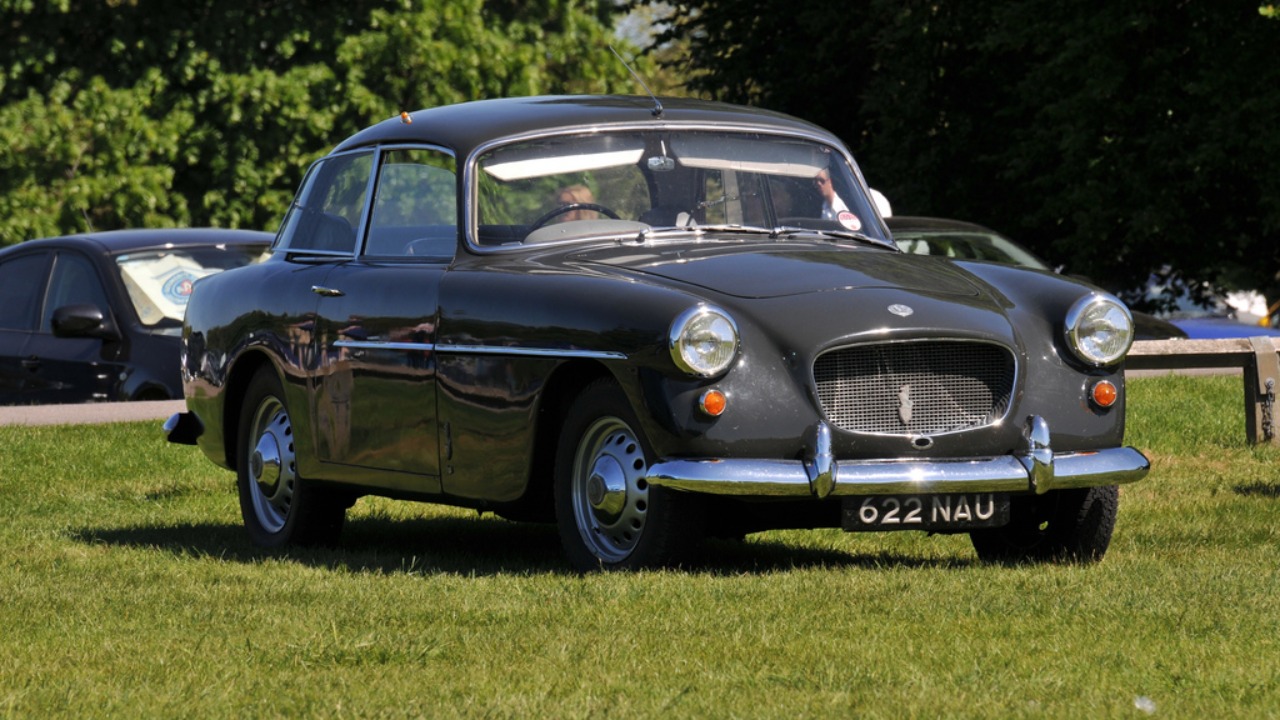
The Bristol 406 was a hand-built British luxury car produced in small numbers by Bristol Cars. It combined understated styling with sophisticated engineering and a strong emphasis on high-speed touring. Unlike more famous British sports cars, the 406 was deliberately discreet. Its limited production and specialized customer base mean that surviving examples are rarely seen outside dedicated collections or specialist gatherings.
Delaunay-Belleville Type HB6
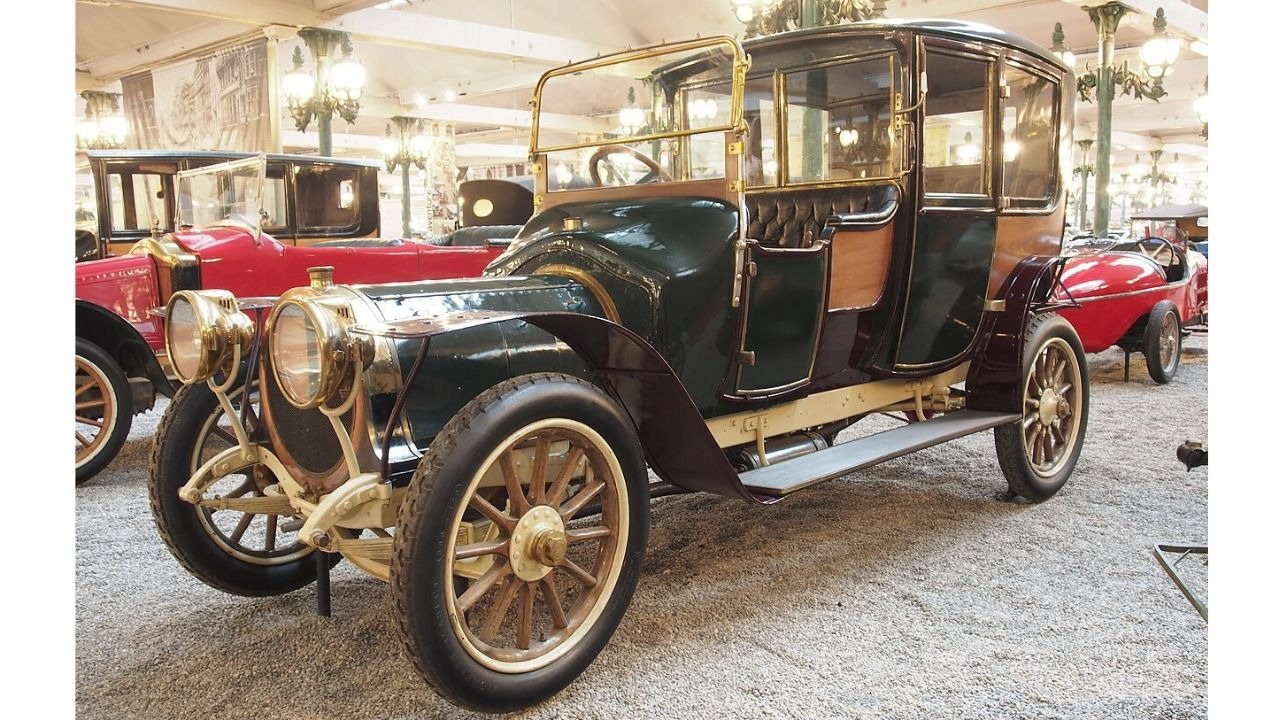
The Delaunay-Belleville Type HB6 represented the extravagant engineering and craftsmanship associated with early French luxury automobiles. Delaunay-Belleville cars were built in small numbers for wealthy customers and were known for their refined mechanical design. Surviving examples are exceptionally uncommon today. The HB6 is the kind of automobile that even experienced classic-car enthusiasts may never encounter outside a major historic collection.
Voisin C25
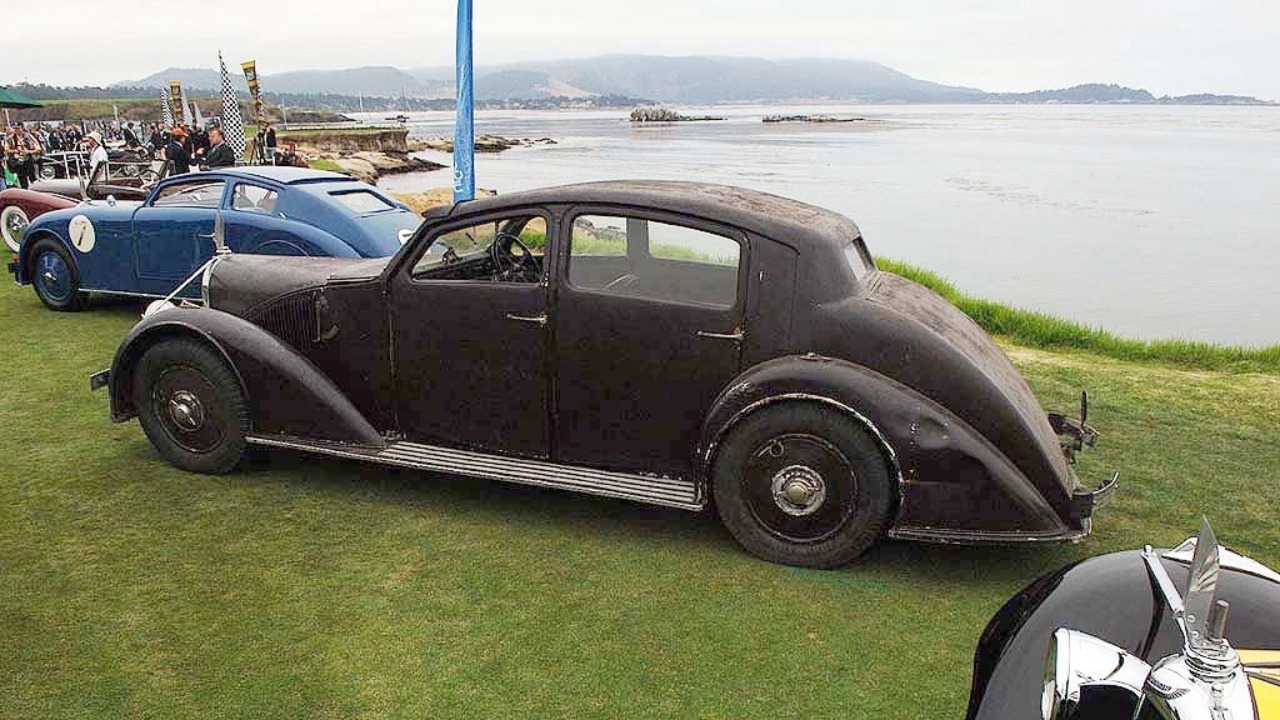
The Voisin C25 was an avant-garde French luxury car created by Gabriel Voisin, whose background in aviation influenced his automobile designs. Its distinctive bodywork and unusual engineering made it unlike conventional cars of its period. Production was limited, and the passage of time has made surviving examples extremely scarce. A C25 today is a remarkable sight because very few people ever encounter one outside specialist collections.
Talbot-Lago T26 Grand Sport
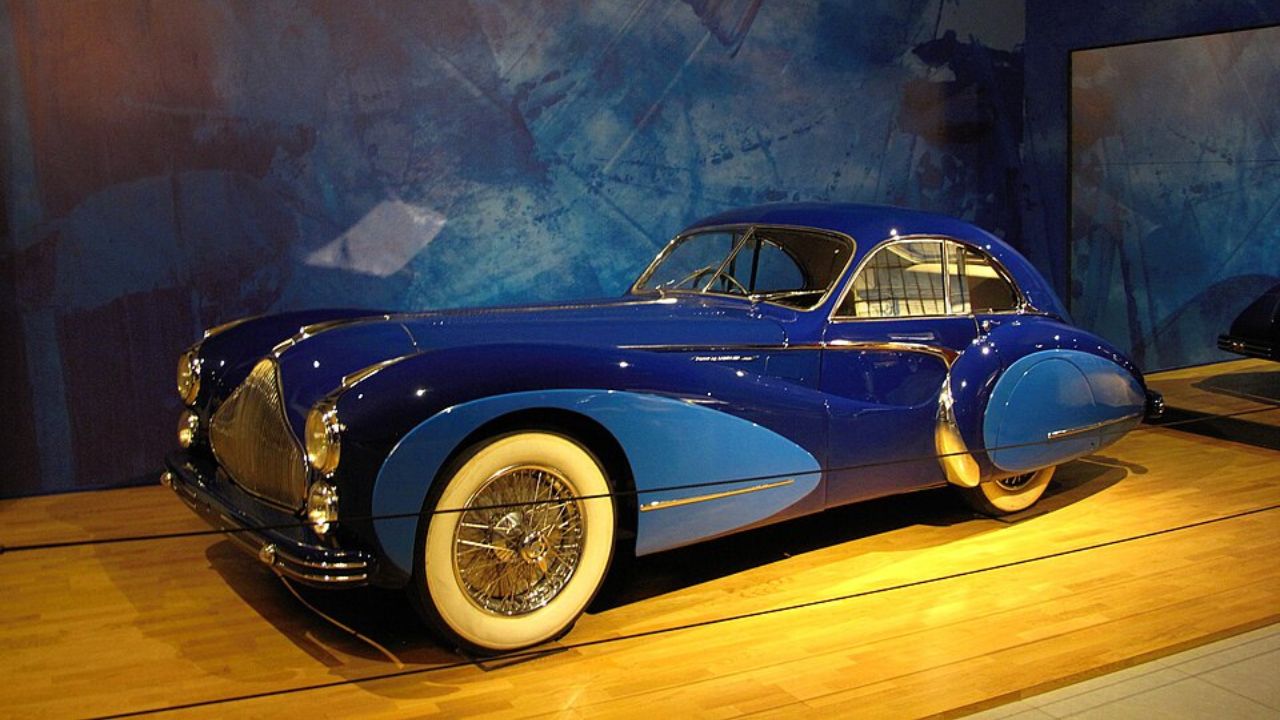
The Talbot-Lago T26 Grand Sport was a high-performance French grand tourer built during the late 1940s and early 1950s. Its large engine, sophisticated chassis, and coachbuilt bodywork placed it among Europe’s most prestigious automobiles. Production was extremely limited, and surviving cars are now important historic vehicles. Its rarity and elegant proportions make the T26 Grand Sport particularly difficult to encounter in person.
More from Fast Lane Only
- Unboxing the WWII Jeep in a Crate
- 15 rare Chevys collectors are quietly buying
- 10 underrated V8s still worth hunting down
- Police notice this before you even roll window down
*Research for this article included AI assistance, with all final content reviewed by human editors.