Packard built automobiles that combined engineering, craftsmanship, and unmistakable American luxury. From elegant prewar sedans to powerful postwar convertibles, its cars were designed to make an impression wherever they went. Many Packards have become rare today, but their proportions, details, and presence still make them stand out at every gathering.
Packard Twin Six

The Packard Twin Six helped establish the company as a serious builder of luxury automobiles when it appeared in 1915. Its V12 engine was an impressive engineering achievement for its era, while the large chassis and carefully finished bodies gave it considerable road presence. Packard continued developing its V12 concept for several years before eventually changing direction. Surviving Twin Six automobiles are exceptionally rare today, making them important pieces of early American automotive history. Their combination of advanced engineering and formal styling makes them particularly striking.
Packard Single Six
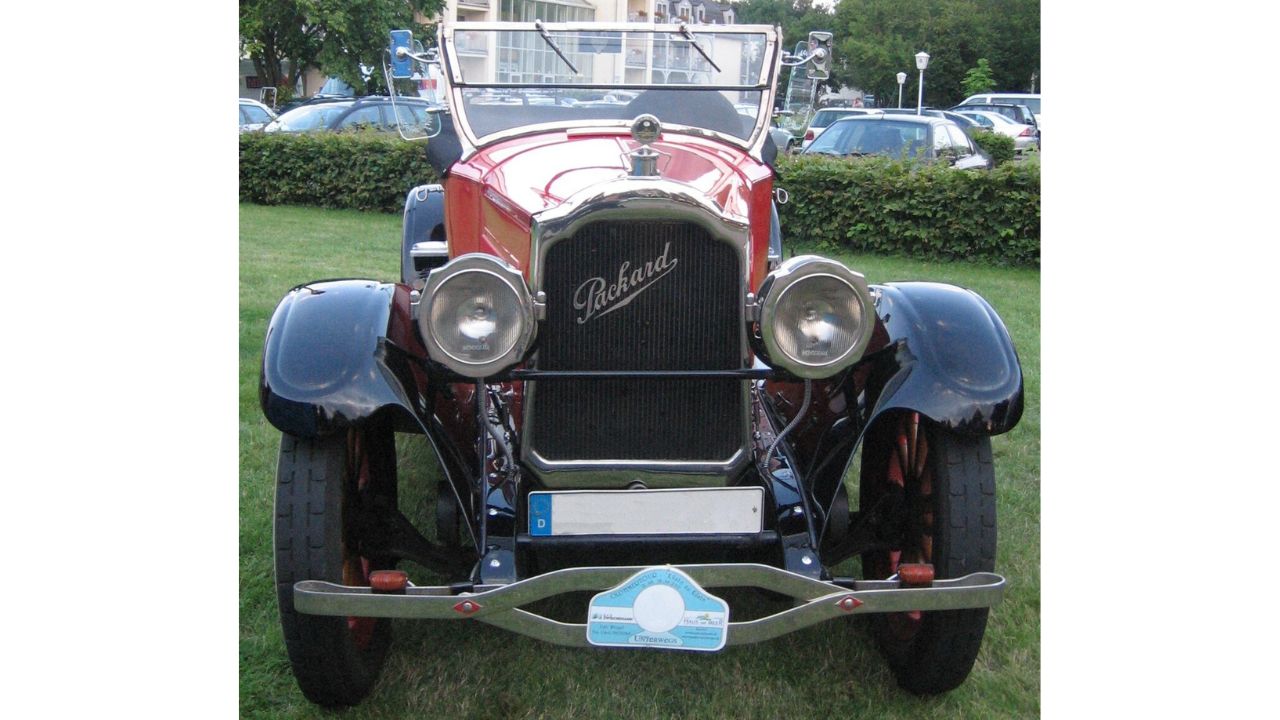
The Packard Single Six gave buyers a smaller and more affordable alternative to the company’s larger luxury cars. Introduced during the early 1920s, it used a six-cylinder engine and carried the restrained styling expected from Packard. Although less extravagant than the company’s larger models, it still featured substantial construction and careful detailing. The Single Six was part of Packard’s effort to broaden its market while maintaining its reputation for quality. Today, surviving examples are uncommon, particularly cars retaining their original bodywork and period-correct components.
Packard Eight
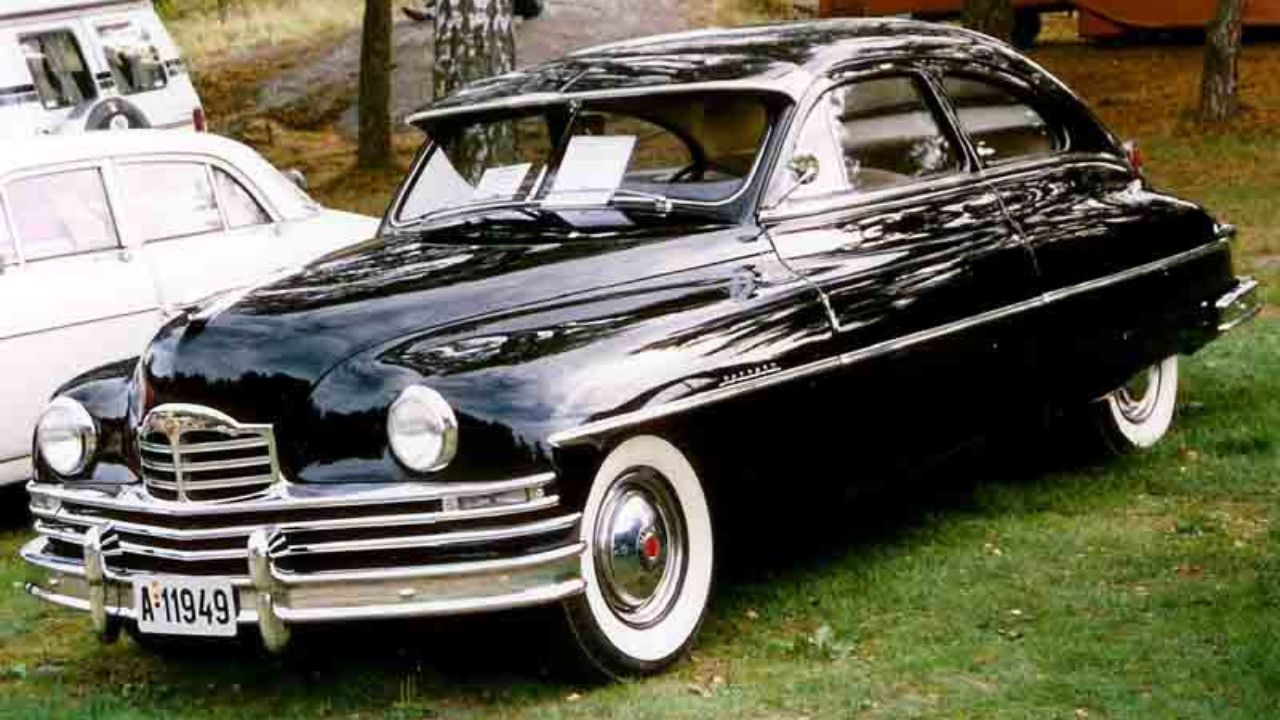
The Packard Eight became one of the company’s most important models during the 1920s and 1930s. Its inline-eight engine offered smooth power and helped establish Packard’s reputation for refined performance. The model was available in numerous body styles, allowing buyers to choose everything from formal sedans to stylish open cars. Packard’s engineering quality and strong construction helped many examples survive for decades. Today, an original Packard Eight attracts attention because its long hood, upright proportions, and detailed trim capture the character of classic American luxury.
Packard Super Eight
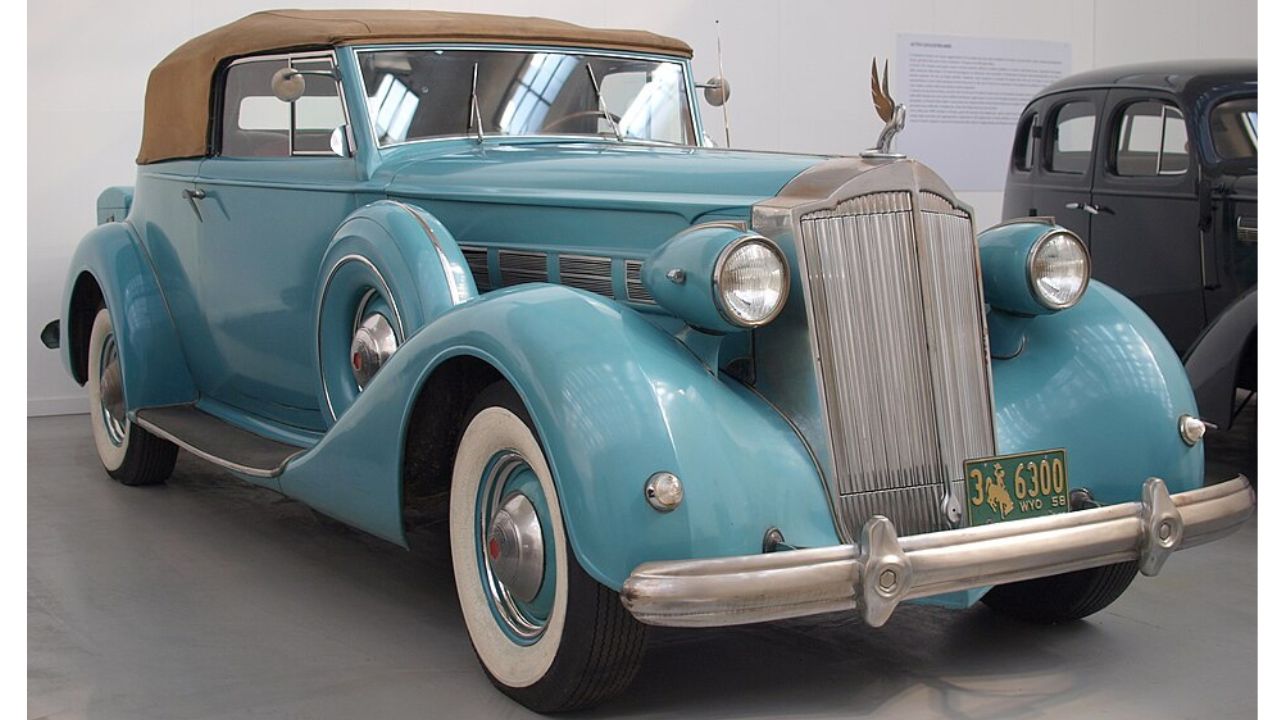
The Packard Super Eight represented a higher level of performance and luxury within the company’s lineup. Its large inline-eight engine delivered smooth, effortless power, while custom and semi-custom bodies gave buyers considerable visual variety. The model became especially impressive during the 1930s, when Packard was competing directly with America’s most prestigious luxury manufacturers. Large dimensions, fine chrome details, and carefully finished interiors made the Super Eight difficult to overlook. Surviving examples remain highly desirable because they combine Packard’s engineering reputation with some of its most elegant prewar styling.
Packard Twelve
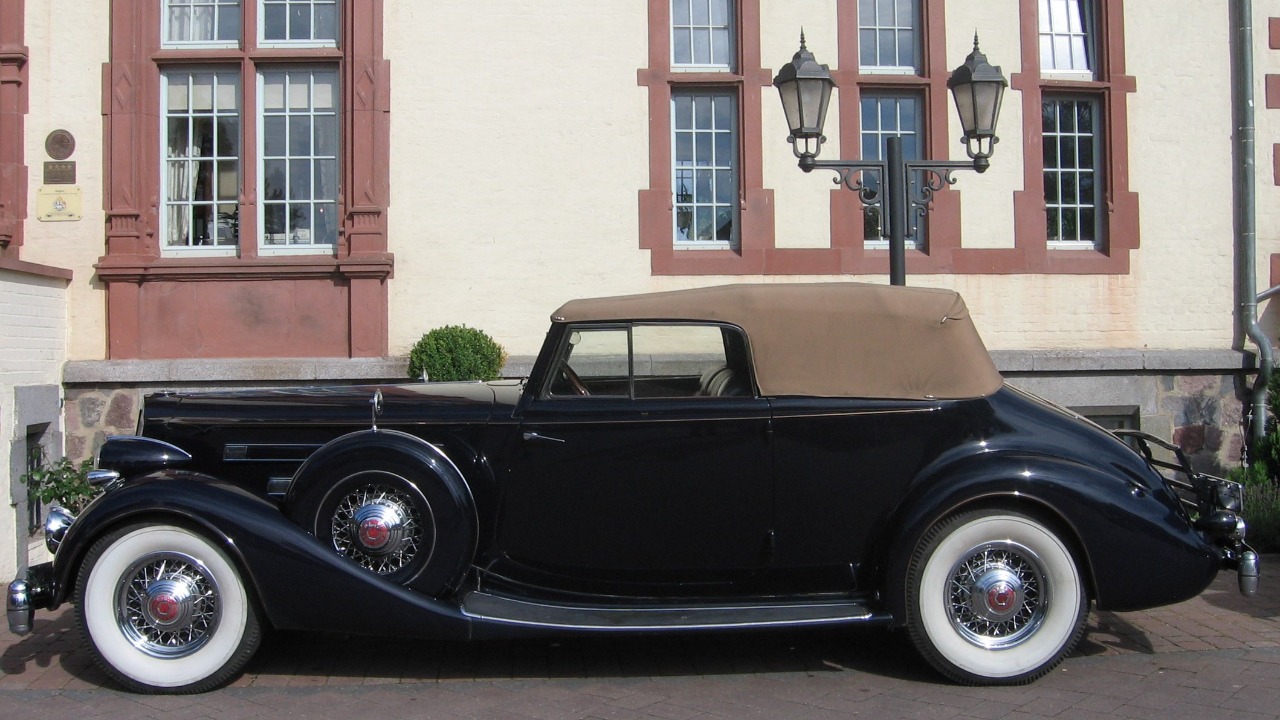
The Packard Twelve was the company’s flagship V12 automobile during the 1930s. It combined a powerful twelve-cylinder engine with a wide selection of sophisticated body styles, including formal sedans, convertibles, and custom-bodied cars. The Twelve was designed to compete with the most prestigious American automobiles of the period. Its long hood and substantial proportions gave it an unmistakable presence. Today, surviving Packard Twelves are rare and valuable, especially cars with unusual factory or custom coachwork. Their combination of mechanical smoothness and formal elegance makes them standout classics.
Packard Eight 120
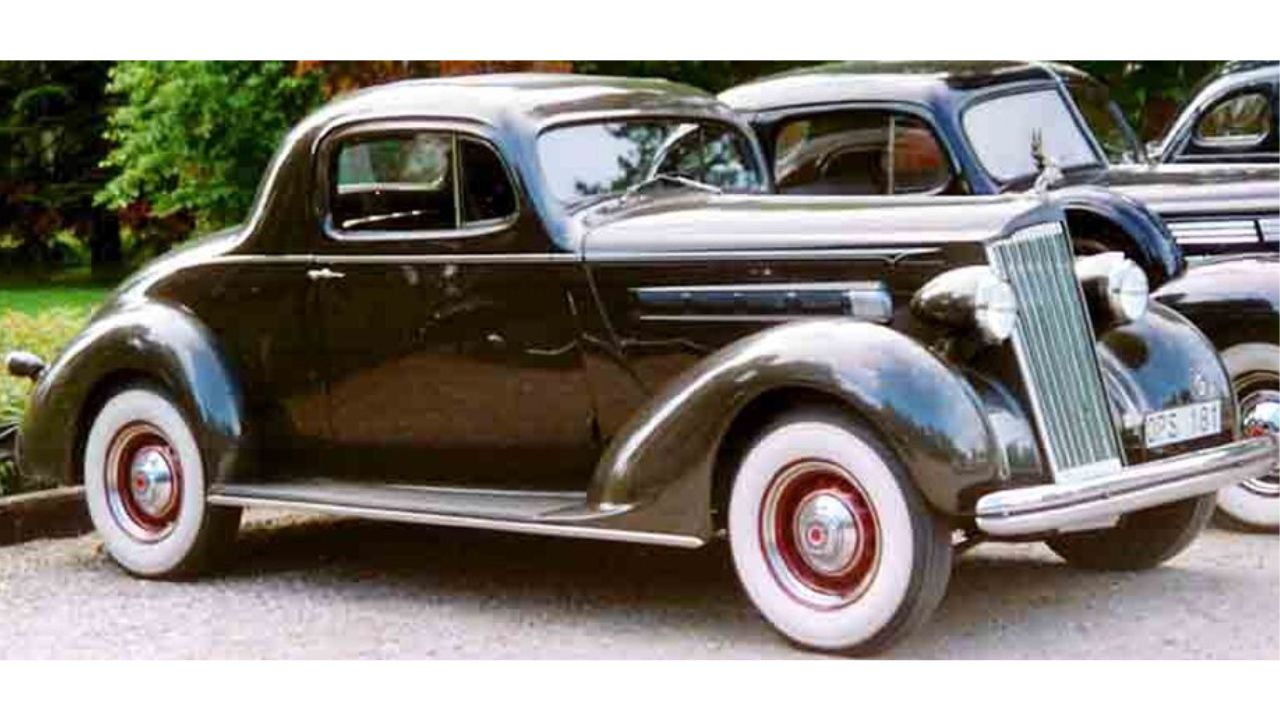
The Packard Eight 120 helped the company reach a broader audience during the 1930s without abandoning its reputation for quality. Its straight-eight engine provided smooth performance, while its smaller size made it more accessible than Packard’s larger luxury models. The 120 was available in numerous body styles, including sedans and convertibles. Its streamlined design also reflected the changing appearance of American cars during the decade. Surviving examples are increasingly appreciated because they combine Packard’s engineering with a more practical size and distinctive prewar styling.
Packard Super Eight 160
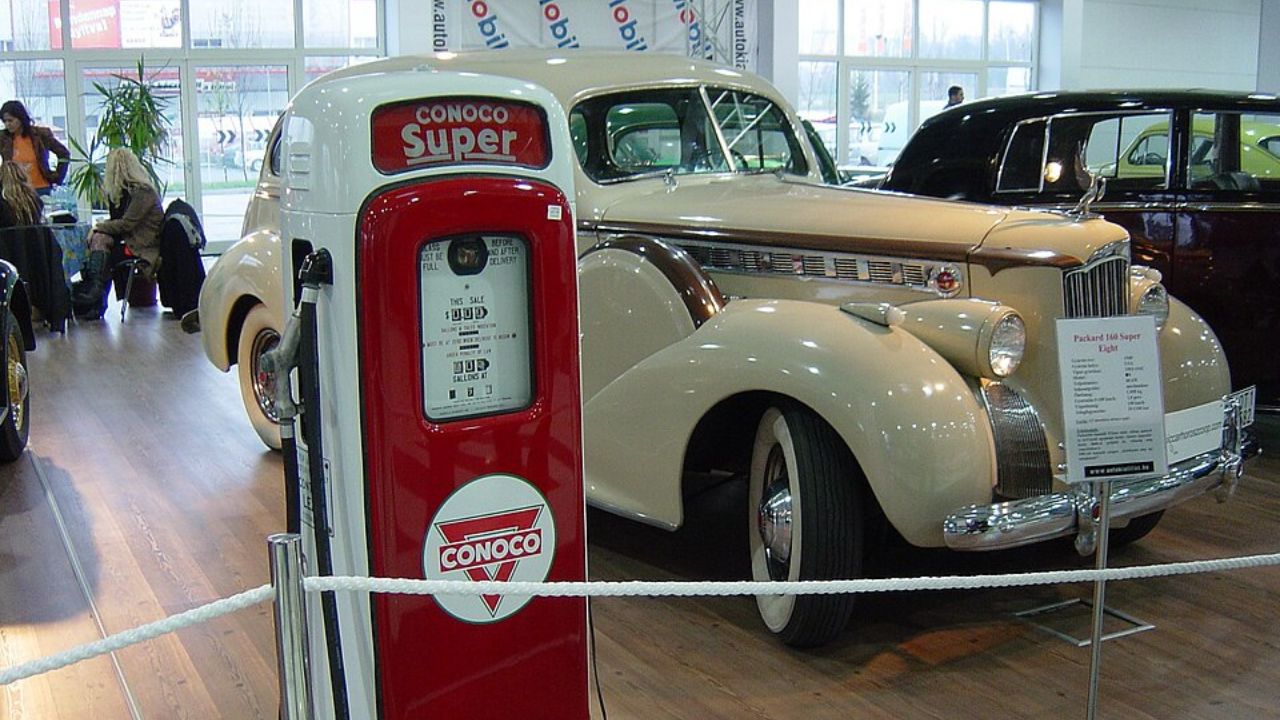
The Packard Super Eight 160 occupied an important position in Packard’s prewar lineup, offering more performance and luxury than the 120. Its straight-eight engine was known for smooth operation, while the long chassis allowed Packard to offer elegant body designs. The model appeared during an important period when American styling was becoming more streamlined. Its carefully shaped fenders, extensive chrome, and large proportions made it visually impressive. Today, restored Super Eight 160s are prized for their combination of mechanical quality, formal luxury, and classic Packard presence.
Packard One Twenty
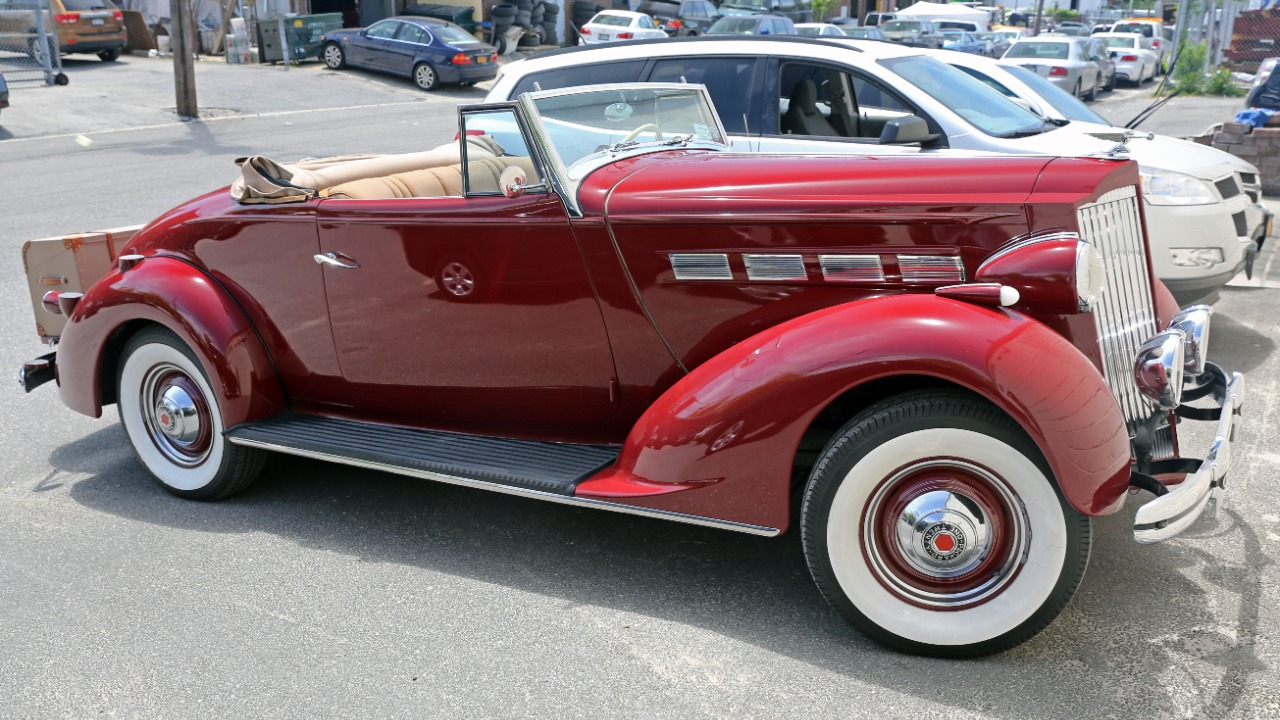
The Packard One Twenty became a major success for the company after its introduction in 1935. It offered Packard’s respected straight-eight engine and quality construction at a price below the company’s traditional luxury models. The car also introduced more modern styling, with smoother body lines replacing some of the upright appearance of earlier Packards. Its popularity helped Packard remain competitive during difficult economic times. Today, well-restored One Twentys are valued because they provide an attractive combination of classic Packard styling, reliable mechanical engineering, and relative accessibility.
Packard One Sixty
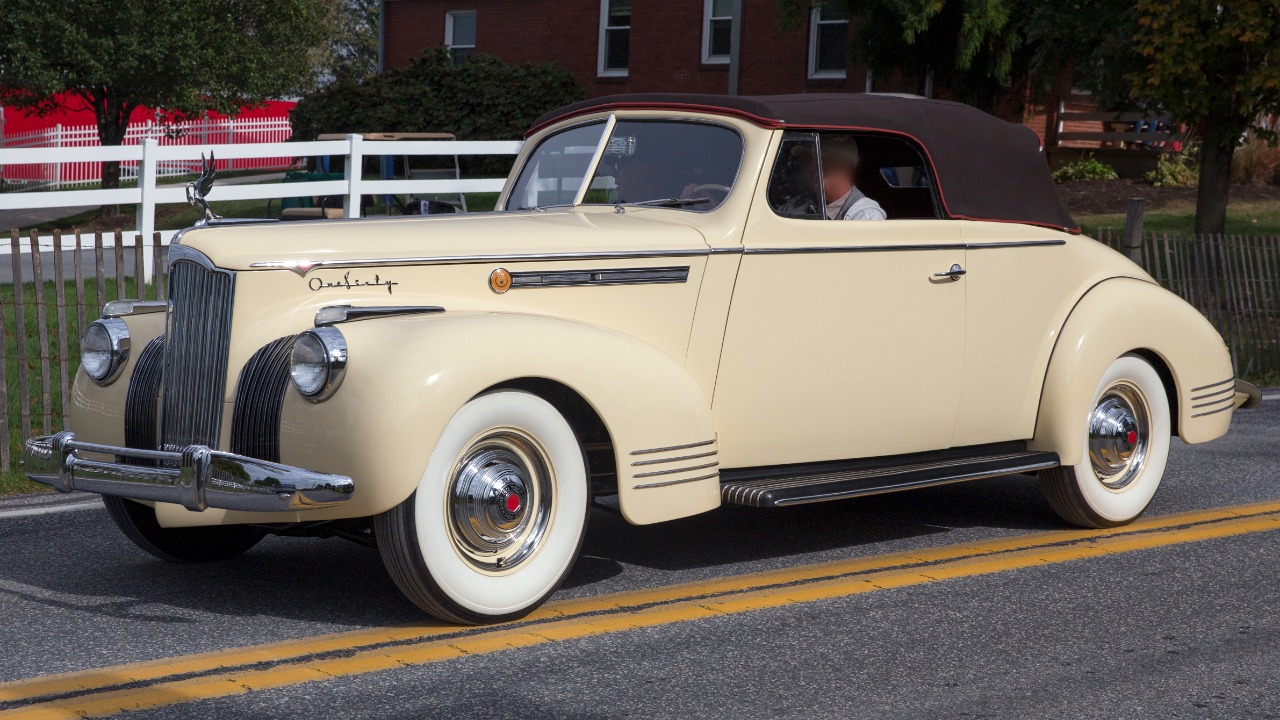
The Packard One Sixty was positioned between the company’s more affordable models and its top-level luxury automobiles. It used a powerful straight-eight engine and offered substantial dimensions, quality materials, and a wide range of body styles. Its styling reflected Packard’s growing move toward streamlined prewar design. Although fewer examples survive than more common Packard models, the One Sixty remains an important part of the company’s history. Its smooth proportions and substantial chrome details give restored examples the kind of presence that makes them difficult to ignore.
Packard One Eighty
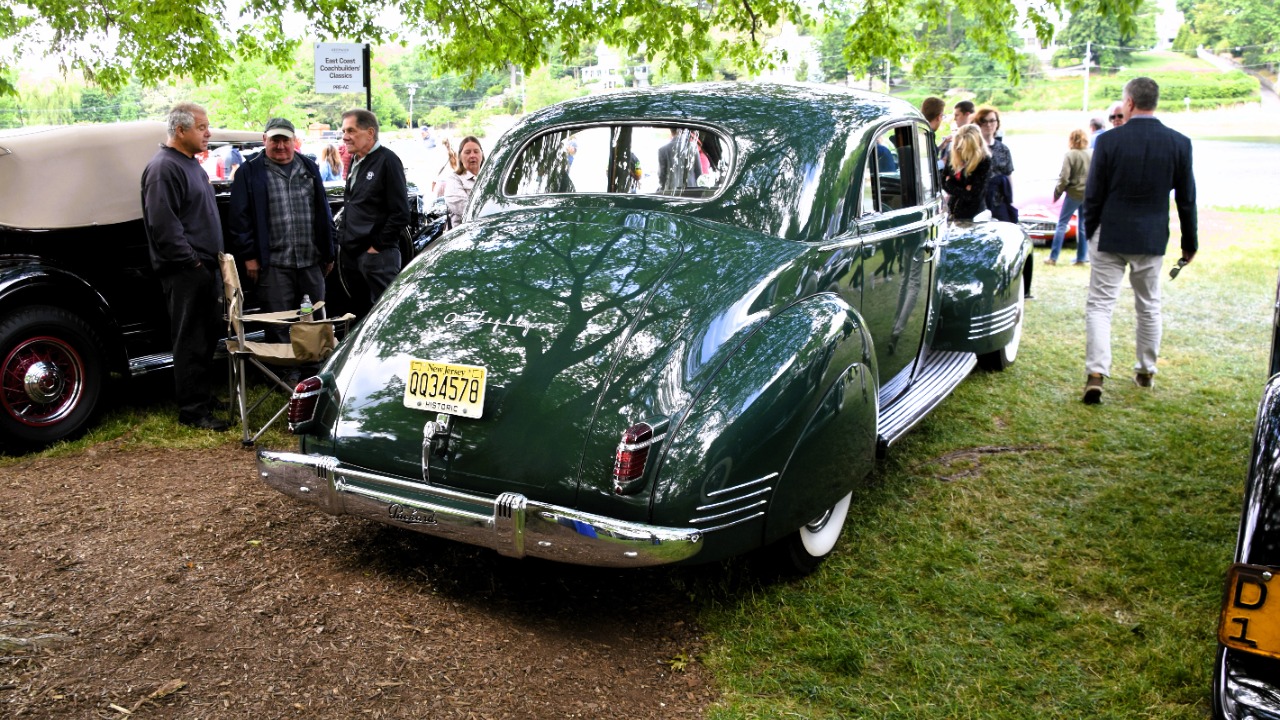
The Packard One Eighty represented the company’s premium straight-eight offering during the late 1930s and early 1940s. It combined a large engine with a long, elegant chassis and carefully designed bodywork. Buyers could select from several body configurations, including luxurious sedans and open cars. The One Eighty demonstrated Packard’s ability to compete with much more expensive luxury manufacturers while maintaining strong engineering standards. Surviving examples are relatively scarce today, and their long hoods, large grilles, and polished trim make them especially impressive at vintage-car events.
Packard Clipper
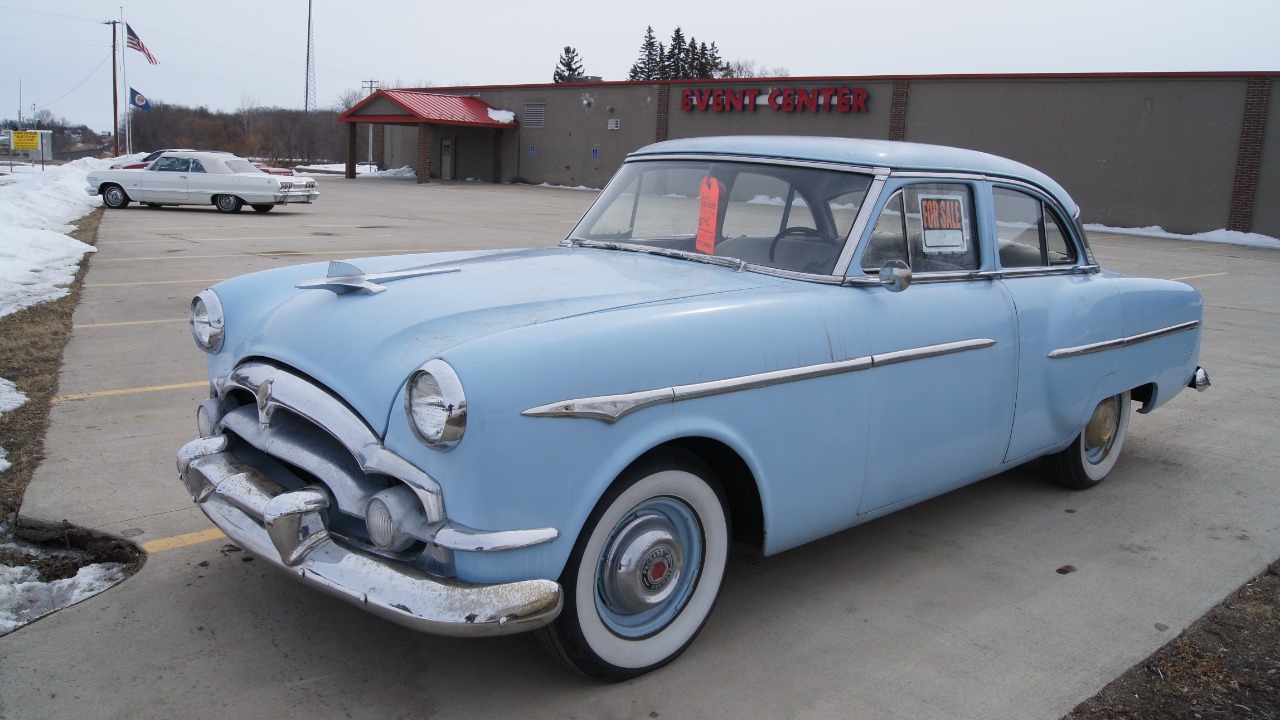
The Packard Clipper introduced a dramatically more modern design for 1941. Its integrated front fenders and smoother body shape moved away from the traditional separate-fender appearance used by many earlier cars. Despite the new styling, the Clipper retained Packard’s emphasis on solid engineering and quality construction. The design became one of the company’s most influential postwar styling directions. Surviving early Clippers are increasingly appreciated because they represent a major turning point in American automotive design, combining Packard’s traditional luxury image with a much cleaner and more modern appearance.
Packard Super Clipper
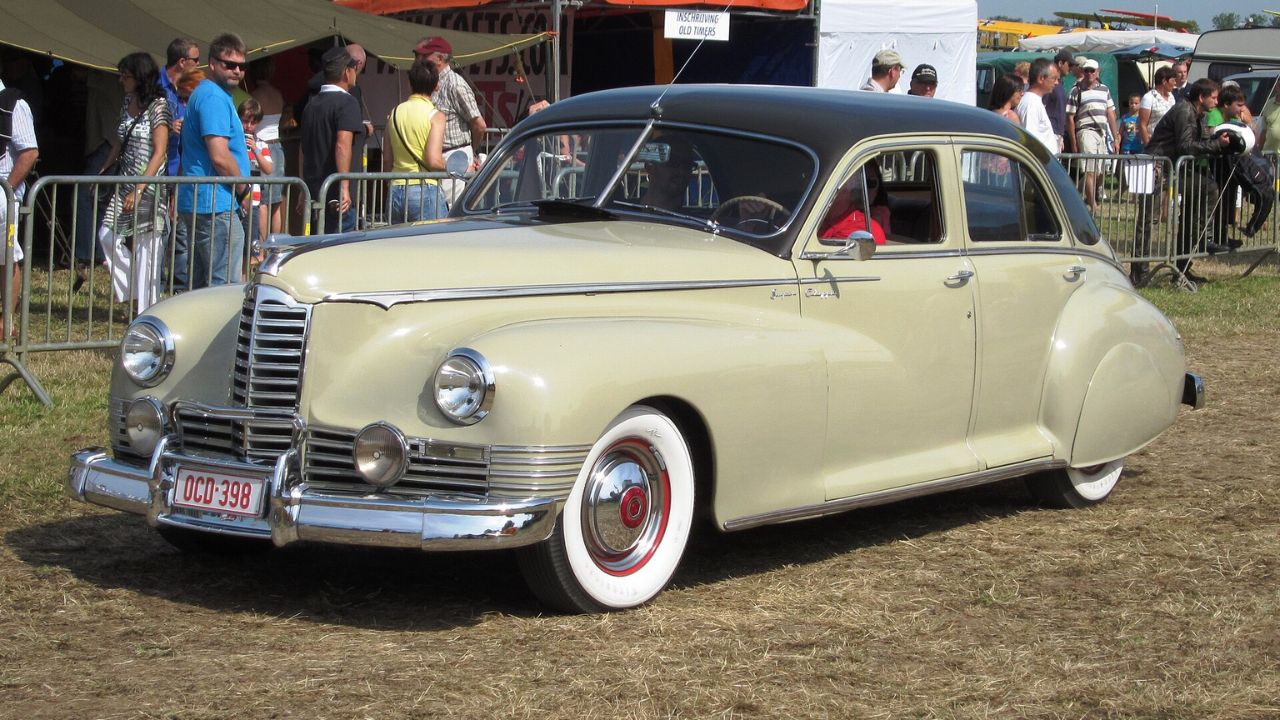
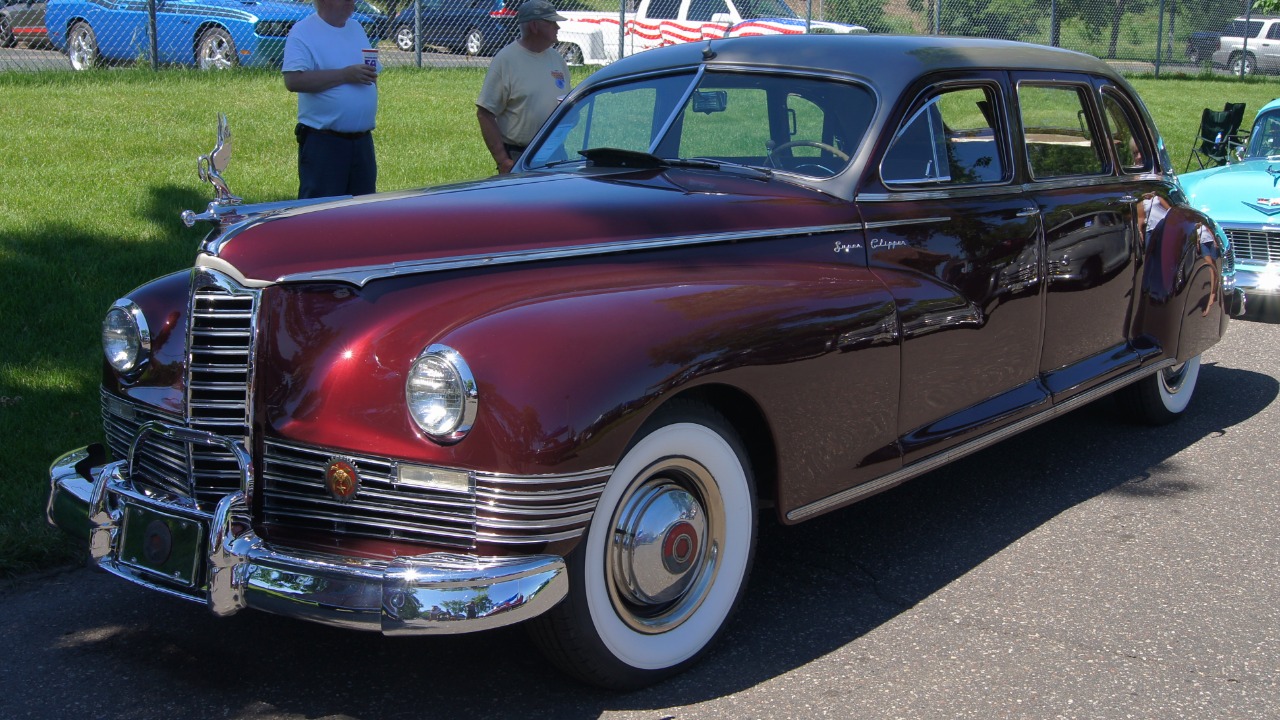
The Packard Super Clipper offered a more powerful and luxurious interpretation of the company’s streamlined Clipper design. Its larger straight-eight engine gave it strong performance, while the carefully finished interior and exterior details maintained Packard’s premium character. Introduced during a period of major change in the American automobile industry, the Super Clipper demonstrated that Packard could combine modern styling with traditional engineering quality. Restored examples are relatively uncommon today. Their smooth body lines and substantial proportions make them particularly attractive to enthusiasts of early-1940s American automobiles.
Packard Custom Super Clipper
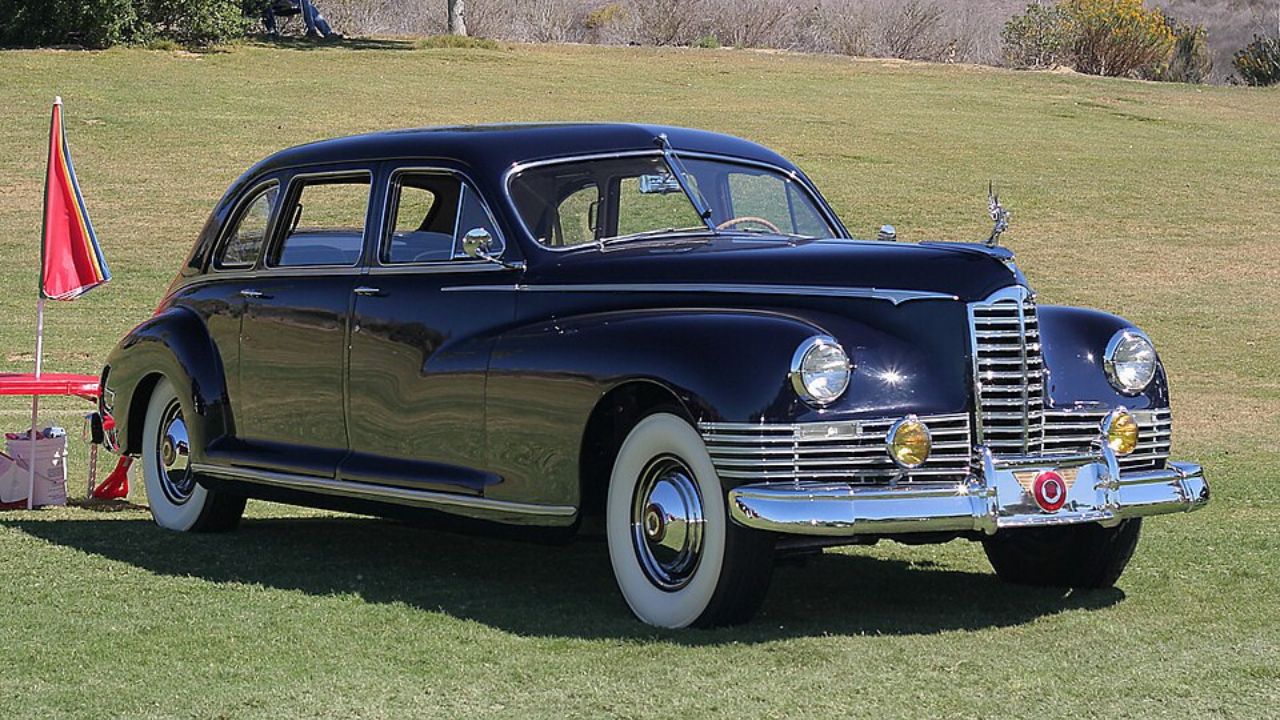
The Packard Custom Super Clipper represented one of the more luxurious versions of the streamlined Clipper family. It offered a powerful straight-eight engine, higher-grade equipment, and a more refined interior than ordinary versions. The smooth body design gave the car a modern appearance for its period while retaining the substantial proportions expected from Packard. Production was limited by wartime conditions, making surviving examples especially interesting. Today, a well-preserved Custom Super Clipper combines rarity, elegant styling, and Packard’s traditional reputation for smooth, durable mechanical engineering.
Packard Caribbean
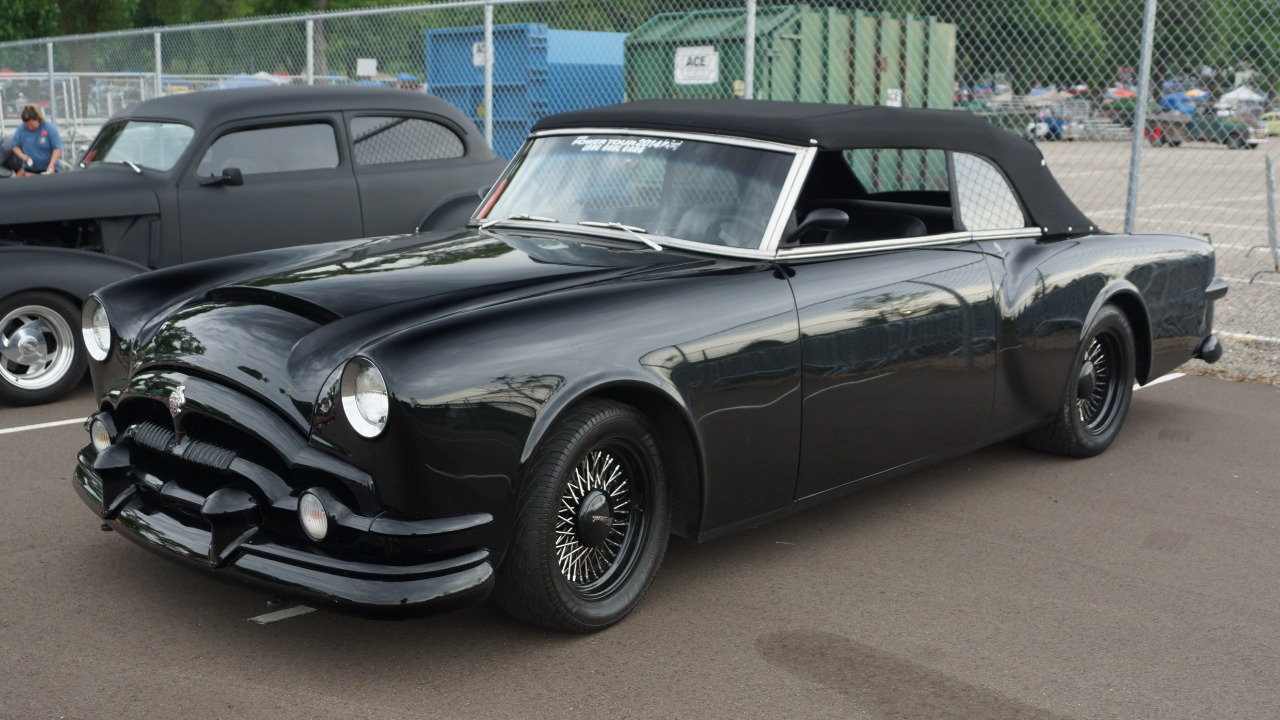
The Packard Caribbean became one of the company’s most recognizable postwar convertibles. Introduced for 1953, it featured dramatic styling, bright trim, and a powerful straight-eight engine. Later versions received Packard’s V8, further improving performance. The Caribbean was positioned as a premium personal luxury car and was offered with distinctive colors and interior treatments. Production remained relatively limited, which makes surviving examples valuable to collectors. Its combination of open-top proportions, extensive chrome, and flamboyant 1950s styling gives the Caribbean considerable visual presence.
Packard Patrician

The Packard Patrician served as one of the company’s flagship luxury sedans during the 1950s. It offered a powerful V8, spacious interior, and extensive exterior trim designed to compete with other high-end American automobiles. Packard used the Patrician name for several years, with styling changing significantly as the decade progressed. Later examples featured dramatic chrome and larger body proportions typical of the period. Original Patricians are now relatively uncommon, particularly cars with preserved interiors and factory equipment. They remain notable examples of Packard’s final years as an independent luxury manufacturer.
Packard Pacific
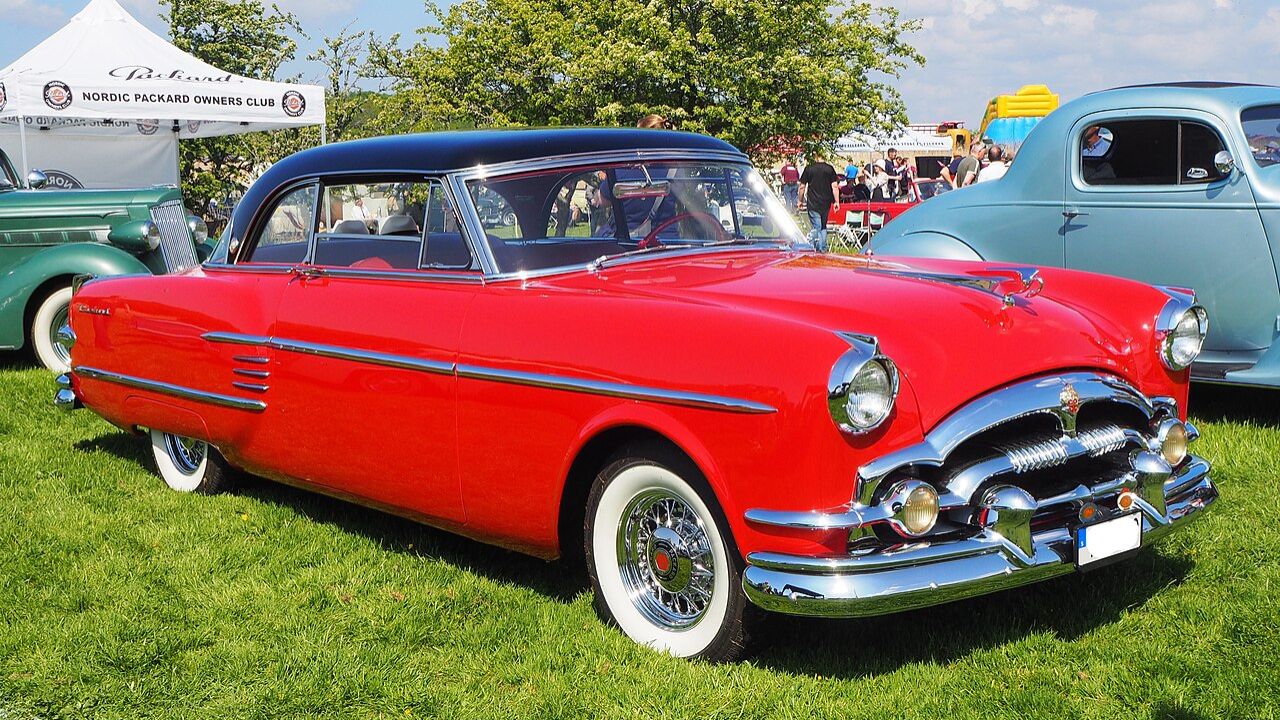
The Packard Pacific was a stylish two-door hardtop introduced during the early 1950s. It combined the company’s V8 power with a pillarless roof design that gave the car a clean, elegant profile. The Pacific occupied an important place in Packard’s postwar lineup as buyers increasingly favored sporty hardtops. Its production was limited compared with mainstream American cars, and many examples disappeared over time. Surviving Pacifics are now interesting collector cars because their low roofline, extensive chrome, and broad body capture the optimism of early-1950s American design.
Packard Four Hundred
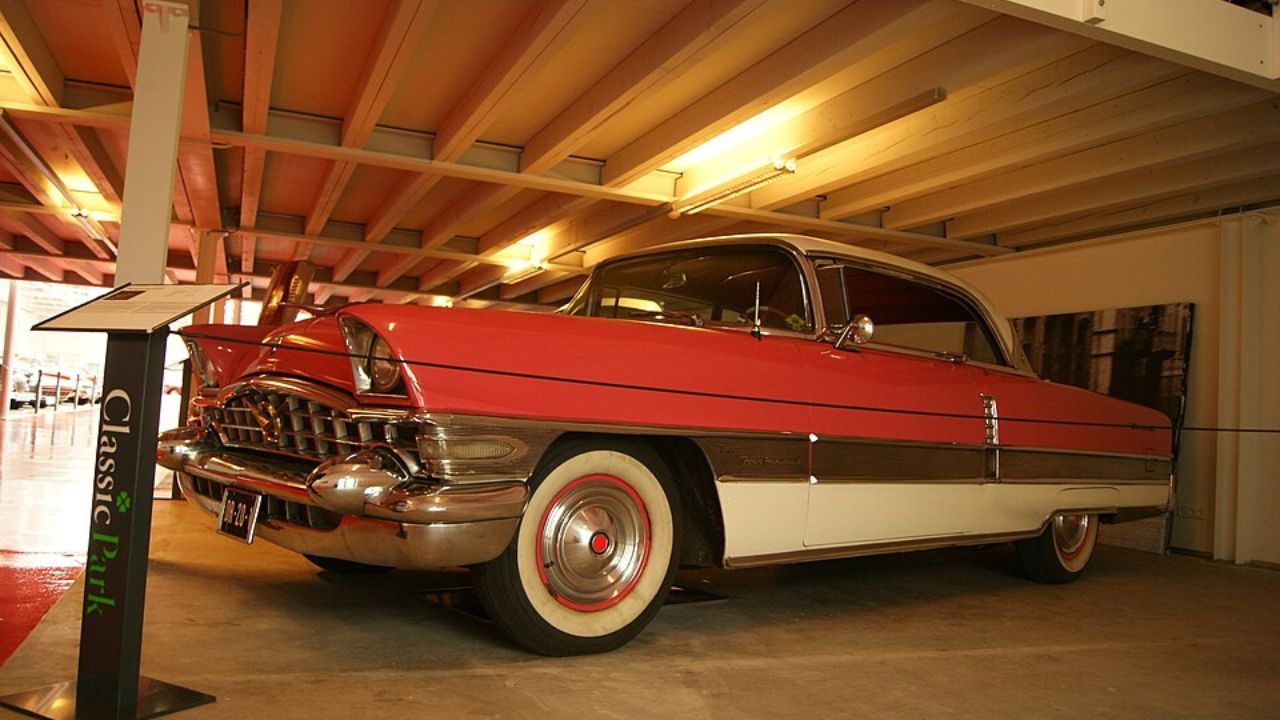
The Packard Four Hundred was a premium two-door hardtop introduced for the 1955 model year. Its name referenced Packard’s long connection with high-end automobiles, while the car itself represented the company’s move toward more dramatic postwar styling. It featured a powerful Packard V8, a pillarless roof, and substantial chrome trim. The Four Hundred was produced for only a limited period, making original examples relatively uncommon. Today, its long body, sweeping roofline, and distinctive details make it one of the more recognizable Packards from the company’s final decade.
Packard Hawk

The Packard Hawk was one of the most unusual cars associated with the final years of the Packard name. Introduced for 1958, it was based on the Studebaker Golden Hawk but received Packard-specific styling details and badging. A powerful V8 gave it strong performance for the period, while the low coupe body created a sporty appearance unlike traditional Packard sedans. Production was extremely limited. Surviving Packard Hawks are now unusual collector cars, and their distinctive front end and dramatic proportions make them particularly easy to recognize at classic-car gatherings.
More from Fast Lane Only
- Unboxing the WWII Jeep in a Crate
- 15 rare Chevys collectors are quietly buying
- 10 underrated V8s still worth hunting down
- Police notice this before you even roll window down
*Research for this article included AI assistance, with all final content reviewed by human editors.