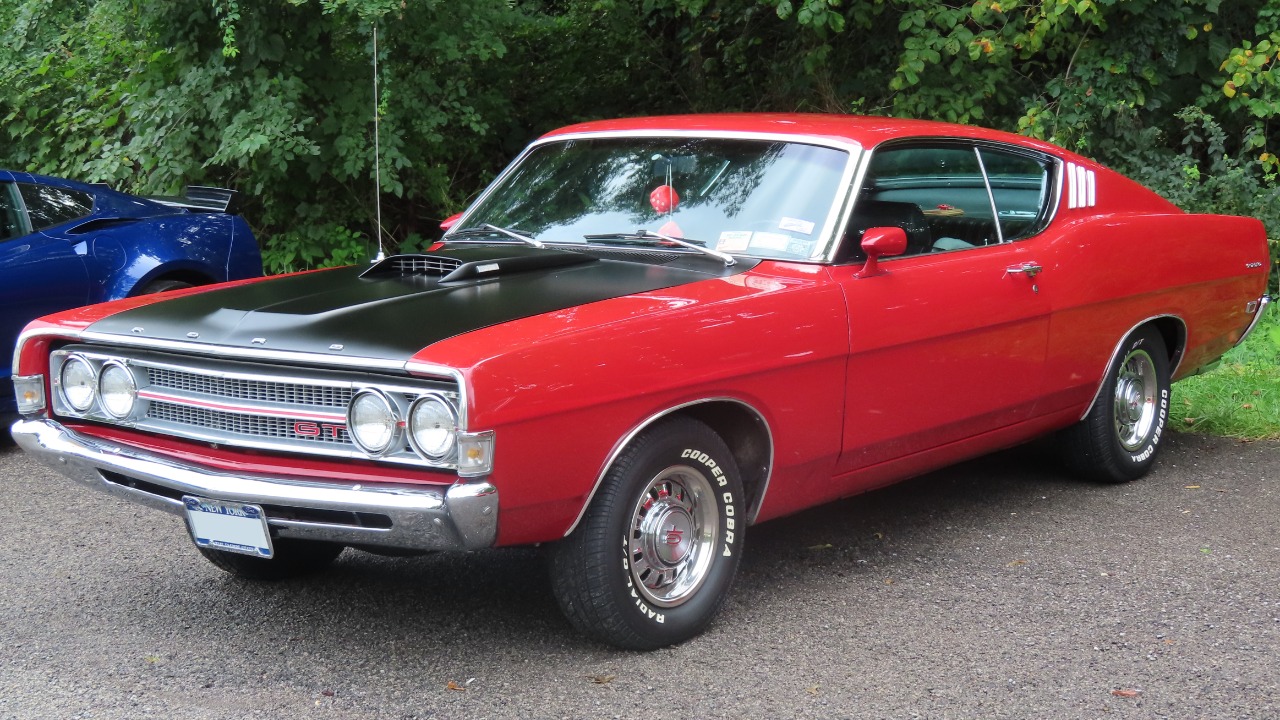
Some American trucks were built with a simple mission: work hard, take abuse, and keep going. While modern pickups can offer more technology and comfort, these trucks earned reputations through years of towing, hauling, farming, construction, and everyday use. Their durability came from sturdy frames, proven engines, simple mechanical layouts, and the ability to keep working long after newer trucks had been replaced.
Chevrolet K10
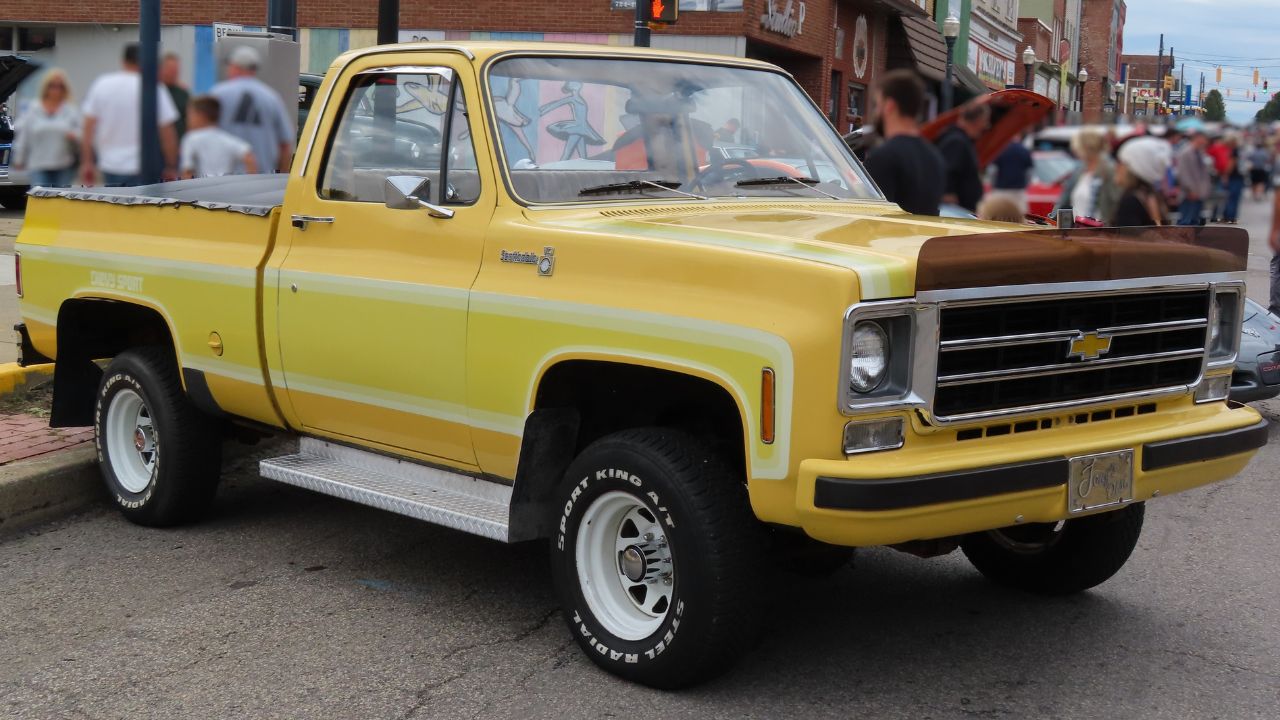
The Chevrolet K10 earned its reputation as a dependable four-wheel-drive work truck that could handle rough roads and demanding jobs. Its traditional body-on-frame construction, straightforward mechanical systems, and available V8 engines made it well suited to farms, construction sites, and backcountry use. The K10 was not built around luxury or complicated technology, which helped owners keep them running for years. Properly maintained examples could withstand considerable abuse, and that combination of simplicity and toughness still makes the K10 a favorite among classic truck enthusiasts.
Ford F-250
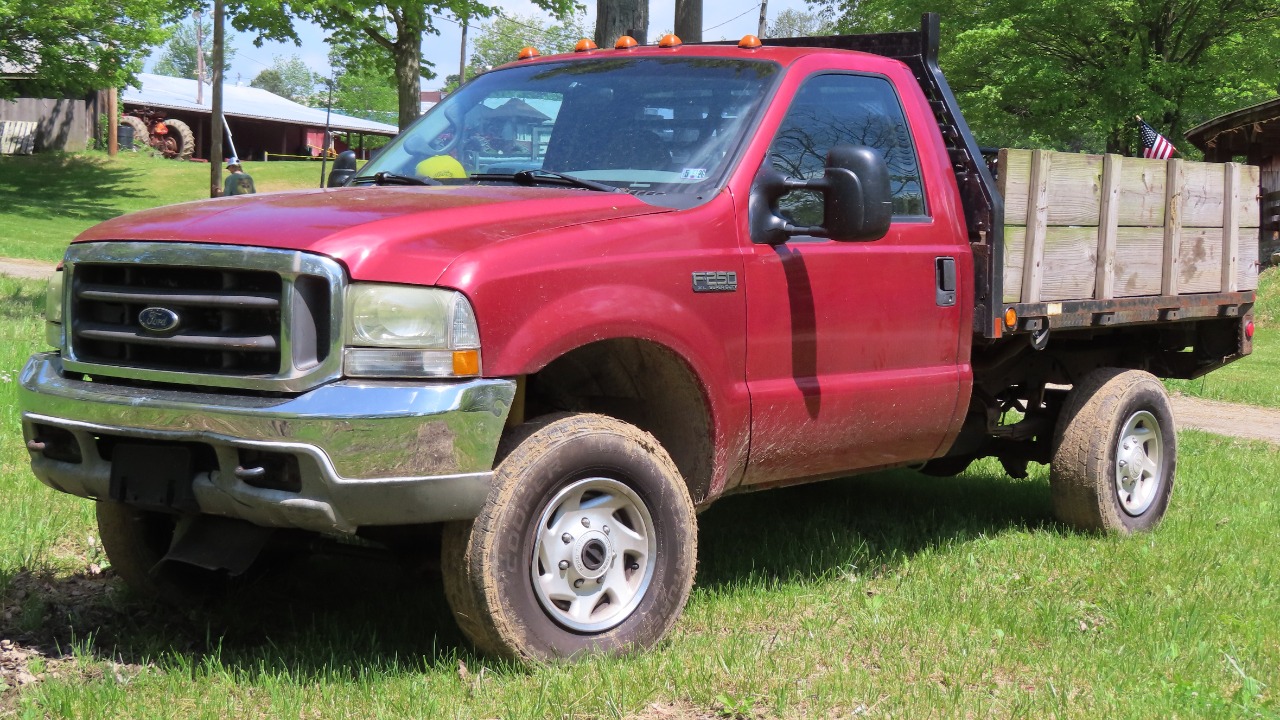
The Ford F-250 has long occupied the space between everyday pickups and truly heavy-duty work trucks. Its stronger chassis, larger brakes, and powerful engine choices allowed it to handle serious loads without feeling like a commercial truck. Older F-250s were particularly straightforward, with relatively simple mechanical systems that could be repaired without specialized equipment. Their reputation was built through years of towing trailers, carrying equipment, and working on farms. Even heavily used examples can remain useful when properly maintained.
Chevrolet C20
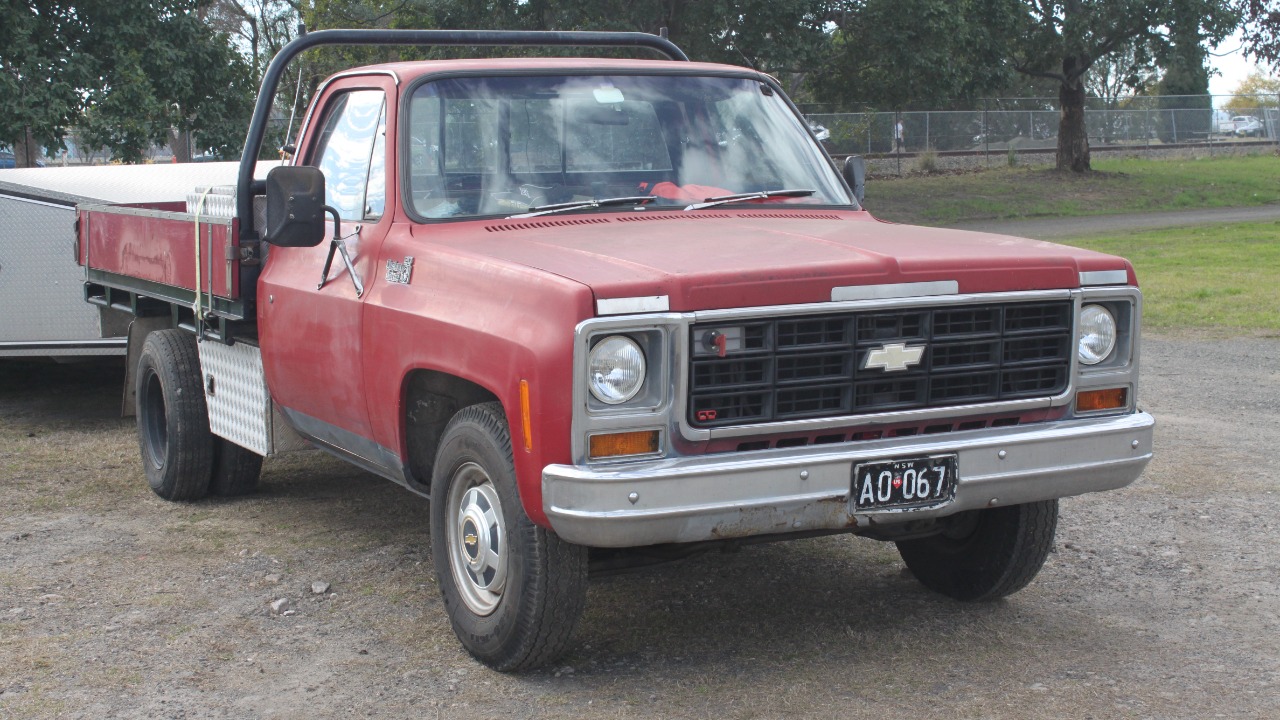
The Chevrolet C20 was designed for buyers who needed more capability than a half-ton pickup could provide. Its heavier suspension and frame made it suitable for hauling substantial loads while retaining the familiar size and layout of a conventional pickup. V8 power was widely available, and the truck’s mechanical simplicity made maintenance relatively manageable. Many spent decades working rather than sitting in collections. That working life is part of what makes surviving C20s impressive today, especially when an old example still handles real jobs.
GMC Sierra 2500
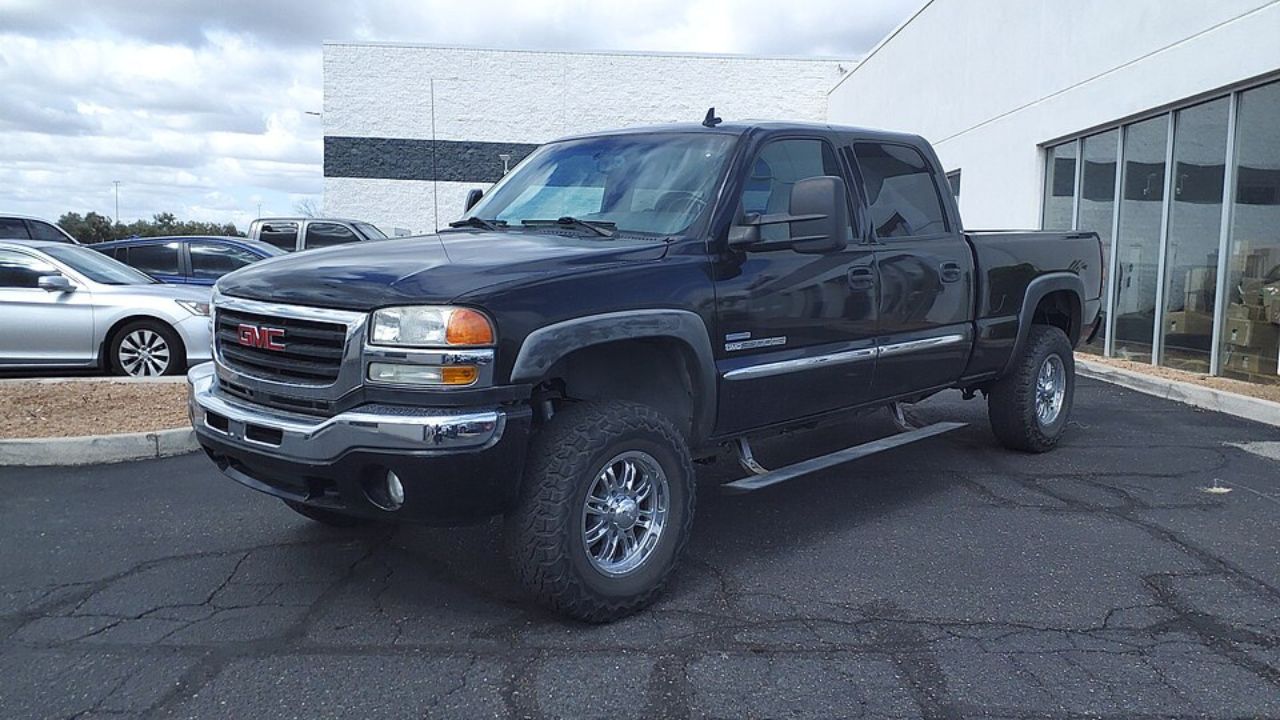
The GMC Sierra 2500 has developed a reputation for combining heavy-duty capability with the durability expected from a serious work truck. Its stronger components and powerful engine options make it suitable for towing and hauling tasks that can overwhelm lighter pickups. Earlier generations were especially appreciated for their straightforward construction and robust drivetrains. While modern versions offer considerably more technology, the fundamental idea remains familiar: build a truck capable of working hard for years. With regular servicing, a Sierra 2500 can accumulate substantial mileage while remaining useful.
Ford F-350

The Ford F-350 sits firmly in heavy-duty territory and has long been associated with demanding work. Its stronger frame, suspension, and axle choices allow it to handle heavy trailers and payloads that would be excessive for smaller pickups. Diesel-powered versions became especially popular with people who needed serious towing ability. The F-350’s reputation does not come from being indestructible, since maintenance still matters, but its heavy-duty engineering gives it considerable staying power. For owners who actually use their trucks for work, that durability is invaluable.
Chevrolet Silverado 2500HD
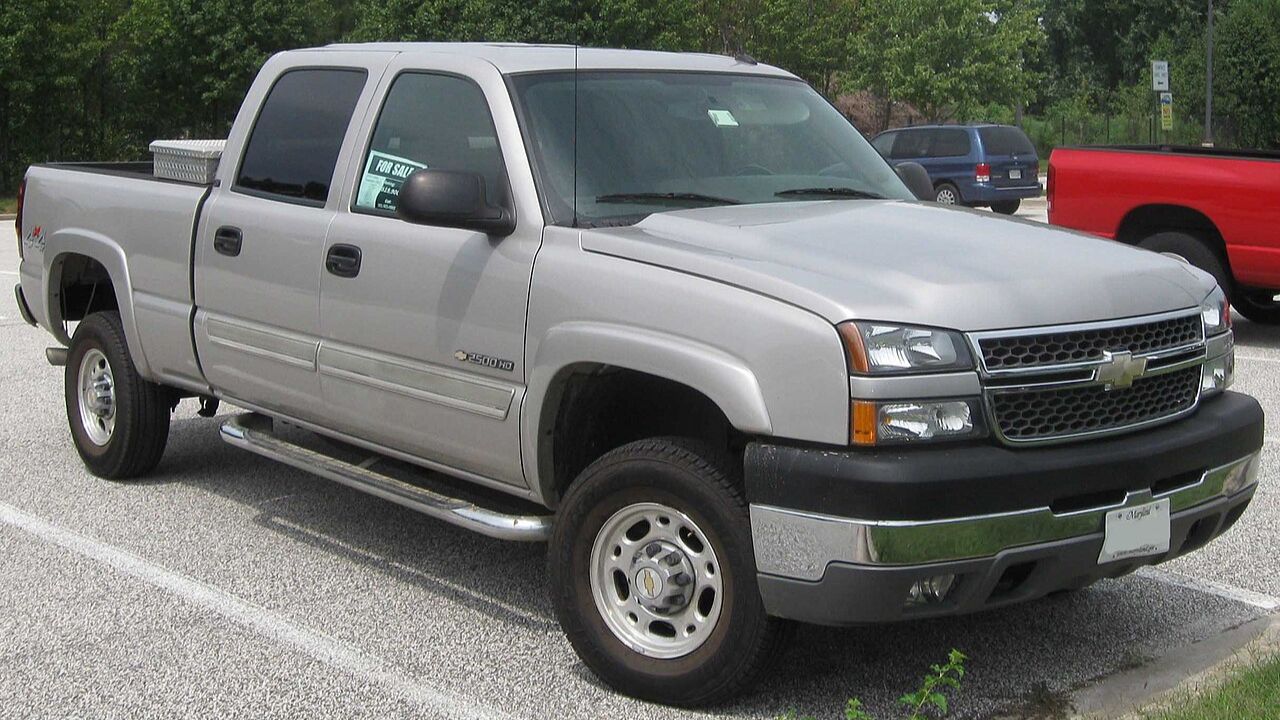
The Chevrolet Silverado 2500HD was developed for buyers who needed substantial capability without moving into commercial-duty equipment. Strong engines, heavy-duty transmissions, and robust chassis components made it a popular choice for towing, construction, agriculture, and recreational hauling. Diesel versions became particularly well known among heavy-trailer owners. The truck’s size and weight can make it expensive to maintain as it ages, but its basic construction is designed to handle demanding use. That makes a well-maintained 2500HD a serious long-term workhorse.
Dodge Ram 3500
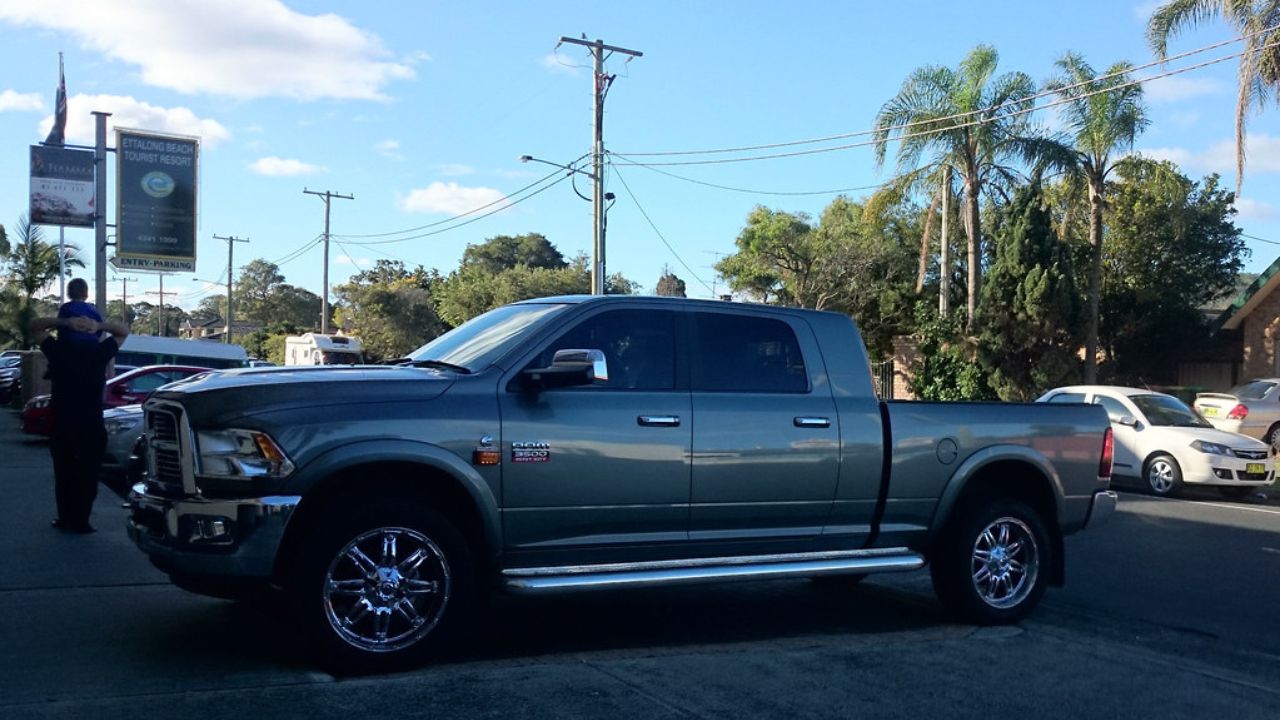
The Dodge Ram 3500 became a favorite among people who wanted substantial towing and hauling capability, particularly when equipped with a Cummins diesel. The combination of a strong engine, heavy-duty drivetrain, and substantial chassis gave these trucks a reputation for handling demanding workloads. Earlier examples were relatively simple compared with modern pickups, making many repairs easier for experienced owners. A neglected Ram 3500 can certainly become expensive, but a properly maintained example can provide years of service while handling loads that would strain lighter trucks.
Ford Super Duty
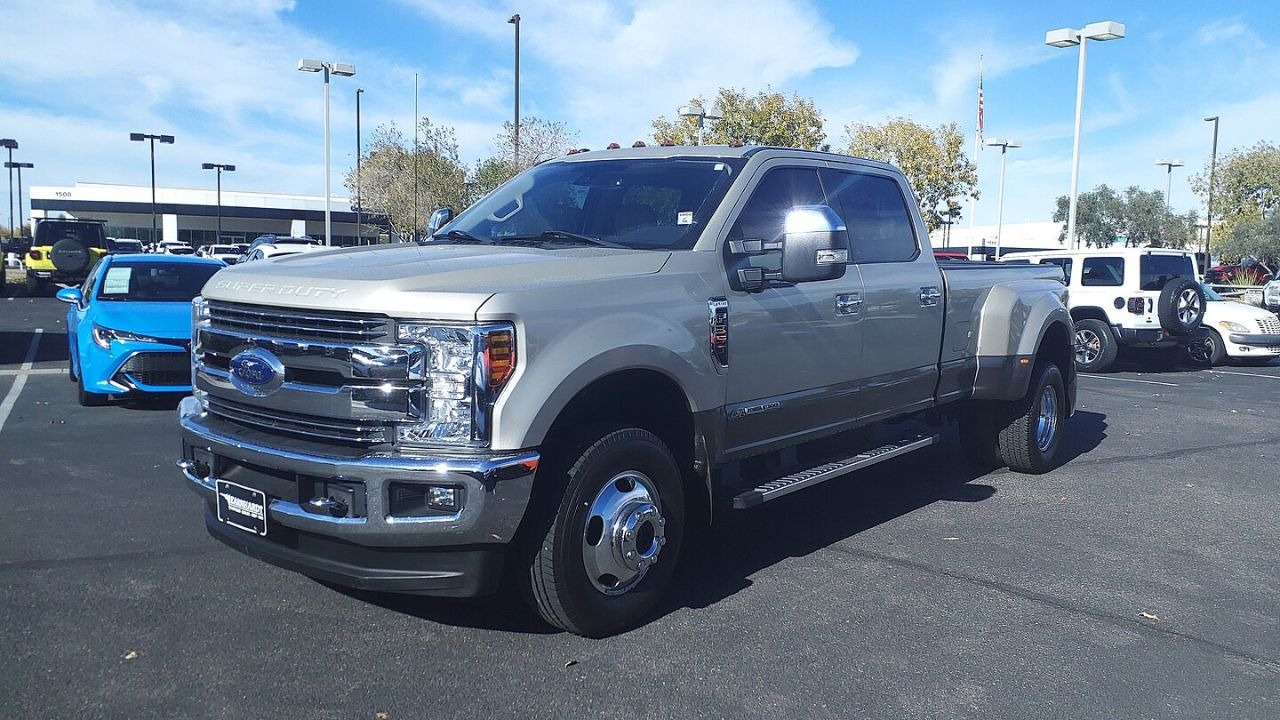
The Ford Super Duty family changed expectations for what a heavy-duty pickup could accomplish. Built around stronger frames and heavy-duty drivetrains, these trucks were designed for serious towing and commercial-style workloads. Diesel-powered versions became particularly popular with contractors, farmers, and trailer owners. Their interiors could also be equipped for long working days, making them more comfortable than older work trucks. Although maintenance costs can rise with age, the underlying construction gives a properly cared-for Super Duty impressive longevity.
GMC Sierra HD
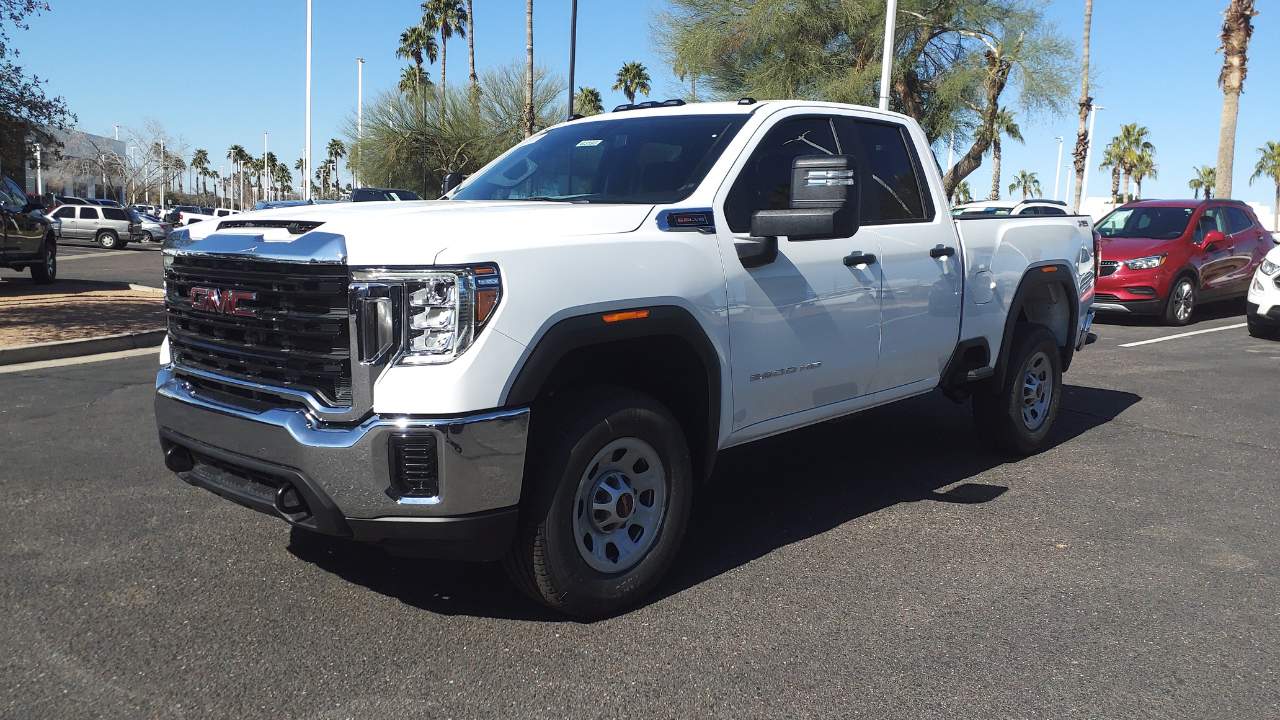
The GMC Sierra HD combines heavy-duty mechanical components with the more refined presentation associated with GMC. Its strong frame, large brakes, powerful engines, and towing-focused equipment allow it to handle serious workloads. Diesel versions are particularly suited to frequent towing, although they also require careful maintenance. The Sierra HD is not immune to wear, but its heavy-duty architecture provides a substantial foundation for long-term use. Owners who keep up with fluids, cooling systems, suspension components, and drivetrain service can get many productive years from one.
Chevrolet Avalanche
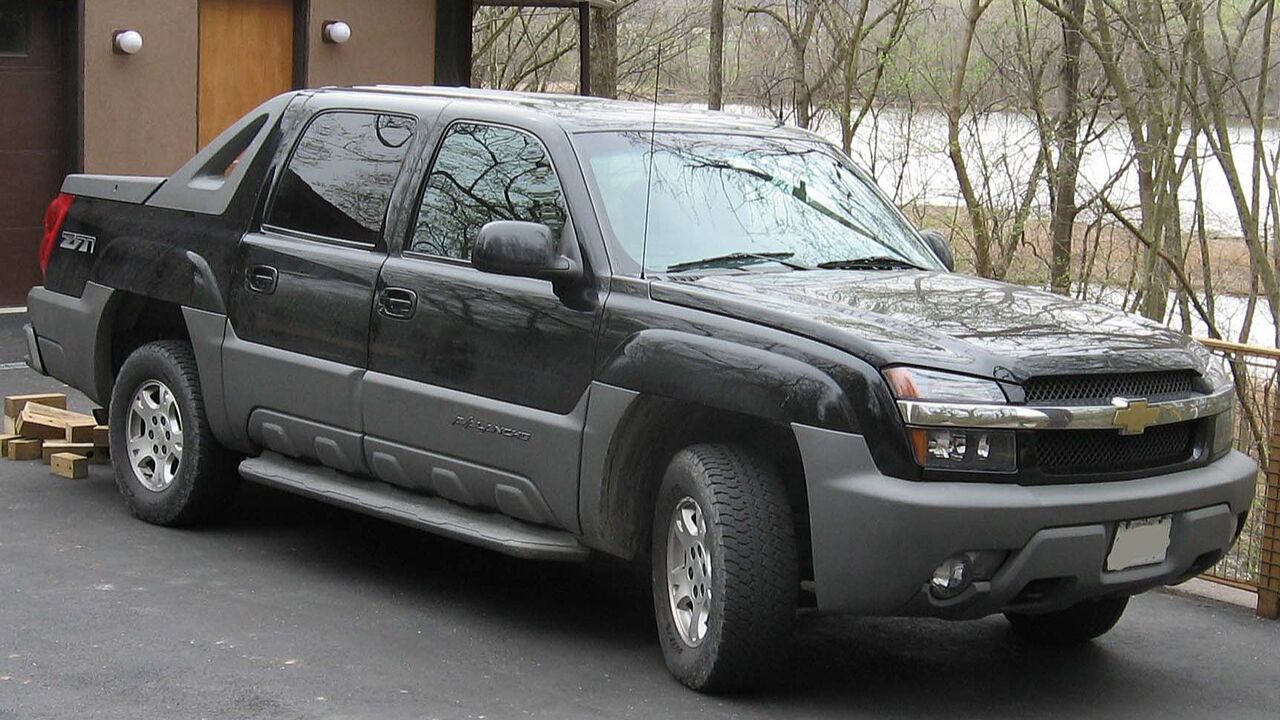
The Chevrolet Avalanche took a different approach by combining pickup capability with a more comfortable SUV-like cabin. Its versatile midgate allowed owners to extend the cargo area when needed, giving it useful flexibility. V8 versions provided plenty of power for towing and hauling, while the body-on-frame platform gave the truck a sturdy foundation. The Avalanche was never as common as the Silverado, and that helped it become something of a forgotten workhorse. A well-maintained example can still serve as a practical truck for daily use.
Ford Ranger
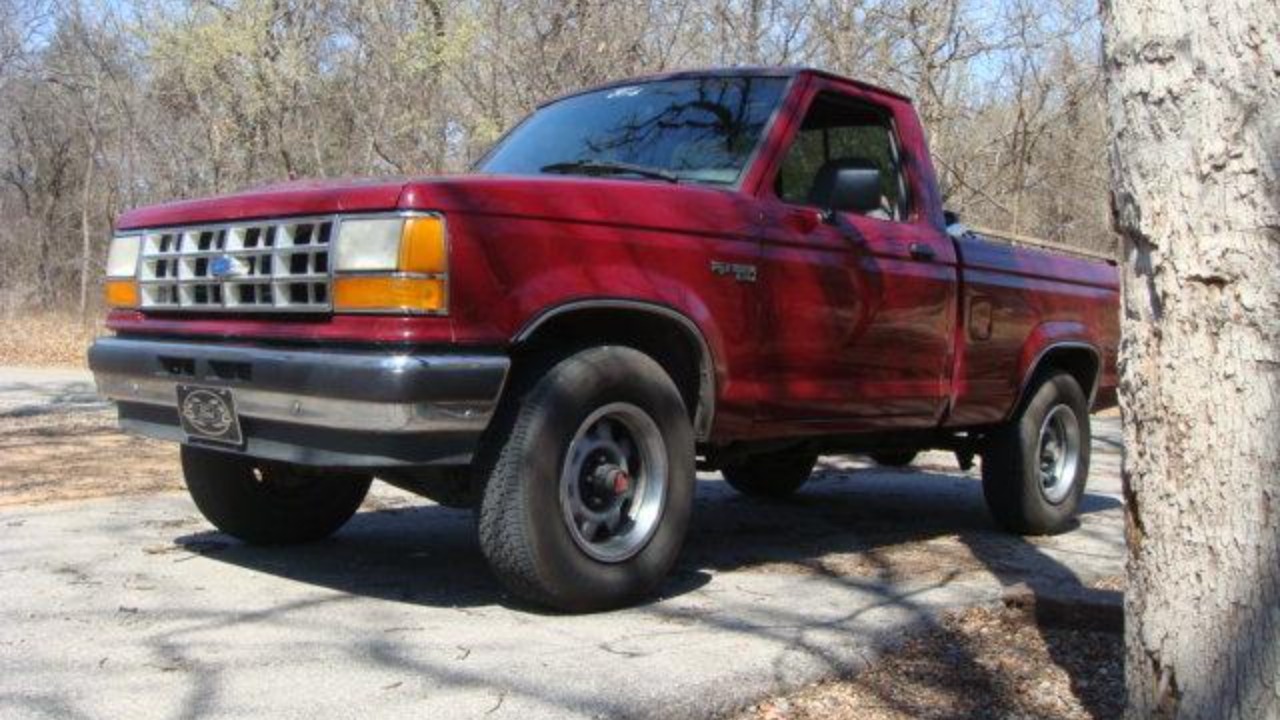
The Ford Ranger proved that durability did not always require a full-size pickup. Its compact dimensions made it easy to maneuver, while its traditional construction allowed it to handle work that would be demanding for many passenger vehicles. Older Rangers were particularly simple, with straightforward engines and drivetrains that could be maintained without excessive complexity. They became common on farms, job sites, and as inexpensive utility vehicles. Their modest size and mechanical simplicity helped many survive long after larger trucks had moved on.
Chevrolet S-10

The Chevrolet S-10 became one of America’s most familiar compact pickups, and that popularity helped establish its reputation as an affordable workhorse. It was small enough for tight spaces but still useful for hauling tools, materials, and recreational equipment. Its engines and mechanical systems were generally straightforward, making repairs accessible to many owners. The S-10 was never designed to compete with heavy-duty pickups, but that was not its purpose. For lighter work and daily utility, its simple construction allowed many examples to remain on the road for years.
GMC Sonoma
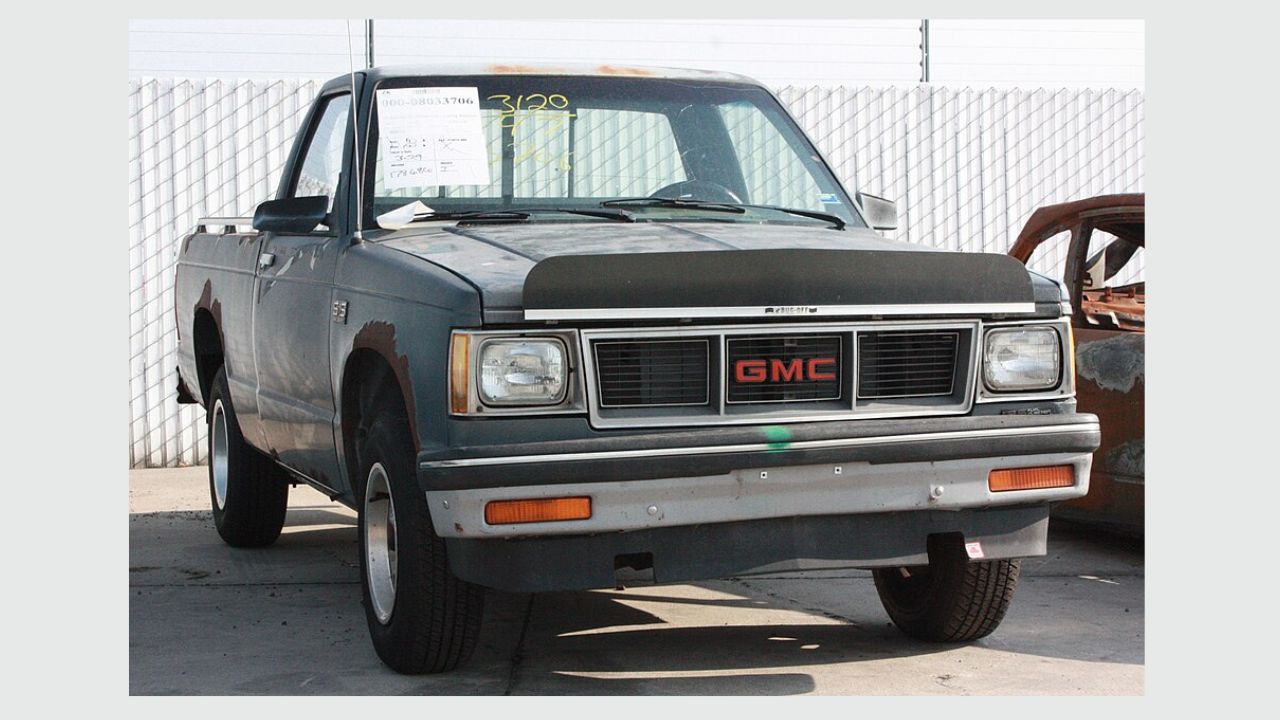
The GMC Sonoma shared much of its basic engineering with the Chevrolet S-10 while offering slightly different styling and trim. Its compact footprint made it useful for people who wanted a practical pickup without the size of a full-size truck. Simple engines and traditional chassis construction contributed to its longevity when properly maintained. Many Sonomas spent years working as service vehicles, shop trucks, and personal haulers. Today, a clean surviving example can be a reminder of when compact pickups were built primarily around straightforward utility.
Dodge Dakota
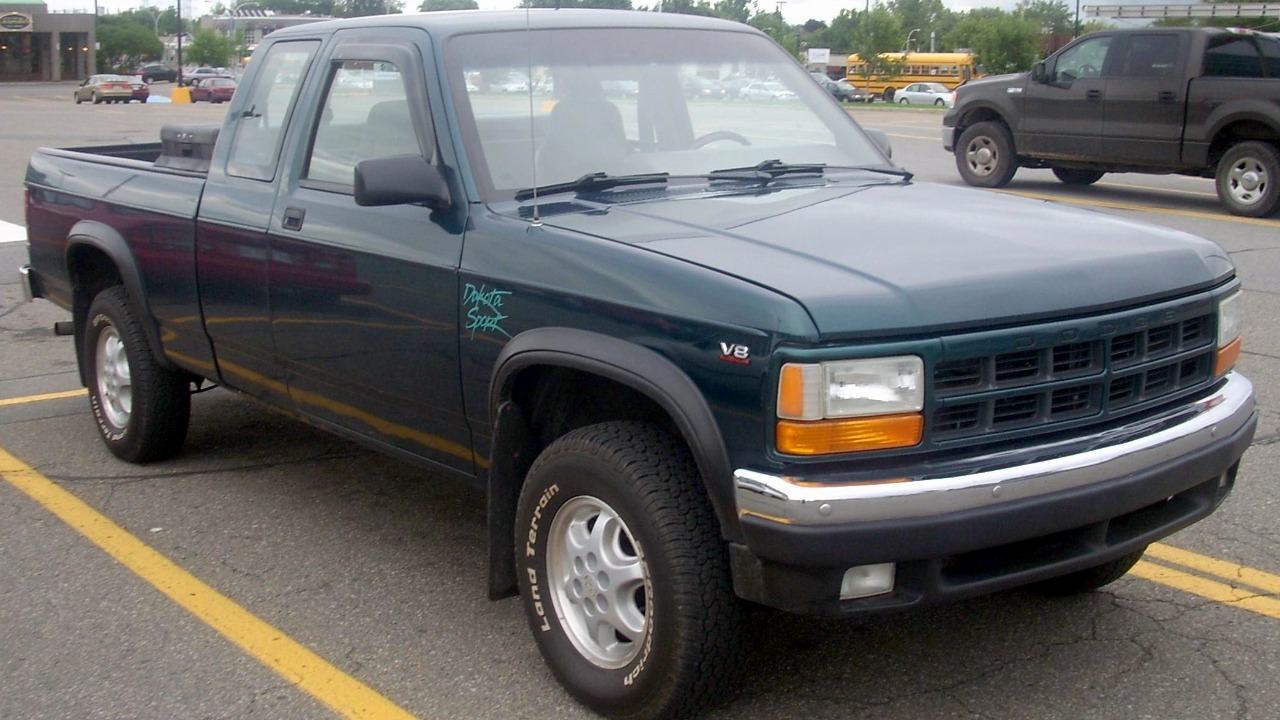
The Dodge Dakota occupied an interesting middle ground between compact and full-size pickups. Its larger dimensions and stronger engine choices gave it more capability than many small trucks without becoming as bulky as a heavy-duty pickup. V8 availability also gave the Dakota an unusual amount of pulling power for its class. The truck’s conventional construction made it practical for everyday work, while its size kept it relatively manageable. Proper maintenance is important with any aging Dakota, but good examples can remain useful long after their original warranties expired.
Chevrolet C/K
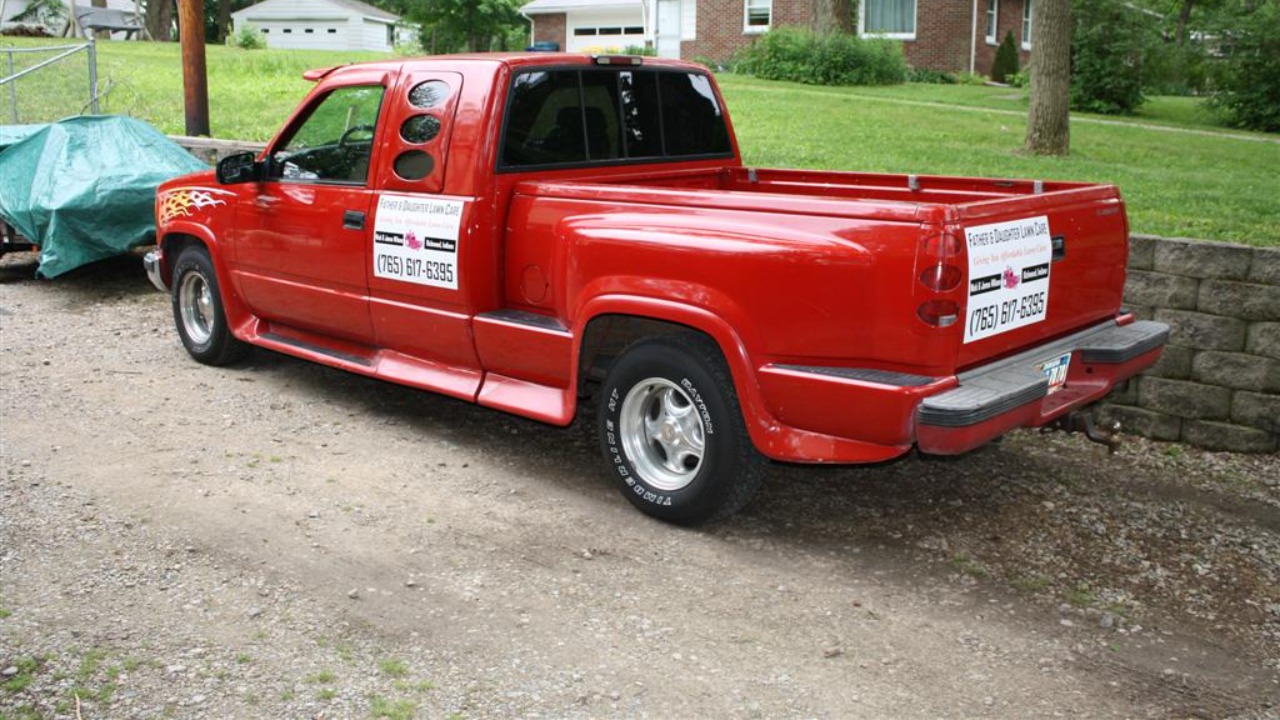
The Chevrolet C/K line established the foundation for generations of dependable Chevrolet pickups. Its traditional body-on-frame construction, durable engines, and wide range of configurations allowed it to serve almost every kind of working customer. These trucks could be found on farms, construction sites, ranches, and in everyday personal use. Their relatively simple mechanical design also meant owners could keep them running without relying on sophisticated electronics. Some have accumulated decades of service, demonstrating why the C/K name remains closely associated with classic American truck durability.
Ford F-150
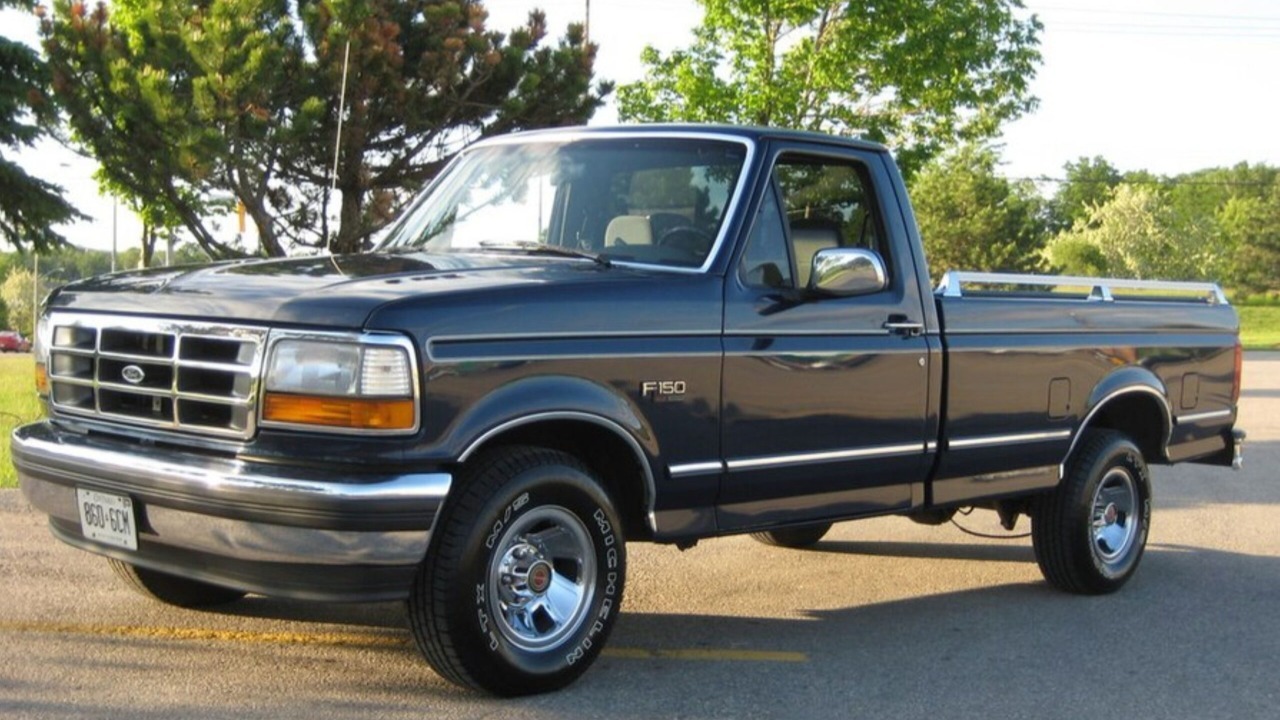
The Ford F-150 became America’s best-known pickup for good reason. It offered a broad range of configurations, engines, and payload capabilities while remaining useful for both work and everyday driving. Older generations were particularly easy to understand mechanically, which helped owners and independent repair shops keep them on the road. Millions were built, so parts and expertise remain widely available for many generations. The F-150 is not indestructible, but its combination of proven engineering, enormous production numbers, and practical design gives it remarkable staying power.
Chevrolet Colorado
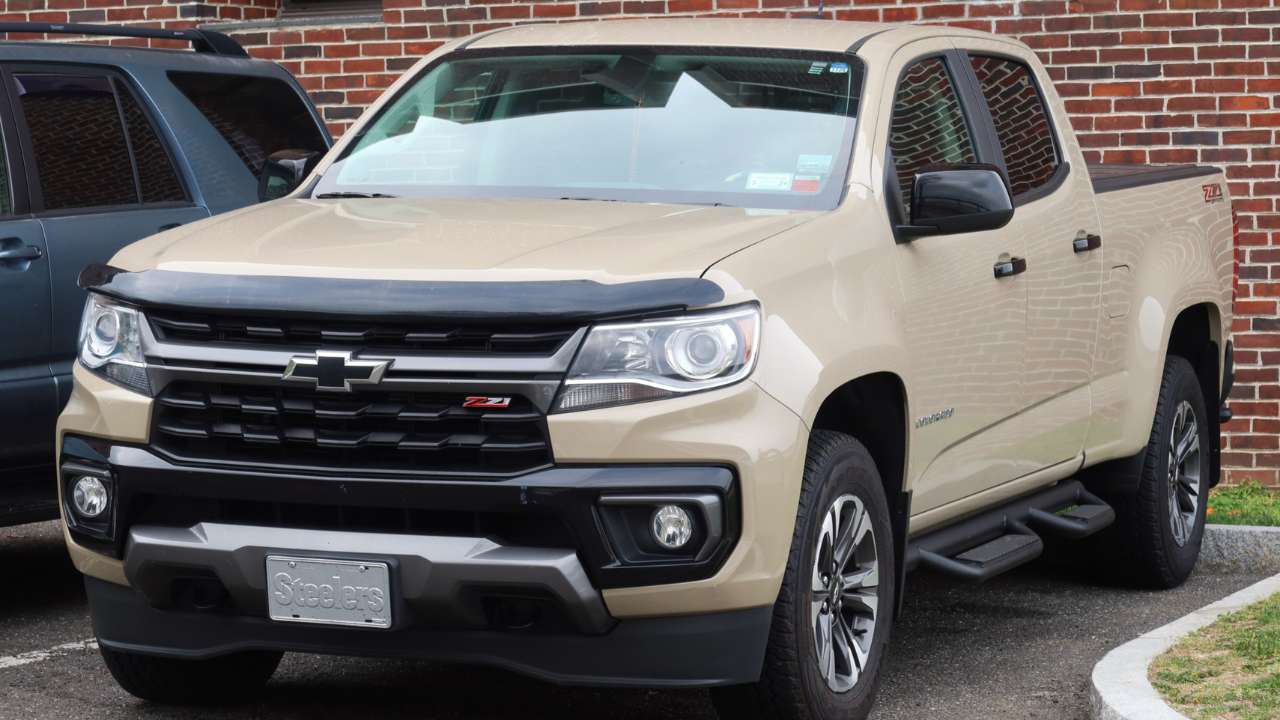
The Chevrolet Colorado brought modern compact and midsize pickup buyers a more manageable alternative to full-size trucks. Later versions offered stronger engines, useful towing capacity, and a more refined driving experience than older compact pickups. Its conventional pickup layout and established powertrain options give it a solid foundation for long-term ownership. Like any modern truck, electronic systems and emissions equipment can become expensive as the vehicle ages, but a properly serviced Colorado can remain a capable daily workhorse for many years.
Ford Bronco Pickup
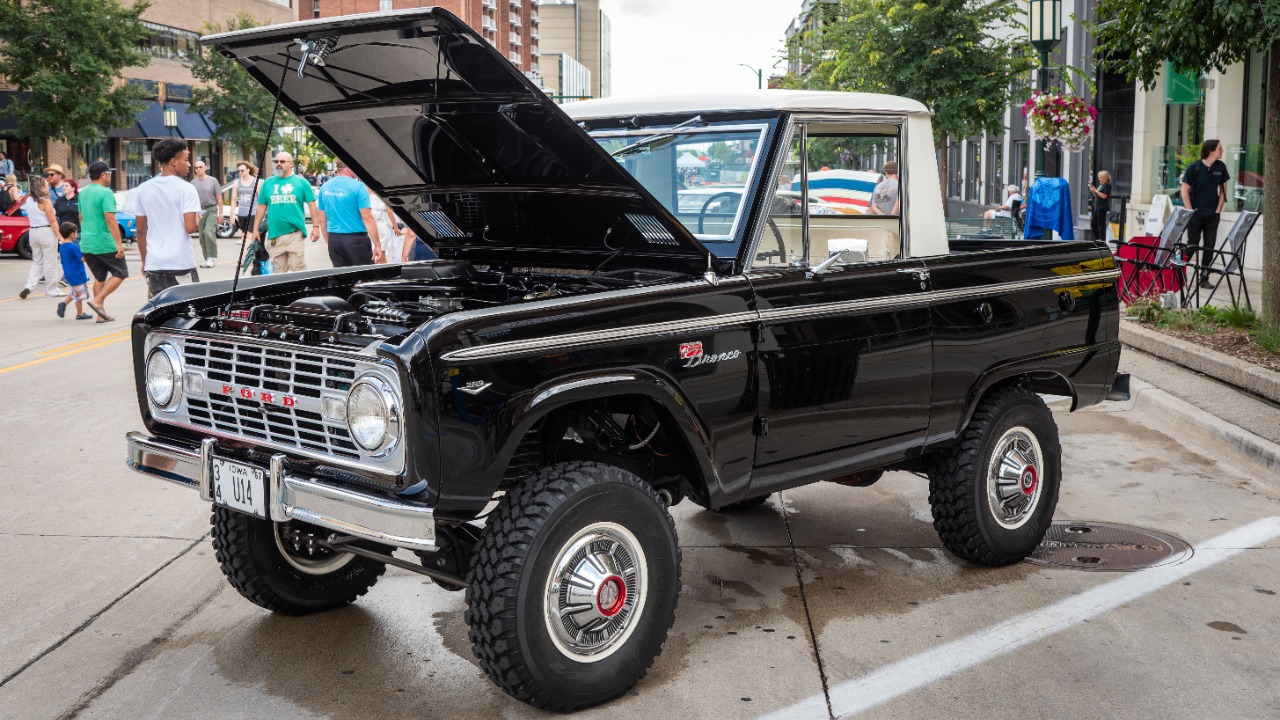
The Ford Bronco pickup-style utility configuration represents the rugged side of Ford’s early off-road vehicles. Although far less common than conventional F-Series pickups, its simple mechanical layout and body-on-frame construction made it well suited to rough environments. The compact dimensions also helped it reach places larger trucks struggled to access. Surviving examples are now uncommon, but their reputation comes from the same practical philosophy that defined many classic American work vehicles: keep the mechanical systems straightforward and make the chassis strong enough to handle hard use.
Jeep Comanche
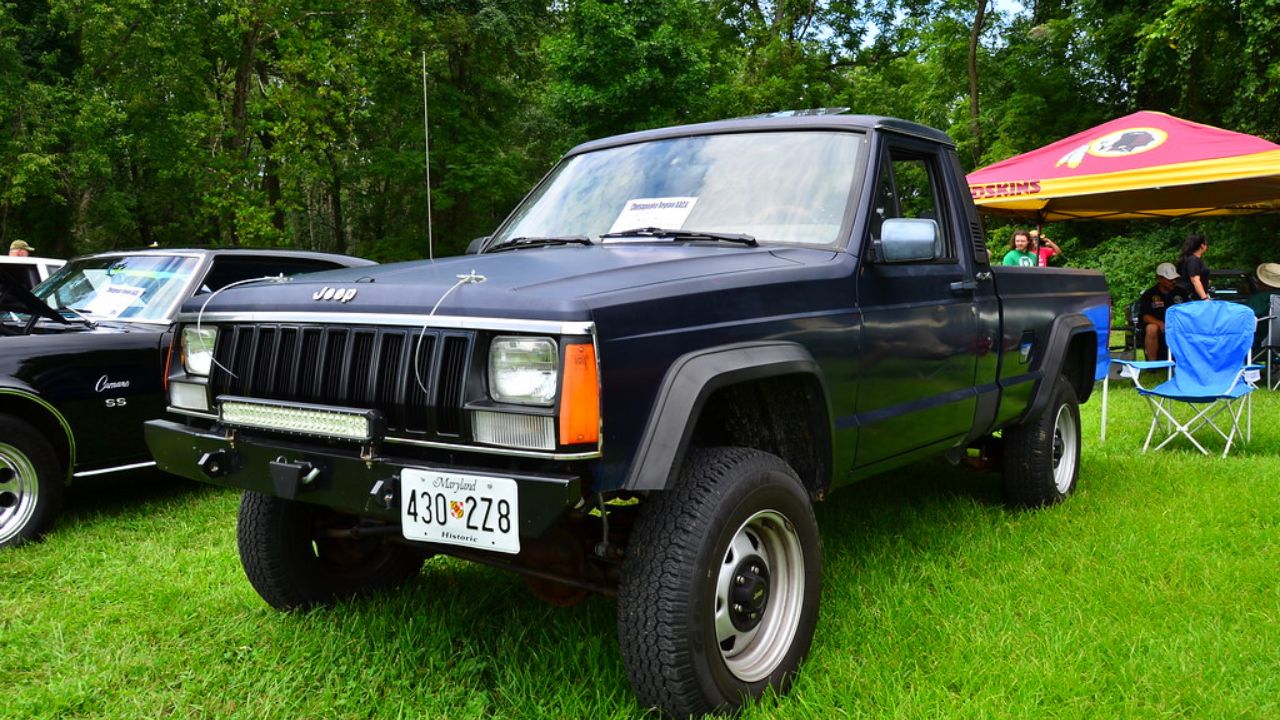
The Jeep Comanche combined compact pickup practicality with the rugged underpinnings of Jeep’s four-wheel-drive tradition. Its unibody construction differed from most traditional pickups, but the truck still offered useful payload capability and genuine off-road ability. Four-wheel-drive versions became especially popular with people who needed a small truck for rough terrain. The Comanche’s limited production compared with mainstream pickups makes surviving examples much less common today. Its combination of manageable size, useful cargo space, and Jeep capability has helped it develop a loyal following among truck enthusiasts.
More from Fast Lane Only
- Unboxing the WWII Jeep in a Crate
- 15 rare Chevys collectors are quietly buying
- 10 underrated V8s still worth hunting down
- Police notice this before you even roll window down
*Research for this article included AI assistance, with all final content reviewed by human editors.